
Spain packs an extraordinary range of experiences into a single country: Gothic cathedrals, Nasrid palaces, turquoise Mediterranean beaches and world-class museums. From Barcelona to Bilbao, from Granada to the Balearics, here are the 20 experiences that travellers rate most highly, organised region by region to help you plan your itinerary. For everything relating to entry requirements, health and insurance before you leave, visit our Spain travel insurance page.
Insure my trip to SpainBarcelona and Catalonia
Four sites alone make a trip to Catalonia worthwhile. Barcelona is home to Antoni Gaudí’s masterpieces, while the mountain of Montserrat rises less than an hour from the city.
1. The Sagrada Família
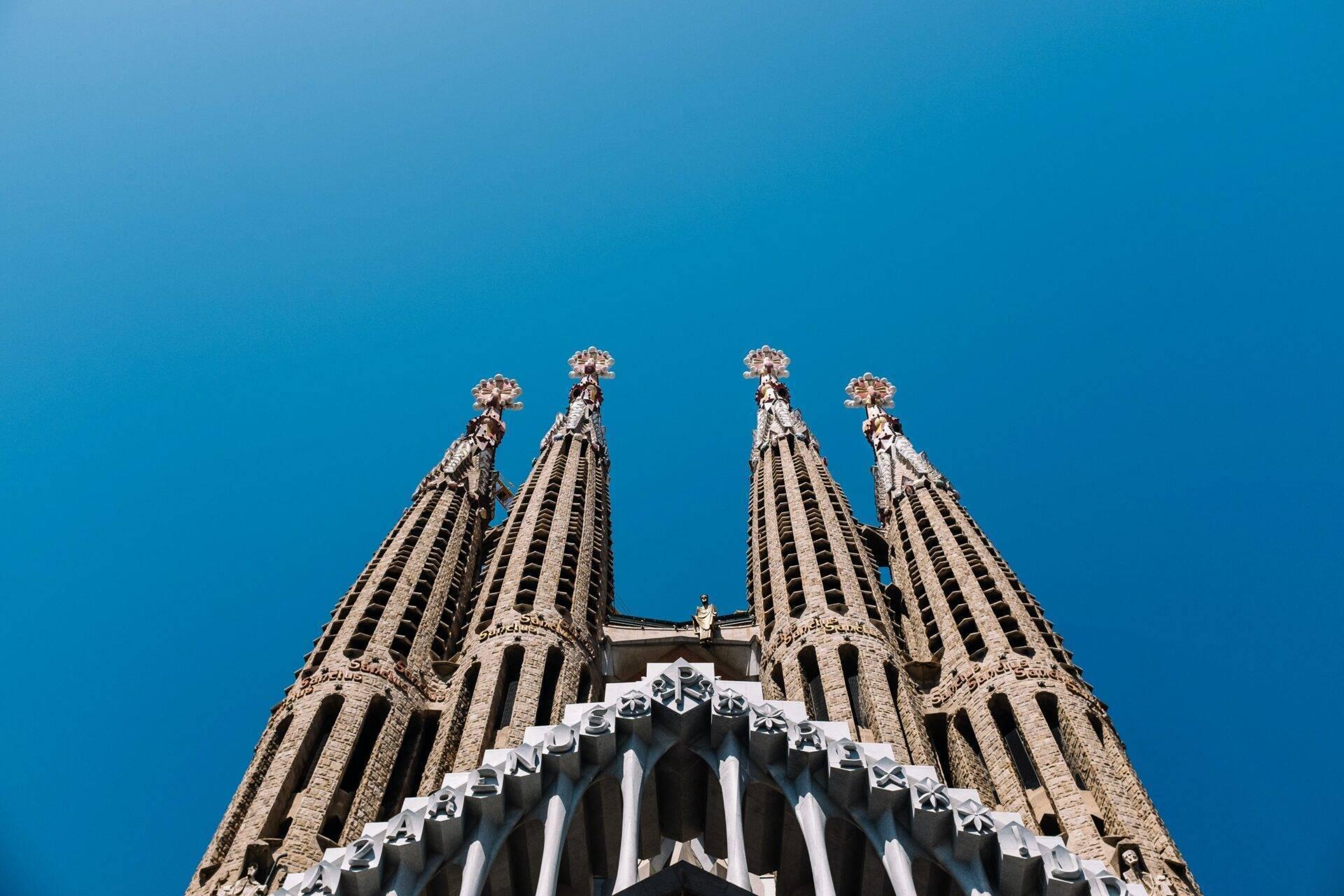
Gaudí’s basilica, under continuous construction since 1882, reached a historic milestone on 10 June 2026: the Tower of Jesus Christ, standing 172.5 metres tall, was inaugurated and blessed by Pope Leo XIV on the exact centenary of Antoni Gaudí’s death. The Sagrada Família is now the tallest Christian church in the world and Spain’s most visited paid monument. Its 18 towers represent Jesus, the Virgin Mary, the four Evangelists and the twelve Apostles. Inside, tree-like columns support a vaulted ceiling bathed in coloured stained glass that shifts dramatically in character as the day progresses. Book your tickets on the official website several weeks in advance – tower slots sell out extremely quickly.
To explore Barcelona’s other neighbourhoods and museums, our guide to things to do in Barcelona will help you plan your stay.
2. Park Güell
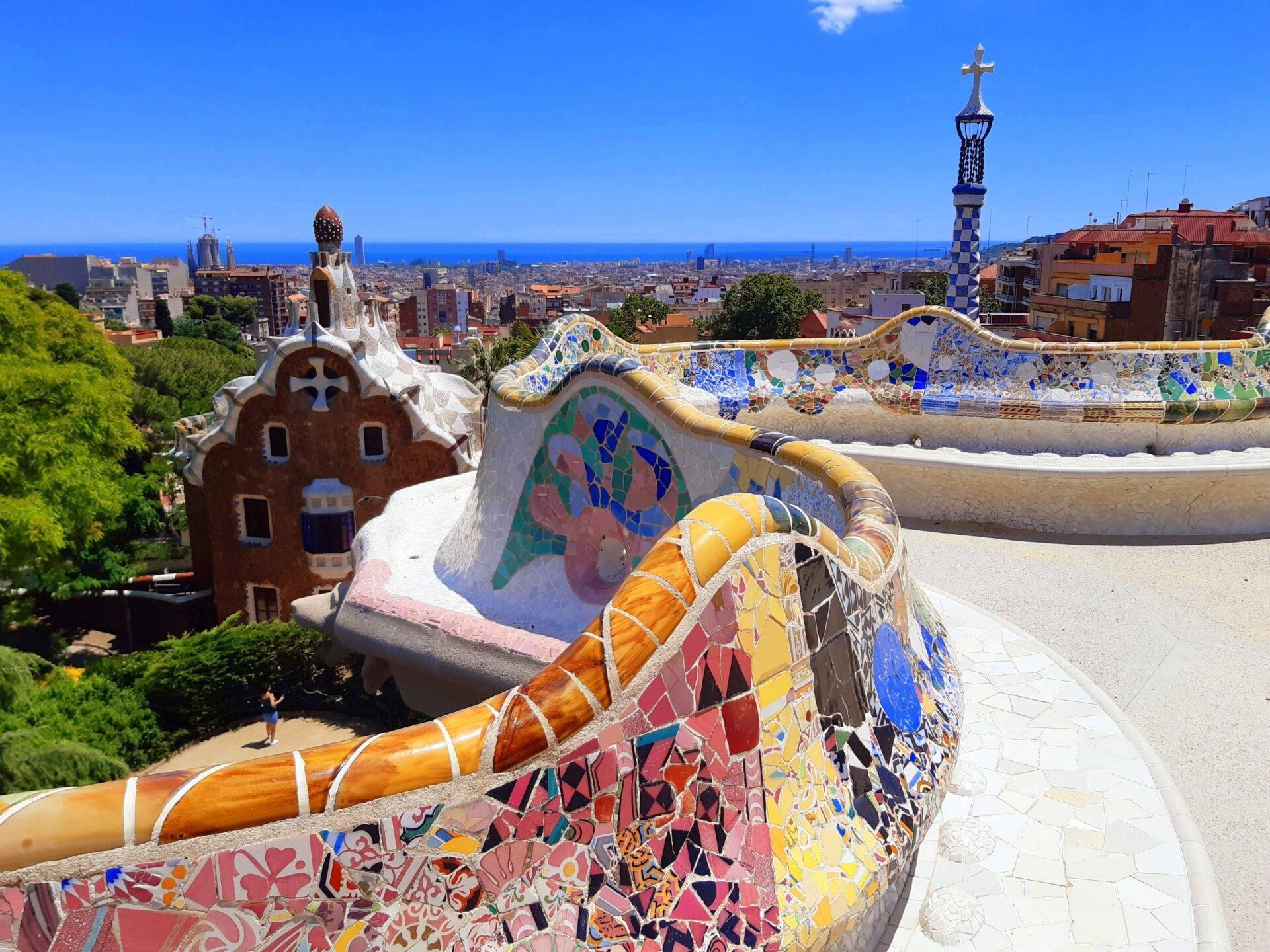
On the Carmel hill, Park Güell unfolds its sinuous benches covered in broken ceramic mosaics, its leaning colonnades and its terrace with a panoramic view over Barcelona and the Mediterranean. Listed as a UNESCO World Heritage Site among Gaudí’s seven creations in Barcelona, the park limits access to the monumental zone through timed entry slots that must be booked online. Come early in the morning or late in the afternoon to enjoy the space and the light without the crowds.
3. La Rambla and the Gothic Quarter
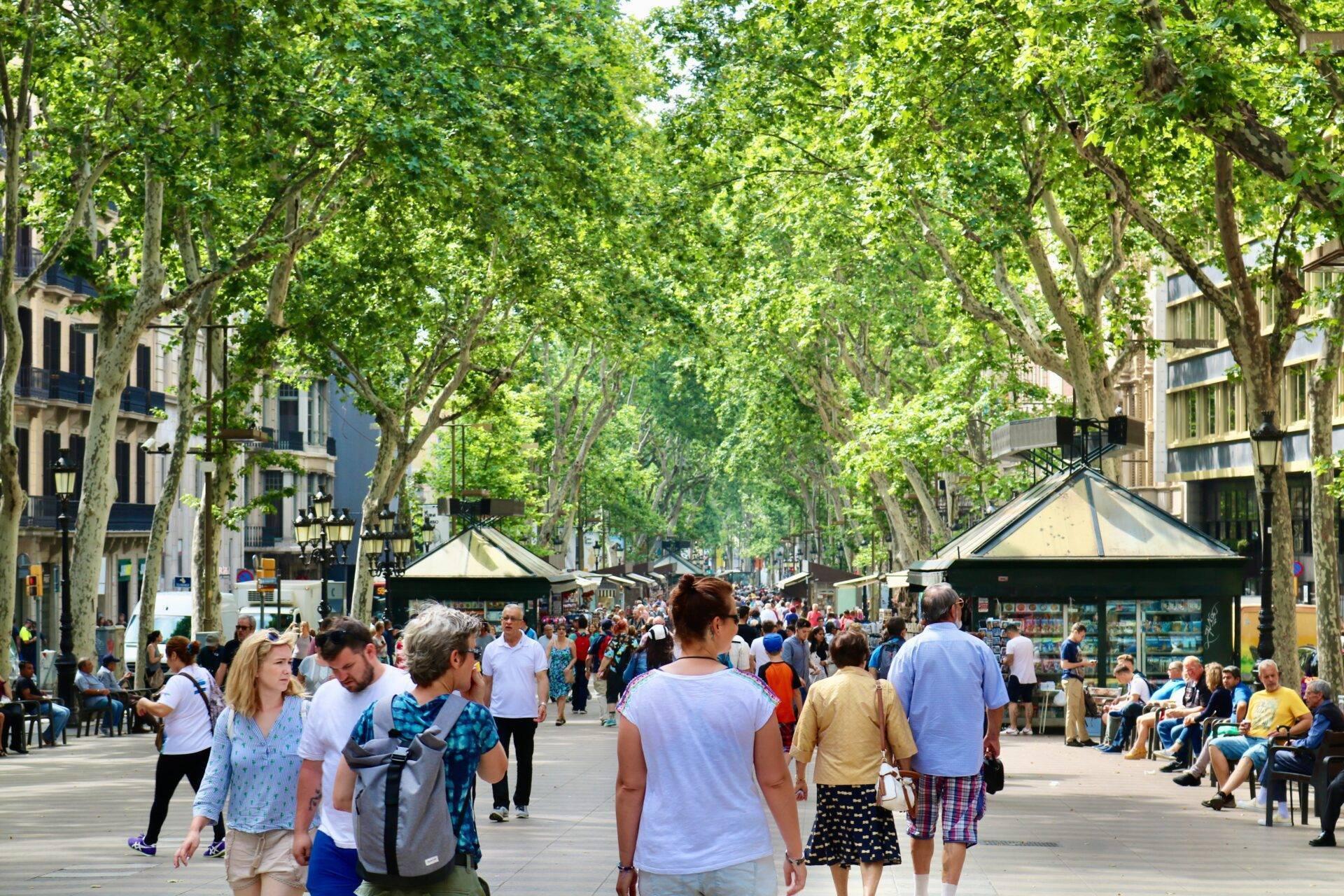
La Rambla runs from Plaça de Catalunya to the old port over just over a kilometre. Lined with plane trees, it passes the Boqueria market and opens onto the maze of medieval lanes in the Barri Gòtic. It is one of the busiest thoroughfares in Europe. Stay alert to pickpockets, and extend your walk into the parallel streets, which are often quieter but just as steeped in history.
4. Montserrat, Catalonia’s Sacred Mountain
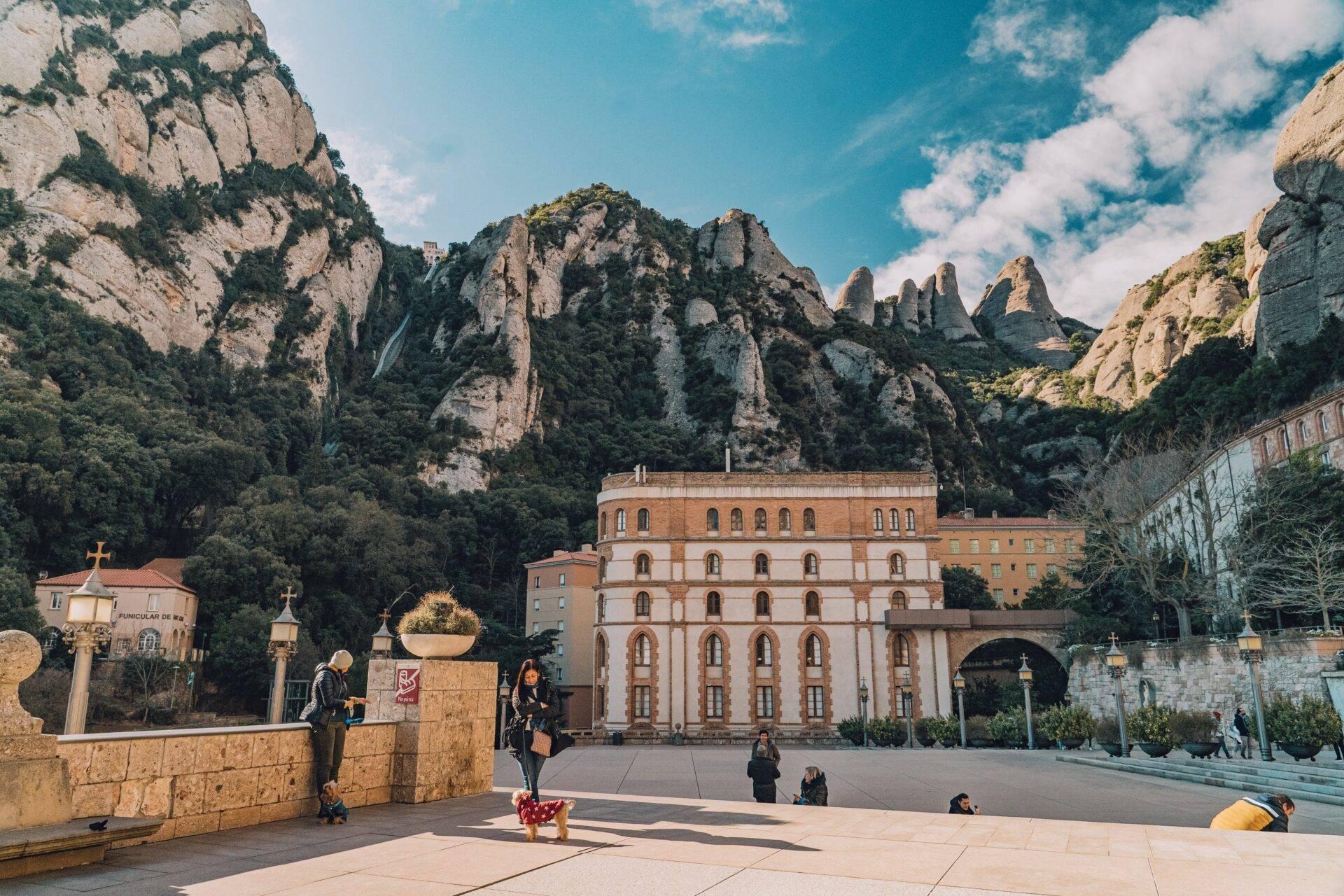
Fifty kilometres from Barcelona, the Montserrat massif raises its pink conglomerate spires to 1,236 metres. The Benedictine monastery, founded in 1025 by Abbot Oliba, houses the Moreneta – a carved wooden statue of the Virgin dating from the 12th century and the patron saint of Catalonia. The Escolania, one of the oldest boys’ choirs in Europe, performs here several times a week. The site is accessible by FGC train from Plaça Espanya station in Barcelona, then by cable car or rack railway. Entry to the basilica is free; the museum and the Virgin’s throne are ticketed.
Madrid and Castile
The Spanish capital brings together three world-class museums within a few hundred metres of each other. Less than two hours away by high-speed train, Segovia extends the journey with an almost intact Roman aqueduct.
5. The Prado Museum
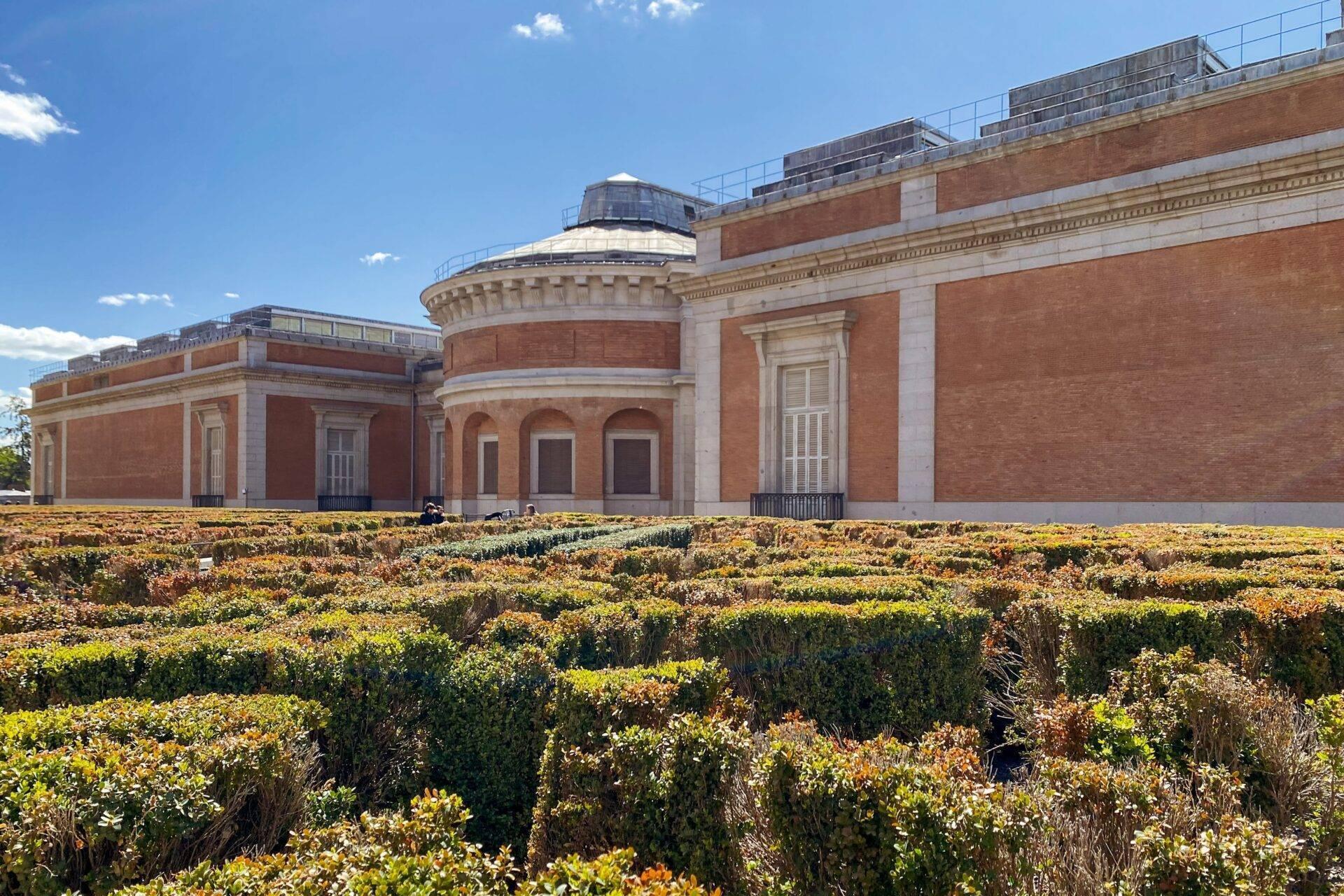
The Prado displays around 3,000 paintings in the Palacio de Villanueva, an 18th-century Neoclassical palace. The collections are remarkable in their depth: 48 Velázquez canvases (including Las Meninas from 1656, in Room 36), 130 Goya works and major holdings of Hieronymus Bosch, Rubens and Titian. Allow at least two hours for a highlights tour, or a full day for a thorough visit. Tickets bought online help you skip the entrance queues.
Our guide to things to do in Madrid also covers the best neighbourhoods, markets and restaurants in the capital.
6. The Royal Palace of Madrid
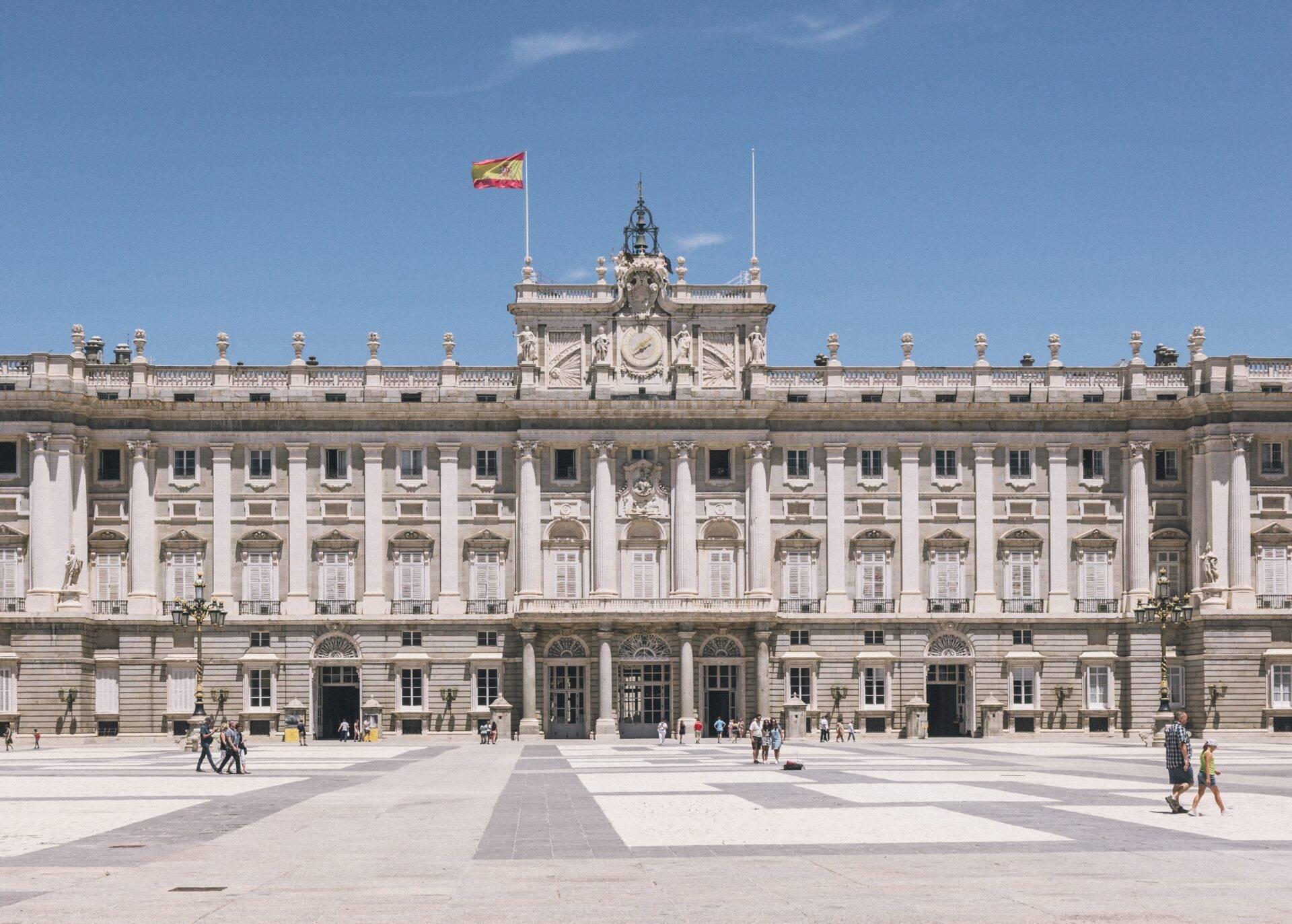
The Palacio Real is the official residence of the Spanish monarchy. Built in the 18th century on the site of an earlier Alcázar destroyed by fire, it contains more than 3,000 rooms. A portion is open to the public: state rooms, the throne room, the royal armoury and the library. The Jardines de Sabatini at the rear, and the Campo del Moro gardens below, offer fine views of the main facade.
7. Plaza Mayor, Madrid
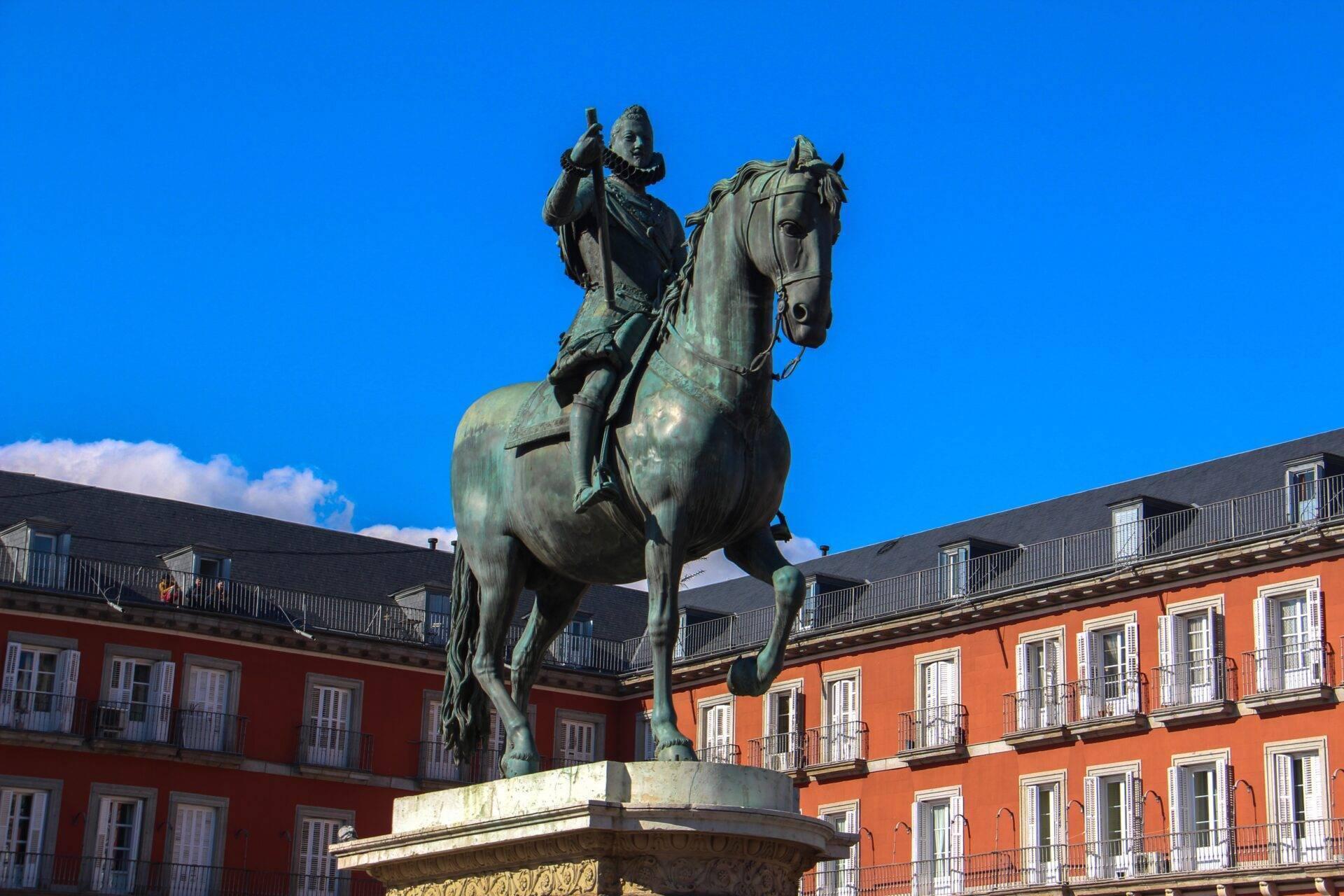
Plaza Mayor has been Madrid’s historic heart since the 17th century. Its red-brick facades, nine arched gateways and colonnaded walkways make it one of the most imposing squares on the Iberian Peninsula. The bronze equestrian statue of Philip III, cast in 1616, stands at its centre. Today the square hosts lively cafe terraces and a hugely popular Christmas market every December. From Plaza Mayor, the Habsburg quarter and its medieval lanes are easily explored on foot.
8. The Roman Aqueduct of Segovia
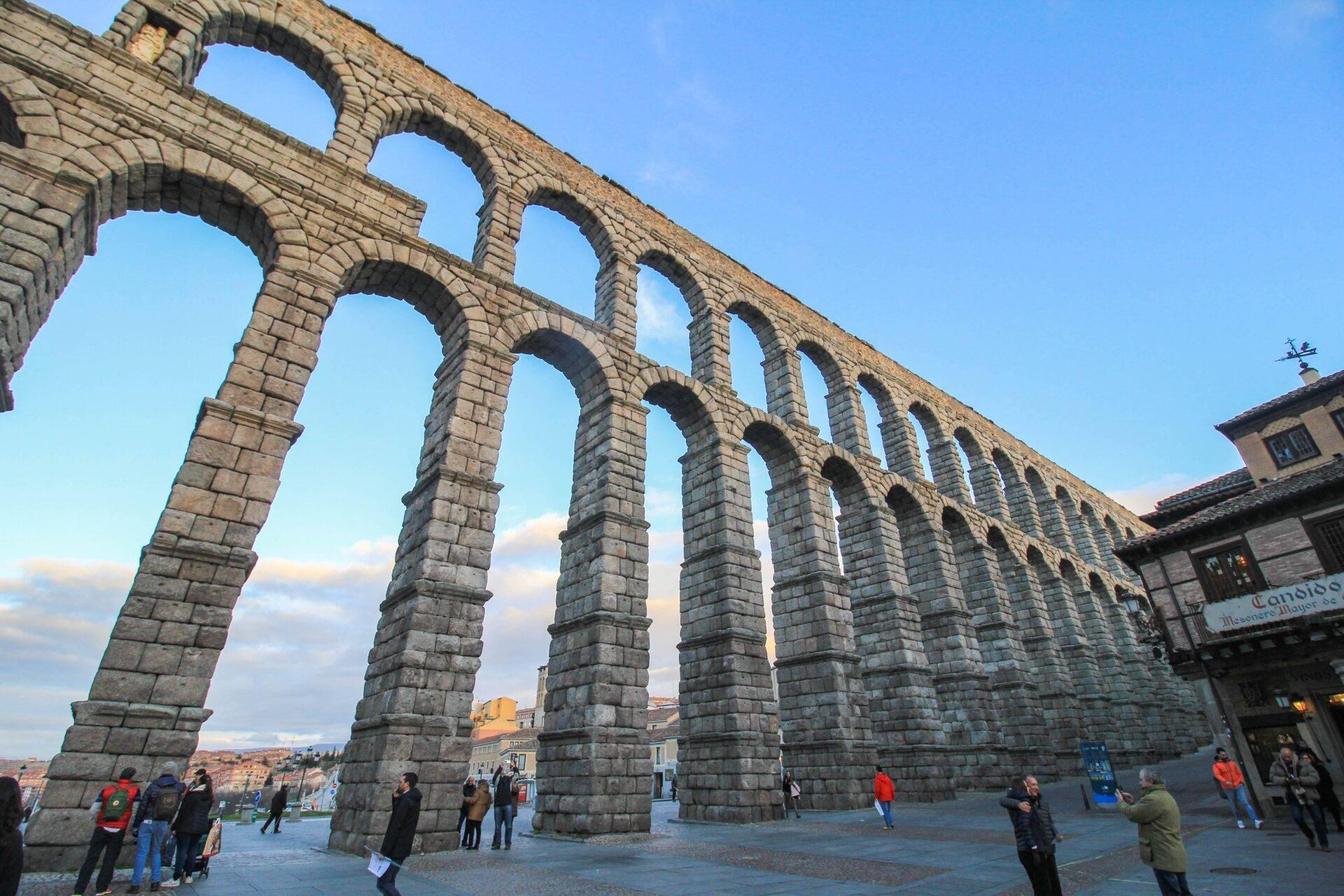
Built around the 1st century AD, the Segovia aqueduct supplied the city with water from the Sierra de Guadarrama until 1973. Its elevated section – 167 granite arches assembled without mortar over 813 metres – is one of the best-preserved Roman hydraulic structures in the world. The old city of Segovia and its aqueduct have been a UNESCO World Heritage Site since 1985. The city is less than an hour from Madrid by high-speed train.
Two Exceptional Cities
9. Salamanca, the Golden City
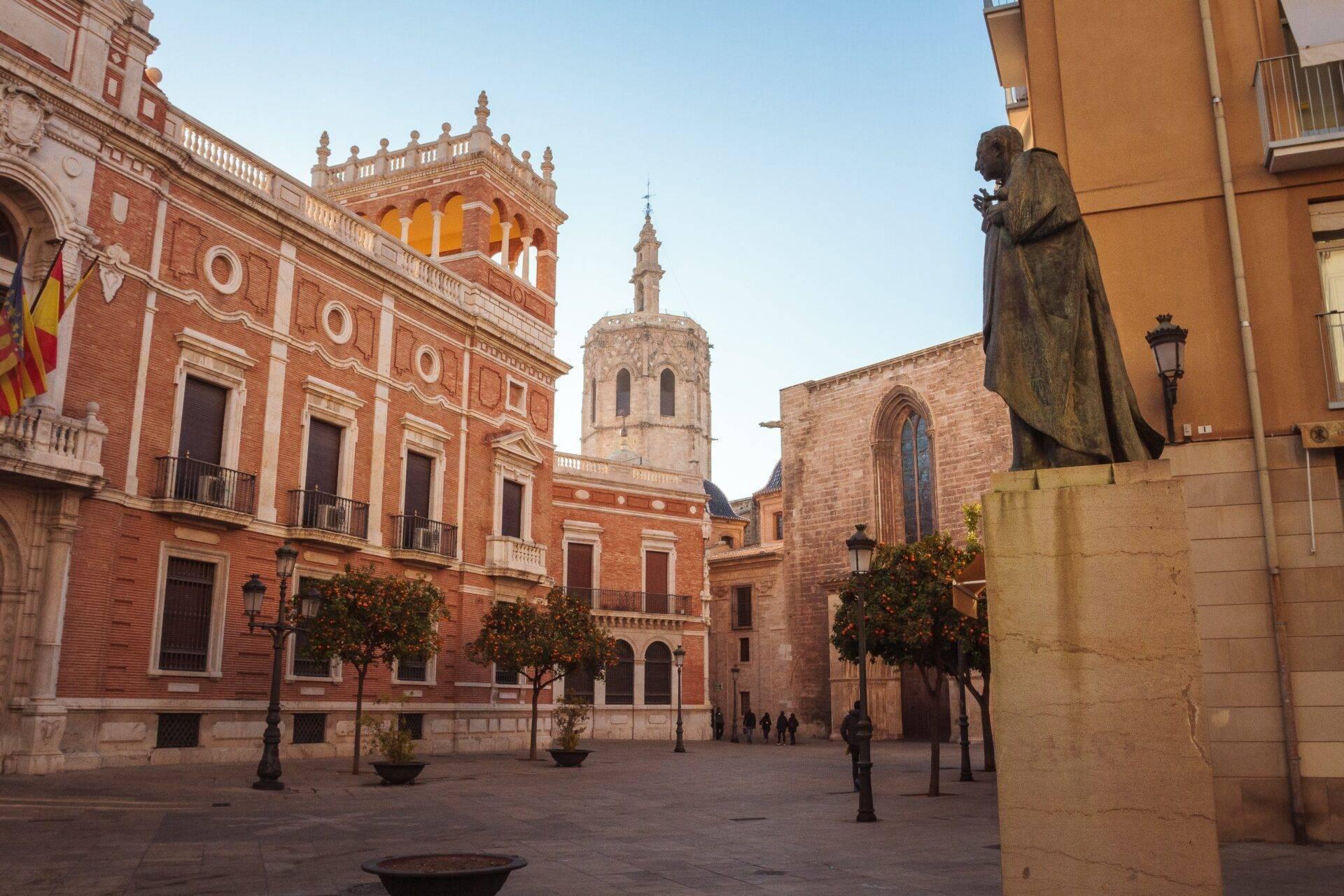
Salamanca takes its nickname from Villamayor stone, a local limestone that gives its facades a warm caramel tone that glows at sunset. Plaza Mayor, built between 1729 and 1755 by Alberto de Churriguera, is a masterpiece of Castilian Baroque: 88 arcades and sculpted medallions bearing the likenesses of Spain’s kings, Christopher Columbus and Cervantes. The historic centre has been a UNESCO World Heritage Site since 1988. Salamanca can be visited as a day trip from Madrid (around two hours by train), or deserves an overnight stay to soak up its student atmosphere and wander its lanes at dusk.
10. Valencia and the City of Arts and Sciences
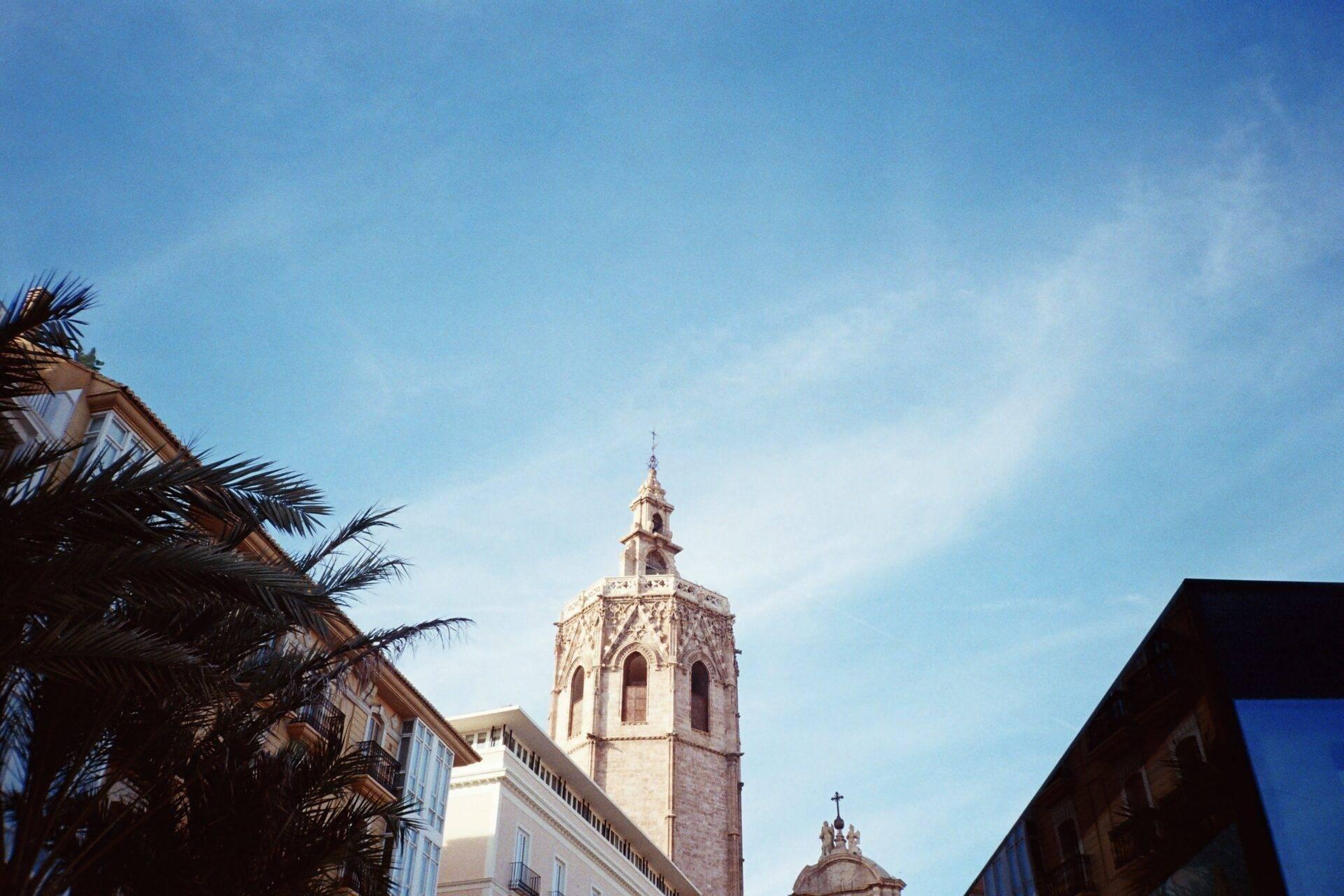
Valencia, Spain’s third-largest city, is often overlooked by travellers in a hurry. Its historic centre is packed with cathedrals, palaces and bustling covered markets, with bell towers and Baroque facades framed by palm trees that speak to the mild Mediterranean climate. The City of Arts and Sciences – a futuristic complex designed by Santiago Calatrava and Félix Candela on the former bed of the Turia river – brings together an opera house, an aquarium, a planetarium and a science museum. The Valencia region is also the birthplace of paella: rice Valenciana-style, with chicken, rabbit and green beans, and no seafood in the original recipe.
Andalusia
Granada, Seville and their surroundings form the historic heart of Andalusia. The villages of Las Alpujarras, at the foot of the Sierra Nevada, open a third, more hidden route into the region.
11. The Alhambra, Granada
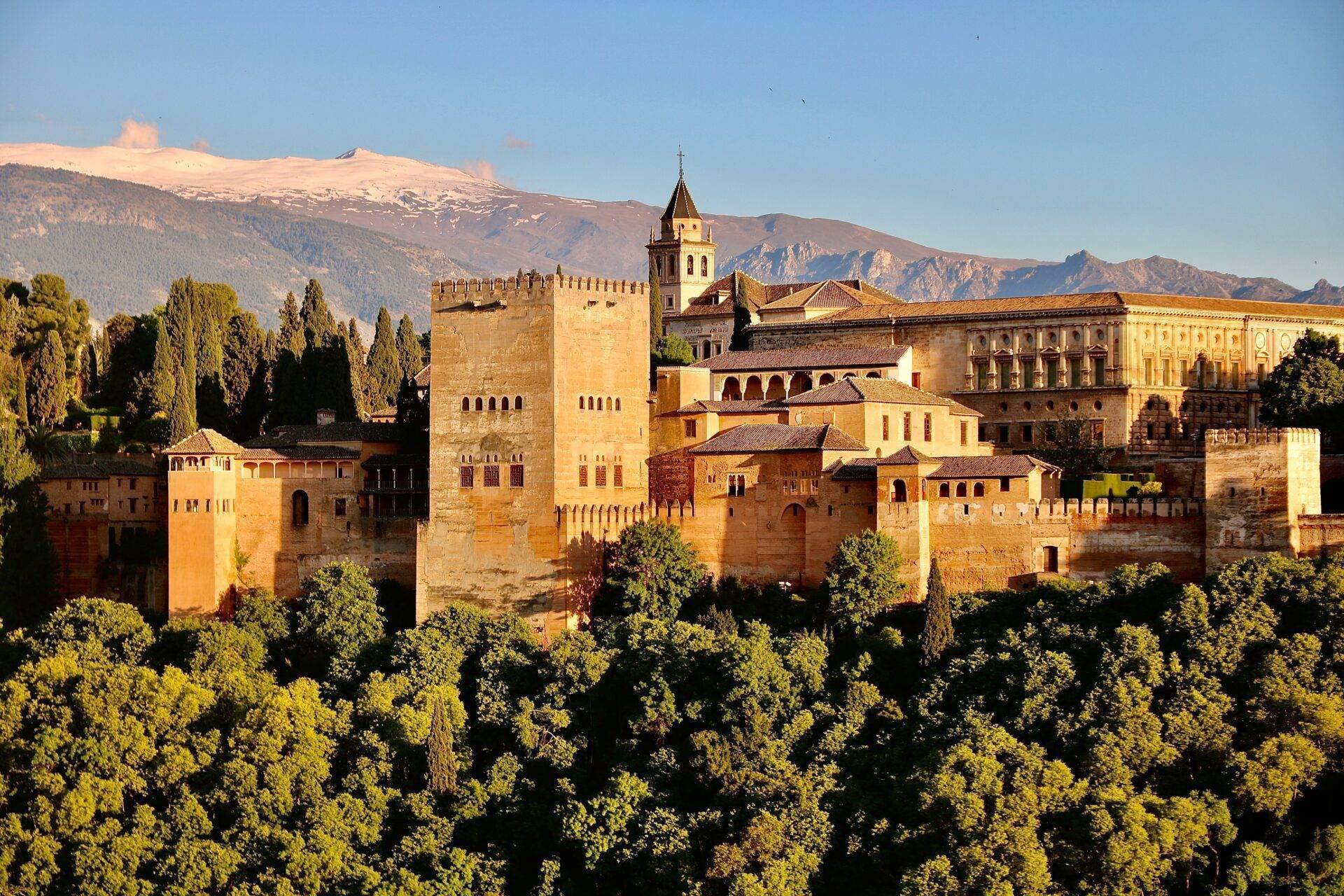
Construction of the Alhambra began in 1238 under Muhammad I, founder of the Emirate of Granada. The Nasrid palaces – with their courtyard pools, stucco muqarnas and Quranic inscriptions carved into the walls – rank among the finest achievements of medieval Islamic architecture. The view from the Alcazaba fortress over the city of Granada and the snow-capped Sierra Nevada is one of the most breathtaking panoramas in Spain. Tickets for the Nasrid Palaces sell out extremely quickly: book on the official website several weeks ahead, especially from April to September.
12. Seville Cathedral and the Giralda
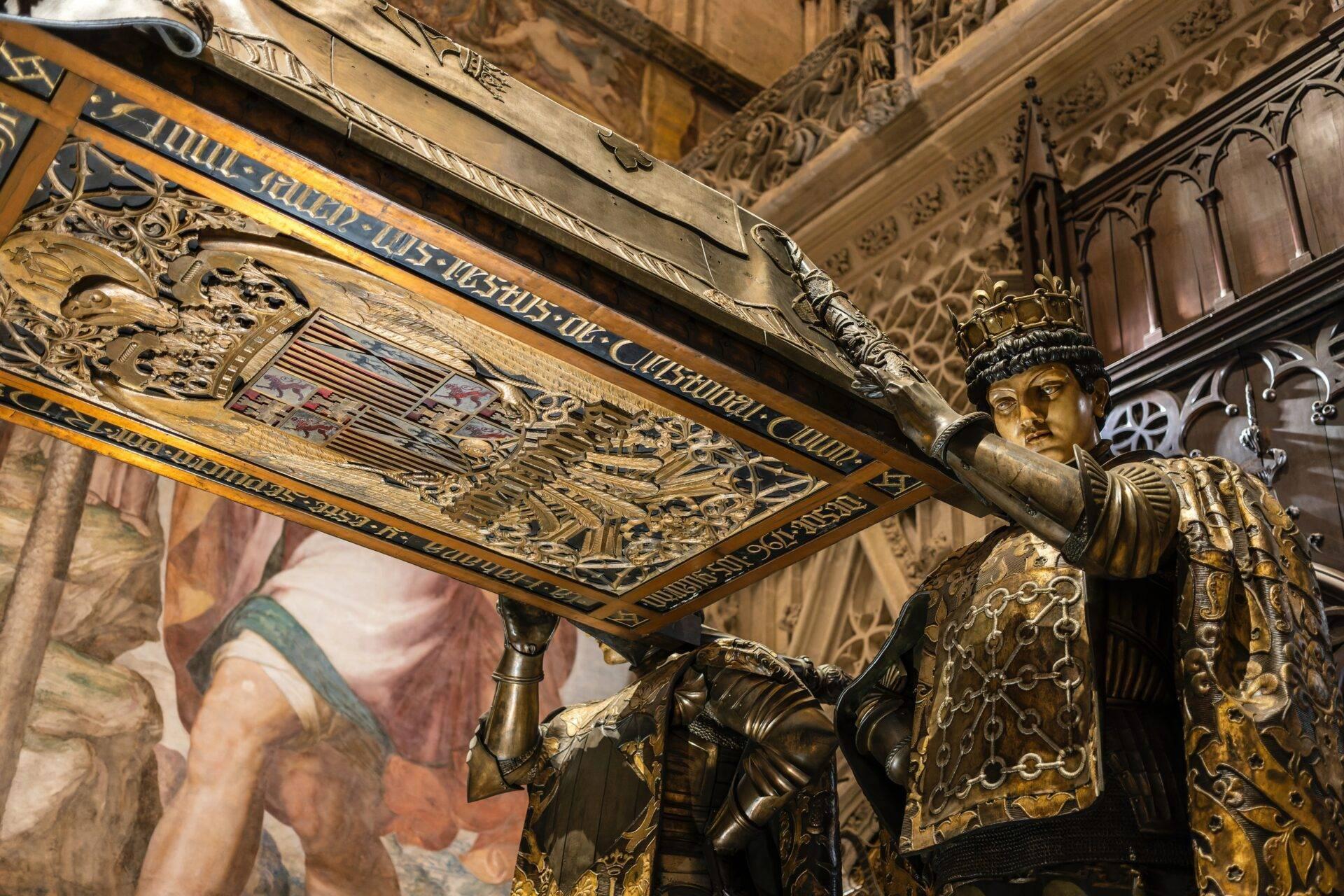
Seville Cathedral is the largest Gothic cathedral in the world, listed as a UNESCO World Heritage Site alongside the Alcázar and the Archivo de Indias. Built on the site of a former Almohad mosque, it retains the Giralda – the original 12th-century minaret converted into a bell tower. The ascent to the top is via a ramp rather than stairs, making it accessible to almost everyone. The royal chapel houses the tomb of Christopher Columbus.
13. The Art of Azulejos
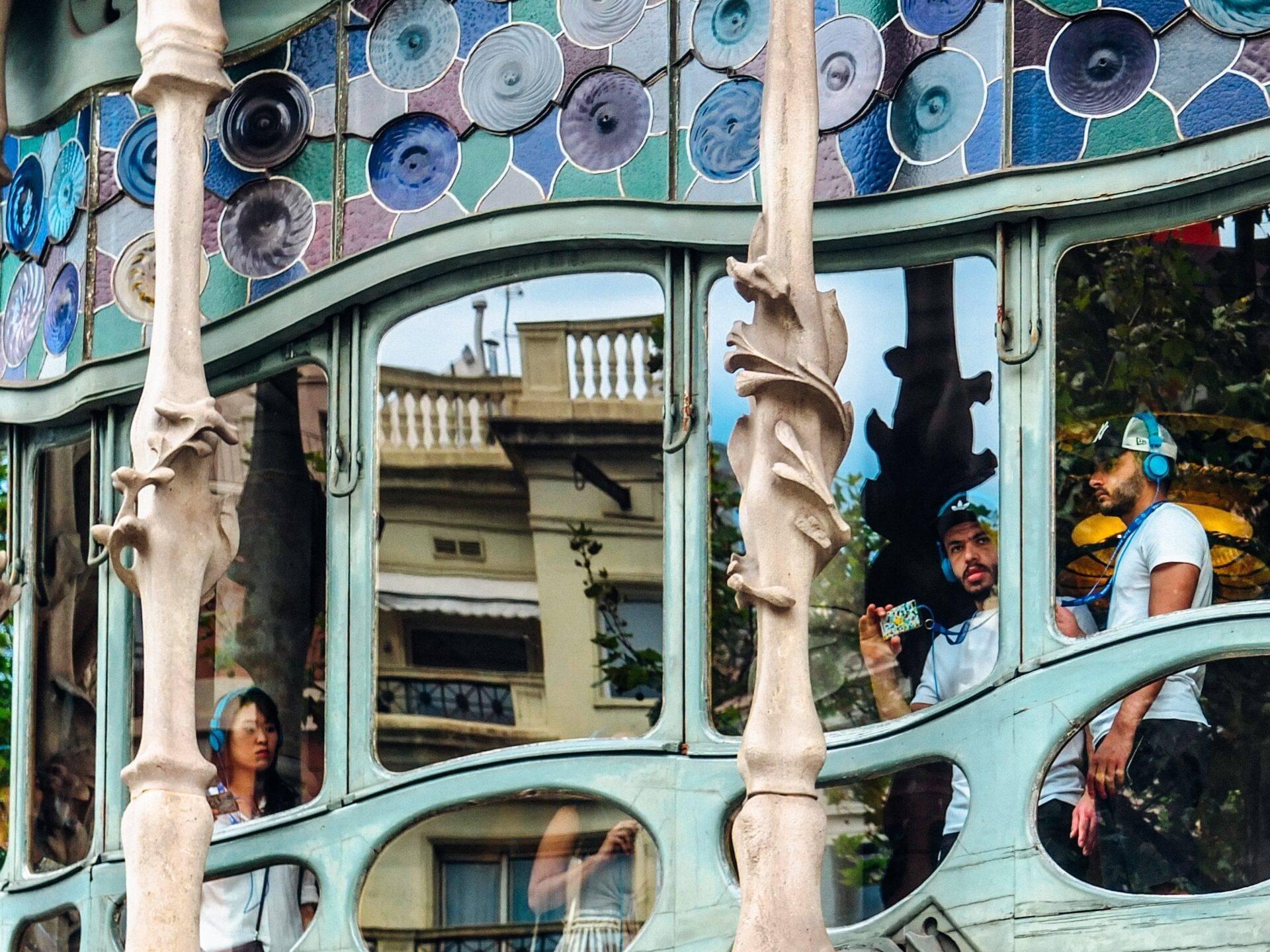
Azulejos – hand-painted ceramic tiles inherited from Moorish tradition – line facades, inner courtyards and garden benches throughout Andalusia. In Seville, Plaza de España is the most spectacular example: niches of azulejos representing each Spanish province stretch along a horseshoe-shaped canal 200 metres long. The Santa Cruz quarter, with its flower-filled patios and glazed walls, shows how this decorative art still shapes Seville’s civic architecture today.
14. Las Alpujarras and the Sierra Nevada
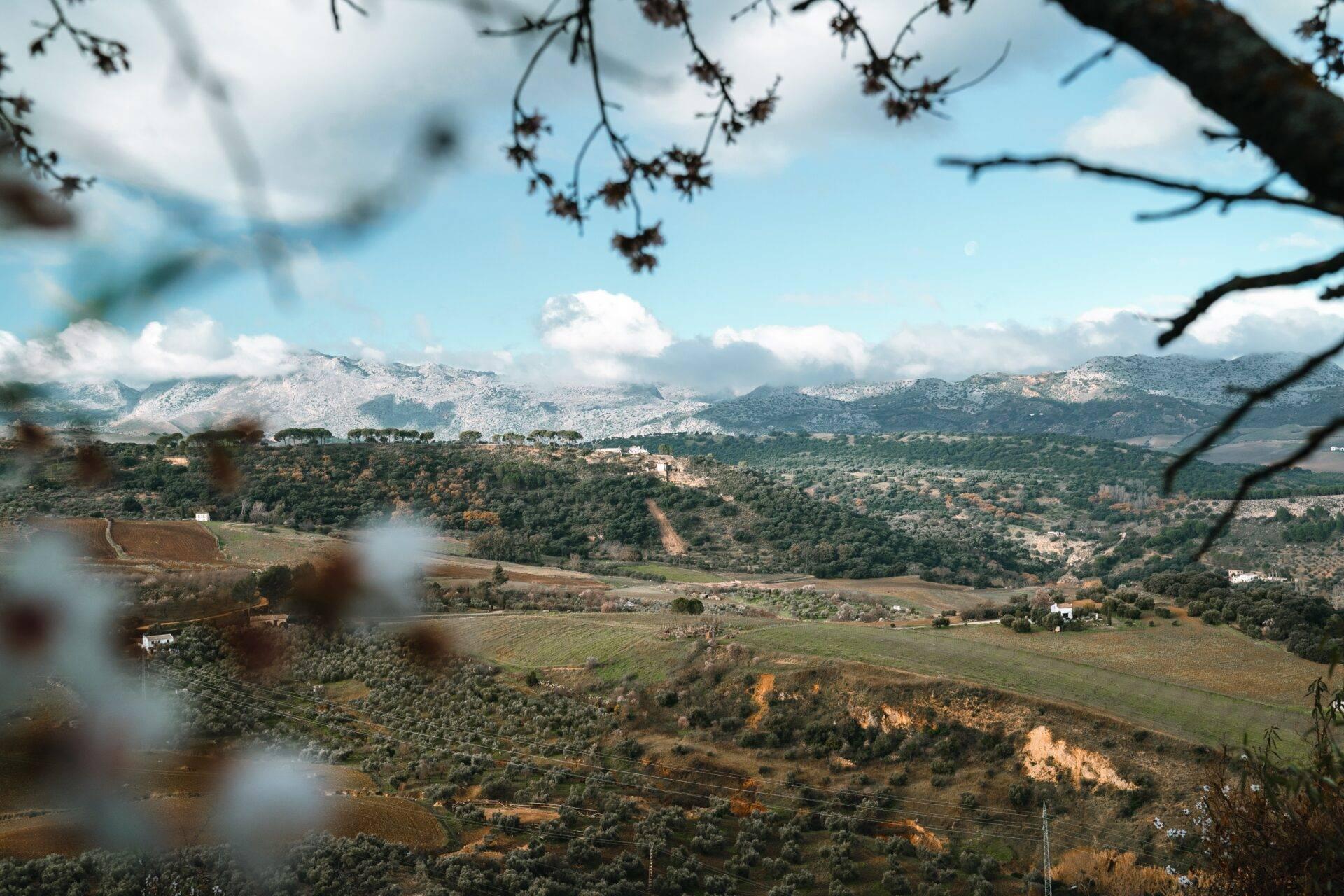
South of Granada, Las Alpujarras unfolds its flat-roofed white villages – a legacy of Berber architecture – among terraces of chestnut and olive trees. The Sierra Nevada peaks at Mulhacén, 3,479 metres above sea level, the highest point on the Iberian Peninsula. In winter, the Sierra Nevada ski resort is the southernmost in continental Europe. In summer, hiking trails cross strikingly varied landscapes, from cool highland forests to whitewashed hilltop villages: a perfect itinerary for those who want to step well off the beaten track.
The Basque Country
The northern coast of Spain offers a completely different atmosphere: lush greenery, soft rain, outstanding architecture and internationally renowned gastronomy make it one of the most rewarding regions to explore.
15. The Guggenheim Museum Bilbao
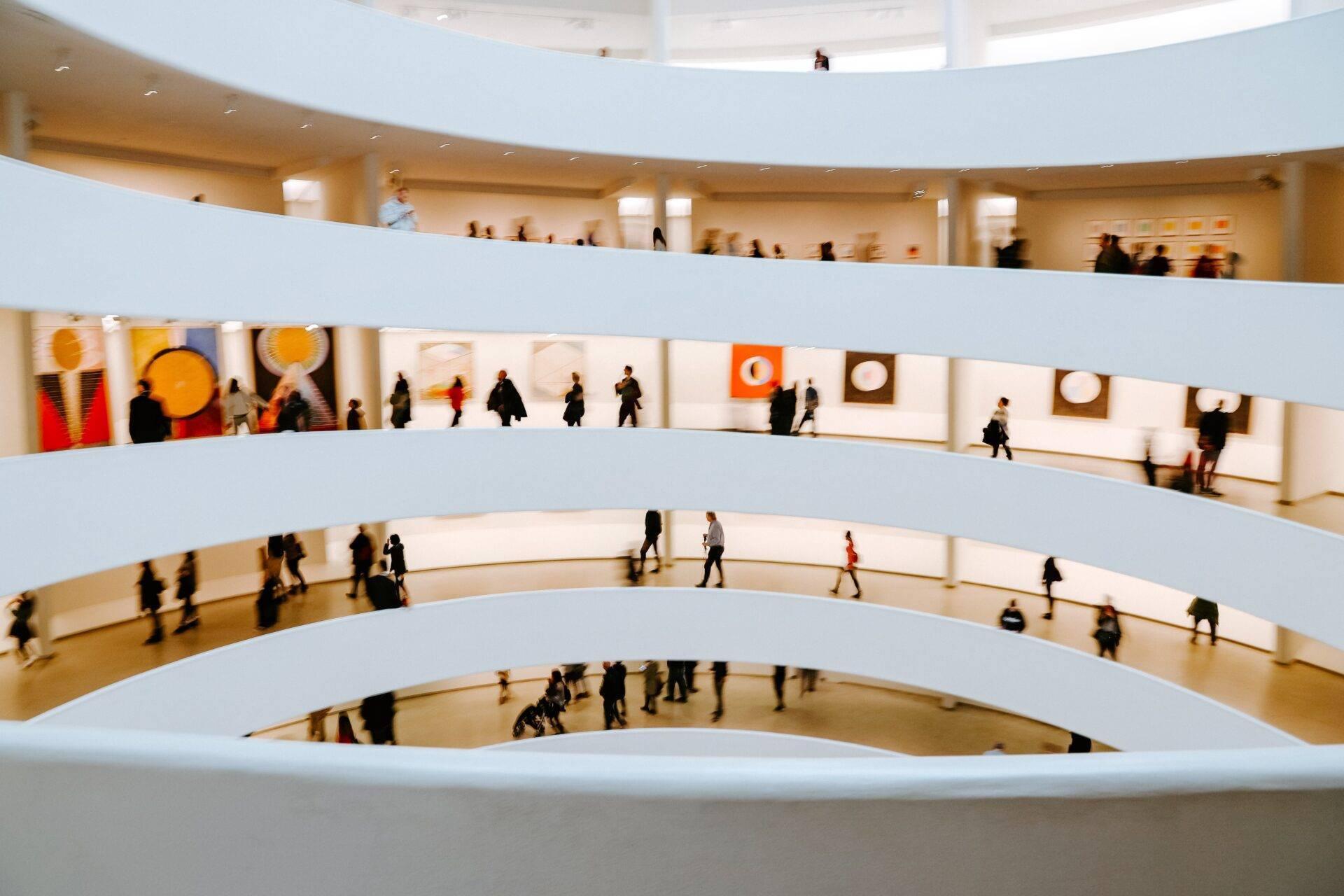
Inaugurated on 18 October 1997, Frank Gehry’s Guggenheim Bilbao is one of the most photographed buildings of the 20th century. Its structure of brushed titanium curves reflects light differently at every hour of the day. The museum covers 24,000 sq m in total, with 11,000 sq m of exhibition space across 19 galleries, housing permanent collections and temporary international contemporary art shows. Its opening transformed Bilbao’s image so completely that it gave rise to the concept of the “Guggenheim effect” in urban planning.
16. San Sebastián and Culture by the Sea
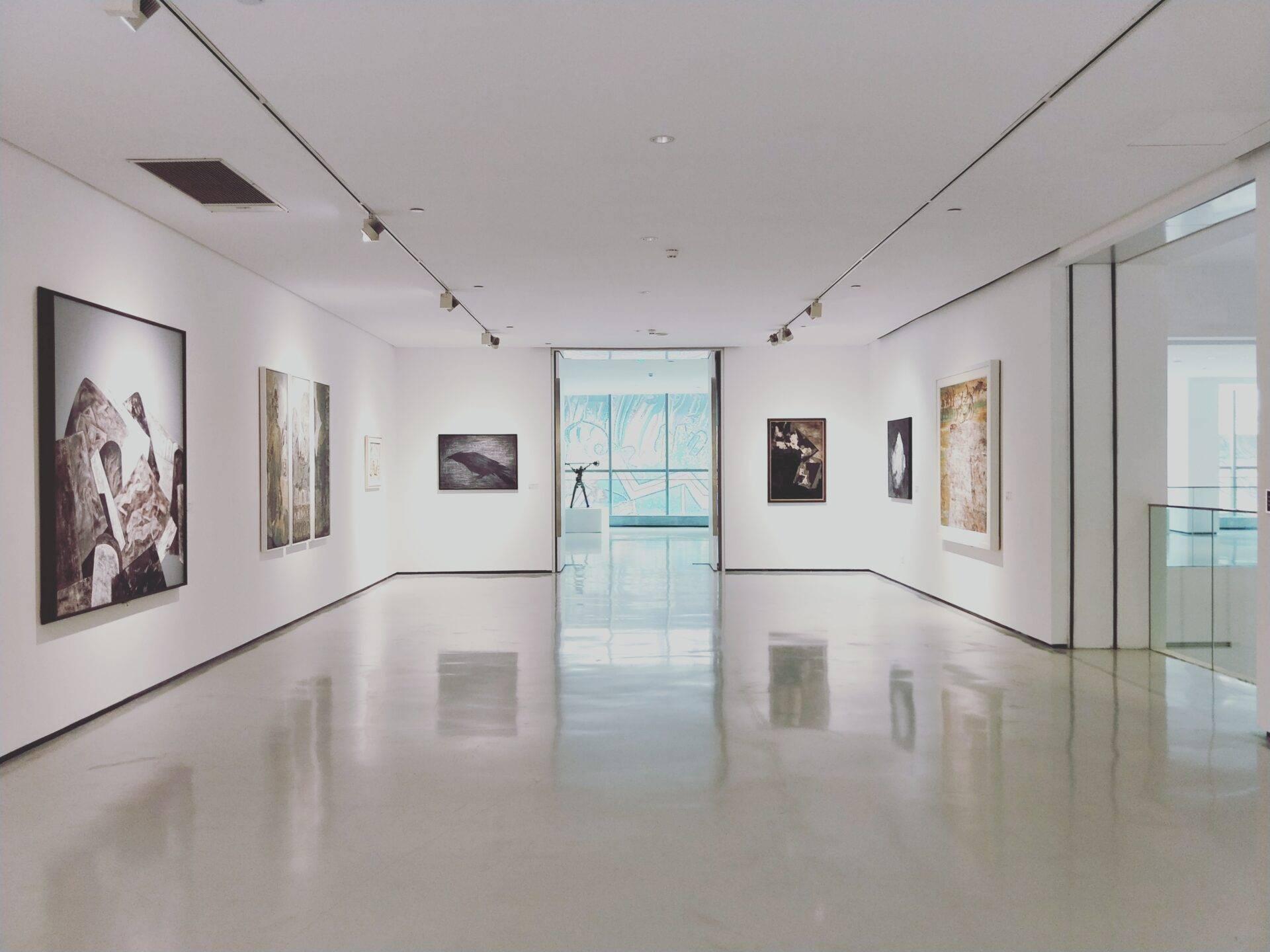
San Sebastián (Donostia in Basque) has a cultural density remarkable for its size. Its La Concha bay, lined with Belle Époque promenades, is home to contemporary art spaces that make the most of their Atlantic-facing position. The city hosts one of Europe’s most prestigious film festivals every year. Museums, galleries and performance venues line the seafront and the lanes of the old town, just a short walk from the pintxos bars.
17. La Concha Beach
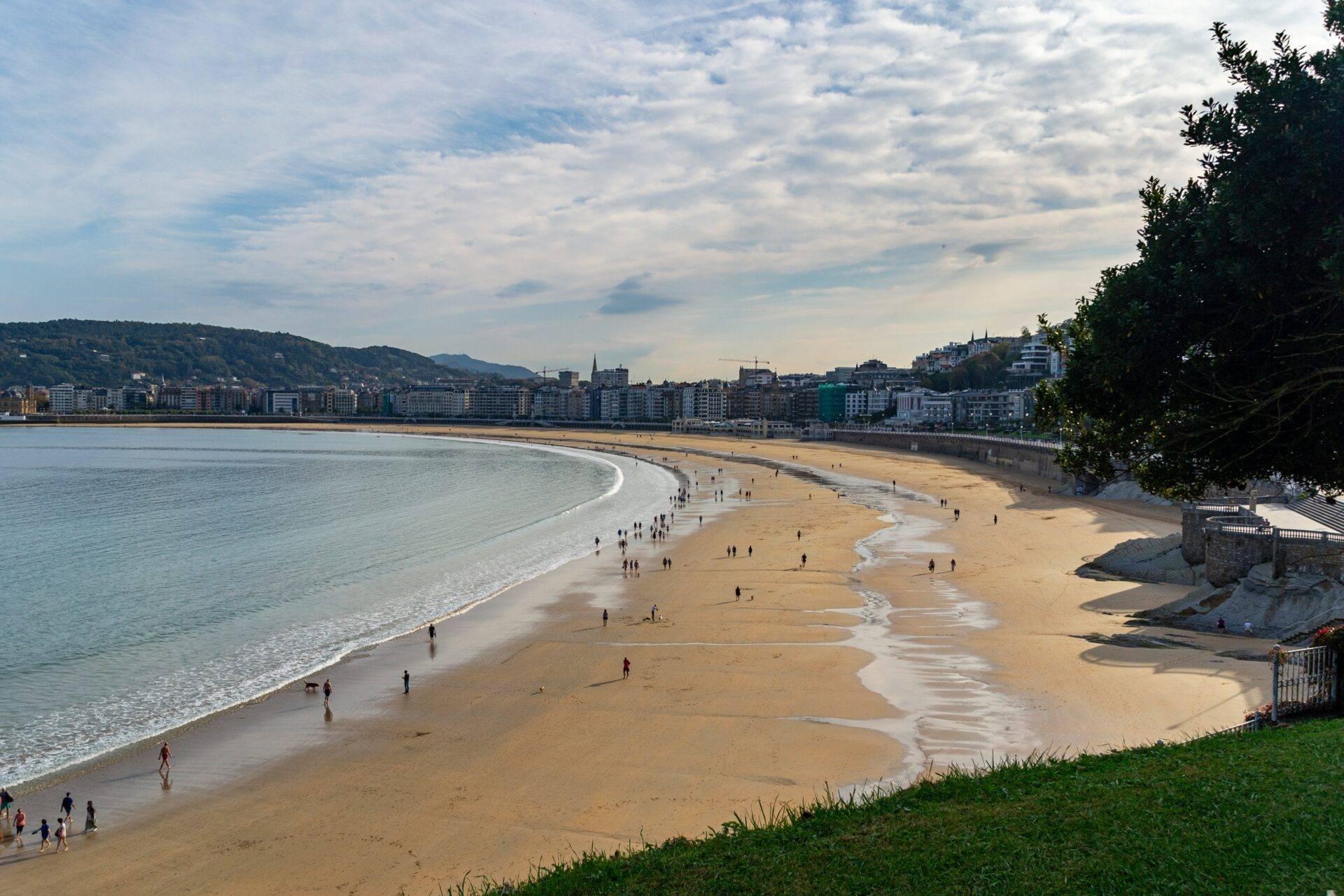
La Concha – 1,350 metres of golden sand curving in a perfect arc at the heart of San Sebastián – is regularly cited among the finest urban beaches in Europe. Surfing, bodyboarding and swimming are popular from July to September. The island of Santa Clara rises in the middle of the bay and can be reached by swimming or rowing boat in summer. The old town (Parte Vieja) and its pintxos bars are just a short walk away: good reason to stretch the day well into the evening.
Coastlines and Islands
18. The Costa Brava and its Hidden Coves
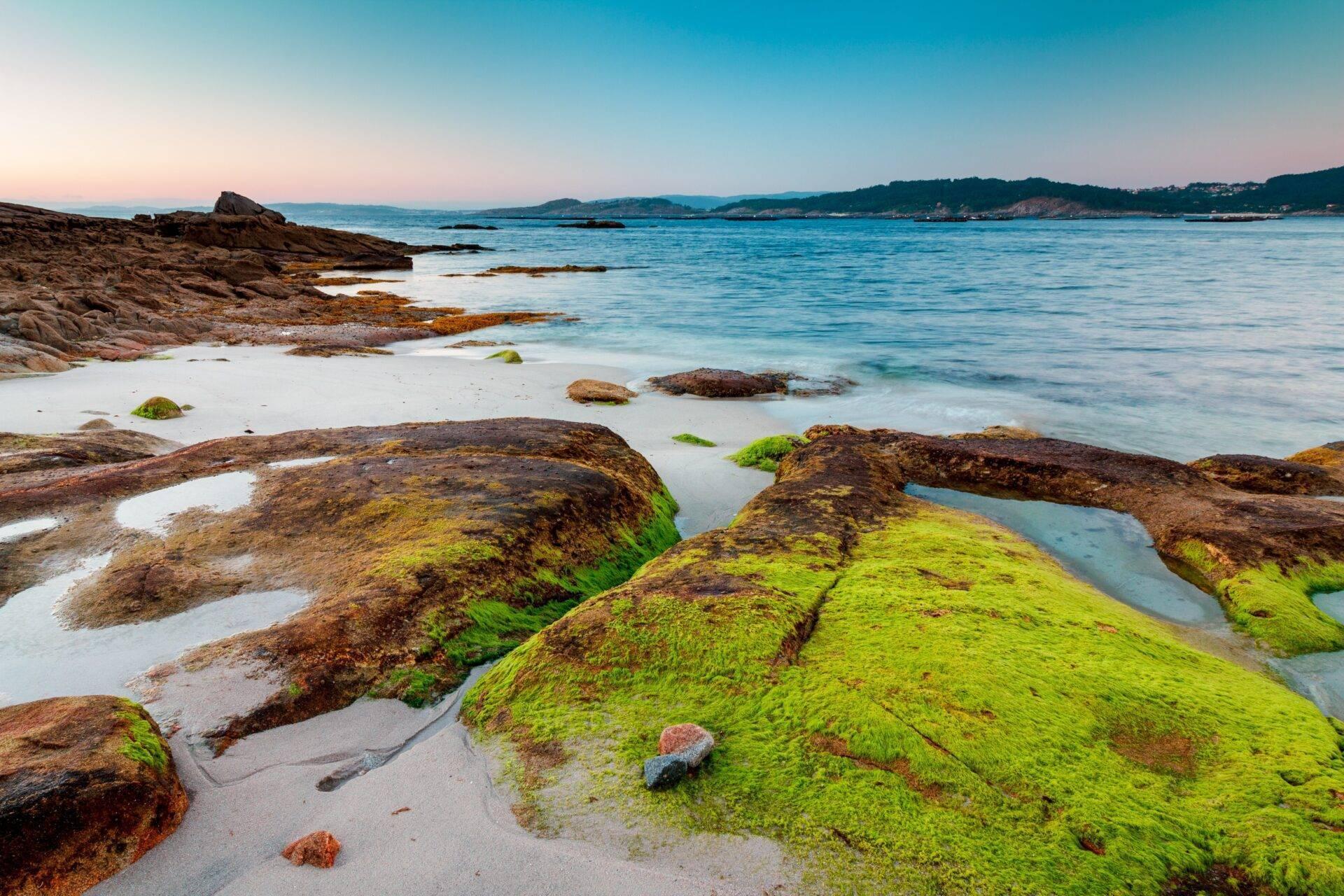
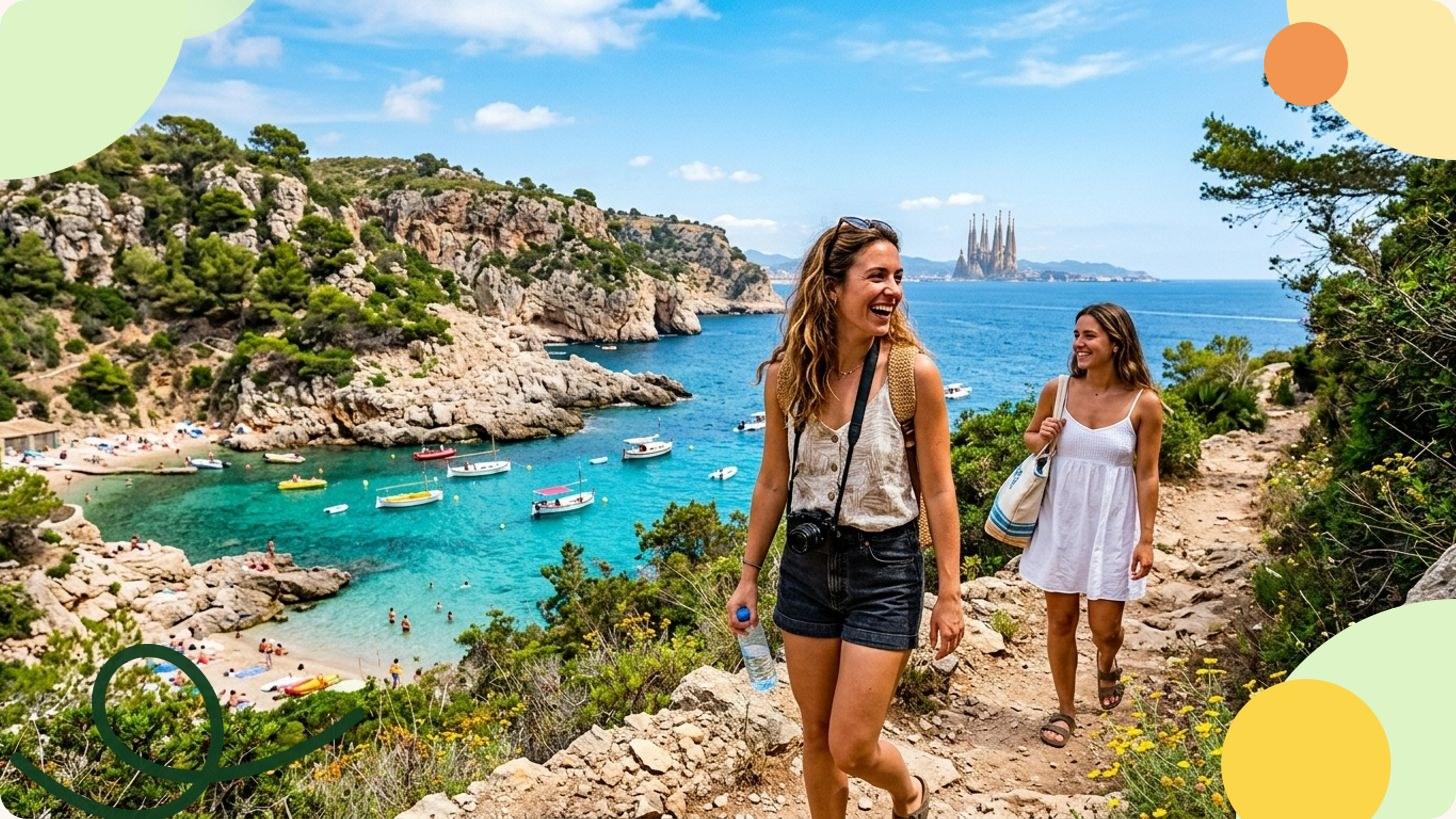
The Costa Brava stretches from Blanes to the French border over some 200 kilometres of Catalan coastline. Its name, meaning “wild coast”, suits it perfectly: sheer cliffs, pine forests reaching down to the sea and turquoise coves accessible on foot or by kayak. Aiguablava cove, whose name means “blue water” in Catalan, is one of the most beautiful in the region. Further north, Cadaqués is the whitewashed village where Salvador Dalí lived and worked: the Dalí Museum in Figueres, 35 kilometres away, rounds off a visit to the region nicely.
19. The Balearic Islands
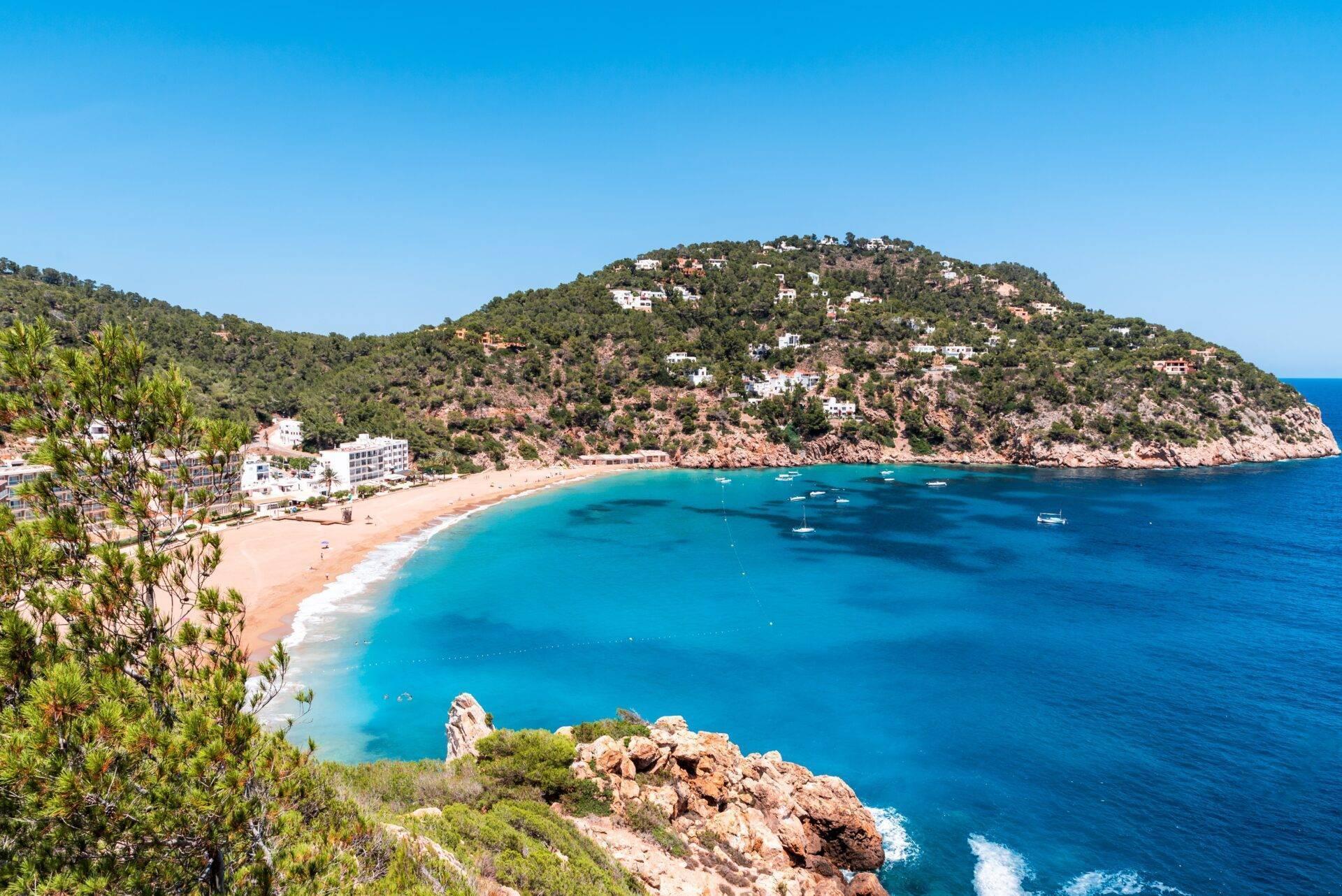
The Balearics are an archipelago of four islands with very distinct personalities. Mallorca, the largest, combines fine sandy beaches with mountain villages in the Serra de Tramuntana, a UNESCO World Heritage Site. Menorca, a UNESCO Biosphere Reserve, preserves its crystal-clear coves such as Cala Galdana, with white sand, clear water and pine forest. Ibiza, world-famous for its nightlife, also hides wilder corners such as Cala Comte with its multi-hued blue waters. Formentera, the smallest and most unspoilt, is reached by ferry from Ibiza in under an hour.
Nature and Wide Open Spaces
20. Hiking and Mountain Landscapes
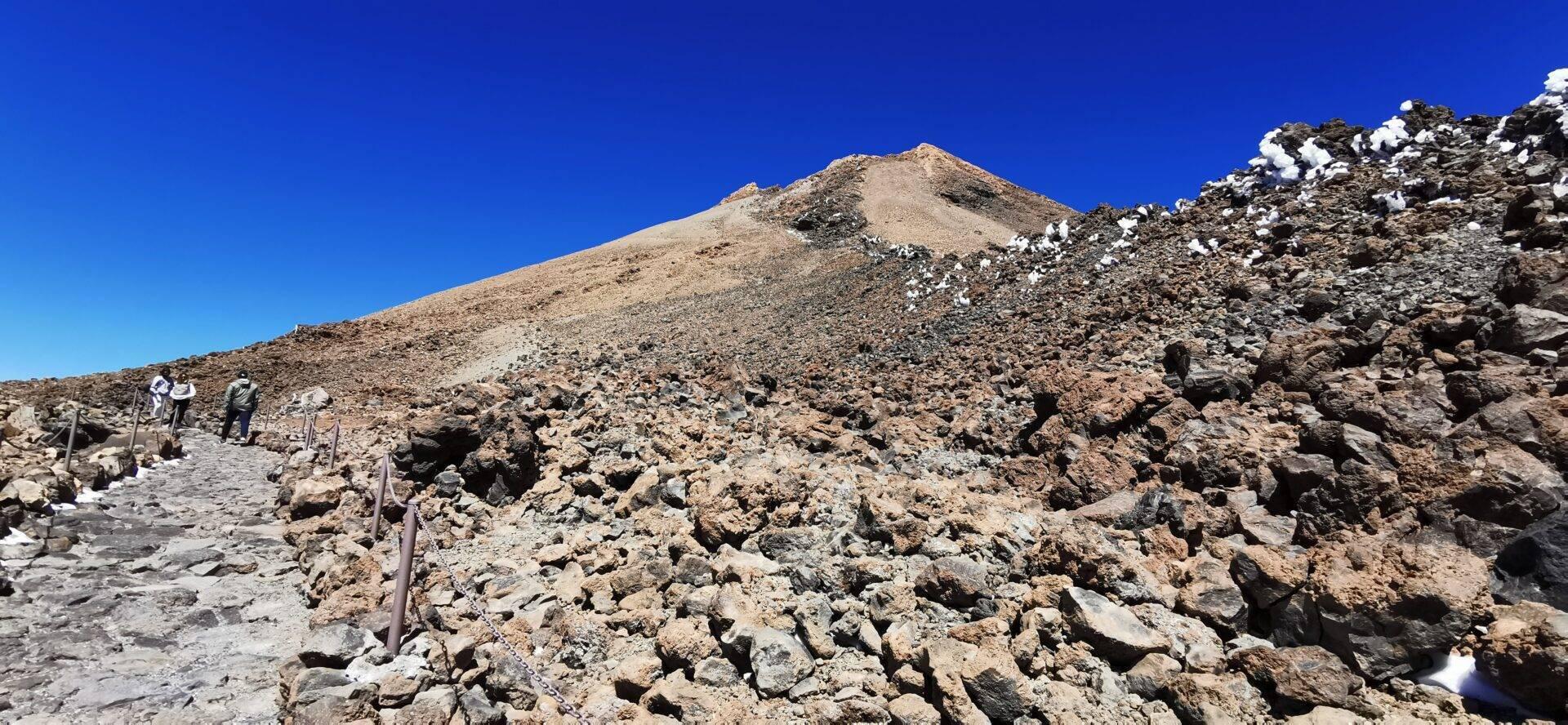
Spain is one of Europe’s most mountainous countries. The Pyrenees in the north, the Picos de Europa in Cantabria, the Sierra Nevada in Andalusia (3,479 metres at Mulhacén), the Aneto peaks in Aragon: the hiking options are vast and cover every level of ability. The Camino de Santiago, a network of pilgrimage routes listed as a UNESCO World Heritage Site, draws hundreds of thousands of walkers from around the world every year. Those in search of volcanic scenery will also find exactly what they are looking for in the Canary Islands, in Teide National Park on Tenerife or the Laurisilva forest of Garajonay on La Gomera, both UNESCO-listed.
FAQ
What is the best time of year to visit Spain?
Spring (April to June) and autumn (September to October) offer the most pleasant temperatures across most regions, with fewer tourists than the height of summer. Andalusia can exceed 40°C in July and August; the northern coasts (Basque Country, Galicia) stay cool and green all year round. The Sierra Nevada is skiable from December to April.
How long do you need to see the highlights of Spain?
Two to three weeks allow you to cover Barcelona, Madrid, Andalusia and the Basque Country without rushing. For a first trip of one week, choose a coherent region rather than trying to see everything: Barcelona and Catalonia, or Madrid and Andalusia, make solid, well-connected itineraries.
Do you need to book the Alhambra and the Sagrada Família in advance?
Yes, in both cases several weeks ahead, especially from April to September. Slots for the Nasrid Palaces at the Alhambra and for the towers of the Sagrada Família sell out within hours of going on sale. Book directly on the official websites to avoid resellers.
Which region should you choose for a first trip to Spain?
It depends on your interests. For museums and architecture, Madrid and Barcelona are the obvious choices. For sunshine, sea and Moorish history, Andalusia. For green landscapes, outstanding food and a less touristy atmosphere, the Basque Country. Combining two regions on a train-based itinerary is often the best option.
Can you get around Spain easily without a car?
Yes. The high-speed rail network (AVE) connects Madrid to Barcelona in around 2h30, to Seville in 2h30 and to Valencia in 1h40. For secondary destinations such as Salamanca, Segovia or the Costa Brava, regional trains fill the gaps. In major cities, metro and bus networks handle local travel.