
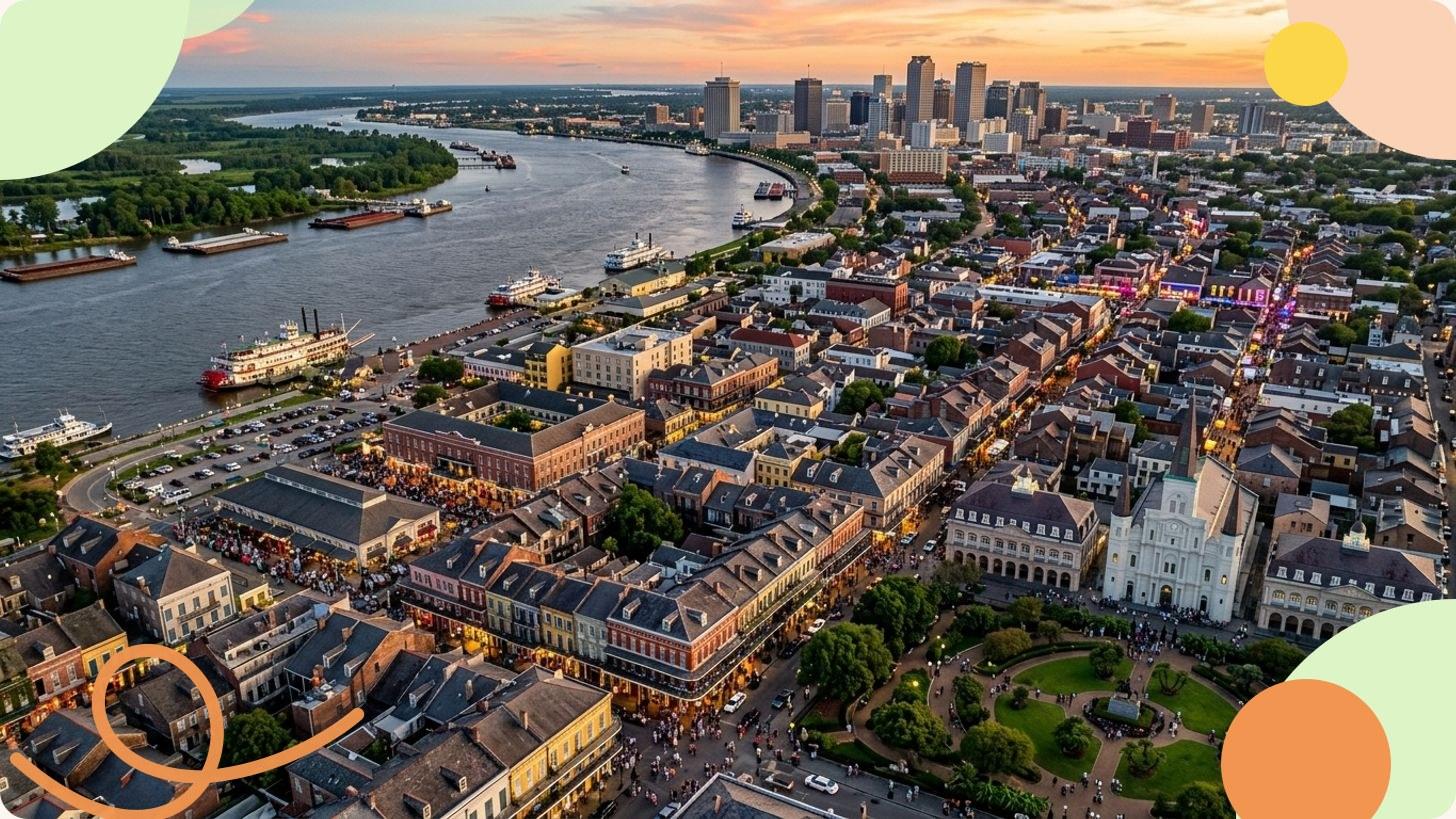

New Orleans packs an extraordinary amount into a small footprint: the French Quarter with its Creole balconies, a thriving live jazz scene on Frenchmen Street, alligator-filled bayous and a Creole-Cajun cuisine unlike anywhere else on earth. Whether you are travelling from Europe or combining your trip with a stay in Montreal, another great French-speaking city in the Americas, four days are enough to take in the essentials, while a full week lets you explore everything at your own pace.
Among destinations that weave living history with vibrant culture, New Orleans holds a place of its own: it ranks among the must-see stops in North America.
The French Quarter: the only place to start
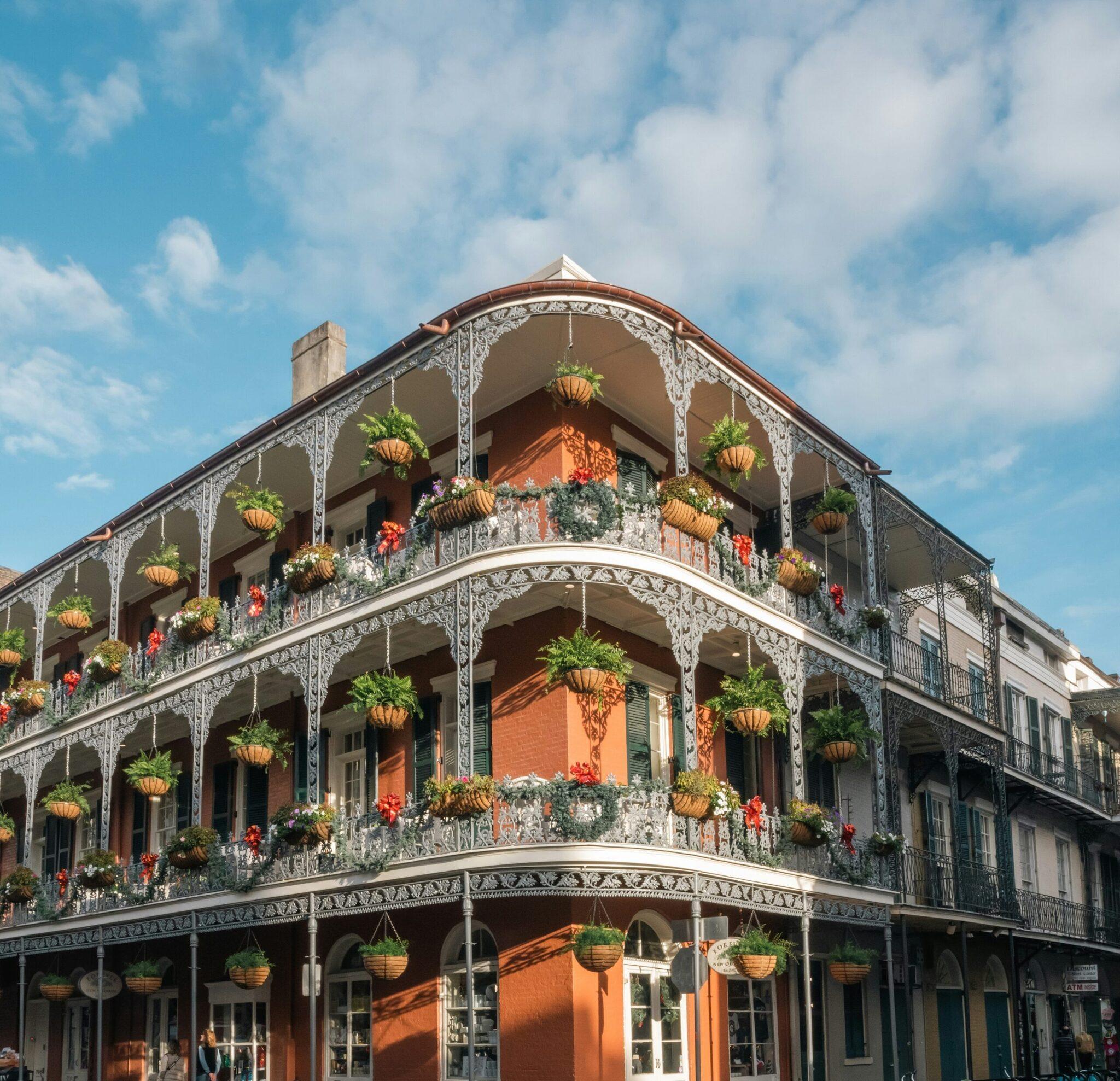
The “Vieux Carré”, as locals call it, is the historic heart of the city. Its grid layout, brick facades and flowering cast-iron balconies date from the Spanish colonial and Creole period. This is where every visit begins.
Jackson Square is the central plaza, framed by St Louis Cathedral and the Cabildo. In the mornings, street artists and musicians set up freely around its perimeter. A short walk away, Café du Monde serves its beignets dusted with powdered sugar alongside café au lait – a New Orleans institution that very few visitors regret stopping at.
Bourbon Street is where the bars and live shows are concentrated, but Royal Street and Decatur Street offer a quieter atmosphere: art galleries, local shops and shaded terraces overlooking the Mississippi.
Frenchmen Street: where jazz truly lives
Just a five-minute walk from the French Quarter, in the Faubourg Marigny, Frenchmen Street is where locals head for a night out. Jazz, brass band, funk and blues follow one another every evening in clubs where no reservation is needed: The Spotted Cat, d.b.a., Blue Nile, Snug Harbor.
The atmosphere is a world away from Bourbon Street: here, musicians play their own repertoire, the crowd is a genuine mix of visitors and residents, and the live music scene reflects the city’s deep soul. The street gained international recognition largely thanks to the HBO series Treme.

A cruise on the Mississippi aboard the Steamboat Natchez
The Steamboat Natchez is the last authentic steam-powered paddleboat in service on the Mississippi. It departs from Toulouse Street Wharf, just steps from Jackson Square, for two-hour cruises. The daytime sailing is a scenic option well suited to families; the evening departure includes a Creole buffet dinner and a live jazz concert on board.
Passengers can access the working steam engine room – a hands-on way to understand the industrial history of the great river. Booking ahead is advisable during peak season (spring and autumn).
The National World War II Museum
Officially designated by the US Congress as America’s national museum dedicated to the Second World War, the National WWII Museum is the most visited attraction in New Orleans. Its six-acre campus brings together five pavilions: interactive exhibitions, restored aircraft and tanks, audiovisual archives and an immersive theatre.
The collections cover both theatres of war – Europe and the Pacific – placing human stories front and centre: letters, soldiers’ journals, filmed testimonies. Allow two to three hours. Booking in advance is recommended, particularly in spring and autumn.
Remembering Katrina: a visit that stays with you
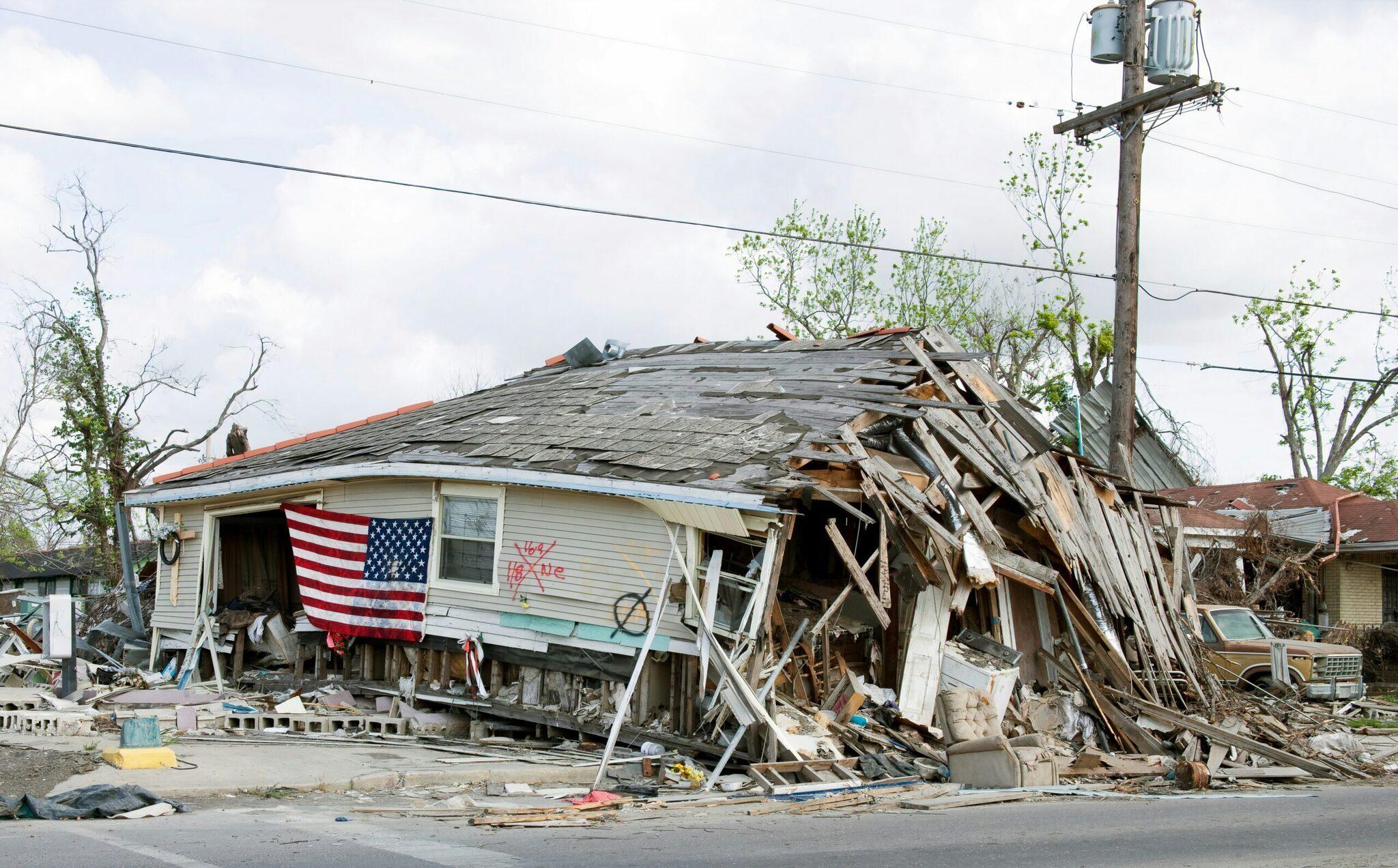
In 2005, Hurricane Katrina flooded much of the city and left lasting marks on several neighbourhoods. The Lower Ninth Ward, one of the hardest-hit areas, now hosts memorial tours that trace the impact of the disaster and the rebuilding effort that followed. Local organisations such as Lowernine.org offer guided visits, with proceeds going directly towards rebuilding homes in the neighbourhood.
This is not a typical tourist attraction: it is a way to understand why New Orleans is both fragile and resilient, and what shapes the city’s collective identity.
Tasting Creole and Cajun cuisine
The food is one of the main reasons to visit New Orleans. Dishes you should not miss:
- Gumbo: a thick soup made from a dark roux, with seafood or meat, served over rice.
- Jambalaya: rice cooked with shrimp, chicken, andouille sausage and spices.
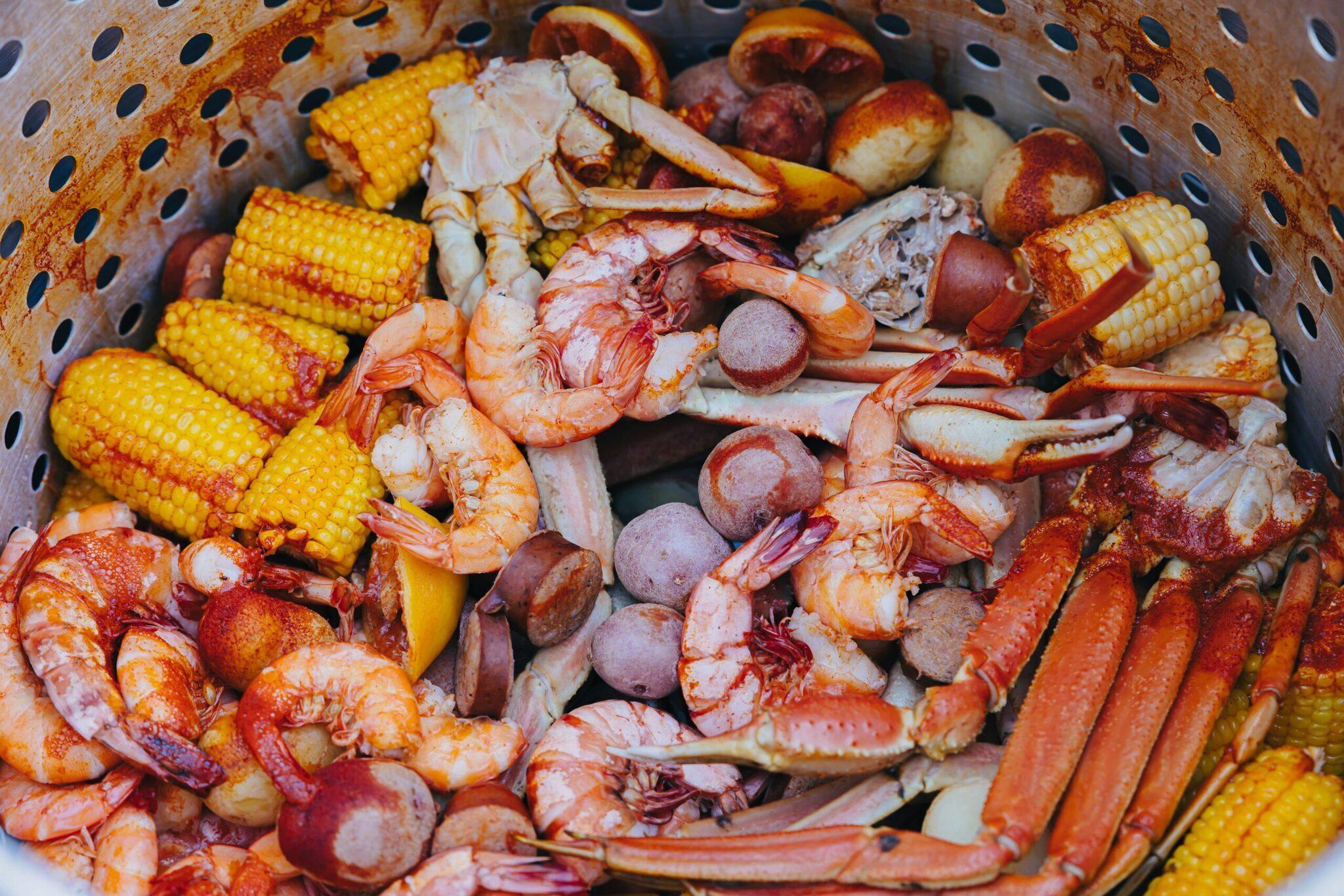
- Boiled crawfish: served in generous quantities, usually alongside corn and sausage.
- Po’ boy: a French bread sandwich loaded with fried shrimp or oysters.
For a deeper dive, several restaurants offer Creole cooking classes where you learn to make a roux or a gumbo under the guidance of a local chef.
Street life: markets, cafes and local atmosphere
In New Orleans, the street is a living space in its own right. The French Market, one of the oldest covered markets in the United States, stretches over several blocks along the Mississippi: Louisiana spices, handcrafted goods and genuine local souvenirs.
Magazine Street, in the Garden District, offers independent boutiques, cafes and restaurants spread over several kilometres. It is the ideal place to soak up neighbourhood life between sights, with no pressure and no fixed itinerary.

The Garden District: the city beneath the oaks
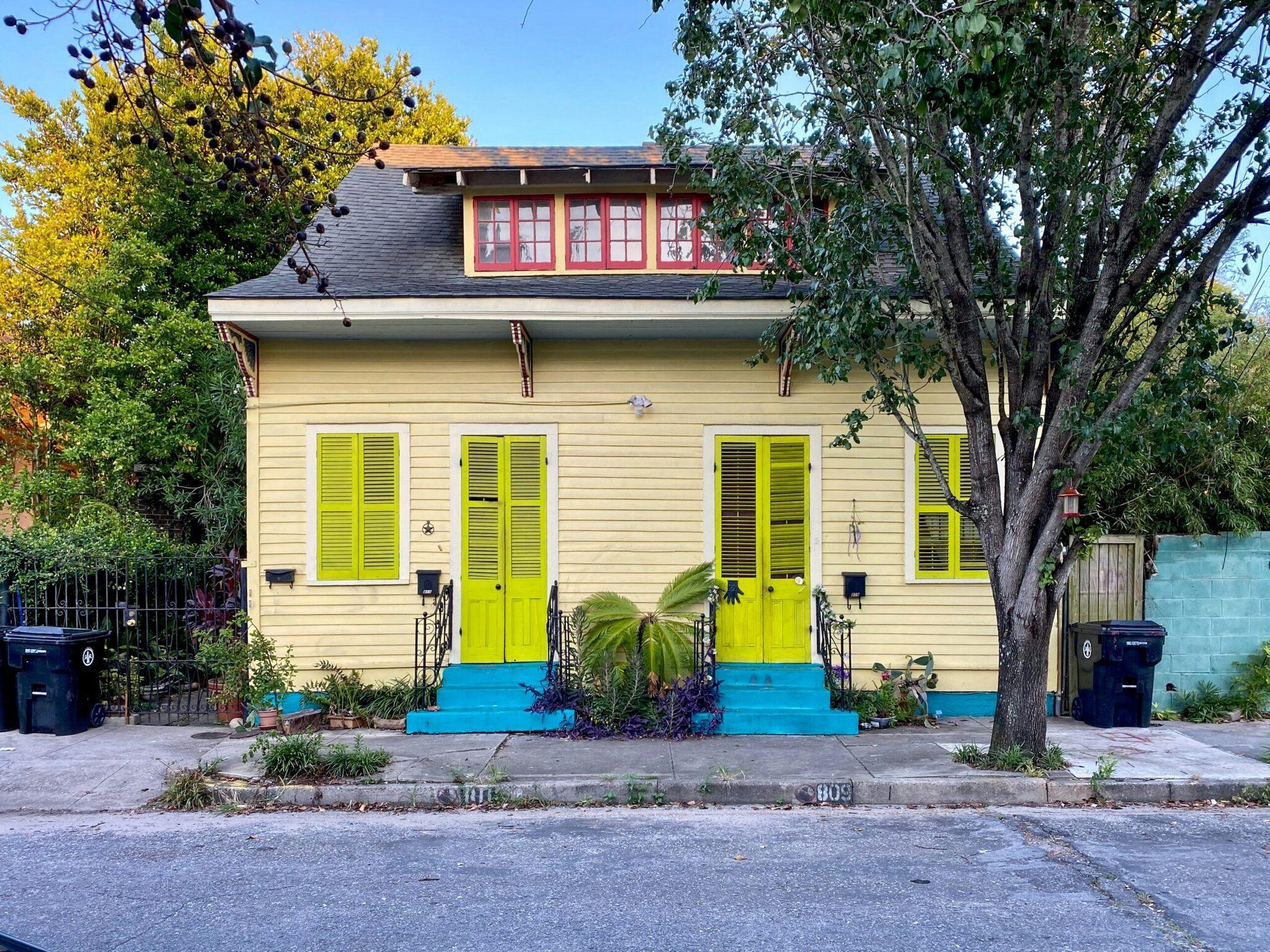
A few stops on the streetcar from the French Quarter, the Garden District is the historic residential neighbourhood of New Orleans’s nineteenth-century American gentry. Its streets are lined with ancient oak trees whose branches form a canopy overhead.
The antebellum homes – white columns, covered galleries, sweeping gardens – are protected landmarks today. The area is best explored on foot or by streetcar along St Charles Avenue. Lafayette Cemetery, with its above-ground tombs typical of Louisiana, is open to visitors free of charge.
Exploring the Louisiana bayous
The bayous surrounding New Orleans form a network of swamps, canals and cypress forests accessible from the city centre. Boat and airboat excursions depart daily: spotting alligators in their natural habitat, drifting through cypress forests in the slanting evening light, immersing yourself in Cajun culture with guides who have known these marshes since childhood.
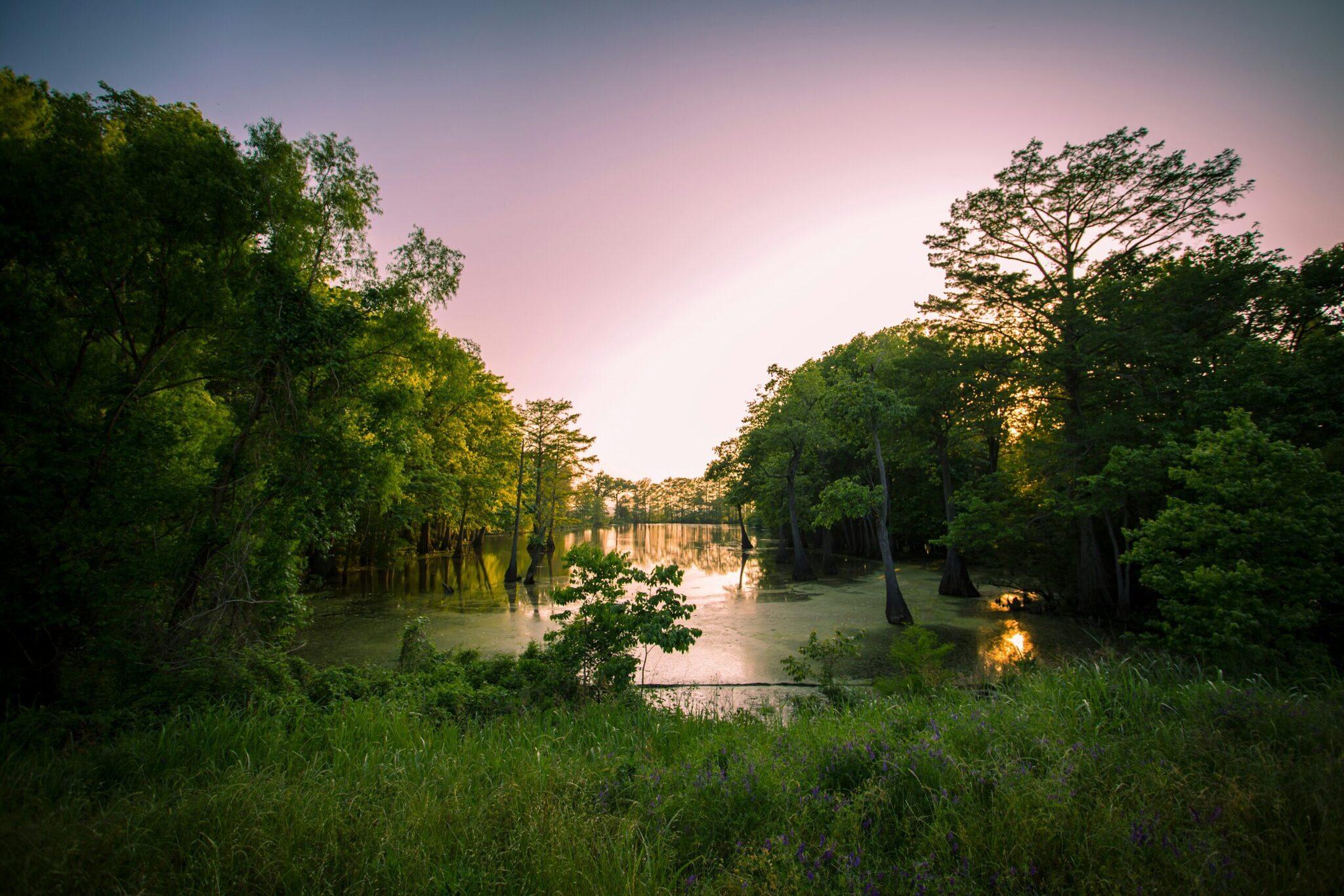
Barataria Preserve (Jean Lafitte National Historical Park), 17 miles south of the city, offers free, self-guided trails through the wetlands for those who prefer to explore at their own pace rather than on an organised tour.

The festivals: from Mardi Gras to Jazz Fest
New Orleans is a city of festivals. Two events dominate the annual calendar:
Mardi Gras marks the climax of the carnival season, which kicks off on 6 January (Epiphany). In 2027, Mardi Gras falls on 9 February. Decorated floats, masked balls and brass band parades take over the city for several weeks. The atmosphere is unlike anything else in the United States.
The New Orleans Jazz & Heritage Festival (Jazz Fest) brings together leading names in American music alongside local artists in late April and early May. In 2027, the dates are 22-25 April and 29 April - 2 May.
The French Quarter Festival, held every April (free admission), is an alternative dedicated entirely to Louisiana artists, on a more intimate scale than Jazz Fest.
New Orleans is among the American cities where culture and celebration blend most naturally: see our top 10 cities in the United States for more destination ideas across the country.
FAQ
When is the best time to visit New Orleans?
February to May is ideal for experiencing Mardi Gras and Jazz Fest in mild weather. Summer (June to August) is very hot and humid, with the risk of tropical storms. Autumn (October to November) is a good alternative, with smaller crowds and more comfortable temperatures.
How many days do you need in New Orleans?
Four days are enough to cover the French Quarter, Frenchmen Street, the Garden District and a bayou excursion. Seven days give you time to add the National WWII Museum, the Lower Ninth Ward and several evenings of live music on Frenchmen Street.
Is New Orleans suitable for families?
Yes, outside of Mardi Gras (which has a lively, alcohol-fuelled atmosphere). The National WWII Museum, Mississippi cruises, City Park and bayou tours are suitable for all ages. Bourbon Street in the evenings is best avoided with young children.
How do you get around New Orleans?
The historic centre is easily walkable. The streetcar serves St Charles Avenue (Garden District) and Canal Street. For the bayous, an organised excursion is more practical than driving independently.
Can you visit New Orleans without speaking English?
Louisiana has deep French roots, and some residents still speak Louisiana French or Creole. English is the everyday language of communication, but a basic level is all you need to enjoy the trip to the full.