
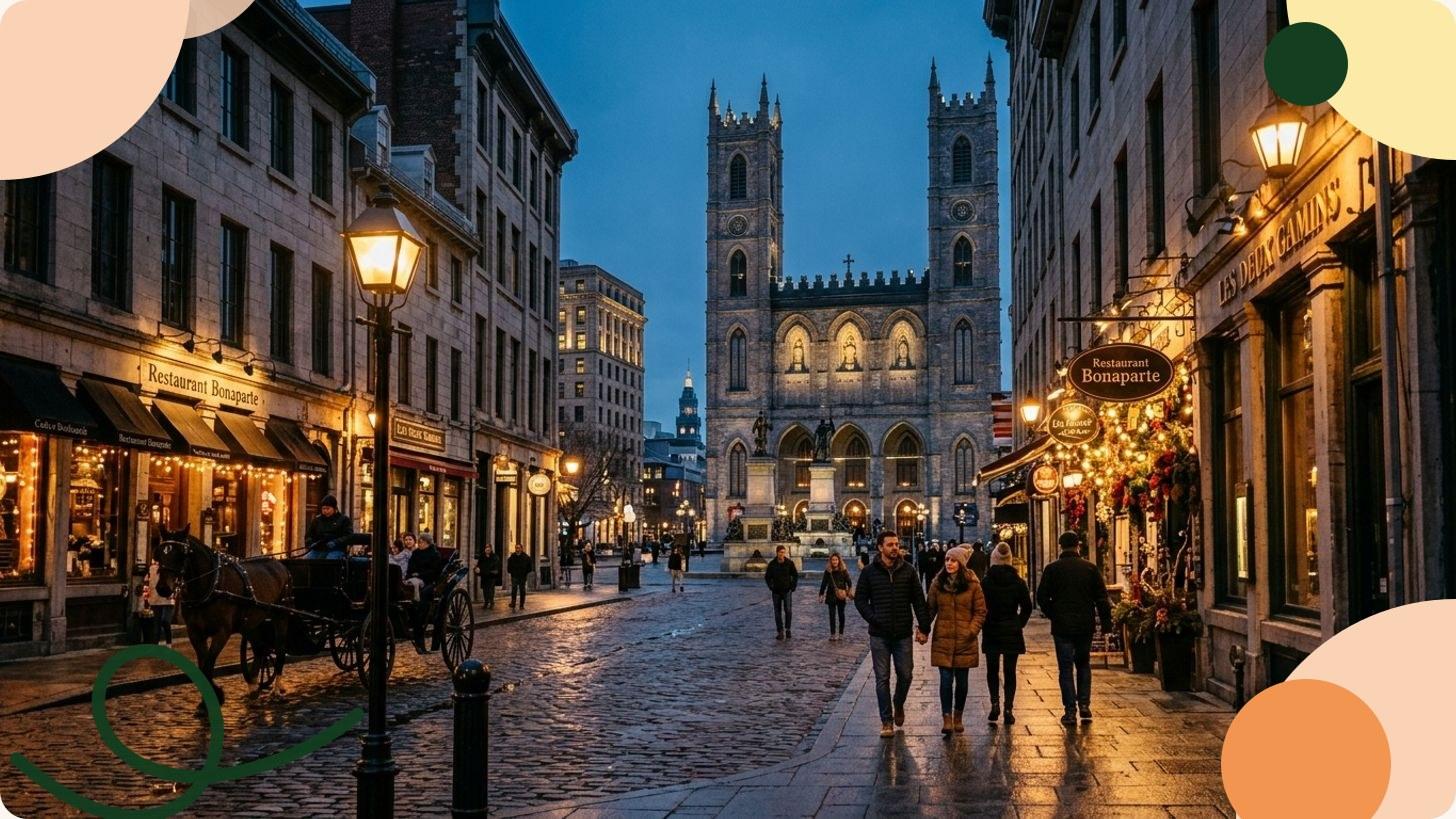

Montreal packs everything Canada has to offer into just a handful of neighbourhoods: colonial history, Quebecois cuisine, a world-class music scene and green spaces right in the heart of a major city. Whether you have three days or a full week, here are the experiences that genuinely justify the journey.
Exploring Old Montreal
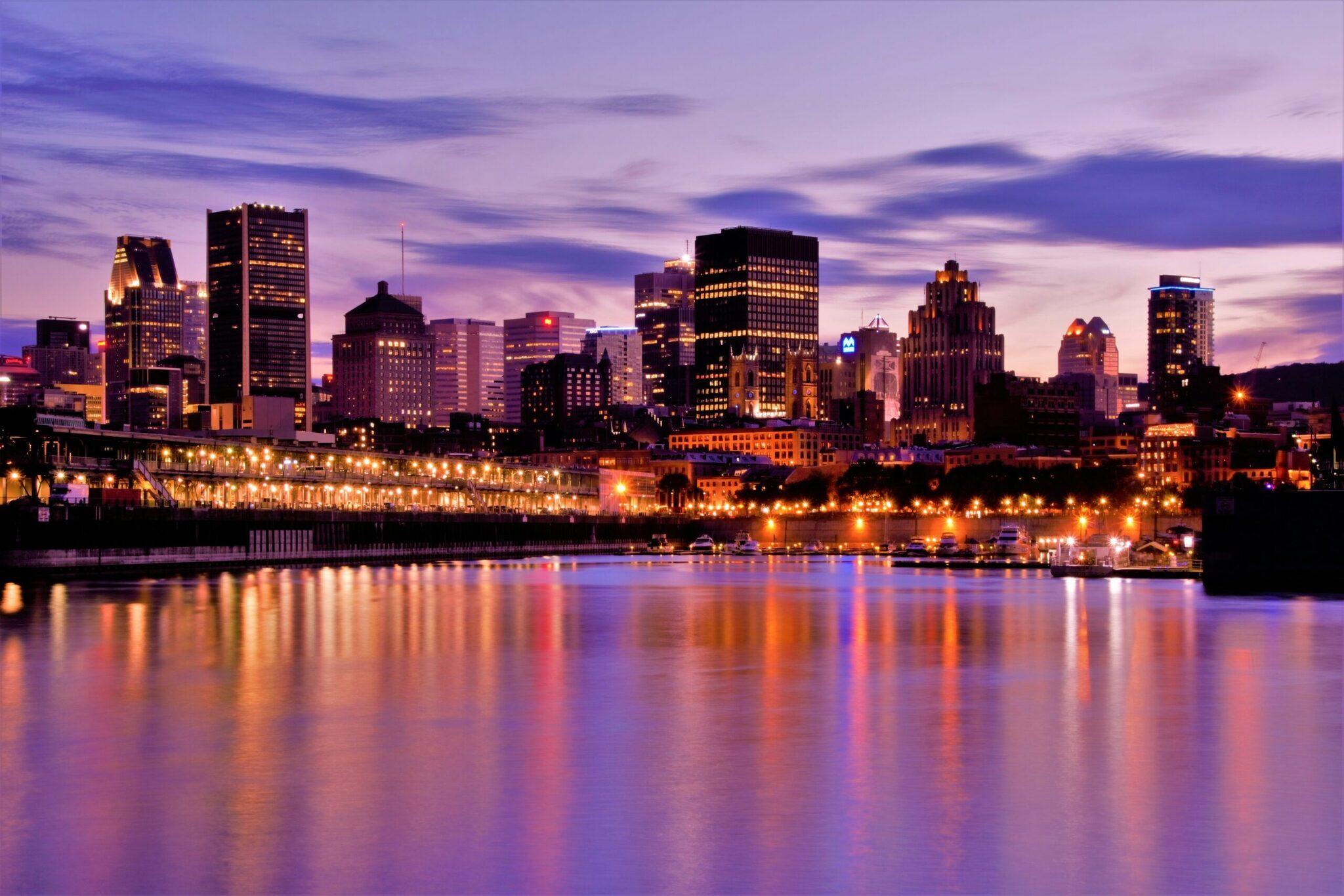
Old Montreal is where the city put down its roots in the 17th century. Its cobbled streets, grey stone facades and atmosphere that sits somewhere between Europe and North America make it one of the most distinctive urban walks on the continent.
The Notre-Dame Basilica of Montreal, on Place d’Armes, is the neighbourhood’s neo-Gothic showpiece. By day, its stained-glass windows and Casavant organ are a sight to behold. By night, the AURA immersive show by Moment Factory floods the entire interior architecture with light and orchestral music, an experience that has been running since 2017.
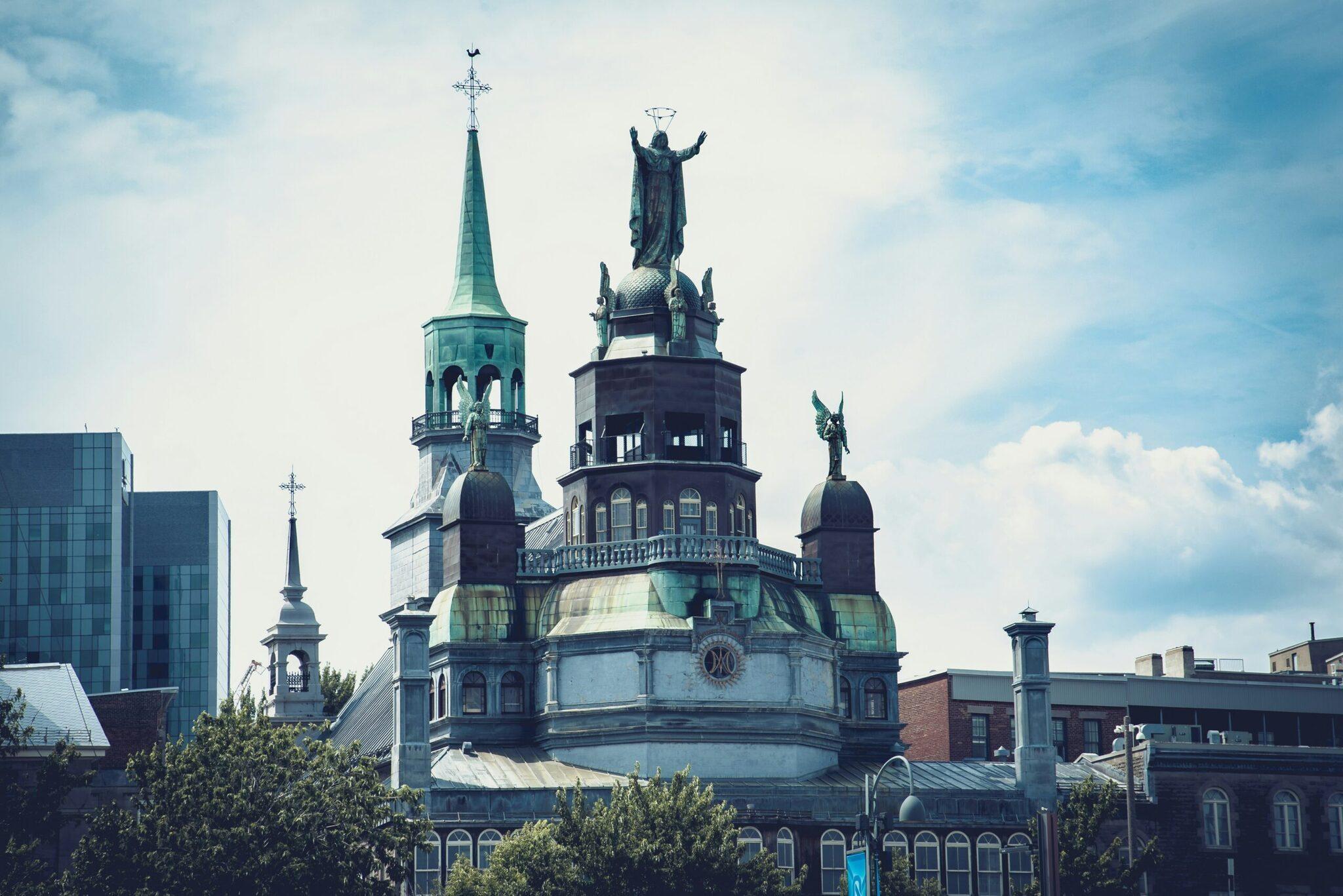
Rue Saint-Paul, the Old Port wharves and Place Jacques-Cartier (lined with lively terraces and street musicians) round out a half-day of wandering. Make sure to stop by the Bonsecours Market, whose white dome is one of the city’s most recognisable landmarks.
For a broader picture of the country, our guide Things to Do in Canada covers the 20 unmissable Canadian experiences.
Get my Canada travel insuranceClimbing Mount Royal Park
Designed in 1876 by Frederick Law Olmsted, the same landscape architect behind New York’s Central Park, Mount Royal Park covers 200 hectares right in the heart of the city. In 2026, it marks its 150th anniversary with a special programme running throughout the year, including an outdoor photography exhibition tracing its history from the Sir George-Étienne Cartier monument to Beaver Lake.
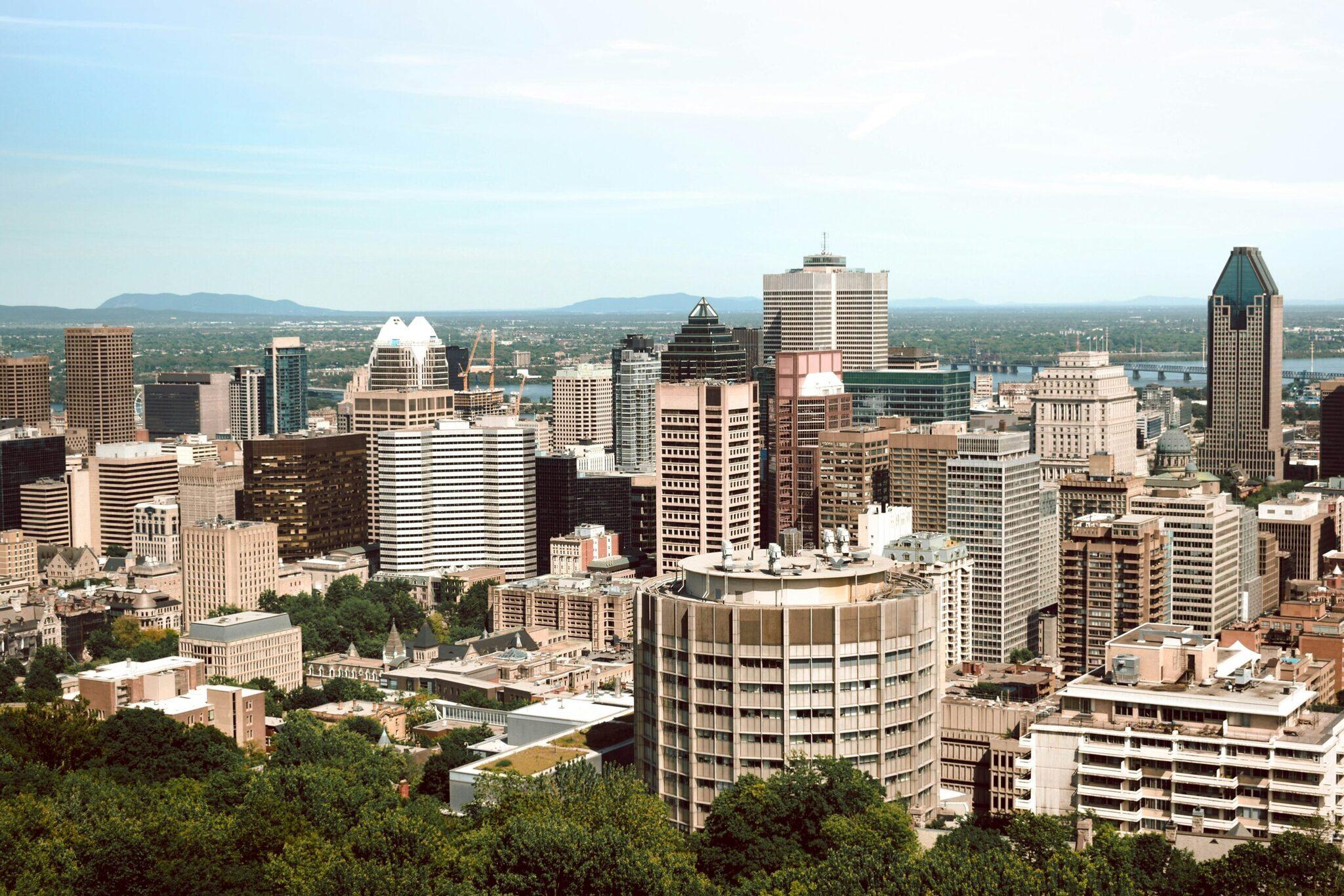
The Mount Royal Chalet and its belvedere offer the city’s most iconic view, taking in Montreal’s skyscrapers and the St Lawrence River. In winter, Beaver Lake is given over to ice skating. In summer, hiking trails and cycling paths take centre stage. A park for every season, and free to enter.
Visiting the Montreal Museum of Fine Arts
The MMFA is one of Canada’s most significant art museums. Its permanent collections span Antiquity to contemporary art, with dedicated galleries for European masters, Canadian art and decorative arts. In 2026, it hosts the Torlonia Collection of Roman sculpture (14 March to 19 July 2026), on display in North America for the very first time.
The museum also puts on temporary exhibitions, talks and workshops open to all levels. A single day is rarely enough to take it all in.
Tasting Montreal’s Signature Dishes
Montreal is a food lover’s city. Before you even reach the fine-dining tables, two dishes sum up local cooking: the Montreal bagel (wood-fired, smaller and slightly sweeter than its New York cousin) and poutine (fries, fresh cheese curds that squeak with every bite, topped with brown gravy).
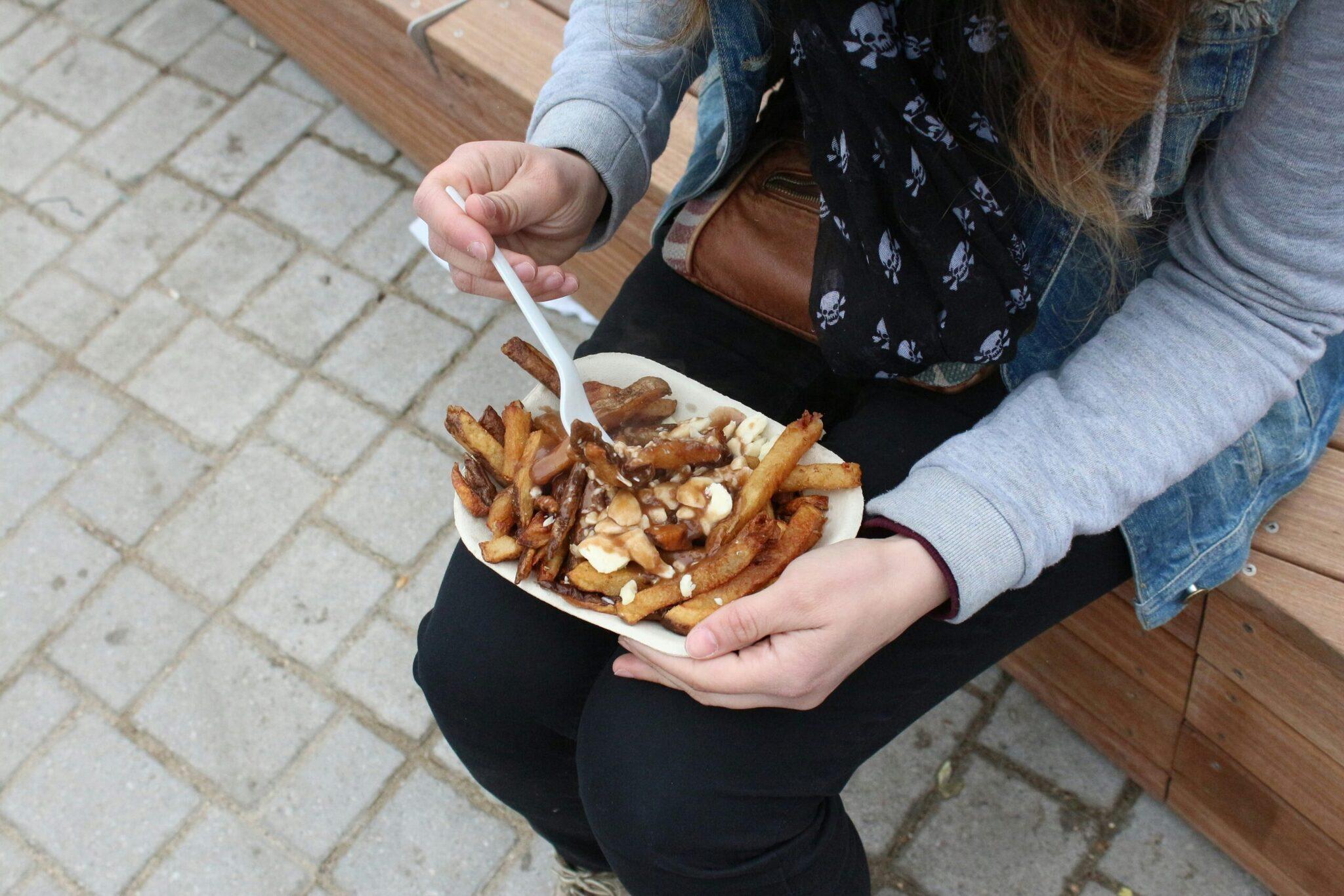
For local produce, two public markets are essential: Jean-Talon Market (in Little Italy, the largest open-air market in eastern Canada) and Atwater Market (in Petite-Bourgogne, with a more intimate feel). Both are home to local farmers, Quebecois cheeses and food from every corner of the world.
Experiencing Montreal’s Festivals
Montreal is known as “the city of festivals”, and the nickname is well earned. The calendar is packed all year round:
- Montreal International Jazz Festival: recognised by Guinness World Records as the world’s largest jazz festival, it offers more than 350 concerts over 10 days, with two-thirds of them free and open-air.
- Just for Laughs Festival: in July, the Quartier des spectacles and Place des Festivals transform into a giant stage for international comedy.
- LUMINO (Quartier des spectacles): from November to March, light and sound installations bring Montreal’s winter nights to life.
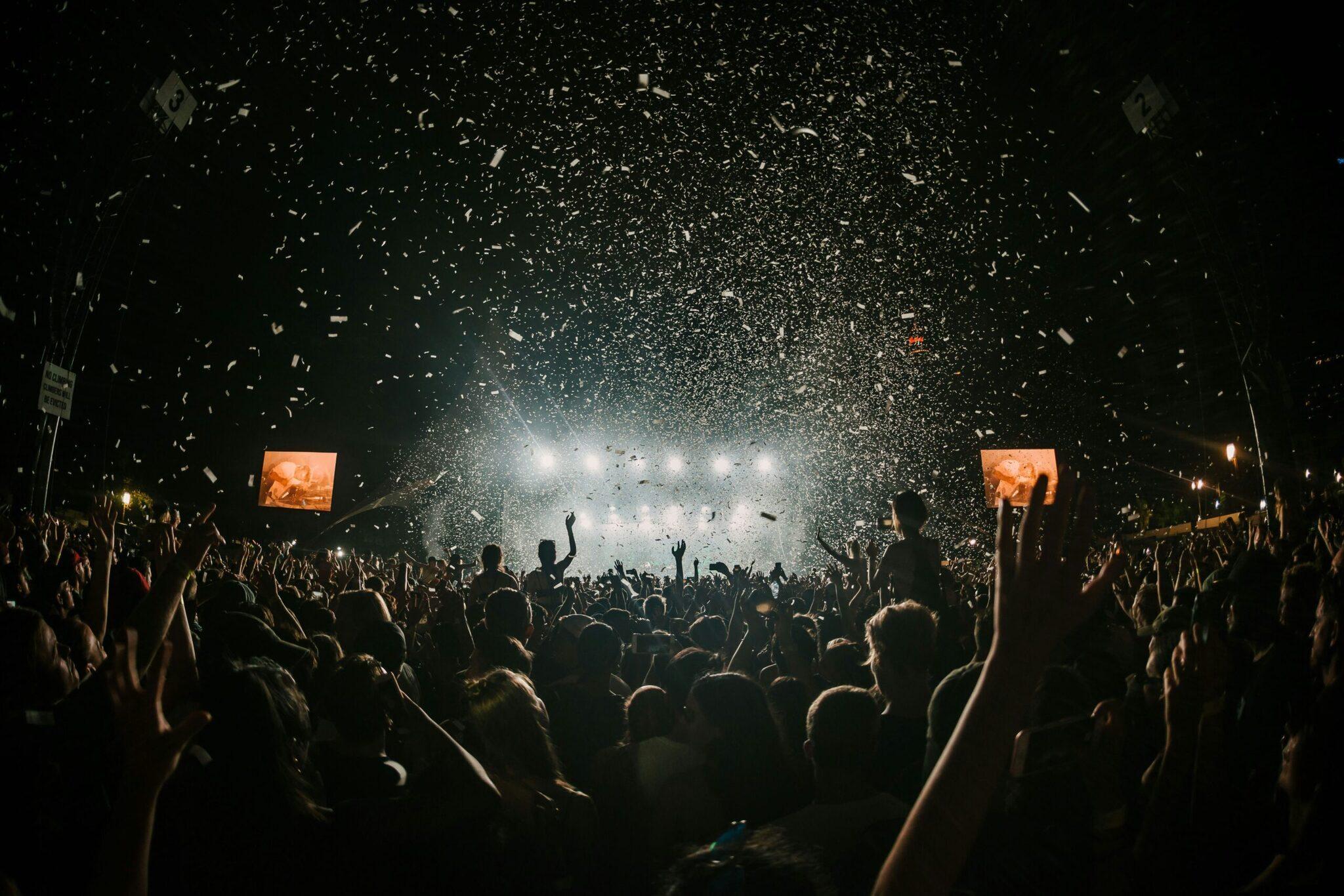
Check the Tourisme Montreal calendar before you leave: there is almost always a major event on, whatever the time of year.
Discovering the Biodôme and Espace pour la Vie
Housed in the former velodrome from the 1976 Olympic Games, the Montreal Biodôme brings five ecosystems of the Americas under one roof: tropical rainforest, Laurentian maple forest, Gulf of St Lawrence, Labrador coast and sub-Antarctic islands. Renovated and reopened in 2020, it now features a panoramic mezzanine and a mobile app to deepen your visit.
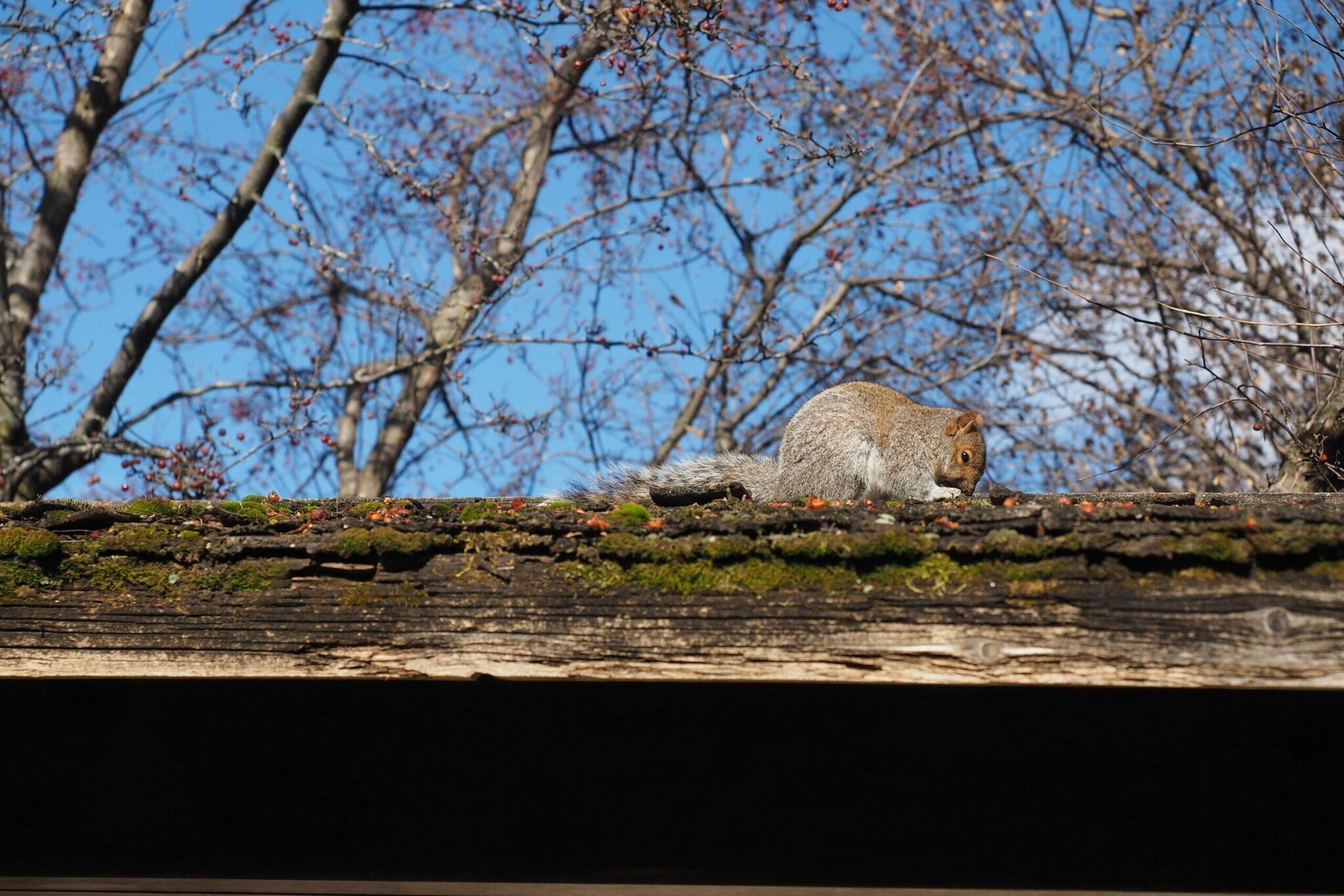
The Biodôme is part of Espace pour la Vie, Canada’s largest natural sciences complex, which also encompasses the Botanical Garden, the Insectarium and the Rio Tinto Alcan Planetarium. It is easy to spend a full day there as a family.
Exploring Parc Jean-Drapeau and the Underground City
Parc Jean-Drapeau, on the islands of Sainte-Hélène and Notre-Dame, changes character with the seasons. In summer it hosts beaches, swimming pools, cycling trails and the Osheaga festival. In winter, its cross-country ski trails and snowshoe paths offer an escape just fifteen minutes from the city centre.
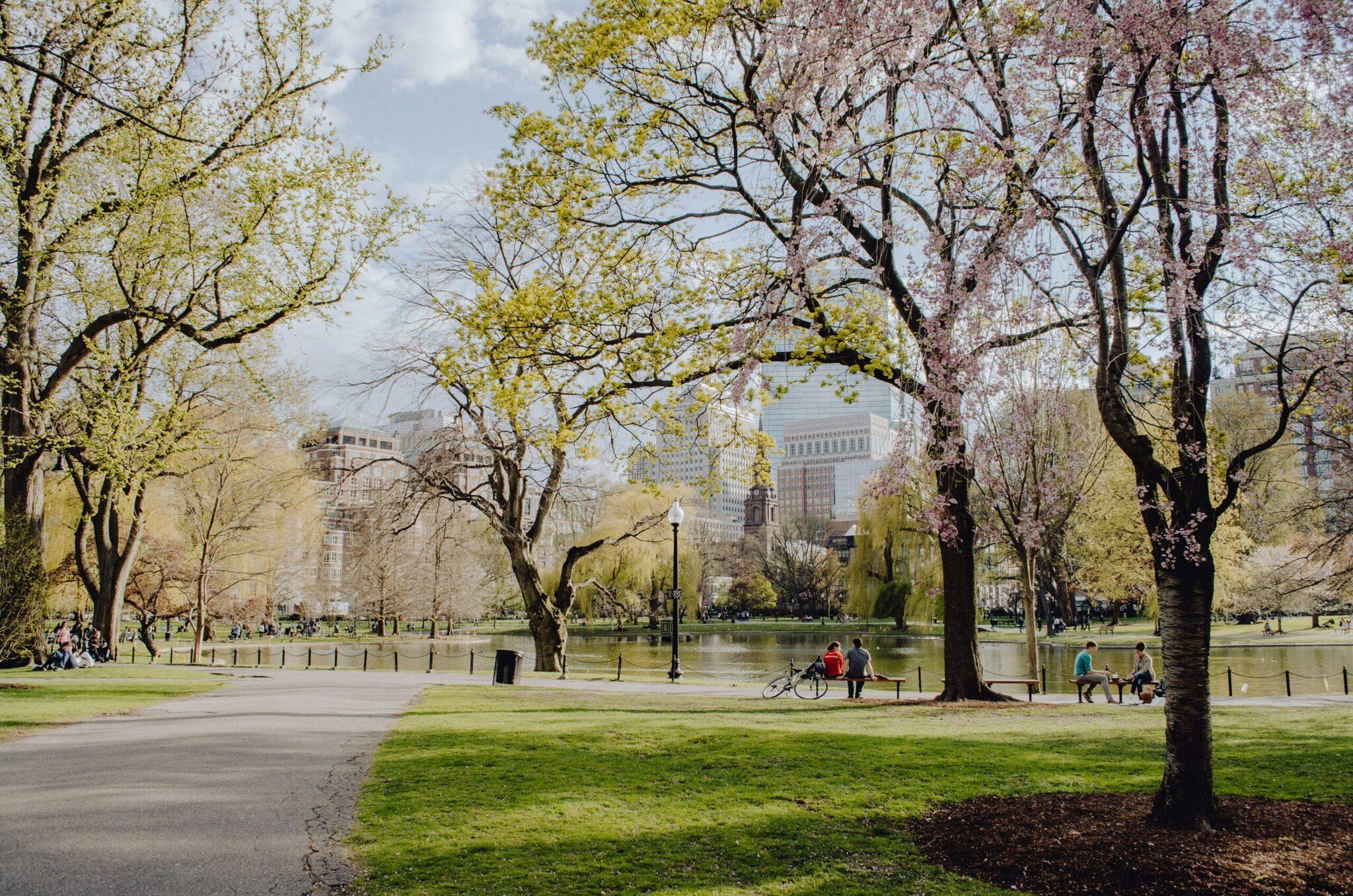
For shopping without braving the cold, Montreal has a unique solution: the Underground City, a 33-kilometre network of pedestrian tunnels linking shopping centres, hotels, metro stations and offices. Above ground, Rue Sainte-Catherine remains the main commercial artery, with local boutiques and major brands stretching across several kilometres.
Visiting Château Ramezay
Built in 1705 in Old Montreal, Château Ramezay is one of Quebec’s oldest civil buildings. Once the residence of the governors of New France, it now houses a history museum with permanent collections, temporary exhibitions and recreations of colonial life. Its gardens, laid out in the traditions of the 18th century, offer a peaceful pause in the heart of the historic district.
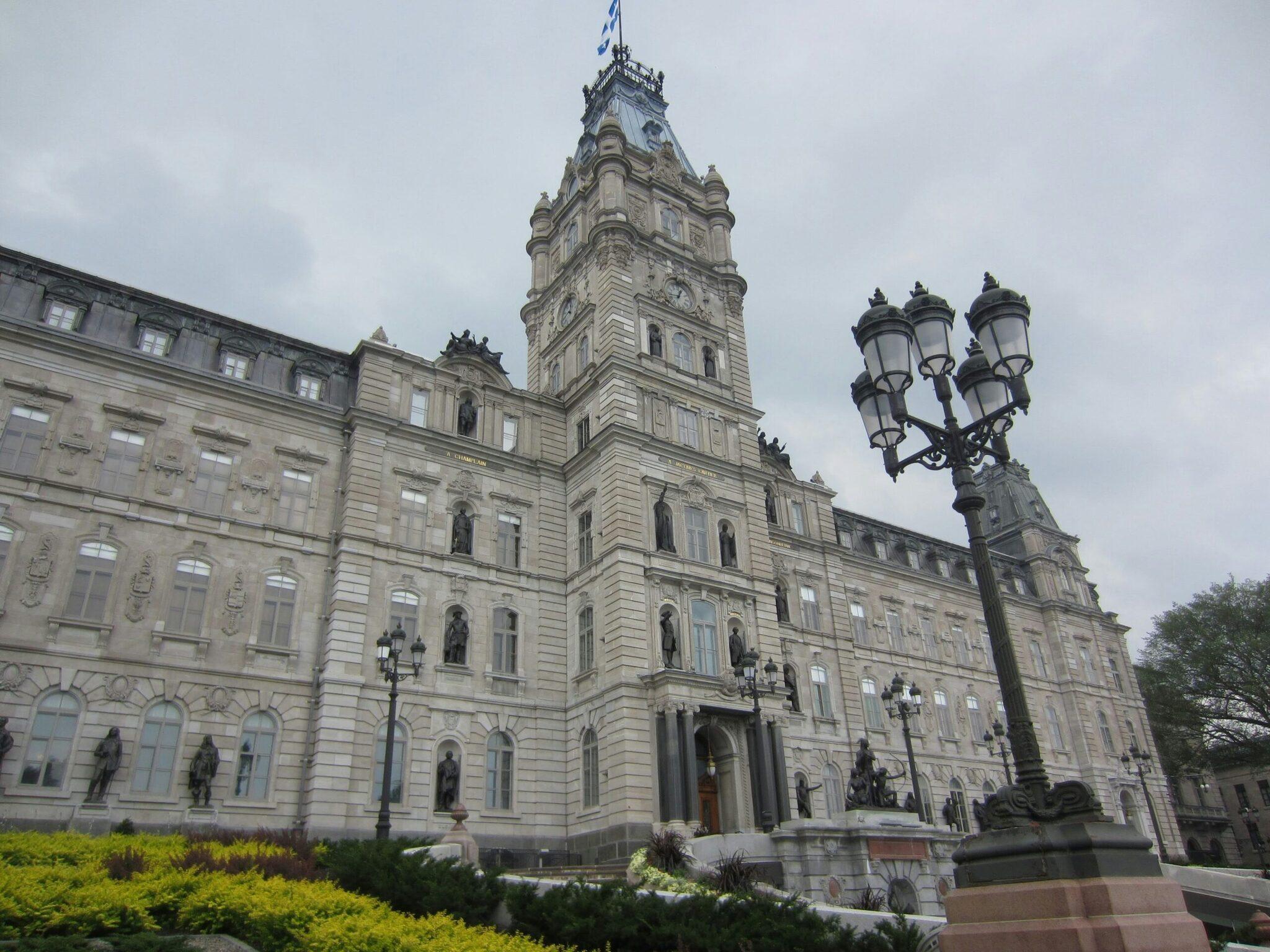
If colonial Quebec captivates you beyond Montreal, our selection Quebec: 7 Off-the-Beaten-Track Hidden Gems will give you some less-explored ideas. And if you are combining Montreal with a stay in the country’s English-speaking metropolis, take a look at our guide Things to Do in Toronto.
FAQ
When is the best time to visit Montreal?
Montreal is worth visiting at any time of year. Summer (June to August) is when most of the open-air festivals take place. Spring is ideal for enjoying parks in bloom. Autumn brings spectacular foliage colours. Winter, cold but lively, has its own appeal: ice skating on Beaver Lake, Igloofest and the underground network for getting around in the warmth.
Do French citizens need a visa to travel to Canada?
French nationals do not need a visa for a tourist stay. However, an Electronic Travel Authorisation (eTA) is compulsory for entry to Canada by air. It can be obtained online before departure from the official Immigration, Refugees and Citizenship Canada website.
How many days should I allow for Montreal?
Four days is enough to cover the highlights: Old Montreal, Mount Royal, the Museum of Fine Arts, the food scene and one or two neighbourhoods such as the Plateau-Mont-Royal or Mile End. A week leaves time for a day trip to Quebec City or the Laurentians.
Is poutine available everywhere in Montreal?
Yes, poutine is everywhere, from chip shops to bistros. The Montreal version is distinguished by the use of fresh cheese curds that squeak against your teeth. The Jean-Talon and Atwater markets are also great places to discover other local specialities.
Is the Biodôme suitable for children?
Yes, the Biodôme is particularly well suited to families. Its five ecosystems are accessible to all ages, and the mobile app offers interactive content. Combined with the Insectarium and Botanical Garden in the same Espace pour la Vie complex, it makes for a full day of discovery.