
Havana is best explored on foot, from the back of a finned convertible, and with your ears wide open. Within a few kilometres, the city packs in World Heritage colonial streets, a seafront promenade alive at all hours, and an Afro-Cuban culture that spills out into the open air, free of charge and free of schedules.
Habana Vieja: Five Colonial Squares on the UNESCO World Heritage List
The old city, a UNESCO World Heritage Site, is a succession of colonial squares linked by cobblestone lanes. This is no open-air museum: thousands of people live and work here, giving the neighbourhood a density that no tourist reconstruction can replicate.
The natural circuit connects Plaza de Armas (the oldest, home to the Palace of the Captains General and the 1828 Templete), Plaza de la Catedral (dominated by the 18th-century Baroque Cathedral of San Cristóbal), Plaza Vieja (the liveliest, lined with pavement cafés) and Plaza San Francisco, where impromptu concerts regularly break out.
Before 9 in the morning, the lanes still belong to the people who live in them. This is the best time to photograph the wrought-iron balconies, carved wooden doorways and flower-filled inner courtyards, well before the organised tour groups arrive.
The Malecón: the Pulse of Havana
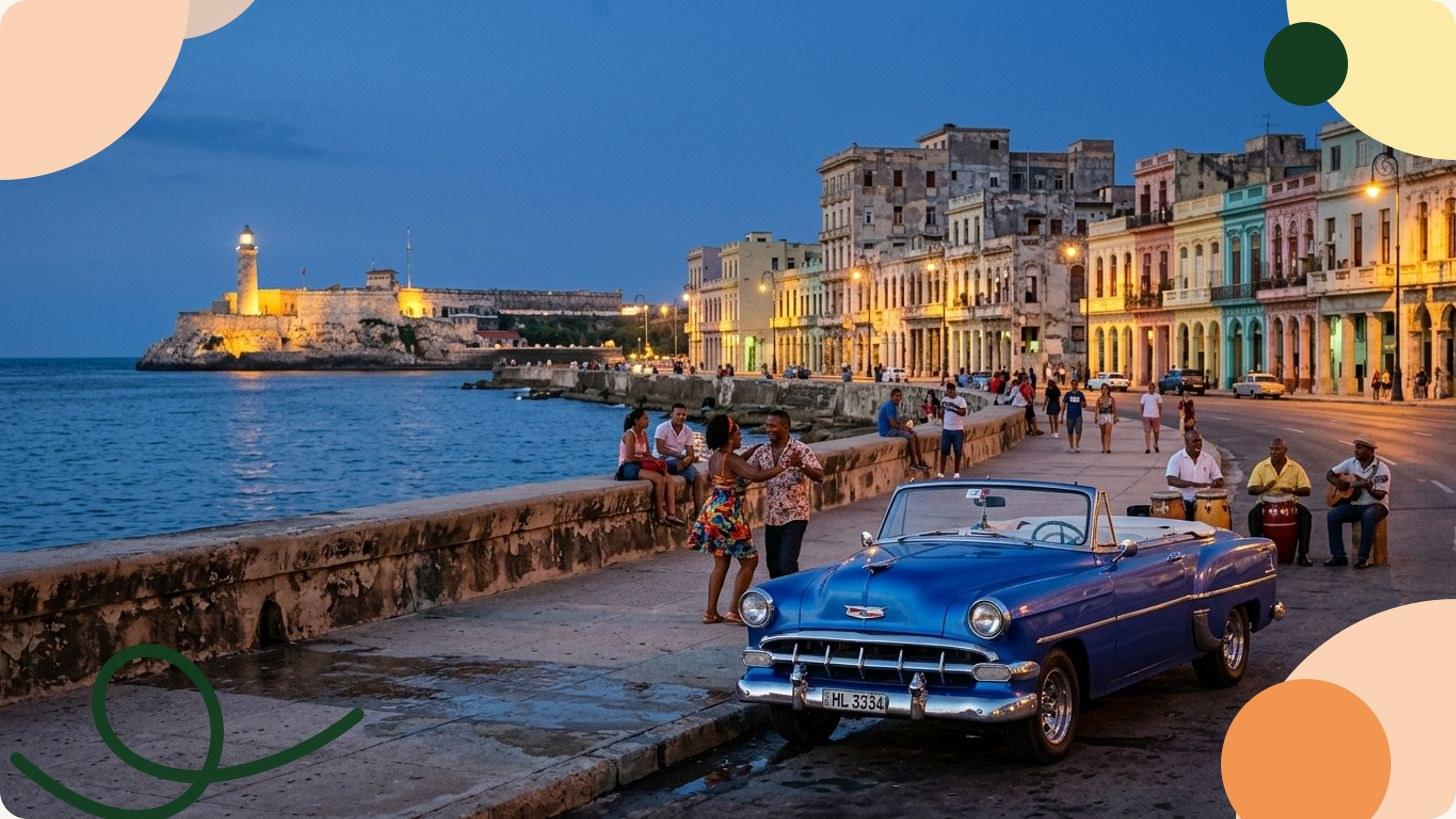
Built from 1901, the Malecón runs along the city’s northern shore for 8 kilometres, from Habana Vieja all the way to the Vedado district. It is neither a tourist promenade nor a luxury boulevard: it is the city’s great outdoor living room. Fishermen, teenagers, musicians and couples gather here every evening, whatever the season.
At sunset, raking light gilds the art deco facades lining the landward side of the avenue. On the seaward side, Atlantic waves crash against the seawall. In rough weather, spray sometimes clears the barrier and soaks passers-by, to the great amusement of the regulars.
1950s American Cars: an Hour in the Life of a Havanero
The almendrones, those Chevrolets, Buicks and Pontiacs repainted in vivid colours, are no postcard prop. They still make up a genuine share of Cuba’s car fleet. Hiring a convertible with a driver for a run along the Malecón or through the Vedado is an hour-long experience that etches the city into memory.
The price is agreed up front. The drivers, often sons or grandsons of the original owners, are happy to share their read of a city they have known since childhood.
Insure my trip to Cuba
Callejón de Hamel: Afro-Cuban Culture in the Open Air
In the Cayo Hueso neighbourhood, Callejón de Hamel is a 200-metre lane covered from end to end in murals: orisha symbols, portraits of African cultural figures, santería imagery. The artist Salvador González Escalona has been working here since 1990.
Every Sunday afternoon, the lane hosts an open-air rumba: batá drums, call-and-response singing, dancers and onlookers side by side. It is one of the few places where this communal practice takes place in its original context, with no staging laid on for visitors.
Cuban Son and Salsa: Dancing Where the Locals Do
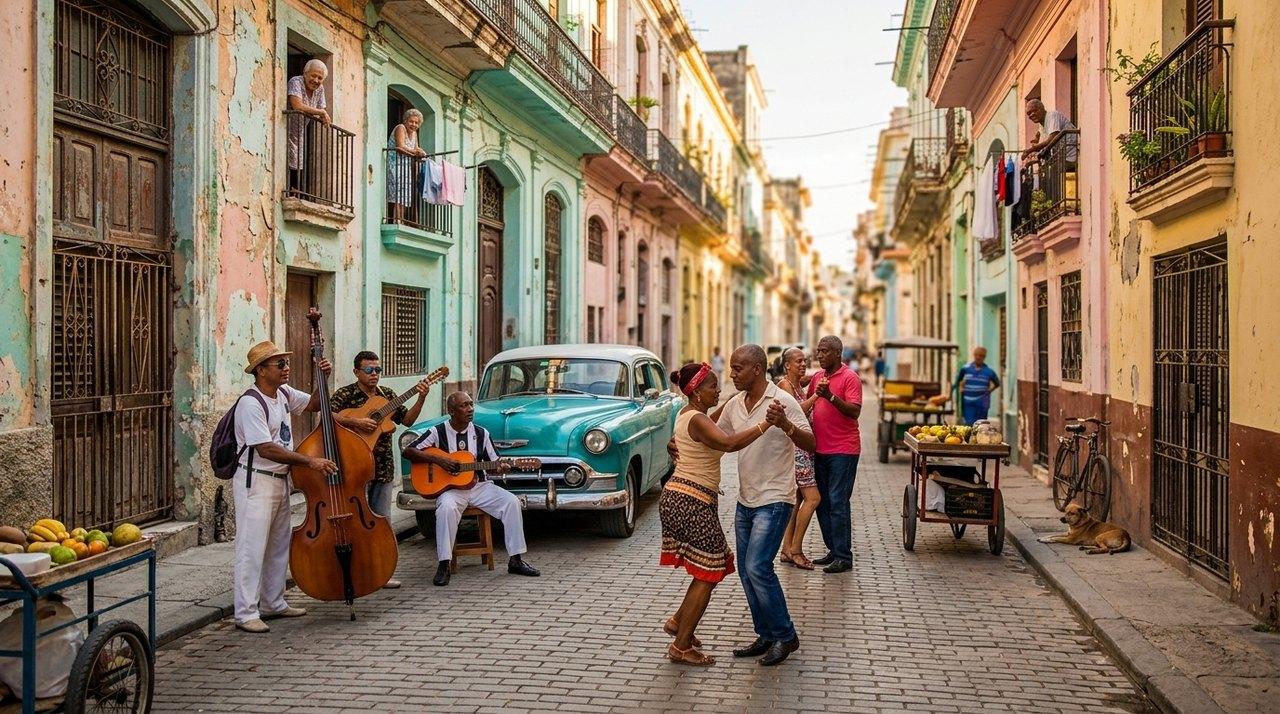
Cuban son was born on the island at the close of the 19th century, at the intersection of Spanish harmonies and African rhythms. It is the root of international salsa. In Havana, it is not simply something you hear on stage: it inhabits neighbourhood bars, inner courtyards and casas de la cultura.
Casa de la Música (two venues: Miramar and Galiano/Centro Habana) puts on son, timba and salsa concerts featuring Cuban artists. Beginner group classes are organised several times a week in Habana Vieja. For a more local atmosphere, the cultural peñas and unmarked bars of the Vedado host live music every evening.
Drawn to street music scenes? Things to do in New Orleans explores another city where jazz and blues are heard in similarly authentic conditions.
Fábrica de Arte Cubano and Gran Teatro: Two Cultural Evenings
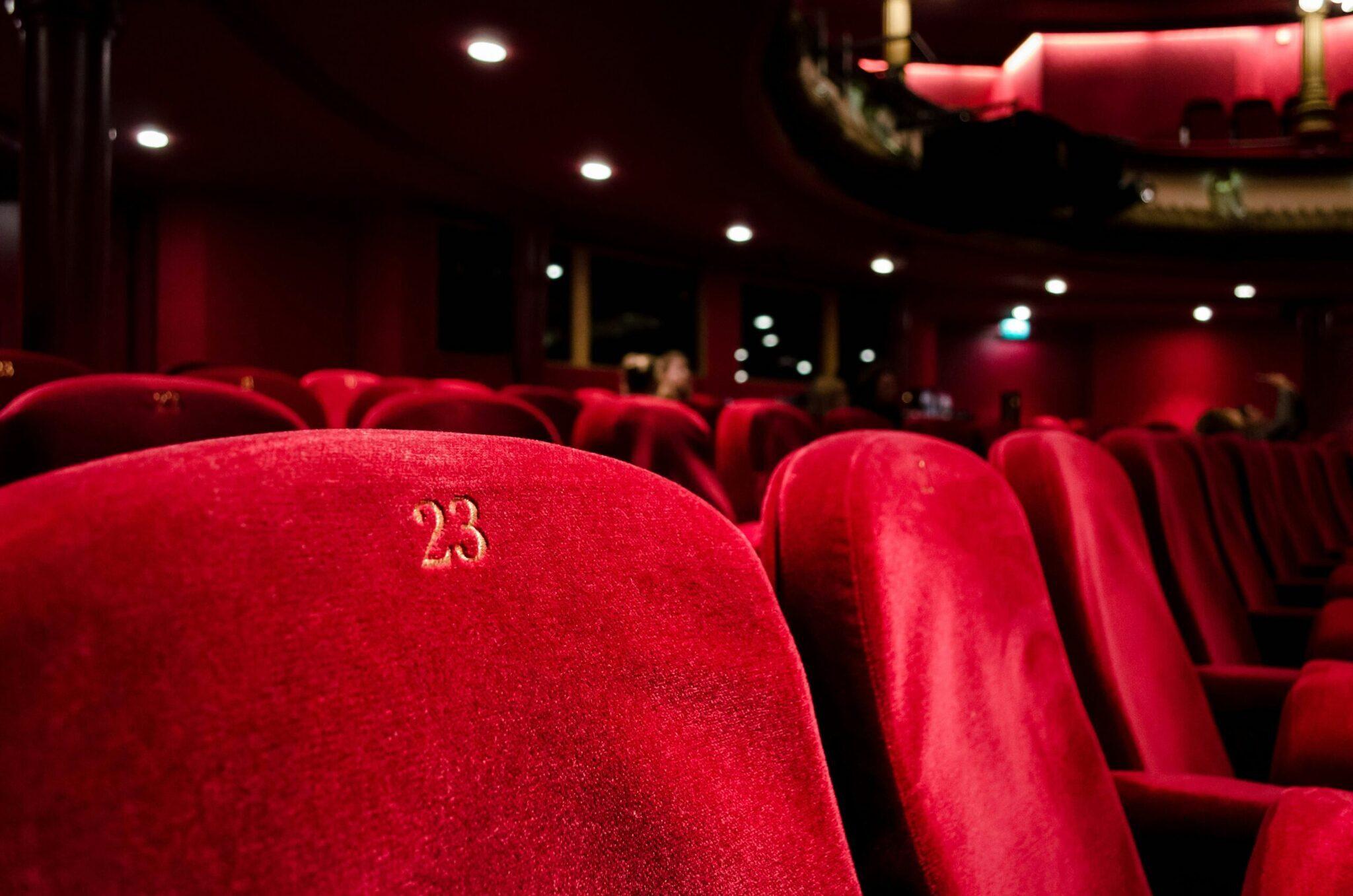
Housed in a former oil factory in the Vedado district, Fábrica de Arte Cubano (FAC) brings together contemporary art galleries, concert stages, video projections and live performances under one roof. It opens Thursday to Sunday evenings: this is where Havana’s youth goes, well away from the well-worn tourist trail.
The Gran Teatro de La Habana Alicia Alonso, on the Paseo del Prado, deserves a separate evening: it is home to the Ballet Nacional de Cuba, founded by the prima ballerina Alicia Alonso.
Havana Food: Paladares First
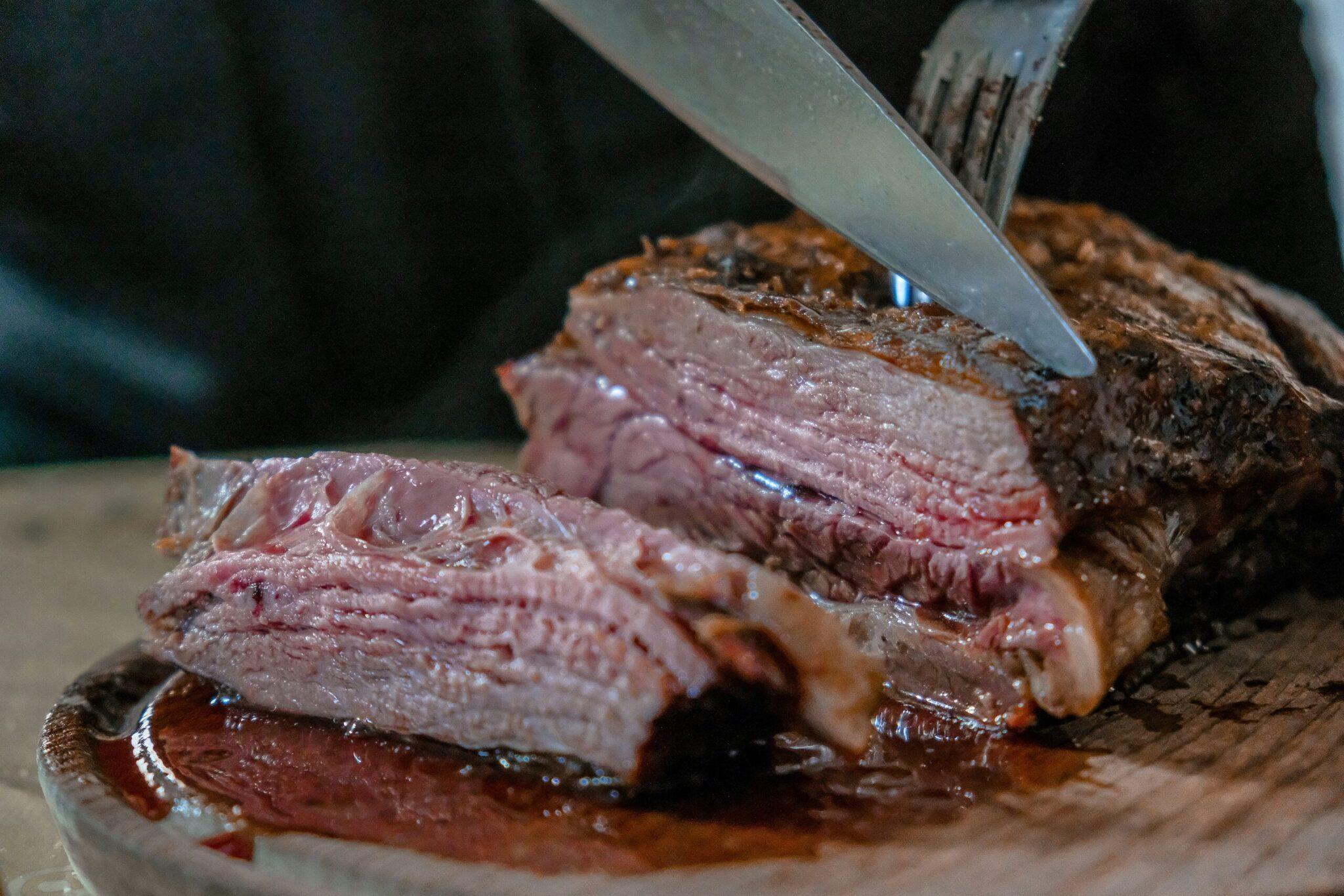
Since their legalisation, paladares (private restaurants) have transformed Havana’s food scene. Ropa vieja (slow-cooked shredded beef in tomato sauce), tostones (fried plantain) and moros y cristianos (rice and black beans) are the three dishes to try before you leave.
A handful of neighbourhood tables in Habana Vieja or Centro Habana serve better food than the establishments on the main tourist squares, usually at a lower price.
Other Latin American capitals combine vibrant local food and colonial heritage worth exploring: things to do in Mexico City or things to do in Buenos Aires for further inspiration beyond Cuba.
FAQ
How long does it take to see Havana?
Two days are enough to cover Habana Vieja and the Malecón. Three days give you time to visit Callejón de Hamel on a Sunday, take a vintage car ride and spend an evening at Fábrica de Arte Cubano.
When is the best time to visit Havana?
December to April is the dry season and offers the best conditions. Summer, from June to September, falls in the rainy season and hurricane period. December is the busiest month.
Is Havana safe for travellers?
Tourist areas such as Habana Vieja and the Vedado are generally safe. As in any large city, it is best to avoid displaying valuables and to stay alert in quieter neighbourhoods.
Where can I dance salsa in Havana?
Casa de la Música (Miramar and Centro Habana) is the go-to venue for salsa and Cuban timba. Beginner classes are offered several times a week in Habana Vieja.
Do I need to speak Spanish to get by in Havana?
Spanish is useful in local neighbourhoods. In Habana Vieja and with vintage car drivers, a basic grasp of the language is enough for everyday exchanges.