
Mexico City packs pre-Hispanic ruins, world-class museums, bohemian neighbourhoods and UNESCO-listed cuisine into a single destination. Whether you have three days or a week, here are the stops that are genuinely worth your time.
The Zócalo and the Historic Centre
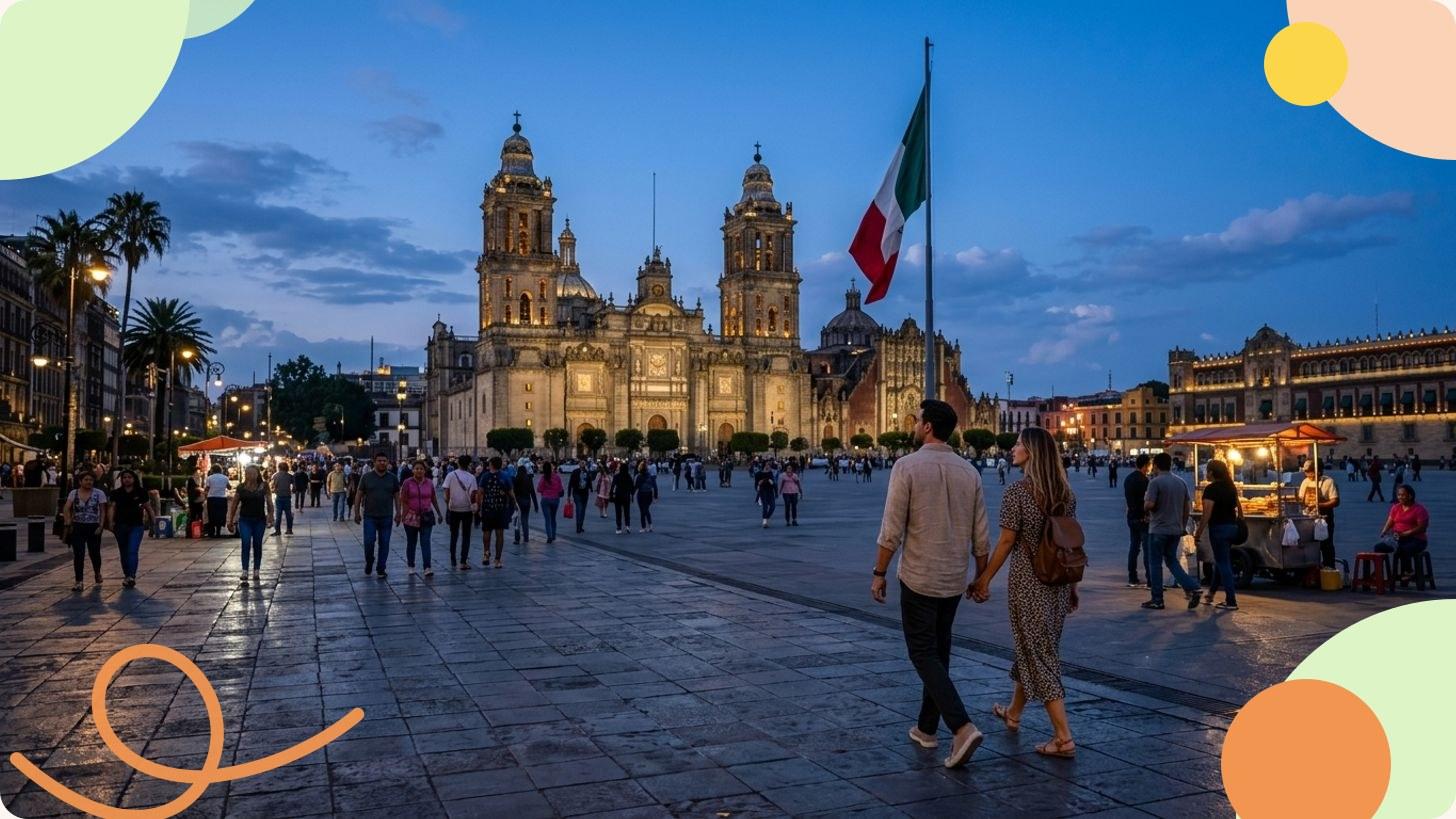
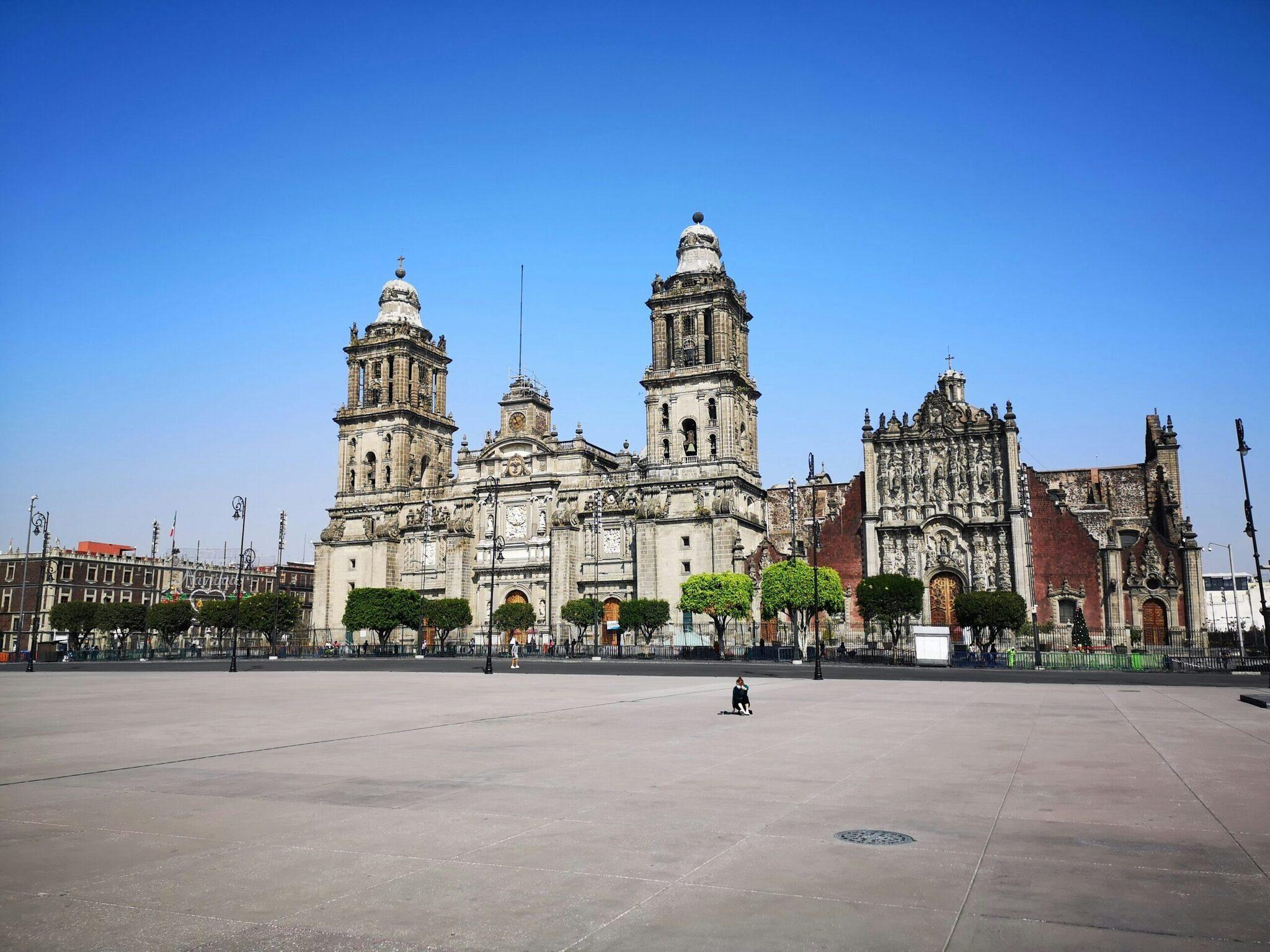
The Centro Histórico is a UNESCO World Heritage Site. At its heart is the Zócalo, one of the largest public squares in the world, flanked by the Metropolitan Cathedral (built between 1573 and 1813 in a blend of Gothic, Baroque and Neoclassical styles) and the National Palace, whose interior galleries are lined with Diego Rivera’s sweeping murals.
Just steps away are the ruins of the Templo Mayor, rediscovered during construction works in 1978. This archaeological site at the very heart of the city reveals the foundations of the great Aztec pyramid dedicated to Huitzilopochtli and Tlaloc. The adjoining museum displays the sculptures and ceramics unearthed on site.
The National Museum of Anthropology
Set within Chapultepec Forest, the National Museum of Anthropology is the most visited museum in Mexico. Its 22 permanent exhibition rooms trace the history of the great pre-Columbian civilisations: Aztec, Maya, Olmec, Totonac and many more.
The star exhibit is the Aztec Sun Stone, a colossal monolith long nicknamed the “calendar” but which historians now believe to be an altar or sacrificial stone. The museum also holds the treasures from the tomb of Pakal the Great, king of Palenque.
Practical info: the museum is open Tuesday to Sunday, 9am to 6pm. Entry costs 210 pesos per person (free for under-13s). Allow 3 to 4 hours for the main rooms.
Chapultepec Park
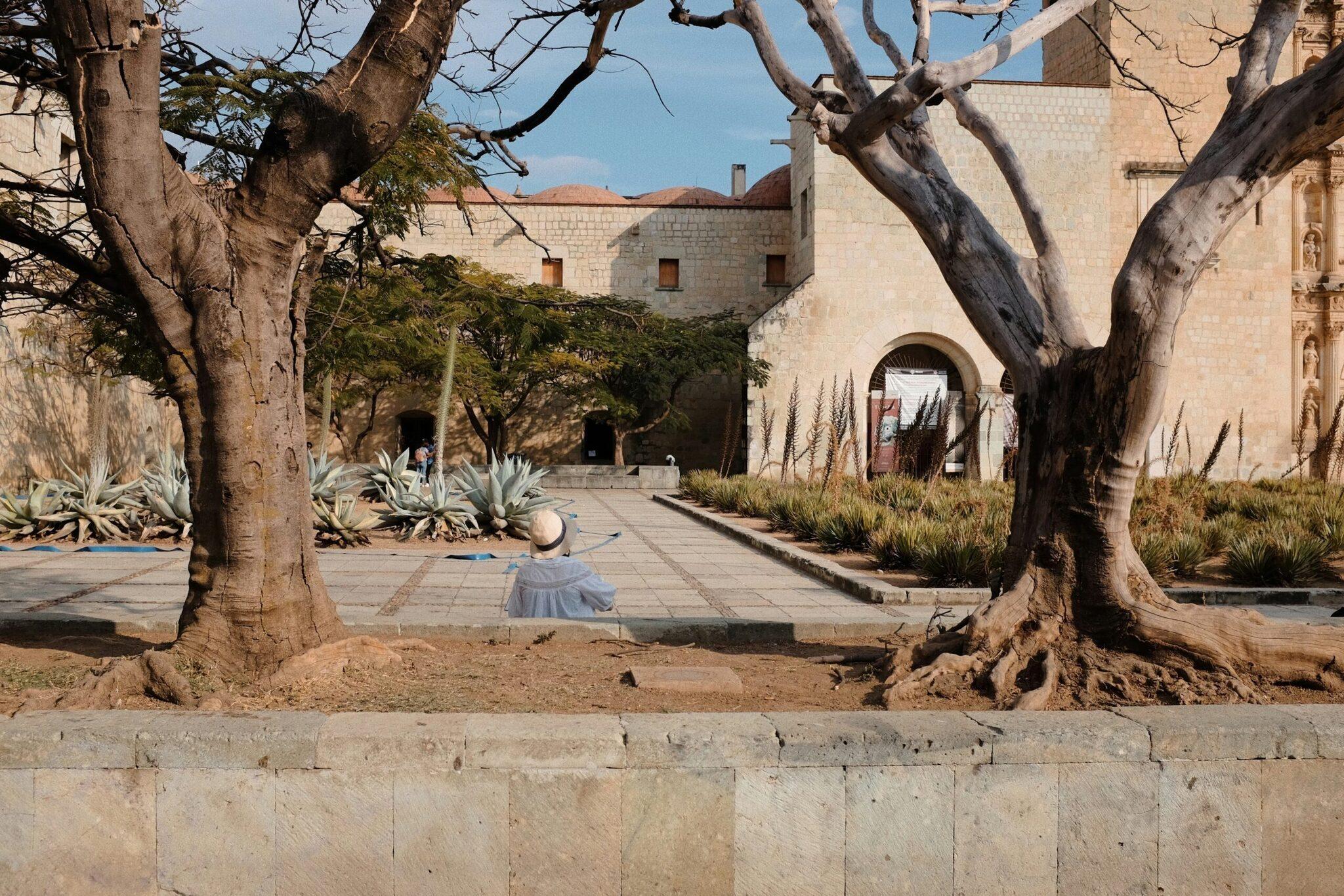
Chapultepec Park is one of the largest urban parks in the world. It is home to Chapultepec Castle (a former imperial palace with panoramic views over the city), botanical gardens, lakes, the Zoológico de Chapultepec (free to enter) and several additional museums. It is Mexico City’s green lung, a perfect place to decompress between intense sightseeing sessions.
Coyoacán and San Ángel: the World of Frida Kahlo and Diego Rivera
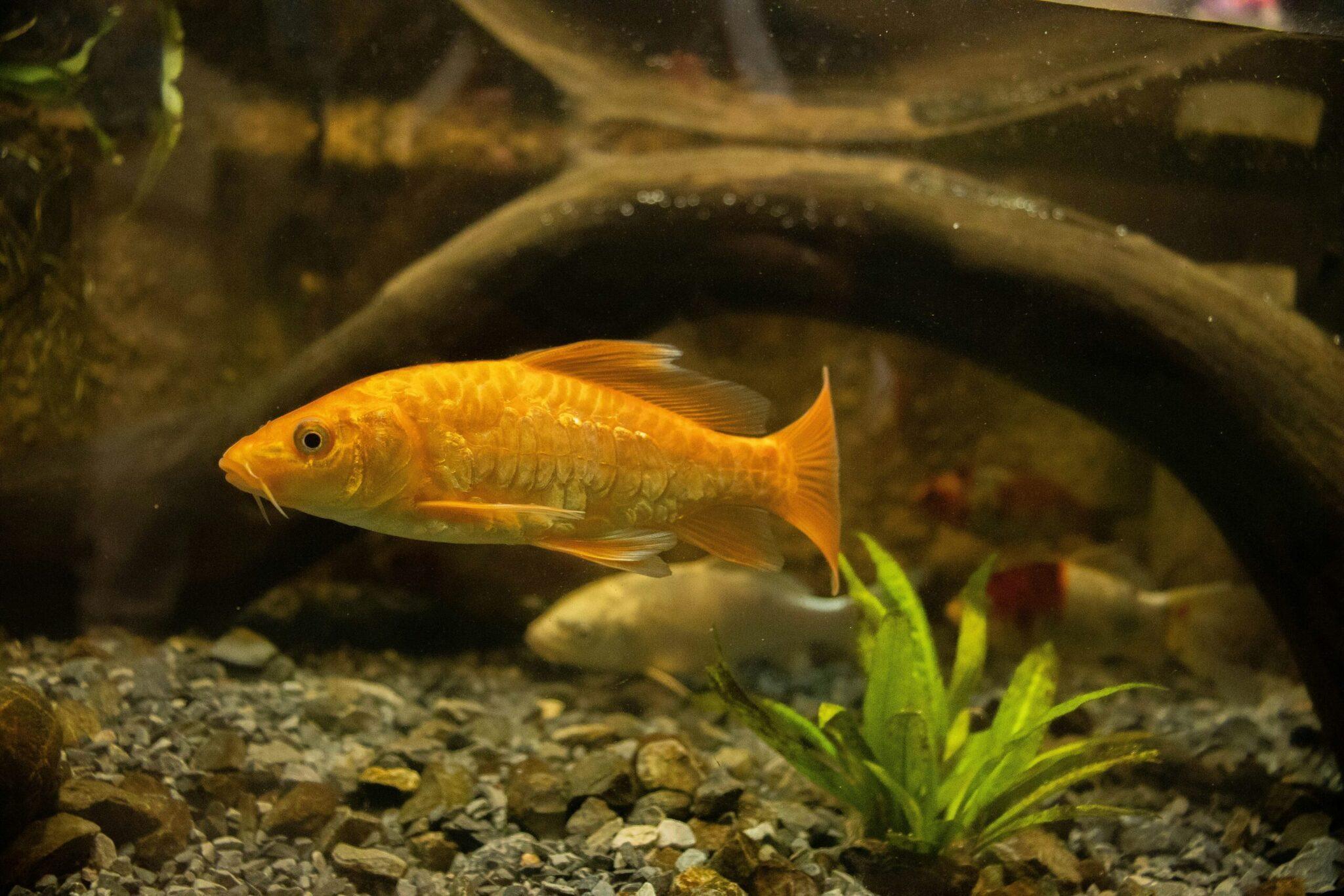
The neighbourhood of Coyoacán retains a village feel in the heart of the megalopolis: cobbled streets, shaded plazas, artisan markets and quiet cafés. This is where you will find the Casa Azul, Frida Kahlo’s childhood home turned museum, with its original rooms intact and her paintings on display.
In the neighbouring district of San Ángel, the Casa Estudio Diego Rivera y Frida Kahlo, designed by architect Juan O’Gorman, lets you visit the two artists’ studios just as they left them, with their works displayed in situ.
Mexican Cuisine: Markets, Taquerias and Fine Dining
Mexican cuisine is recognised as a UNESCO Intangible Cultural Heritage. In Mexico City, it spans every register: tacos and tamales from street vendors, regional specialities at the Mercado de San Juan or the Mercado de Coyoacán, and high-end cooking at restaurants such as Pujol or Quintonil, regularly ranked among the best tables in the world.
A night market, with its clouds of smoke from the grills and strings of lanterns, is one of the most authentic experiences Mexico City has to offer.
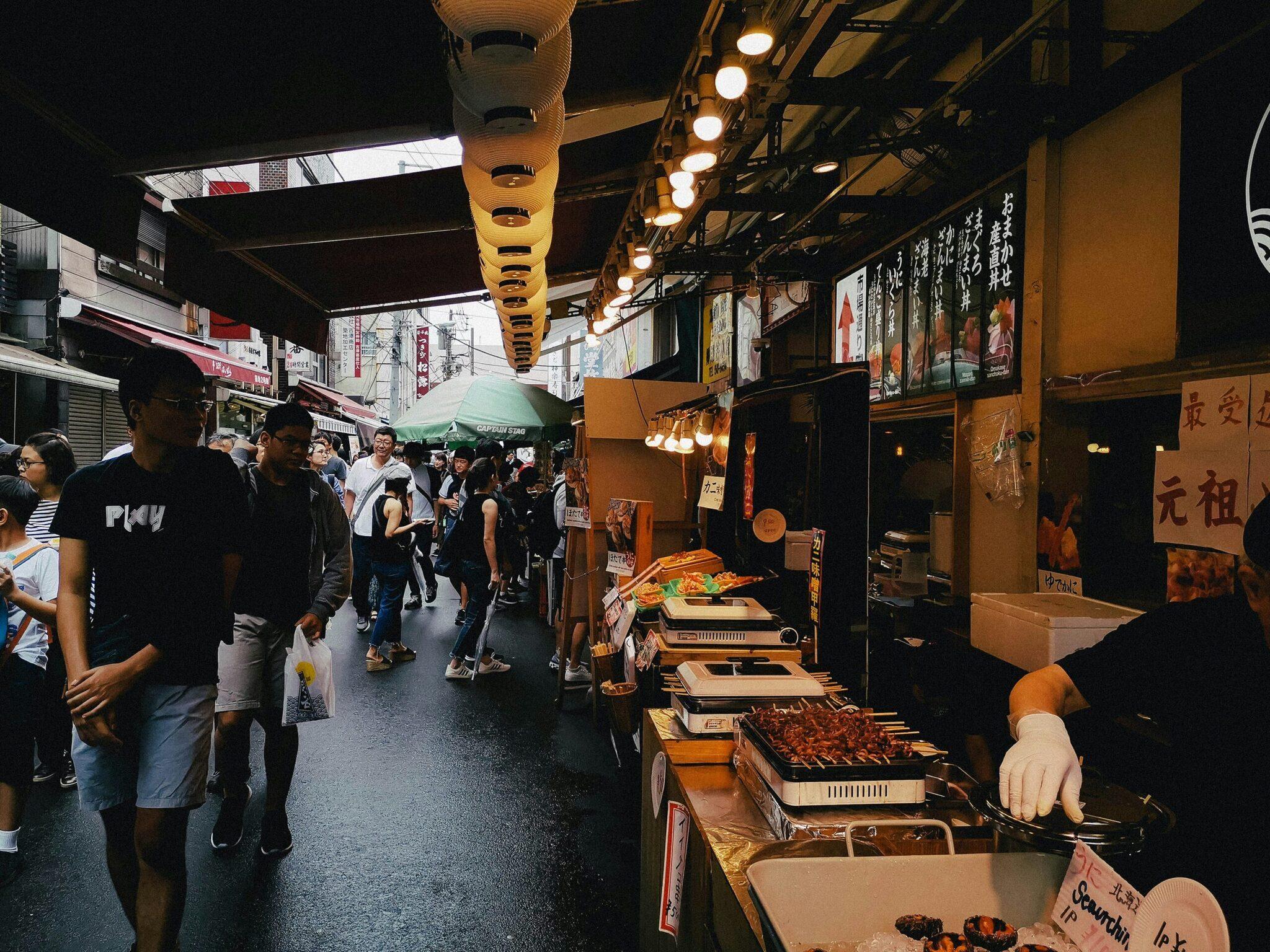
Esquites (spiced corn in a cup), quesadillas cooked on a griddle, and chiles en nogada are among the dishes you should not leave without trying. The culinary variety is such that every neighbourhood has its own essential addresses.

Xochimilco: the UNESCO-Listed Floating Canals
Located 28 km south of the city centre, Xochimilco is the last surviving fragment of the vast network of canals and chinampas (floating gardens) built by the Aztec civilisation. The site has been on the UNESCO World Heritage List since 1987.
You explore it aboard trajineras, brightly painted wooden boats poled along the canals. At weekends, bands of mariachis float from one vessel to another, while vendors sell fruit, drinks and cooked food from their own boats. The festive atmosphere is completely one of a kind and exists nowhere else on earth.
To extend your trip beyond the capital, our guide on things to do in Mexico covers the 20 must-sees across the whole country.
The Teotihuacán Day Trip: City of the Gods
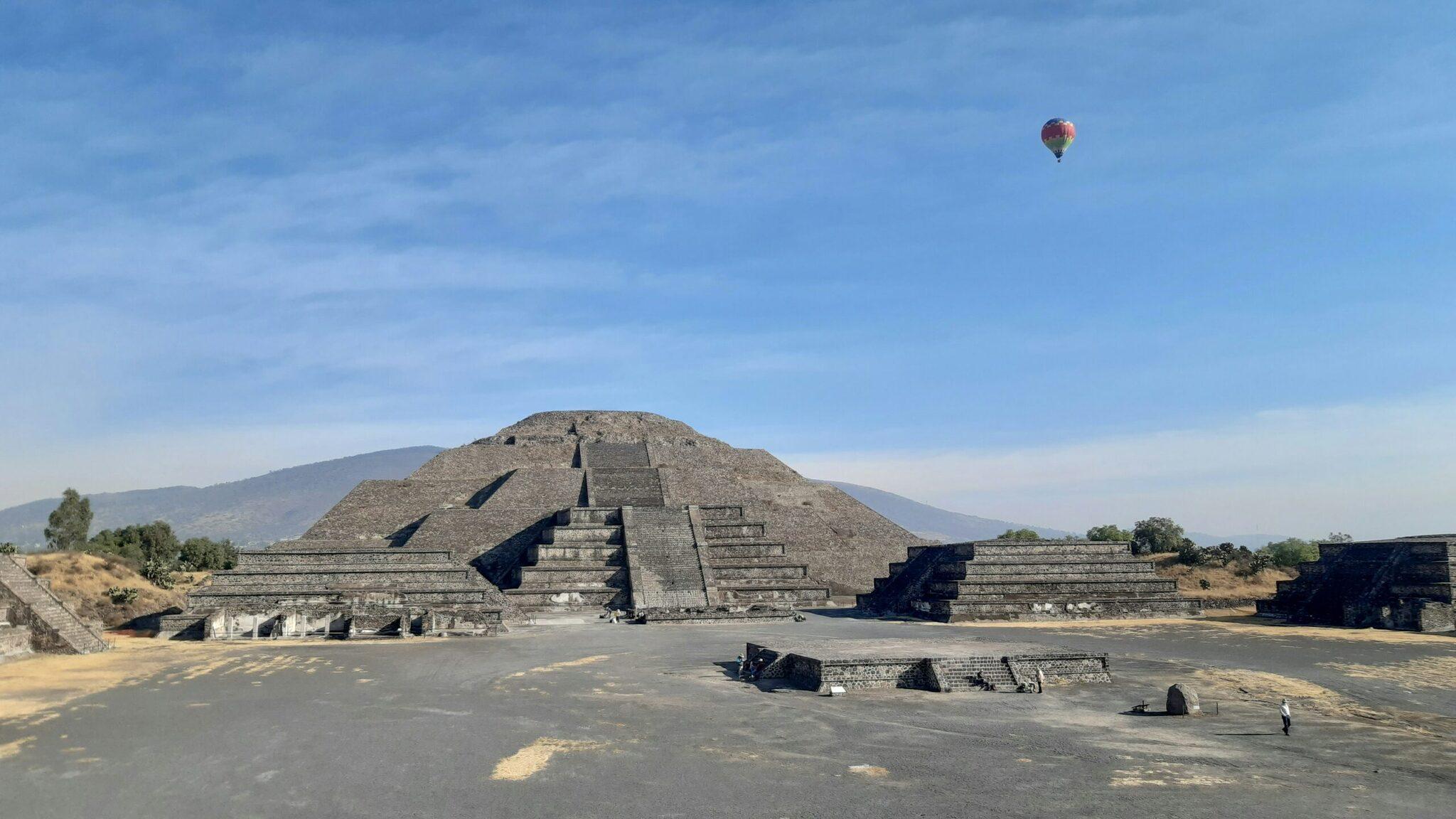
Around 50 km north-east of Mexico City, Teotihuacán is the most visited pre-Columbian archaeological site in the country. Its two main pyramids, the Pyramid of the Sun and the Pyramid of the Moon, dominate the Avenue of the Dead for several kilometres. The Temple of Quetzalcoatl, covered in bas-relief feathered serpents, rounds out the visit.
The window between 8am and 10am is ideal: temperatures are bearable and the crowds have not yet arrived. Guided day trips leave Mexico City from as early as 6:30am to make the most of the first hours on site.
The Palace of Fine Arts: Architecture and Muralism
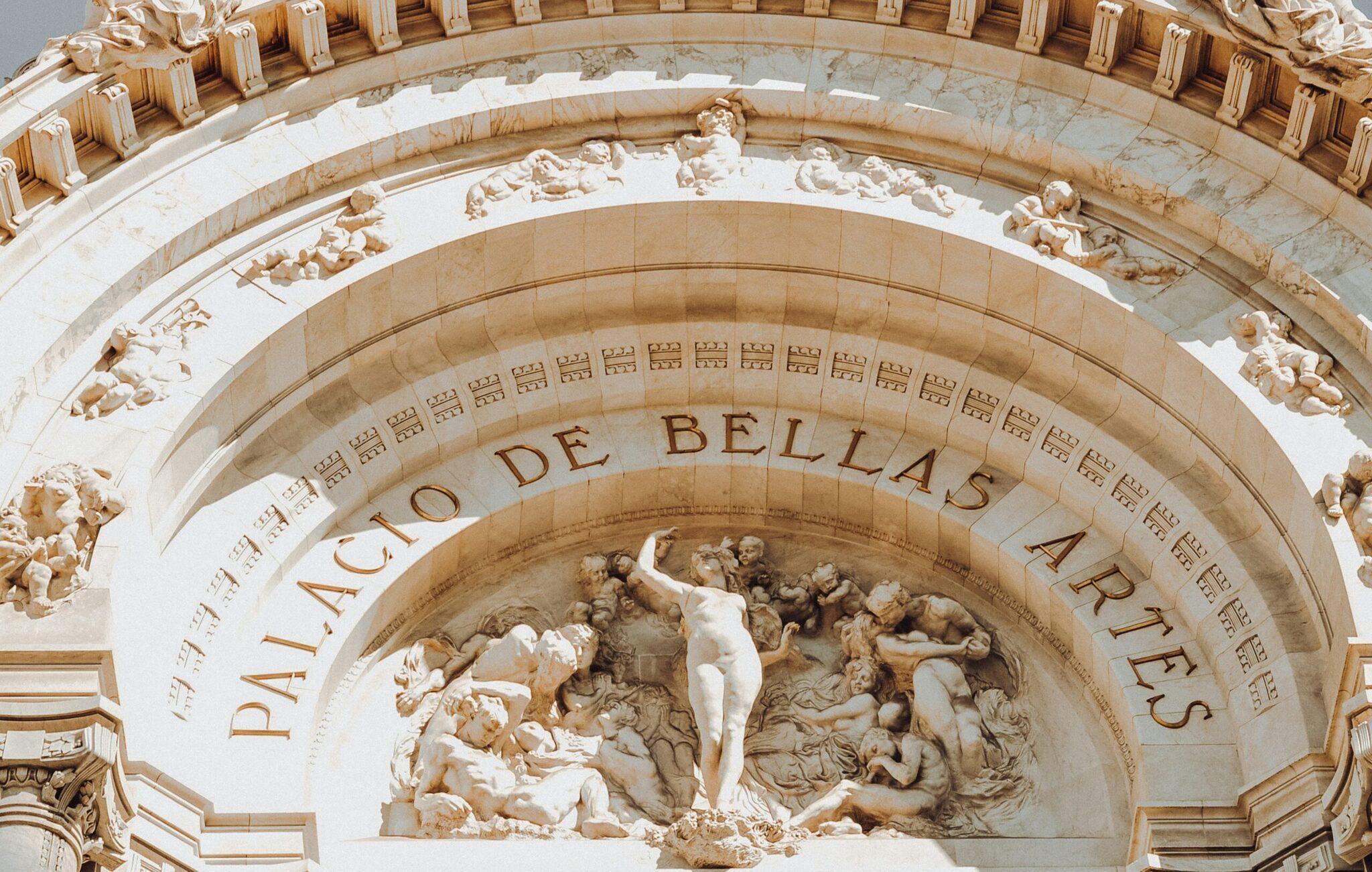
The Palacio de Bellas Artes is an Art Nouveau and Art Deco building that brings together an opera house, a museum and several exhibition halls under one roof. Inside, murals by Diego Rivera, David Alfaro Siqueiros and José Clemente Orozco cover the gallery walls. The folk ballet performances offer a vivid introduction to traditional Mexican dance.
The building itself, with its sculpted ceilings and marble mosaics, is worth the visit even without a performance.
Roma, Condesa, Polanco: Mexico City’s Modern Neighbourhoods
These three neighbourhoods concentrate the best of contemporary Mexico City: creative restaurants, independent art galleries, bookshops and designer markets. Condesa and Roma, with their ficus-lined avenues and Art Deco apartment buildings, are made for wandering without a fixed itinerary. Polanco, more upscale and residential, is home to private museums and flagship stores. All three are generally safe during the day and easy to reach on foot or by metro.
If you are planning other stops in Latin America, our guides on things to do in Lima and things to do in Montréal will help you compare the two cities.
FAQ
What is the best time to visit Mexico City?
The dry season, from November to April, offers the best conditions: clear skies and pleasant temperatures. The rainy season, from May to October, is hotter and more humid, but the city sees fewer tourists.
Do I need a visa to visit Mexico City?
No. British and EU nationals do not need a visa for a tourist stay of fewer than 180 days in Mexico. A valid passport is all you need.
How do I get to Teotihuacán from Mexico City?
Buses run regularly from the Terminal de Autobuses del Norte (metro: Autobuses del Norte, line 5). The journey takes around an hour. Guided day trips including transport leave the city each morning, making it easy to arrive before the crowds.
How long should I allow to visit Mexico City?
Four days cover the highlights: the Historic Centre, the National Museum of Anthropology, Coyoacán and a day trip to Teotihuacán. A week allows you to explore Xochimilco, the modern neighbourhoods and the Palace of Fine Arts at a comfortable pace.
Is the Historic Centre of Mexico City safe for tourists?
The Centro Histórico and the main tourist neighbourhoods (Coyoacán, Roma, Condesa, Polanco) are generally safe during the day. As in any large capital, caution is advised at night and on public transport. Check your government’s travel advisory before departure.
Is street food in Mexico City safe for European travellers?
Yes, as long as you choose stalls that are busy with locals, which is a reliable sign of freshness and high turnover. Avoid tap water and stick to sealed bottled drinks.