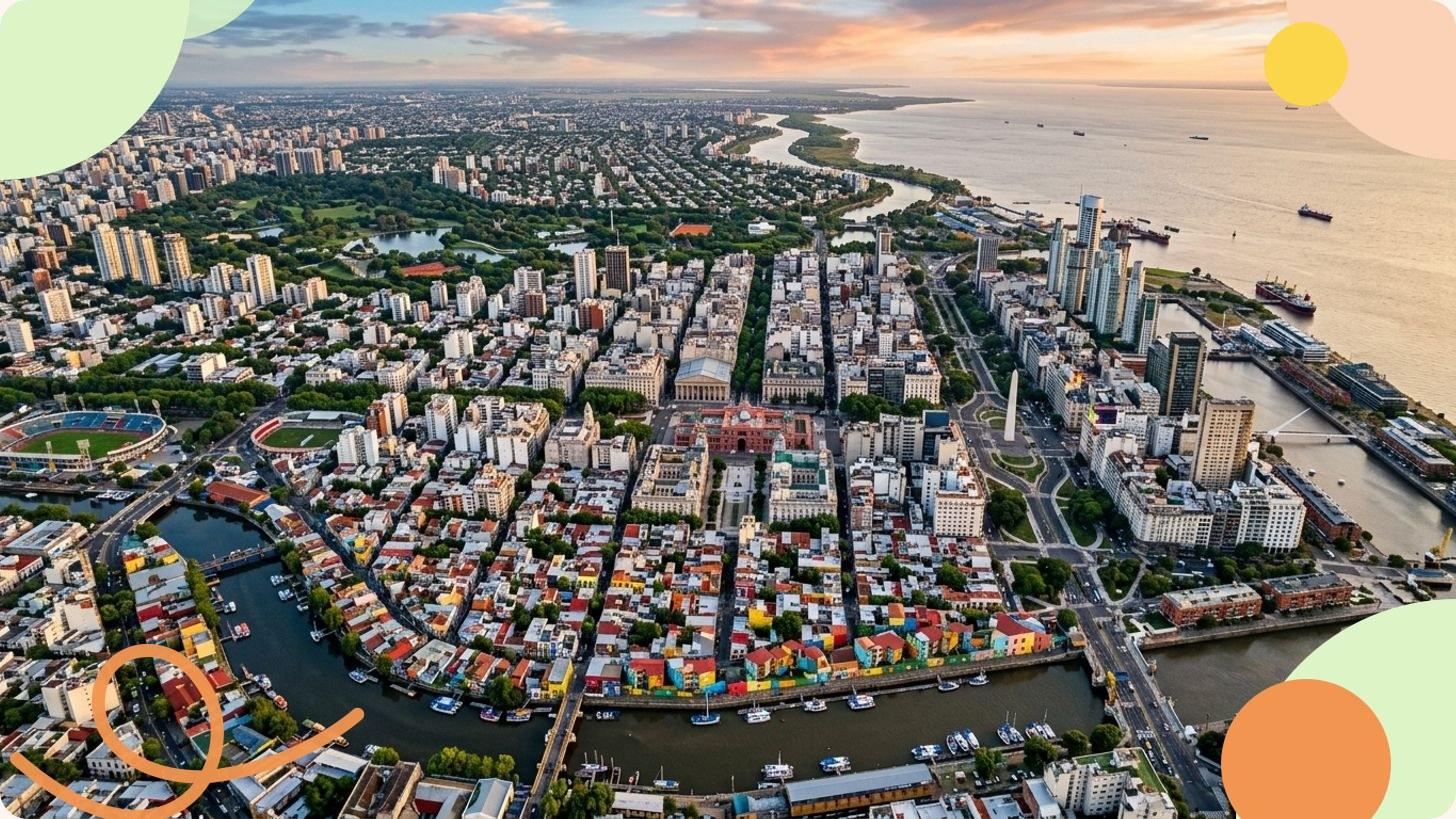

Buenos Aires reveals itself neighbourhood by neighbourhood. La Boca and Caminito for raw colour and tango in its purest form, San Telmo for cobblestones and Sunday milongas, Recoleta for grand architecture and Evita’s tomb, Palermo for parks and nightlife, Puerto Madero for a stroll along the waterfront. Allow at least 5 days to avoid feeling rushed.
La Boca and Caminito: the neighbourhood that invented tango
La Boca was shaped by Italian immigration in the late 19th century. Port workers painted their corrugated-iron homes with leftover ship paint, which is how those vivid yellow, blue and red facades became the neighbourhood’s calling card.
Caminito is the pedestrian street at the heart of La Boca. Across just 150 metres, it packs in murals, costumed tango dancers, galleries and craft shops. It functions as an open-air museum and comes alive during the day only.
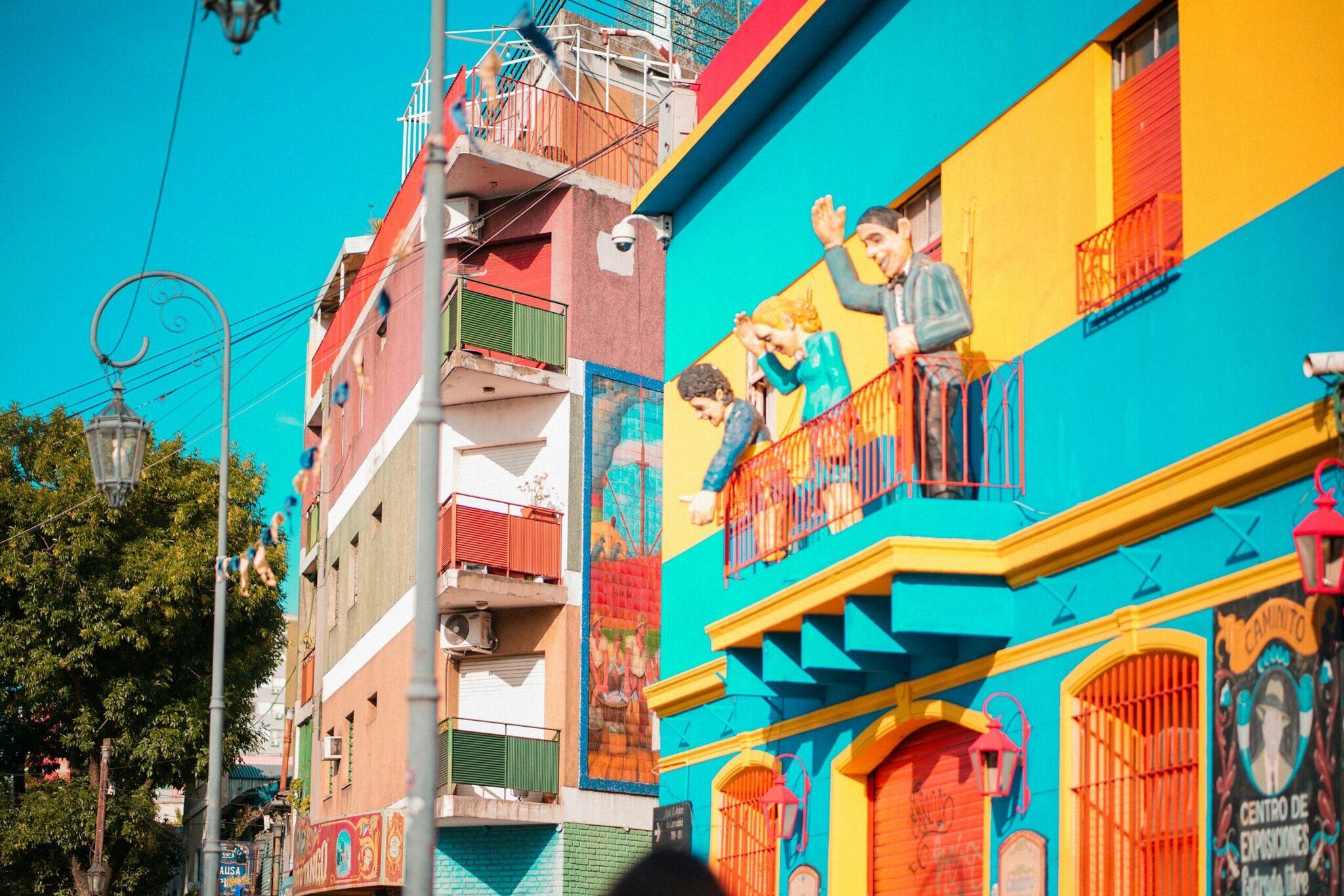
One safety note worth flagging: visitors consistently advise sticking to Caminito and its immediate surroundings, and only coming during daylight hours. La Bombonera, the legendary Boca Juniors stadium, can be visited on non-match days and includes a museum and access to the pitch.
San Telmo: colonial cobblestones and tango dance halls
San Telmo is one of Buenos Aires’ oldest neighbourhoods. Its cobbled streets, 19th-century colonial buildings and Calle Defensa give it a nostalgic, authentic atmosphere that the rest of the city has largely lost.
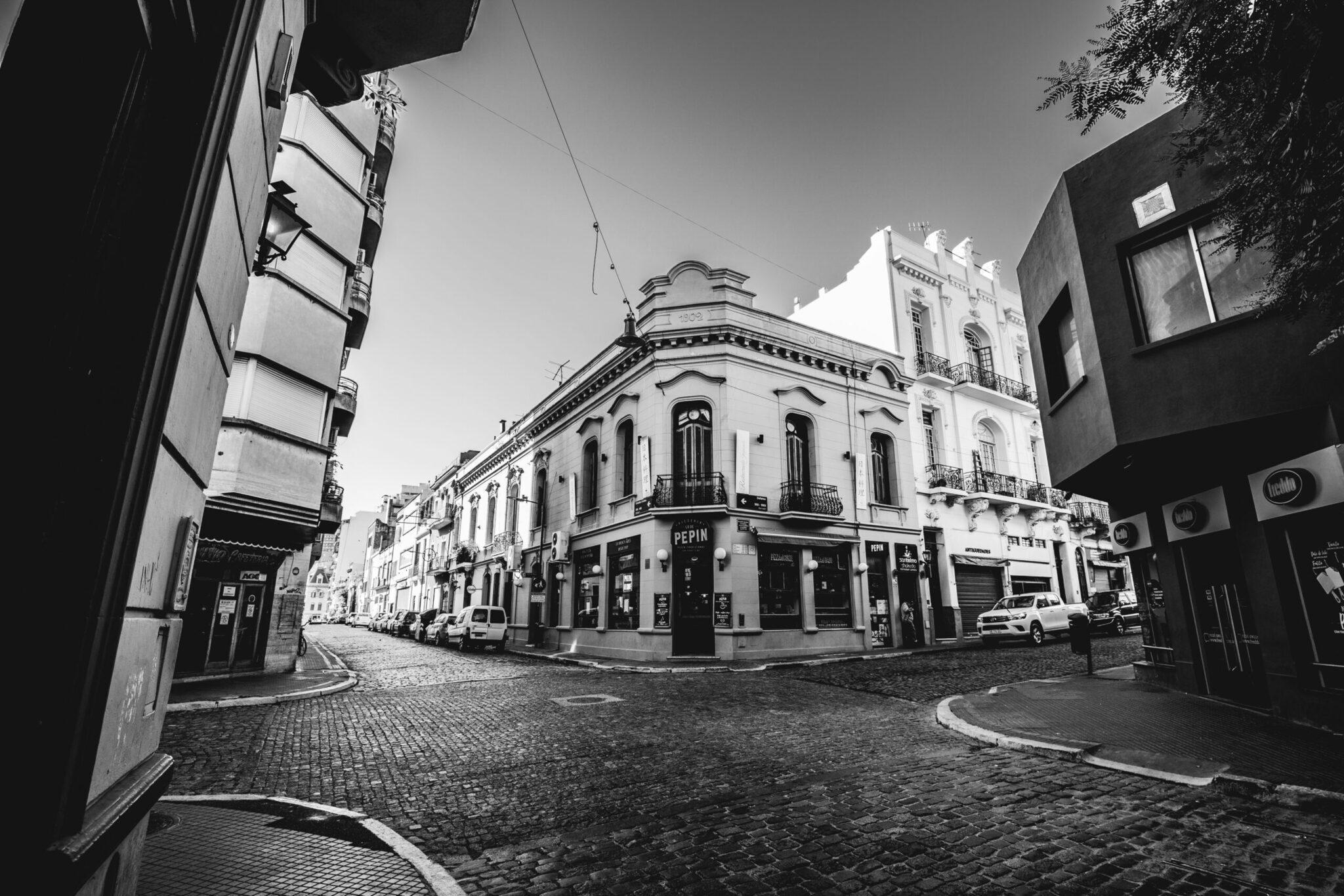
On Sundays, Plaza Dorrego hosts the San Telmo Market: antiques, handmade goods and street performances all jostling for space. The neighbourhood is also the heartland of the milonga: those popular tango dance halls where regulars take to the floor in venues along Calle Balcarce and Calle Humberto, several evenings a week.
Protect my trip to ArgentinaRecoleta: European-style elegance
Recoleta is the most Haussmann-like neighbourhood in Buenos Aires. Its white stone facades, shaded parks and galleries give it the feel of Paris or Brussels.
The Recoleta Cemetery (Junín 1760) is its headline attraction. Open daily from 8am to 6pm, it is home to more than 6,400 marble tombs and mausoleums, including that of Eva Perón, known as Evita. English-language guided tours depart from the main entrance on Tuesdays, Thursdays and Saturdays at 11am.
El Ateneo Grand Splendid
A short walk from Recoleta, at Avenida Santa Fe 1860, El Ateneo Grand Splendid is a bookshop housed inside a former opera house from the early 20th century. The original boxes and gilded ornamentation have been preserved intact, with the former private boxes now serving as reading alcoves. Entry is free.
The historic centre: Plaza de Mayo and the Casa Rosada
Plaza de Mayo has been the political heart of Buenos Aires since 1810. The Pirámide de Mayo, a white obelisk erected on the first anniversary of independence, marks its centre.
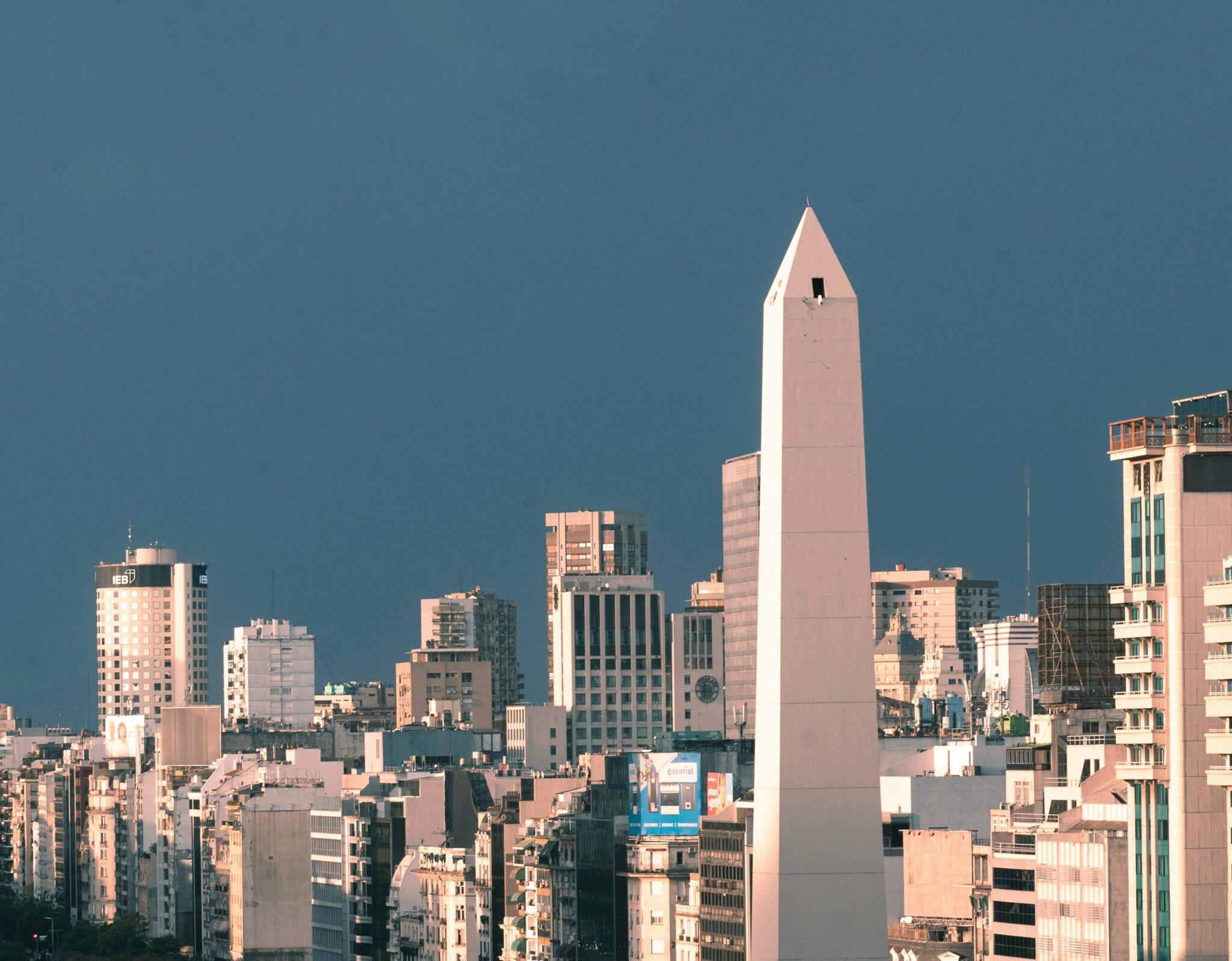
The Casa Rosada, the presidential palace with its instantly recognisable salmon-pink facade, closes off the square to the east. Free guided tours run at weekends and give access to the state rooms and Argentina’s political history.
Palermo: parks, boutiques and nightlife
Palermo is the largest neighbourhood in Buenos Aires, split into distinct zones. Palermo Chico is home to elegant villas and embassies. Palermo Soho and Hollywood are where you will find designer boutiques, art galleries, cafes and restaurants.
Parque Tres de Febrero contains the Rosedal, a garden of 14,000 rose bushes, as well as a Japanese garden with free entry. Come evening, Palermo only really gets going after 8pm: this is the go-to neighbourhood for dinner and a late night in one of its many bars.
To explore Argentina beyond Buenos Aires, our guide to things to do in Argentina takes you to the vineyards of Mendoza, the glaciers of Patagonia and Iguazu Falls.
Puerto Madero: reinvented docks turned waterfront promenade
Puerto Madero is Buenos Aires’ former port, redeveloped in the 1990s. Its red-brick warehouses line the converted docks, now flanked by restaurants and walkways. Come nightfall, the quaysides take on a festive atmosphere, strung with lights and busy with terrace bars.
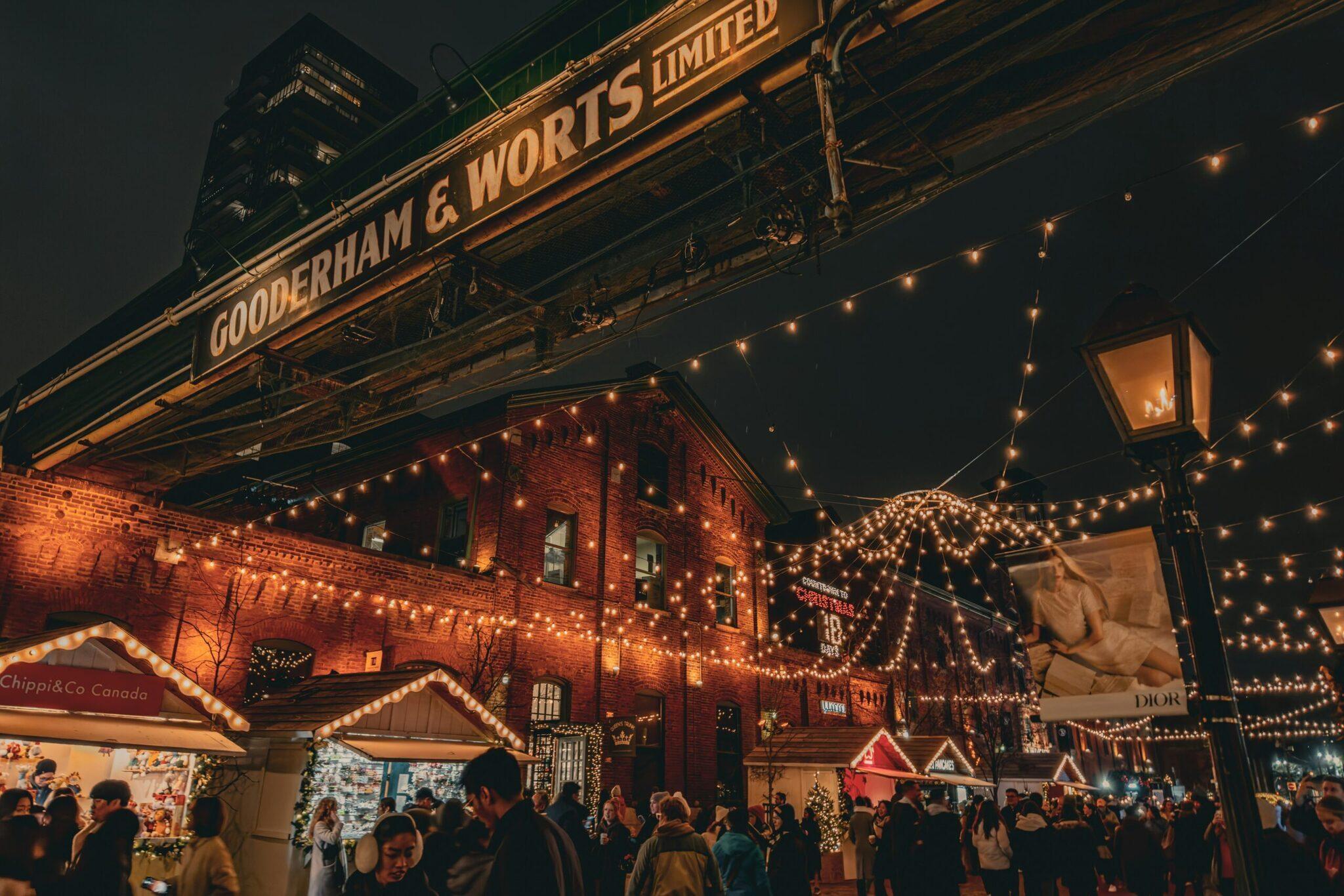
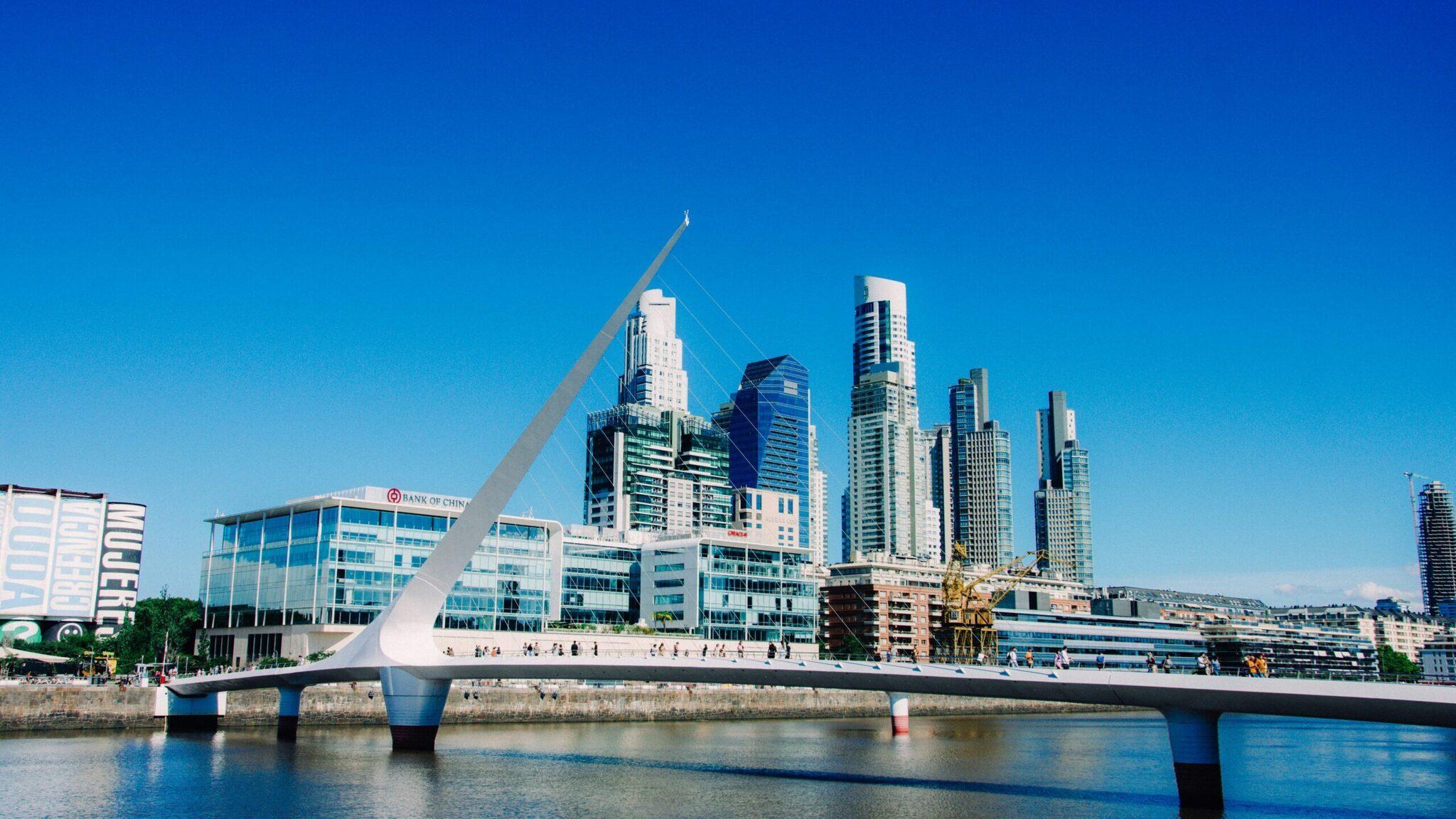
The Puente de la Mujer, a pedestrian bridge designed by Santiago Calatrava, spans Dock 3: its white structure is said to evoke a tango dancer mid-arabesque. The Reserva Ecológica Costanera Sur, on the eastern edge of the neighbourhood, offers an unexpected breath of nature right in the heart of the city.
The Teatro Colón: a world-class opera house
Inaugurated in 1908, the Teatro Colón (Cerrito 628) has more than a century of service to Argentine and world culture behind it. Its acoustics place it among the global benchmarks for opera, with ballet, classical music and opera productions running throughout the season.
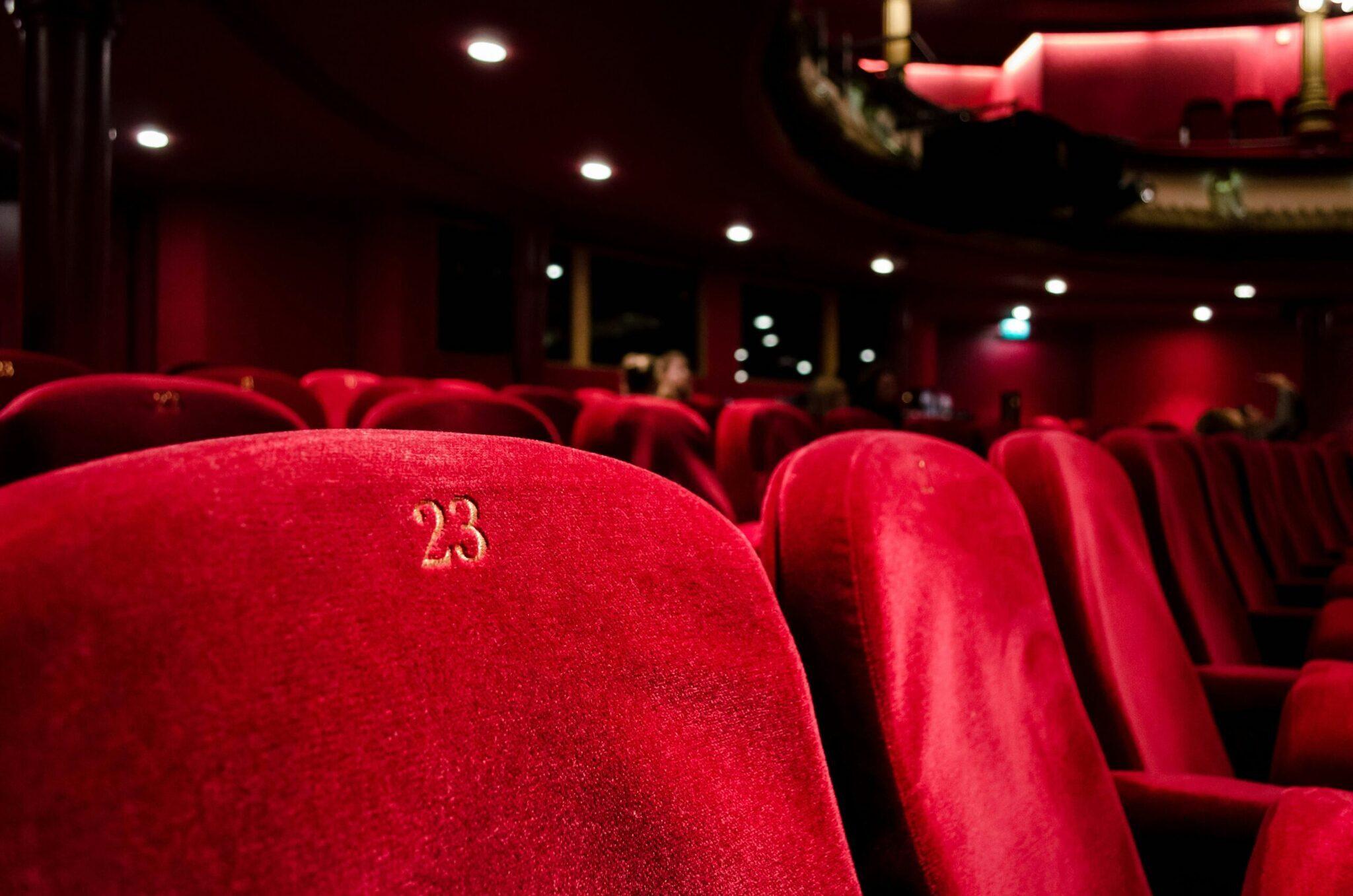
Guided tours of 50 minutes run every day from 10am to 4:45pm, with departures every 15 minutes. English-language tours depart at fixed times: 11am, 12pm, 1pm and 3pm. The route covers the Foyer, the Gallery of Busts, the Golden Hall and the main auditorium. Tickets are available at the box office (Tucumán 1171) or at teatrocolon.org.ar.
Tango: from the show to the milonga
Tango was born in Buenos Aires in the late 19th century, in the conventillos of working-class La Boca and San Telmo. Buenos Aires offers two very different ways to experience it.
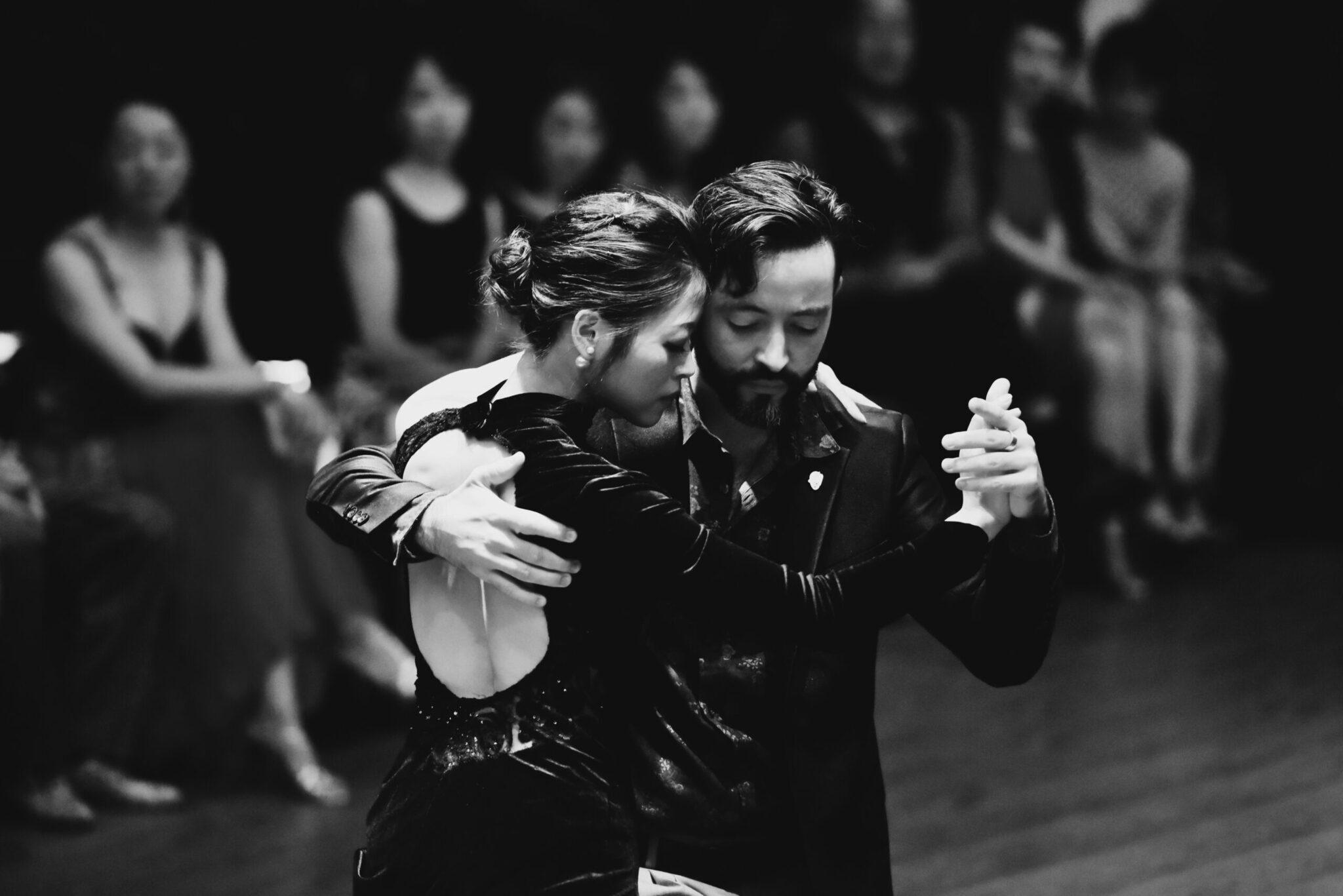
Tango shows (El Viejo Almacén, Tango Porteño and others) offer staged performances with a live orchestra, often paired with dinner. The production values are high and the technical level impressive.
Milongas are the popular tango dance halls where Porteños themselves take to the floor. Entry is considerably cheaper, and the atmosphere is far closer to the everyday reality of the neighbourhood. Introductory classes are held in the afternoon before each milonga session, making it easy to give it a go without any pressure.
Drawn to other Latin cities with real character? Our guide to things to do in Havana explores another capital defined by exceptional colonial architecture and spellbinding music culture.
Porteño food: asado, empanadas and Malbec
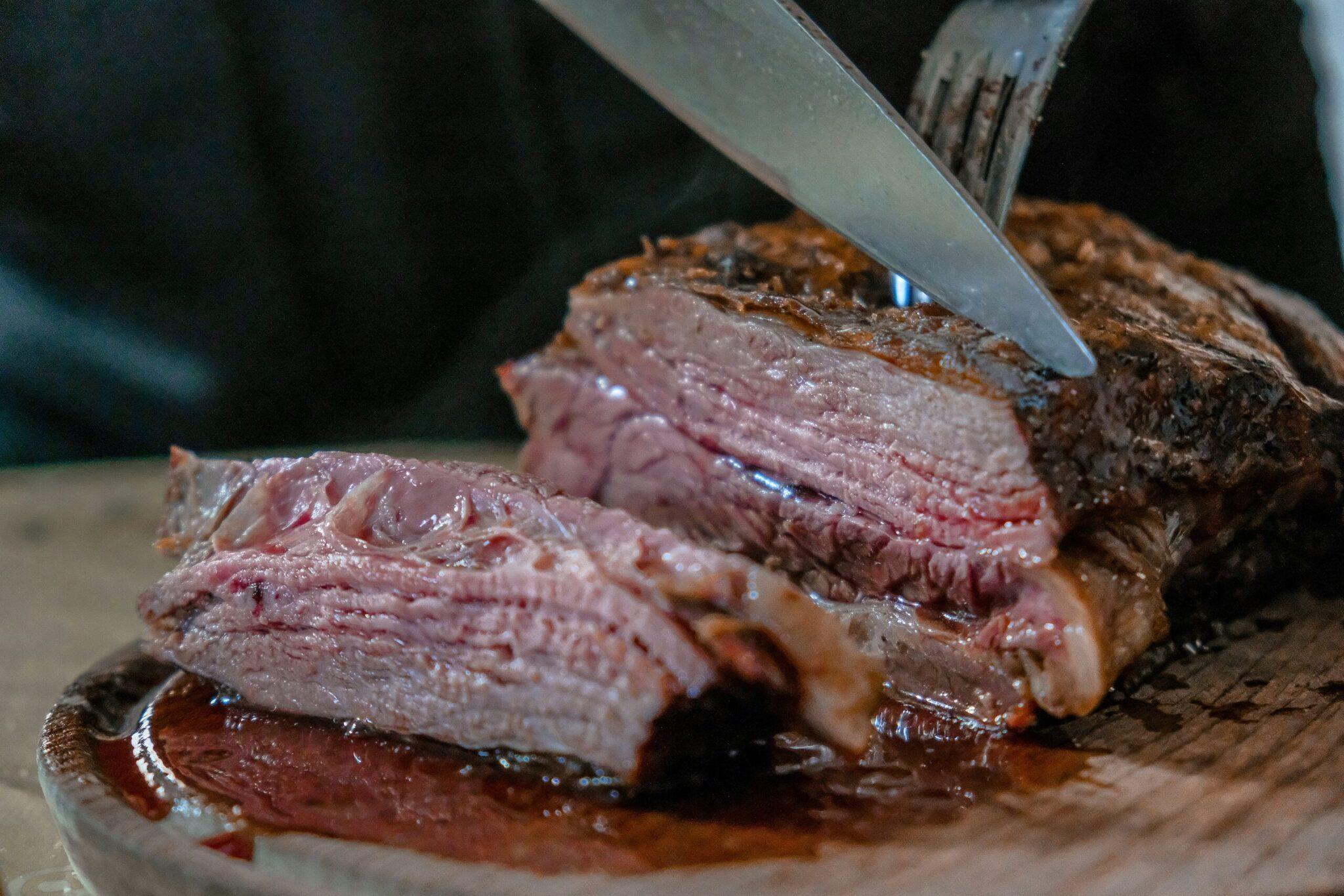
Eating in Buenos Aires means stepping straight into Argentine culture. Asado is not just a barbecue: it is a social ritual. Family or friends gather at the weekend around a slow fire for several hours. The asador tends the flames; everyone else brings wine, bread and conversation. Local parrillas serve the classic cuts, asado de tira (short ribs), bife de chorizo, entraña (skirt steak), all served with chimichurri, the house condiment made from garlic, parsley and vinegar.
Malbec is the wine of choice with asado. Beyond the parrillas, empanadas (pastry pockets filled with meat, cheese or vegetables) and facturas (pastries from neighbourhood bakeries) are a staple of daily porteño life from early morning.
FAQ
How many days do you need to visit Buenos Aires?
A minimum of 5 days gives you time to explore the essential neighbourhoods without rushing. A full week leaves room for day trips: the Paraná Delta is easily reached from the city, or you can take a domestic flight to Mendoza or Iguazu Falls.
What is the best time to visit Buenos Aires?
The Southern Hemisphere spring (September to November) and autumn (March to May) offer the most pleasant temperatures, typically between 15 and 25°C. The Southern summer (December to February) is hot and humid; winter (June to August) remains mild with little rain.
Where to see tango in Buenos Aires?
For a professional show: El Viejo Almacén in San Telmo or Tango Porteño. For an authentic experience at local prices: the milongas of San Telmo and Palermo, open several evenings a week. Check timings on arrival or ask at your accommodation.
Is the Recoleta Cemetery free for tourists?
Entry is free for Argentine residents with ID. Foreign visitors pay an entrance fee that varies. Check the official Buenos Aires Tourism website (turismo.buenosaires.gob.ar) before your visit for up-to-date pricing.
Can you visit the Teatro Colón without seeing a performance?
Yes. Guided tours of 50 minutes run daily from 10am to 4:45pm. English-language departures at 11am, 12pm, 1pm and 3pm. Tickets at the box office (Tucumán 1171) or at teatrocolon.org.ar. Closed on 1 May, 24, 25 and 31 December, and 1 January.
Is basic bank card travel insurance enough for Argentina?
Bank card cover is often limited in both duration and amount. It does not guarantee direct billing with Argentine hospitals, nor does it cover medical repatriation. Yupwego travel insurance covers your medical costs on the ground and your repatriation, with nothing to pay upfront.