
Budapest blends a thousand years of history, eclectic architecture and inventive nightlife. In 3 to 4 days, you can explore the quieter, greener Buda side and the bustling Pest bank lined with grand monuments. Here are the sights and experiences that genuinely deserve your time in the Hungarian capital.
Get my travel insuranceThe Budapest Parliament: a neo-Gothic masterpiece on the Danube
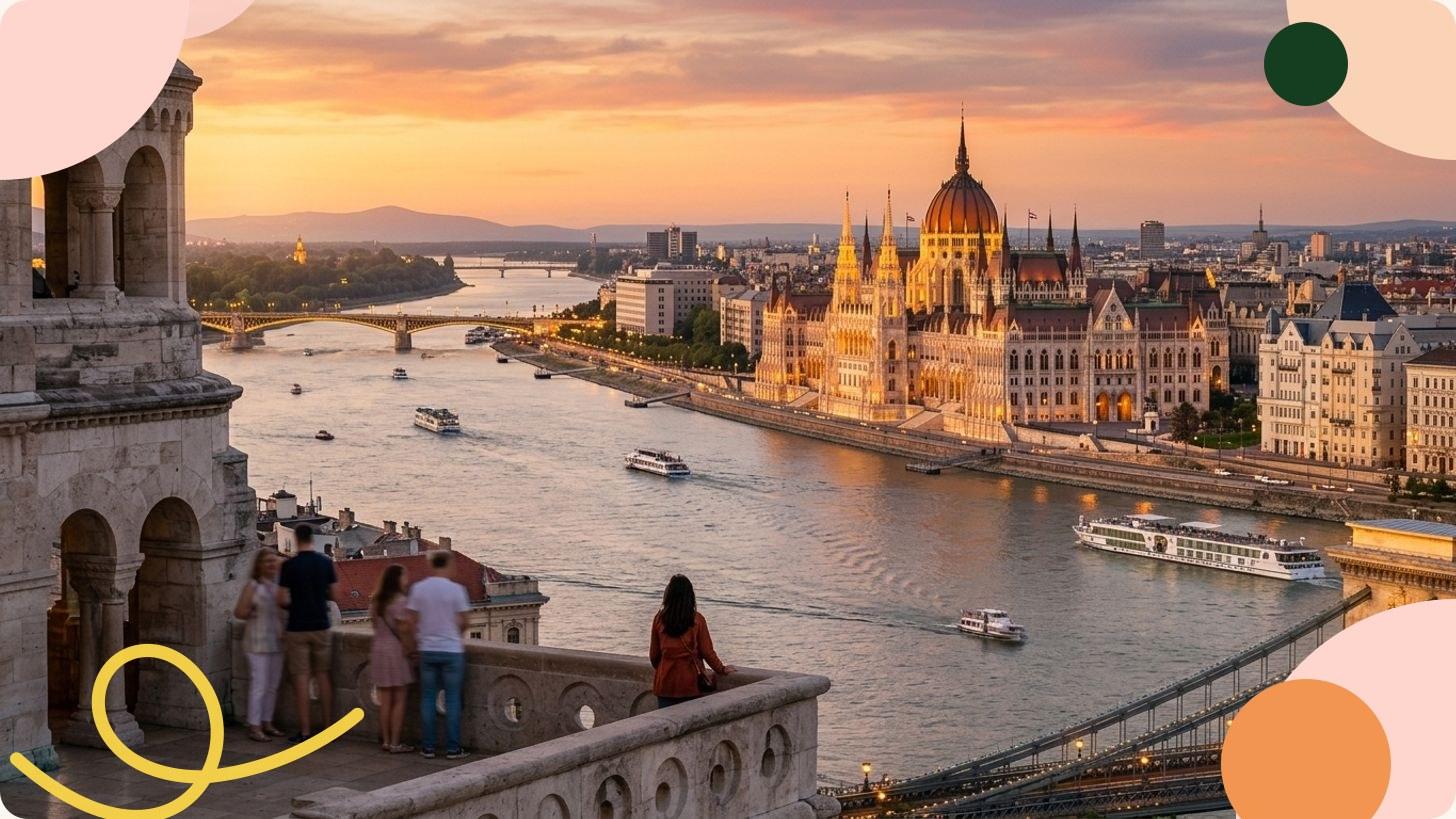
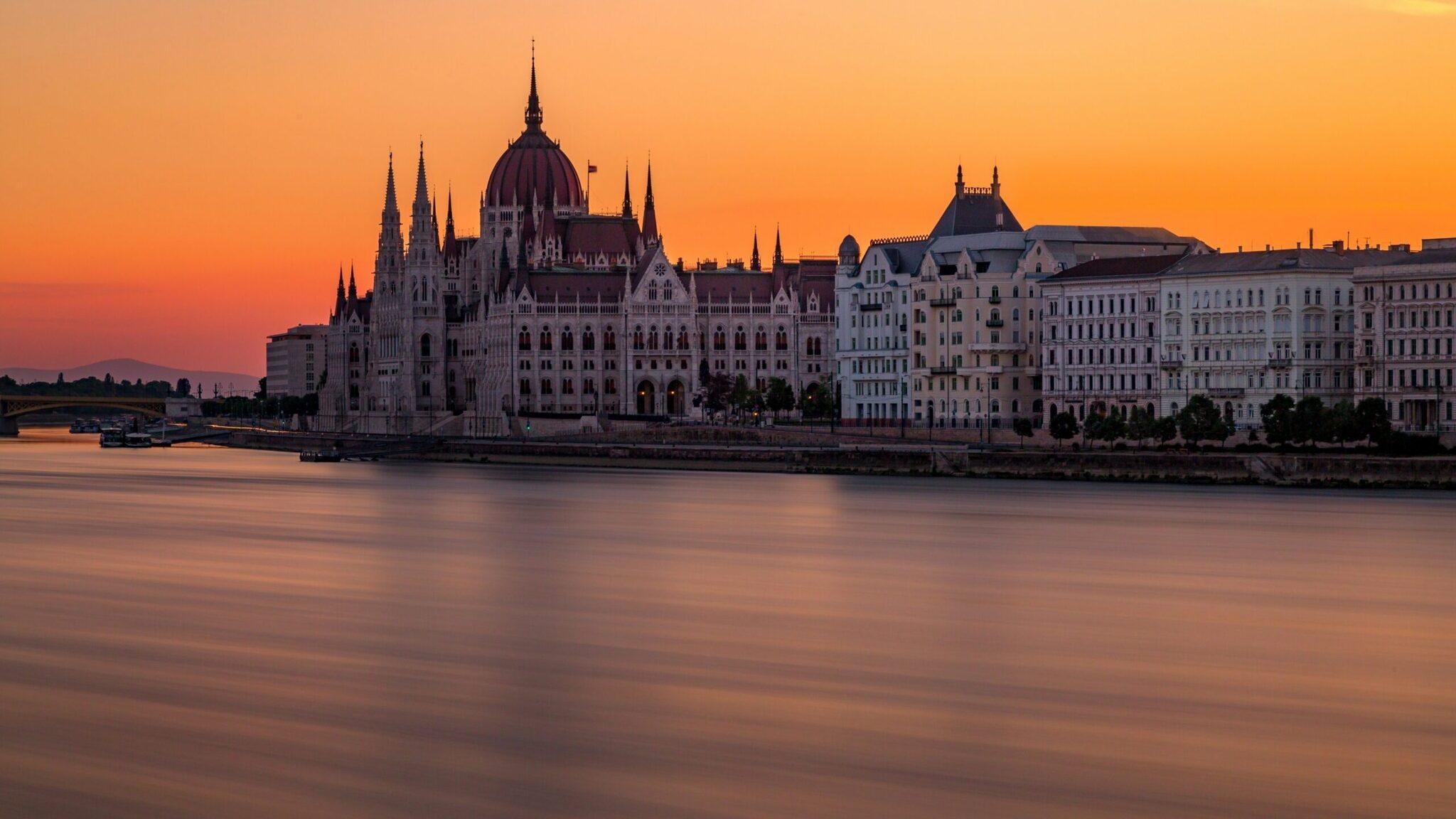
Built between 1885 and 1904 by architect Imre Steindl, the Hungarian Parliament stretches 268 metres along the Danube. Its facade, bristling with spires and crowned by a central dome, is one of the most recognisable buildings in Central Europe. A guided tour opens up the state rooms and the Holy Crown of Hungary, the nation’s most treasured artefact. After dark, the floodlit facade reflects in the river: the sight is best admired from the Buda bank or from the water.
Guided tours have limited capacity; book online several days ahead, especially in spring and summer.
The thermal baths: a way of life at the heart of Budapest
Budapest sits above more than 118 natural thermal springs and boreholes, a geological legacy that shaped a bathing culture stretching back to the Ottoman occupation. The result is a city with dozens of thermal complexes, each with its own personality.
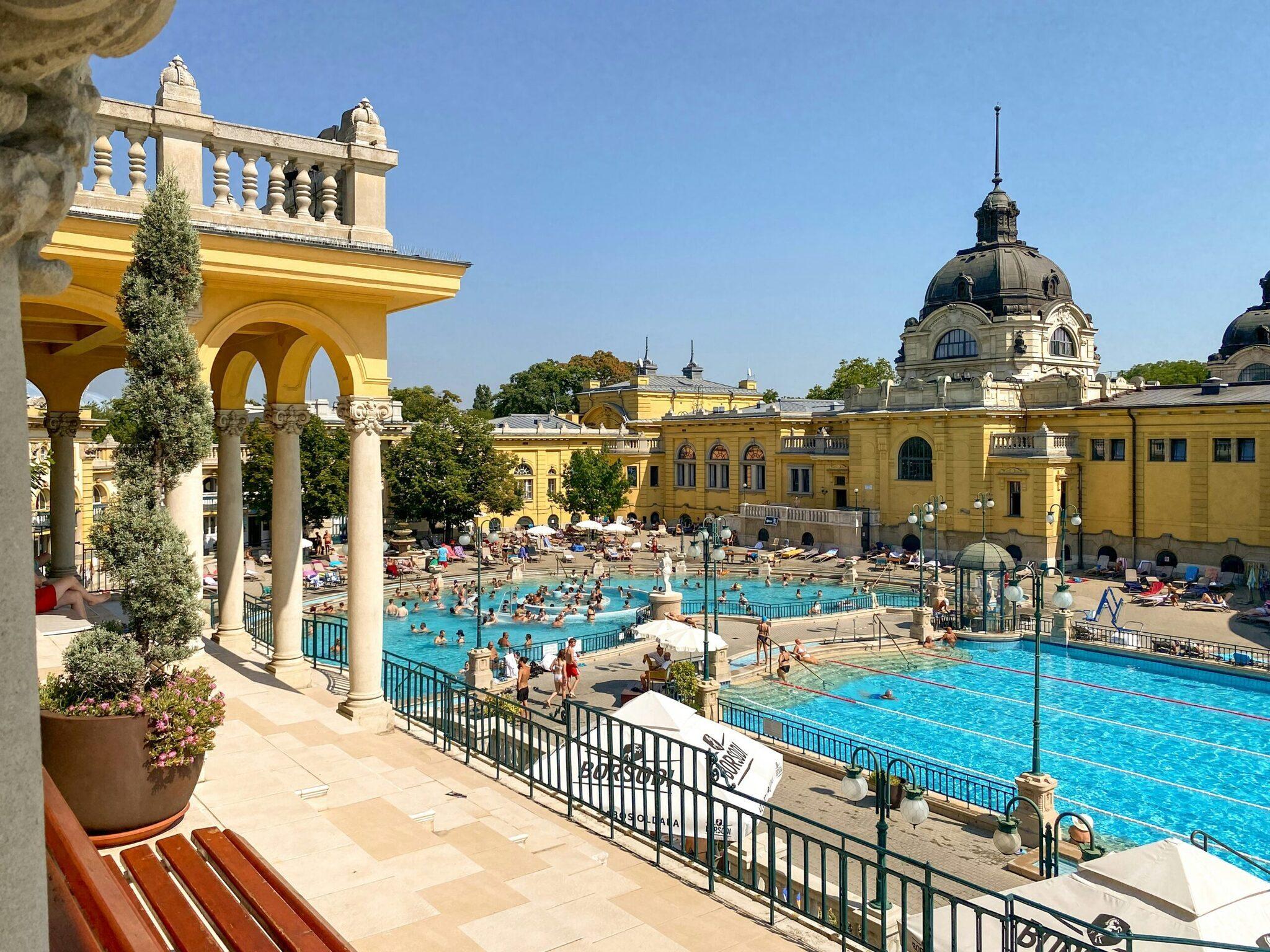
The Széchenyi Baths, built in 1913 in neo-Baroque style, rank among the largest thermal complexes in Europe: outdoor and indoor pools, saunas, and basins at varying temperatures. On weekend evenings, the Sparty events transform the baths into a party venue with DJs and coloured lighting. The more elegant Gellért Baths and the partly Ottoman-era Rudas Baths offer very different atmospheres: choose based on your taste for crowds and architecture.
Buda Castle: heritage and views over the Danube
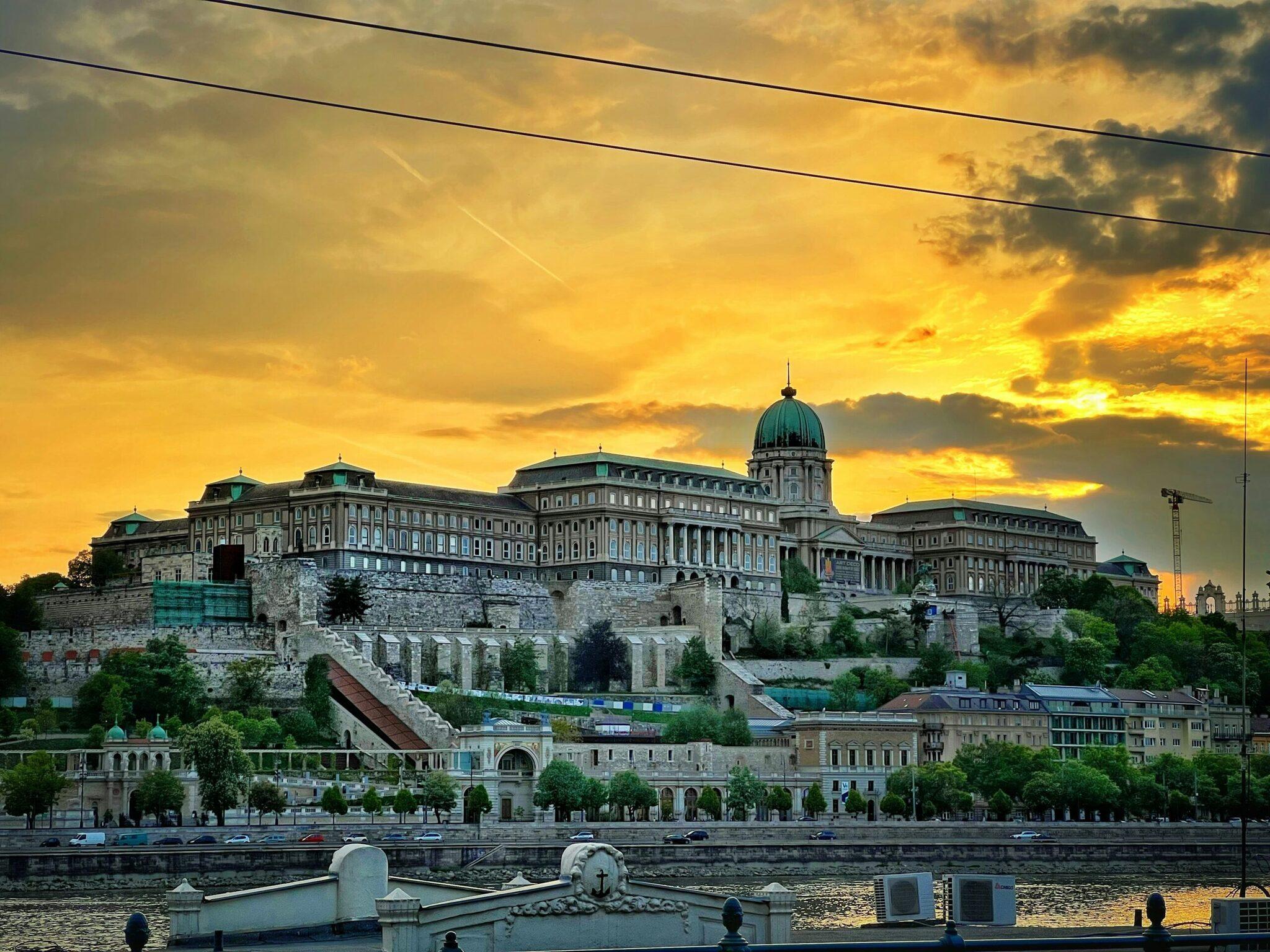
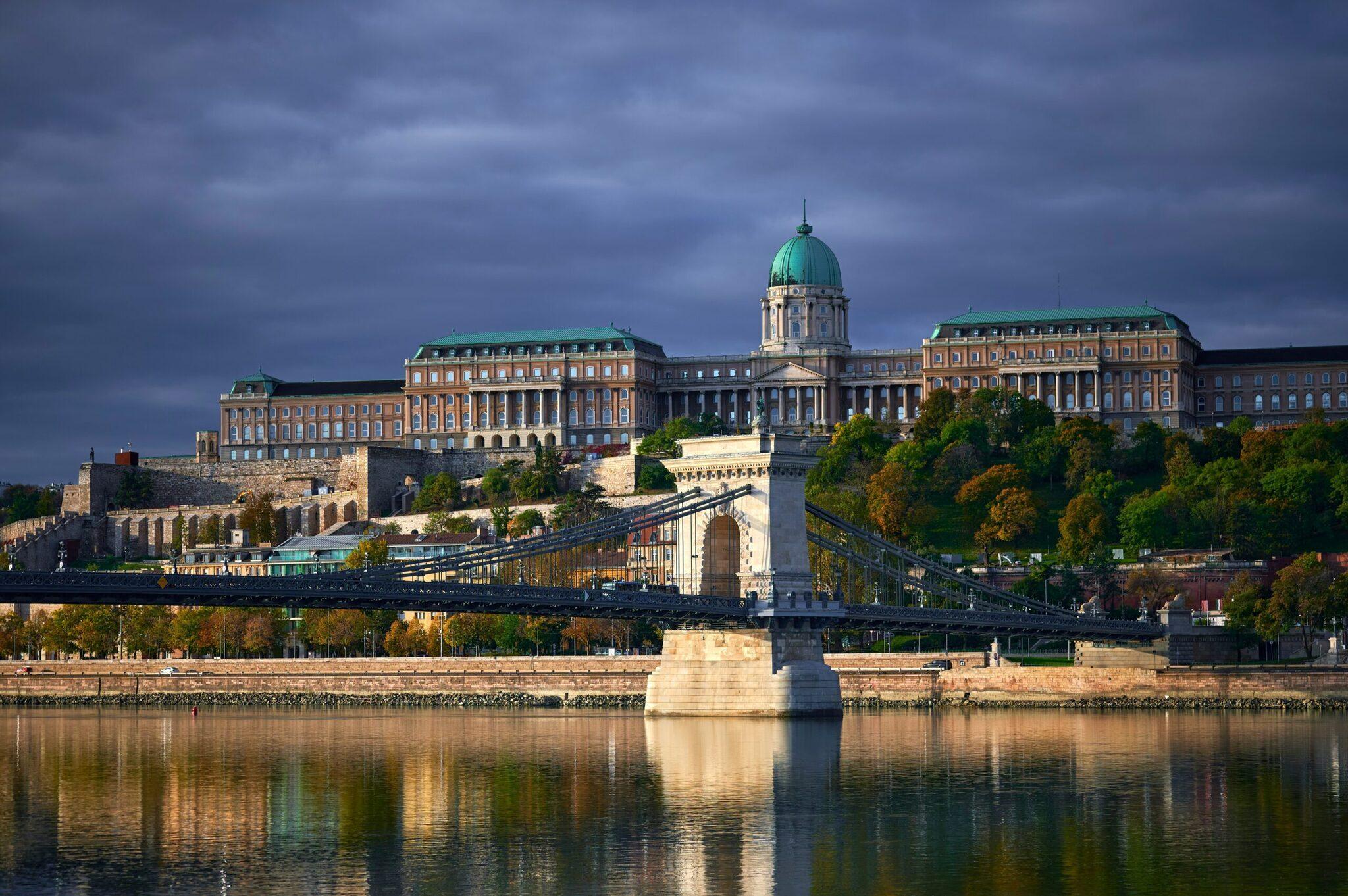
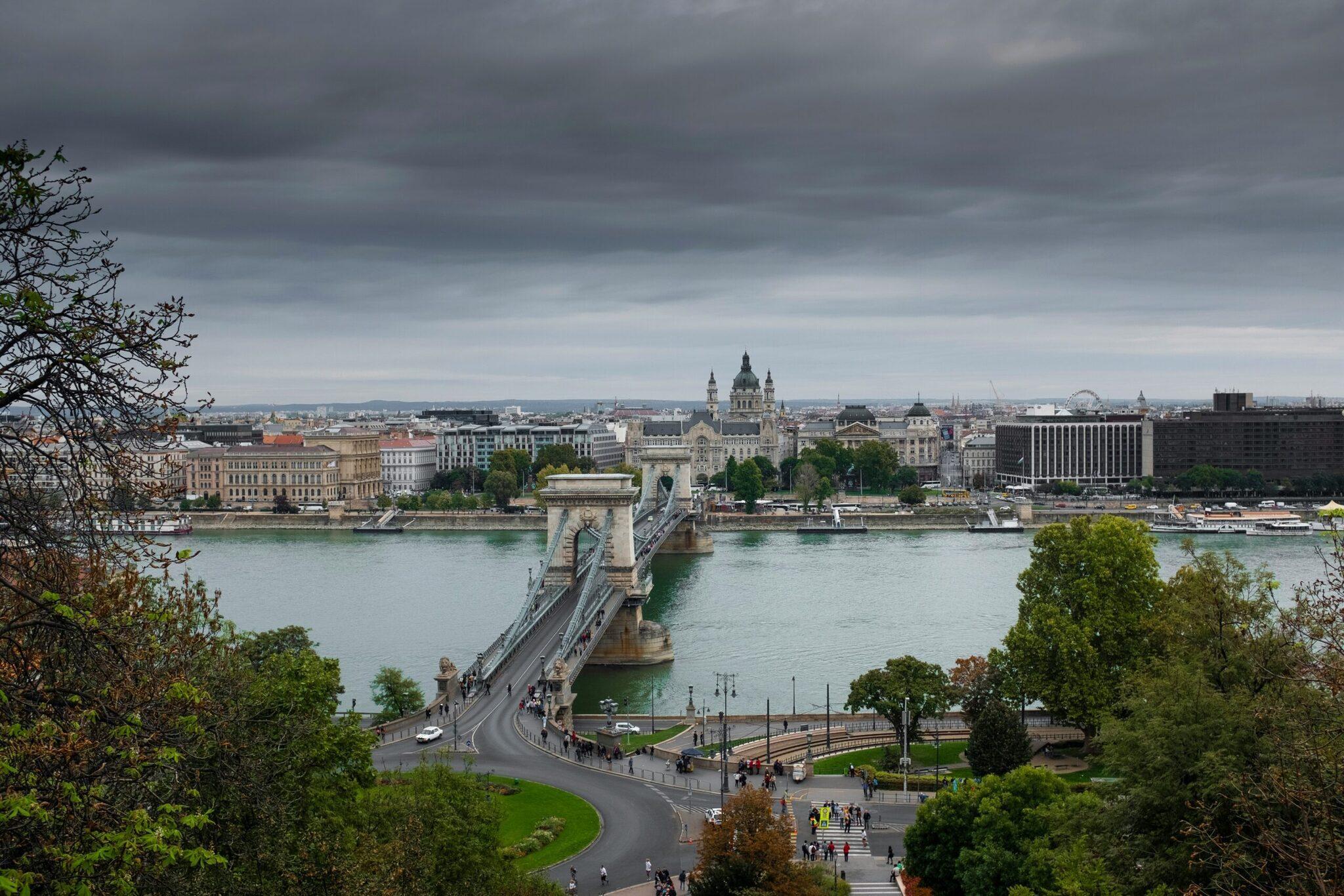
Perched on Castle Hill, the Royal Palace houses the Hungarian National Gallery, the Budapest History Museum and the Széchenyi National Library. You can reach it on foot through the cobbled lanes of the Castle District, or by funicular from Clark Ádám tér. From the ramparts, the view sweeps across the Danube, the Chain Bridge and the Pest skyline all the way to Parliament. After dark, the floodlit castle viewed from the Pest bank is one of the city’s most striking sights.
Fisherman’s Bastion: Budapest’s natural viewing terrace
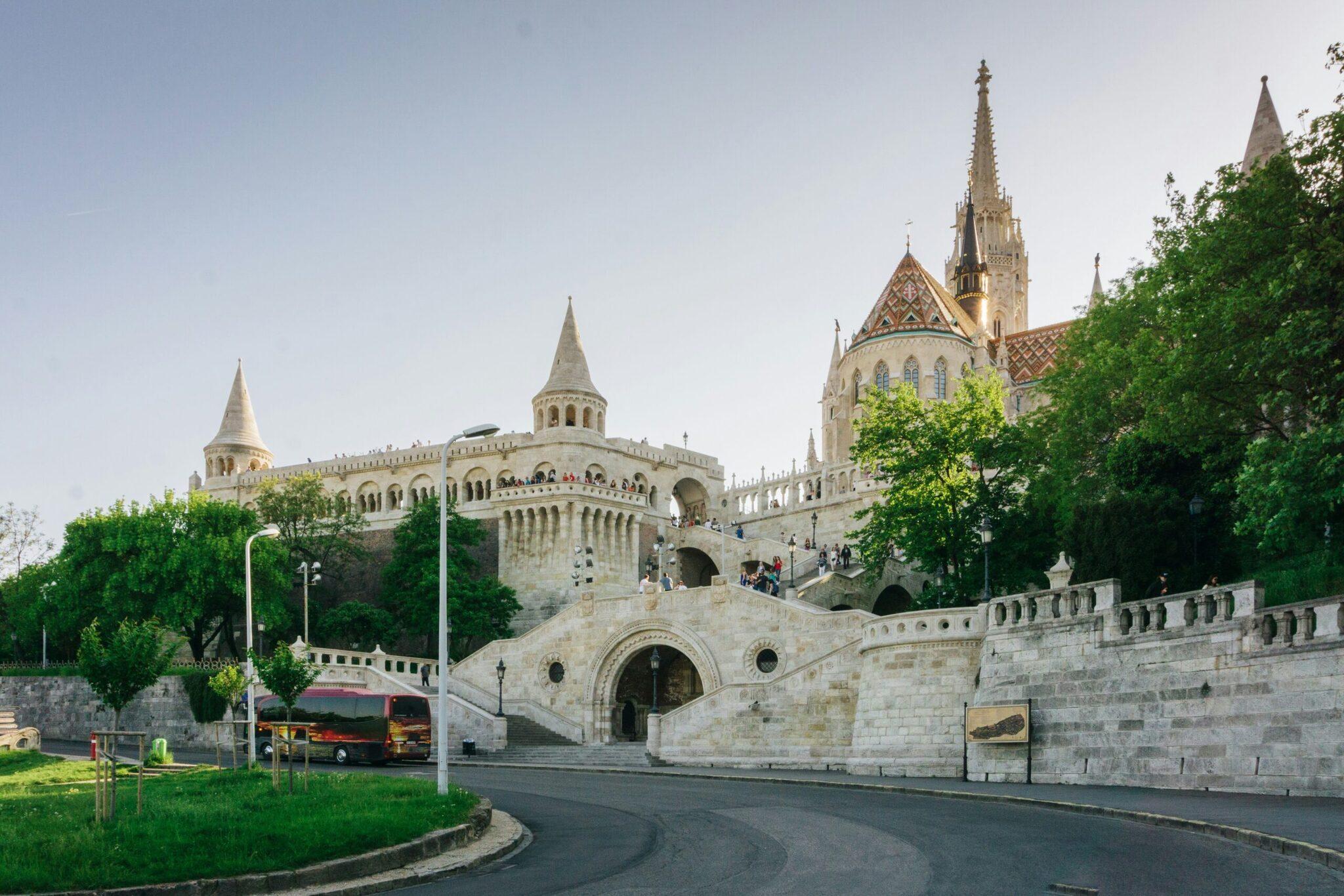
Built at the end of the 19th century on Castle Hill, Fisherman’s Bastion never actually served as a military fortification. Its seven pointed turrets represent the seven Magyar tribes that founded Hungary. Its galleries and terraces look out over the Danube, Parliament opposite, and the rooftops of Pest below. Just steps away, Matthias Church and its distinctive multicoloured glazed-tile roof are well worth a look.
Arrive early in the morning to enjoy the spot before the midday crowds; the soft morning light is also ideal for photography.
The Chain Bridge: the historic axis between two banks
The Chain Bridge (Széchenyi Lánchíd), inaugurated in 1849, is the oldest bridge linking Buda to Pest and the first suspension bridge in Central Europe. Spanning 375 metres, its deck offers direct views of Castle Hill on one side and the lively Pest bank on the other. At night, its lit cables and pylons make it one of Budapest’s most photographed sights. It also marks the natural starting point for exploring Pest’s shopping and cultural districts.
The Great Market Hall: eating and shopping like a local
The Great Market Hall (Nagyvásárcsarnok), opened in 1897 in a red-brick building reminiscent of a railway station, is one of Budapest’s largest covered markets. On the ground floor, stalls sell cured meats, cheeses, vegetables and paprika in every conceivable form. Upstairs, vendors serve lángos (fried dough topped with sour cream and grated cheese) and goulash soup. It makes for an affordable lunch in an authentic setting, well away from the inflated prices of tourist terraces.

A Danube cruise: Budapest seen from the water
From the river, the facades of Parliament, Buda Castle and Fisherman’s Bastion unfold across both banks. A daytime cruise lets you identify each landmark from the water; an evening cruise reveals the city floodlit in an entirely different light. Some packages include dinner on board or a live concert. It is also the most effective way to grasp Budapest’s geography, with the natural divide between its two banks joined by a series of historic bridges.
St Stephen’s Basilica: panoramic views and a national relic
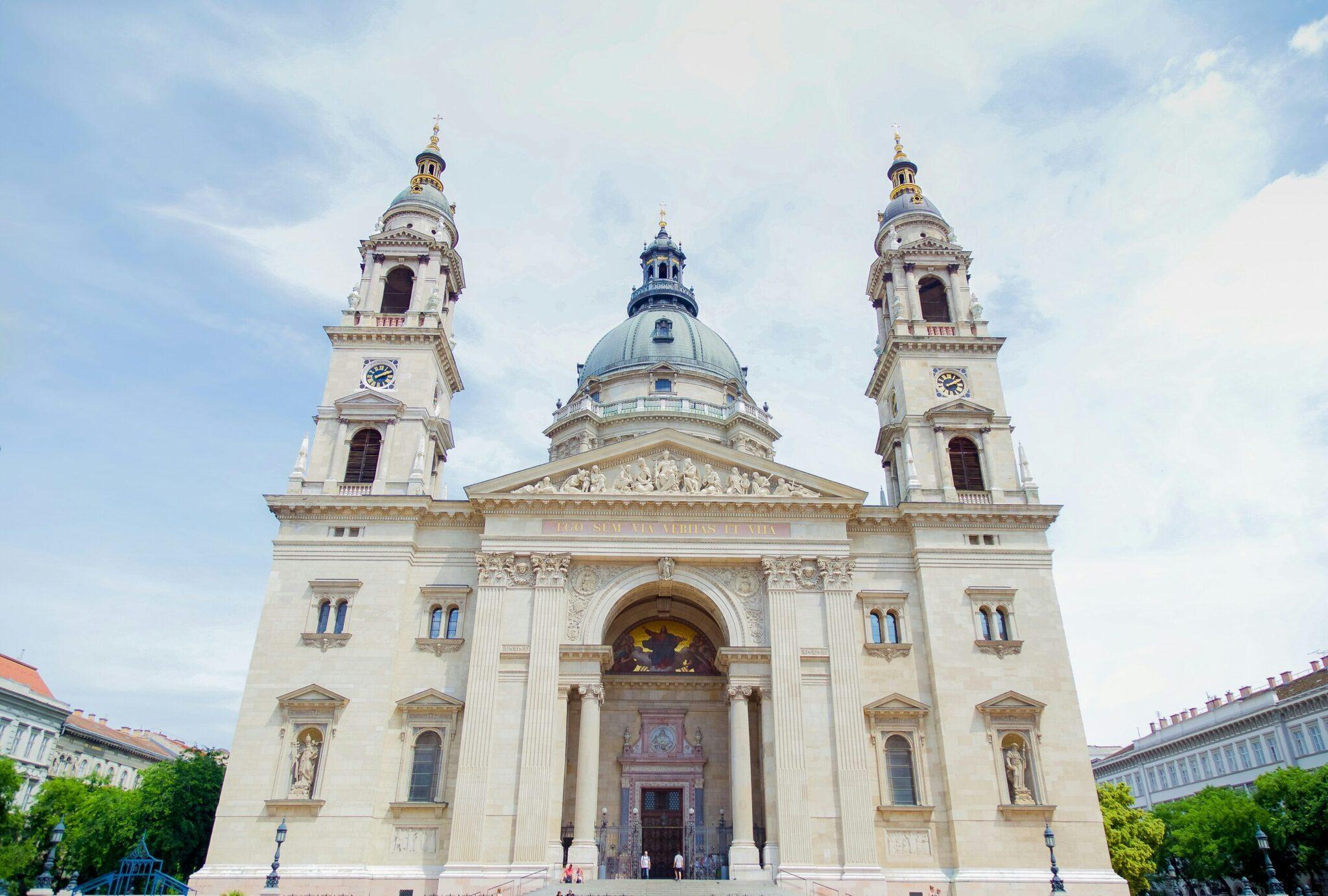
At 96 metres tall, St Stephen’s Basilica stands exactly as high as Parliament: a symbolic correspondence that was entirely deliberate. Construction ran from 1851 to 1905. Inside, mosaics, frescoes and stained glass fill a space designed to hold several thousand worshippers. The treasury holds the Holy Right Hand, the mummified right hand of St Stephen, Hungary’s first king and the country’s most venerated relic. The dome terrace, reached by lift, offers a 360-degree panorama over the Pest rooftops. The basilica regularly hosts organ concerts.
The Jewish Quarter and the ruin bars
District VII (Erzsébetváros) is Budapest’s historic Jewish quarter. It is home to the Dohány Street Synagogue, the largest synagogue in Europe, with a capacity of 3,000 people. Its architecture draws on the Moorish style of the Alhambra in Granada. The Weeping Willow memorial in the adjacent garden commemorates the victims of the Holocaust in Hungary.
The same neighbourhood gave rise to ruin bars in the early 2000s: venues set up in abandoned courtyards, factories or derelict buildings, decorated with salvaged furniture and street art. Szimpla Kert, which opened in 2002, is the oldest and best known. Despite the high tourist footfall, the atmosphere and originality of the place remain a distinctly Budapest experience.
When to visit Budapest
Budapest can be visited year-round. Spring (April to May) and autumn (September to October) combine pleasant weather with manageable crowds: the ideal conditions for exploring both banks on foot. Summer is the busiest period, with the Sziget Festival in August on Óbudai-sziget island a particular highlight. Winter draws visitors for the Christmas markets, particularly around St Stephen’s Basilica and Vörösmarty Square. If festive lights across Europe appeal to you, our guide to the most beautiful Christmas lights in Europe is worth exploring.
Budapest is just a gateway to Hungary: our guide Things to Do in Hungary covers 20 experiences across the entire country, well beyond the capital. And if you are looking for other European capitals with strong character for your next trip, our guides on things to do in Florence and things to do in Rome may give you ideas.
FAQ
How many days do you need to visit Budapest?
3 to 4 days are enough to cover the highlights on both banks: Castle Hill with Buda Castle and Fisherman’s Bastion, and the Pest bank with Parliament, the Basilica and the Jewish Quarter. A long weekend also leaves time to linger in a thermal bath without rushing.
Are the thermal baths open all year?
Yes. Most major thermal complexes, including the Széchenyi Baths, are open seven days a week throughout the year. Weekday morning slots are significantly quieter than a Saturday afternoon.
Do you need to book Budapest’s Parliament in advance?
Guided tours of Parliament have limited capacity. It is advisable to book online several days in advance, especially in spring, summer and around Hungarian public holidays.
What is a ruin bar in Budapest?
A ruin bar (romkocsma in Hungarian) is a venue set up in an abandoned building or courtyard, deliberately left in a state of disrepair and decorated in an eclectic, anything-goes style. Szimpla Kert, which opened in 2002 in District VII, is the oldest and the bar that brought the concept to international attention.
Is there an entrance fee for the Dohány Street Synagogue?
The Dohány Street Synagogue is open to visitors on payment of an entrance fee. It houses a museum on Budapest’s Jewish community and a memorial to the victims of the Holocaust. Prices and opening hours may vary; it is best to check directly with the venue before your visit.