
Hungary packs into a single country everything most travellers seek in Central Europe: a spectacular capital straddling the Danube, steaming thermal baths open year-round, wild UNESCO-listed plains, limestone caves and villages frozen in time. Here are 20 experiences not to miss, from Budapest to the far reaches of the puszta.
Get my Hungary travel insurance quoteBudapest: 9 highlights in the capital
Budapest is a city of two halves: hilly, monument-rich Buda on the western bank of the Danube, and flat, lively Pest on the eastern side. Both banks are best explored on foot, by bike or by boat. Most of the classic sights can be covered in three to four days.
To explore the capital neighbourhood by neighbourhood, our complete guide to things to do in Budapest has a detailed itinerary.
1. The Hungarian Parliament Building
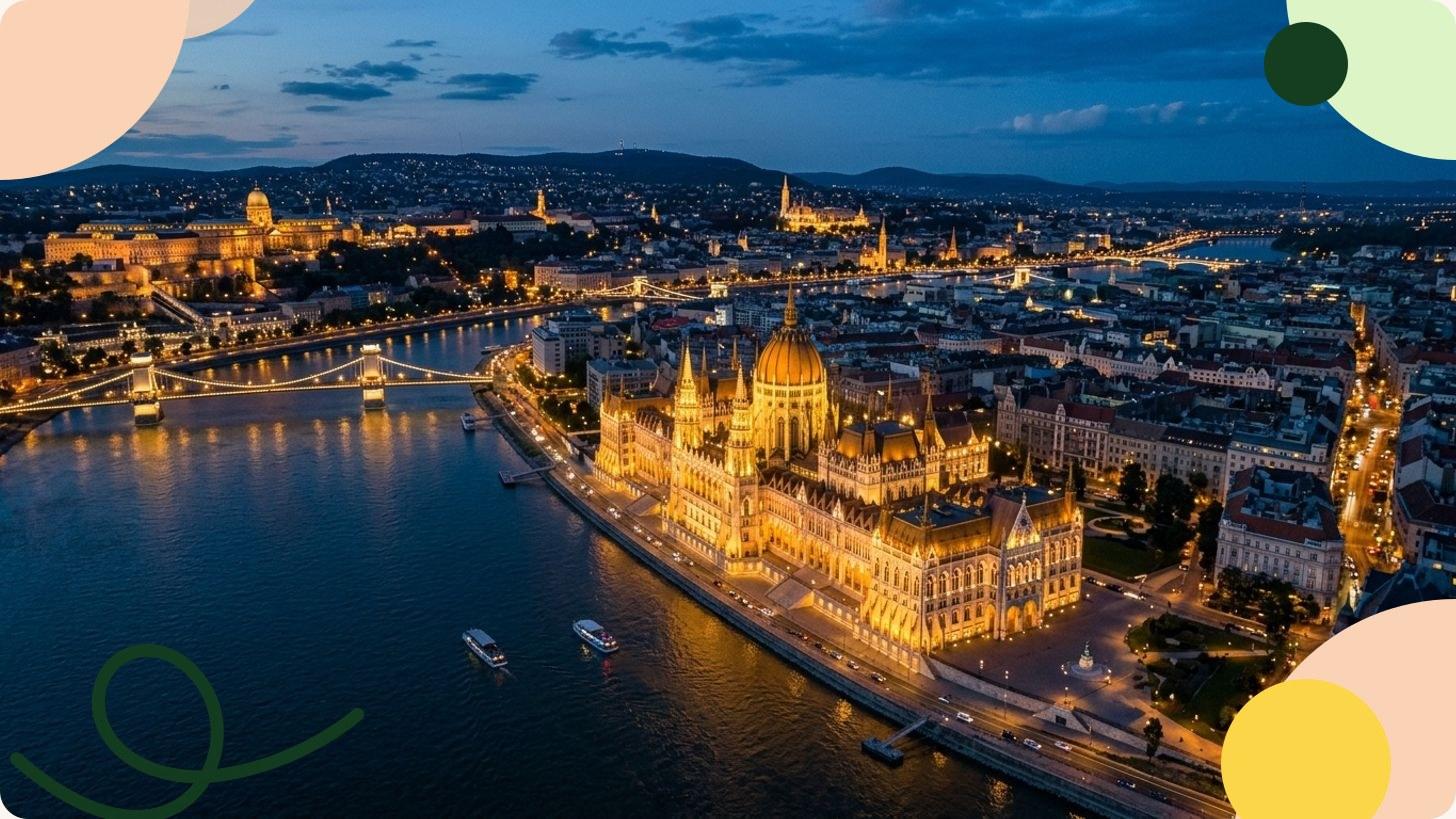
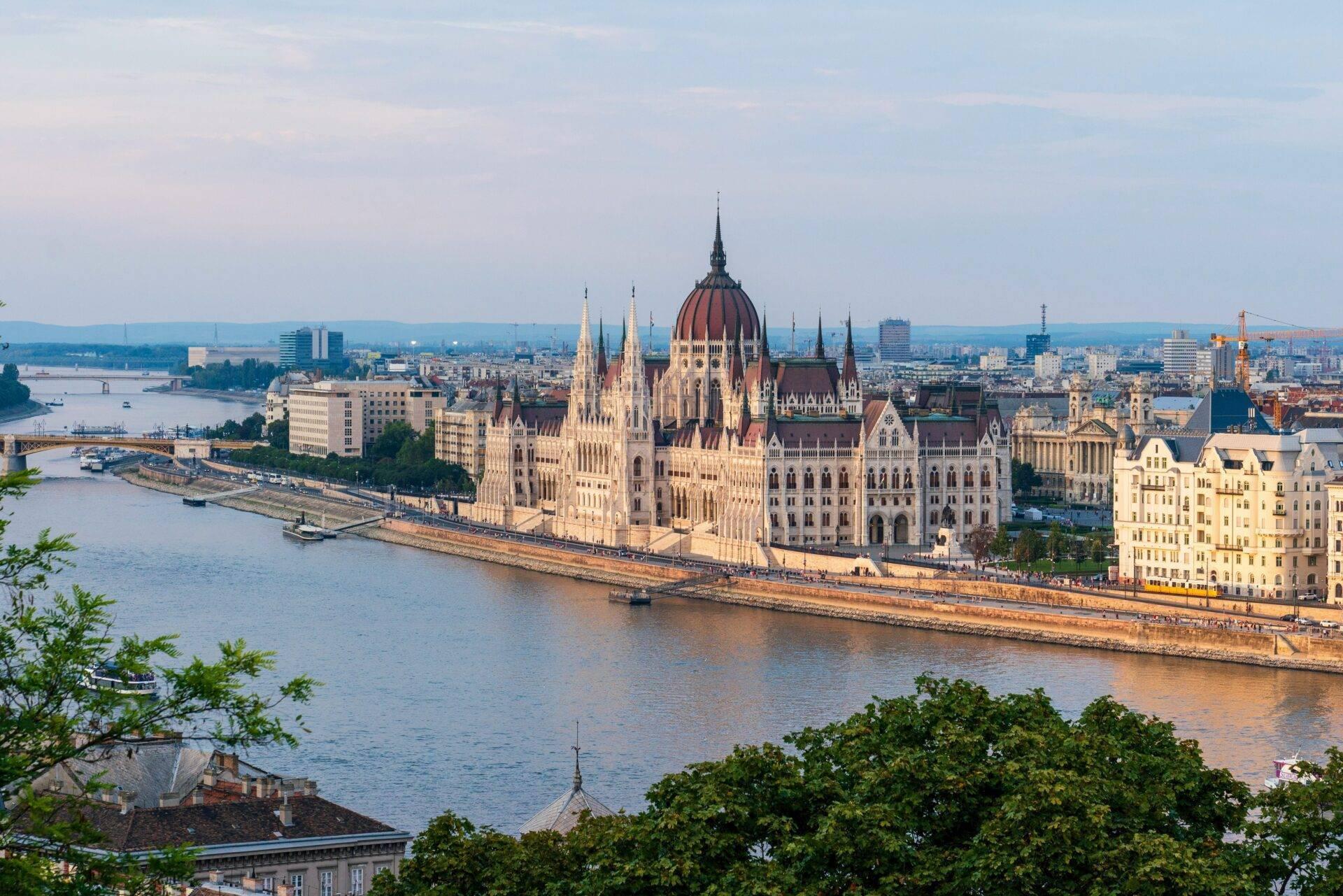
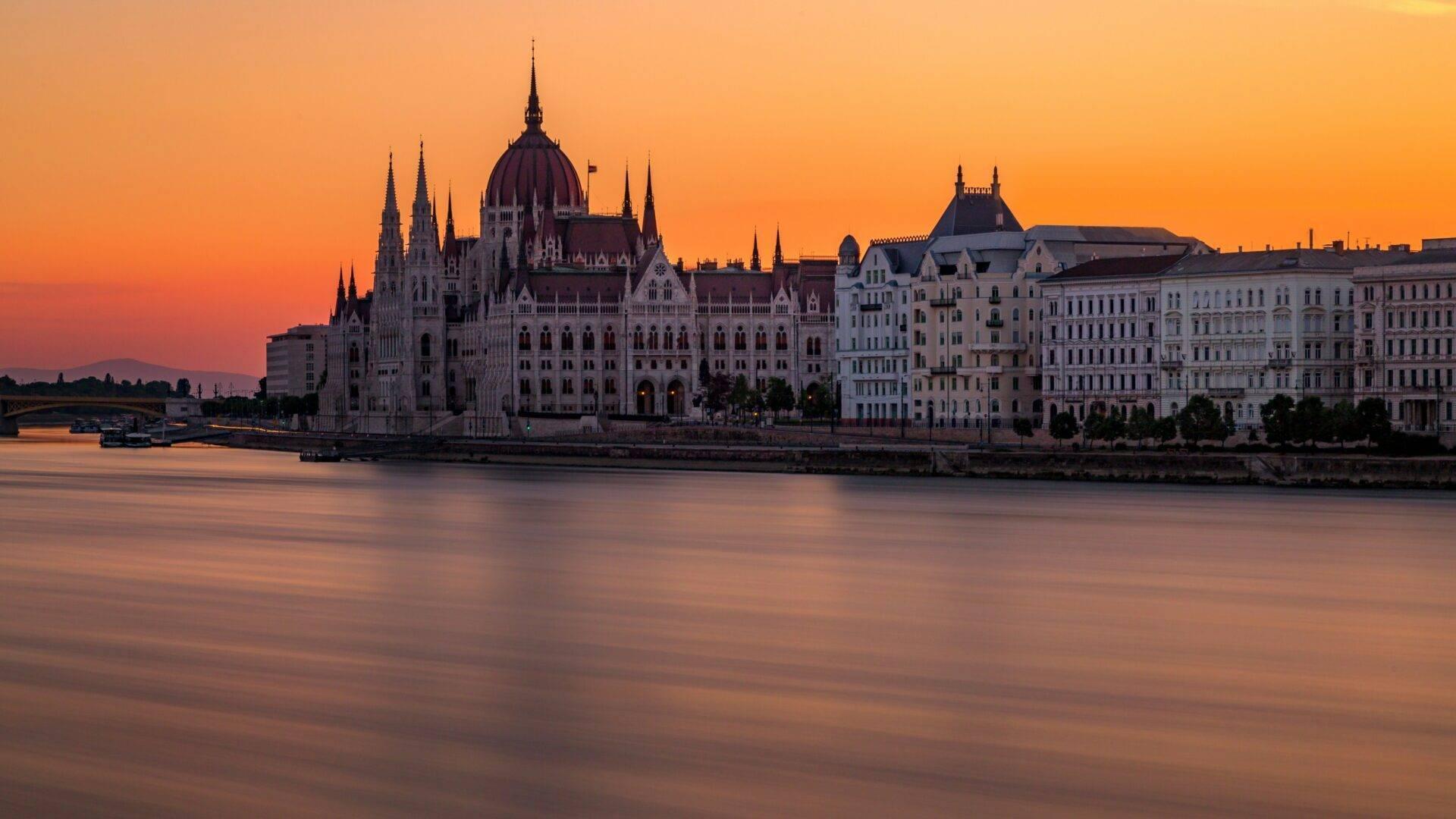
Built between 1885 and 1904 to designs by Imre Steindl, the Hungarian Parliament is one of the largest legislative buildings in the world. Its neo-Gothic facade, bristling with spires and crowned by a central dome, is reflected in the Danube at sunset. Inside, a guided tour takes in the Holy Crown of Saint Stephen and a ceremonial staircase clad in red marble.
2. Buda Castle and Fisherman’s Bastion
A UNESCO World Heritage Site, the castle complex crowns the right bank of the Danube from Castle Hill. It houses the Hungarian National Gallery and the Budapest History Museum. A short walk away, Fisherman’s Bastion, a neo-Romanesque terrace with seven towers symbolising the seven founding tribes of Hungary, offers a 360-degree panorama over the capital.
3. Heroes’ Square
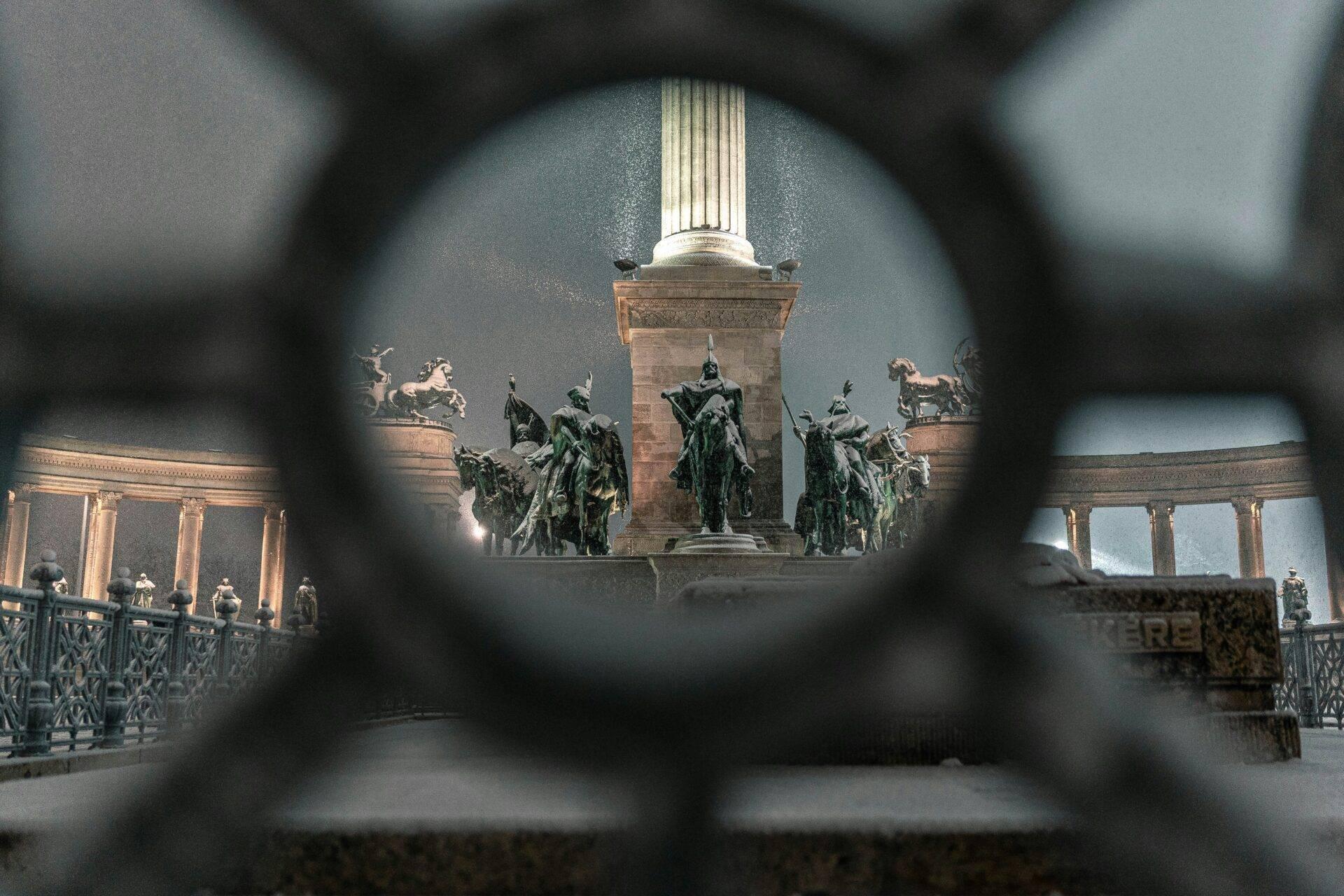
Built to mark the millennial anniversary of the Hungarian state in 1896, Heroes’ Square (Hősök tere) is flanked by a colonnade and equestrian statues of the seven Magyar chieftains and Hungary’s greatest kings. The Museum of Fine Arts and the Kunsthalle Budapest face each other on either side of the square.
4. St Stephen’s Basilica
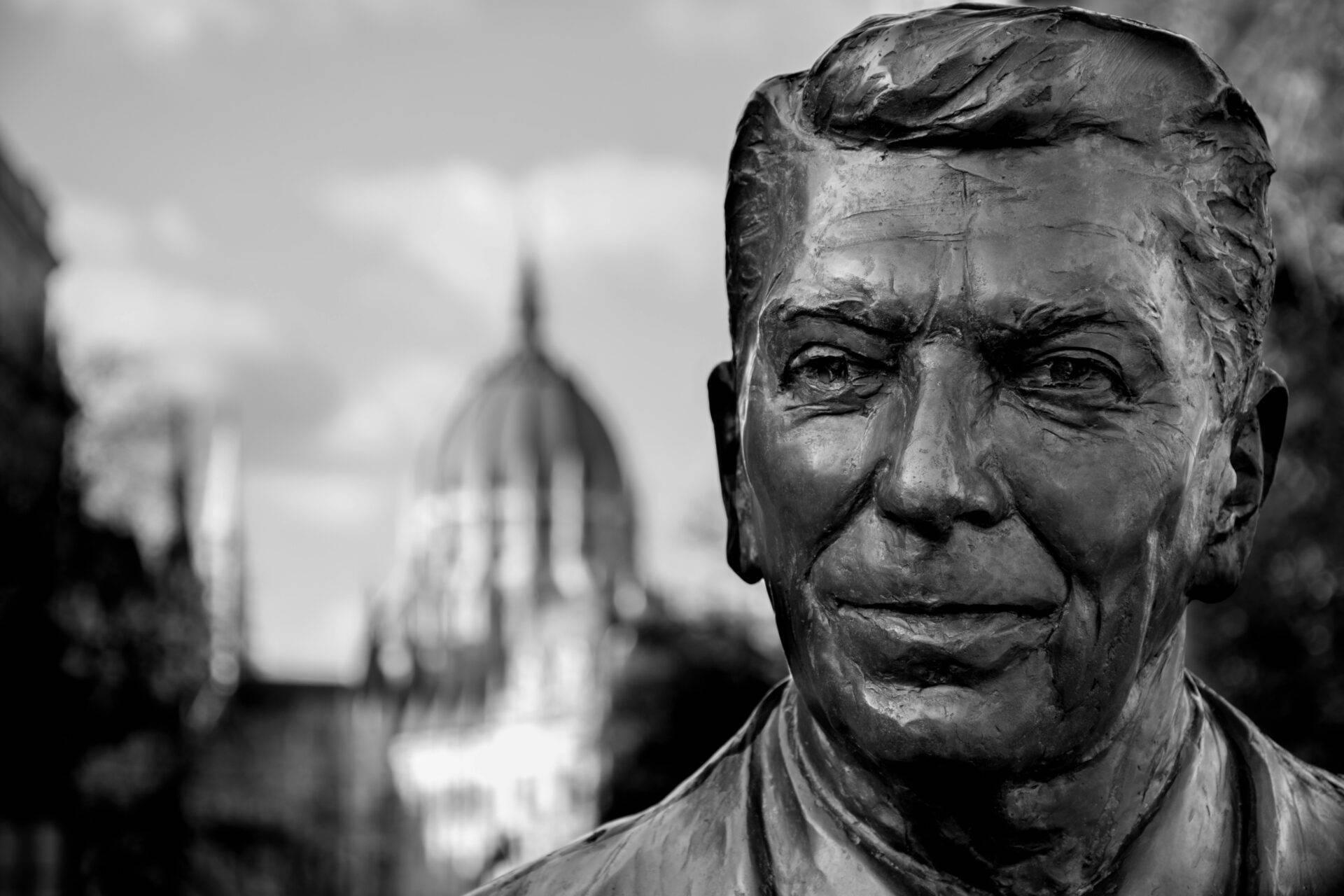
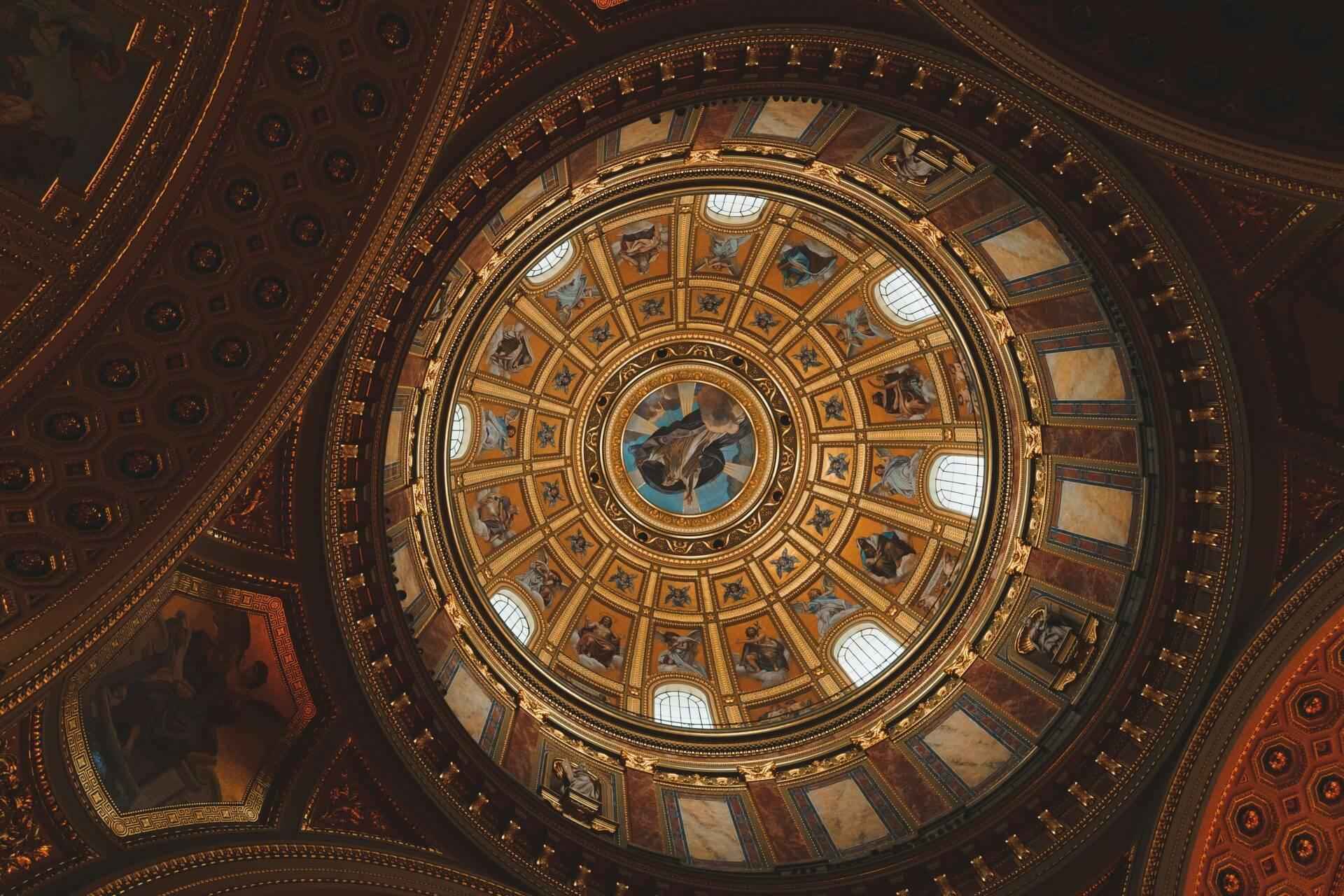
Dedicated to Hungary’s first Christian king, St Stephen’s Basilica rises to 96 metres, exactly the same height as the Parliament – a deliberate symbol of the balance between civil and religious power. Its interior dome, adorned with mosaics and gilding, is worth every craned neck. On the forecourt, a bronze statue of the sainted king stands before the Corinthian-columned facade.
5. The Great Synagogue on Dohány Street
Completed in 1859 in the Moorish Revival style, the Great Synagogue in Budapest is the largest synagogue in Europe. In the adjacent garden, a Holocaust memorial makes for a profoundly moving stop in the Jewish Quarter (VII District).
6. Széchenyi Thermal Baths
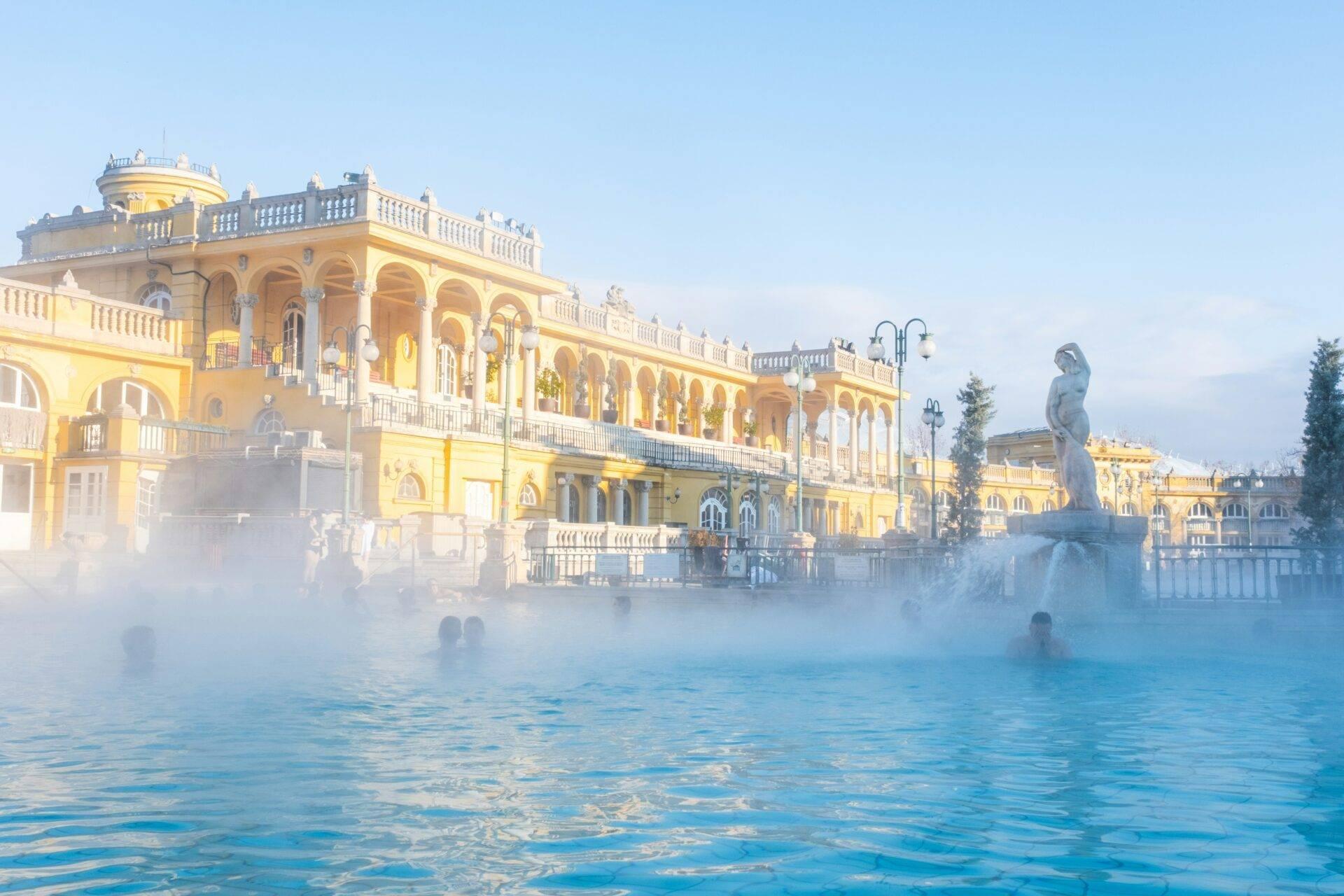
Hungary has nearly 300 thermal springs. The Széchenyi Baths, housed in a neo-Baroque palace on the edge of City Park (Városliget), are among Budapest’s most celebrated: three outdoor pools where steam rises even on the coldest winter days, and richly decorated indoor pools.
7. The ruin bars of the Jewish Quarter
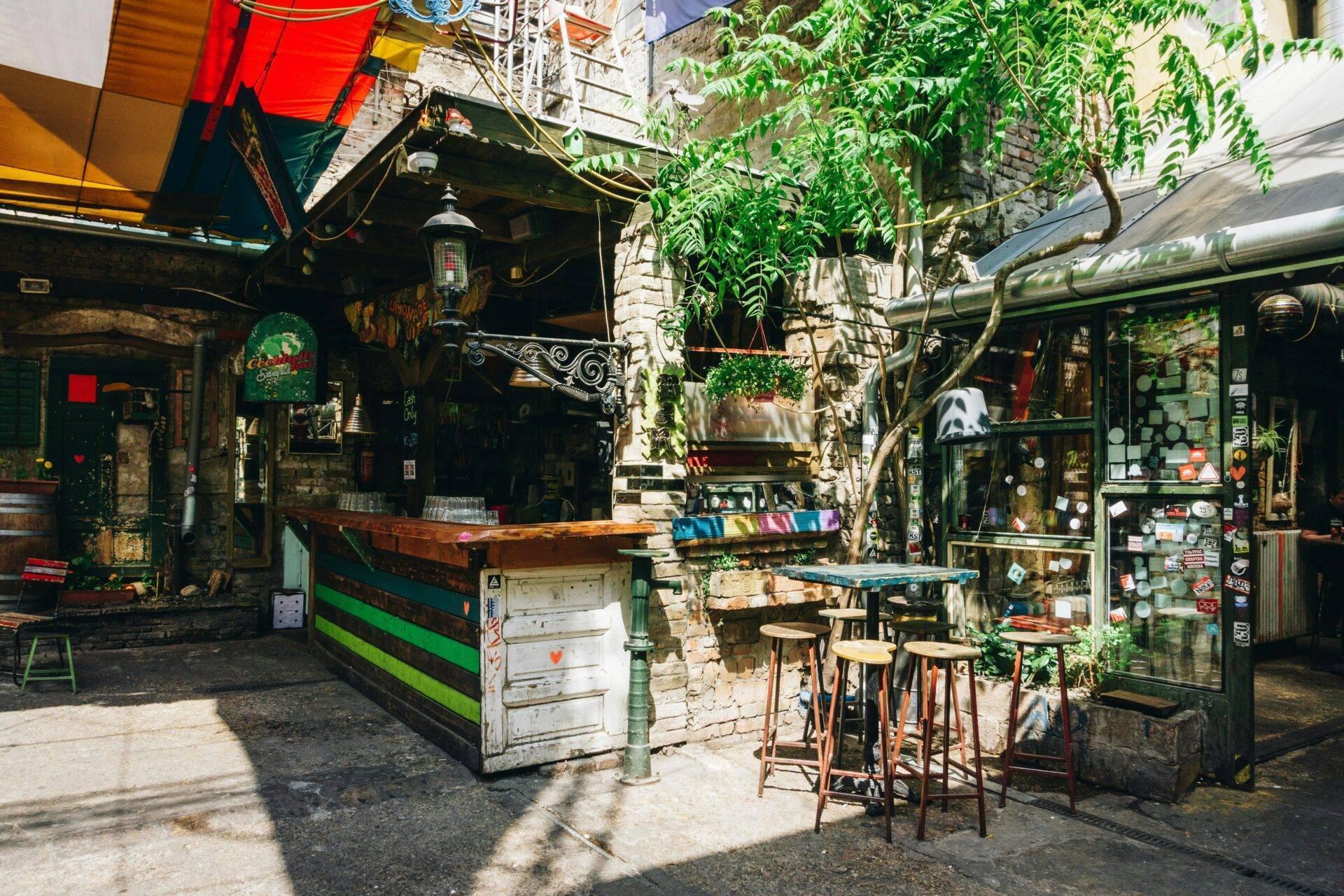
Born in the early 2000s in disused buildings in the VII District, the ruin bars (romkocsmák) are Budapest’s most original cultural invention. Szimpla Kert is the flagship: salvaged furniture, climbing plants, graffiti and live music in an open-air courtyard. Visit early evening to soak up the atmosphere before the crowds arrive.
8. The Great Market Hall
Built in 1897, the Great Market Hall (Nagy Vásárcsarnok) is Budapest’s largest covered market. Paprika, sausages, lángos (fried dough), embroidery: this is the place to pick up an authentic souvenir. The cobbled streets nearby invite a gentle wander past boutiques and neoclassical facades.
9. Margaret Island and its gardens
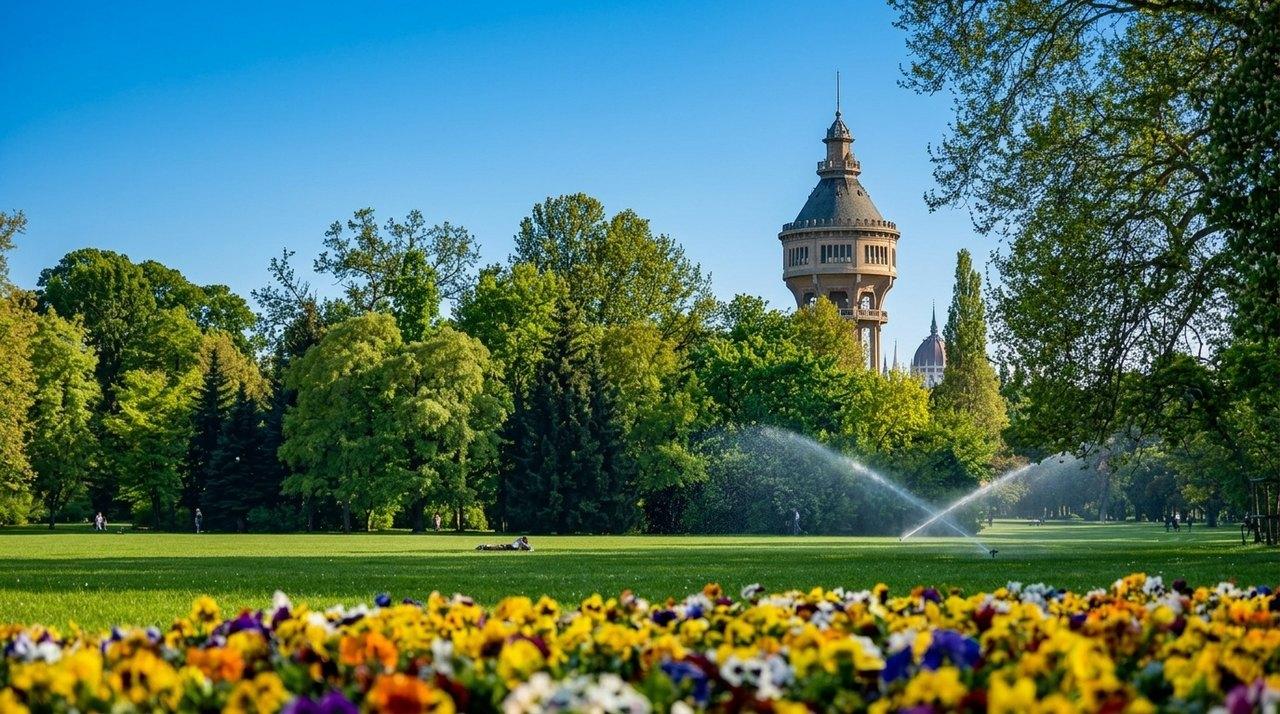
Nestled in the middle of the Danube, Margaret Island (Margit-sziget) is Budapest’s green lung: roughly 2.5 kilometres to explore on foot or by bike, with thermal baths, a musical fountain, medieval ruins and manicured gardens made for a leisurely break.
Lake Balaton and the surrounding area
10. Lake Balaton, Hungary’s inland sea
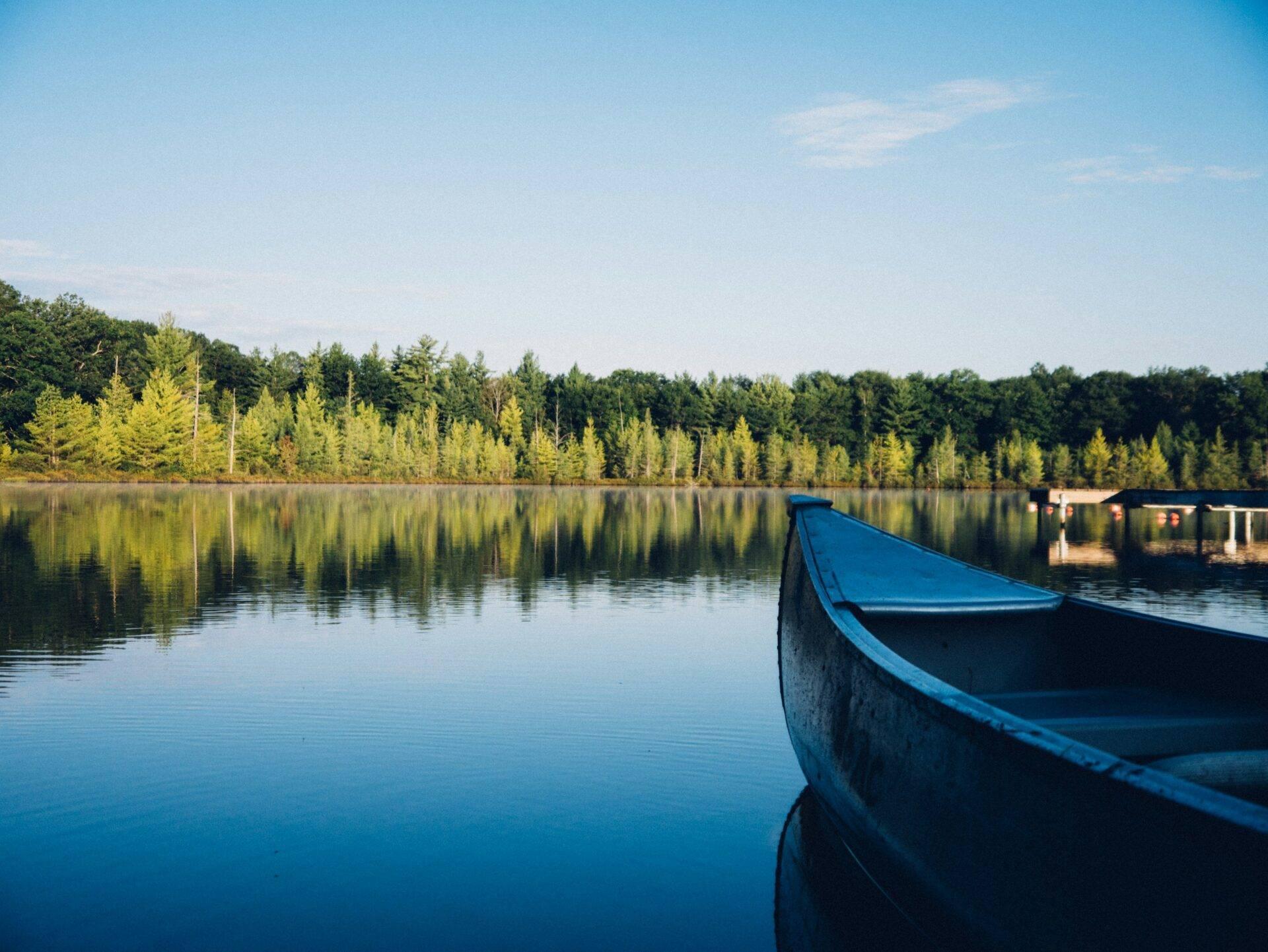
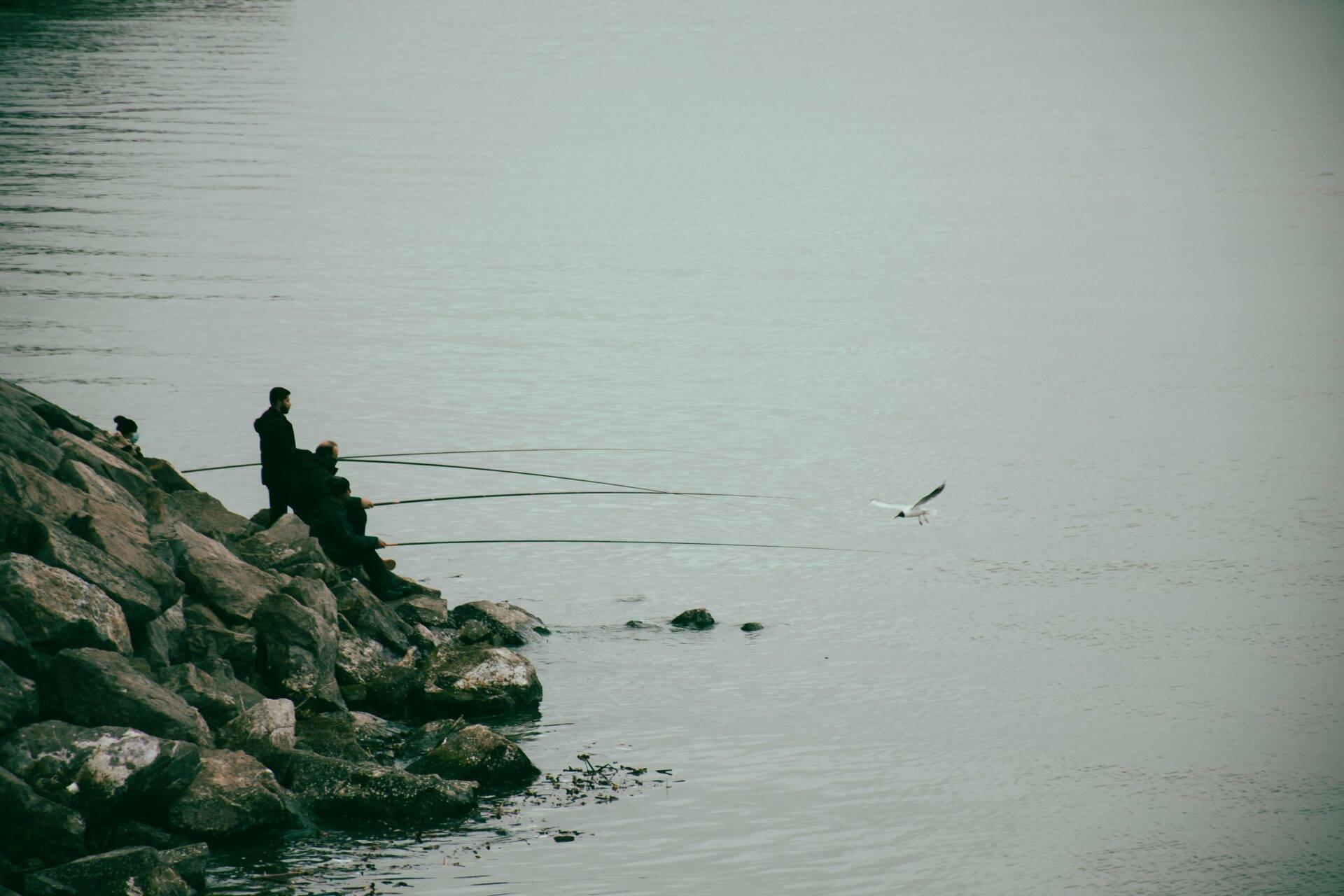
At 80 kilometres long, Lake Balaton is Central Europe’s largest freshwater lake. Hungarians call it their “inland sea”. In summer, its shores fill with beaches and lively villages. Off-season, fishing at the water’s edge and hiking through the surrounding hills reveal a quieter, more contemplative side.
11. Lake Hévíz, unique in Europe
A few kilometres from Balaton, Lake Hévíz is fed by a deep thermal spring that keeps the water naturally warm throughout the year, even in snowfall. It is Europe’s largest natural thermal freshwater lake, where visitors swim among giant water lilies in the morning mist.
The Danube Bend
12. Esztergom, the Catholic heart of Hungary
Hungary’s first royal capital, Esztergom is home to the country’s largest basilica. It has been the official seat of the Hungarian Catholic Church for centuries, and its dome, visible from kilometres away, towers over the Danube opposite the Slovak bank.
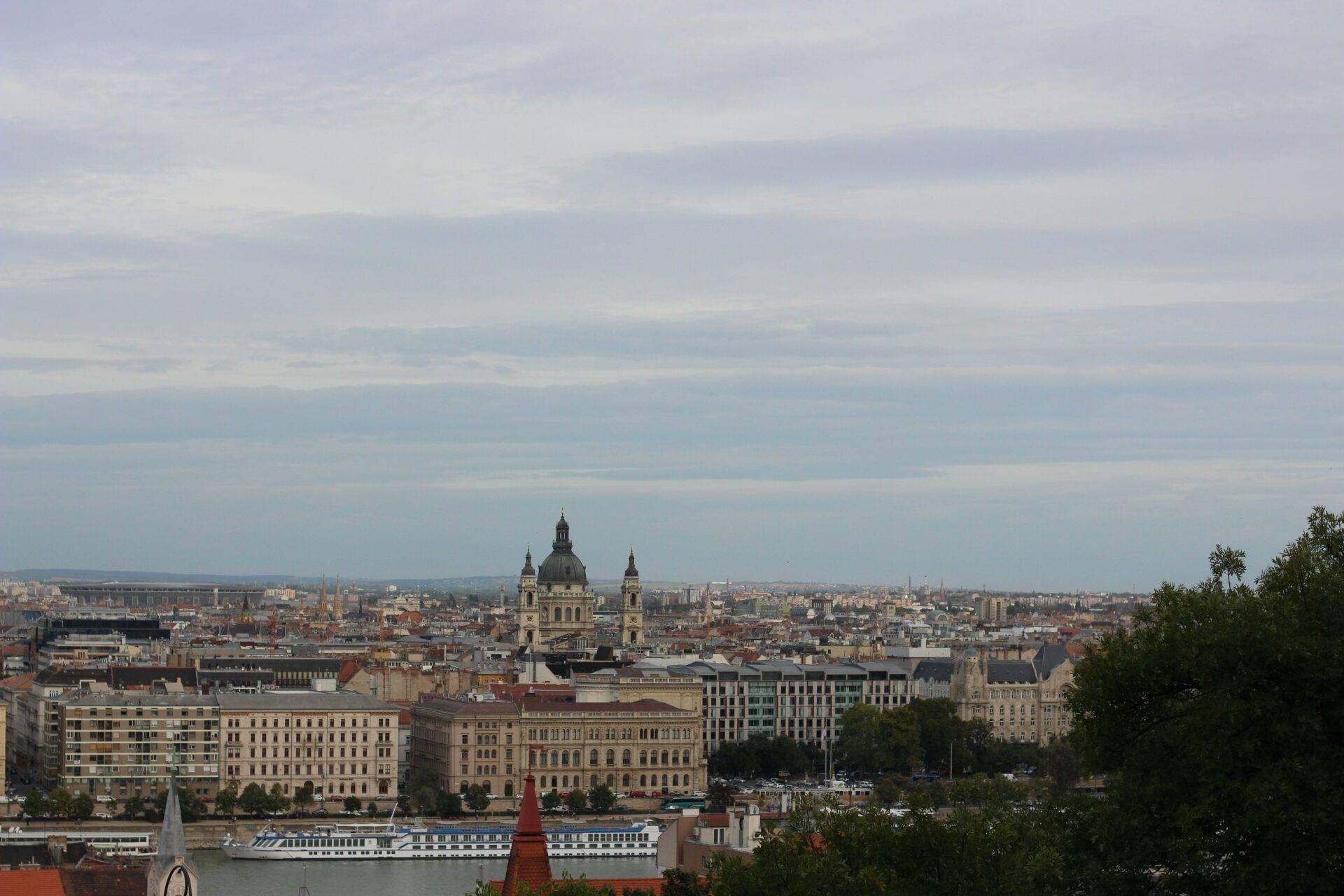
13. Visegrád, the castle in the clouds
The ruins of Visegrád Castle, perched 350 metres above the Danube, offer one of the most dramatic views in the region. Built from the 13th century by King Béla IV to fortify the Danube, it later became the summer residence of King Matthias Corvinus, one of the most celebrated rulers in Hungarian history.
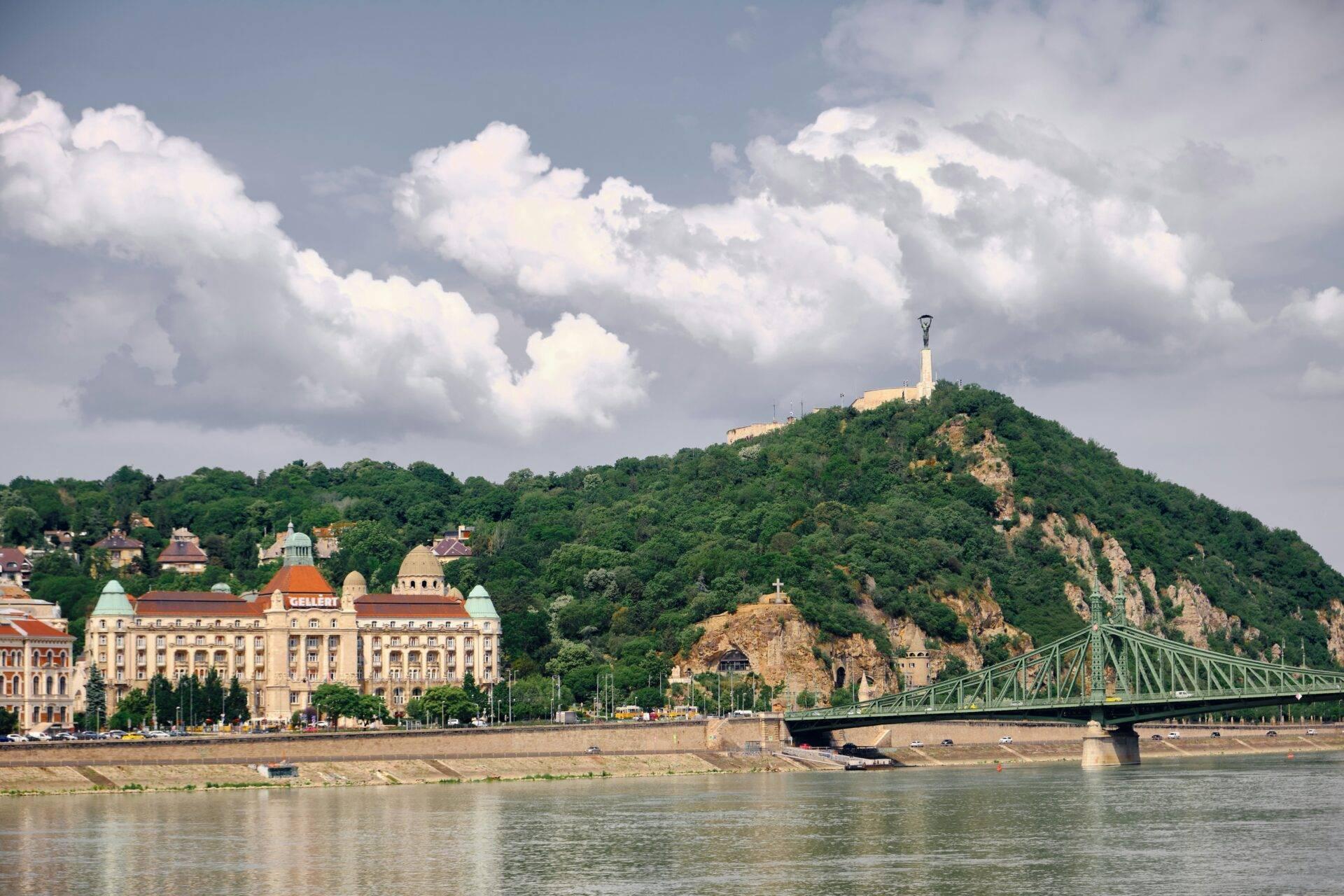
Cities to discover beyond the capital
14. Eger, the fortress of red wine
Tucked into northeastern Hungary, Eger is famous for its medieval castle, whose Hungarian garrison famously repelled the Ottoman army in 1552, and for its red wine, Egri Bikavér (“Bull’s Blood”). Its Baroque old town is one of the best-preserved in the country, with cream-coloured facades and Europe’s northernmost Ottoman minaret.
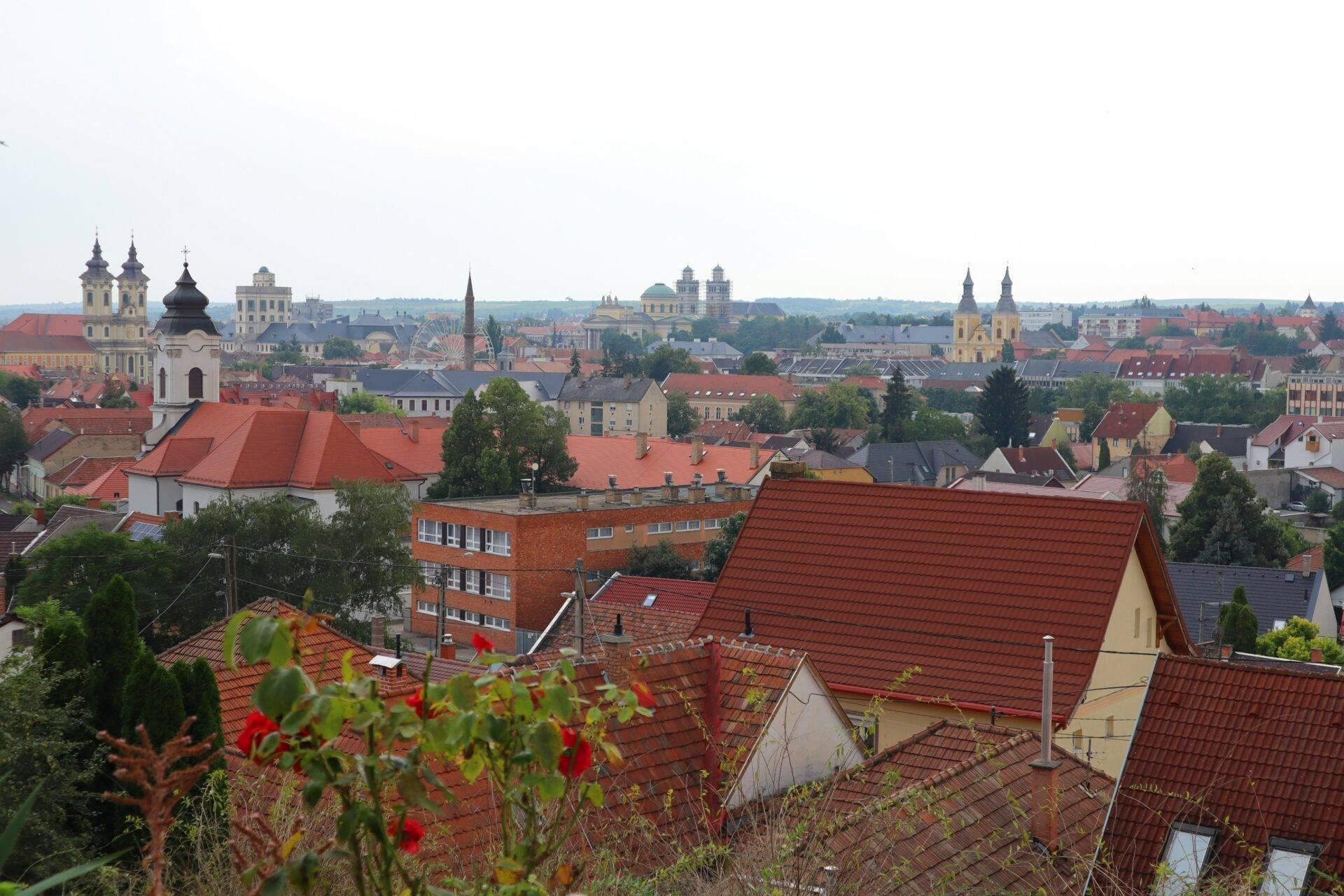
15. Pécs, a thousand years of influence
Founded by the Romans and shaped by 150 years of Ottoman rule, Pécs layers history at every turn. Its 4th-century Early Christian necropolis is a UNESCO World Heritage Site. The Gazi Kasim Mosque, now converted into a Catholic church, stands at the centre of the main square. The university, founded in the 14th century, is one of the oldest in Central Europe.
16. Sopron, the gem on the Austrian border
Sopron has preserved one of Hungary’s finest historic centres: medieval cobbled streets, Baroque townhouses and a rich communal heritage. Its Fire Tower (Tűztorony) offers a panorama over the old town’s rooftops and the wooded hills of the Austrian border.
Countryside, nature and UNESCO sites
17. Hollókő, a village out of time
A UNESCO World Heritage Site, Hollókő is one of the best-preserved villages in Central Europe. Its half-timbered houses and cobbled lanes showcase traditional Hungarian vernacular architecture at its finest. At Easter, residents don traditional costume, turning the whole village into a living tableau.
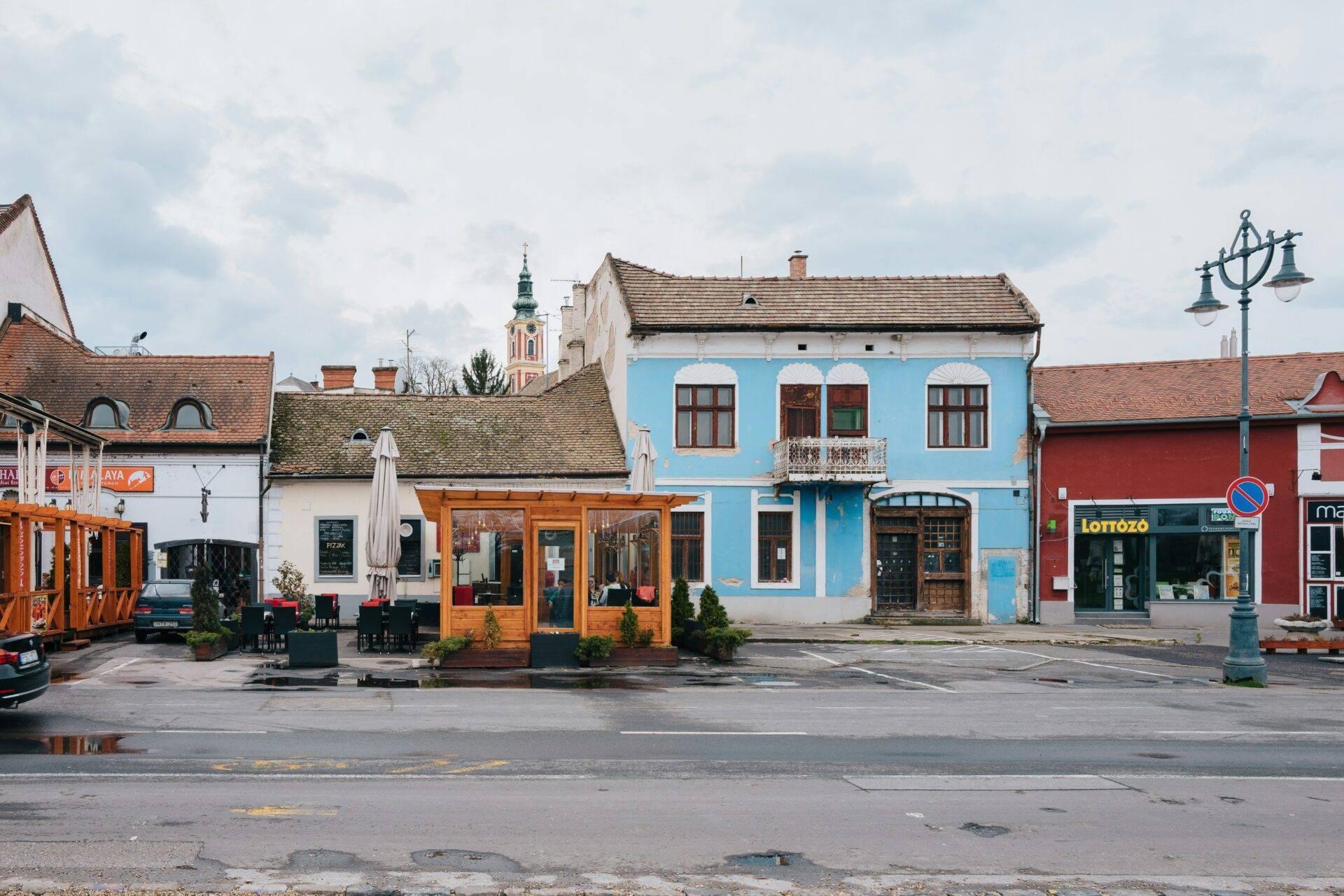
If Budapest appeals in December, our selection of the finest Christmas markets in Europe ranks it very highly indeed.
18. Hortobágy National Park, the great puszta
Hungary’s first national park, Hortobágy stretches across more than 74,000 hectares of natural grassland, one of Europe’s last great steppes. A UNESCO World Heritage Site, the park is also a major ornithological reserve where herons, storks and cranes gather in spectacular numbers during migration.
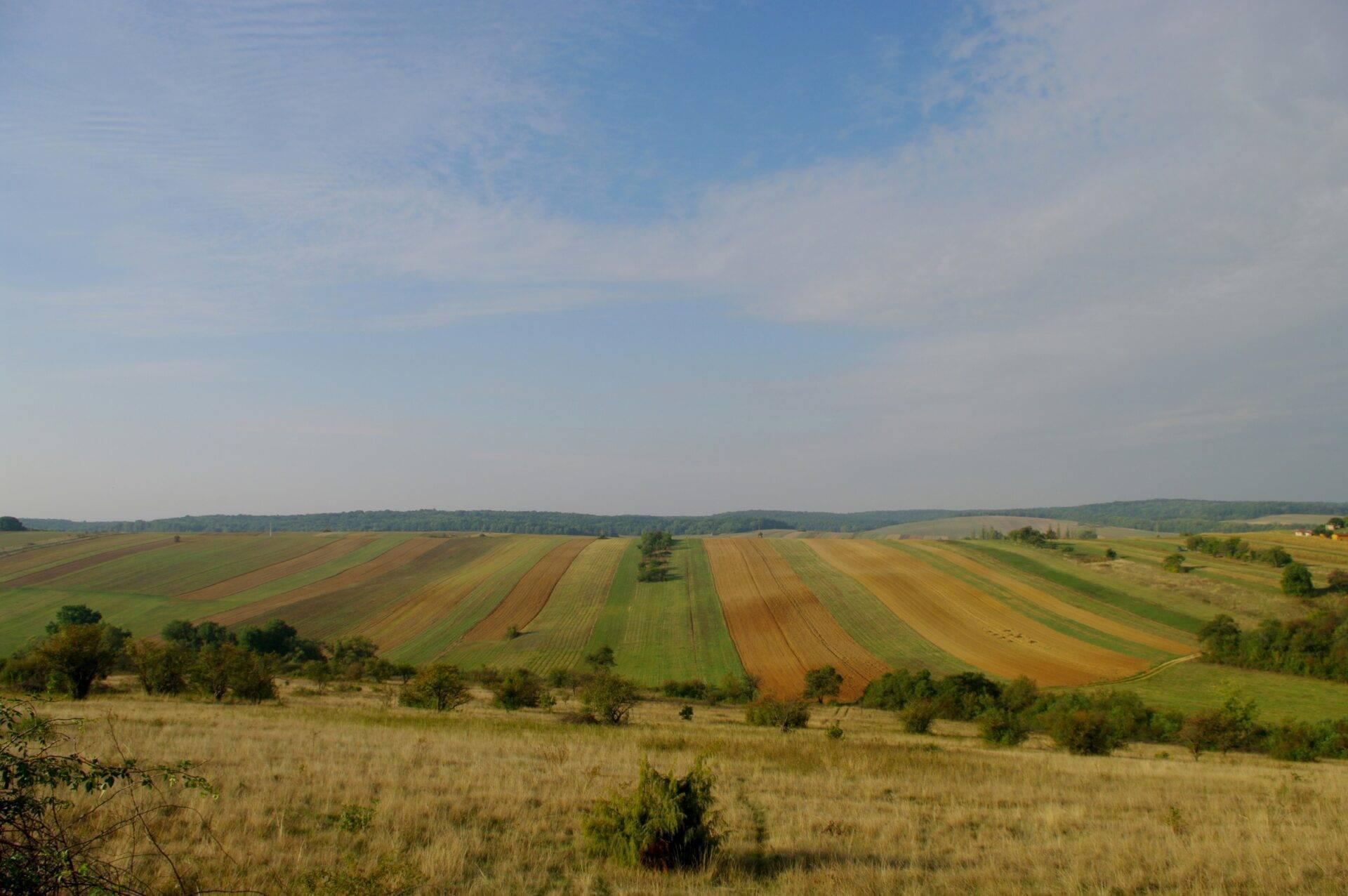
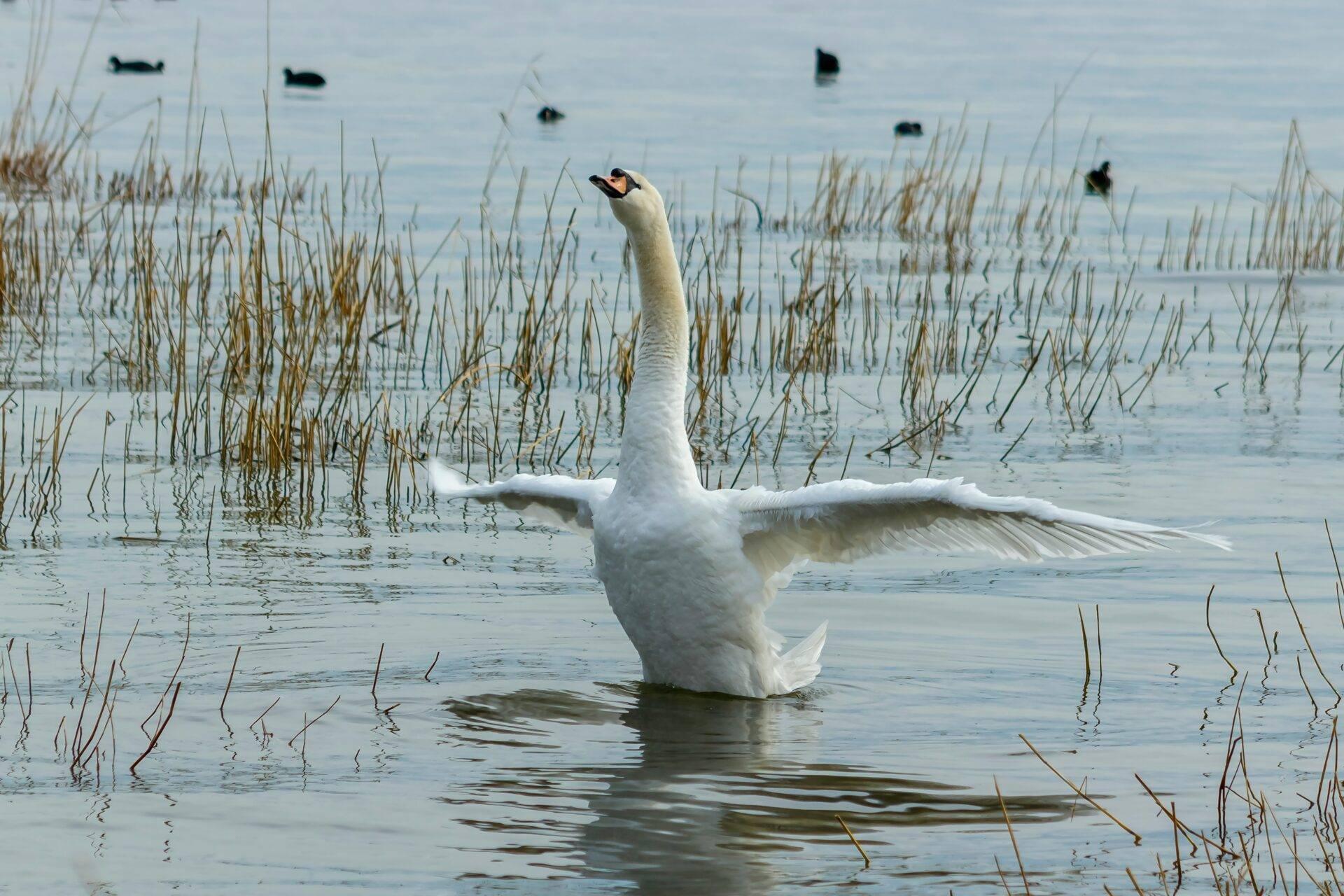
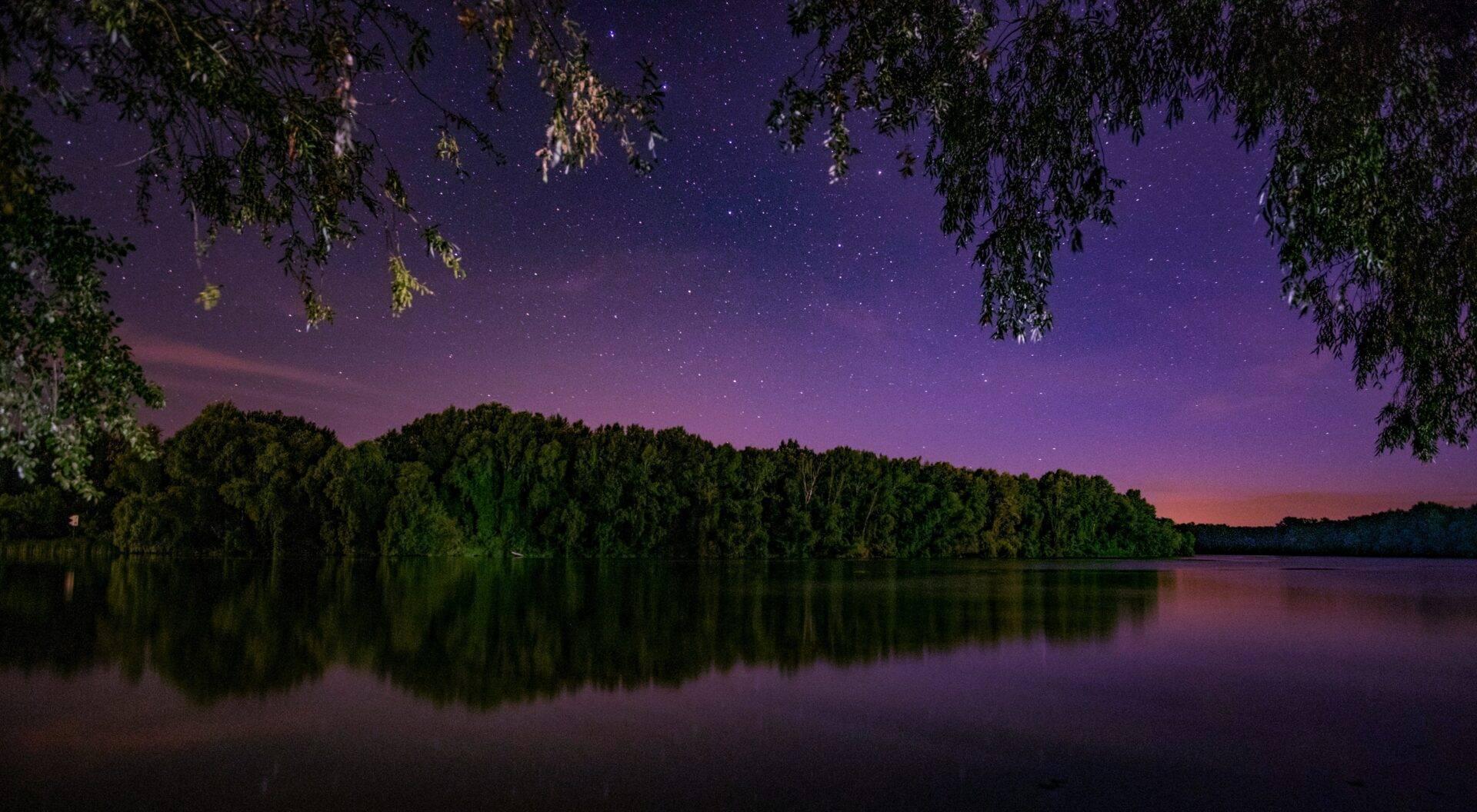
After dark, Hortobágy holds a certified dark sky status: the complete absence of light pollution makes it one of the finest spots in Central Europe for stargazing.
19. The Aggtelek Caves
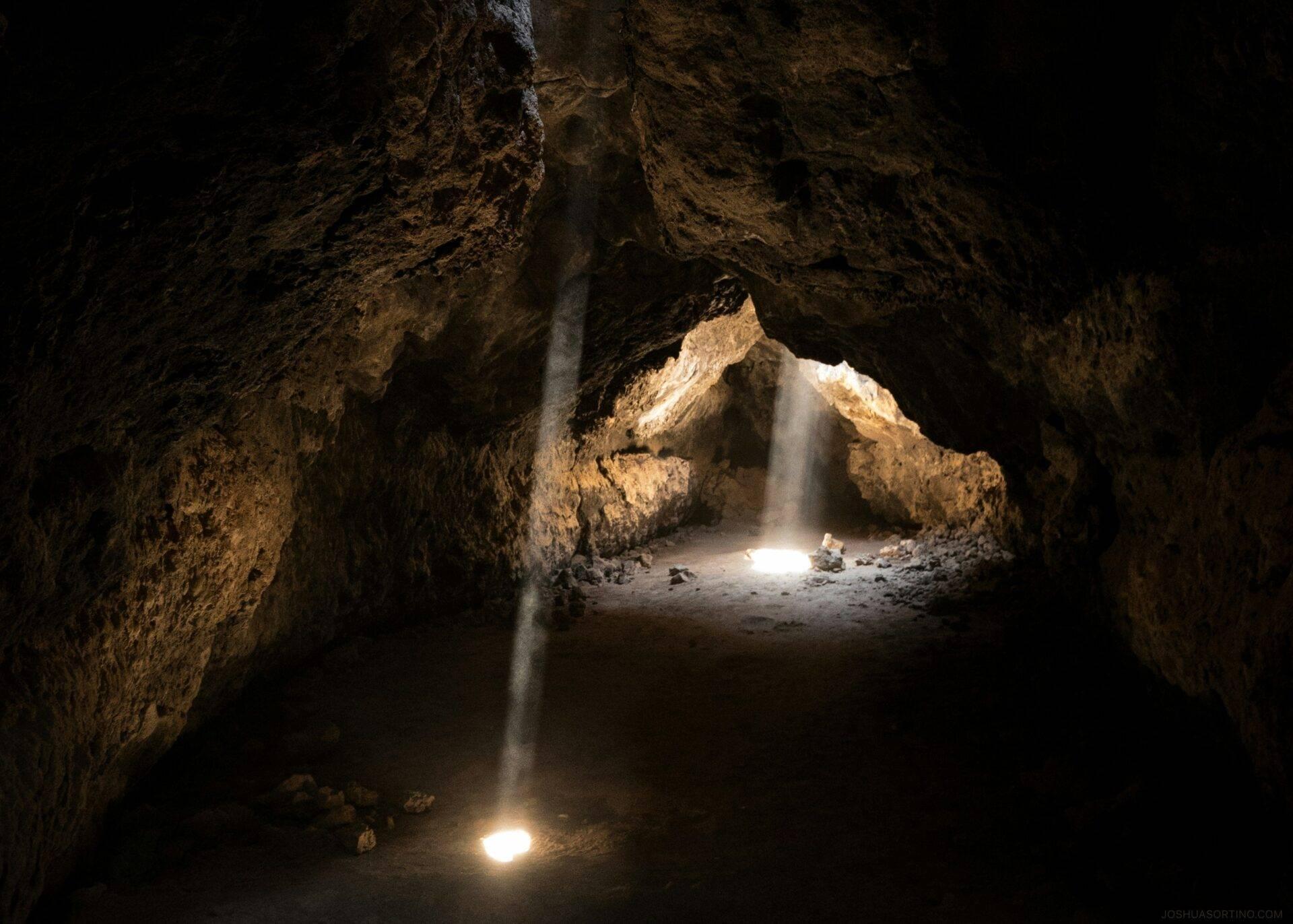
The Aggtelek karst system forms one of the most impressive underground networks in Central Europe, and the only natural UNESCO World Heritage Site in Hungary. Baradla Cave is home to some of Europe’s largest stalactites. Classical music concerts are held here, making full use of the extraordinary natural acoustics of the underground chambers.
20. Tokaj and the wine route
The Tokaj region, in northeastern Hungary, has produced one of Europe’s most celebrated wines for centuries: Aszú, a golden, honeyed sweet white. The wine-growing landscape, a UNESCO World Heritage Site, draws lines of vines across volcanic hills. The cave cellars, blackened by a beneficial fungus that aids the ageing process, are open to visitors year-round.
Hungary fits naturally into a broader Central European itinerary: see our ideas for travelling through the Czech Republic, Hungary and Austria in a single trip.
Before you go, visit our dedicated Hungary travel insurance page for practical information and the cover you need on the ground.
FAQ
When is the best time to visit Hungary?
Spring (April-May) and autumn (September-October) offer the best conditions: mild temperatures, moderate crowds and ever-changing landscapes. Summer is ideal for Lake Balaton but hot and very busy in Budapest. In winter, the thermal baths and Christmas markets give you every reason to brave the cold.
How long do you need to visit Hungary?
A week is enough to combine Budapest (three to four days), Lake Balaton and a provincial city. Two weeks open the door to the Danube Bend, Eger, Pécs and Hungary’s great natural sites such as Hortobágy and the Aggtelek Caves.
Is Hungary expensive for travellers?
Hungary remains significantly cheaper than Western Europe. Local transport, food and accommodation are comfortably below average Western European prices, making it an accessible destination for most budgets.
What are Hungary’s UNESCO World Heritage Sites?
Hungary has eight UNESCO World Heritage Sites: historic Budapest and the Danube banks, the village of Hollókő, the Aggtelek Caves (the only natural site), Hortobágy National Park, the Benedictine Abbey of Pannonhalma, the Fertő/Neusiedlersee cultural landscape, the Tokaj wine region and the Early Christian necropolis of Pécs.
Do I need travel insurance for Hungary?
Hungary is a European Union member: the European Health Insurance Card (EHIC) covers part of medical costs in the country. However, it does not cover medical repatriation, trip cancellations or lost luggage. Comprehensive travel insurance remains advisable for complete peace of mind. Find out about cover and how to apply on our Hungary travel insurance page.