
Indonesia is not a destination you can tick off in a single trip: with over 17,000 islands stretching nearly 5,000 km from east to west, there is simply no way to see everything in one go. The smart approach is to pick two or three islands that match your travel style, rather than trying to cram in as many destinations as possible. This guide will help you decide which Indonesian islands are right for what you actually want to experience.
Choosing based on your travel style
Before you book, work out what draws you most:
- Unspoilt beaches and relaxation: Lombok, the Gili Islands, the Flores coast
- Living culture and great temples: Java (Borobudur, Prambanan, Yogyakarta)
- Hindu spirituality, art and rice terraces: Bali
- Wildlife: Sumatra (orangutans at Bukit Lawang), Komodo (dragons)
- World-class diving and snorkelling: Raja Ampat, Bunaken (Sulawesi)
- Volcanic trekking: Java (Mount Bromo, Kawah Ijen), Lombok (Mount Rinjani, 3,726 m)
- First trip, well-developed infrastructure: Bali, then Java or Lombok as an extension
For the practical side of your trip (entry requirements, health, budget), our Indonesia travel insurance page covers everything you need to know.
Get my Indonesia insurance quoteLombok: unspoilt beaches and Mount Rinjani
Just a few hours from Bali by fast boat, Lombok lies directly to the east. The island is predominantly home to the Sasak people, whose Muslim culture gives it a distinct identity from Hindu Bali: a different language, different customs, a different pace altogether.
Mount Rinjani rises to 3,726 m, making it Indonesia’s second-highest volcano. The ascent takes two to three days and rewards trekkers with sweeping views over a spectacular crater lake. The Gili Islands (Gili Trawangan, Gili Air, Gili Meno), reached from the north of Lombok, are three car-free atolls where diving and relaxation come as naturally as the tide.
For a fresh perspective on these islands, read Bali, Lombok, Gili… what if Indonesia’s most beautiful islands were somewhere else entirely?
Java: ancient temples and volcanic landscapes
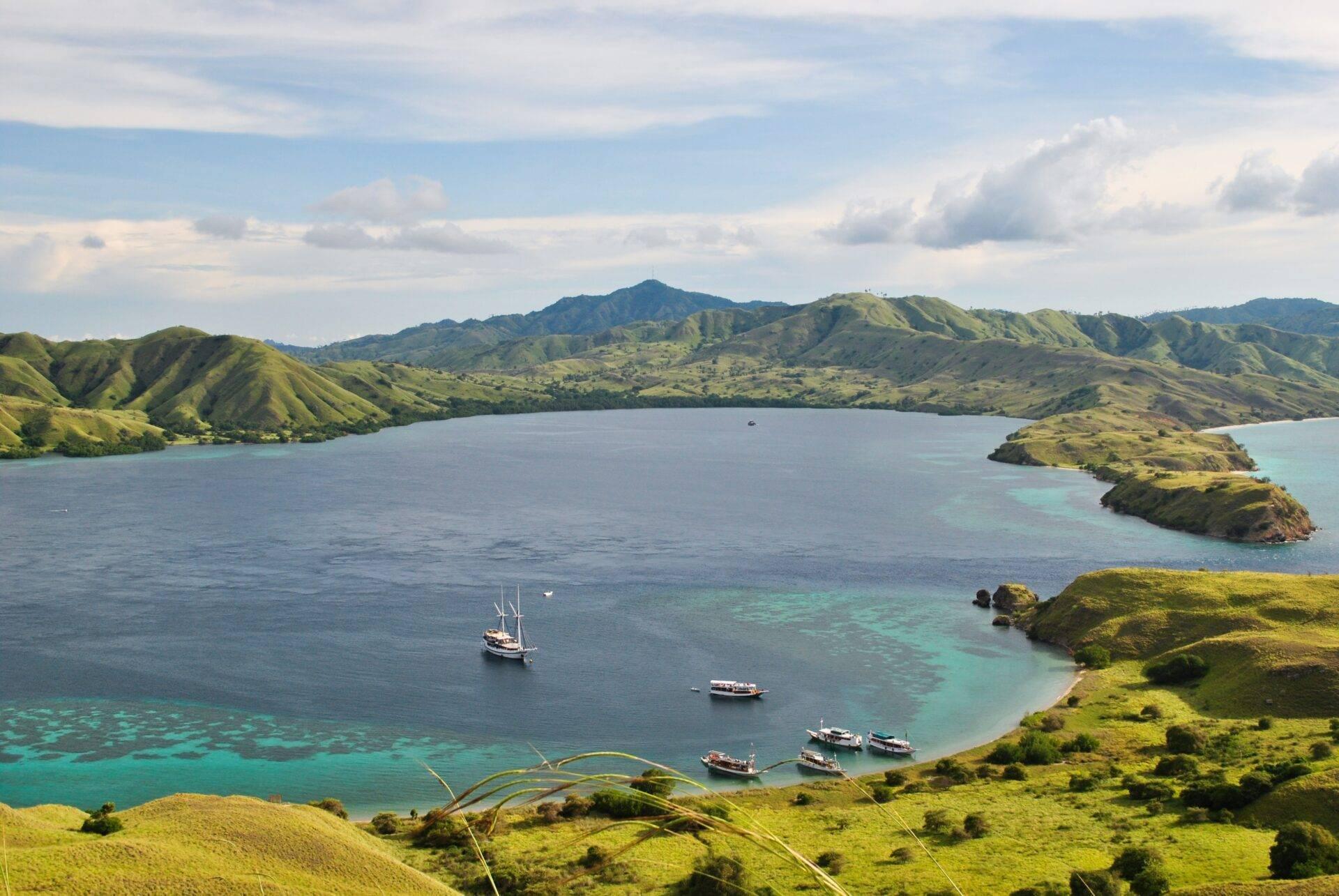
Java is Indonesia’s most populous island and its political and cultural heartland. Yogyakarta is the natural base for visiting Borobudur, the world’s largest Buddhist temple, built from two million stone blocks and located 40 km north-west of the city. The Hindu complex of Prambanan, close by, rounds out an extraordinary concentration of heritage.
For natural drama, the Mount Bromo massif offers sunrises over an almost lunar volcanic landscape that ranks among the most photographed in all of Asia. In the east of the island, the Kawah Ijen crater draws night hikers for its eerie blue flames, produced by burning sulphuric gases.
Bali: the unmissable island, if you pick the right area
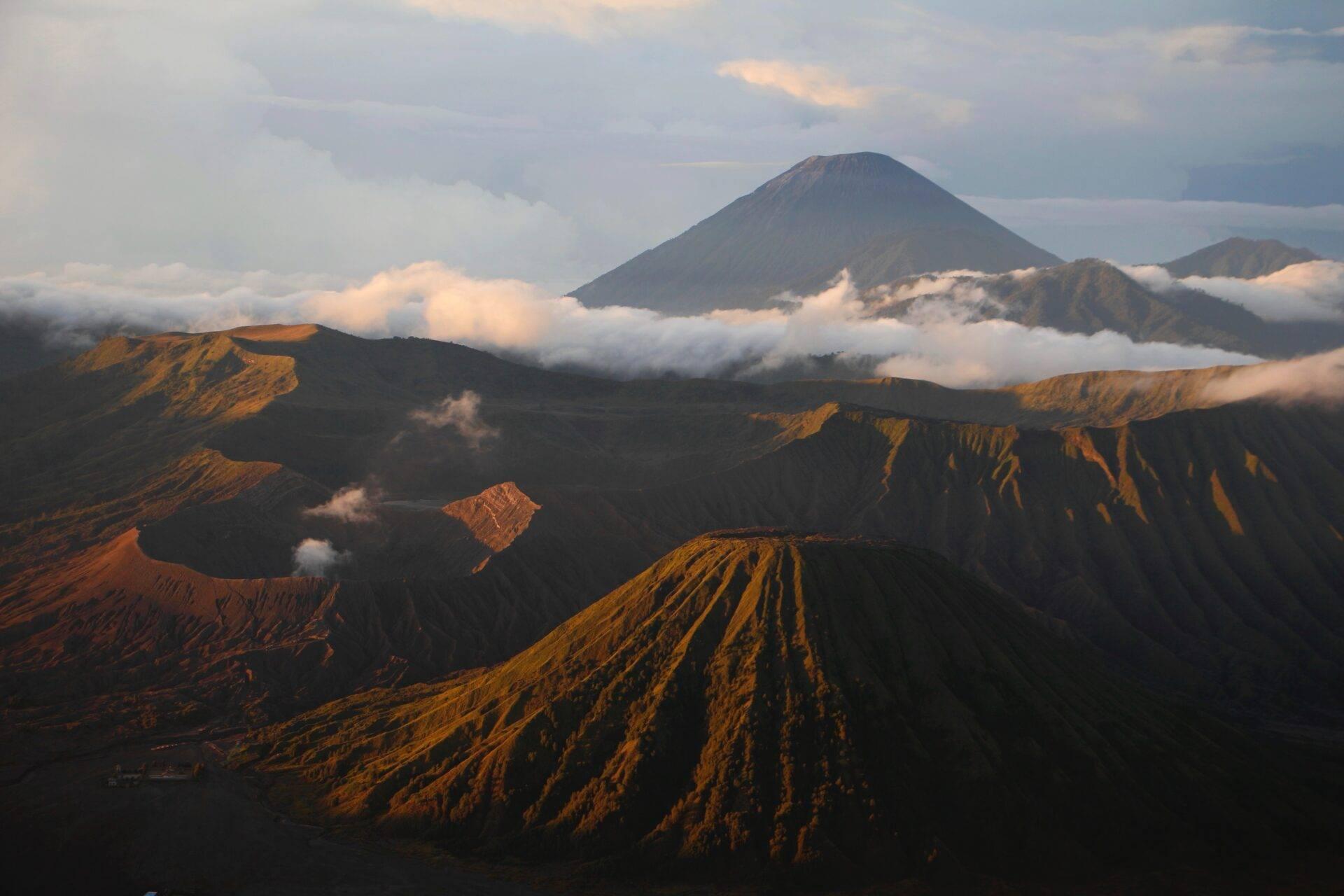
Bali remains Indonesia’s most accessible gateway, served by international flights and a well-developed tourism infrastructure. The island delivers surf beaches (Kuta, Canggu, Uluwatu), terraced rice fields at Jatiluwih and a rich Hindu cultural life of temples, ceremonies and crafts centred on Ubud.
The real question is not whether Bali is worth the trip, but which part suits you best: Ubud for culture and rice paddies, the south for beaches and nightlife, or the cooler highlands of Munduk for volcanic lakes and fresh mountain air. These very different micro-destinations all coexist on the same island.
For an honest take on the island: Has Bali become the world’s most overrated destination?
Komodo: dragons and remarkable dive sites
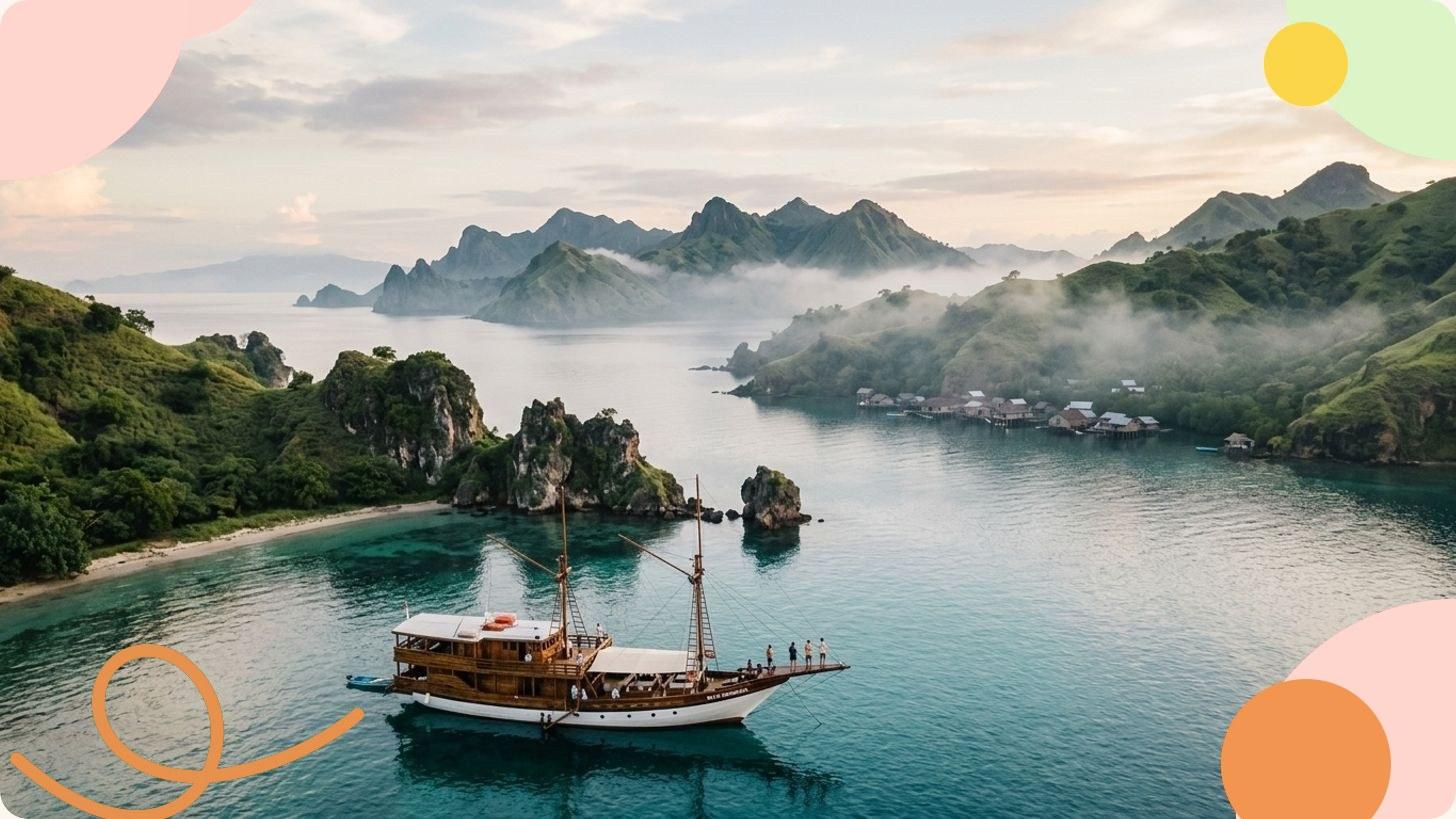
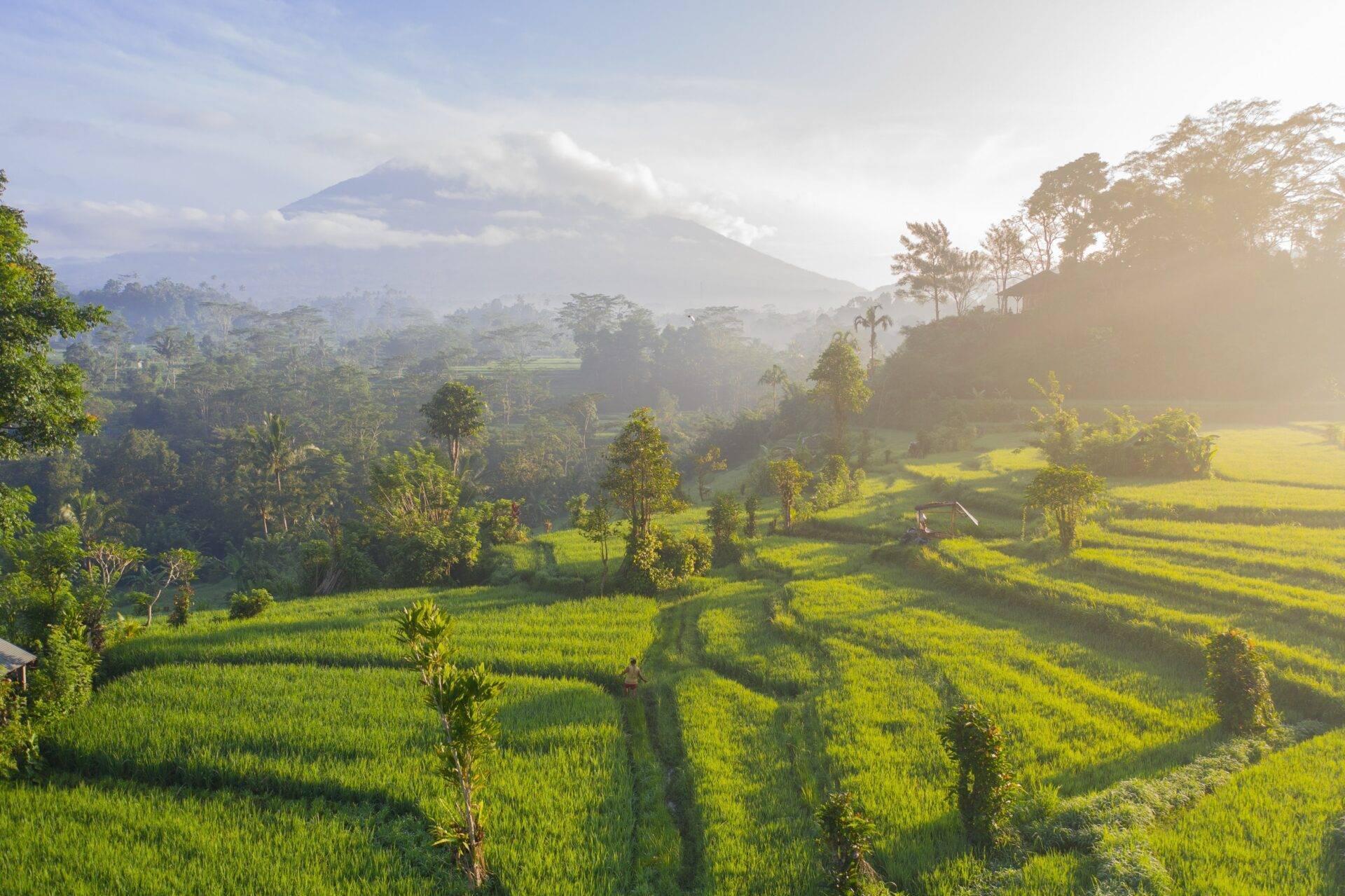
The Komodo National Park, a UNESCO World Heritage Site, encompasses several islands including Komodo and Rinca, where the Komodo dragon, the world’s largest living lizard, roams across a savannah landscape that contrasts sharply with the rest of the archipelago. Visits are led by local rangers throughout.
The park is also a serious diving destination: strong currents between the islands create cold-water upwellings that sustain extraordinary marine life, including manta rays, whitetip reef sharks and pygmy seahorses. The town of Labuan Bajo, on the island of Flores, serves as the logistical base for exploring the park by boat.
Sumatra: orangutans, a volcanic lake and legendary surf
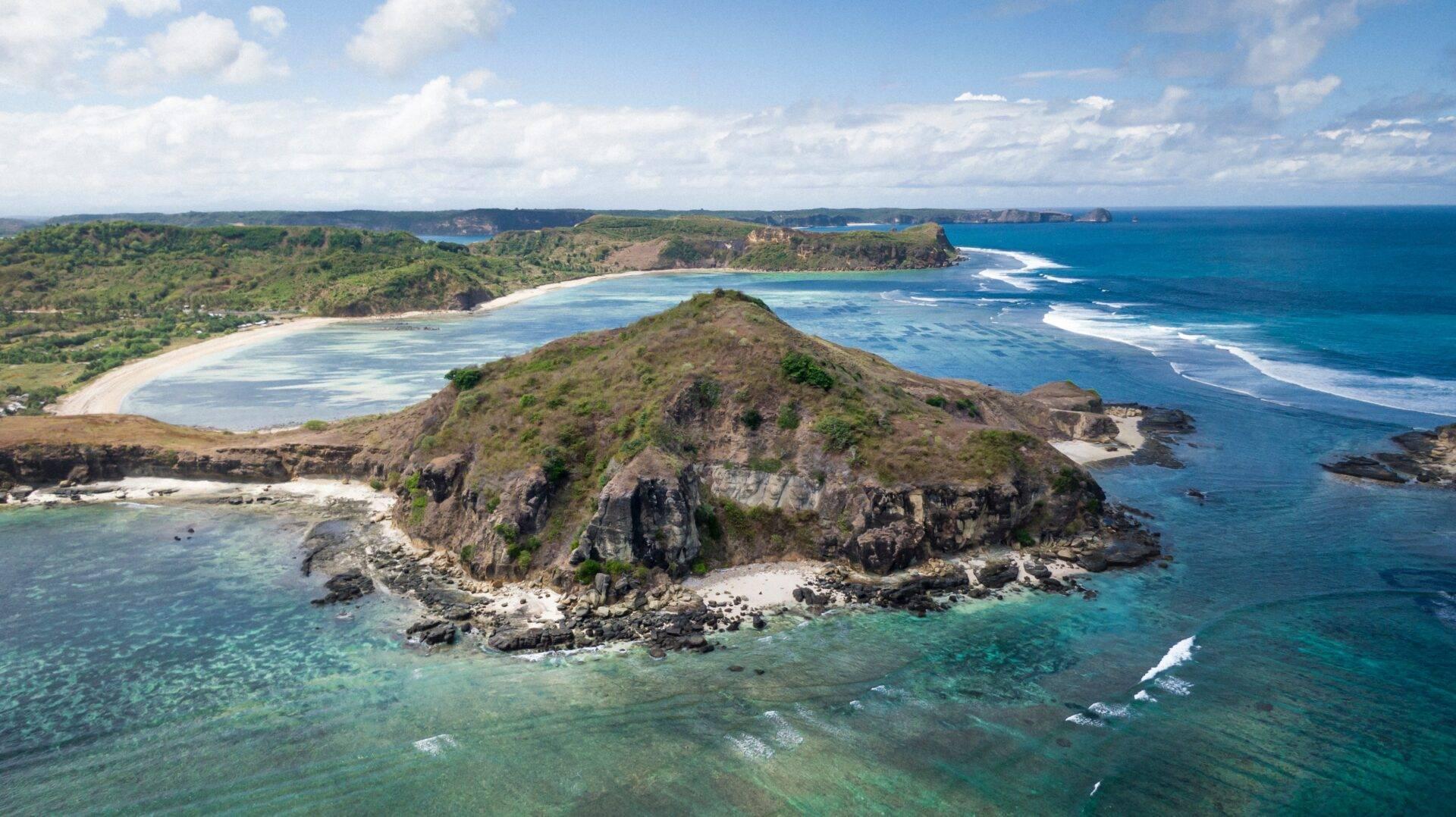
Sumatra is one of Indonesia’s largest and least-visited islands. Its north holds the most accessible highlights: Bukit Lawang, within the Gunung Leuser National Park, is one of the few places in Indonesia where you can watch orangutans in their natural rainforest habitat.
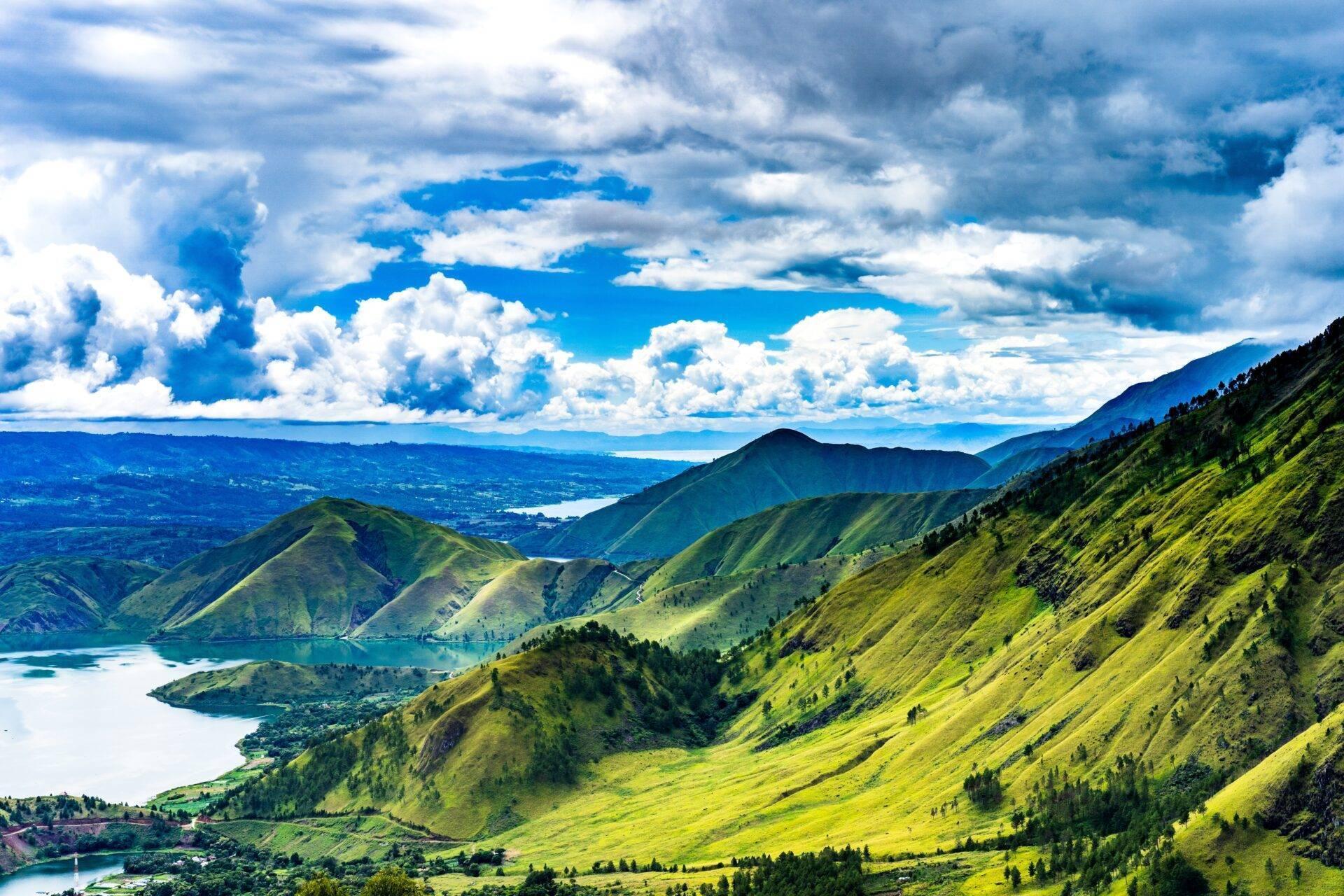
Lake Toba fills the basin of a vast ancient caldera, with the island of Samosir at its centre, the heartland of Batak culture. On the west coast, the waves off Nias have been drawing surfers since the 1970s. These three sides of Sumatra, wildlife, culture and surf, make it a genuinely distinctive island within the Indonesian archipelago.
Sulawesi: world-class diving and singular funeral traditions
Sulawesi sits at the heart of the Coral Triangle. Bunaken National Park, in the north of the island, is celebrated for its dramatic vertical walls and extraordinary reef diversity, making it one of South-East Asia’s premier diving destinations.
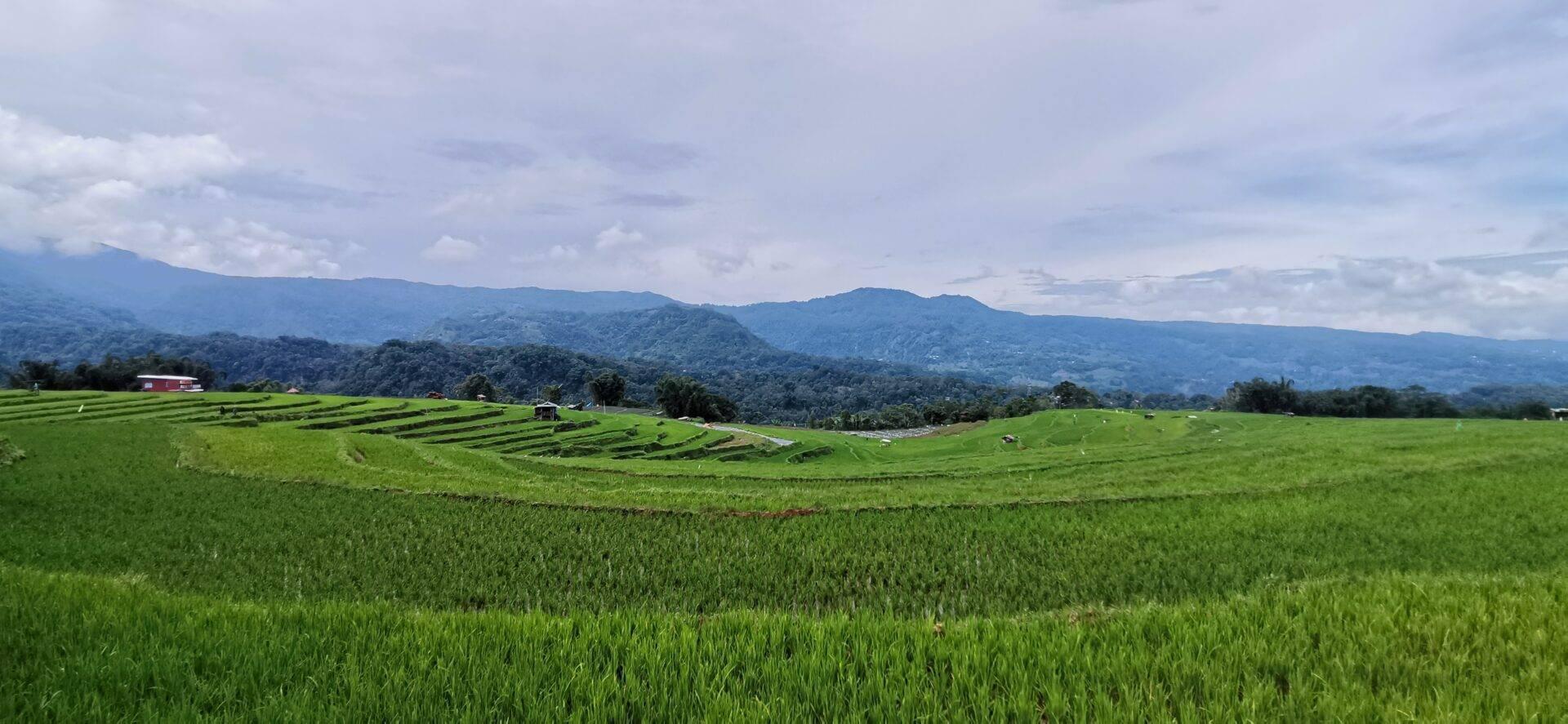
Inland, the Tana Toraja region stands apart for its unique funeral traditions: multi-day ceremonies, tombs carved directly into cliffsides, and wooden effigies known as tau-tau that stand guard over the graves. It is a cultural encounter found nowhere else in Indonesia.
Raja Ampat: the greatest marine biodiversity on Earth
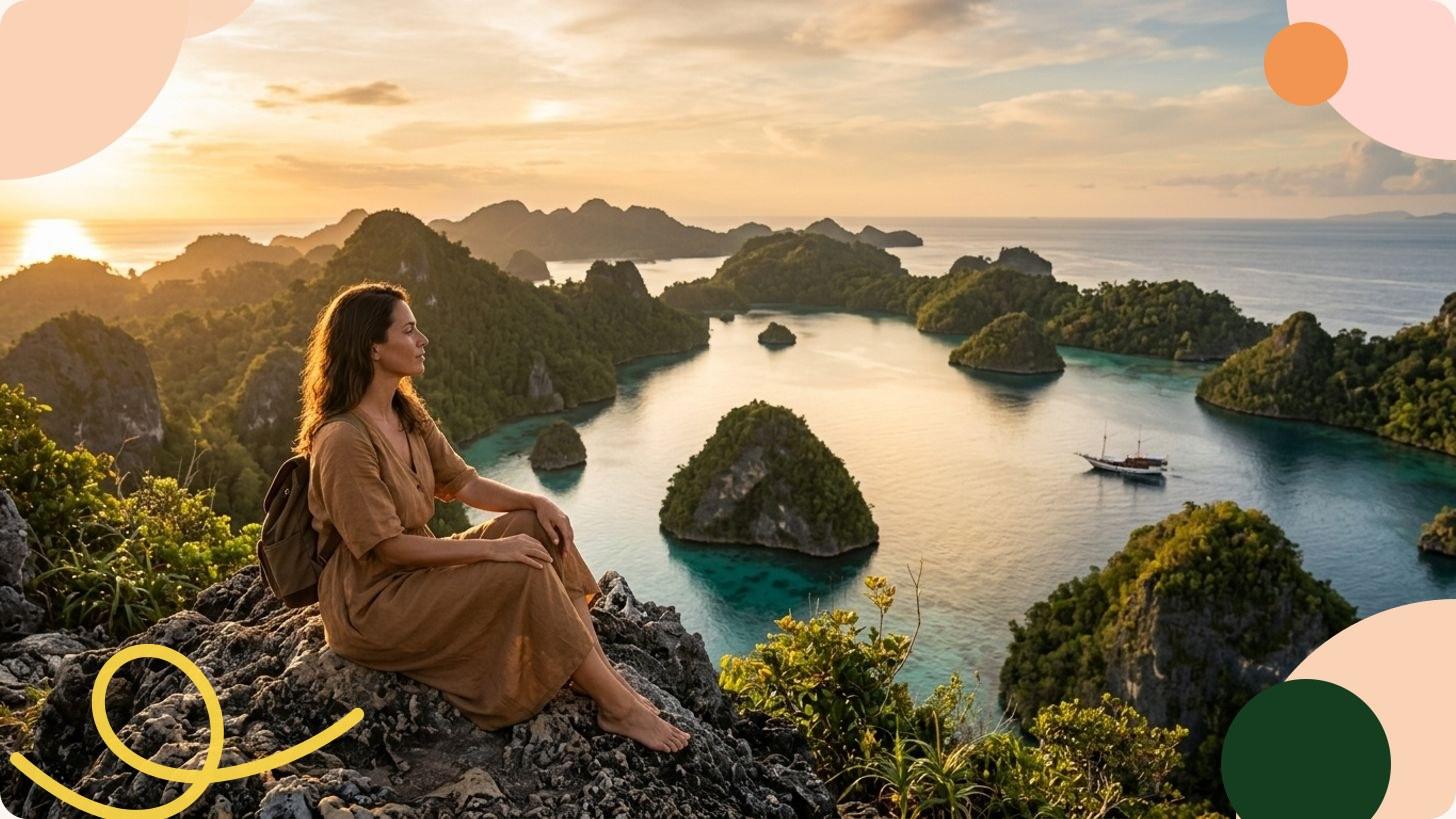
Raja Ampat is an archipelago of more than 1,500 islands off the coast of West Papua. It harbours the greatest marine biodiversity on the planet, with 76% of the world’s known coral species found here. The peak season for swimming with manta rays runs from November to February.
Getting there takes time, a flight to Sorong followed by a boat, and the cost of a stay is higher than elsewhere in Indonesia. But Raja Ampat is not solely for divers: surface snorkelling is spectacular in many areas, with no scuba gear required.
When to visit the Indonesian islands
The dry season from May to October suits the majority of islands in the west and centre: Java, Bali, Lombok, Komodo and Sulawesi. Raja Ampat, by contrast, is at its best from November to February, the prime season for manta rays. Sumatra can be visited year-round, with rainfall patterns varying by region.
For practical activity ideas once you arrive, see our guide on things to do in Indonesia.
FAQ
Which is the best Indonesian island for a first visit?
Bali is the most accessible option: direct flights from several European cities, well-developed infrastructure and a winning combination of beaches, culture and food. Java, with Borobudur and its volcanoes, is an excellent alternative for travellers drawn to history and iconic landmarks.
Can you combine several islands in two weeks?
Yes, as long as you keep transfers manageable. A classic two-week itinerary: Bali (5 to 6 days), then Lombok or the Gili Islands (4 days), then Java via Yogyakarta (4 days). Avoid trying to cross the archipelago from east to west: journey times are long and eat heavily into your trip.
Is Lombok worth visiting compared to Bali?
Lombok offers beaches that are often far less crowded, a distinct culture (the Sasak people, Muslim traditions) and Mount Rinjani for trekkers. It is a strong choice if you are after a different atmosphere from Bali with more unspoilt scenery.
Is Raja Ampat accessible for non-divers?
Yes. Surface snorkelling is spectacular in many areas, with no scuba equipment needed. That said, getting there remains a commitment, a flight plus a boat from Sorong, and the cost of a stay is higher than anywhere else in Indonesia.
Which island is best for seeing orangutans?
Sumatra, and specifically Bukit Lawang within the Gunung Leuser National Park, is one of the best places in Indonesia to observe orangutans in their natural rainforest habitat. Kalimantan (Indonesian Borneo) is the other option, though access is considerably more complex.
Do you need travel insurance for Indonesia?
Indonesia has no reciprocal social security agreement with France. In the event of hospitalisation or medical repatriation, all costs fall entirely on the traveller. Travel insurance covering medical expenses abroad and repatriation is essential before you leave. Full details are available on our Indonesia travel insurance page.