
Indonesia offers a breadth of travel experiences unmatched anywhere else in South-East Asia: 17,000 islands, active volcanoes, UNESCO-listed ancient temples, endemic wildlife found nowhere else on the planet and some of the most beautiful beaches in the Pacific. The real question is not “what to do” but “where to begin”: Java for culture, Bali for a gentler form of escapism, Lombok and Flores for raw wilderness, Kalimantan for orangutans, Sumatra for Lake Toba, and Sulawesi for cultures that simply do not exist anywhere else.
Bali: temples, rice terraces and the great outdoors
Bali is often the first stop on an Indonesian journey, and for good reason. The island packs clifftop temples, UNESCO-listed rice terraces and a setting that suits surfers and yoga retreaters equally well, all within a relatively compact space.
Rice terraces and unmissable temples
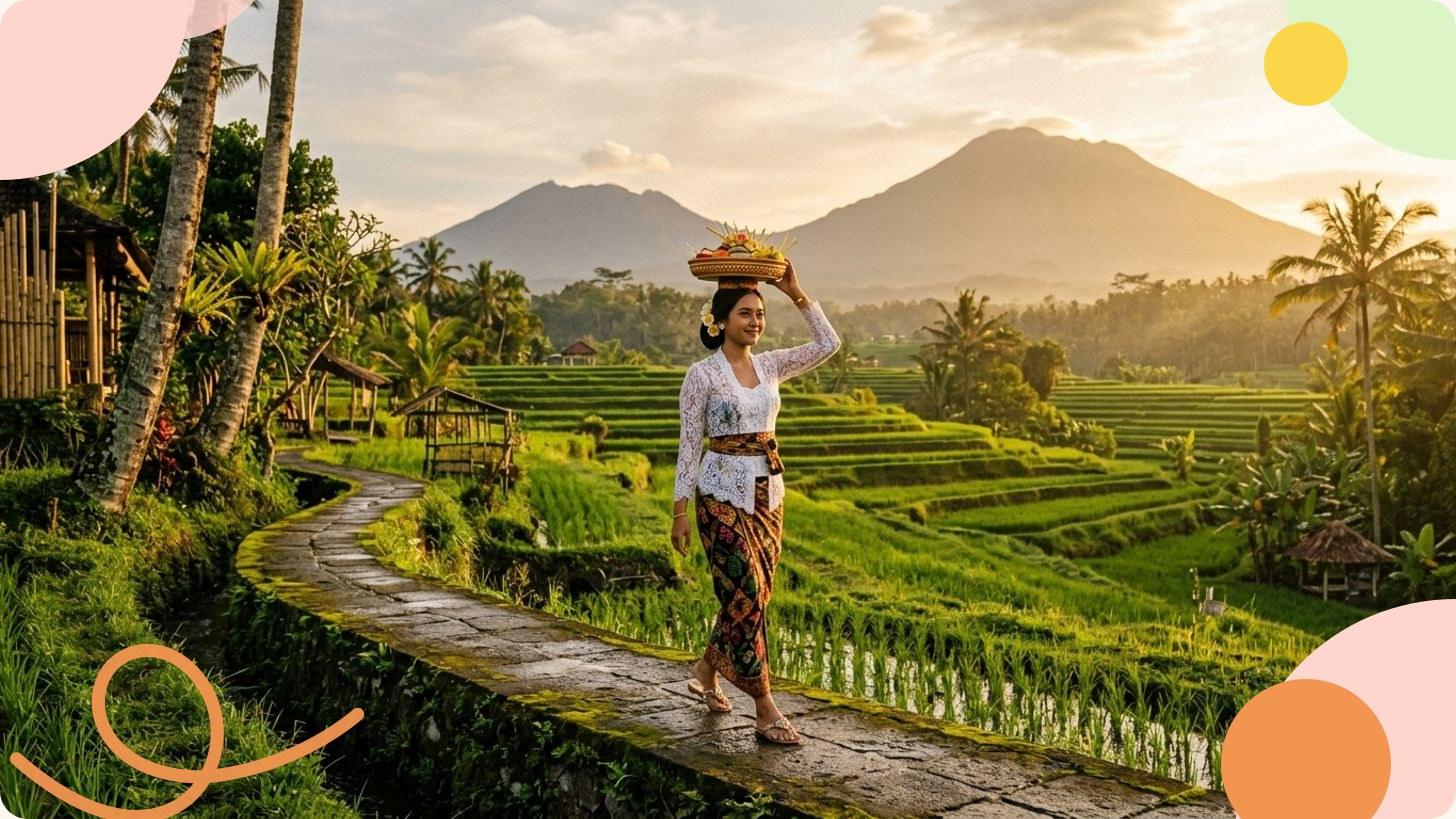
The Jatiluwih rice terraces, inscribed on the UNESCO World Heritage List, offer a spectacular panorama of irrigated hillside paddies that have been carefully tended for centuries.
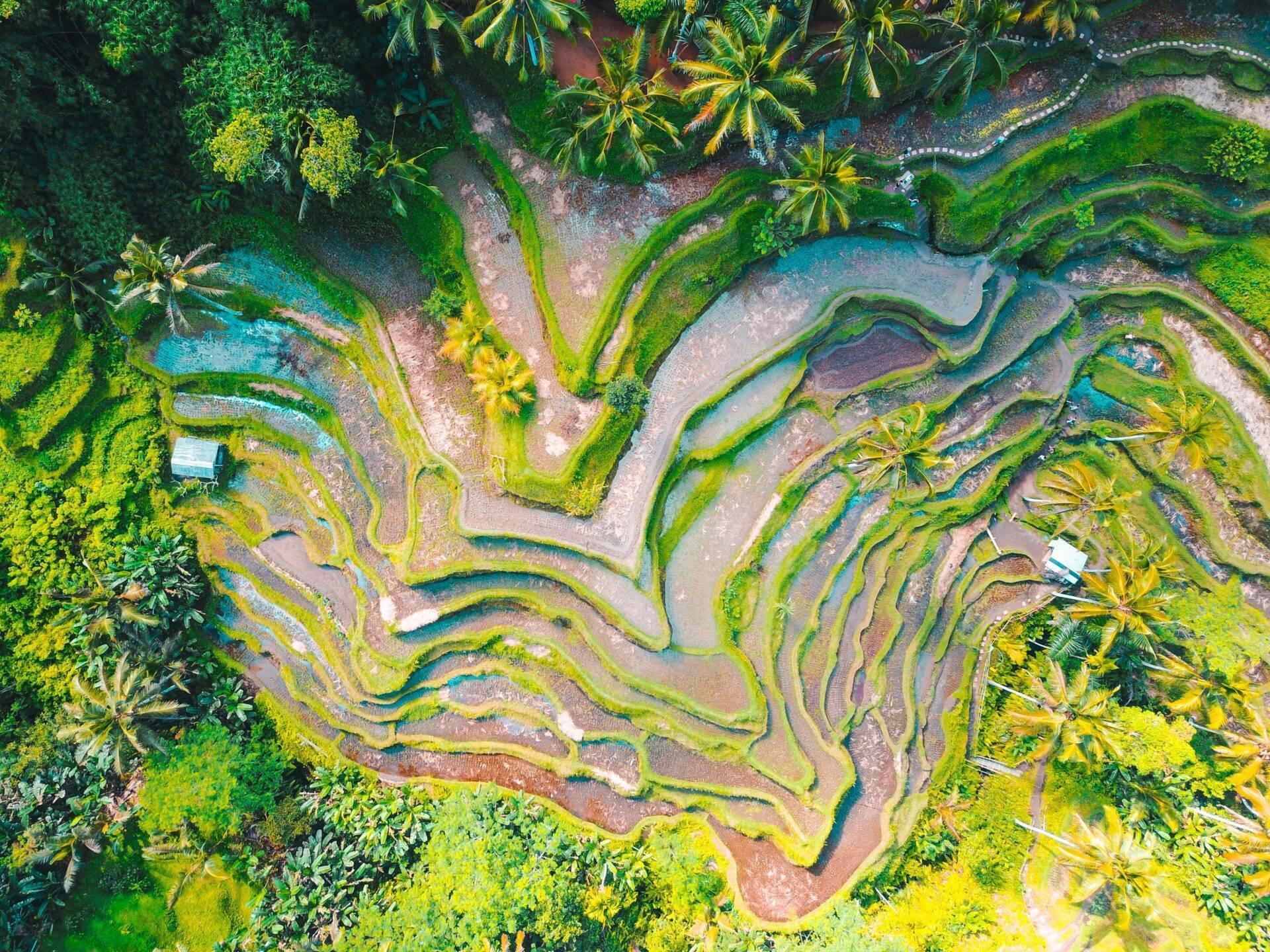
Tanah Lot temple, perched on a sea rock just off the coast, and Uluwatu temple, balanced on a cliff 70 metres above the waves, are the two most photographed religious sites on the island. At sunset, Uluwatu hosts kecak dance performances staged against the open horizon.
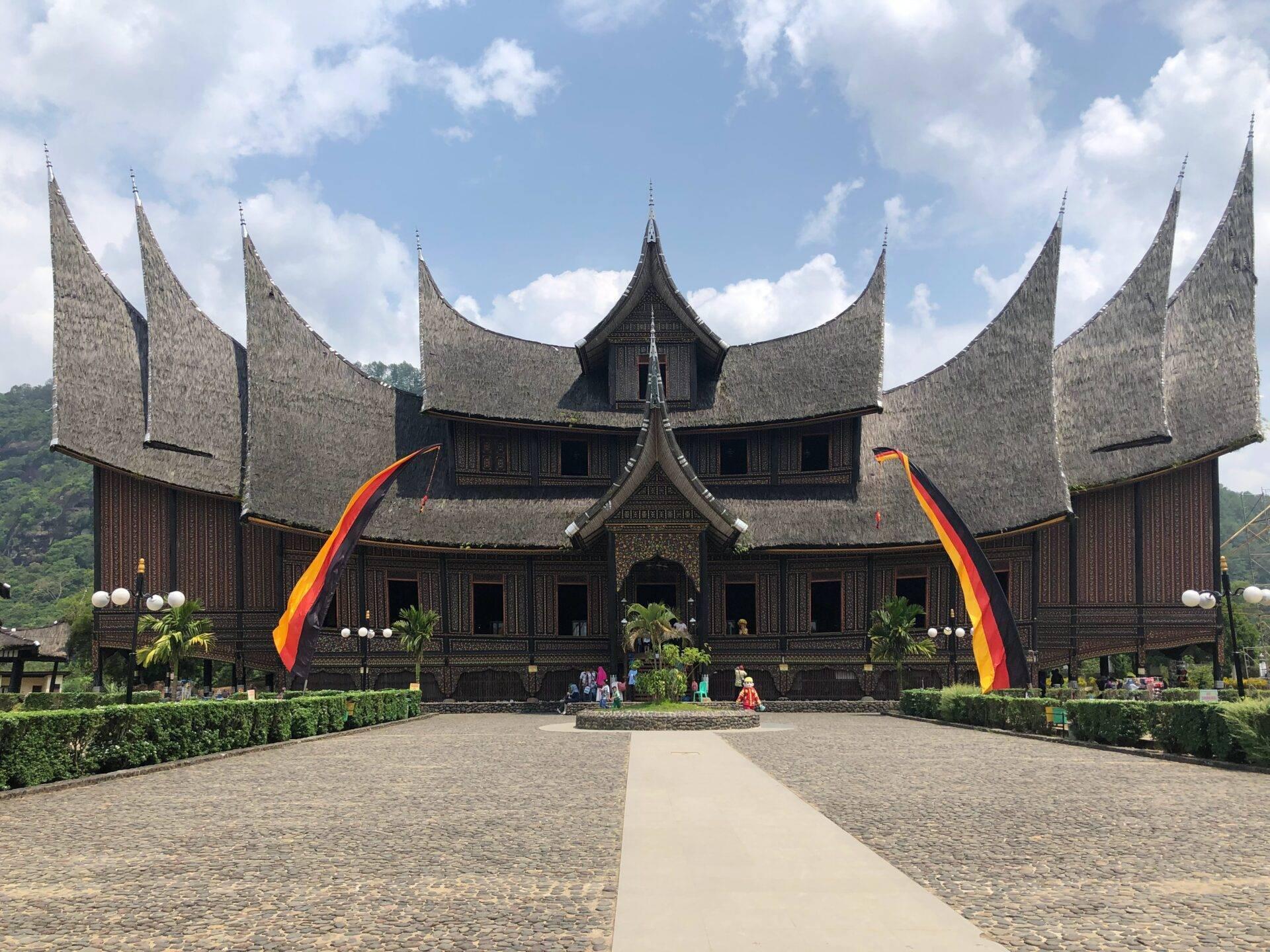
Surf, wellness and beaches
Kuta and Seminyak beaches draw surfers from all over the world. The coves of the Bukit Peninsula offer more technical breaks for experienced riders. Ubud, at the heart of the island, is the spiritual home of Balinese wellness: yoga retreats, traditional treatments and local cooking classes follow one another in lush, verdant settings.
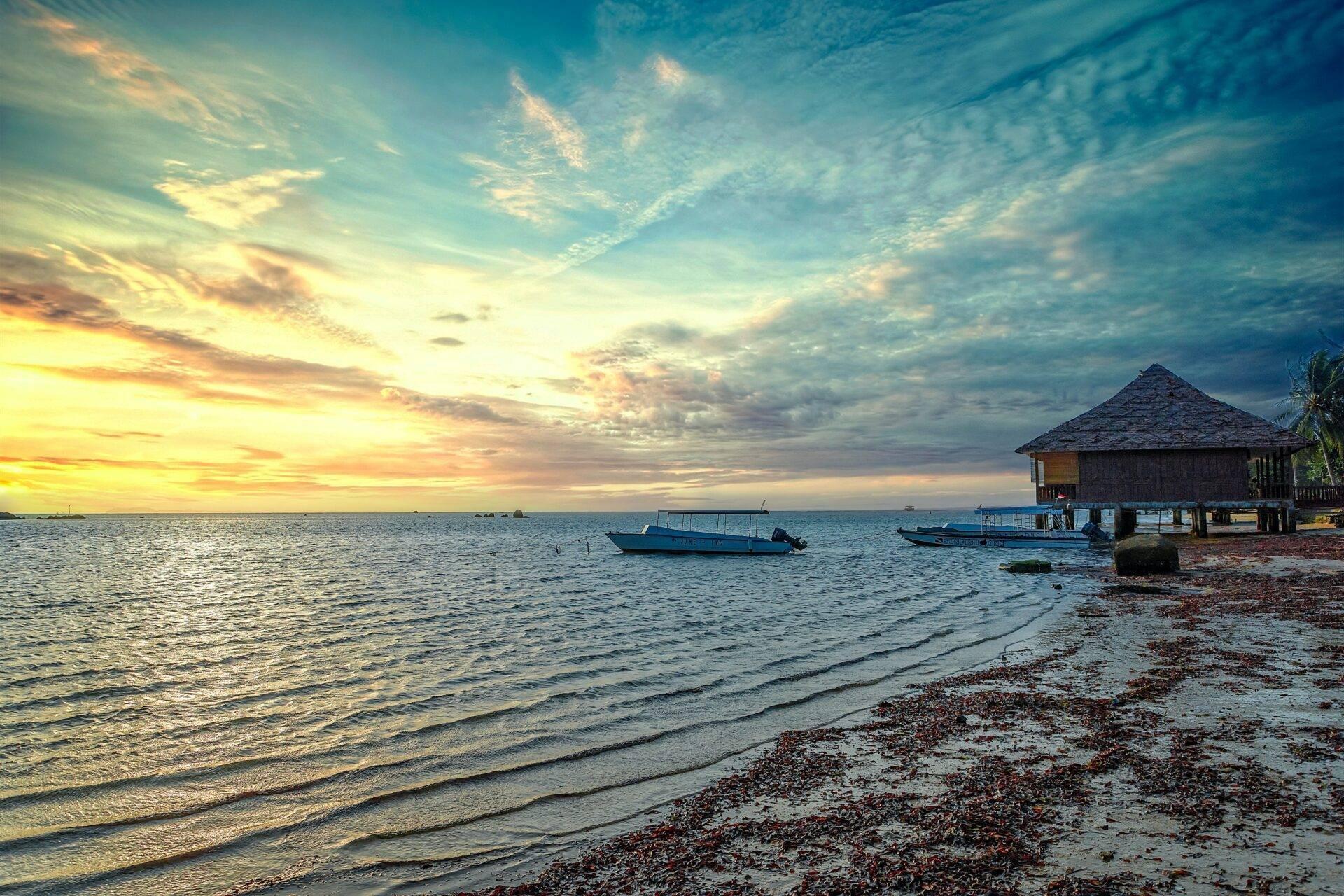
Religious festivals shape Balinese life throughout the year. Colourful processions, offerings and gamelan music make the island a living, breathing place where culture is experienced daily rather than preserved behind glass.
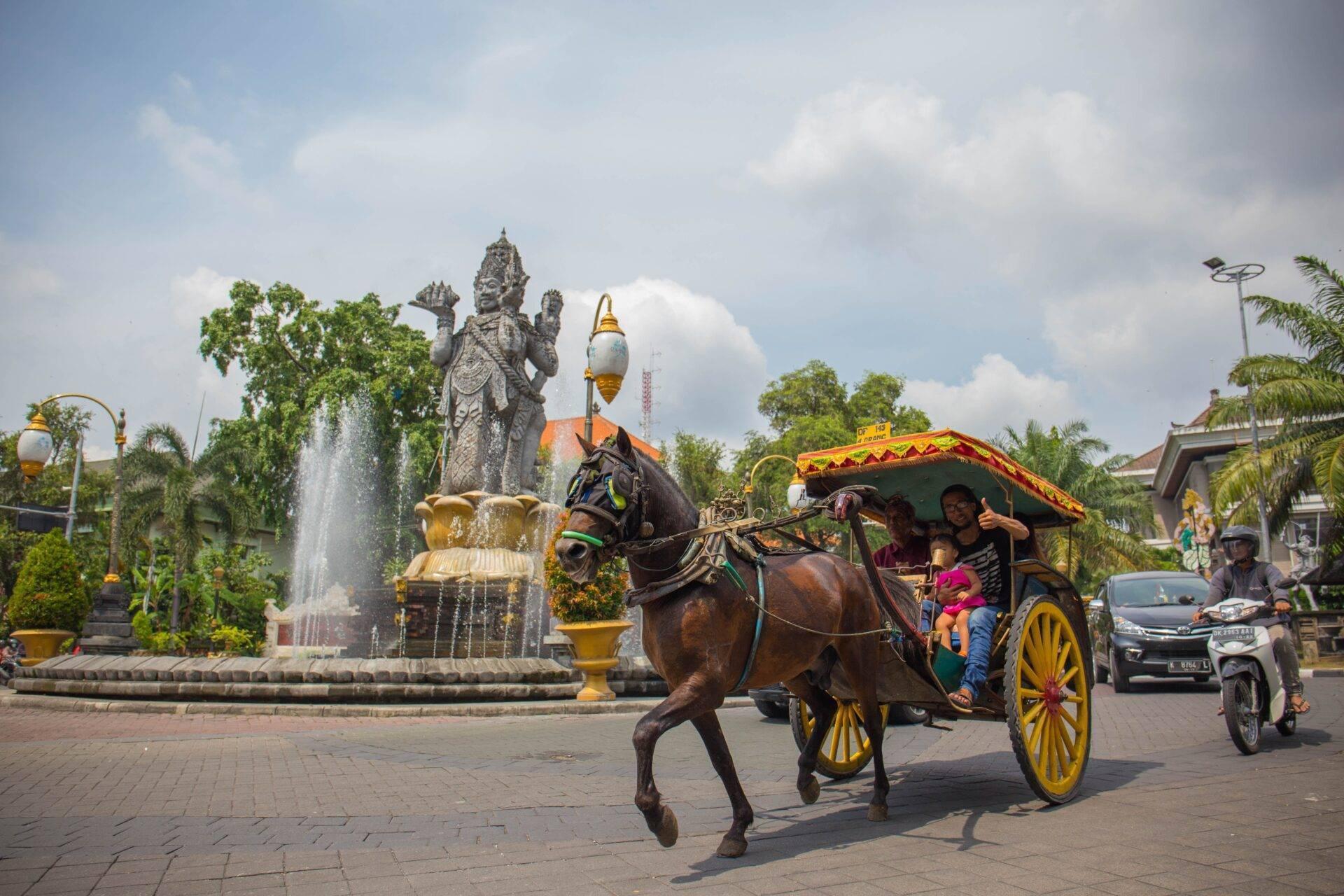
For a measured take on Indonesia’s most famous island, read our article Is Bali the most overrated destination in the world?. If wellness is your priority, our guide Wellness retreats in Indonesia brings together the best addresses across the archipelago.
Java: Borobudur, Jakarta and cultural powerhouse
Java is both the most densely populated island and the richest in cultural heritage. Within less than two hours’ drive from Yogyakarta, you can move from the world’s largest Buddhist monument to a vast Hindu temple complex.
Borobudur and Prambanan
Borobudur is the largest Buddhist monument in the world. Built in the 9th century, it comprises nine platforms adorned with bas-reliefs and Buddha statues. A few dozen kilometres away, the Prambanan complex brings together Hindu temples dedicated to Shiva, Brahma and Vishnu. In the evenings, an open-air Ramayana dance performance can be enjoyed with the illuminated temples as a backdrop.
Mount Ijen and its blue flames
In eastern Java, the Ijen volcano draws travellers for a rare spectacle: at night, the crater releases electric blue flames produced by the combustion of sulphuric gas. The pre-dawn hike to the crater rim is physically demanding but utterly unforgettable.
Jakarta: a capital on the move
Jakarta is one of Asia’s largest metropolises. The Monas, a 132-metre marble obelisk, stands at the heart of a plaza that captures the capital’s ambition in a single image.
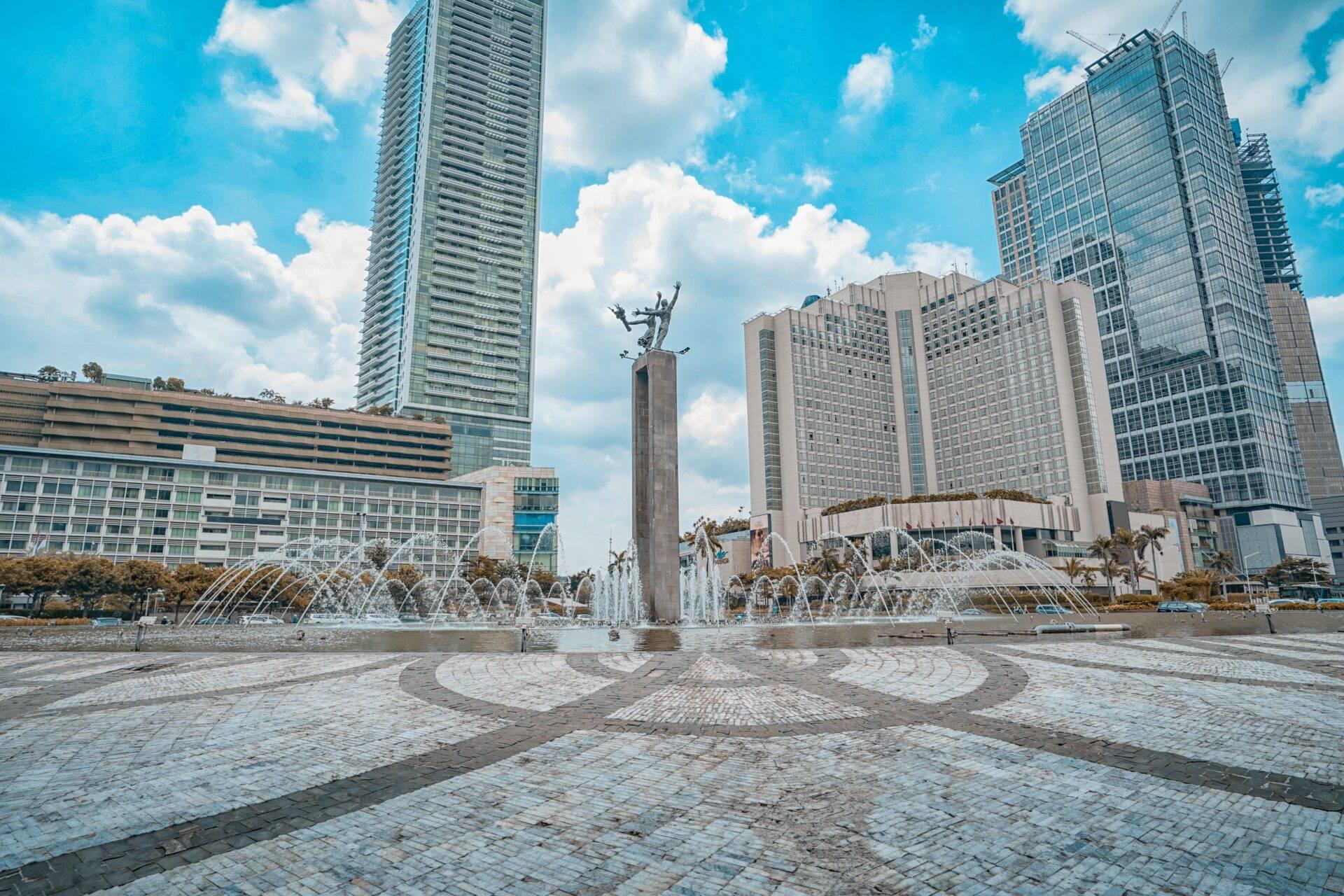
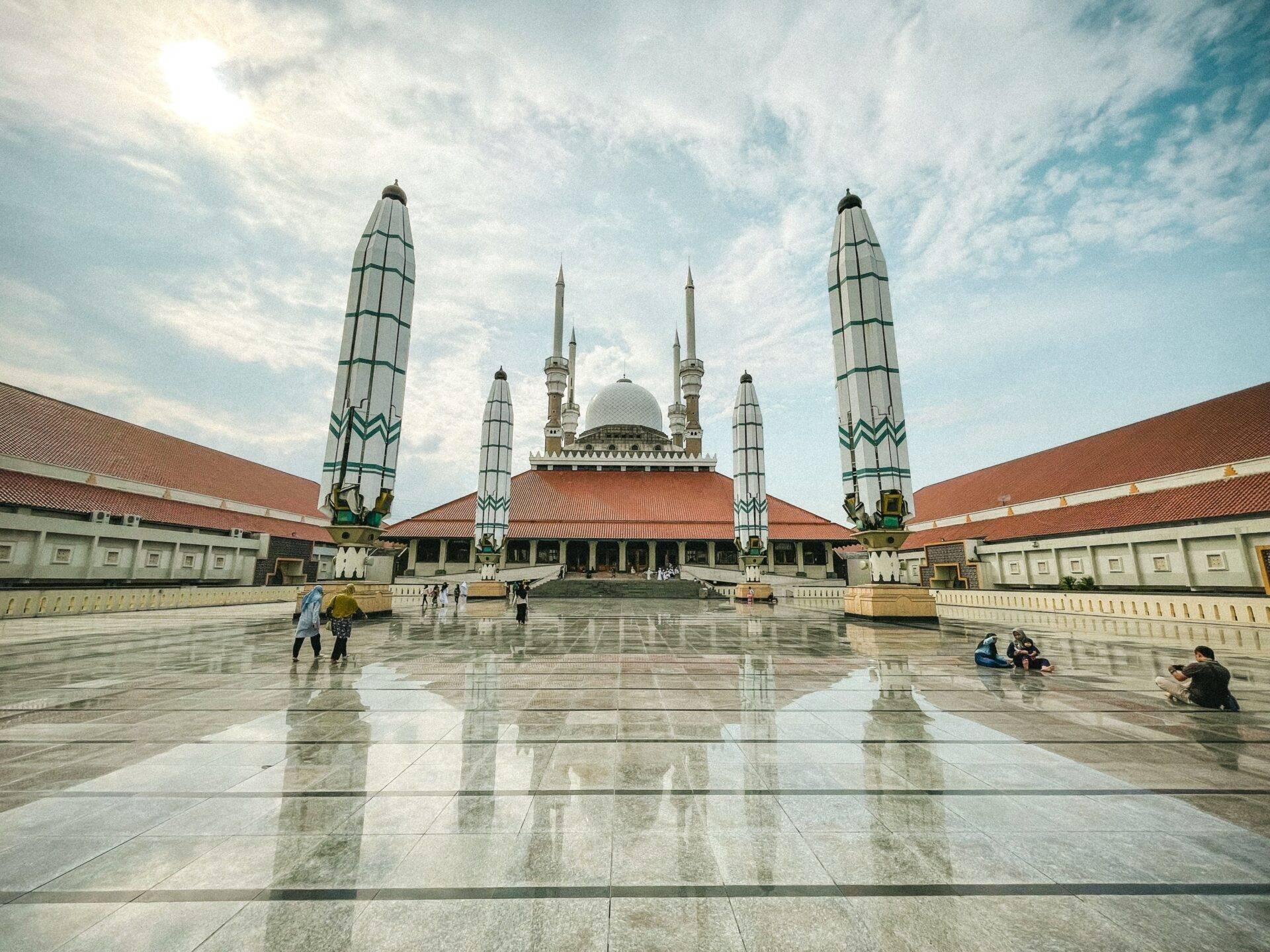
Nearby, the Istiqlal Mosque, Indonesia’s national mosque, impresses with its sheer scale and opens its doors to non-Muslim visitors.
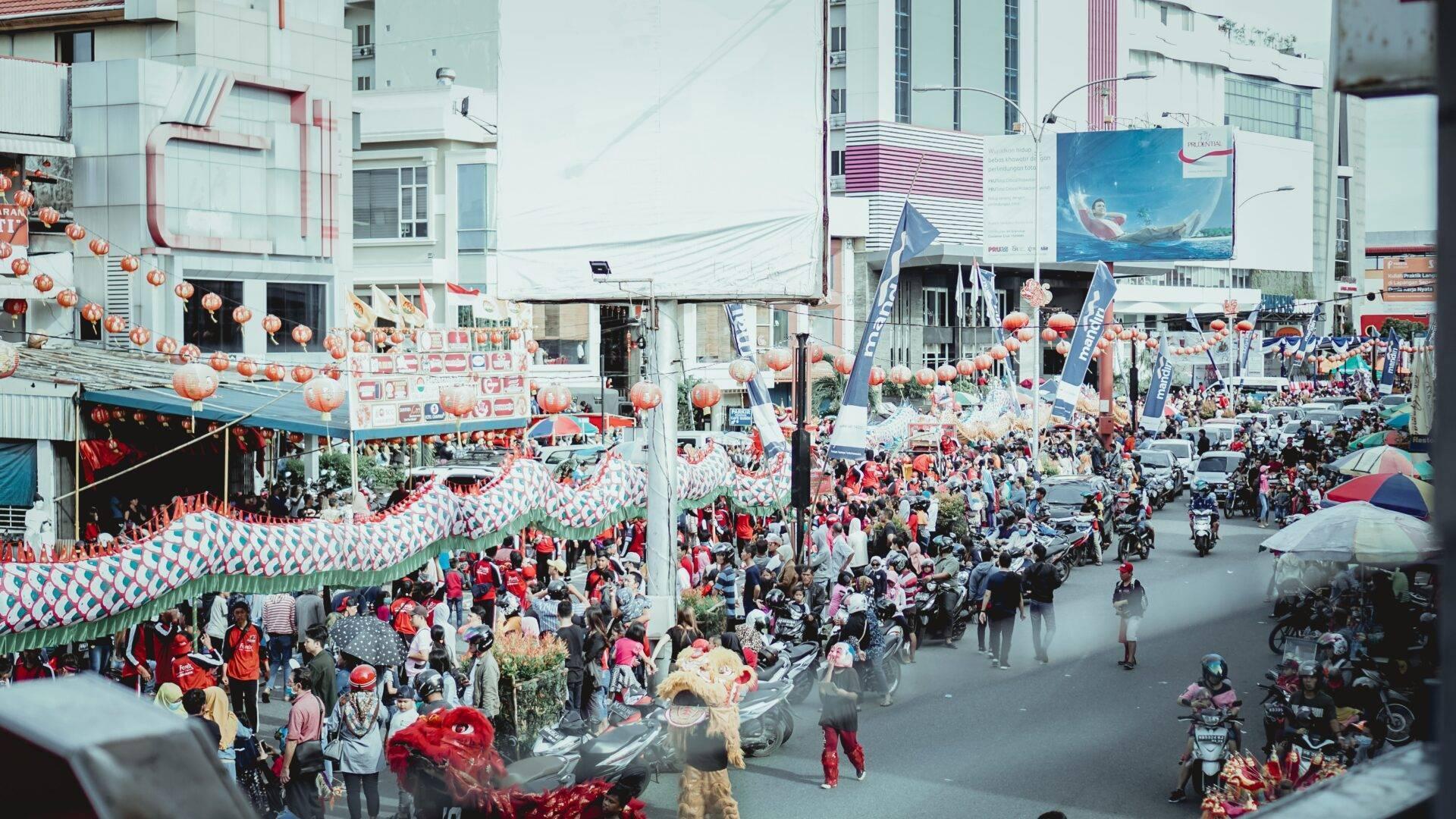
Jakarta’s Chinatown, Glodok, comes alive during Lunar New Year celebrations: the streets are strung with red lanterns, a vivid reminder of the cultural diversity that defines Indonesia.
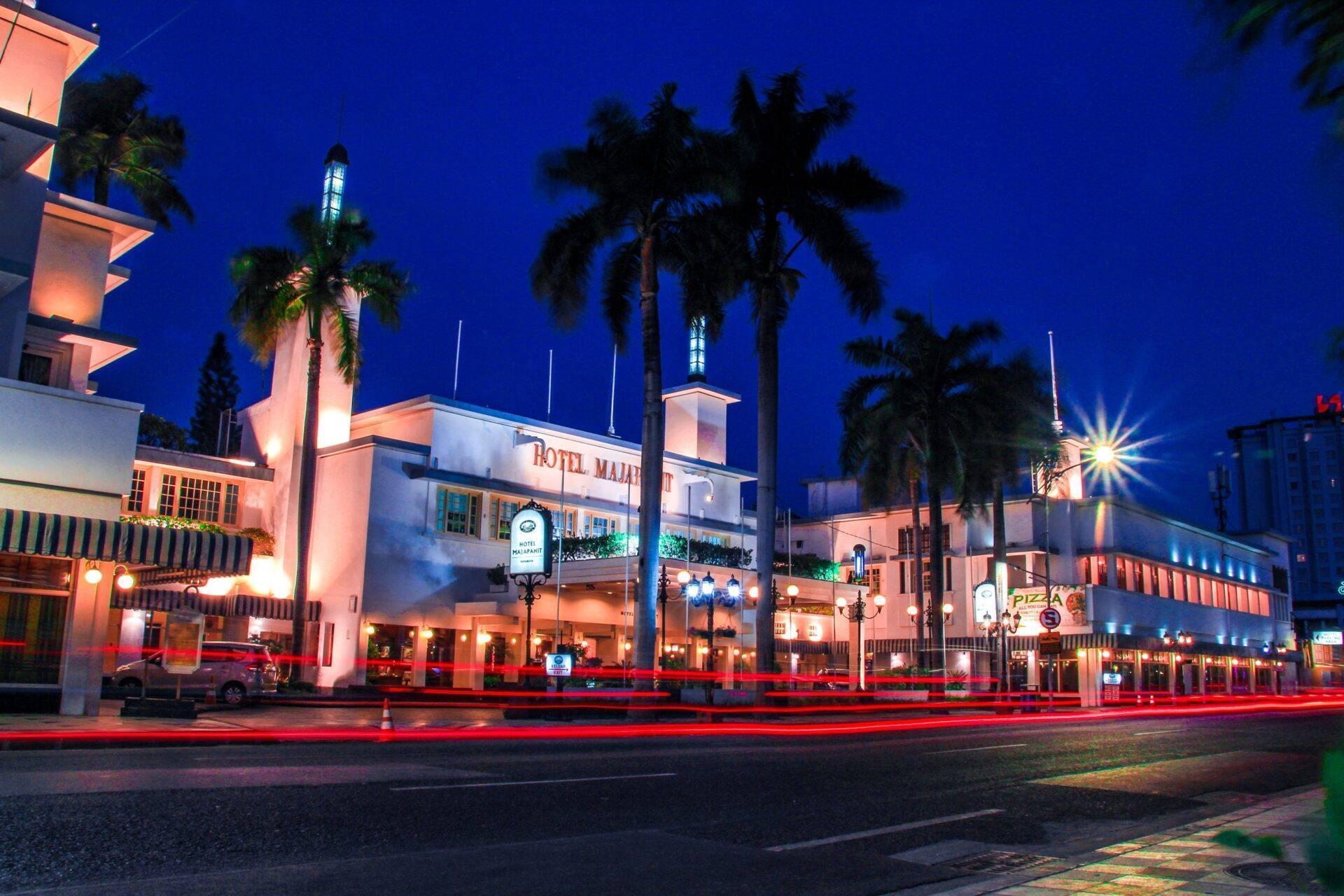
Bandung and its Art Deco heritage
A few hours from Jakarta, Bandung charms visitors with its cooler climate and architectural heritage, a legacy of the Dutch colonial era.
Lombok, Flores and the Eastern Islands: into the wild
If Bali represents Indonesia’s gentler side, the eastern islands embody its wilder face. Uncrowded beaches, active volcanoes and underwater landscapes of extraordinary richness: these archipelagos can turn a pleasant holiday into a genuinely memorable one.
Lombok and Mount Rinjani
Lombok is home to Mount Rinjani, the second-highest volcano in Indonesia. The two-to-three-day ascent rewards climbers with sweeping views over a crater lake and the surrounding islands. The southern coast of Lombok also hides some of the archipelago’s finest beaches.
For help choosing between Lombok, the Gili Islands and lesser-known destinations, see our guide Which Indonesian islands should you choose?.
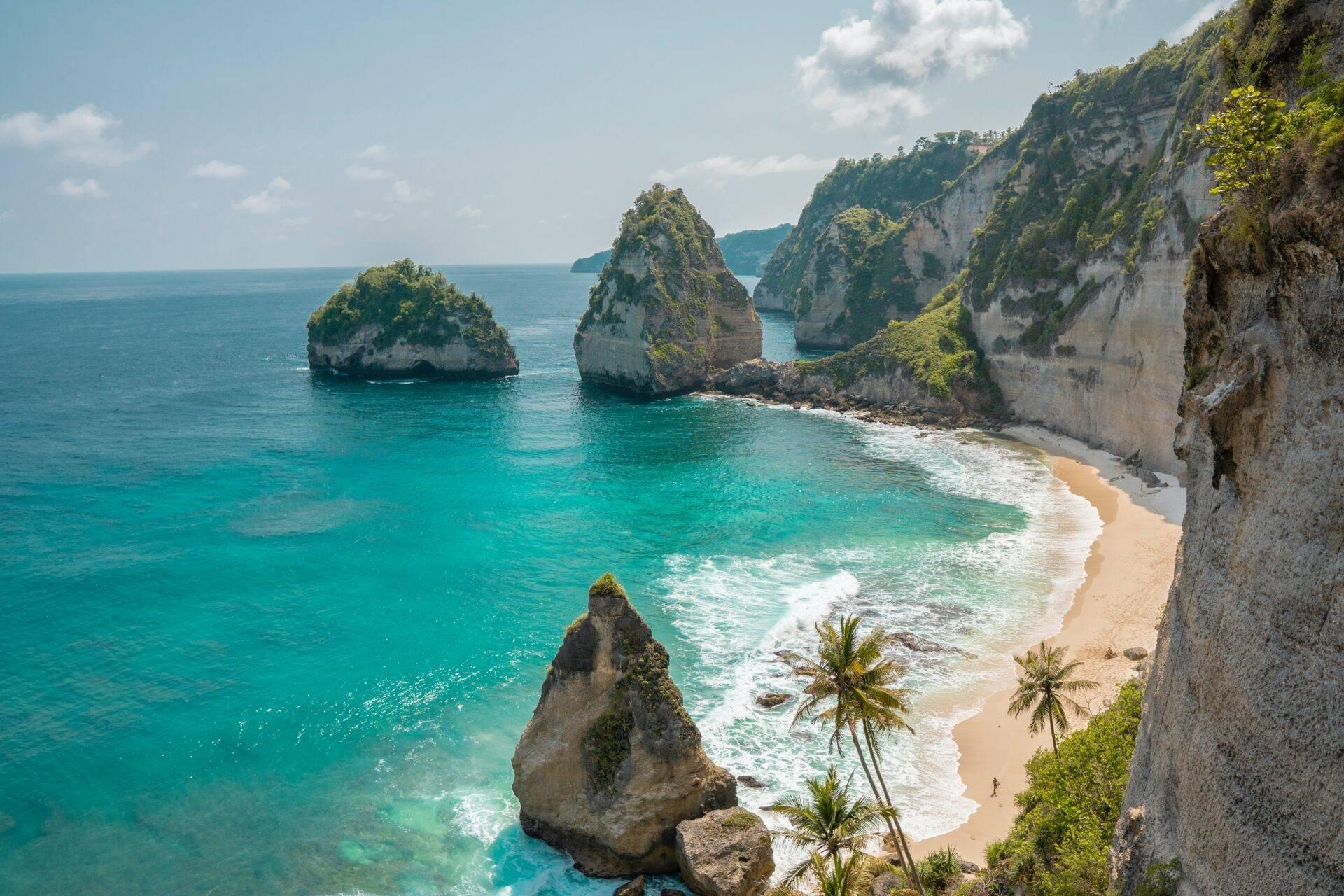
Komodo: the last dragons on earth
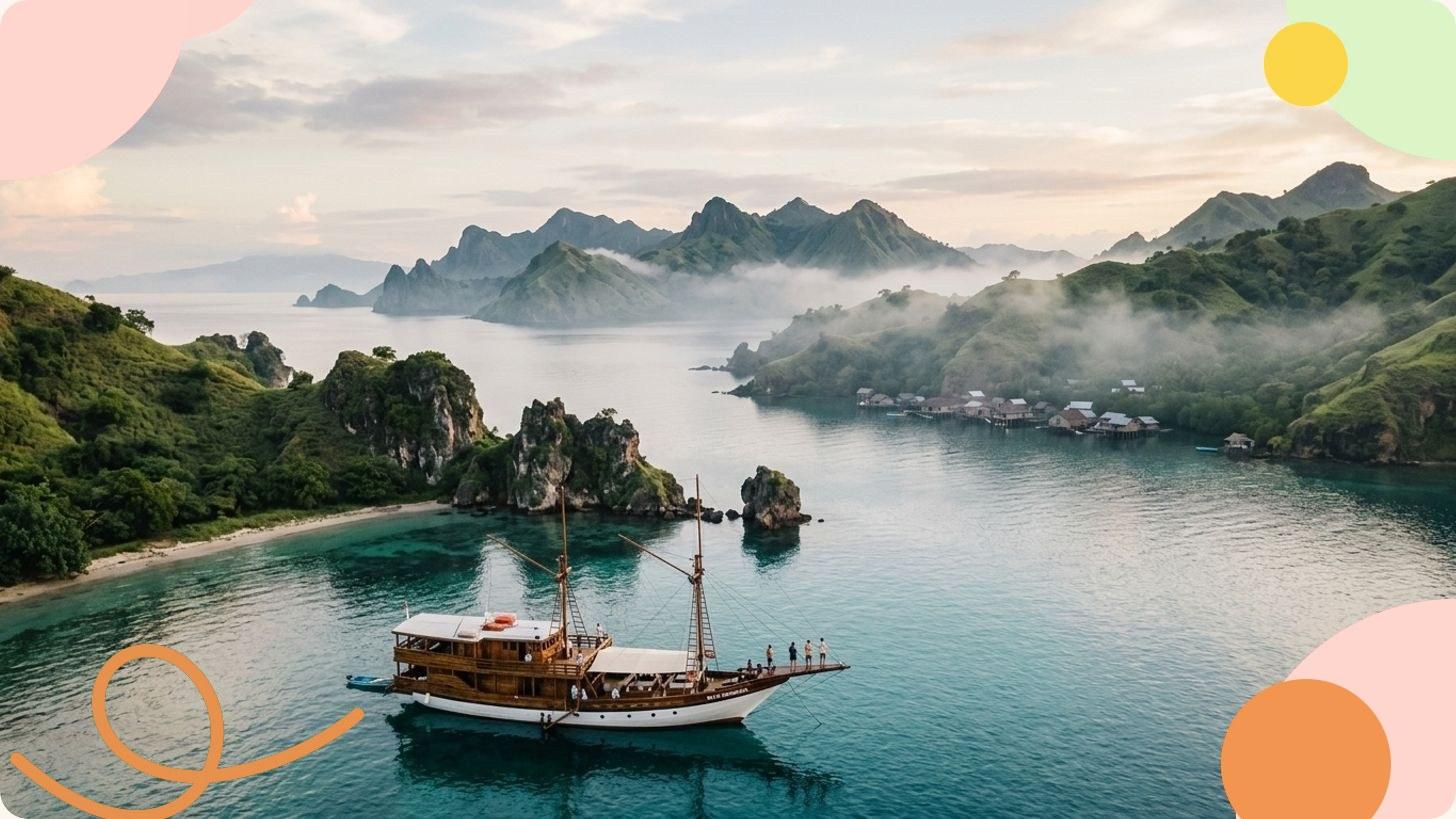
Komodo National Park is home to the only Komodo dragons on the planet, lizards that can reach up to three metres in length. Listed as a UNESCO World Natural Heritage Site and recognised among the New Seven Wonders of Nature, the park now limits the daily number of visitors (divers and hikers alike). Book several weeks in advance through the SiOra app to secure your place.
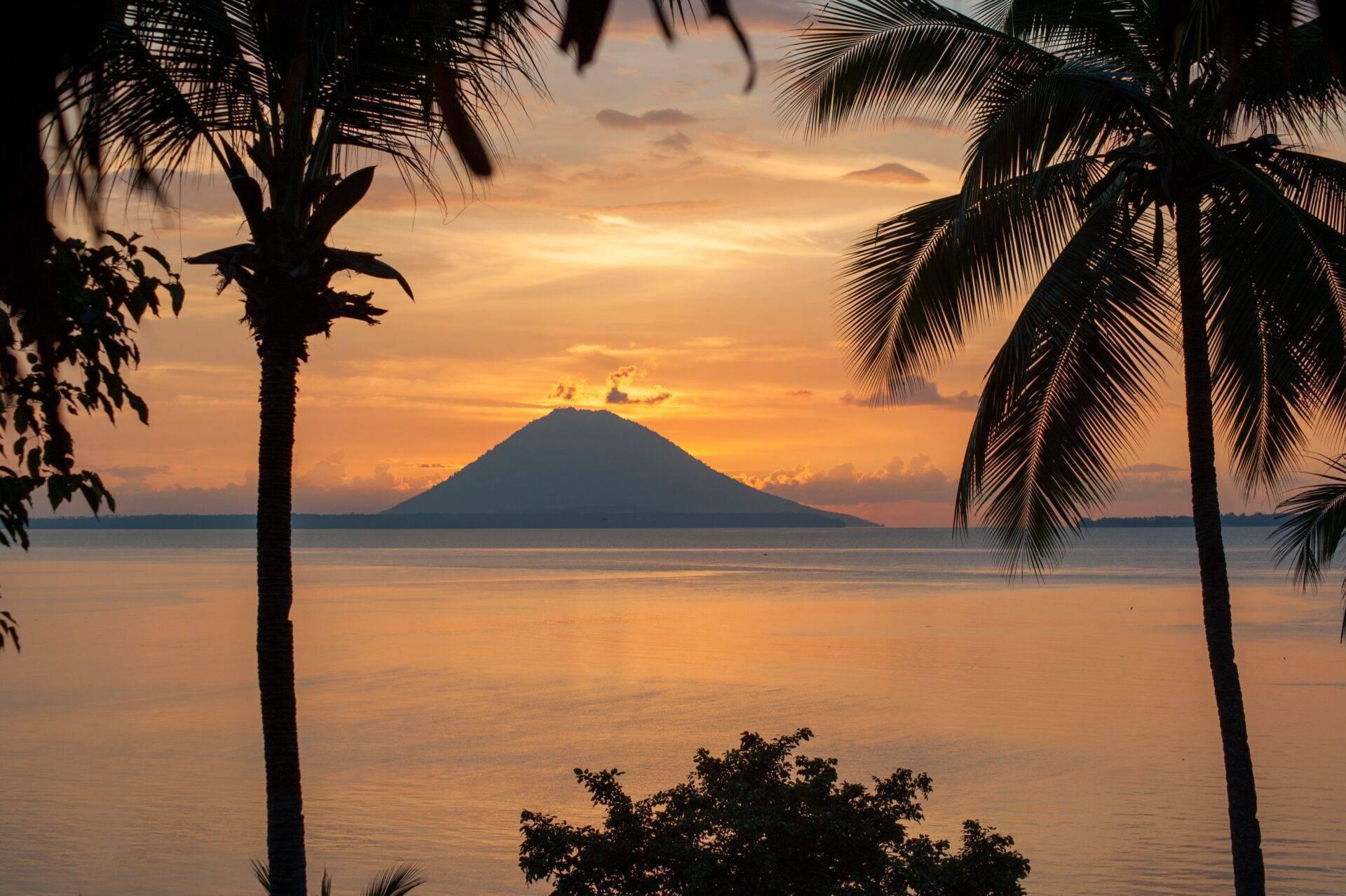
Off the coast of Flores, volcanoes rising from the sea and framed by palms create breathtaking scenery at both sunrise and sunset.
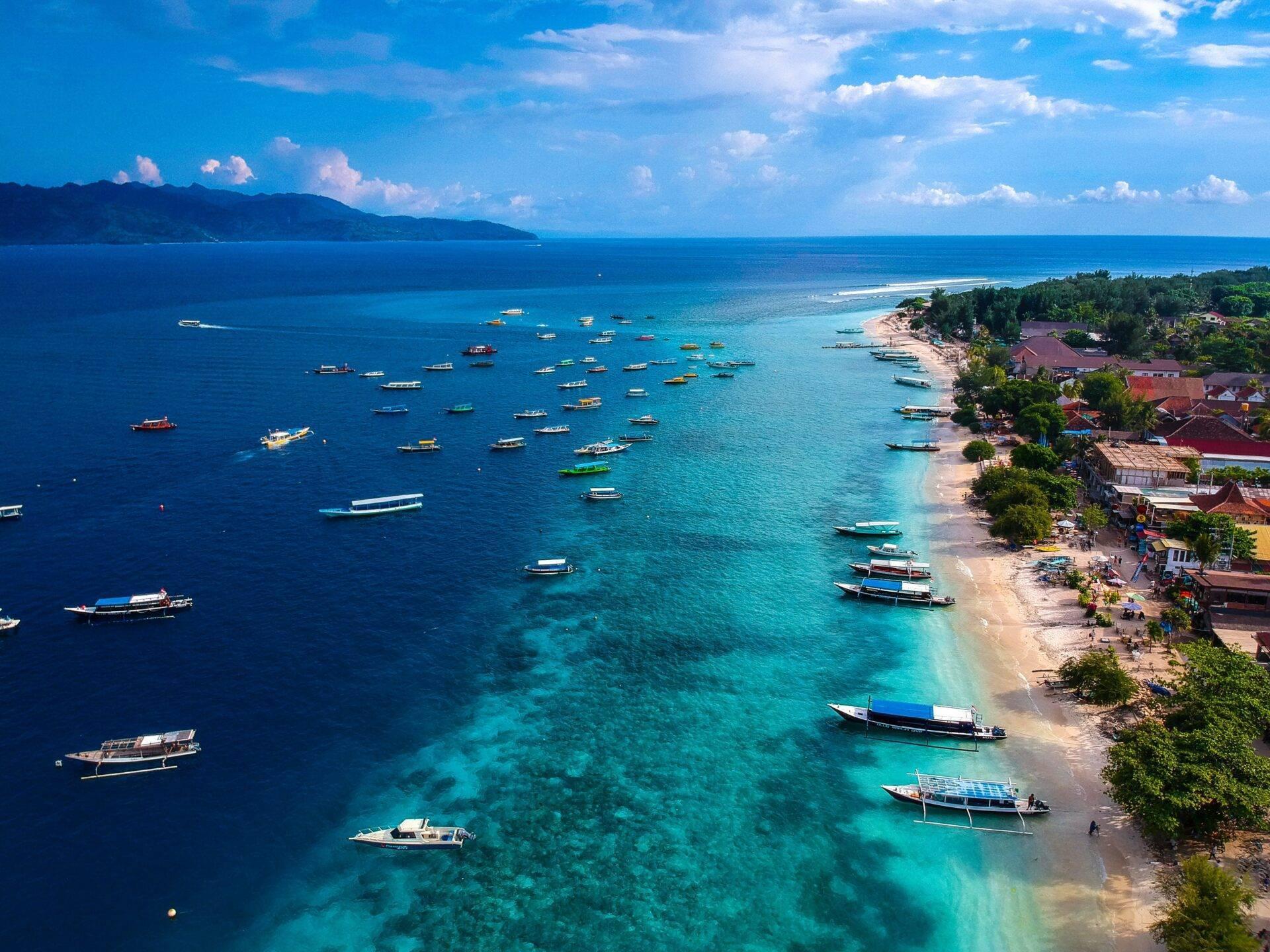
Raja Ampat: diving the Coral Triangle
Tucked at the far eastern tip of Indonesia, Raja Ampat is one of the world’s most celebrated diving and snorkelling destinations, sitting at the heart of the Coral Triangle.
Kalimantan: journeying downriver alongside orangutans
Kalimantan, the Indonesian portion of Borneo, is first and foremost a nature destination. Its rainforest shelters a subspecies of orangutan you will find nowhere else on earth.
Tanjung Puting National Park
A three-to-four-day klotok cruise (a traditional river barge) along the Sekonyer River is the defining Kalimantan experience. Stopping at forest feeding stations, you can observe orangutans at close quarters in their natural habitat.
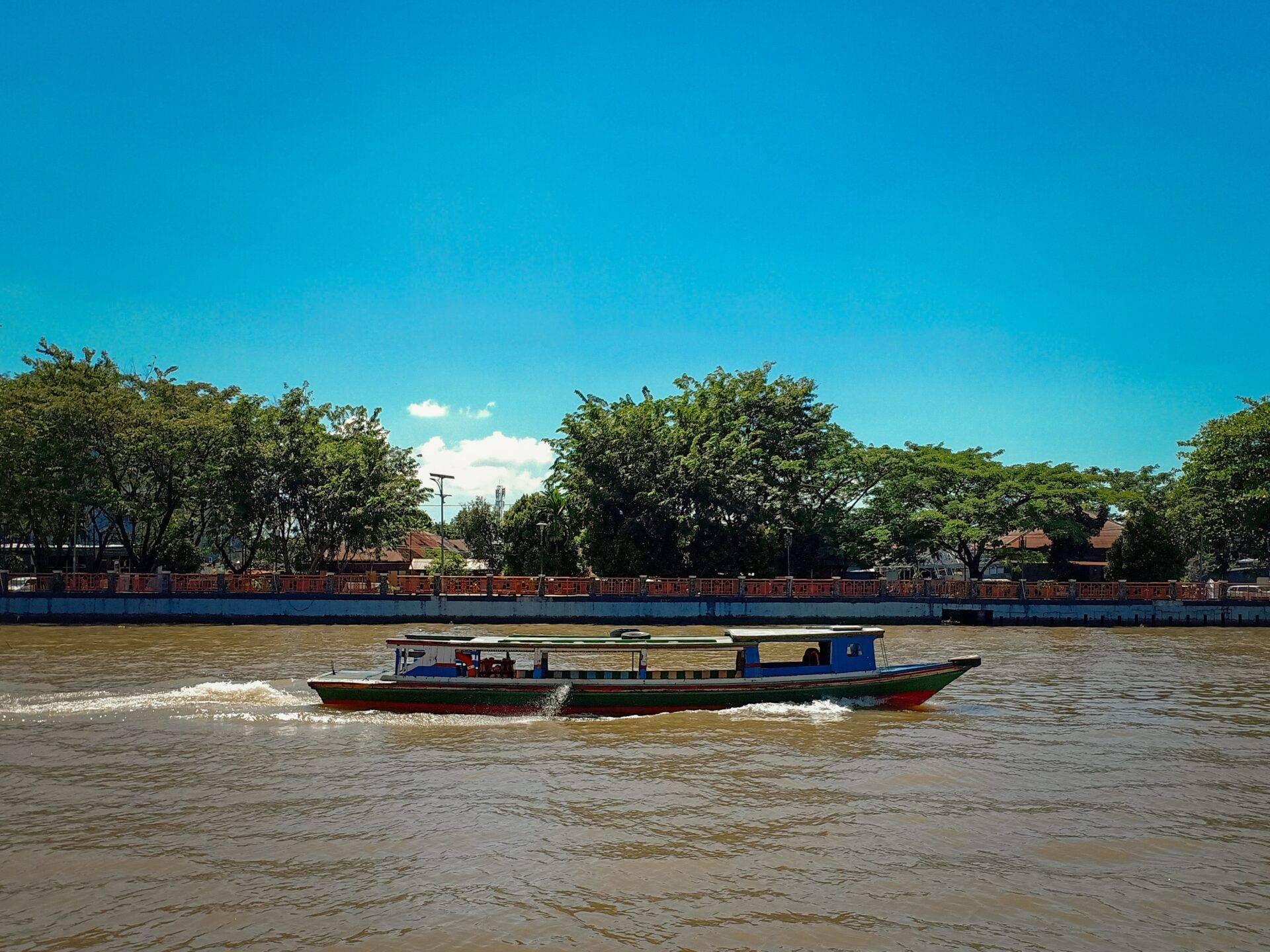
Banjarmasin and life on the water
Banjarmasin, nicknamed the City of a Thousand Rivers, organises its entire existence around its waterways: dawn floating markets, houses on stilts and dugout canoes used as everyday transport.
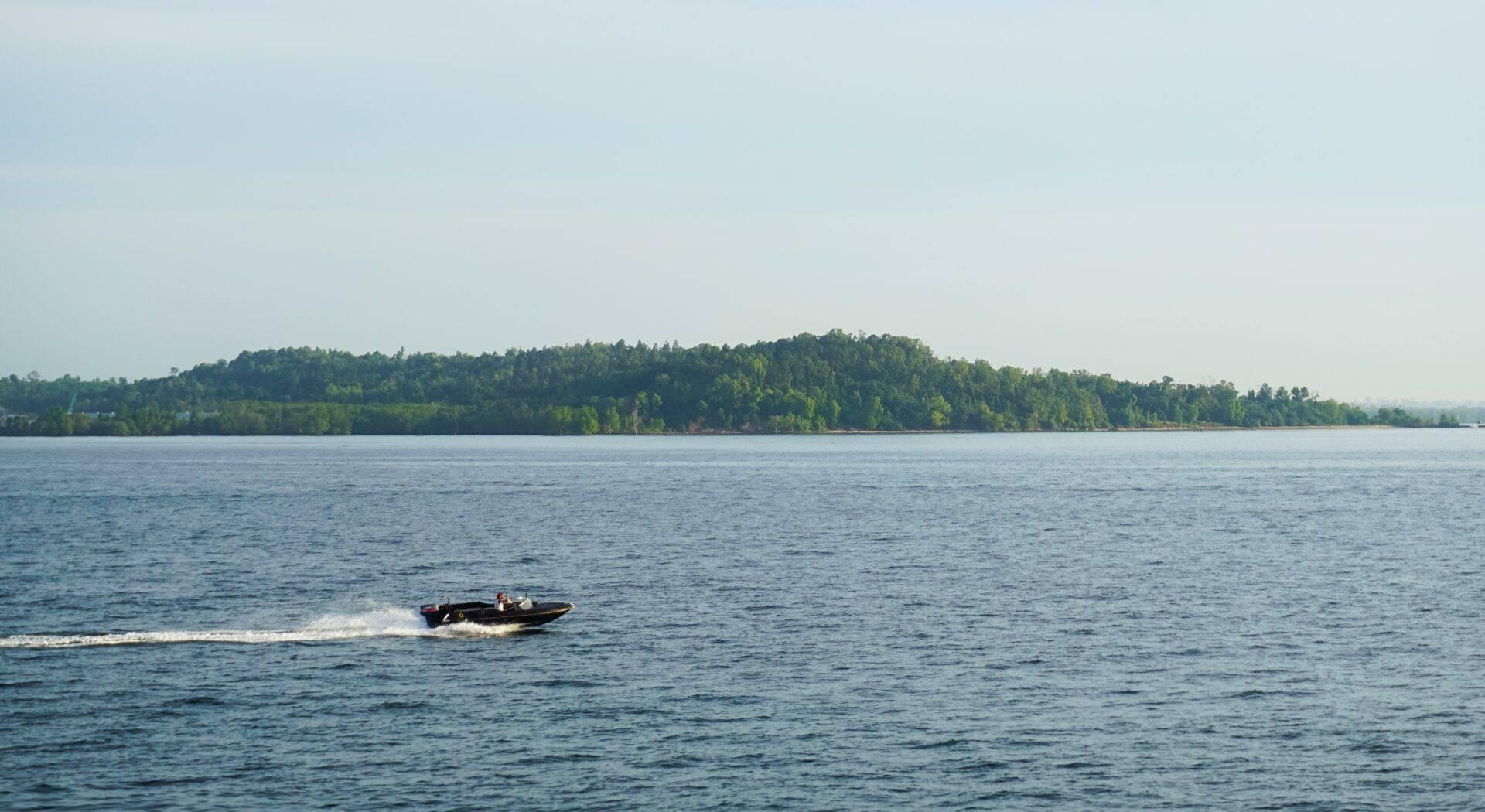
Kalimantan’s forest lakes, reachable by motorboat, allow you to push deeper into a jungle where wildlife reveals itself gradually as you drift along the water.
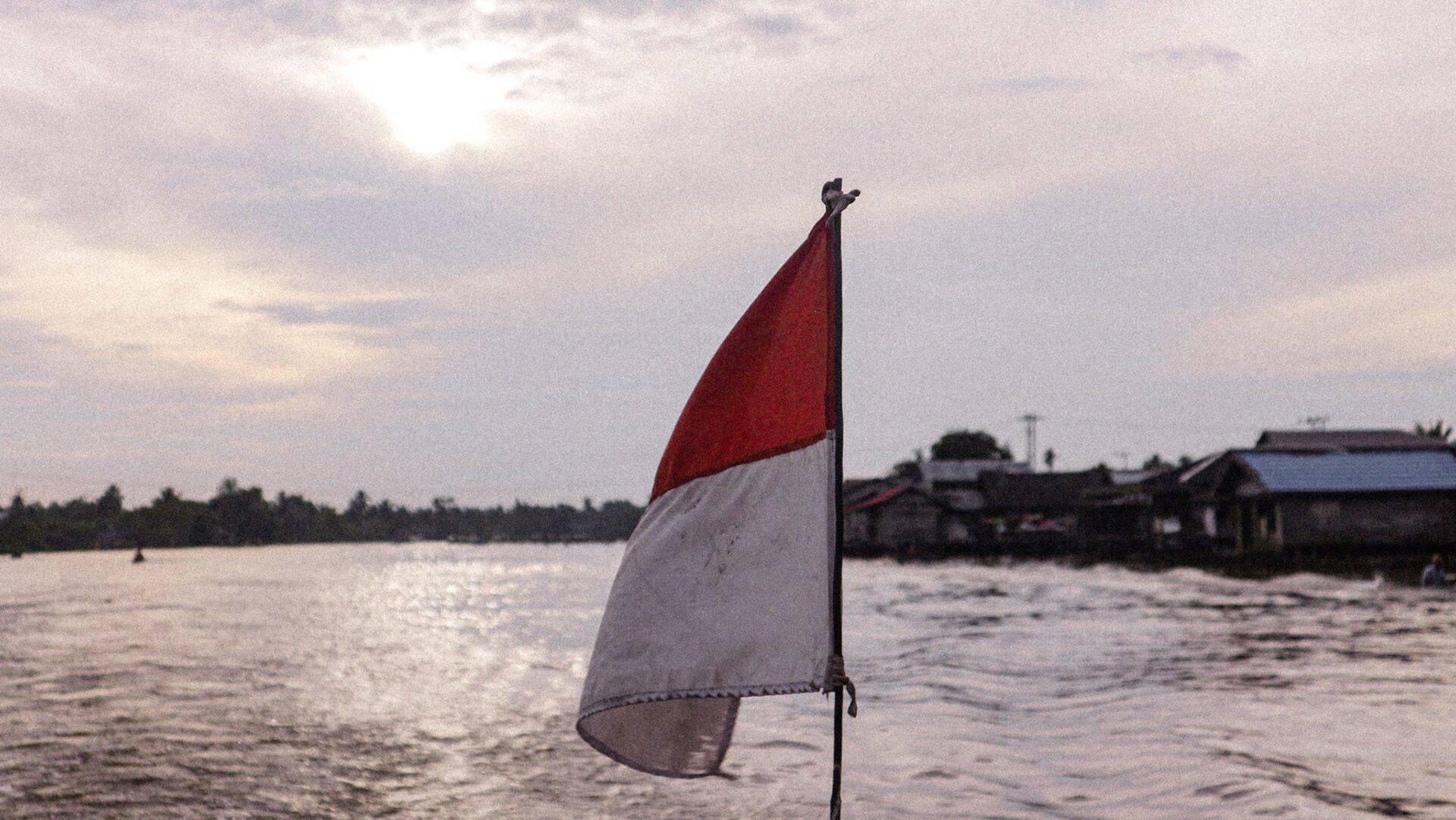
In every waterside village, the red-and-white Merah Putih flag flies above the river as a marker of national identity just as strong as in any city.
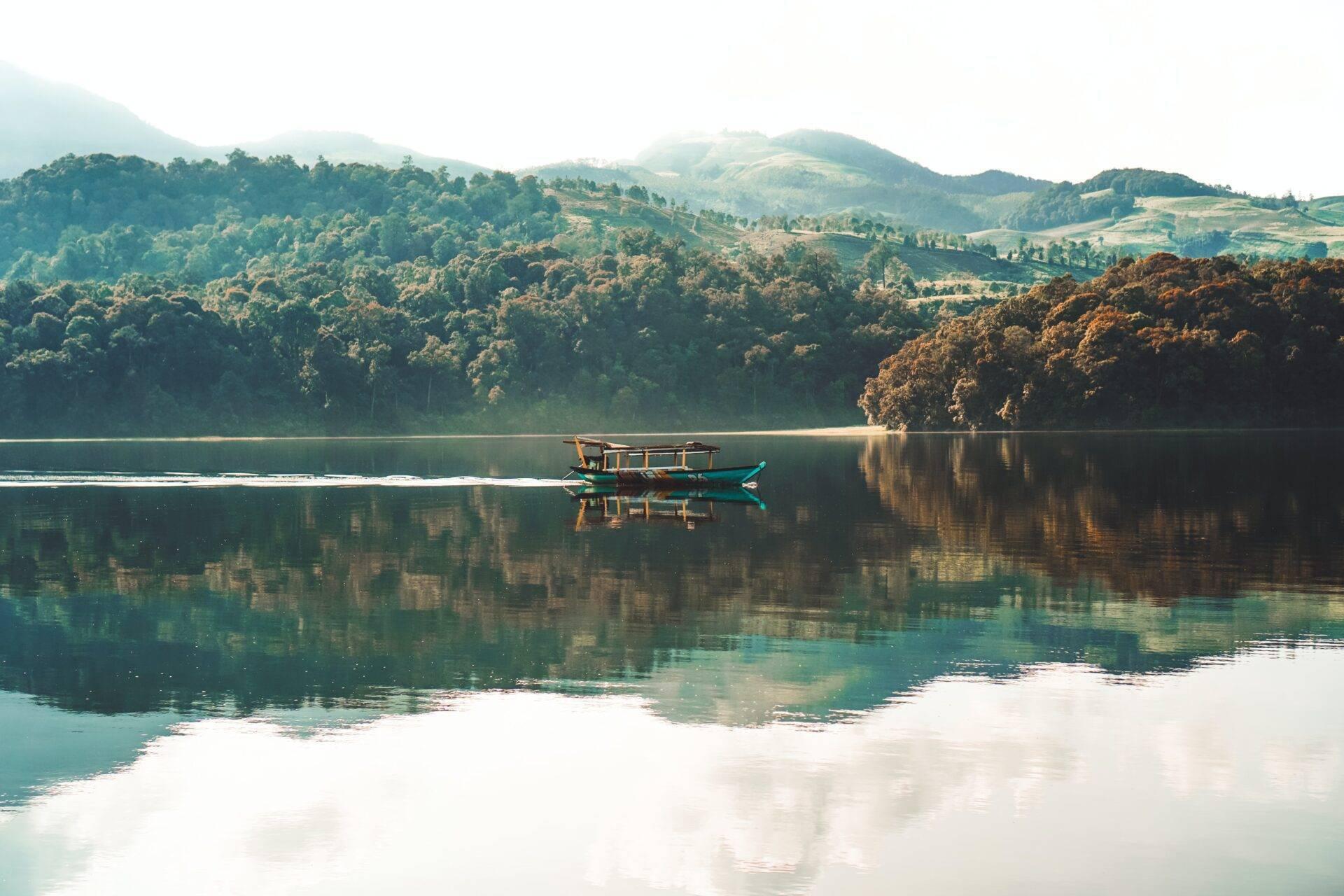
Sumatra: Lake Toba and the northern cities
Sumatra combines orangutan-filled rainforests (a subspecies distinct from Borneo’s), a vast volcanic lake and cities where Indonesian, Indian and Chinese cultures blend in a uniquely layered way.
Lake Toba
Lake Toba is one of the world’s great volcanic lakes. At its centre sits Samosir Island, the cradle of Batak culture. Hiring a boat to reach the island and explore its traditional villages is the essential experience here.
Sumatra’s coastal regions, crossed by navigable rivers, reveal a river life every bit as intense as Kalimantan’s.
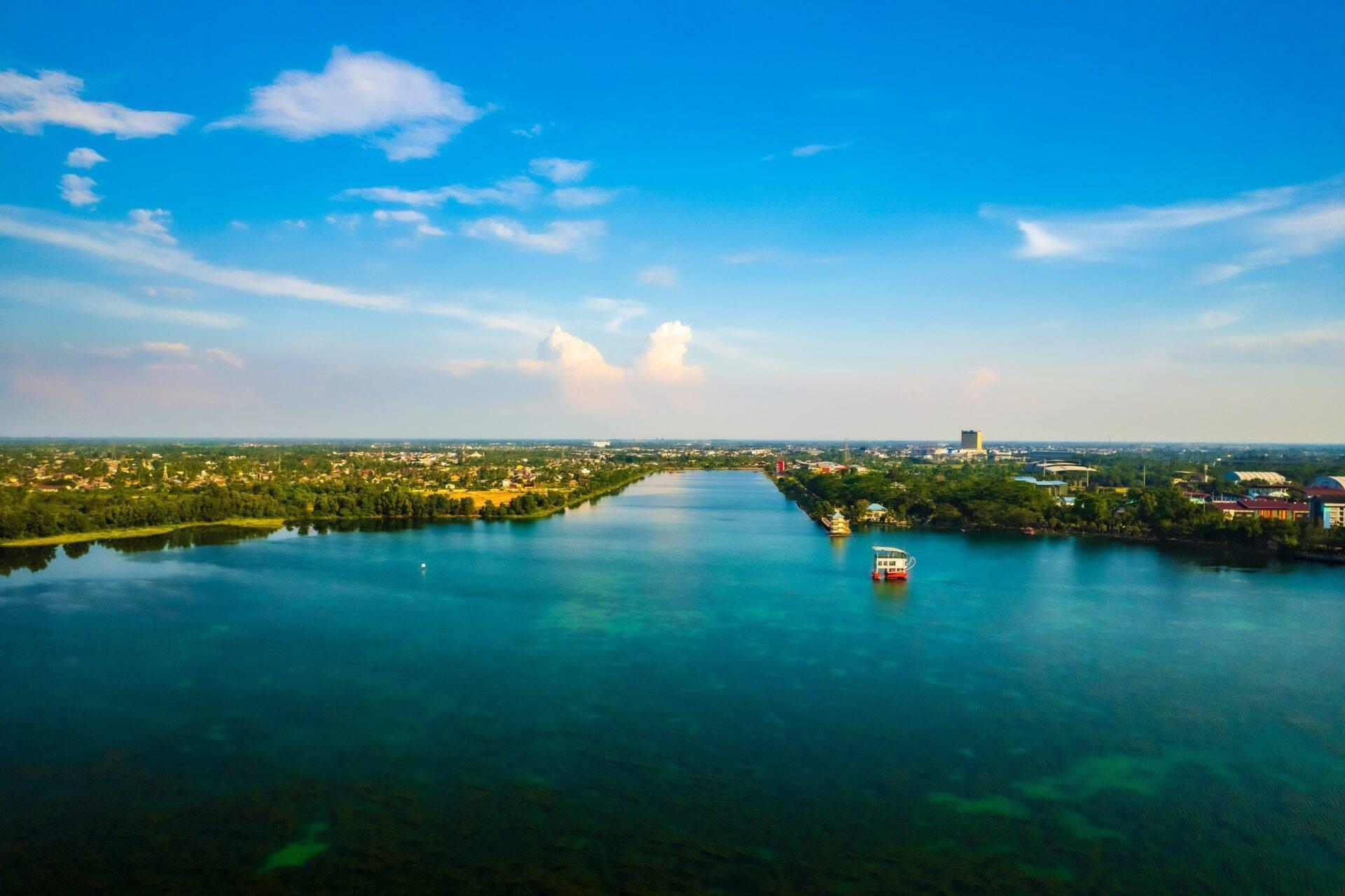
Medan, gateway to the north
Medan is the jumping-off point for exploring northern Sumatra. Its monuments and cuisine bear witness to a cultural blend that gives the city much of its character.
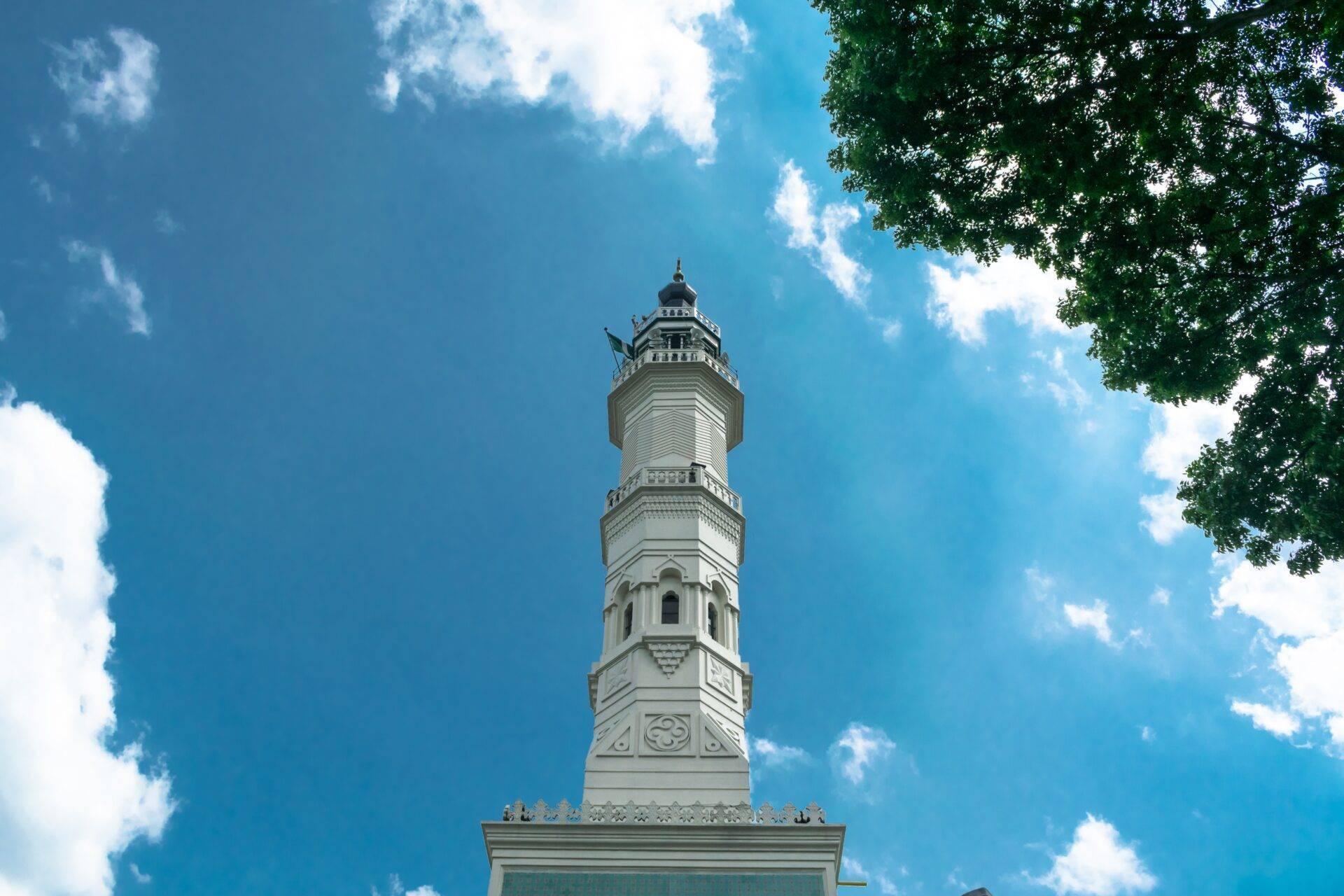
Sulawesi: Tana Toraja and the Christian north
Sulawesi is one of Indonesia’s least-visited and most fascinating islands. Its star-shaped geography means that no two regions look or feel alike.
Tana Toraja: ceremonies and singular architecture
In the central highlands, the Toraja people practise funeral ceremonies among the most elaborate in South-East Asia. The tongkonan, ancestral houses with a roofline that curves upward like the prow of a ship, dominate villages set against a backdrop of rice terraces and misty mountains.
Manado and the Bunaken Marine Park
In the north, Manado is a predominantly Christian city with a distinctly different atmosphere from the rest of Indonesia, its religious architecture a genuine surprise in a Muslim-majority country.
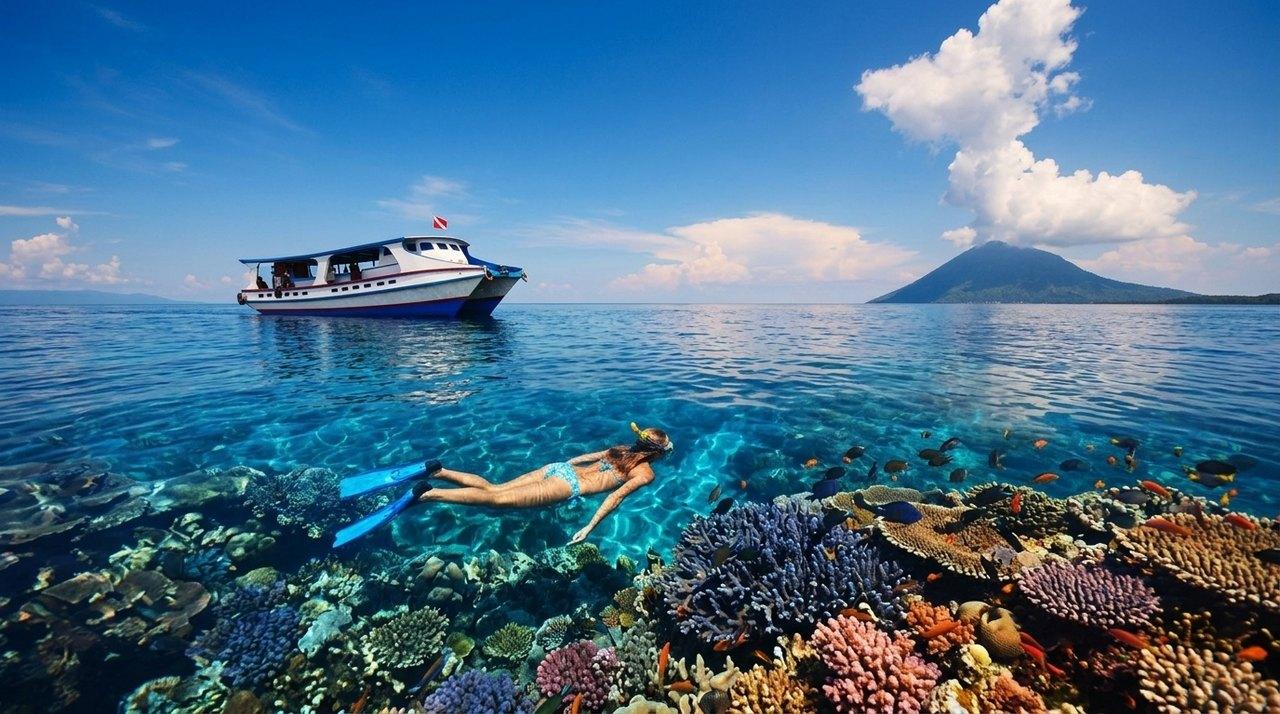
Manado is also the gateway to diving in Bunaken National Marine Park, where visibility frequently reaches 30 metres and marine life is exceptionally dense.
When to visit Indonesia
From May to October, the dry season delivers the best conditions for Bali, Java, Lombok and the Komodo region. During the wet season, from November to April, showers are often brief but mountain access can become difficult. Kalimantan and Sulawesi follow their own climatic patterns: check the local weather calendar for your specific destination before booking.
Planning your trip: don’t leave without travel insurance
An archipelago this vast, with volcanic trekking, open-water crossings between remote islands and medical facilities that can sometimes be hours away, calls for proper cover. For everything relating to entry requirements, recommended vaccinations, currency and practical travel tips, visit our page Indonesia travel insurance.
FAQ
What is there to do in Indonesia in two weeks?
In two weeks, combine Java (Borobudur, Yogyakarta, Jakarta) and Bali (temples, Jatiluwih rice terraces, beaches). With more time, add Lombok for the Rinjani ascent or Flores for the Komodo dragons.
Bali or another island: how do you choose?
Bali is ideal for a first trip: the tourist infrastructure is solid, getting around is straightforward and the range of activities is wide. If you prefer fewer crowds and wilder scenery, Lombok, Flores or Sulawesi offer experiences that are just as memorable.
Can you still see the Komodo dragons in 2026?
Yes, but access to the park is now regulated and capped at a daily limit for both divers and hikers. Book several weeks in advance through the SiOra app to guarantee your entry.
Where can you see orangutans in Indonesia?
In Kalimantan, Tanjung Puting National Park is the reference destination. A three-to-four-day klotok cruise along the Sekonyer River brings you face to face with orangutans in the forest. In Sumatra, Gunung Leuser National Park also offers guided wildlife-watching excursions.
What is the best time to visit Indonesia?
The dry season, from May to October, suits Bali, Java, Lombok and Komodo best. If Kalimantan or Sulawesi are on your itinerary, check the local climate calendar for your specific destination, as conditions can vary considerably from one region to another.