
October opens a travel window that summer simply cannot match: crowds thin out, prices follow, and several tropical destinations hit their sweet spot. African safaris, Indian Ocean beaches, Brazilian jungle – here are six destinations that are particularly well placed this month.
Insure my October tripLombok (Indonesia): Trekking and wild beaches before the rains
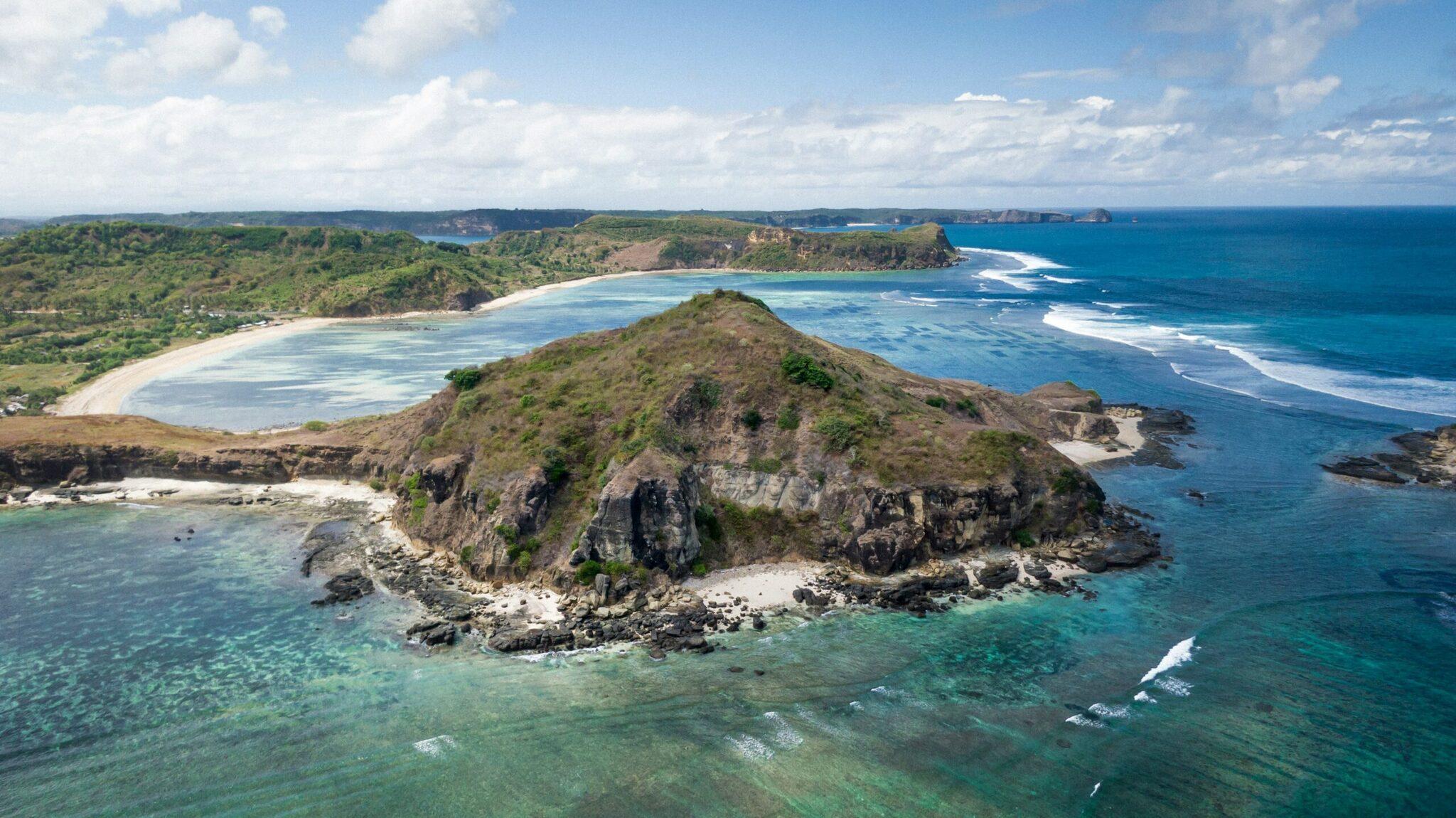
October marks the very tail end of Lombok’s dry season. Conditions remain favourable for trekking Mount Rinjani (3,726 m) – allow two to three days with a mandatory guide for the ascent – though afternoon showers gradually become more frequent than in July and August. Summit views are often clear, and the crowds are well below peak-season levels.
The beaches of Kuta Lombok and Senggigi remain easily accessible and far less busy than Bali at this time of year. Sasak culture, with its traditional villages and distinctive craft traditions, rounds out a stay that lends itself equally to adventure and relaxation. Lombok also serves as the gateway to the Gili Islands and their crystal-clear waters.
For help choosing between the islands of the archipelago, see our guide Which islands to choose in Indonesia?
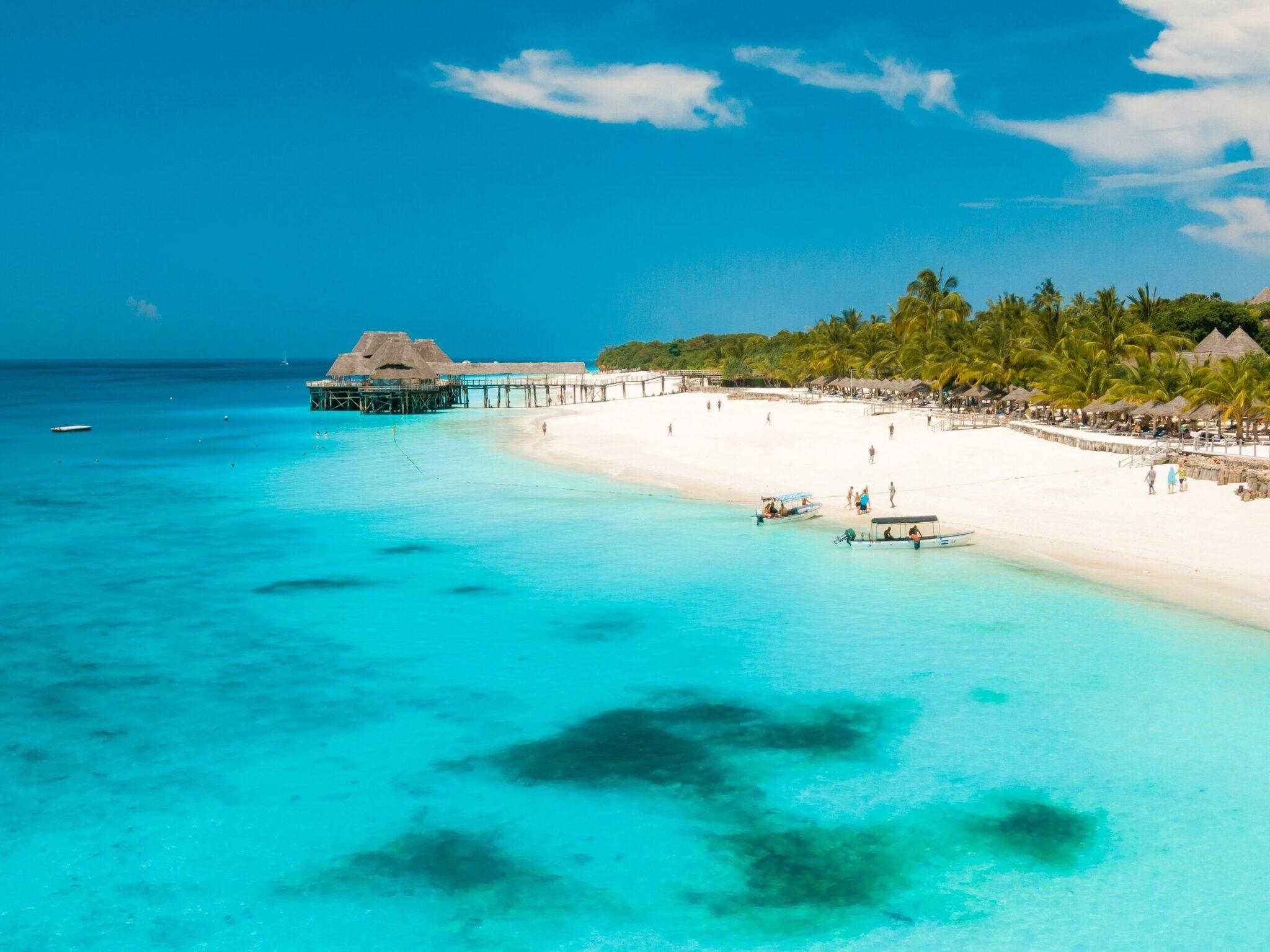
Zanzibar (Tanzania): The spice island between seasons
In October, Zanzibar sits in the transition between the dry season and the short rains. It is a window that seasoned travellers know well: temperatures around 27-29°C, sea at 27°C, good visibility for diving, and far fewer visitors than in high season.
Stone Town, the labyrinthine city listed as a UNESCO World Heritage Site since 2000, is best explored on foot through alleyways where Swahili, Arab and Indian architecture intertwine. The beaches of Nungwi and Kendwa in the north offer good conditions for swimming and snorkelling. A Spice Tour through plantations of cloves, cinnamon and vanilla gives a vivid sense of why the island captivated merchants from across the world for centuries. Wildlife enthusiasts can visit Jozani Forest, home to the Zanzibar red colobus monkey, a species found nowhere else on earth.
Masai Mara (Kenya): Catching the final act of the great migration
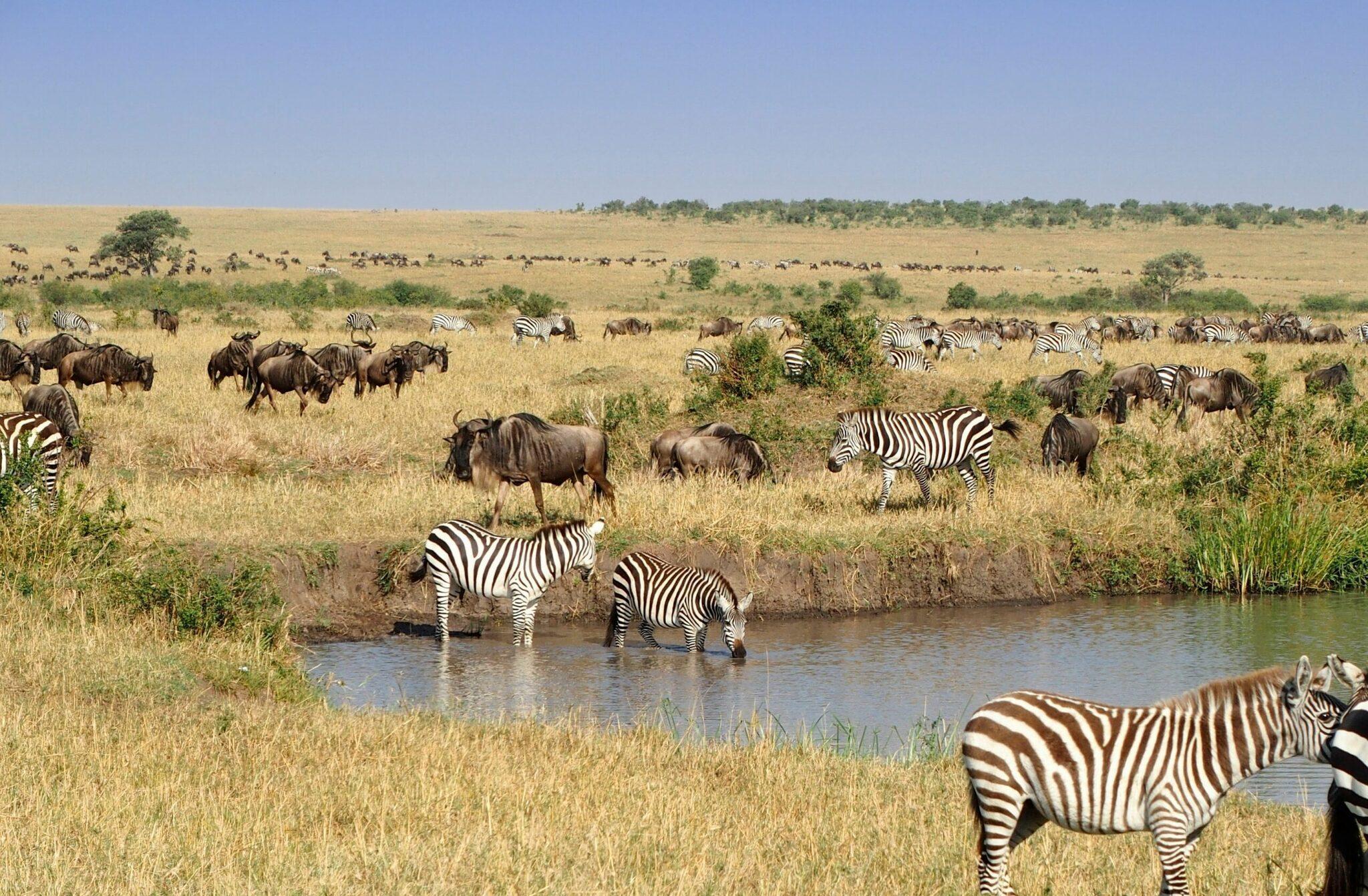
Every year, around 1.5 million wildebeest and 400,000 zebras make the great migration across East Africa. In October, part of the herd is still within the Masai Mara reserve before heading back towards Tanzania’s Serengeti, triggered by the arrival of the first rains. The first two weeks of October are generally the most rewarding for river crossings.
The reserve offers a remarkable density of wildlife year-round: lions, cheetahs, elephants, buffalo and leopards are regularly spotted. A safari here ranks among the most intense natural spectacles on the entire continent.
Makgadikgadi (Botswana): The salt pans at the close of the dry season
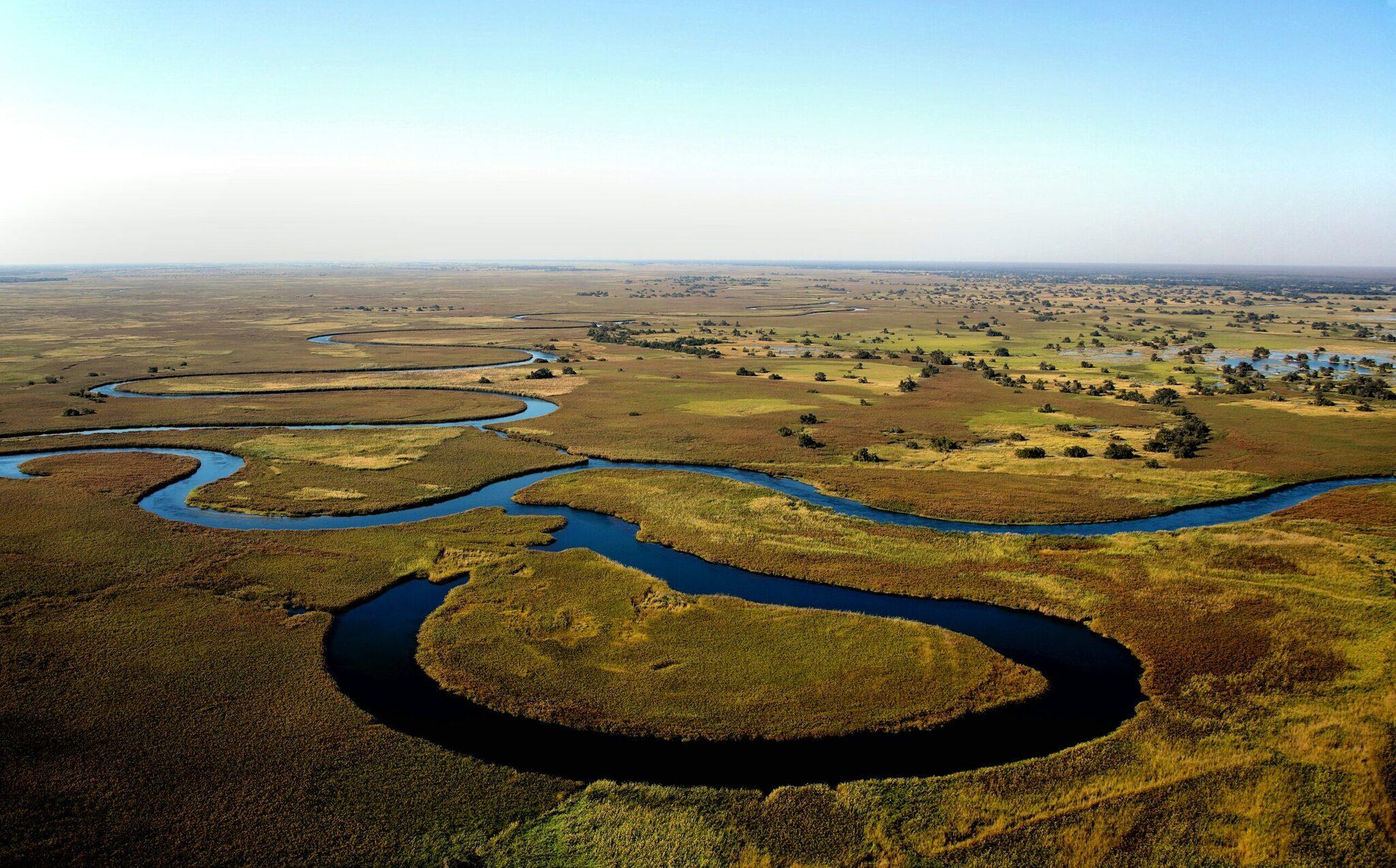
The Makgadikgadi Pans, at the heart of the Botswanan Kalahari, form one of the largest salt deserts in the world. October is the final month of the dry season: zebras, wildebeest and elephants cluster around the remaining waterholes, particularly along the Boteti River. Around 20,000 zebras and 8,000 wildebeest gather here before the first rains scatter them across the pans.
The experience is radically different from the Masai Mara: mineral horizons stretching as far as the eye can see, sedentary lions and cheetahs hunting across open terrain, and a tourist footprint so light it barely registers. For safari lovers seeking complete immersion, Botswana in October is in a league of its own.
Agadir (Morocco): A sun-soaked autumn escape within easy reach of Europe
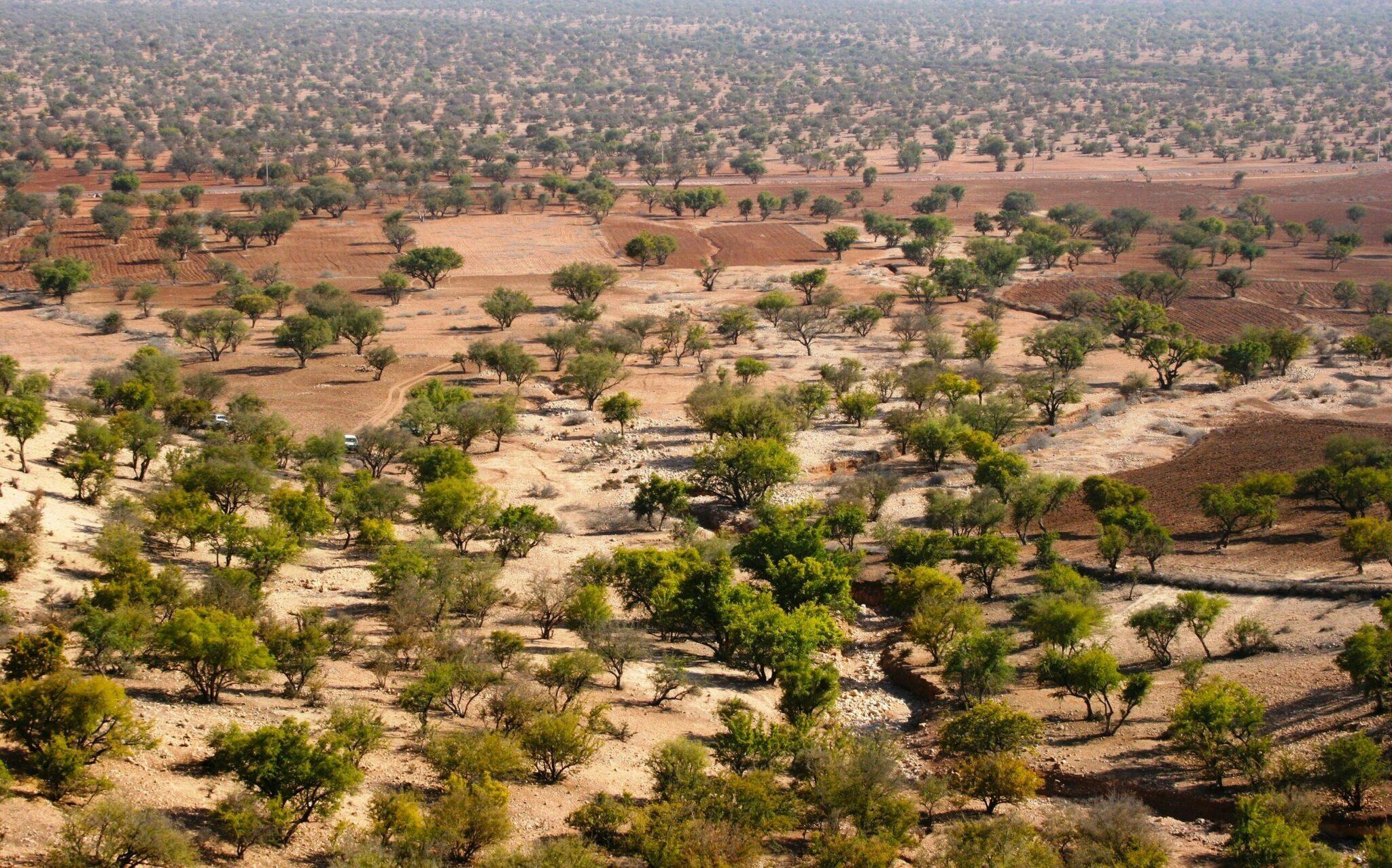
A short flight from most European cities, Agadir delivers its most pleasant conditions in October: temperatures between 15°C and 28°C, sea around 20°C, and more than 28 rain-free days in the month. Fewer visitors than in summer, with prices to match.
The long bay beach is well suited to swimming and surfing – a pursuit possible from September to April, thanks to reliable Atlantic swells. The Kasbah of Agadir Oufella offers sweeping views over the bay and the city from the heights above. The medina souks are a relaxed place to pick up spices and crafts without the pressure of peak season.
Pantanal (Brazil): The jaguar sanctuary at the close of the dry season
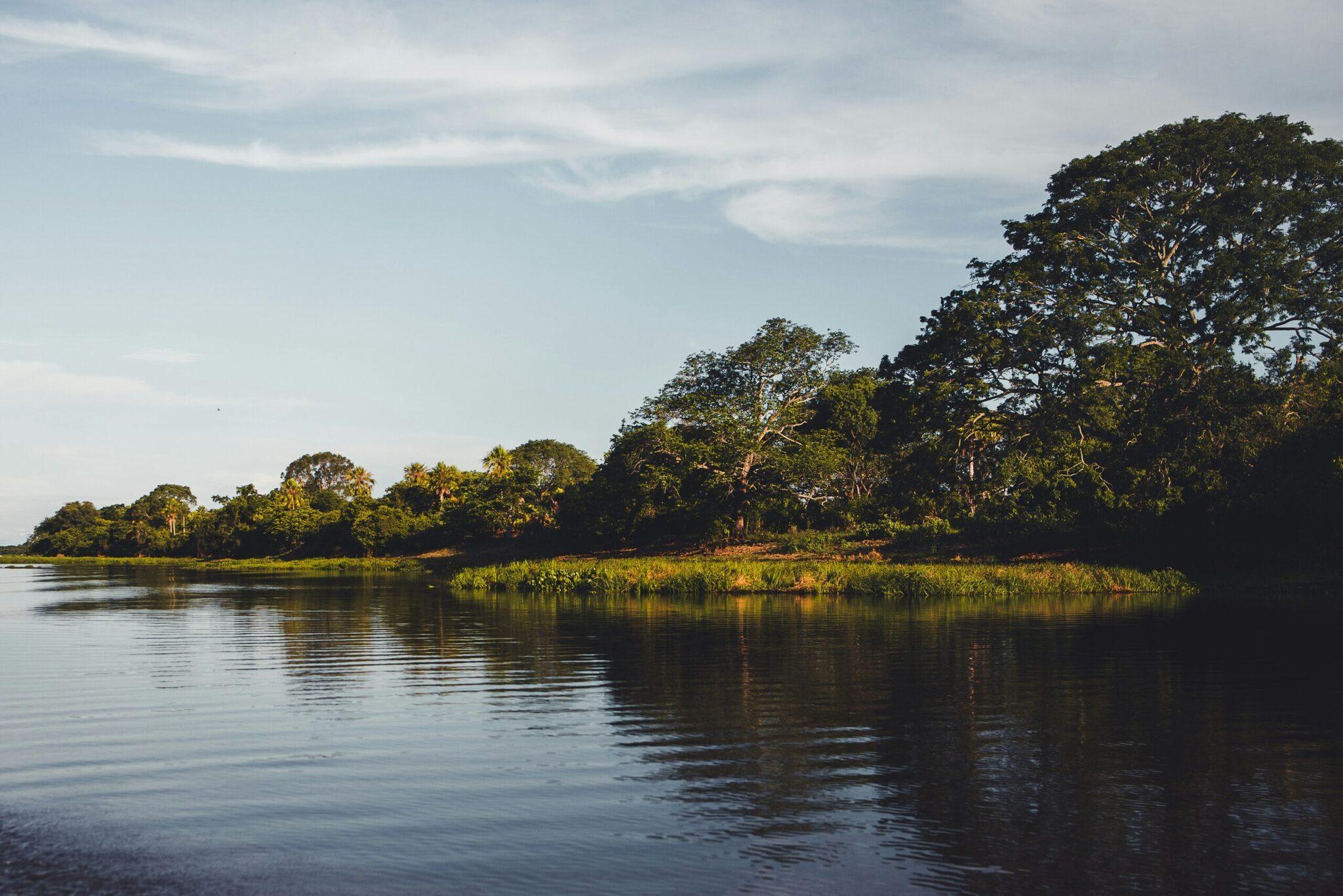
The Pantanal – the world’s largest tropical wetland – reaches peak wildlife-watching conditions between June and October. The dry season concentrates animals along the riverbanks: low water levels expose the banks, tracks remain passable and jaguars can be spotted from boats.
Boat safaris along the Rio Cuiabá in the Porto Jofre area allow you to approach jaguars at close range – often catching them in the act of hunting caiman on the riverbank. Capybaras (the world’s largest rodents), hundreds of spectacled caiman and an extraordinary diversity of tropical birds complete the picture. October is the final month of this ideal window, before November’s rains raise water levels and transform the viewing conditions entirely.
Planning an autumn trip? Take a look at where to travel in September 2024 for late-summer destinations, or plan further ahead with where to travel in December 2024 for holidays abroad over the festive season.
FAQ
Which is the best destination for a safari in October?
The Masai Mara (Kenya) is ideal for catching the final stages of the great migration in the first half of the month. The Makgadikgadi (Botswana) offers a quieter alternative, with concentrations of zebras and wildebeest around the last waterholes of the dry season, set against a sweeping landscape of salt and open savannah.
Is the wildebeest migration still visible at the Masai Mara in October?
Yes, generally in the first half of the month. The herds begin moving back towards the Serengeti as the first rains arrive, making the first two weeks of October the most rewarding time for river crossings.
Can you swim in Zanzibar in October?
Yes. The water is around 27°C, visibility is good for diving and snorkelling, and the beaches are quieter than in high season. The short rainy season may bring the occasional shower, but these are unlikely to disrupt a beach holiday.
Is the Pantanal accessible in October?
Yes, October is the last month of the dry season. Tracks are still passable, animals are concentrated along the rivers and jaguars are particularly visible. From November onwards, rainfall raises water levels and changes the conditions for wildlife watching significantly.
Do I need travel insurance for an October trip?
Whatever your destination, travel insurance covers what bank cards typically do not: medical costs in the event of illness or accident abroad, and medical repatriation if required. It is especially worth considering for Kenya, Brazil or Indonesia, where treatment costs can be significant. Cover varies by policy and destination: check what you are protected for before you leave.