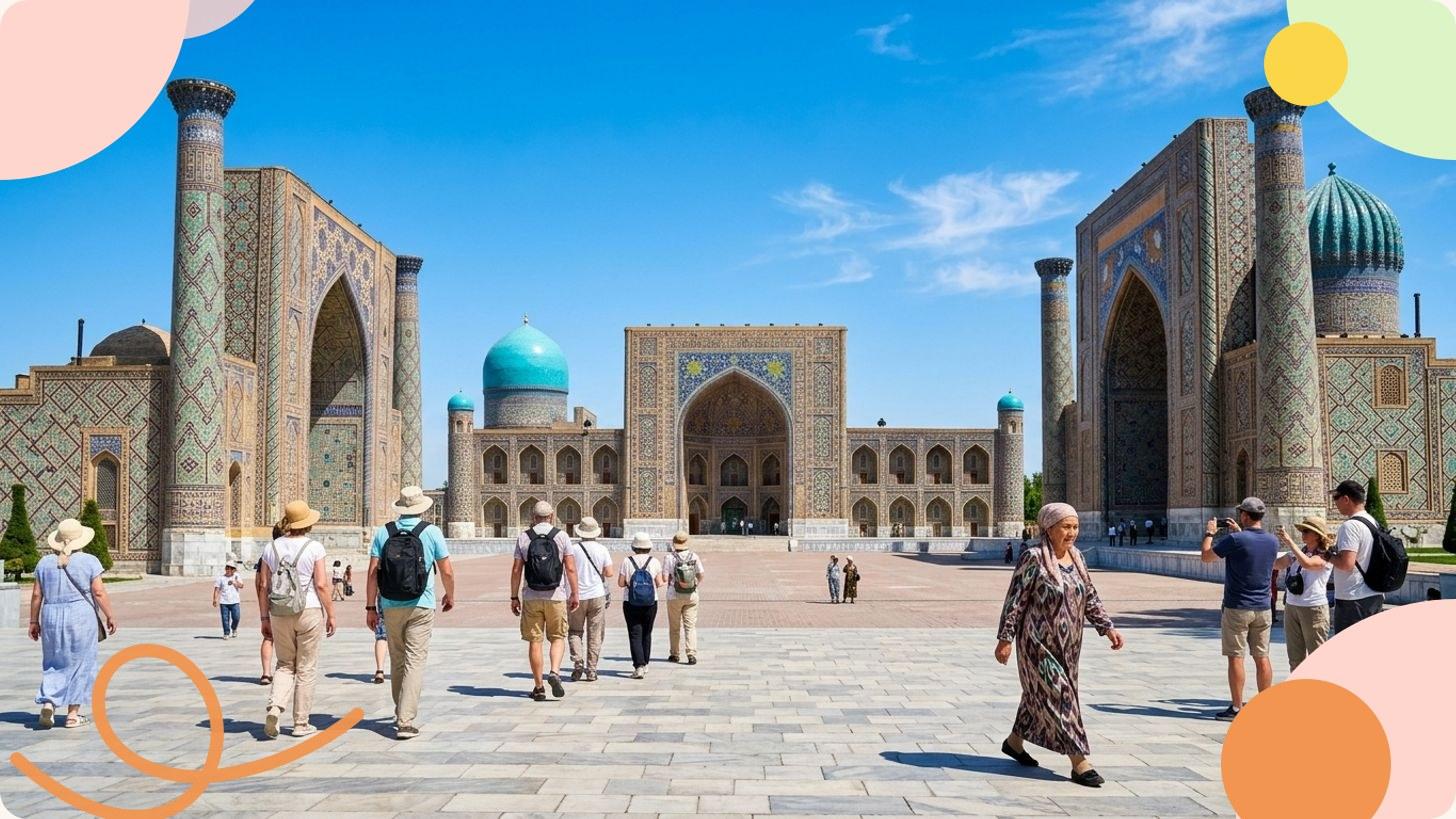

Uzbekistan packs some of the world’s most extraordinary examples of Islamic architecture into a remarkably compact stretch of land. Samarkand, Bukhara and Khiva form the backbone of any itinerary, but the country holds plenty more in reserve: sand fortresses lost in the desert, an unexpected avant-garde museum at the edge of the world, living silk workshops where nothing has changed in centuries. Before you go, visit our Uzbekistan travel insurance page for practical entry requirements and health advice.
Plan my trip to UzbekistanSamarkand, City of Tamerlane
Once the capital of the Timurid Empire, Samarkand alone contains several of the finest Islamic monuments on earth. The late-afternoon light on its blue domes is one of those sights that make people book the flight in the first place.
1. Registan Square
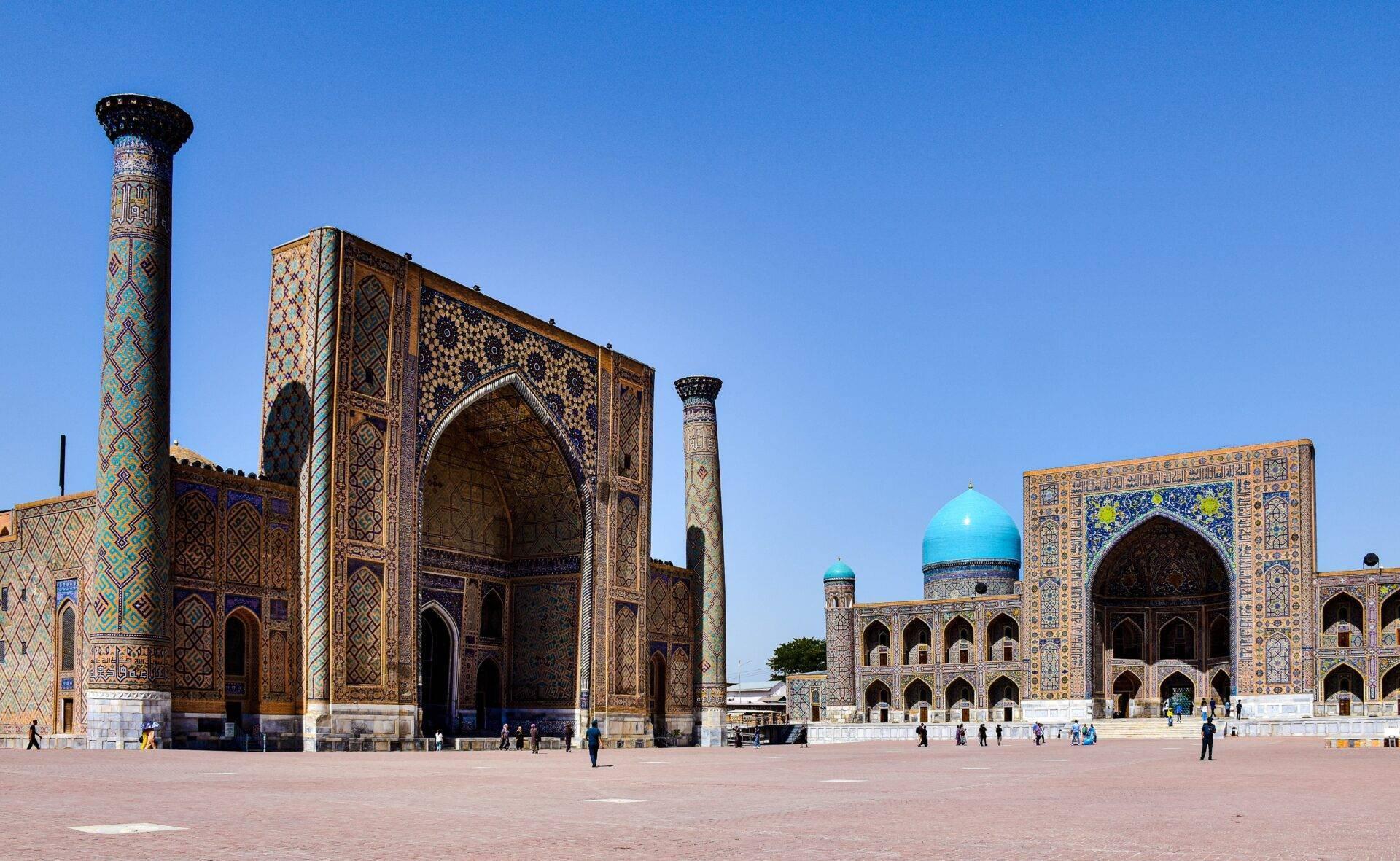
Registan Square brings together three madrasas: Ulugh Beg (15th century), Sher-Dor and Tilya-Kori (17th century). Their blue ceramic facades, minarets and domes make this the most impressive ensemble of Islamic architecture in Central Asia. Arrive early in the morning to find the square still quiet.
2. The Golden Interior of Tilya-Kori Madrasa
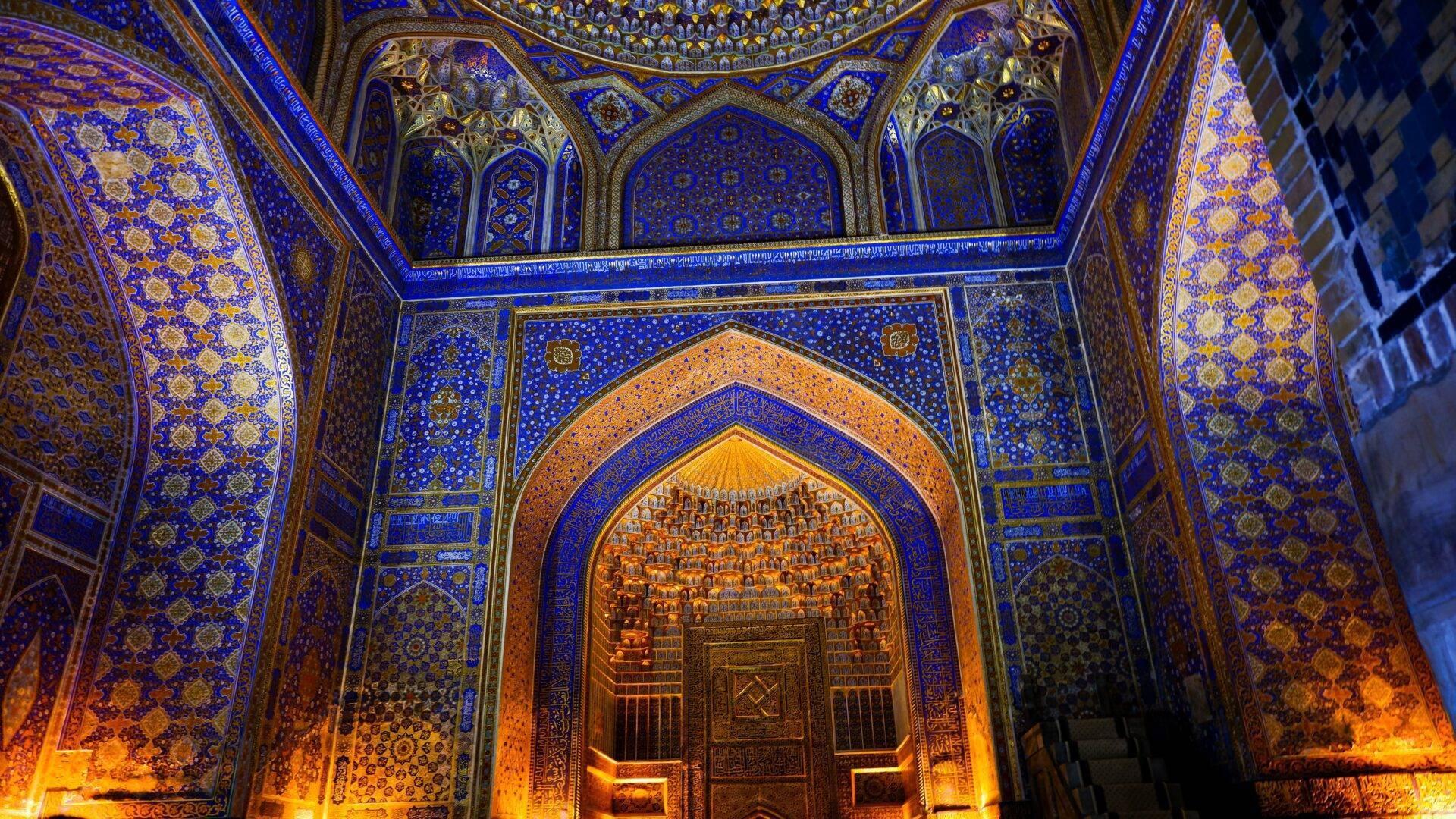
The prayer hall of Tilya-Kori Madrasa is covered entirely in gilding. The contrast between the cobalt-blue mosaics and the gold-leaf ceilings is breathtaking. This is a place that rewards proper contemplation rather than a quick stop for a photograph.
3. Gur-e-Amir Mausoleum
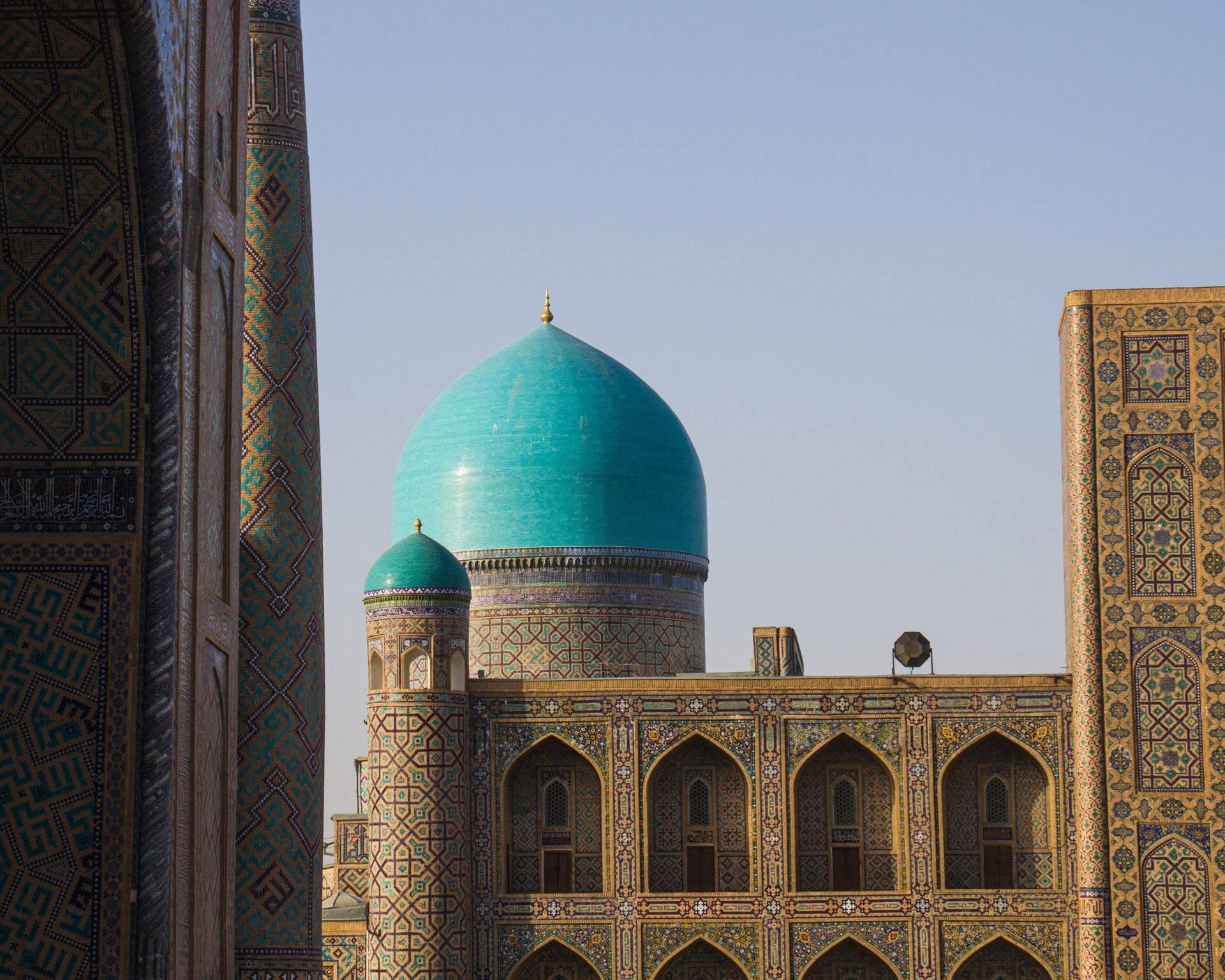
Gur-e-Amir houses the tombs of Tamerlane and members of his family. Its ribbed blue ceramic dome and finely decorated facades make it one of the most photographed monuments in Uzbekistan. The underground crypt adds a striking dimension to the visit.
4. Shah-i-Zinda, the Avenue of Mausoleums
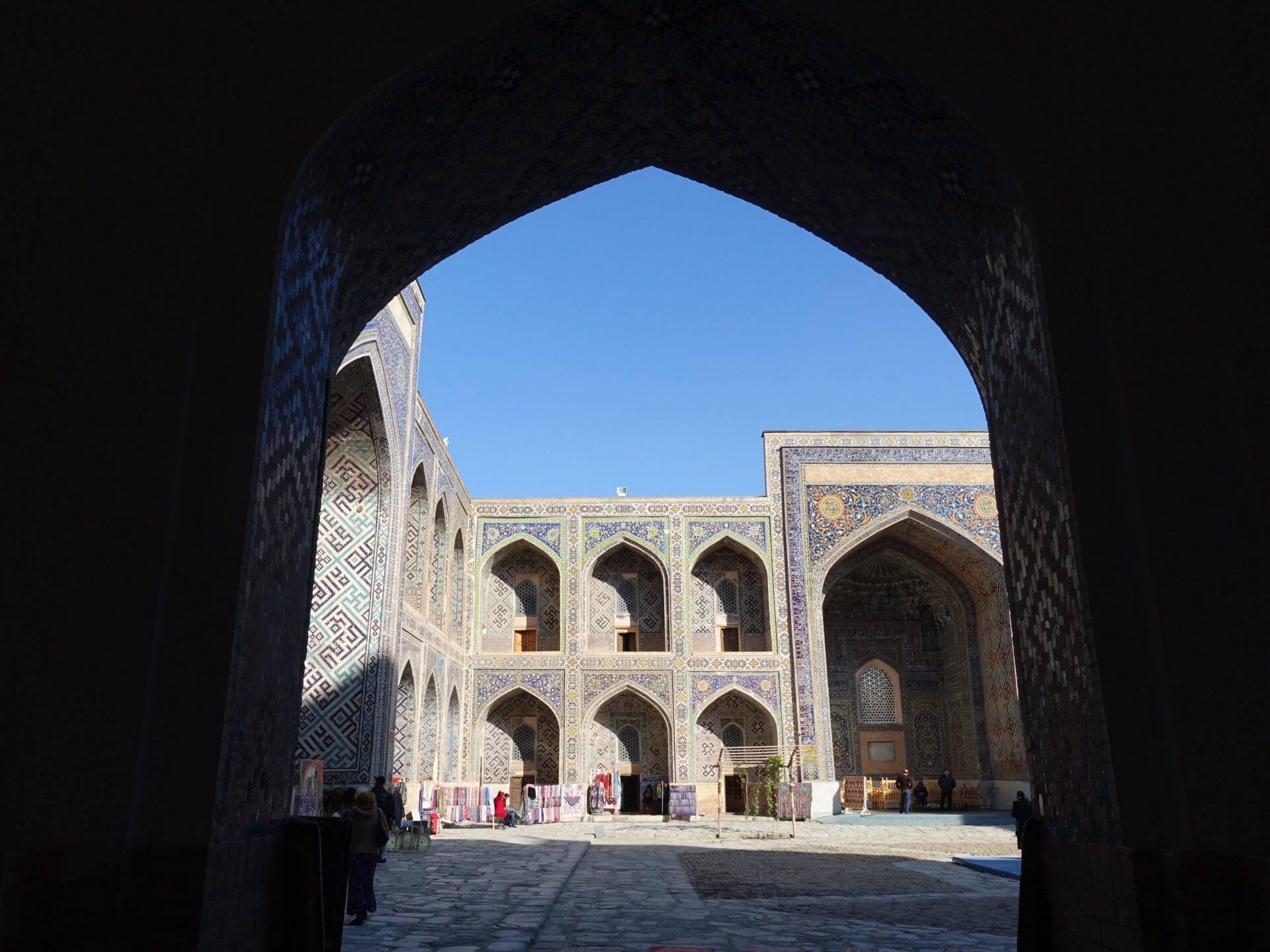
Shah-i-Zinda is a funerary complex of around twenty mausoleums lined up in a procession, each clad in some of the most refined ceramic tilework in Central Asia. The sequence of ornamental portals, each different from the last, creates a unique visual journey. Walk slowly up the lane to take in every detail.
5. Bibi-Khanym Mosque
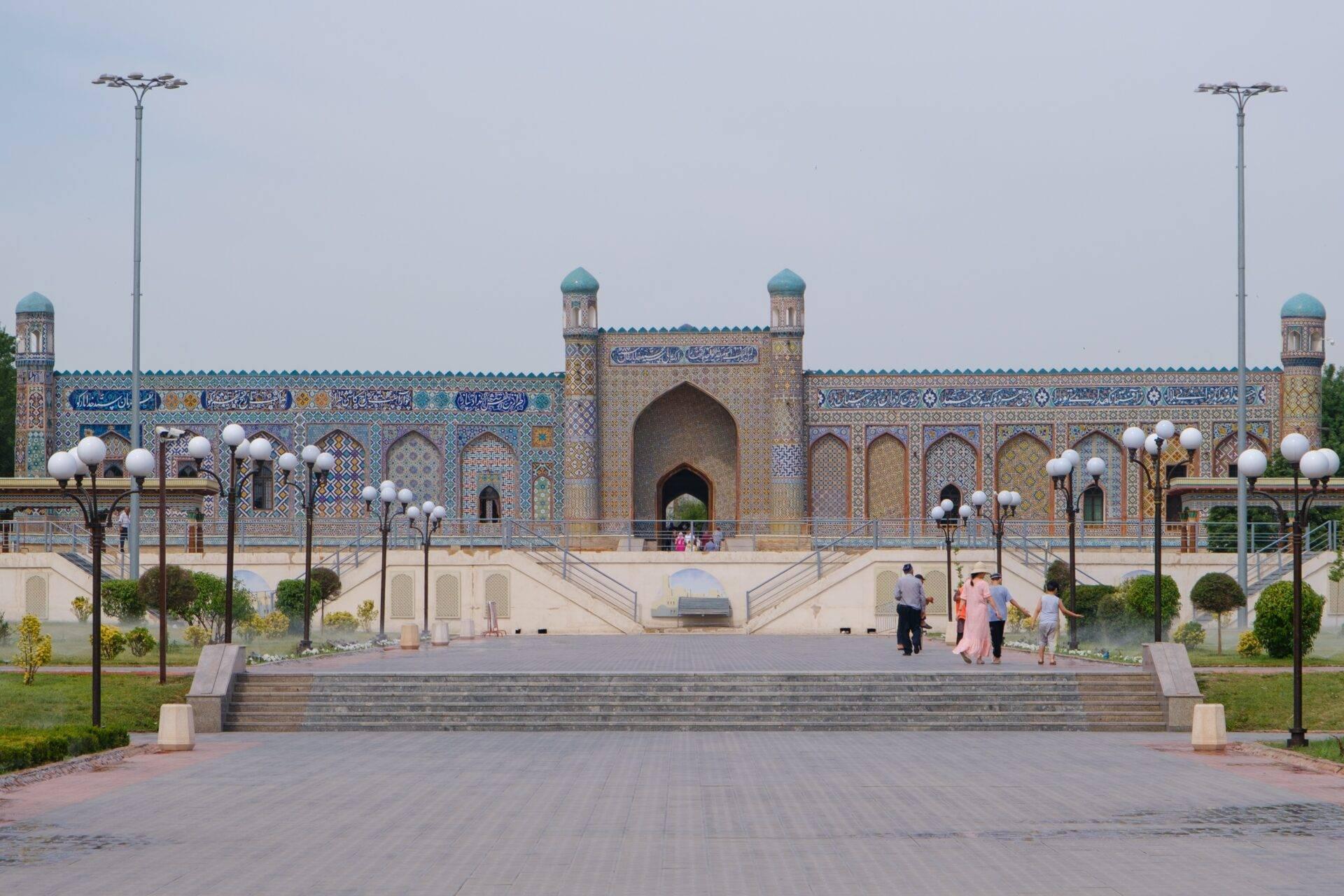
When it was built at the start of the 15th century, Bibi-Khanym Mosque was one of the largest in the Islamic world. Partially restored, it still impresses with its sheer scale. Its inner courtyard offers a peaceful retreat from the bustle of the city.
6. Ulugh Beg’s Observatory
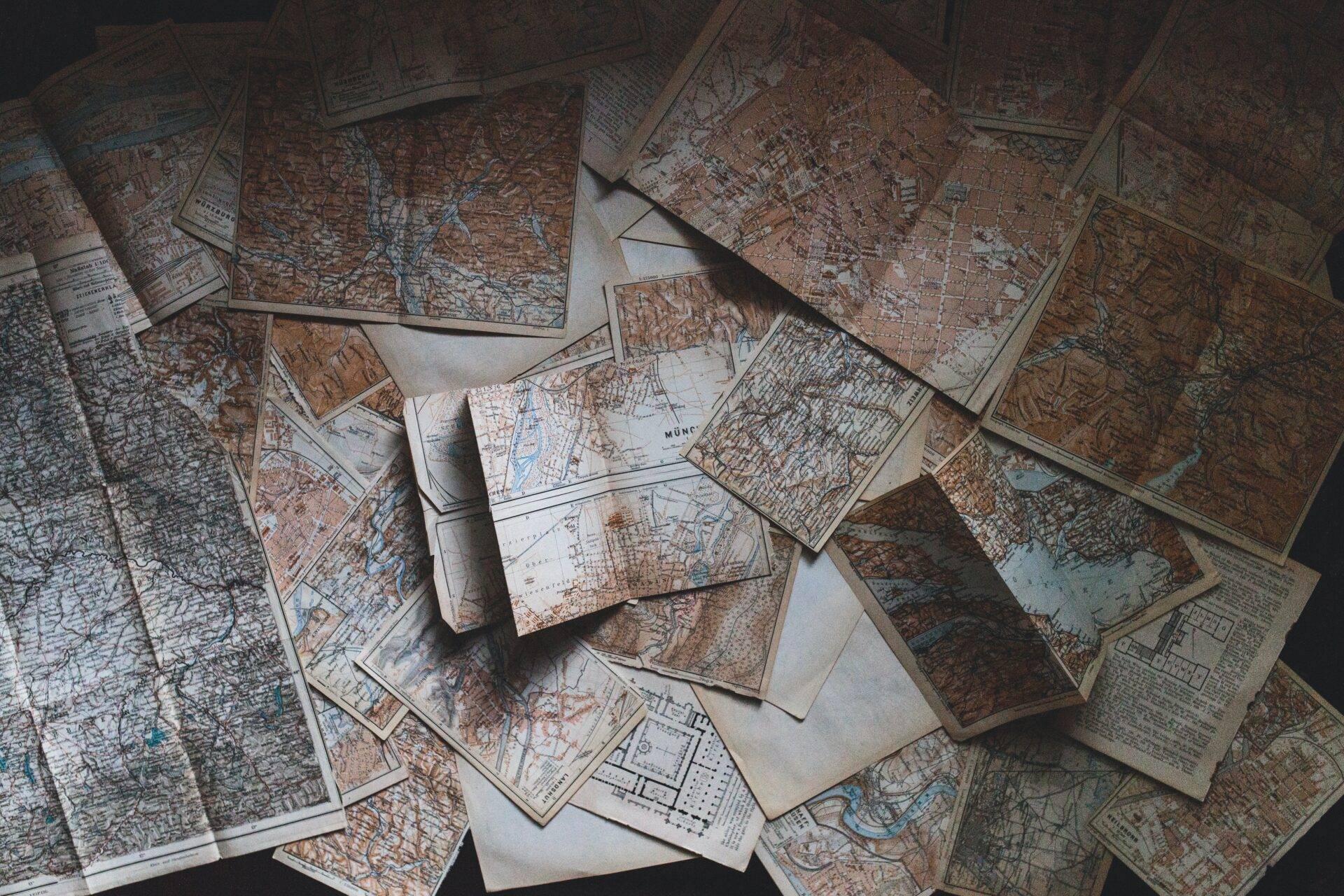
Ulugh Beg, grandson of Tamerlane, built an astronomical observatory in the 15th century. The main surviving fragment, discovered buried underground, is now displayed in an on-site museum. His work produced a precise catalogue of several hundred stars. A visit that reveals the intellectual side of Samarkand, beyond its architectural splendour.
Bukhara, the Medieval City
Bukhara has kept the soul of a caravan city. Its historic centre, a UNESCO World Heritage site, can be explored on foot along lanes where you stumble upon a thousand-year-old monument at every turn.
7. The Po-i-Kalyan Complex
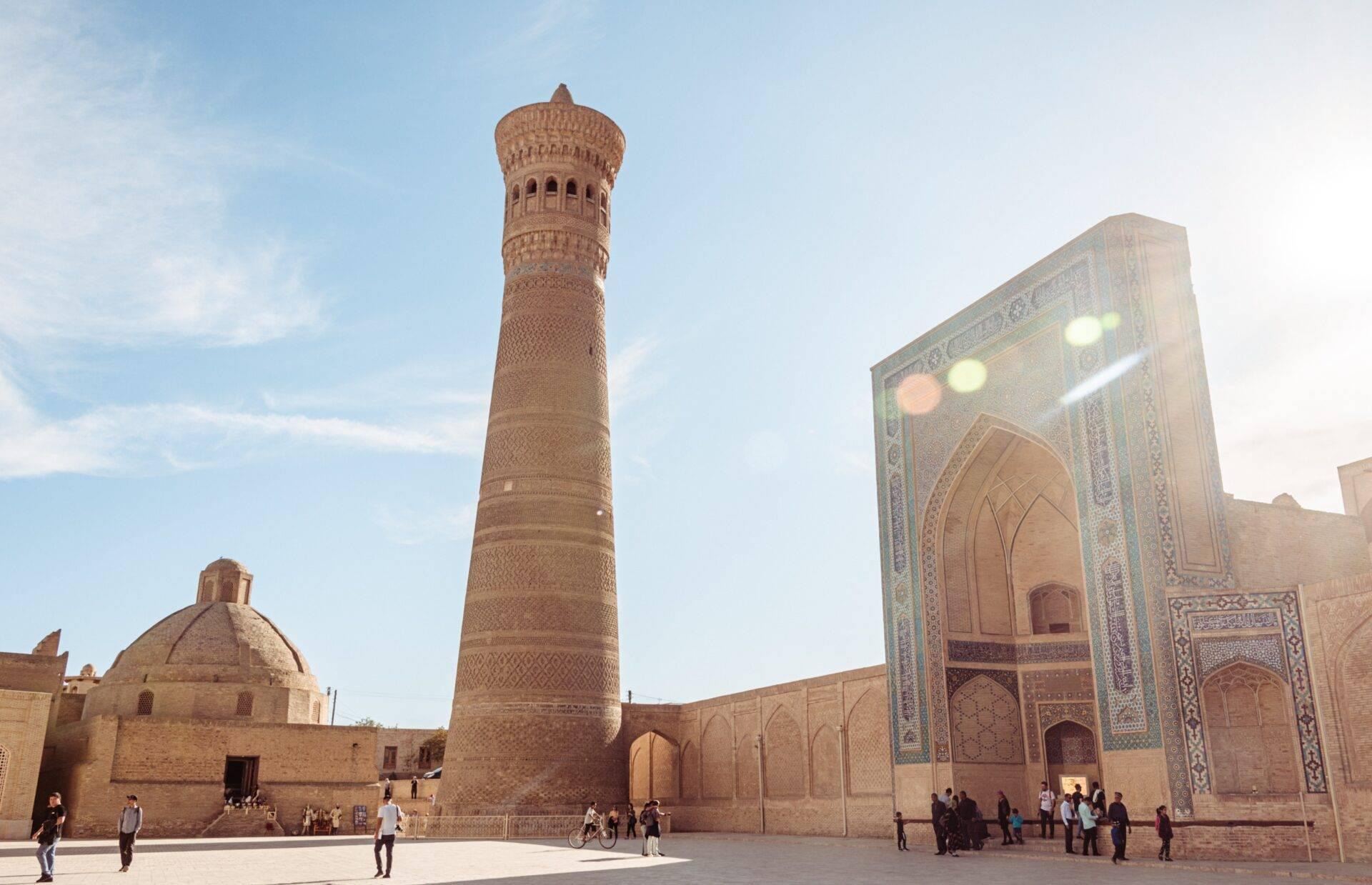
The Po-i-Kalyan complex brings together the Kalon Minaret (12th century, 47 metres tall), the Kalon Mosque and the Mir-i-Arab Madrasa. The minaret has dominated the city for more than 900 years. Legend has it that Genghis Khan, struck by its height, dismounted as a mark of respect when he took the city, making it the one monument he spared.
8. Bukhara by Night
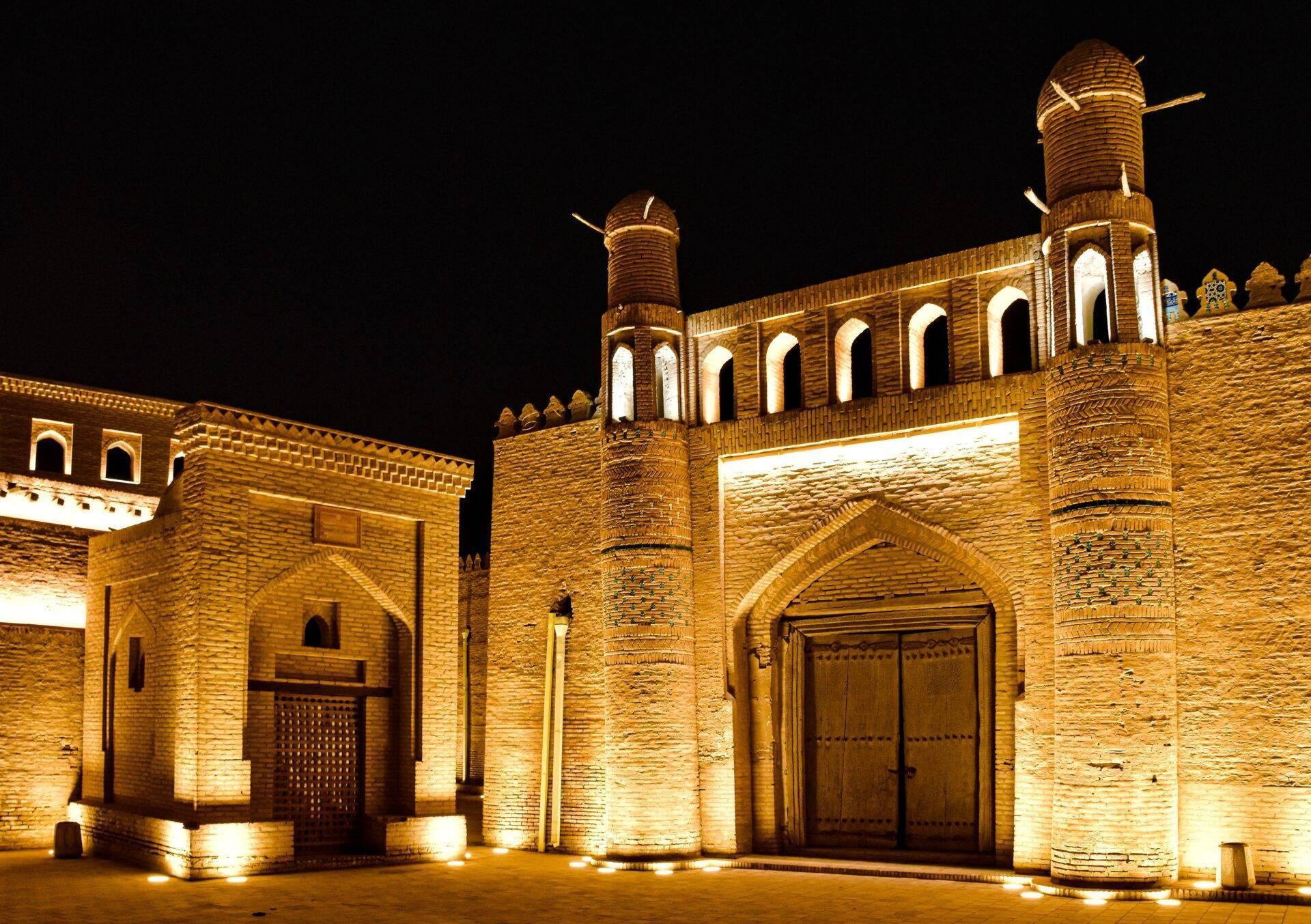
Bukhara takes on a different quality after dark. The ochre brick facades, bathed in warm golden light, seem even older than they do by day. An evening stroll around the Lyabi-Hauz pool, lined with plane trees and open-air restaurants, is one of those moments travellers mention most when they look back on their trip.
9. The Ark Citadel
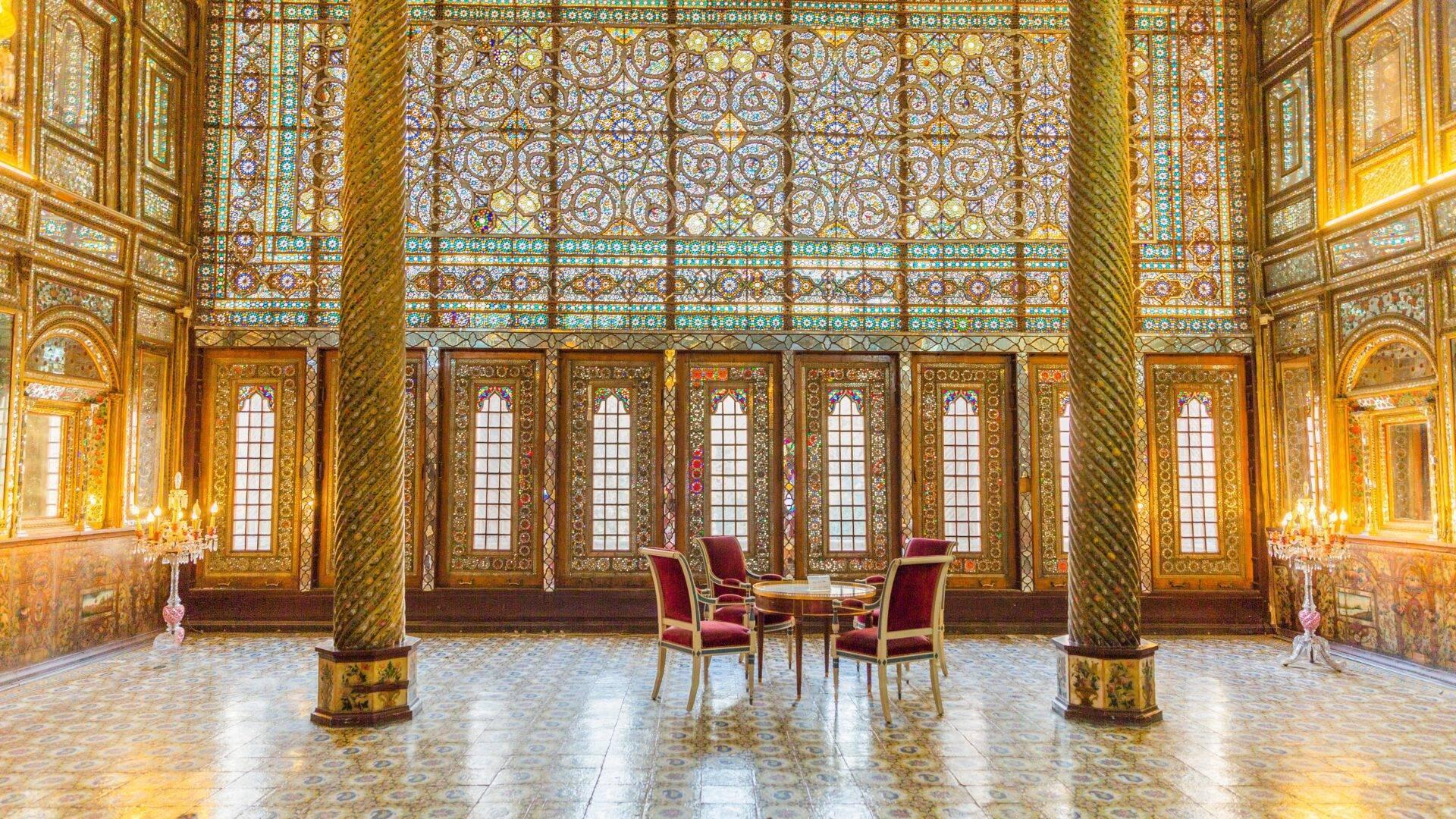
The Ark is Bukhara’s fortified citadel, once home to the emirs of the region. Its interior apartments display the characteristic use of gilding and turquoise mosaics. The museum within holds archaeological and ethnographic collections that help make sense of the region’s history.
10. Bukhara’s Covered Bazaars (Tokis)

Bukhara has preserved its medieval covered bazaars, the tokis, whose brick domes once channelled the trade of the caravans. Today you will find silver jewellery, suzani embroidery and hand-painted ceramics. Taking time to talk with the craftspeople is worth as much as any purchase.
Khiva, the Clay City
Khiva is the most intact of the Silk Road’s historic cities. Its fortified centre, Itchan Kala, can be explored like a city within a city, with living monuments and inhabited lanes.
11. Itchan Kala, the City-Museum
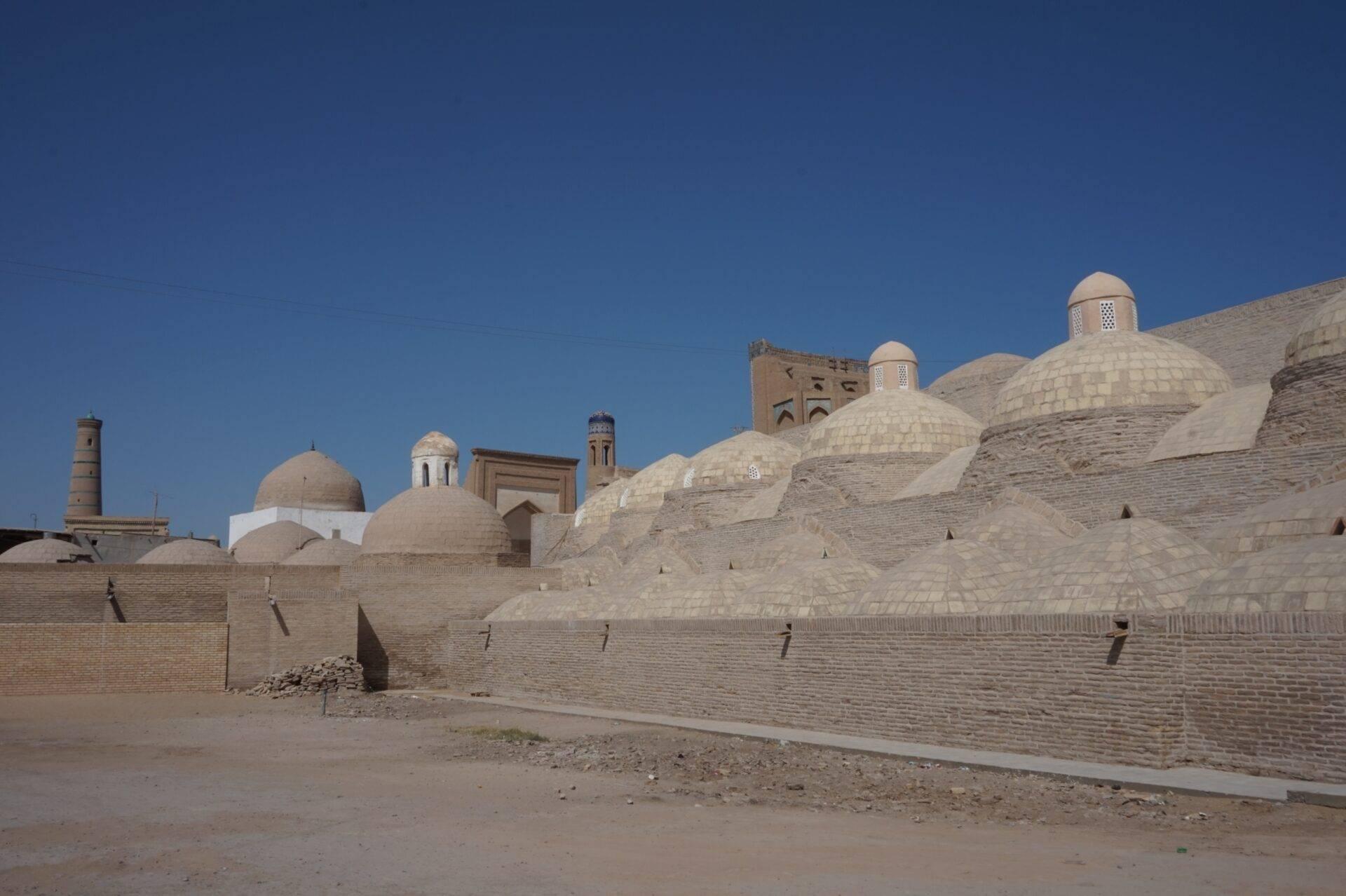
Itchan Kala, a UNESCO World Heritage site, packs madrasas, mosques, palaces and minarets inside its ochre walls, all within walking distance. The Kalta Minor Minaret, unfinished but imposing, and Tash-Khauli Palace are the centrepieces. The old city remains inhabited, which gives it a vitality that open-air museums rarely have.
12. Djuma Mosque and Its 218 Columns
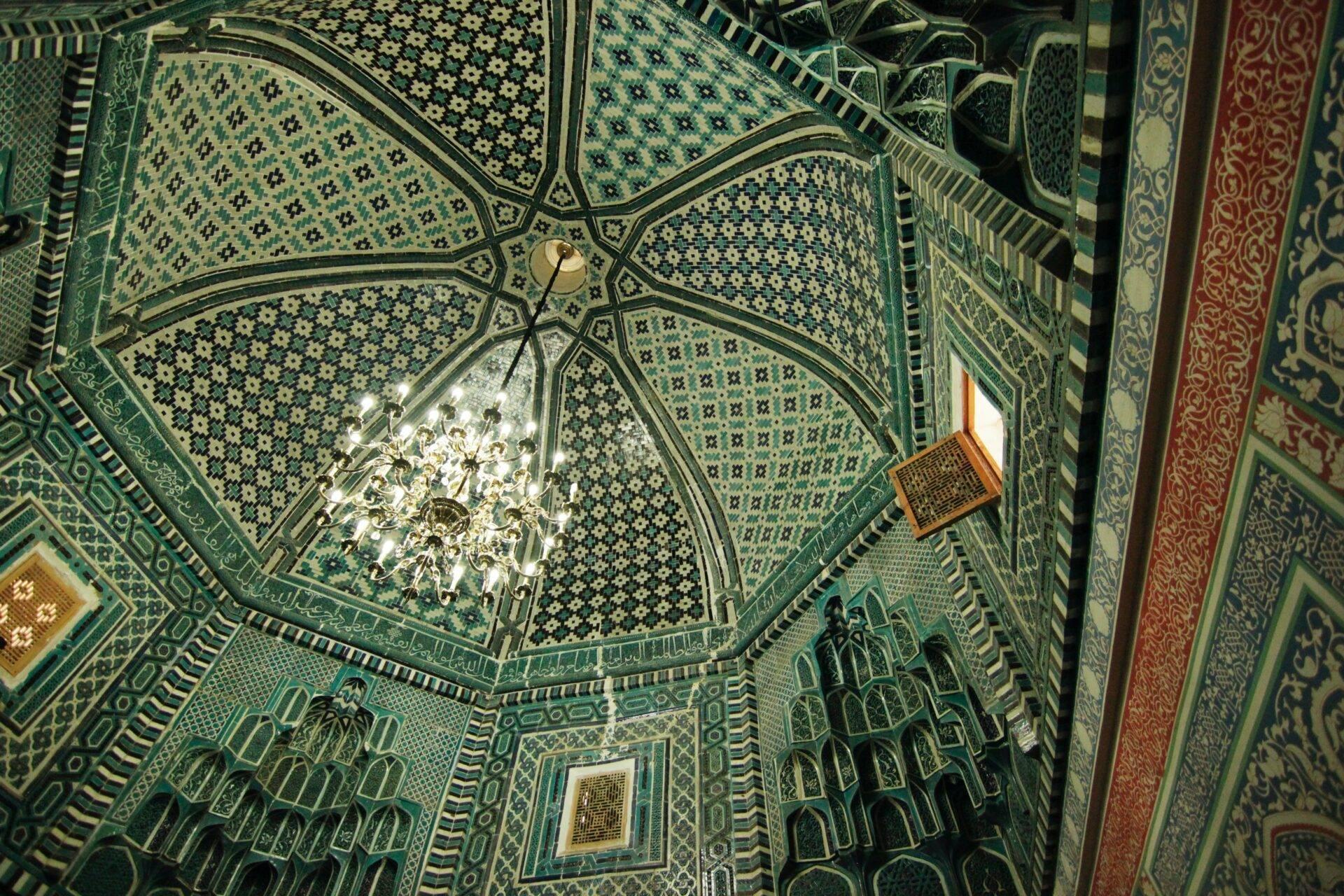
Khiva’s Djuma Mosque is unique: its prayer hall is supported by 218 carved wooden columns, each one different, gathered over several centuries of construction. The effect of a forest of columns in the half-light is extraordinary, and utterly unlike the open-courtyard mosques found elsewhere in Uzbekistan.
13. Touching the Walls of Khiva
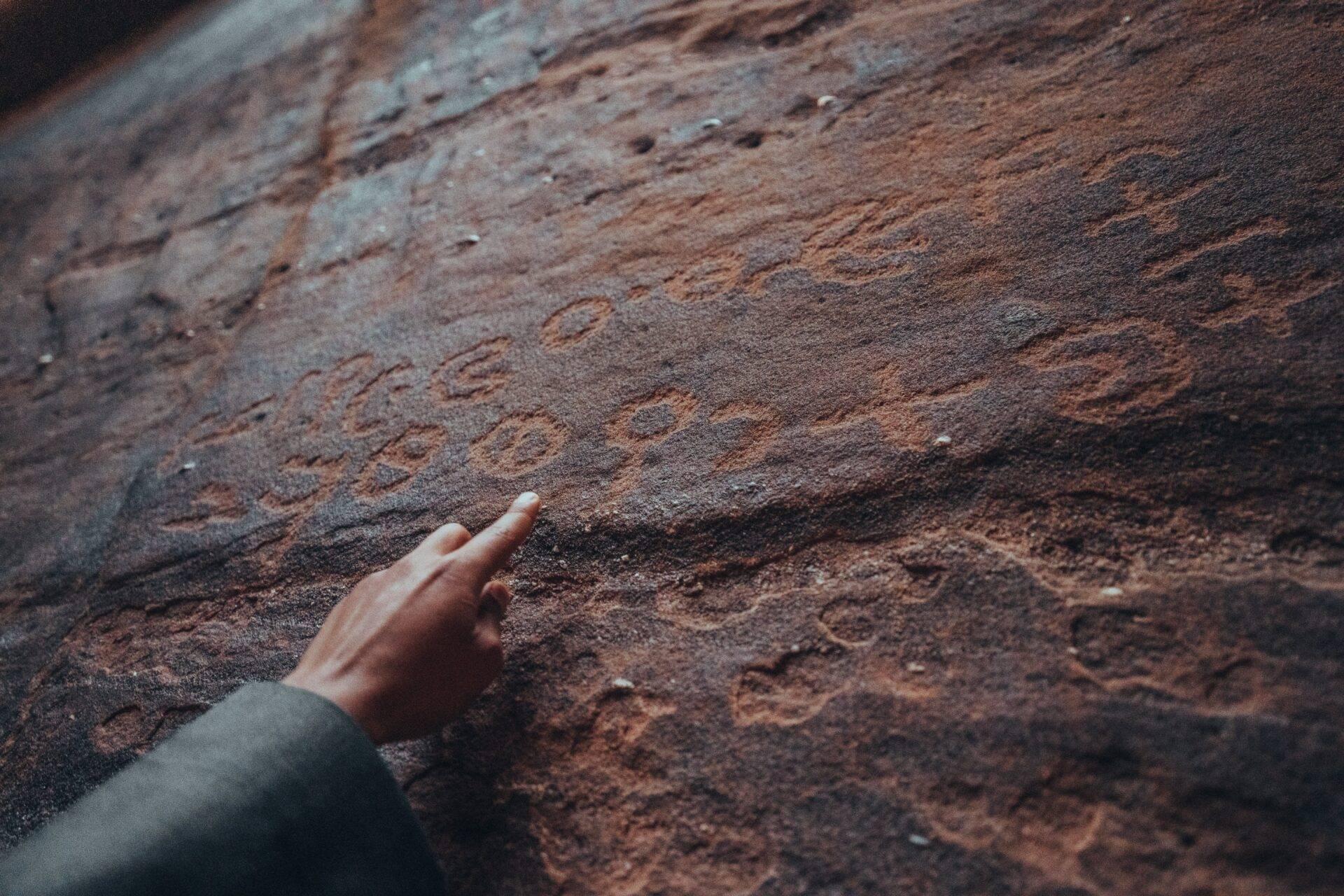
There is a way of travelling in Khiva that no guidebook captures: placing your hand on the city walls and realising that some sections of the ramparts date from the 15th century. The inner lanes remain alive, with private homes sitting alongside monuments. Slow down, look around, rather than ticking off a checklist.
Tashkent, the Capital in Motion
Tashkent blends Soviet-era architecture, shady parks and historic quarters. It is also the natural entry point for most trips to Uzbekistan.
14. Independence Square and Its Parks
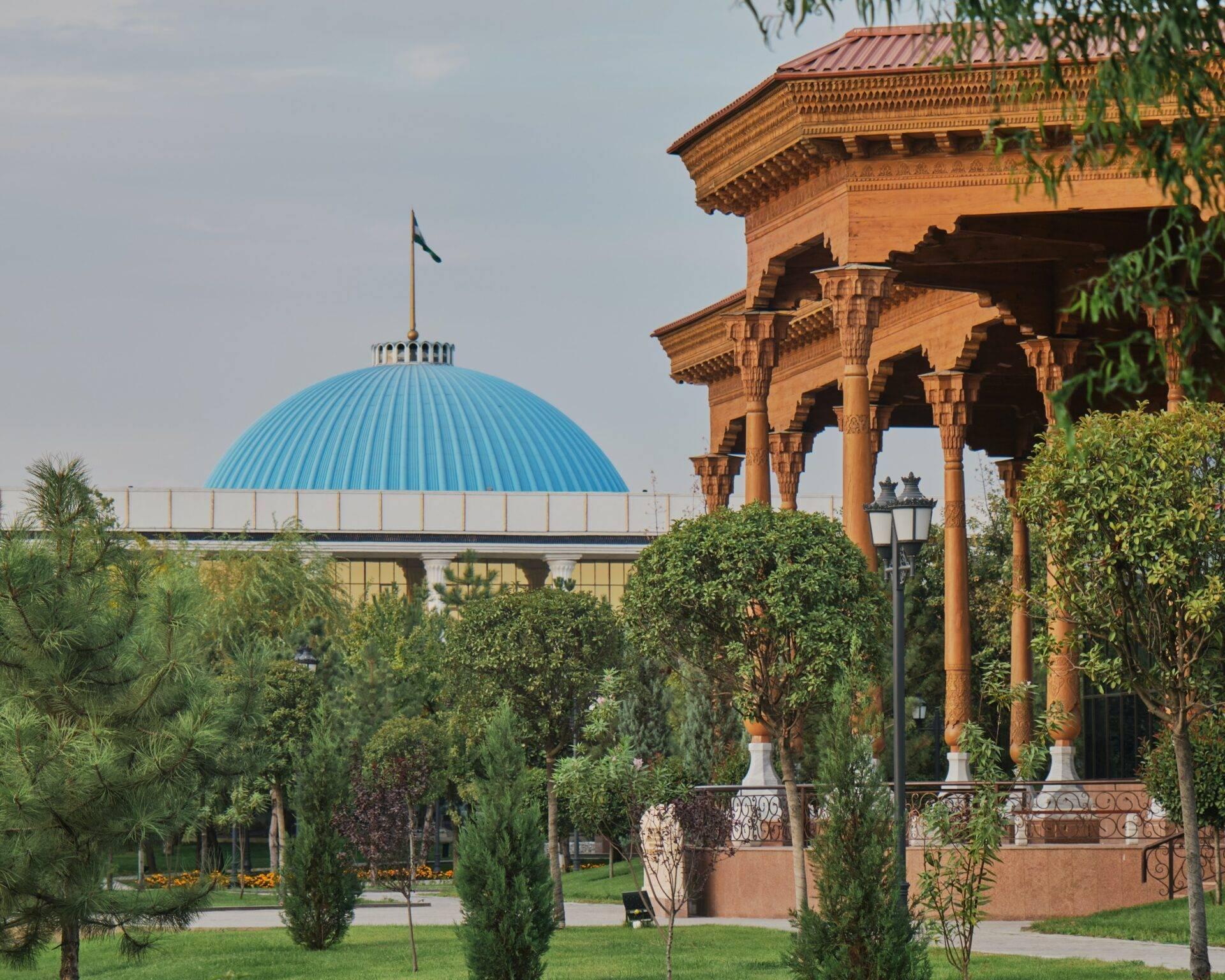
Independence Square and the surrounding parks give you a sense of the Uzbek capital’s scale. This is where local families come for a walk, away from the tourist trail. The Khazrat-Imam complex, with its madrasas and historic library, is the most rewarding neighbourhood in the city for anyone interested in the region’s Islamic heritage.
15. Chorsu Bazaar and the City in Motion
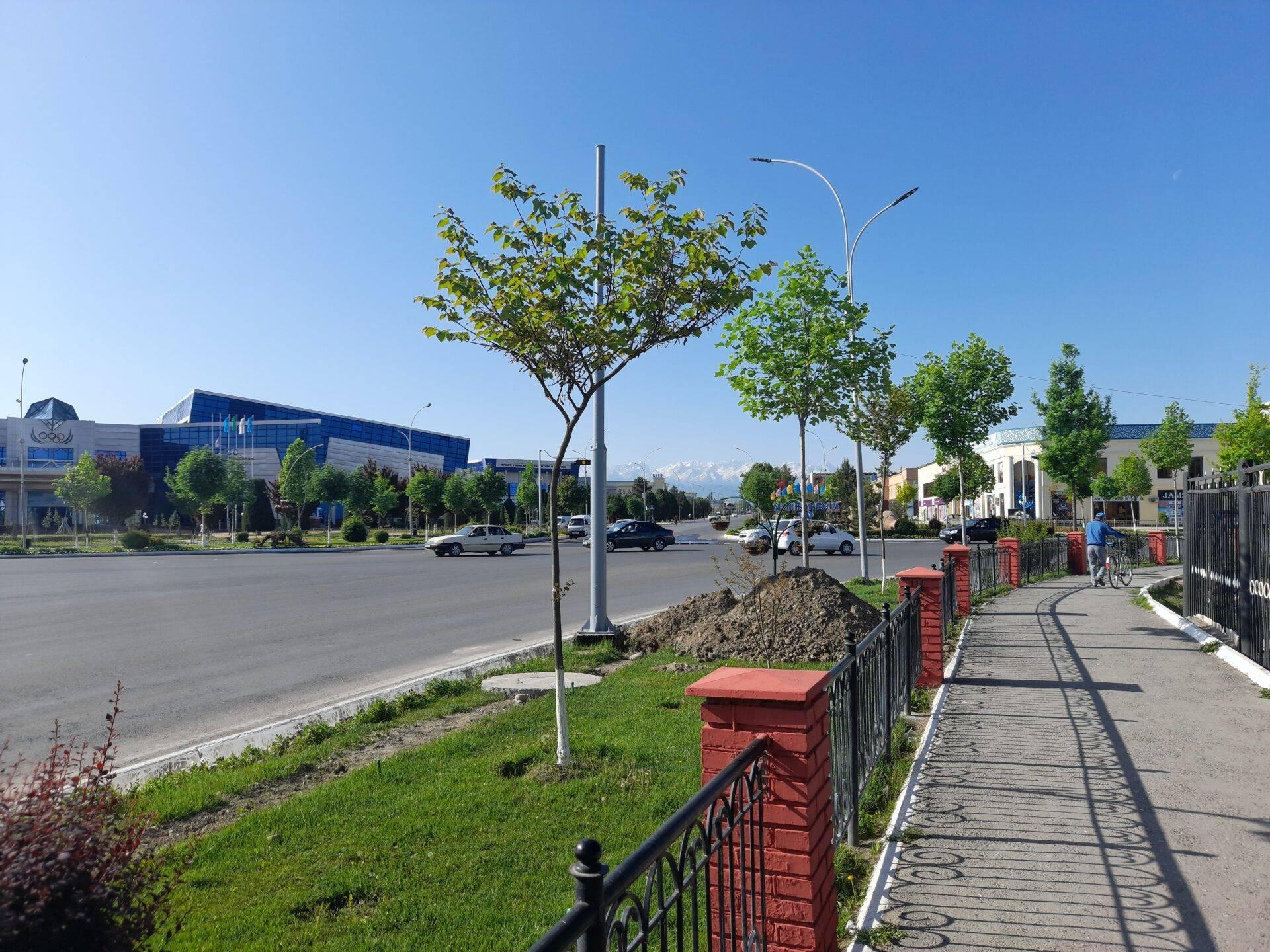
Chorsu Bazaar is Tashkent’s central market, sheltering under its distinctive blue dome. Spices, dried fruits, flatbreads and vegetables are sold in a lively bustle that contrasts sharply with the calm of the historic cities. The modern city, with its wide boulevards and snow-capped mountains visible on clear days, reveals the energy of a Central Asian capital developing at speed.
Shakhrisabz, Tamerlane’s Birthplace
Shakhrisabz makes an easy day trip from Samarkand. Its monumental complex, listed by UNESCO, tends to draw fewer crowds than the major cities, making it a welcome stop for travellers who prefer to avoid tour groups.
16. Ak-Saray Palace and Kok-Gumbaz Mosque
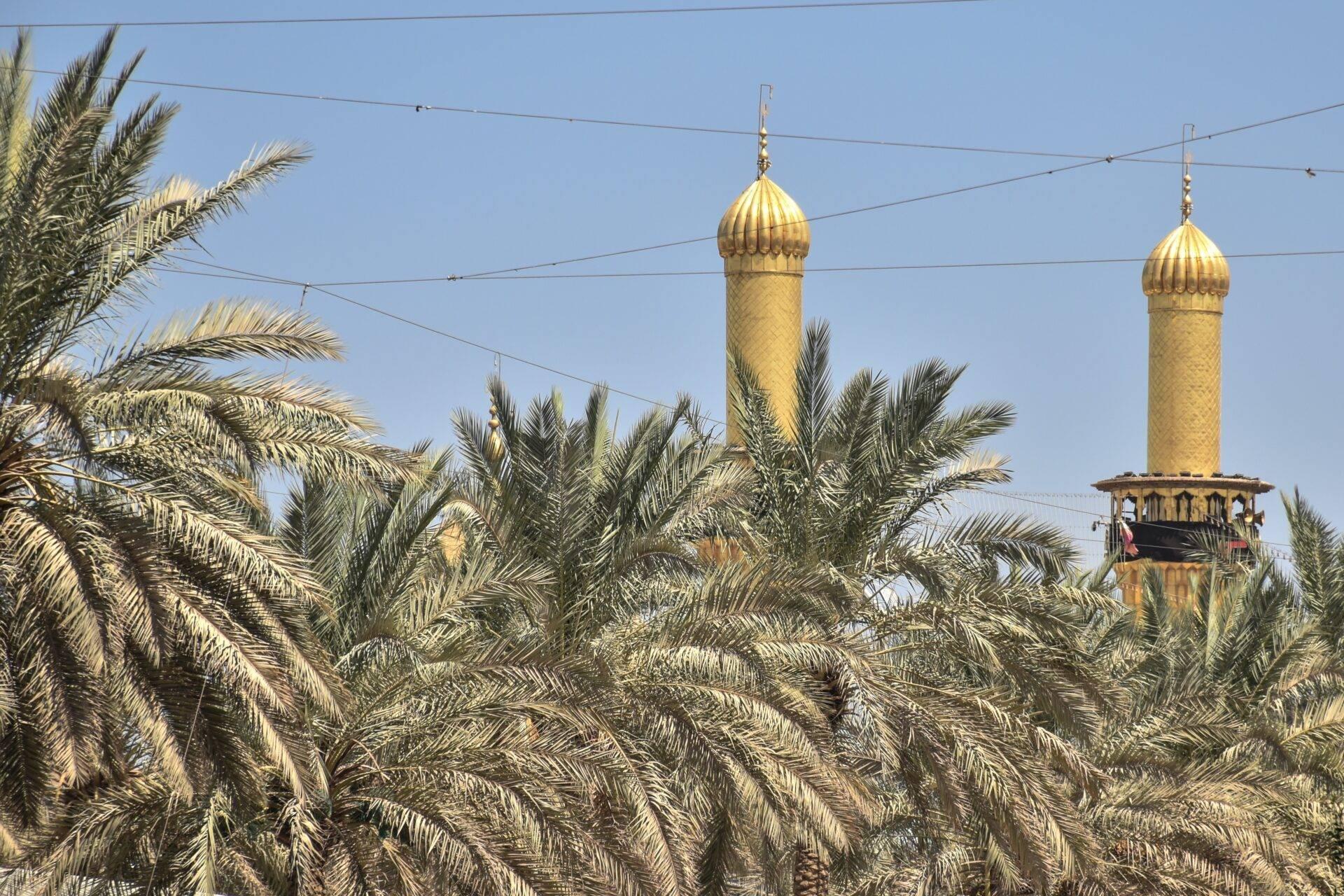
Ak-Saray Palace (the White Palace), commissioned by Tamerlane in the 14th century, was one of the largest of its era. Only the entrance pylons survive, but they convey the conqueror’s ambition vividly. Kok-Gumbaz Mosque, with its gilded minarets and distinctive bulbous domes, completes the complex for a rewarding half-day visit.
Khorezm and Karakalpakstan
The north-west of Uzbekistan is less visited, and that is a mistake. This region holds a collection of unique desert fortresses and one of the most singular museums in the world.
17. The Desert Fortresses: Ayaz Kala and the Khorezm Region
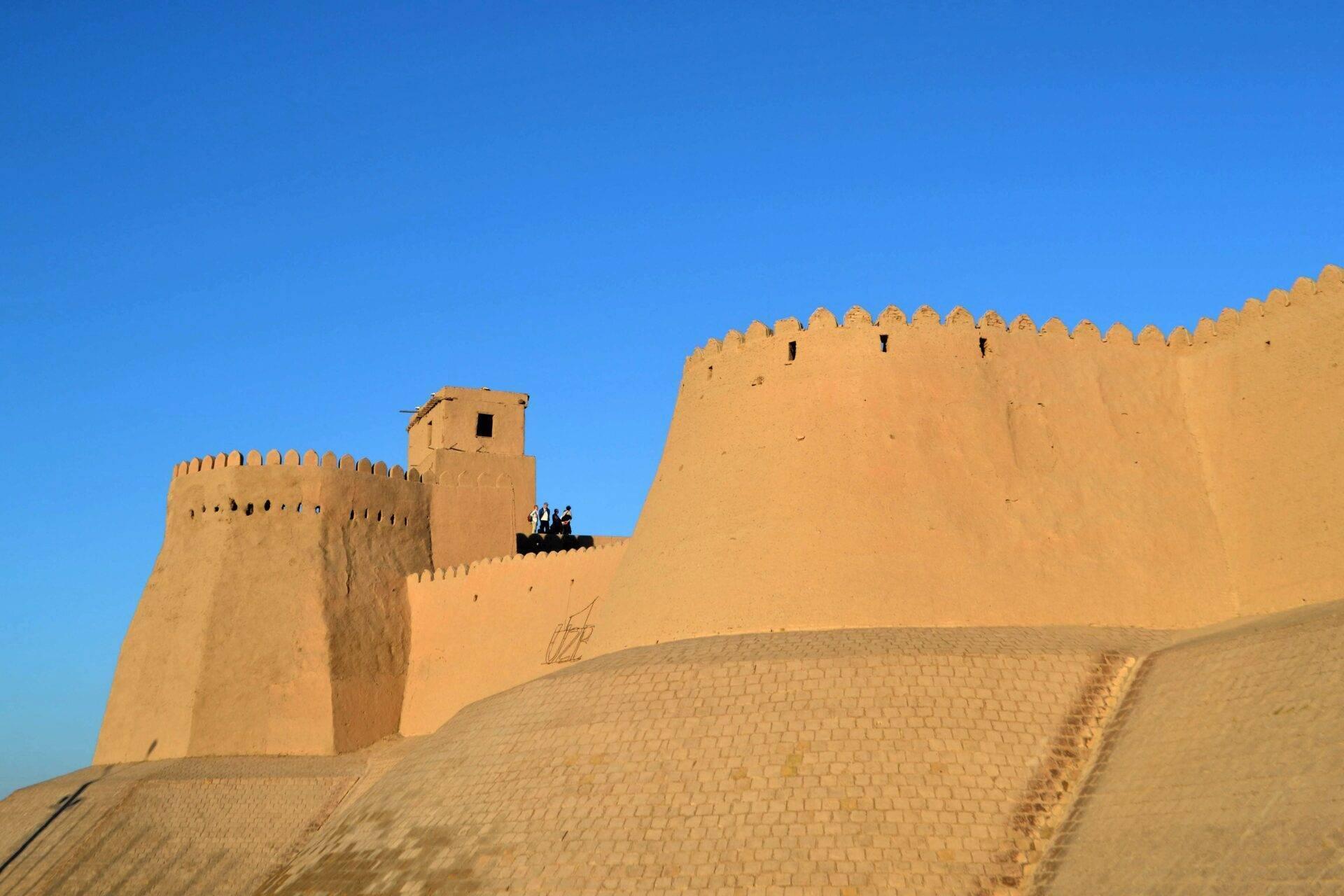
Ancient Khorezm left several dozen adobe fortresses scattered across the desert; Ayaz Kala is the most spectacular. Its crenellated walls rise above the dunes from a rocky outcrop. Yurt camps at the foot of the fortress allow you to spend the night in the desert under a star-filled sky, far from any light pollution.
18. The Savitsky Museum in Nukus, the “Louvre of the Steppes”
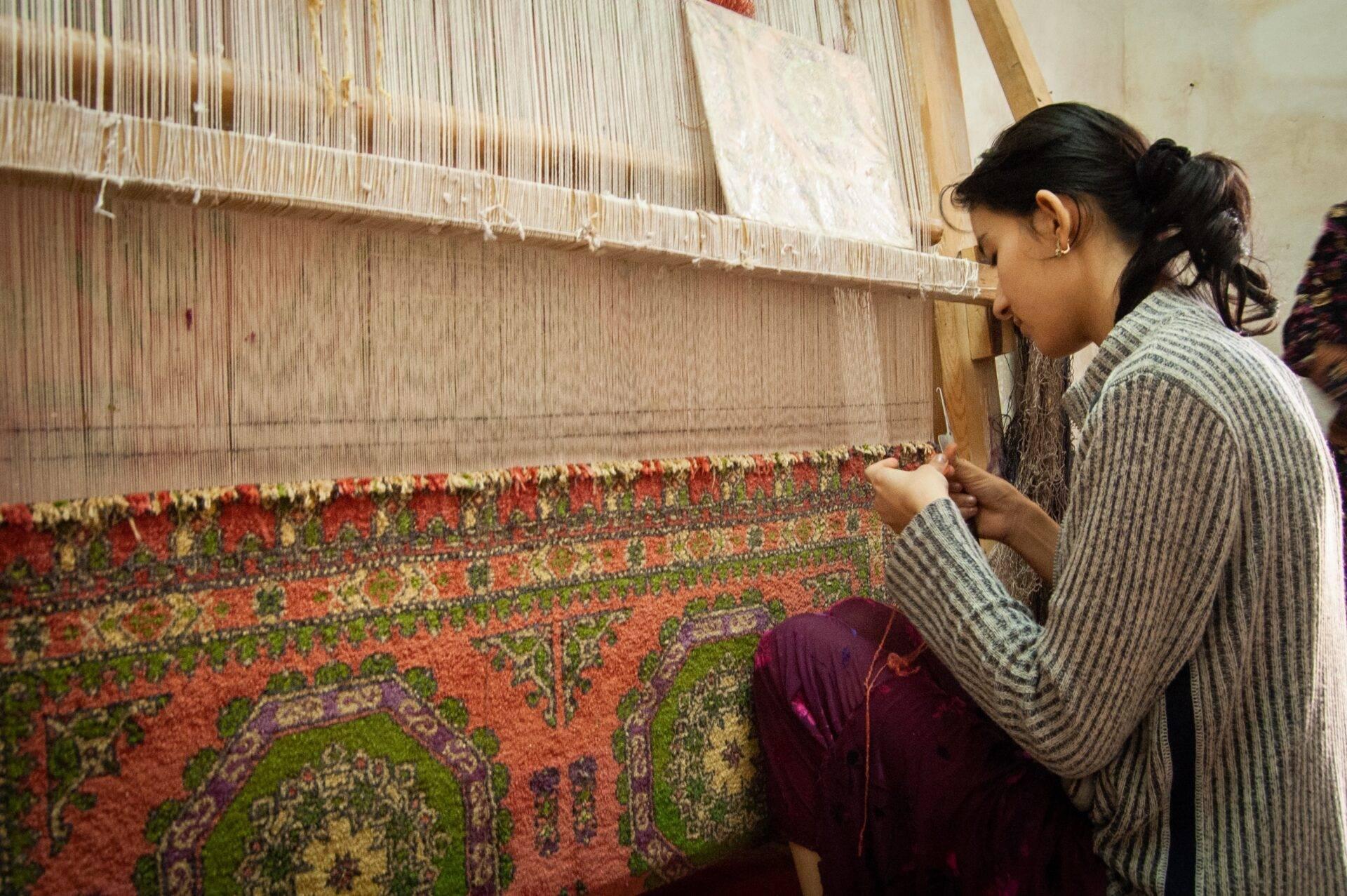
The Igor Savitsky Museum in Nukus holds more than 82,000 works: the second largest collection of Russian avant-garde art in the world (after the Russian Museum in St Petersburg), alongside carpets, embroideries and craft objects from Karakalpakstan. From the 1950s, its founder secretly gathered canvases that the Soviet regime had tried to erase. An unlikely detour to the far edge of Uzbekistan, and an aesthetic encounter that genuinely astonishes in its setting.
Landscapes and Outdoor Experiences
Uzbekistan is far more than its historic cities. Its varied landscapes, from arid steppes to mountain foothills, add a natural dimension to any itinerary.
19. The Chimgan Mountains and Nature Around Tashkent
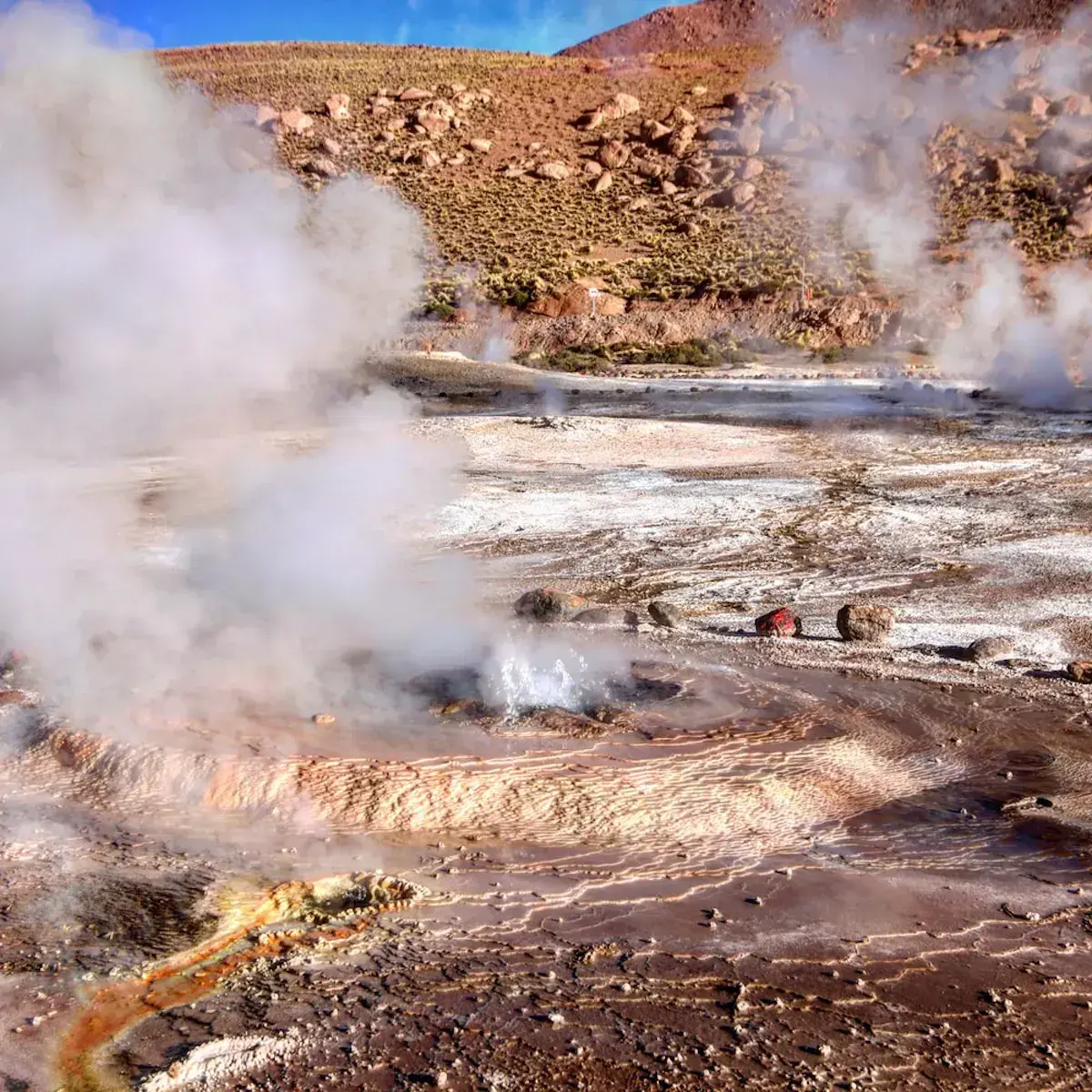
About 80 km from Tashkent, the Chimgan Mountains offer scenery that stands in sharp contrast to the country’s plains. The area draws hikers in summer. Uzbekistan’s semi-arid steppes also conceal geological curiosities, with hot springs and mineral formations to discover in desert landscapes well off the beaten track.
20. The Fergana Valley: Silk, Pottery and Rivers
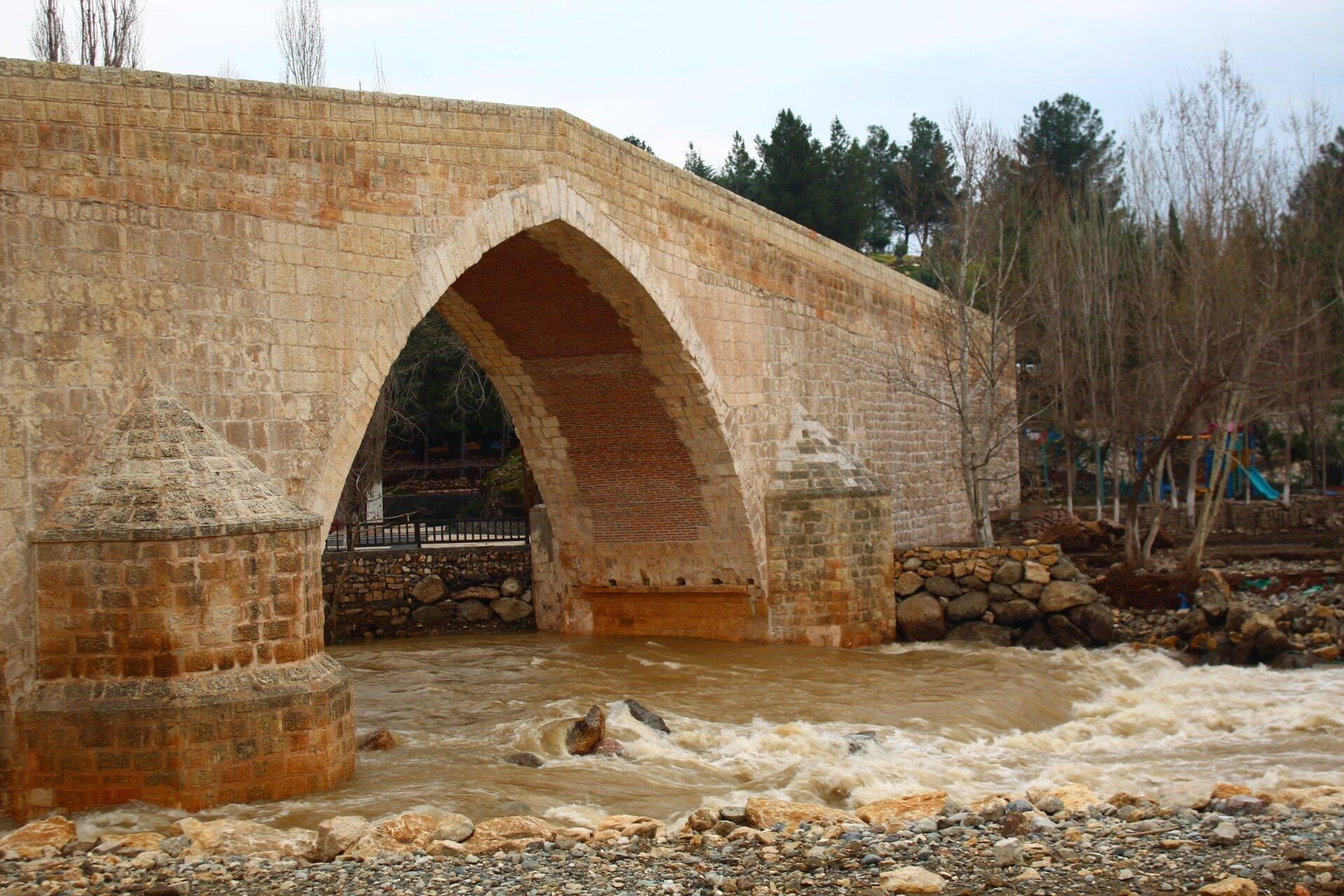
The Fergana Valley, landlocked between three countries, is the heartland of Uzbek craftsmanship. In Marghilan, family workshops still weave ikat silk by hand on ancestral looms. In Rishtan, potters carry on a tradition of blue-and-white ceramics stretching back centuries. The valley’s roads cross old stone bridges and rivers, echoing the caravan routes that kept this region alive for thousands of years.
When to Visit Uzbekistan
Spring (April-May) and autumn (September-October) are the ideal periods: mild temperatures, clear skies and long days make outdoor sightseeing genuinely comfortable. Summer can be extremely hot, especially in the deserts and in Bukhara. Winter is cold but far less busy, which can suit travellers looking for peace and quiet.
A full circuit of the four main cities (Tashkent, Samarkand, Bukhara, Khiva) takes 10 to 15 days. To include Shakhrisabz, the Khorezm region and the Fergana Valley, allow two to three weeks.
How to Plan Your Itinerary
The high-speed Afrosiyob train links Tashkent to Samarkand in around two hours, then continues to Bukhara. For the Bukhara-to-Khiva leg, no fast train exists: a bus or shared taxi are the usual options. Travelling towards Khorezm or Nukus from Khiva requires a full day’s journey.
A classic 12-day framework:
- 2 days in Tashkent
- 3 days in Samarkand (with a day trip to Shakhrisabz)
- 2 days in Bukhara
- 2 days in Khiva
- 1 transit day
- 2 days for the Fergana Valley or the Khorezm region, depending on your interests
If Islamic architecture and great historic civilisations captivate you, Turkey offers another rich destination, more accessible from Europe. For a taste of Islamic art on European soil, Spain with Granada’s Alhambra and Cordoba’s Mezquita is a natural companion.
FAQ
When is the best time to visit Uzbekistan?
Spring (April-May) and autumn (September-October) offer the best conditions: mild temperatures, clear skies and long days. Summer can be very hot, particularly in the deserts and in Bukhara. Winter is cold but far less crowded, which can suit travellers seeking a quieter experience.
How long should I allow for a trip to Uzbekistan?
Ten to 15 days are enough to cover the four main cities (Tashkent, Samarkand, Bukhara, Khiva). To include the Fergana Valley, the Khorezm region and the Kyzylkum Desert, two to three weeks are preferable.
How do you travel between cities in Uzbekistan?
The high-speed Afrosiyob train connects Tashkent to Samarkand in around two hours, and continues to Bukhara. For the Bukhara-to-Khiva leg, travellers typically take a bus or shared taxi. Some regions, such as Khorezm and Karakalpakstan, require a full day’s travel from Khiva.
Is Uzbekistan easy to visit for English-speaking travellers?
Yes. The tourism sector has developed considerably, with hotels, guides and agencies available in all the historic cities. Uzbek and Russian are the everyday languages, but English works well at the main tourist sites. A local guide for the key stages of the trip makes the experience considerably richer.
What should I eat in Uzbekistan?
Plov (rice with carrots and meat) is the national dish, found at every bazaar. Laghman (stir-fried noodles), samsa (stuffed pastries) and shashlik (grilled skewers) feature on every menu. Bazaars such as Chorsu in Tashkent are the best places to sample local specialities in their proper context.