
Turkey packs an extraordinary range of experiences into a single trip: the jewels of the Ottoman Empire, some of the best-preserved ancient ruins in the world, dramatic geological landscapes and hundreds of kilometres of coastline stretching between the Aegean and the Mediterranean. Whether you start in Istanbul or head straight to Cappadocia, every approach delivers something completely different.
Plan my trip to TurkeyThree ways to shape your itinerary
Think of Turkey in chapters rather than a checklist of boxes to tick. Three distinct travel approaches emerge naturally:
- Ottoman and Byzantine cities: Istanbul covers the essentials within a handful of neighbourhoods; Ankara is home to one of the richest archaeological museums in the Near East.
- The Anatolian heartland: Cappadocia with its volcanic formations, Pamukkale with its travertine terraces on the UNESCO list since 1988.
- Coasts and ruins: on the Aegean side, Ephesus and Bodrum; on the Mediterranean side, Lycia with its rock tombs, Antalya and its waterfalls.
For entry requirements, health questions and practical information, see our Turkey travel insurance page, which also covers what your bank cards typically won’t outside Europe.
Istanbul: between two continents and ten centuries of history
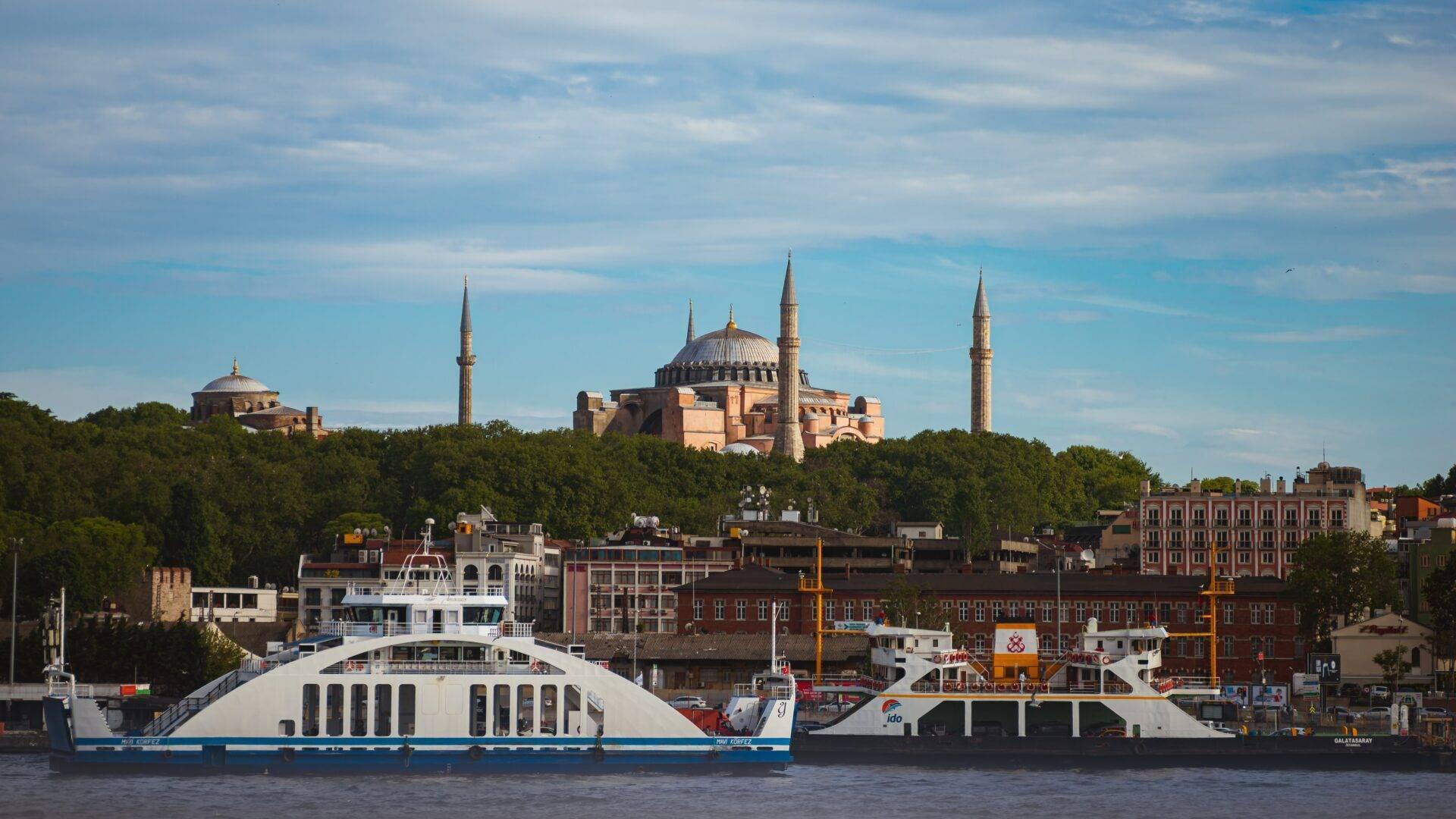
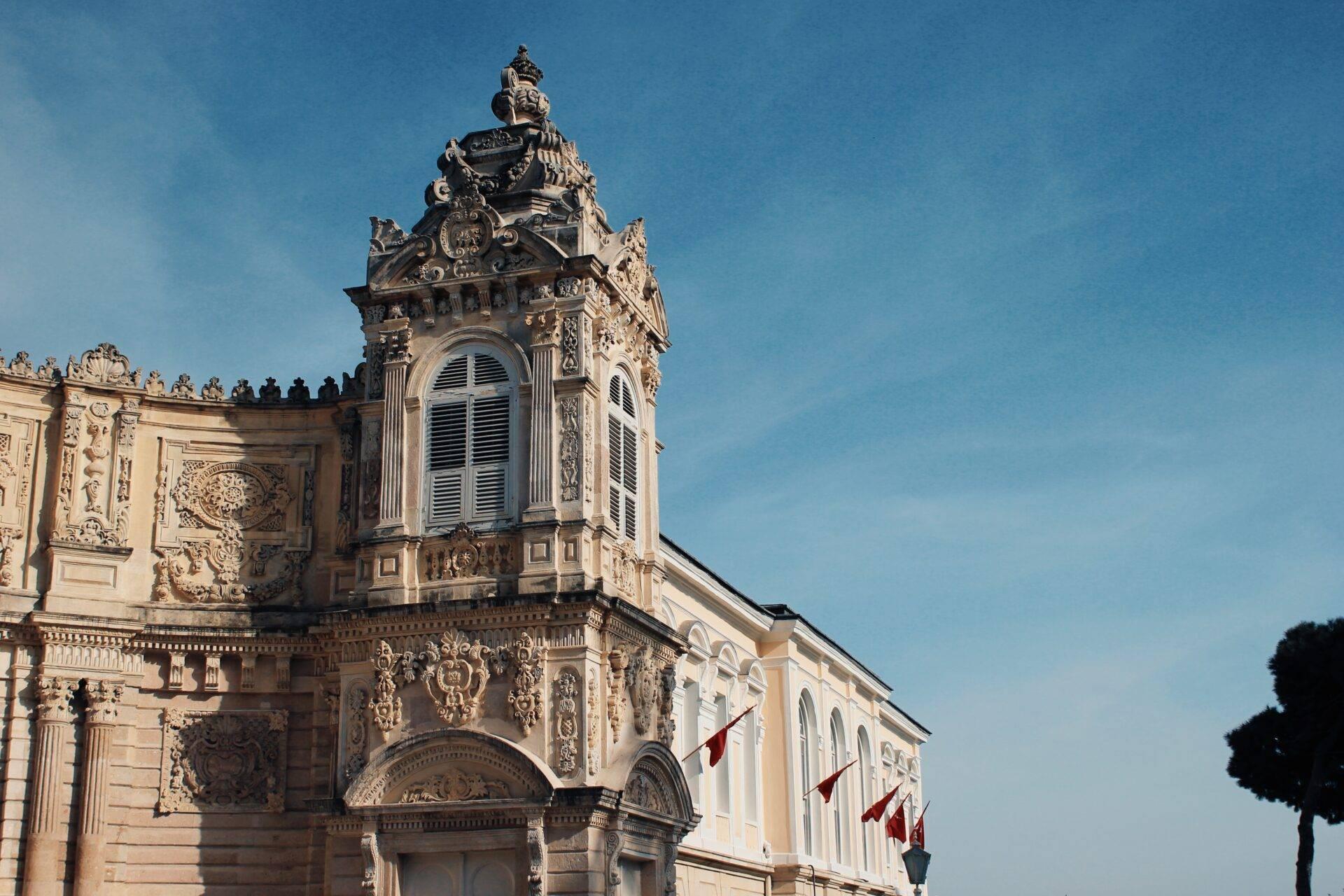
Istanbul is the only metropolis in the world built across two continents. On the European side, the historic Sultanahmet district packs four major Byzantine and Ottoman monuments within a few hundred metres of each other, all within easy walking distance. Our Istanbul travel guide covers the neighbourhoods, museums and best addresses in the city.
Hagia Sophia: fourteen centuries in a single building
Completed in 537 under Emperor Justinian I, Hagia Sophia has moved through the centuries as a Byzantine cathedral, an Ottoman mosque and a museum before returning to active use as a mosque in 2020, while remaining open to non-Muslim visitors. Its main dome soars to over 55 metres, a remarkable structural feat for late antiquity. The surviving gold Byzantine mosaics give a vivid sense of the splendour of Byzantine art.
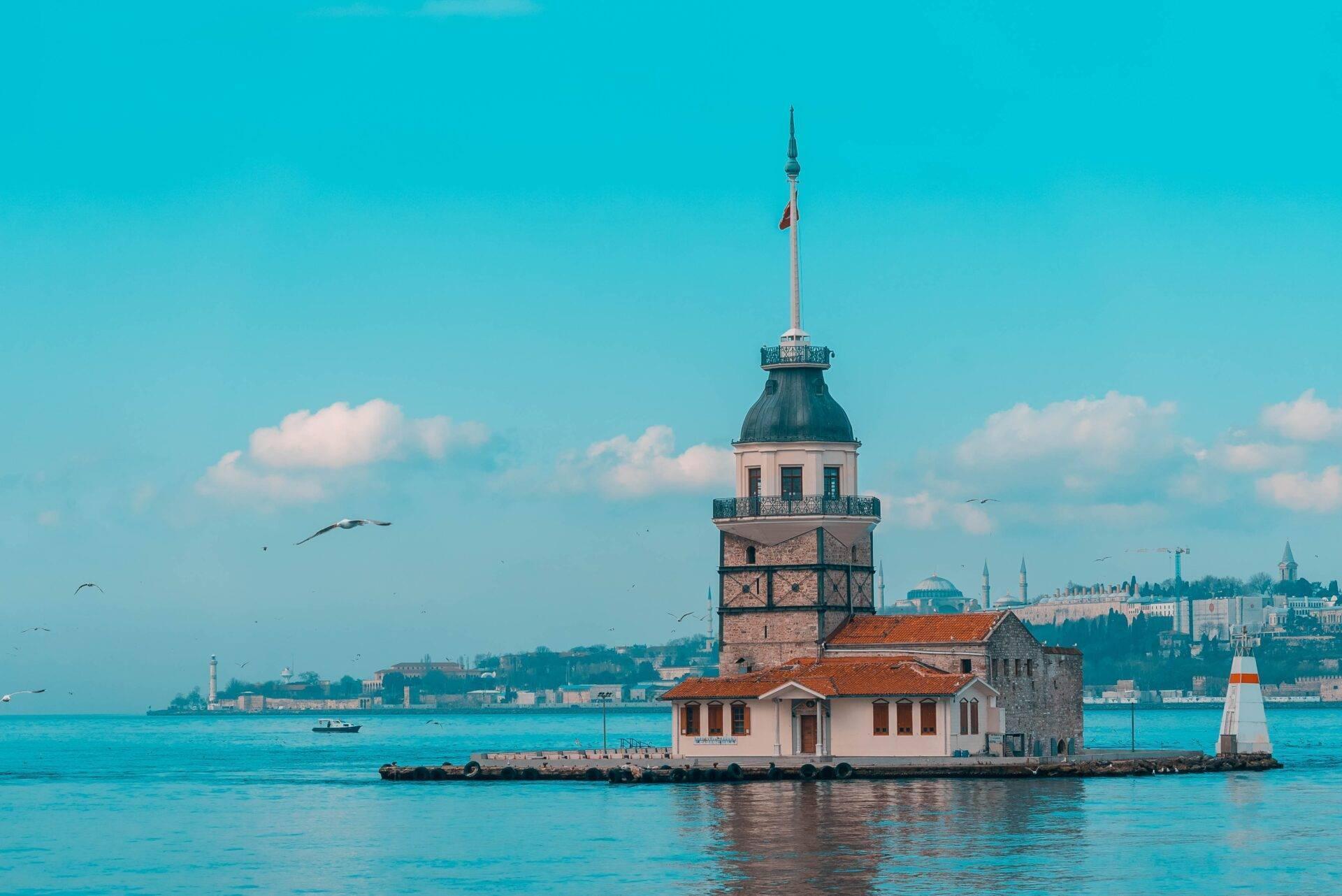
The Blue Mosque: six minarets and more than 20,000 Iznik tiles
The Sultan Ahmed Mosque, built between 1609 and 1616 under Sultan Ahmed I, is the only mosque in Istanbul with six minarets. Its interior is lined with more than 20,000 Iznik tiles shimmering in shades of blue, which explains the popular nickname. Entry is free outside prayer times.
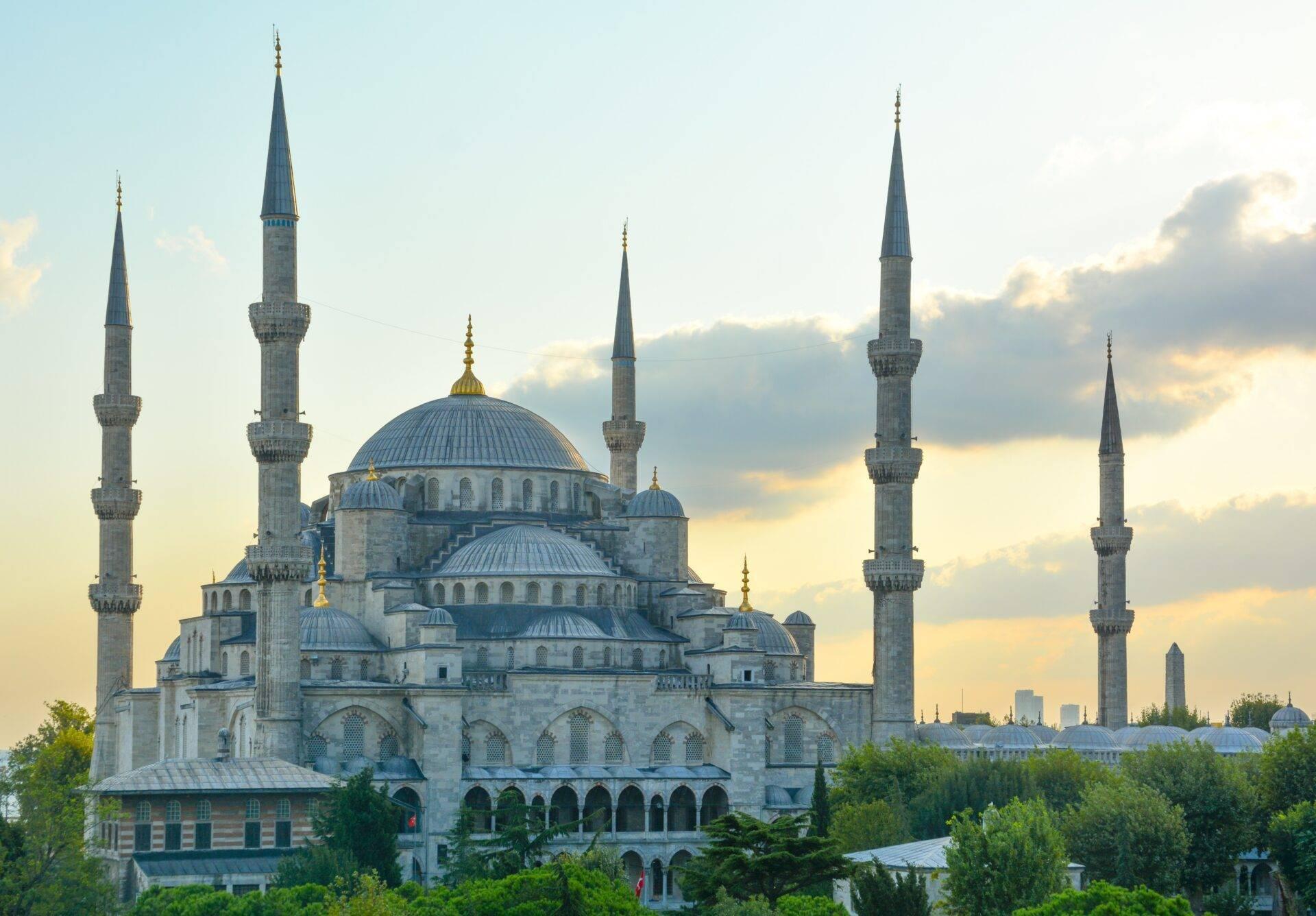
Topkapi Palace: the seat of the Ottoman Empire
For four centuries, Topkapi Palace was the nerve centre of the Ottoman Empire. Perched on Seraglio Point with sweeping views over the Bosphorus and the Sea of Marmara, it now houses the imperial treasury, Islamic relics and the famous harem. Allow at least two hours, more if you plan to visit every pavilion.
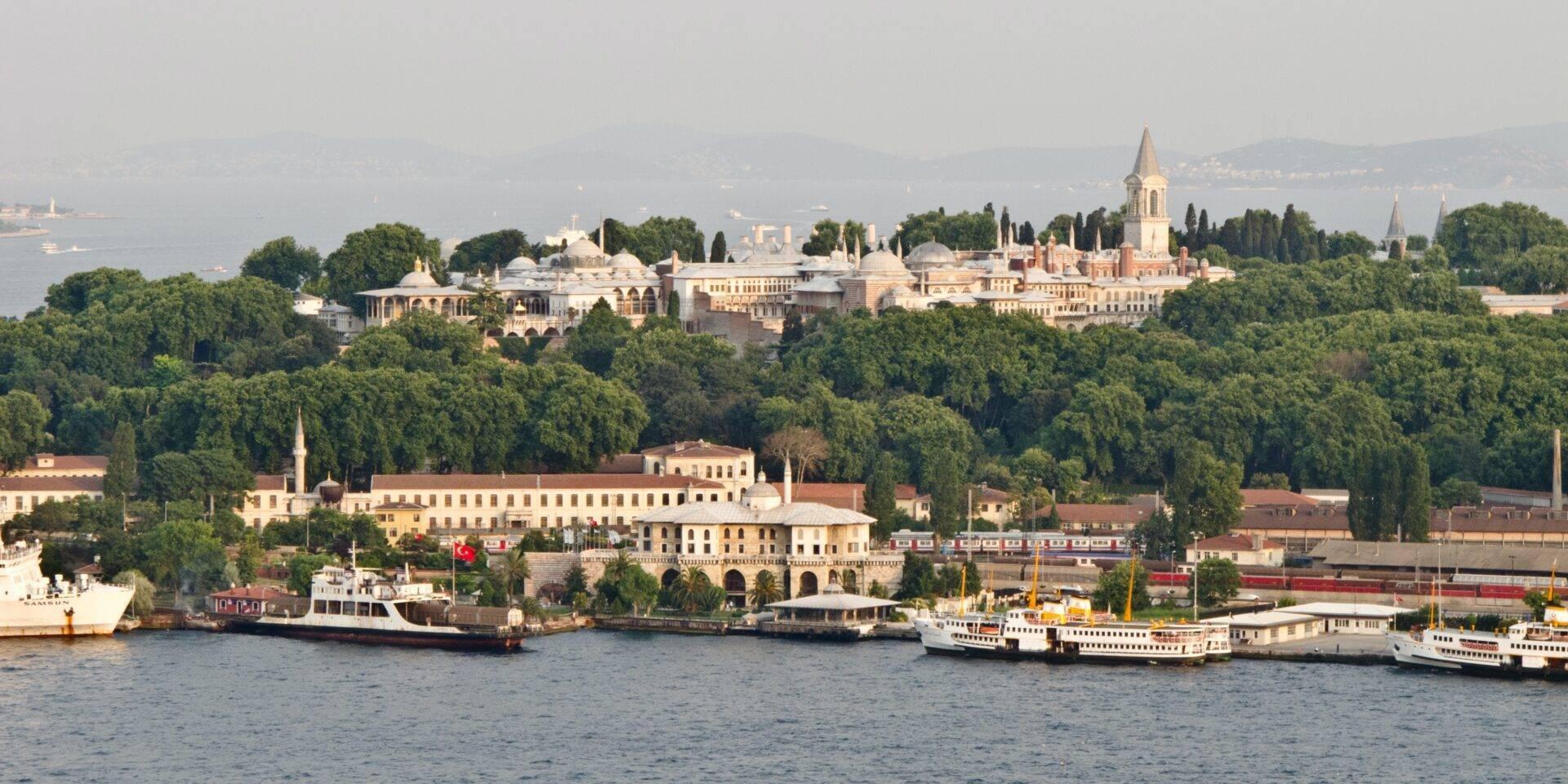
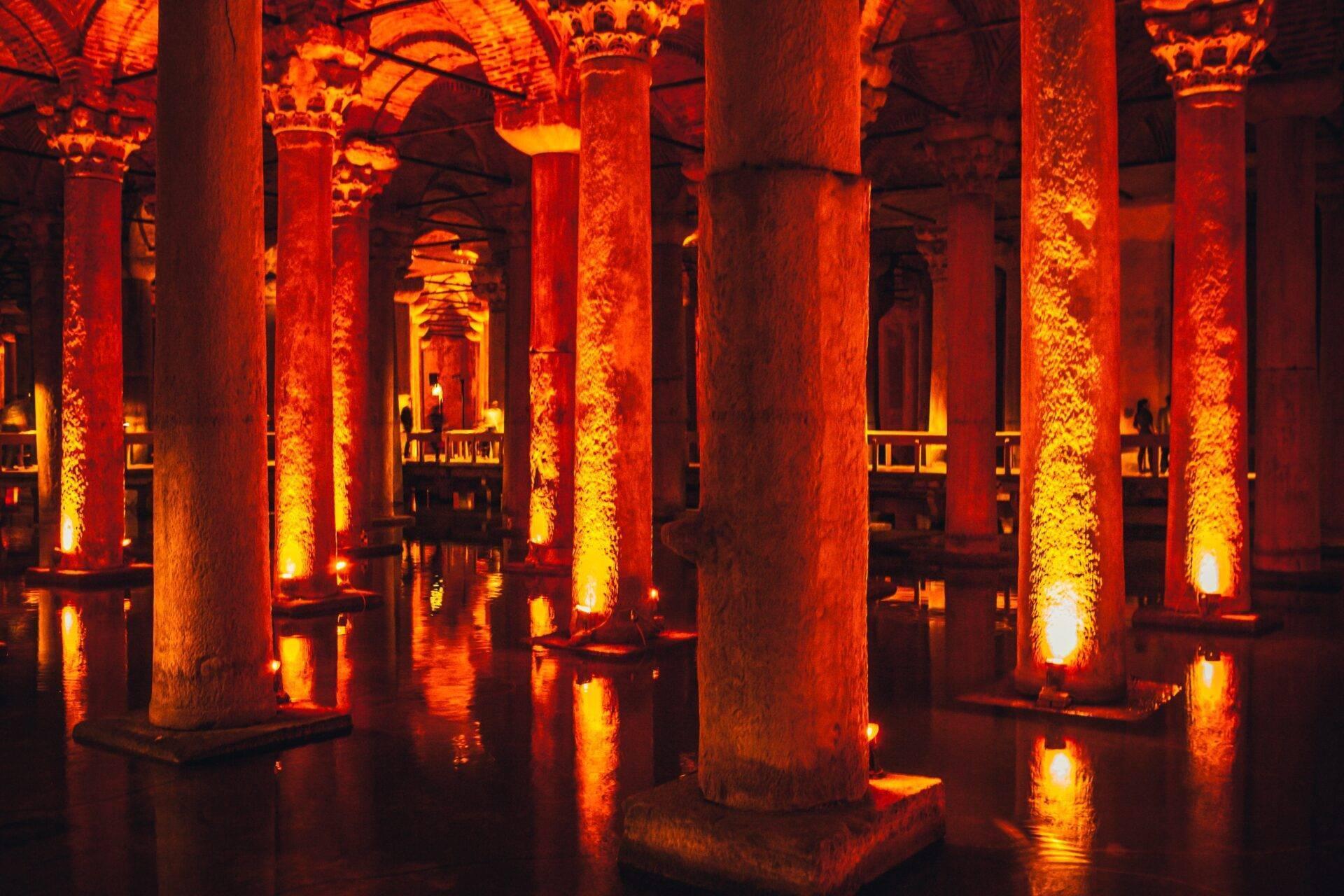
The Basilica Cistern: an underground world beneath Sultanahmet
Built under Justinian I in the 6th century to supply the imperial palaces with water, the Basilica Cistern (Yerebatan Sarnıcı) spreads across less than a hectare buried beneath the feet of Sultanahmet’s visitors. Its 336 marble columns, two of which rest on capitals carved with Medusa heads, create a timeless subterranean atmosphere. The ambient lighting picks out the reflections of water on the brick vaulting above.
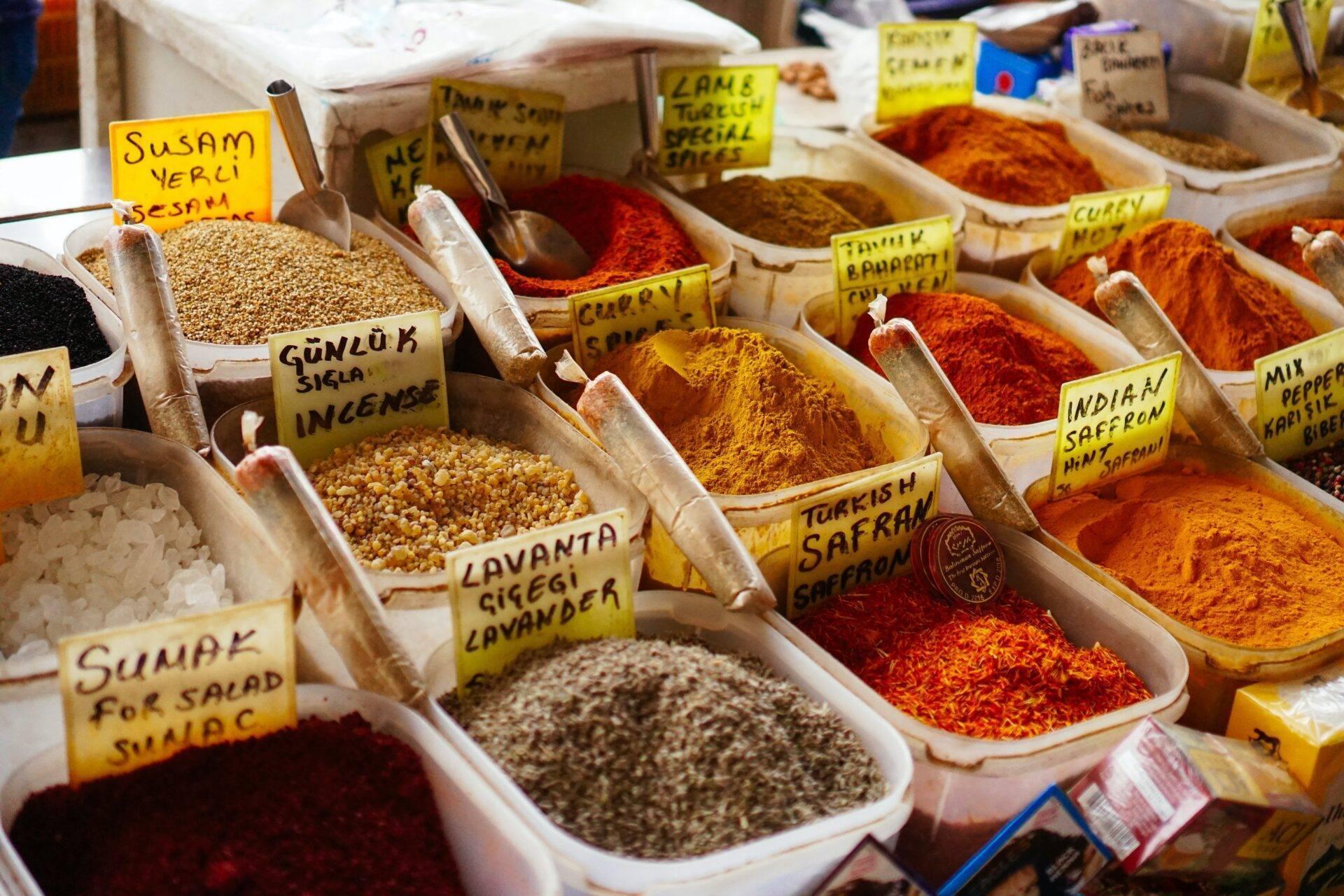
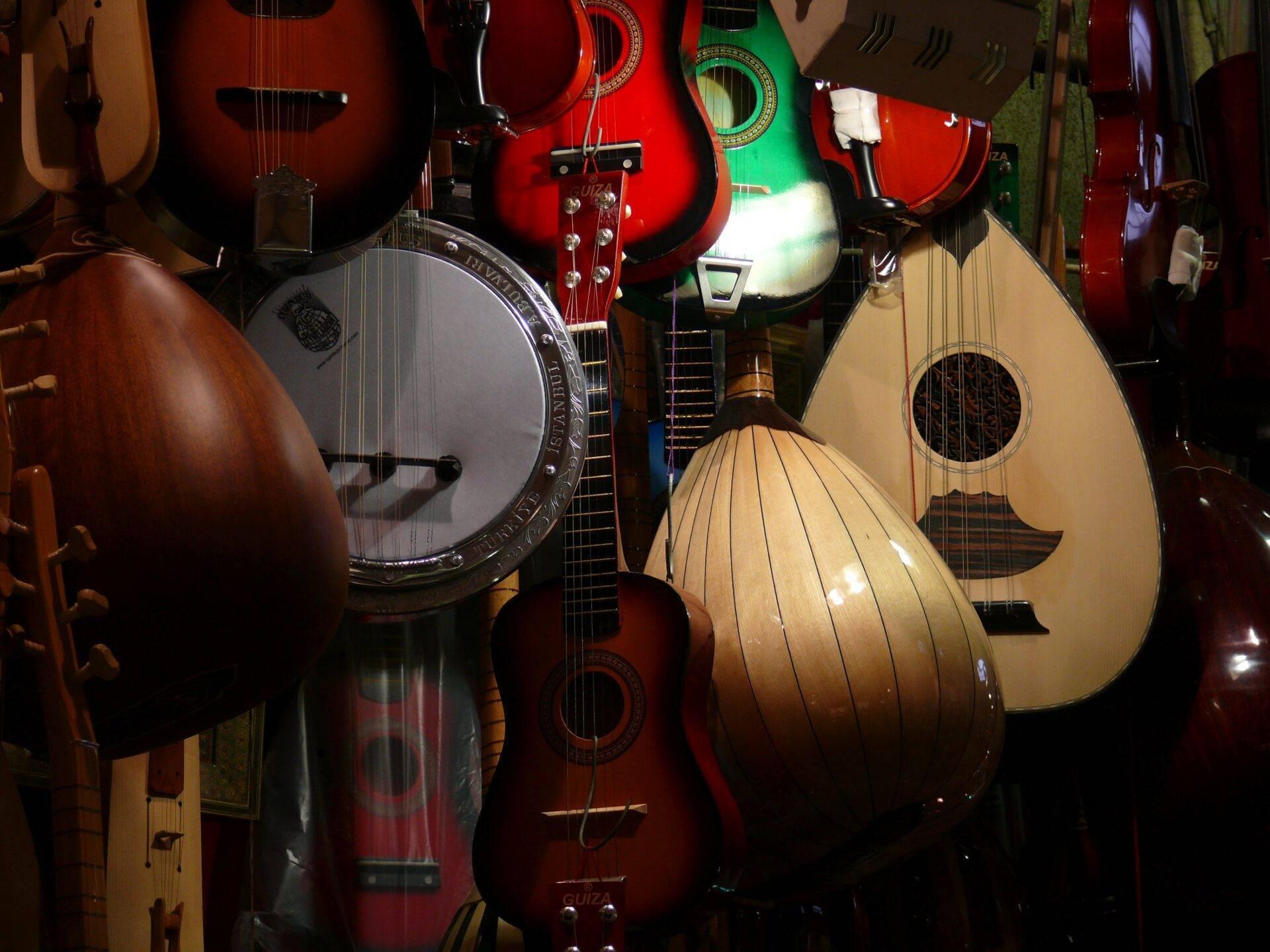
The Grand Bazaar: spices, ceramics and instruments
Built from 1455 onwards by Mehmed II, shortly after the Ottoman conquest of Constantinople, the Grand Bazaar spans more than 4,000 shops along 61 covered streets. Rather than trying to cover everything, pick a focus: spices and dried fruits at the nearby Egyptian Bazaar (Mısır Çarşısı), Iznik ceramics in the specialist galleries, or traditional craftsmanship in the streets dedicated to musical instruments.
Cappadocia: caves, valleys and hot-air balloons
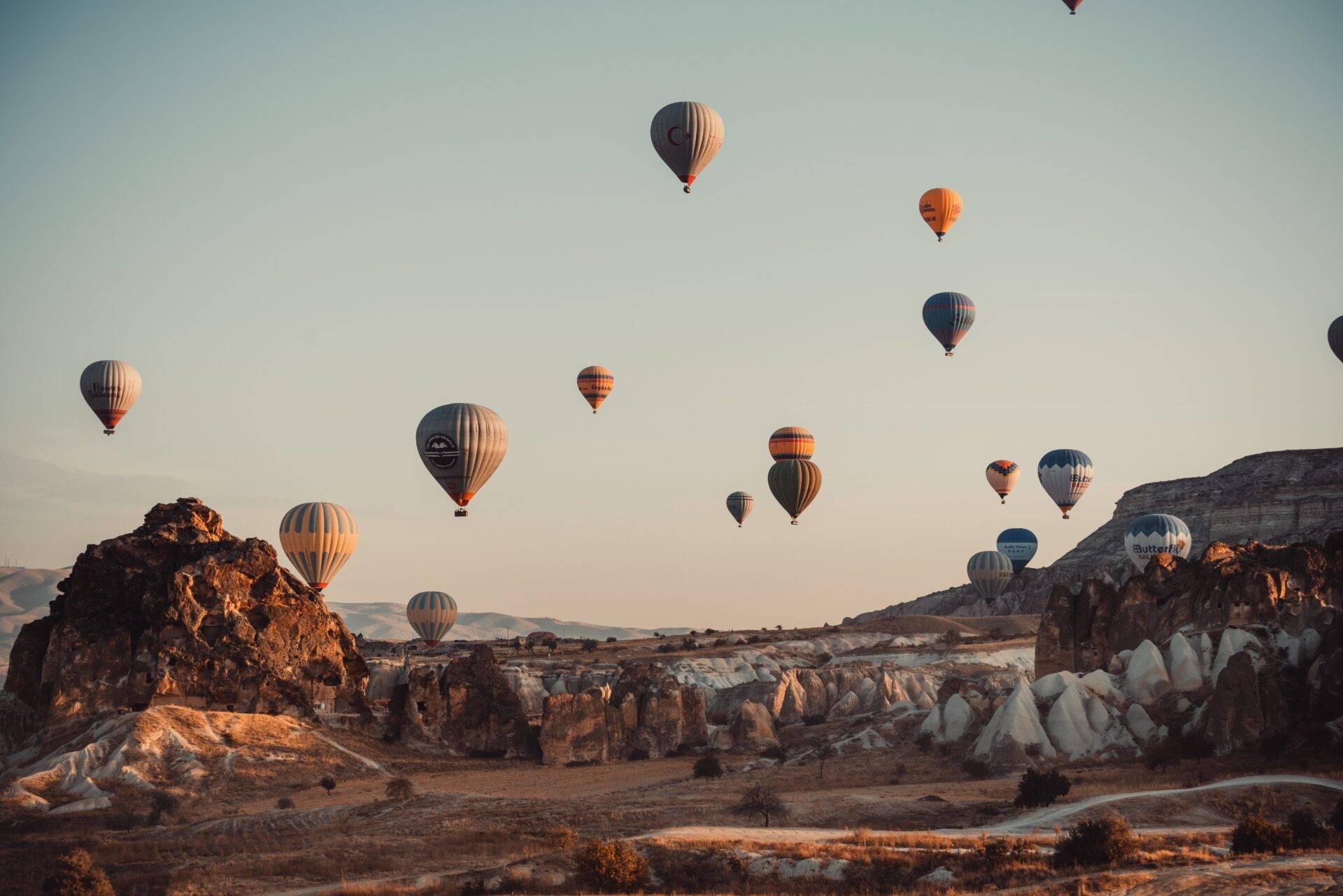
Shaped by millions of years of volcanic ash erosion, Cappadocia offers landscapes unlike anything else in Turkey. Göreme, a UNESCO World Heritage Site, brings together fairy chimneys, cave dwellings and rock-cut churches decorated with Byzantine frescoes.
A hot-air balloon flight at dawn remains the most sought-after experience in the region: colourful envelopes rise above the pink tufa as the sun lights up the valleys below. Hiking through Love Valley or the Rose Valley offers a quieter alternative that is every bit as spectacular.
The Aegean Coast: Ephesus, ancient ruins and Bodrum
The Turkish Aegean coast is one of the richest archaeological stretches in the world. Dozens of sites line the route between Izmir and Bodrum, often set among dry hills and Mediterranean scrubland.
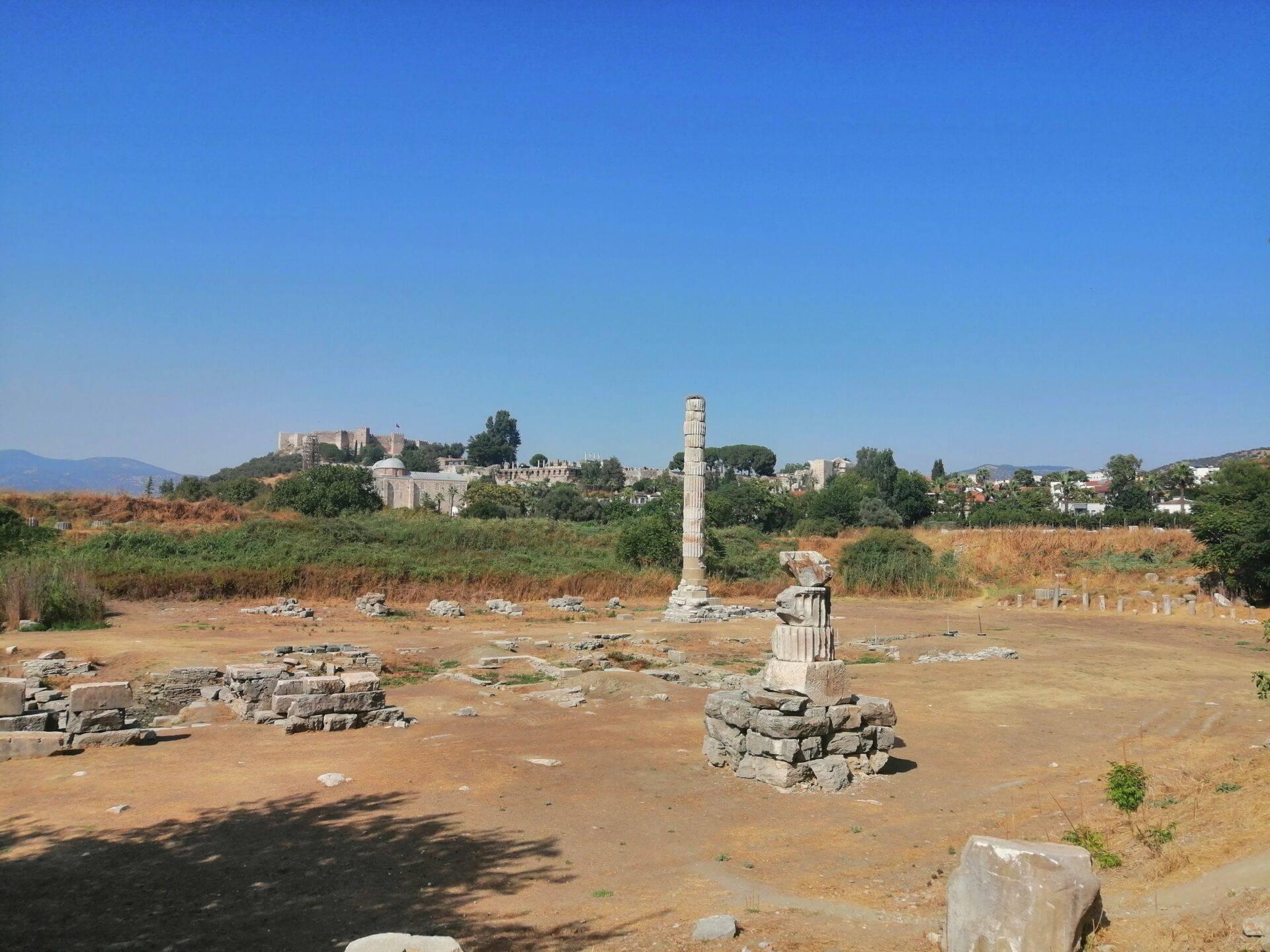
Ephesus: Turkey’s Pompeii
Some 80 km south of Izmir, Ephesus is one of the best-preserved Roman archaeological sites in the world, added to the UNESCO World Heritage List in 2015. The Library of Celsus, built between AD 117 and 135, was the third largest library of antiquity after Alexandria and Pergamum, with a capacity of 12,000 scrolls. The great theatre, one of the largest in the ancient world, held up to 24,000 spectators. Arrive before 9 am to beat the tour groups.
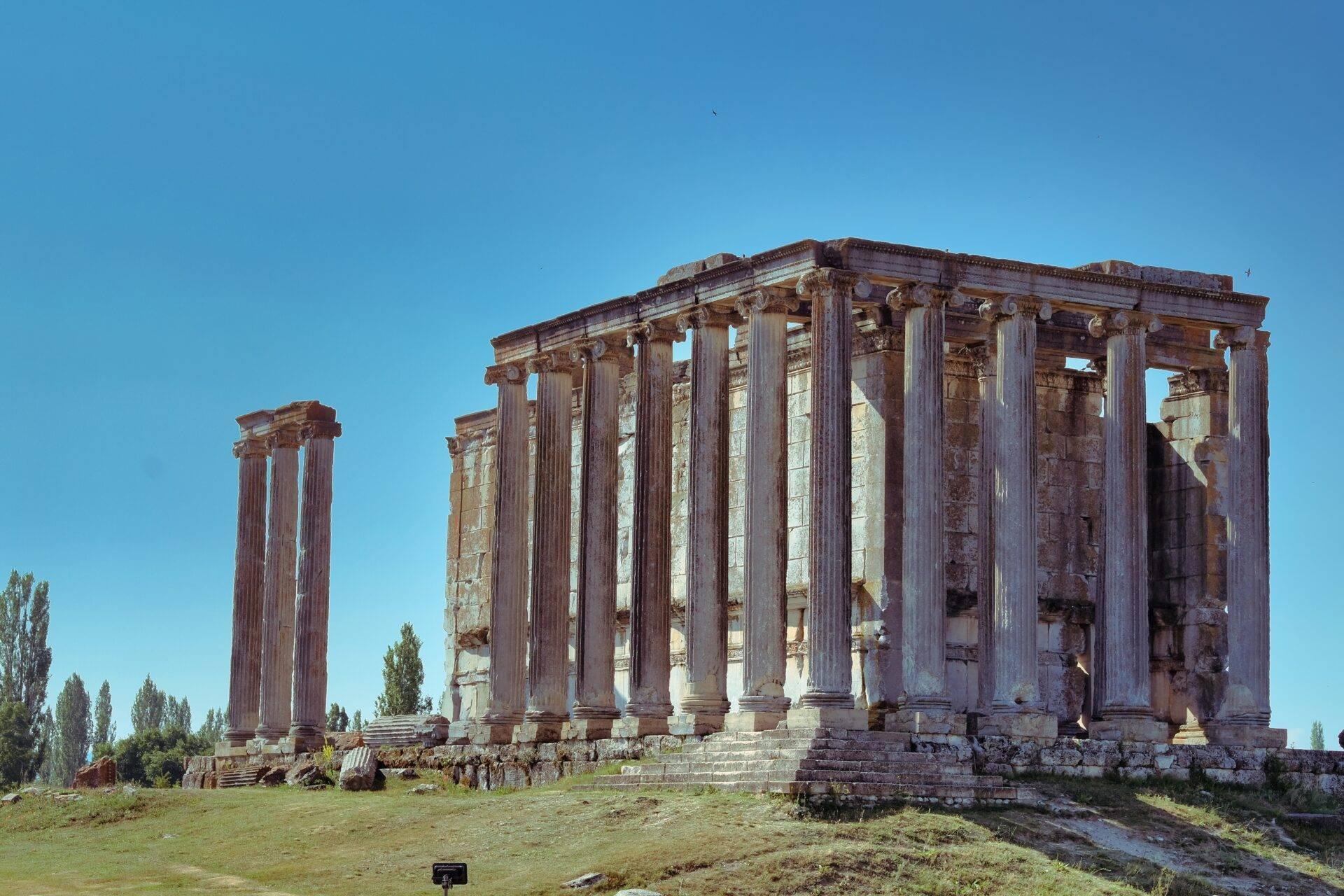
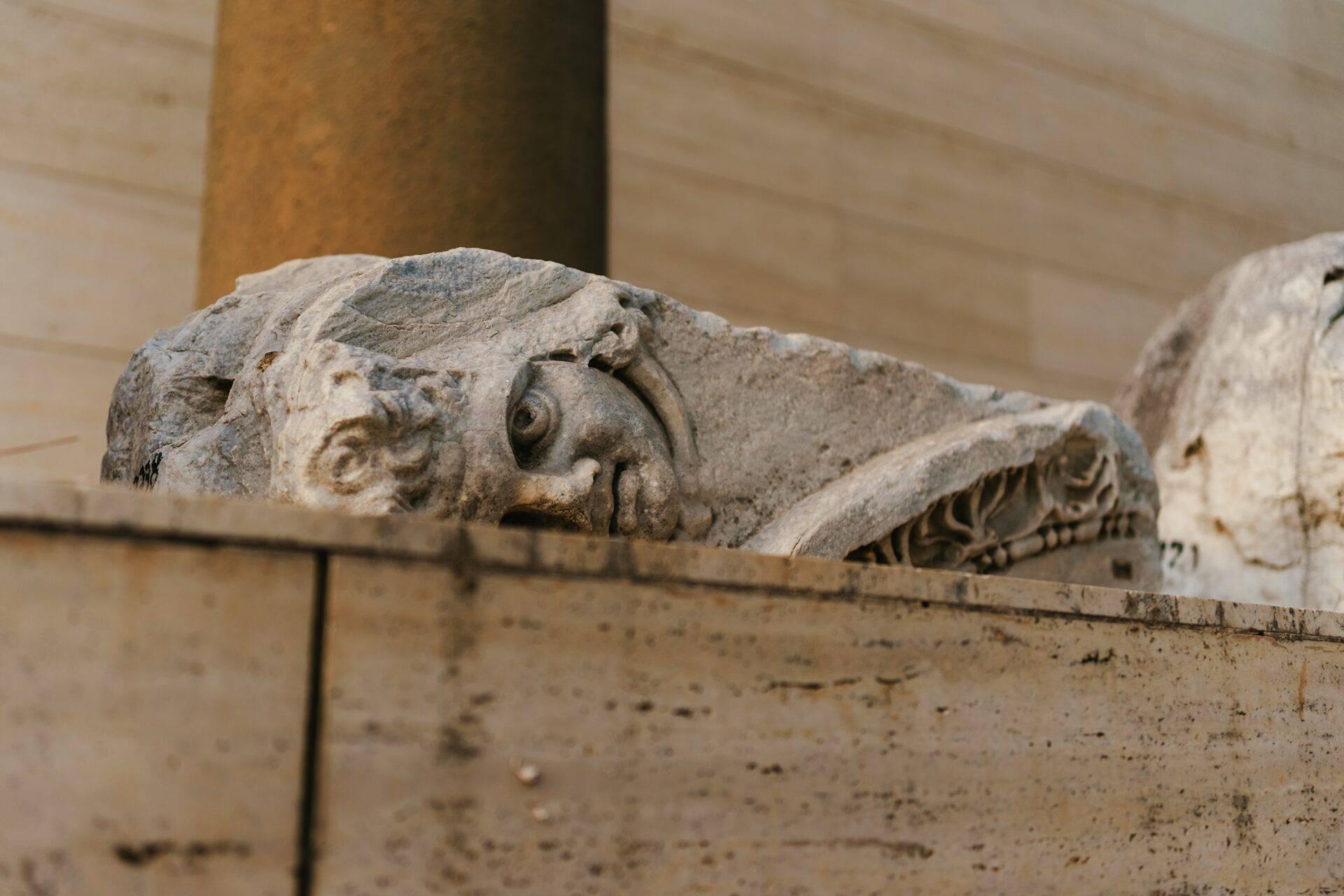
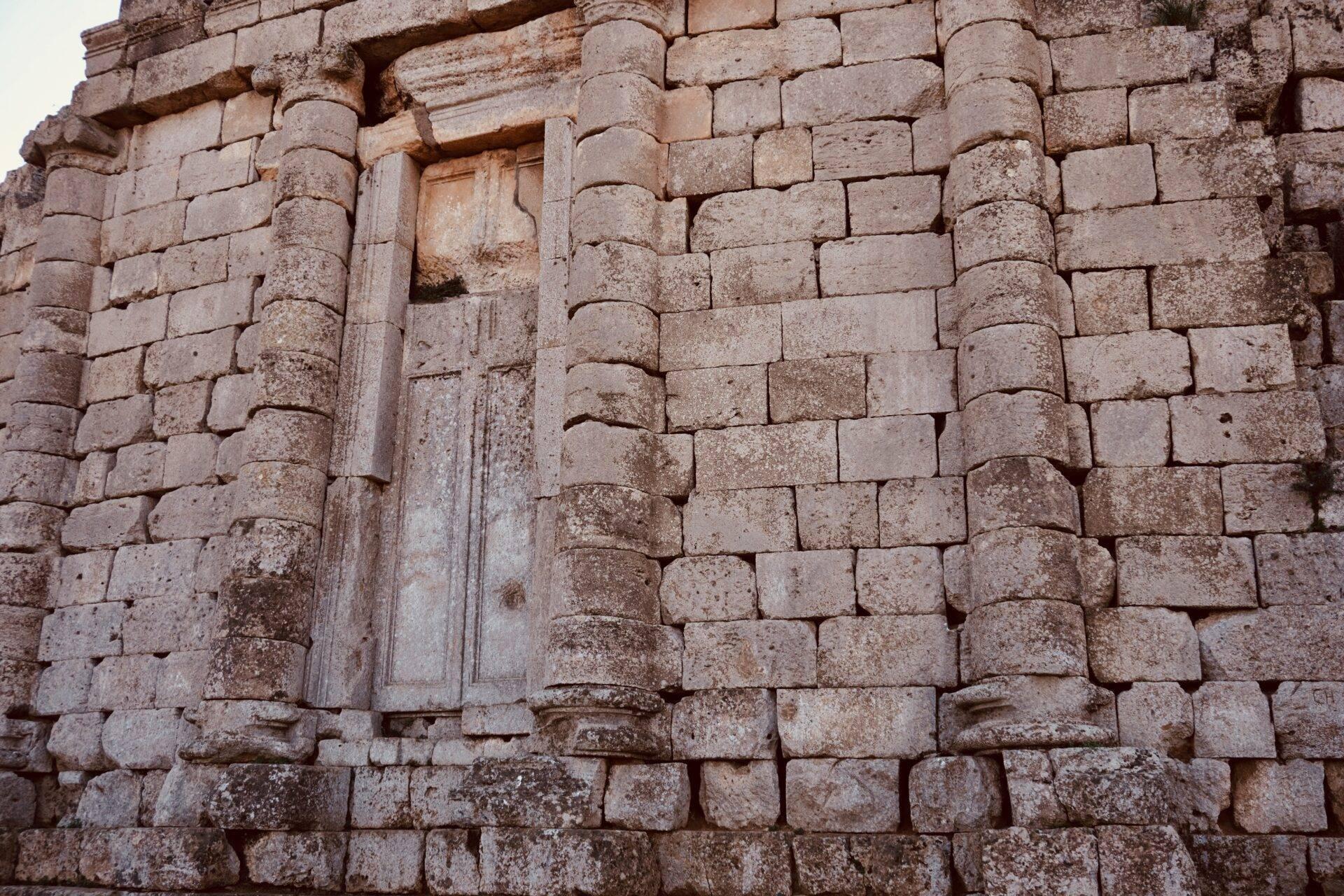
The region also hides lesser-visited sites that rushed travellers rarely reach, yet they are every bit as spectacular:
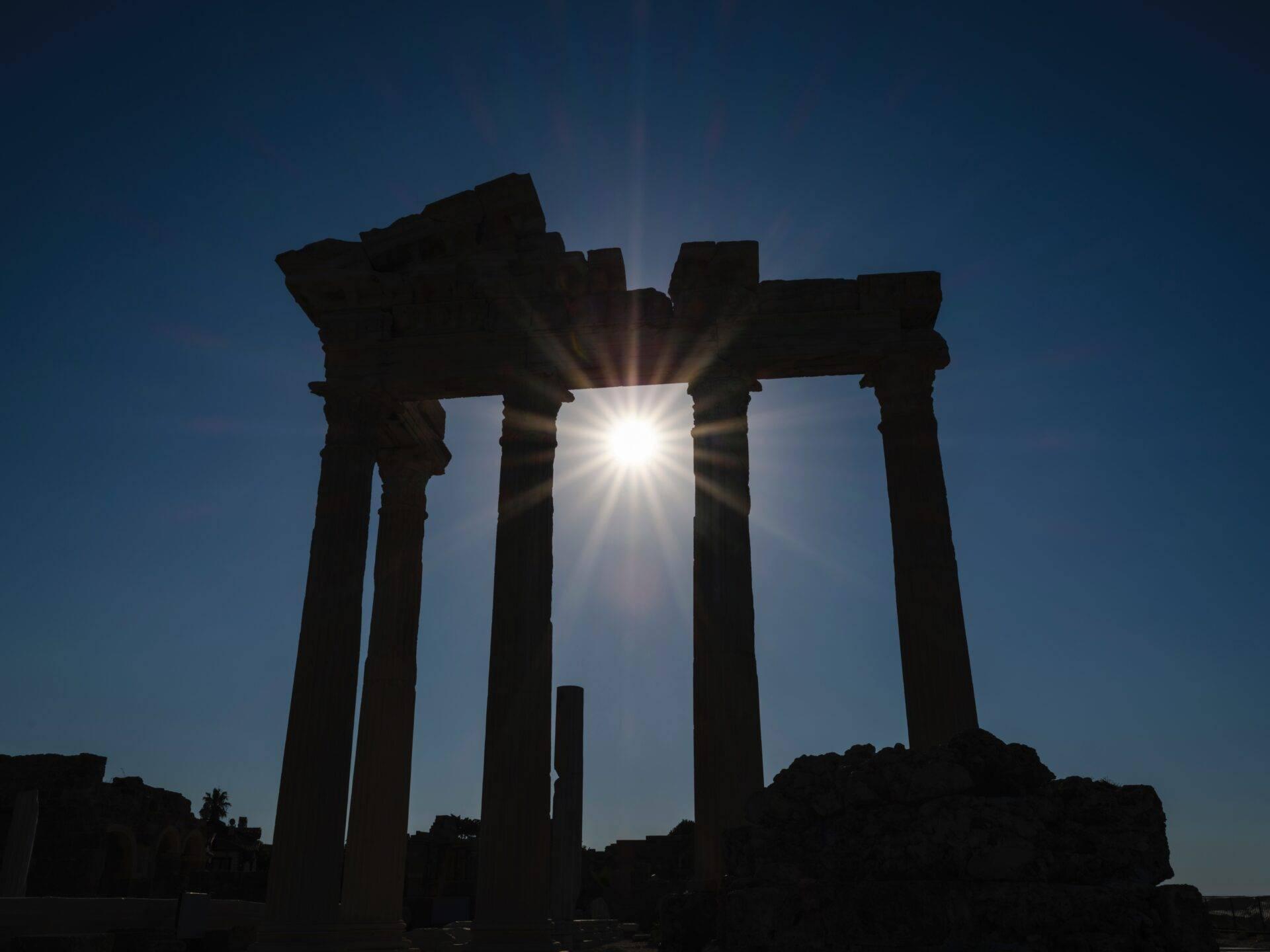
Bodrum and the Castle of St Peter
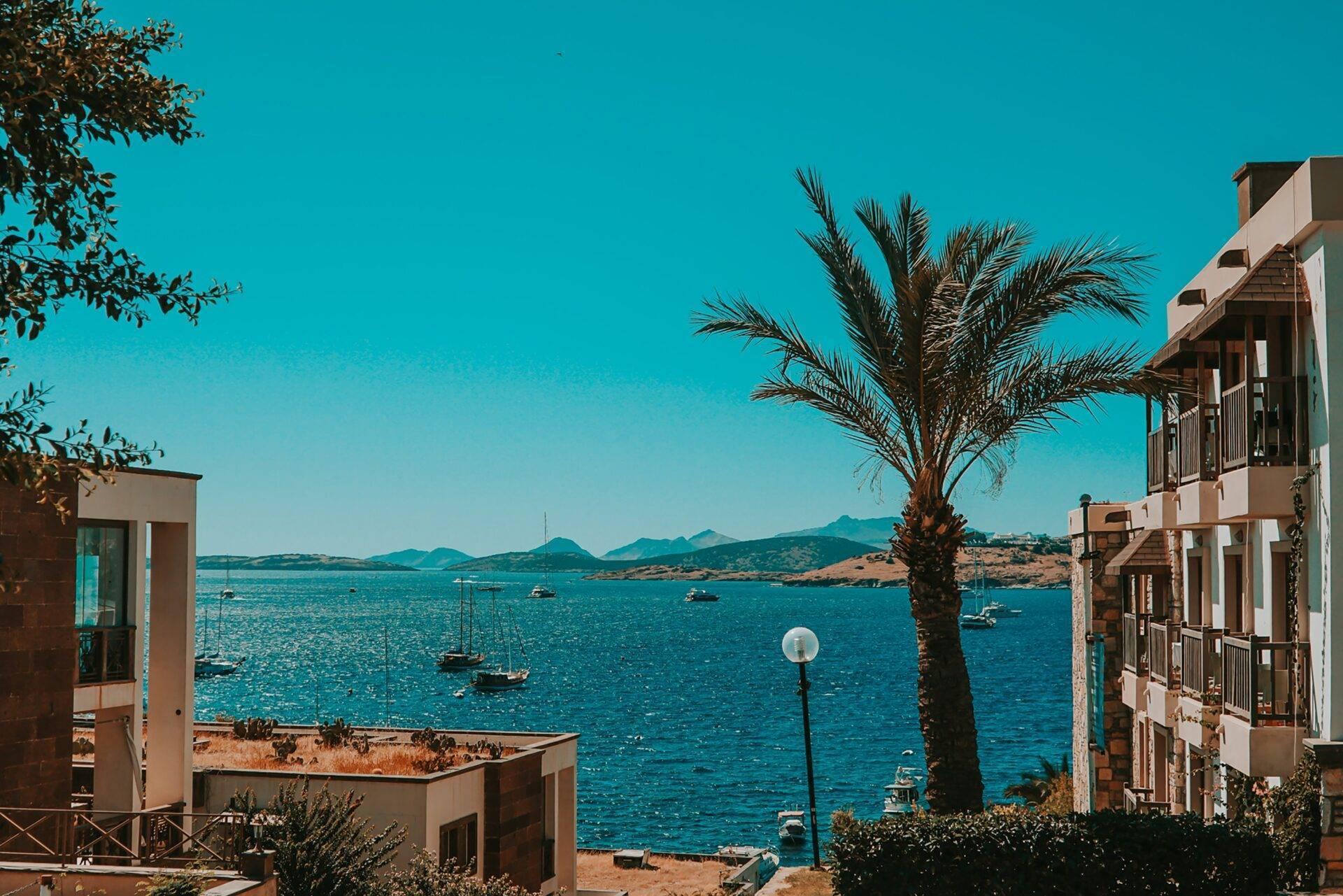
At the tip of the Bodrum Peninsula, the Castle of St Peter, built by the Knights of Rhodes at the start of the 15th century, houses an underwater archaeology museum. Among its highlights are remains from the Uluburun shipwreck, a 14th-century BC merchant vessel and one of the oldest commercial wrecks ever excavated. The castle overlooks a bay of turquoise water with views across to the nearby Greek islands.
The Mediterranean Coast: Antalya, Lycia and waterfalls
The Lycian rock tombs
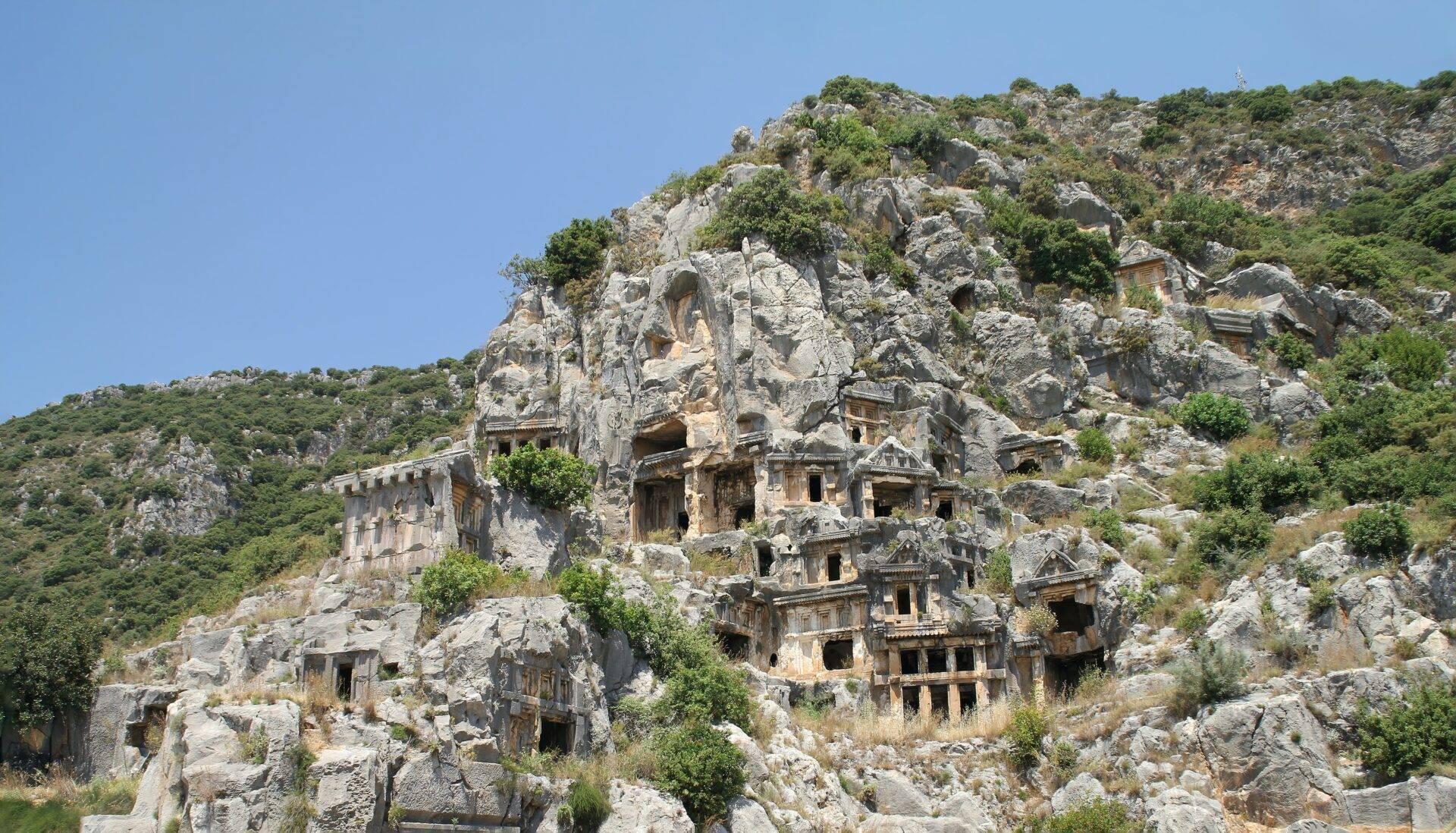
Carved into the cliffsides between the 6th and 4th centuries BC, the Lycian tombs at Myra and Dalyan rank among the most striking sights on the Turkish coast. Their sculpted facades mimic the homes of the living. At Dalyan, you can view them from a boat on the river, with the added bonus of spotting Caretta caretta sea turtles.
The Düden Falls: where the river meets the sea
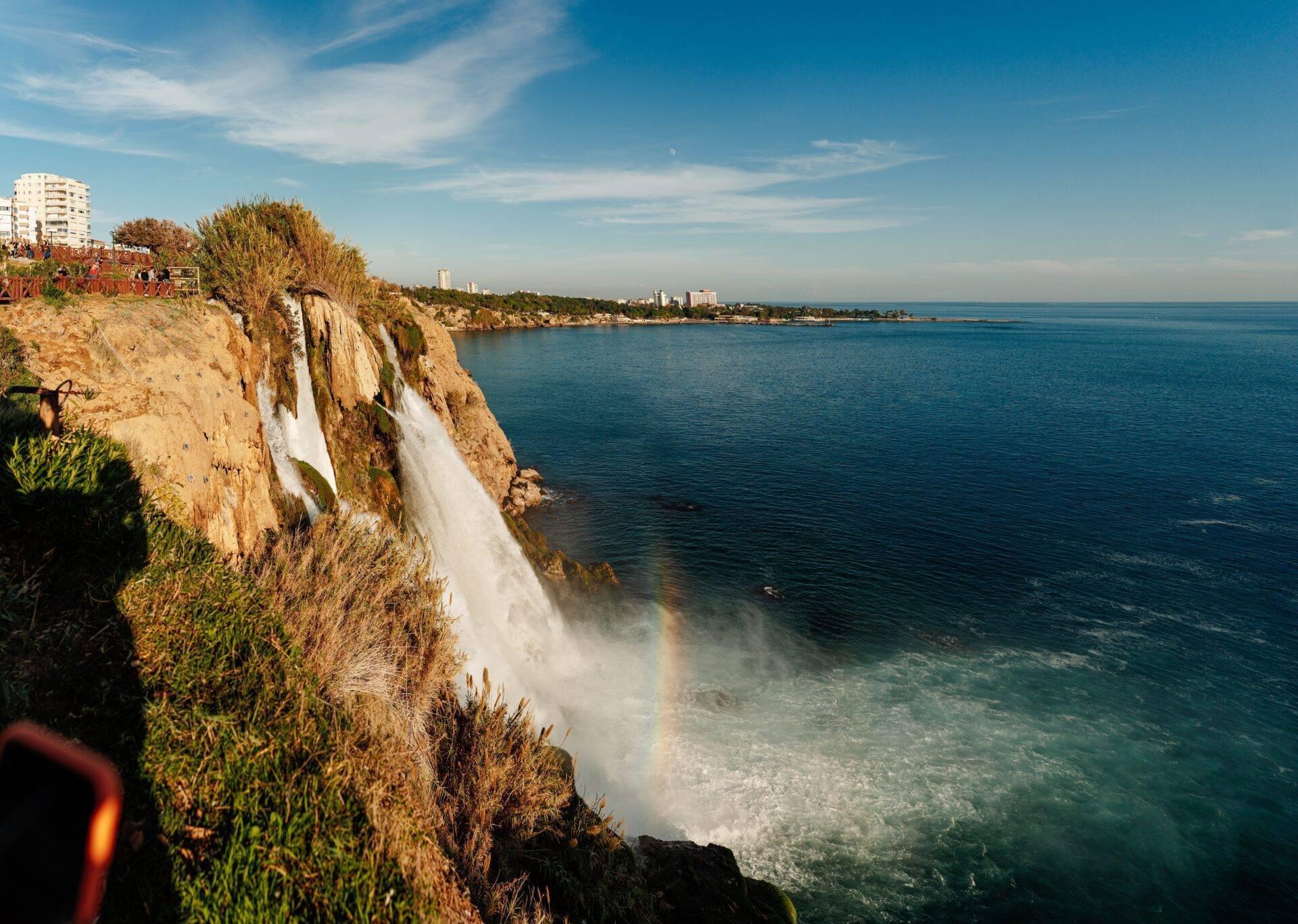
In Antalya, the Düden River plunges straight off a cliff into the Mediterranean. The lower falls, accessible by boat from the sea, deliver a rare experience: sailing beneath a coastal waterfall right at the edge of the Mediterranean.
The Manavgat Falls
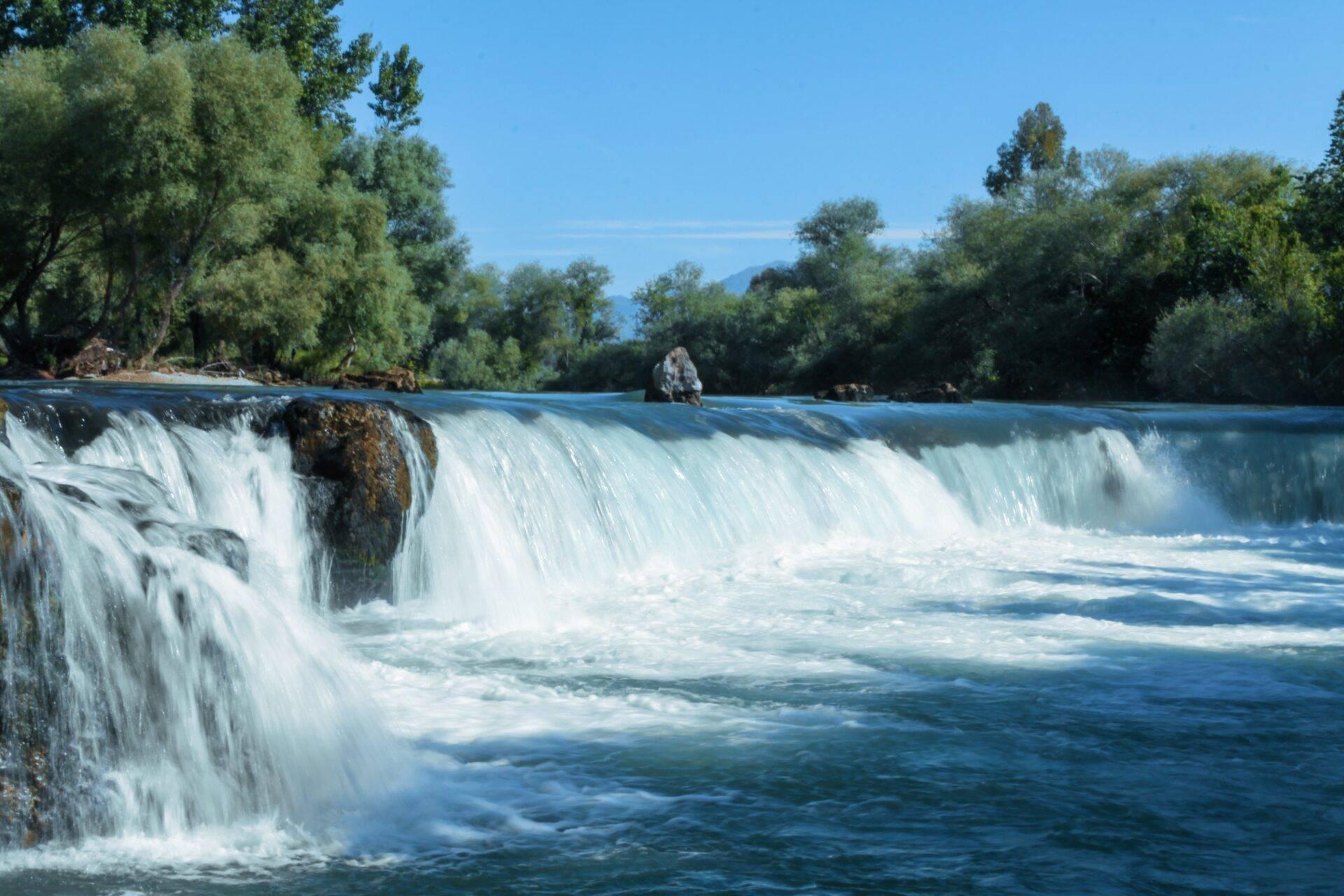
A few kilometres from the town of Manavgat, the river spills into a wide cascade amid dense greenery and turquoise water. You can reach it by boat from town, and a nearby local market sells regional produce.
Pamukkale: Turkey’s white terraces
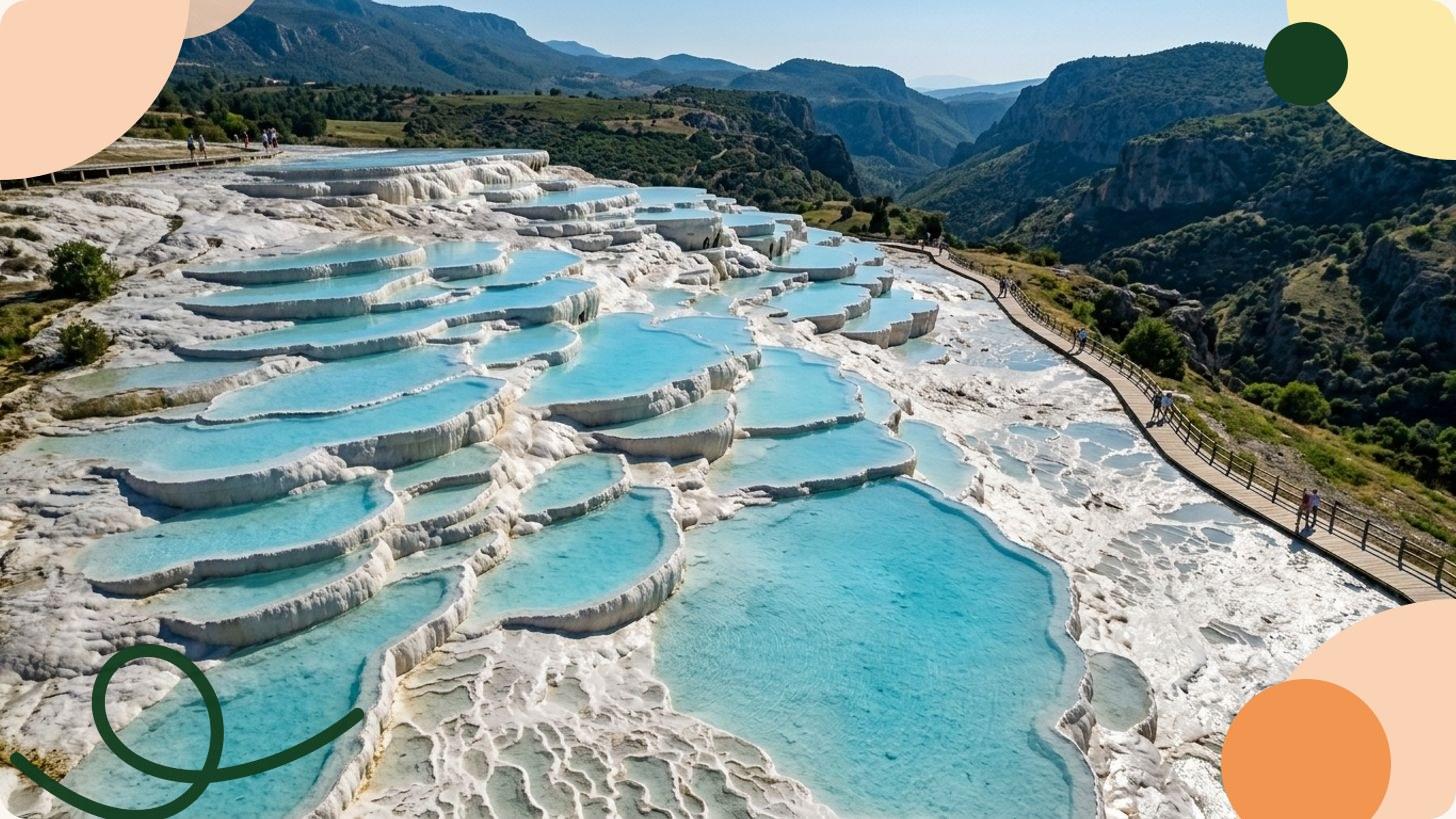
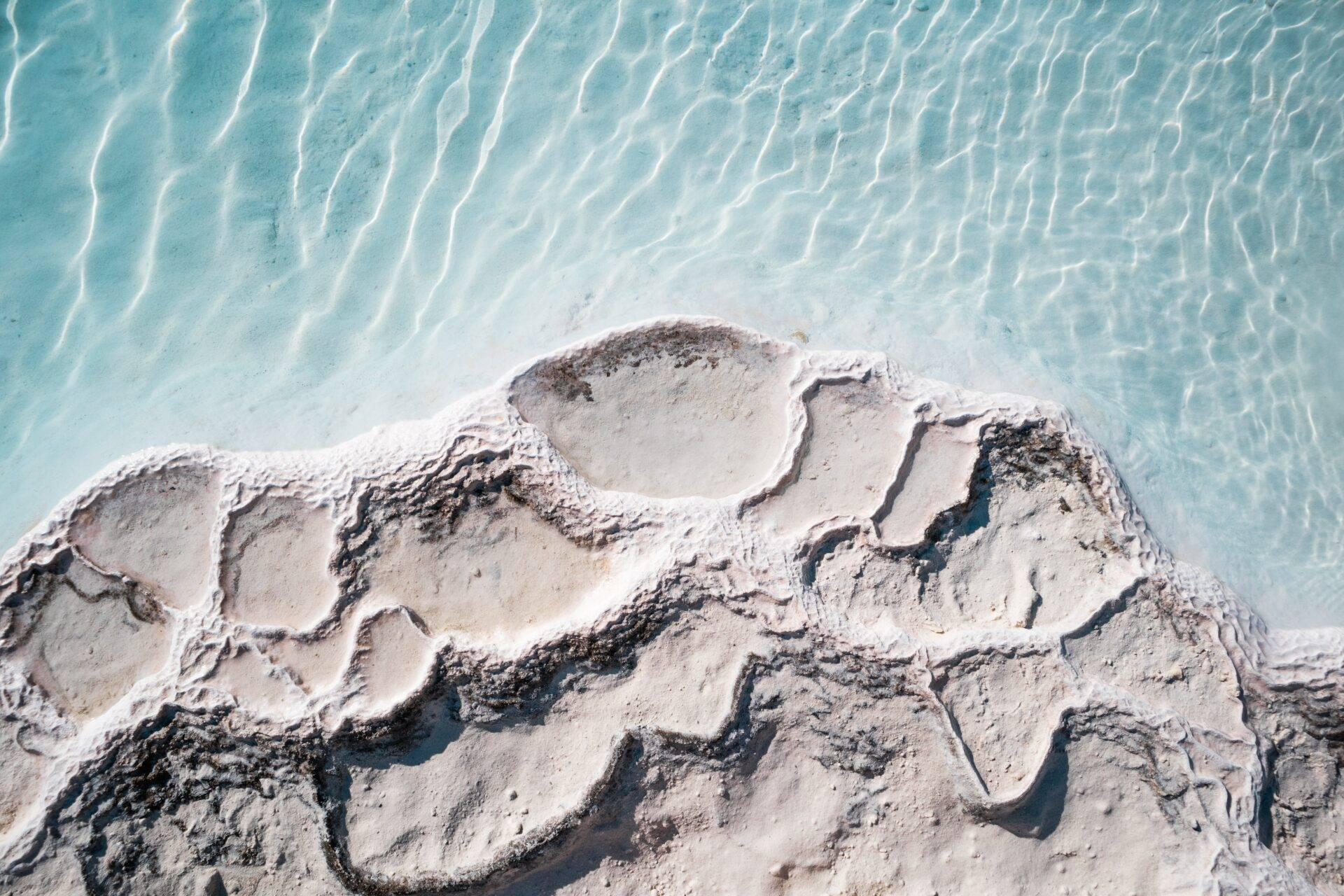
Pamukkale, which translates as ‘cotton castle’ in Turkish, is a formation of white travertine fed by hot springs rich in calcium carbonate. These deposits, built up over millennia, form terraces along a hillside roughly 2,700 metres long. The site has been a UNESCO World Heritage Site since 1988, jointly designated with the adjacent ancient city of Hierapolis. Some of the natural pools are open for bathing; other sections are now closed to protect the travertine.
Museums: Anatolia through the ages
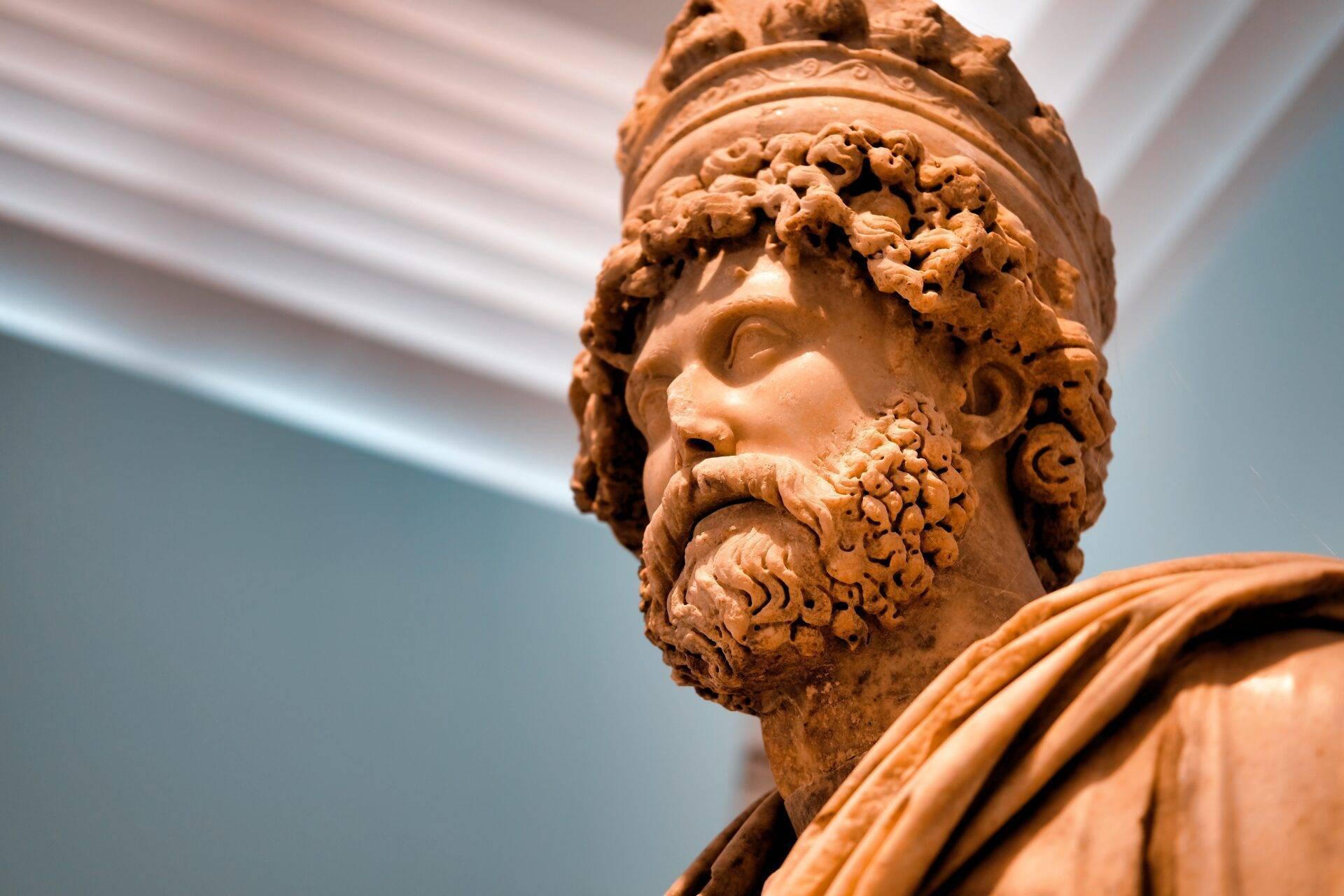
The Museum of Anatolian Civilisations in Ankara holds one of the richest archaeological collections in the Near East. It brings together pieces spanning the Neolithic to the Ottoman period: Hittite ceramics, Phrygian sculptures, Lydian jewellery, and Roman and Byzantine artefacts, arranged across seven chronological sections.
Turkey shares an exceptional ancient heritage with its Mediterranean neighbours. To extend your exploration into the eastern Mediterranean, our guide to things to do in Greece covers a destination with a complementary cultural legacy.
FAQ
When is the best time to visit Turkey?
Spring (April to June) and autumn (September to October) offer the most comfortable weather with fewer crowds at the main sites. Summer on the coast is still enjoyable, but temperatures inland regularly top 35 °C, and archaeological sites such as Ephesus get very busy in July and August.
How many days do you need to visit Turkey?
A week is enough for Istanbul (3 days) and Cappadocia (3 days), with a domestic flight in between. Two weeks allow you to add the Aegean coast (Ephesus, Bodrum) or the Mediterranean coast (Antalya, Pamukkale). A month opens the door to eastern Turkey and its lesser-known regions.
How far in advance should you book a hot-air balloon in Cappadocia?
In peak season (May to June and September to October), booking two to four weeks ahead is advisable. Flights depend on weather conditions and can be cancelled on the morning of departure; operators generally offer a rebooking or a refund.
Do you need a guide to visit Ephesus?
No, the site is well signposted and an audio guide available at the entrance is enough for most visitors. A local guide does add detail on secondary monuments that the signs don’t mention, and helps you navigate around the busiest spots during tour group peak hours.
Do you need travel insurance for Turkey?
Turkey is not covered by the European Health Insurance Card. In the event of hospitalisation or repatriation, costs can be significant. Our Turkey travel insurance page sets out the cover you should check before you leave.