
Canada packs into a single country landscapes that elsewhere would span several continents: thundering waterfalls in Ontario, creative bilingual cities in Quebec, glacier-fed turquoise lakes in the Rockies, vast boreal forests and wild Pacific coastline. Here are twenty experiences and destinations to help you build the Canadian journey that suits you best.
Toronto: skyline, industrial heritage and world-class museums
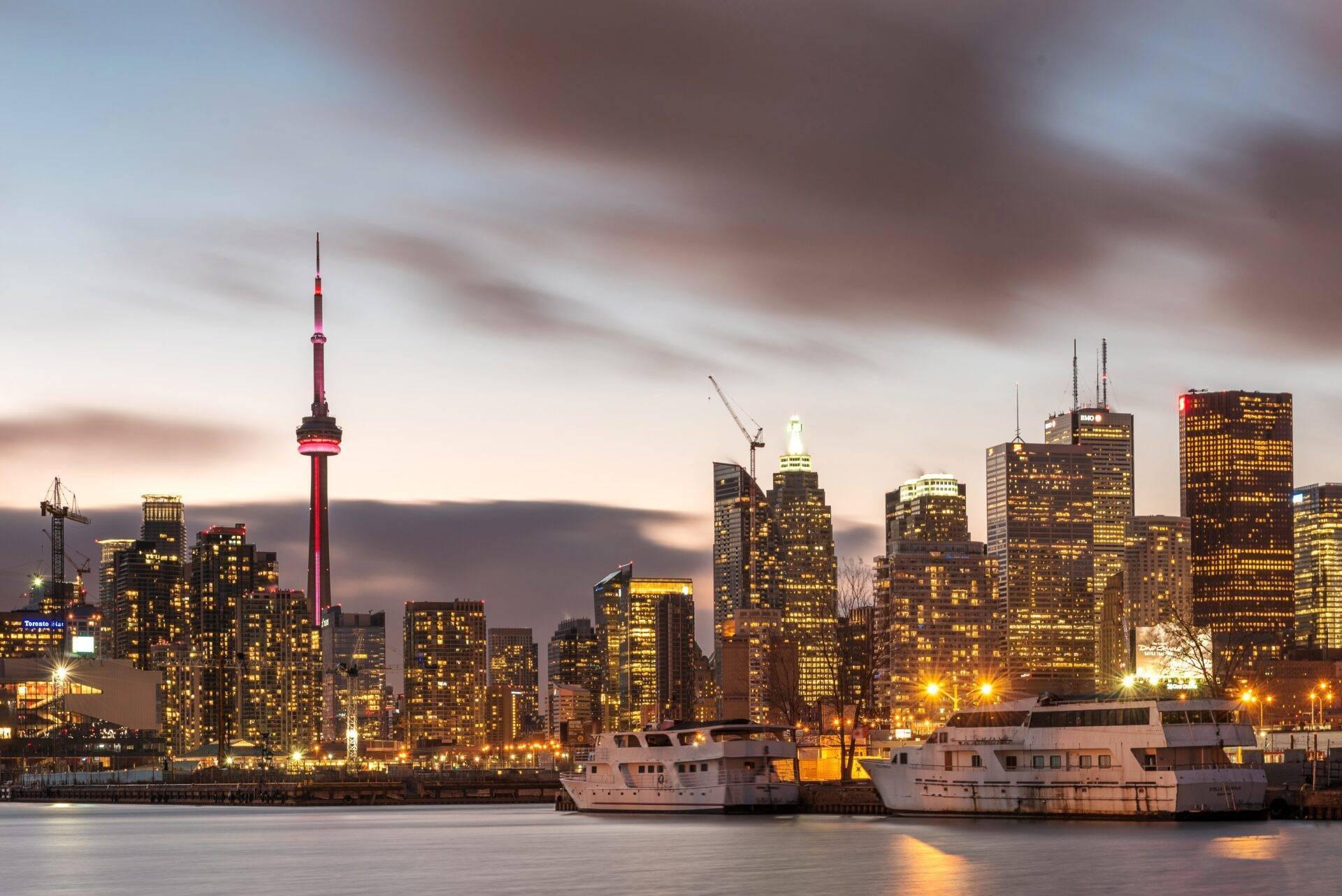
Toronto, Canada’s largest city, is anchored by the CN Tower (553 metres). From the observation deck at 447 metres, the view stretches across Lake Ontario and the city’s dense skyline in every direction. For those unbothered by heights, a glass floor suspended in mid-air adds an extra dimension to the experience.
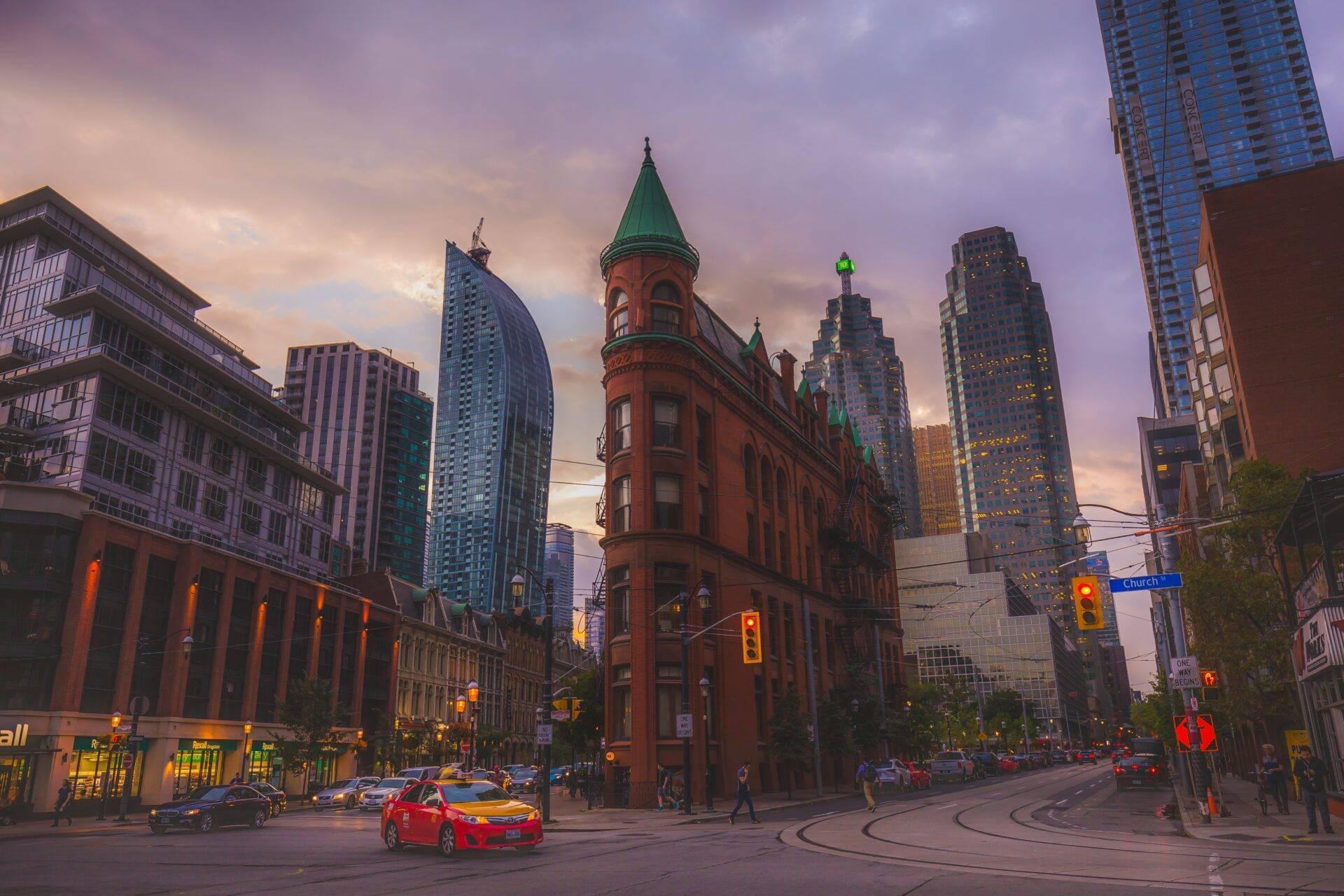
The Distillery Historic District is another highlight: a labyrinth of cobbled lanes framed by Victorian red-brick warehouses, now converted into galleries, restaurants and craft shops. The whole area is easily explored on foot in half a day, with no advance planning required.
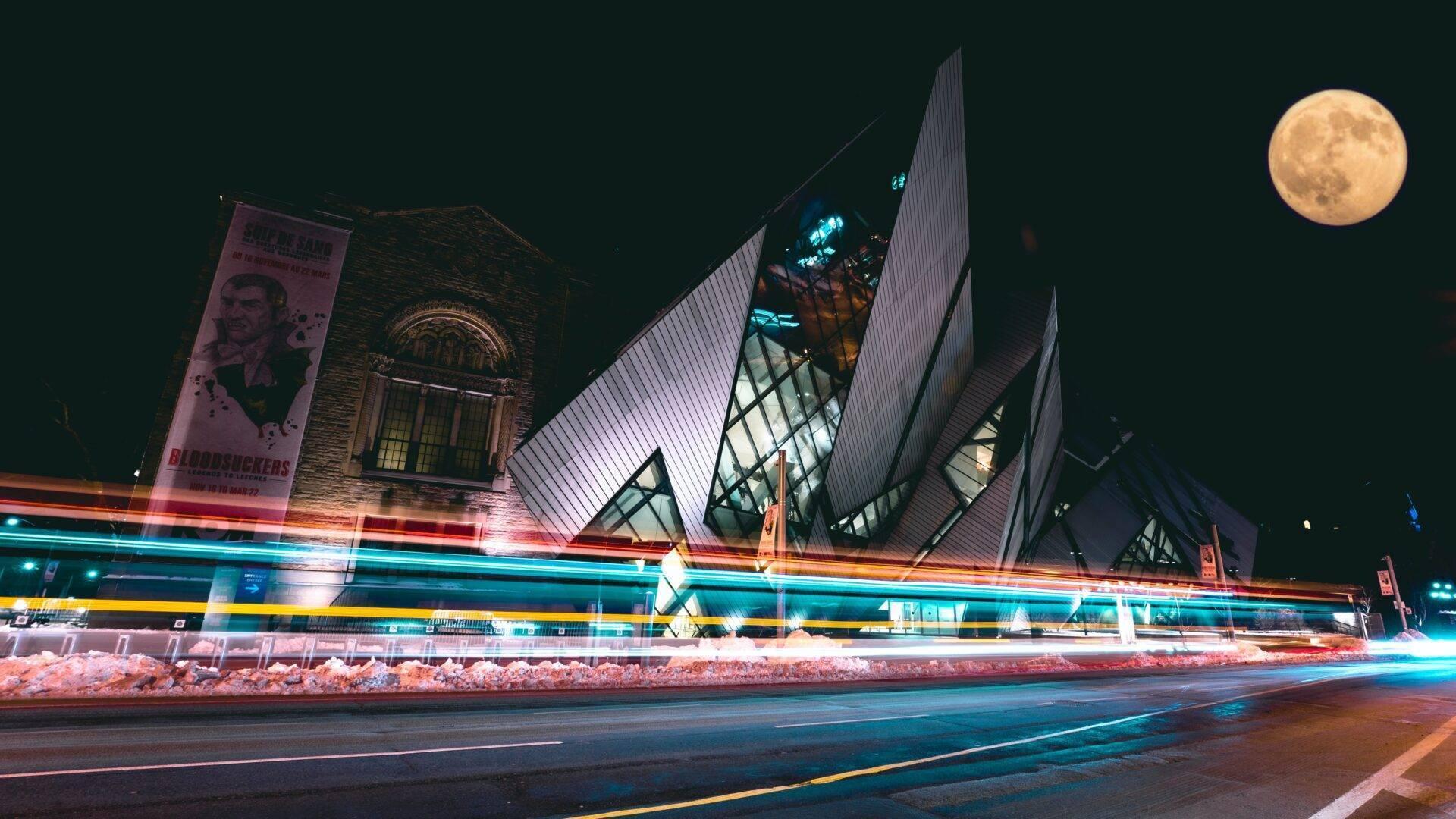
The Royal Ontario Museum (ROM), recognisable by its crystal-form extension designed by architect Daniel Libeskind, brings together natural history, archaeology and Asian arts under one roof. It ranks among the ten largest museums in North America.
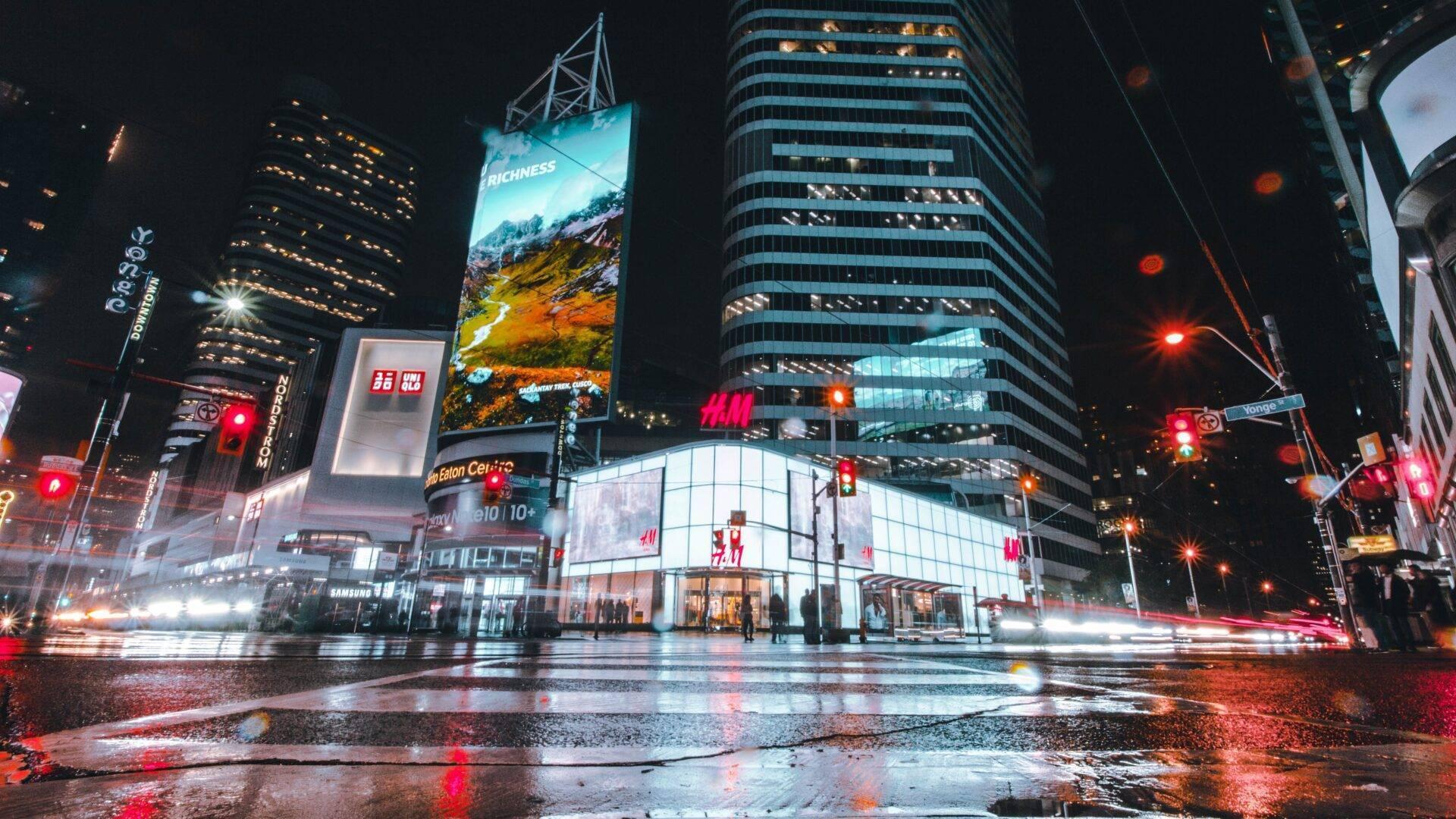
Yonge-Dundas Square, at the junction of the city’s two main arteries, buzzes with energy after dark: giant screens, restaurants from every corner of the globe and impromptu concerts. For a detailed day-by-day itinerary, see our guide things to do in Toronto.
Montreal: bilingual, creative and seriously good food

Montreal occupies a unique place in Canada: a French-speaking city on an English-speaking continent, it blends historic neighbourhoods, an internationally acclaimed music scene and a food culture that punches well above its weight. The Plateau-Mont-Royal, with its brightly painted duplexes and lively terraces, is just as rewarding in July (Jazz Festival, Francos) as it is in the depths of winter. Old Montreal, its cobbled lanes and the Notre-Dame Basilica round out the visit.
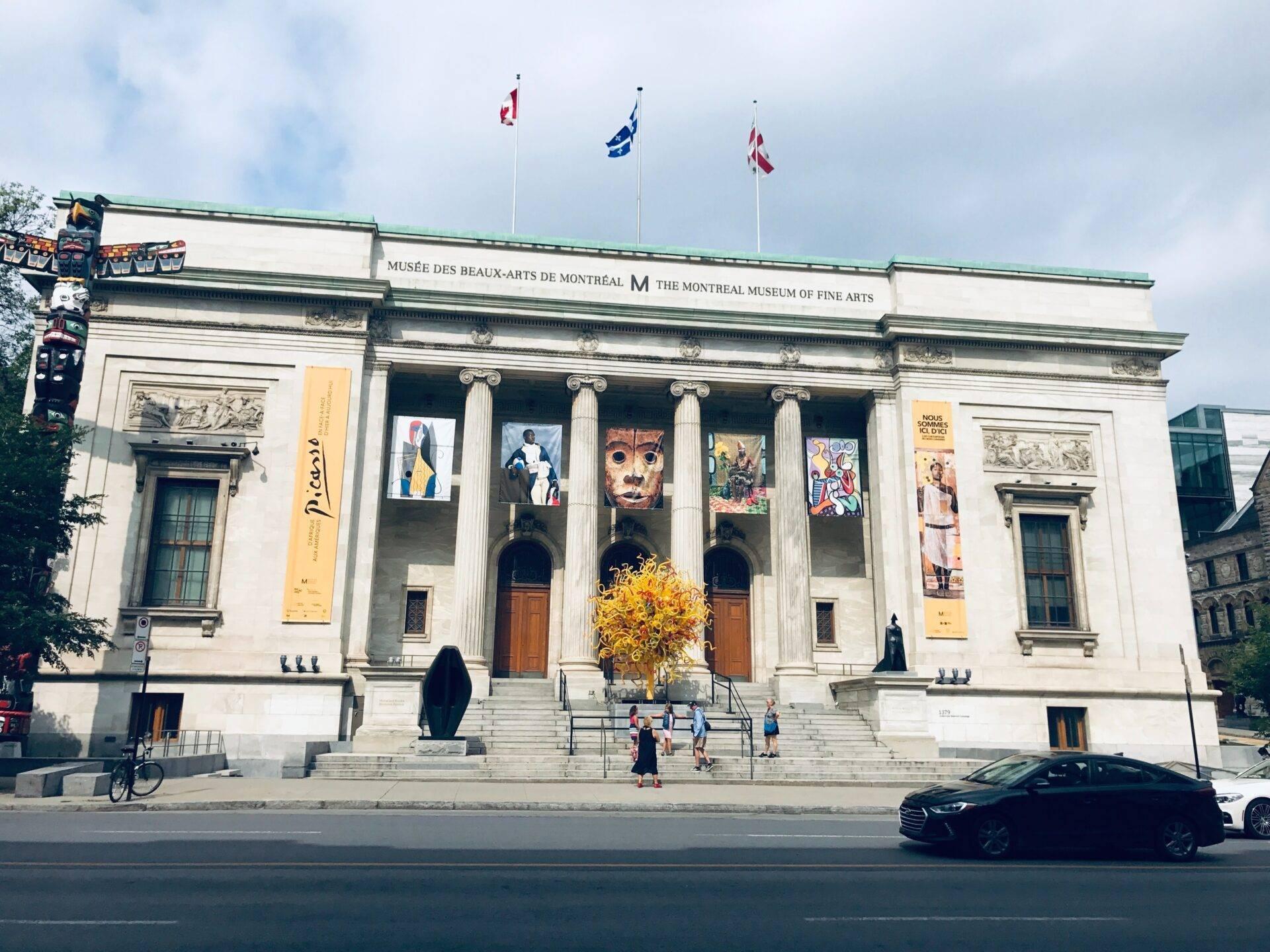
The Montreal Museum of Fine Arts, recognisable by its colonnaded facade, is one of the most visited museums in the country, with an encyclopaedic collection ranging from pre-Columbian art to contemporary creation. Its temporary exhibitions, often of considerable scale, regularly draw international audiences.
Our guide things to do in Montreal covers the neighbourhoods, addresses and cultural highlights of Quebec’s great metropolis.
Old Quebec City: fortifications and colonial atmosphere
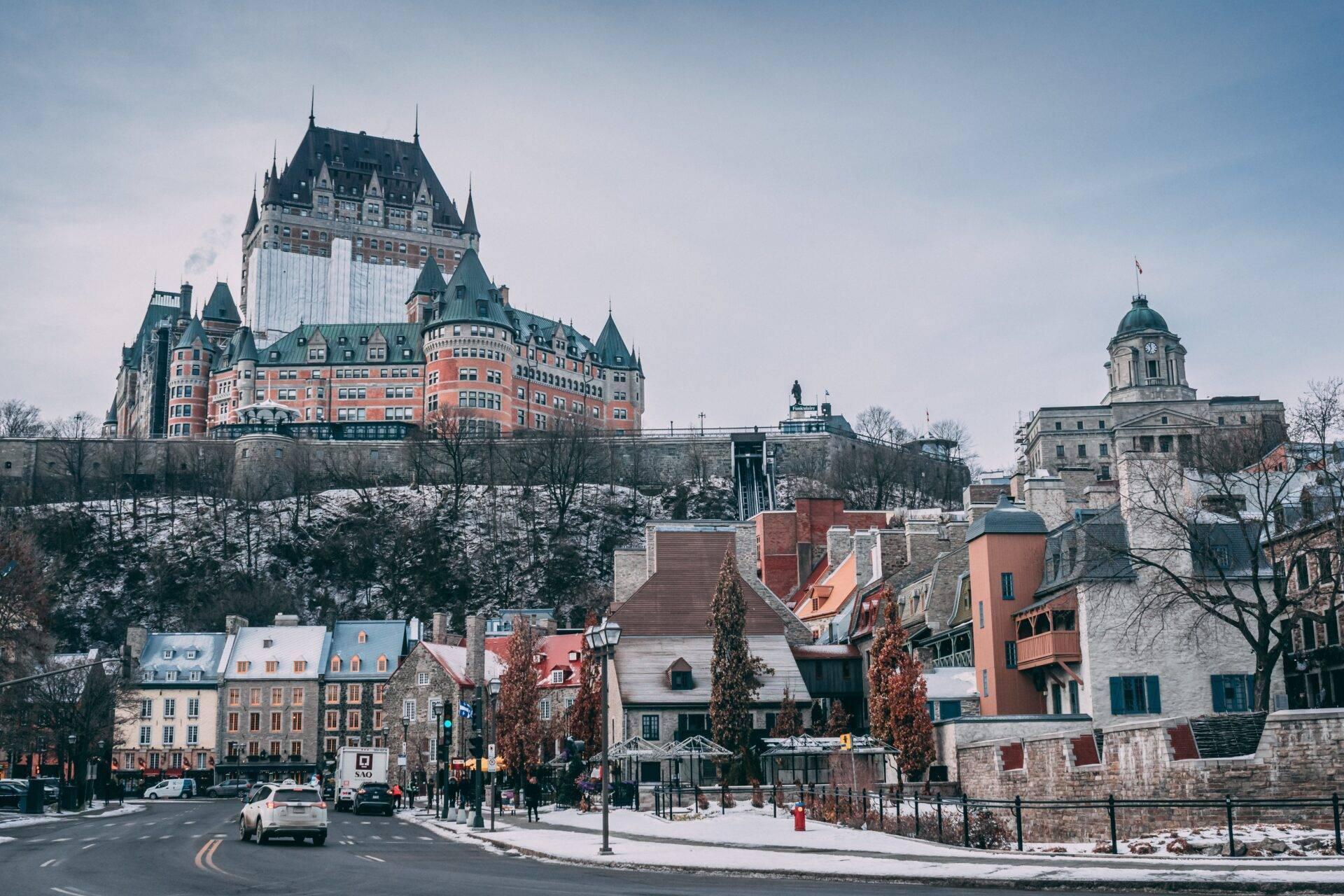
A UNESCO World Heritage Site, Old Quebec City is one of the few fortified cities in North America to have kept its ramparts intact. The Chateau Frontenac, perched on Cap Diamant and opened in 1893, is its most photographed landmark. Place Royale, the Museum of Civilisation and the Notre-Dame-de-Quebec Basilica fill out a two-to-three-day stay.
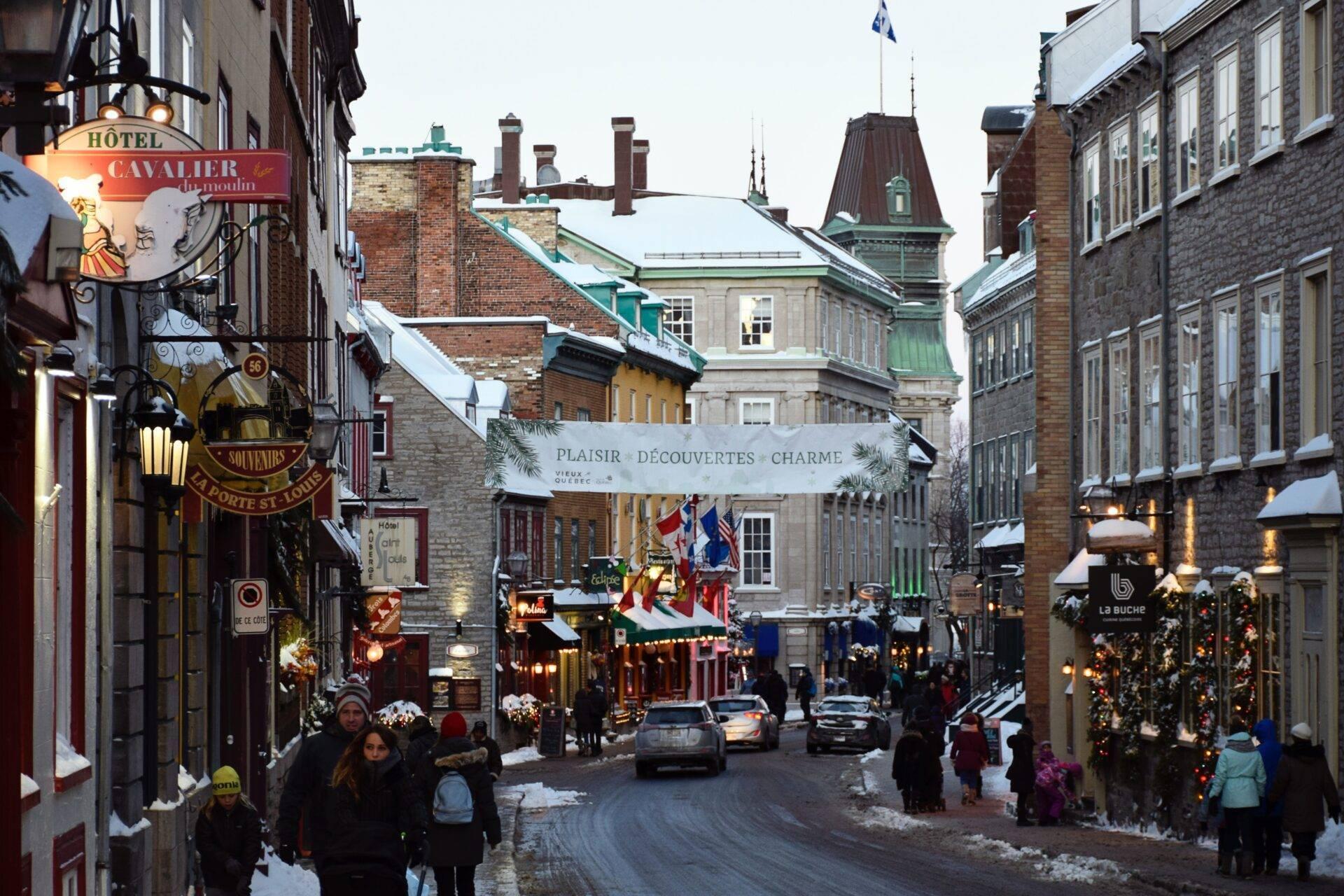
In January and February, the Quebec Winter Carnival transforms the lanes and the Plains of Abraham: toboggan runs, ice sculptures and parades in biting cold, with temperatures regularly dropping below -15°C. For a winter atmosphere unlike anything else in North America, this is not to be missed.
Vancouver: sea, forest and mountain peaks in a single city
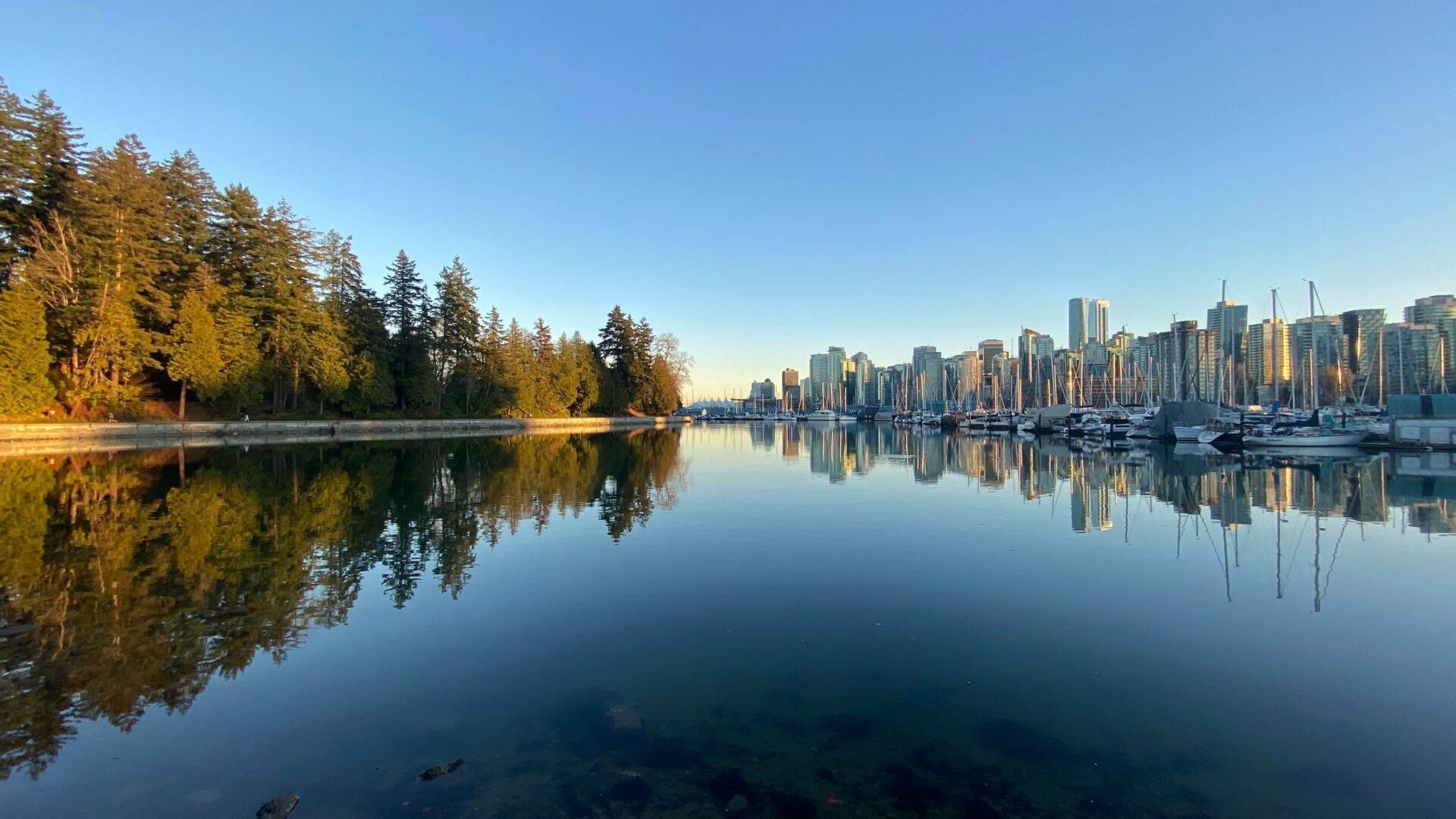
Vancouver enjoys an exceptional geographical setting: mountains to the east, the Pacific Ocean to the west, coastal forests to the north. The city never lets you forget the natural world on its doorstep.
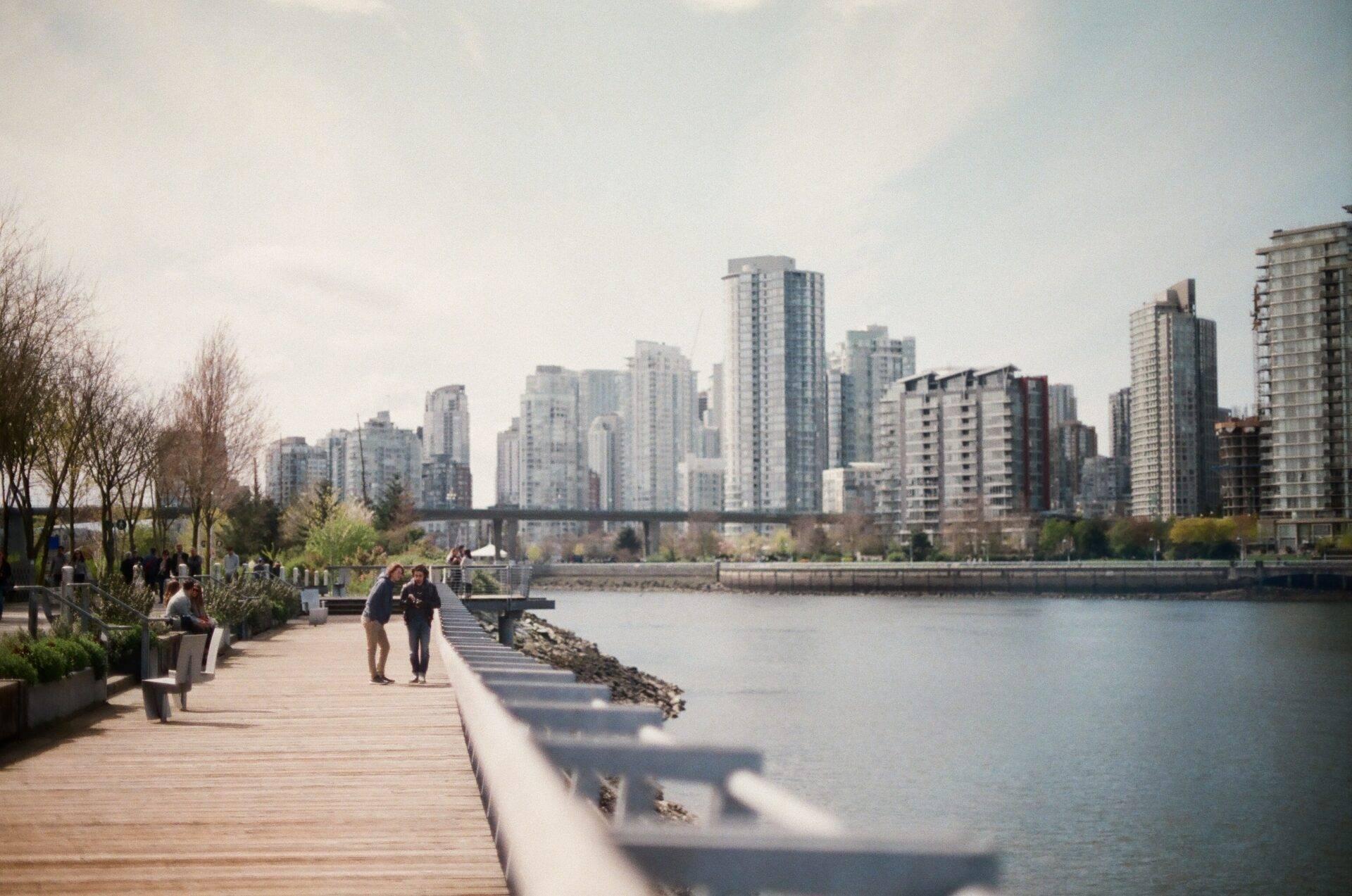
Stanley Park (400 hectares) follows Burrard Inlet for 10 kilometres along the Seawall, walkable or cycleable, with continuous views of the coastal mountains. Granville Island houses a lively public market, artists’ studios and craft breweries. For something more vertiginous, the Capilano Suspension Bridge (70 metres above the river, 137 metres long) remains one of British Columbia’s most visited attractions. An hour’s drive away, Whistler ski resort transforms into a mountain biking and hiking destination every summer.
Niagara Falls
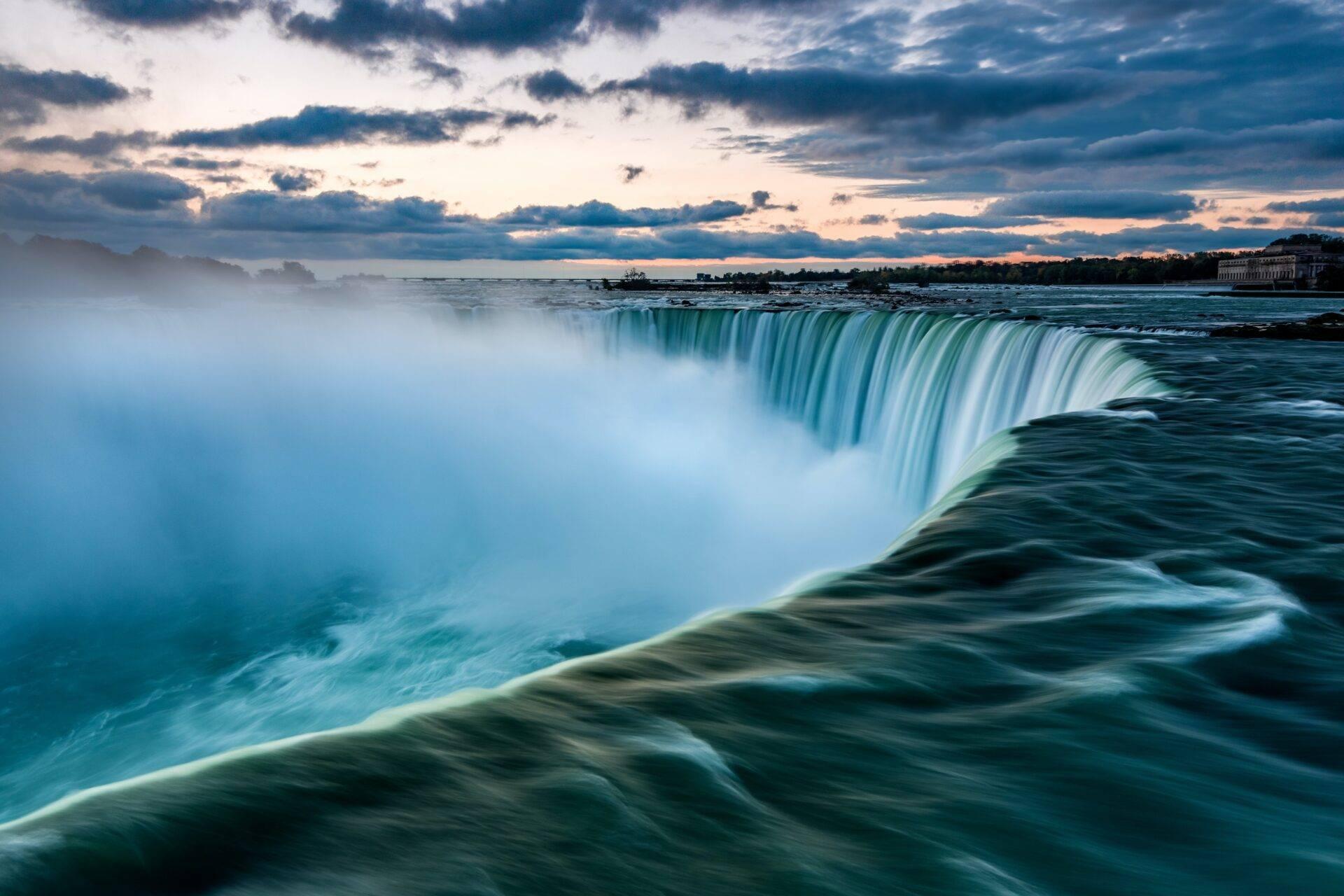
Niagara Falls is made up of three waterfalls straddling the border between Ontario and New York State: the Horseshoe Falls (on the Canadian side), the American Falls and the Bridal Veil Falls. The Horseshoe Falls, the most spectacular of the three, stretches 790 metres wide on the Canadian side. A boat tour from the Canadian shore takes you right to the foot of the cascades, poncho provided. The Skylon Tower offers an aerial perspective over the entire site from 160 metres up.
Protect my trip to CanadaThe Canadian Rockies: Banff, Jasper and the Icefields Parkway
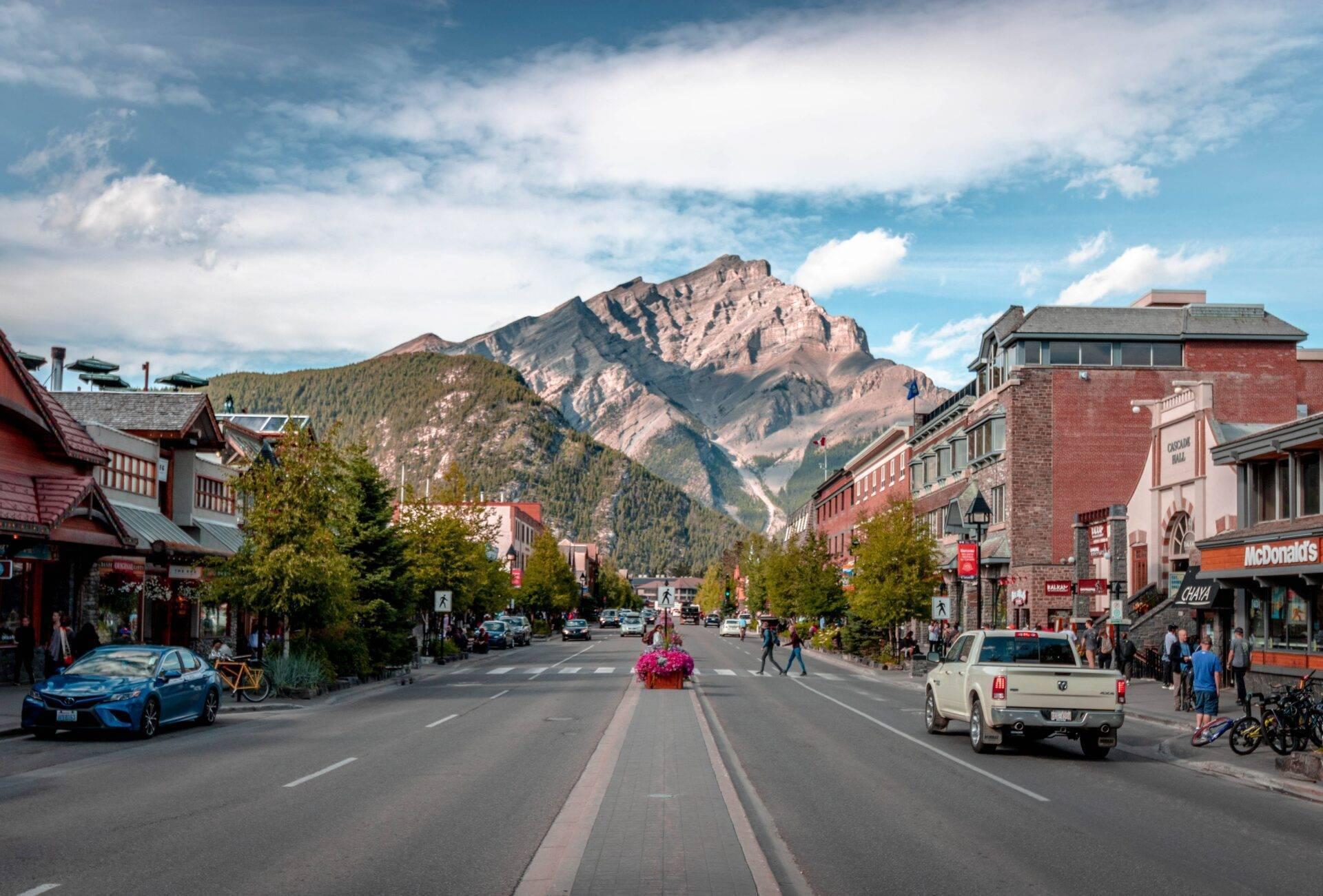
The village of Banff, nestled at 1,400 metres in the Alberta Rockies, is the launchpad for the national park of the same name. Established in 1885, it is Canada’s oldest national park and a UNESCO World Heritage Site. Shops, restaurants and natural hot springs sit just minutes from the trailheads.
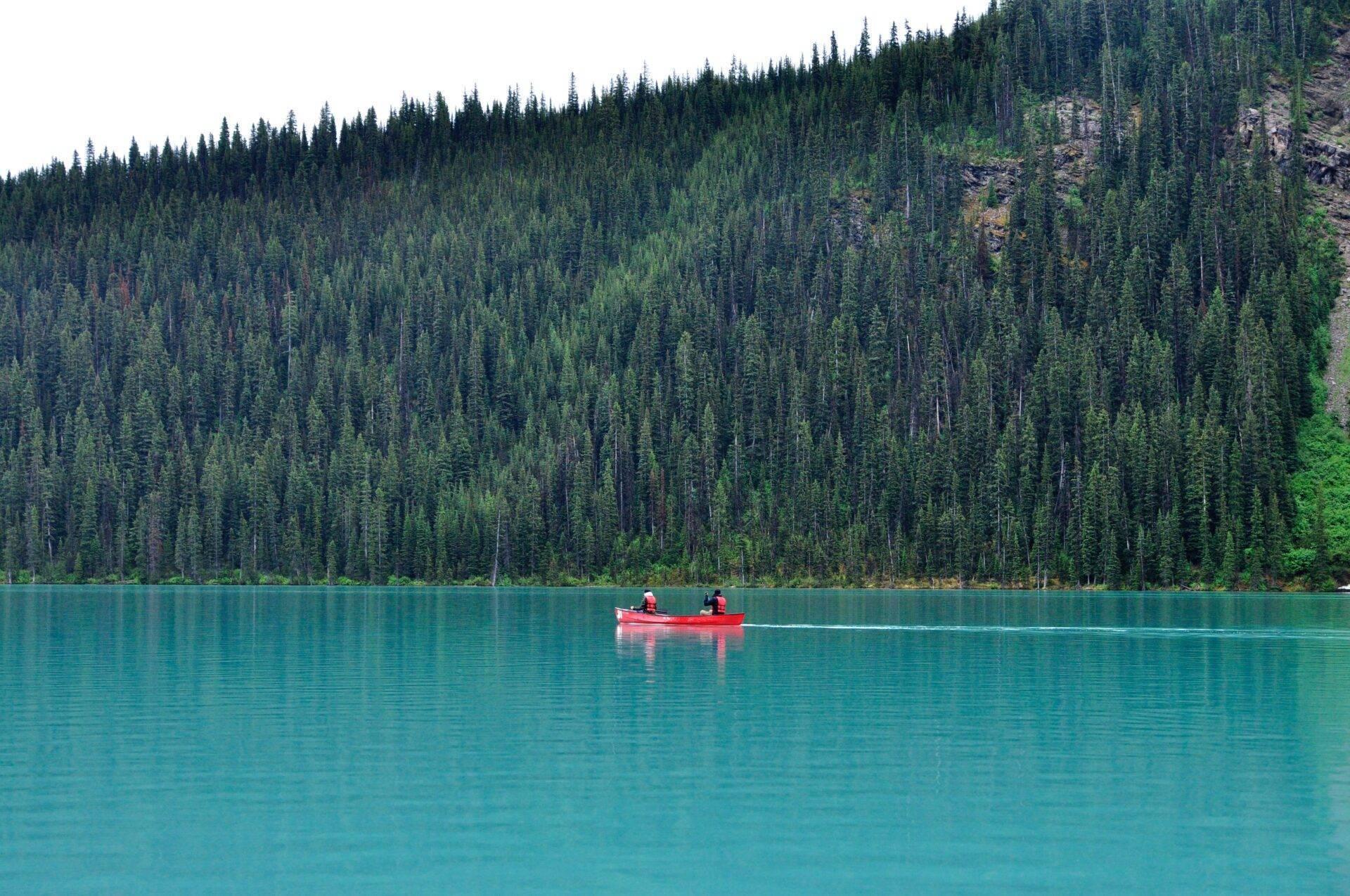
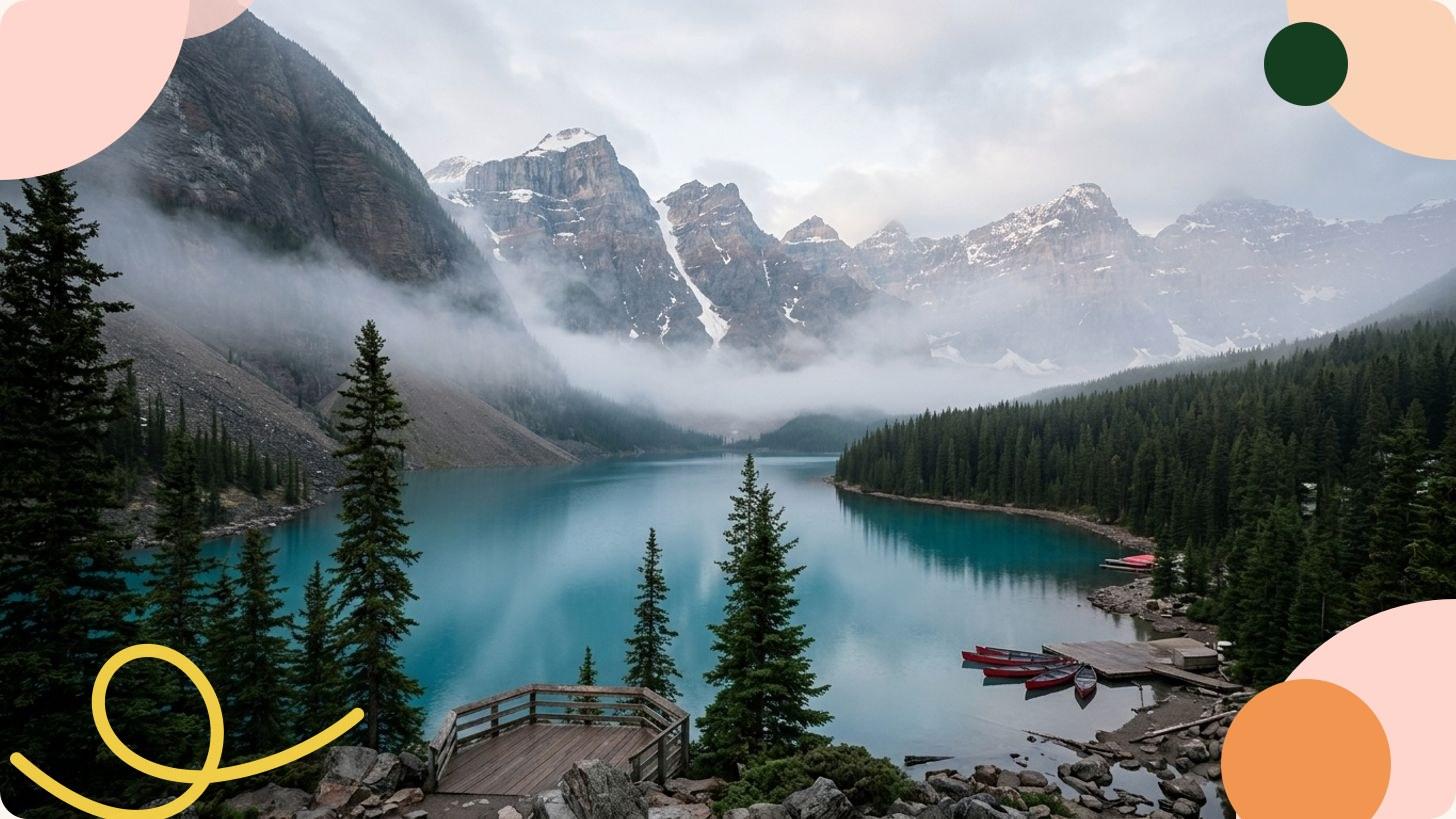
Lake Louise and Lake Moraine, both fed by surrounding glaciers, display a shade of turquoise that photographs consistently underplay. In summer, canoeing, hiking and picnics get under way at dawn to make the most of these sites before the crowds arrive. Most guides recommend mid-June or mid-September for a more manageable experience.
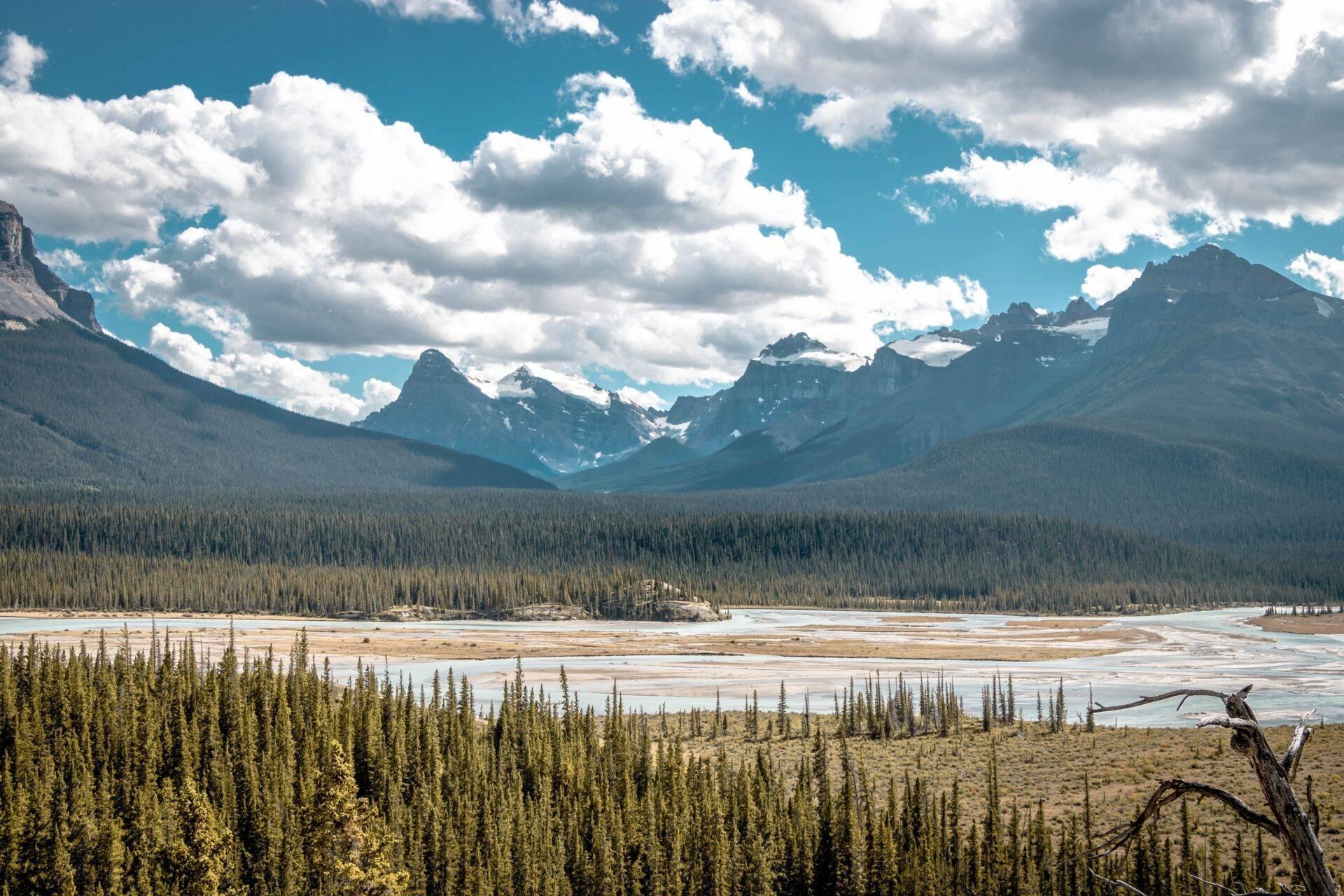
The Icefields Parkway links Banff to Jasper over more than 230 kilometres through glacial valleys, waterfalls and high mountain passes. In Jasper National Park, Lake Maligne is home to Spirit Island, a small island accessible by boat, and Maligne Canyon can be explored on snowshoes in winter. The Columbia Icefield, one of the largest in North America outside polar regions, can be admired from the road or accessed on foot from a purpose-built viewing platform.
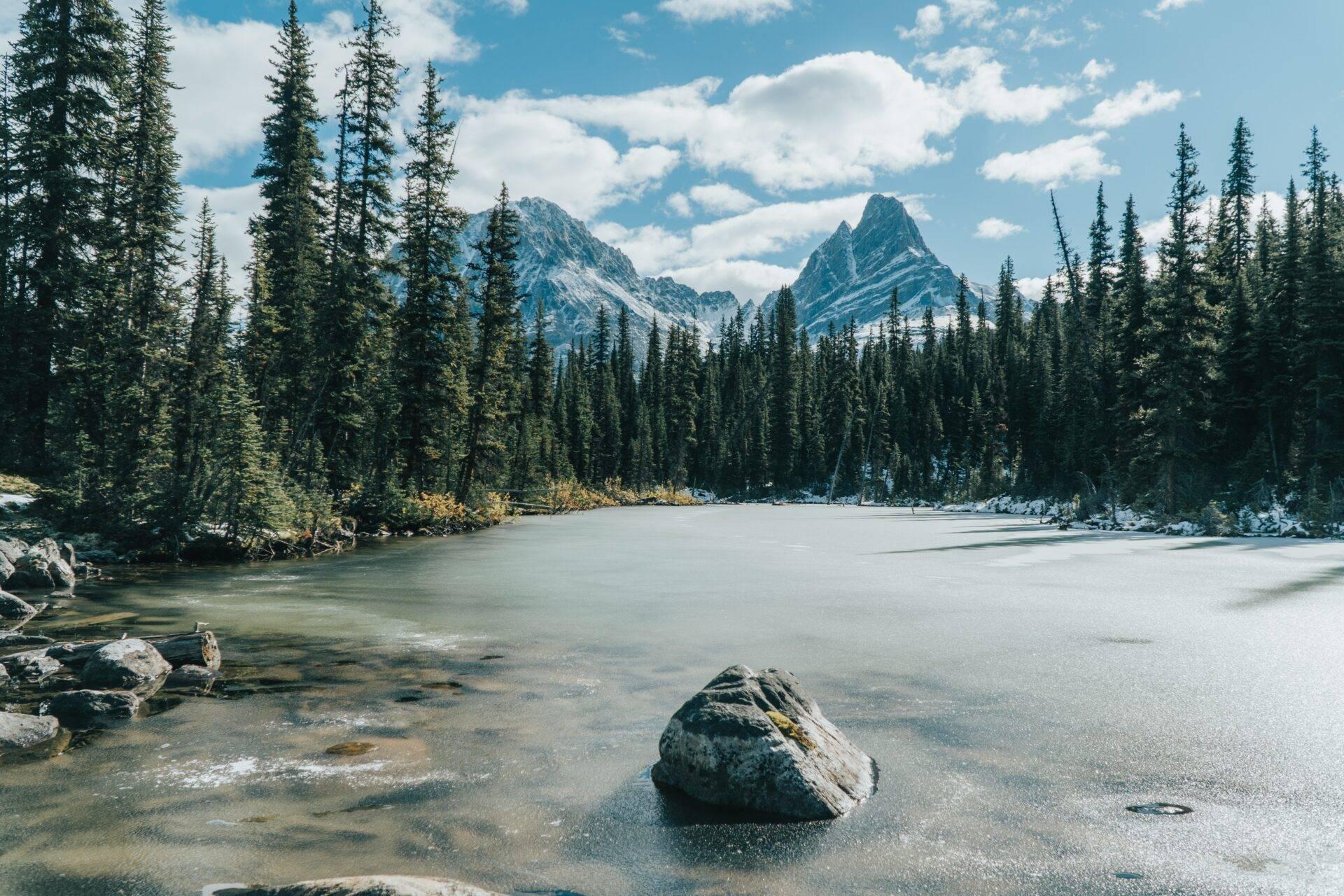
Winter in the Rockies reveals a different face entirely: frozen lakes, snow-laden conifer forests and skies of exceptional clarity. Cross-country skiing, snowshoeing and the northern lights are all on offer through to April at higher elevations. Jasper National Park is also a designated Dark Sky Preserve, making it one of the finest spots in the world for stargazing.
Lakes and forests of the interior: Canada’s great silence
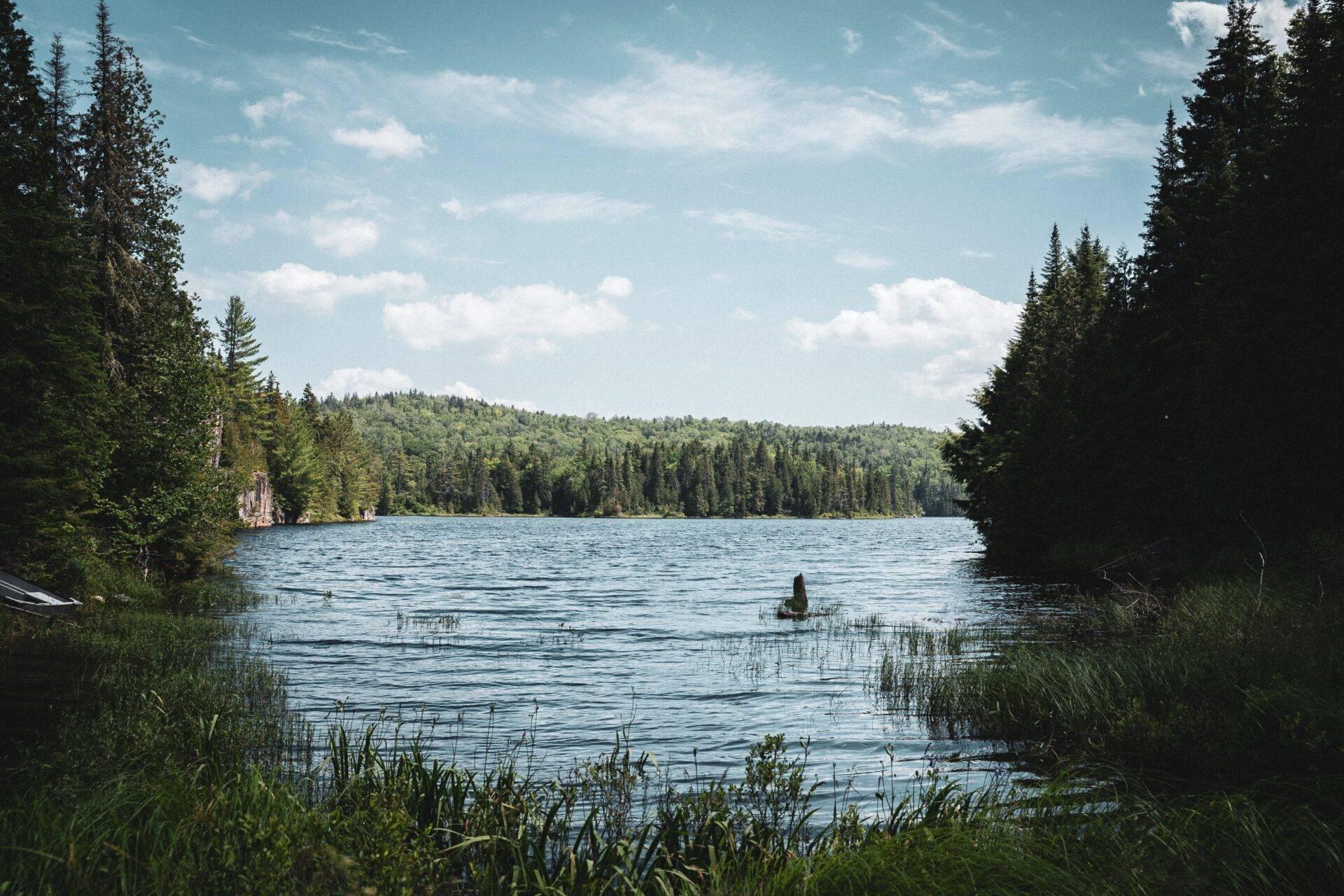
Ontario and Quebec are home to thousands of lakes accessible by canoe or kayak, without the crowds of the western parks. Georgian Bay Islands National Park in Ontario is an archipelago within the Great Lakes, ideal for independent canoe-camping. La Mauricie, in Quebec, offers lake-and-river circuits through virtually untouched boreal forest.
Wildlife: from moose to polar bears
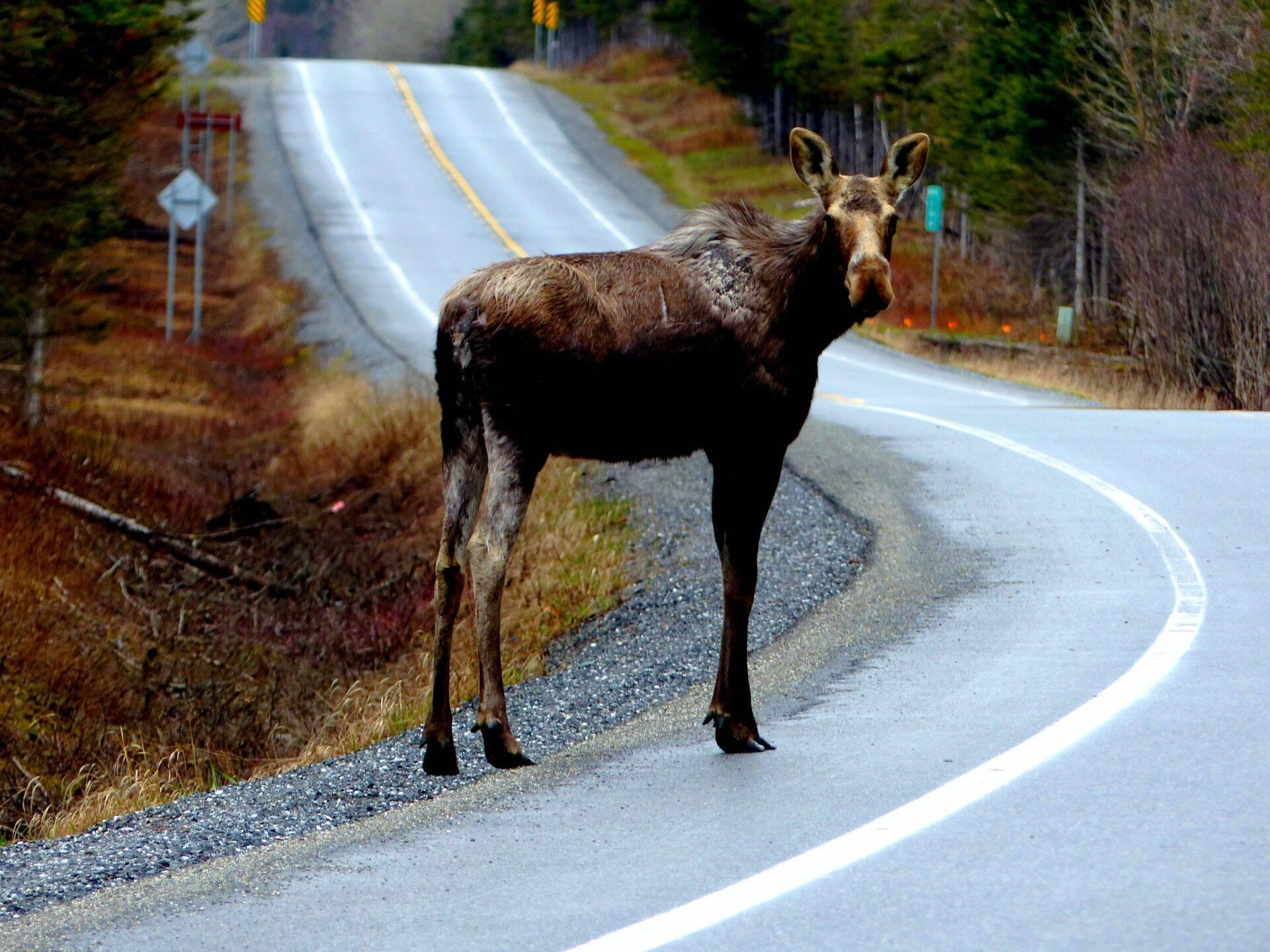
Moose are a common sight on forest roads through the national parks, particularly at dawn and dusk. In the Rockies, black bears and grizzlies can be spotted from marked trails. Along the Pacific coast, Tofino and the waters around Vancouver Island offer boat trips to see orcas, humpback whales and Steller sea lions. At Churchill in Manitoba, polar bear watching in October and November draws wildlife photographers from around the world.
Victoria and the Butchart Gardens
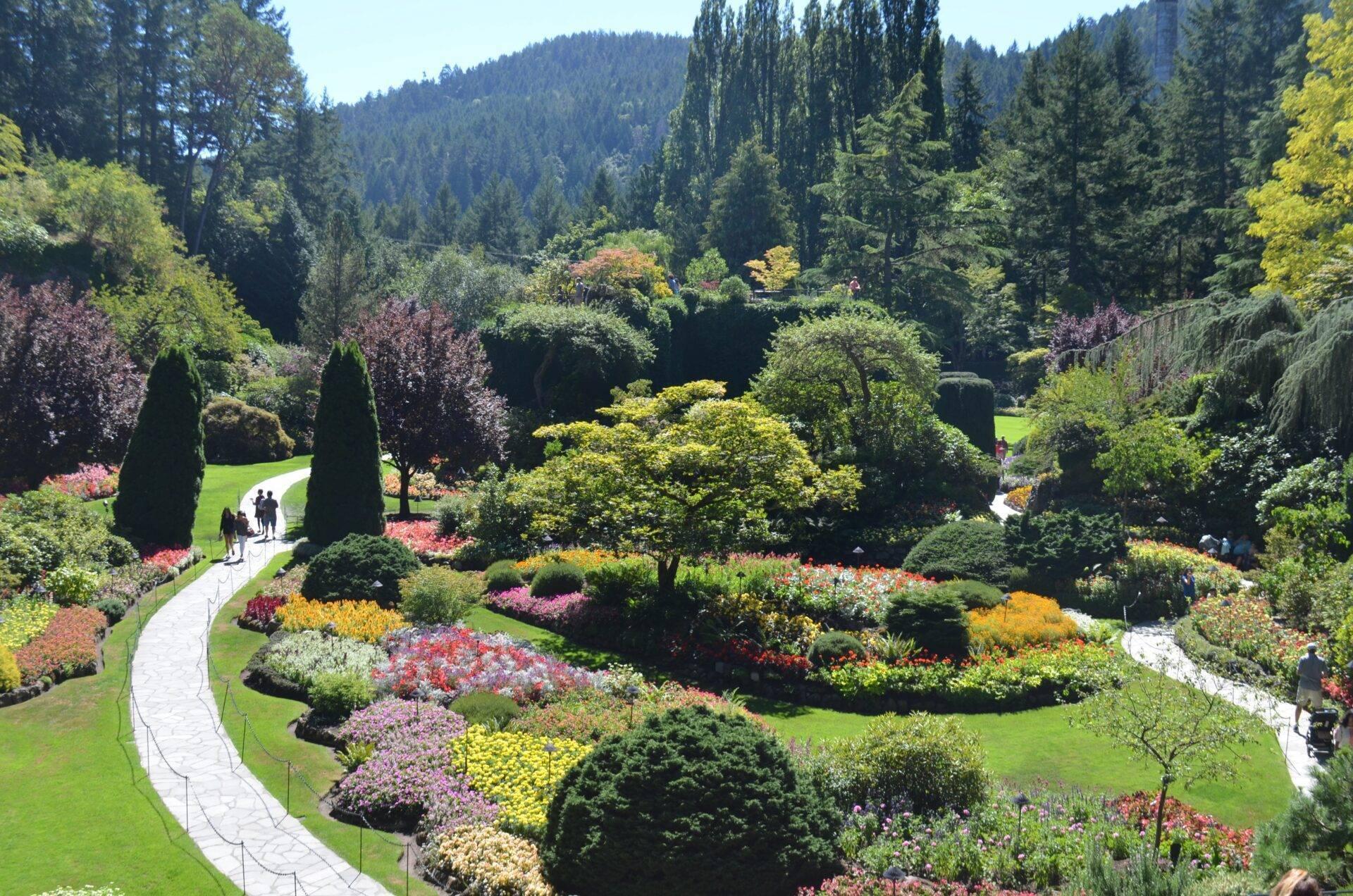
On Vancouver Island, the city of Victoria retains a distinctly British feel: Victorian houses, afternoon teas and well-tended gardens. The Butchart Gardens, 21 kilometres from the city centre, transform a former limestone quarry into a spectacular floral estate open year-round. In summer, evening illuminations extend the visit well into the night.
Calgary, Ottawa and beyond
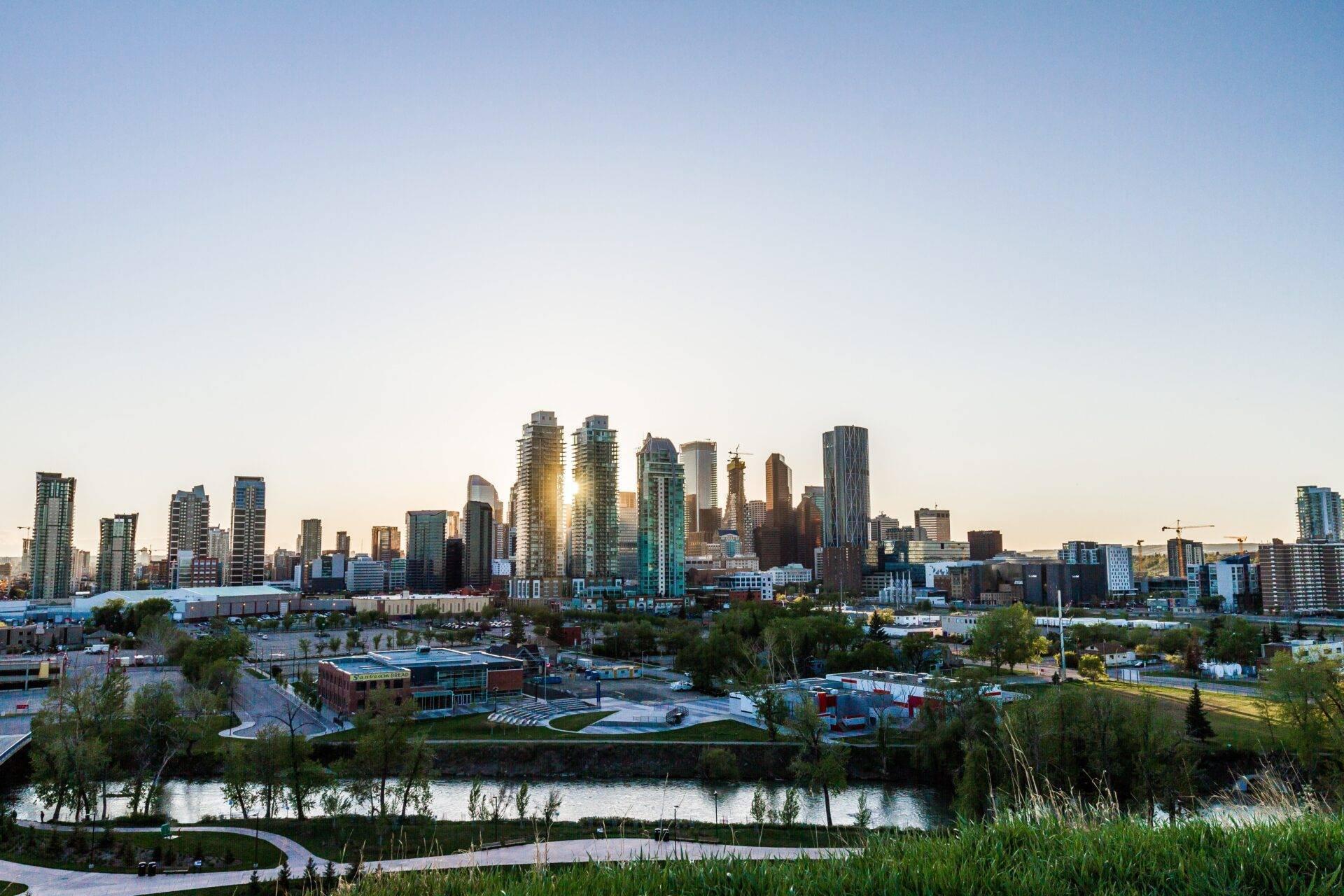
Calgary serves as the gateway to the Rockies, but the Calgary Stampede (the world’s largest rodeo festival, held each July) and its Bow River pathways make it a worthwhile stop in its own right. Ottawa, the federal capital, clusters its national museums (Canadian Museum of History, National Gallery of Canada, Canada Science and Technology Museum) within easy reach of one another. In winter, the UNESCO-listed Rideau Canal becomes one long natural skating rink.
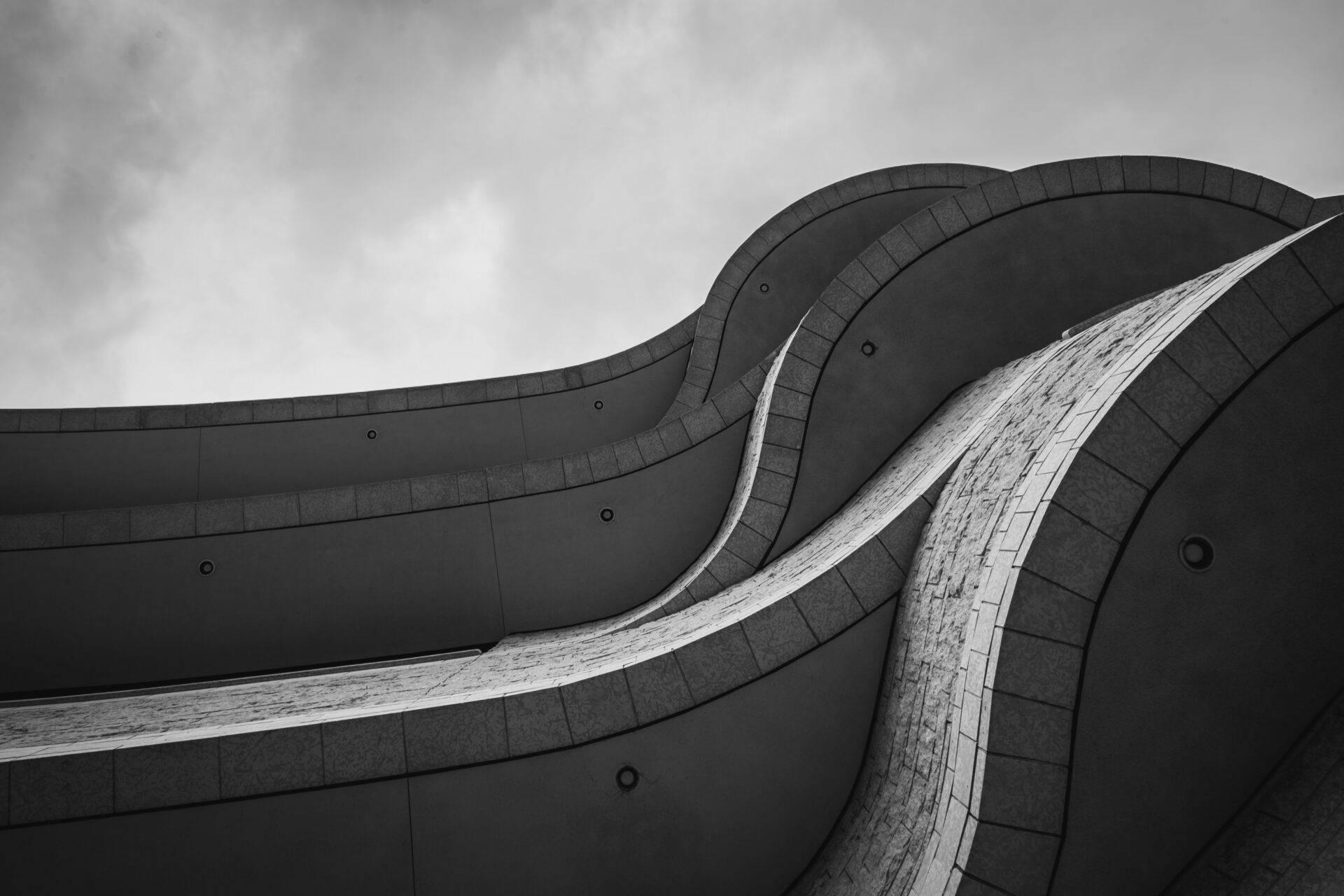
Over the past two decades, Canada has produced bold contemporary architecture, visible in its museums and cultural centres: wave-like or crystalline forms, metal or tile cladding, buildings that reward as much attention from the outside as within.
The Gaspe Peninsula and the Maritimes: another side of Canada
The Gaspe Peninsula, reached from Montreal along the St Lawrence Valley, offers sheer cliffs, Perce Rock (a 400-metre monolith) and Bonaventure Island, home to around 100,000 northern gannets. Nova Scotia, New Brunswick and Prince Edward Island round out a Maritime road trip with rugged coastlines, fresh seafood and the Cabot Trail.
When to visit Canada
The time of year shapes any Canadian itinerary considerably.
- Summer (June to August): ideal for the Rockies, national parks and cities. Everything is open, daylight hours are long, but the most popular spots fill up fast.
- Autumn (September to October): the forests of the Laurentians, Ontario and the Eastern Townships turn red and gold. Fewer crowds in the parks, accommodation prices often lower.
- Winter (December to March): the Quebec Winter Carnival, downhill skiing at Whistler or Lake Louise, and the northern lights in the Northwest Territories and Yukon.
- Spring (April to May): cherry blossoms in Victoria, parks reopening gradually, still cool but refreshingly crowd-free.
Before you pack your bags, take a look at our Canada travel insurance guide for everything you need to know about entry requirements, health cover and precautions tailored to your trip.
If you are planning a winter stay, our selection of dream Christmas destinations in Canada includes practical itineraries for the festive season.
FAQ
What is the best time of year to visit Canada?
Summer (June to August) is ideal for hiking in national parks and exploring cities. Winter (December to March) suits skiers and those drawn to the Quebec Winter Carnival or the northern lights. Autumn remains the favourite season for those seeking autumn foliage and a quieter experience.
What can you do in Canada in 10 days?
A 10-day itinerary works best focused on either the east (Toronto, Niagara Falls, Montreal, Quebec City) or the west (Vancouver, Whistler, the Rockies from Banff to Jasper). Avoid trying to cover both regions in a single trip: the distances exceed 4,000 kilometres.
Do I need a visa to visit Canada?
Citizens of France and many other nationalities, including most EU and Commonwealth countries, do not need a visa for tourist stays of under six months, but must obtain an Electronic Travel Authorisation (eTA) before flying. Always check the current entry requirements on the official Government of Canada website before departure.
Is Banff National Park open all year round?
Yes, Banff is accessible 365 days a year. Entry is paid via Parks Canada (daily or annual pass). In summer, it is advisable to arrive at Lake Louise and Lake Moraine before 8am to secure a parking space.
Can you see the northern lights in Canada?
Yes. The Northwest Territories, and Yellowknife in particular, offer the best conditions: clear skies, very little light pollution and long nights from September to March. The Yukon, northern Manitoba and northern Quebec are also excellent options.
What is the Icefields Parkway?
The Icefields Parkway is a road of more than 230 kilometres linking Banff National Park to Jasper National Park through the Alberta Rockies. It passes through some of Canada’s most spectacular scenery: glaciers, glacial lakes, permanent snowfields and high mountain passes. It is widely regarded as one of the most scenic drives in North America.