
Haiti rewards those who venture here with a rare sense of discovery: UNESCO-listed fortresses, sacred waterfalls deep in the mountains, waters of a breathtaking turquoise and one of the Caribbean’s most vibrant art scenes. Here are 20 experiences that capture the soul of this singular island.
Plan my trip to Haiti20 unmissable things to see and do in Haiti
1. Climb to Citadelle Laferrière
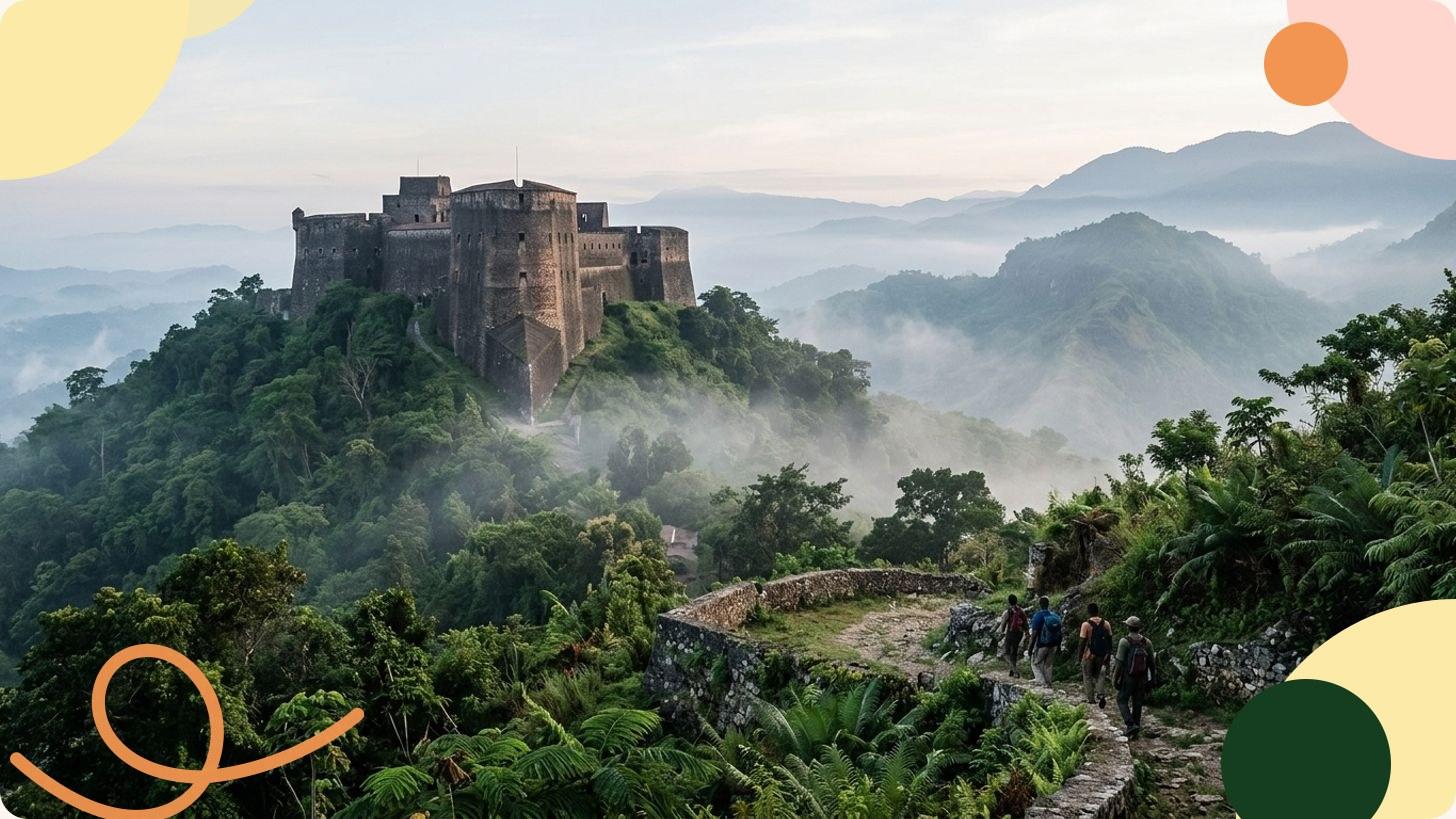
Perched at around 910 metres above sea level in the mountains of the north, roughly 15 kilometres south of Cap-Haïtien, Citadelle Laferrière is the largest fortress in the Americas. Built between 1806 and 1820 under King Henri Christophe to defend Haiti’s hard-won independence, it has been a UNESCO World Heritage Site since 1982, alongside the Palais Sans-Souci and the Ramiers.
You can reach it on foot or on horseback from the village of Milot. From the ramparts, the views over the forested mountains and the northern coast are staggering. Walls rise to 40 metres and the fortress could shelter up to 5,000 men: a local guide is essential to grasp the full scale of this founding monument.
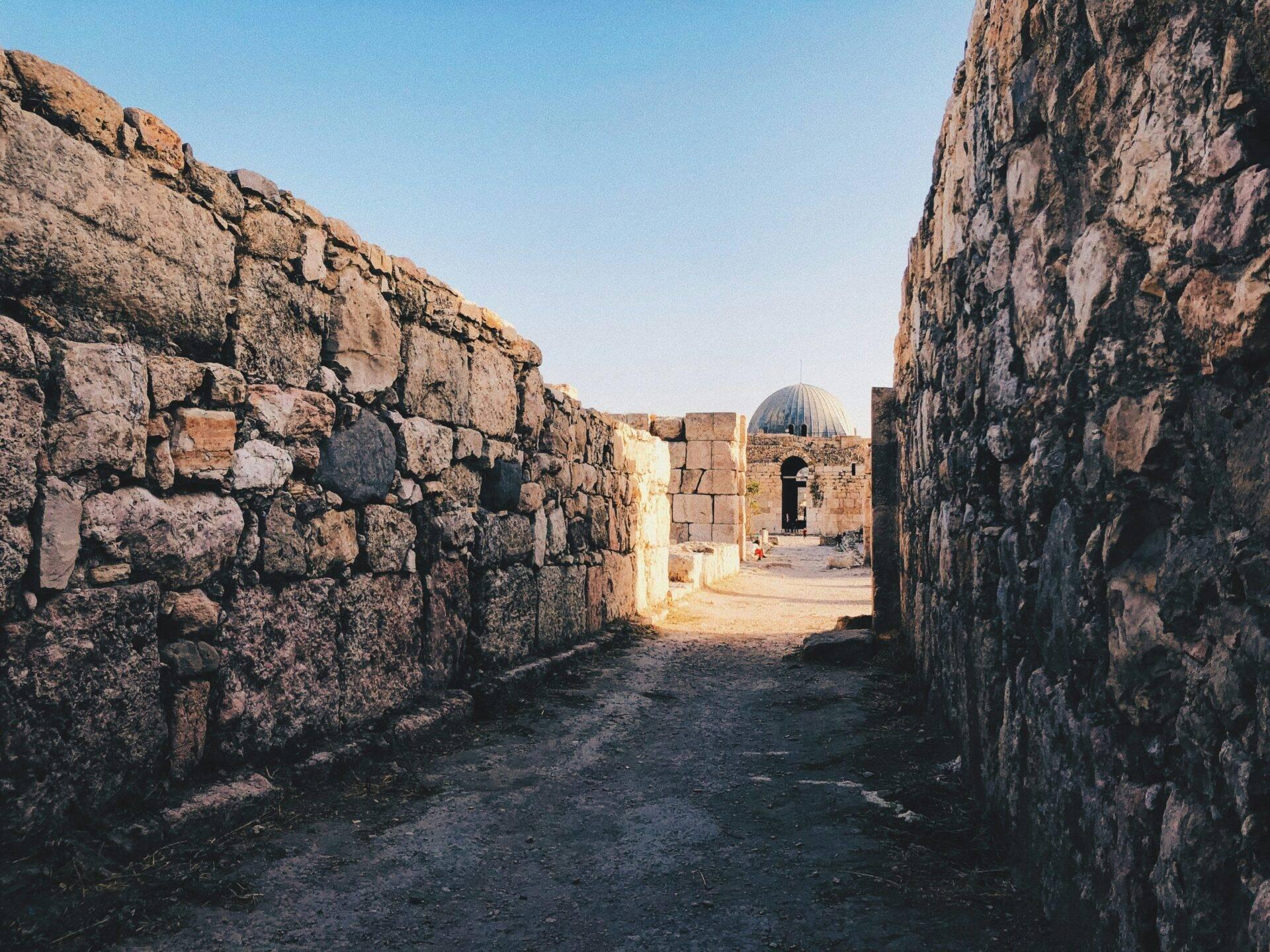
2. Explore the ruins of Palais Sans-Souci
In Milot, at the foot of the road leading up to the Citadelle, the ruins of the Palais Sans-Souci form the other half of the UNESCO site. Built between 1810 and 1813 as the royal residence of Henri Christophe, the palace was nicknamed the “Versailles of the Caribbean”. An earthquake in 1842 reduced it to rubble, yet the stone staircases, terraced gardens and imposing facades still conjure the grandeur of a kingdom born from one of history’s most extraordinary revolutions.
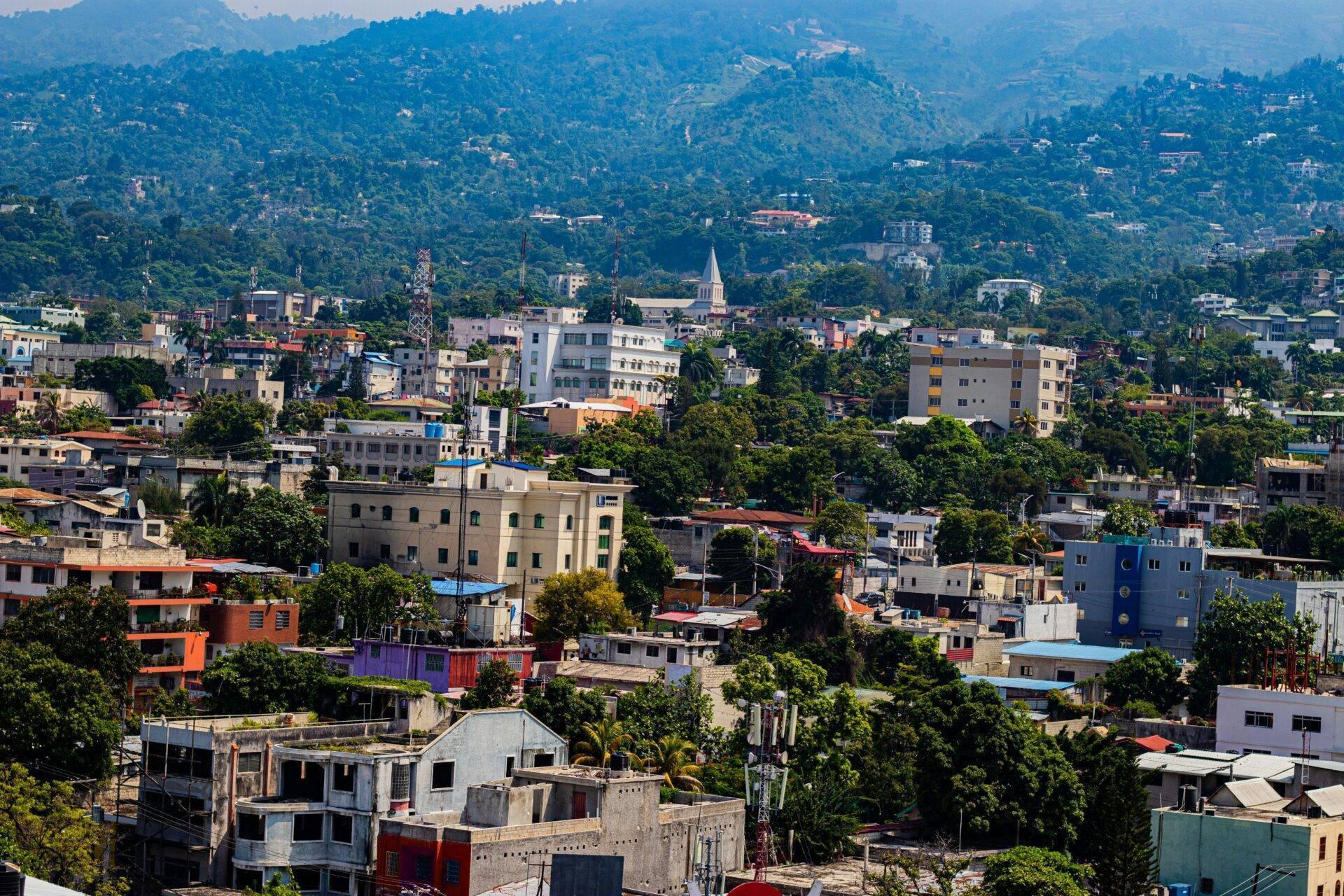
3. Wander the streets of Cap-Haïtien
The country’s second city and the natural gateway to the northern sites, Cap-Haïtien retains its colonial character with cobbled streets, wrought-iron balconies and a cathedral. Place d’Armes comes alive in the evenings, giving a genuine feel for local life. The natural harbour opens onto coves reachable by boat in just a few minutes: a welcome break after the historic sites.
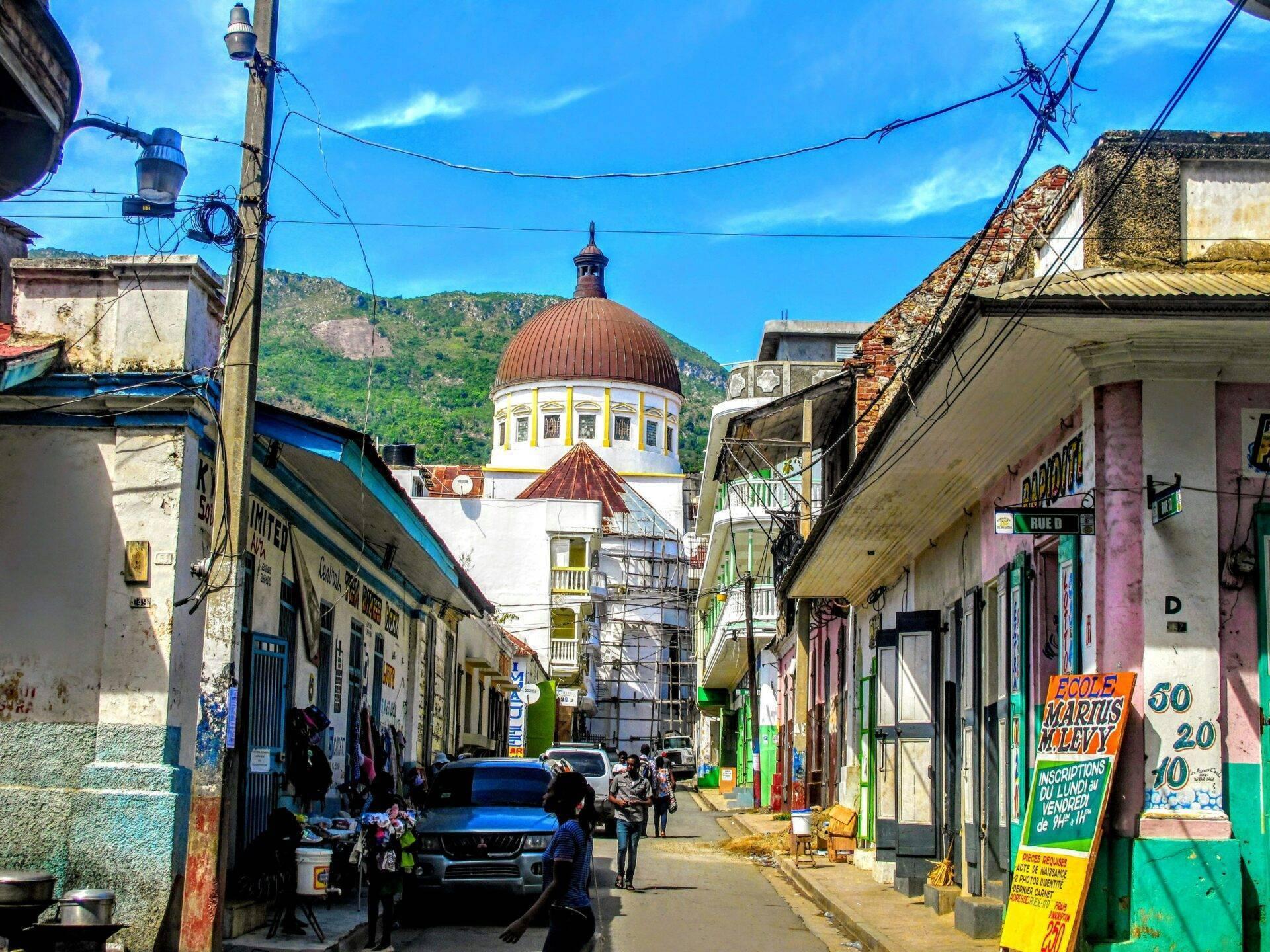
4. Visit Fort Jacques overlooking Port-au-Prince
Built shortly after independence in 1804, Fort Jacques stands in the mountains around 13 kilometres south-east of Port-au-Prince. Its stone walls and old cannon offer sweeping views over the capital’s bay on a clear day. The excursion combines historical insight and hiking, shedding light on the defensive strategy devised by Haiti’s founding leaders.
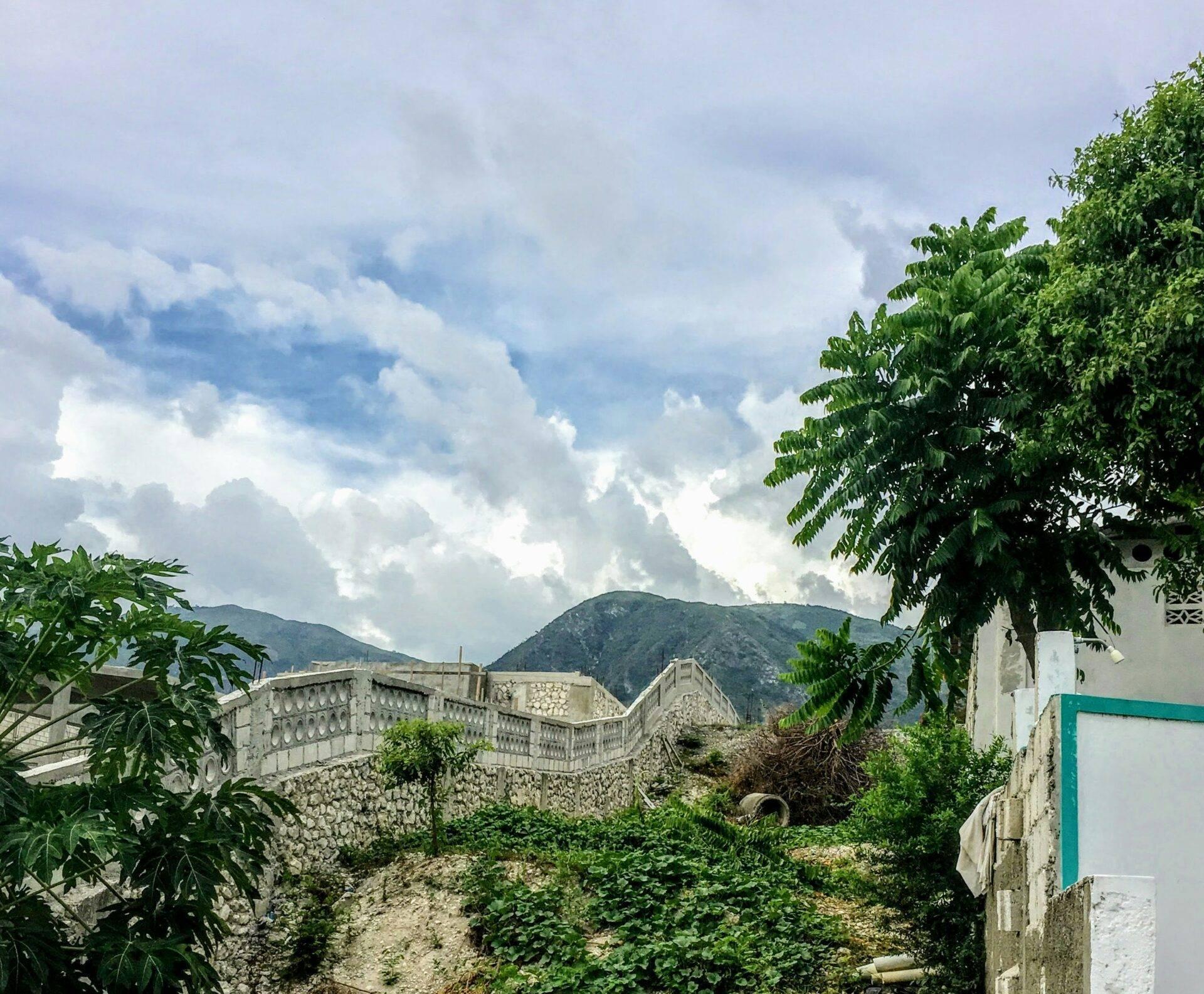
5. Discover the MUPANAH
The Musée du Panthéon National Haïtien, in the heart of Port-au-Prince, holds one of the country’s most significant historical collections: Taíno artefacts, relics from the Haitian Revolution and broken chains symbolising freedom. Each room tells a chapter of the long road from colonisation to independence in 1804. A visit here provides the perfect foundation for understanding everything else the island has to offer.
6. Browse the Iron Market and local crafts
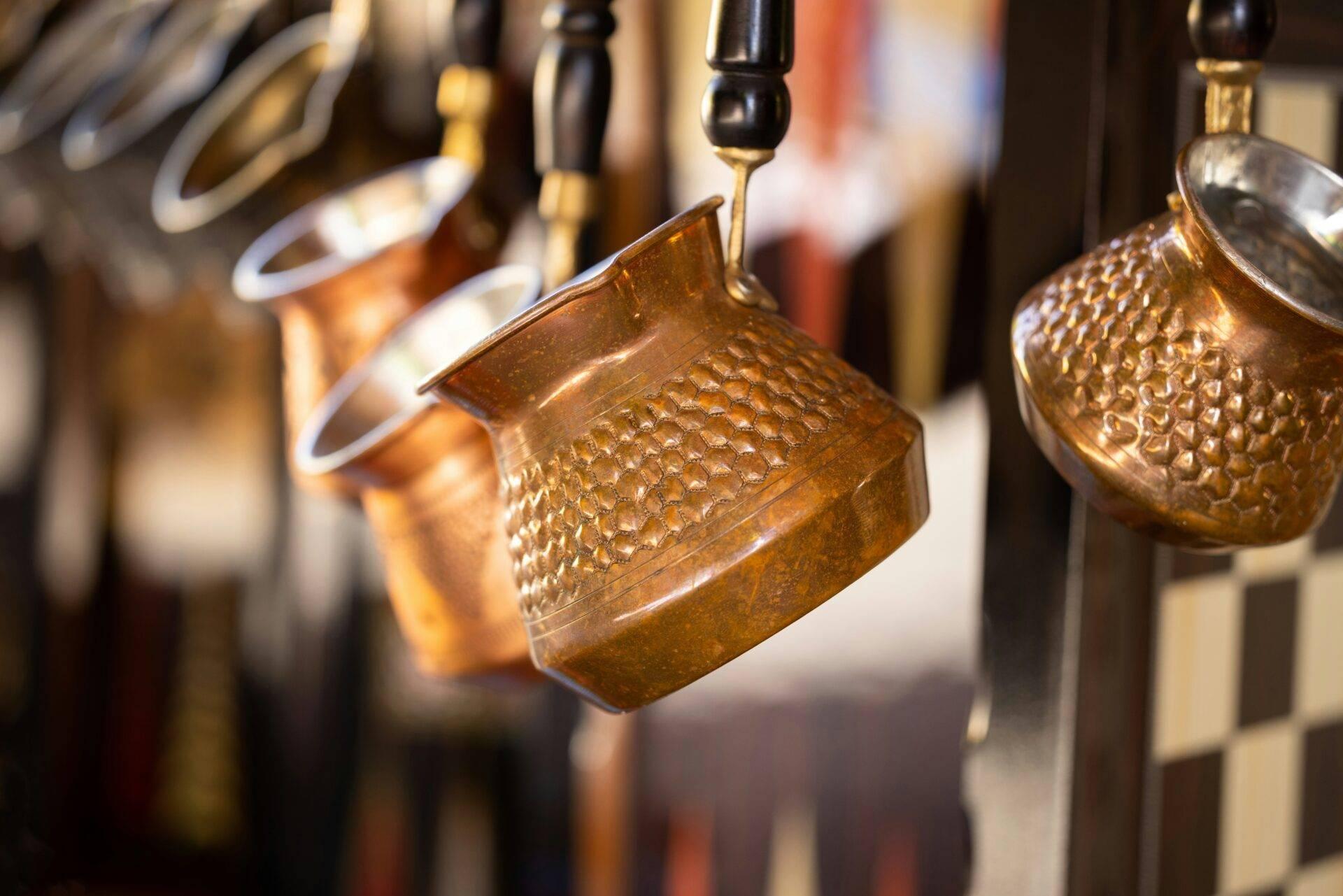
Rebuilt after the 2010 earthquake, Port-au-Prince’s Iron Market is instantly recognisable by its painted metal architecture. Inside, spices, tropical fruits, wooden sculptures, naïve paintings and hammered copper objects sit alongside fabric vendors. For quality crafts, Jacmel’s markets round out the experience with papier-mâché masks, basketwork and canvases by local artisans.
7. Get lost in the alleyways of Jacmel
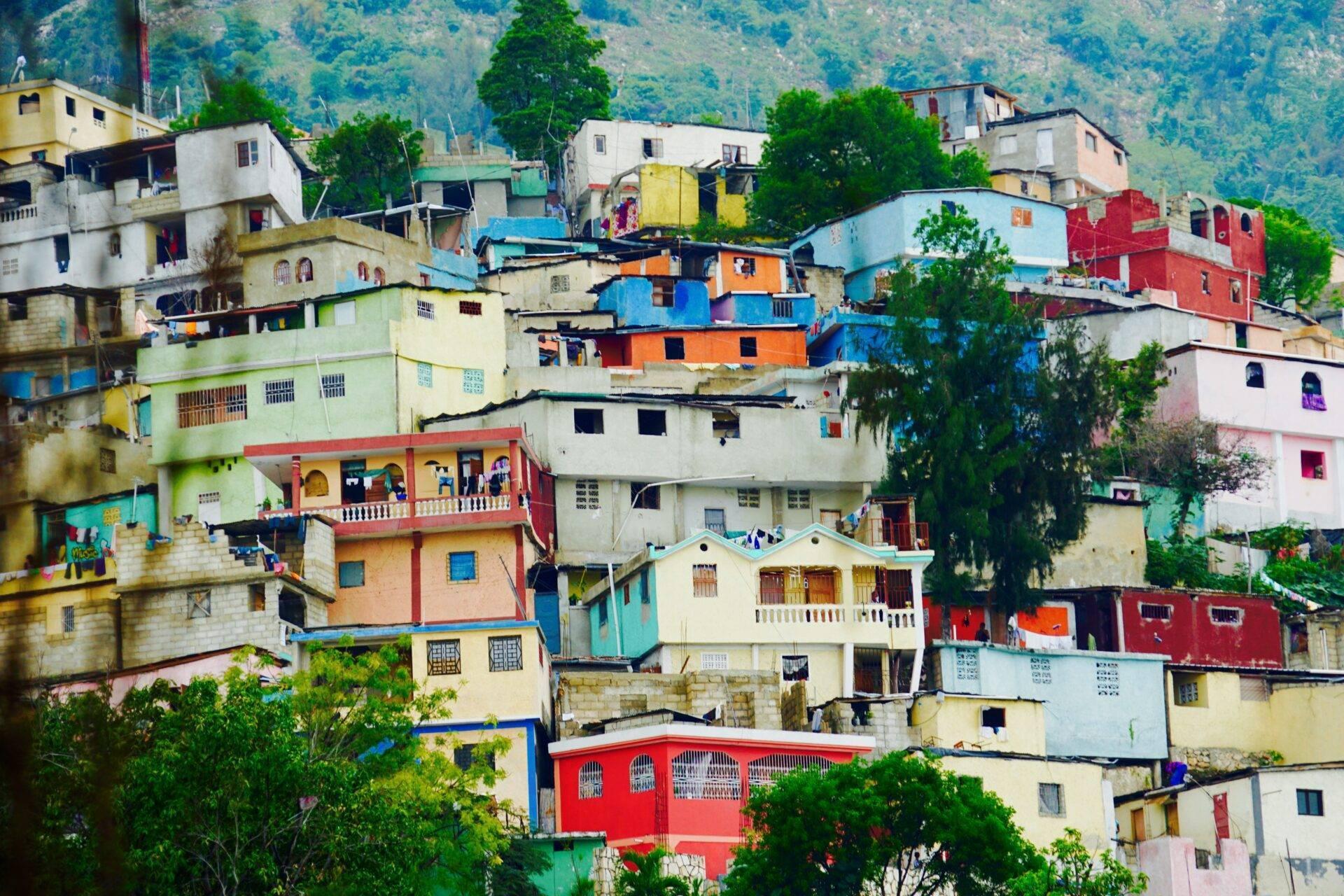
Widely regarded as Haiti’s artistic capital, Jacmel on the southern coast is the country’s most accessible cultural destination. French colonial architecture, brightly painted wooden-fronted houses, artisan galleries and painters’ studios line its alleyways. The annual carnival, famous for its handcrafted papier-mâché masks, draws visitors from around the world each year. Nearby beaches such as Ti Mouillage and Raymond des Bains round off a stay perfectly.
8. Swim in the pools of Bassin Bleu
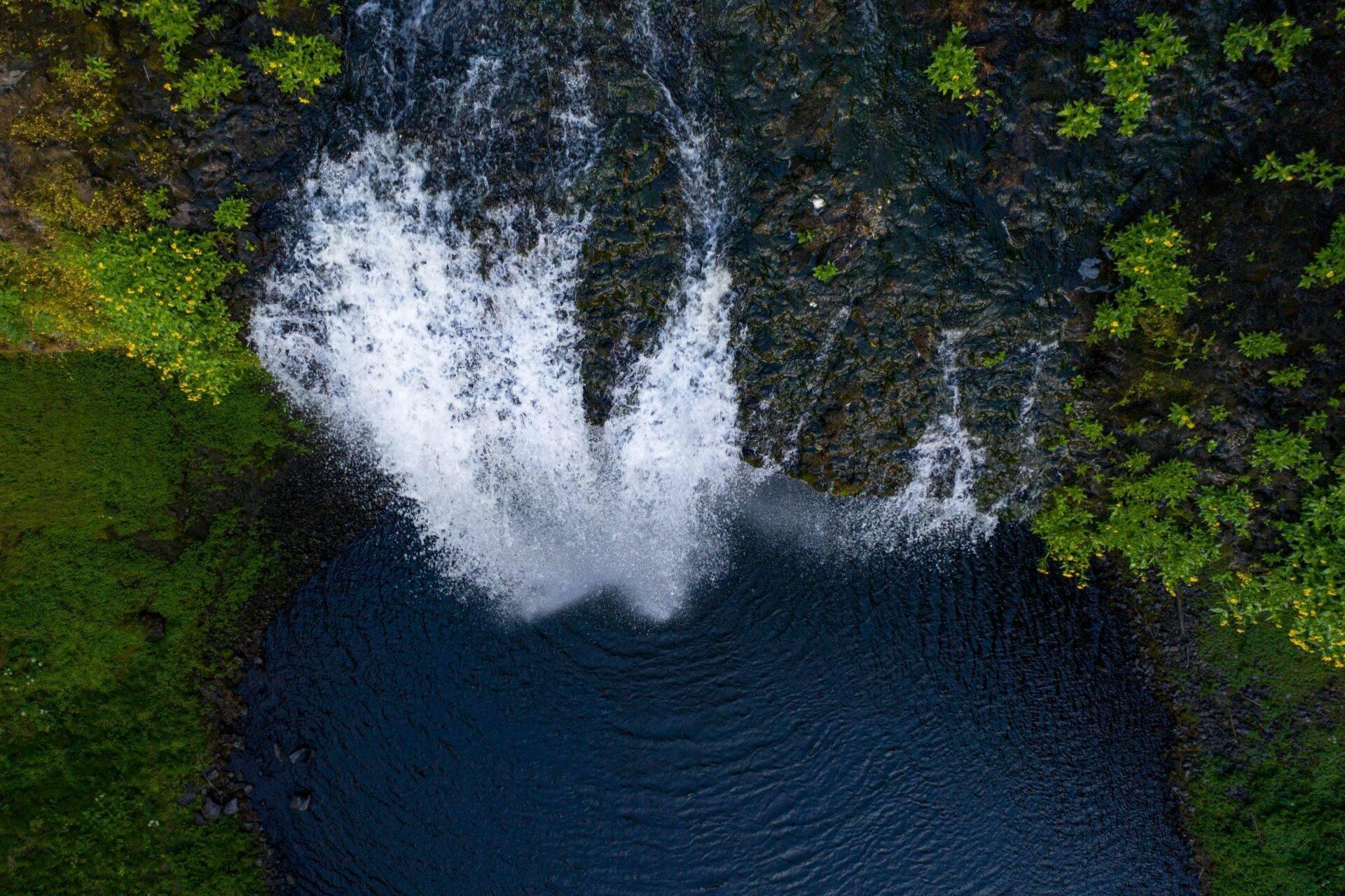
Tucked into the foothills a few kilometres from Jacmel, Bassin Bleu is a series of three natural pools linked by waterfalls. The water, a deep blue-green, flows between limestone cliffs draped in tropical vegetation. A local guide is needed to reach the site from Cayes-Jacmel. Swimming in the main pool, enclosed by rocky walls, is one of the most refreshing experiences Haiti has to offer.
9. Descend into the gorges of Saut-Mathurine
In the commune of Camp-Perrin, around 40 minutes’ drive from Les Cayes, Saut-Mathurine is Haiti’s highest waterfall, dropping around 27 metres. The Cavaillon River plunges into a natural pool ringed by sheer walls thick with vegetation. Standing at the foot of the canyon, it is easy to understand why Haitians hold these natural sites in such reverence. The descent requires a reasonable level of fitness but is manageable with a guide.
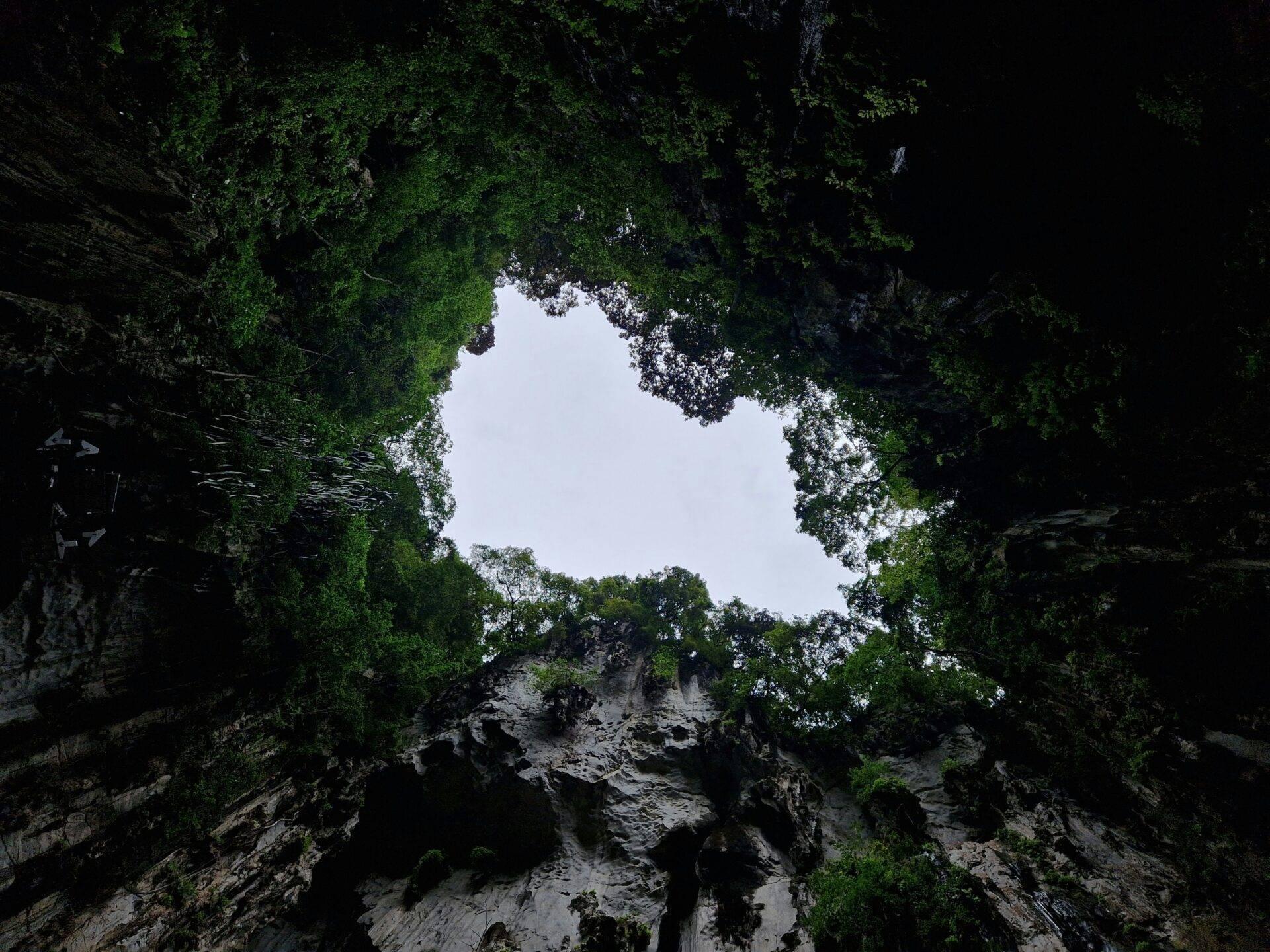
10. Join the Saut-d’Eau pilgrimage
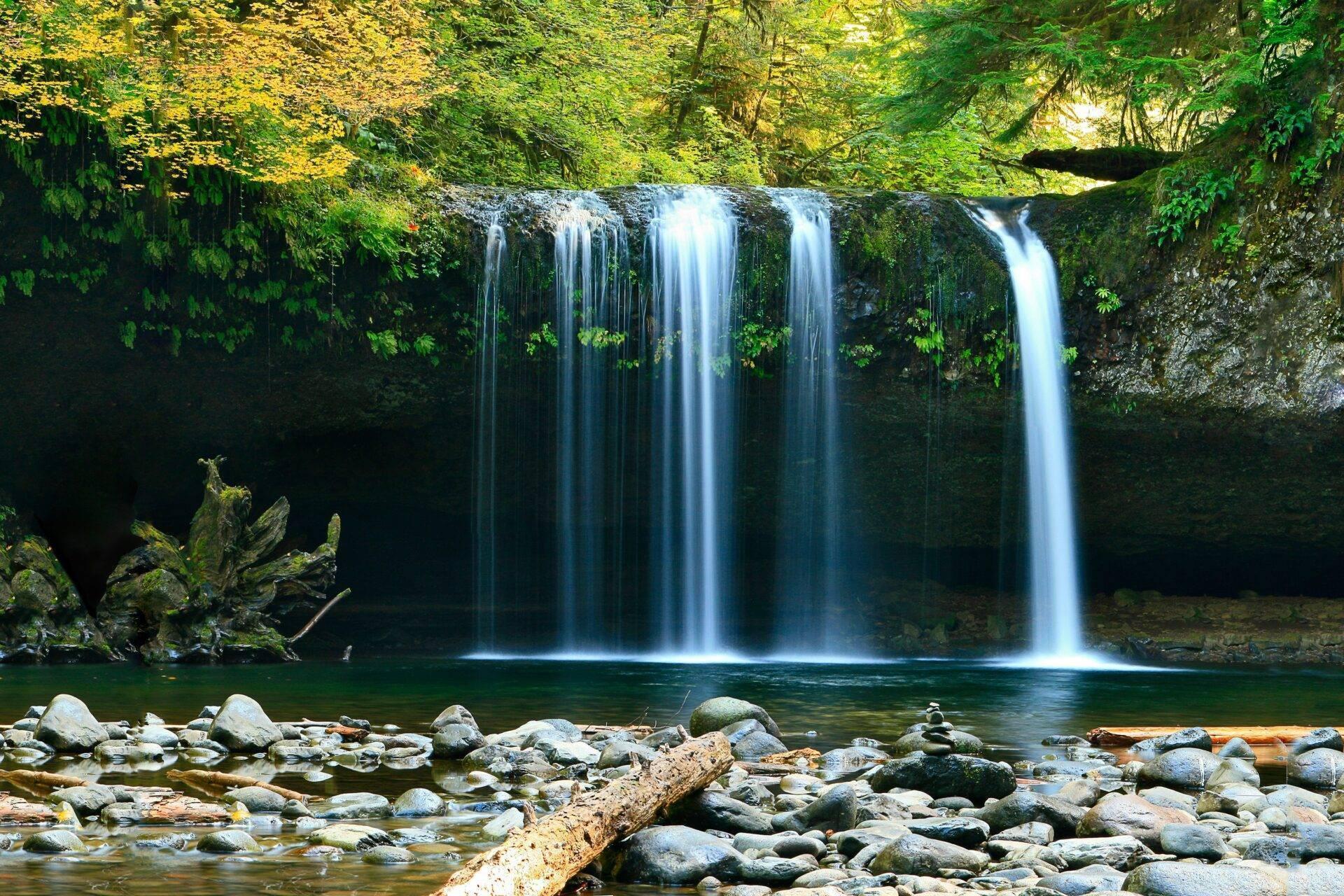
Each year around 16 July, thousands of pilgrims converge on the Saut-d’Eau falls in the central mountains for a ceremony that weaves together Haitian Catholicism and Vodou. The waterfall, tumbling down a cliff face laced with tropical ferns, is worth the journey in any season for its natural beauty alone. During the pilgrimage, the site takes on a unique cultural dimension: songs, rituals and a collective devotion found nowhere else.
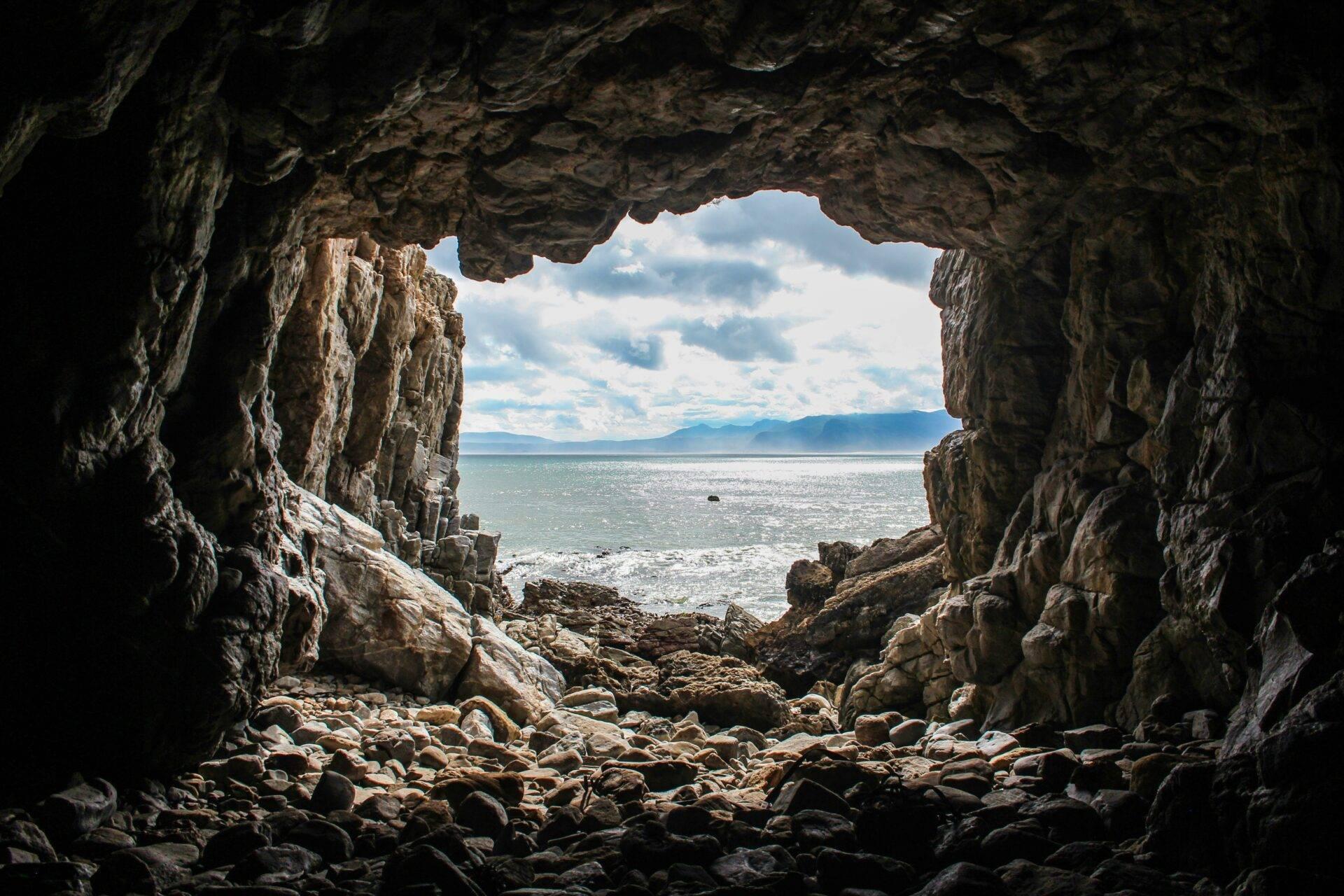
11. Explore Grotte Marie-Jeanne
Grotte Marie-Jeanne, near Port-à-Piment in the southern department, is Haiti’s largest cave. Its network of underground passages holds impressive stalactites and stalagmites, vast chambers and a timeless atmosphere. Whether you are a caving enthusiast or simply curious, it makes for an original excursion into an unspoilt environment that sees very few tourists.
12. Unwind on Île-à-Vache
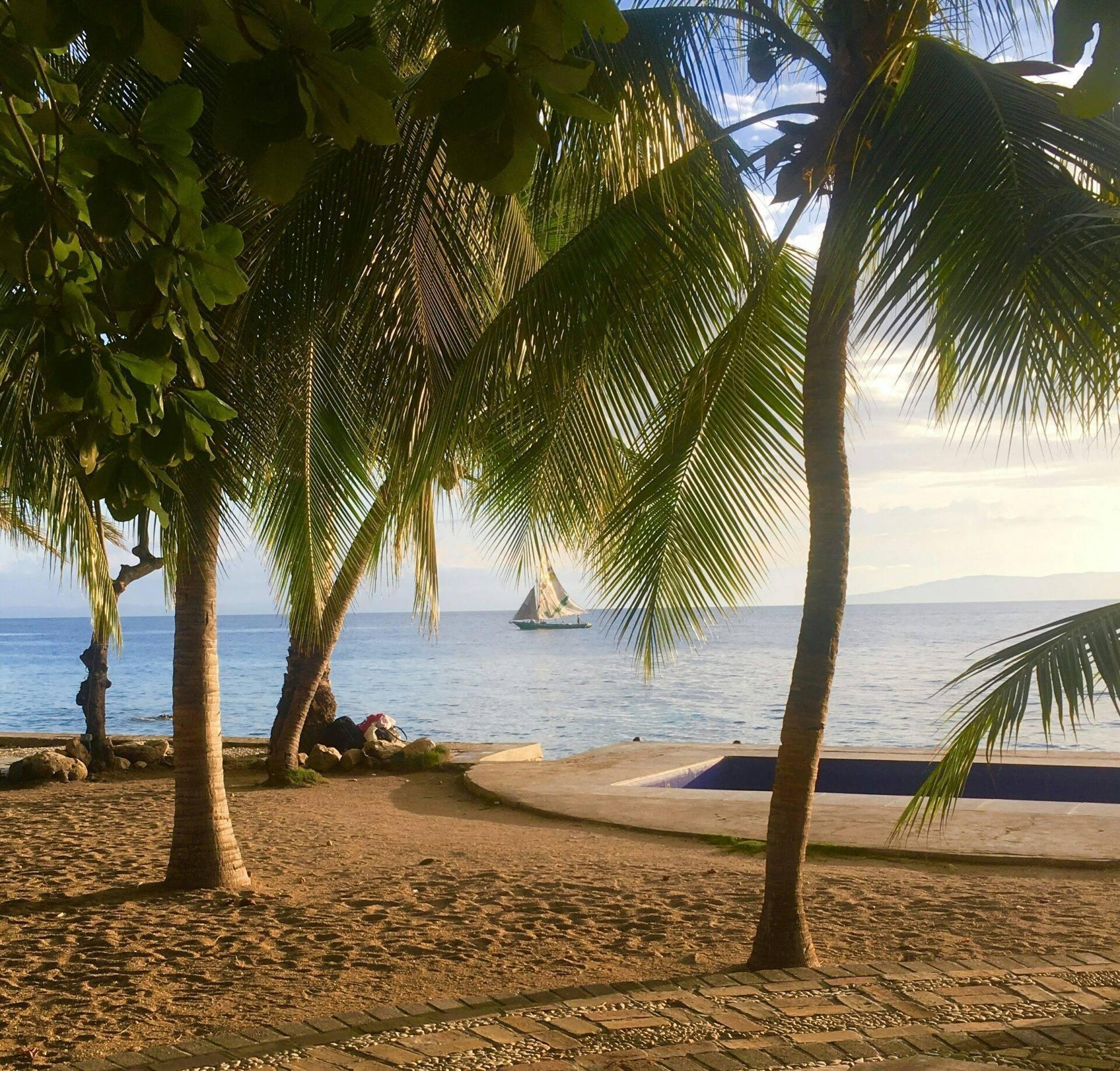
Off the coast of Les Cayes, Île-à-Vache covers around 46 km² in a barely ruffled turquoise sea. Said to have been a buccaneer hideout in the 17th century, the island now lives to the rhythm of its fishing communities and a handful of small guesthouses. Its white-sand beaches and coral-rich waters make it one of the most authentic beach destinations in the Caribbean, far from the mass-tourism circuit.
13. Head out with the fishermen
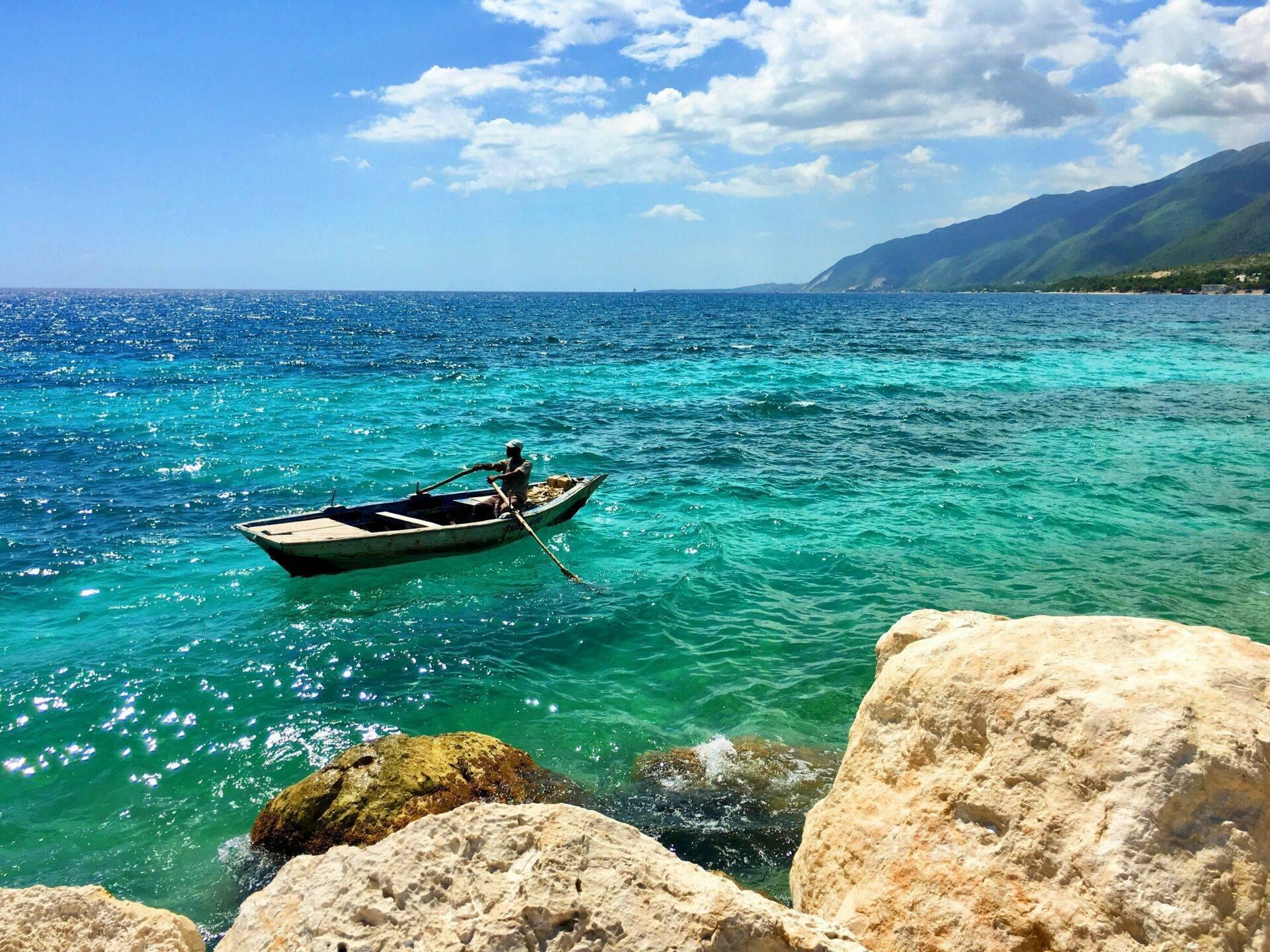
Along almost the entire Haitian coast, colourful pirogues ply the waters at dawn. Joining a fisherman for a trip out to sea, particularly around Île-à-Vache or along the northern coast, means discovering a Haiti far removed from tourist trails, with remarkably clear water and genuine encounters with local people. Local guides and guesthouses generally arrange these outings.
14. Enjoy the beaches of Labadie
The Labadie peninsula, north-west of Cap-Haïtien, is home to some of the finest beaches on the northern coast. Its clear waters and palm trees make it a popular stop, particularly for cruise passengers. Independent travellers can reach it by boat from Cap-Haïtien to enjoy the beaches and water sports in an idyllic setting, often without the crowds.
15. Stroll along the Port-Salut coast
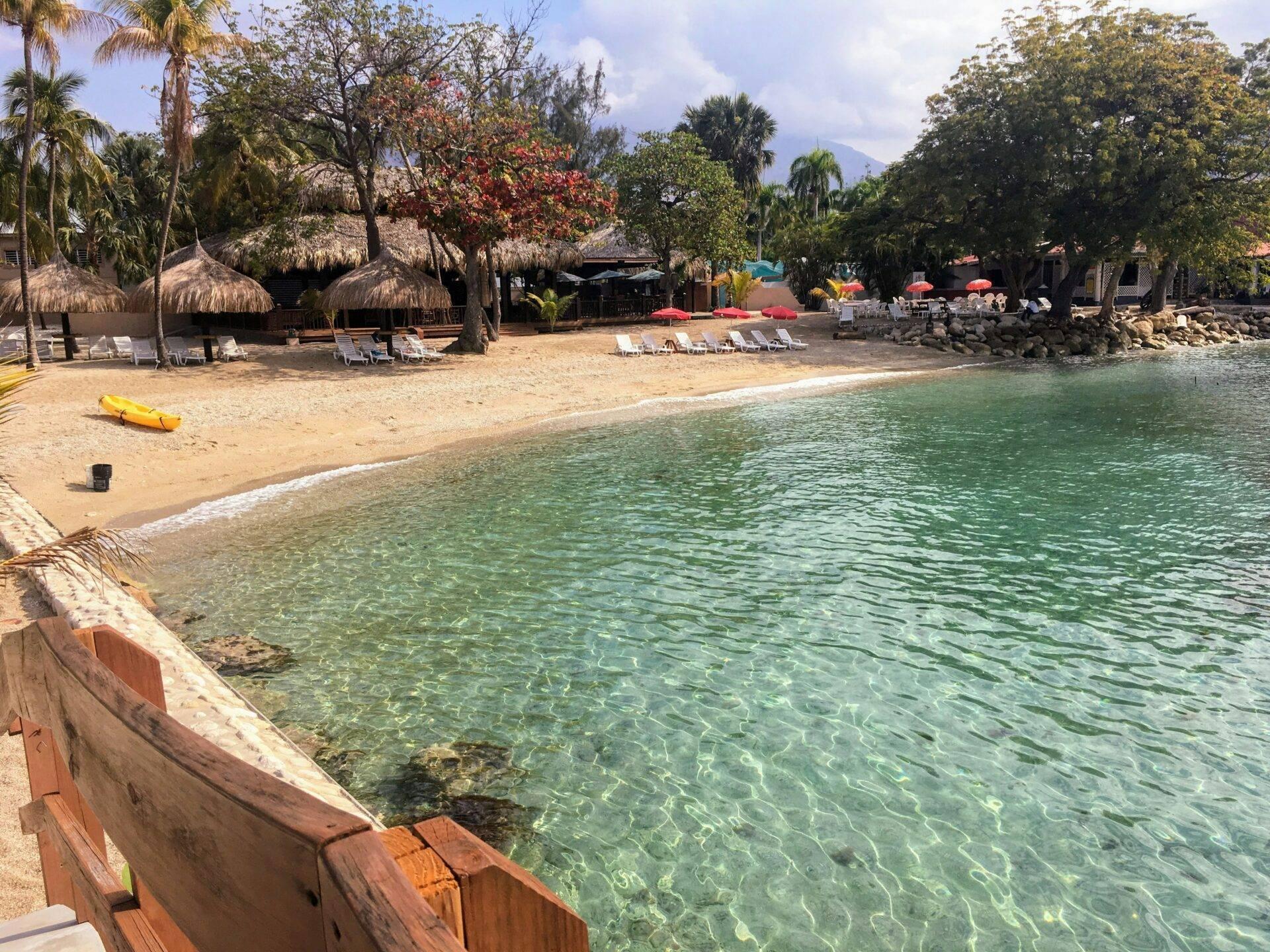
Port-Salut, in the southern department, is regularly cited among the country’s most beautiful beaches. Colourful houses line the seafront, fishermen return with their nets and coconut palms lean over the sand, creating a distinctive atmosphere. The town sees very few foreign visitors: an ideal stop for anyone seeking a quiet, authentic local experience.
16. Find the wild beaches of the southern coast
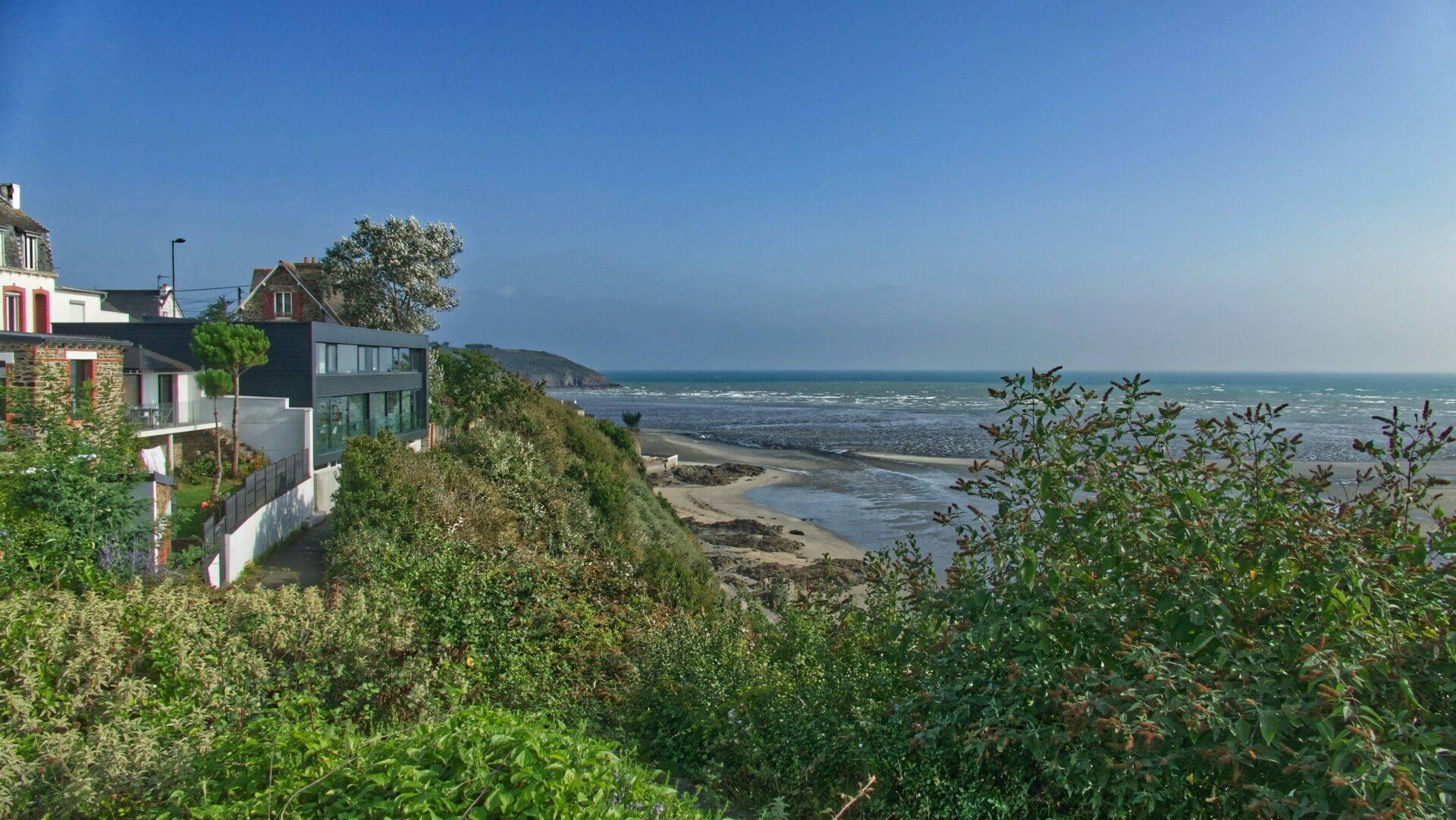
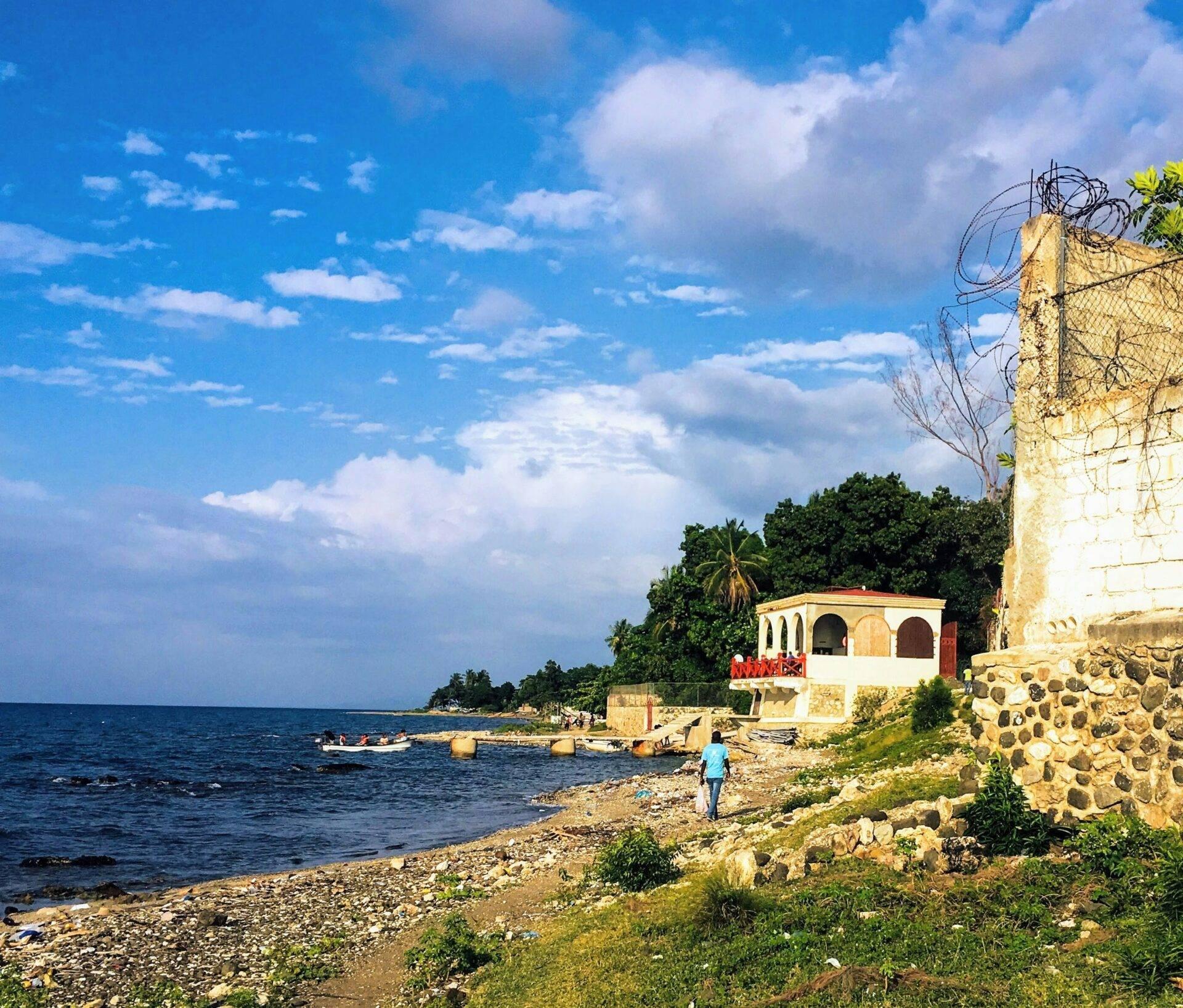
Between Jacmel and Cayes-Jacmel, a succession of coves with black pebbles or fine sand can be reached on foot or by boat. These quiet beaches, framed by brightly painted fishermen’s houses, are a reminder that the Caribbean can still surprise you well away from the hotel complexes. Swimming is calm, and the inevitable encounters with local people often turn out to be the highlight of the trip.
17. Discover Île à Rat
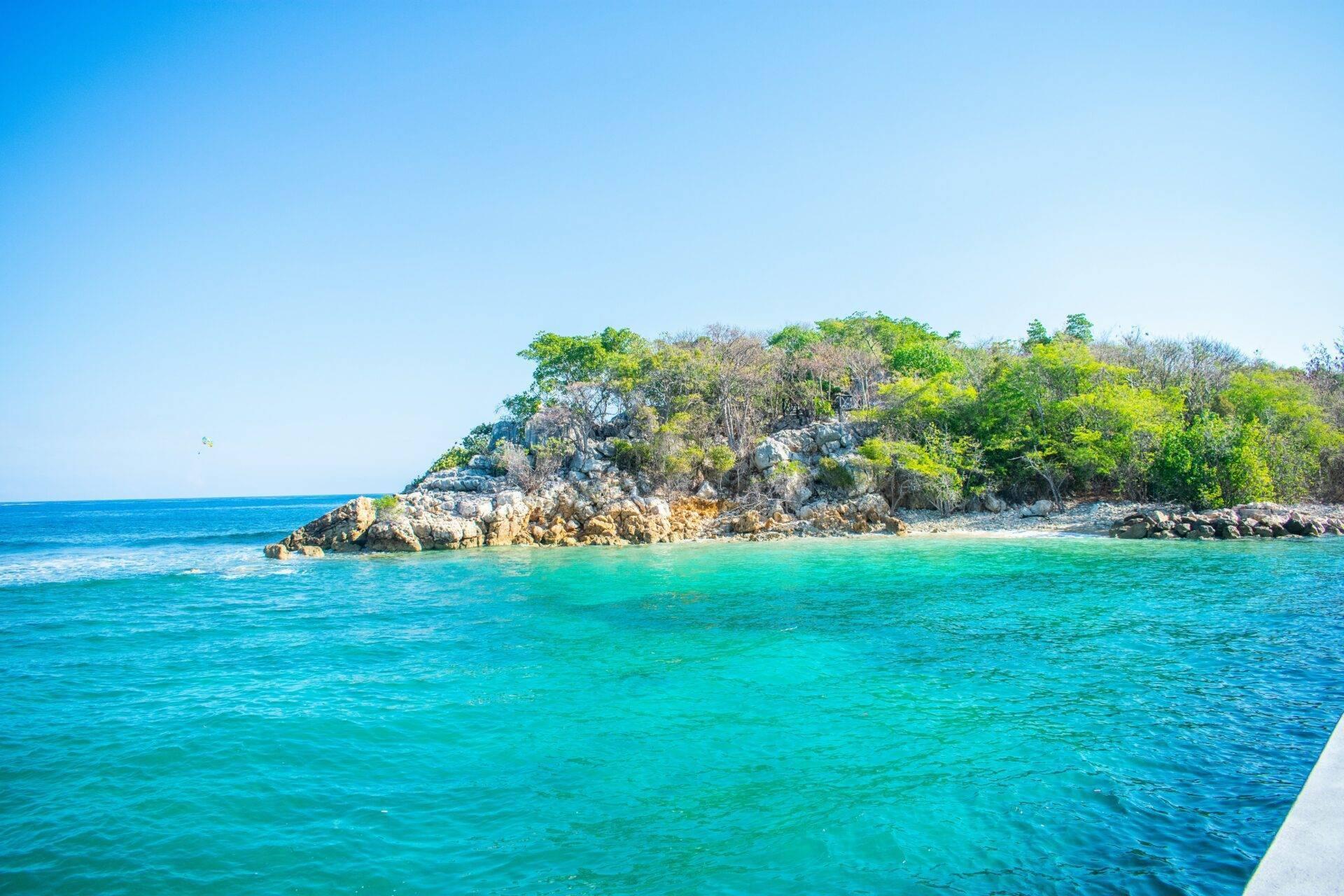
Close to the Labadie shoreline, Île à Rat is a rocky outcrop covered in tropical vegetation that rises from the turquoise waters of the northern coast. Almost entirely free of any infrastructure, you reach it by boat from Labadie to snorkel around its shallow reefs or simply to sit and soak it all in. It is the kind of under-the-radar spot that travellers tend to keep to themselves.
18. Breathe the mountain air of Kenscoff
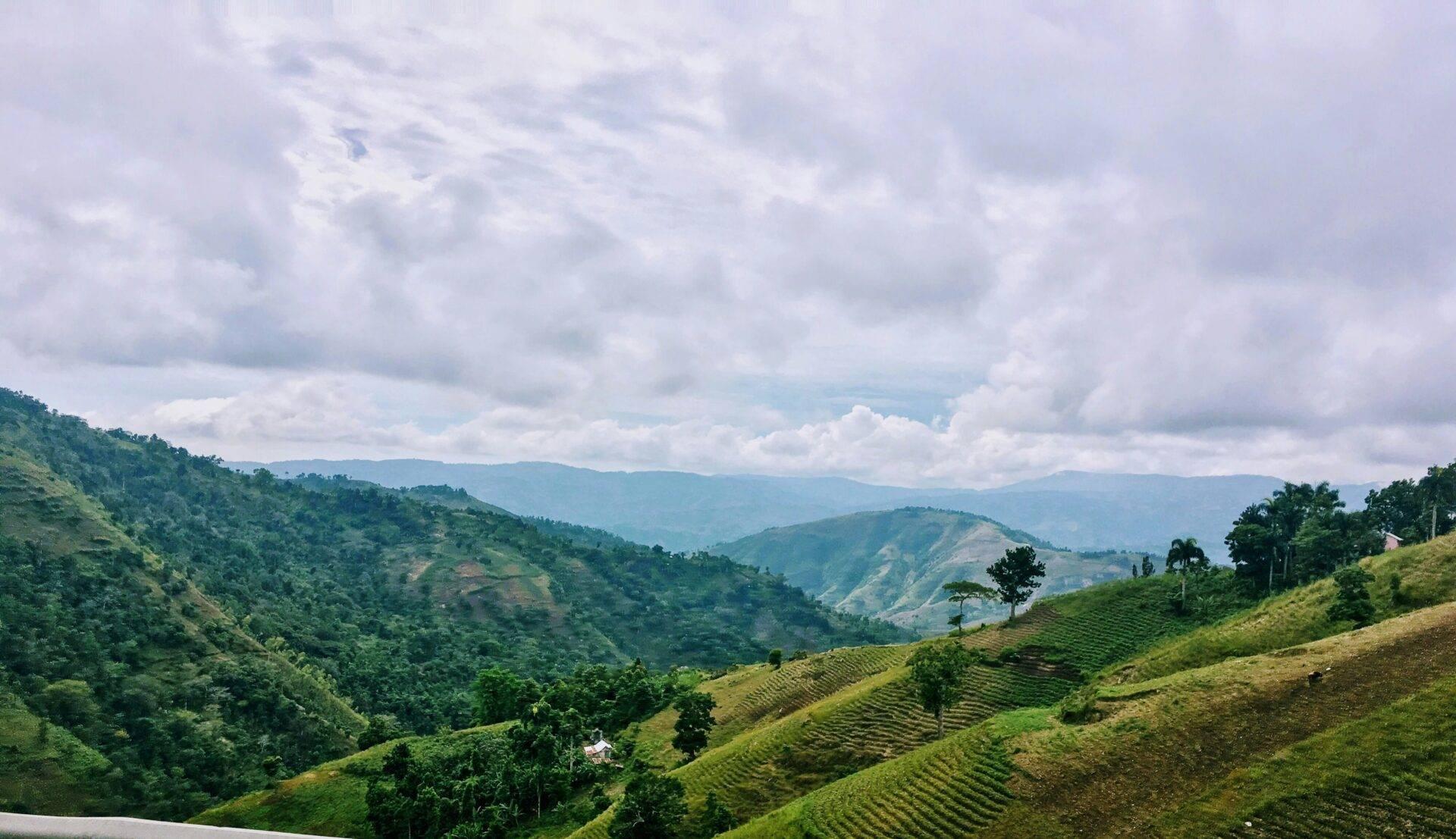
About 20 kilometres south of Port-au-Prince, the road climbs to Kenscoff, a highland town where the capital’s heat gives way to a cool breeze and landscapes of cultivated valleys that feel more European than Caribbean. Maize, beans, mountain vegetables: agriculture is everywhere. Port-au-Prince residents come up here at weekends to unwind. For travellers, it offers a window onto a side of Haitian daily life far removed from tropical clichés.
19. Hike in Parc National La Visite
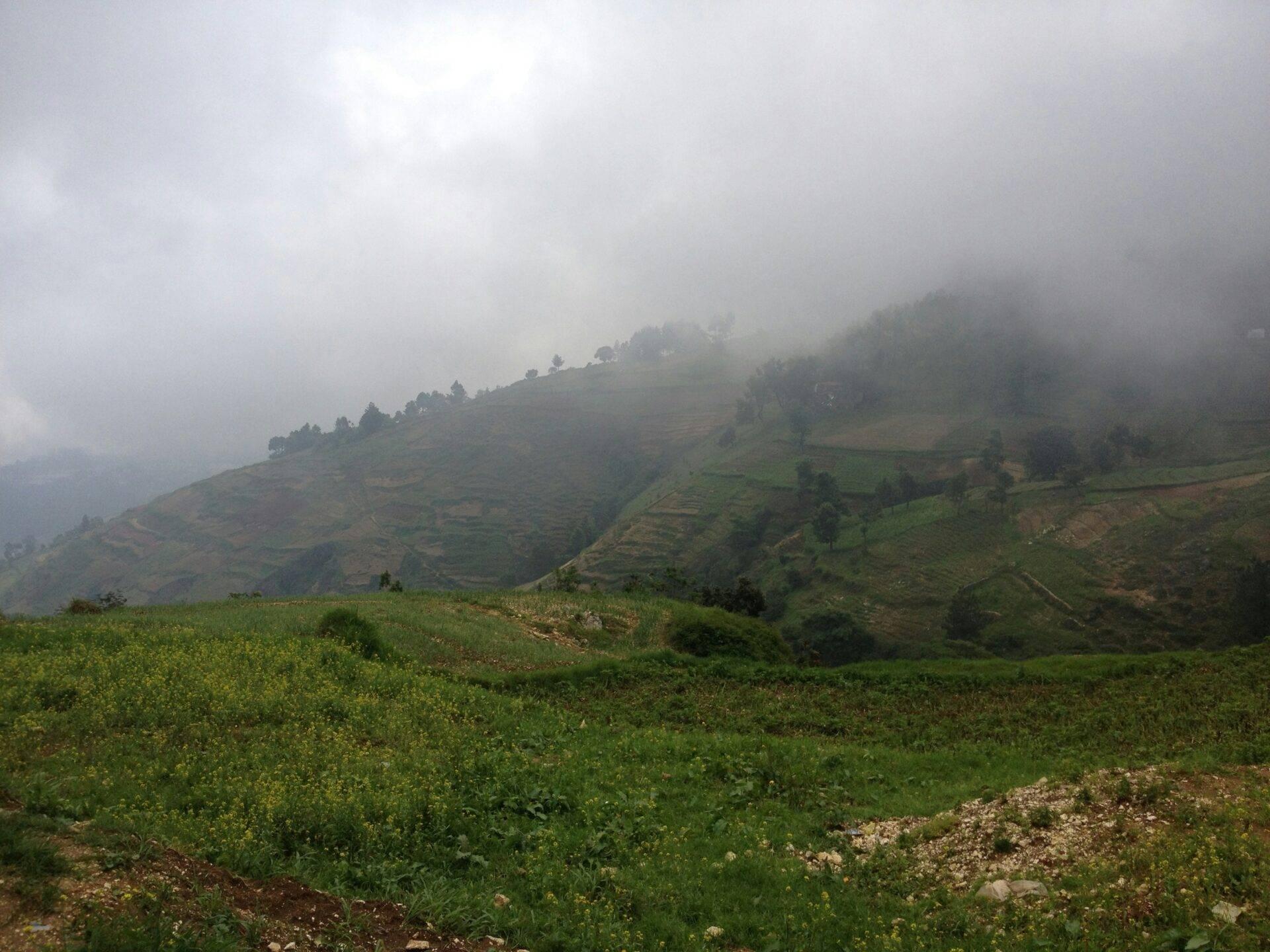
Parc National La Visite, in the mountain ranges south of Port-au-Prince, is home to Pic de La Selle, Haiti’s highest point at 2,680 metres. Pine forests, endemic orchids and mist clinging to the ridgelines: the landscape bears little resemblance to the tropical image usually associated with the Caribbean. One- to two-day treks can be arranged with local guides, who are indispensable on this rugged terrain.
20. Travel by tap-tap
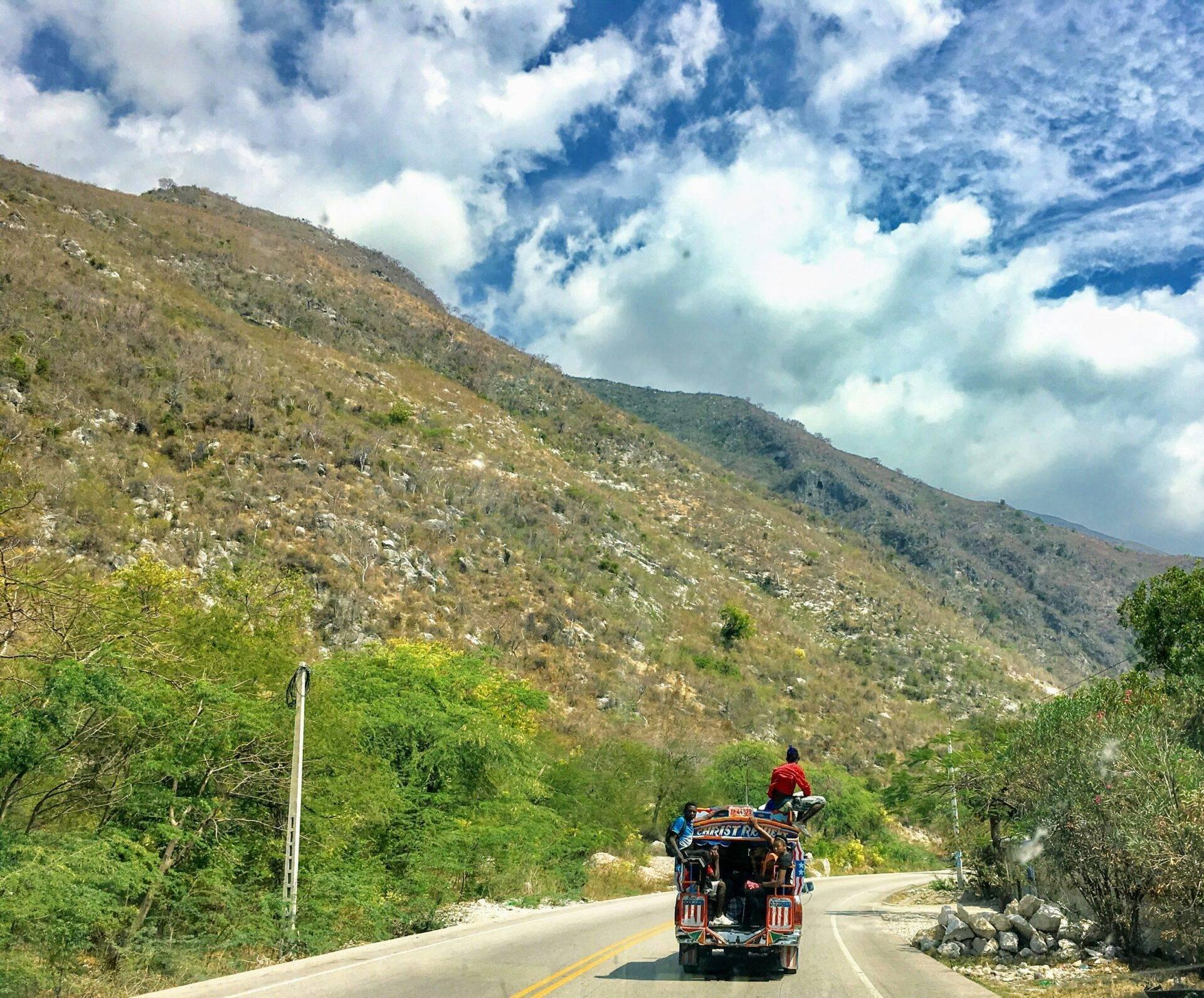
Tap-taps are Haiti’s hand-painted trucks and minibuses, covered in vivid colours, religious slogans and portraits of saints or local stars. Each vehicle is a unique, moving work of art. Taking a tap-tap between two towns is a way of immersing yourself in Haitian daily life that no guided tour can match. The winding mountain roads and hillside scenery viewed from a tap-tap seat rank among the most memorable impressions any visitor takes home.
When to visit Haiti
The ideal window runs from December to March, during the dry season, with coastal temperatures around 30°C. The mountain roads that lead to Citadelle Laferrière, the national parks and the southern waterfalls are more passable, and weather conditions more settled than in summer. Hurricane season runs from June to November.
For local festivals, Jacmel’s carnival in February and March is renowned for its handcrafted masks. The Saut-d’Eau pilgrimage takes place each year around 16 July.
If the Caribbean islands appeal beyond Haiti, our guide Things to Do in Guadeloupe explores another French-speaking destination with varied landscapes. For an island of a different scale, Things to Do in Madagascar surveys a vast island with exceptional biodiversity.
FAQ
Is Citadelle Laferrière difficult to reach?
The climb from the village of Milot takes around an hour on foot. Horses are available to hire on site for part of the journey. Allow half a day to go up, visit and come back down. The path is manageable for most reasonably fit travellers, though it can be slippery during the rainy season.
Is it safe to travel in Haiti?
The security situation varies considerably by region and can change quickly. Check your government’s latest travel advice before you go and adjust your itinerary accordingly. The northern region around Cap-Haïtien is generally considered more accessible than the capital. Follow the advice of your accommodation and avoid travelling after dark.
What is the best time to visit Haiti?
December to March, during the dry season. Coastal temperatures stay around 30°C, roads to natural and historic sites are more passable and hurricane risk is virtually nil.
How do you get around inside Haiti?
Tap-taps, hand-painted colourful minibuses, connect towns and villages. For longer distances, private coach companies cover the main routes. Hiring a vehicle with a driver remains the most comfortable option for reaching isolated sites such as Bassin Bleu or Grotte Marie-Jeanne.
Are Haiti’s beaches worth the trip?
Absolutely. The beaches at Labadie, Île-à-Vache and Port-Salut rank among the finest in the Caribbean, often with very few people around. The southern coast around Jacmel offers wilder coves, with partly preserved reefs for snorkelling.