
Madagascar packs into a single island what many travellers spend a lifetime searching for: forests of razor-sharp limestone found nowhere else on Earth, lemurs you will encounter on no other continent, near-deserted beaches, and national parks of such biological richness that they leave scientists lost for words. The Great Island stretches nearly 1,600 km from north to south – two weeks barely scratches the surface of its diversity. Here are the 20 experiences not to miss under any circumstances.
Plan my trip with peace of mindNational Parks and Hiking
1. Ranomafana National Park: primary rainforest and its lemurs
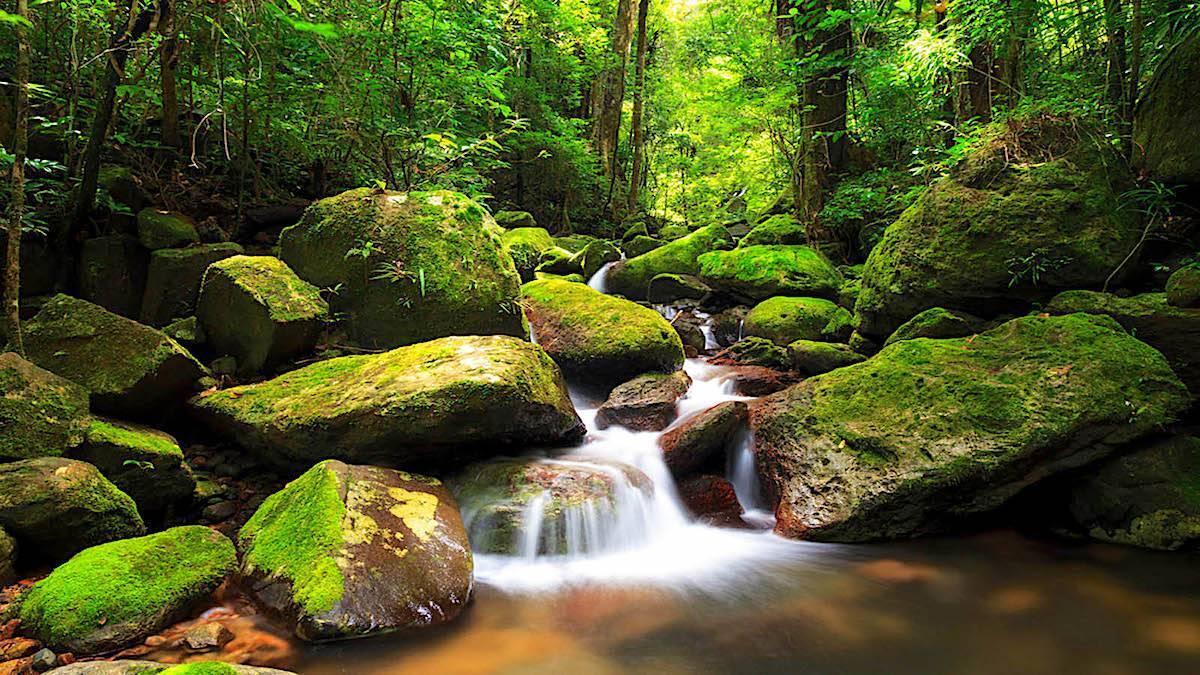
In the south-east of the island, wrapped in near-permanent mist, Ranomafana National Park is home to several lemur species, including the golden bamboo lemur – one of the rarest primates on the planet. The trails wind through dense rainforest threaded with streams that cascade over moss-covered boulders.
Located close to Fianarantsoa, the park is reachable from the capital in around seven hours by road. Allow at least two days to observe the nocturnal wildlife with a local guide.
2. Isalo National Park: the canyons of the deep south
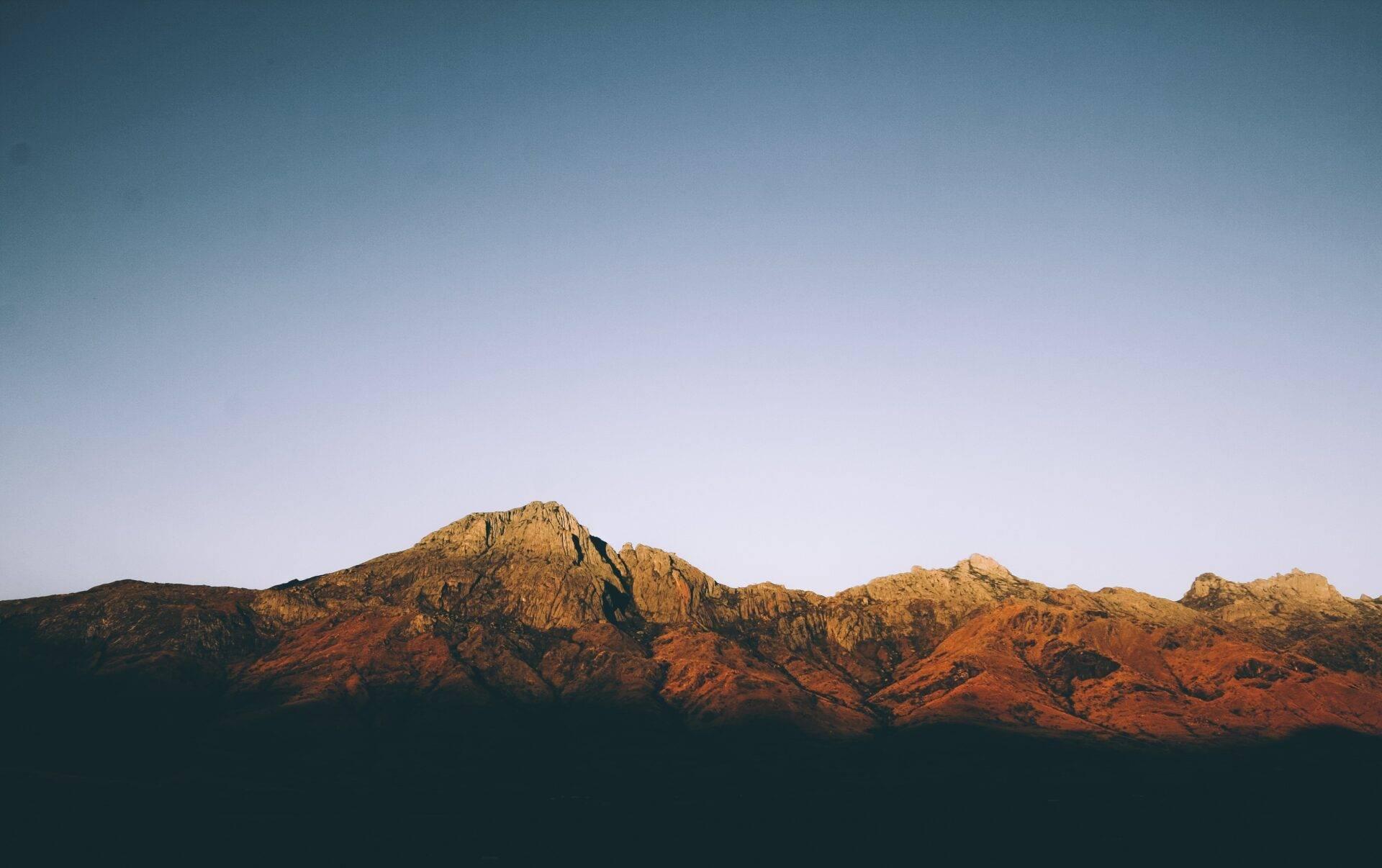
Nestled in the south of Madagascar, Isalo is famed for its sandstone formations sculpted by erosion, its deep canyons and hidden oases where endemic palms grow. The hiking trails reveal crystal-clear natural pools – a welcome sight under the fierce heat of the southern Malagasy sun.
Isalo is best explored on foot: circuits range from a half-day walk to multi-day treks with overnight camps in the canyons.
3. Tsingy de Bemaraha: the UNESCO-listed limestone cathedrals
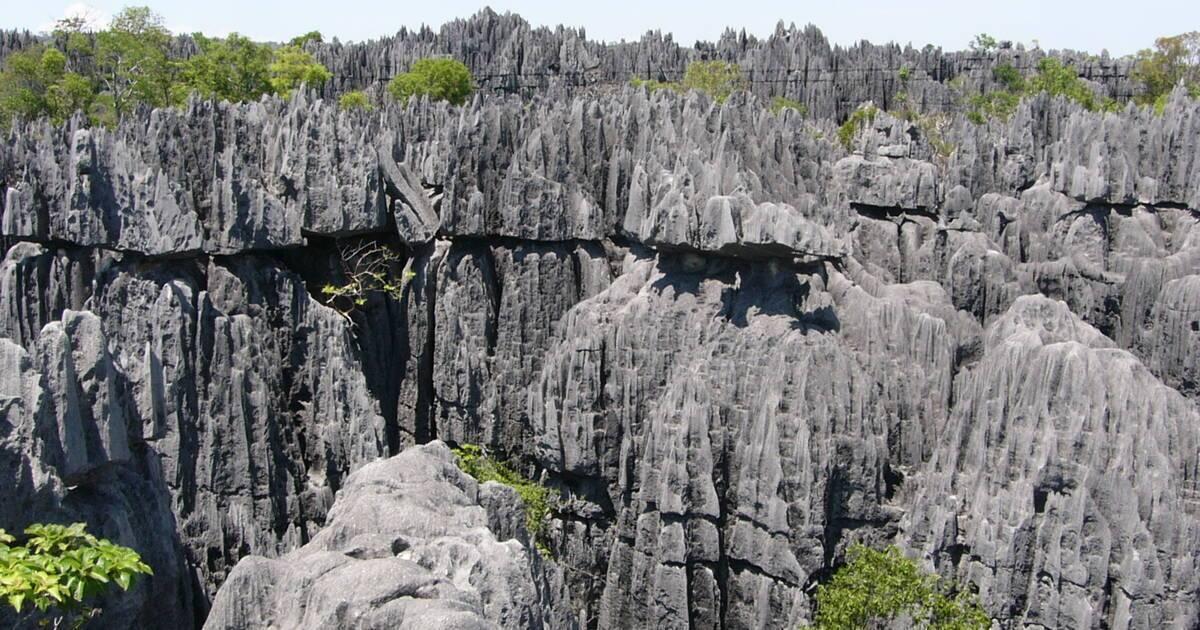
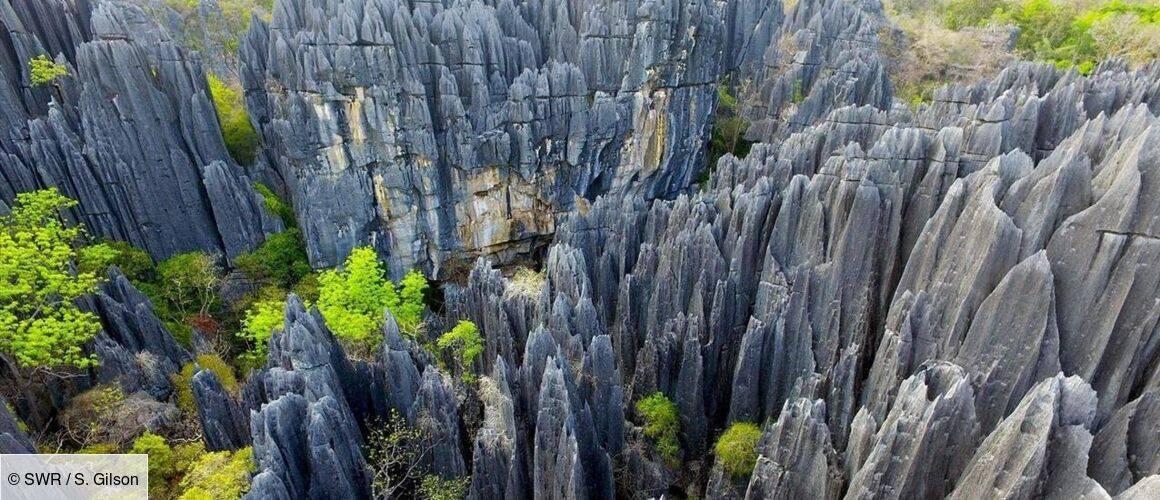
Listed as a UNESCO World Heritage Site since 1990, Tsingy de Bemaraha National Park covers more than 157,000 hectares in western Madagascar. Its karst limestone formations, over 200 million years old, rise to around 100 metres. This stone labyrinth shelters 400 animal species and 900 plant species.
Adventurous visitors cross suspension bridges and tackle via ferrata routes between the stone needles. The drive from Morondava takes a full day on dirt tracks, including two river crossings by ferry: plan on at least two nights on site.
4. Masoala National Park: jungle, beaches and chameleons
In the north-east, Masoala National Park brings together primary rainforest and white-sand beaches lapped by turquoise water. It is one of Madagascar’s richest habitats for endemic species, with multicoloured chameleons appearing around almost every bend in the trail.
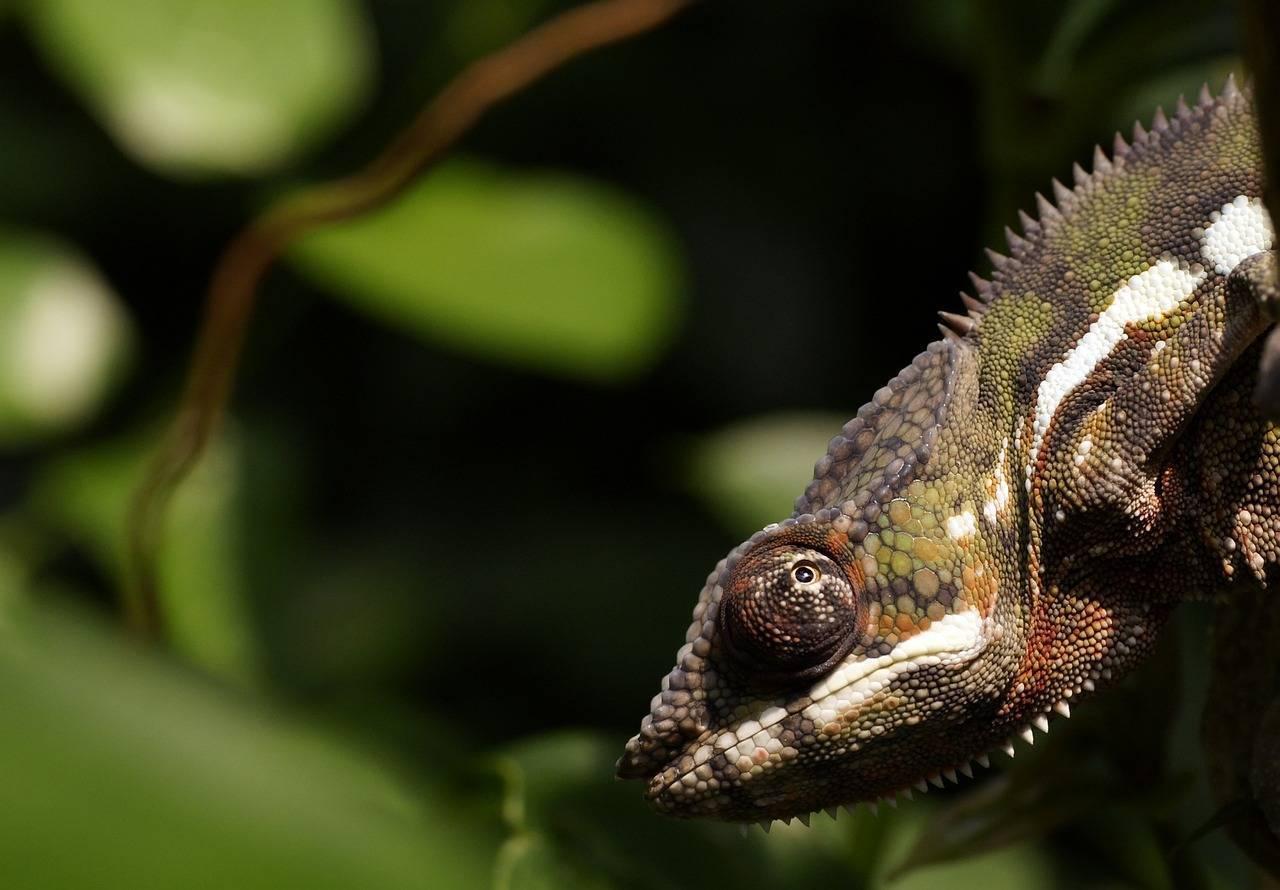
Snorkelling on the adjacent coral reefs rounds off the experience: Masoala is one of the rare places where you can go from jungle to lagoon in just a few minutes on foot.
5. Ankarana Special Reserve: tsingy and underground rivers
In northern Madagascar, the Ankarana Special Reserve reveals a network of underground caves, hidden rivers and tsingy formations that are more accessible than those at Bemaraha. Lemurs and bats move freely through a landscape of varied, dramatic rock formations.
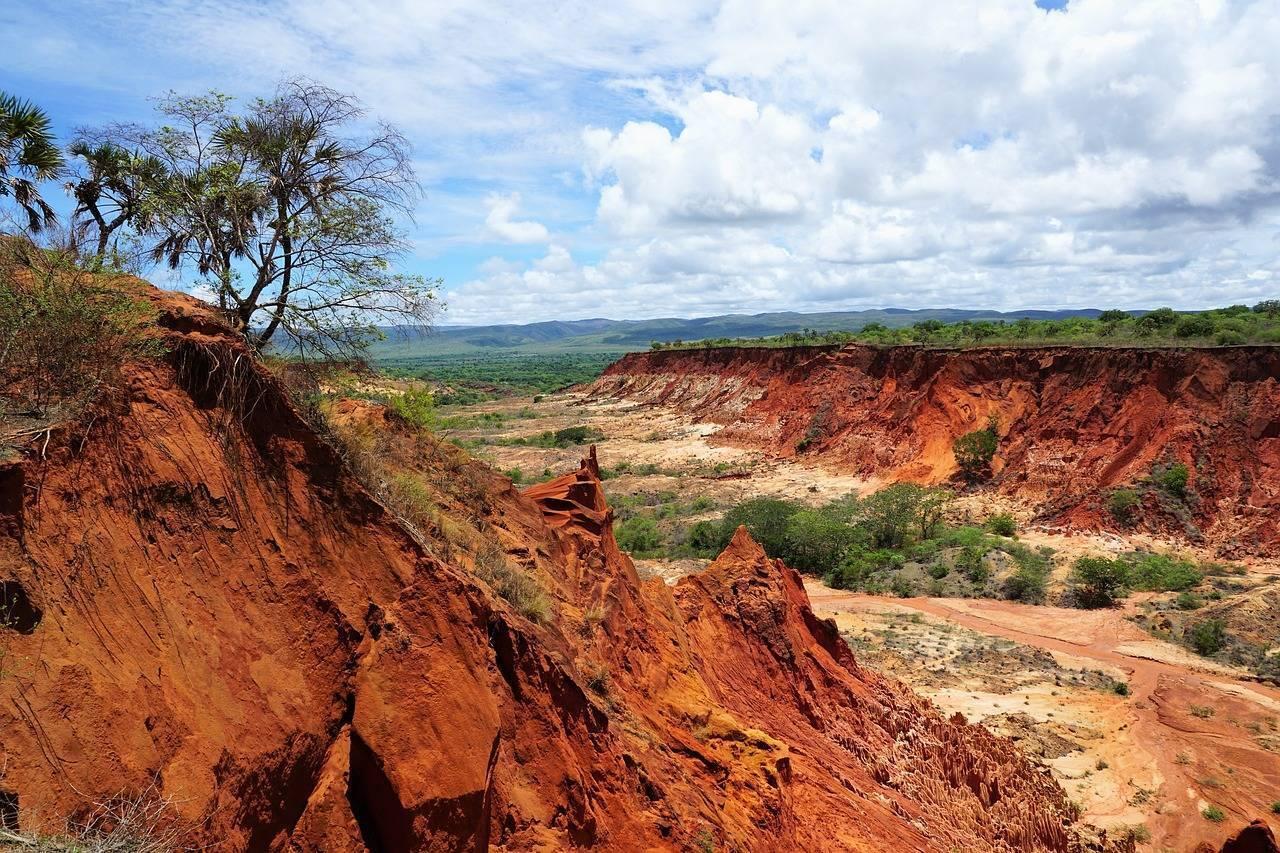
Ankarana can be visited in a day from Diego Suarez (Antsiranana), or over two days to explore the caves and the more remote tsingy circuits.
6. Andasibe-Mantadia National Park: the song of the Indri
Just three hours east of Antananarivo, Andasibe-Mantadia National Park (15,480 ha) is the most accessible place to hear the Indri – Madagascar’s largest lemur – whose haunting call rings out through the canopy each morning. The park is home to 14 lemur species in total.
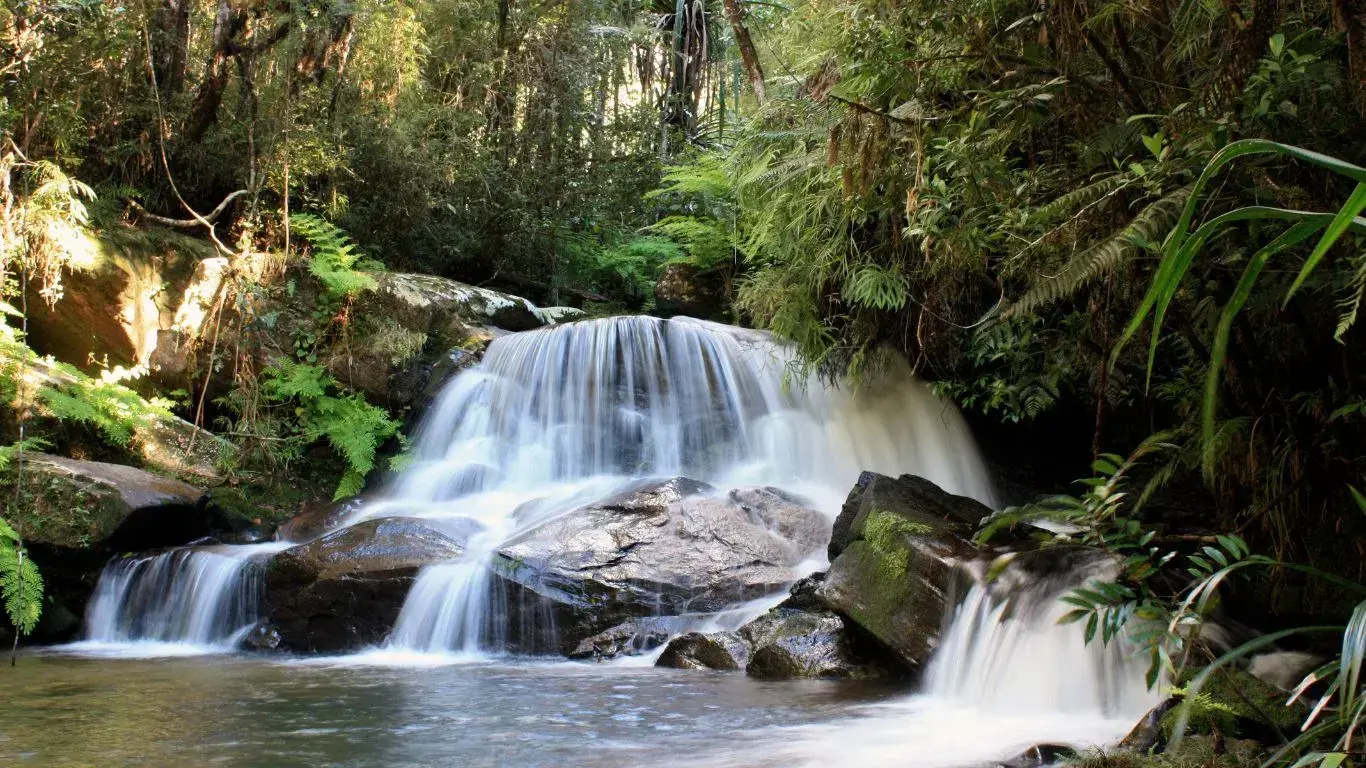
Guided night walks allow you to spot chameleons and nocturnal lemurs by torchlight, offering an entirely different perspective on the forest.
7. Tsingy de Namoroka: the forgotten labyrinth
Less visited than Bemaraha, Namoroka National Park offers a maze of canyons, caves and sharp limestone formations inhabited by endemic species. Its remoteness reserves it for travellers intent on going well off the beaten track.
8. Marojejy National Park: the mountain of mists
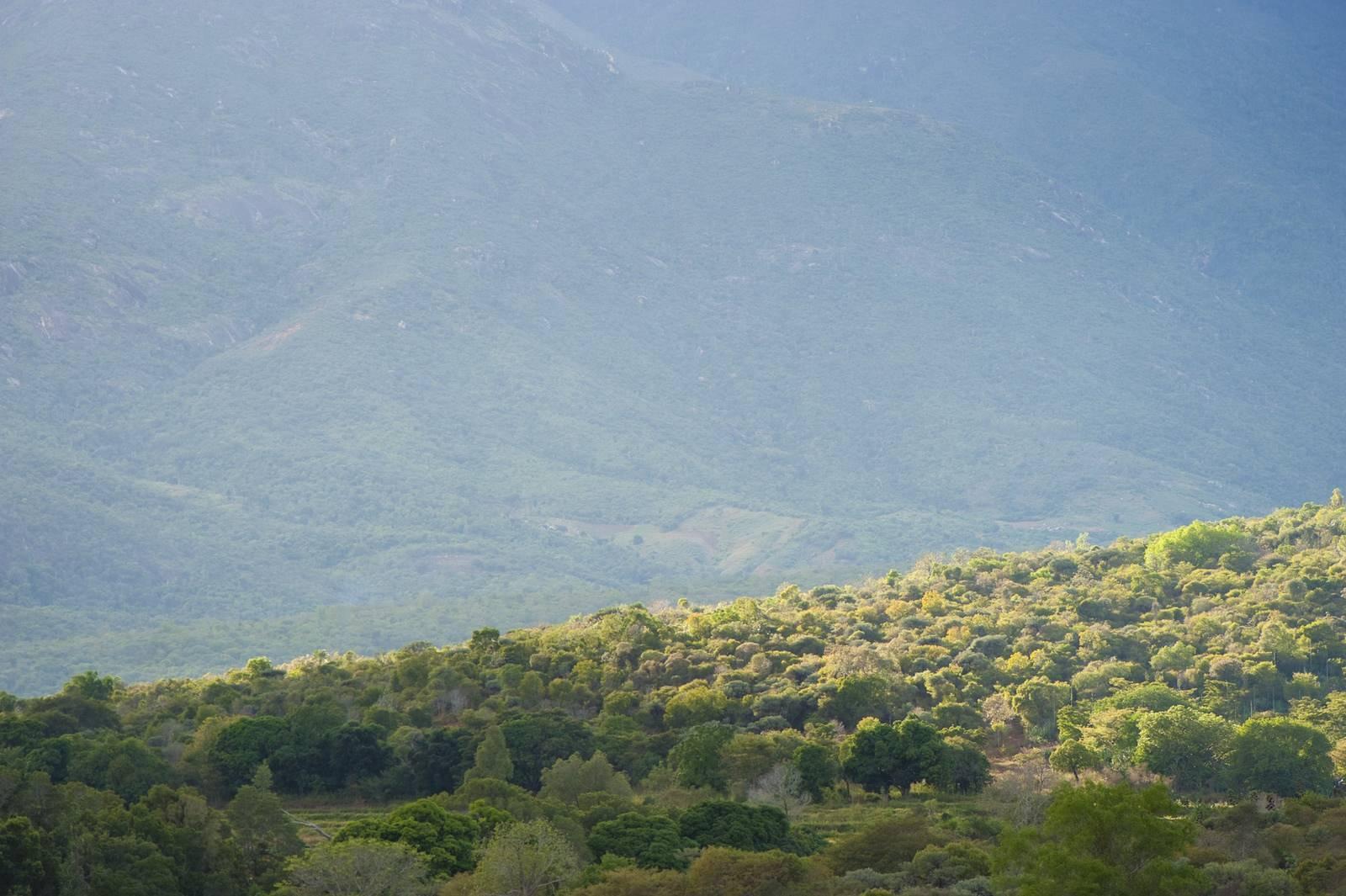
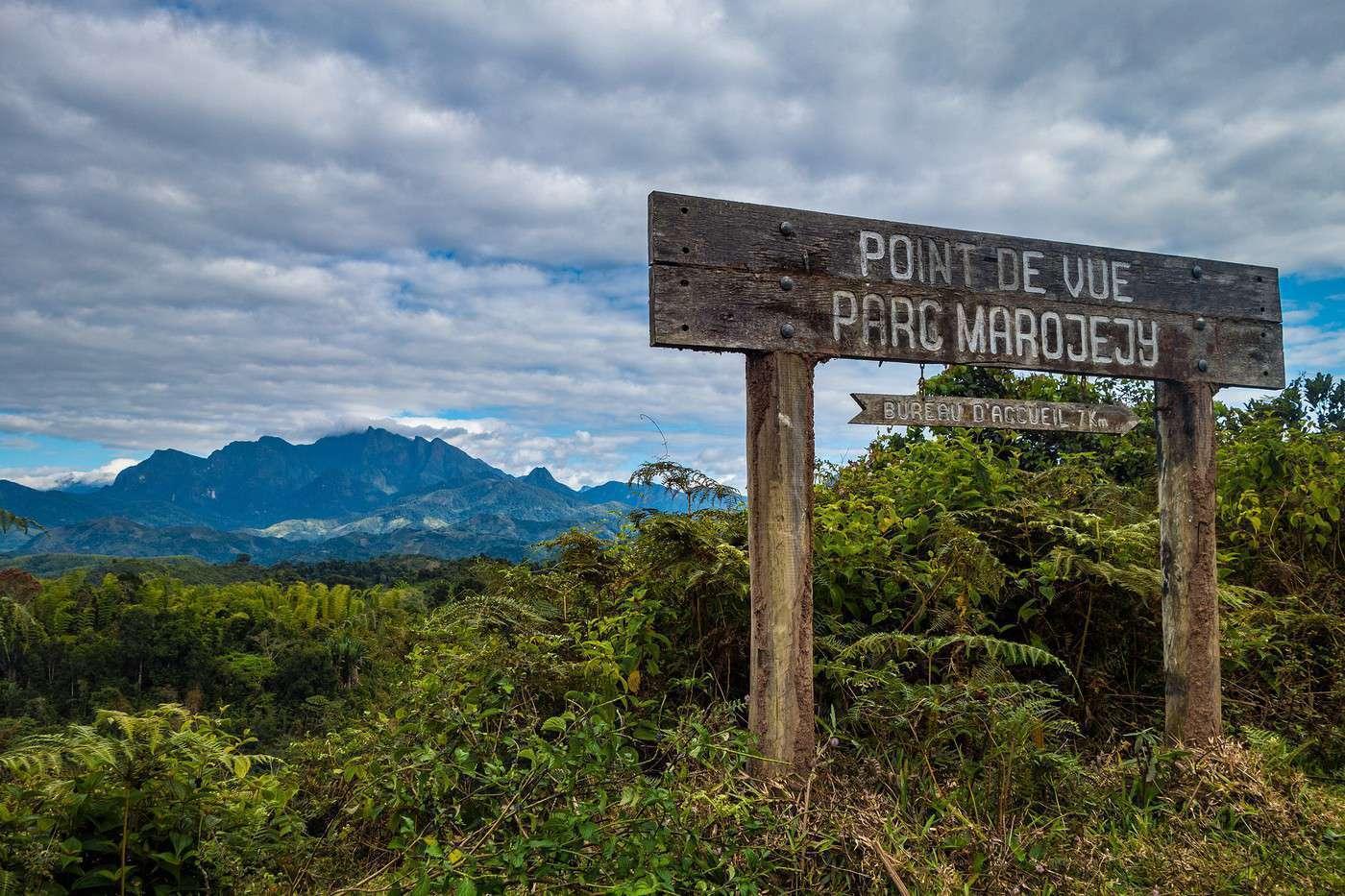
In the far north-east, Marojejy National Park covers 55,500 hectares. Its massif peaks at 2,132 metres, and the trek to the summit – through permanent cloud and vegetation of almost unreal density – ranks among Madagascar’s most wild and demanding hikes. The park shelters 11 lemur species, including the silky sifaka.
For lovers of African wilderness, a Tanzania safari offers a very different but complementary experience on the neighbouring continent.
Islands and the Sea: Madagascar from the Water
9. Nosy Be: diving, whale sharks and ylang-ylang
Nosy Be, in the north-west, is Madagascar’s most visited island. Its fine sandy beaches, coral-rich dive sites and ylang-ylang plantations make it a destination in its own right. Between October and November, whale sharks frequent the waters around Nosy Be: swimming alongside them in mask and fins is a rare experience open to any confident swimmer.
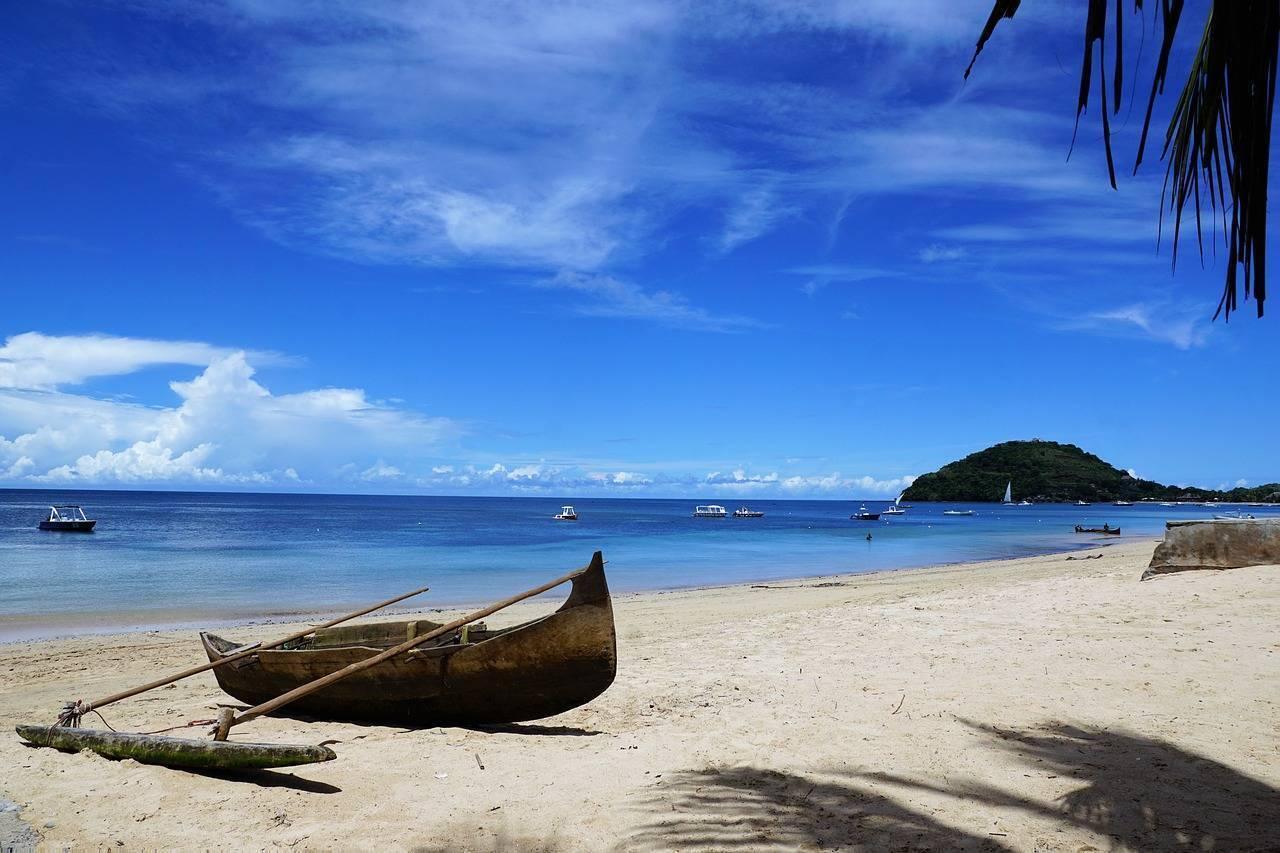
The neighbouring islands of Nosy Komba and Nosy Tanikely can be explored on a day trip to discover lemurs and sea turtles.
10. Île Sainte-Marie: watching the humpback whales
Every year, between 2,000 and 3,000 humpback whales come to breed in the Sainte-Marie channel. The season runs from June to September, peaking in July and August: males singing, spectacular breaches, calves swimming alongside their mothers. The island has hosted a Whale Festival every July since 2015, organised by the Cétamada association.
Excursions are led by Cétamada-certified operators, with a minimum distance of 100 metres to be maintained around the cetaceans.
11. The Mitsio Islands: diving off Nosy Be
In the north-west, the Mitsio Islands archipelago remains one of Madagascar’s best-kept secrets. Fine sandy beaches, reefs teeming with colourful coral and exotic fish: this is the destination for divers escaping the crowds and seeking underwater environments in near-pristine condition.
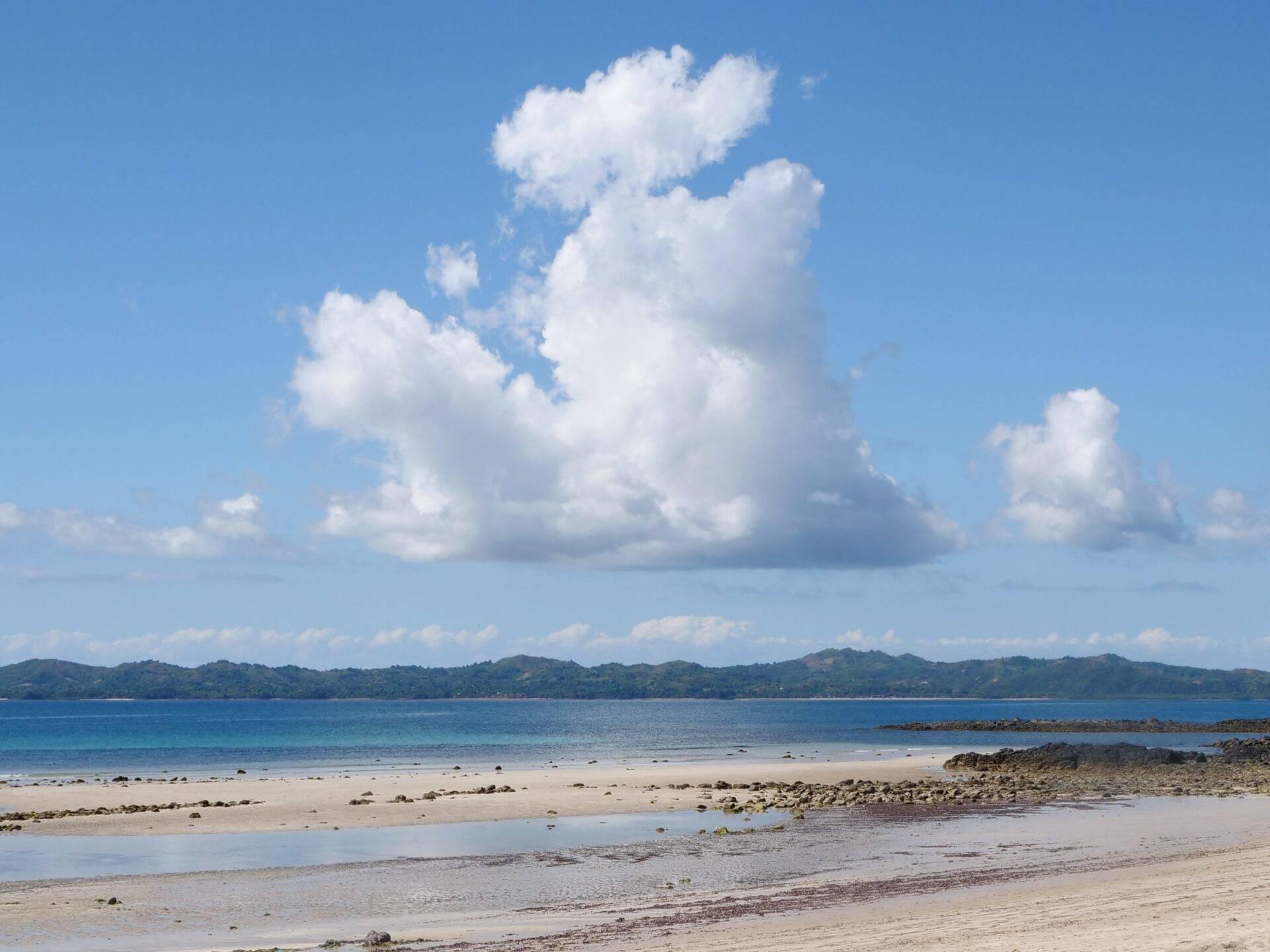
12. Fort Dauphin (Taolagnaro): between sea and mountains
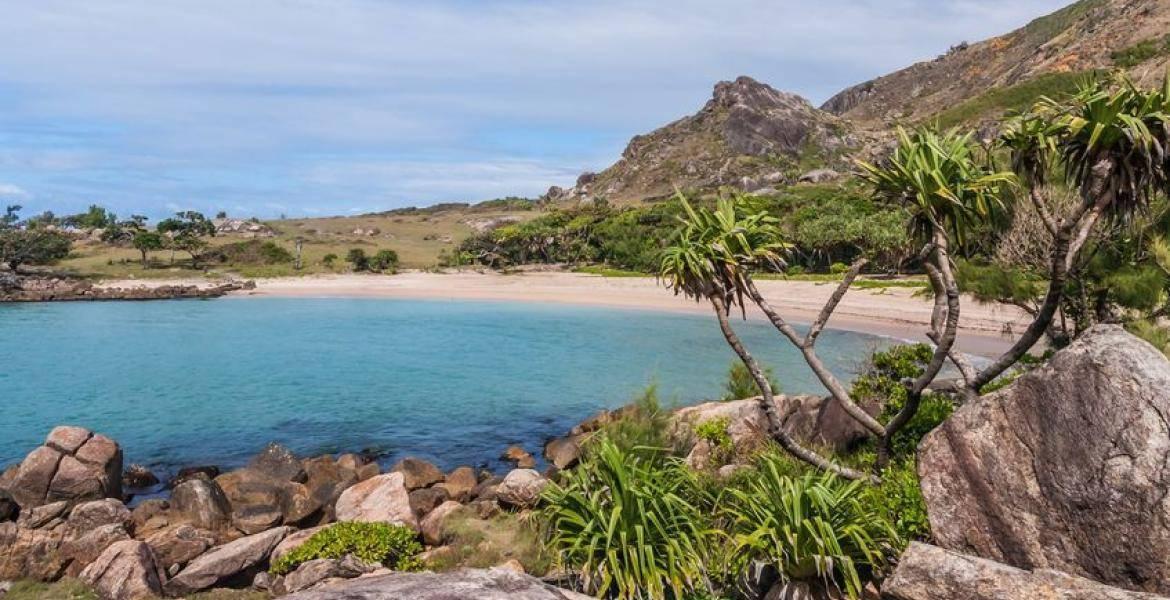
In the south-east, Fort Dauphin is hemmed in by mountains and wave-battered beaches. The bay’s turquoise water edged by granite boulders, Libanona beach and the nearby national parks (Andohahela, Nahampoana) make it an ideal base for exploring Madagascar’s Deep South.
Cities and Iconic Landscapes
13. Antananarivo: exploring the capital on its hills
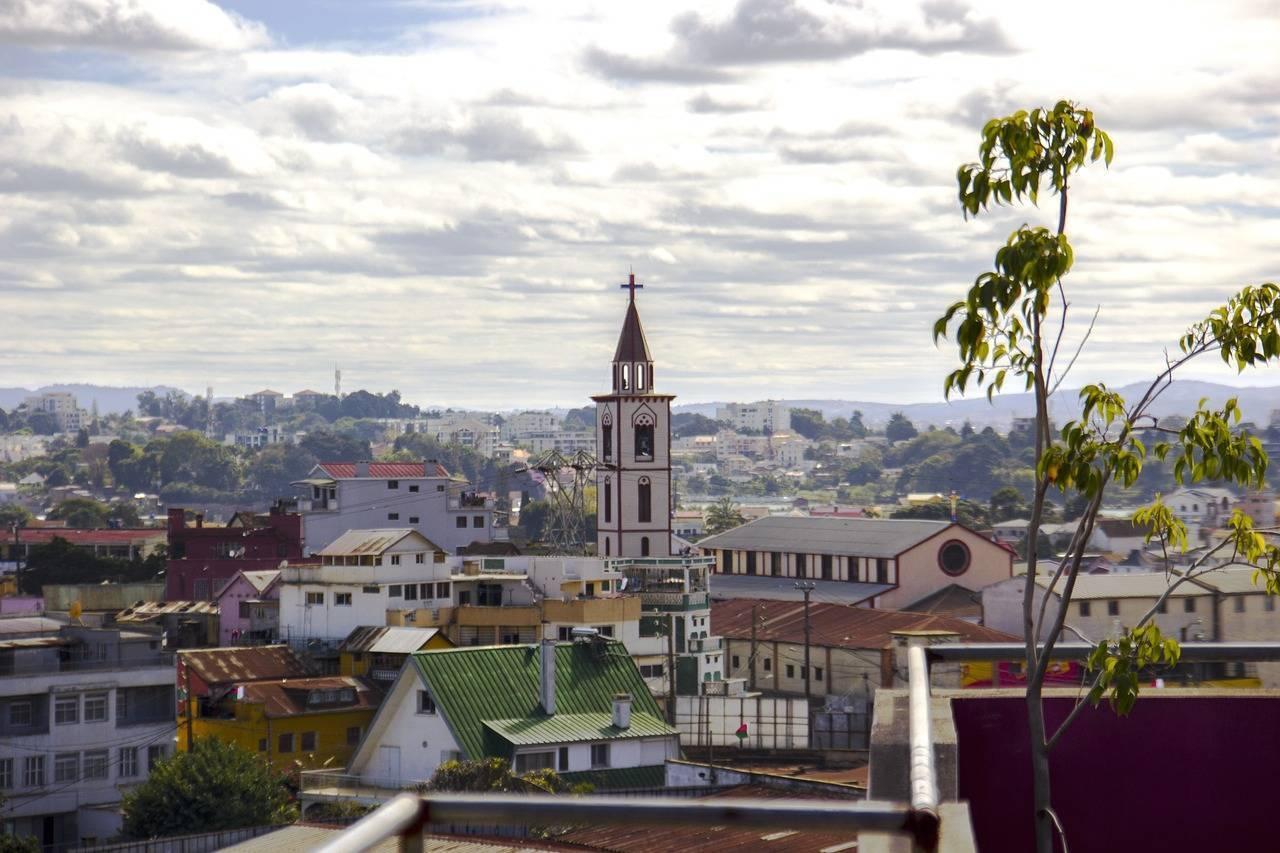
Antananarivo, known as Tana, spreads across a series of hills overlooking terraced rice paddies. The white-spired church in the Haute-Ville district, the craft markets and the colourful lanes of the historic centre are worth half a day on foot before heading out to the parks.
The city is also the gateway to Andasibe (3 hours by road), the Highlands and the entire national road network.
14. The Avenue of the Baobabs: Madagascar’s iconic sunset
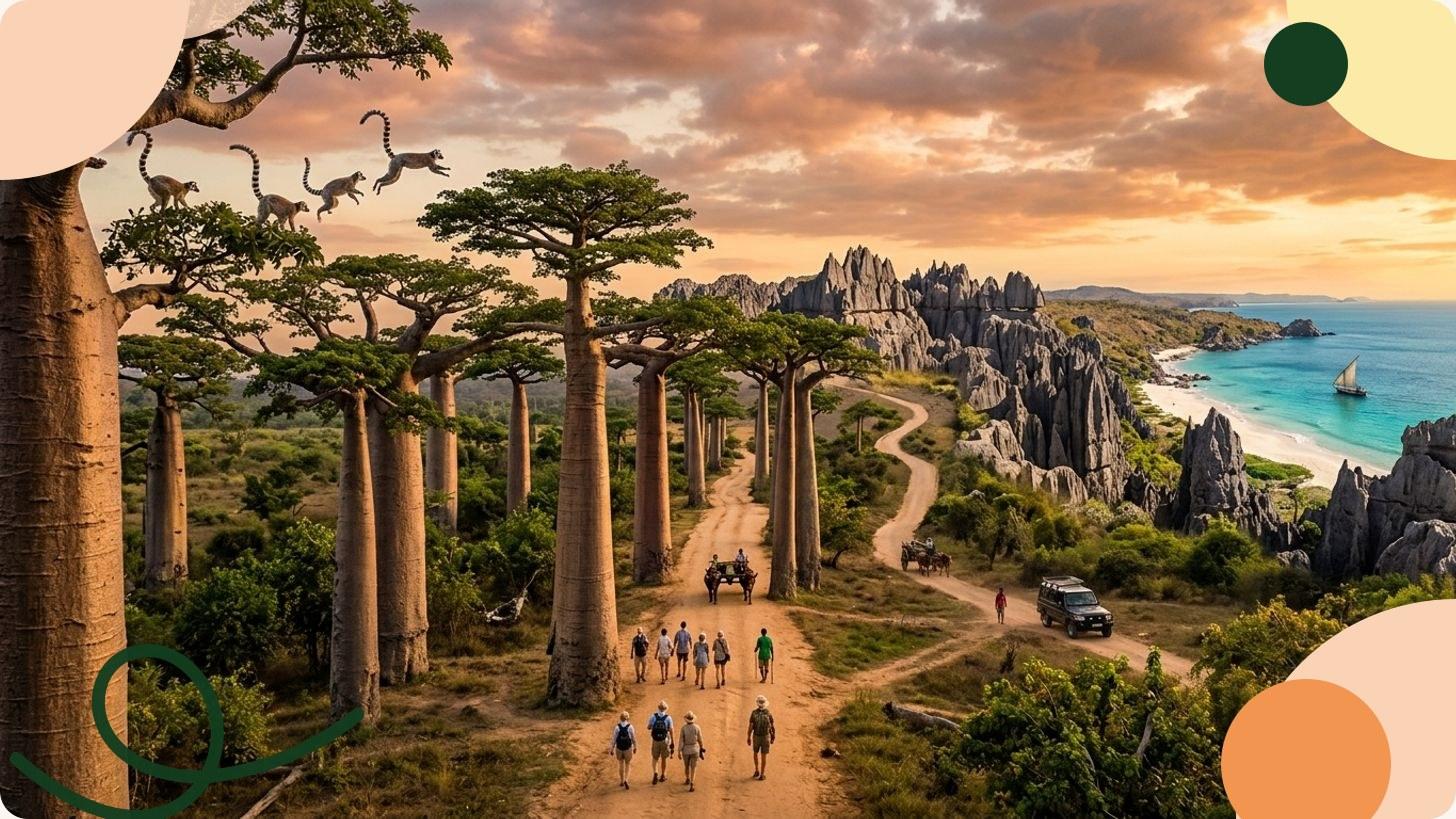
Near Morondava in the west, this avenue lines a red laterite track. Some of the baobabs are over 800 years old, standing 30 metres tall with trunks up to 5 metres across. At sunset, their silhouettes are cut against a blazing sky: this is Madagascar’s defining image, and it is worth every kilometre of the journey.
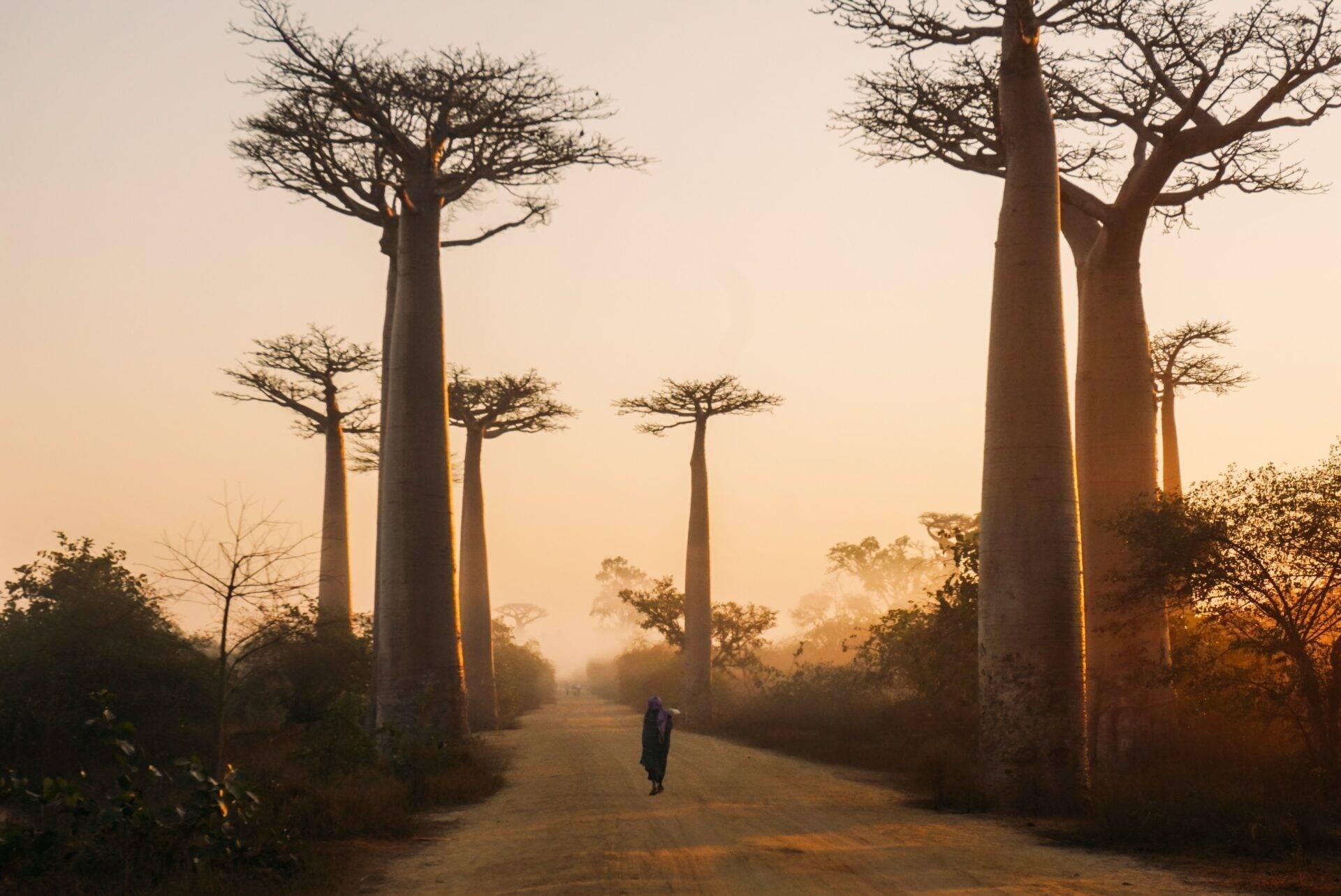
The avenue is easily visited from Morondava in the late afternoon, combined with a trip to the Tsingy de Bemaraha (6 to 8 hours on the track, depending on the season).
15. Wild beaches of the south and west
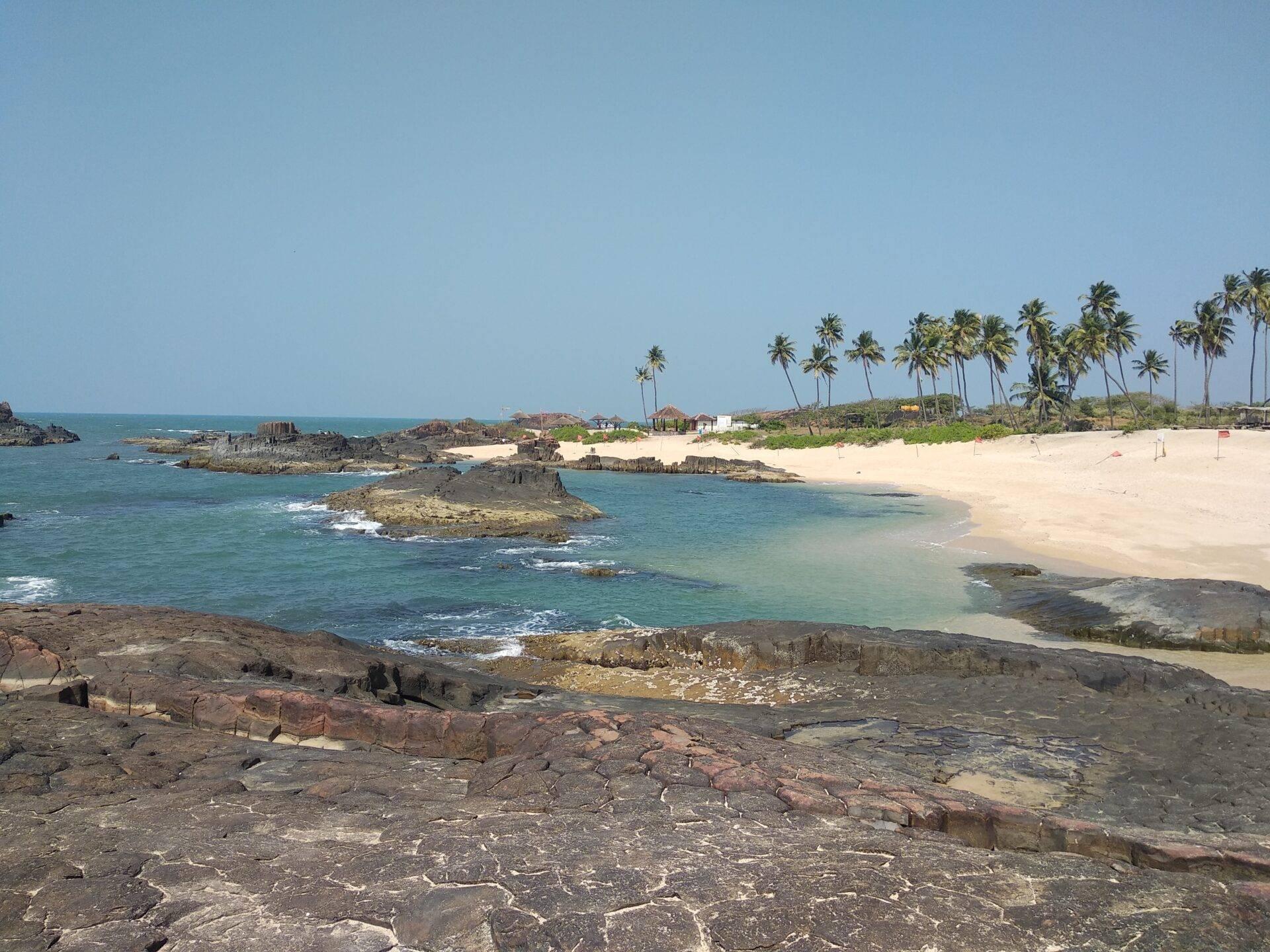
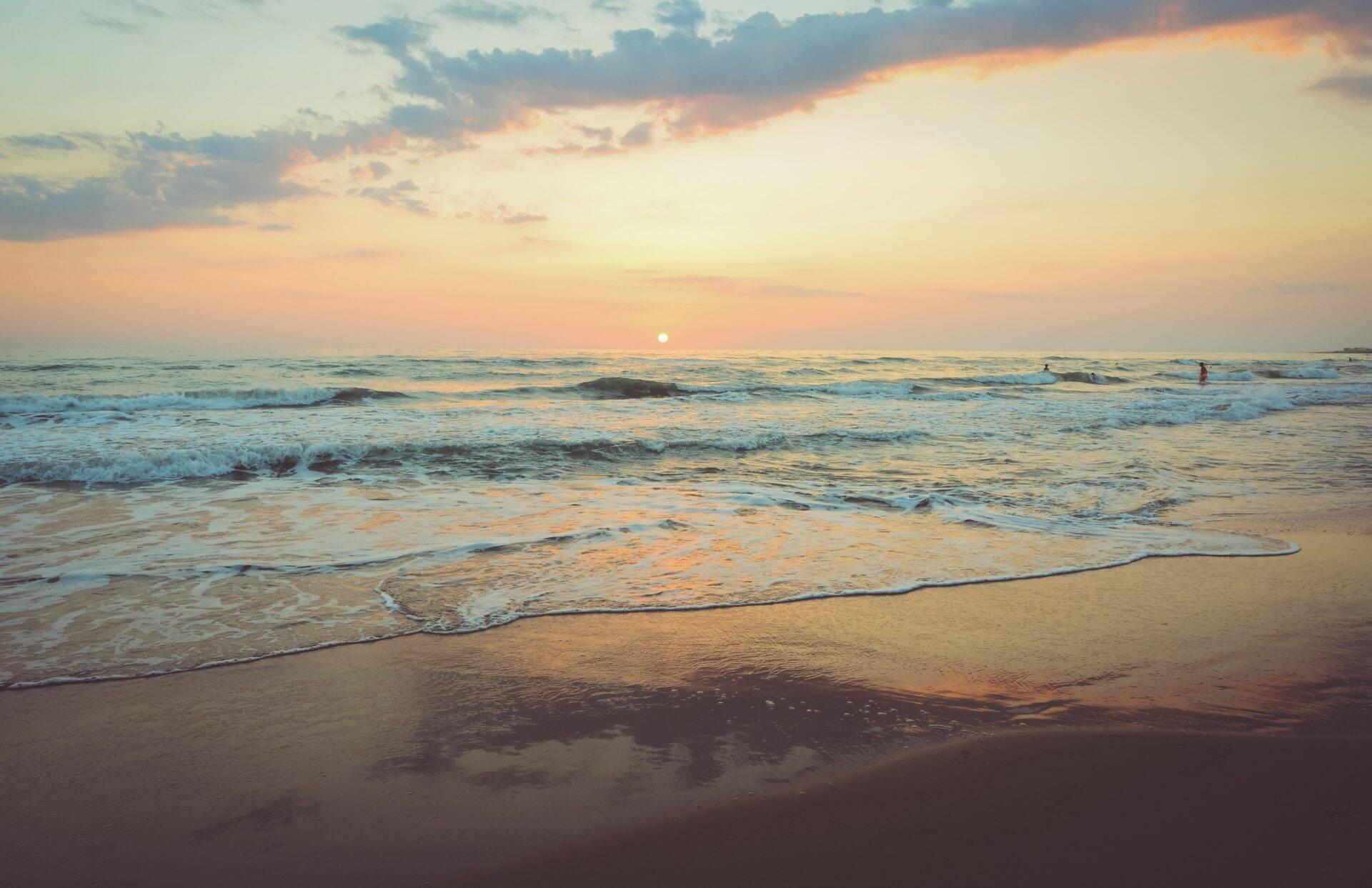
Madagascar is dotted with beaches that are still virtually deserted: the west coast (Ifaty, Morondava), the south (Anakao) and the east (Mahambo). These stretches of white sand, fringed by coconut palms and lapped by warm waves, offer a sense of the end of the world that is increasingly hard to find elsewhere.
16. The Pangalanes Canal: 600 km of waterways
Running along the east coast, the Pangalanes Canal forms a 600-kilometre network of lagoons, lakes and canals linking Toamasina to Farafangana. It can be navigated by traditional pirogue over several days, passing through fishing villages, mangrove forests and water landscapes of rare tranquillity. The dry season (May to October) is recommended to avoid flooding and cyclones.
Wildlife and Unique Experiences
17. Spotting lemurs: the number-one wildlife experience
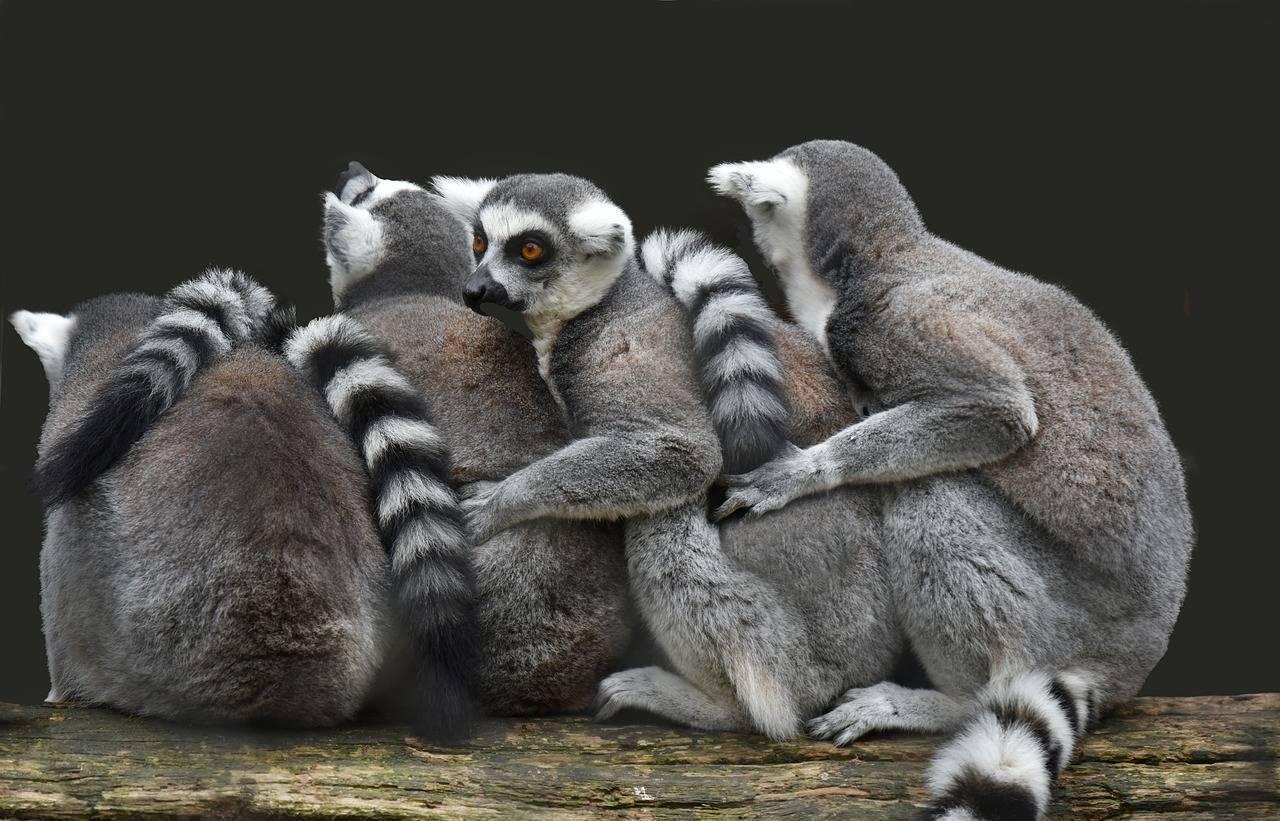
Madagascar is the only place on Earth where wild lemurs are found: more than 100 species and subspecies are recorded, every single one of them endemic. From the mouse lemur – one of the world’s smallest primates – to the majestic Indri, every national park has its own surprises in store. The black-and-white ruffed lemur is often spotted amongst bamboo.
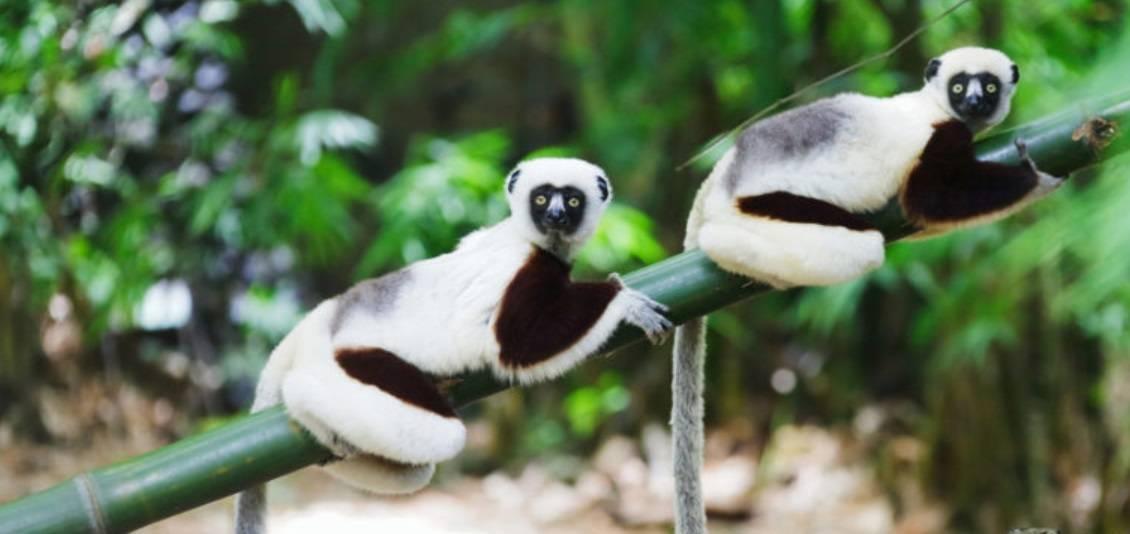
Andasibe, Ranomafana and Masoala remain the three best parks for observing lemurs in the wild. If the natural riches of West Africa also appeal to you, things to do in Senegal offers another selection of wildlife and nature experiences.
18. Swimming with whale sharks at Nosy Be
Between October and November, the waters around Nosy Be attract whale sharks – harmless to humans despite their impressive bulk. Mask and fins on, you can drift within a few metres of these gentle giants and watch their slow, sweeping movements. Local operators run guided excursions from the island’s beaches.
19. Staying in a forest ecolodge
Malagasy ecolodges rank among the most authentic in the Indian Ocean. Built from timber and local materials, often perched on the edge of national parks, they let you fall asleep to the call of the Indri, eat straight from the garden and set off on the trails at dawn, before the park stirs to life.
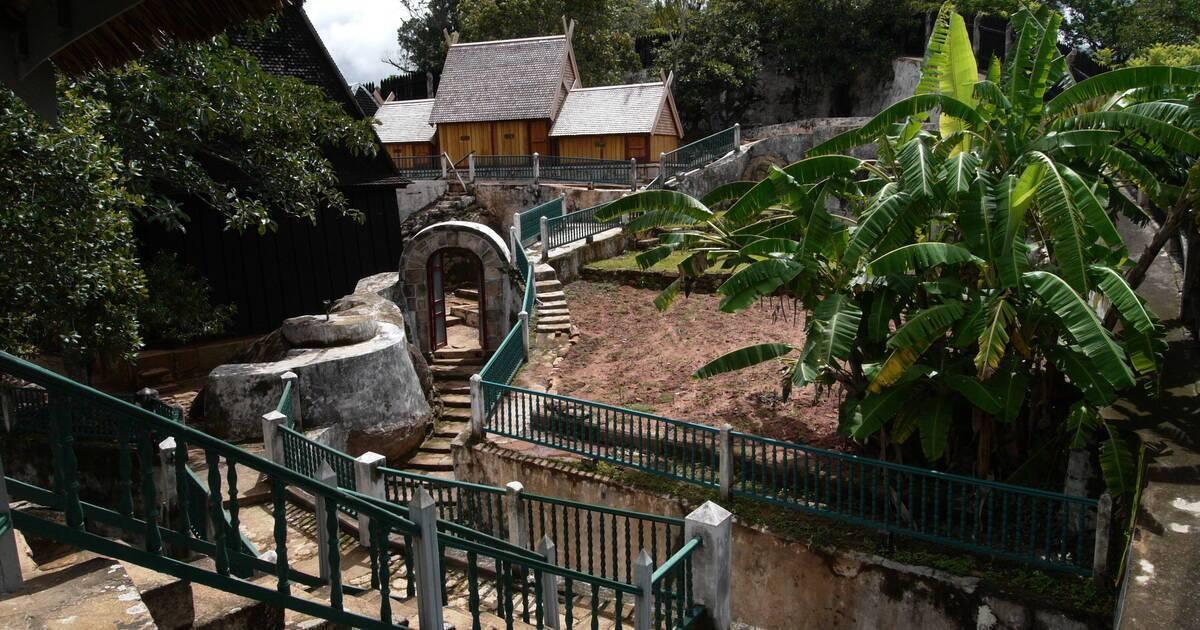
Book ahead, especially in high season (July to August): capacity is limited and demand is high.
20. Choosing the right time to go
Madagascar has two seasons: the dry season (April to October) and the rainy season (November to March), which carries the risk of cyclones from December to mid-April. The best window runs from April to October, with April-May and September-October as the sweet spot: moderate temperatures, passable roads and warm seas.
For the east coast and Île Sainte-Marie, August to October is ideal. For whale shark spotting at Nosy Be, aim for October to November.
Planning Your Trip to Madagascar
Before you leave, check our Madagascar travel insurance page for all the practical information on entry requirements, health precautions and medical cover on the ground: essential in a country where healthcare facilities outside the major cities remain limited.
If Central Africa also calls to you, things to do in Cameroon offers another immersion in equally extraordinary landscapes and wildlife.
FAQ
What is the best time to visit Madagascar?
The dry season, from April to October, is recommended for travelling across most regions. April-May and September-October offer the most pleasant conditions: moderate temperatures, little rain and passable roads. Avoid December to March because of cyclones, which are particularly frequent on the east coast.
How long do you need to visit Madagascar?
Two weeks allows you to combine 3 to 4 destinations (for example Antananarivo, Ranomafana, Isalo and Nosy Be). To cover the north, east and south, allow at least three weeks.
Where can you see lemurs in Madagascar?
Andasibe-Mantadia National Park, three hours east of Antananarivo, is ideal for hearing the Indri. Ranomafana in the south-east and Masoala in the north-east also offer sightings in the wild, with more species and better-preserved forest.
Can you see whales in Madagascar?
Yes. Every year, between 2,000 and 3,000 humpback whales gather around Île Sainte-Marie from June to September, peaking in July and August. Guided excursions depart from the island with certified operators.
Do you need specific insurance for Madagascar?
Medical and repatriation cover is strongly recommended: outside the major cities, healthcare facilities are poorly equipped. Check our Madagascar travel insurance page for details on entry requirements and the cover best suited to this destination.