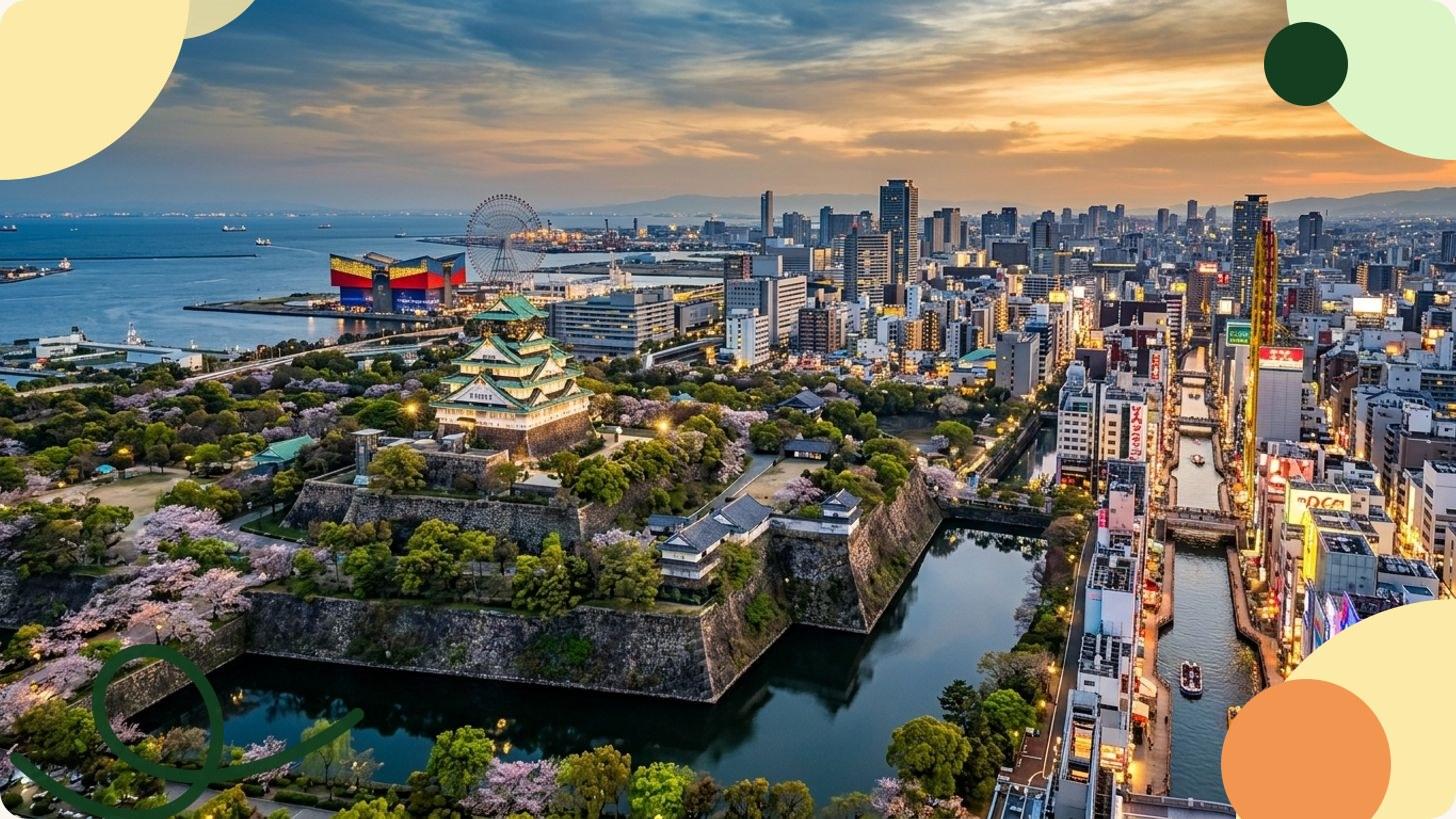

Osaka packs street food culture, historic neighbourhoods and a world-class theme park into a city that is genuinely easy to get around. In three to five days, you can move through ten centuries of history: from the fortified castle of Toyotomi Hideyoshi to the neon spectacle of Dotonbori. If you are planning a broader trip through the country, our guide on why visit Japan will help you shape your plans.
Exploring Osaka Castle
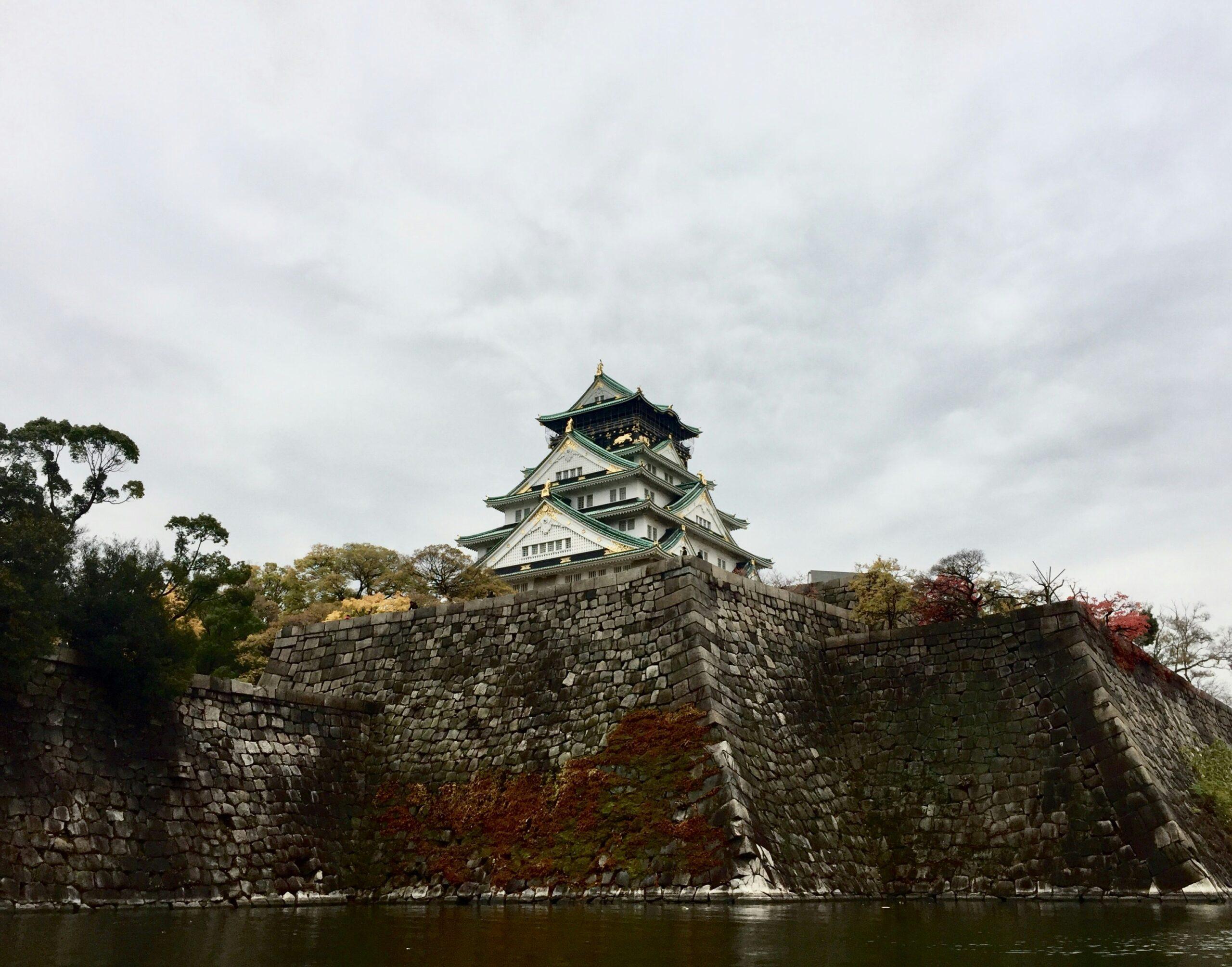
Built in 1583 under the warlord Toyotomi Hideyoshi, Osaka Castle rises above a sweeping park enclosed by moats. The eighth-floor observatory sits 58 metres above the city and delivers panoramic views in every direction. Inside, eight floors of exhibits trace the Azuchi-Momoyama period and the unification of Japan. In spring, around 600 cherry trees turn the park into a wash of pink and white. Come on a weekday and arrive early to get ahead of the crowds.
Dotonbori: Street Food and Nightlife
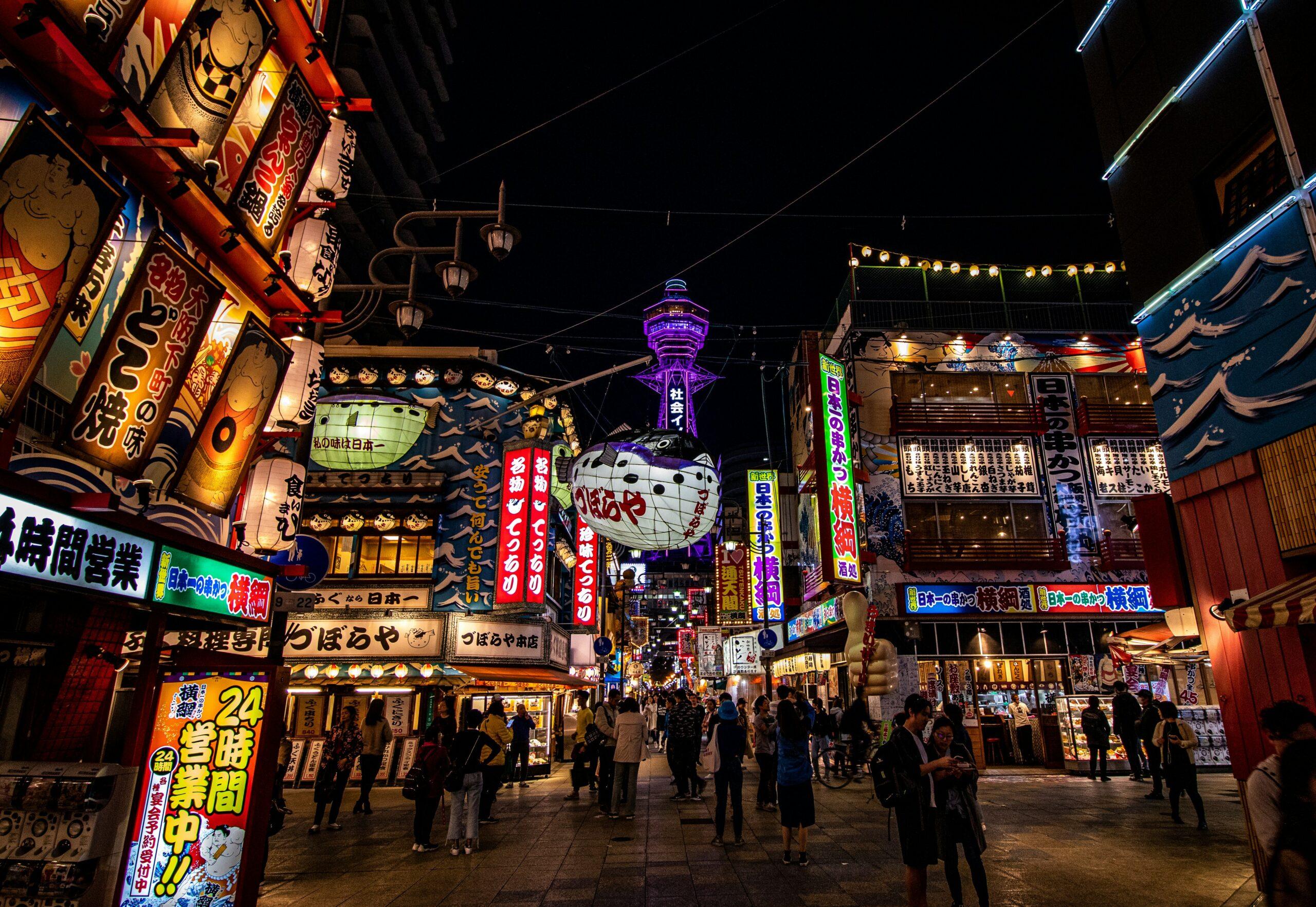
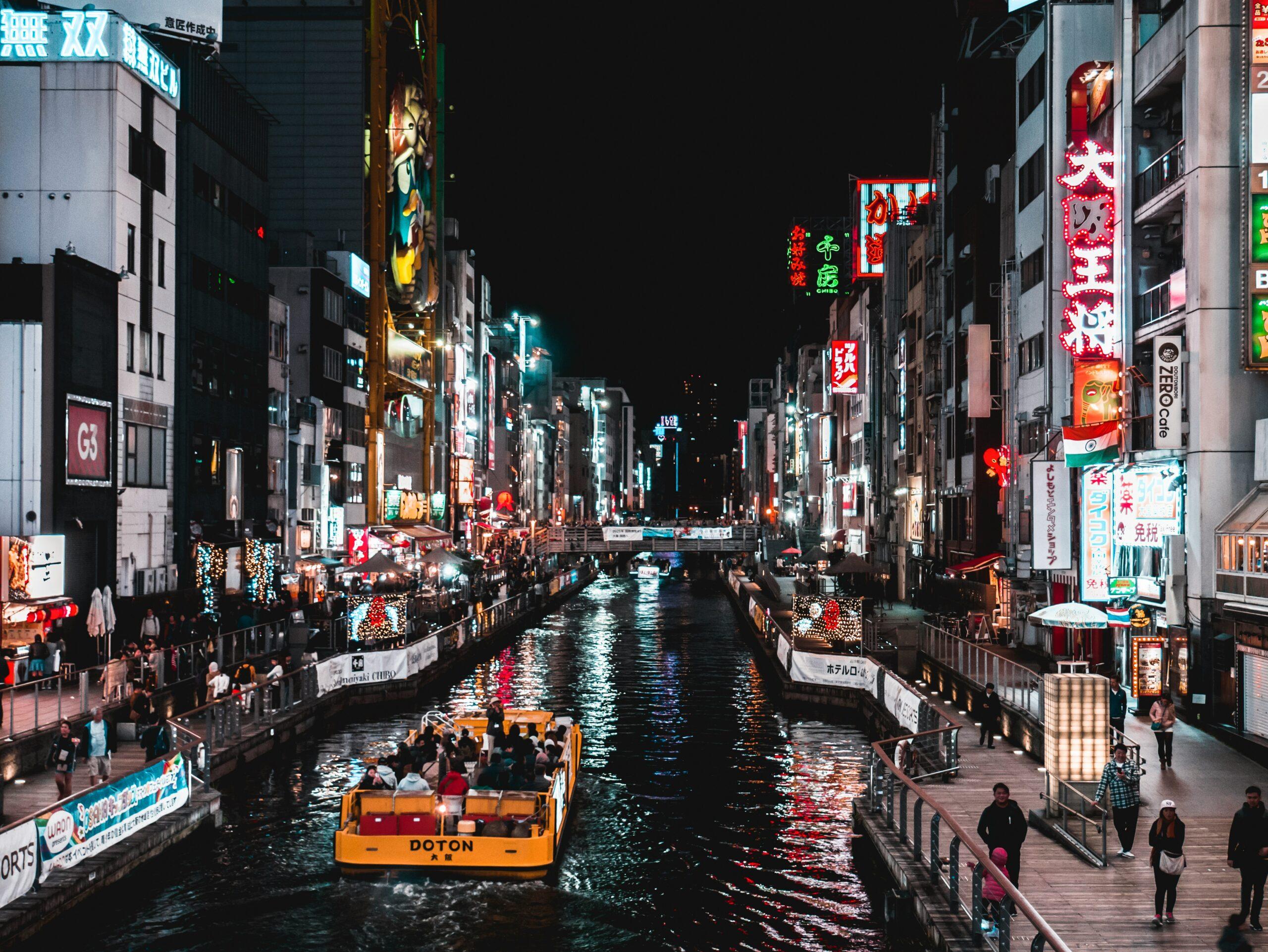
Dotonbori is both a canal and the liveliest neighbourhood in Osaka. After dark, illuminated facades and giant neon signs reflect off the water as crowds drift between food stalls and restaurants. The covered pedestrian arcade of Shinsaibashisuji extends the experience for several hundred metres.
Two dishes are non-negotiable: takoyaki (grilled octopus dumplings) and okonomiyaki (savoury pancakes of cabbage and pork). The famous Glico Man neon sign, beaming over the canal, is the defining image of the city.
Universal Studios Japan: Set Aside a Full Day
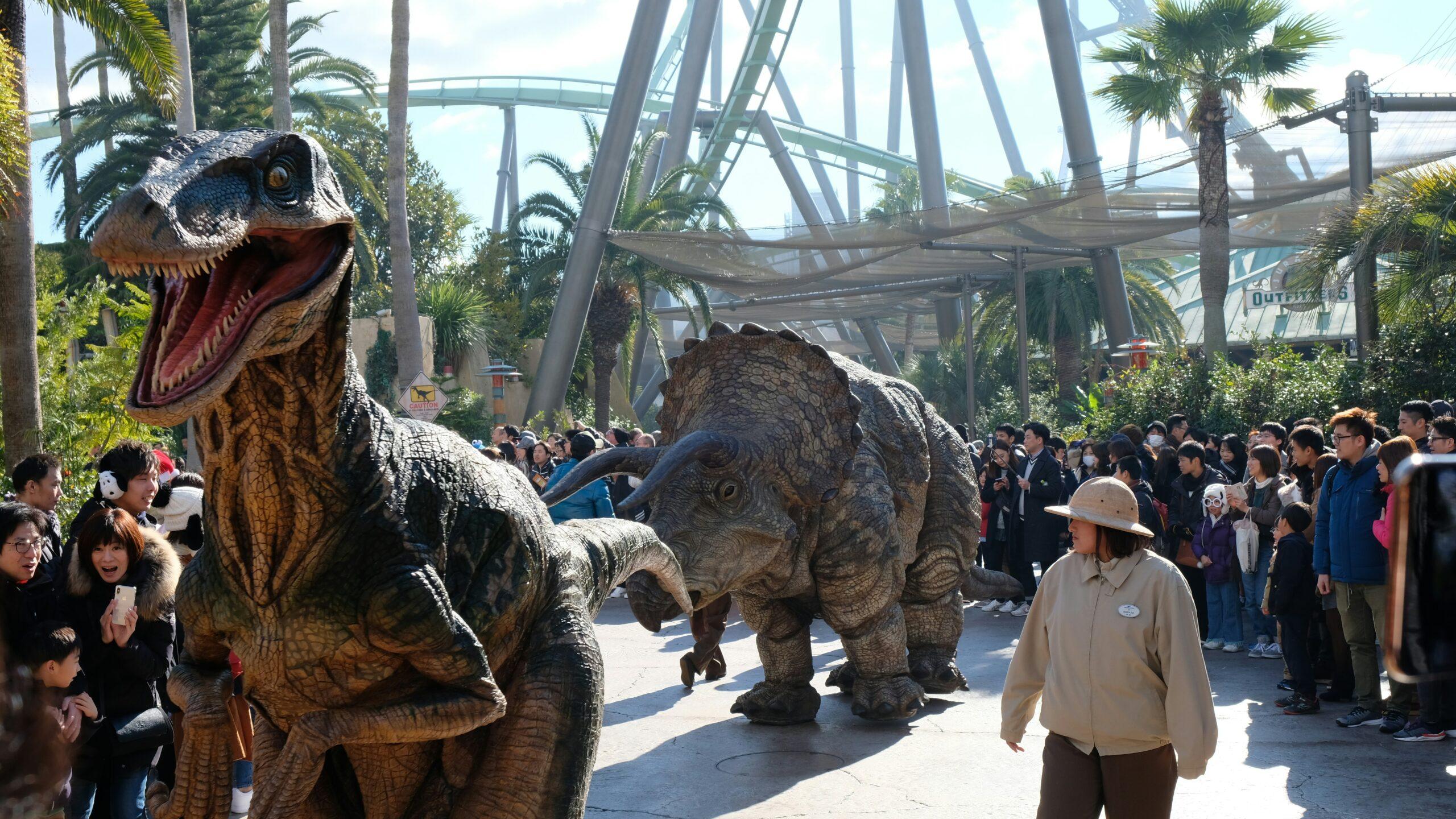
Universal Studios Japan is Osaka’s flagship theme park. The Super Nintendo World zone drops visitors into a life-size Mushroom Kingdom, while The Wizarding World of Harry Potter and the Jurassic Park attractions fill the rest of the day. Book your tickets online before you leave: Express Pass slots regularly sell out weeks ahead of time.
Kuromon Ichiba Market and Shinsekai
Kuromon Ichiba: Osaka on a Plate
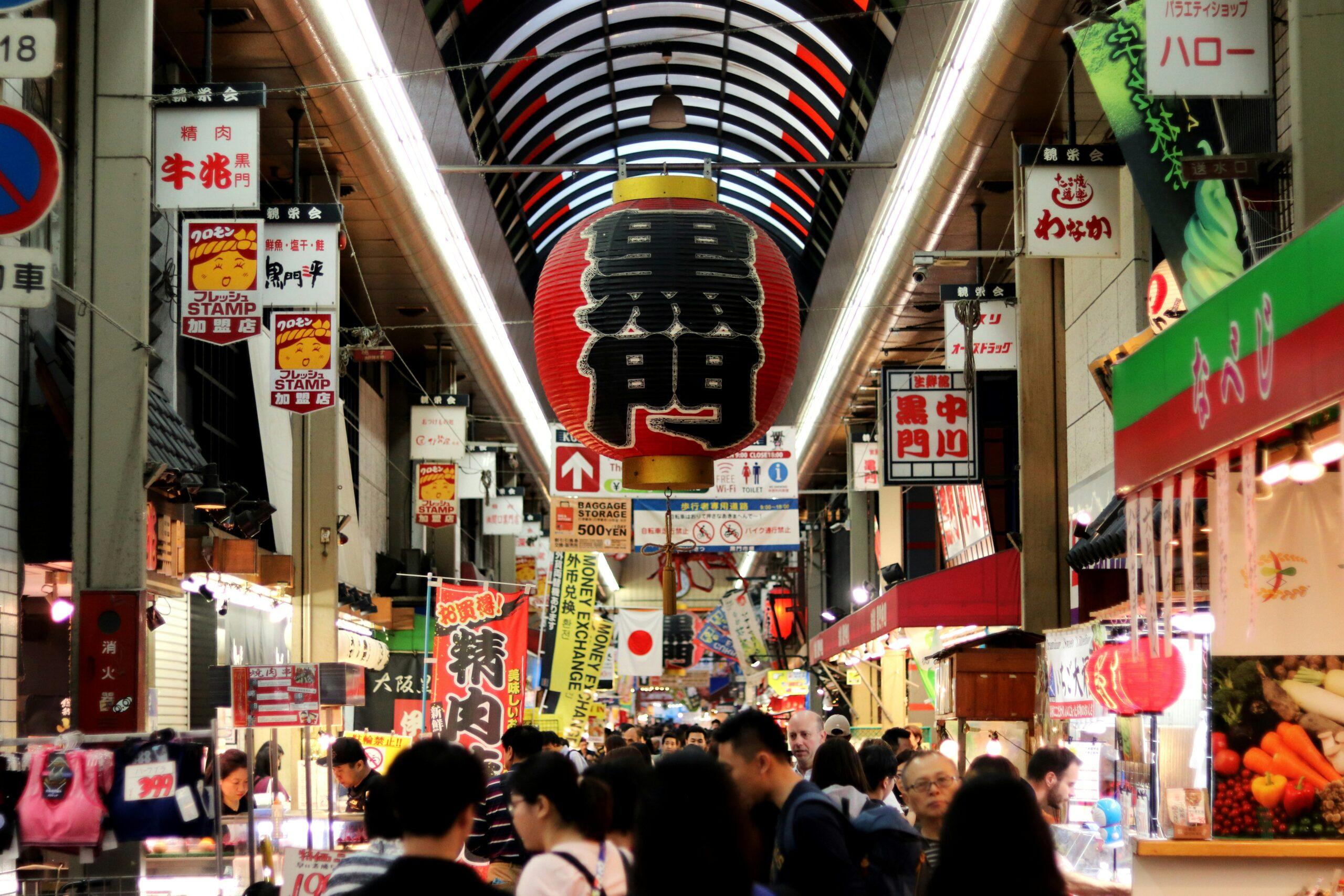
Kuromon Ichiba covered market lines up stall after stall of fresh seafood, made-to-order sushi, grilled skewers and seasonal fruit. The local habit is to graze as you go, picking up small bites from one vendor and moving on to the next. This is the most immediate way to understand why Osaka earned its nickname, “Japan’s Kitchen” (daidokoro no Osaka).
Shinsekai: The Retro Quarter
About a twenty-minute walk from Kuromon, Shinsekai feels frozen in the 1950s: faded neon signs, kushikatsu restaurants (deep-fried breaded skewers), and old-school amusement arcades. Tsutenkaku Tower, the neighbourhood’s centrepiece, has an observation deck and a small exhibition tracing its history. Avoid weekend evenings if you can, as the streets get very busy.
Kaiyukan Aquarium
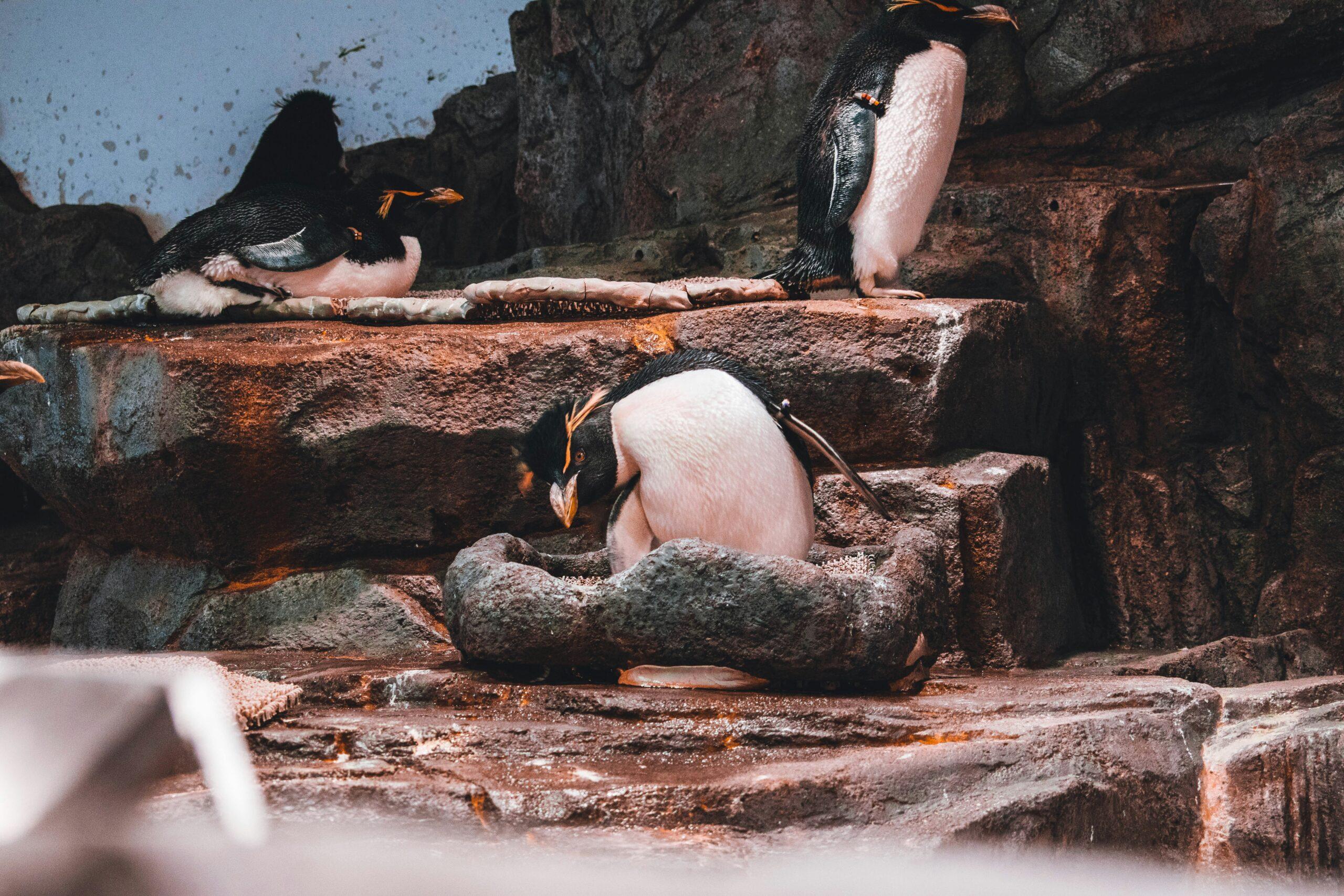
Kaiyukan is one of the largest aquariums in the world, housing 620 species and more than 30,000 marine creatures. Its spiral architecture guides visitors downward through reconstructed ecosystems, from a Japanese forest all the way to the depths of the Pacific. The central tank is home to two whale sharks, manta rays and hammerhead sharks. Asian small-clawed otters, king penguins and phosphorescent jellyfish round out the visit.
Tombori River Cruise
A short cruise along the Tombori River, around 20 minutes, completely changes your perspective on Dotonbori. In the evening, neon reflections shimmering on the water and bridges looming overhead create an atmosphere you simply cannot find from the streets above. Some boats offer English commentary on the history of the neighbourhood.
Culture and Museums in Osaka
Osaka Science Museum
Located in the Nakanoshima district, Osaka Science Museum offers hands-on exhibits covering physics, chemistry and astronomy, plus a planetarium. It is a solid option for a rainy morning or for travellers who want to venture beyond the standard tourist trail.
National Museum of Art Osaka (NMAO)
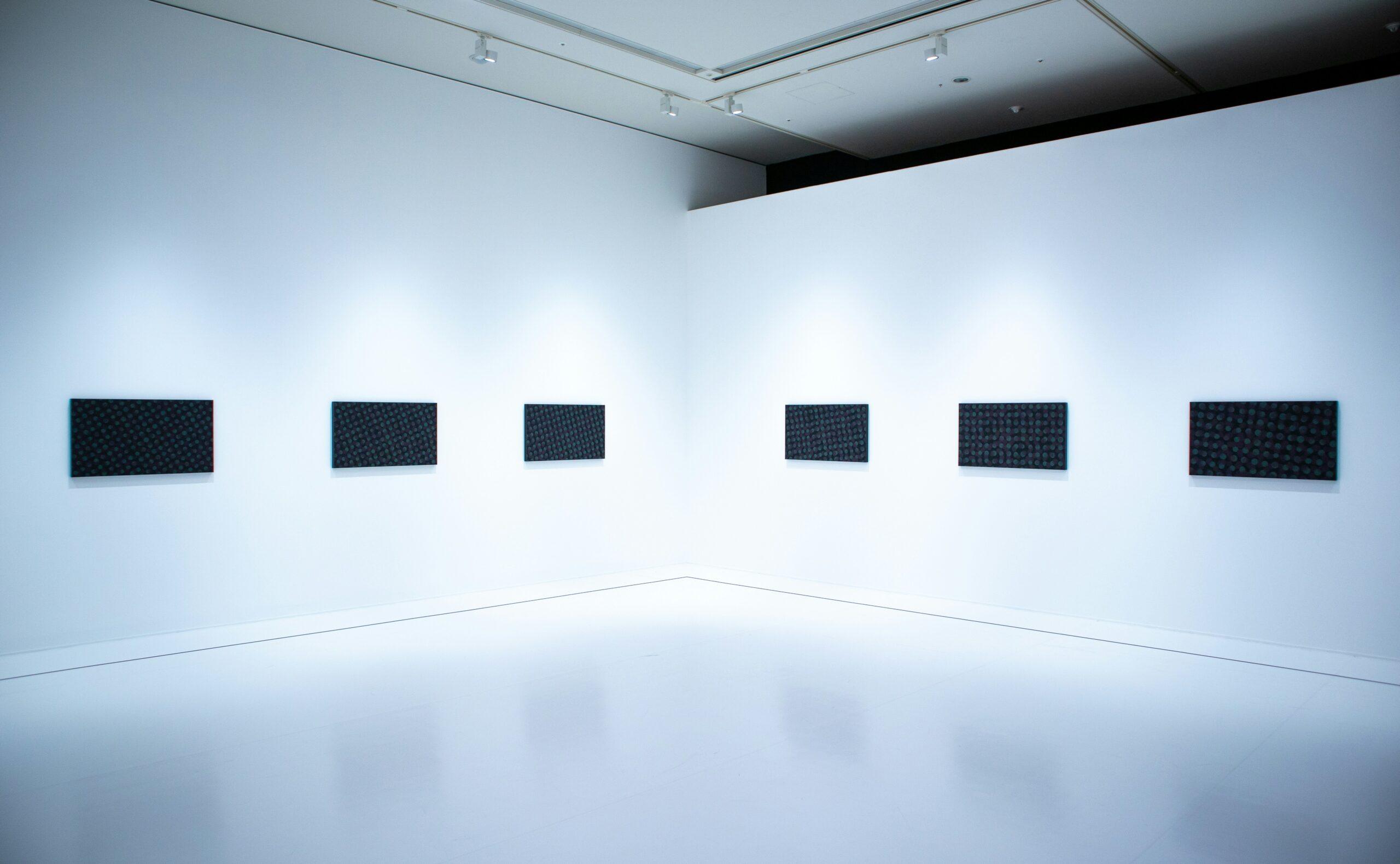
Also in Nakanoshima, the NMAO houses permanent and temporary collections of modern and contemporary art, both Japanese and international. The entirely underground exhibition space has a clean, uncluttered feel that lets the works breathe.
Day Trips from Osaka
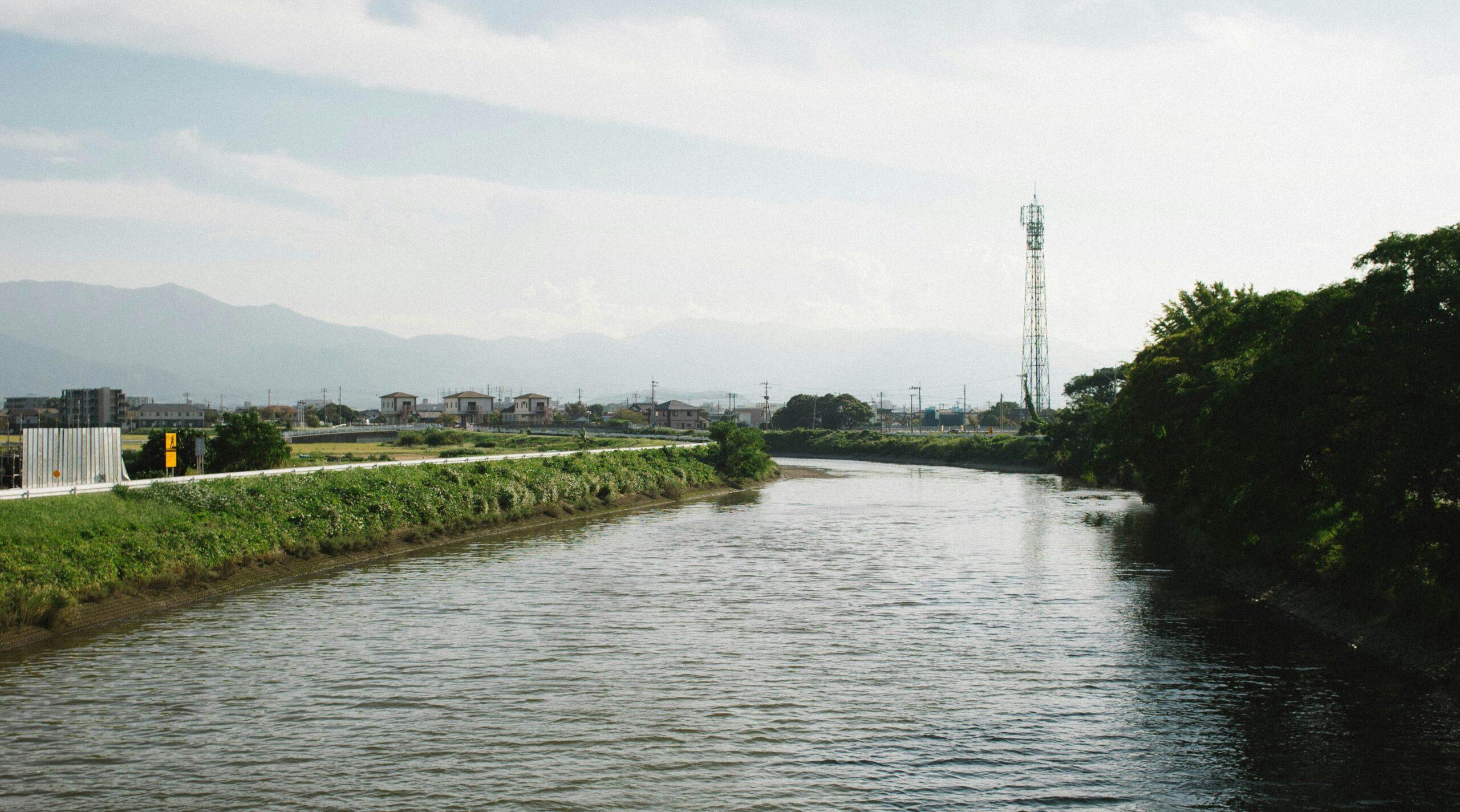
Osaka makes an excellent base for exploring the wider Kansai region. Kyoto is under 30 minutes from Shin-Osaka by Shinkansen. Nara, with its famous free-roaming deer, is around 40 minutes by train. Kobe, with its cosmopolitan character, is less than 30 minutes away.
If you want to build an itinerary combining Osaka with other Japanese destinations, our guide on things to do in Japan covers 20 unmissable stops across the country. If Tokyo is also on the agenda, our article on things to do in Tokyo will help you piece both cities into a single trip.
FAQ
How many days do you need in Osaka?
Three days covers the highlights: Osaka Castle, Dotonbori, Kaiyukan and Shinsekai. Allow five days if you want to add a full day at Universal Studios Japan and a day trip to Kyoto or Nara.
When is the best time to visit Osaka?
Spring (March to April) for cherry blossom and autumn (October to November) for the foliage are the two most popular seasons. Summer is hot and humid; winter is quieter and often cheaper.
How do you get around Osaka?
The Osaka Metro network covers virtually all the main sights. The Osaka Amazing Pass (1 or 2 days) gives unlimited travel on public transport and free entry to a range of attractions. Most city-centre sites are also walkable from one another.
How do you get from Tokyo to Osaka?
The Nozomi Shinkansen connects Tokyo to Shin-Osaka in around 2 hours 30 minutes. Book ahead during peak season. The JR Pass (7, 14 or 21 days) covers this route.
Is Kaiyukan Aquarium worth it?
Absolutely, especially for families. The vast tanks, whale sharks, manta rays, penguins and otters captivate visitors of all ages. Set aside two to three hours to take it in without rushing.