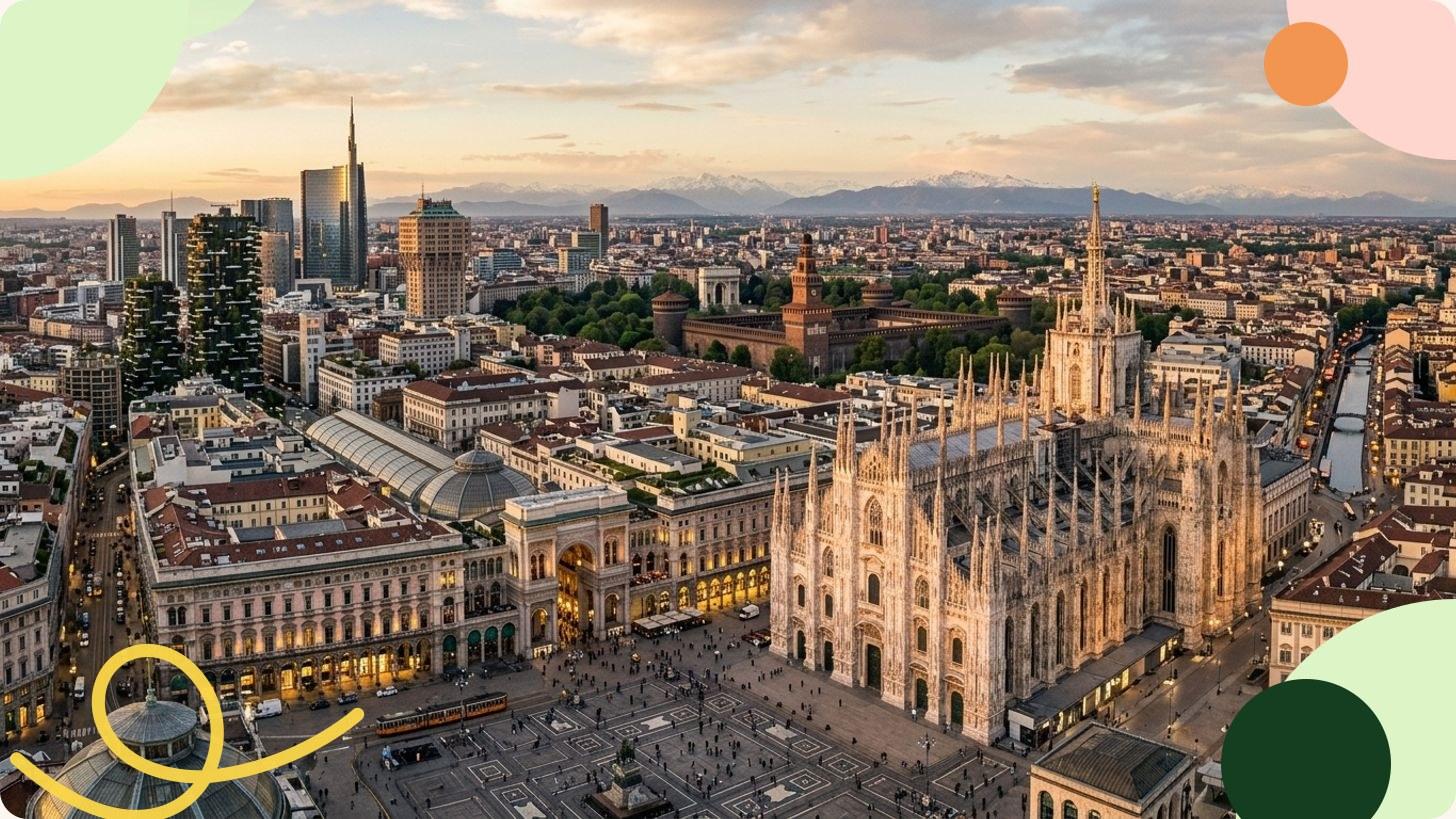

Milan packs into just a few square kilometres the very best Italy has to offer: a Gothic cathedral built over six centuries, the world’s most famous fresco, Europe’s most legendary opera house, art-filled neighbourhoods and canals designed by Leonardo da Vinci. For a broader journey through the country, see our guide to the 20 must-sees in Italy.
Marvel at the Duomo and Head Up to the Rooftop Terraces
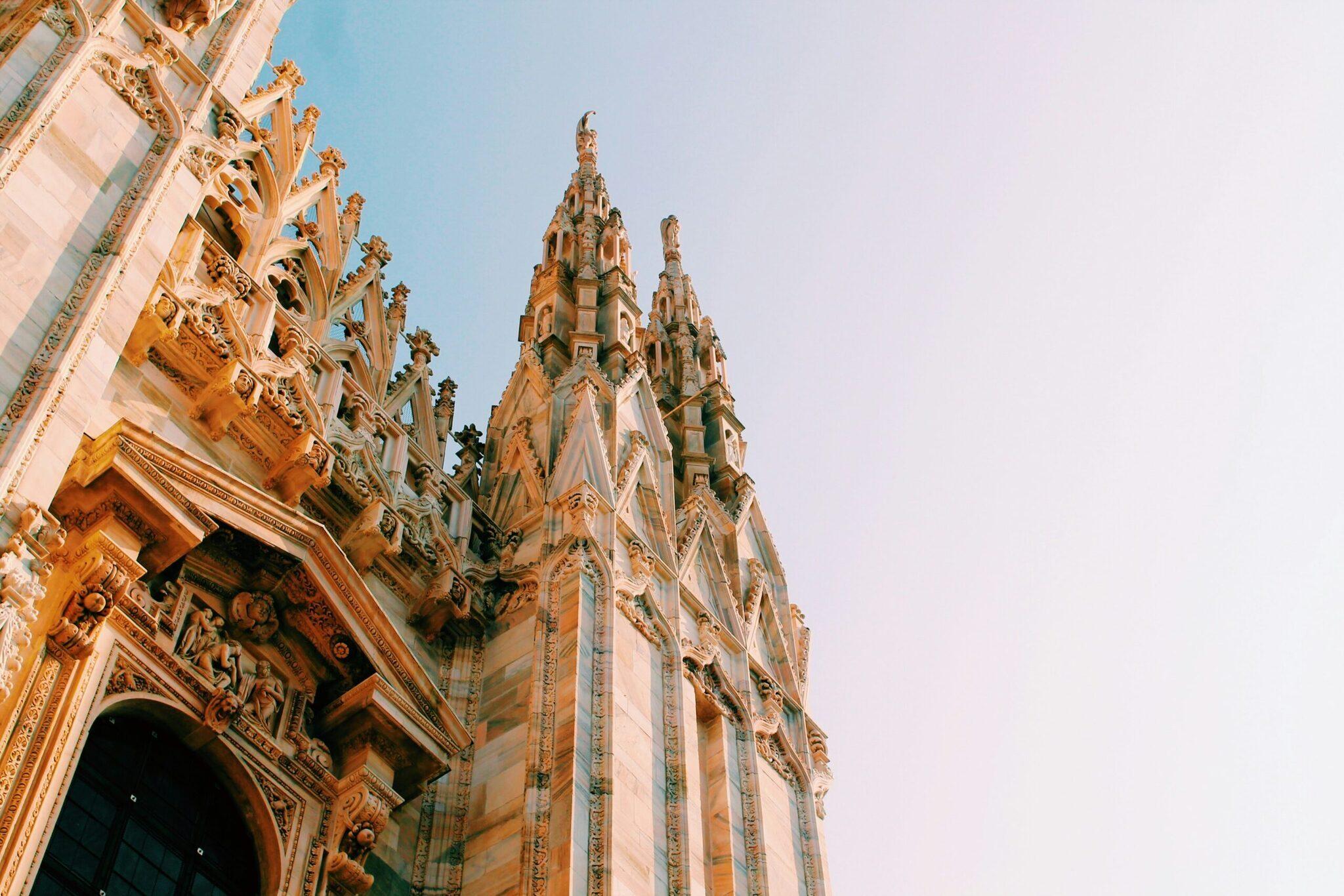
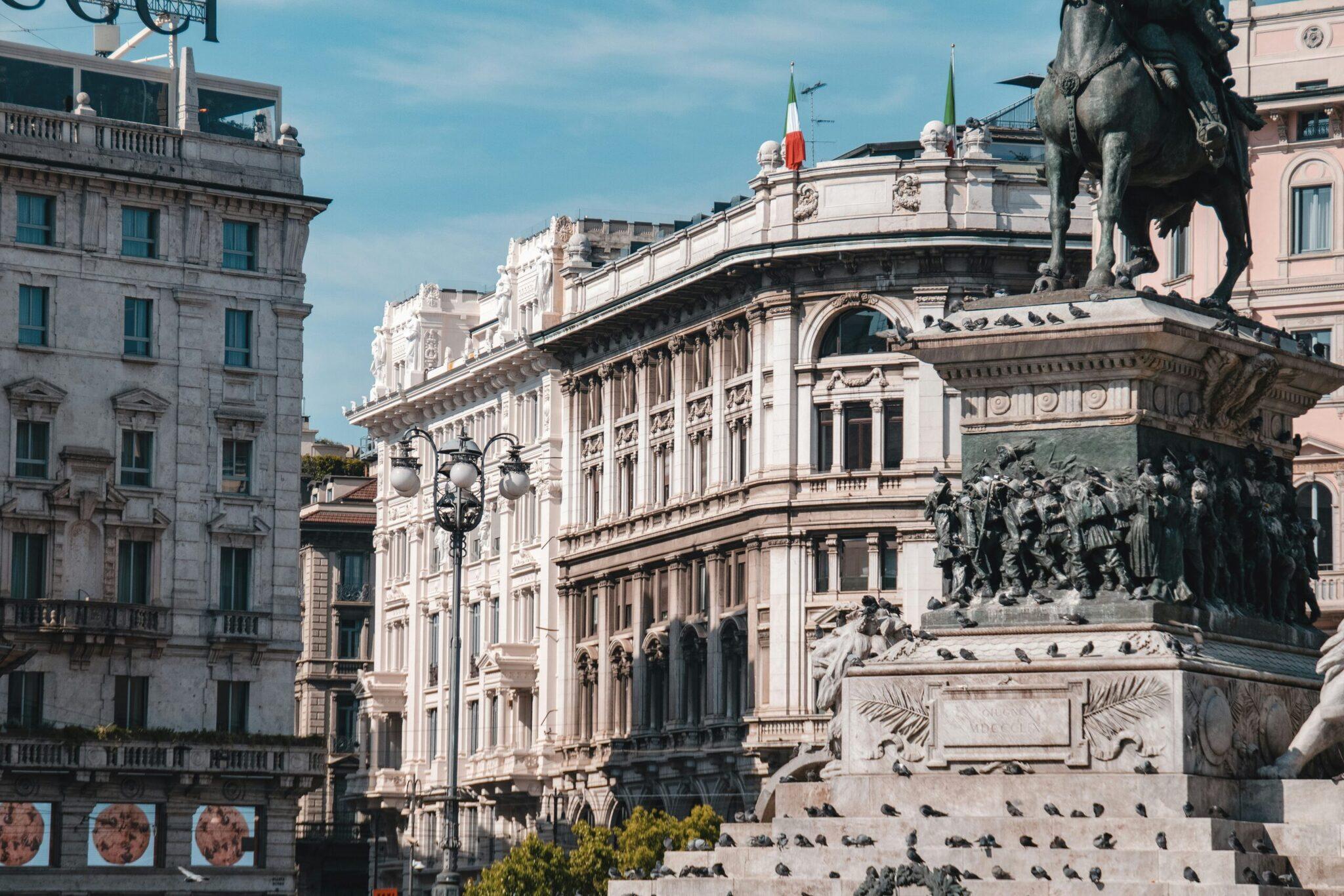
One of the largest Gothic cathedrals in the world, Milan’s Duomo bristles with dozens of spires and is adorned with thousands of statues, the result of a building project that began in 1386 and was only completed in the 19th century. The interior is well worth exploring for its stained-glass windows and the light they cast across the pillars. But the real spectacle is up top: take the terraces (by lift or on foot) to find yourself level with the gargoyles and the gilded Madonnina that has kept watch over the city from the summit for centuries. On a clear day, the panoramic view over Milan is extraordinary.
The Galleria Vittorio Emanuele II: Far More Than a Shopping Arcade
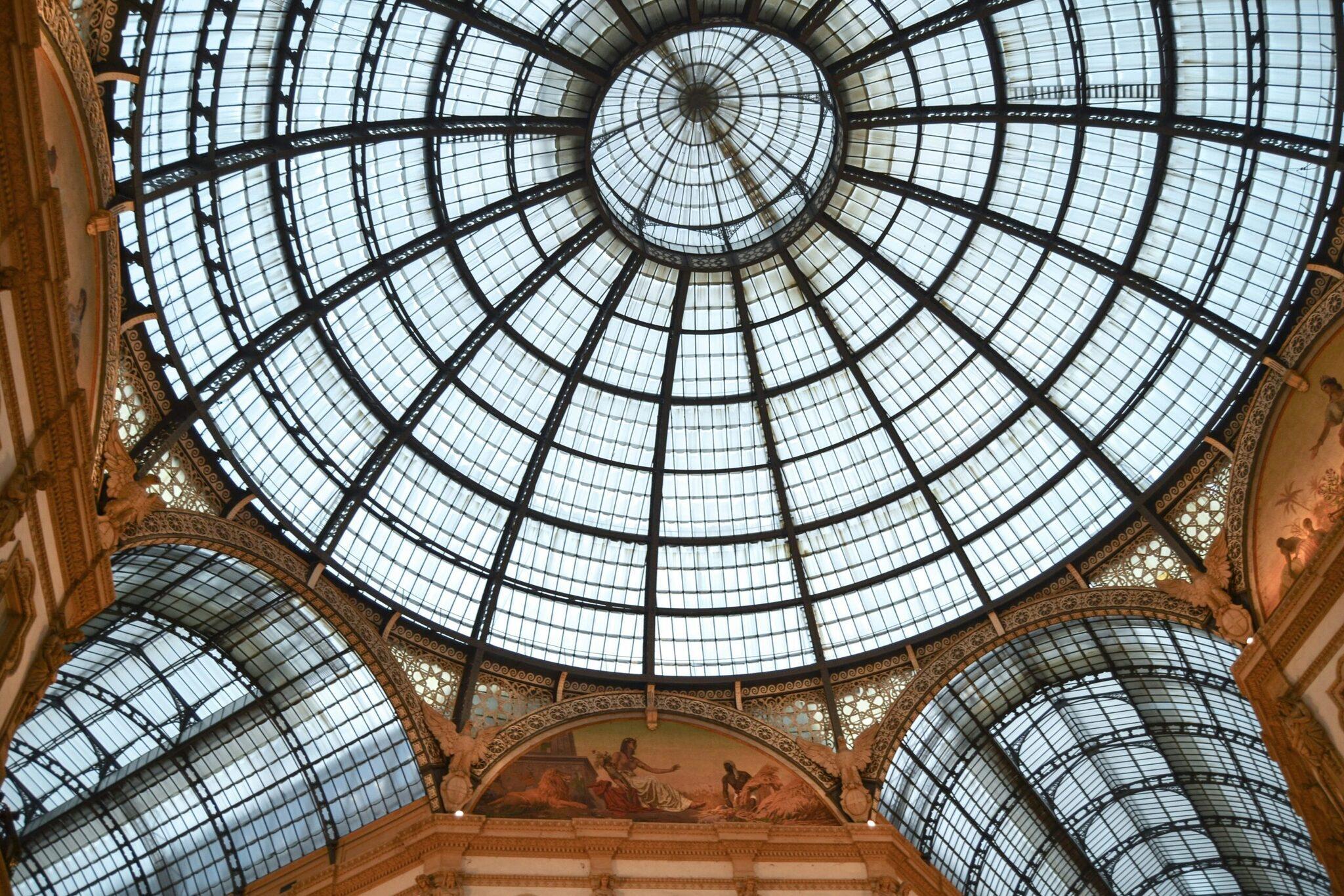
Opened in 1877, the Galleria is a masterpiece of 19th-century architecture. Beneath its spectacular steel-and-glass roof, two arcades meet in a cross formation, decorated with floor mosaics and frescoes representing the four continents. Prada, Gucci and Louis Vuitton all have boutiques here, but even with no intention of shopping, strolling through feels like walking through an open-air museum. There is also a local tradition to observe: Milanese visitors spin their heel three times on the bull depicted in the central mosaic, hoping to bring themselves good fortune.
La Scala: Catch an Opera or Go Backstage
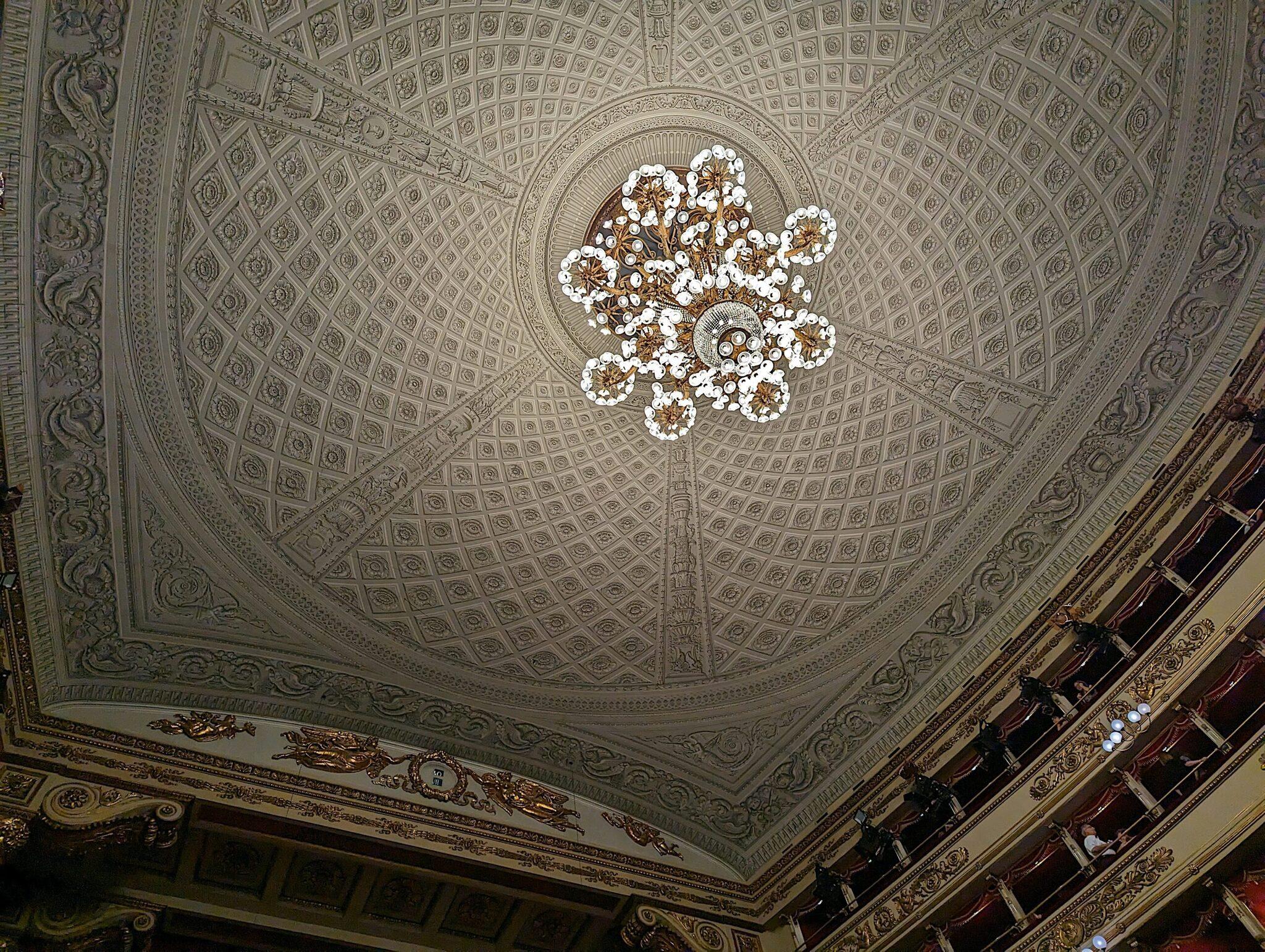
Opened in 1778, the Teatro alla Scala is the house where Verdi, Puccini and Rossini saw their works premiere. No ticket for a performance? The Museo Teatrale alla Scala is well worth a visit on its own: original costumes, annotated scores, portraits of Callas, historic instruments and set models tell three centuries of operatic history. Guided tours grant access to the auditorium itself and a chance to appreciate the acoustics of one of the most mythical stages in the world.
Leonardo’s Last Supper: Book Well in Advance
The mural painted by Leonardo da Vinci between 1495 and 1498 in the refectory of Santa Maria delle Grazie is one of the most visited works in the history of art. Its fragility has led to strict access rules: booking is compulsory for all visitors, without exception. There are no tickets available on the day. Tickets are released in quarterly batches on the official Cenacolo Vinciano platforms and sell out within hours. Only 40 visitors at a time are admitted for a 15-minute viewing.
The Brera District: Cobbled Streets and Italian Masterpieces
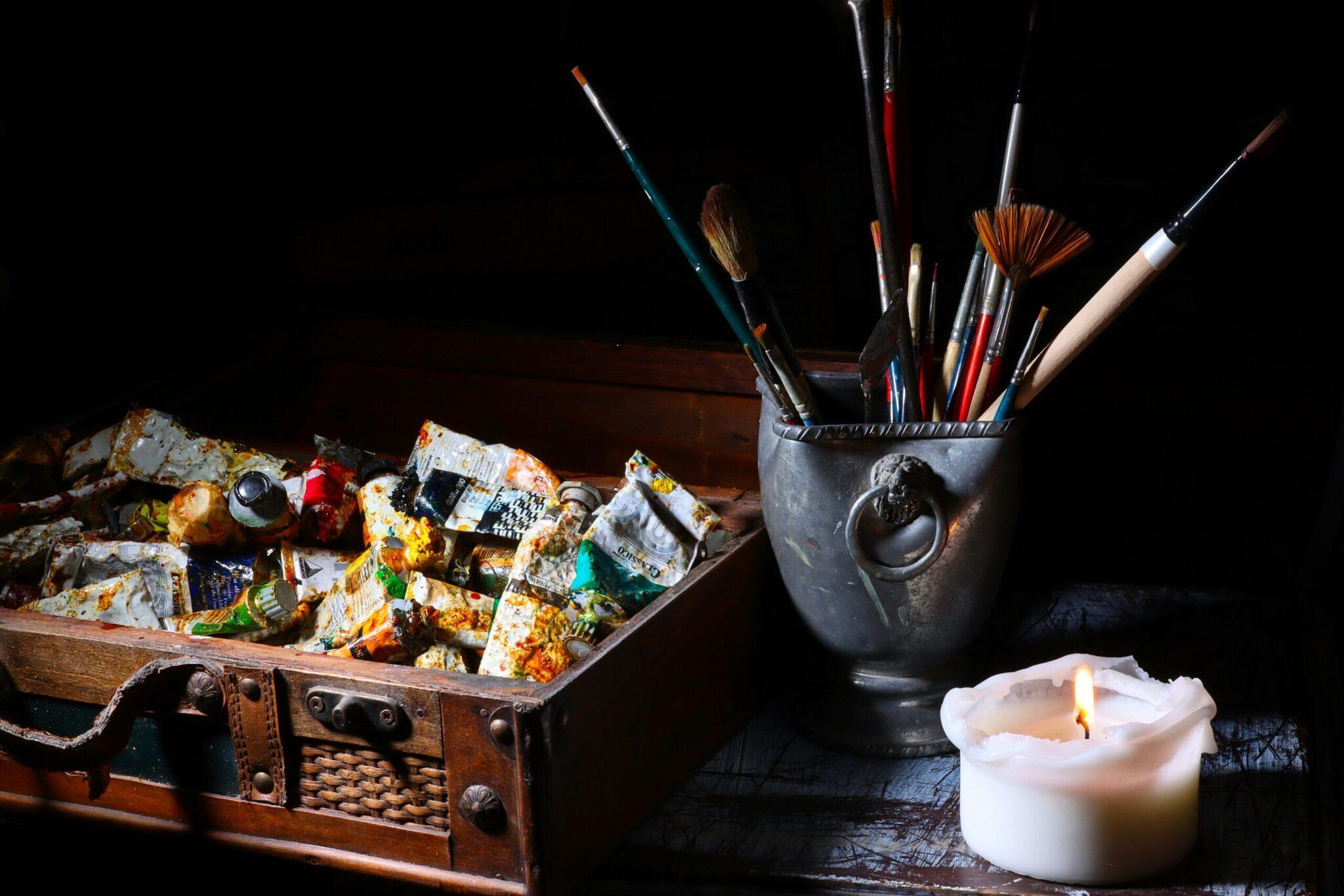
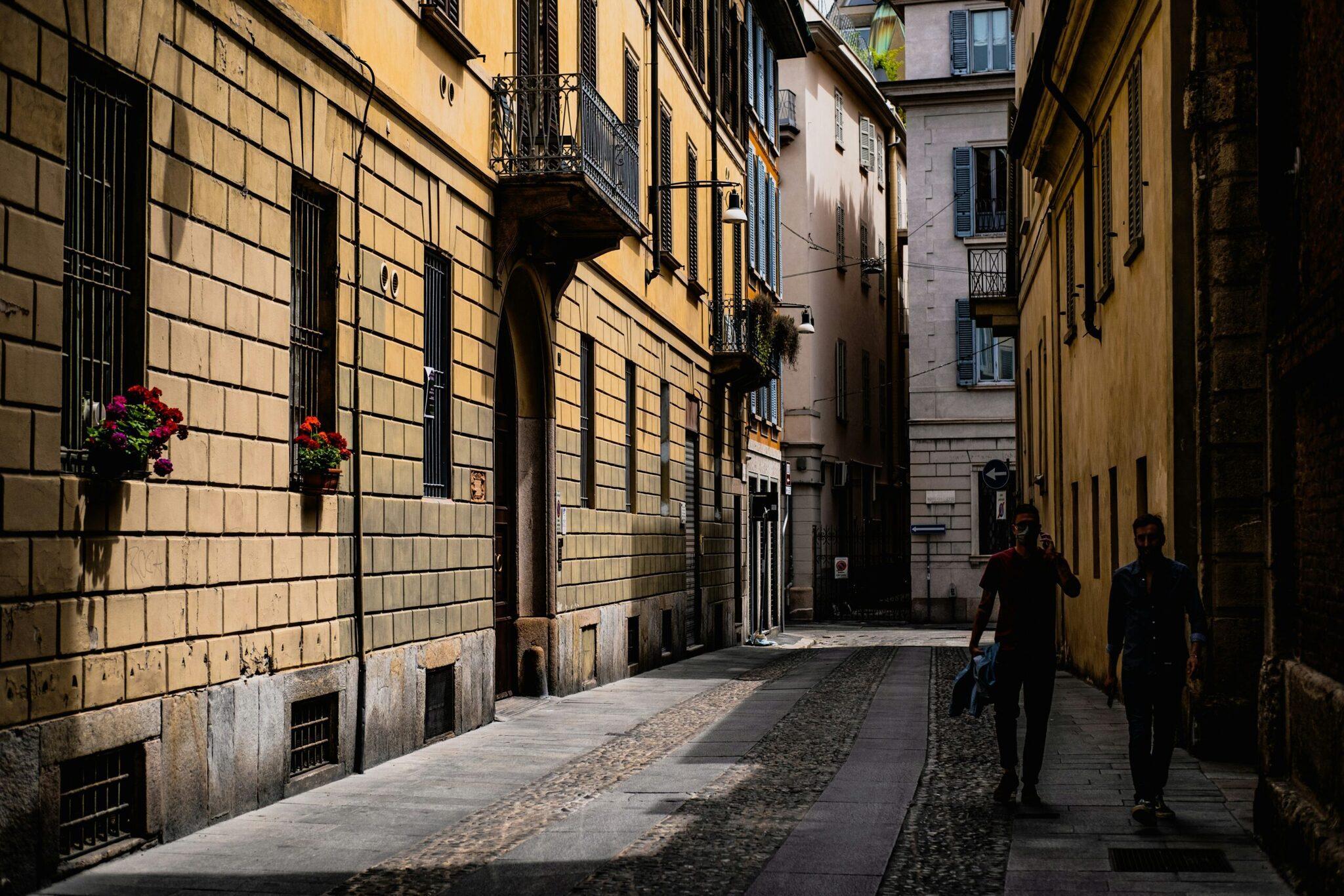
Brera is the neighbourhood of art galleries, studios and cafés where locals linger over their mornings. Its cobbled lanes, lined with ochre-coloured facades, invite you to wander at your own pace. The Pinacoteca di Brera, housed in the Palazzo di Brera, is one of Italy’s most important art museums: Mantegna, Caravaggio, Raphael and Tintoretto are all represented by major works. The palazzo’s inner courtyard, with its Renaissance columns, is a fine example of civic architecture from the Sforza era.
The Navigli: Local Life Along Leonardo’s Canals
Milan’s canal network dates back to the 12th century: construction of the Naviglio Grande began in 1179. It was Leonardo da Vinci, who arrived in Milan in 1482 at the invitation of Ludovico Sforza, who designed the lock system that allowed boats to navigate the city’s changes in elevation. These same canals carried the Candoglia marble used to build the Duomo. Today, the Naviglio Grande and the Naviglio Pavese are the heart of Milanese nightlife: bars, terrace restaurants and a lively, relaxed atmosphere that feels a world away from the formal elegance of the city centre.
The Quadrilatero della Moda: The World Capital of High Fashion
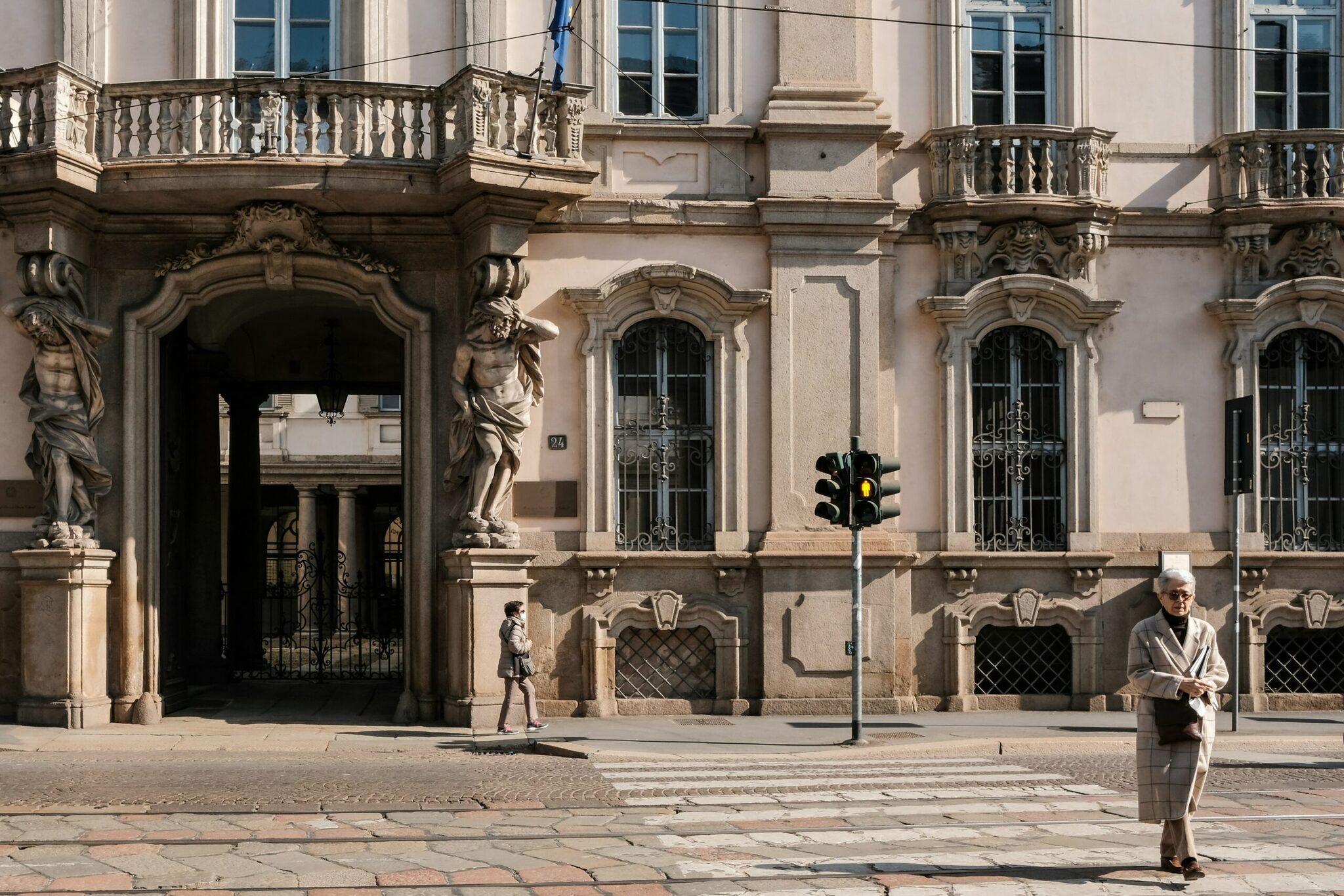
Via Montenapoleone, Via della Spiga, Via Sant’Andrea, Via Manzoni: this quadrilateral defines the most exclusive shopping district in Europe. Gucci, Prada, Hermès, Versace and Armani line one immaculate facade after another. Even with no intention of buying, walking these streets is a lesson in retail architecture and window display at its finest. La Rinascente, the department store on Piazza del Duomo, has a rooftop terrace with a direct view over the cathedral’s spires.
Tasting Milanese Cuisine
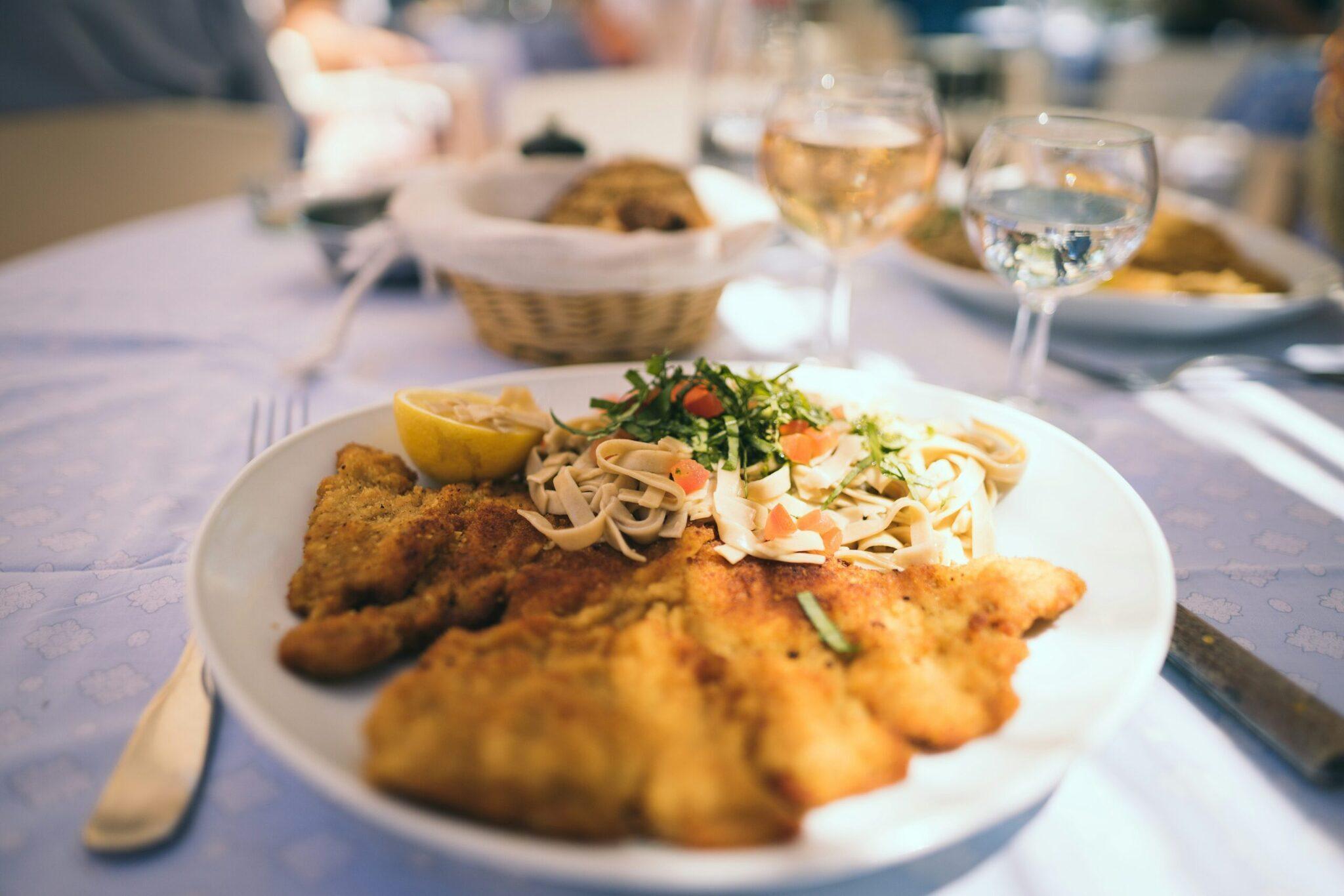
Milanese cooking is generous and deeply rooted in Lombard tradition. Risotto alla milanese, coloured a rich saffron yellow and finished with butter and Parmesan, is served in practically every trattoria in the city. Ossobuco alla milanese (veal shank braised in white wine with gremolata) is its classic accompaniment. The cotoletta alla milanese, a breaded cutlet considerably thicker than its Viennese counterpart, remains the essential dish at any counter. Milan is also the birthplace of panettone: the candied-fruit brioche you try here bears little resemblance to the industrial versions exported around the world. For an affordable meal, the osterias of the Navigli serve honest food in an animated, unpretentious setting.
Parc Sempione and the Triennale: Breathing Space in the Heart of the City
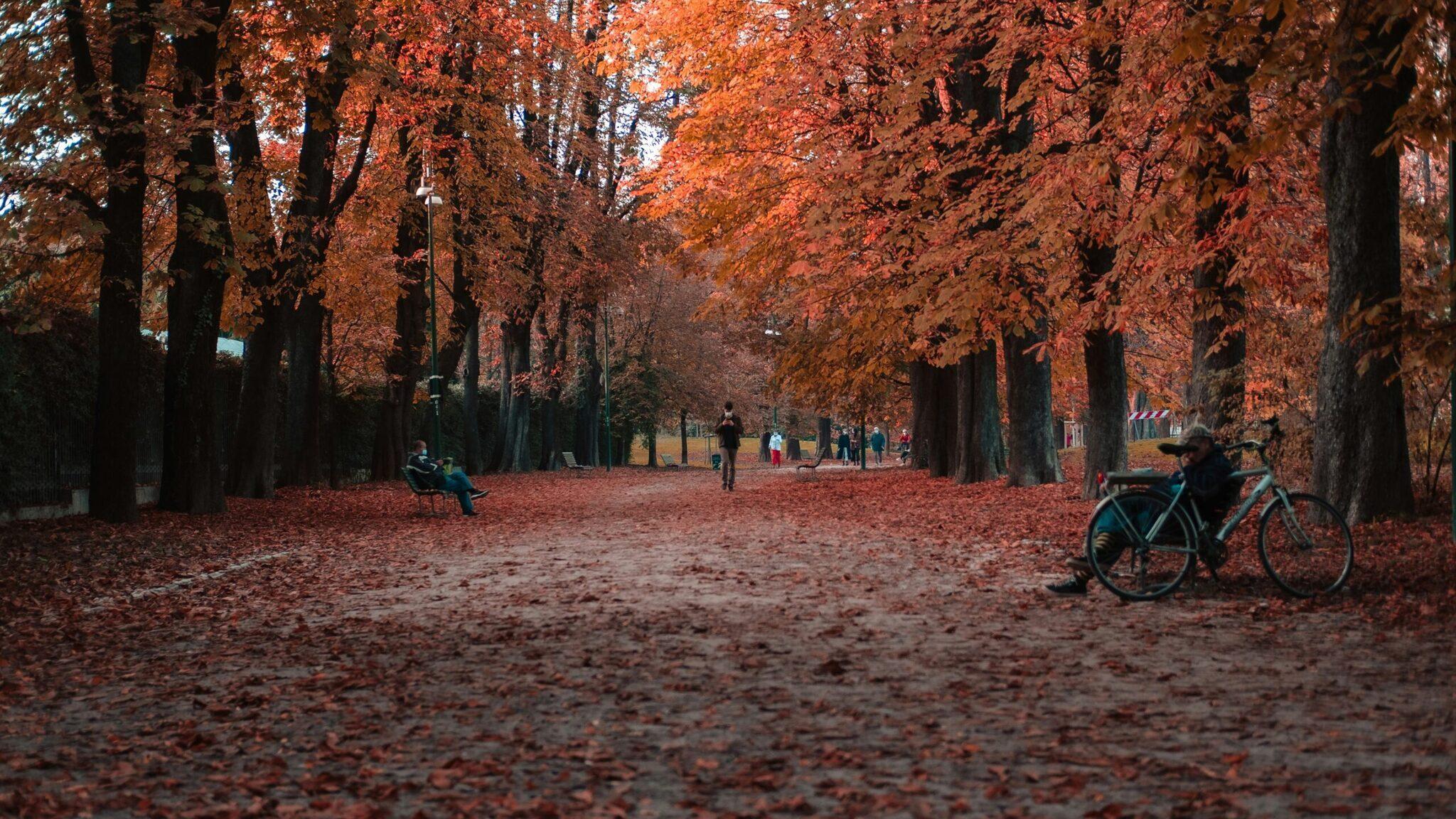
Behind the Castello Sforzesco lies Parc Sempione, Milan’s main green space. The central avenue, lined with mature trees that turn golden in autumn, is popular with joggers, cyclists and families. The Arco della Pace, a neoclassical triumphal arch visible from the northern entrance, and a central lake make it a pleasant setting for a walk. Within the park, the Triennale di Milano (founded in 1923 and based in the Palazzo dell’Arte) hosts exhibitions dedicated to design and architecture. Its Triennale Design Museum is the first of its kind in Italy.
If you are thinking of combining Milan with another Italian destination, Florence is less than two hours away by train, for an itinerary linking Italy’s two great art capitals.
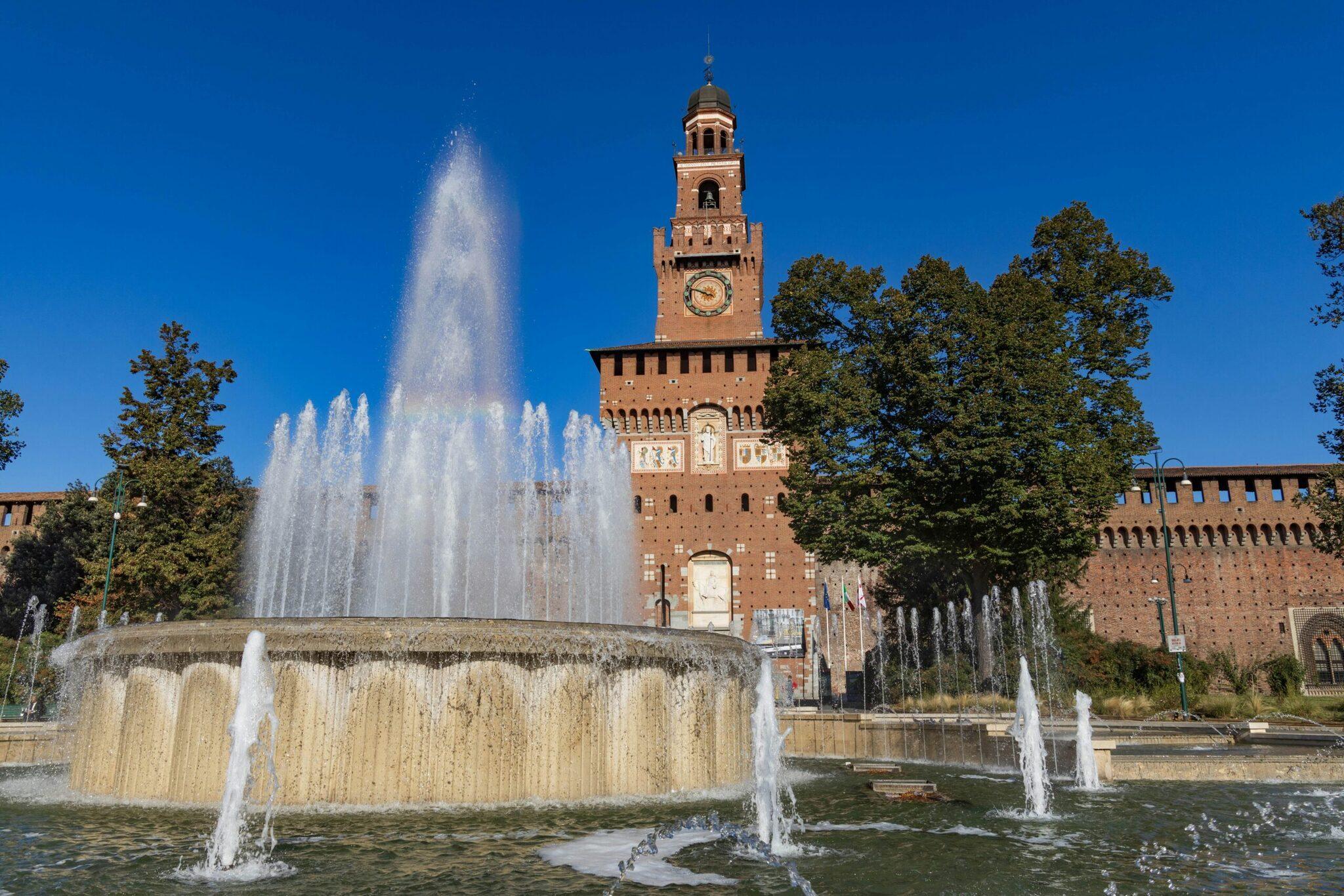
The Castello Sforzesco: Five Centuries of History in the City Centre
Built in the 15th century by Francesco Sforza, Duke of Milan, the Castello Sforzesco is one of the largest fortified complexes in Europe. Entry to the inner courtyards is free. The interior museums (Museum of Ancient Art, Pinacoteca, Museum of Musical Instruments) cost €5 for adults (€3 for those aged 18 to 25 and over 65), with free entry every Tuesday after 2pm and for under-18s. Do not miss Michelangelo’s Rondanini Pietà, kept in the Museum of Ancient Art: one of the sculptor’s last works, left unfinished at his death.
FAQ
How Many Days Do You Need in Milan?
Three days cover the essentials: the Duomo, Galleria, La Scala and the Last Supper on the first day; Brera and the Navigli on the second; the Castello Sforzesco and Parc Sempione on the third. Five days allow you to add the Fondazione Prada and emerging neighbourhoods such as Porta Nuova or Isola, at a more relaxed pace.
Is Booking the Last Supper Really Compulsory?
Yes, without exception. There are no tickets available on the day. Tickets are released in quarterly batches on the official Cenacolo Vinciano platforms (lastsupper.shop or cenacolovinciano.vivaticket.it) and sell out within hours. If they are unavailable, some tour operators hold reserved allocations as an alternative.
When Is the Best Time to Visit Milan?
Spring (April to May) and autumn (September to October) offer the most pleasant temperatures and smaller crowds. In April, the Salone del Mobile attracts visitors from around the world and hotels fill up quickly. Summers are hot and the city partially empties out in August.
Is It Worth Going Up to the Duomo Terraces?
Yes. The climb (paid, by lift or stairs) takes you level with the gargoyles and spires, with a panoramic view over the city. Plan your visit early in the morning to avoid queues and the heat of the day.
Is Milan Only Worth Visiting for the Shopping?
Not at all. The concentration of museums (Pinacoteca di Brera, Castello Sforzesco, Triennale, Fondazione Prada), the architectural richness of the Galleria and the Duomo, the food scene and the Navigli make it a rewarding destination in its own right, whether you shop or not.