
Within just a handful of districts, Lima packs a UNESCO-listed colonial square, cliffs that drop straight to the Pacific, a world-class food scene and pre-Columbian ruins in the middle of the city. Here is what to see and do, neighbourhood by neighbourhood.
Plan my trip to PeruThe Historic Centre: Lima’s Colonial Heart
Listed as a UNESCO World Heritage Site since 1991, Lima’s historic centre radiates outward from Plaza Mayor, where Francisco Pizarro founded the city in 1535. The cathedral, the Government Palace and the Archbishop’s Palace frame this square with their ochre facades and intricately carved wooden balconies, hallmarks of Spanish colonial baroque.
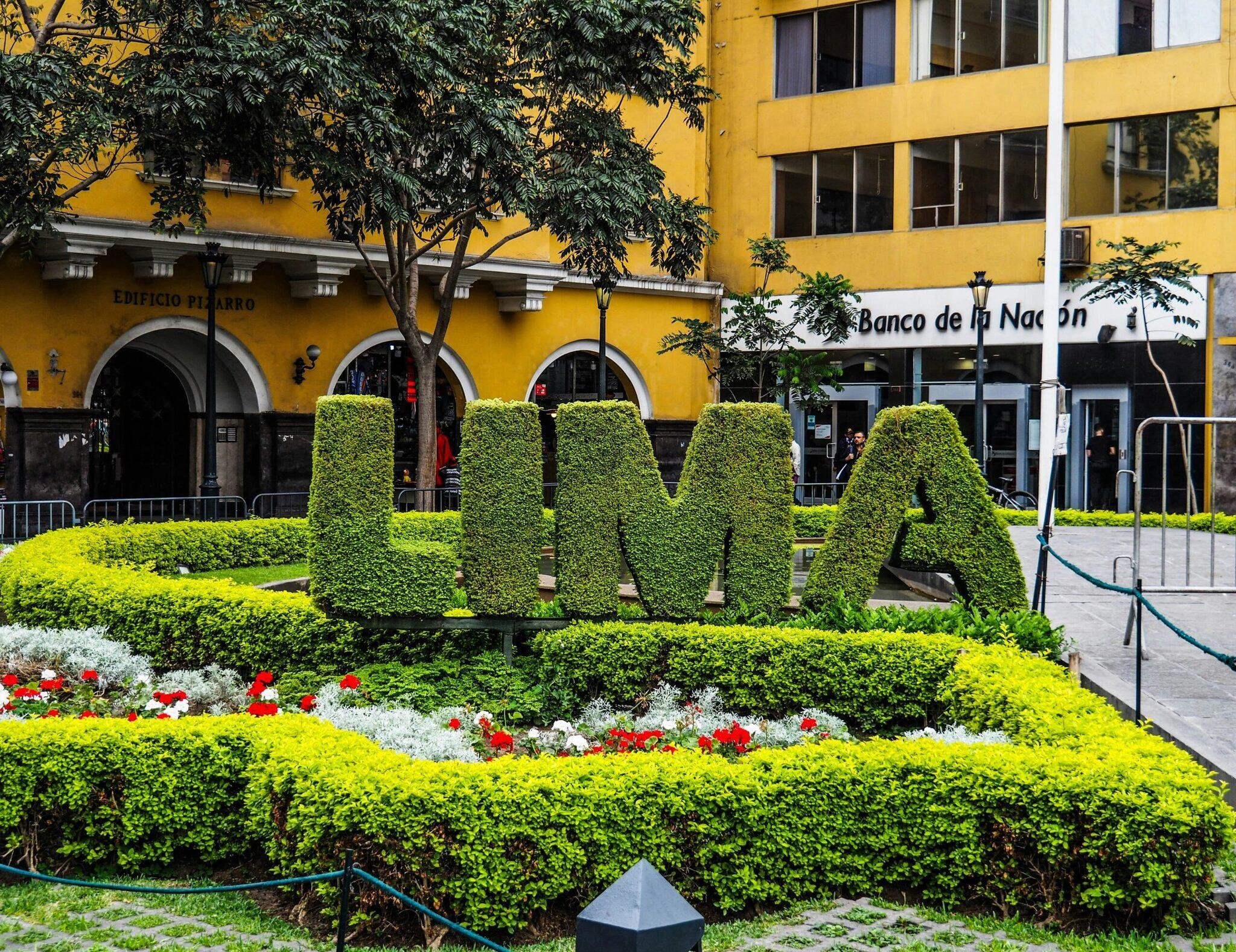
Nearby, the Monastery of San Francisco is one of the finest examples of Spanish baroque architecture in Latin America. Its catacombs, in use from the 17th to the 19th century, hold the bones of some 70,000 people: skulls and femurs arranged in geometric patterns along underground galleries. Guided tours last around an hour.
Miraflores: Cliffs, Pacific Views and Neighbourhood Life
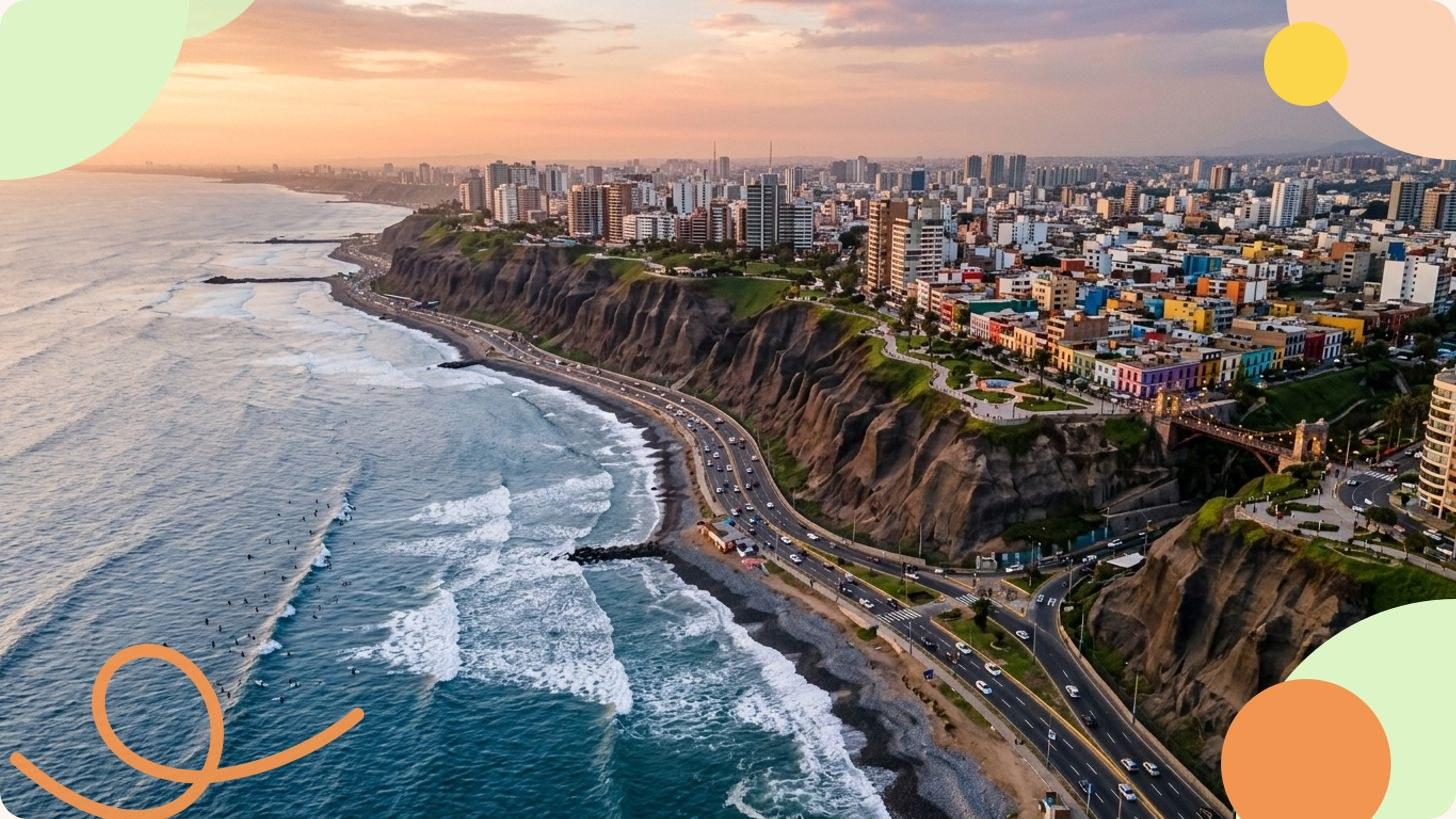
Miraflores is Lima’s most visited neighbourhood. Its Malecón runs along cliffs that fall sharply to the Pacific Ocean, lined with tiered parks, sweeping viewpoints and jogging paths. The Parque del Amor, decorated with colourful mosaics, offers one of the best vantage points over the sea. From the clifftop, local schools offer tandem paragliding flights.
Huaca Pucllana: A Pyramid in the Middle of the City
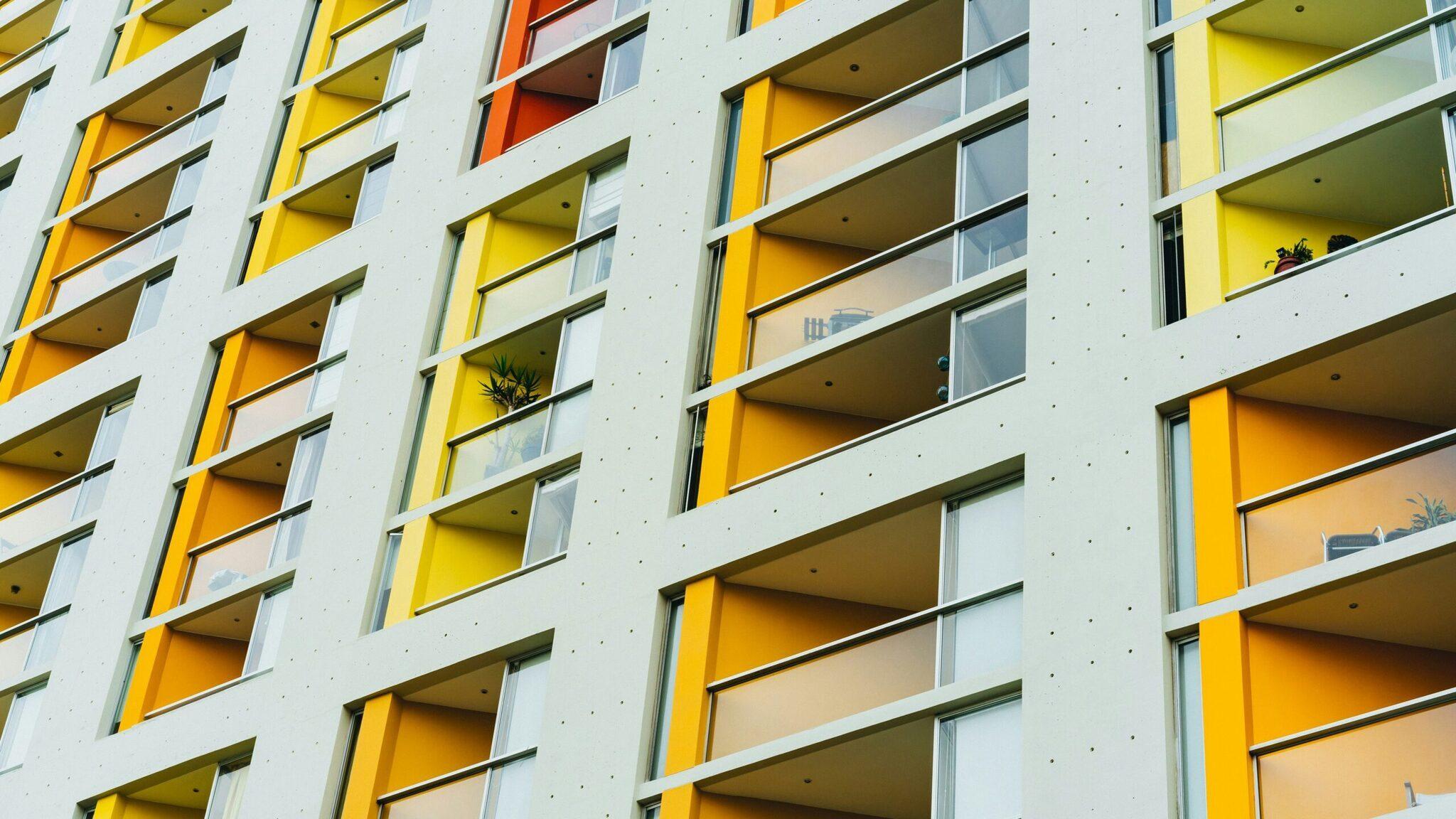
Just a few blocks from the Malecón, Huaca Pucllana is a seven-tiered adobe brick pyramid standing 22 metres tall. A ceremonial and administrative hub for the Lima civilisation between the 2nd and 7th centuries AD, the site is open Wednesday to Monday from 9am to 5pm. Admission costs 15 soles (around US$4) and includes a guided tour in Spanish or English. A Peruvian restaurant operates at the foot of the pyramid, which is lit up after dark.
Barranco: Lima’s Bohemian Quarter
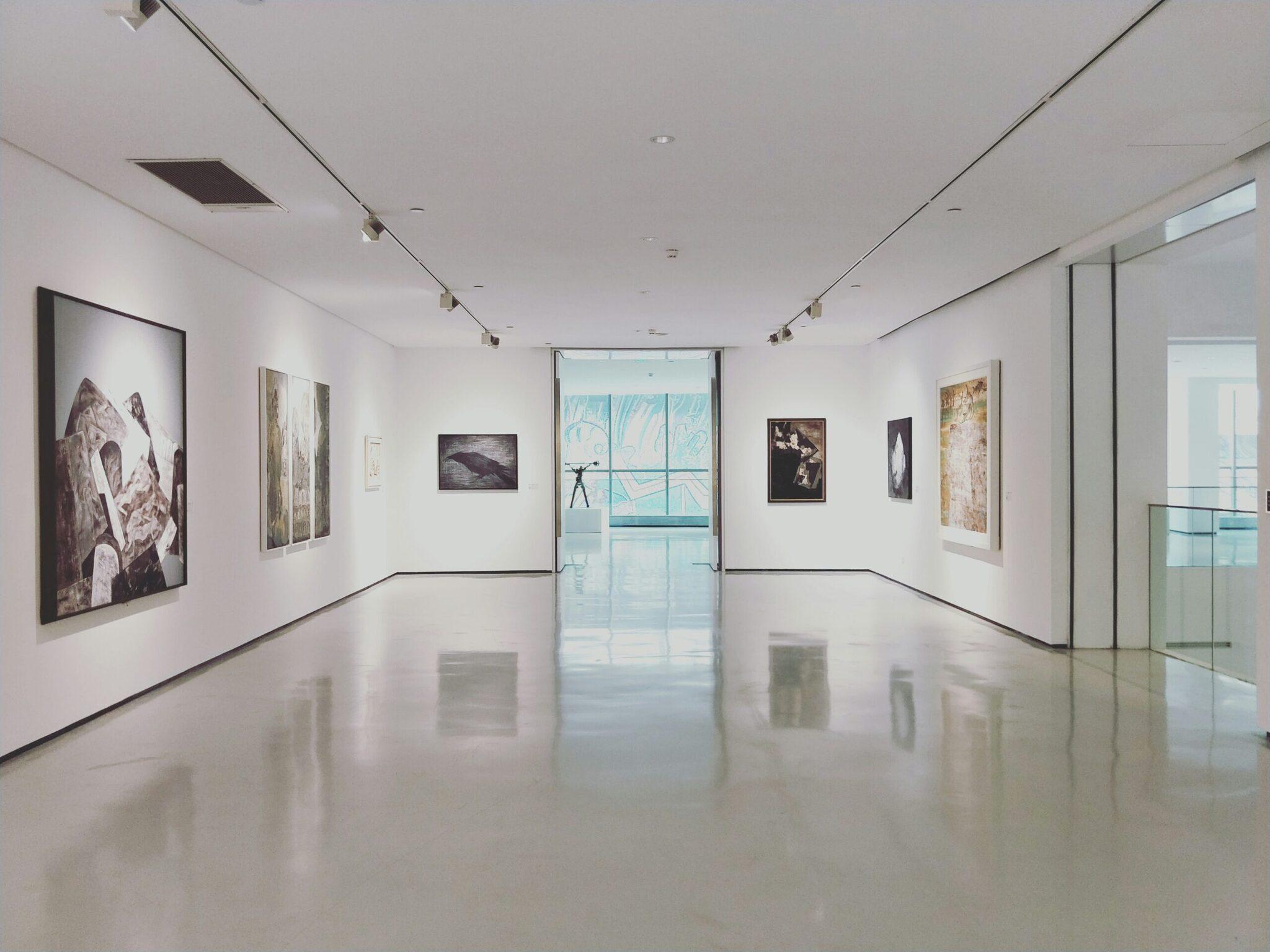
South of Miraflores, Barranco is the neighbourhood of artists and independent galleries. Its narrow streets blend colourful colonial houses with large-scale murals. After dark, its neighbourhood bars and live-music venues make it the liveliest corner of the capital.
The Puente de los Suspiros, a wooden bridge built in 1876, is the neighbourhood’s defining landmark. Local tradition holds that crossing it while holding your breath grants a wish. The Bajada de los Baños, an old fishermen’s path winding down to the sea, is now lined with cafés and restaurants overlooking the Pacific.
Museo Larco: Treasures of Pre-Columbian Art
Set in an 18th-century colonial mansion built over a 7th-century pre-Columbian pyramid, the Museo Larco houses the largest archaeological collection of ancient Peru on display anywhere in the world. Ceramics, textiles, gold and silver jewellery cover more than 3,000 years of history. The erotic gallery documents the ritual practices of coastal civilisations. The courtyard gardens and the on-site restaurant make this far more than a standard museum visit.
Lima: Gastronomic Capital of South America
Lima is home to two restaurants that have each been crowned the world’s best: Central claimed the top spot at The World’s 50 Best Restaurants in 2023, and Maido, whose Nikkei cuisine blends Japanese techniques with Peruvian ingredients, reached the same summit in 2025. For a more accessible taste of the city, the stalls at Surquillo market serve fresh ceviche for just a few dollars.
Ceviche, the undisputed national dish, is eaten at lunchtime by local custom. A neighbourhood cevichería, a glass of leche de tigre at the counter and a few grilled anticuchos are all it takes to understand why chefs from around the world make the pilgrimage to Lima.
Surfing at Costa Verde
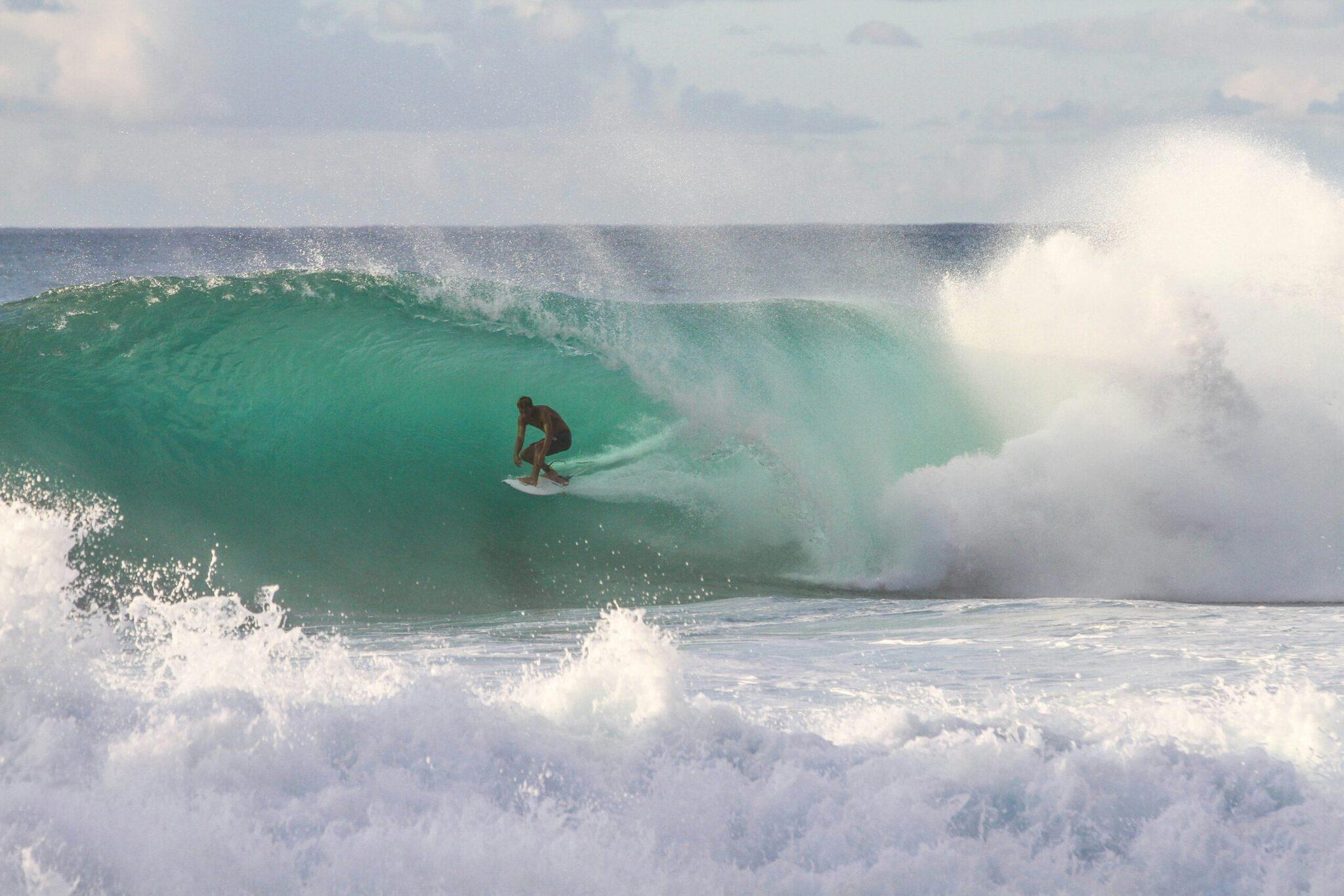
The beaches of Costa Verde stretch out below Lima’s cliffs. Consistent waves suit surfers of all levels, and local surf schools offer lessons and board hire. From the clifftops above, paragliders regularly drift along the coastline.
Day Trips from Lima: Pachacamac and the Andes
Thirty kilometres south of Lima, the archaeological site of Pachacamac makes for a rewarding half-day trip. Founded by the Lima civilisation between 200 and 600 AD, this pre-Columbian religious complex covers more than 450 hectares and includes temples, stepped pyramids and ceremonial plazas dedicated to the creator god Pachacamac. An on-site museum displays artefacts uncovered during excavations.
To the east, the foothills of the Andes are visible on clear days from the city itself. Day trips can reach high-altitude landscapes in just a few hours, offering a striking contrast to the coastal capital.
For a full itinerary beyond Lima, see our guide What to Do in Peru: Top 20 Must-See Highlights. If you are planning to combine Lima with other Latin American destinations, our What to Do in Mexico City guide can round out your itinerary.
FAQ
How many days do you need to see Lima?
Two to three days cover the highlights: the historic centre, Miraflores, Barranco, the Museo Larco and Huaca Pucllana. Add a fourth day for Pachacamac or to dedicate an entire morning to exploring the local food scene.
When is the best time to visit Lima?
Lima has a coastal desert climate. From December to April, sunshine is reliable and temperatures are warm. From May to November, a morning sea mist known as the “garúa” often hangs over the city, but temperatures remain mild. Lima is a year-round destination.
Is Lima safe for tourists?
Miraflores and Barranco are generally safe both day and night. The historic centre is lively and well-frequented in the tourist areas. It is best to use ride-hailing apps (Uber, Cabify) rather than street taxis, and to avoid displaying expensive equipment in quieter areas.
Do you need to speak Spanish to visit Lima?
In hotels, restaurants and museums in Miraflores and Barranco, English is widely understood. In markets and local neighbourhoods, a few words of Spanish go a long way.
Do you need travel insurance for Lima?
Private medical care in Peru is paid entirely out of pocket by foreign visitors. A hospital stay can run to several thousand euros. Health and repatriation cover is essential before any trip to Lima.