
Mexico keeps a rare promise: in a single country, you move between thousand-year-old pyramids, turquoise Caribbean beaches, baroque colonial cities and tropical rainforests. This guide covers 20 experiences not to be missed, from the Yucatán to the canyons of the north, whether you have 10 days or three weeks. For entry requirements, recommended vaccinations and medical cover while you are away, visit our Mexico travel insurance page.

Maya and Aztec Sites: Five Cities That Have Stood the Test of Time
1. Teotihuacán: Climb to the Top of the Pyramid of the Sun
Fifty kilometres north of Mexico City, Teotihuacán is one of the largest pre-Hispanic cities on the American continent. A UNESCO World Heritage Site, the complex lines up the Pyramid of the Sun (65 metres tall), the Pyramid of the Moon and more than 2,000 structures along the Avenue of the Dead. Plan your visit early in the morning to catch the raking light across the site before the crowds arrive.
2. Chichén Itzá: One of the Seven New Wonders of the World
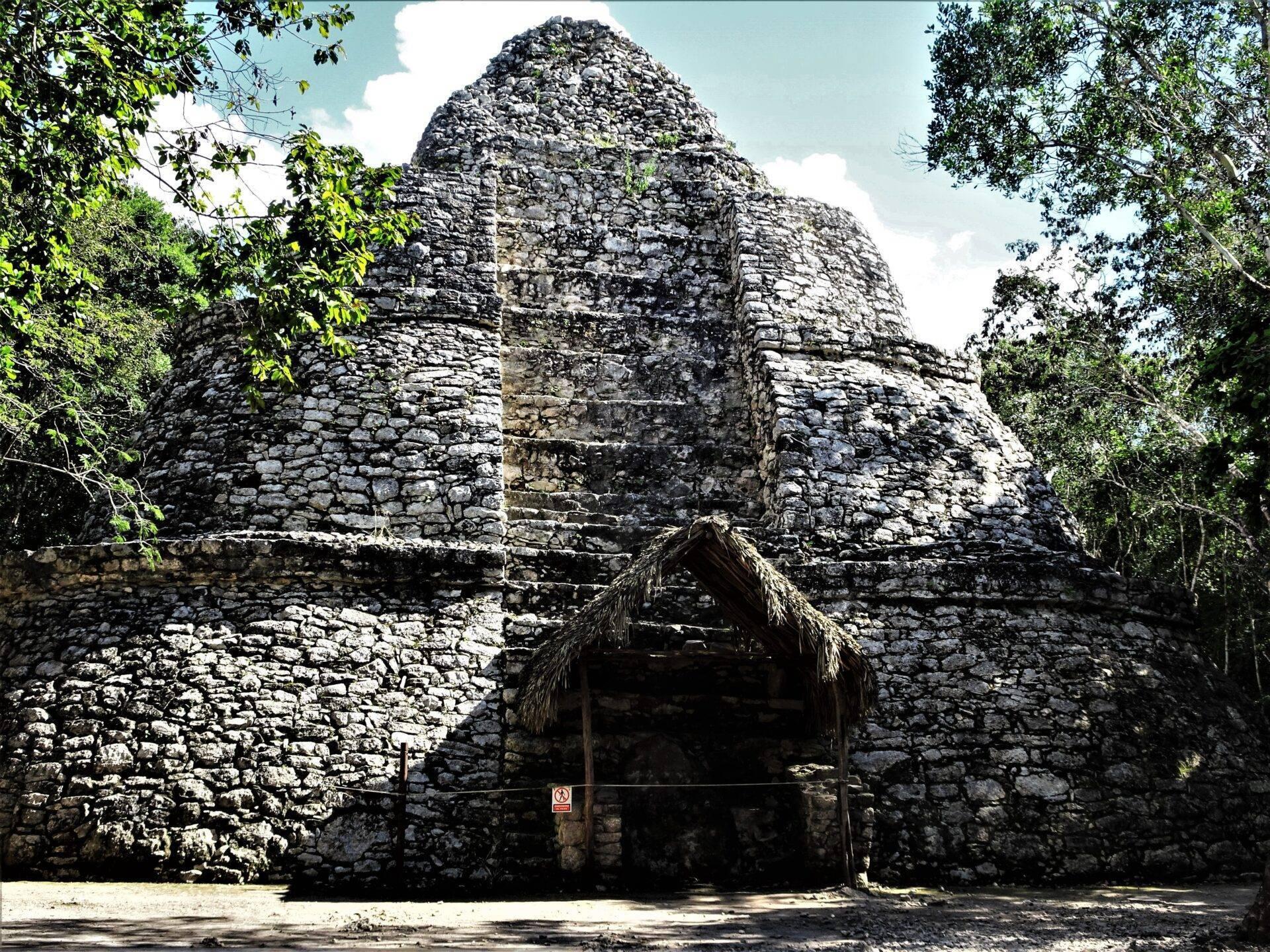
Voted one of the Seven New Wonders of the World in 2007 and a UNESCO World Heritage Site since 1988, the Temple of Kukulcán (El Castillo) is the most recognised Maya pyramid on earth. At each spring and autumn equinox, the shadow cast by the structure traces an undulating serpent down its north staircase, a feat of astronomical precision engineered by the Maya builders. The site also includes a sacred cenote where the Maya deposited offerings, a monumental ball court and the El Caracol Observatory.
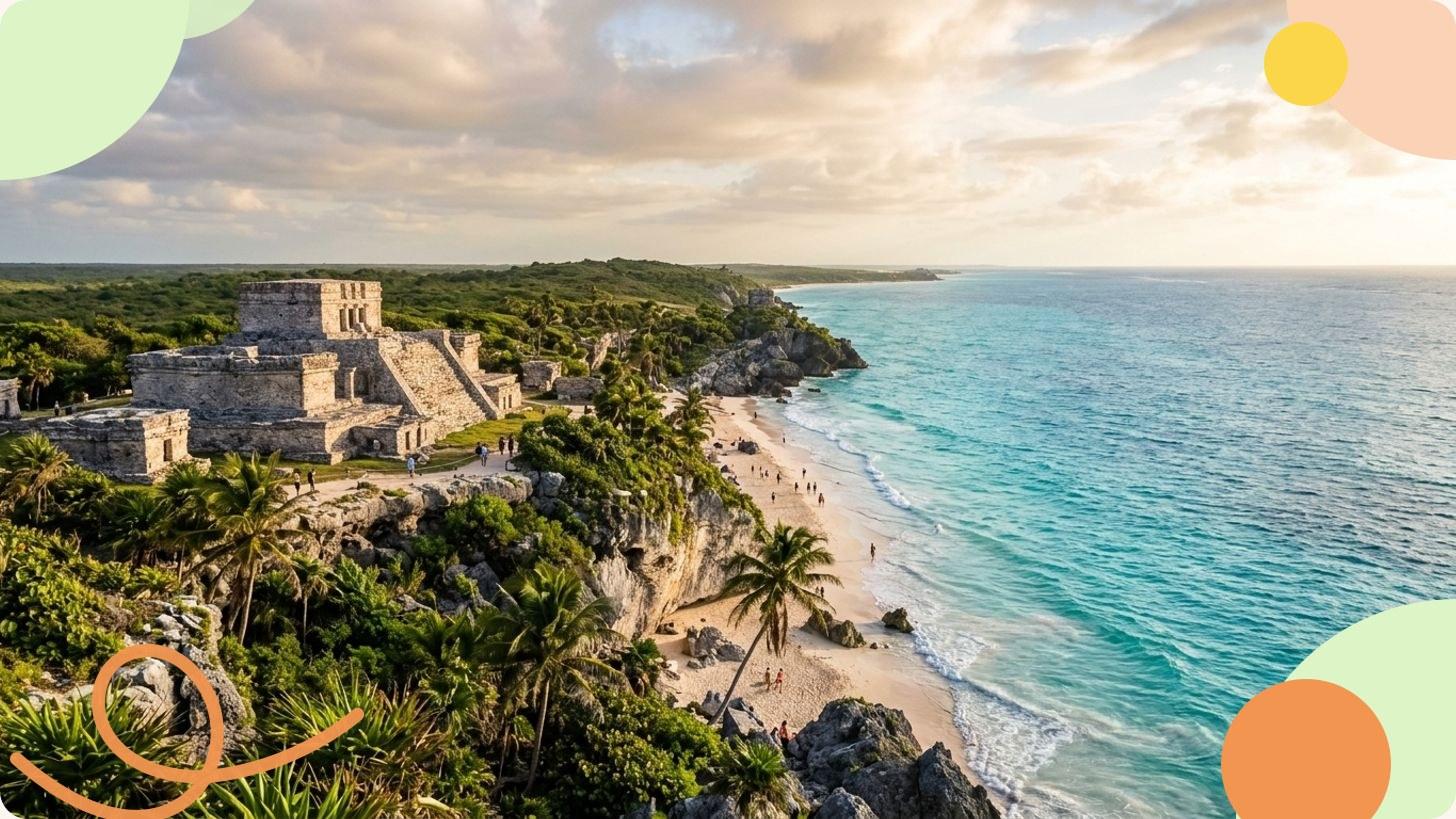
3. Tulum: The Only Maya City Built Facing the Caribbean Sea
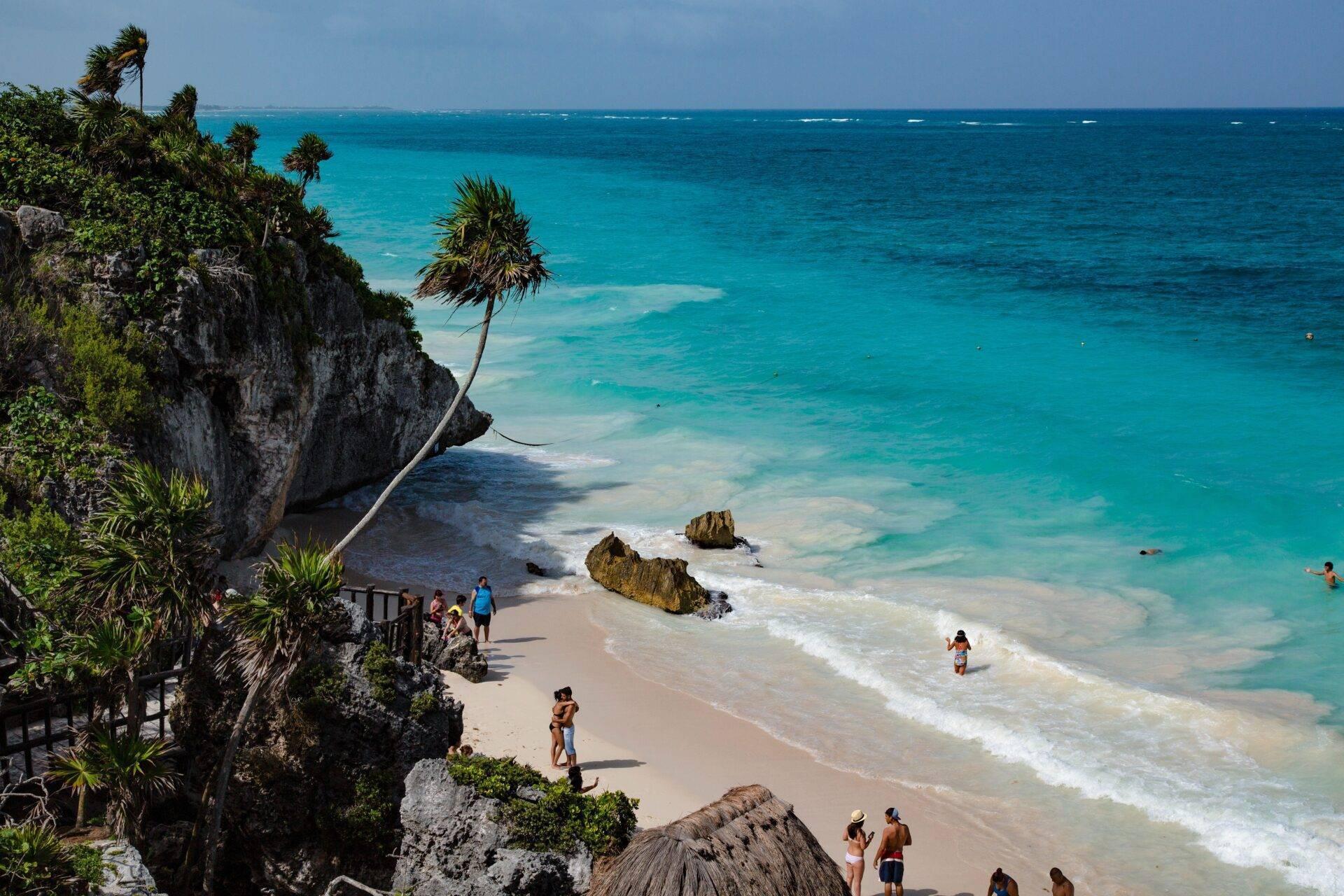
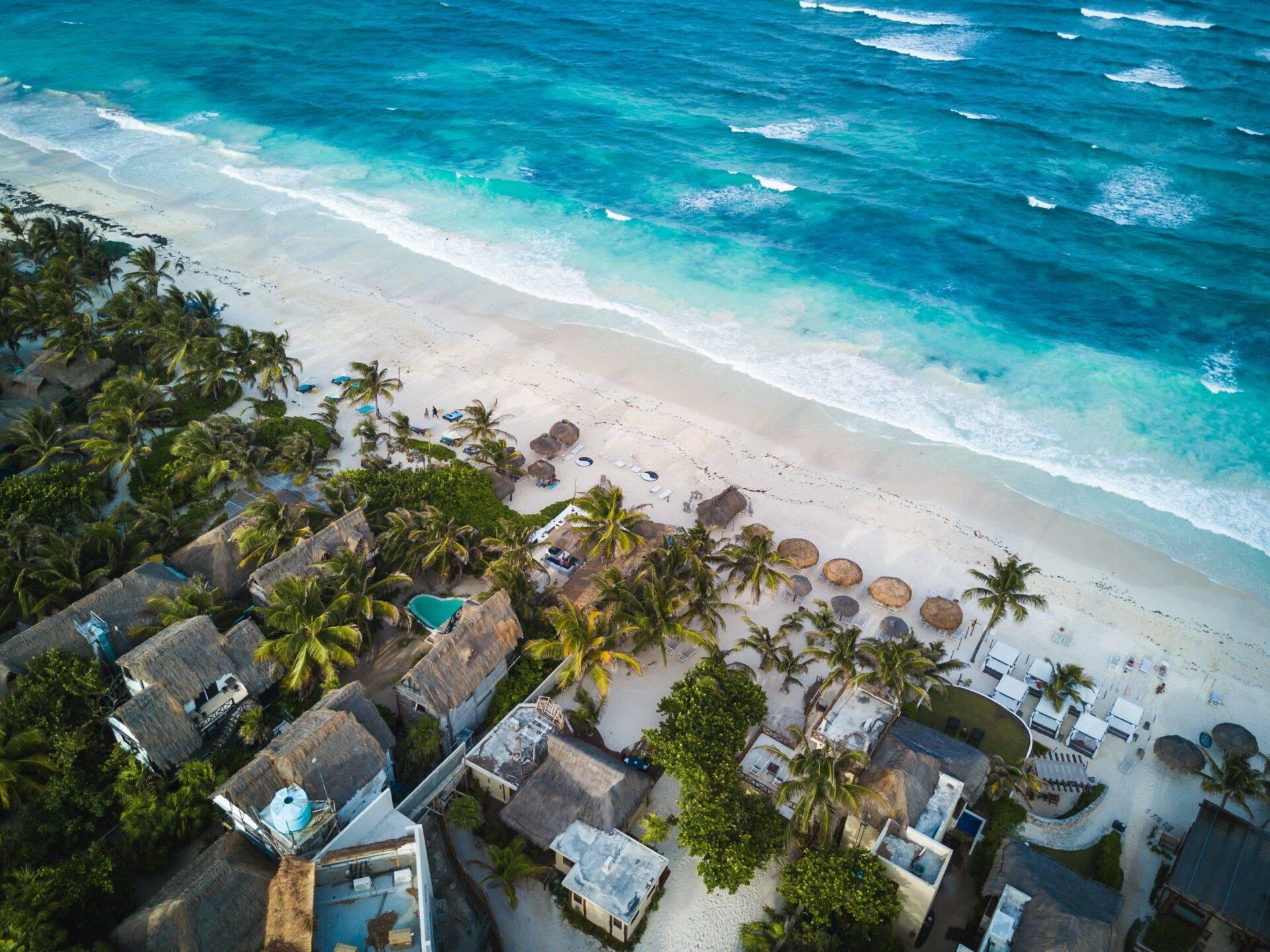
Tulum is unique in the Maya world: its ramparts crown a cliff overlooking the Caribbean Sea. An active trading port between the 13th and 16th centuries, the city combined religious functions with maritime commerce in a setting of exceptional natural beauty. From the ruins, the view over the turquoise sea and white-sand beach is among the most photographed in Mexico.
4. Palenque: Maya Inscriptions in the Heart of the Chiapas Jungle
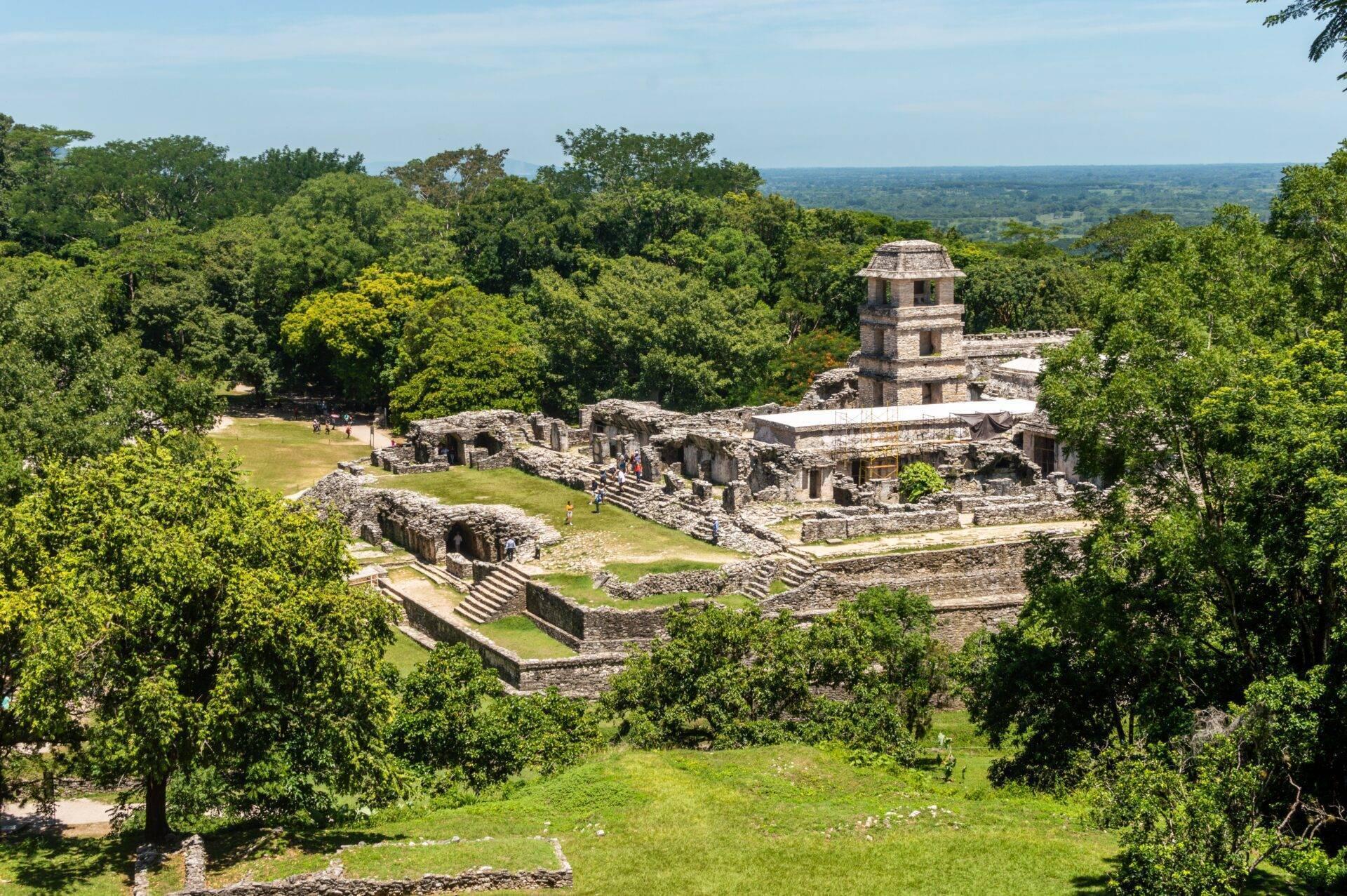
Palenque plunges into the dense jungle of Chiapas. The Temple of the Inscriptions houses the tomb of ruler K’inich Janaab’ Pakal, discovered in 1952, along with one of the longest known Maya hieroglyphic inscriptions. The site’s architecture, with its corbelled vaults and finely crafted bas-reliefs dating mainly from the 7th century, stands as one of the most accomplished expressions of Classic Maya art.
5. Monte Albán and Mitla: The Zapotec Cities of Oaxaca
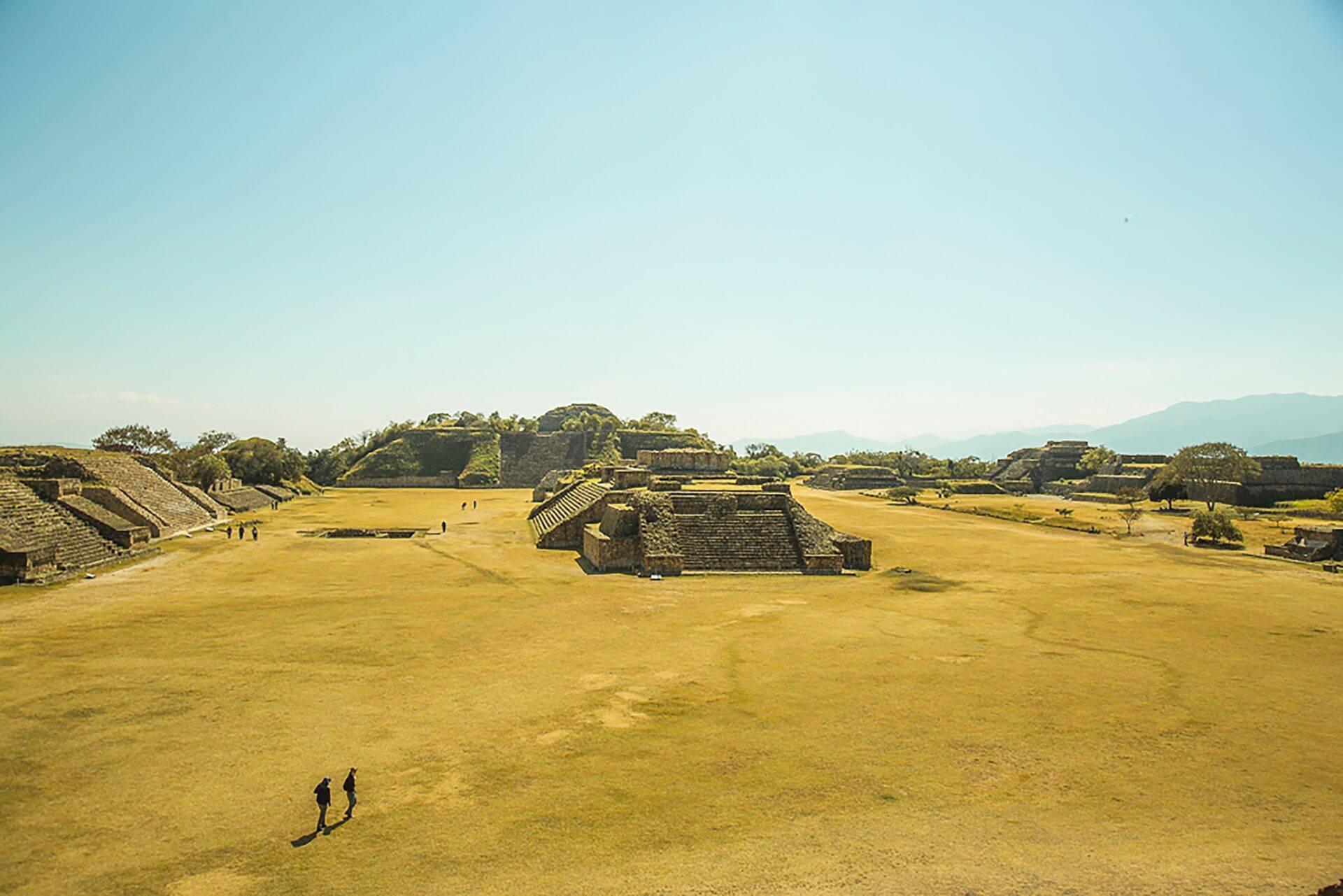
Monte Albán is one of the earliest great Mesoamerican cities and a UNESCO World Heritage Site. Perched 400 metres above the Valley of Oaxaca, it commands 360-degree panoramas of the surrounding mountains. Forty-five kilometres away, Mitla stands out for its geometric stone mosaic friezes, each interlocking pattern unique in Mexican pre-Hispanic architecture.
6. Mexico City: Museums, Art and Gastronomy
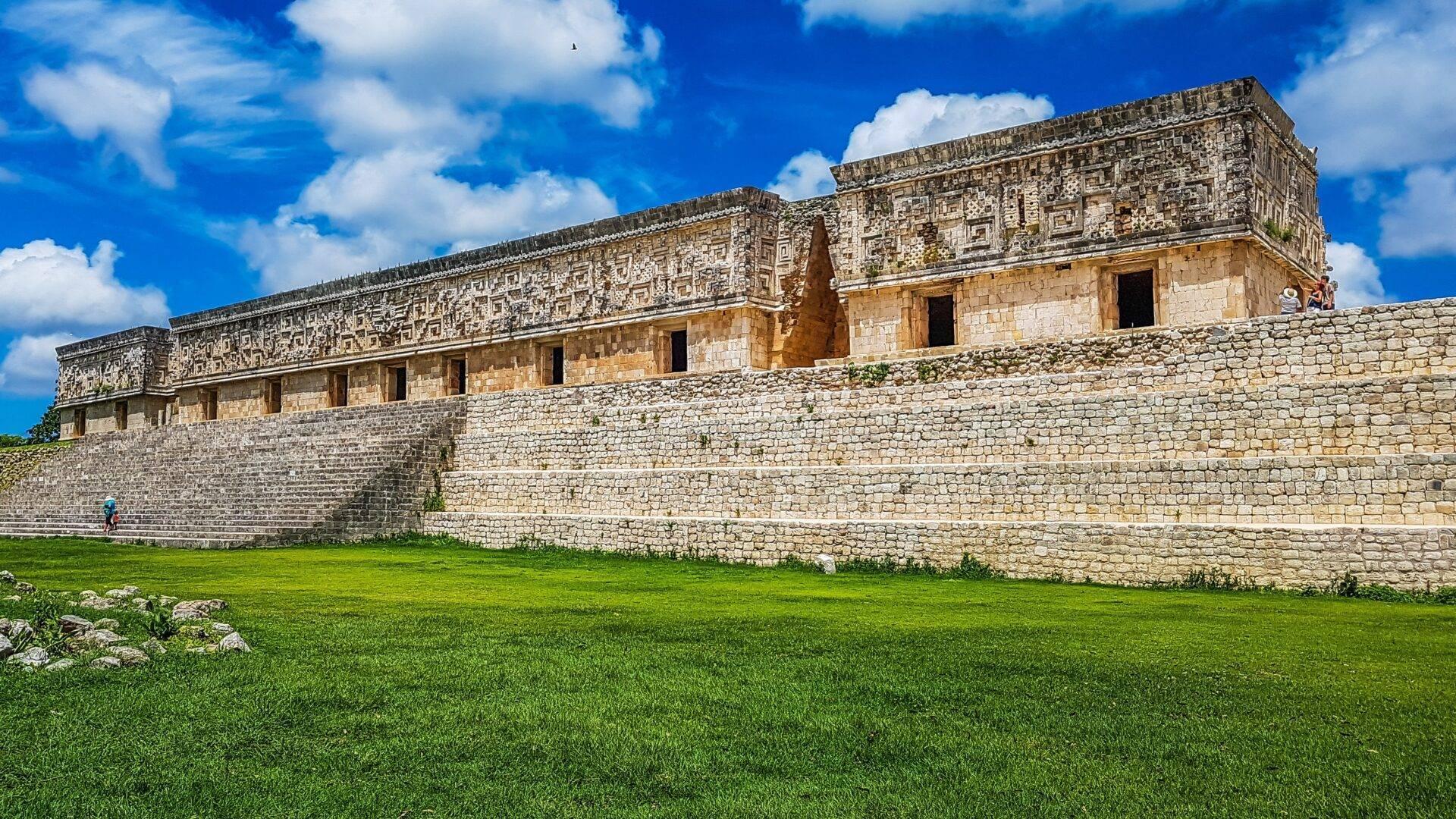
The historic centre of Mexico City, a UNESCO World Heritage Site, concentrates within a few blocks the Metropolitan Cathedral, the Zócalo, the Aztec Templo Mayor ruins unearthed in 1978 and colonial palaces covered in monumental murals by Diego Rivera, José Clemente Orozco and David Alfaro Siqueiros.
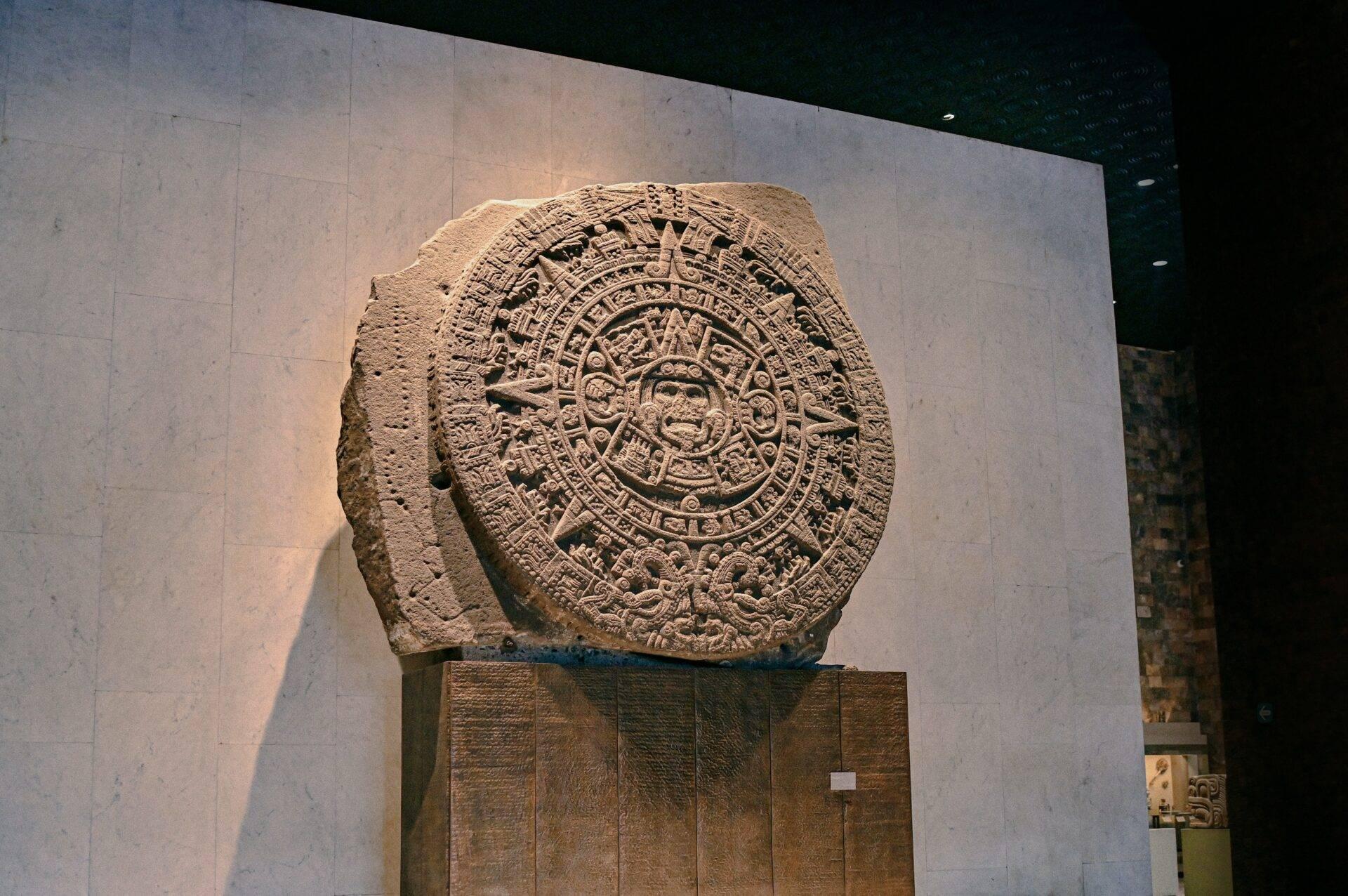
The Museo Nacional de Antropología holds the world’s largest collection of pre-Columbian art, including the celebrated Aztec Sun Stone. Mexican cuisine, inscribed on UNESCO’s Intangible Cultural Heritage list in 2010, comes alive on every street corner: tacos al pastor, tlayudas, tamales and artisanal mezcal make up a rich and thoroughly accessible culinary scene.
The palaces and colonial mansions of the historic centre preserve interiors of remarkable ornamental richness, a testament to the splendour of New Spain.

Our guide What to do in Mexico City takes you through each neighbourhood’s museums, markets and must-see experiences in the capital.
Get my travel insurance quoteThe Yucatán Peninsula: Sea, Cenotes and Biodiversity
7. Cancún: The Gateway to the Yucatán
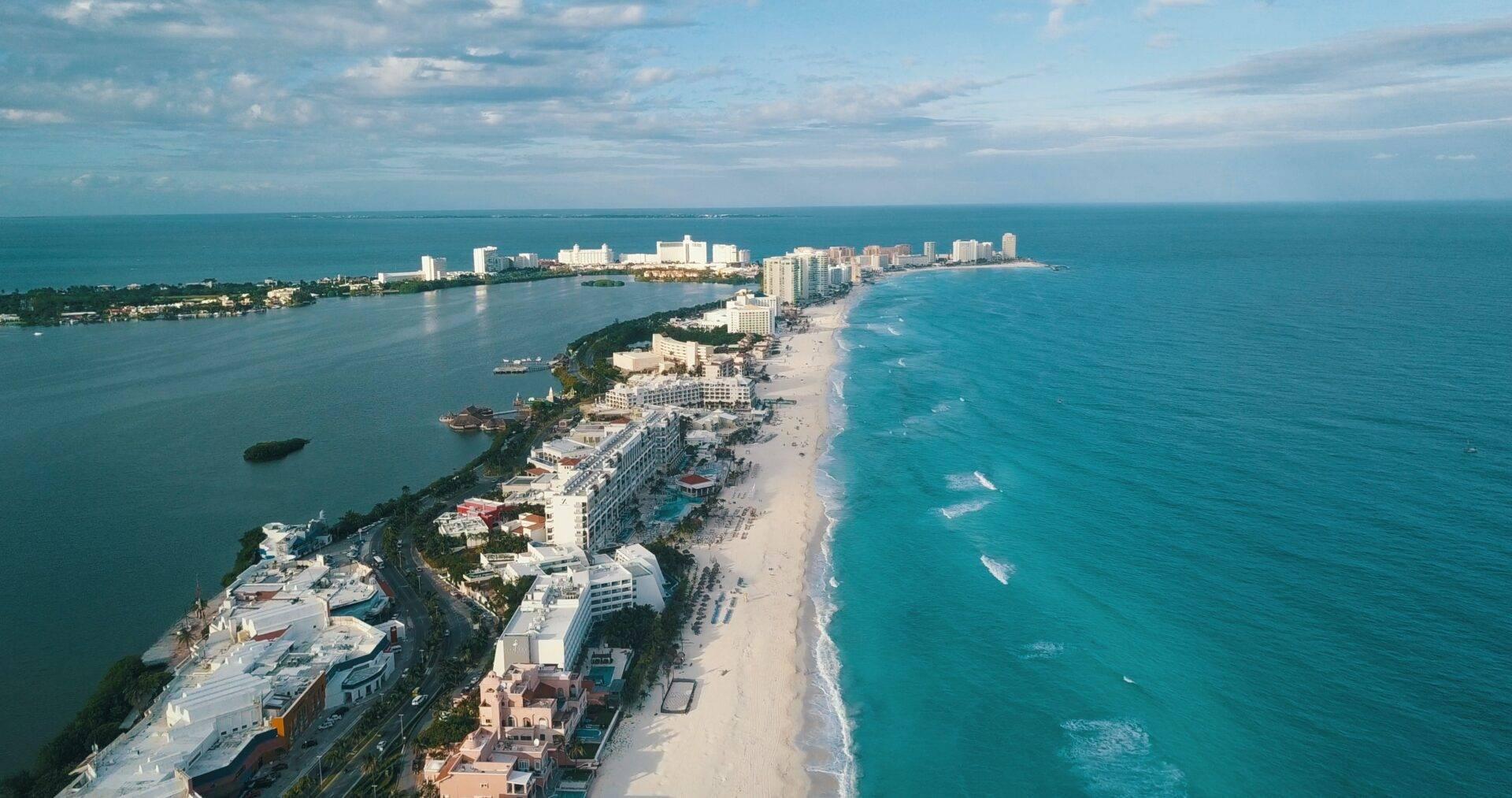
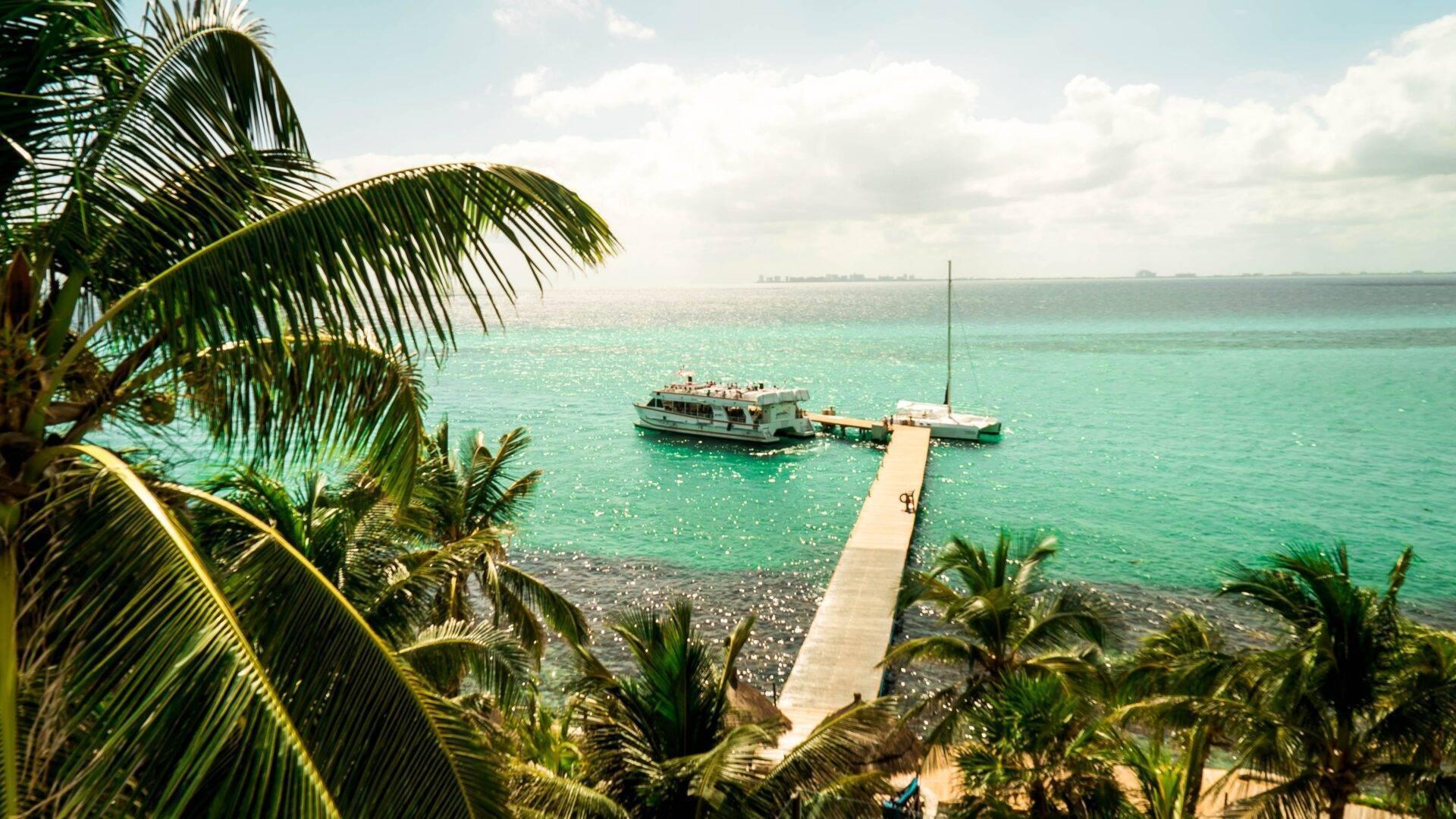
Cancún stretches along a sandbar separating the Caribbean Sea from the Nichupté Lagoon, which explains the distinctive turquoise hue visible from above. The hotel zone offers direct beach access and easy departures for Chichén Itzá, the Riviera Maya and Tulum.
8. The Riviera Maya: Reefs, Beaches and Jungle
Running from Cancún to Tulum, the Riviera Maya follows the Mesoamerican Barrier Reef System, the second largest coral reef system in the world. Playa del Carmen, Akumal and Puerto Morelos are ideal bases for combining snorkelling, diving and excursions to Maya sites inland. The Xcaret eco-park, a few kilometres south of Playa del Carmen, offers an immersive experience of Mexican flora and fauna alongside performances of pre-Hispanic traditions.
9. Cenotes: The Maya’s Sacred Wells
The Yucatán Peninsula is home to around 10,000 cenotes, natural freshwater sinkholes formed when the limestone ceiling above underground rivers collapses. The Maya regarded them as portals to the realm of the gods and deposited offerings within them. Cenote Dos Ojos (near Tulum), Cenote Ik Kil (near Chichén Itzá) and the Grand Cenote are among the most accessible for swimming and snorkelling, in water that stays around 24 °C year-round.
10. The Sian Ka’an Reserve: 528,000 Hectares of Untouched Nature
Sian Ka’an means “where the sky is born” in Maya. This 528,148-hectare biosphere reserve has been a UNESCO World Heritage Site since 1987. It encompasses tropical forests, mangroves, lagoons and coral reefs, and is home to manatees, crocodiles, jaguars and more than 300 species of birds. Access is by boat or 4x4 only, keeping the ecosystem virtually pristine.
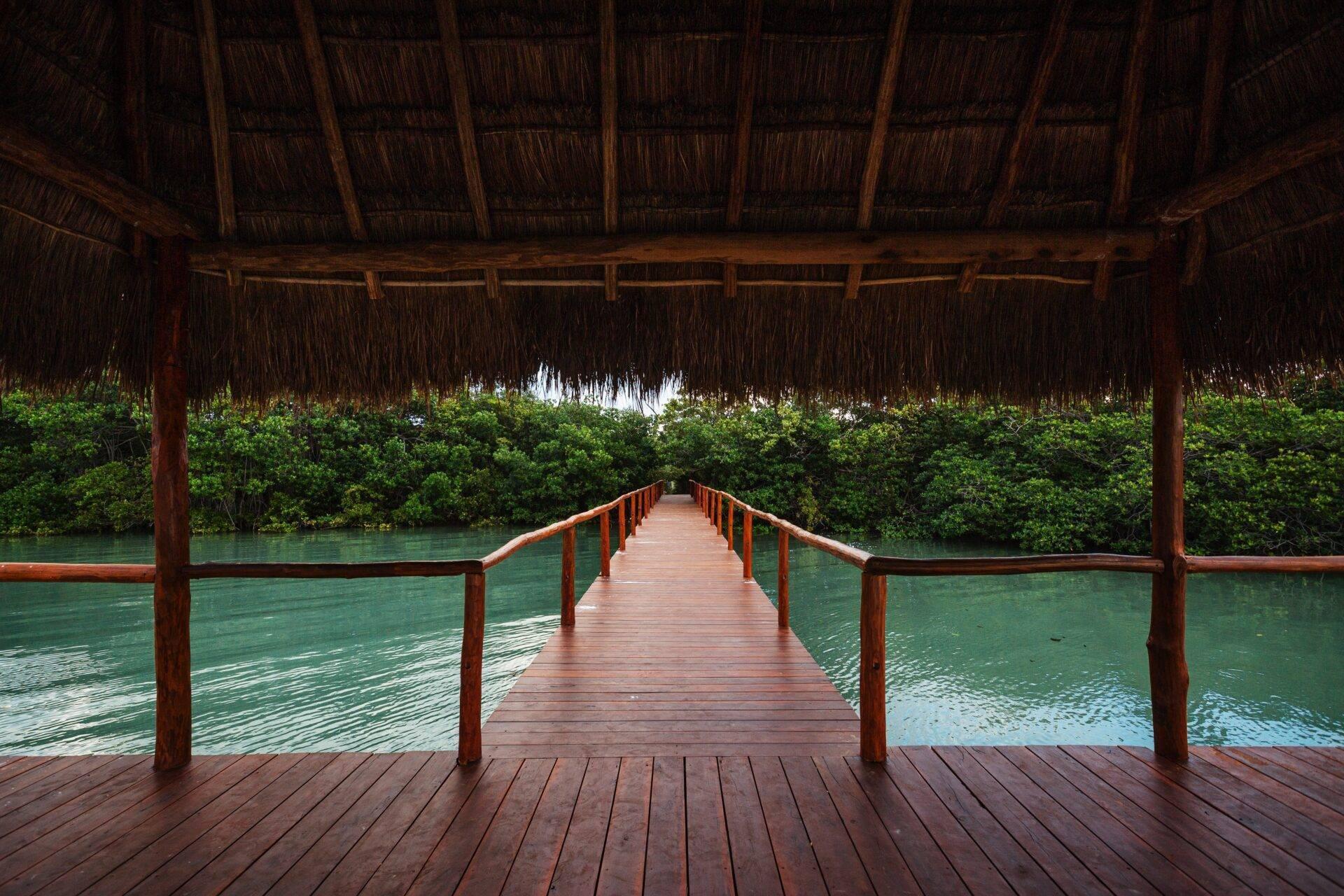
Our dedicated guide covers everything you need to know about visiting the Sian Ka’an reserve in Mexico.
11. Swimming with Sea Turtles and Whale Sharks
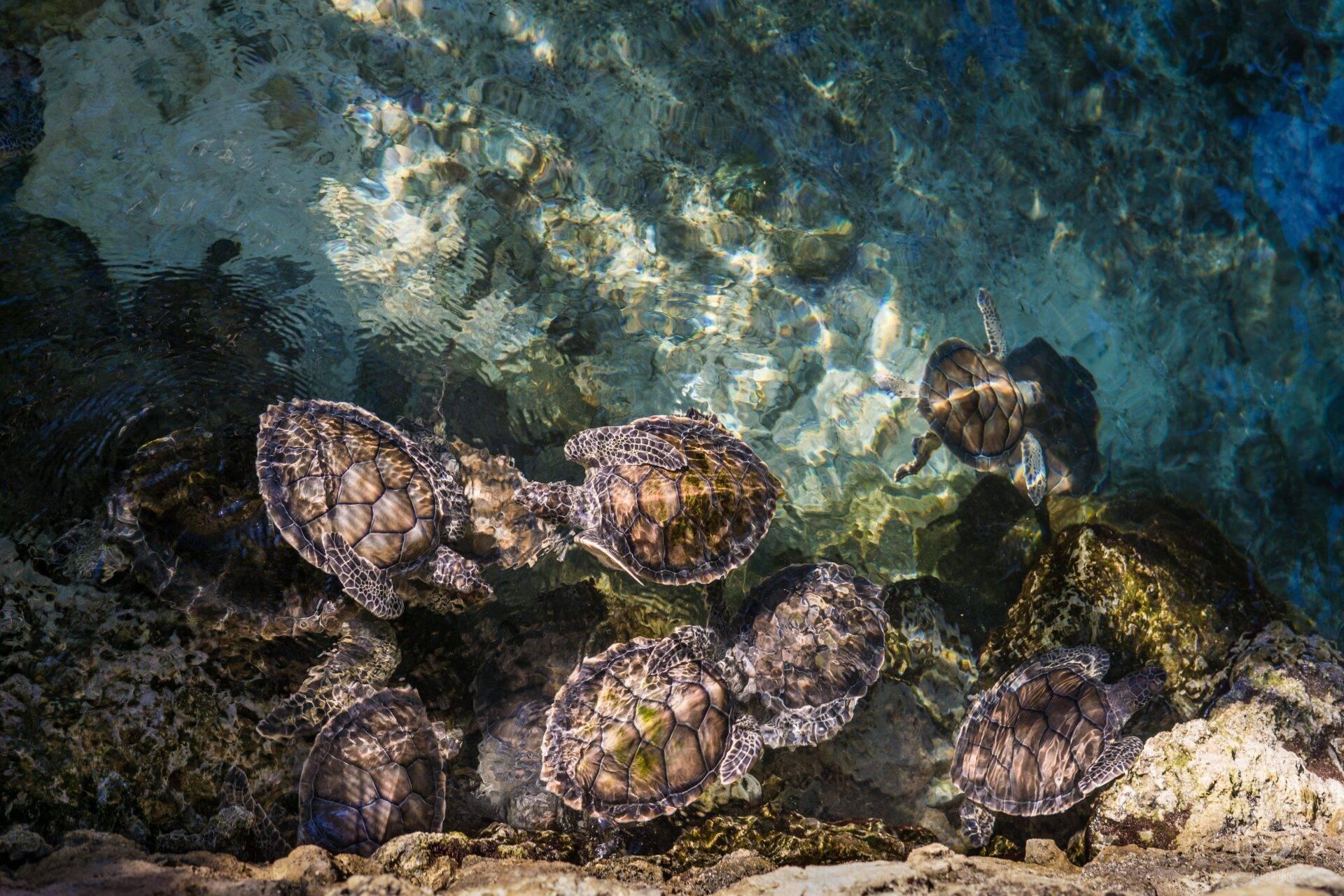
At Akumal, green and hawksbill turtles feed in seagrass beds reachable by swimming from the beach. At Cozumel, the coral beds rank among the richest scuba diving sites in the western hemisphere. Between May and September, whale sharks (the world’s largest fish, filter feeders and harmless to humans) gather offshore from Holbox to feed on plankton: snorkelling tours from the island let you swim alongside them.
Chiapas: Jungle, Waterfalls and Indigenous Cultures
12. The Agua Azul and Misol-Ha Waterfalls
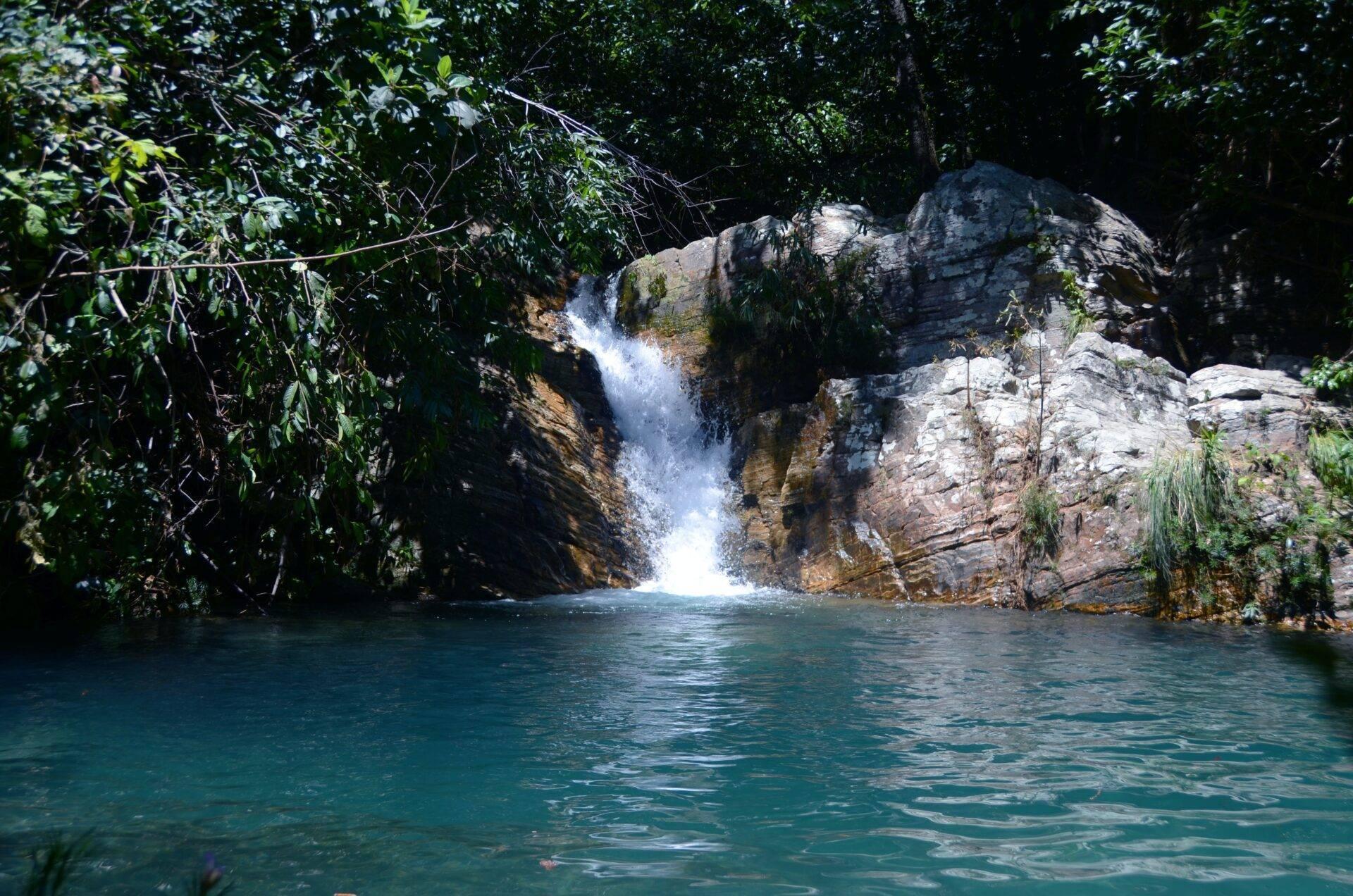
Not far from Palenque, the Agua Azul waterfalls form a succession of turquoise pools coloured by calcium carbonate suspended in the water. The Misol-Ha waterfall drops into a large circular pool framed by dense tropical vegetation. Both sites fit naturally into a two-to-three-day Chiapas itinerary combined with a visit to Palenque.
13. San Cristóbal de Las Casas: A Colonial City at 2,000 Metres
Perched at 2,000 metres in the mountains of Chiapas, San Cristóbal de Las Casas is the meeting point between colonial Mexico and the indigenous Tzotzil and Tzeltal cultures. Its markets of hand-embroidered textiles, the shamanic church of San Juan de Chamula where Maya and Catholic rites intertwine, and its colourful cobbled streets make it a destination in its own right on any Mexican itinerary.
The State of Oaxaca: Gastronomy, Crafts and Landscapes
14. Oaxaca: Mexico’s Gastronomic Capital
Oaxaca boasts an exceptional food scene: mole negro, tlayudas, artisanal mezcal, and the Benito Juárez and 20 de Noviembre markets are its most accessible entry points. The colonial historic centre of Oaxaca has been a UNESCO World Heritage Site since 1987. Each July, the Guelaguetza festival brings together the 16 indigenous peoples of the state for performances of traditional dance and music.
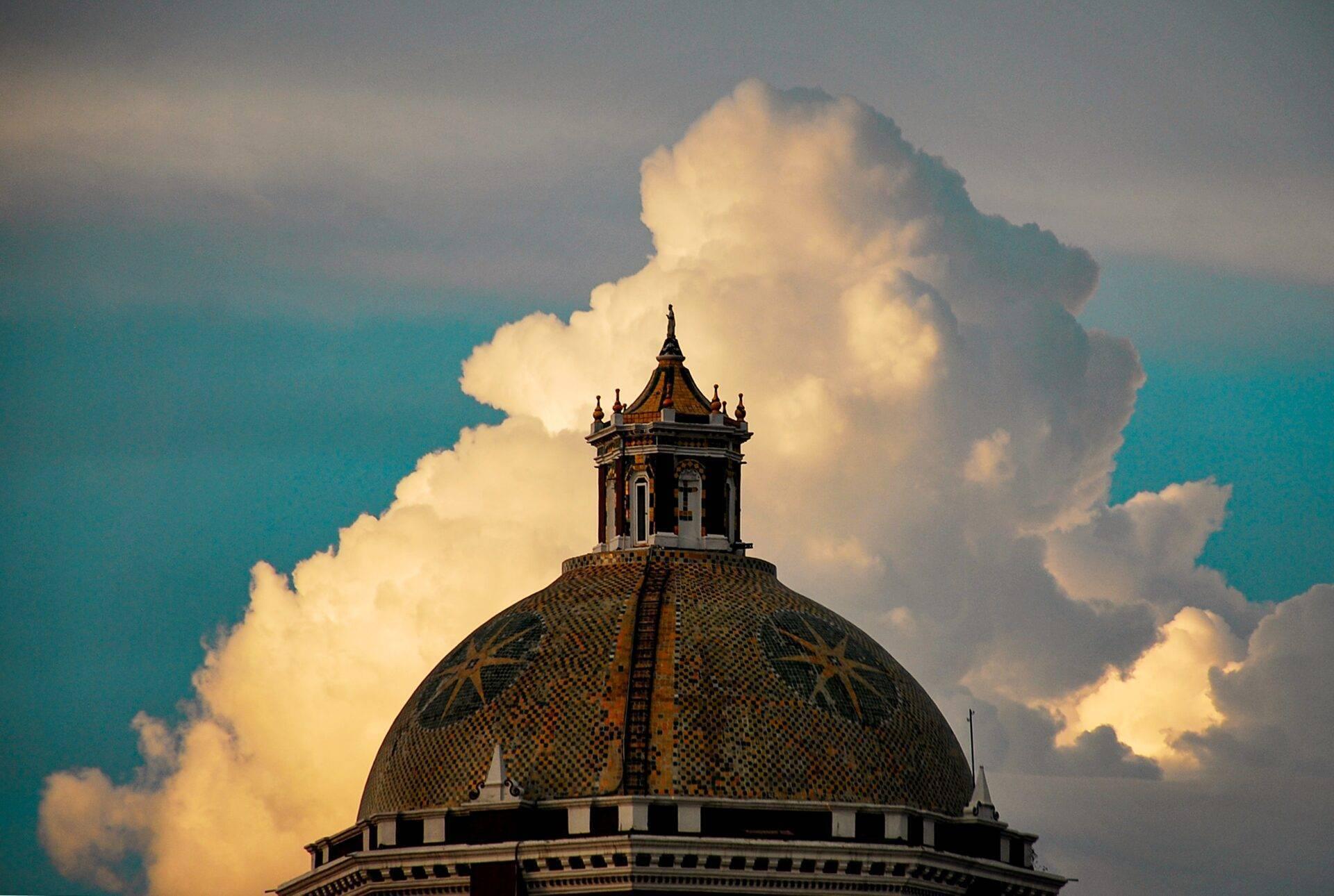
15. Hierve el Agua: The Petrified Waterfalls of the Sierra
An hour from Oaxaca, Hierve el Agua is a unique geological phenomenon: mineral-rich springs have created, over thousands of years, petrified waterfall formations suspended above the valley at 1,500 metres altitude. Natural pools formed at the cliff edge allow for a swim with a panoramic view over the sierra.
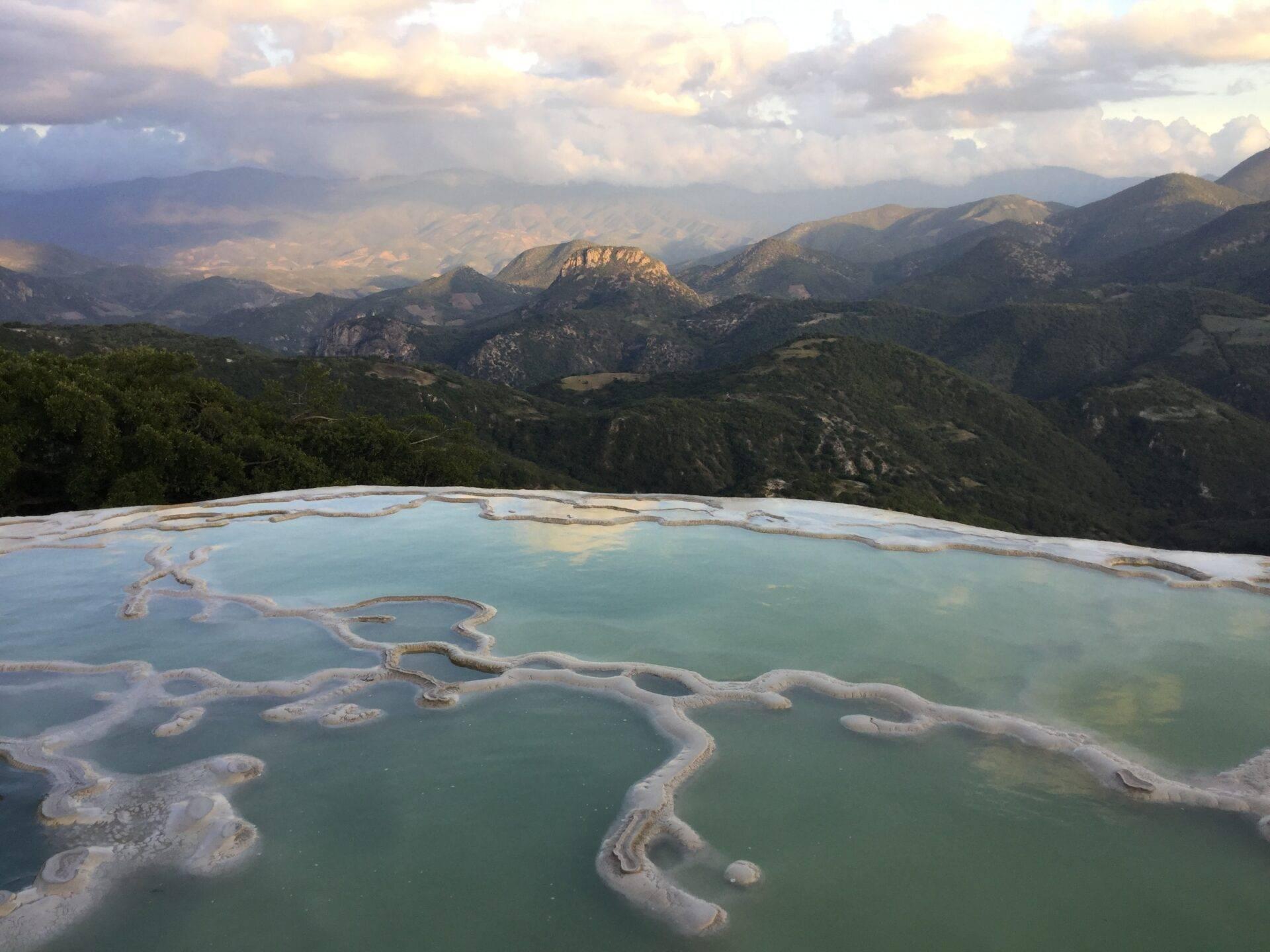
16. Guanajuato: The City of Colourful Alleyways
Once the world’s foremost silver-mining capital, Guanajuato is a UNESCO World Heritage Site. Its multicoloured houses cling to the hillsides, its alleyways open onto flower-filled squares, and a network of underground tunnels (former canals converted into roads) gives the city a geography unlike anywhere else in Mexico. The Festival Internacional Cervantino, held each October, makes it one of Latin America’s most important cultural events.
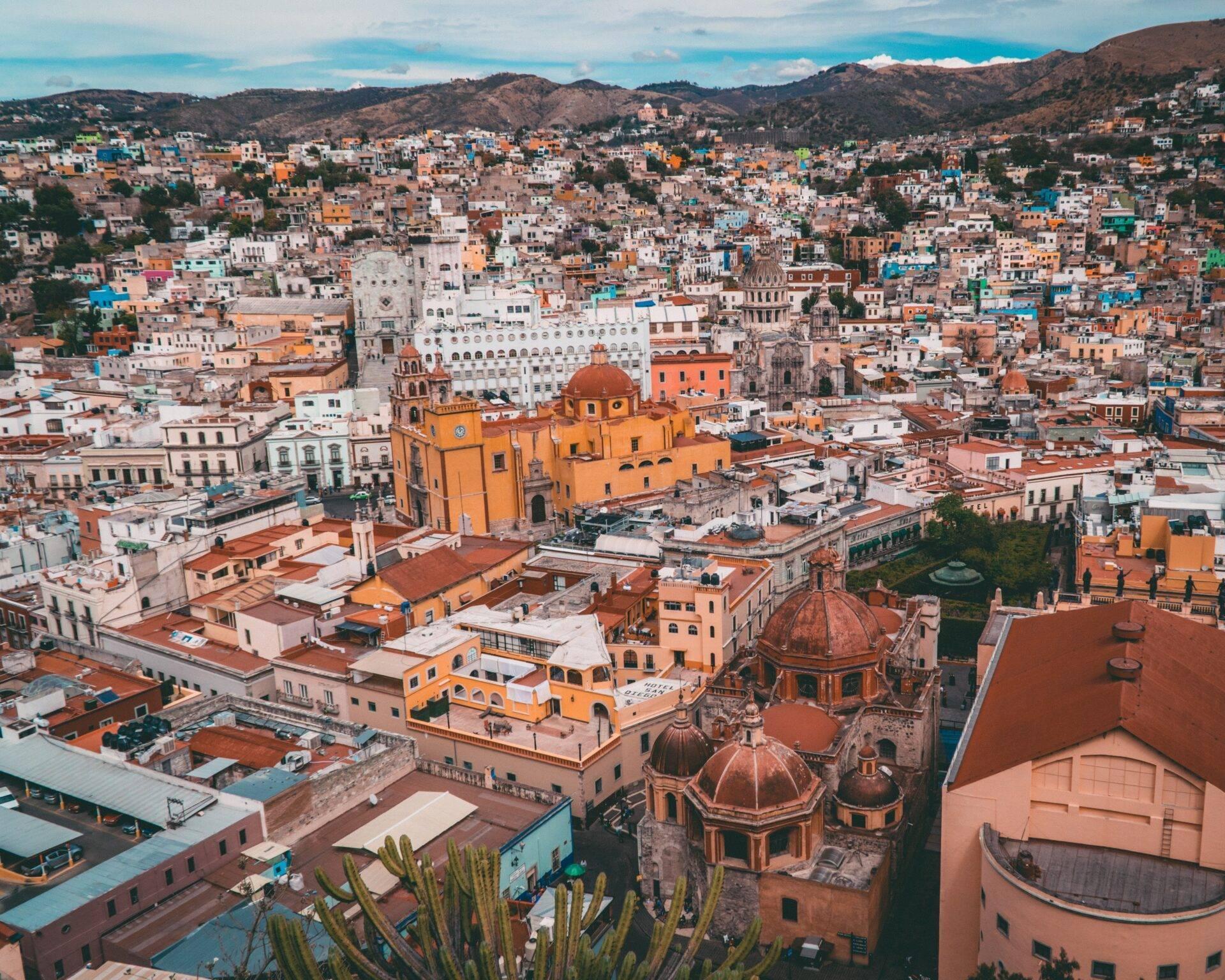
The Pacific Coast
17. Puerto Vallarta: The Malecón and Banderas Bay
Puerto Vallarta has maintained a rare balance between colonial architecture and beach life. The Malecón promenade, lined with contemporary sculptures and palm trees, follows Banderas Bay for several kilometres. Between December and March, this bay is one of the world’s premier destinations for watching humpback whales on their migration.
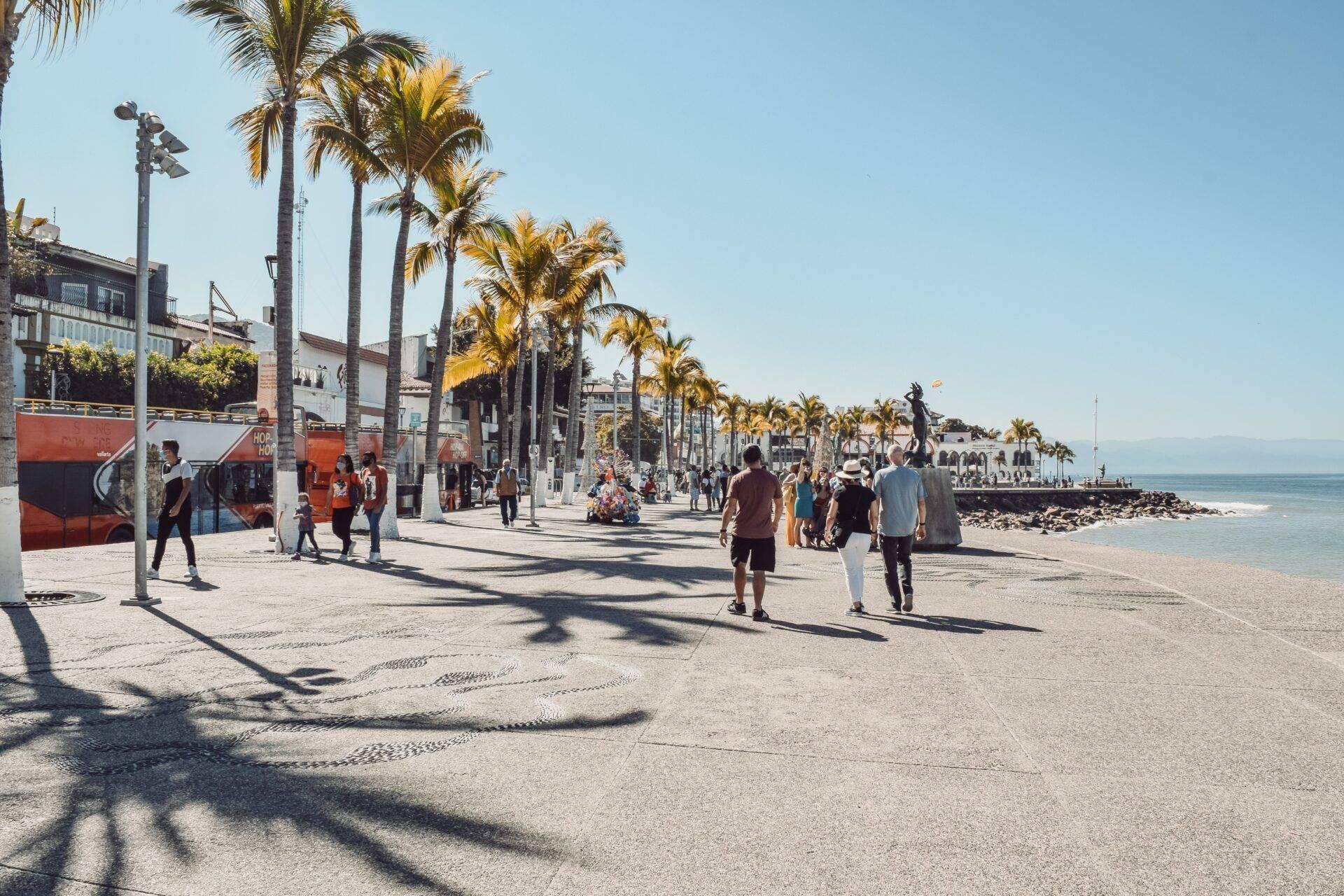
18. Acapulco: La Quebrada and the Pacific Bay
Acapulco is inseparable from La Quebrada, where cliff divers launch themselves from heights of more than 30 metres into the rocky waters below, timing their leap to the incoming waves. The Fort of San Diego, built in the 18th century to protect the port from privateers, and the sunsets over the bay round out the visit.
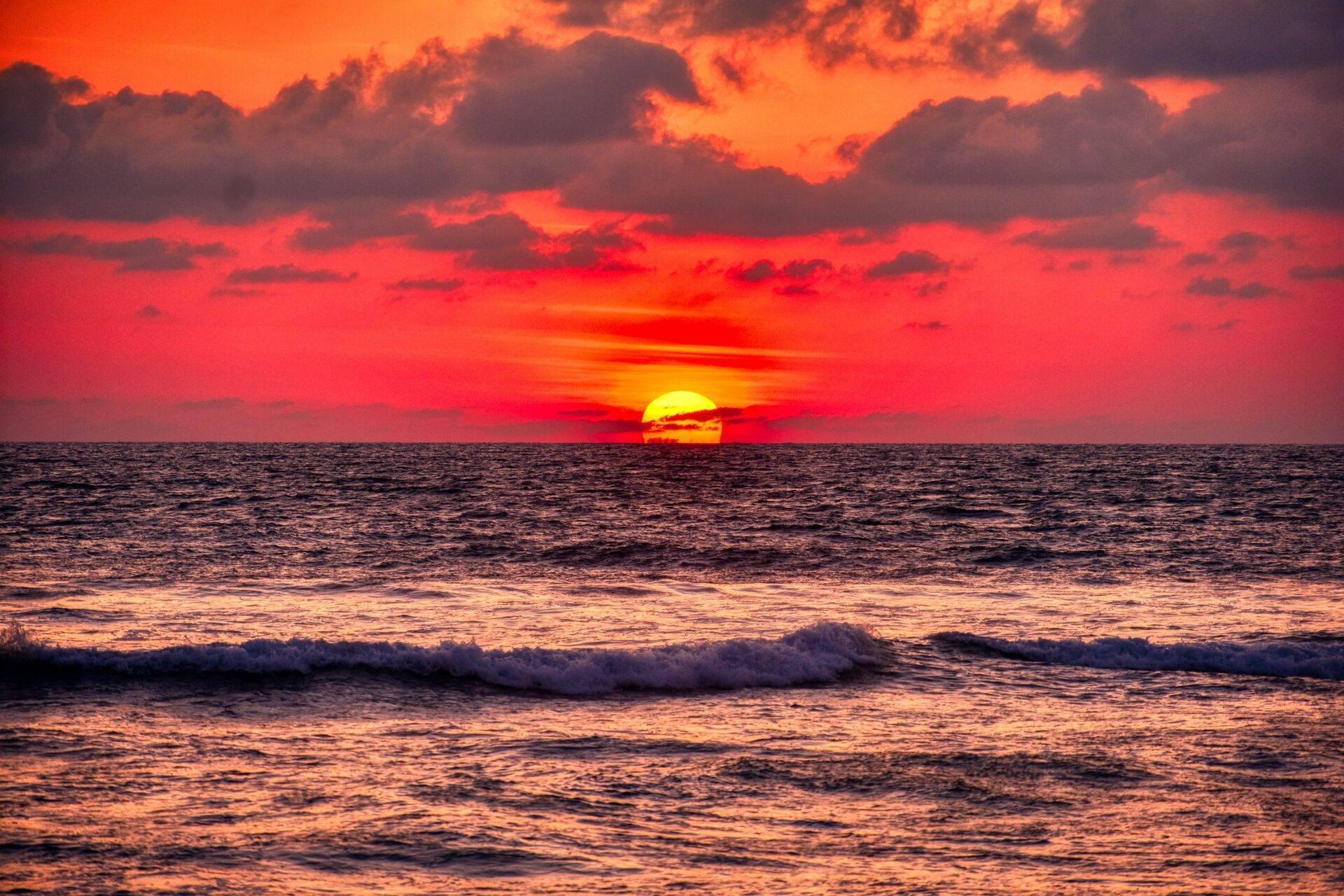
19. Los Cabos: Where the Sea of Cortez Meets the Pacific
At the tip of Baja California, Los Cabos brings together two complementary towns: San José del Cabo, colonial and laid-back, and Cabo San Lucas, geared towards sport fishing and beach life. The Arch of Cabo San Lucas, a natural rock formation at the junction of the Sea of Cortez and the Pacific Ocean, is one of Mexico’s most photographed landmarks. The Sea of Cortez, dubbed “the world’s aquarium” by Jacques-Yves Cousteau, offers exceptional conditions for diving and whale-watching.
20. The Copper Canyon: The Canyons of the North
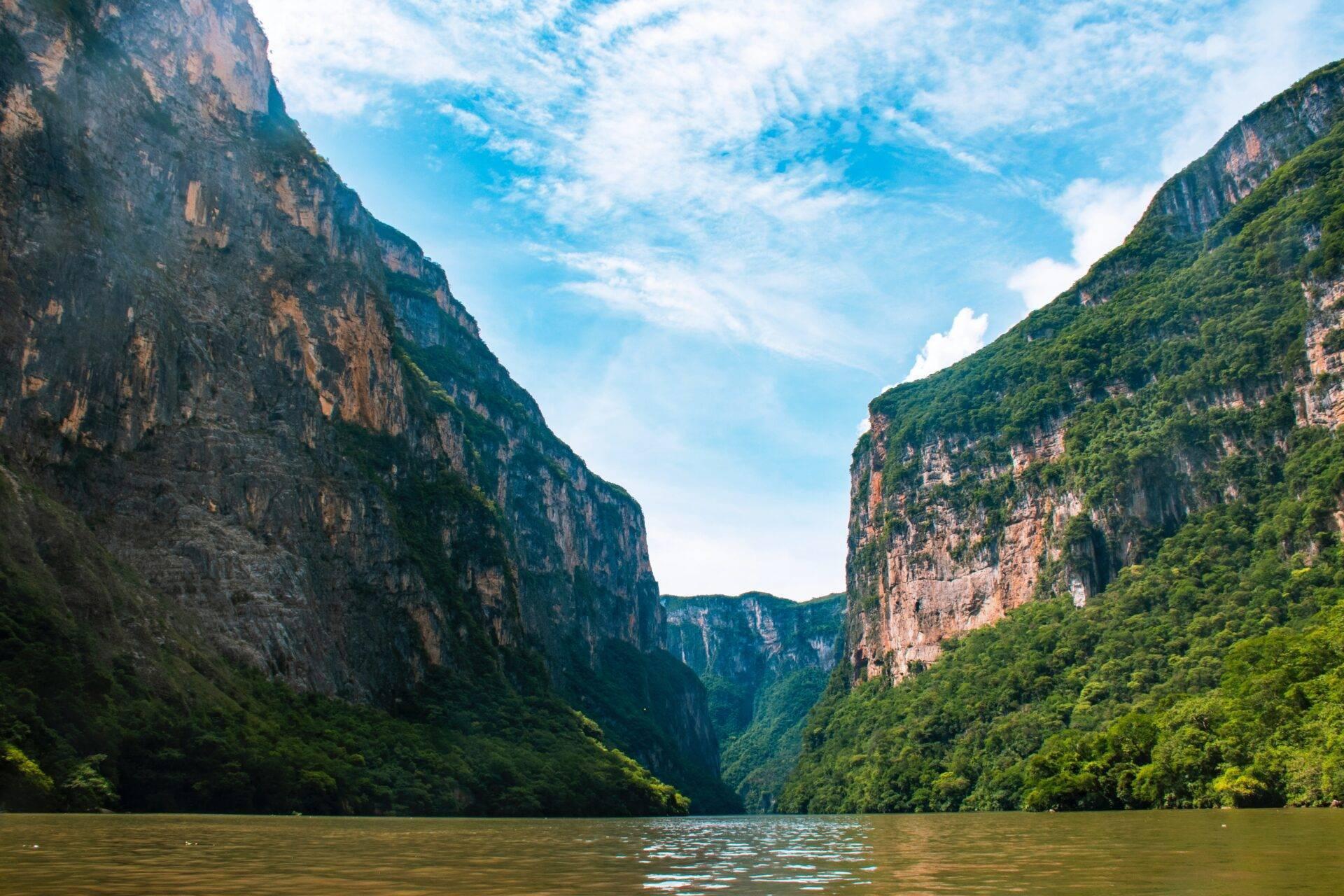
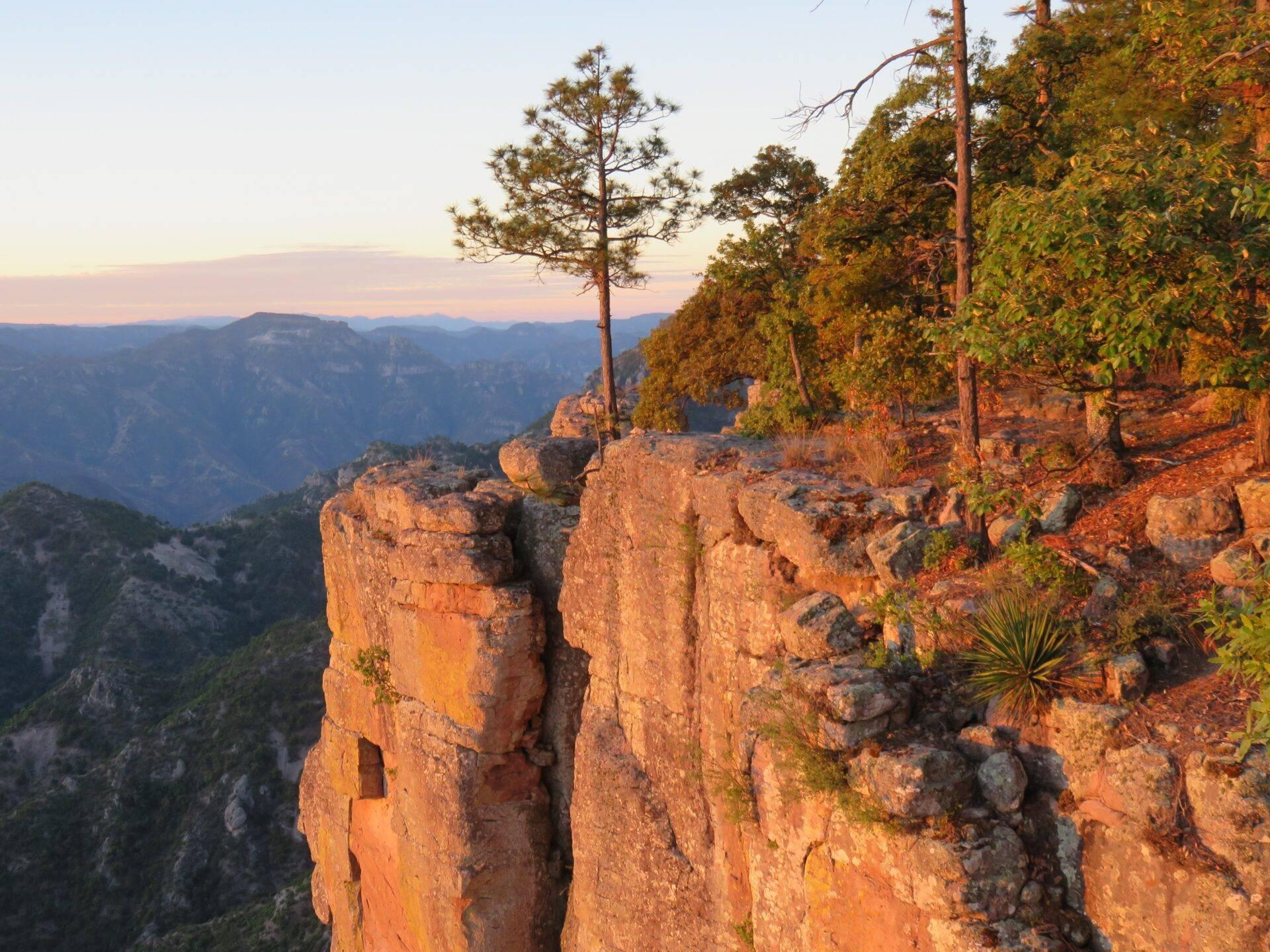
In the Sierra Madre Occidental of Chihuahua, the Barrancas del Cobre (Copper Canyon) form a network of six canyons whose total area exceeds that of the American Grand Canyon. The El Chepe train (Ferrocarril Chihuahua al Pacífico) connects Chihuahua to Los Mochis over 673 kilometres, crossing 37 bridges and 86 tunnels through vertiginous gorges and breathtaking scenery. It is one of the most spectacular rail journeys in North America.
FAQ
When Is the Best Time to Visit Mexico?
The dry season, from November to April, offers the most favourable conditions across most of the country. On the Caribbean coast and in the Yucatán, the risk of rain and hurricanes is low from November to May. On the Pacific coast, the dry season also runs from November to May. Inland areas (Mexico City, Oaxaca, Guanajuato) are pleasant year-round, with a rainy season from June to September. To compare sunny destinations in winter, our guide on where to find sun in February covers several options.
How Long Do You Need to Explore Mexico Properly?
Two weeks allow you to cover either the Yucatán Peninsula and Mexico City, or the Pacific coast and Oaxaca. Three weeks make it possible to combine both main axes. Each region (Yucatán, Chiapas, Oaxaca, Jalisco, the north) is a complete itinerary in itself, which means Mexico is a country best discovered across several trips.
What Itinerary for 10 Days in Mexico?
A classic 10-day trip combines Mexico City (2-3 days with a day trip to Teotihuacán) and the Yucatán Peninsula (7 days): fly to Cancún, then take in the Riviera Maya, Tulum, Chichén Itzá and Mérida. This circuit packs Maya sites, beaches and urban culture into one coherent itinerary.
Are Cenotes Accessible to All Levels?
Most cenotes open to the public have facilities (steps, buoys, swimming vests) suitable for beginners. Snorkelling is possible without any prior certification. Exploring underground systems (closed cenotes) does, however, require a cave diving certification and an expert guide. It is advisable not to apply sunscreen before entering the water in order to protect the ecosystem.
Can You Swim with Whale Sharks in Mexico?
Whale sharks gather offshore from Holbox and the Quintana Roo coast between May and September, with numbers peaking in July and August. Snorkelling tours organised from Holbox and Cancún allow you to swim alongside them safely: these animals, the world’s largest fish, feed exclusively on plankton and are entirely harmless to humans.