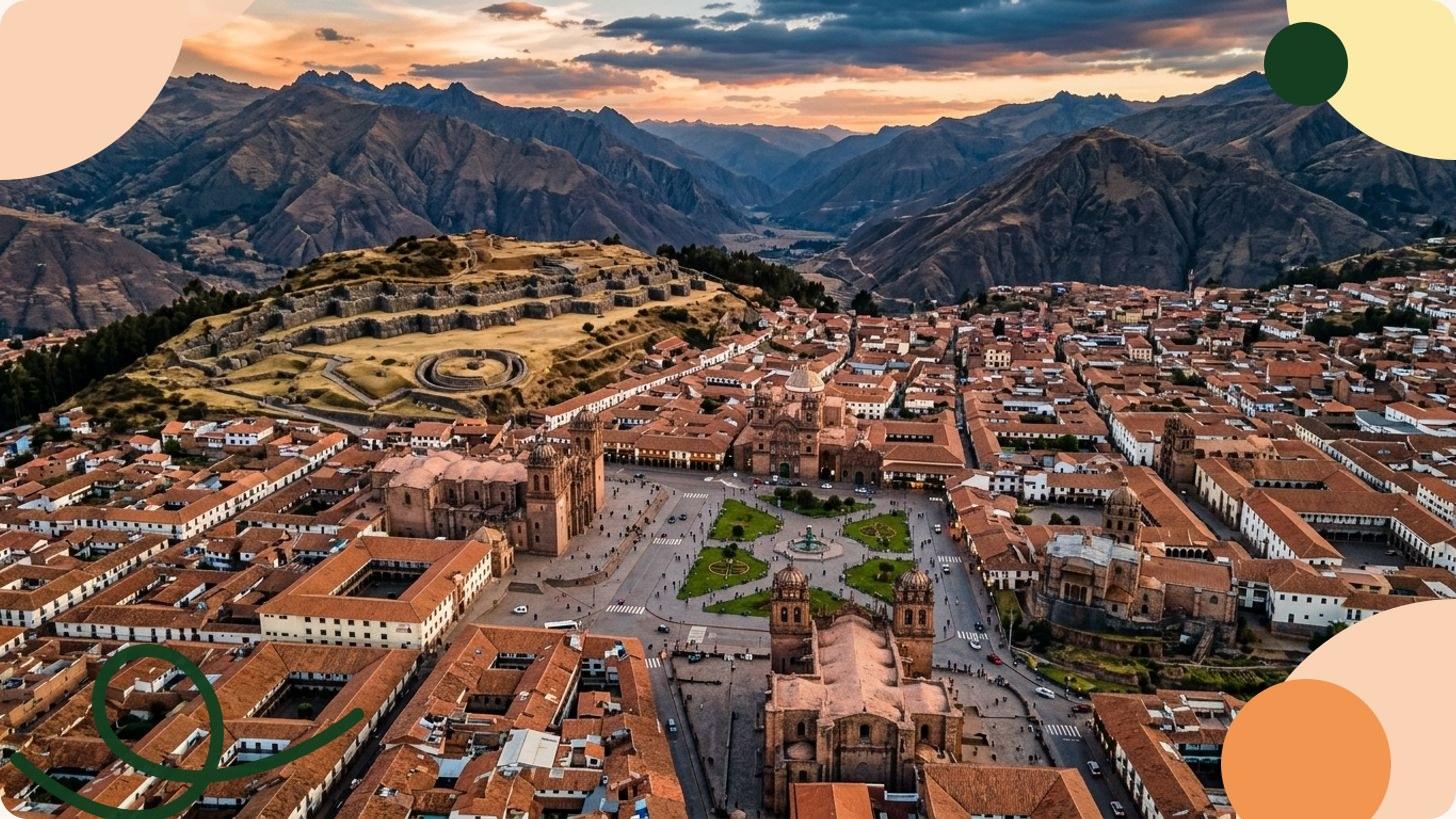

Cusco packs more of South America’s greatest hits into a few square kilometres than anywhere else on the continent: Inca ruins embedded in a baroque colonial city, a cuisine rooted in Andean produce, and direct access to the most impressive archaeological sites in the Americas. Plan two to three days to explore the city itself, then add excursions into the Sacred Valley before heading to Machu Picchu.
The Plaza de Armas, the Historic Heart
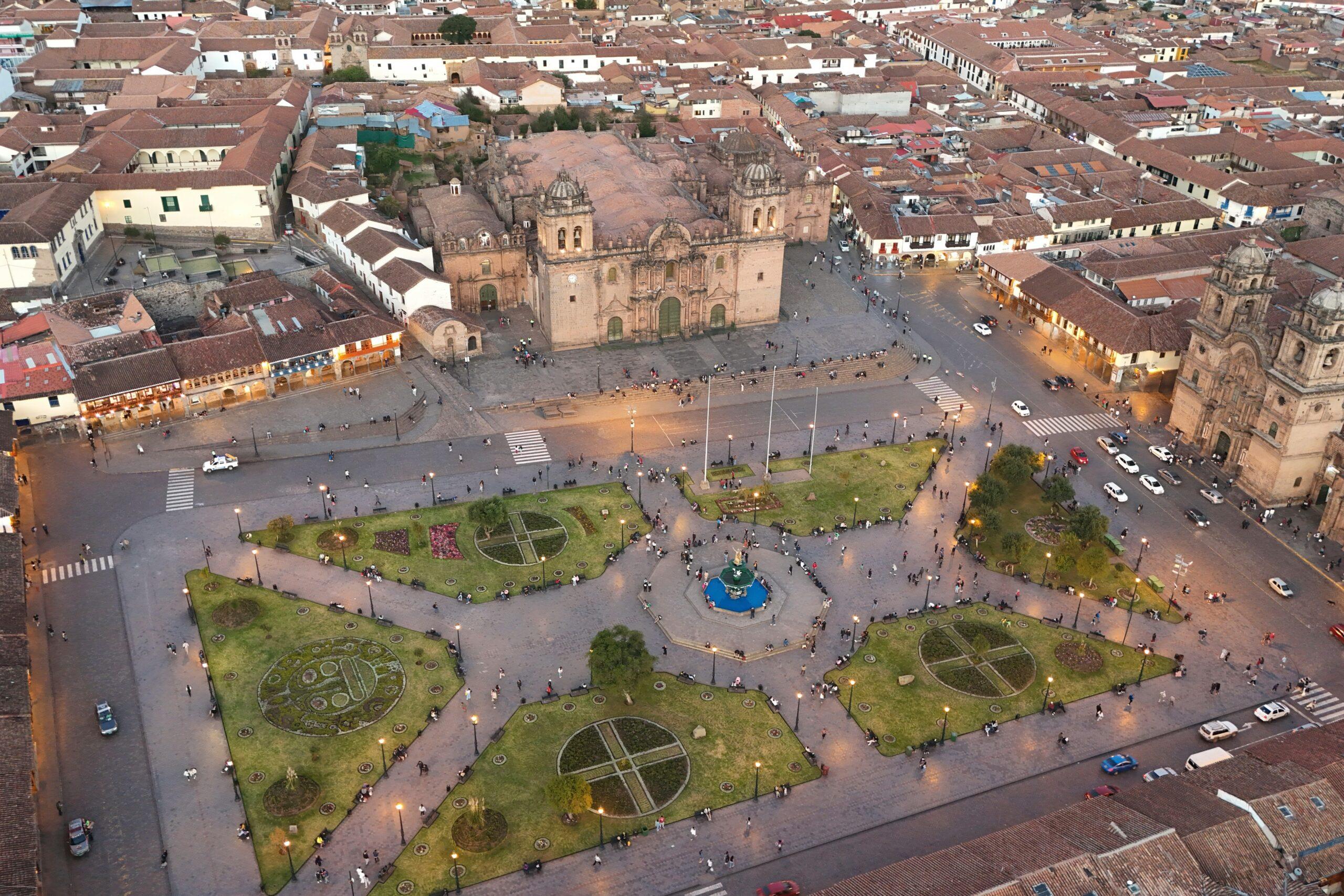
Cusco’s central square was known as Huacaypata under the Inca Empire and served as the stage for great royal ceremonies. The Spanish later lined it with baroque palaces and churches. Two buildings face each other across the square: the Cathedral of Our Lady of the Assumption and the Church of La Compañía de Jesús. After dark, the facades are illuminated and the restaurant terraces overlooking the square offer a front-row view of it all.
The Qorikancha: Inca Walls Beneath a Spanish Convent
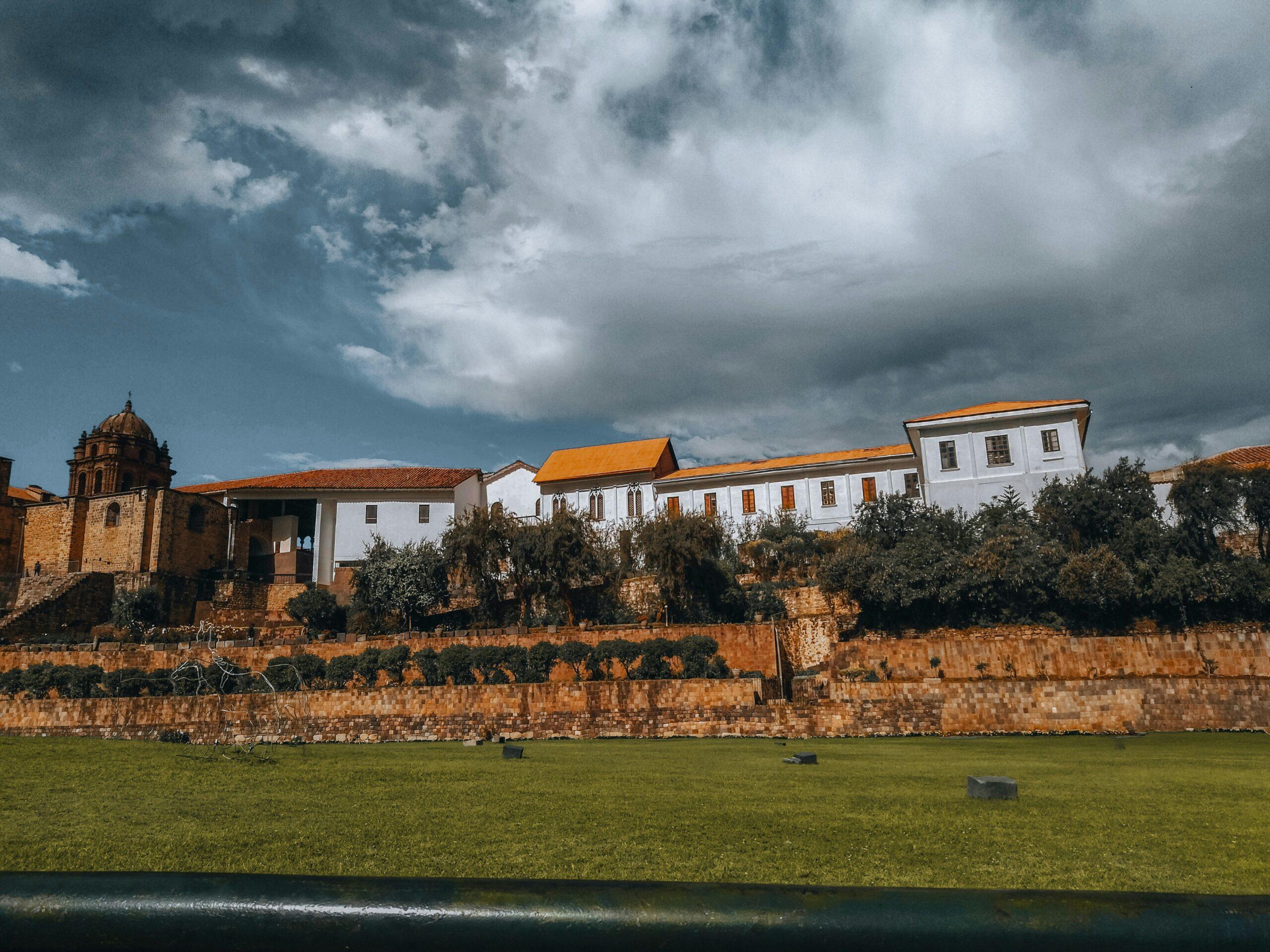
The Qorikancha was the most important temple in the Inca Empire, dedicated to the sun god Inti and originally clad in sheets of gold. After the Conquest, the Spanish built the Convent of Santo Domingo directly on top of its stone foundations. This architectural layering is still visible today: the Inca walls, fitted without mortar with remarkable precision, literally support the colonial structures built above them.
San Pedro Market and the San Blas Neighbourhood
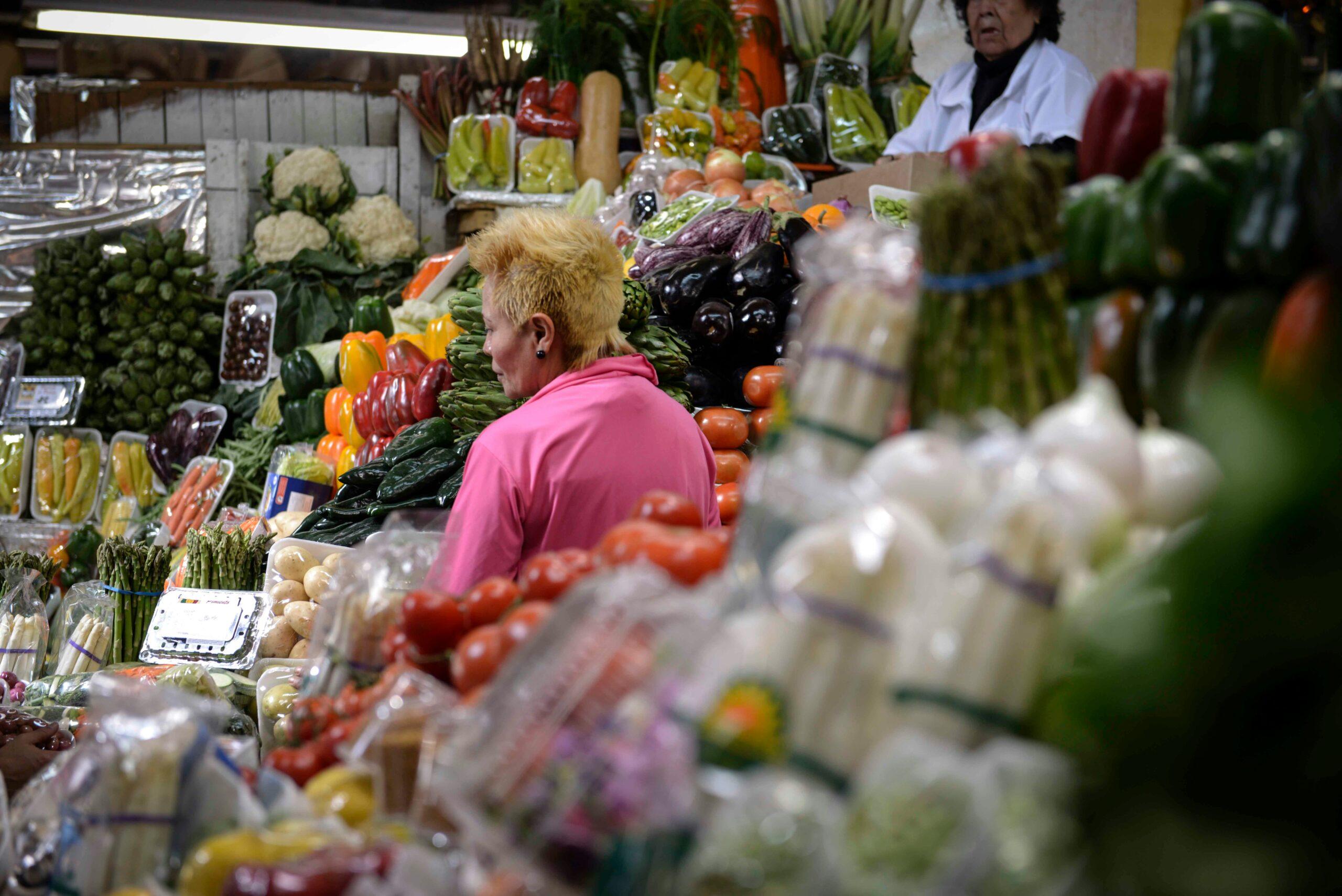
The San Pedro Market is Cusco’s central covered market, frequented mainly by locals. You’ll find unusual Andean fruits rarely seen elsewhere (chirimoya, lucuma, granadilla), medicinal herbs, textiles and cooked food served from counter stalls. It’s the most direct place to observe everyday life, well beyond the purely tourist areas.
The San Blas neighbourhood, a ten-minute walk uphill from the centre, is the heartland of Cusco’s artisan community. Its narrow cobbled lanes, colonial houses with carved doorways and open-fronted workshops make it one of the most enjoyable parts of the city to wander.
Sacsayhuamán and Inti Raymi
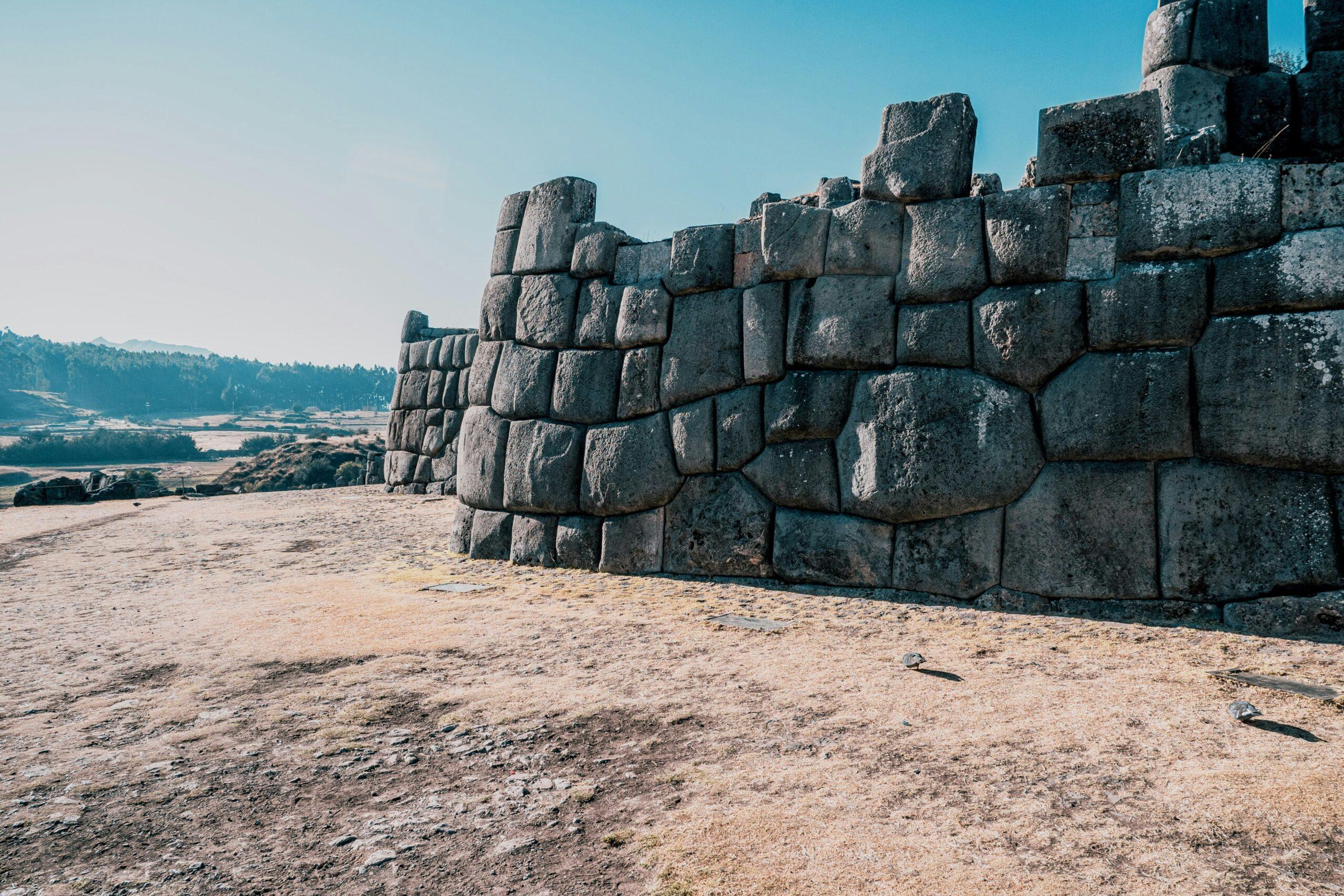
Perched at 3,701 metres above the historic centre, Sacsayhuamán is one of the most imposing structures of the pre-Columbian world. Its defensive terraces are built from colossal stone blocks, fitted without mortar with remarkable precision, some weighing several hundred tonnes.
Every 24 June, the site becomes the main stage for Inti Raymi, the Inca Festival of the Sun. Around 1,000 actors, dancers and musicians in costume re-enact the great ceremony dedicated to Inti. The ritual unfolds in three successive acts: at the Qorikancha from 9am, on the Plaza de Armas around 10.30am, then at Sacsayhuamán early in the afternoon. The first two locations are free to enter; the performance at Sacsayhuamán is ticketed.
Andean Food in Cusco
Cusco’s cuisine is built on distinctive ingredients: dozens of varieties of potato and giant maize (choclo), cereals such as quinoa and kiwicha, dried meats and herbs native to the Andes.
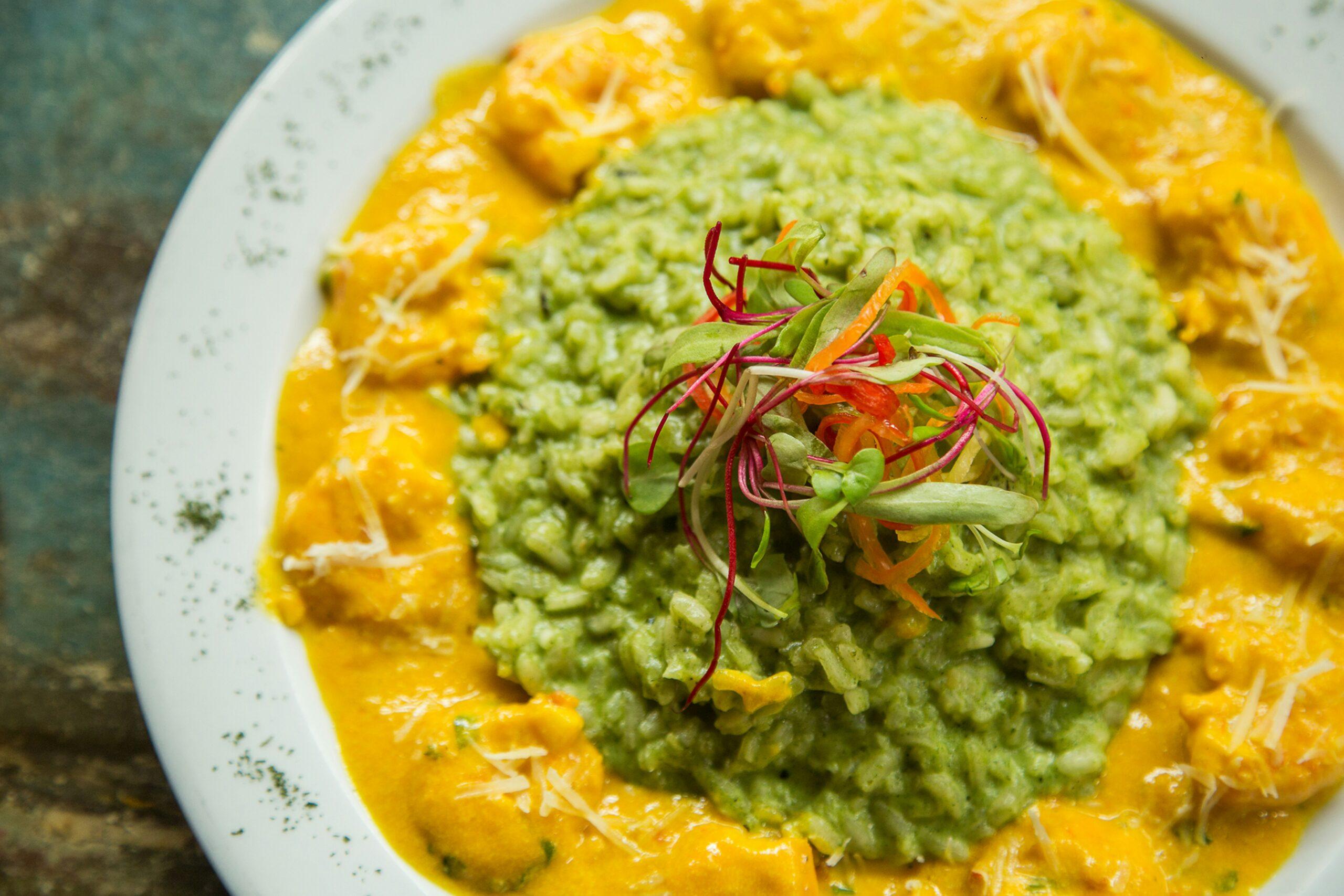
Dishes worth seeking out: lomo saltado (stir-fried beef with chips and tomatoes), cuy (roasted guinea pig, a traditional Andean dish) and hearty soups such as chupe de camarones. For the best value, start at the counters of the San Pedro Market or the street restaurants around San Blas. Some restaurants in the centre also offer Andean fusion cooking that showcases these ingredients in contemporary recipes.
The Sacred Valley: Moray, Maras and Pisac
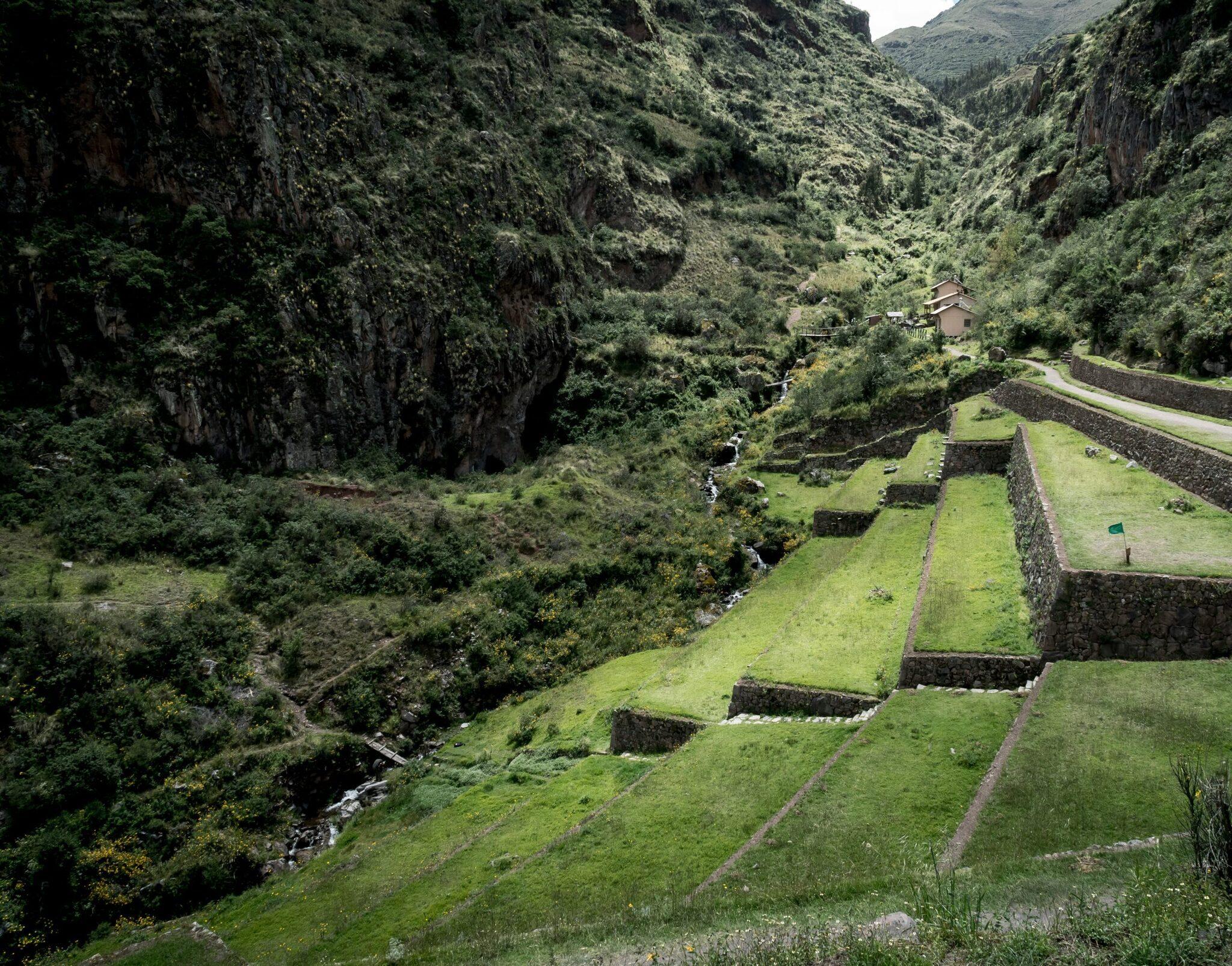
The Sacred Valley of the Incas stretches between Cusco and Machu Picchu. A full day is enough to visit its most remarkable sites.
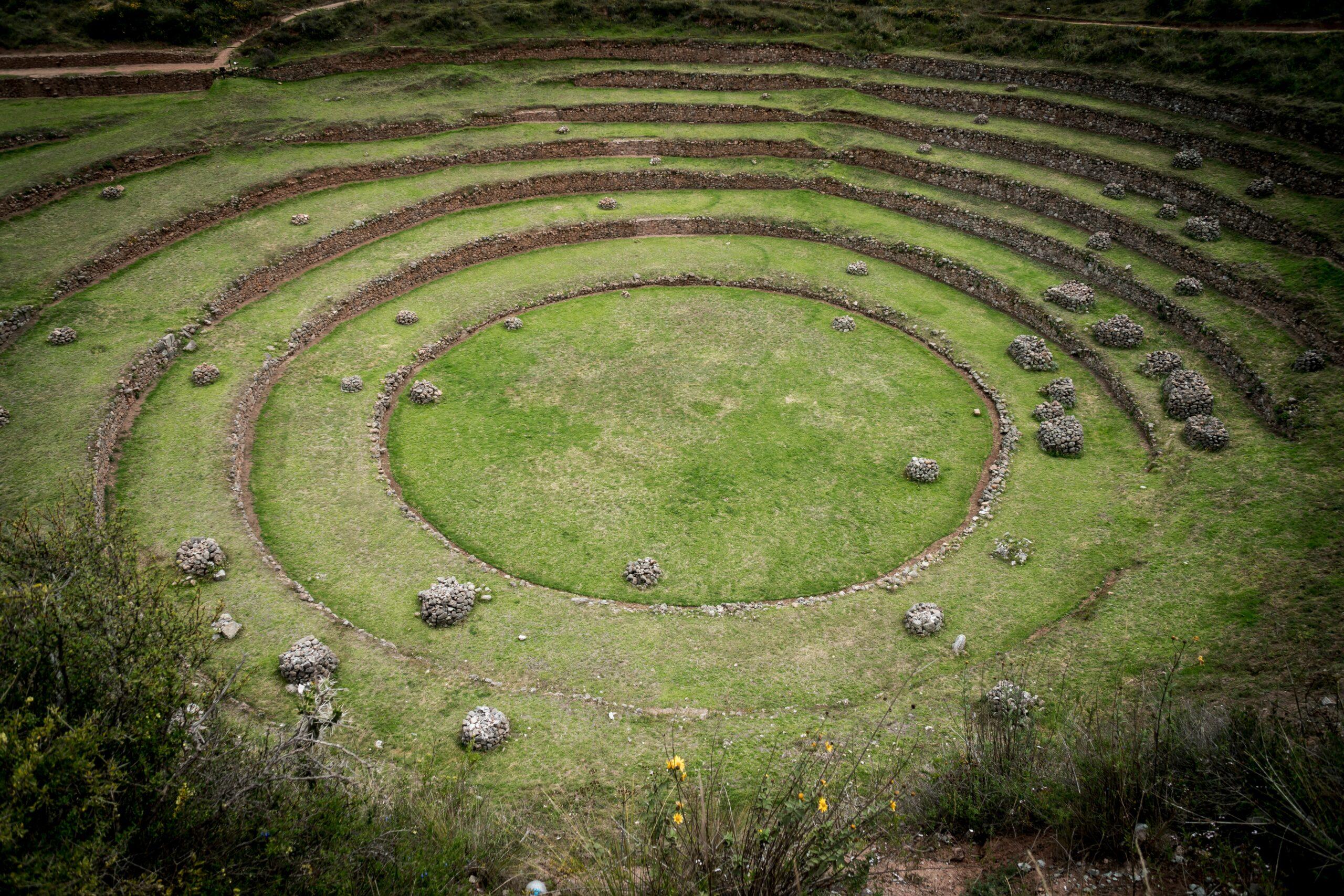
Moray stands out for its circular agricultural terraces, carved into the earth as concentric basins. Each level creates a distinct microclimate: the Incas most likely used the site as an agricultural laboratory to acclimatise plants to different conditions depending on their depth.
The neighbouring Maras salt pans comprise thousands of salt pools fed by a natural salt spring, worked by local families using methods handed down from the Inca period. The landscape of white and pale-pink pools cascading down the mountainside is as spectacular as the site itself.
Pisac combines Inca terraced ruins on the hilltops with, in the village below, a craft market well known for its jewellery, pottery and textiles.
For a broader perspective on the country as a whole, our guide to Peru’s must-sees covers the other regions worth exploring beyond Cusco.
The Inca Trail: Trekking to Machu Picchu
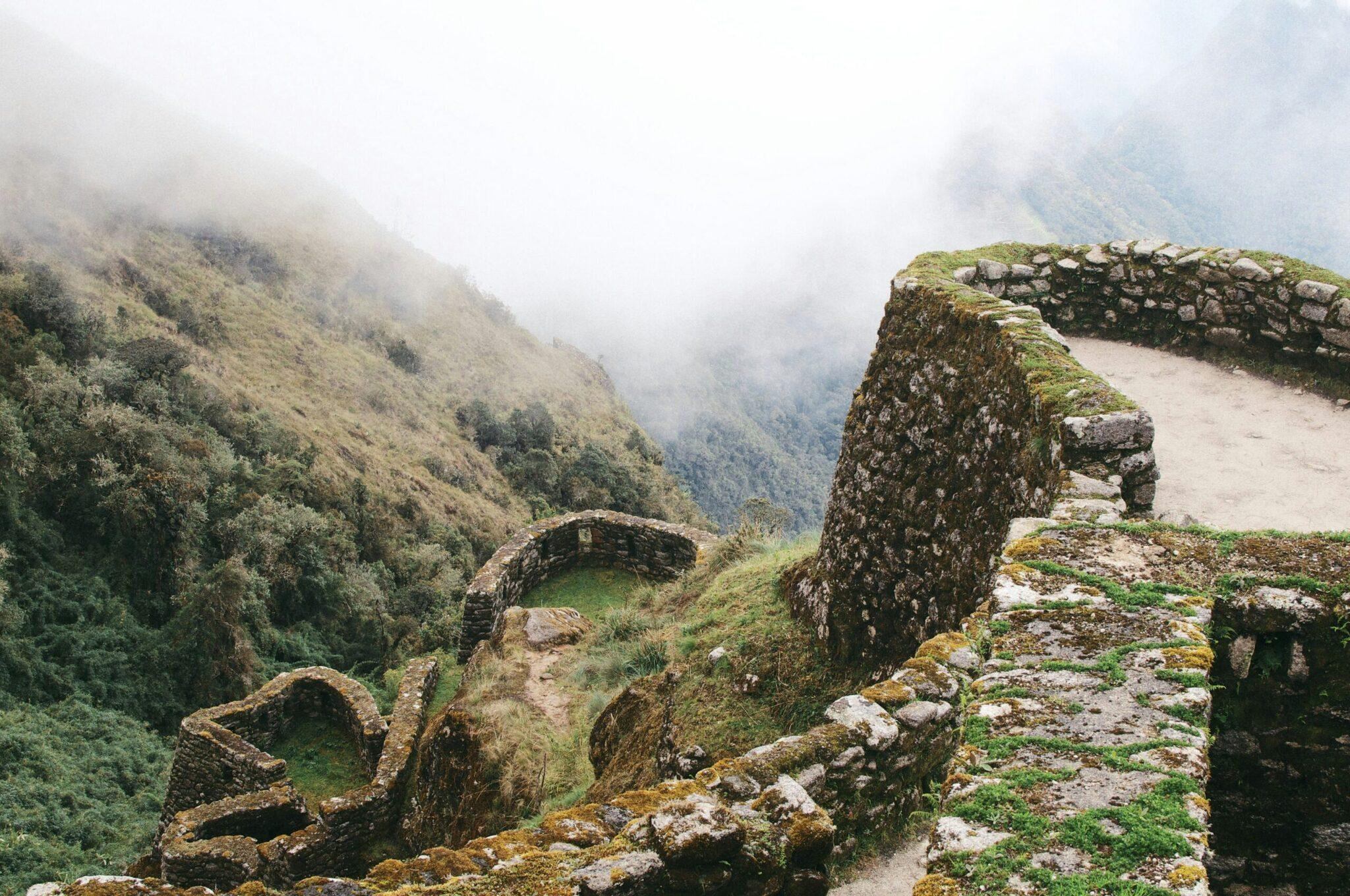
The classic Inca Trail covers 40 kilometres over four days of walking through cloud forest, ancient ruins and Andean mountain passes, ending at the Sun Gate (Intipunku) with a first sweeping view down over Machu Picchu.
The number of permits is capped by the Peruvian Ministry of Culture, and booking must be done through a licensed Peruvian agency. For June, July and August, booking six months ahead is strongly recommended. The trail closes every February for maintenance and reopens on 1 March.
A two-day short version is available for those with less time, as well as a single-day option starting from km 104.
Extending your Latin America trip? Find out what Mexico City has to offer before or after your time in Peru.
FAQ
What is the best time to visit Cusco?
The dry season, from May to October, is the most favourable: days are sunny and rainfall is rare. June is ideal if you want to attend Inti Raymi (24 June). The rainy season, from November to March, brings lush green scenery and fewer crowds, but can make some trails hard to access.
How many days should I allow for Cusco?
Two days cover the main city sights (Plaza de Armas, Qorikancha, Sacsayhuamán, San Blas). Add a day for a trip out to Moray, Maras and Pisac in the Sacred Valley. Machu Picchu or the Inca Trail will need a further 1 to 4 days depending on the option you choose.
How do I acclimatise to the altitude in Cusco?
Cusco sits at around 3,400 metres above sea level. Most travellers feel the effects of soroche (altitude sickness): fatigue, headaches and shortness of breath. Allow 24 to 48 hours of rest on arrival, drink plenty of water and avoid alcohol for the first couple of days.
Do I need to book the Inca Trail in advance?
Yes. Permits are limited and must be booked through a licensed Peruvian agency. For June, July and August, booking six months ahead is recommended. The trail is closed throughout February.
What is Inti Raymi and is it worth attending?
Inti Raymi is the Inca Festival of the Sun, celebrated every 24 June in Cusco. Around 1,000 actors, dancers and musicians in costume re-enact the ceremony in three acts: at the Qorikancha, on the Plaza de Armas and at Sacsayhuamán. Entry to the first two locations is free; the performance at Sacsayhuamán is ticketed.