
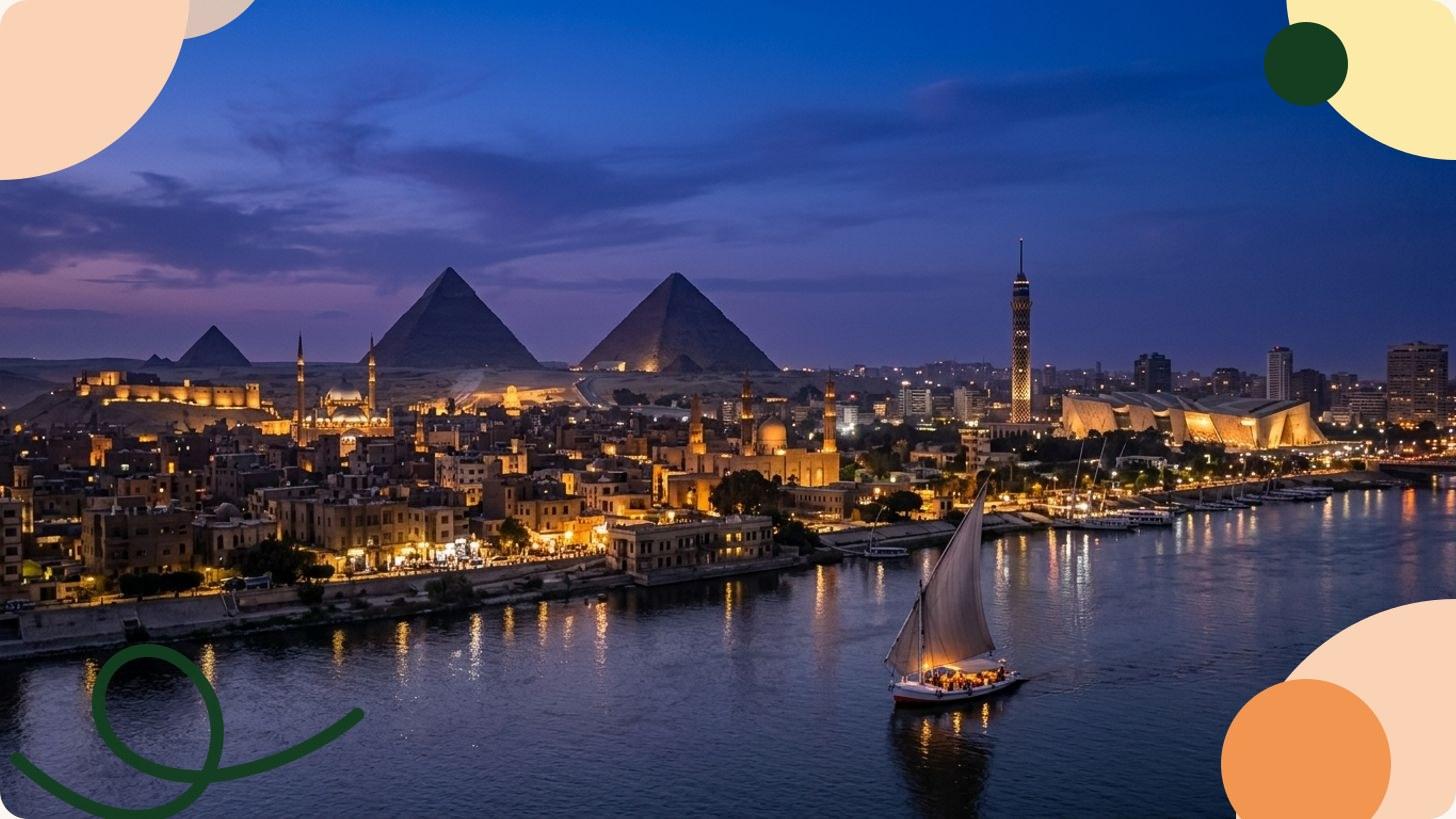

Cairo brings together, in a single metropolis, the Pyramids of Giza, the world’s largest archaeological museum, a UNESCO-listed Islamic quarter, centuries-old markets and the banks of the Nile. Allow three to five days to take in the highlights.
The Pyramids of Giza and the Sphinx
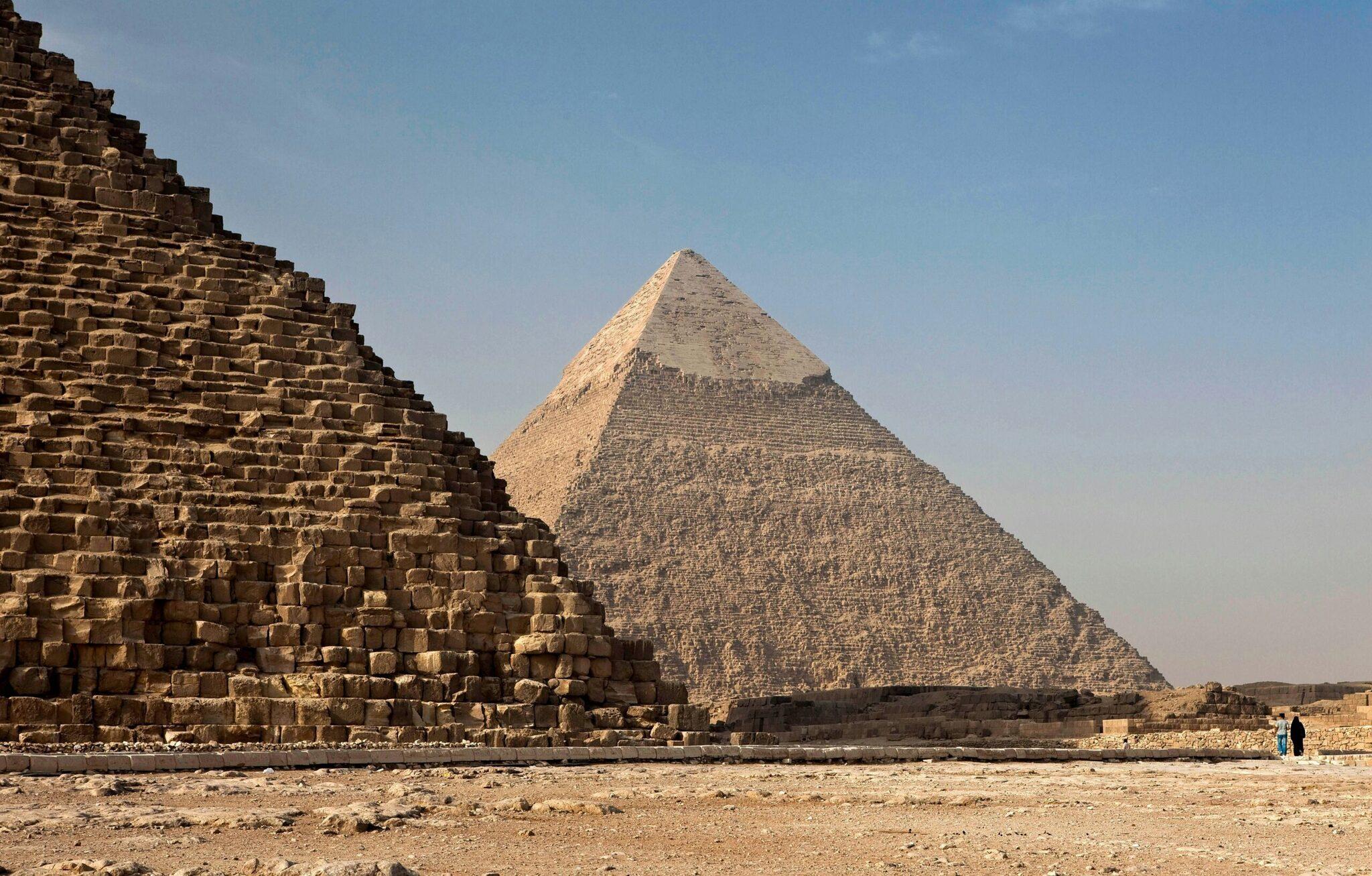
Around 30 minutes from the city centre, the Giza Plateau is home to three pyramids built more than 4,500 years ago, and to the Great Sphinx standing guard before them. The Great Pyramid of Khufu is the only one of the seven wonders of the ancient world still standing today.
You can enter some of the pyramids with a specific ticket, explore the complex on foot or by camel, and take in the whole site from the panoramic viewpoint below. Allow at least half a day, or a full day if you combine the visit with the nearby Grand Egyptian Museum.
The Grand Egyptian Museum (GEM), Two Kilometres from the Pyramids
Inaugurated on 1 November 2025, the Grand Egyptian Museum is the largest archaeological museum in the world dedicated to a single civilisation. Situated 2 km from the Pyramids of Giza, it brings together more than 100,000 artefacts across 12 permanent galleries, including the complete collection of Tutankhamun’s treasure: all 5,398 pieces displayed under one roof for the first time.
Since December 2025, entry is exclusively by online booking via the museum’s official website (tickets.gem.eg). Book before you travel to avoid queues and sold-out time slots.
Protect my trip to EgyptThe Egyptian Museum, Tahrir Square
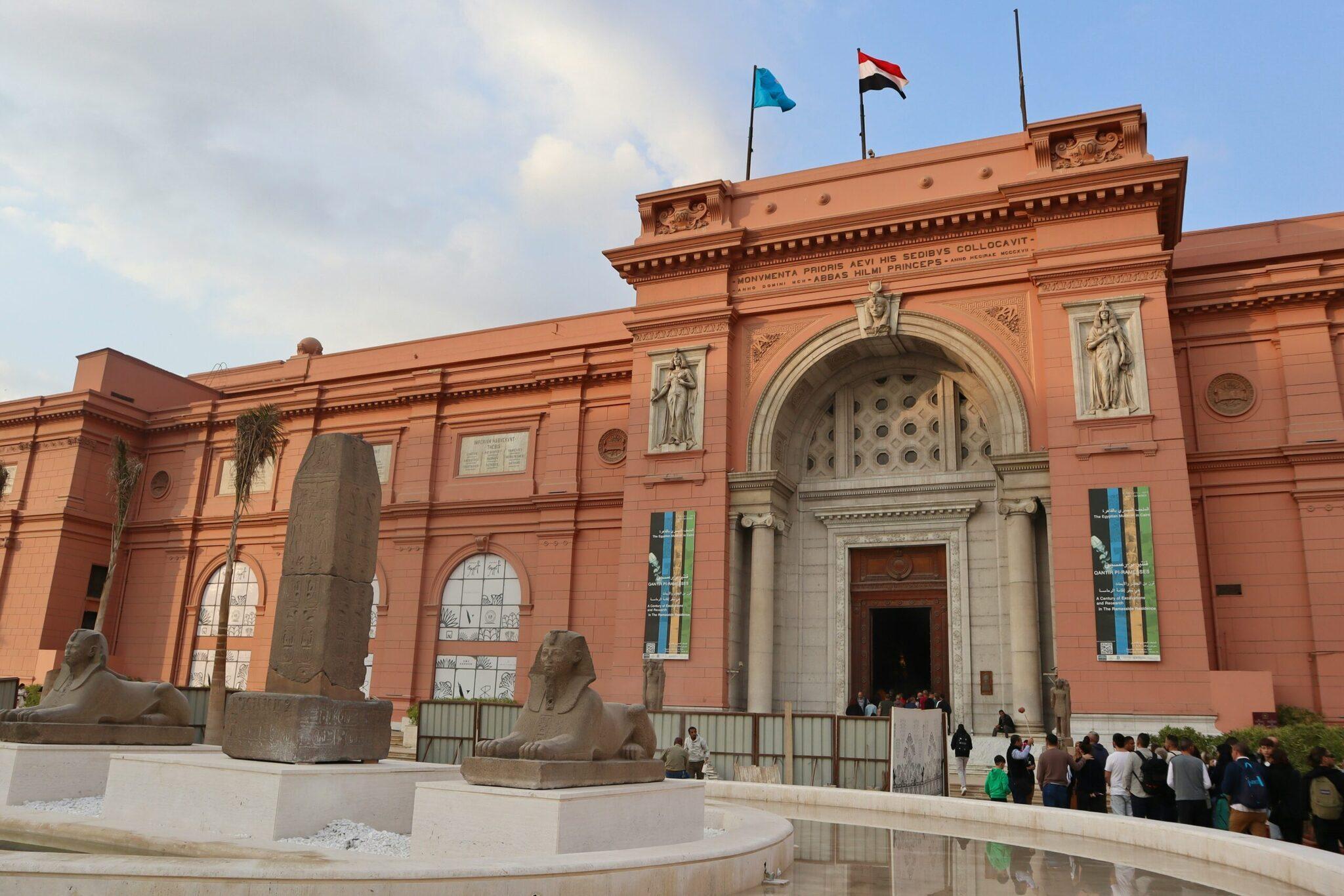
The historic Egyptian Museum on Tahrir Square holds around 120,000 artefacts: pharaonic statues, sarcophagi, jewellery, stelae and mummies spanning millennia of civilisation. Since Tutankhamun’s treasures were transferred to the GEM, part of its collection is being reorganised. It remains a worthwhile stop for anyone who wants a chronological journey through pharaonic history.
Old Coptic Cairo
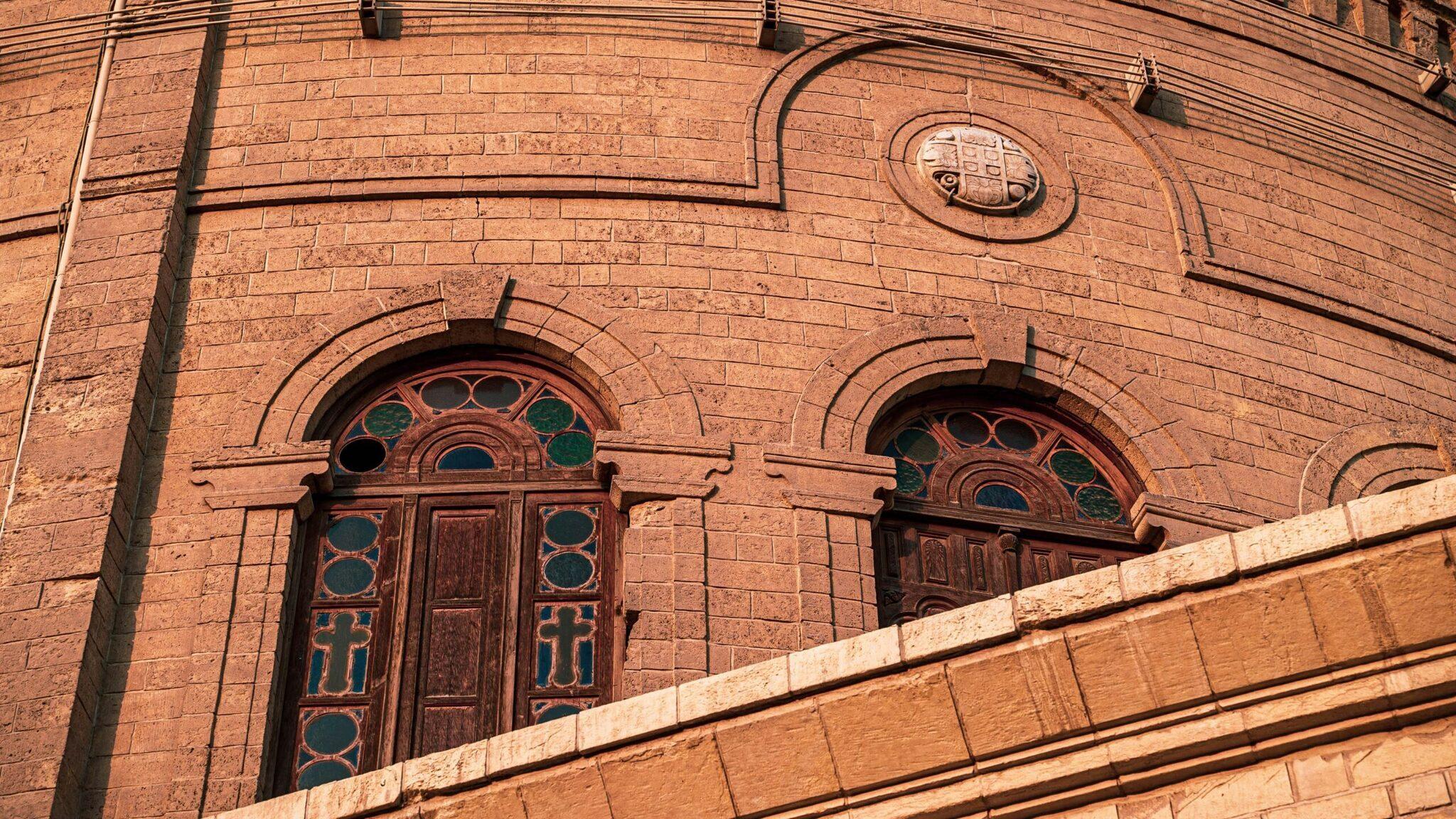
The Coptic quarter reveals a layer of history that predates Islam. The Hanging Church (El Moallaqa) was built on the ruins of a Roman fortress and is one of the oldest churches in Egypt. Nearby, the Ben Ezra Synagogue and the Coptic Museum complete the picture of a Cairo where three great religions have coexisted for centuries. The atmosphere here is noticeably calmer than in the rest of the city.
Khan el-Khalili: the Bazaar Founded in 1382
Founded in 1382 by Emir Jaharkas al-Khalili, this bazaar is one of the oldest markets in the Arab world. Its roughly 900 shops stretch through a network of cobbled alleyways lined with spices, gold jewellery, lanterns and embroidered textiles. It is also the perfect place to sit in a centuries-old cafe, mint tea in hand, and watch Cairo life unfold at street level. Khan el-Khalili sits within the Islamic quarter, listed as a UNESCO World Heritage Site since 1979.
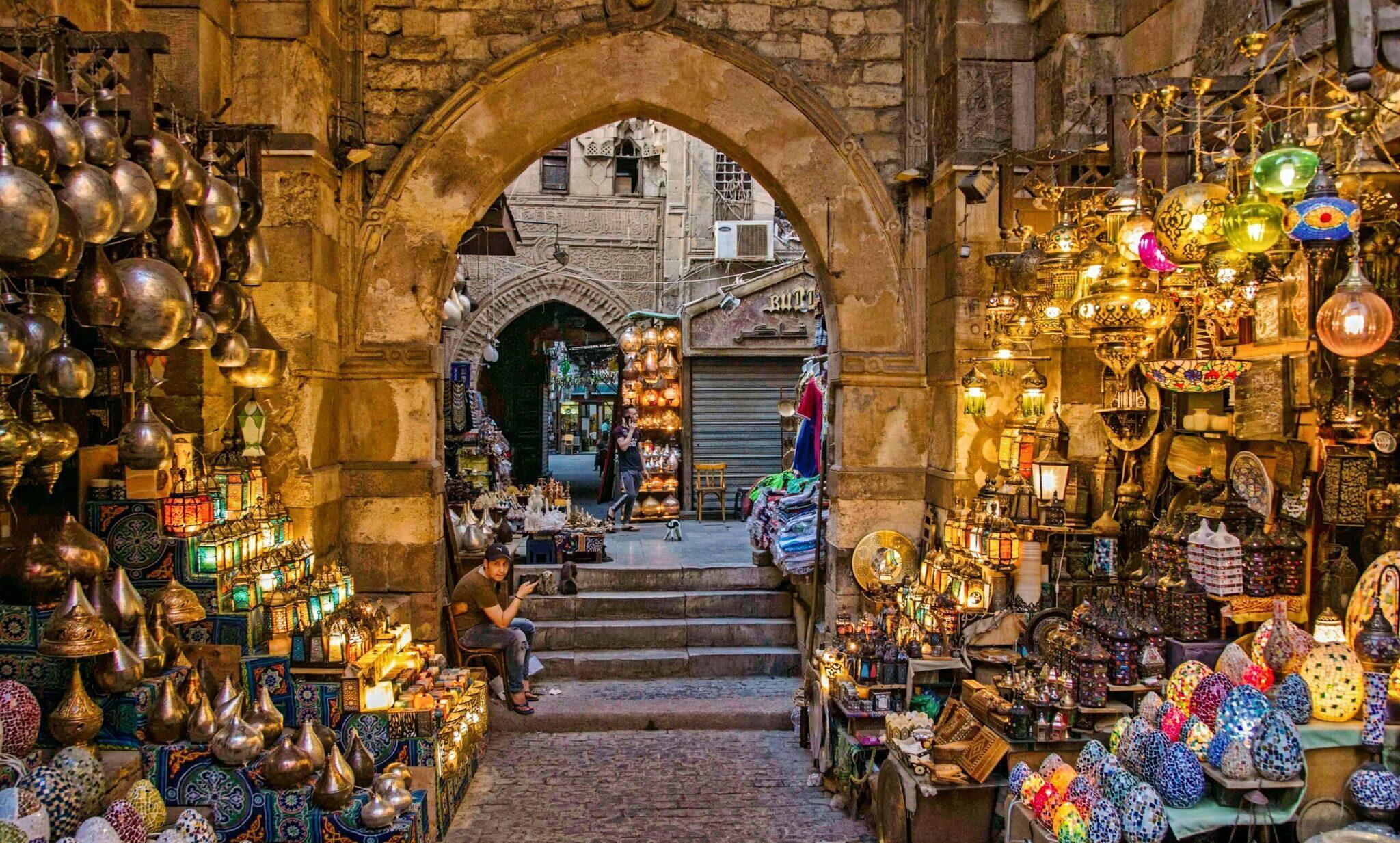
Islamic Cairo: 29 UNESCO Monuments in a Single Neighbourhood
Founded in the 10th century by the Fatimids and UNESCO-listed since 1979, Islamic Cairo packs 29 remarkable monuments into a single neighbourhood, spanning ten centuries of history from the Fatimid period to the Ottoman era. Al-Muizz Street, its main thoroughfare, lines up mosques, mausoleums and palaces over several kilometres. It is one of the best-preserved ensembles of medieval Islamic architecture anywhere in the world.
To explore Egypt’s other gems beyond Cairo, our full country guide has itinerary ideas stretching through to Luxor, Aswan and the Red Sea.
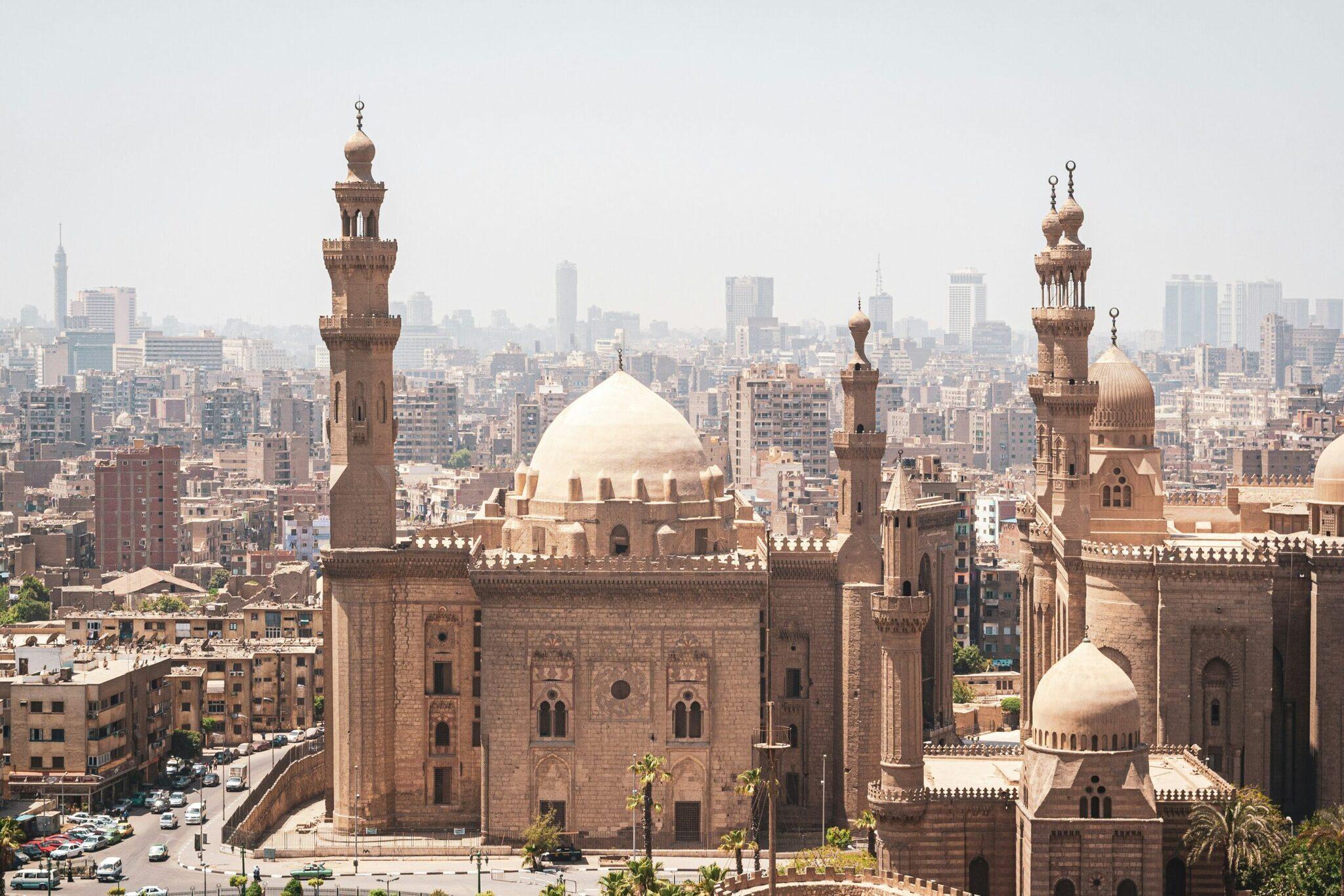
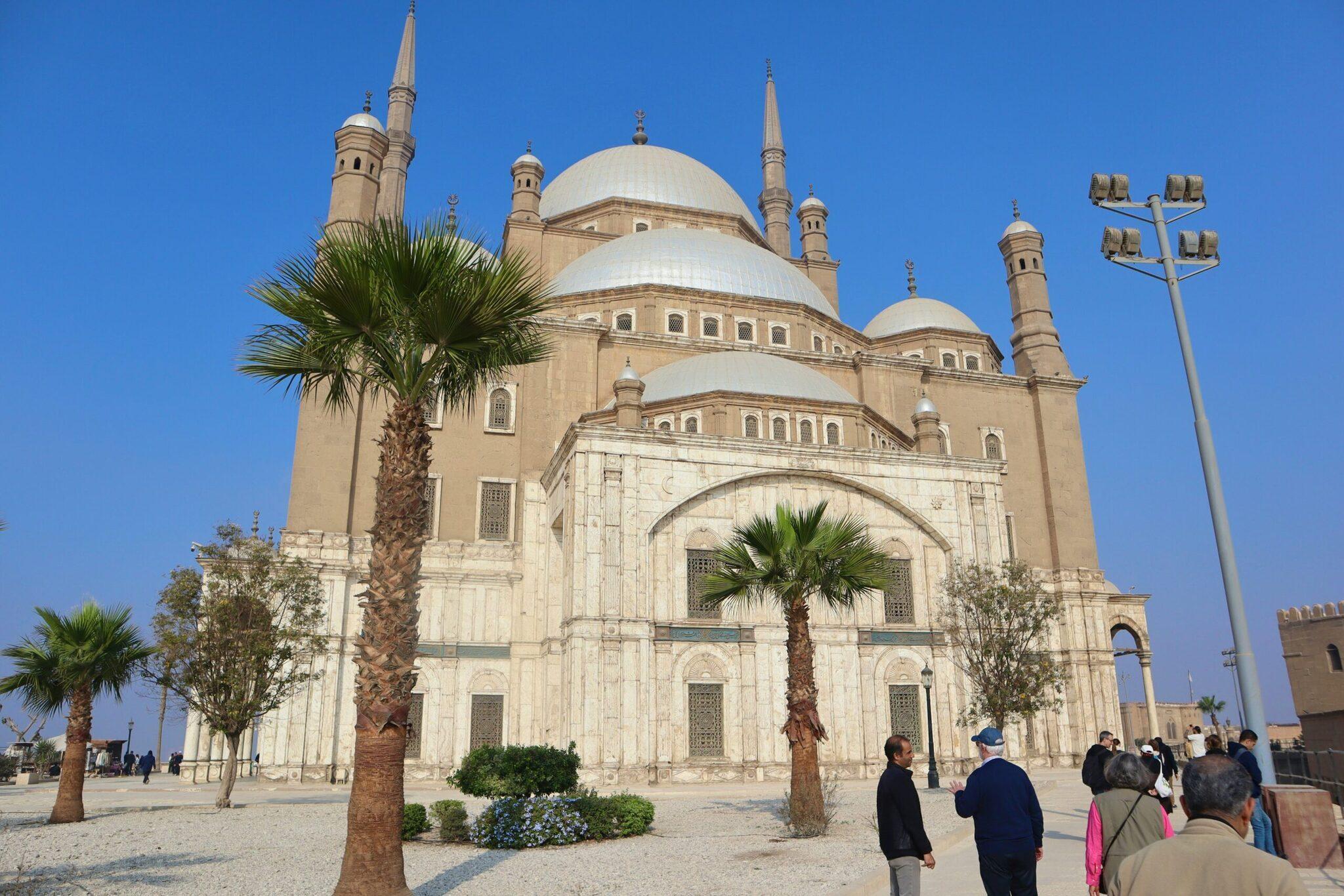
The Citadel of Saladin and the Mohammed Ali Mosque
Perched on a hill overlooking the city, the citadel built in the 12th century is one of Cairo’s great landmarks. Its centrepiece is the Mohammed Ali Mosque, known as the Alabaster Mosque, whose imposing dome and slender minarets dominate the capital’s skyline. The view across the sea of rooftops and minarets from the ramparts ranks among the finest panoramas the city has to offer.
The Sultan Hassan Mosque
A short walk from the citadel, the Sultan Hassan Mosque is a masterpiece of Mamluk architecture built in the 14th century. It houses a madrasa (Quranic school) and the royal mausoleums of the sultans. Its colossal proportions and monumental gateway make it one of the most impressive mosques in North Africa.
A Felucca Cruise on the Nile
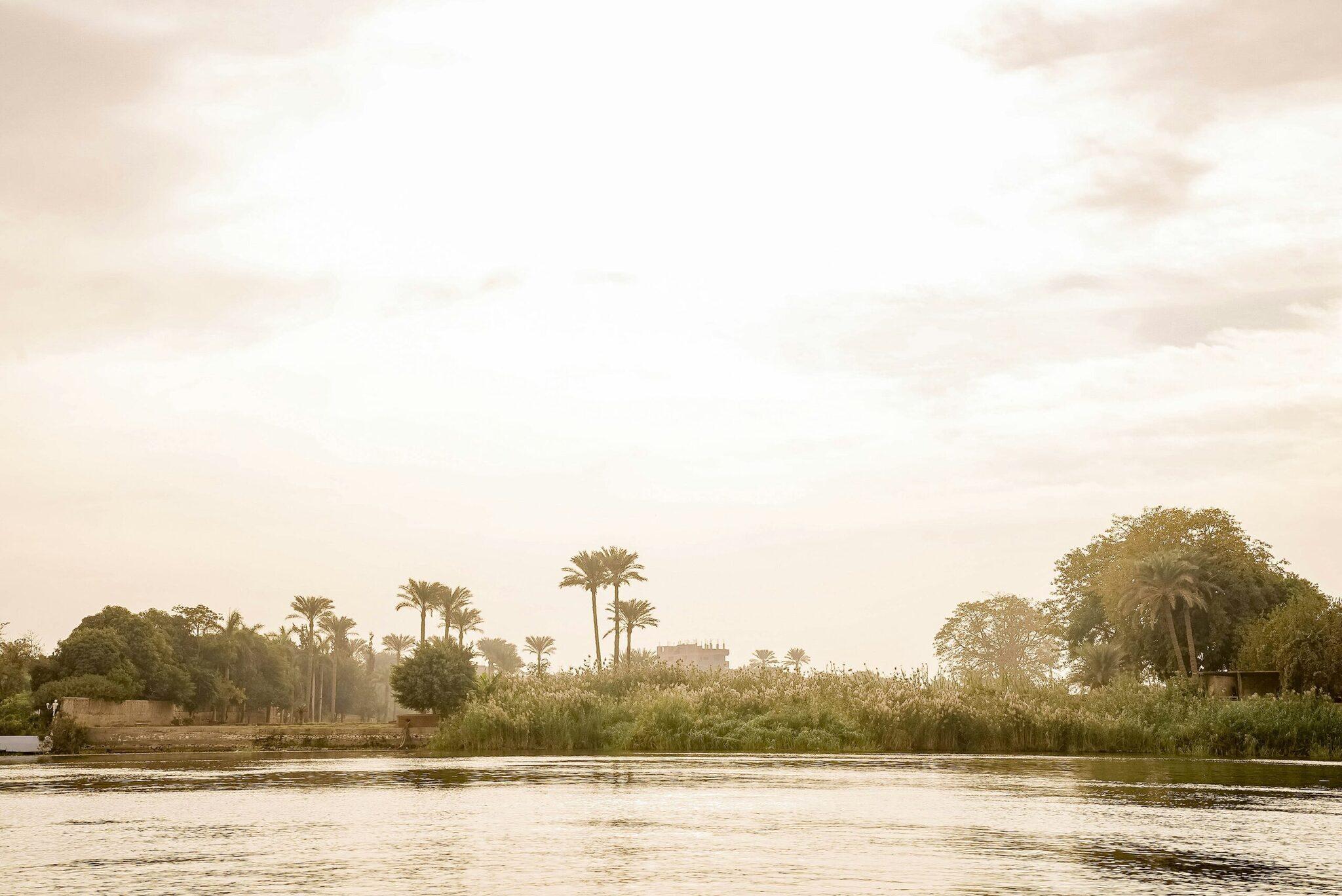
A felucca, a traditional Egyptian sailing boat, lets you take in Cairo from the river, well away from the bustle of the streets. Sunset from the Nile casts a golden light over the corniche buildings and the city’s silhouettes. Dinner cruises with live traditional music are also a popular choice for a memorable evening.
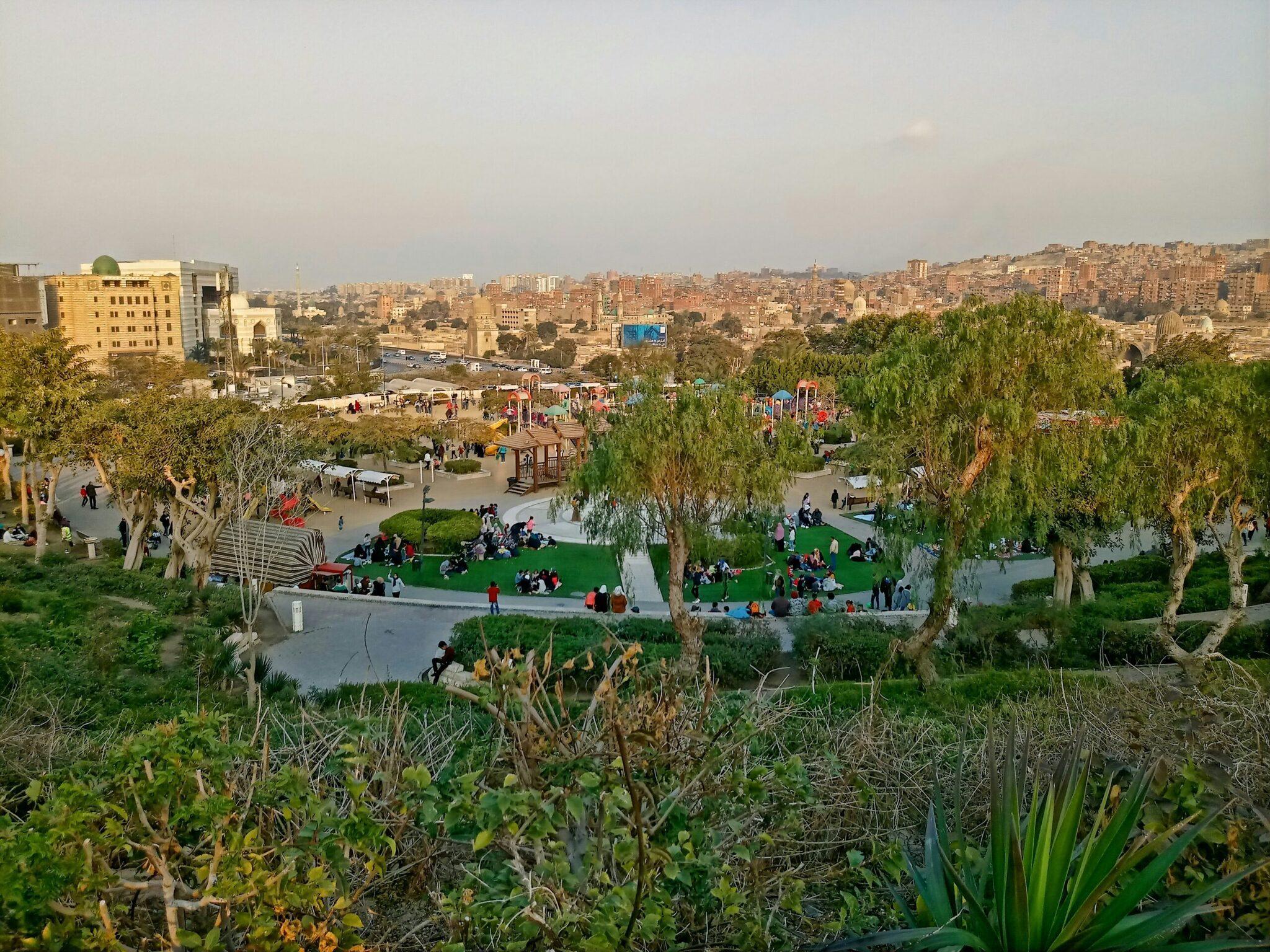
Al-Azhar Park: a View Across Ten Centuries of Minarets
Al-Azhar Park offers a rare green escape from Cairo’s relentless density. From its viewpoints you can take in the citadel, the minarets of Islamic Cairo and the rooftops of the capital all at once. Its terrace restaurants make it an ideal spot to wind down at the end of the day, looking out over a skyline unlike any other in the world.
How to Plan Your Stay in Cairo
Three to five days is a comfortable pace to cover the pyramids, the Grand Egyptian Museum, the Coptic and Islamic quarters, and the Khan el-Khalili souk. If medieval Islamic heritage is your passion, Istanbul and its highlights offer a fascinating parallel: a centuries-old Grand Bazaar, Ottoman mosques and historic fortifications, in a different setting but every bit as rewarding.
FAQ
How long do you need to visit Cairo?
Three to five days is enough to see the Pyramids of Giza, the Grand Egyptian Museum, the Coptic quarter, Islamic Cairo and Khan el-Khalili at a relaxed pace. Allow a week if you want to add nearby sites such as Saqqara, Egypt’s oldest necropolis.
Do you need to book the Grand Egyptian Museum in advance?
Yes. Since December 2025, entry to the GEM is only possible with an online booking via tickets.gem.eg. Walk-up tickets are no longer available, so book before you travel.
What is the best time to visit Cairo?
October to April offers the most pleasant temperatures for outdoor sightseeing, particularly at the pyramids and the Giza complex. Summer brings intense heat that makes outdoor visits uncomfortable in the middle of the day.
Are the Pyramids of Giza far from central Cairo?
The Giza Plateau is around 30 minutes from the city centre by car. Half-day and full-day excursions are readily available from most Cairo hotels.
Can you go inside the Pyramids of Giza?
Yes, some of the pyramids can be entered with a specific ticket. The corridors are narrow and poorly ventilated: the visit is not recommended for anyone who suffers from claustrophobia.