
The seven wonders of the ancient world are seven extraordinary achievements selected by Greek scholars from the 2nd century BC to showcase the architectural genius of the Mediterranean world. Of the seven, only one can still be seen today: the Great Pyramid of Giza. The other six have all been lost to earthquakes, fires and the slow erosion of centuries, yet their stories continue to captivate travellers and historians alike.
A List Born from Greek Awe
The idea of cataloguing the most remarkable monuments of the known world dates back to Greek writers of the 2nd century BC. Philo of Byzantium was the first to set down a complete list. These seven structures span more than twenty centuries of construction, from the pyramids at Giza, built around 2560 BC, to the Lighthouse of Alexandria, completed around 280 BC. What they shared was geography: every one of them lay within the Mediterranean arc and the Near East, the world as the Greeks knew it.
What united these masterworks was not simply their scale. It was the sense of the impossible they stirred in everyone who set eyes on them for the first time.
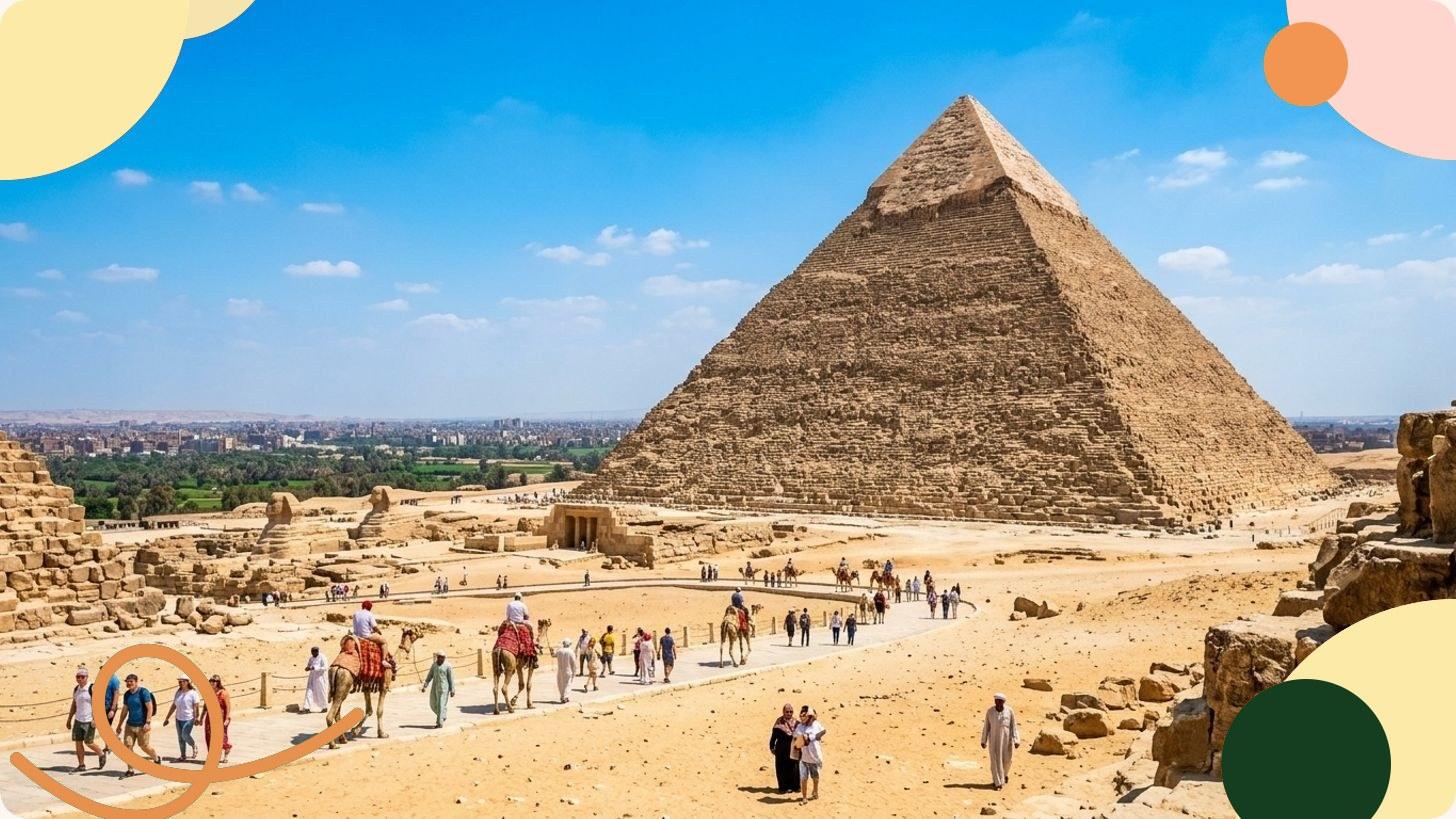
The Great Pyramid of Giza: the Last One Standing
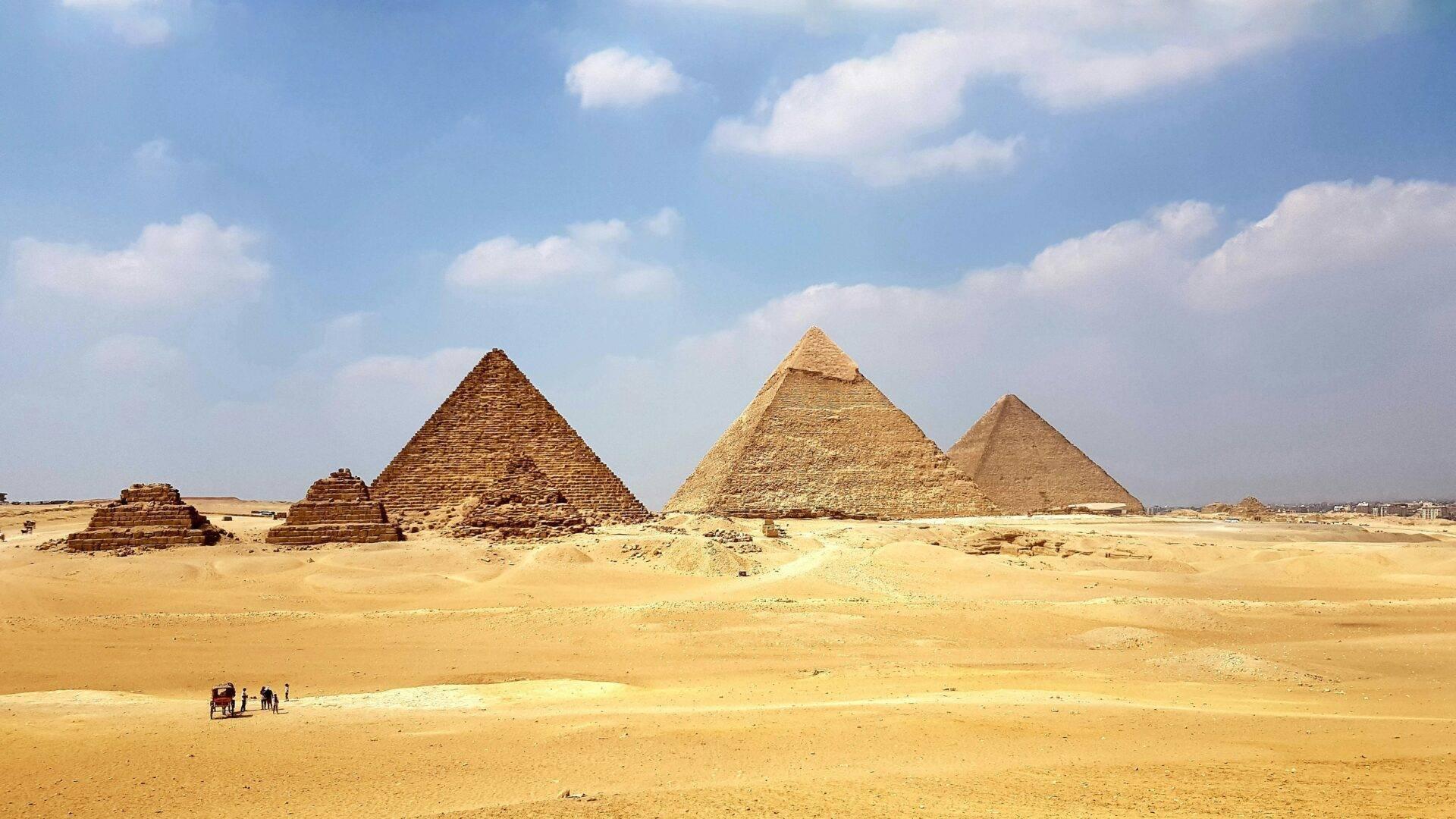
Built around 2560 BC during the reign of Pharaoh Khufu, the Great Pyramid is the oldest of the seven wonders and the only one to have survived the millennia. Standing 146 metres tall at its original height, with a base of 230 metres, it held the record as the world’s tallest structure for nearly 4,000 years.
Its construction required more than two million blocks of limestone and granite. Originally clad in polished white limestone, it gleamed under the desert sun and could be seen from kilometres away. Almost all of that outer casing has since vanished, stripped over the centuries for use in other buildings.
How tens of thousands of workers raised a structure of such extraordinary precision without modern tools remains one of archaeology’s great open questions, and research continues to this day.
To explore further around this iconic site, browse our guide to things to do in Egypt and our pick of things to do in Cairo.
The Hanging Gardens of Babylon: the Ghost Wonder
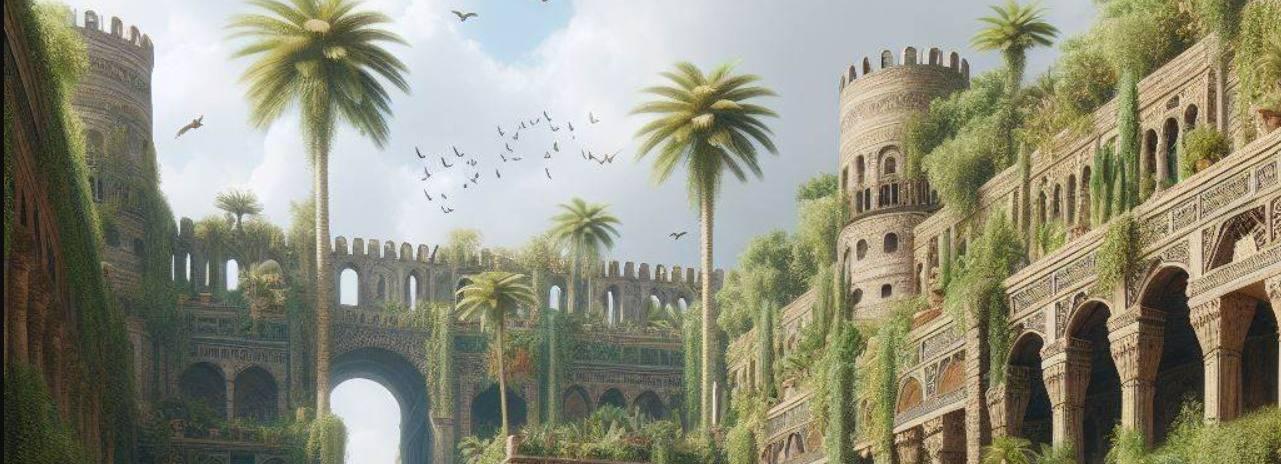
The Hanging Gardens are the only one of the seven wonders whose very existence is in doubt. No archaeological evidence places them in Babylon, in present-day Iraq, and contemporary Babylonian texts make no mention of them whatsoever.
According to ancient accounts, King Nebuchadnezzar II had them built between 605 and 562 BC for his wife Amytis, who came from the lush, mountainous region of Media and pined for its greenery amid the parched Babylonian plain. Fed by water drawn from the Euphrates, the terraced gardens are said to have risen more than 23 metres high. Some modern historians argue they were actually located in Nineveh, in what is now northern Iraq, which would account for the muddle in ancient sources.
The Statue of Zeus at Olympia: Gold, Ivory and Greek Genius
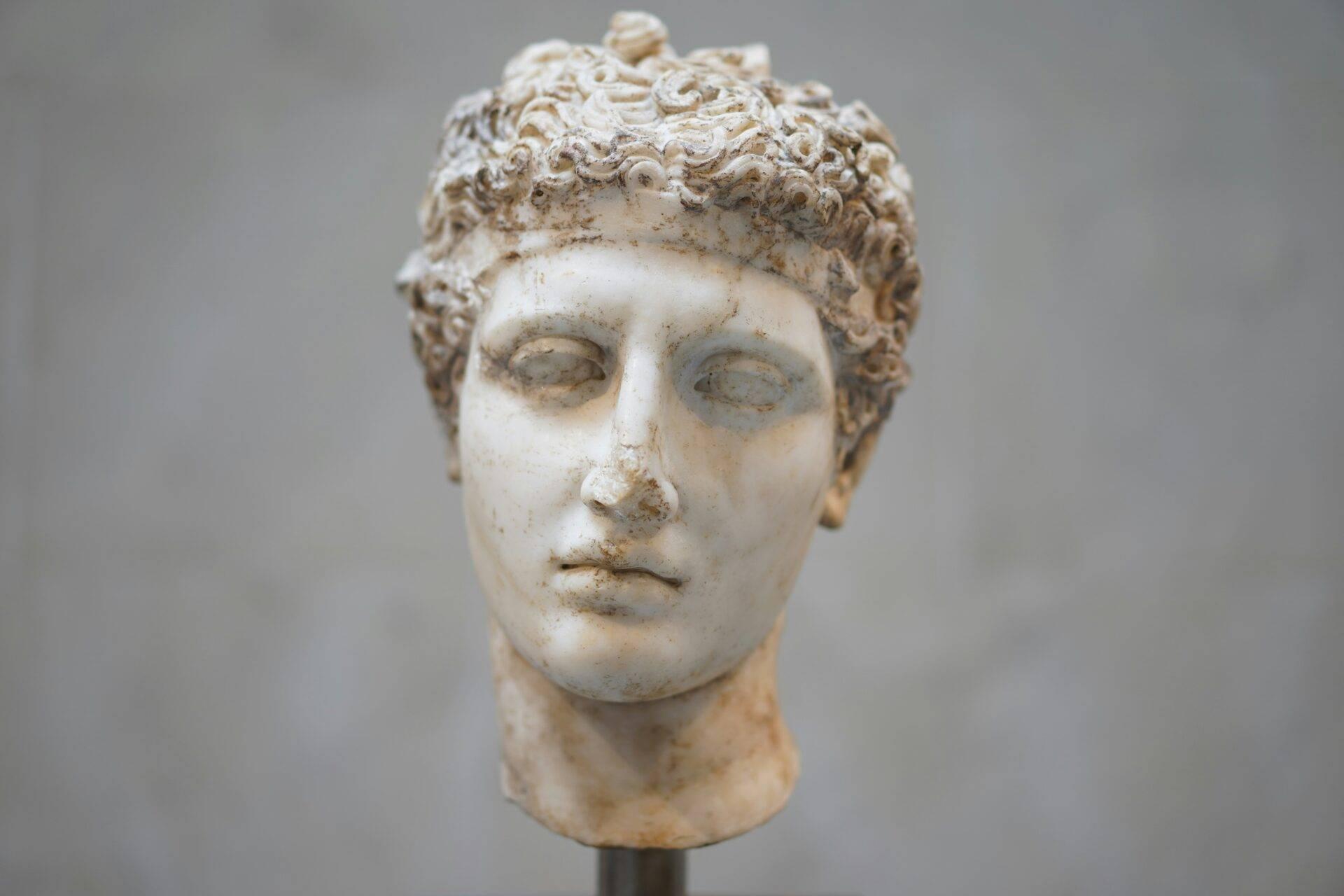
Created in the 5th century BC by the sculptor Phidias at the sanctuary of Olympia in Greece, the statue depicted Zeus seated on his throne, holding a sceptre in one hand and a small figure of Nike in the other. It stood approximately 12 metres tall.
It was made using the chryselephantine technique: ivory plates formed the god’s skin while hammered gold covered his robes and ornaments. The geographer Strabo noted that Zeus appeared almost to brush the ceiling of the temple with his head. Moved to Constantinople in the 5th century AD, the statue almost certainly perished in a fire sometime between the 5th and 6th centuries.
The Temple of Artemis at Ephesus: Burned for Immortality
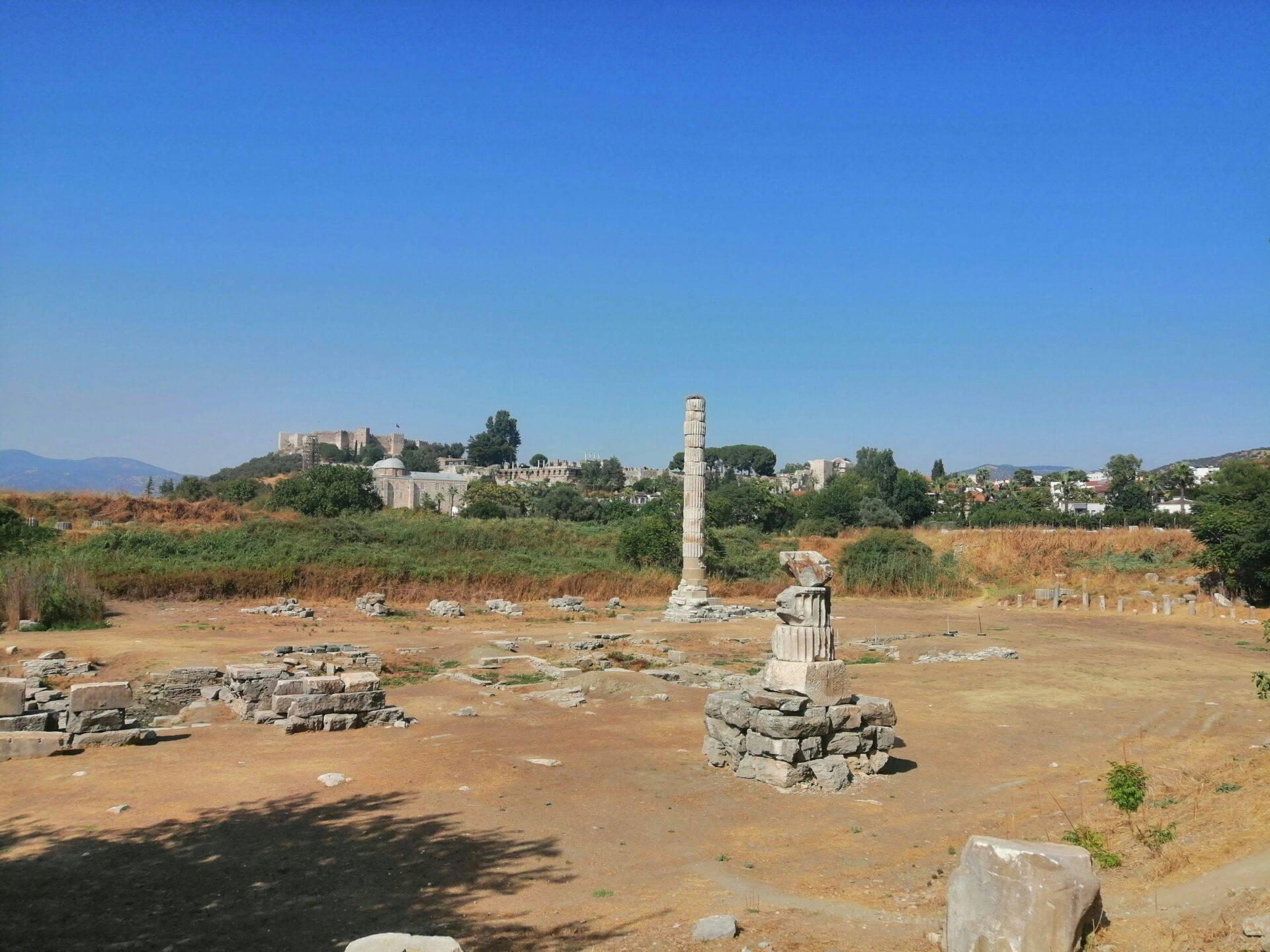
The Temple of Artemis took more than 120 years to complete at Ephesus, in present-day Turkey, funded by King Croesus of Lydia and finished around 550 BC. Its facade featured 127 columns standing 18 metres high, with the building itself measuring 129 metres long by 69 metres wide.
On the night of 21 July 356 BC, a man named Herostratus set it ablaze deliberately, driven by the desire to have his name live on in the history books. He succeeded. Tradition holds that Alexander the Great was born that very same night. The temple was rebuilt, then destroyed for good in 401 AD. All that remains today is a single solitary column, standing at Selcuk in Turkey.
The Mausoleum at Halicarnassus: the Tomb that Shaped a Word
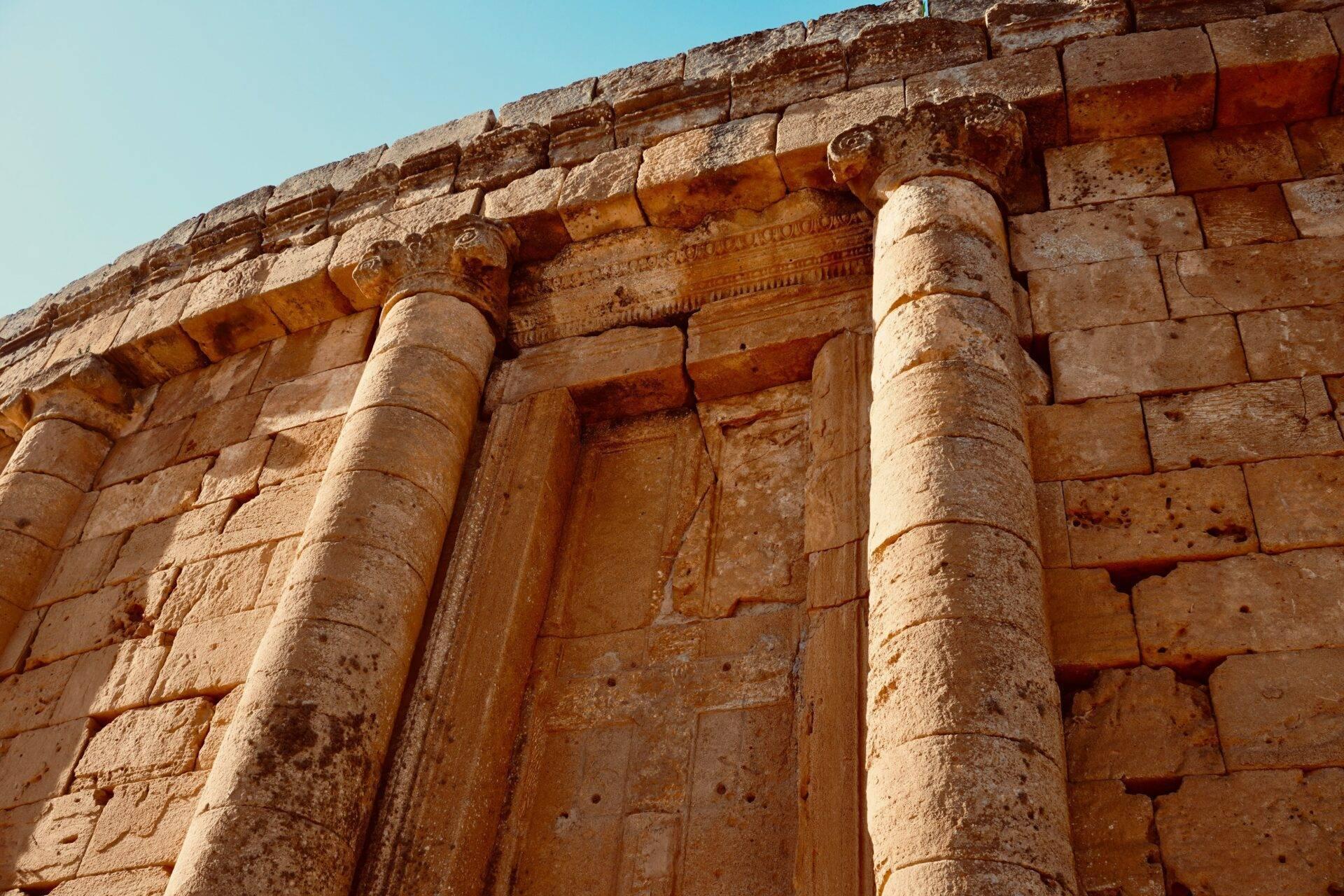
Completed around 351 BC at Halicarnassus, the city now known as Bodrum in Turkey, this tomb was built for Mausolus, satrap of Caria, and his wife Artemisia. Standing roughly 41 metres tall, it blended Greek, Egyptian and Lycian architectural influences into a hybrid style unlike anything else of its era.
Four leading Greek sculptors worked on its exterior decoration. It is from this tomb that the word ‘mausoleum’ enters every European language directly. In the 15th century, the Knights of Saint John used its stones to build Bodrum Castle, which still stands overlooking the harbour today.
Plan my trip with Yupwego travel insuranceThe Colossus of Rhodes: 56 Years of Glory
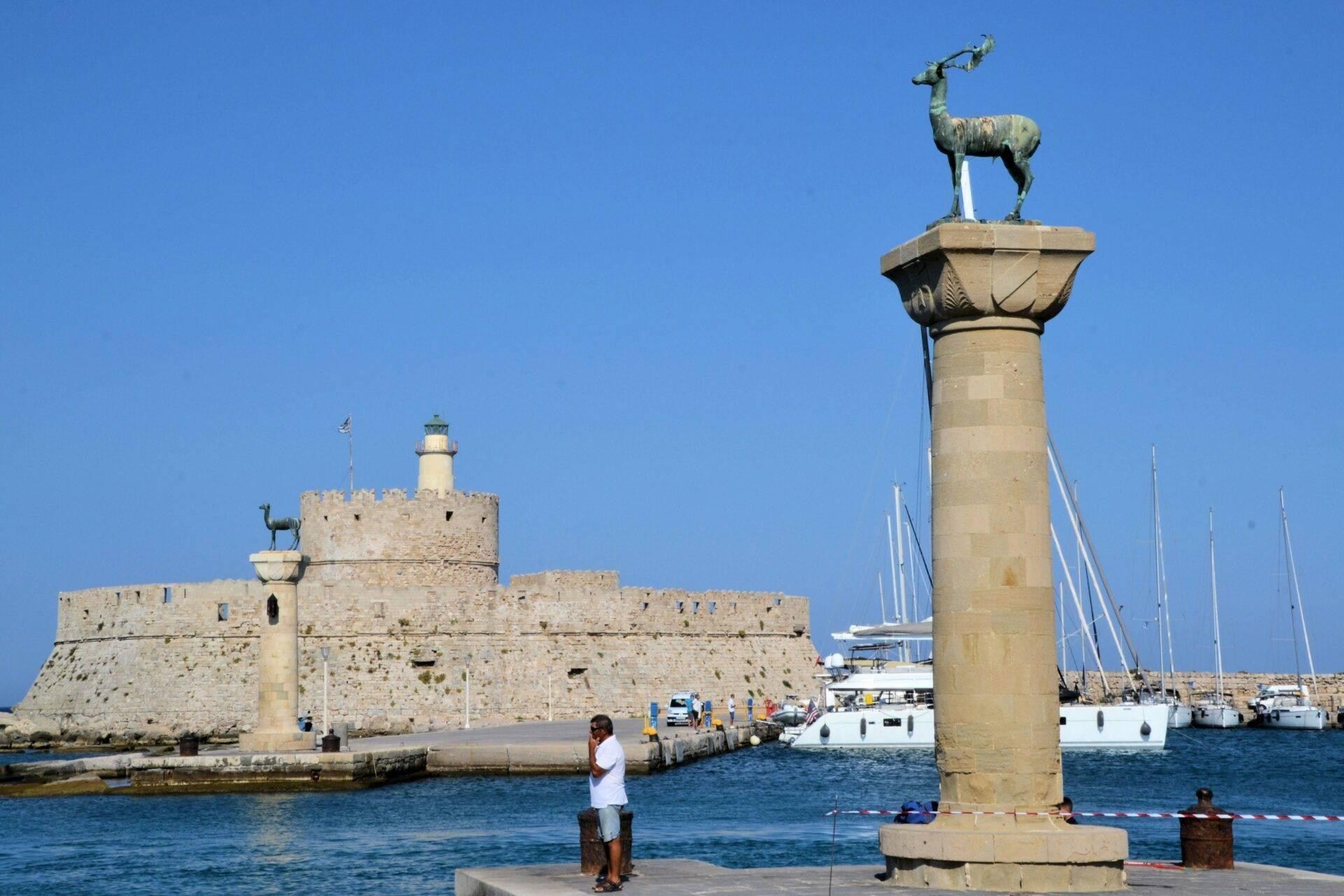
Between 292 and 280 BC, the sculptor Chares of Lindos raised a statue of the sun god Helios at Rhodes, standing more than 33 metres tall and funded by the sale of siege equipment left behind by Demetrius Poliorcetes after his defeat. An earthquake brought it down around 226 BC, after just 56 years.
Its debris lay where it fell for more than eight centuries, still impressive enough to draw curious visitors. Around 654 AD, the bronze fragments were sold and carried away by caravan: according to chroniclers of the time, on nine hundred camels.
Contrary to popular belief, the statue did not straddle the entrance to the harbour. Historians agree it stood on its own two feet, most likely on a headland nearby.
The waters around Rhodes are among the Mediterranean’s most popular diving spots. Browse our pick of the best diving destinations to plan your next underwater adventure.
The Lighthouse of Alexandria: the Tower that Guided Sailors Home
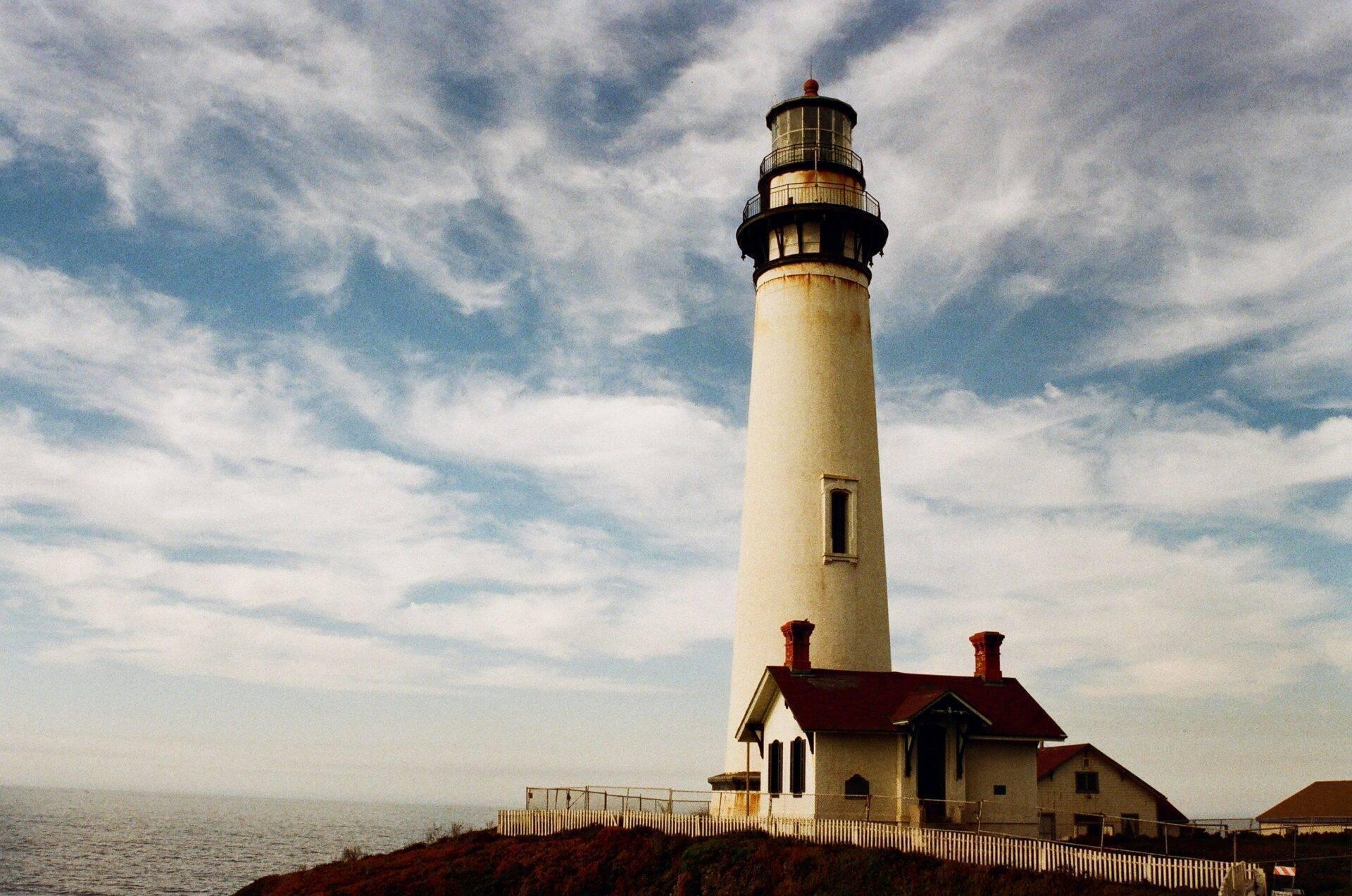
Built on the island of Pharos at the entrance to Alexandria’s harbour, the lighthouse was completed around 280 BC under Ptolemy I Soter. At an estimated height of around 134 metres, it was one of the tallest structures ever built in the ancient world.
Its beacon, reflected by mirrors, was visible more than 50 kilometres out to sea, making it an essential landmark for ships crossing the eastern Mediterranean. The structure was built in three tiers: a square base, an octagonal middle section and a cylindrical turret topped by a statue.
Damaged by earthquakes in the 10th, 14th and 15th centuries, the lighthouse gradually collapsed. The Citadel of Qaitbay, built around 1480 on the island of Pharos using stones from the ancient tower, can still be visited today.
FAQ
Which of the seven wonders of the world can still be seen today?
The Great Pyramid of Giza in Egypt is the only one to have survived to the present day. The other six were lost to earthquakes, fires and looting over the centuries.
Who compiled the list of the seven wonders of the world?
Greek scholars, from the 2nd century BC onwards. Philo of Byzantium is the earliest known author to have written a complete list. The canonical selection took shape gradually between antiquity and the 16th century.
Did the Hanging Gardens of Babylon actually exist?
It is uncertain. No archaeological evidence places them in Babylon, and Babylonian texts of the period do not mention them. Some historians believe they were actually located in Nineveh, in present-day northern Iraq, or that they were at least partly mythical.
Did the Colossus of Rhodes straddle the harbour entrance?
No, that is a popular myth. Historians and archaeologists agree that the statue stood upright on its feet, most likely on a headland near the harbour, without straddling the entrance.
Why do we use the word ‘mausoleum’ for a grand tomb?
The word comes directly from the Mausoleum at Halicarnassus, the funerary monument built for Mausolus, satrap of Caria, around 351 BC. It is one of the few wonders of antiquity to have bequeathed a word to every European language.