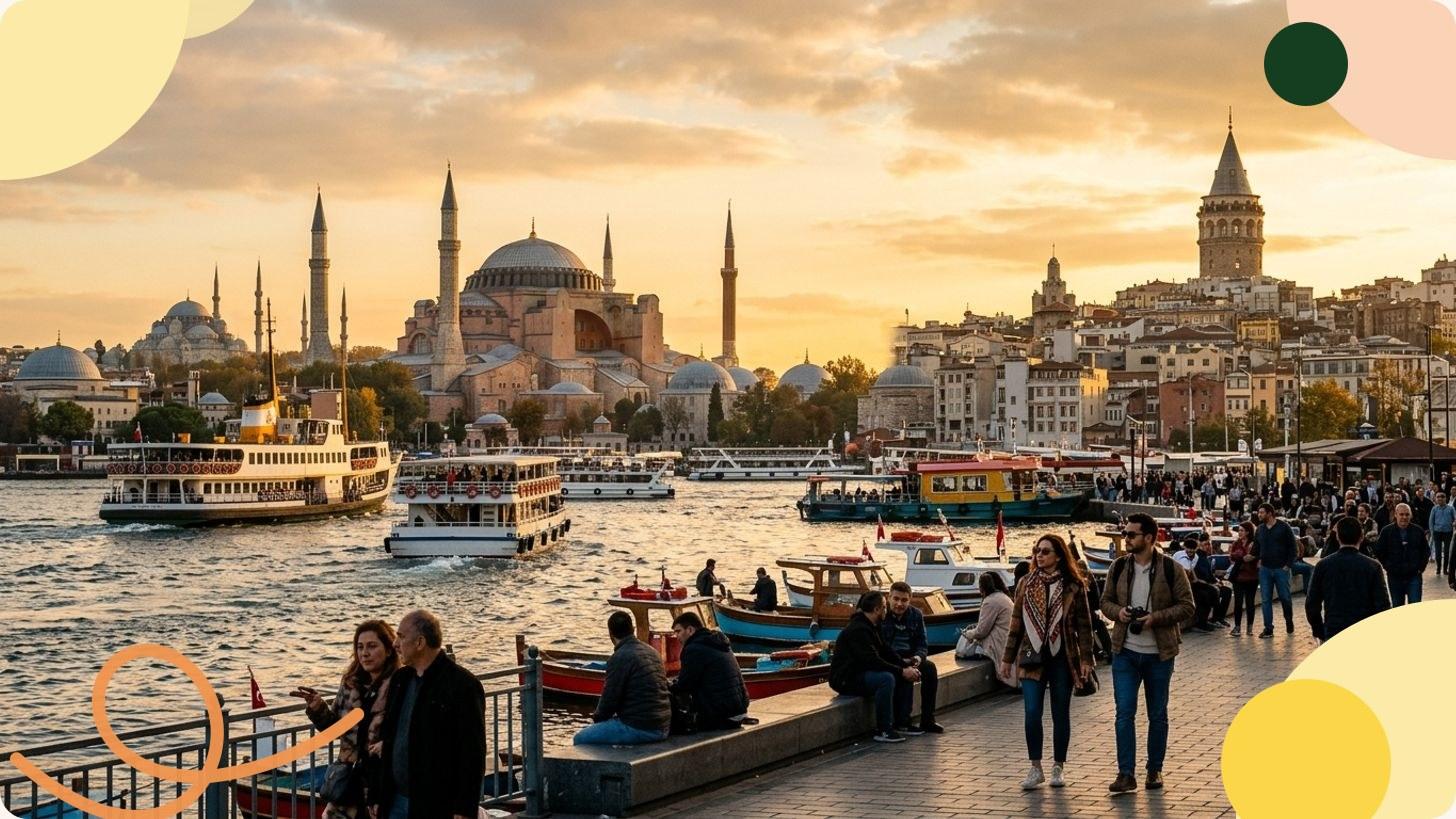

Istanbul rewards three days for the essentials, or a full week if you want to go beyond the postcard version. Between the historic peninsula of Sultanahmet and the lively neighbourhood of Beyoğlu, between the European and Asian shores, the city layers centuries of history with a density that can leave you breathless. Here are the experiences not to miss, from the oldest to the most contemporary.
Hagia Sophia: 15 centuries beneath a single dome
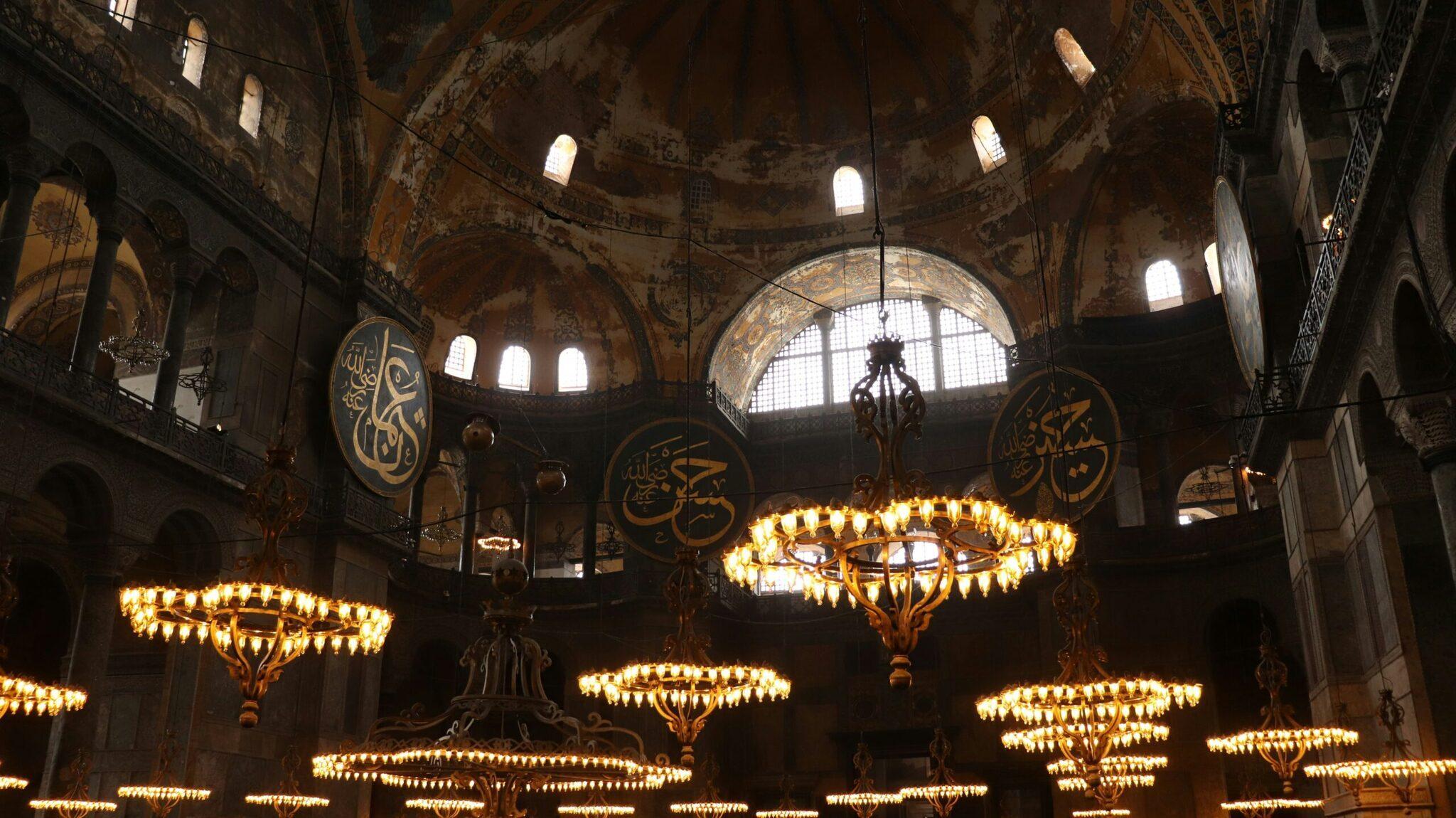
Hagia Sophia (Ayasofya) captures Istanbul’s story better than any book. Built in the sixth century under Emperor Justinian I, it stood for nearly a thousand years as the world’s largest cathedral, before becoming a mosque after the Ottoman conquest of 1453, then a museum in the twentieth century. Since 2020, it has once again been an active mosque. From January 2024, non-Muslim visitors enter through a separate paid entrance (on the north-east side of the building), which leads up to the upper galleries.
What you will find inside: gilded Byzantine mosaics, imposing Ottoman calligraphic medallions and a dome that appears to float without support. Cover shoulders and legs; women must wear a headscarf (available at the entrance). Access is suspended on Fridays between 12pm and 2.30pm.
The Grand Bazaar: getting gloriously lost in the world’s largest covered market
The Grand Bazaar (Kapalıçarşı), founded in the fifteenth century following the Ottoman conquest, brings together more than 4,000 shops across 60 covered streets. Anatolian rugs, Iznik ceramics, silver jewellery, worked leather, spices: the range is encyclopaedic.
Arrive at opening time, from 8.30 am, before the tour groups descend on the main aisles. Bargaining is expected for handicrafts; prices for spices and food products are generally fixed.
The Blue Mosque: Ottoman ceramics at their finest
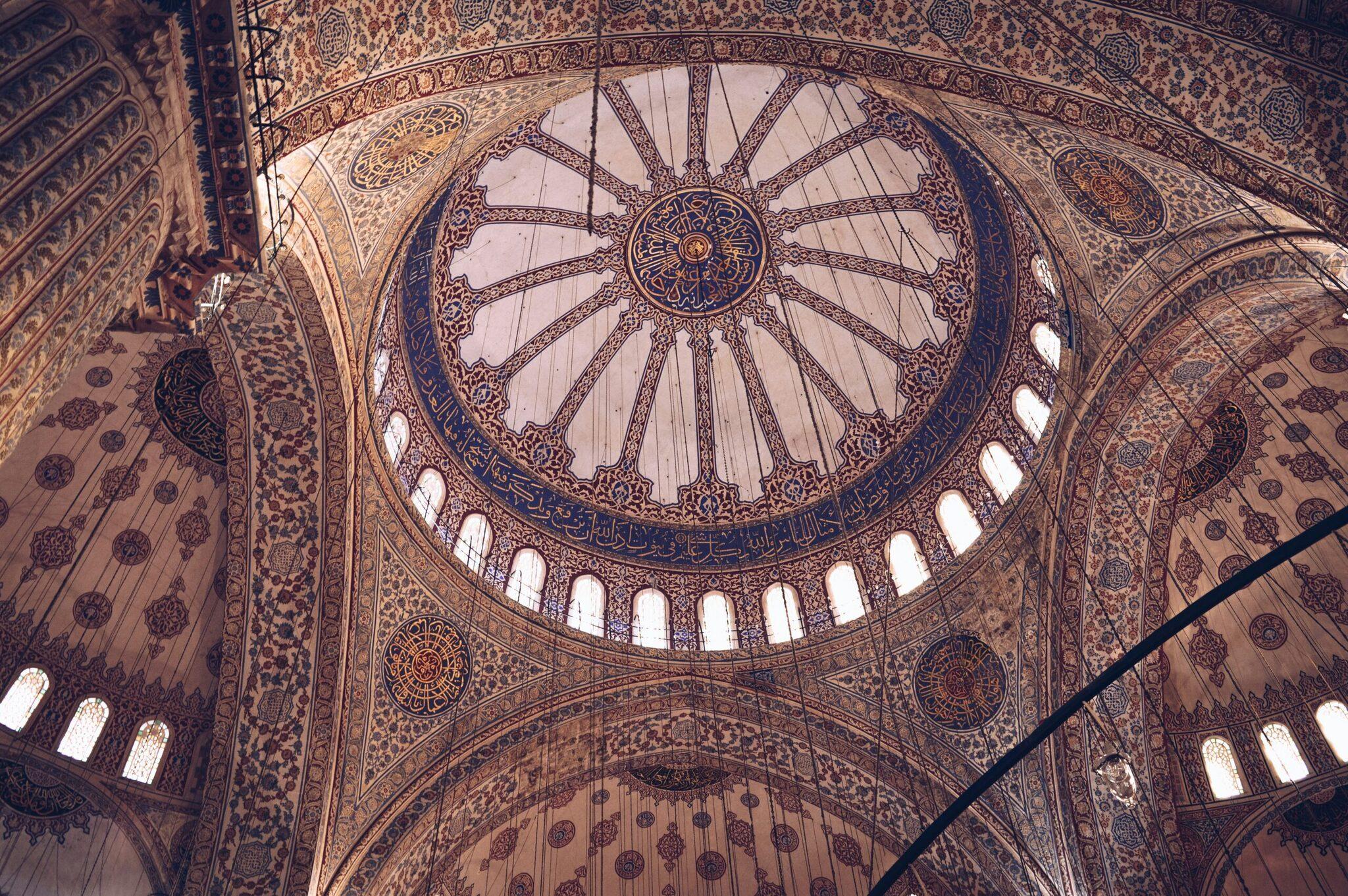
Directly opposite Hagia Sophia, the Blue Mosque (Sultanahmet Camii) was completed in 1616 under Sultan Ahmed I. Its six minarets set it apart from every other great imperial Ottoman mosque. The interior is lined with more than 20,000 predominantly blue Iznik ceramic tiles, which bathe the space in a shifting light that changes with the time of day.
The mosque remains an active place of worship: access for visitors is suspended during the five daily prayers (around 20 to 30 minutes each). Entry is free for everyone.
The Bosphorus: Istanbul from the water
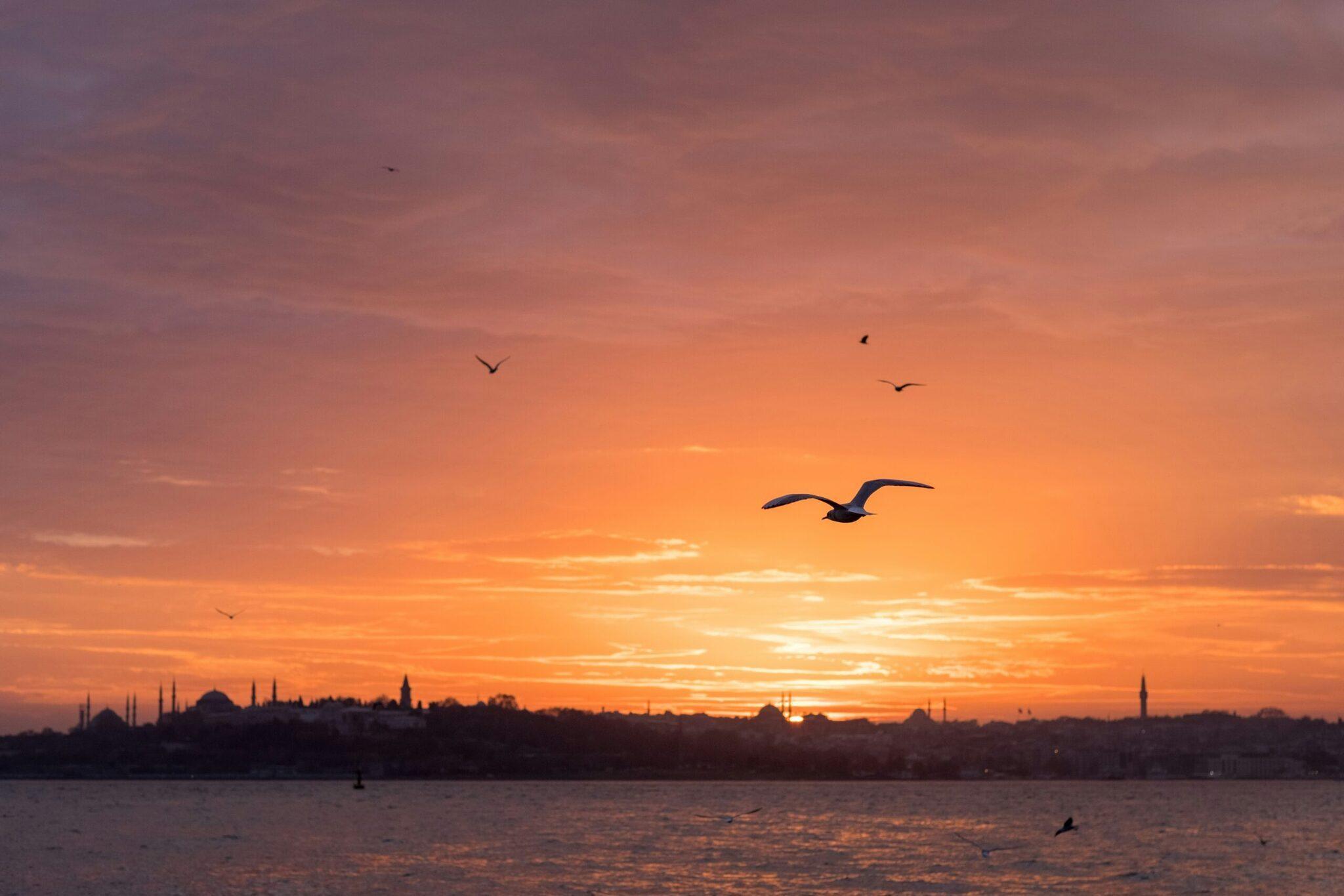
A cruise on the Bosphorus transforms your entire understanding of the city. From the water, the succession of Ottoman palaces, medieval fortresses, yalıs (wooden waterfront villas) and mosque skylines takes on a scale that is simply impossible to grasp from the streets. The Bosphorus physically separates Europe from Asia across 31 km; public ferries (şehir hatları) make the crossing to Kadıköy or Üsküdar on the Asian shore for a modest fare.
For a more complete experience, organised cruises head all the way to the Black Sea, with commentary on every monument you pass along the way.
Sultanahmet: exploring the historic peninsula on foot
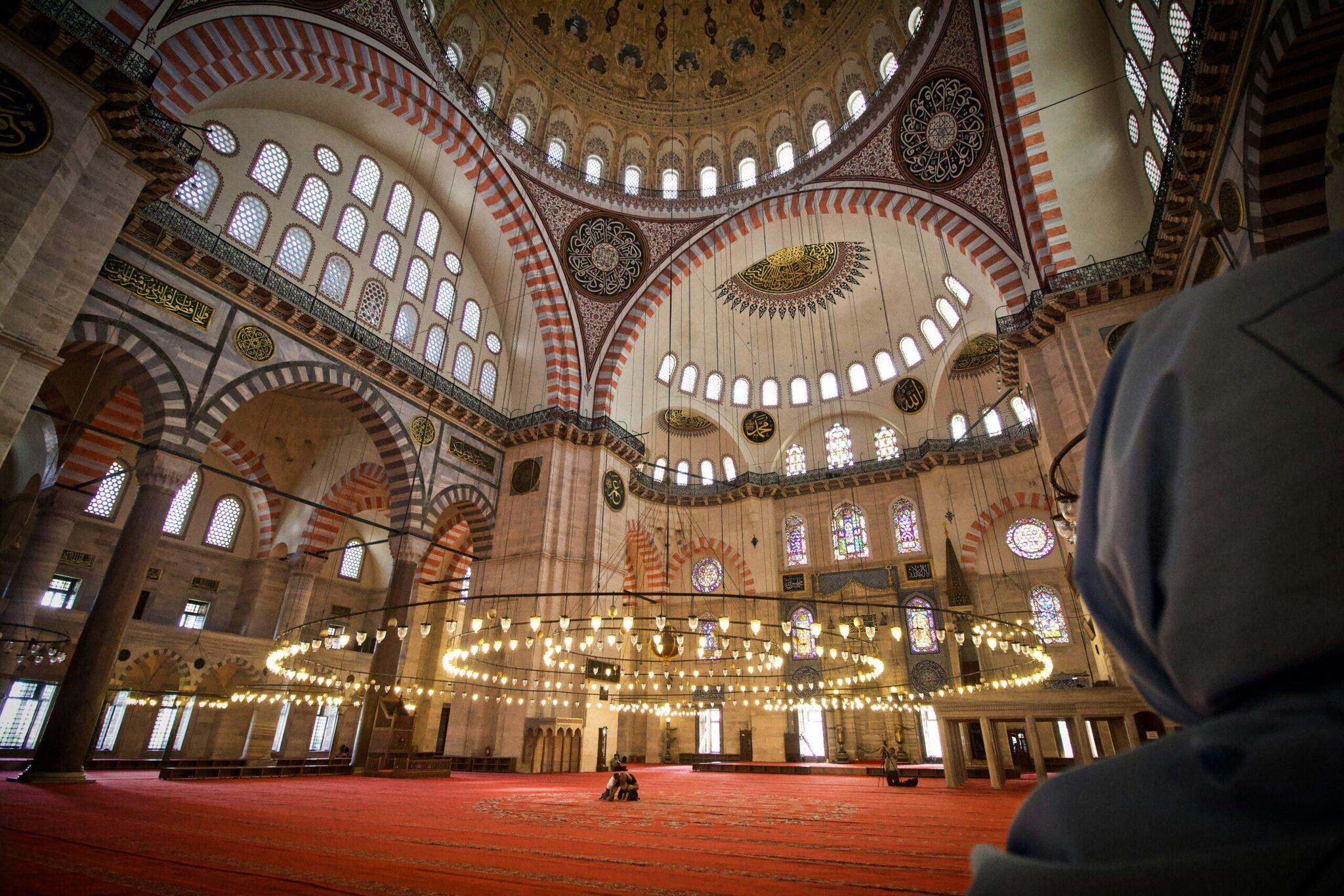
The Sultanahmet district packs the most iconic monuments in Istanbul into a radius of just a few hundred metres. Alongside Hagia Sophia and the Blue Mosque, you will find:
- The Basilica Cistern (Yerebatan Sarnıcı): a sixth-century underground reservoir supported by hundreds of marble columns reused from ancient buildings. The atmospheric low lighting and reflections on the water make it one of the most otherworldly spots in the city.
- Topkapi Palace: the residence of the Ottoman sultans from the fifteenth to the nineteenth century, a vast complex of courtyards and pavilions commanding the confluence of the Bosphorus and the Golden Horn.
- The Hippodrome (Atmeydan): the ancient Roman chariot-racing track, of which three obelisks still stand, including one brought from Egypt in the fourth century.
The Archaeological Museum: millennia of civilisation under one roof
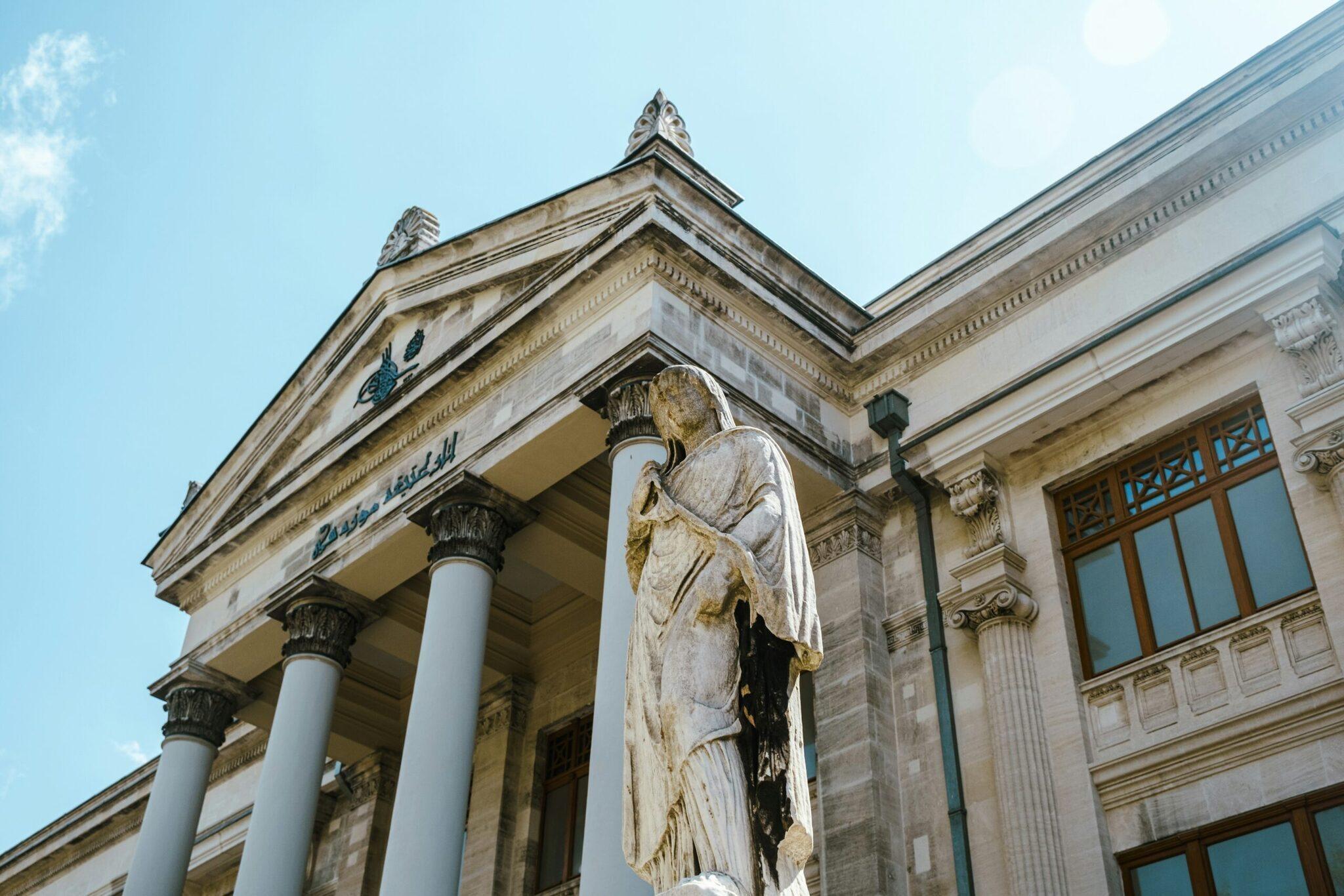
Istanbul’s Archaeological Museum, founded at the end of the nineteenth century, holds one of the richest collections from the ancient Near East and the Mediterranean. Three separate buildings cover Eastern antiquities, Greco-Roman collections and an Ottoman ceramics pavilion. Its centrepiece is the so-called Alexander Sarcophagus, discovered at Sidon (in present-day Lebanon): an exceptionally fine marble sculpture depicting battle scenes.
Allow at least two hours to see the highlights.
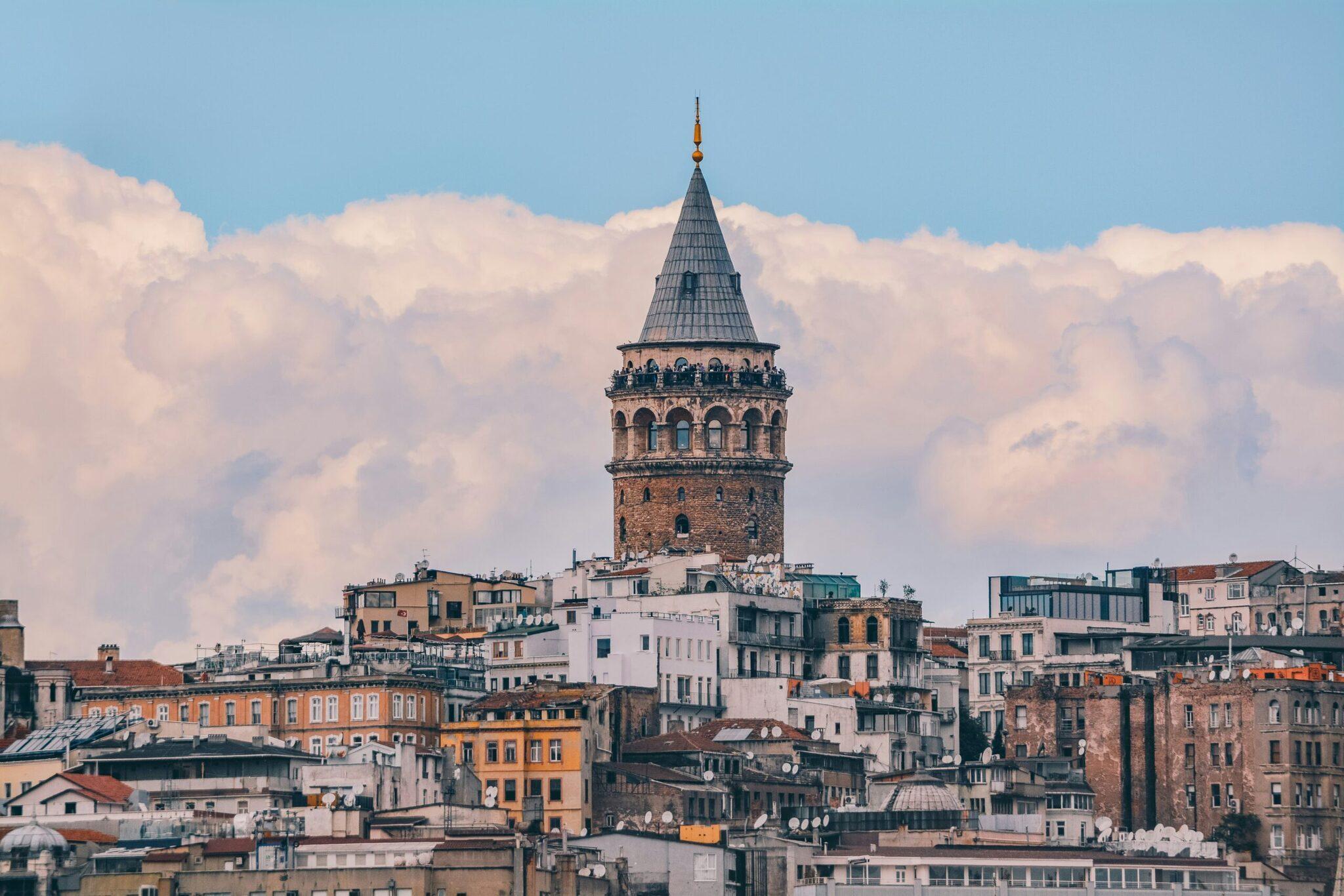
Galata Tower and the Beyoğlu neighbourhood
Built in 1348 by the Genoese under the name Tower of Christ, Galata Tower (Galata Kulesi) rises 66.90 metres above the city. Its panoramic viewing terrace offers a 360-degree sweep across the historic peninsula, the Golden Horn and the Bosphorus. It also marks the gateway to Beyoğlu, where Istanbul’s cultural and nightlife scene is most concentrated.
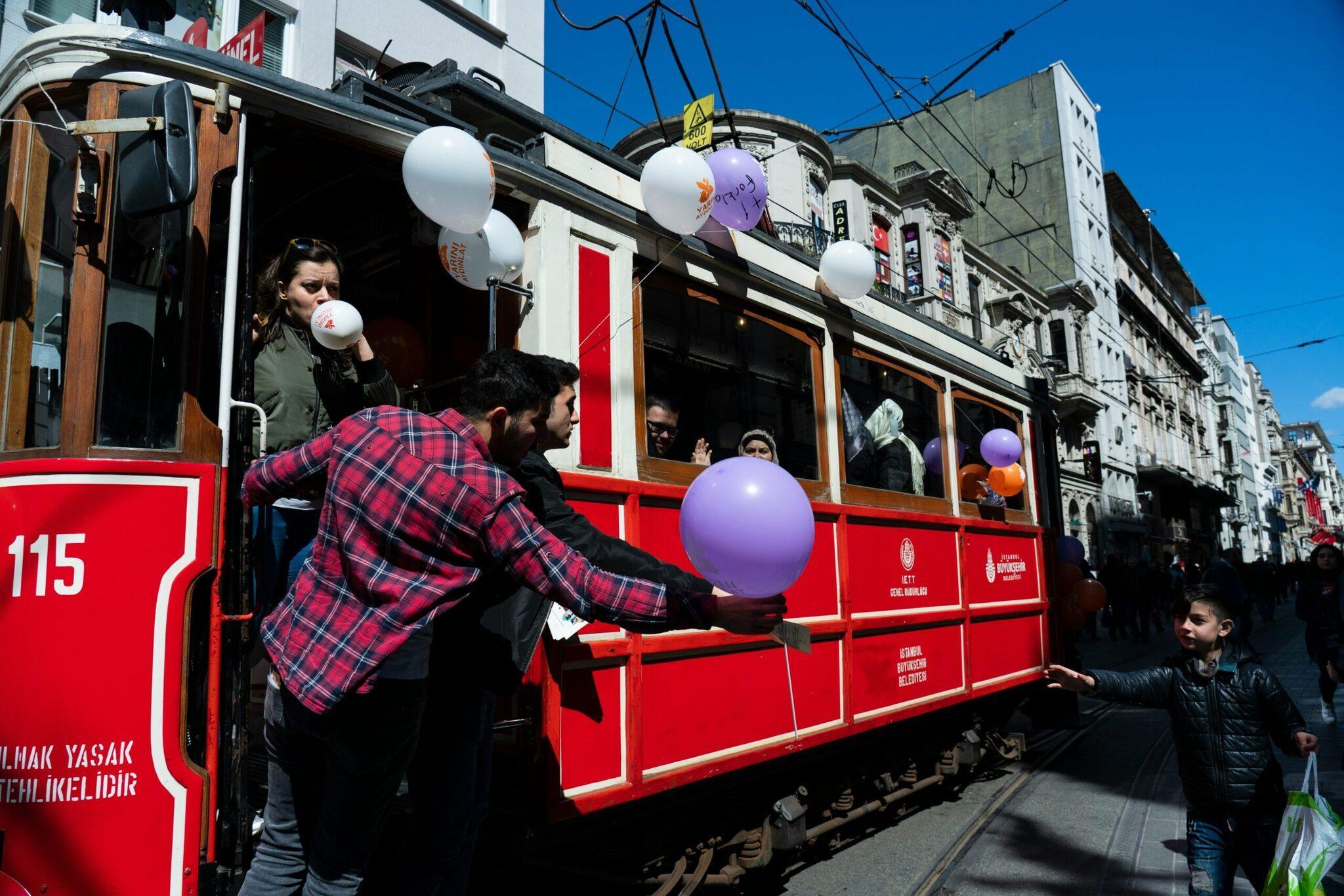
Istiklal Avenue: 1.4 km of urban energy
Istiklal Avenue is Beyoğlu’s main pedestrianised artery, stretching 1.4 km from end to end. Shops, cafés, restaurants, art galleries and nineteenth-century neo-Gothic buildings line the street without a break. A nostalgic red tram runs its full length. In the evenings, the terraces fill up and Taksim Square, at its northern end, becomes the social heart of the city.
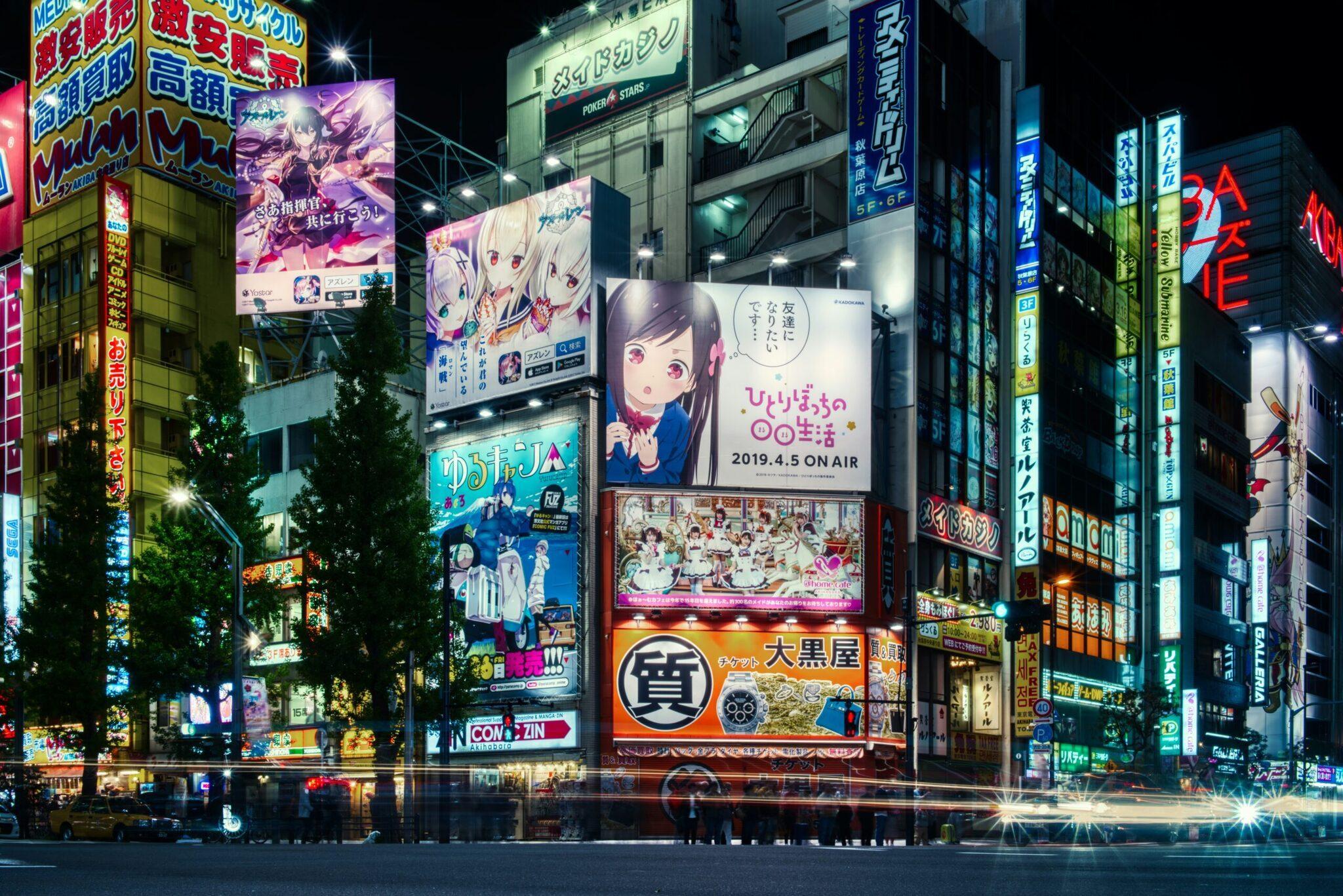
Istanbul after dark
Beyond Istiklal, the streets of Karaköy, Cihangir and Asmalımescit are home to natural wine bars, grilled fish restaurants and live music venues (traditional fasıl, jazz, electronic). An Istanbul night out rarely gets going before 10pm.
Dolmabahçe Palace: Ottoman splendour on the Bosphorus waterfront
Built in the mid-nineteenth century on the European shore of the Bosphorus, Dolmabahçe Palace replaced Topkapi as the official residence of the Ottoman sultans. Its facade stretches directly along the waterfront. The interior blends Baroque, Rococo and Ottoman styles: fine parquet floors, Bohemian crystal chandeliers and gilded coffered ceilings.
Visits are by guided group tour only. Two separate circuits cover the ceremonial apartments (Selamlık) and the private quarters (Harem).
The Asian shore: Kadıköy and Üsküdar
Taking the ferry from Eminönü to Kadıköy takes around twenty minutes and delivers a complete change of atmosphere: producers’ markets, independent cafés, second-hand bookshops, well away from the tourist bustle of the historic centre. Üsküdar, further north along the Asian shore, offers a direct view of the Sultanahmet skyline that is particularly striking at sunset.
When to visit Istanbul
Istanbul can be visited year-round. Spring (April-May) and autumn (September-October) offer the best conditions: mild temperatures between 15 and 22°C, smaller crowds than in midsummer and ideal light for sightseeing. Summer (July-August) is hot and very busy; winter (November-March) remains mild (8-12°C in January) with the main sites virtually empty.
To explore other parts of Turkey beyond Istanbul, our guide Things to do in Turkey covers Cappadocia, Ephesus and the Aegean coast. Looking for another destination that blends history with modern city life? Take a look at Things to do in Barcelona for comparison.
FAQ
How many days do you need to visit Istanbul?
Three days is enough to cover the highlights of Sultanahmet (Hagia Sophia, the Blue Mosque, the Cistern, the Grand Bazaar) and Beyoğlu (Galata, Istiklal). A full week lets you add the Asian shore, Dolmabahçe Palace, the Archaeological Museum and time to wander through the quieter neighbourhoods.
Is Hagia Sophia still open to tourists?
Yes. From January 2024, tourists enter Hagia Sophia through a separate entrance (north-east side of the building) leading to the upper galleries. Entry is paid (indicative price: €25 per adult, check before you travel). The ground floor is reserved for worshippers. Access is suspended on Fridays between 12pm and 2.30pm.
Do I need a visa to visit Turkey?
Depending on your nationality, an e-Visa may be required before arrival. Check the current requirements with the Turkish consulate or on the official Turkish e-Visa portal before you travel.
What is the best time of year to visit Istanbul?
April-May and September-October offer the best conditions: pleasant temperatures (15-22°C), smaller crowds than in high summer and ideal light for visiting monuments and markets.
Is the Grand Bazaar open on Sundays?
No. The Grand Bazaar is closed on Sundays and Turkish public holidays. It is open Monday to Saturday, from approximately 8.30 am to 7 pm.
How do you get around Istanbul?
The T1 tram line connects Sultanahmet to Karaköy (for Beyoğlu and Galata Tower). The metro and the Tünel funicular extend the network from Beyoğlu. For the Asian shore, public ferries (şehir hatları) depart from Eminönü and Karaköy.