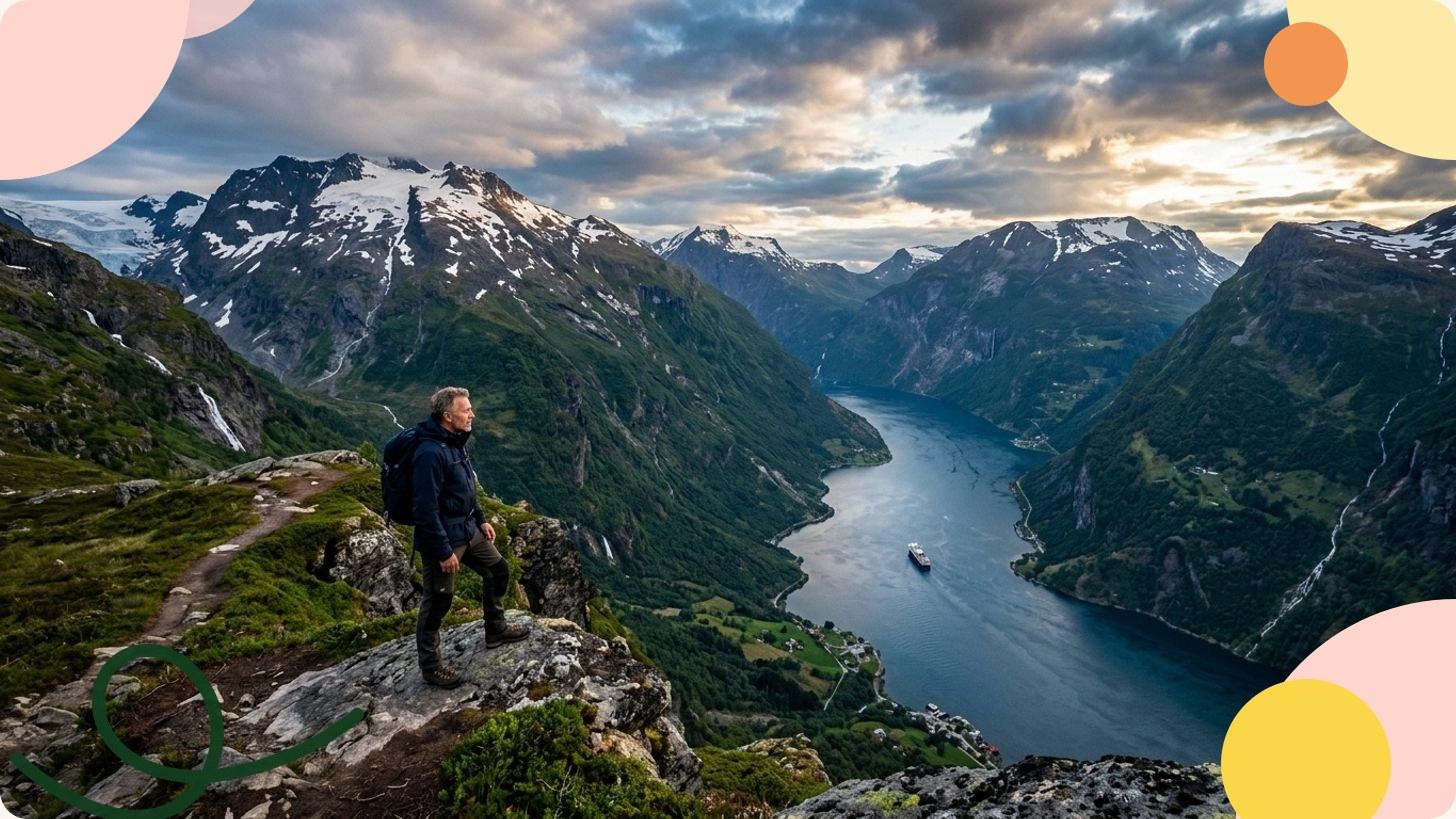


In January, several destinations around the world are enjoying their finest weather: established dry seasons, rare rainfall and temperatures ranging from 20°C to 33°C. The Maldives, Thailand, the Canary Islands, Dubai, Costa Rica, the Bahamas and Mauritius all deliver, each with a very different profile depending on your budget, flight time and what you’re after.
The Maldives: Peak Dry Season and Spectacular Underwater Visibility
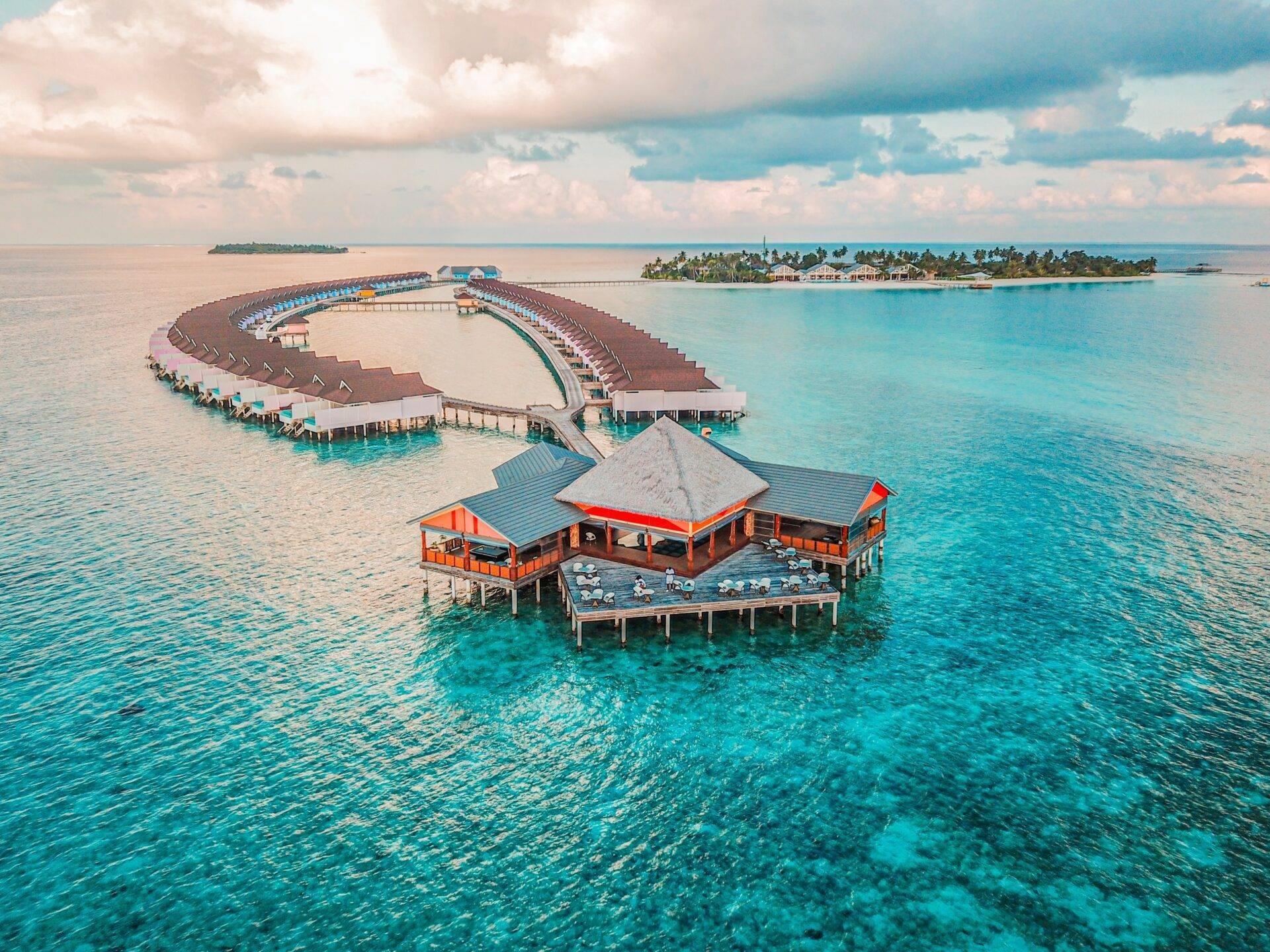
In January, the Maldives are in the heart of their ideal dry season. In Male, temperatures range from 27°C at night to 31°C during the day, sea temperatures reach 28°C and rainfall drops to just 8mm for the entire month. With 9 hours of sunshine a day, underwater visibility is at its peak: this is the prime window for scuba diving and snorkelling.
One thing to bear in mind: January is also the most popular month, which makes it the most expensive. Book your accommodation several months ahead.
Thailand: 9 Hours of Sunshine a Day in Full Dry Season

January is one of the best months to visit Thailand. The dry season is firmly in place: in Phuket, temperatures sit at 25°C in the morning and climb to 33°C in the afternoon, with around 21 rain-free days and 9 hours of sunshine each day. Bangkok sees similar conditions (23-33°C), a little cooler at night, making temple visits and market strolls genuinely enjoyable.
A few things worth knowing before you book:
- Phuket and Krabi: limestone cliffs, beaches, snorkelling spots – perfect conditions in January
- Bangkok: culture, street food, gilded temples – cool evenings make nights out a real pleasure
- Koh Samui: be aware that the east coast of this island follows a different weather pattern and stays wet in January
Mauritius: Tropical Heat, but Plan Around the Wet Season
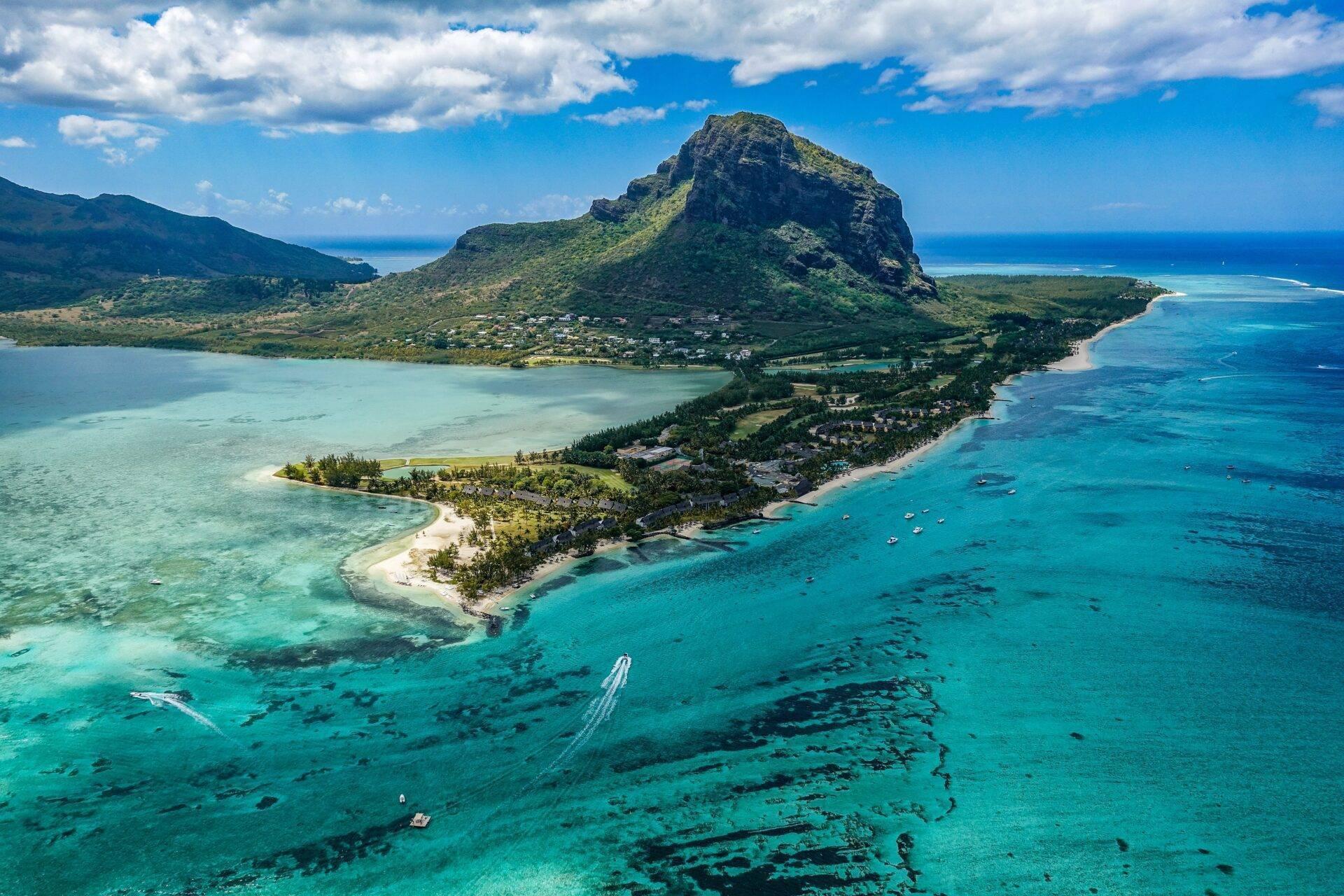
In January, Mauritius is deep in its hot, humid season. Coastal temperatures can reach 33-35°C during the day and the sea sits at 28°C. Appealing on paper, but January falls within the cyclone season (January to March): frequent rain spells, especially on the east coast and at altitude, can disrupt a trip.
In practice, sunny spells and tropical downpours alternate throughout the day. Choose accommodation on the west coast (more sheltered from the rain) and leave some flexibility in your itinerary. For activity ideas, see our guide on things to do in Mauritius.
The Canary Islands: Reliable Sunshine a Short Flight Away
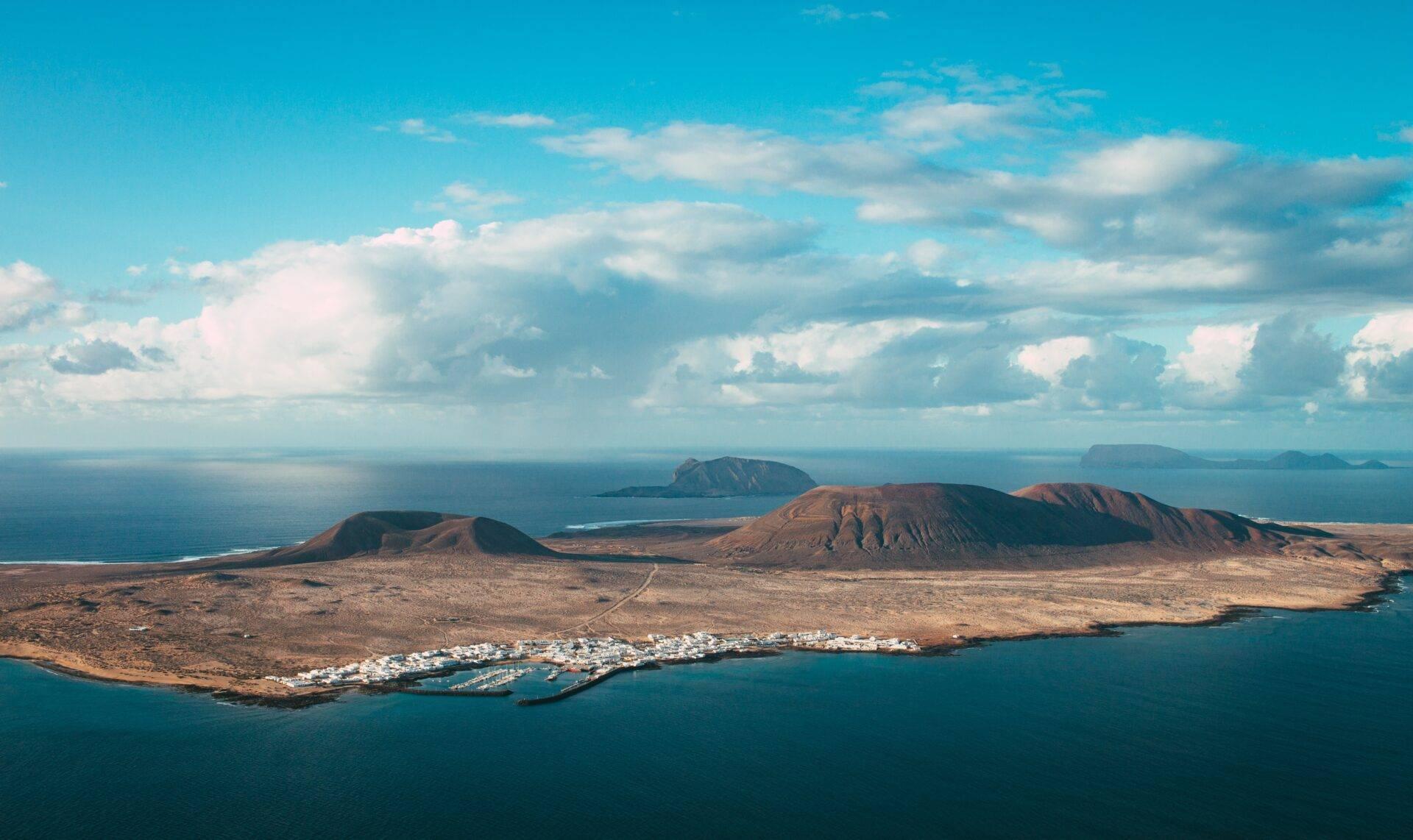
You don’t need to cross the Atlantic to escape the January grey. The Canary Islands are just 3-4 hours from Europe by air and offer 18-24°C during the day: 20-22°C on the south coast of Tenerife (Costa Adeje, Los Cristianos) and up to 24°C in Lanzarote on warmer days. Rain is rare and skies are largely clear.
Lanzarote, with its volcanic landscapes and near-constant sunshine, is particularly well suited to a winter break. Gran Canaria (long pale sandy beaches) and Fuerteventura (dunes and wind for kitesurfers) round out your options. Sea temperatures hover around 17-18°C in January: too cool for most swimmers, but walkers and cyclists will find ideal conditions.
Costa Rica: Rainforest and Beaches in Full Dry Season
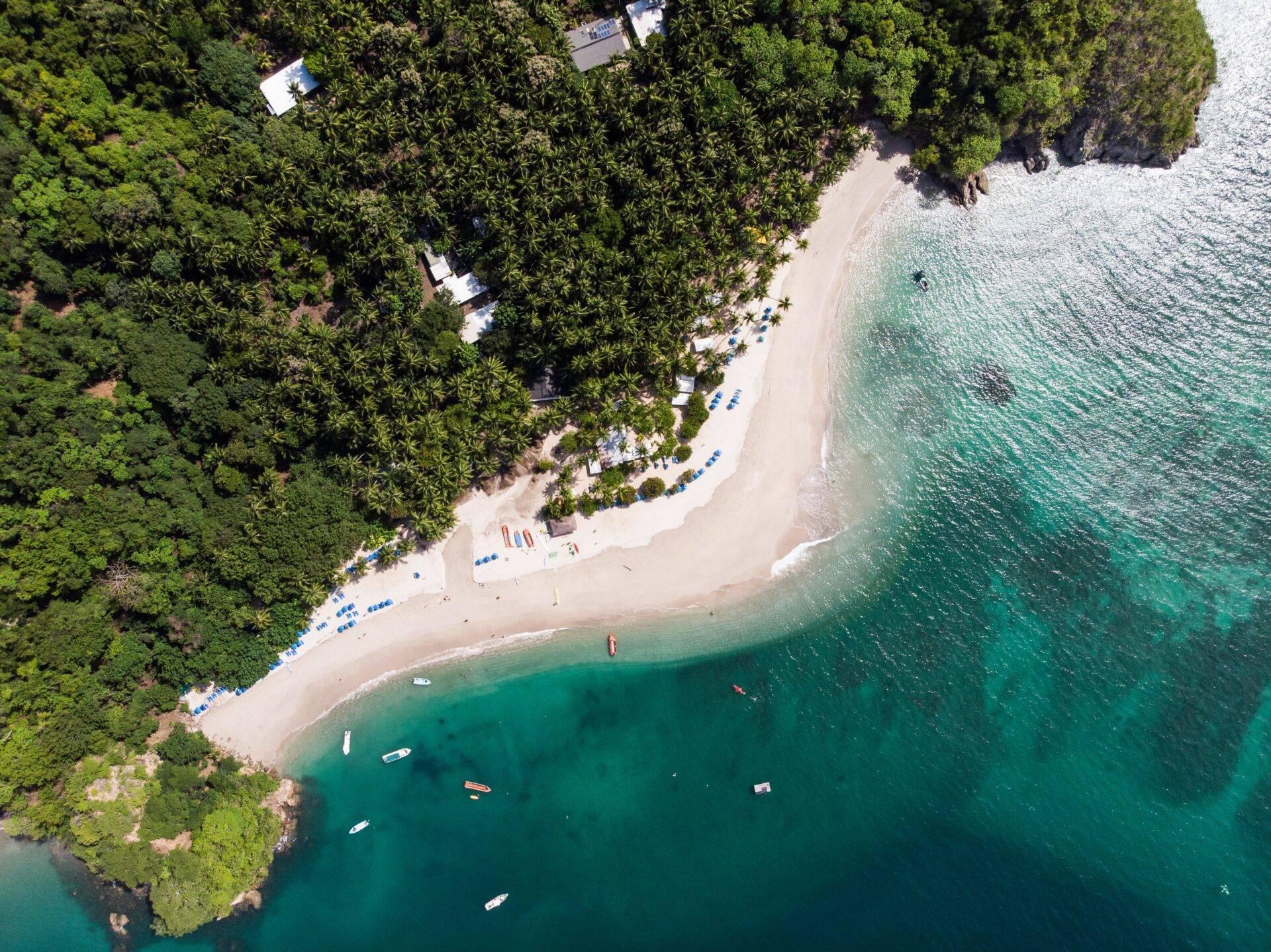
From December to April, the Pacific coast and central highlands of Costa Rica enter dry season. In January, rainfall drops below 10mm, skies are blue and hiking trails are in great shape. Temperatures vary with altitude: 24-31°C on the coast (Guanacaste, Manuel Antonio), around 18-28°C in San Jose, and as low as 17°C in highland areas such as Monteverde.
It’s the ideal time to spot wildlife in the national parks: sea turtles, monkeys, toucans, crocodiles along the Rio Tarcoles. Our roundup of 20 things to do in Costa Rica will help you put together your itinerary.
Dubai: the City at Its Very Best

January is genuinely the most pleasant time to visit Dubai. Daytime temperatures average around 22°C, the sea sits at 24°C and rainfall is virtually non-existent. With 10 to 11 hours of daylight, the weather suits both lazy beach days at Jumeirah and cultural sightseeing in equal measure.
The classic Dubai visit mixes futuristic towers with contrasting experiences: the Burj Khalifa, the Gold Souk, Dubai Mall, the historic creek district and an evening desert safari. Our guide to things to do in Dubai brings together the 20 must-do activities to help you plan your stay.
The Bahamas: the Caribbean in Mild Winter Mode
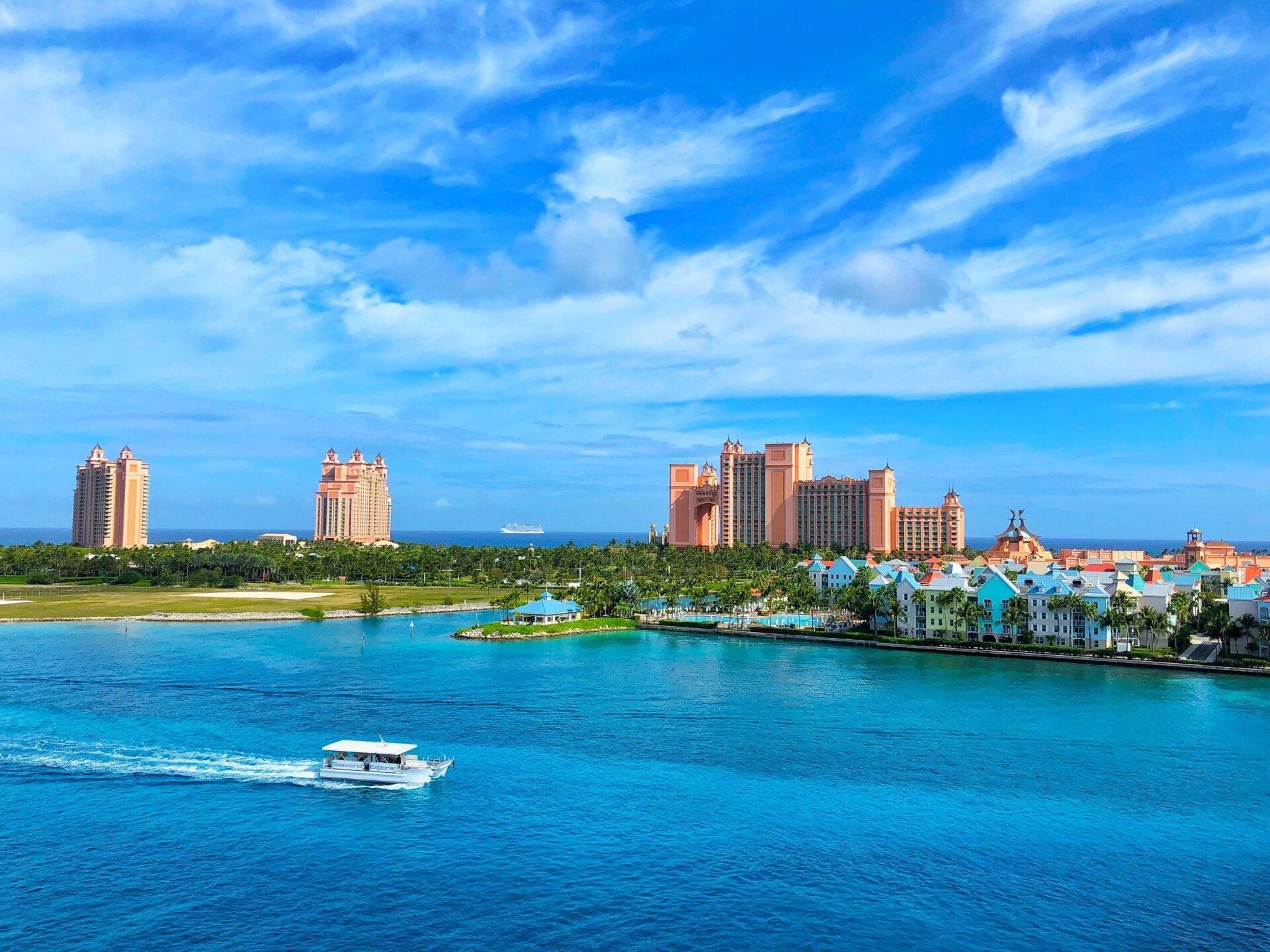
The Bahamas in January enjoy a tropical climate softened by trade winds. Temperatures range from 21°C in the northern islands (around Nassau) to 26°C in the southern islands (the Exumas, Bimini). Skies are generally clear, with the occasional passing shower that barely registers.
For diving and snorkelling, the crystal waters of the Exumas offer excellent conditions. Nassau remains the main entry point, with connecting flights available from major European hubs.
Thinking of Pushing Your Trip Back to February?
These same destinations remain broadly excellent the following month. Check out our full guide on where to find winter sun in February to fine-tune your choice based on your exact travel dates.
FAQ
Which sunny destination is closest to home in January?
The Canary Islands (Tenerife, Lanzarote, Gran Canaria) are just 3-4 hours from European airports. They offer 18-24°C in January, reliable sunshine, no time difference and direct flights that are often very competitively priced.
Does it really rain that little in the Maldives in January?
Yes. January is one of the driest months of the year in the Maldives: rainfall averages just 8mm for the whole month, with 9 hours of sunshine a day and a sea temperature of 28°C. It’s the optimum time for diving and snorkelling.
Can you swim in the sea in the Canary Islands in January?
Sea temperatures hover around 17-18°C in the Canary Islands in January. It’s on the cool side for a long swim, but perfectly manageable if you’re used to it. Most visitors head there for the sunshine, hiking and volcanic scenery rather than the water.
Is it better to visit the Caribbean in January or February?
Both months are excellent in the Caribbean and the Bahamas: dry season, little rain, mild temperatures. January is often less busy (and less expensive) than February, which coincides with school holiday periods across much of Europe.
Do I need travel insurance for a winter sun trip in January?
Yes, regardless of where you’re going. Hospital bills can run to several thousand euros in Thailand, Dubai or the Bahamas. Travel insurance covers medical costs, hospitalisation and repatriation if needed: travelling without cover is a very real financial risk.