
Costa Rica packs into its 51,000 sq km one of the richest biodiversities on the planet: volcanic formations, cloud forests, two ocean coastlines and wildlife you can spot from just a few metres away. From the arid north of Guanacaste to the tropical canals of Tortuguero, here are the 20 experiences that define a trip to Costa Rica.
San José: Museums, Theatre and Neighbourhood Life
First stop for most travellers, San José deserves a solid half-day. The Pre-Columbian Gold Museum holds one of the largest collections of pre-Columbian goldwork in Central America. Nearby, the National Theatre, a neo-Baroque gem completed in 1897, is the country’s most ornate building. The labyrinthine, lively Mercado Central is the ideal place for a first casado (rice, black beans, grilled meat and salad) before hitting the road.

San José also reflects a cultural mix rooted in the country’s history. The neighbourhoods of Barrio Amón and Barrio Escalante are lined with Victorian buildings, independent art galleries and speciality coffee shops. The city has been shaped by communities from across the world for centuries, including a Sino-Costa Rican diaspora present since the 19th century.
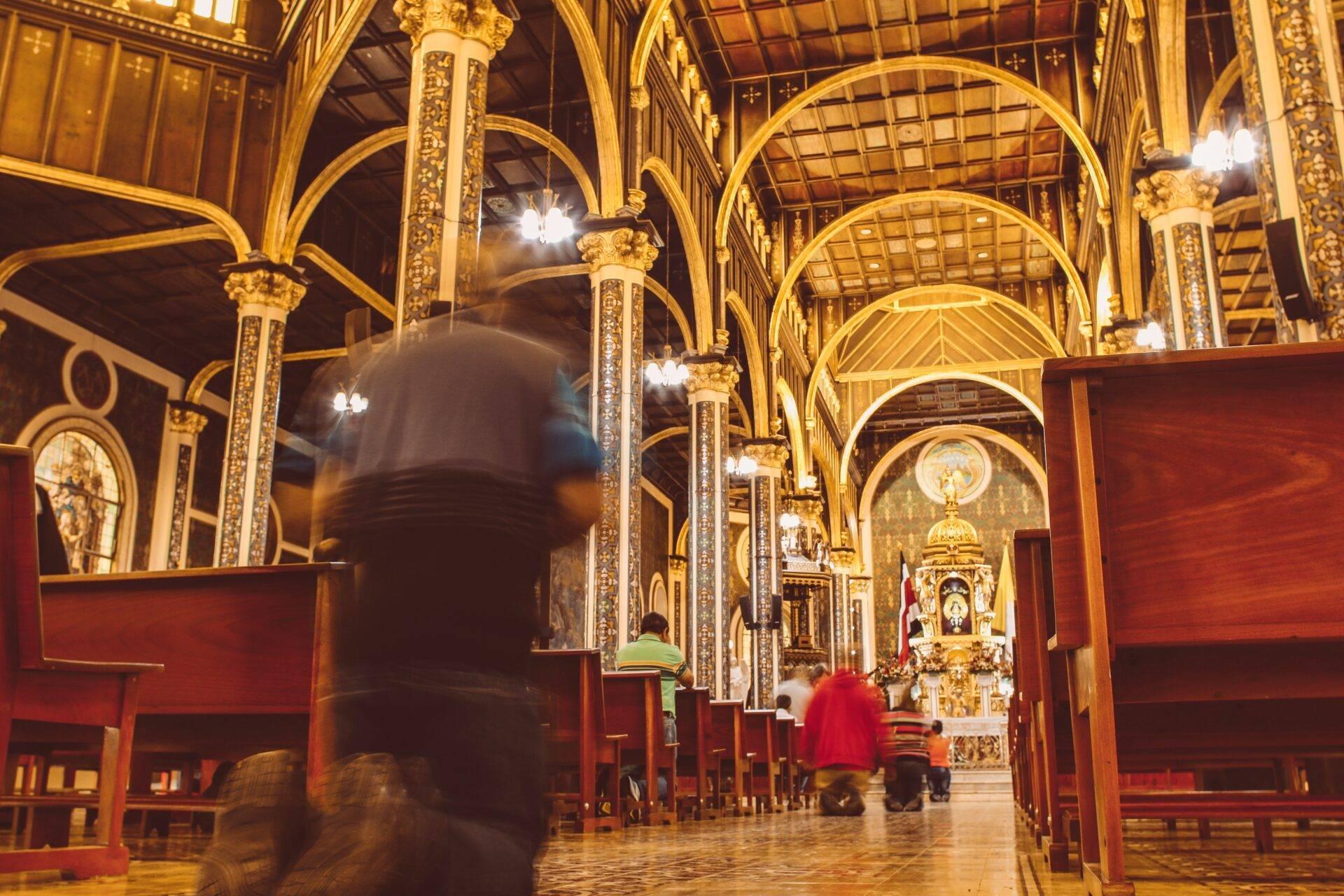
Arenal Volcano and the Hot Springs of La Fortuna
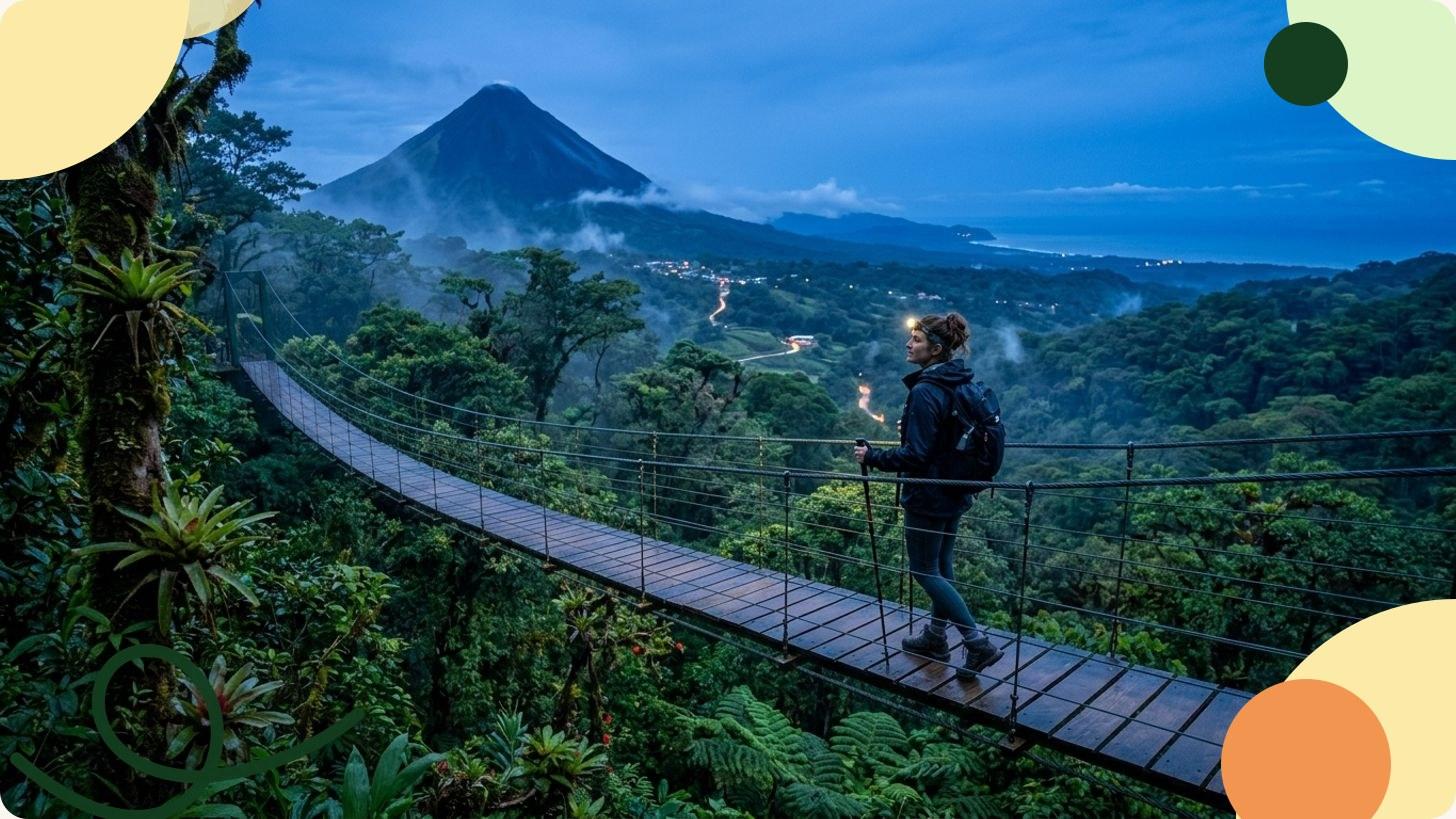
Arenal Volcano, whose near-perfect cone dominates the northern plain, is the iconic image of Costa Rica. Although it has been in a resting phase since 2010, the cooled lava trails at its base remain spectacular. As the day winds down, natural hot springs fed by geothermal activity offer a welcome retreat after a forest hike.
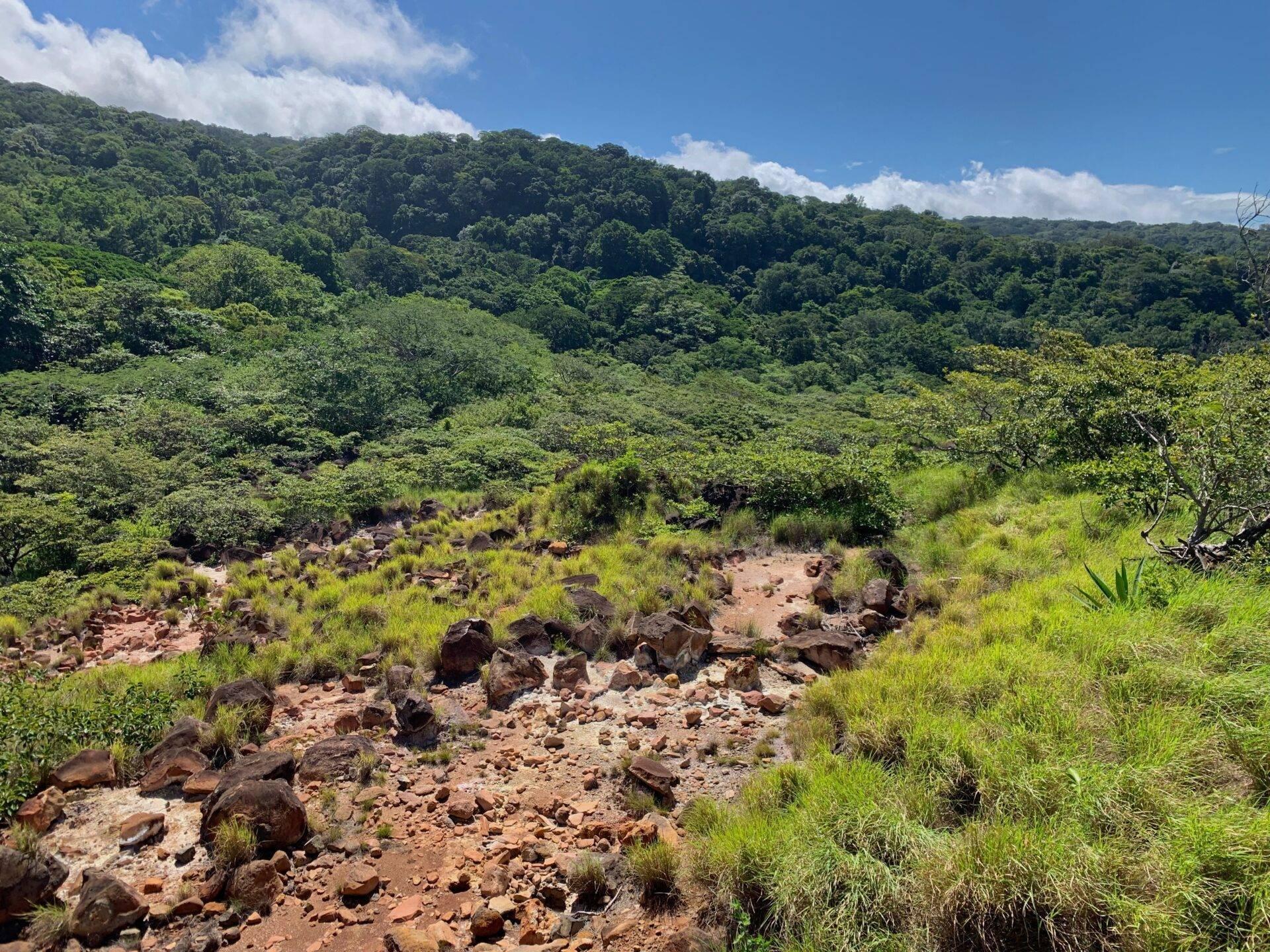
Lake Arenal and Its Panoramic Views
Lake Arenal, a few kilometres from the volcano, is one of the country’s largest reservoirs. The constant wind between November and April makes it a well-known spot for windsurfing and kitesurfing, with ever-present views of the volcanic cone.
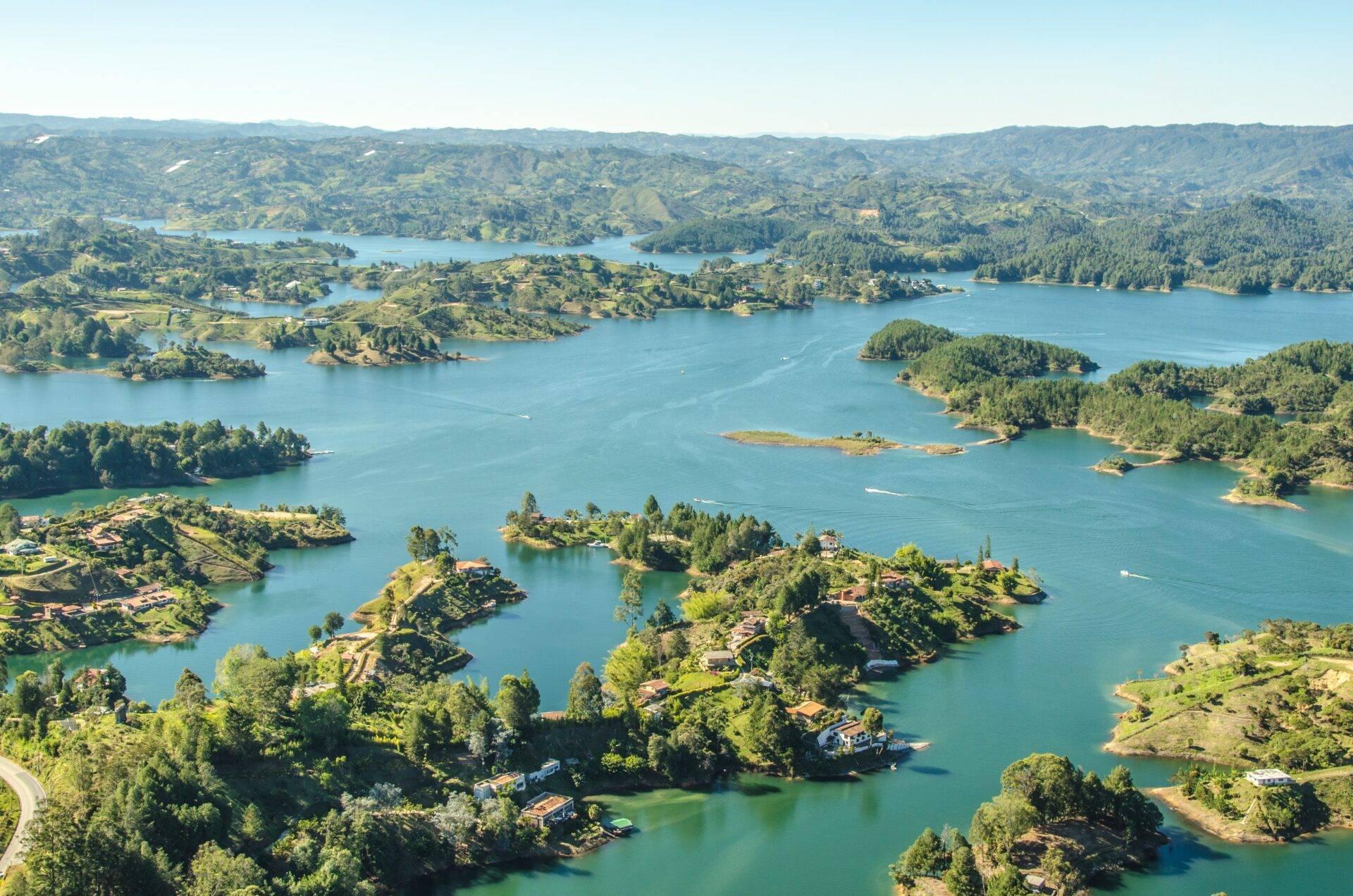
La Fortuna Waterfall
About 5 km from La Fortuna, a descent of roughly 500 steps leads to a spectacular waterfall plunging into a cool natural pool. Swimming is permitted except after heavy rain, when currents can become dangerous.
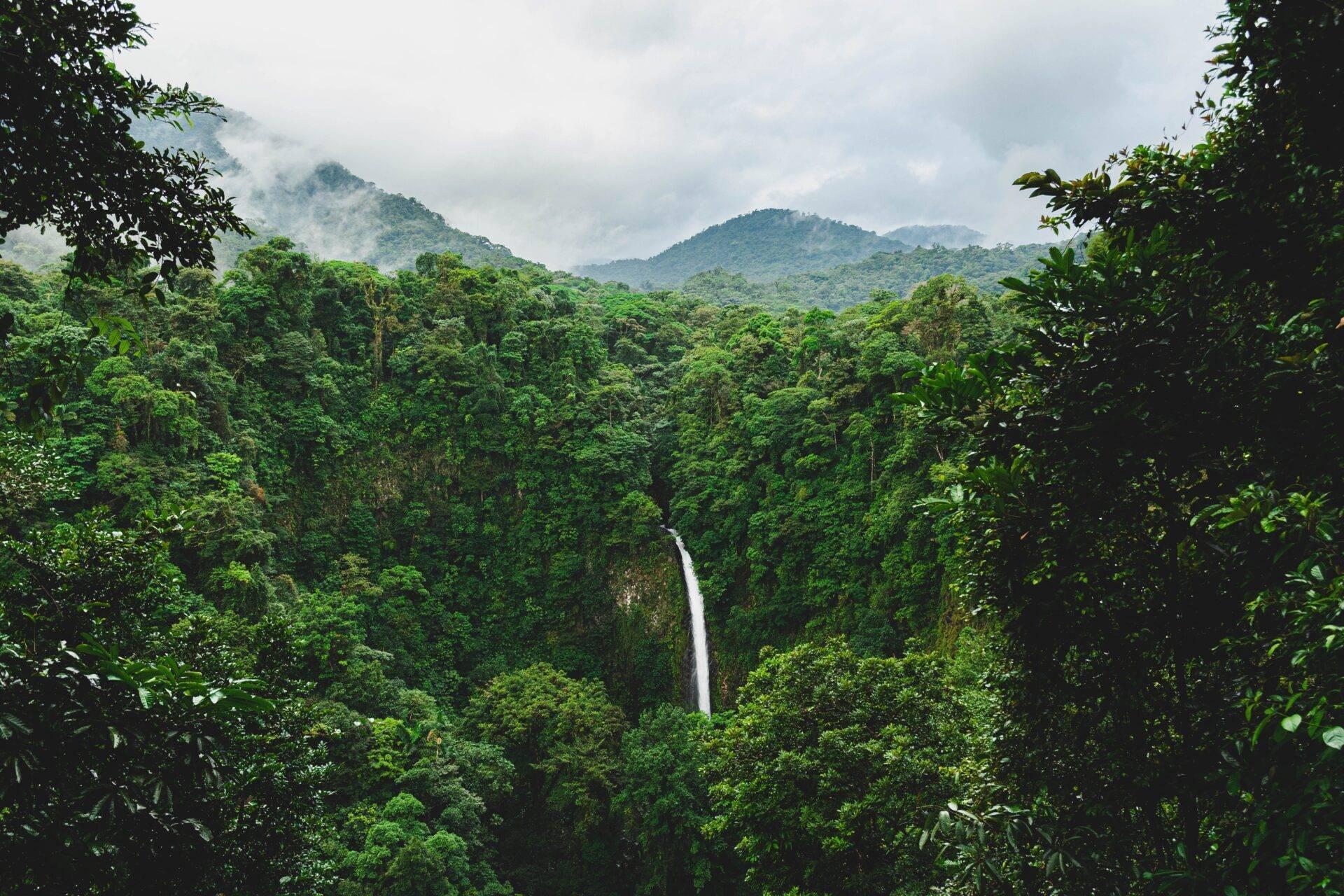
Monteverde Cloud Forest
At 1,500 m above sea level, the Monteverde Biological Reserve is one of Costa Rica’s most precious ecosystems: near-permanent mist, hundreds of orchid species, the resplendent quetzal and five species of wild cats. Its hanging bridges offer a bird’s-eye view over the canopy. Zip-lining above the treetops ranks among the most exhilarating experiences in Central America.
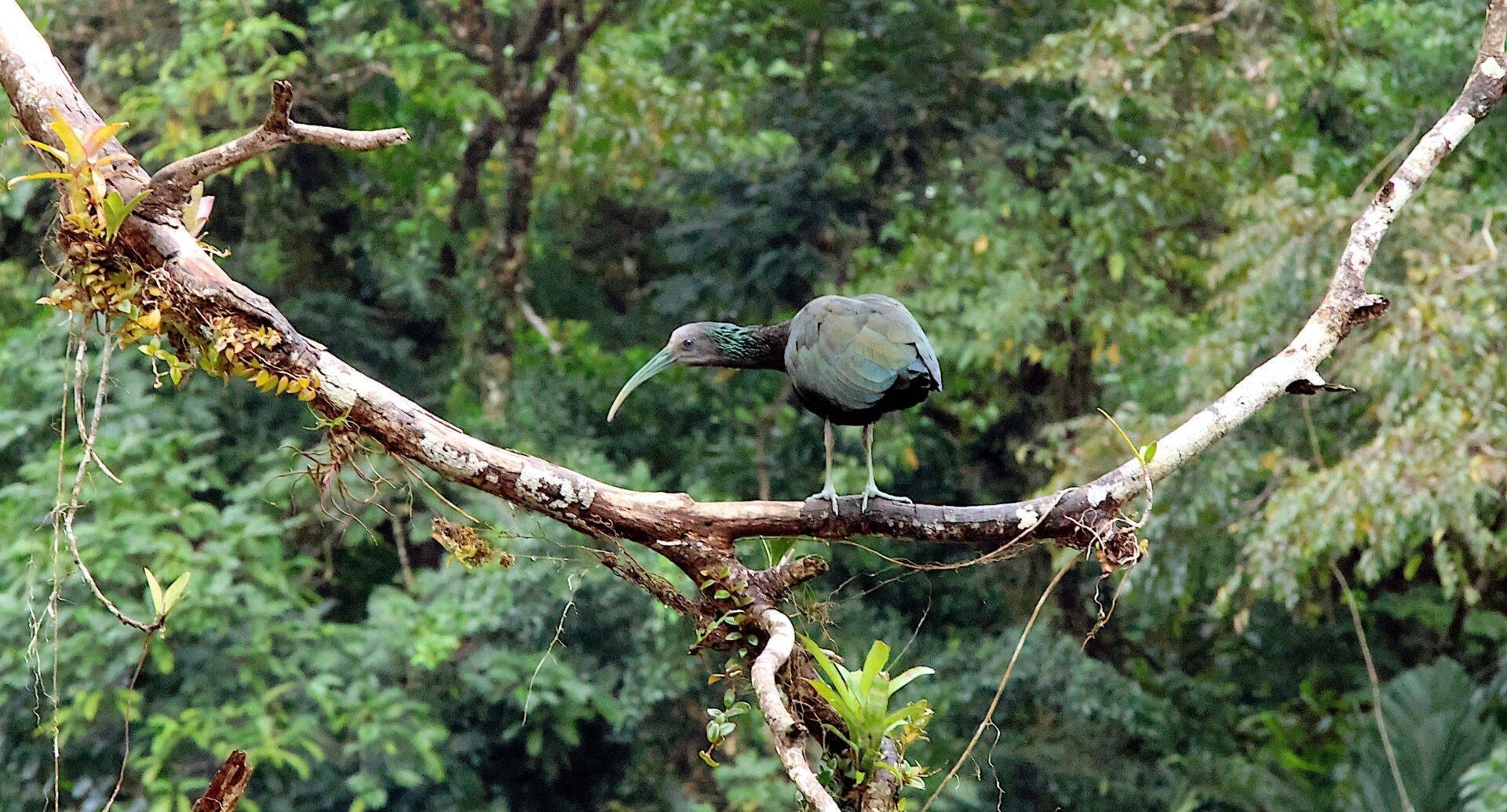
For a deeper nature immersion, Costa Rica also offers the chance to stay right in the forest: check out the top 3 eco-villages in Costa Rica for an experience well beyond the standard itinerary.
Manuel Antonio National Park
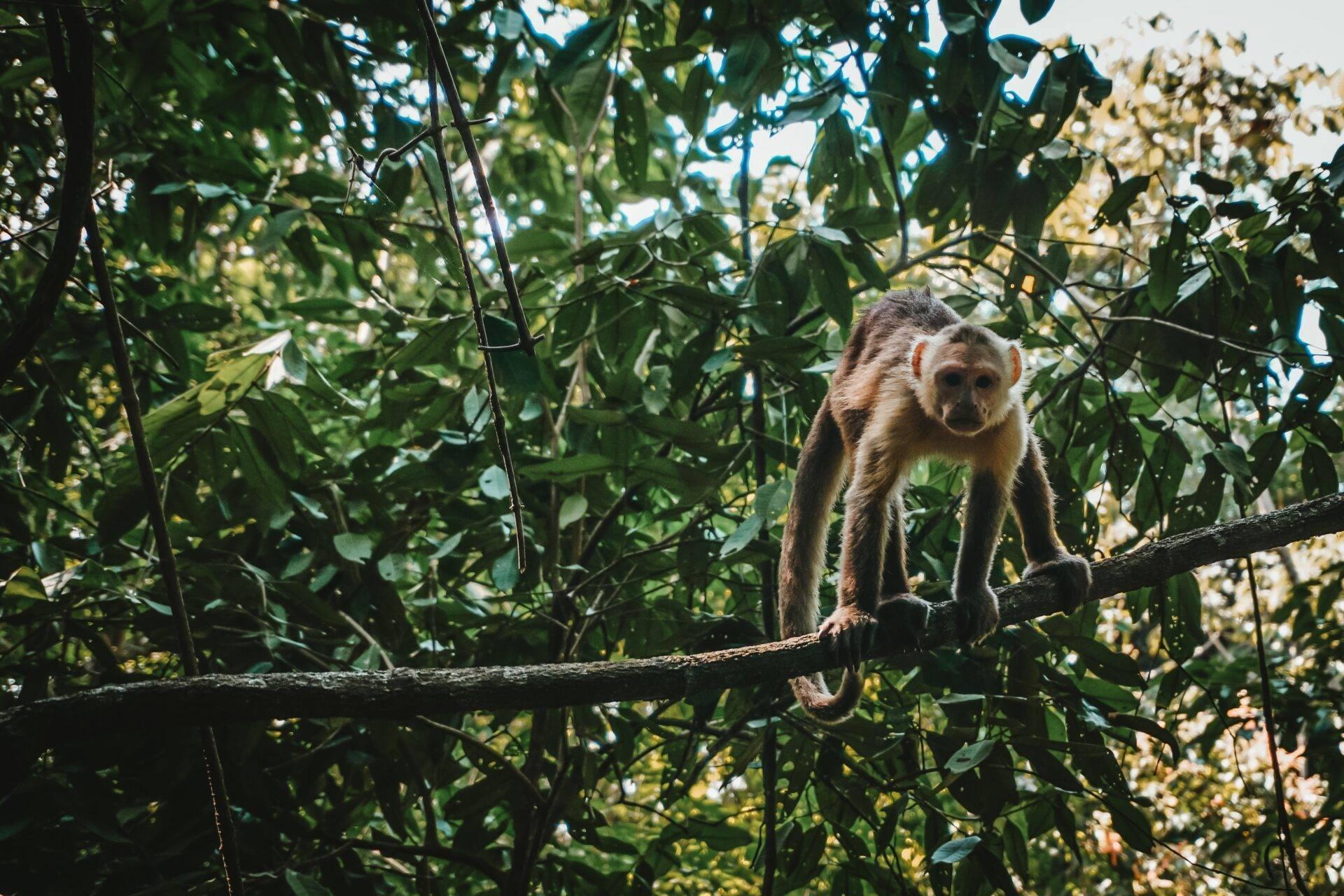
Manuel Antonio is Costa Rica’s smallest national park, and perhaps its richest on a human scale. Within a few hours, you can swim in crystal-clear water and spot white-faced capuchin monkeys, two-toed sloths, iguanas and hundreds of birds in the adjacent forest. An early-morning tour with a naturalist guide dramatically increases your chances of wildlife sightings.
Before you leave, make sure your health cover is sorted: our Costa Rica travel insurance page brings together entry requirements, recommended vaccinations and all the essential practical information.
Get my Costa Rica insurance quoteTortuguero: Canals and Sea Turtle Nesting
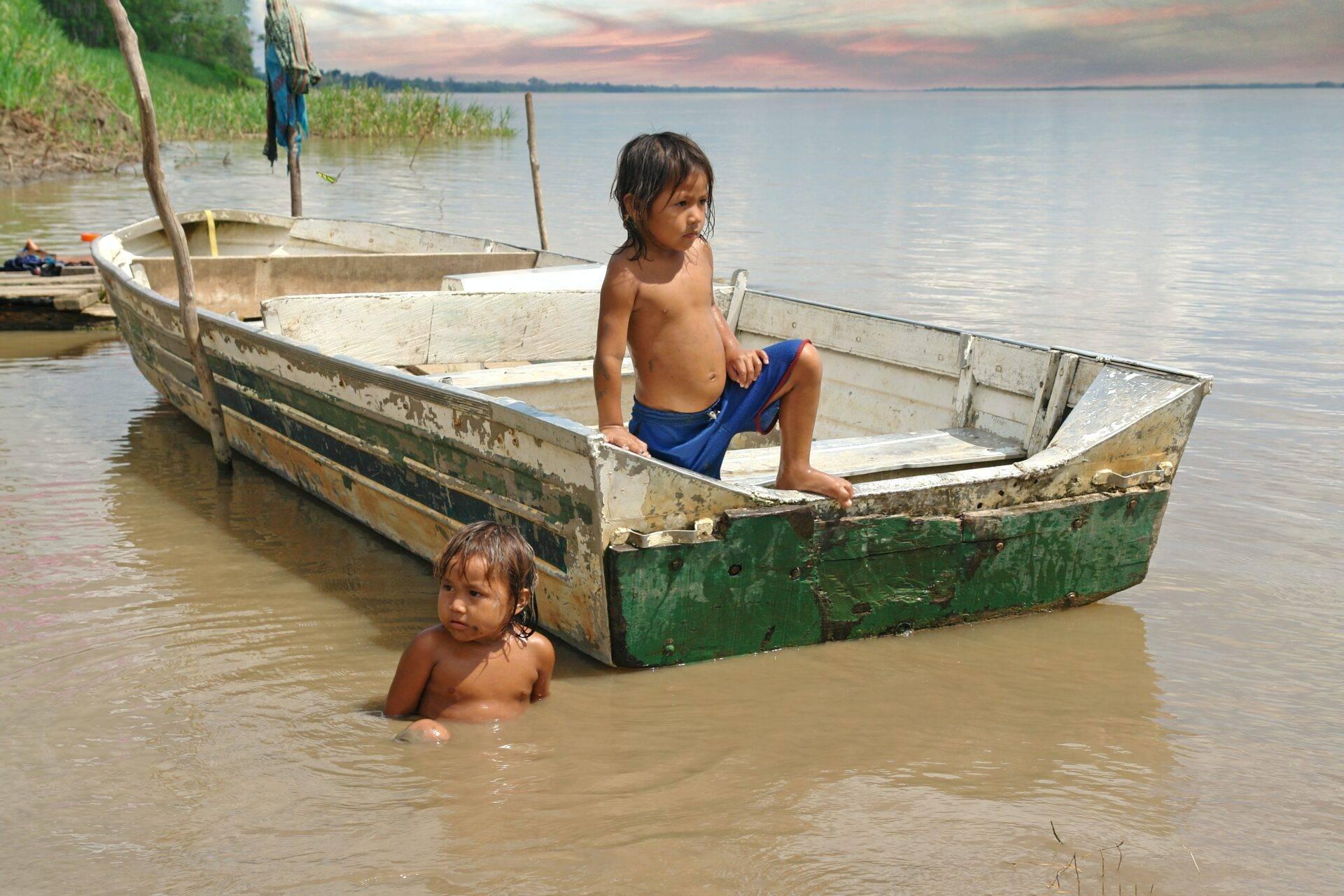
Accessible only by boat or light aircraft, Tortuguero is a network of canals lined with primary forest on the northern Caribbean coast. Between July and October, thousands of green turtles come to lay their eggs on its protected beaches. Slow-motor boat excursions allow you to spot caimans, river otters and a rich variety of birdlife.
The Osa Peninsula and Corcovado National Park
Corcovado covers 42,000 hectares of primary tropical forest on the Osa Peninsula. Jaguars, Baird’s tapirs, scarlet macaws and four species of monkey coexist here. Entry is only permitted with a guide: naturalist guides are recruited from local communities, directly supporting the peninsula’s economy.
Río Celeste and Tenorio Volcano National Park
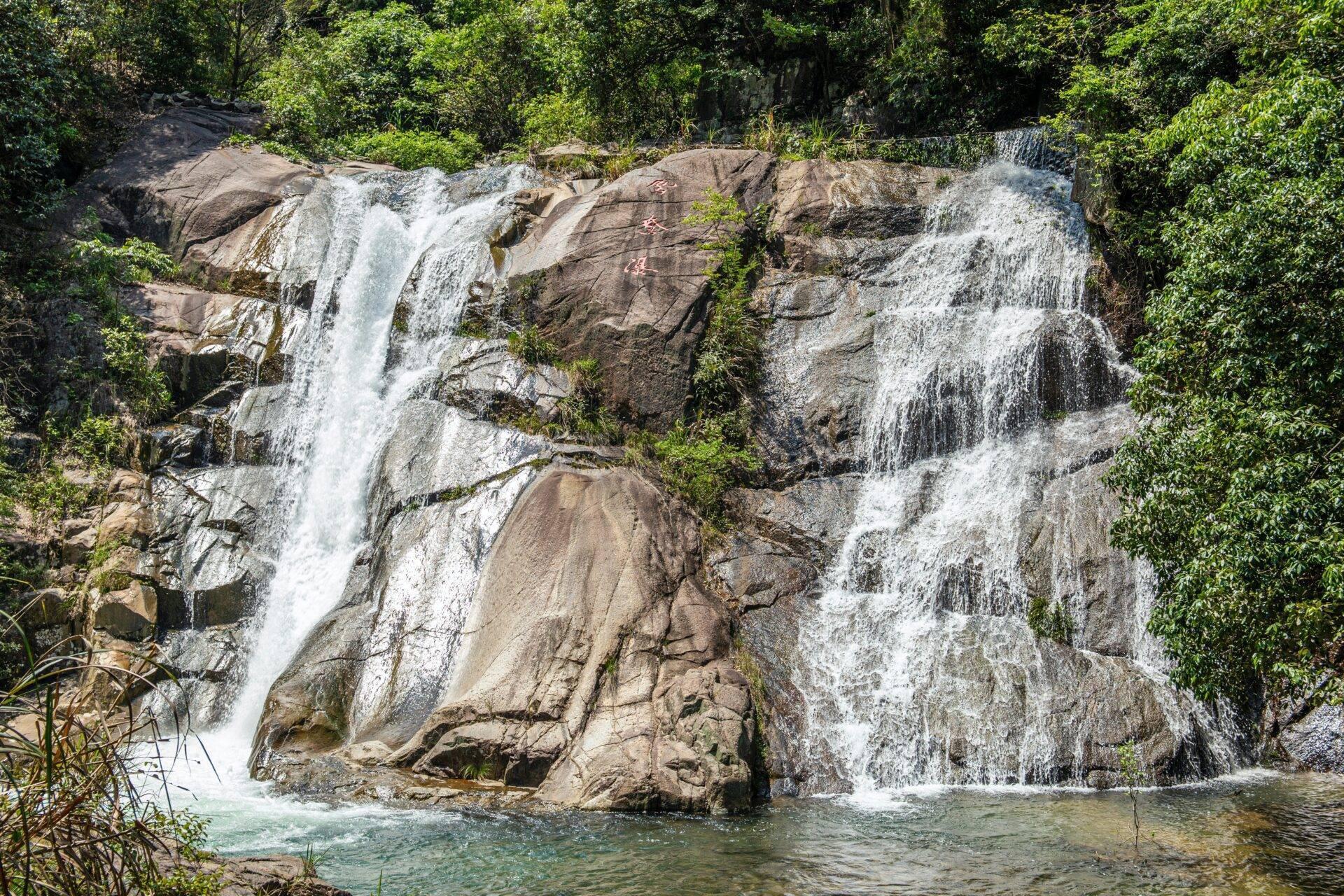
Río Celeste owes its intense turquoise colour to a natural chemical reaction between volcanic minerals and the river water’s pH. The main trail (around 6 km return) follows the river to a turquoise-pool waterfall, passing through bubbling hot springs along the way. It is one of the most photographed hikes in the country.
Alajuela and the Crafts of Sarchí
Alajuela, 20 minutes from Juan Santamaría Airport, offers a first taste of Costa Rican life beyond the capital. Its central park and museum trace the story of national hero Juan Santamaría. An hour’s drive away, Sarchí is the craftsmanship capital of Costa Rica: its wooden ox-carts decorated with colourful geometric patterns, a national symbol inscribed on UNESCO’s Representative List of Intangible Cultural Heritage since 2008, are made and hand-painted according to an unbroken tradition.
Cartago: Colonial Ruins and National Pilgrimage
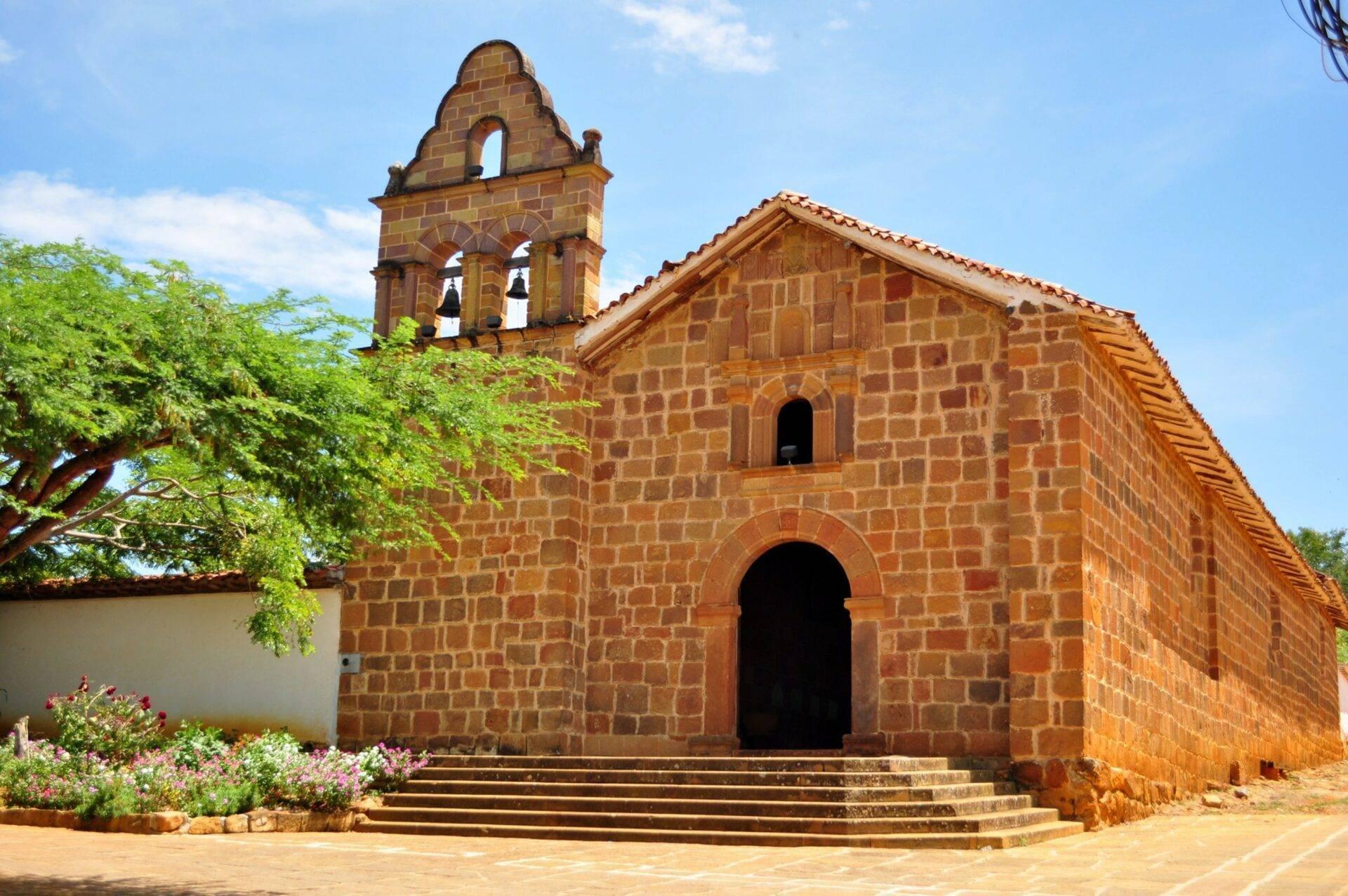
The former capital of Costa Rica, Cartago preserves the ruins of the Santiago Apóstol church, destroyed by several earthquakes and never rebuilt, left open to the sky in the very heart of the city. The Basilica of Our Lady of the Angels is the country’s most important pilgrimage site: every 2 August, hundreds of thousands of pilgrims converge on foot from San José to honour the Black Virgin.
Liberia and Rincón de la Vieja National Park
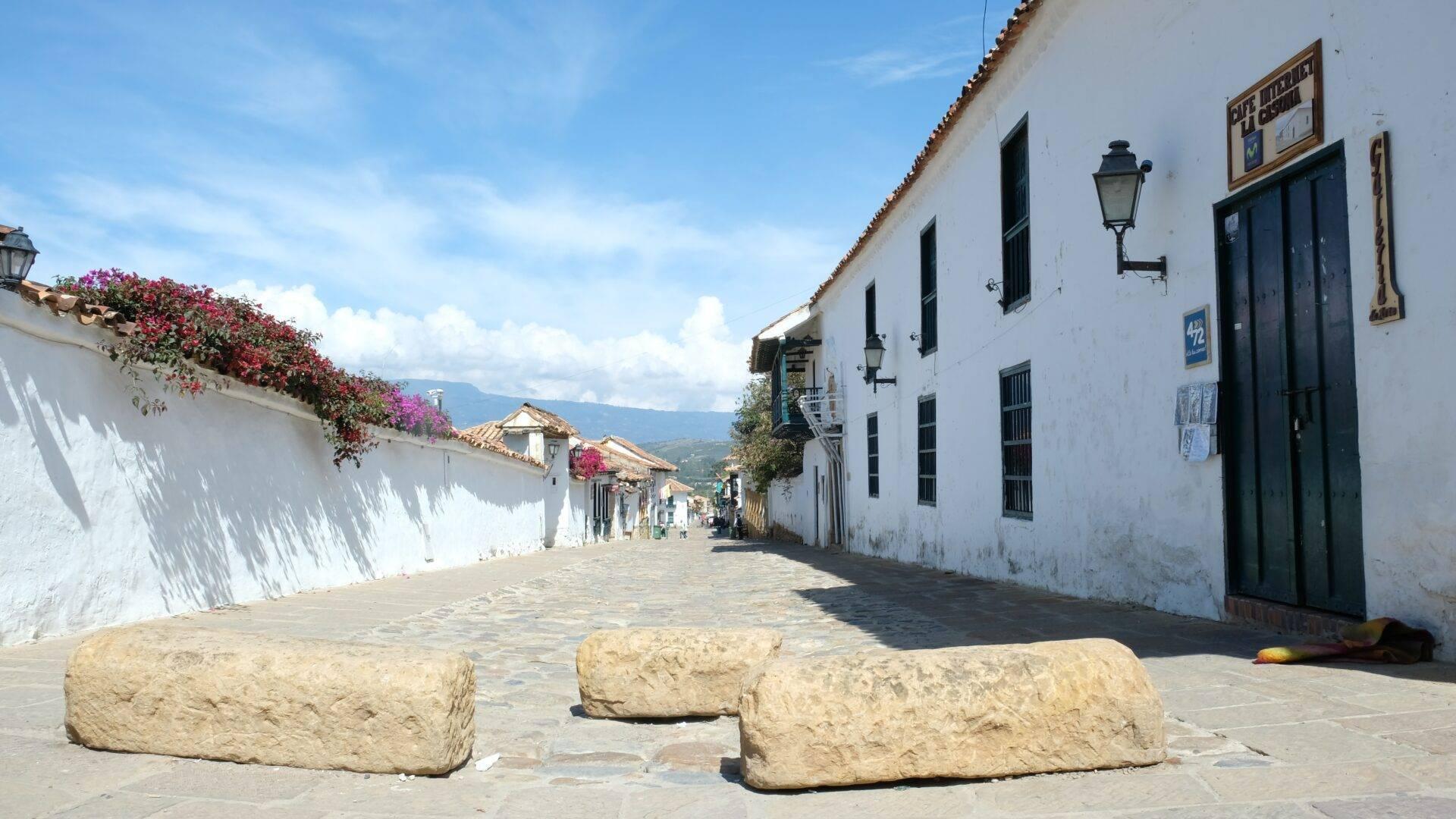
Liberia, capital of Guanacaste province, is the gateway to Costa Rica’s sunniest region. Its colonial centre, nicknamed the ciudad blanca (white city), is easily explored on foot. Just 30 km away, Rincón de la Vieja National Park combines an active volcano, bubbling mud pools, geysers, waterfalls and dry tropical forest, a rare ecosystem that differs sharply from the rest of the country.
Jacó and the Surf Beaches of the Central Pacific
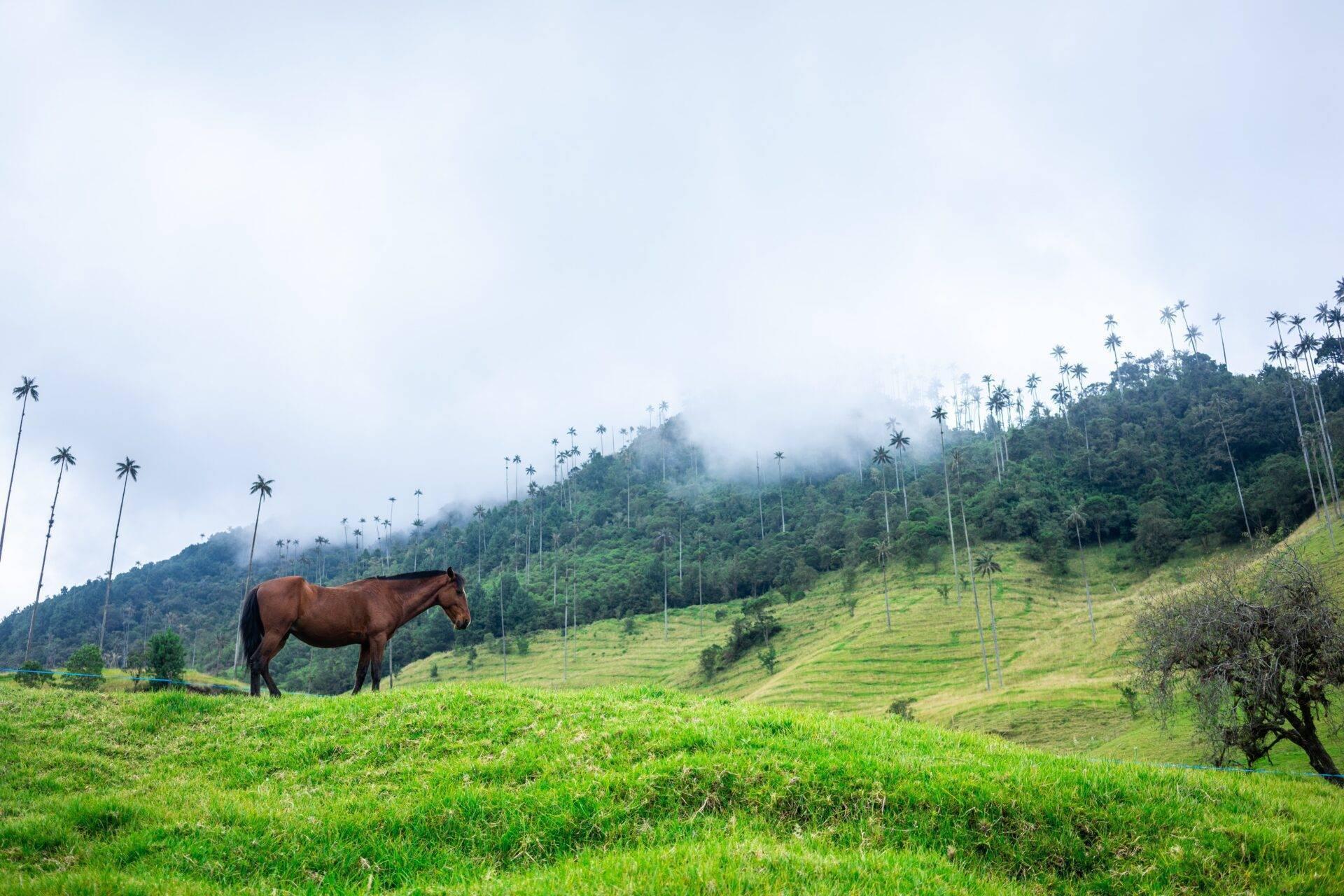
Jacó, about two hours from San José, is the main resort town on the Central Pacific coast. Its consistent waves draw intermediate and advanced surfers. Eight kilometres to the south, Playa Hermosa hosts international-level surf competitions. The surrounding coastline is packed with seafood restaurants and surf accommodation.
Puerto Viejo de Talamanca: Caribbean Vibes
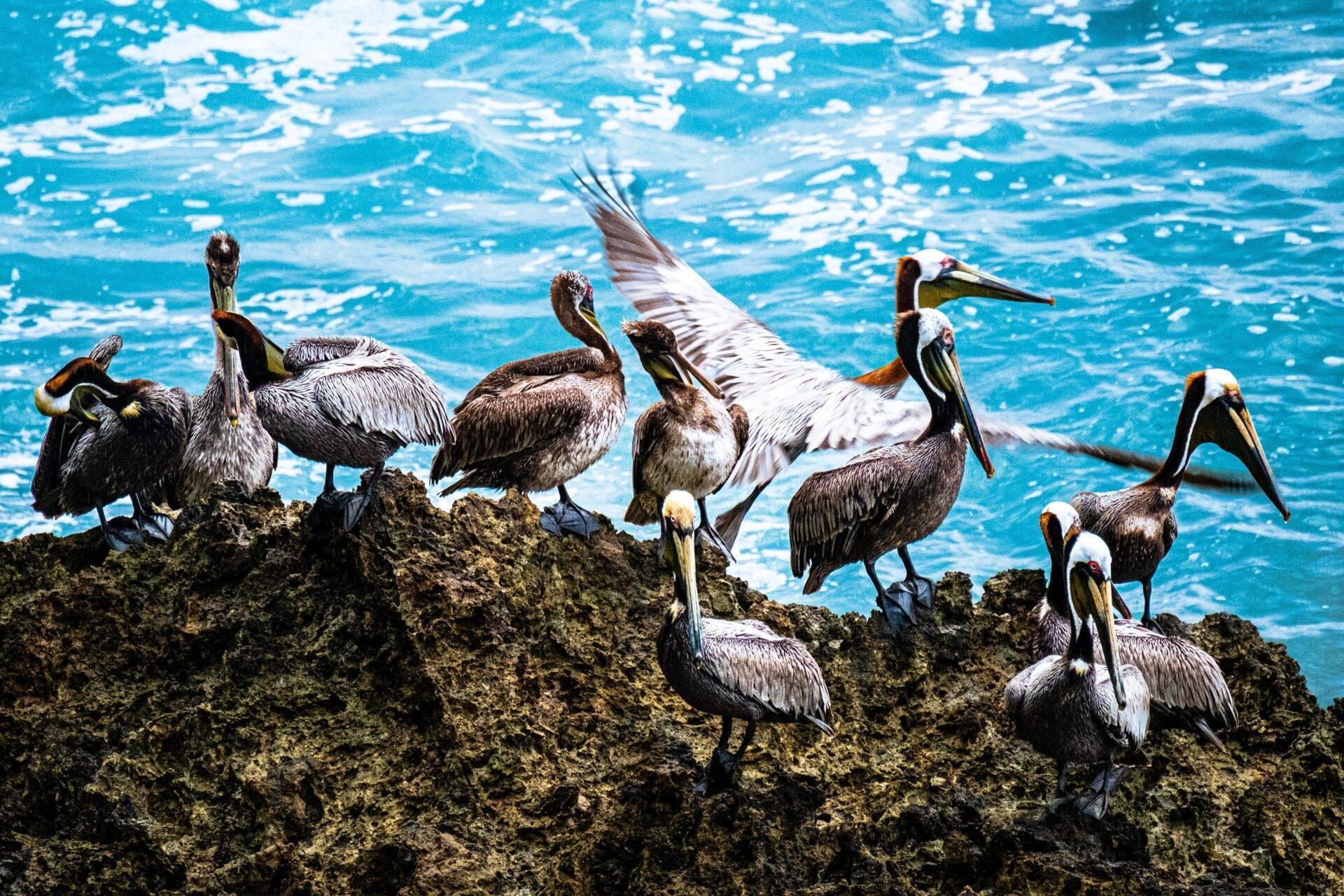
On the Caribbean coast, Puerto Viejo de Talamanca offers an atmosphere that is worlds apart from the Pacific: reggae music, Afro-Caribbean cuisine (coconut rice and beans, patacones) and palm-lined beaches. Punta Uva and the Gandoca-Manzanillo wildlife refuge, a few kilometres to the south, rank among the finest beaches on this side of the country.
The Nicoya Peninsula: Sámara, Nosara, Santa Teresa
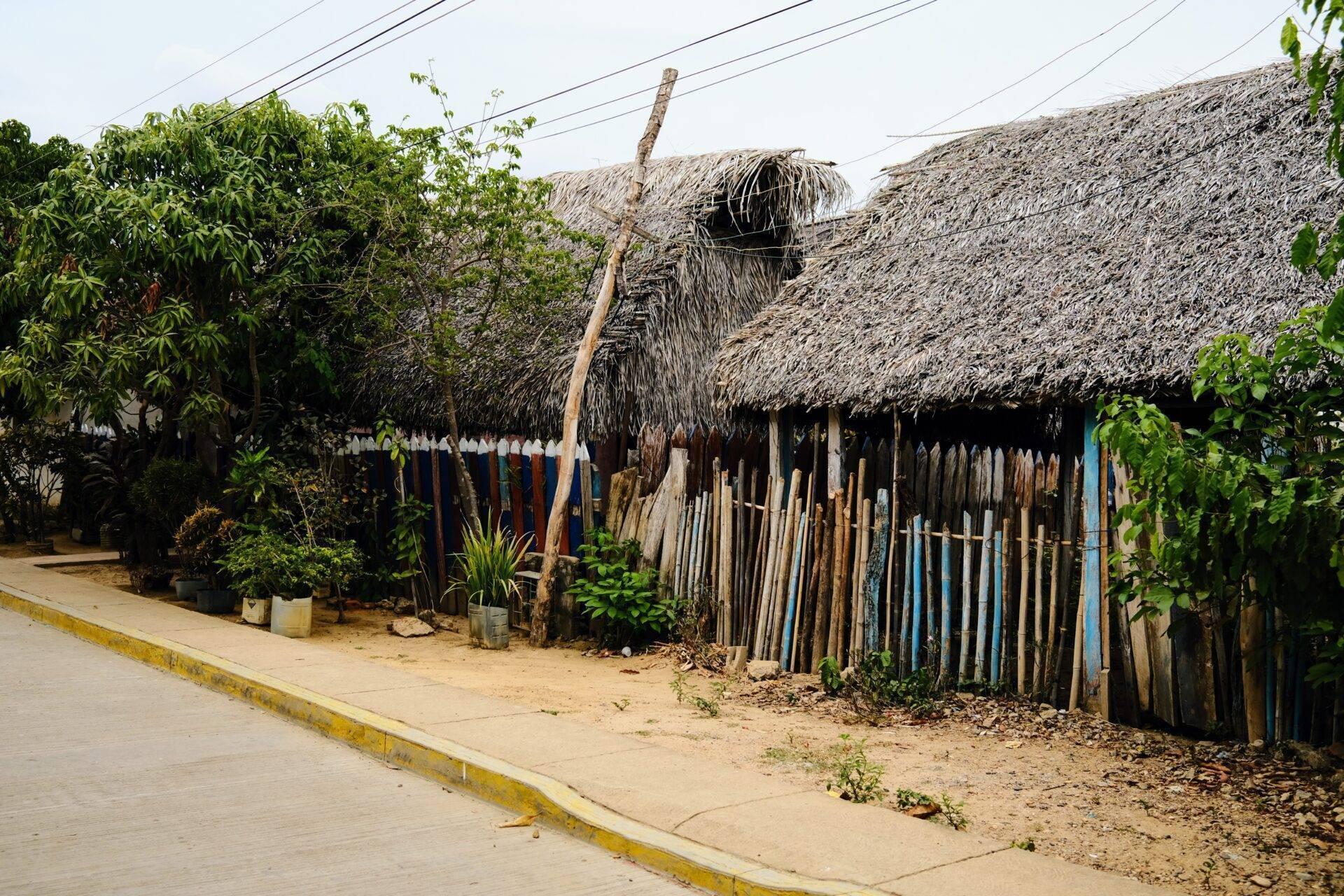
The Nicoya Peninsula is home to some of Costa Rica’s most unspoilt beaches. Nosara is known for its consistent waves and international yoga community. Santa Teresa draws seasoned surfers and lovers of blazing sunsets. Sámara offers calmer waters, particularly well suited to families and beginners.
Caño Island: Diving in a Marine Sanctuary
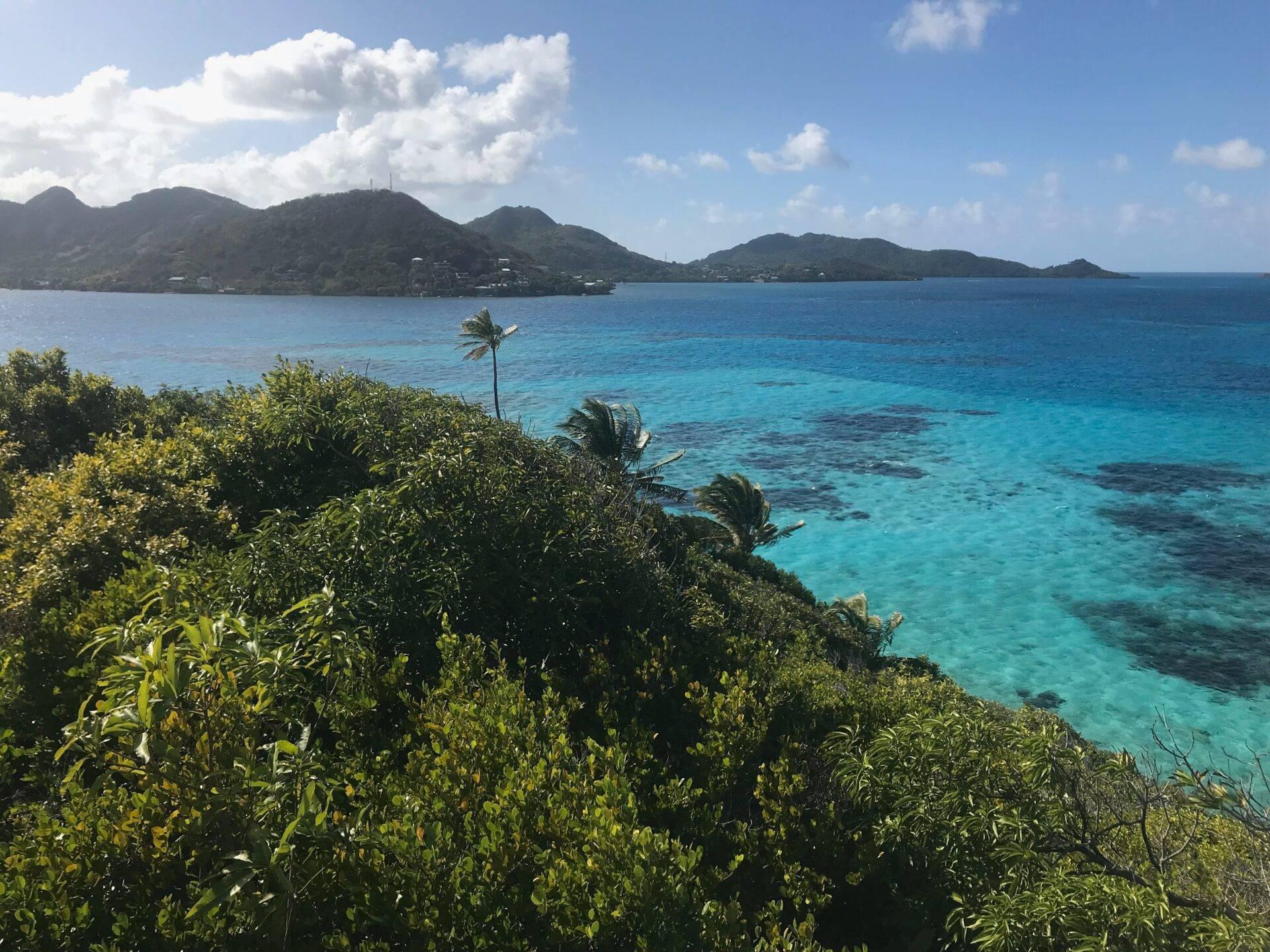
Caño Island, off the coast of the Osa Peninsula, is one of the best diving and snorkelling spots in Costa Rica. Its waters are home to manta rays, dolphins, sea turtles and whale sharks depending on the season. Access is via an organised excursion from Drake Bay or Sierpe.
Guayabo National Monument
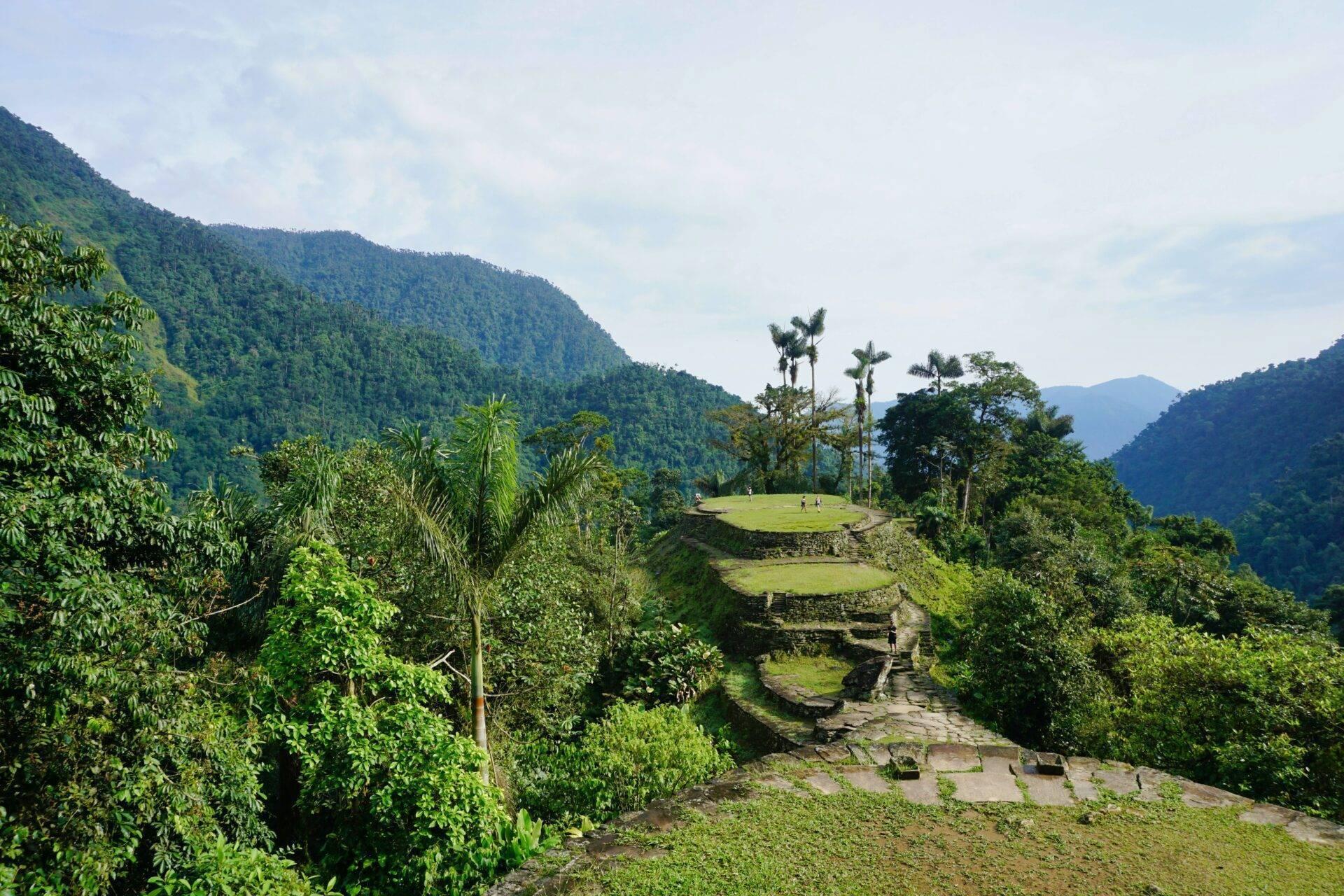
Guayabo, 19 km from Turrialba, is Costa Rica’s largest pre-Columbian archaeological site. Its ceremonial terraces, paved causeways and aqueducts bear witness to a prolonged pre-Columbian occupation, set in a forested valley at 1,100 m above sea level.
Humpback Whales at Marino Ballena National Park
Marino Ballena National Park, whose Playa Uvita naturally forms the shape of a whale’s tail, is one of the rare places in the world where two humpback whale populations pass through in succession: those from the southern hemisphere between July and October, and those from the northern hemisphere between December and April.
Canopy Tours and Zip-Lining
Costa Rica is one of the world’s pioneers of canopy touring. The best facilities are found at Monteverde, La Fortuna and Manuel Antonio. Some operators offer night-time circuits through a lit-up forest, revealing species that are invisible during the day.
White-Water Rafting on the Río Pacuare
The Río Pacuare, between Turrialba and the Caribbean coast, is one of the best rafting rivers in Central America. Its Class III and IV rapids tear through a gorge of almost untouched primary forest. Lodges accessible only by river allow you to extend the experience with a night deep in the wild.
Coffee Plantations of the Central Valley
Costa Rican coffee, high-altitude arabica grown in the Tarrazú, Orosi and Naranjo regions, ranks among the most highly regarded in the world. Plantation tours take you through the full bean-to-cup cycle, tasting included. The Talamanca Caribbean coast offers the same experience with cacao, grown by indigenous Bribri communities.
Costa Rica sits within a remarkable Latin American landscape. For other destinations on the continent, the guides on things to do in Colombia and things to do in Chile make a useful companion read. And if you are planning a winter getaway, Costa Rica features among the best sunny destinations in January.
FAQ
When Is the Best Time to Visit Costa Rica?
The dry season (December to April) is the most favourable for the Pacific coast, with near-constant sunshine. The Caribbean coast follows the opposite pattern: its driest months fall in September and October. To watch sea turtles nesting at Tortuguero, aim for the July-to-October window.
How Much Time Do You Need for a Trip to Costa Rica?
Two weeks is enough to cover two or three regions, for example Arenal, Monteverde and the Central Pacific coast. Combining the Pacific and Caribbean sides calls for at least three weeks if you want to avoid spending most of your trip in transit.
Is Costa Rica a Good Destination for Families?
Yes. Manuel Antonio, Tortuguero, Monteverde and the Arenal hot springs are suitable for all ages. Sámara’s calm waters and the adventure parks around La Fortuna are particularly well set up for children.
Can You Combine the Pacific and Caribbean Coasts in One Trip?
Yes, but the two coasts are separated by the central mountain range and journeys take time. A classic itinerary covers San José, Arenal and the Central Pacific in one week, then Puerto Viejo and Tortuguero in a second week, at a comfortable pace.
Which National Parks Should You Prioritise in Costa Rica?
Manuel Antonio (accessible wildlife, beaches), Monteverde (cloud forest), Arenal (volcano, lake, hot springs) and Tortuguero (turtles, canals) form the unmissable quartet. For a wilder, more remote experience, Corcovado is in a league of its own.