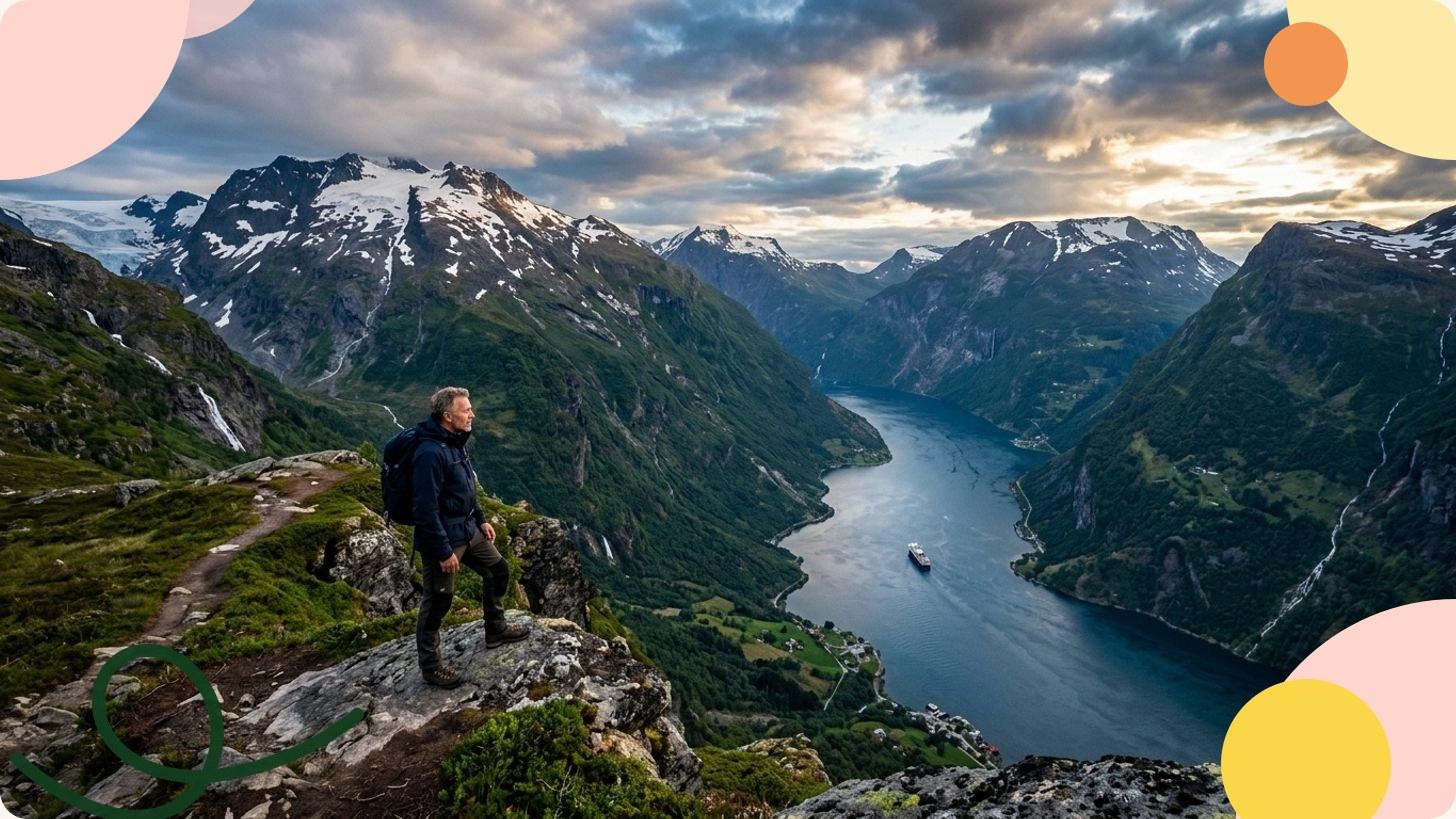
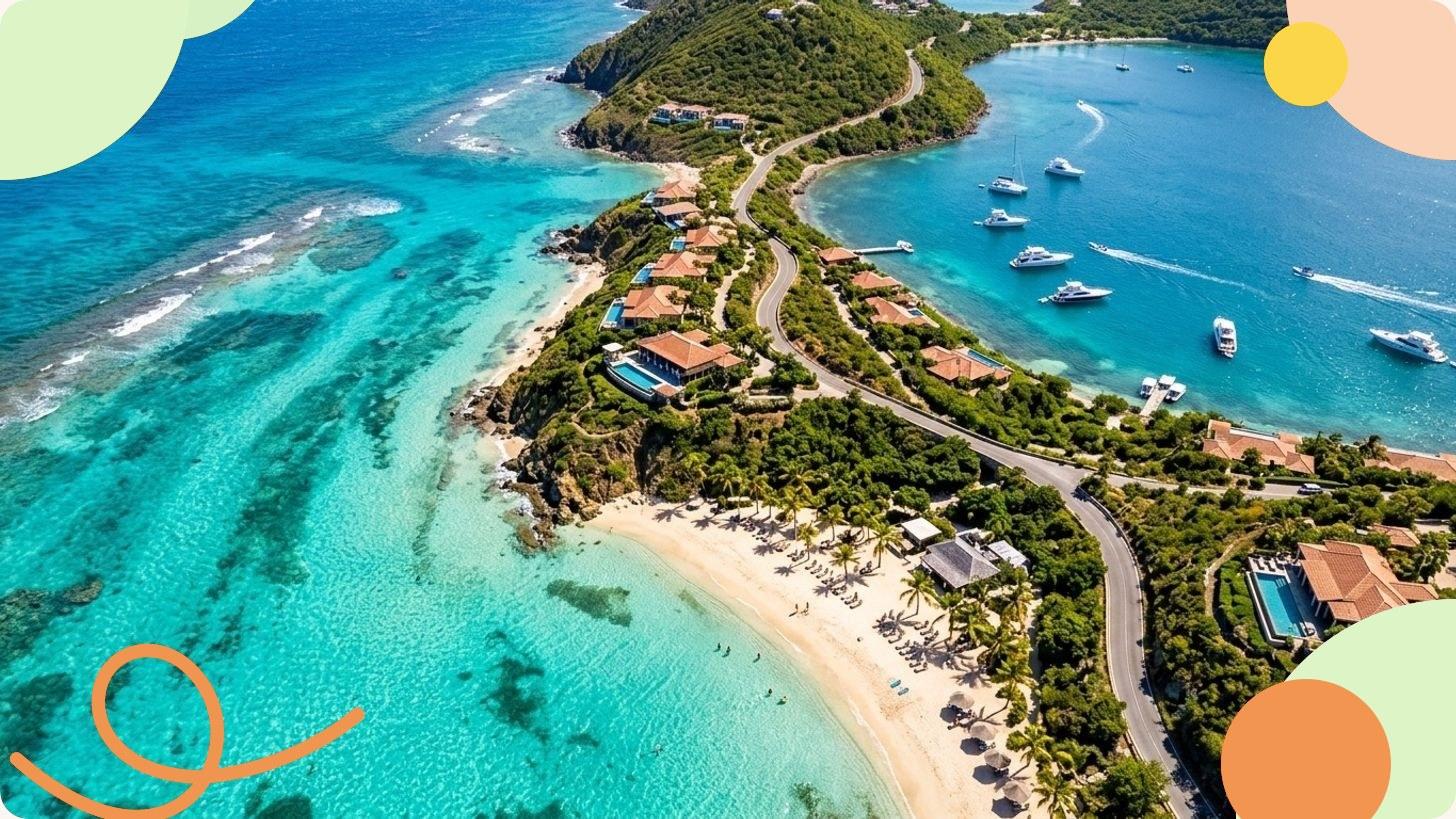

February may be the shortest month of the year, but it marks high season across half the globe. The Caribbean, Mexico, Thailand, Australia, Hawaii and South Africa all hit their stride this month: dry season in full swing, stable temperatures, warm seas. Here’s where to go, and why.
Get my travel insurance quoteThe Caribbean: the heart of dry season
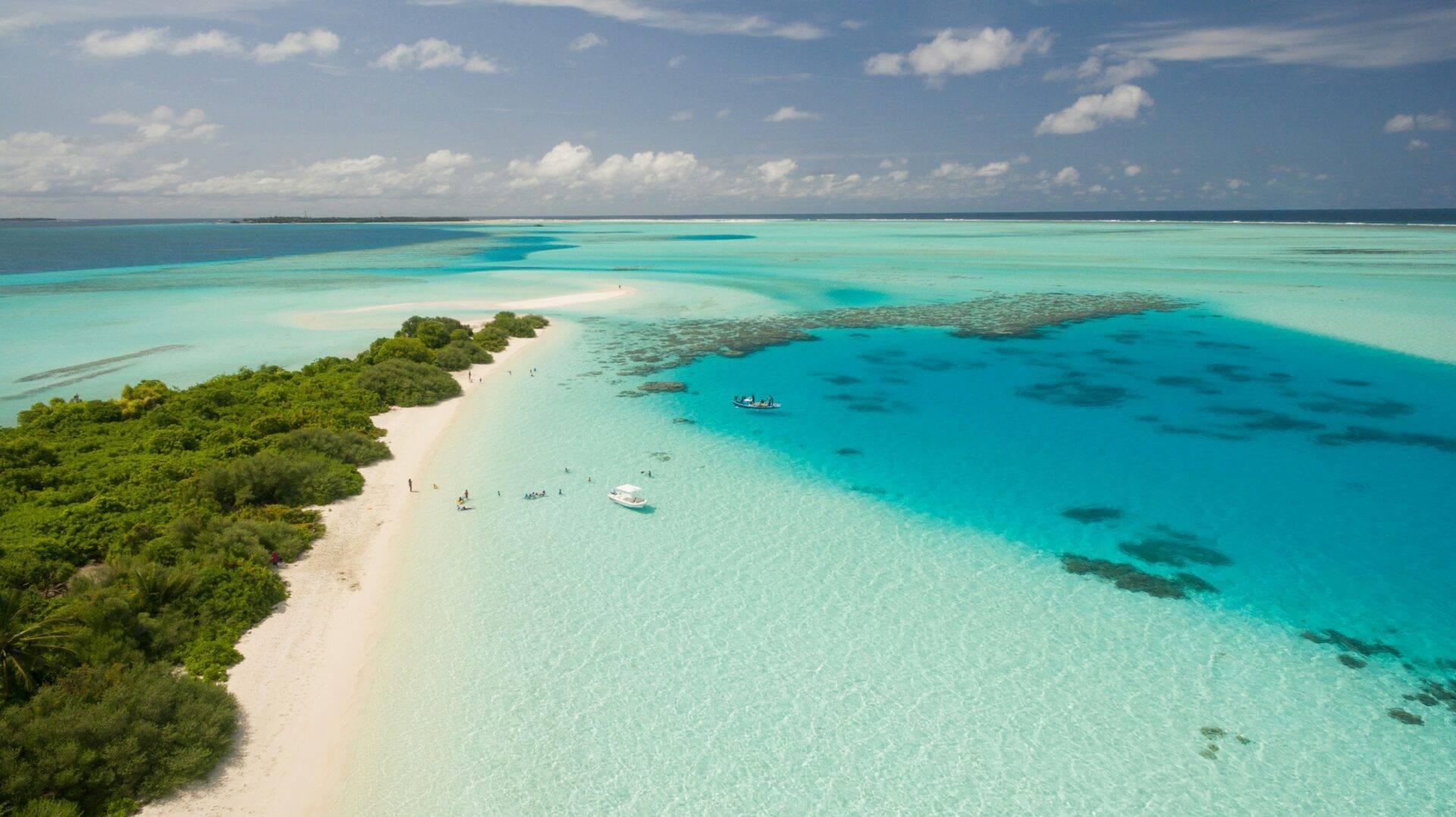
February is the Caribbean at its finest. The trade winds blow steadily, rainfall virtually disappears, and temperatures hold between 22 and 30°C depending on the island. The sea sits at 27°C around Guadeloupe and Martinique, the light is crisp and the underwater visibility is exceptional.
Each island has its own character: Jamaica for music and food, Saint Lucia for its UNESCO-listed volcanic Pitons, the Bahamas for deserted cays, the Virgin Islands for sailing. The French Caribbean islands offer a practical edge for visitors: familiar European infrastructure, French cuisine, and no currency exchange headaches for eurozone travellers.
To help narrow down your choice, our guide to the 7 must-visit Caribbean islands breaks things down by island and traveller type.
Mexico: Riviera Maya and Colonial Cities

Along the Yucatan coast, February falls squarely in the dry season. Cancun, Playa del Carmen and Tulum enjoy 20 to 30°C and a sea temperature of 27°C, with mostly clear skies. Visibility in the cenotes is particularly good at this time of year, before the spring sargassum seaweed arrives on some beaches.
Mexico is far more than its coastline. Mexico City and its world-class museums, Oaxaca and its artisan markets, San Cristobal de las Casas in Chiapas: these are the experiences that turn a beach holiday into a genuine cultural journey. To plan your itinerary, our guide to visiting Mexico: the top 20 things to do and see covers all the essentials.
Hawaii: Volcanoes, Sea Cliffs and Pacific Lagoons

The Hawaiian archipelago is one of the most spectacular destinations on earth, and February hits a sweet spot: pleasant temperatures, fewer crowds than the American summer, and prime conditions for watching humpback whales off the coast of Maui.
Each island offers a different world: Maui for its beaches and the Road to Hana, the Big Island for active volcanoes and lunar landscapes, Kauai for its dramatic sea cliffs and some of the most rugged trails in the United States. Hawaii is undeniably far and expensive from Europe, but for anyone seeking volcanoes, jungle and lagoon in one place, there is simply nowhere else like it.
Australia: Summer at its Most Expansive
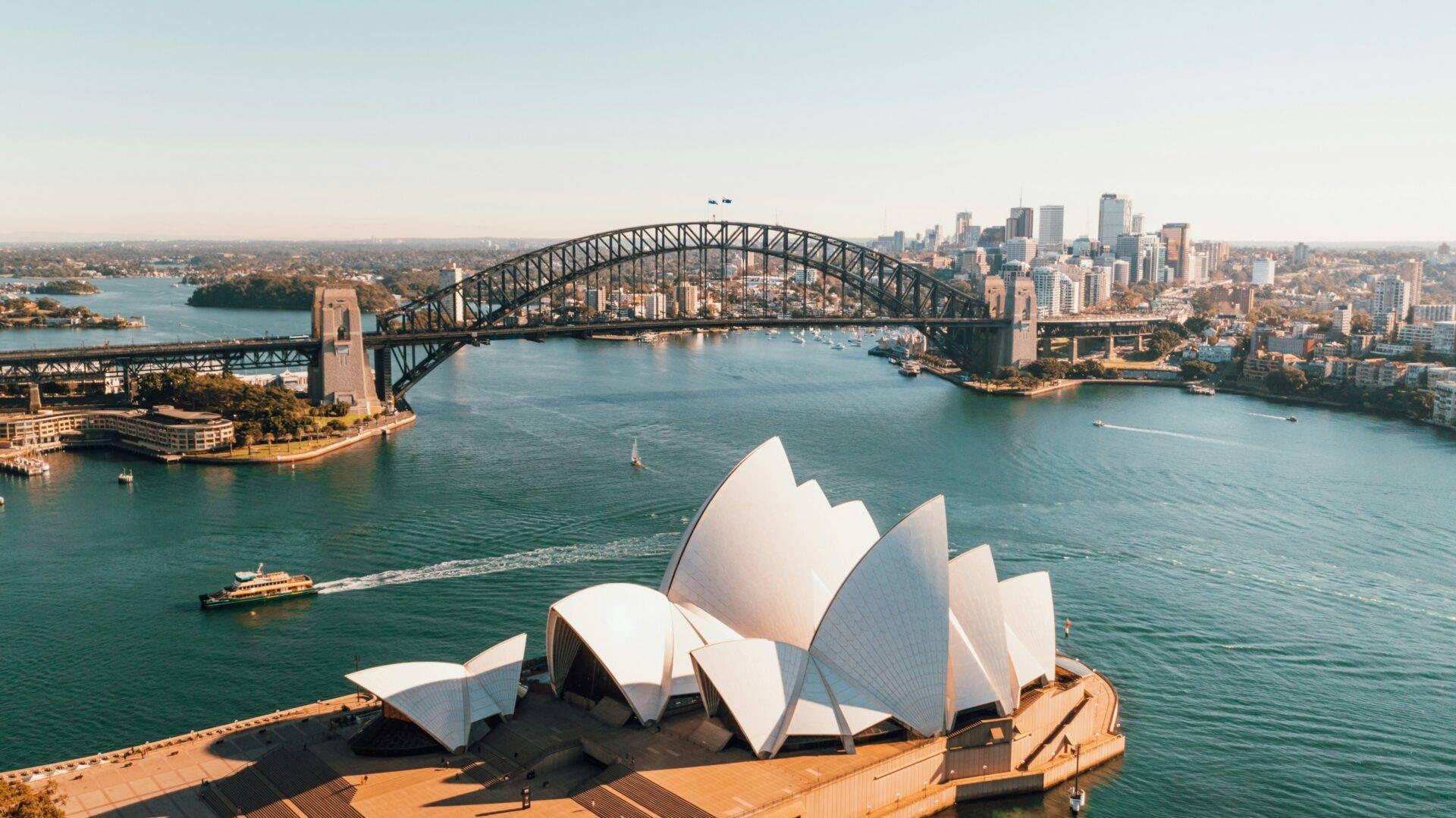
February is the height of summer in Australia. In the south of the country (Sydney, Melbourne, Adelaide), temperatures range from 26 to 33°C. Sydney delivers what few cities can: a waterfront opera house, the Harbour Bridge, world-famous beaches just twenty minutes from the centre (Bondi, Manly), and a multicultural food scene that punches well above its weight.
Queensland gives access to the Great Barrier Reef year-round. Bear in mind, however, that northern Australia (Cairns, Darwin) is in the wet season in February: the centre and south are far better suited for exploring the bush, national parks and coastal drives this month.
Thailand: Dry Season in Full Glory
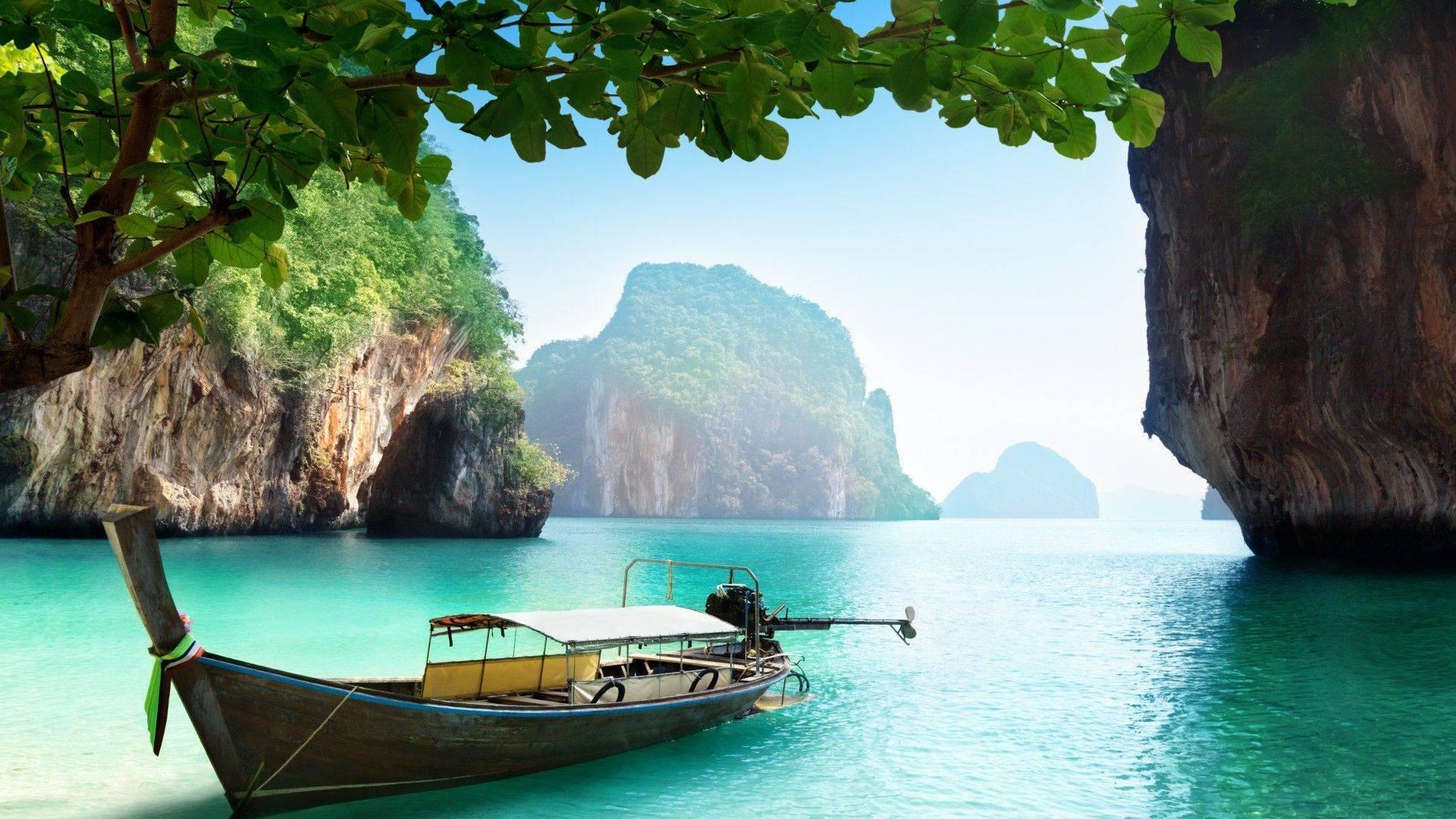
February is one of the best months to visit Thailand. The west coast (Phuket, Krabi, Koh Lanta, Koh Phi Phi) sees 25 to 34°C and a sea temperature of 29°C, with ideal conditions for diving or sailing among the limestone karsts of Phang Nga Bay.
Thailand is far more than its beaches. Chiang Mai, in the north, enjoys its most pleasant temperatures of the year in February: perfect for exploring temples, learning to cook Thai food, or trekking into the hills. Bangkok remains unmissable, with its floating markets, Buddhist shrines and relentless energy.
South Africa: Safari and Coast in the Southern Summer
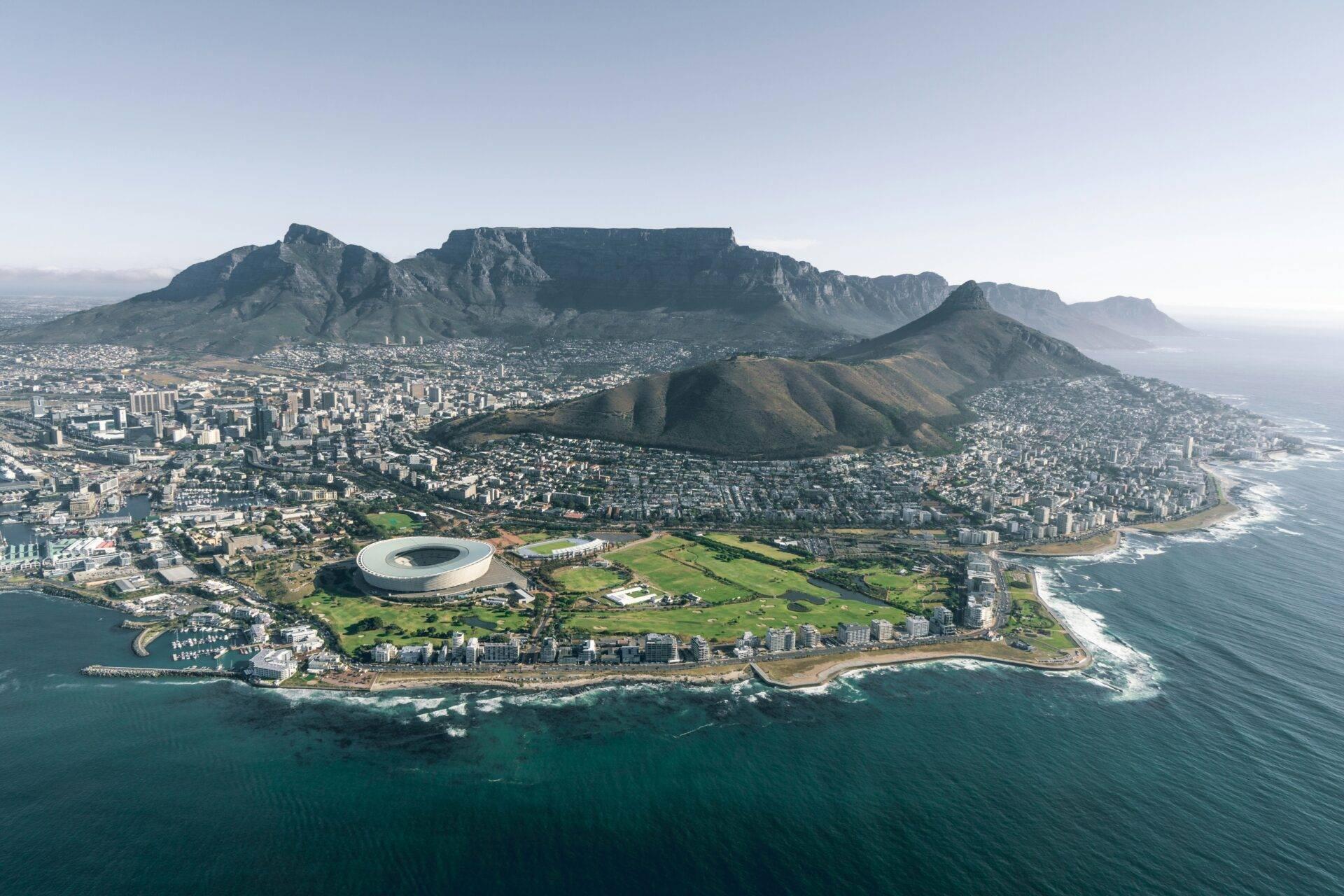
February puts South Africa squarely in its southern summer. Cape Town sees temperatures of 16 to 29°C with generous sunshine, ideal for exploring the Cape Peninsula, following the Stellenbosch wine route, or heading east along the Garden Route.
In the north-east of the country, Kruger National Park is one of the largest nature reserves in the world. In February, the bush is lush and green, the vegetation dense, and wildlife activity is at its peak. South Africa demands more planning than most destinations, but the experiences it offers are unlike anywhere else.
If you’d rather escape the cold in January, take a look at our best sunny destinations in January. And for beach lovers, our pick of the 10 most beautiful beaches in the world opens up plenty more horizons.
FAQ
Is February a good time to visit the Caribbean?
Yes. February falls right in the heart of the Caribbean dry season: the trade winds keep humidity low, rainfall is rare, and temperatures hold between 22 and 30°C depending on the island, with a sea temperature of 27°C. It is one of the best months to visit the region.
Is Thailand a good destination in February?
Absolutely. February is one of the most highly recommended months for Thailand’s west coast (Phuket, Krabi). The dry season is firmly in place, temperatures range from 25 to 34°C, and the sea is calm with excellent underwater visibility.
Is Hawaii worth the long flight in February?
For anyone looking for active volcanoes, dramatic sea cliffs and lagoons all in one archipelago, Hawaii is absolutely worth the journey. February is a sweet spot: quieter than the American summer, pleasant temperatures, and prime time for humpback whale sightings off Maui. The downsides remain the cost and the flight time from Europe.
Are there any sunny destinations in February without a long-haul flight?
Yes. The Canary Islands (Tenerife, Lanzarote, El Hierro) and Madeira offer good sunshine in February just a few hours from major European airports, making them ideal for a short break without jet lag or overnight flying.
Which February destination is best for families?
The French Caribbean islands (Guadeloupe, Martinique) are particularly practical for European families: calm seas, familiar infrastructure and a wide range of activities. Thailand is also an excellent family choice, with safe beaches, affordable prices and family-friendly food. Australia is best suited to families prepared for a very long journey.