
Tanzania packs some of the planet’s greatest natural spectacles into a single itinerary: the Great Wildebeest Migration across the Serengeti, an extraordinarily dense crater floor at Ngorongoro, the giants of Tarangire and the flamingos of Lake Manyara. This guide helps you choose your parks, plan your timing and enrich your safari with a genuine encounter with the Maasai.
Plan my safari with peace of mindThe Northern Circuit: the four parks that define Tanzanian safari
The vast majority of first-time Tanzania safaris take place in the North, two to three hours’ drive from Arusha. These four parks form a natural circuit that most operators offer as a five-to-seven-day package.
Serengeti (14,750 km²): the stage for the Great Migration
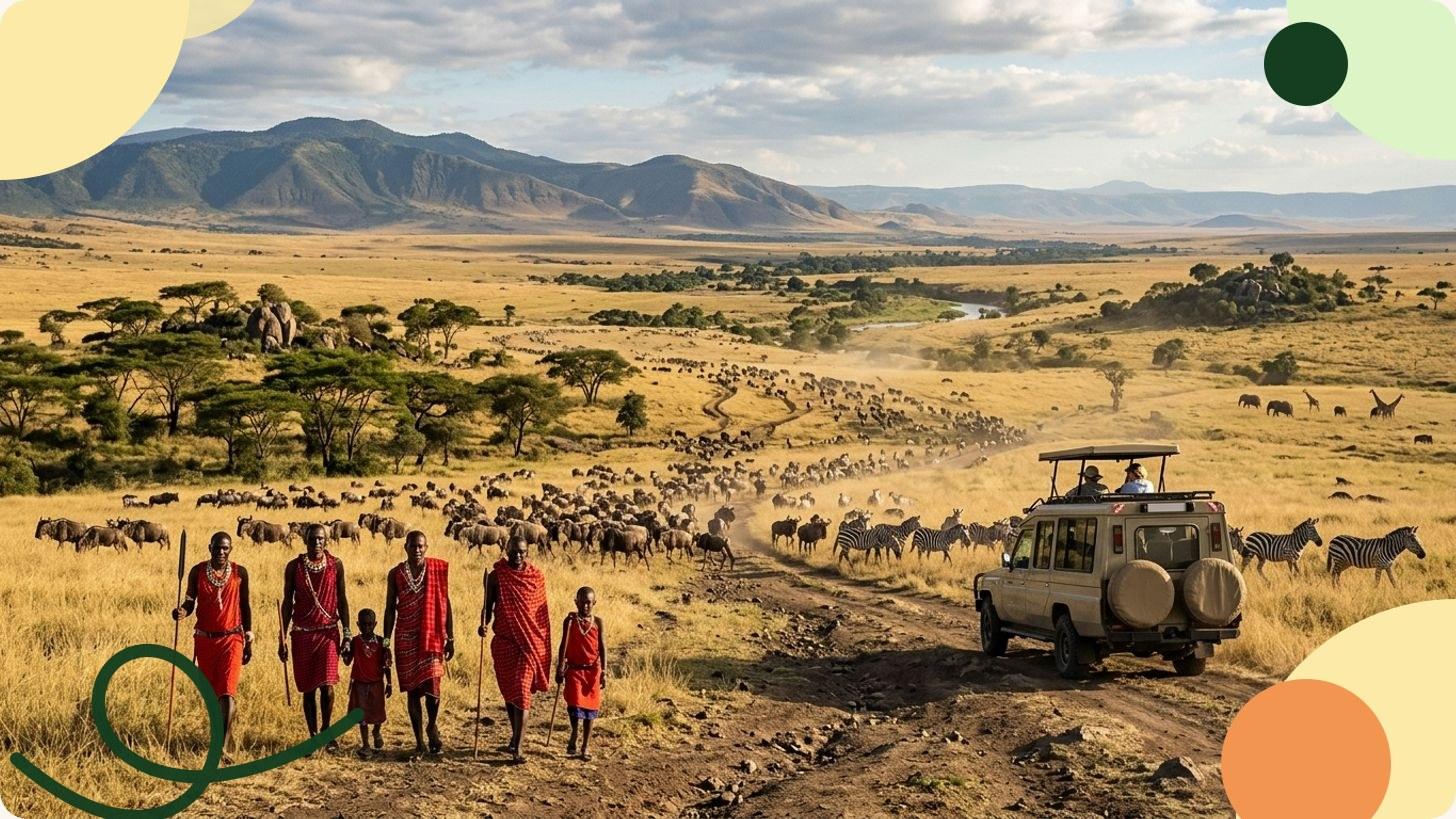
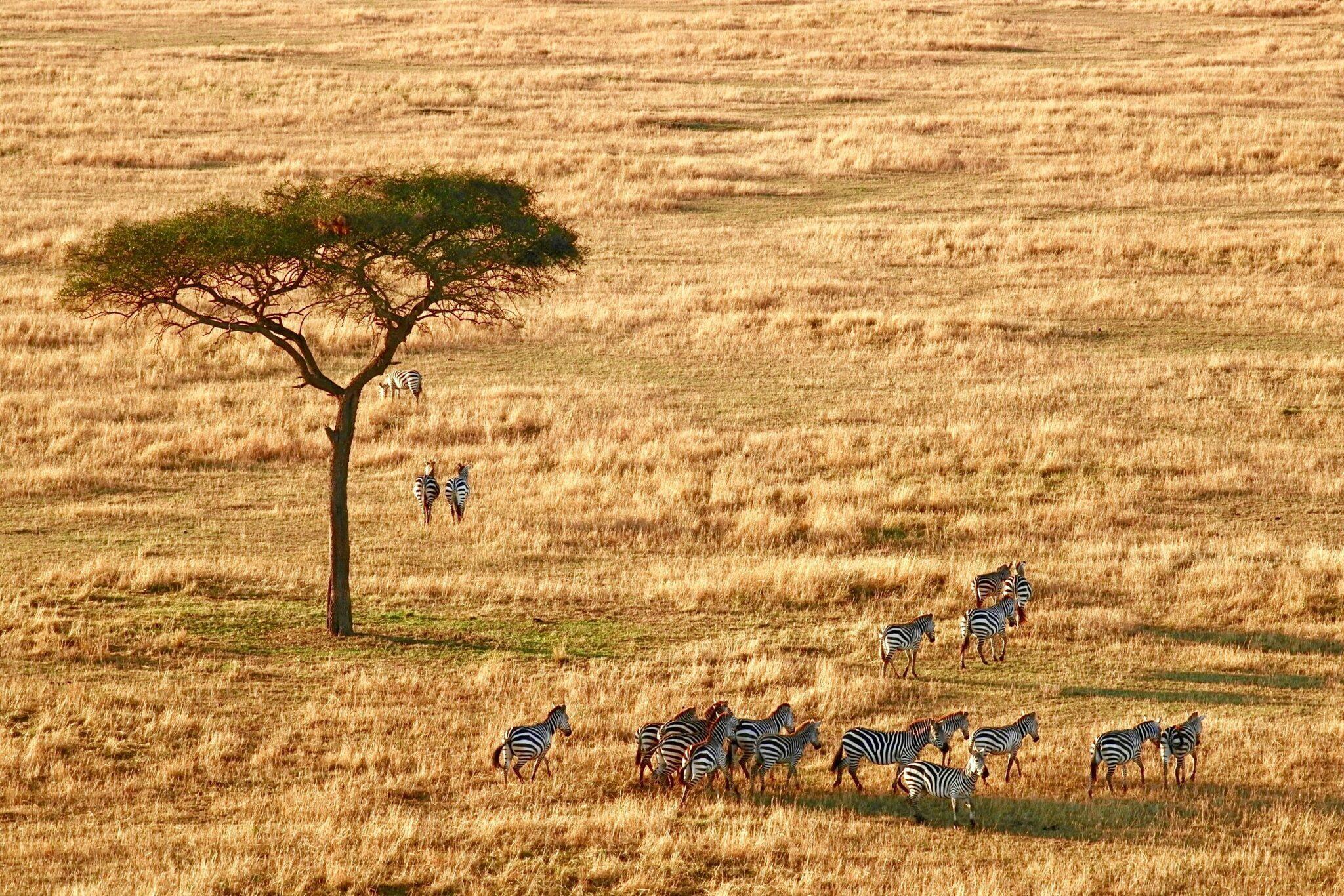
The Serengeti is the largest park on the Northern Circuit and the most famous on earth for one reason: the migration of 1.5 to 2 million wildebeest, accompanied by hundreds of thousands of zebras and gazelles, which loops across its plains throughout the year. But even outside the Great Migration, the Serengeti guarantees exceptional sightings. The Big Five (lion, leopard, elephant, buffalo and rhino) are present year-round, spread across the arid plains of the north and the greener savannahs of the south.
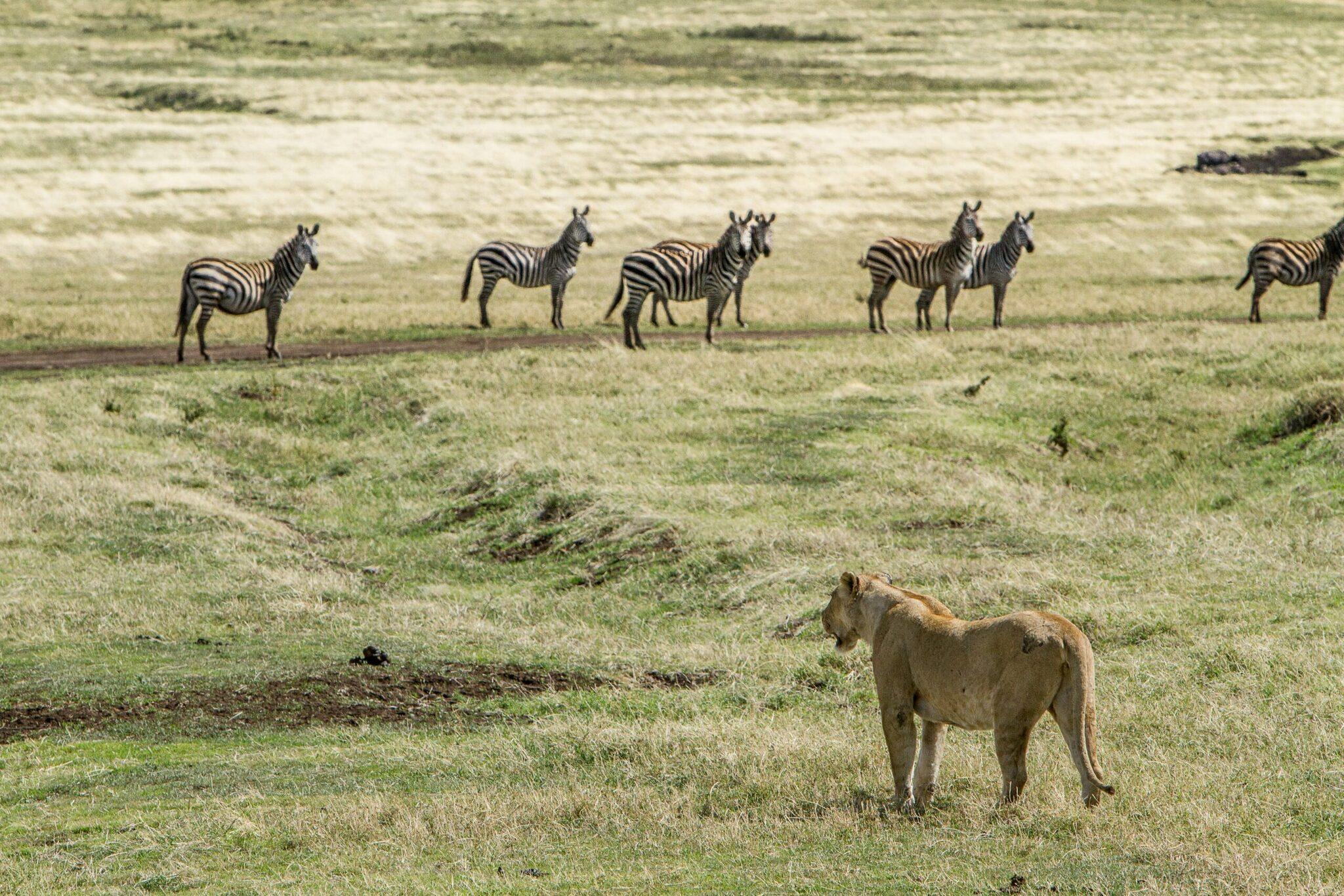
Watching predators on the stalk is one of the Serengeti’s most intense scenes: a lioness locked onto a zebra herd a hundred metres away, motionless and utterly focused, is a reminder that the park is not a backdrop but a living ecosystem.
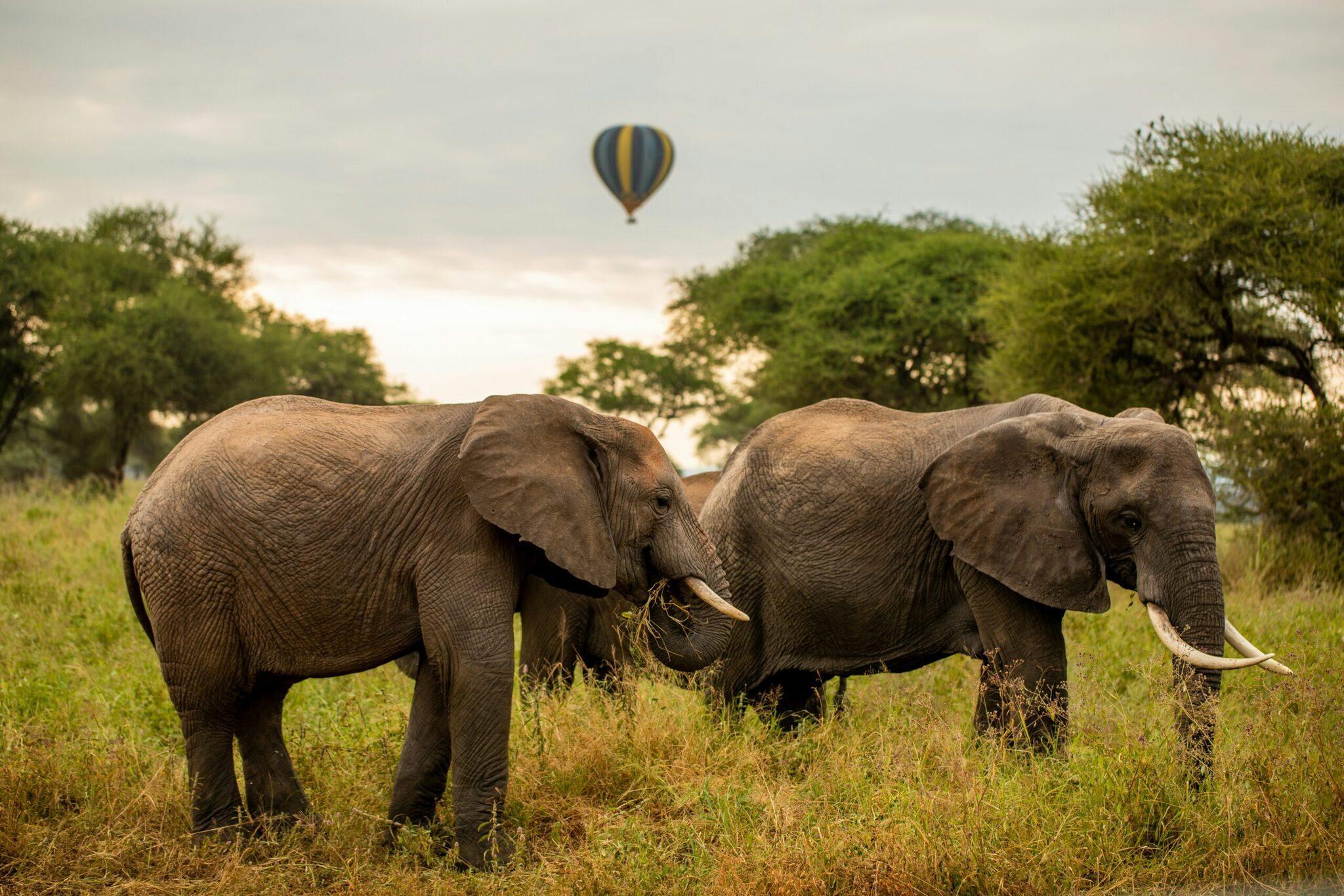
For those with the budget for it, a sunrise hot-air balloon ride above the plains offers a perspective no 4x4 track can match. Several Serengeti lodges offer this as an optional activity from their camps.
The Ngorongoro Crater: a Noah’s Ark at 2,000 metres
Ngorongoro is a volcanic caldera 20 km across. Its flat floor, sitting above 2,000 metres, shelters around 30,000 animals within 326 km², a density that makes the crater one of the best places on earth to spot all five iconic species in a single day. It is also home to some of Tanzania’s last black rhinos.
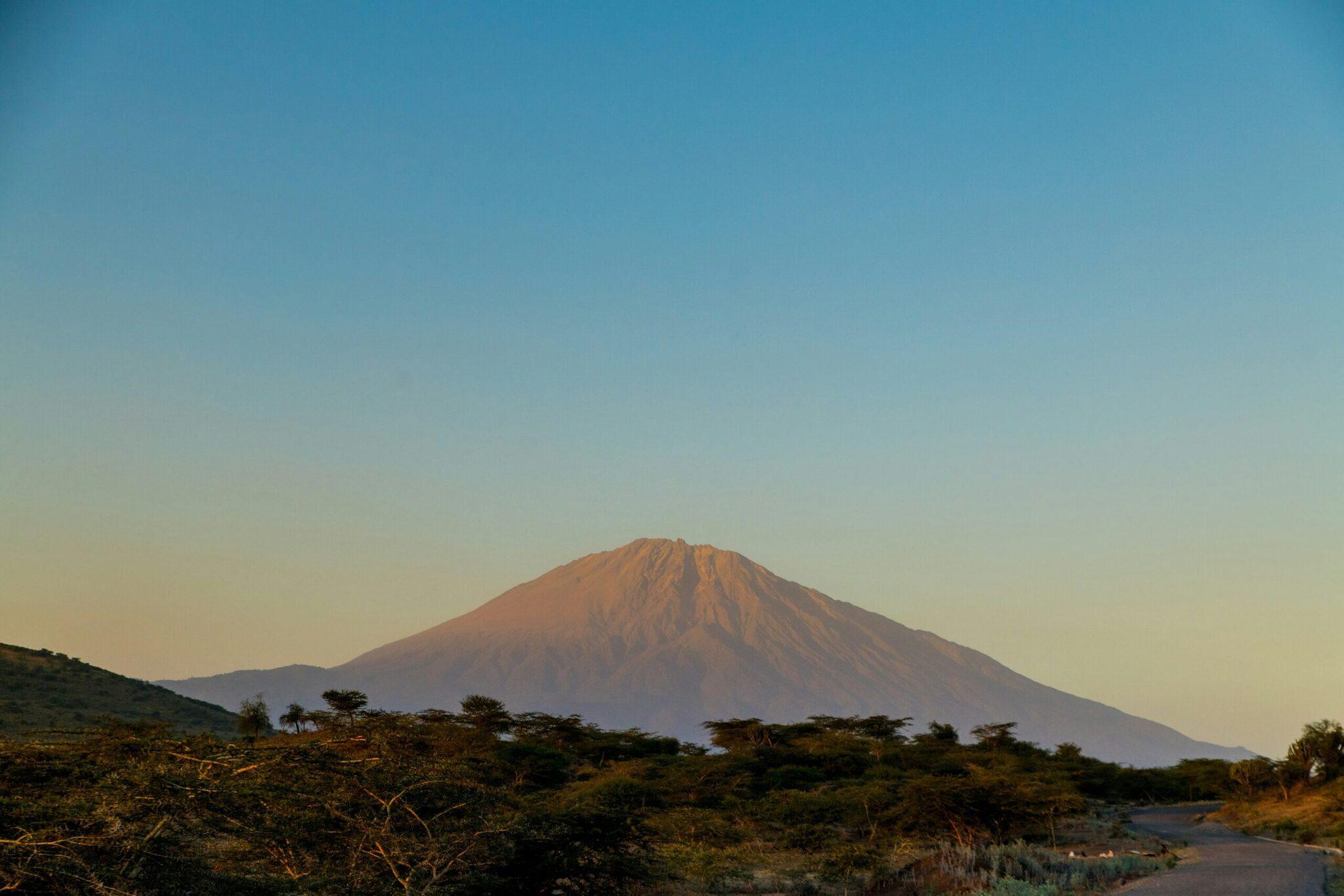
The conservation area surrounding the crater (the NCA) contains archaeological sites, highland terrain and Maasai villages. Combining a descent into the crater with a half-day in the NCA gives a far richer picture of this volcanic region.
Tarangire: elephants, baobabs and a birdwatcher’s paradise
Tarangire sees fewer visitors than the Serengeti, making it a calmer stop on the circuit. The park is renowned for some of Tanzania’s densest elephant herds, which converge on the Tarangire River during the dry season, and for its centuries-old baobabs that punctuate the wooded hills. Bird enthusiasts will find more than 500 recorded species here, placing it among East Africa’s finest ornithological destinations.
Lake Manyara: birds, tree-climbing lions and rift forest
Lake Manyara offers a welcome visual contrast within the Northern Circuit: from open savannah, the landscape shifts to dense forest along the rift escarpment, then to the shores of a soda lake alive with flamingos and pelicans. More than 400 bird species have been recorded here.
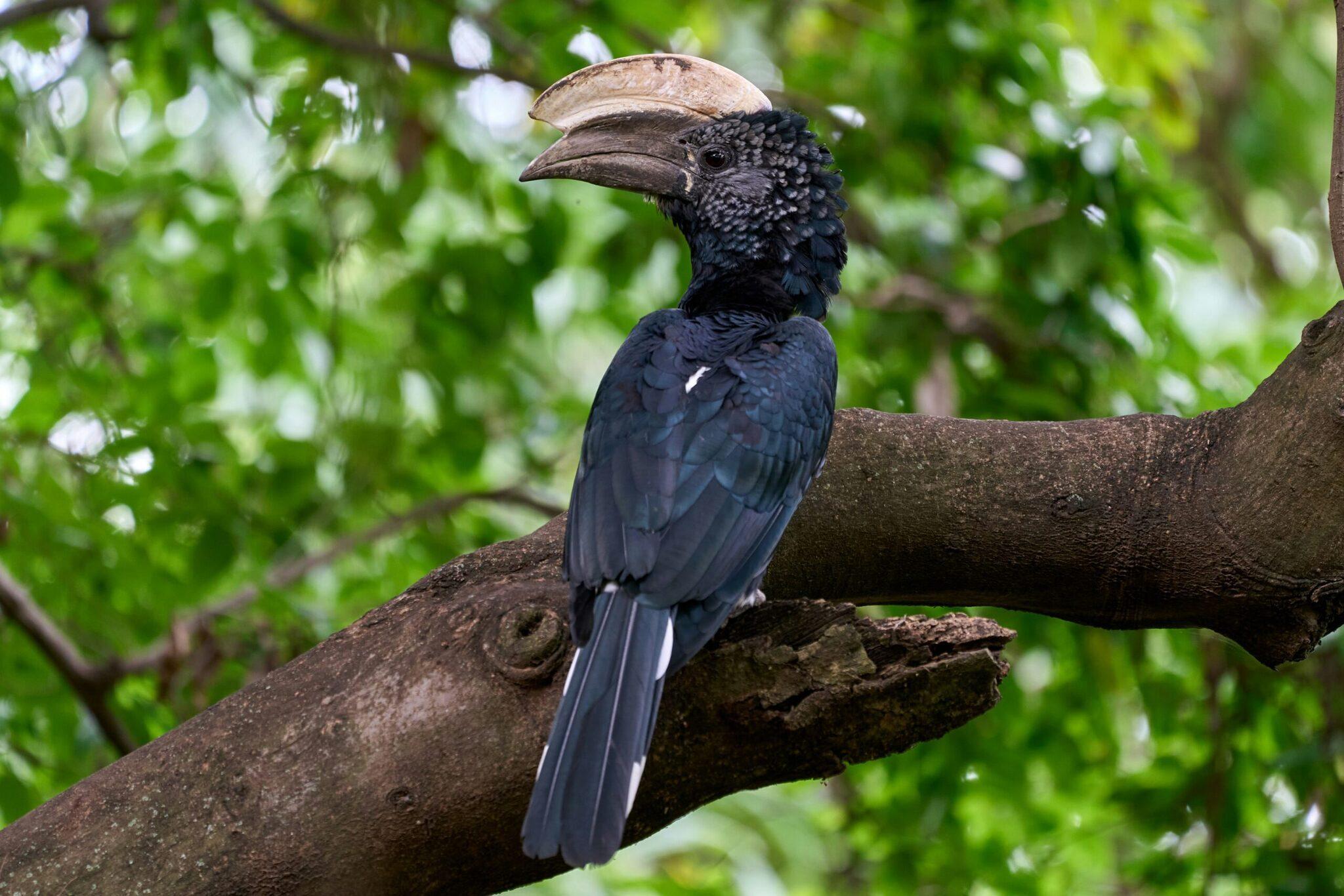
The park’s most photographed curiosity: its lions have developed the unusual habit of climbing trees, behaviour rarely seen in the species elsewhere. Theories vary (avoiding insects, gaining a better vantage point, catching a cooler breeze), but the spectacle itself is guaranteed.
Ruaha: wilderness safari in the heart of Tanzania
Ten hours from Arusha by road (or an hour and a quarter by air from Dar es Salaam), Ruaha is a completely different proposition. At 20,226 km², it is one of the largest parks in East Africa and remains far less visited than the Northern Circuit. No minibus convoys crowding the waterholes – the tracks are yours to explore.
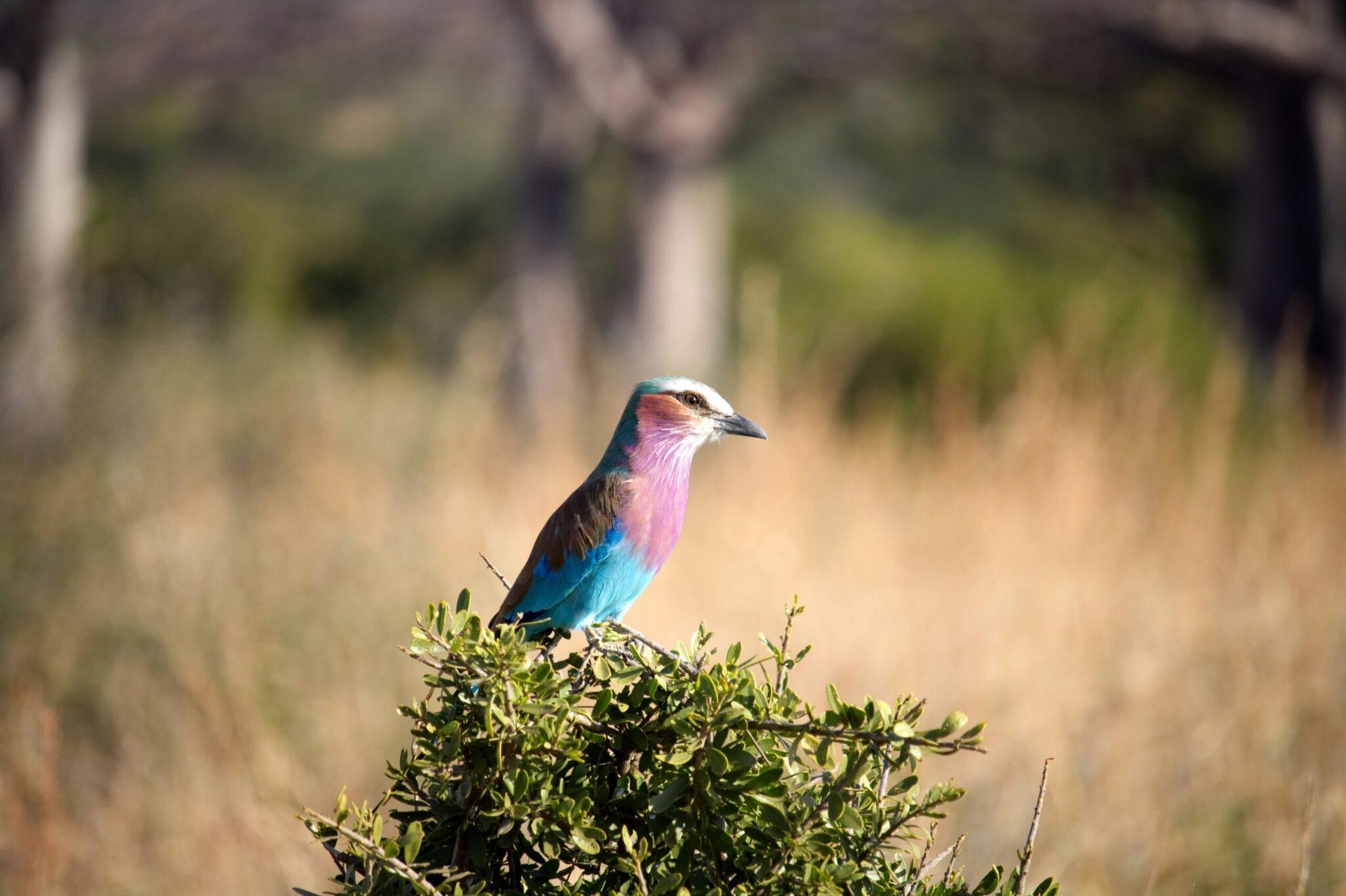
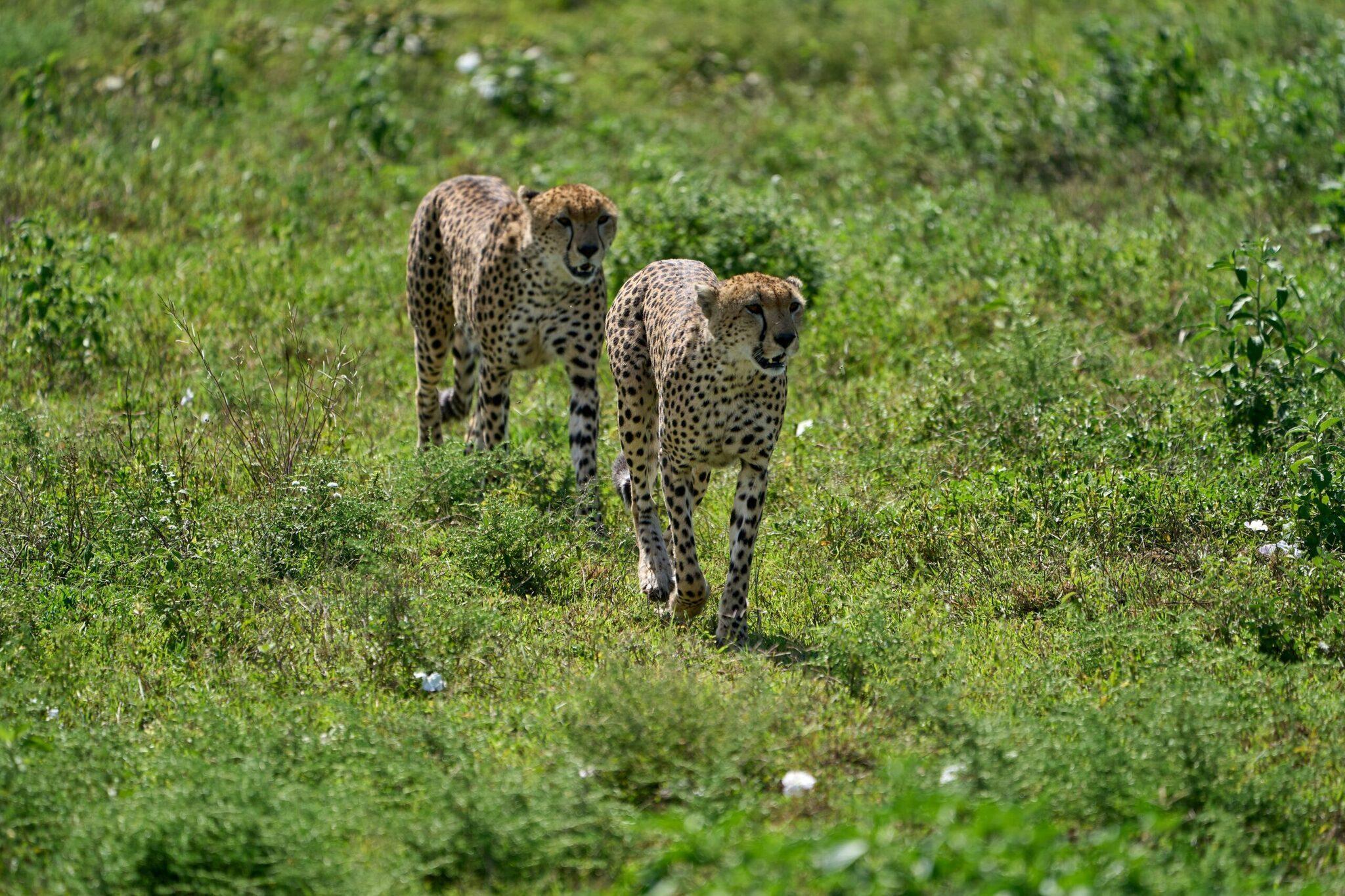
Ruaha is renowned for its lion and leopard populations, but also for the sheer diversity of its predators: African wild dogs, cheetahs and spotted hyenas. During the dry season (June to October), more than 12,000 elephants gather along the Ruaha River. The park records more than 570 bird species, the highest count in Tanzania.
Guided walking safaris with an armed ranger are one of Ruaha’s greatest draws. It is the most immersive way to experience the bush: you catch the scents, the sounds and the tracks on the ground in a way that is simply impossible from a vehicle.
When to go: the migration calendar and the seasons
The dry season (June to October) is the prime window for all Tanzania’s parks. Low vegetation makes animals easier to spot, and they gather in numbers around waterholes. It is also the best time to witness Mara River crossings in the northern Serengeti.
The Great Migration follows a documented annual cycle, moving through distinct sectors of the Serengeti:
- December to March (Ndutu area): calving season in the southern Serengeti. Around 500,000 calves are born within a matter of weeks, drawing a record concentration of predators.
- April to early July (Grumeti sector and western corridor): the herds push west, crossing the marshes and the Grumeti River, where crocodiles lie in wait.
- July to October (Mara sector): the Mara River crossing in the northern Serengeti. This is the most spectacular moment, as wildebeest and zebras plunge in under the gaze of crocodiles and lions.
- November: the return south, completing the cycle.
For Tarangire, the dry season coincides with peak elephant-watching. For Manyara, migratory birds are most numerous in November and December. Ruaha is at its best from June to October, when elephants concentrate along the riverbanks.
Meeting the Maasai: the other side of a Tanzanian safari
A safari in northern Tanzania travels through Maasai territory. This semi-nomadic pastoral people occupy the lands bordering the Serengeti, Ngorongoro and the Rift Valley. The encounter can take various forms: a brief visit to a boma (fortified village) at the end of a game drive, or a full day of immersion alongside herders, attending traditional songs and jumping ceremonies and gaining a genuine understanding of the role livestock plays in Maasai social life.
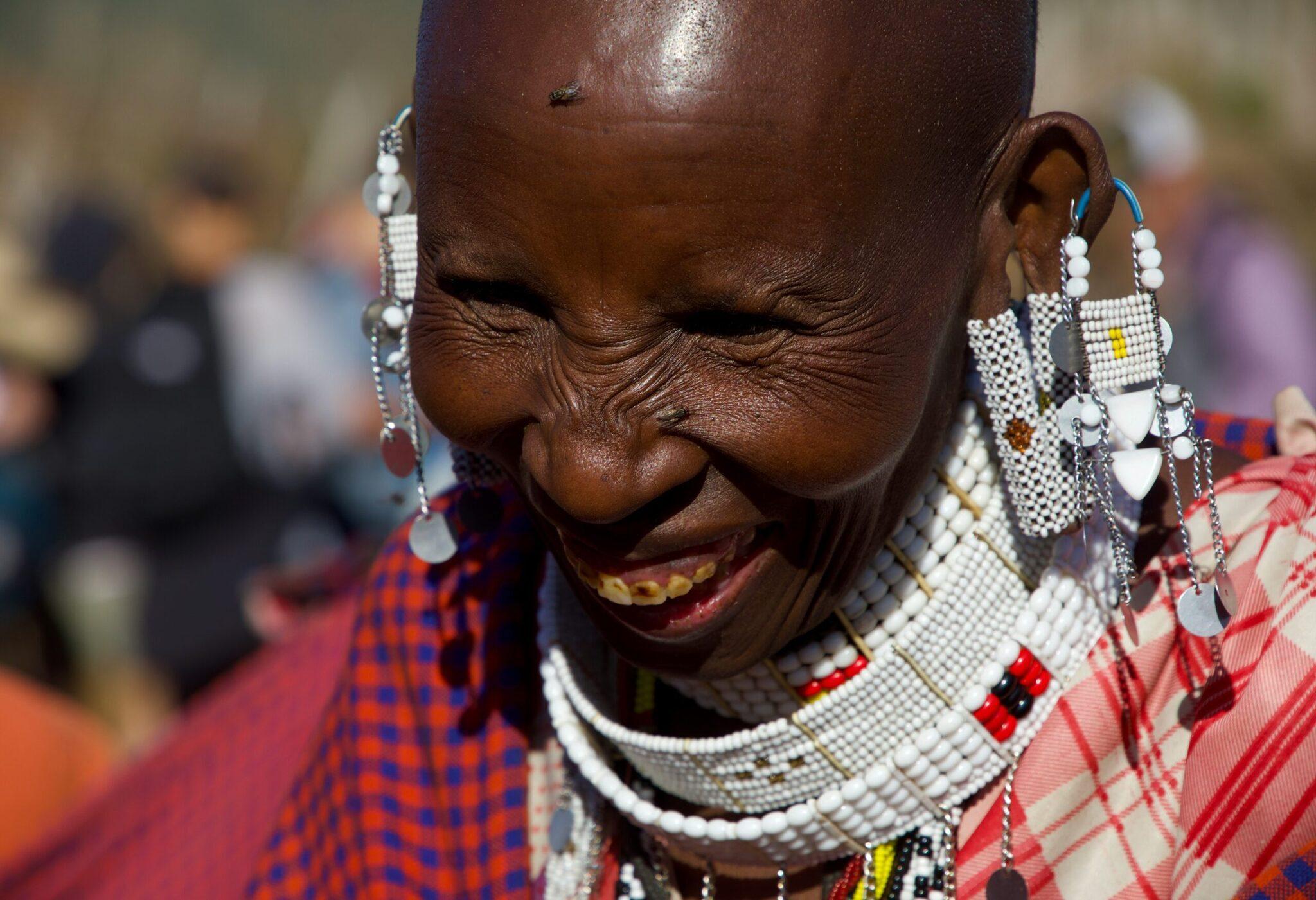
The most thoughtfully designed itineraries include nights in Maasai territory, combining game drives in the northern parks with walks in the NCA. This human dimension transforms a wildlife trip into a complete and deeply rewarding journey. Several seven-to-ten-day itineraries weave together the Serengeti, Ngorongoro and Maasai lands in a coherent, memorable sequence.
For a full picture of everything Tanzania has to offer, our guide things to do in Tanzania covers activities well beyond the national parks.
Extending the adventure: Kilimanjaro and Zanzibar
Two destinations classically round off a Tanzanian safari.
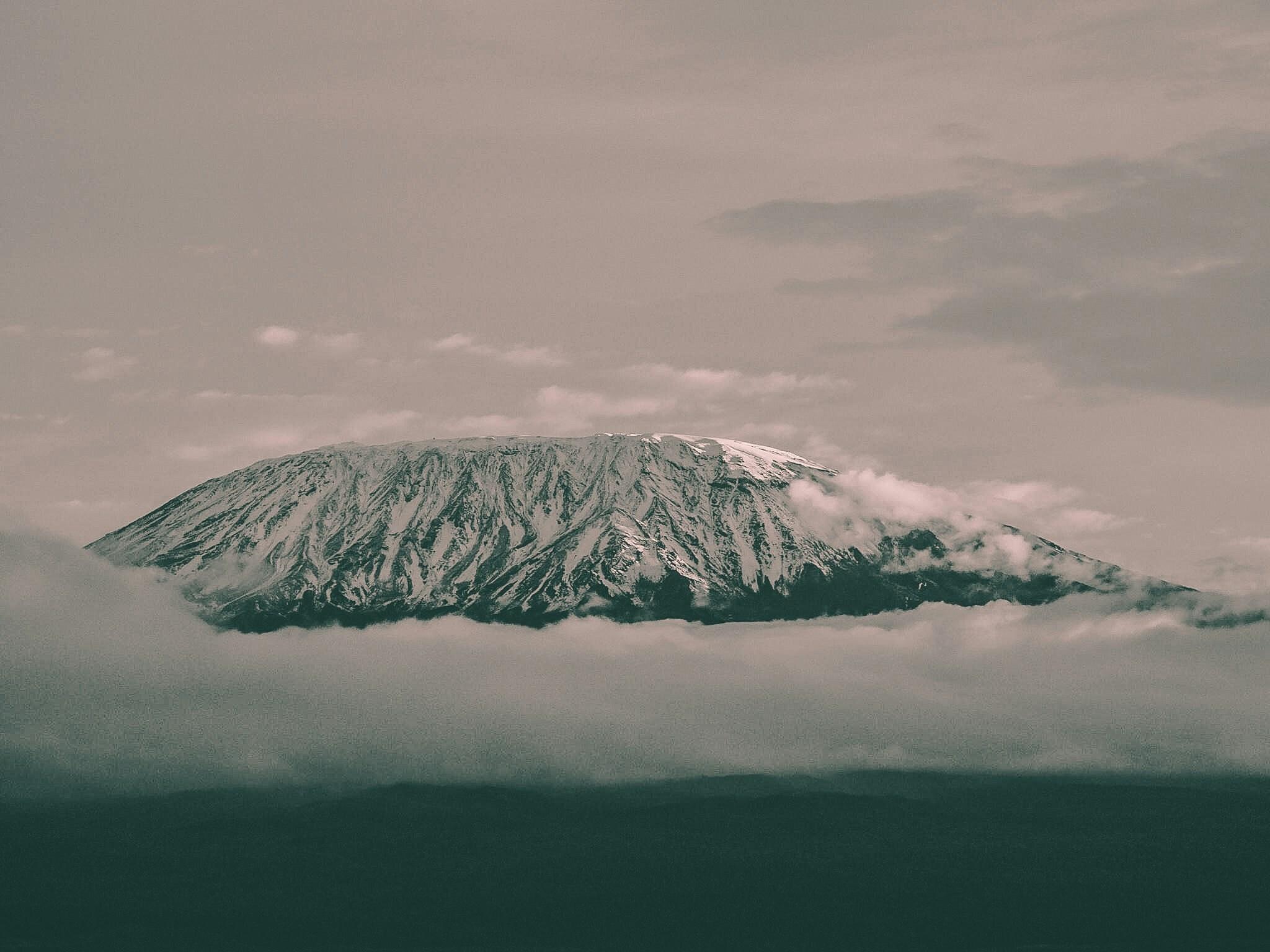
Kilimanjaro (5,895 m), visible from Arusha on a clear day, draws trekkers looking to combine wildlife and altitude in a single trip. Several ascent routes pass through dramatically different ecosystems, from tropical rainforest to the summit ice fields.
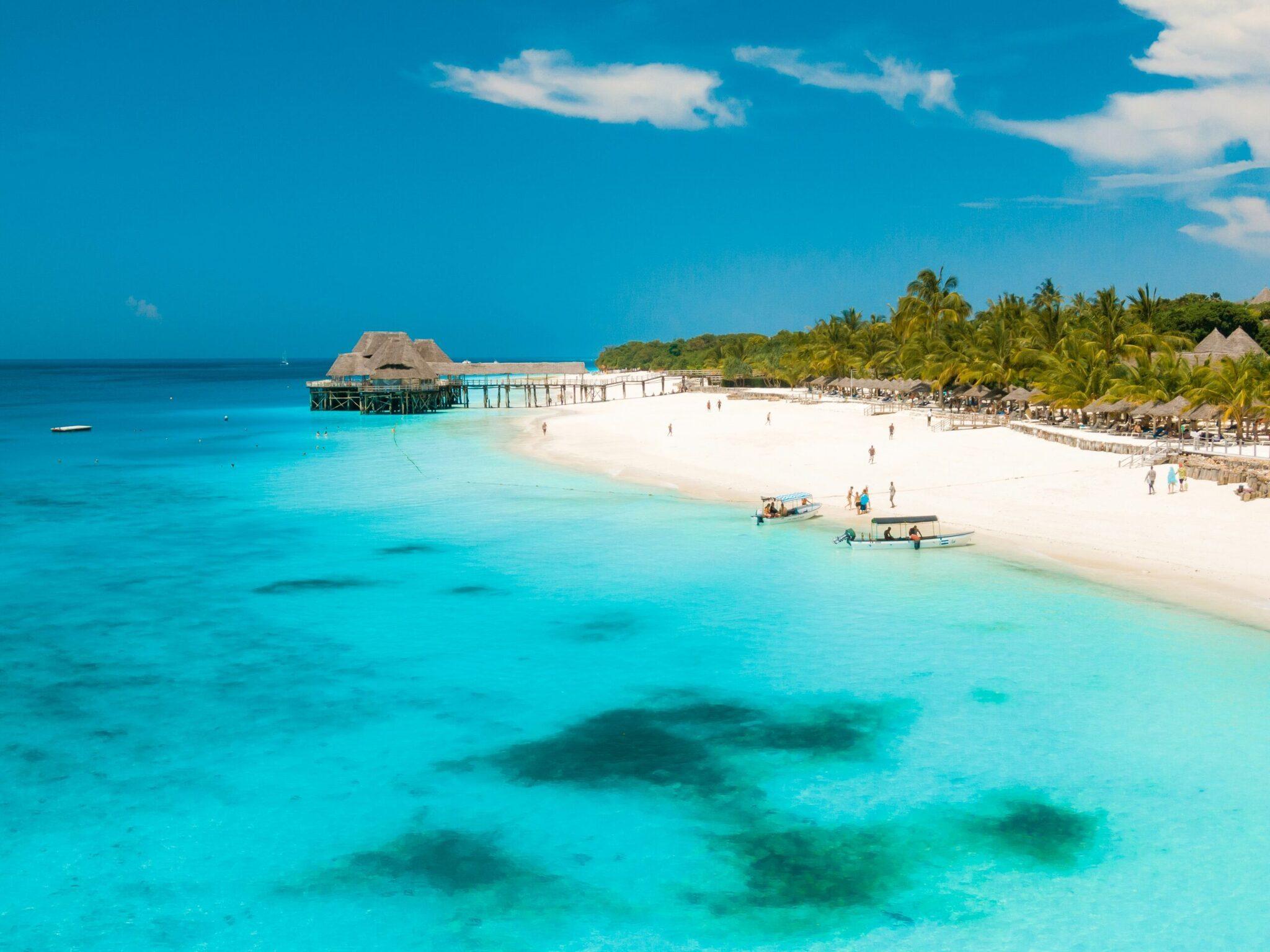
Zanzibar, reachable by air or ferry from Dar es Salaam, is the natural beach extension after the safari. White sand, turquoise sea and the Unesco-listed old town of Stone Town: the contrast with the savannah is total, and very welcome.
If you are weighing up other safari destinations on the continent, our article on safari in South Africa offers a useful comparison.
For all practical travel requirements (visa, recommended vaccinations, currency, health precautions), see our dedicated Tanzania travel insurance page.
FAQ
Which is the best park for a first Tanzania safari?
The Serengeti and Ngorongoro Crater make the most logical starting pair. Together they deliver the Great Migration (or its key players even out of peak season), the Big Five and wonderfully varied landscapes. Tarangire can be added as a third stop on a seven-day circuit. Ruaha is better suited to travellers returning to Tanzania who want to venture well off the beaten track.
When is the best time to see the Great Migration?
From July to October in the Mara sector of the northern Serengeti, for the most spectacular river crossings. From December to March in the Ndutu area to the south, for calving season, with around 500,000 calves born within a matter of weeks – a different spectacle, but every bit as breathtaking.
How many days should I allow for a Tanzania safari?
A minimum of five to seven days for the Northern Circuit (Serengeti, Ngorongoro, Tarangire, Manyara). Ten to fourteen days if you want to add Ruaha, an extended Maasai experience or a stay in Zanzibar.
Do I need specific travel insurance for a Tanzania safari?
Medical and repatriation cover is essential: Tanzania’s national parks are often a very long way from any hospital, and evacuation costs can be extremely high. See our Tanzania travel insurance page for the cover best suited to your trip.
Are walking safaris safe?
In the parks and concessions that permit them (Ruaha, Arusha National Park, certain private concessions in the Serengeti), walking safaris are led by armed, certified rangers. There is no such thing as zero risk in the wild, but these excursions follow strict protocols. That is precisely why solid medical cover remains essential.