
Tanzania packs a rare collection of experiences into a single destination: witnessing the world’s greatest land migration in the Serengeti, trekking to the roof of Africa on Kilimanjaro, diving the reefs of Zanzibar, or tracking the Big Five on the floor of the Ngorongoro Crater. Here are the essential destinations and activities to help you build your perfect itinerary.
The Serengeti and the Great Migration
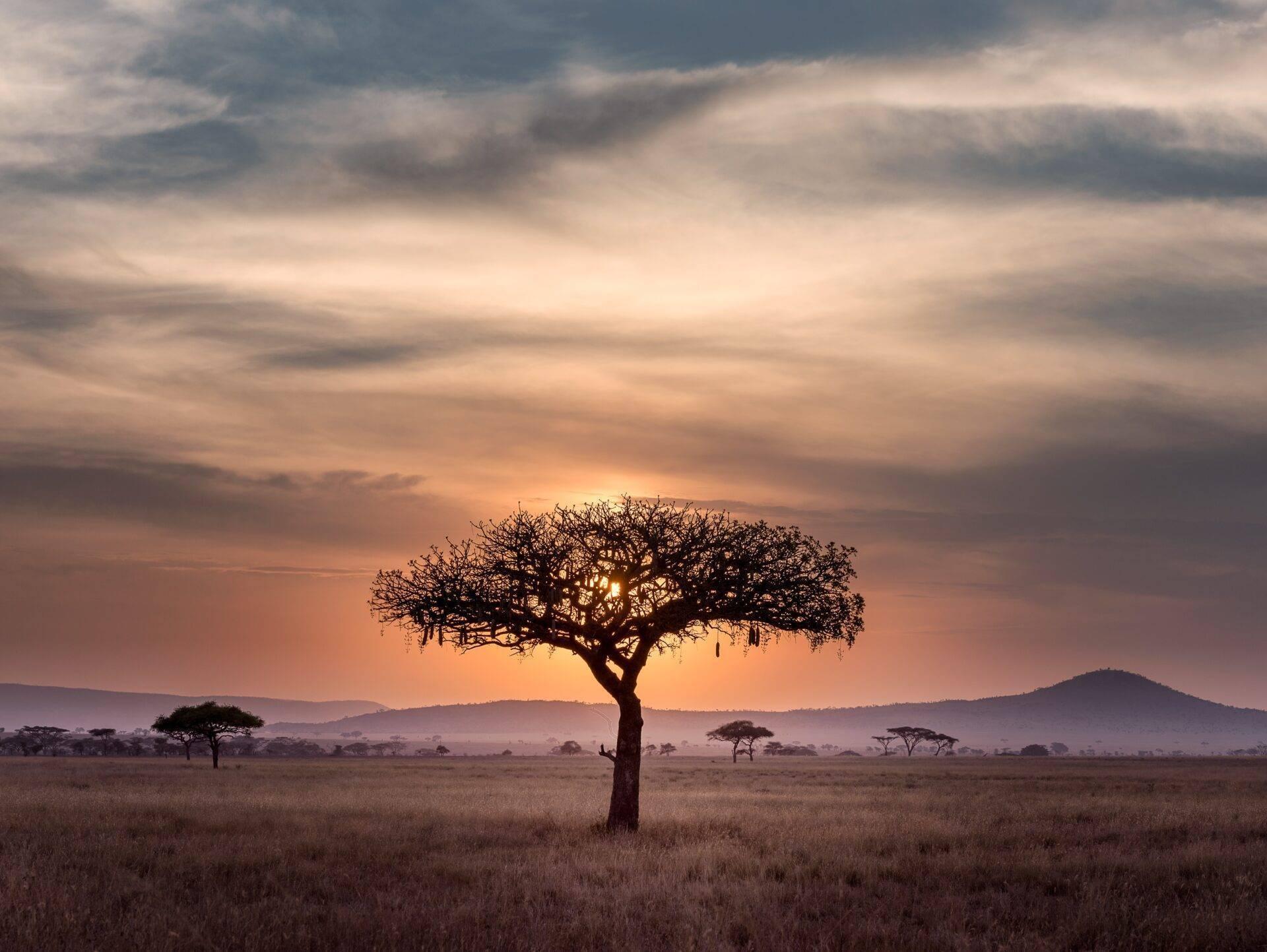
Serengeti National Park is the stage for the Great Migration, one of the largest movements of wild animals on the planet. Every year, hundreds of thousands of wildebeest, joined by zebras and antelopes, follow a seasonal circuit across the Serengeti ecosystem.
The migration calendar shapes the experience you will have:
- December to March: the southern plains around Ndutu become a giant nursery. Around 500,000 wildebeest calves are born within weeks, with more than 8,000 appearing in a single day at peak.
- April to June: the herds push north-west in columns stretching up to 30 to 40 kilometres.
- July to October: the wildebeest cross the Mara River in the northern Serengeti, often in full view of Nile crocodiles. This is the moment wildlife photographers wait for most.
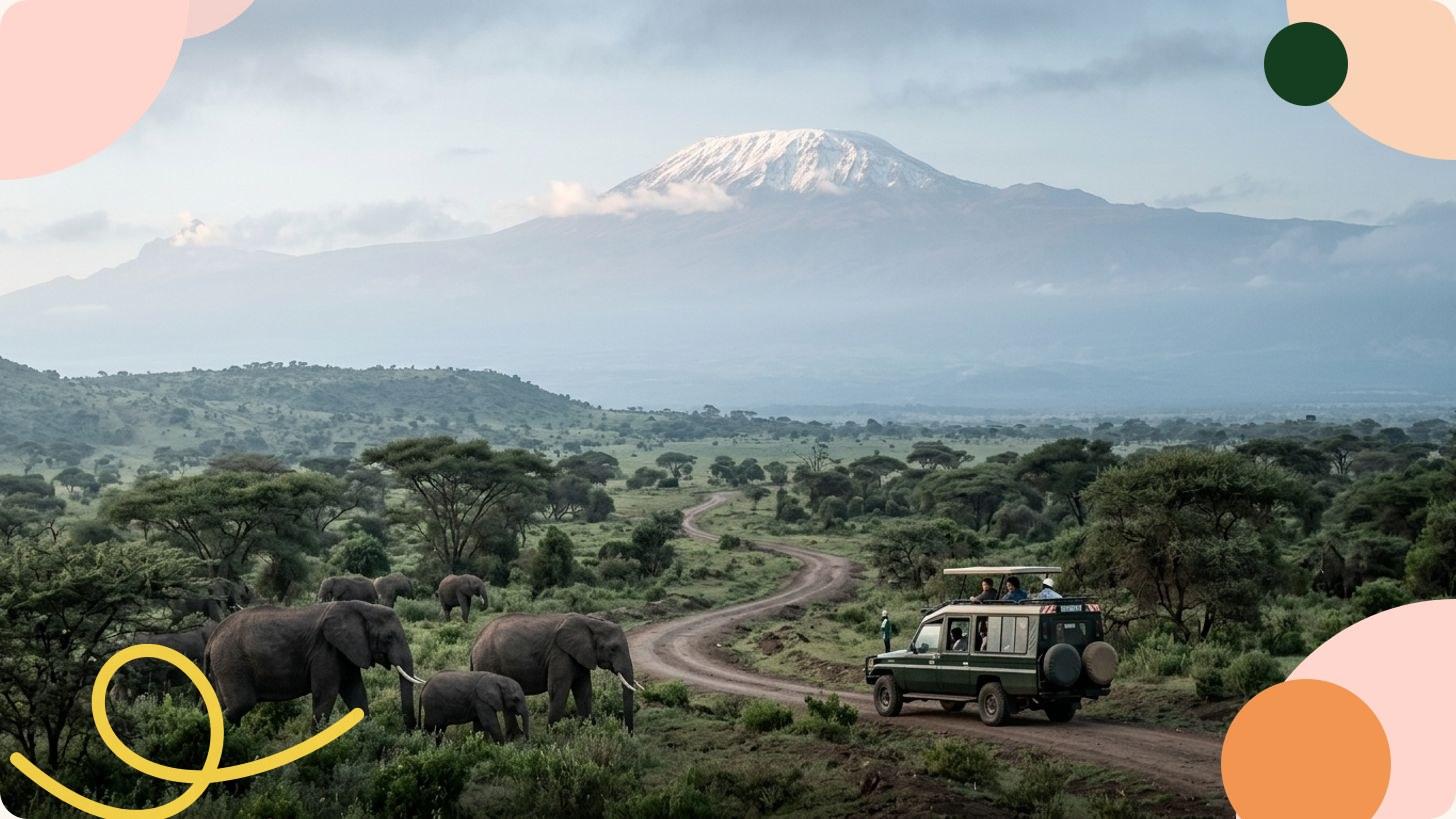
Beyond these seasonal highlights, the Serengeti offers remarkable year-round wildlife: lions, leopards, cheetahs and elephants can be spotted at any time of year.
To plan your safari and choose the right camps and timing, see our guide to going on safari in Tanzania.
Mount Kilimanjaro: the Roof of Africa
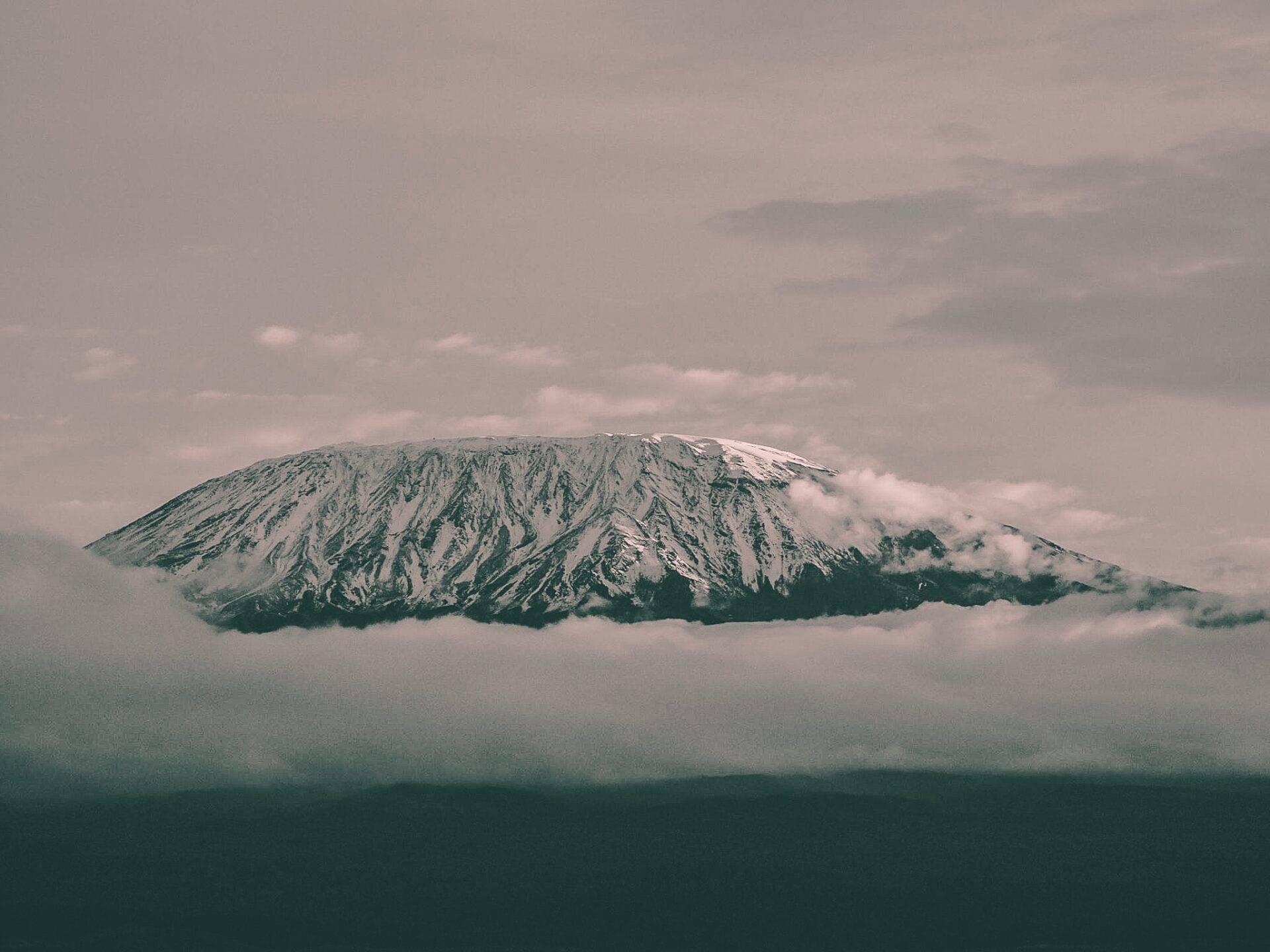
Kilimanjaro reaches 5,895m at Uhuru Peak, “freedom” in Swahili. It is the highest point in Africa, and its defining appeal is accessibility: no climbing equipment is needed. Success comes down to time, patience, and allowing your body to acclimatise to altitude.
Four main routes stand out:
- Machame Route (6 to 7 days): the most popular, known for varied scenery and a solid acclimatisation profile.
- Lemosho Route (7 to 8 days, around 70 km): the best option for maximising your chances of reaching the summit.
- Rongai Route (6 to 7 days): approaches from the quieter northern slopes.
- Marangu Route (5 days): the shortest, but its fast pace reduces the chances of making it to the top.
The final push to Uhuru Peak begins at midnight, timed to arrive at sunrise. Most mountain guides recommend allowing at least 6 days.
The Ngorongoro Crater
A UNESCO World Heritage Site, the Ngorongoro Crater is a collapsed ancient volcano forming one of the largest intact calderas in Africa. The wildlife here is extraordinary: the Big Five (lion, leopard, elephant, buffalo and black rhino) share this semi-enclosed arena, making it one of the few places in East Africa where you can still encounter the critically endangered black rhinoceros.
Visits are made by 4x4 vehicle over the course of a day, descending from the crater rim. Animal density is so high that sightings are virtually guaranteed, even on a half-day excursion.
Zanzibar: Beaches, Spices and History
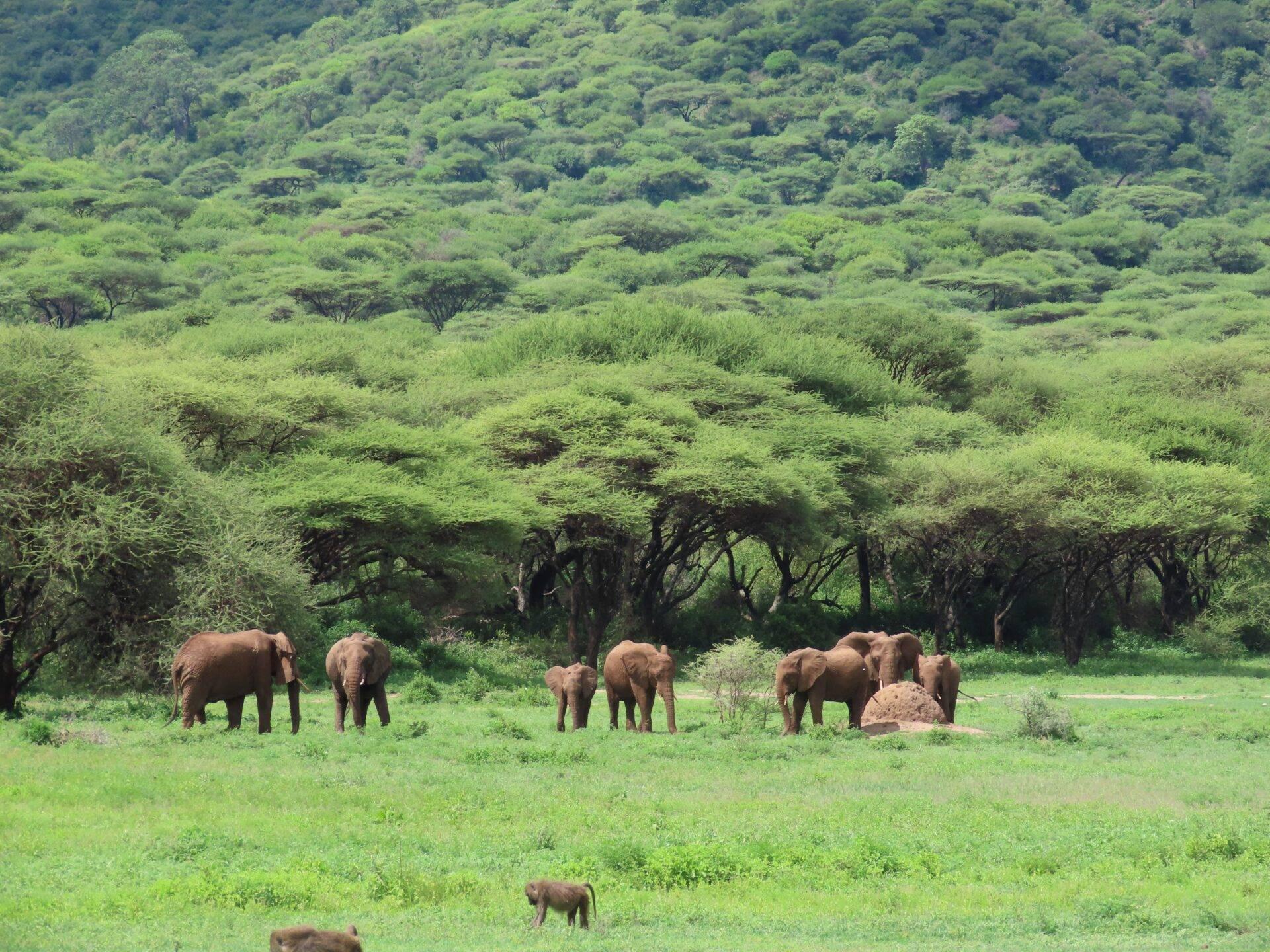
Stone Town, Zanzibar’s historic old quarter, is a UNESCO World Heritage Site. Its narrow alleyways weave together Arab, Indian and Swahili influences around ornately carved doors and former trading posts, all bearing witness to the island’s pivotal role in Indian Ocean commerce.
Three experiences you should not miss on the archipelago:
- A spice farm tour: ginger, cinnamon, vanilla, cardamom. Zanzibar has long been known as the “Spice Island,” its historic production drawing merchants from across the world for centuries.
- Diving at Mnemba Atoll: lying off the north-east coast, this atoll regularly offers visibility exceeding 30 metres and shelters remarkably diverse coral reefs.
- The northern beaches: Nungwi and Kendwa offer shallow, calm waters ideal for swimming at any hour of the day.
Tarangire: Elephant Country
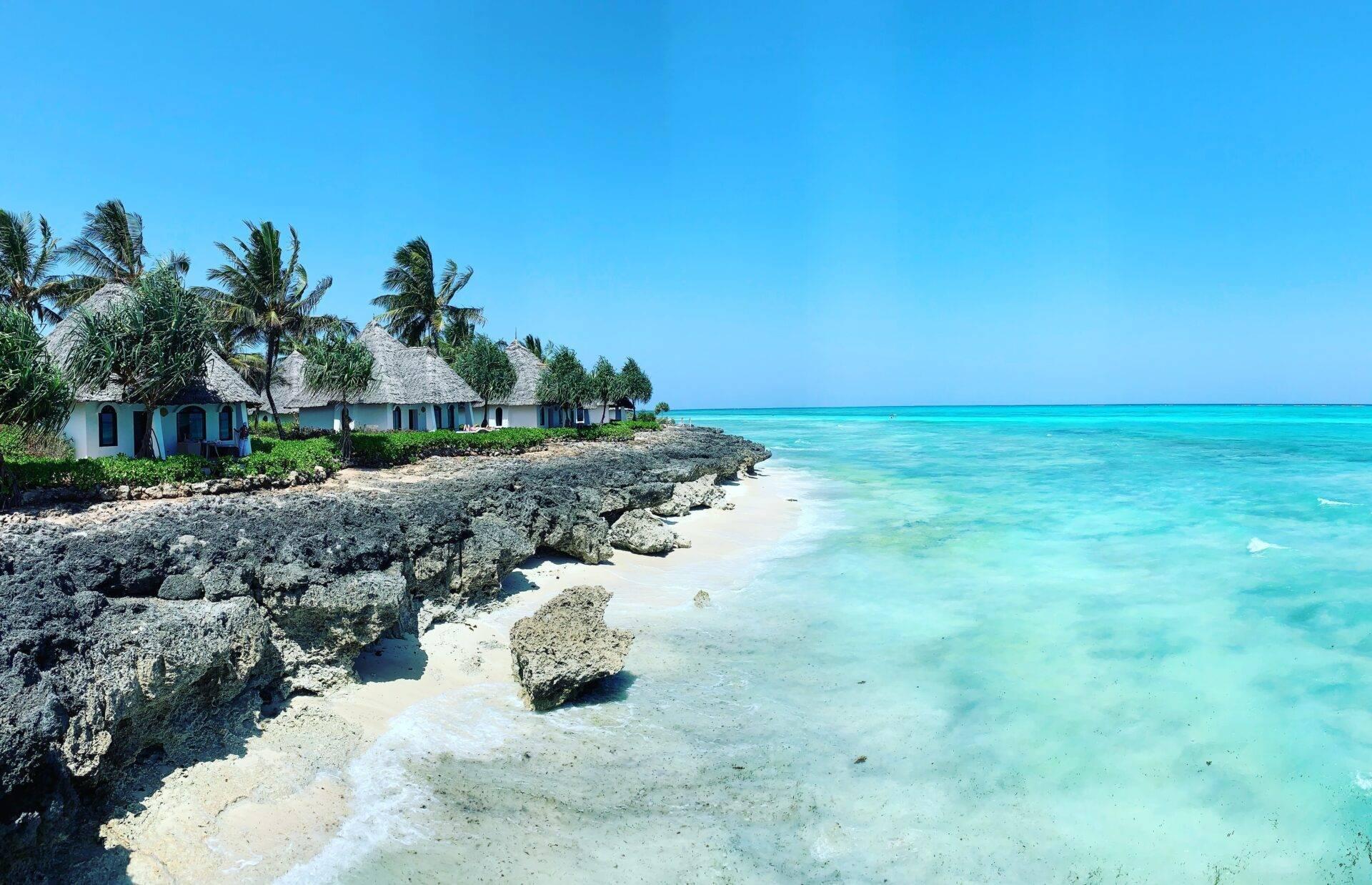
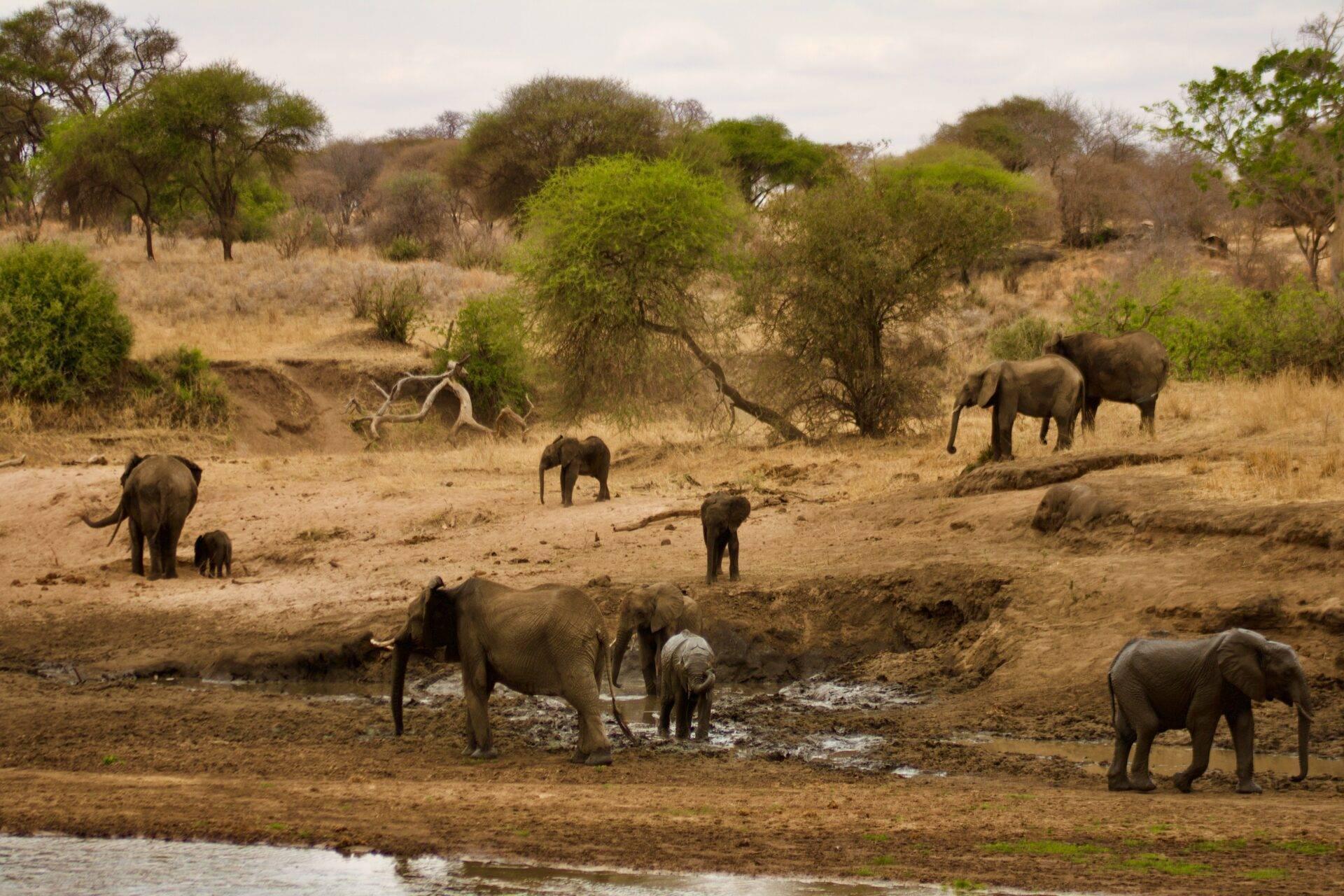
Tarangire National Park is often the first stop on Tanzania’s northern circuit. Its reputation rests on its elephant population: during the dry season, hundreds of individuals gather along the Tarangire River, one of the few permanent water sources in the region.
The landscape is defined by giant baobabs dotting the hillsides. Lions, leopards, giraffes and zebras round out the park’s wildlife in a setting quite unlike the vast open plains of the Serengeti.
Lake Manyara: Birds and Tree-Climbing Lions
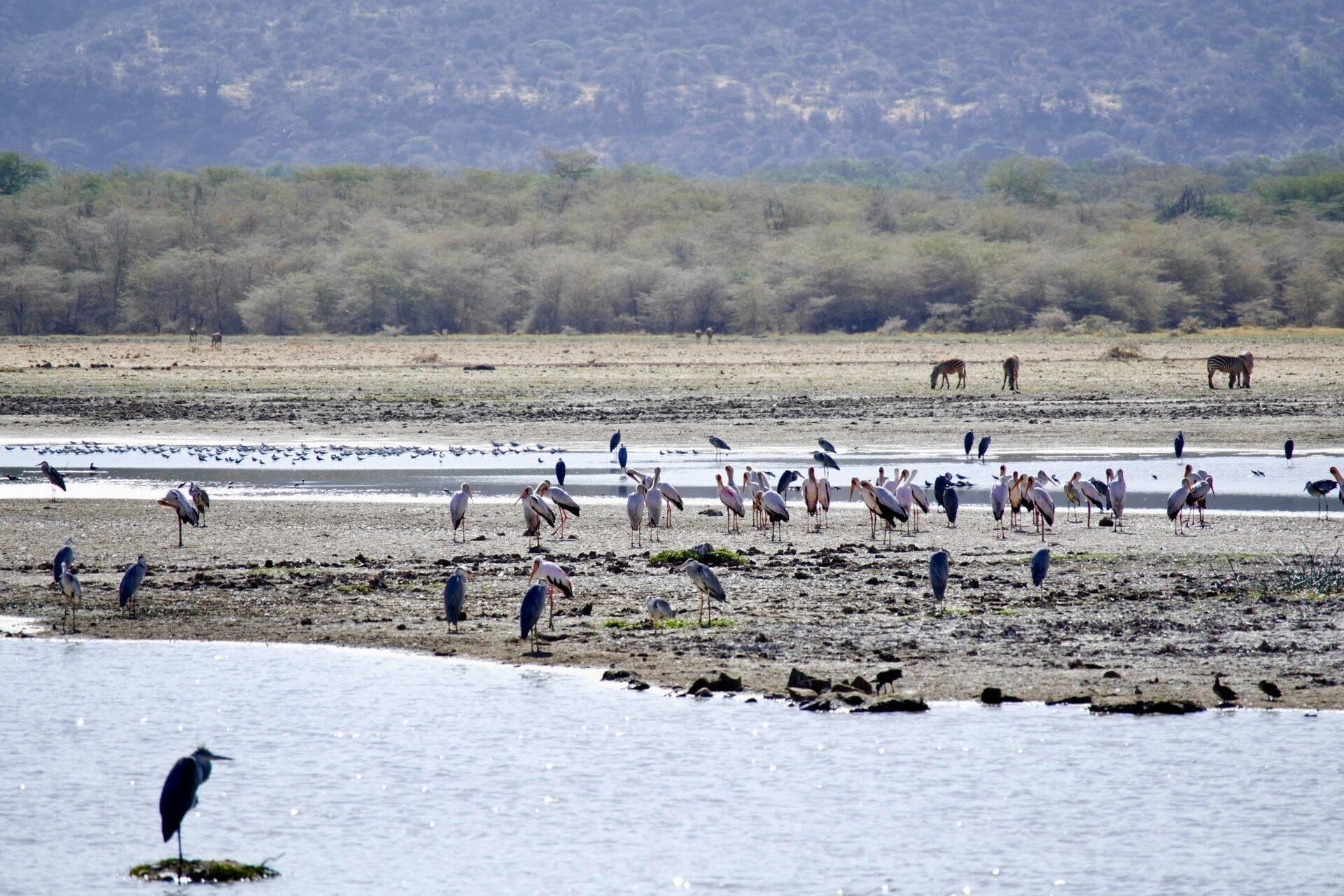
More compact than its neighbours, Lake Manyara National Park is famous for its tree-climbing lions, an unusual behaviour recorded in very few African parks. The lake regularly attracts flamingos and a wide variety of waterbirds.
The riverine forest lining the shores brings together baboons, elephants, giraffes and impalas in a verdant setting. Its modest size makes it a natural stepping stone between Tarangire and the Ngorongoro Crater.
When to Go and What to See
The dry season, from June to October, is the prime time for safaris in the northern parks. Animals congregate at waterholes, vegetation is low and the tracks remain passable.
Two other windows are well worth considering:
- December to March: wildebeest calving on the southern Serengeti plains and a good window for climbing Kilimanjaro before the heavy April rains.
- November: the first rains turn the savanna green again, wildlife is active and lodges tend to offer lower rates than during peak season.
For entry requirements, health recommendations and the right insurance cover for Tanzania, visit our Tanzania travel insurance page.
Planning Your Itinerary
The Tarangire-Ngorongoro-Serengeti combination remains the go-to circuit for a first trip to Tanzania’s northern parks. Travellers who want to add Kilimanjaro typically tackle the climb first (6 to 8 days depending on the route), follow up with the park circuit, then wind down with a few days in Zanzibar.
For more adventure ideas in Africa, our guide on what to do in Madagascar explores an equally remarkable range of biodiversity in the Indian Ocean.
FAQ
Does the Great Migration happen year-round in the Serengeti?
The Great Migration is a continuous movement, but the most spectacular moments shift with the seasons. Wildebeest calving is concentrated on the southern Serengeti plains from December to March. The Mara River crossings, with crocodiles lying in wait, take place mainly from July to October in the northern part of the park.
How many days does it take to climb Kilimanjaro?
Allow 6 to 8 days depending on your route. The Machame Route (6-7 days) and the Lemosho Route (7-8 days) are the most recommended for their acclimatisation profiles. The Marangu Route can be completed in 5 days, but the faster pace reduces the chances of reaching Uhuru Peak (5,895m).
Can you visit Zanzibar without doing a mainland safari?
Yes. The archipelago can be visited entirely independently. Diving at Mnemba Atoll, touring spice plantations, exploring Stone Town (UNESCO) and relaxing on the beaches of Nungwi or Kendwa make for a full and rewarding itinerary without ever setting foot on the mainland.
Is the Ngorongoro Crater suitable for families with children?
Yes. The visit is made in an enclosed vehicle, and the high animal density means plenty of sightings without long drives between them. Bring warm layers for the early-morning descent into the crater.
Do I need travel insurance for Tanzania?
Cover including medical expenses and repatriation is strongly recommended. Quality healthcare facilities are concentrated in Dar es Salaam and Arusha; a medical evacuation can involve significant costs. Visit our Tanzania travel insurance page for cover tailored to this destination.