
Travelling without thinking means setting off without weighing the consequences: for the planet, for local communities, for your own safety. It is not about guilt; it is about preparation. And among the simplest habits travellers so often overlook, travel insurance plays a genuinely practical role: it protects your finances, eases pressure on local health systems and fits naturally into a more conscious approach to travel.
Get my travel insuranceWhy Travelling Mindlessly Has Real Consequences
A Sector with a Serious Climate Footprint
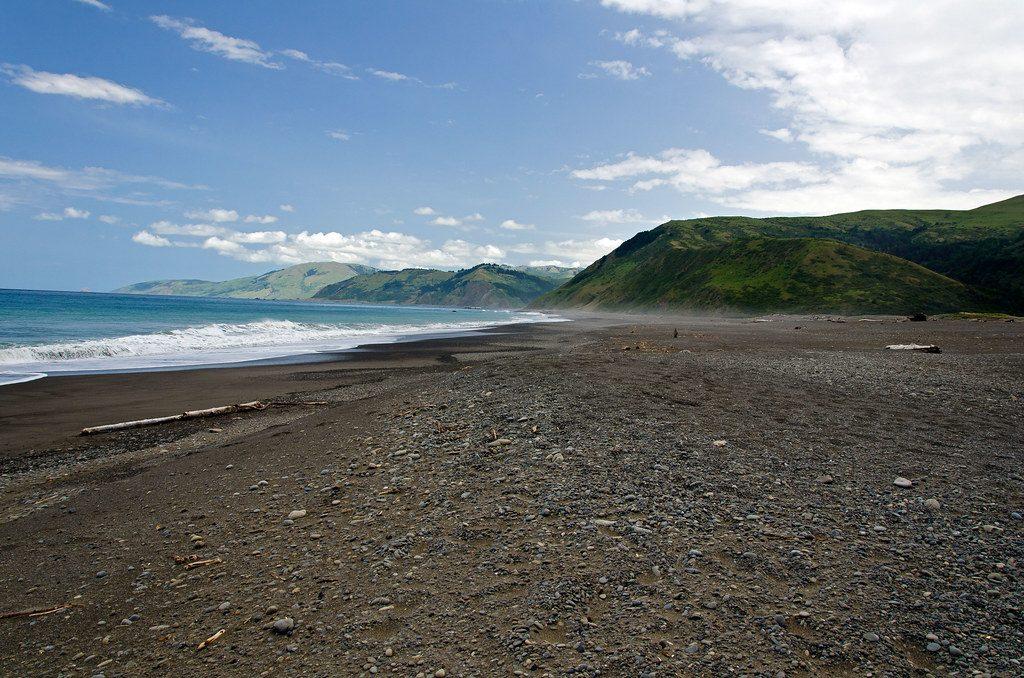
Credit: Mattole Beach-The Lost Coast by Scrubhiker (USCdyer), CC BY 2.0, via Openverse.
Global tourism accounts for roughly 8% of worldwide greenhouse gas emissions, with transport responsible for 69% of that footprint and aviation alone contributing 29% (ADEME, 2024). That is not a reason to stop travelling; it is a reason to travel smarter.
The good news is that 93% of travellers say they want to make responsible choices, and 79% have made sustainable tourism a priority in 2025, according to Booking.com. Awareness is growing. What is often missing is translating that awareness into concrete, everyday action.
Overtourism: When Destinations Pay the Price
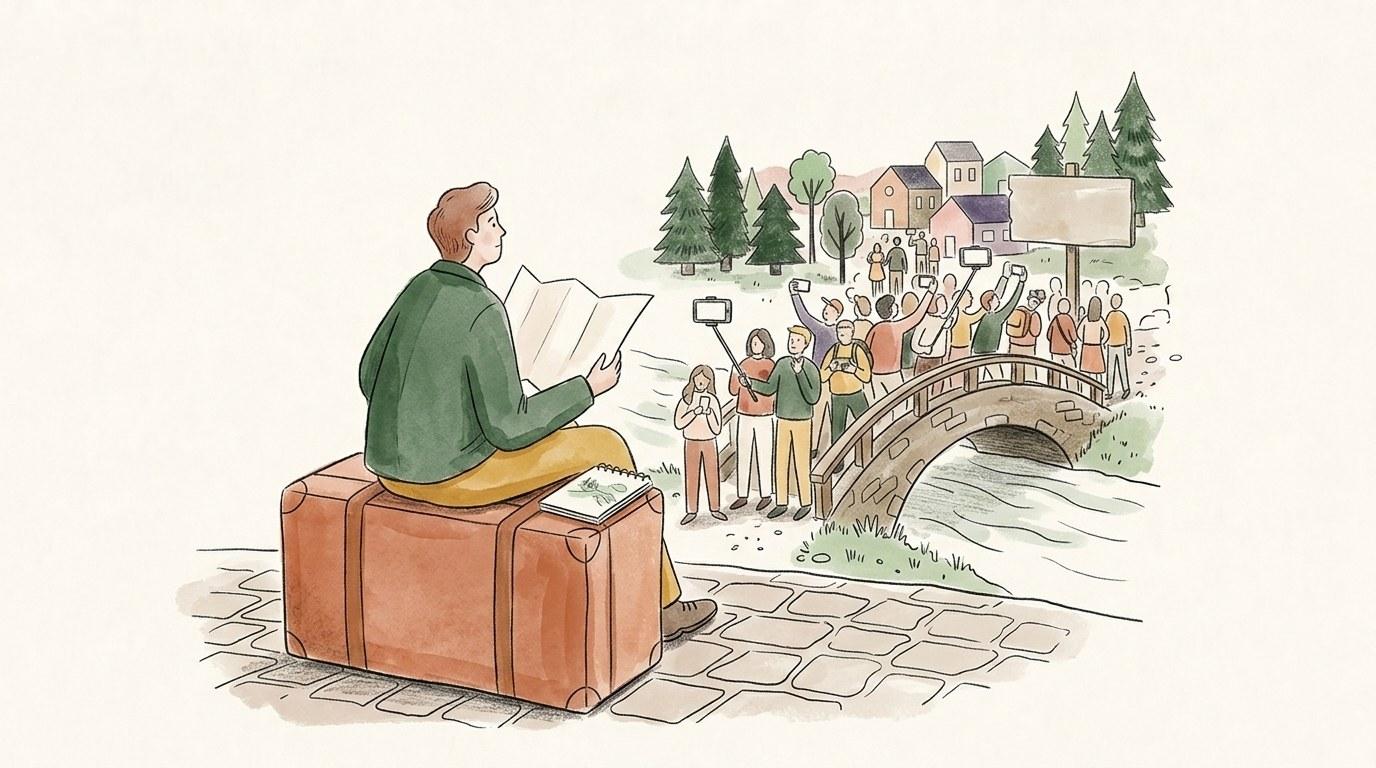
Venice, Barcelona, Dubrovnik, the Gorges du Verdon: some destinations are being loved to near-collapse. The consequences are tangible: degraded ecosystems, a rising cost of living for residents and mounting pressure on basic infrastructure.
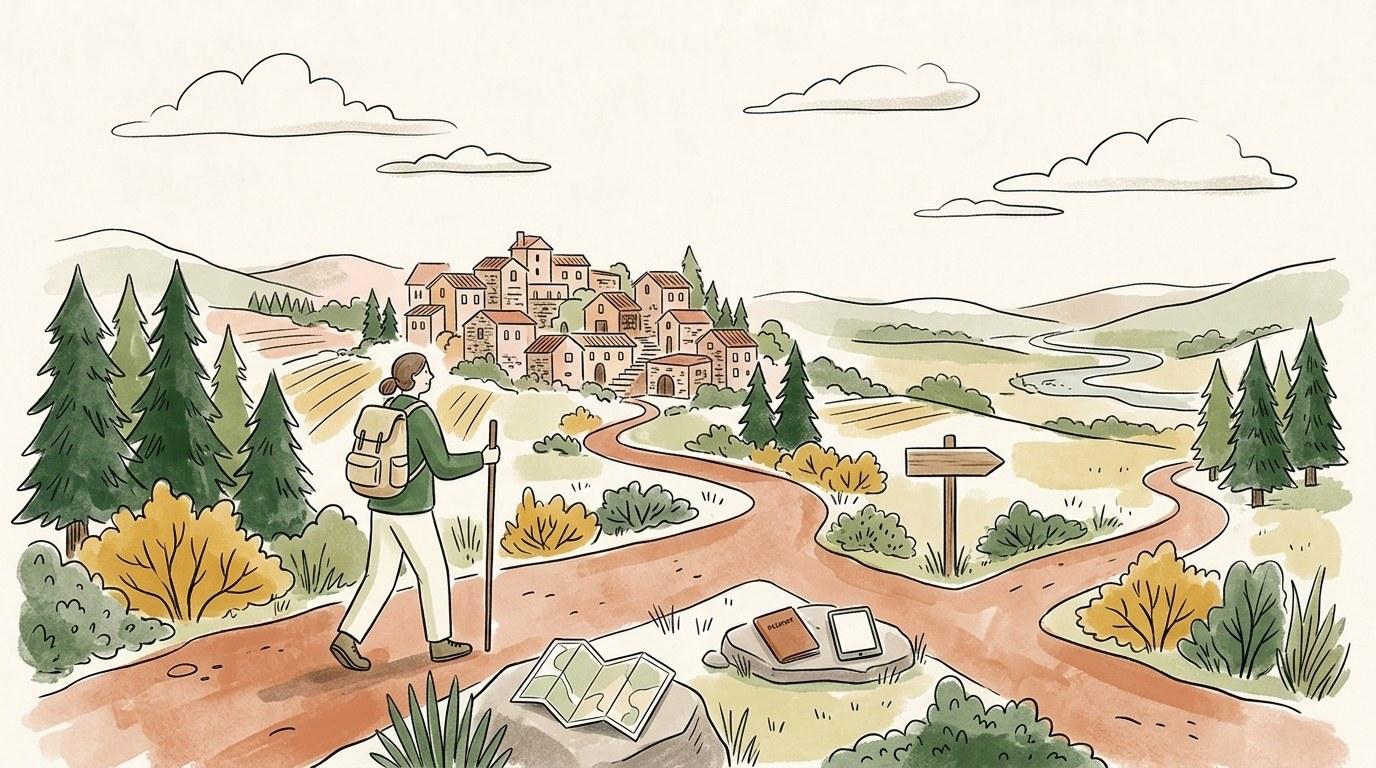
Travelling off-season, exploring lesser-known destinations and practising slow travel to truly put down roots in a place are all practical alternatives that ease this pressure without compromising the quality of your trip.
Travel Insurance: the Overlooked Piece of Responsible Tourism
Insurance rarely comes up when people talk about ethical travel. Yet it is one of the most practical dimensions of a conscious approach to travelling.
Not Leaving Your Mishaps for the Host Country to Handle
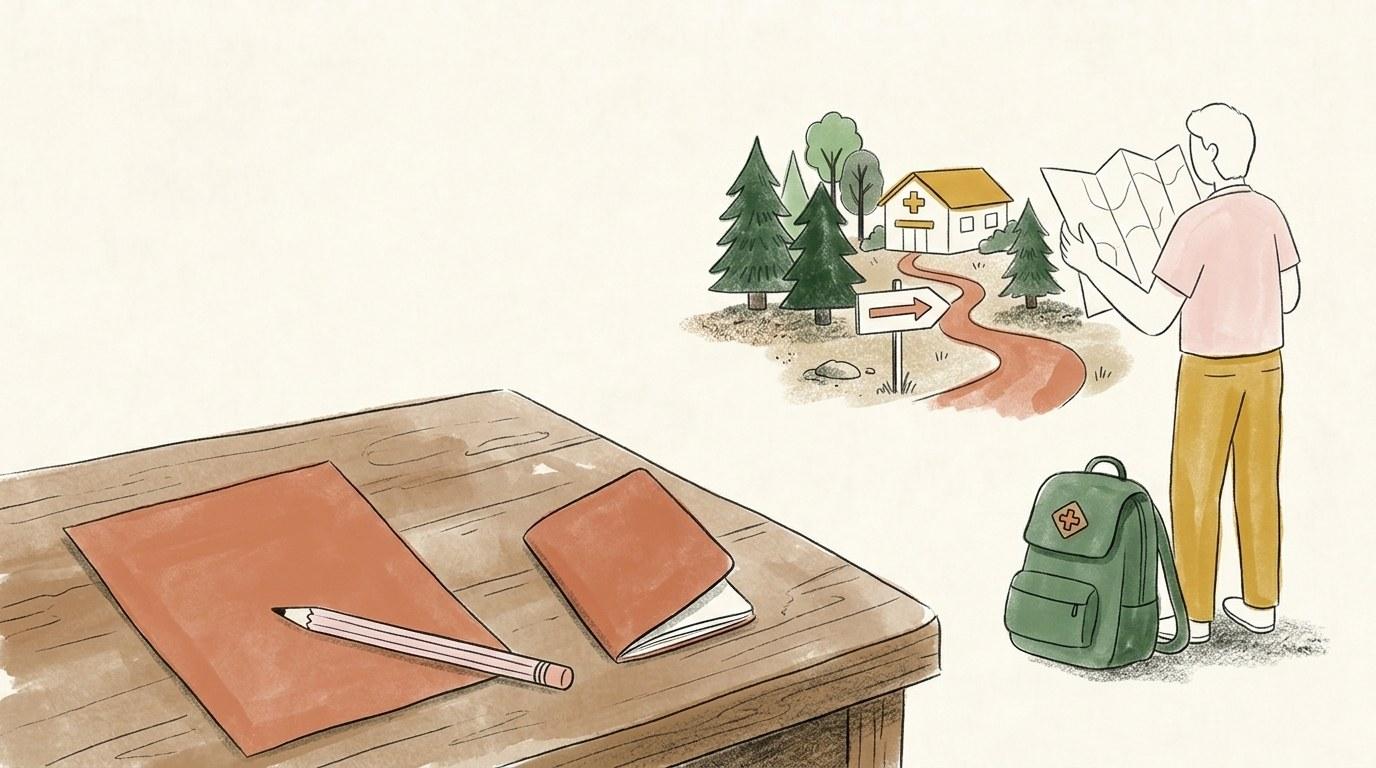
In many destinations, medical costs for uninsured foreigners are extremely high. Without cover, a hospital stay can drain limited local resources or force you to go without the care you need. Taking out adequate insurance means taking responsibility as a visitor.
Matching Your Cover to Your Travel Style
A slow traveller on a three-month stay has very different needs from a backpacker hopping between destinations. A working holiday visa in Australia calls for long-stay cover. Volunteering in a remote area often requires enhanced repatriation guarantees. Your cover should reflect your actual trip, not some off-the-shelf template.
At Yupwego, every quote is tailored to your profile, your destination and the length of your stay. And because responsible travel starts with peace of mind, Yupwego donates 1% of its revenue to environmental organisations through 1% for the Planet. To understand how technology and travel insurance are converging towards greater transparency, read travel insurance, travel and tech: what is changing for a more responsible model.
What You Can Do Right Now
Before You Leave
Choose your transport with your eyes open. According to ADEME, the train emits far less CO2 than flying on European routes. It is not always an option, but it is often more enjoyable and less stressful.
Travel light. A lighter plane burns less fuel. A lighter bag also means less fatigue and fewer impulse purchases along the way.
Research local regulations. Protected zones, restricted access areas, endangered species: knowing before you go prevents you from inadvertently damaging the very things you came to discover.
Take out the right insurance. Not as a box-ticking exercise, but because it is an act of responsibility towards yourself and the country welcoming you.
Once You’re There
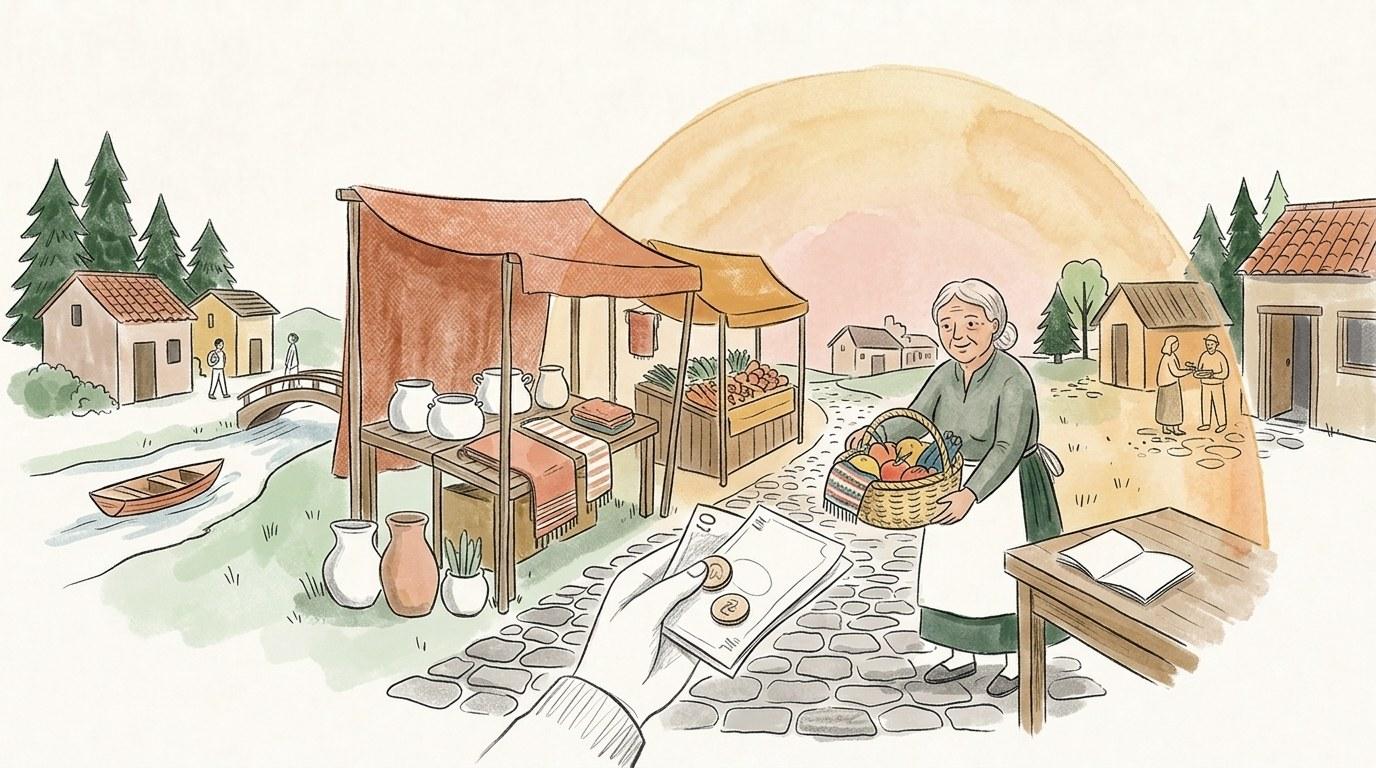
Spend locally, and spend intentionally. Locally run restaurants, neighbourhood markets, community guides: every euro spent this way has a direct impact. To understand why investing in a local business genuinely makes a difference, the stakes run deeper than they might appear.
Handle your waste responsibly. In many countries, recycling infrastructure simply does not exist. A filtered water bottle, reusable containers and saying no to single-use plastics are simple habits that really add up. Find practical tips for cutting down your waste while travelling.
Respect wildlife. Do not feed animals, do not disturb their habitat and avoid attractions that exploit protected species. In natural areas, stick to marked trails.
Save water and energy. Short showers, reused towels, restrained use of air conditioning: small habits that matter especially in water-stressed regions.
Think Before You Post
A little-known spot can go from pristine to overcrowded within weeks of a viral post. Think before geotagging a fragile location or drawing massive attention to it: some sites have been genuinely damaged by their sudden social media fame.
Low-Impact Travel Takes Planning
Mindless travel is not inevitable. Your trips can still fill you with wonder while being more respectful of people, places and natural balances. This is not a moral stance; it is a practical approach, open to every type of traveller and every budget.
Preparation is key: choosing your transport, accommodation, activities and insurance. Because these choices have real consequences, for you and for the destinations you visit.
FAQ
Is Responsible Travel Always More Expensive?
Not necessarily. The train is often cheaper than flying on short and medium European routes. Eating locally is generally more affordable than tourist restaurants. Good insurance has a cost, but it is an investment that avoids far heavier expenses in the event of a medical problem abroad.
Does Travel Insurance Really Form Part of Responsible Travel?
Yes, genuinely. Travelling without cover risks drawing on local medical resources without the means to cover them. The right insurance ensures you receive care that burdens neither your wallet nor the host country’s health system.
How Do I Match My Insurance to a Slower or More Unconventional Trip?
You need cover adjusted to the actual length of your stay, your destination and the type of activities you plan to do. Long-stay policies are designed for working holiday visa holders, expats and slow travellers. Yupwego offers personalised quotes based on these parameters, in just a few minutes.
Does Slow Travel Really Reduce Your Carbon Footprint?
Yes. By cutting the number of flights and staying longer in one place, you automatically shrink your transport footprint. And by immersing yourself more deeply in local life, you contribute to the destination’s economy rather than its overtourism problem.
What Practical Steps Can I Take on My Next Trip?
Pack a filtered water bottle, choose locally run accommodation, cut food waste, stick to marked trails in natural areas and think before geotagging a quiet spot on social media.