
Travel insurance and responsible tourism are not at odds: they are converging. Technology is speeding up sign-ups, automating claims and making policy terms easier to understand. At the same time, travellers are choosing slower itineraries, lower-carbon transport and locally run accommodation. These two trends reinforce each other: better protection means travelling with more peace of mind, and more mindful travel means reassessing the risks your policy actually covers.
Technology is transforming travel insurance
Online sign-ups, faster claims: a radically different experience
Taking out travel insurance now takes just a few minutes on a smartphone. Documents are fully digital, and your certificate of insurance arrives instantly by email. If something goes wrong abroad, you file a claim through an app or an online form.
Behind the scenes, artificial intelligence is cutting claims processing times by between 40% and 70%, according to Mandalore Partners. For you, that means faster answers when you need them most, far from home.
Embedded insurance: built into your booking
Embedded insurance is integrated directly into the booking journey: train tickets, rental platforms, travel apps. Once largely experimental, this distribution channel has become a major growth area: the European market is expected to reach 90 billion euros in premiums by 2030, according to Mandalore Partners. Convenient, certainly, but always check the actual coverage included, which is often more limited than a policy taken out separately.
Parametric insurance: goodbye to mountains of paperwork
Parametric insurance is the most concrete advance for travellers. The principle: a pre-defined event (a cancelled flight beyond a set delay, bad weather, a border closure) automatically triggers a payout, with no claim file to build. This segment grew by 35% in Europe in 2025, according to Mandalore Partners. It is particularly useful for complex itineraries: off-the-beaten-track destinations, alternative modes of transport, long-stay trips.
Get my travel insurance onlineWhat responsible tourism means for your coverage
Slow travel and alternative transport: managing risk differently
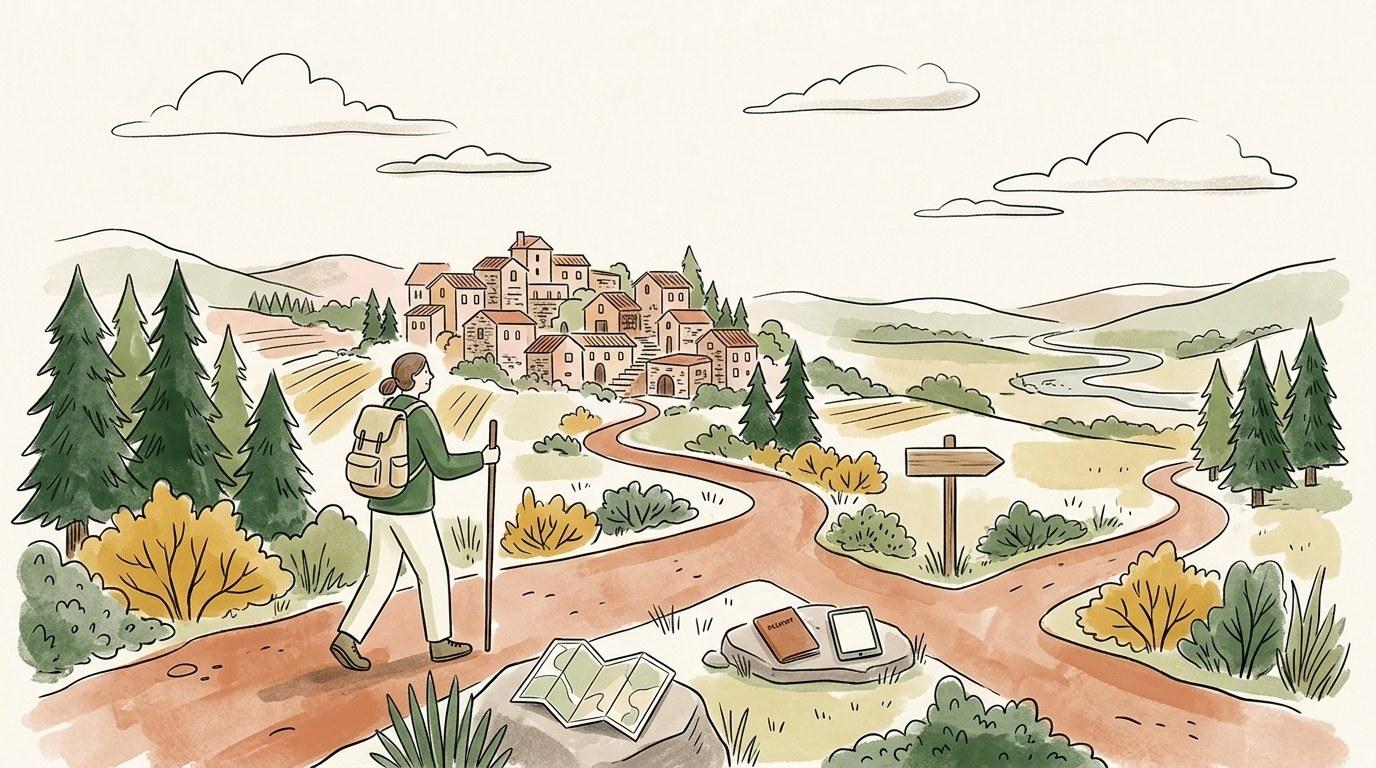
Taking the train instead of flying, cycling across Europe, reaching a destination by ferry: slow travel cuts the carbon footprint of a trip. It also changes the risk profile. In remote areas, access to healthcare can be limited. On a bicycle, a physical accident is always possible. A mountain hike can expose you to steep rescue costs.
Before you leave, check that your policy covers:
- The activities you plan to do: hiking, cycling, water sports, climbing. Some are excluded by default or require optional add-ons.
- Theft of your equipment: travel insurance rarely covers the theft of the bicycle itself, which usually falls under baggage cover with a specific cap.
- The countries you will pass through: medical coverage varies by country, especially outside the European Union.
- The length of your trip: for longer journeys, a long-stay policy is recommended.
Less-visited destinations: planning for healthcare access
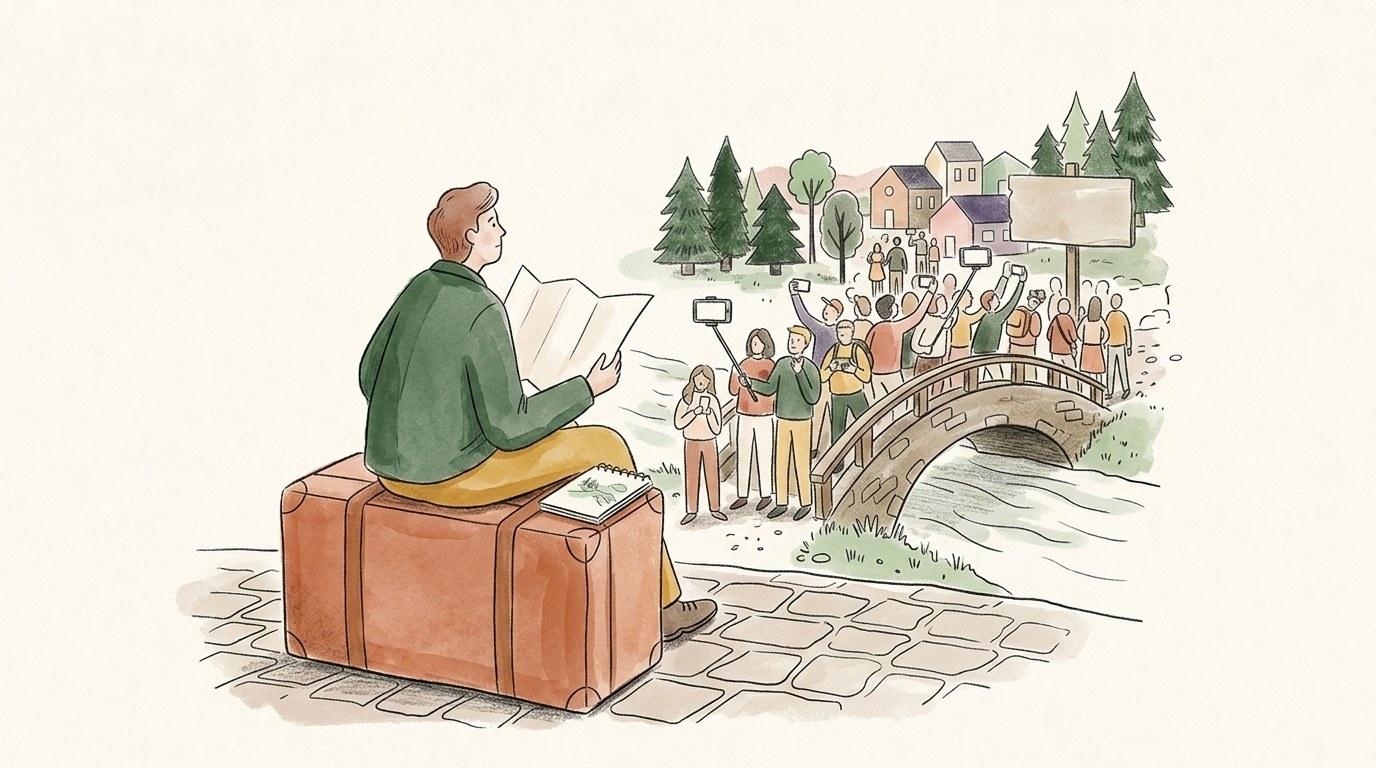
Avoiding overtourism and choosing lesser-known sites is a responsible approach. It often means heading away from well-equipped urban areas. The further you venture from major centres, the higher the potential medical and repatriation costs, and the longer the response times. Solid repatriation cover becomes all the more essential.
Local businesses, alternative accommodation: what insurance does not cover (but what you can do)
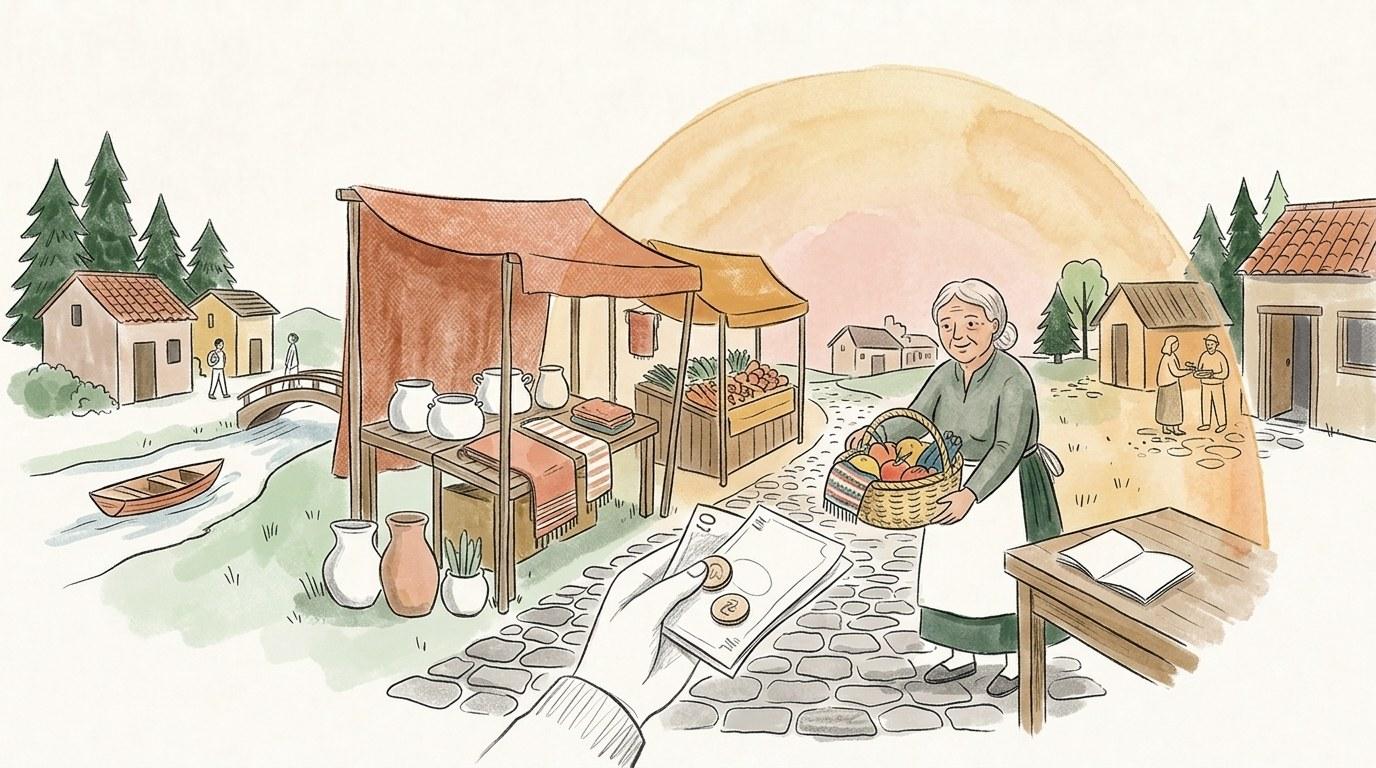
Staying with a local host, eating at a family-run restaurant, buying crafts directly from the maker: these choices are not covered by travel insurance, but they are at the heart of travel that genuinely benefits local communities. To take this further, read our article on why spending locally changes everything when you travel.
The insurance industry is aligning with responsible values
According to Mandalore Partners, 70% of European insurers had integrated environmental, social and governance (ESG) criteria into their underwriting practices by 2025. The industry is evolving, driven by travellers who expect their providers to make genuine commitments.
Yupwego is part of this movement as a member of 1% for the Planet: 1% of revenue is donated to environmental partner organisations. This is not a marketing argument; it is a core commitment.
Practical steps for responsible, well-protected travel
Before you leave
- Compare coverage according to your destination, the length of your trip and your planned activities. Cover varies considerably from one policy to another.
- Check the official travel advice from your government’s foreign travel authority for your destination.
- Book outside peak season: travelling off-peak reduces pressure on destinations and local communities, and can sometimes mean more affordable prices.
- Choose low-emission transport: train, long-distance coach, carpooling. Greener options and often well covered by cancellation insurance.
During your trip
- Keep your receipts in digital format: tickets, medical bills, prescriptions. When filing a claim online, a well-documented file speeds everything up.
- Manage your waste: carry a reusable water bottle, refuse single-use plastic, follow local recycling rules. The impact is cumulative.
- Respect wildlife and nature: do not feed wild animals, stay on marked paths, avoid activities that exploit animals.
- Stick to less-visited sites and extend your stay rather than hopping between short trips: one of the most effective responses to overtourism.
To understand how social media amplifies the pressure on destinations, read our article on influencers and travel.
After you return
Responsible travel is worth documenting and sharing honestly: tips on committed local providers, less-trodden itineraries, organisations you met along the way. That is how responsible tourism spreads, without greenwashing.
To explore the question of protection during eco-conscious travel further: Travelling without thinking it through: why responsible travel insurance changes everything.
FAQ
Does travel insurance cover slow travel activities like cycling or hiking?
Not automatically. Standard travel insurance policies cover medical expenses and repatriation in the event of an accident or illness, but some activities, such as long-distance cycling, high-altitude hiking or climbing, may be subject to exclusions or require optional add-ons. Check the general conditions of your policy before you leave and take out a specific option if needed.
What is parametric insurance and why is it useful for travellers?
Parametric insurance triggers an automatic payout as soon as a pre-defined event occurs (a cancelled flight, a natural disaster, a border closure), without the traveller needing to build a claim file. It is particularly useful for complex itineraries or off-the-beaten-track destinations, where traditional claims processes can take longer.
How do I choose travel insurance suited to responsible travel?
Start by identifying your planned activities and mode of transport (cycling, hiking, train, ferry), your destination and the length of your trip. Check that the policy covers medical expenses and repatriation in the countries you will be visiting, as well as your planned activities. For long trips or travel in remote regions, comprehensive cover is recommended.
Does Yupwego donate part of its revenue to environmental organisations?
Yes. Yupwego is a member of 1% for the Planet and donates 1% of its revenue to environmental partner organisations.
Will my travel insurance cover medical expenses abroad on an off-the-beaten-track trip?
Medical expense coverage abroad depends on the terms of your policy and the geographical area covered. In destinations that see few tourists, or in areas far from urban centres, costs can be higher and repatriation more complex. Check the reimbursement caps and conditions of your policy for your specific destination.