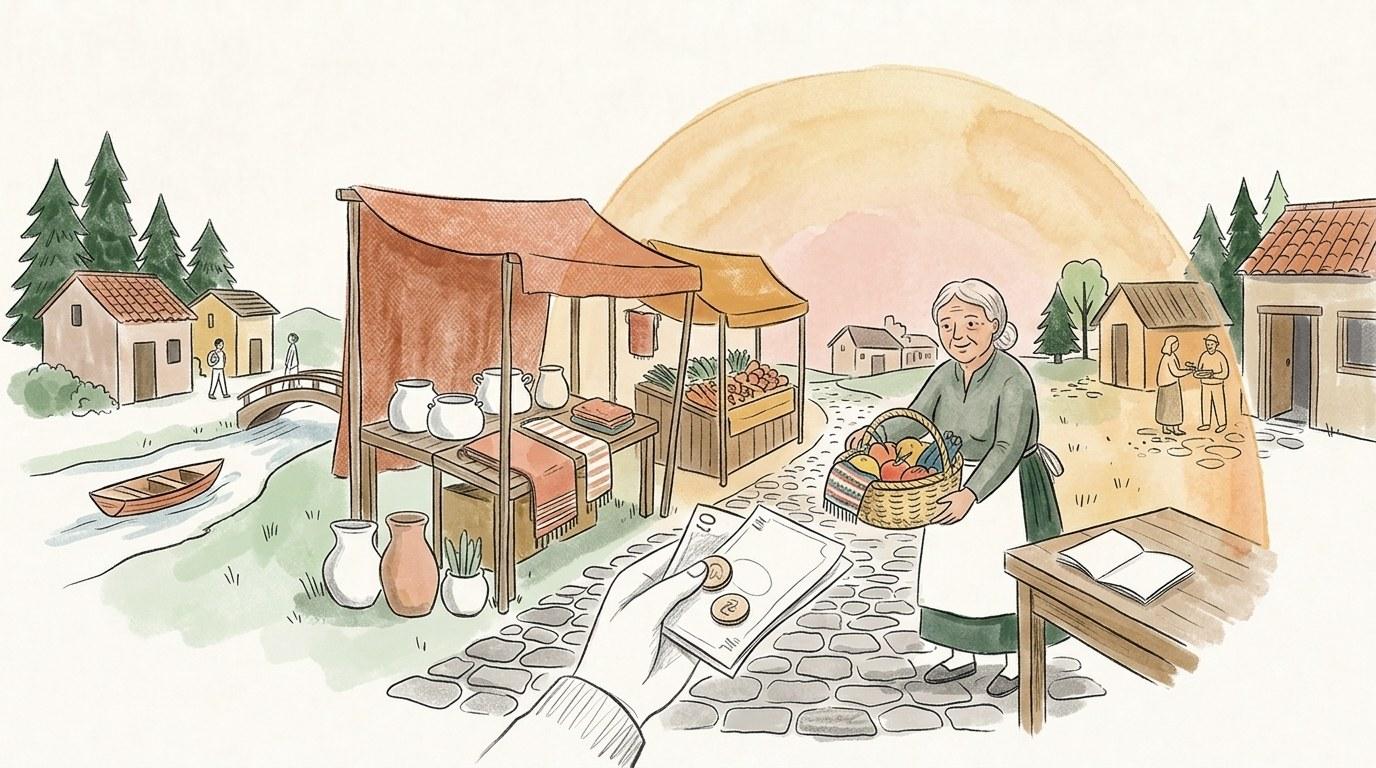

Why does choosing a family-run canteen over an international chain, or a local craftsperson over a souvenir shop, actually make a difference? In mass tourism, a significant share of what travellers spend quickly leaves the country without benefiting the people who live there: it flows to foreign airlines, multinational hotel groups and major retail chains. Spending your money with a local trader, by contrast, injects cash directly into the economy of the country you are visiting, creates jobs, keeps traditional skills alive and delivers a far richer experience.
Tourism leakage: when your money leaves the country
The concept of tourism leakage refers to the share of traveller spending that does not stay in the local economy. In many developing countries, a considerable proportion of tourism revenues flows back to the tourists’ home countries or to foreign investors: hotels owned by multinational groups, closed-circuit package tours, imported products…
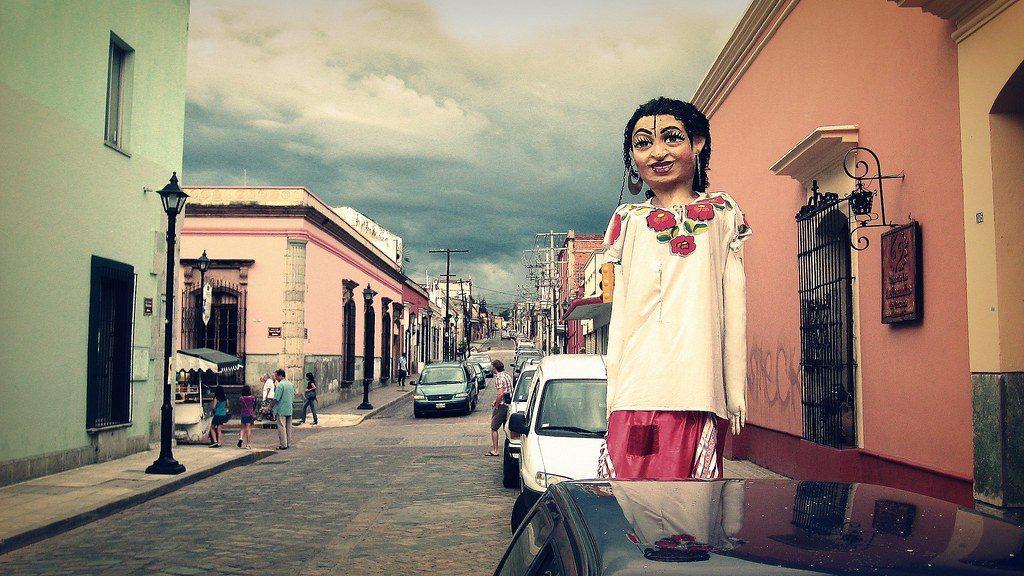
Credit: Encounter by 16:9clue, CC BY 2.0, via Openverse.
The contrast is striking: community tourism redistributes up to 95% of economic benefits directly to local communities, compared to around 20% for conventional mass tourism. The gap depends, in large part, on where you choose to spend.
Plan my trip with peace of mindWhat buying local actually changes
For local people and communities
Every euro spent with a local craftsperson, restaurant owner or independent guide has several direct effects:
- It goes straight to a family, with no middleman siphoning off a margin overseas.
- It keeps traditional skills alive: pottery, local cuisine, textiles, traditional music – trades that only survive if they find buyers.
- It supports jobs on the ground: a traveller who eats in a local restaurant or stays in a guesthouse creates more local employment than a guest at an all-inclusive resort.
- It encourages sustainable practices: local producers and service providers have less incentive to overexploit their natural resources when tourism gives them a stable, direct income.
For you, the traveller
This is not just an altruistic gesture. It is also the way to have a radically different trip:
- Eating at a family-run canteen means discovering real food, not a standardised version tailored for tourists.
- Shopping at a craft market means bringing home an object with a story, not a souvenir manufactured thousands of miles away.
- Hiring a local guide means accessing places and anecdotes that no guidebook ever mentions.
The trips that stay with you longest are almost always the ones defined by unexpected encounters and genuine exchanges, not by sprawling resort complexes.
Practical steps: what to do, what to avoid
Eating out and choosing accommodation
- Seek out restaurants run by locals, often found away from the most touristy areas, recommended by other residents or through platforms specialising in homestays.
- Choose independent accommodation (guesthouses, B&Bs, family-run inns) rather than international chains or all-inclusive packages.
- Book activities through local operators: independent guides, community associations and tourism cooperatives, rather than large agencies backed by foreign capital.
For your shopping
- Favour markets and craftspeople’s workshops over generic souvenir shops, which are often supplied by wholesalers from outside the country.
- Ask about provenance: a craftsperson who makes their own pieces is usually proud to show you, and it makes for a memorable exchange.
- Pay a fair price without bargaining aggressively: for the seller, a few euros can sometimes represent a full day’s income.
- Avoid buying protected species, coral, rare feathers or any product derived from wildlife: it is illegal in most countries and directly destroys biodiversity.
What is best avoided
- Closed-circuit all-inclusive packages where almost all spending stays in the hands of foreign operators.
- Major hotel and restaurant chains operating locally but repatriating their profits abroad.
- Systematic, aggressive bargaining, which devalues craftspeople’s work and deepens inequality.
- “Fake craft markets” often positioned at the exit of tourist attractions and stocked with mass-produced goods.
No trip is ever zero-impact: the goal is not perfection, but making conscious choices at every step.
Going further as a conscious traveller
Buying local is a cornerstone of responsible travel, but it is not the only lever. Travelling off-peak to ease pressure on overcrowded sites, choosing lower-emission transport, respecting local rules and biodiversity: every action adds up.
For a genuinely different approach to travelling day to day, the slow travel philosophy is particularly well suited: taking time to absorb a place rather than ticking off sites is also the best way to buy local with intention and build genuine human connections.
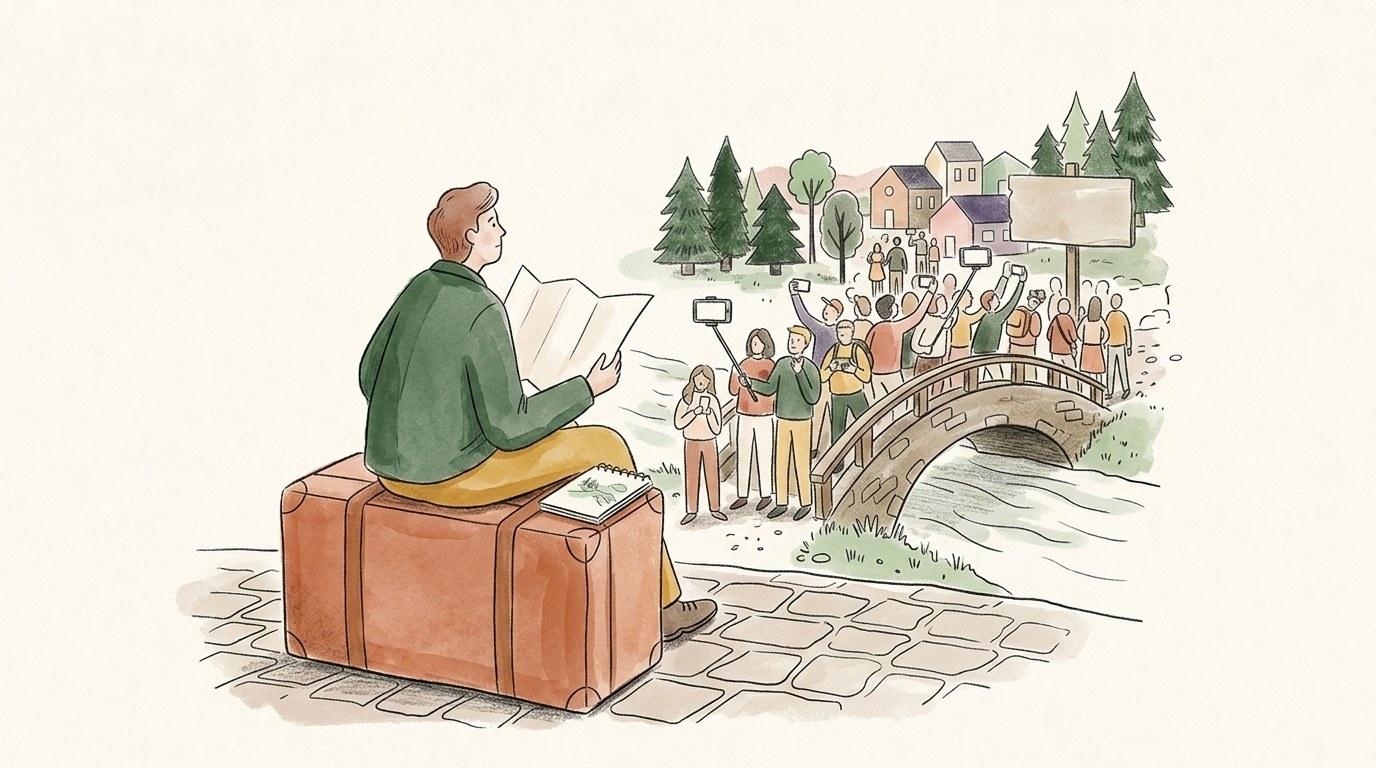
The question of social media influence and overtourism sits at the heart of these issues: when a destination is overrun with visitors, residents are often the first to suffer, through rising rents, a deteriorating quality of life and loss of access to their own natural sites.
Travelling with purpose means being well prepared
Leaving the beaten track, opting for local transport, venturing into less touristy neighbourhoods: responsible travel often means taking more initiative. Which means being properly covered if something unexpected happens.
Travel insurance suited to this way of travelling covers medical costs abroad, repatriation when necessary and other unforeseen situations that could turn a great adventure into a costly ordeal. With Yupwego, taking out cover takes just a few minutes, and 1% of revenue is donated to environmental organisations through the 1% for the Planet programme.
FAQ
Why is it important to buy local when you travel?
Because it ensures that your spending directly benefits the people living in the country you visit, rather than flowing to foreign investors. It supports local employment, preserves cultural skills and delivers a far more authentic travel experience.
What is tourism leakage?
Tourism leakage refers to the share of tourist spending that exits the local economy, notably through foreign hotel chains, imported goods or operators based outside the country. In some developing countries, this leakage can account for a very significant proportion of the revenues generated by tourism.
How do you find authentic local businesses when travelling?
Move away from heavily touristy areas, ask locals for advice (your guesthouse host, a local bus driver), explore markets early in the morning, and use apps or platforms that list local producers and craftspeople. Local tourist offices and community development associations can also point you in the right direction.
Is buying local more expensive?
Not necessarily. A meal at a local canteen is often more affordable than a tourist restaurant. For craft purchases, the price may be higher than a mass-produced souvenir, but it reflects genuine work. What matters is paying a fair price without bargaining aggressively.
How do you travel responsibly without compromising on safety?
Responsible travel does not mean giving up comfort or safety. It is about making informed choices: preferring independent accommodation to an international chain, choosing a qualified local guide, and taking out travel insurance to be covered in the event of a medical emergency or repatriation.