
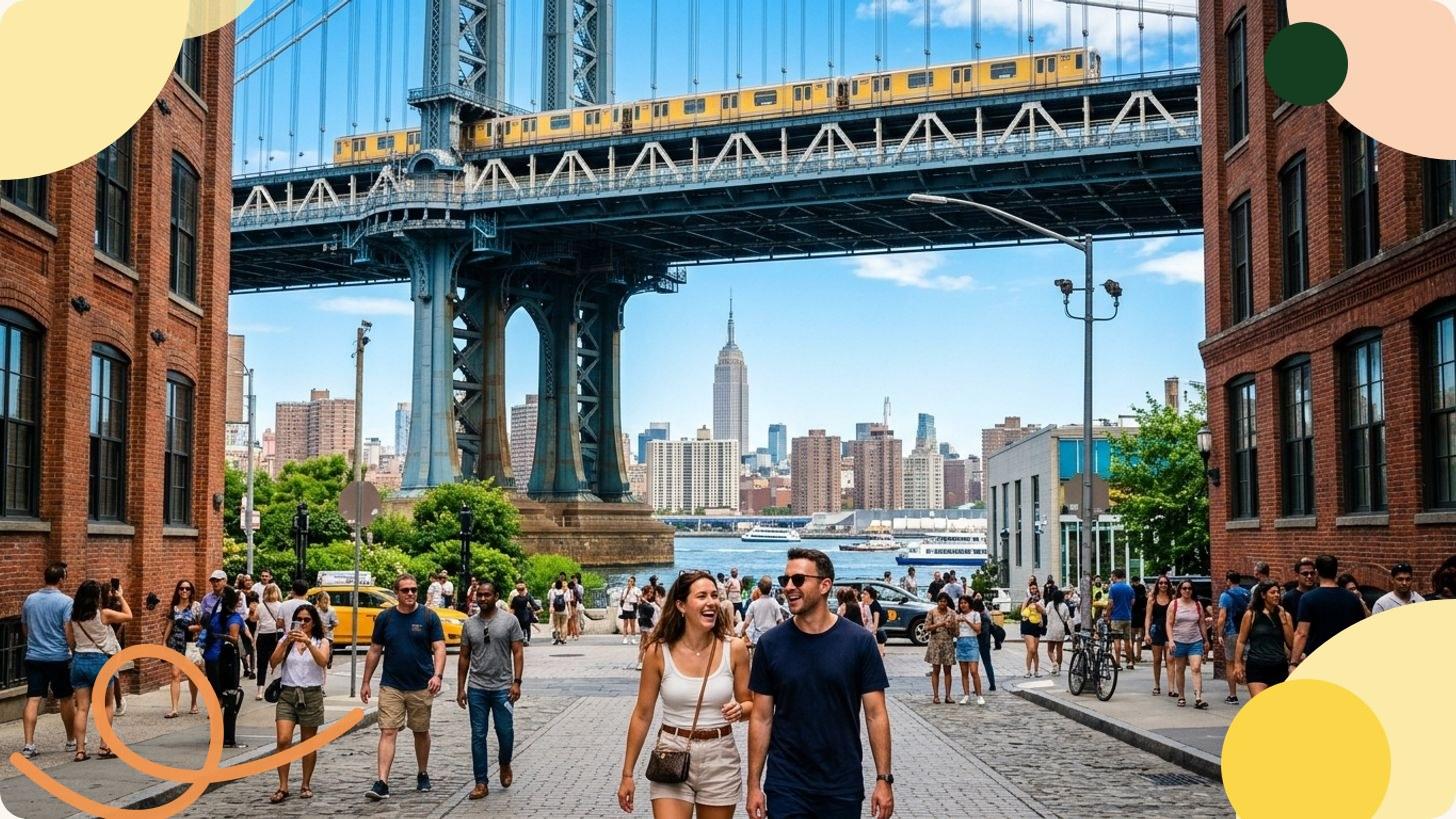

New York compresses into a single trip what other countries spread across weeks: landmarks that have shaped the collective imagination, museums among the richest in the world, and neighbourhoods you could wander for days on end. Whether you have five days or a full week, this guide covers the 20 places not to miss on a first visit, from the Midtown classics to the hidden corners of Brooklyn.
Plan my trip to New YorkMidtown’s Iconic Landmarks
1. Times Square
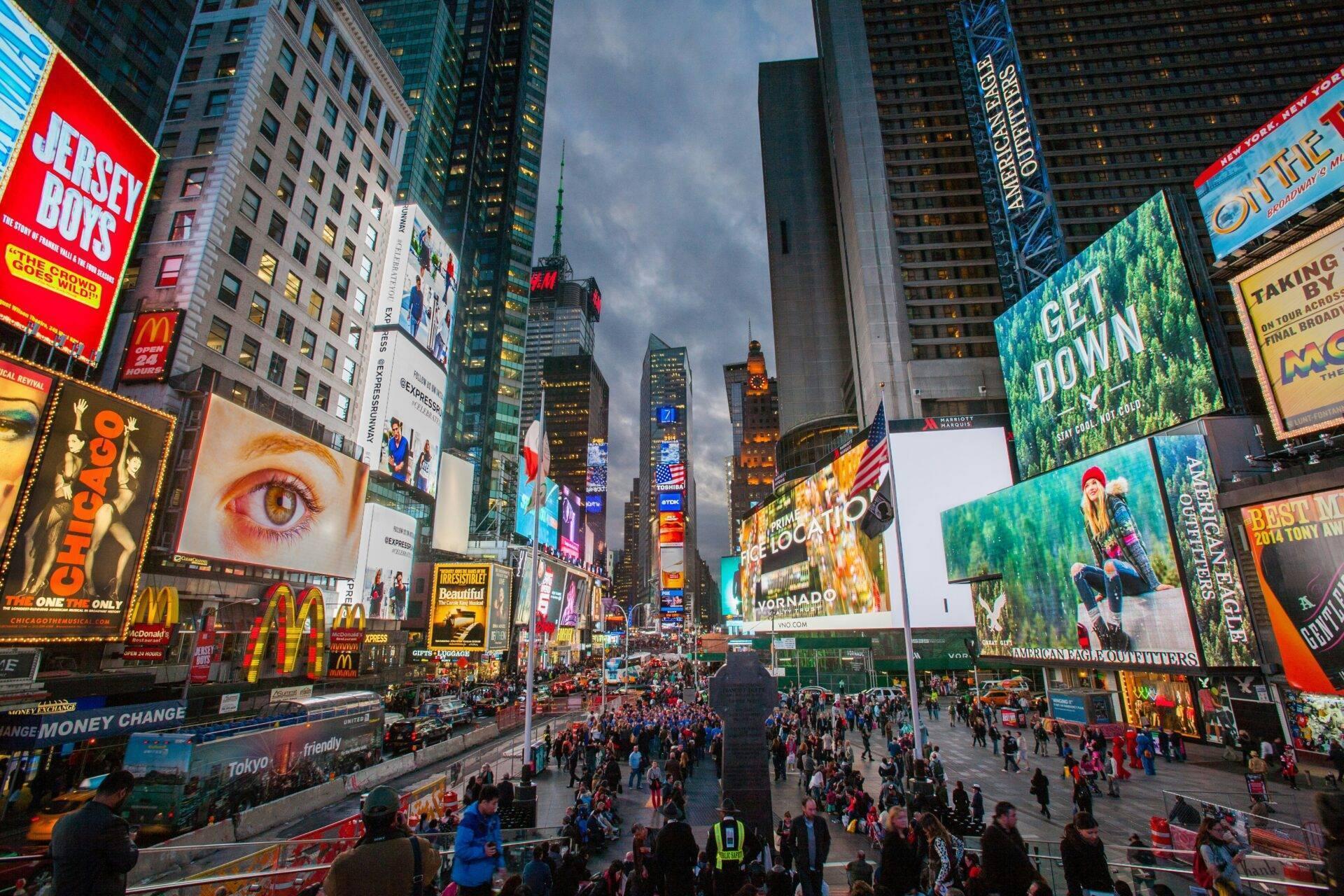
Times Square deserves two visits: one during the day for the buzz of Broadway theatres and the crowds of passers-by, and one in the evening when thousands of illuminated signs transform the intersection into a permanent stage. Entry is free and the area is entirely pedestrianised.
2. Empire State Building
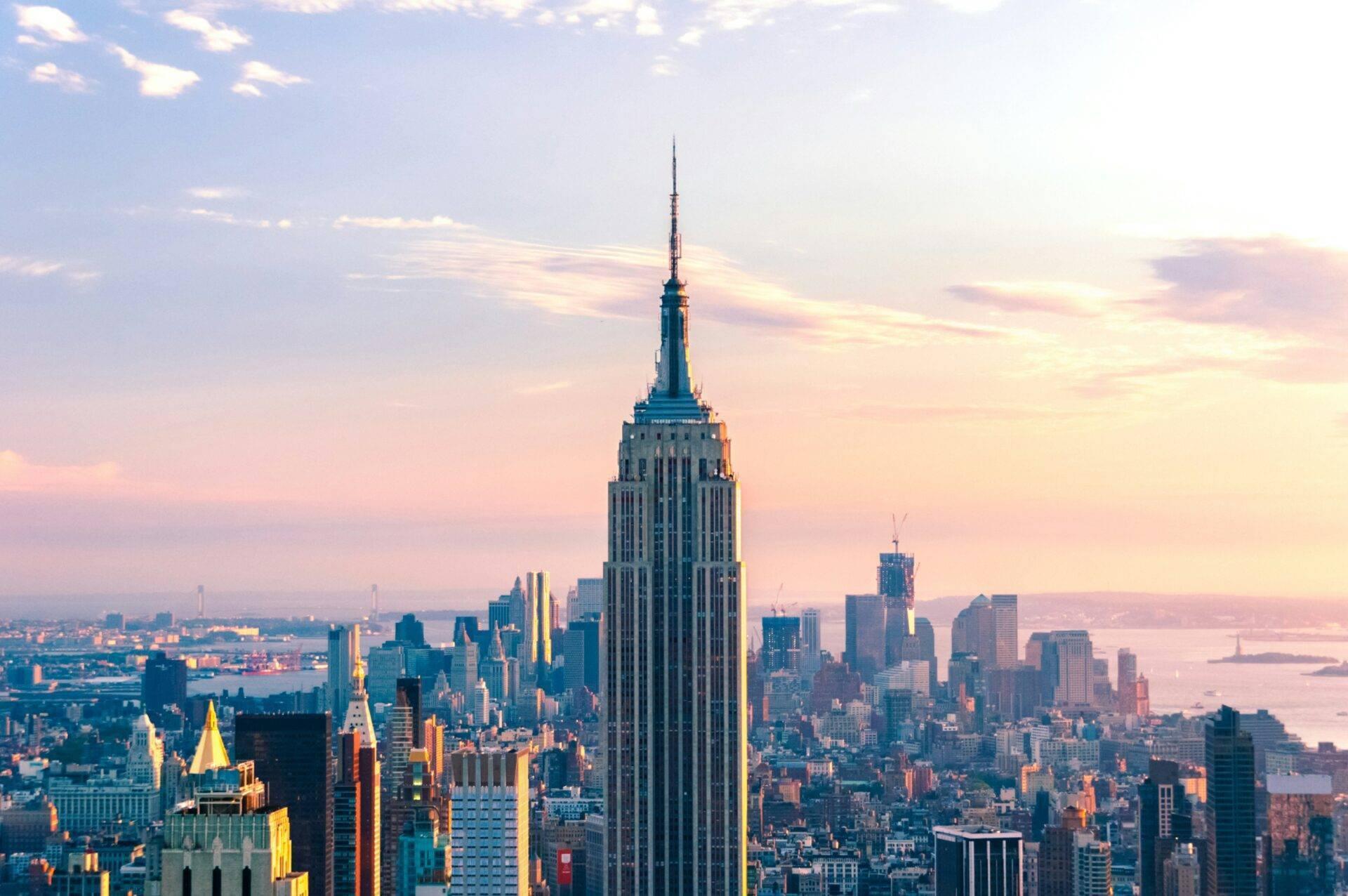
Built in 1931, the Empire State Building stands 102 storeys tall and rises to 443 metres. Its 86th-floor observatory offers a 360-degree view over Manhattan, the East River and New Jersey. Sunset slots are the most sought-after: book your ticket in advance to avoid disappointment.
3. Rockefeller Center
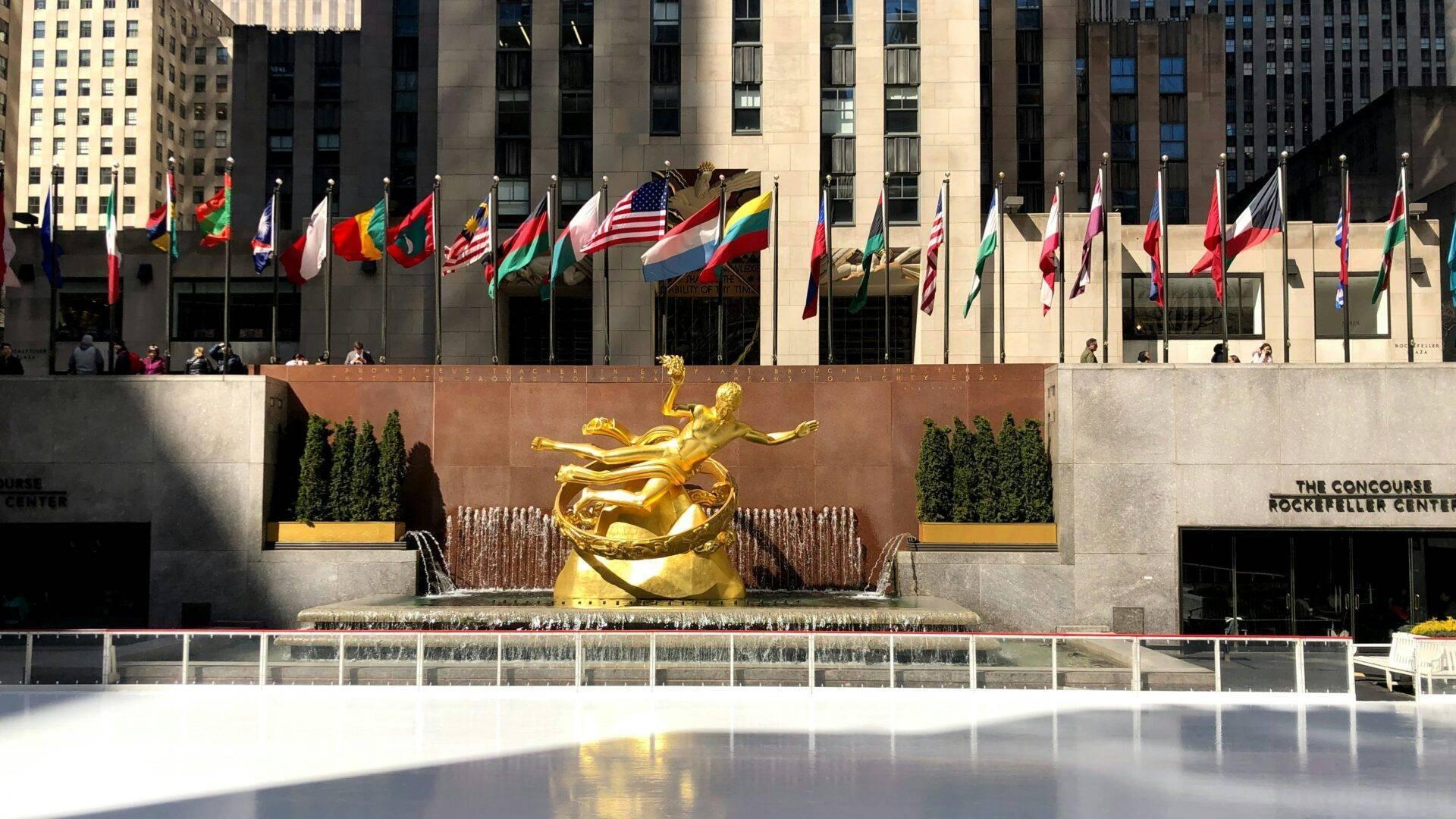
Built in the 1930s, Rockefeller Center is a vast complex of offices and attractions at the heart of Midtown. In winter, the ice rink set beneath the gilded statue of Prometheus is the defining image of Christmas in New York. If you are planning a festive visit, our article on dream destinations for Christmas in New York covers the best seasonal addresses. The Top of the Rock observation deck offers an unobstructed view of Central Park with the Empire State Building in the background, without its own building getting in the way.
4. Grand Central Terminal
Grand Central Terminal is worth a detour even if you have no train to catch. Its main hall, beneath a 38-metre vaulted ceiling adorned with painted constellations, is one of the finest Beaux-Arts achievements in the city. The Grand Central Market inside offers fresh produce and local specialities. Entry is free.
The Statue of Liberty and Lower Manhattan
5. Statue of Liberty and Ellis Island
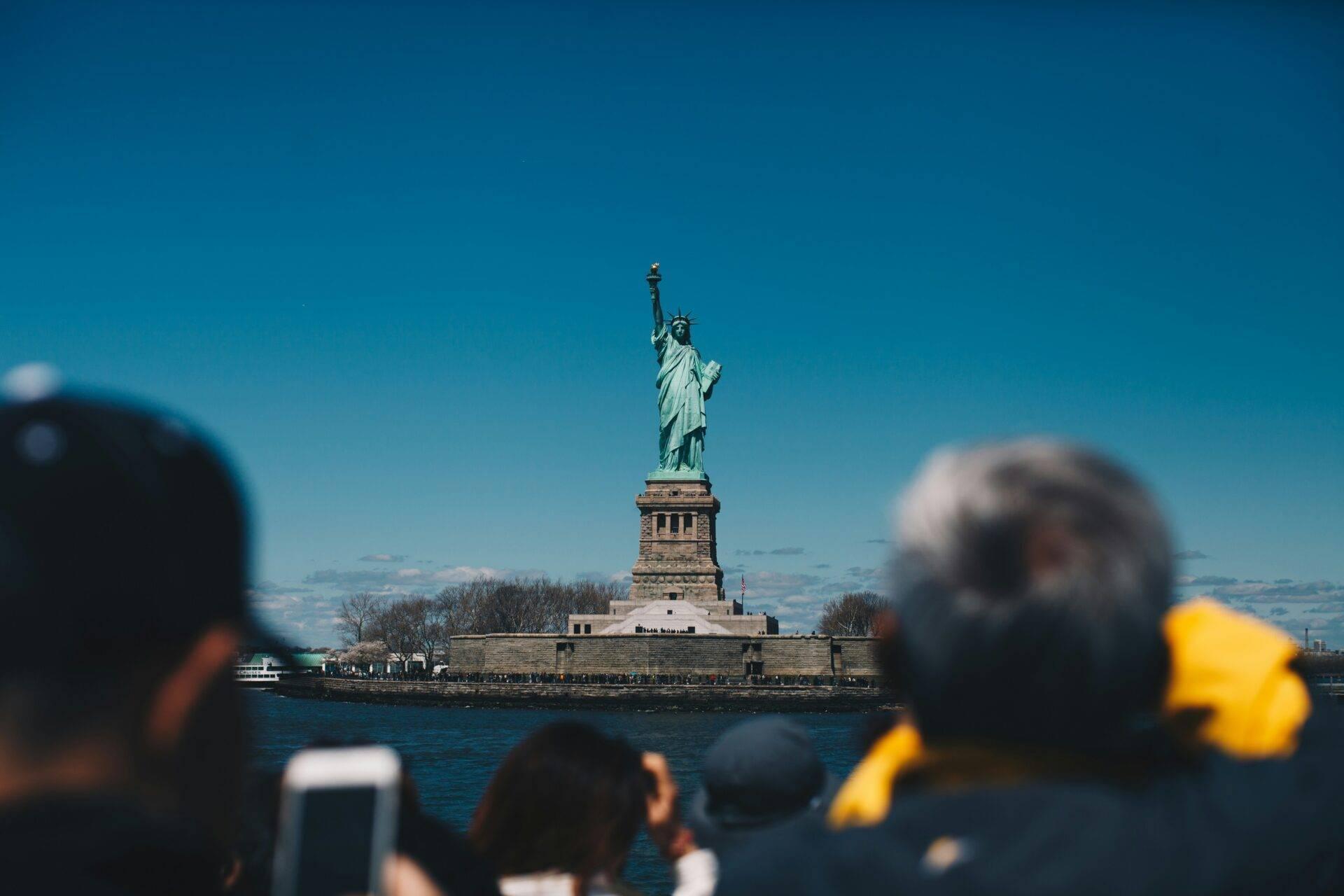
Gifted by France in 1886, the Statue of Liberty stands on Liberty Island. To reach it, a ferry from Battery Park in Manhattan is essential. Book your ticket in advance, especially in summer, as slots sell out several days ahead. Ellis Island, included with the same ticket, tells the story of the millions of immigrants who passed through its doors at the turn of the 20th century.
6. One World Observatory and 9/11 Memorial
The SkyPod Elevator at One World Trade Center takes visitors to floors 100 to 102 in 47 seconds, with a 360-degree view over the harbour, the Statue of Liberty and Brooklyn Bridge. A short walk away, the 9/11 Memorial occupies the exact footprint of the two fallen towers: its two pools, sunken into the ground and surrounded by the names of the victims, can be visited free of charge in the open air.
The Great Museums
7. The Metropolitan Museum of Art
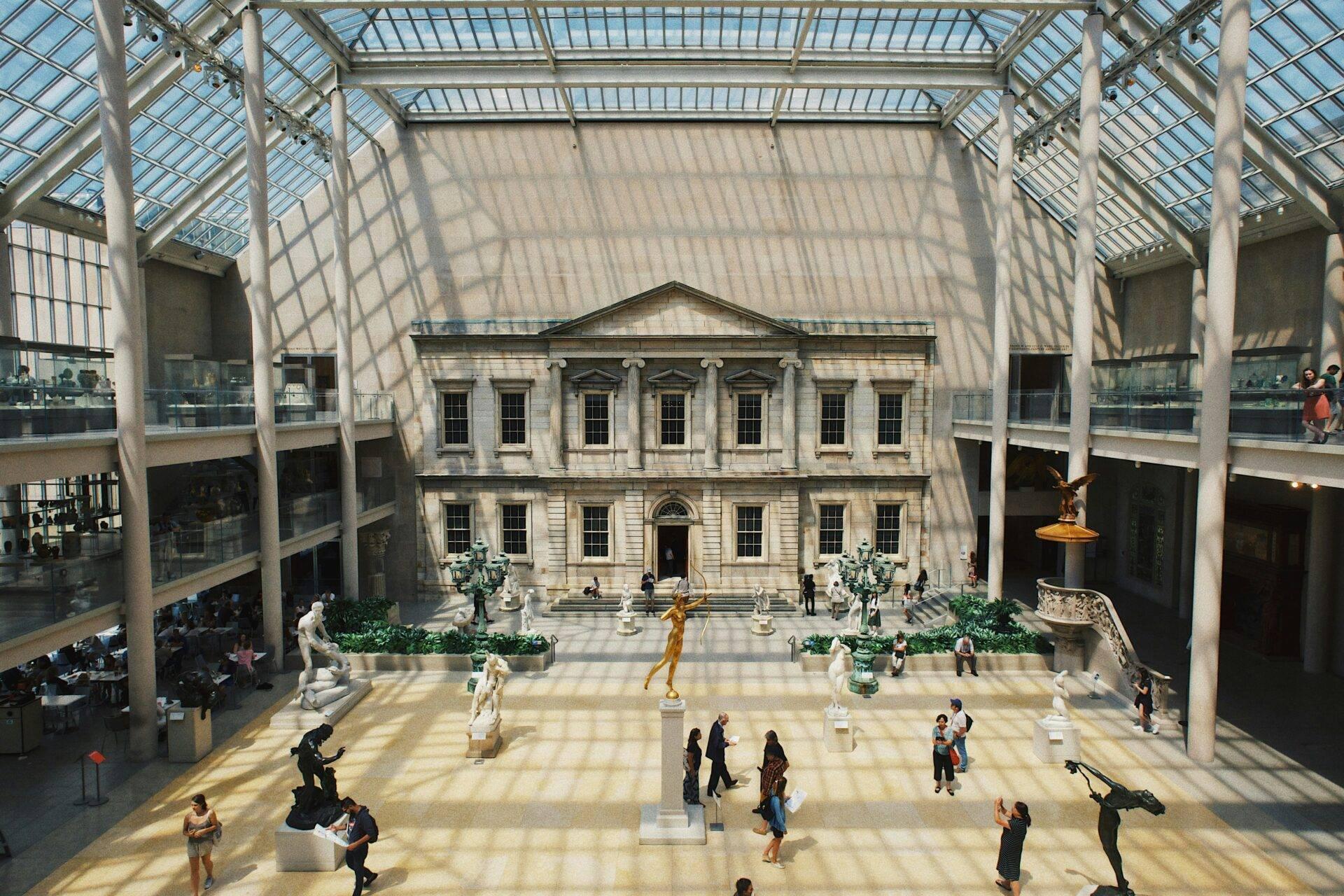
Founded in 1870, the Met houses a collection spanning nearly five thousand years of art history, from Egyptian mummies to contemporary art. Its great glass-roofed courtyard is home to ancient sculptures and reconstructed architectural elements. Set aside at least half a day, ideally more.
8. MoMA (Museum of Modern Art)
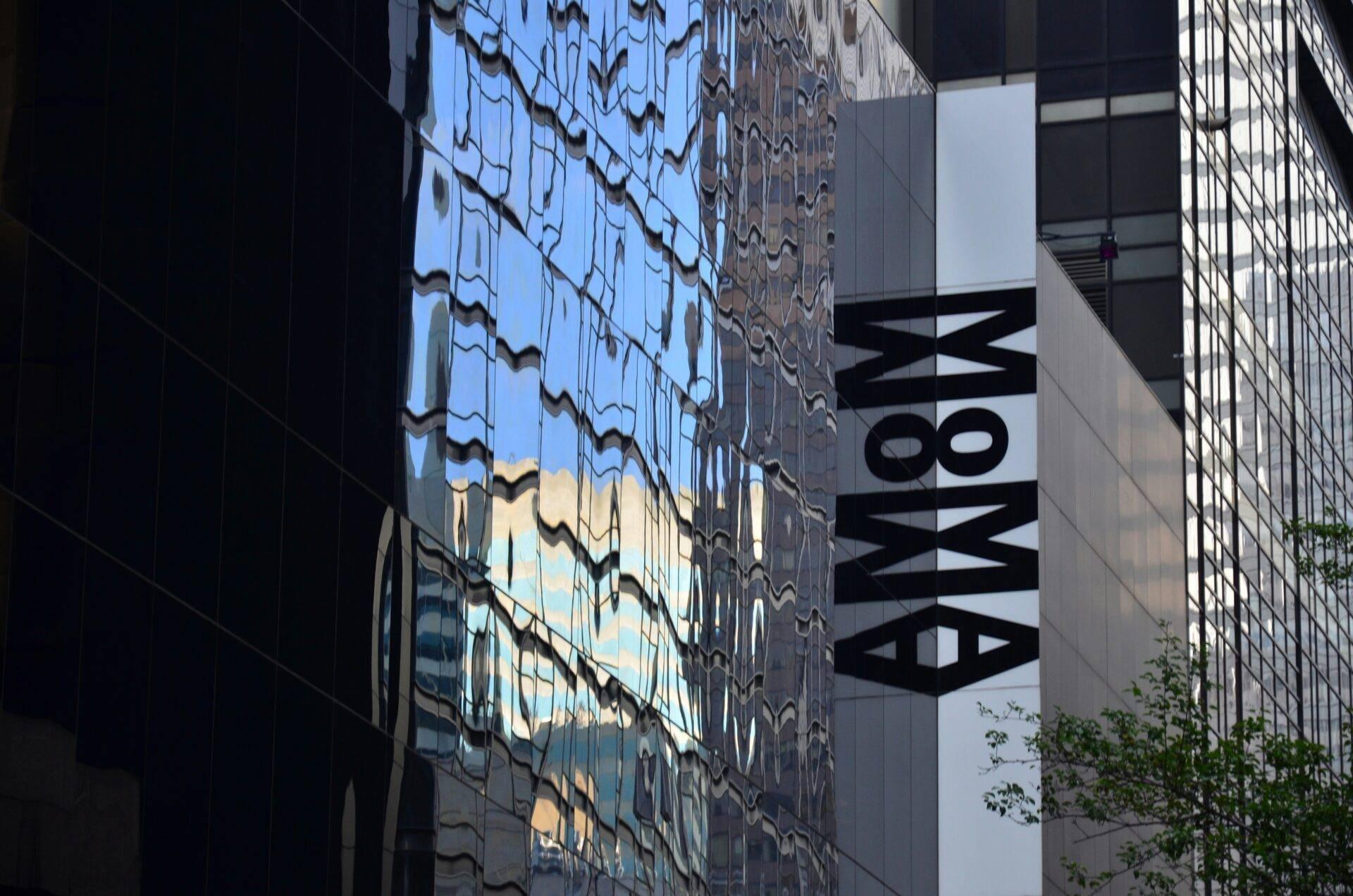
Founded in 1929, MoMA brings together Van Gogh’s The Starry Night, Picasso’s Les Demoiselles d’Avignon and thousands of works that shaped 20th-century art. Children under 16 enter free. New York State residents enjoy free admission every Friday evening from 5:30 pm to 8:30 pm, on presentation of proof of residence.
9. American Museum of Natural History
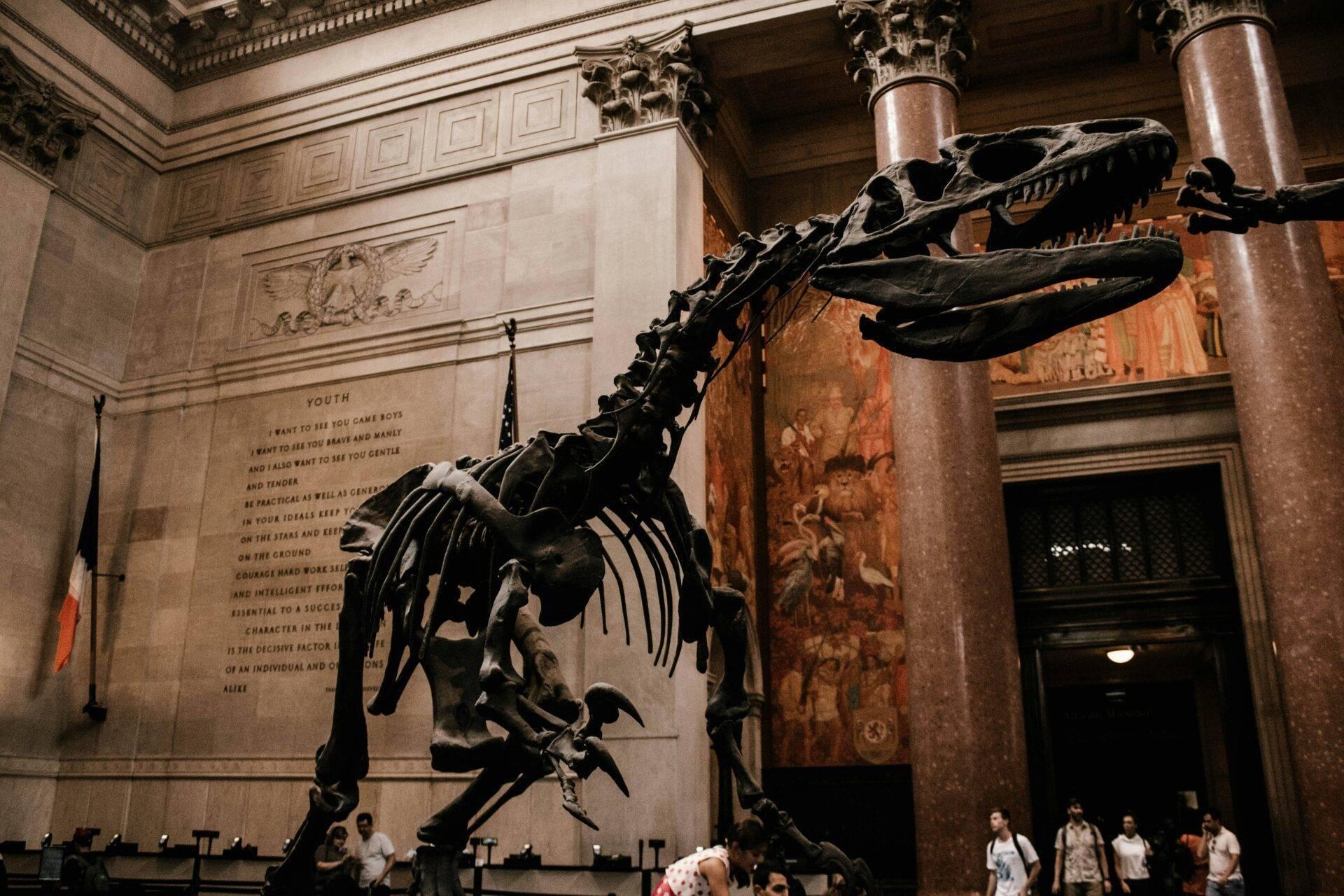
Founded in 1869 on the western edge of Central Park, the AMNH displays mounted dinosaur skeletons beneath high classical columns, captivating adults and children alike. Its planetarium, the Rose Center for Earth and Space, offers projections on the history of the universe.
Parks and Walks
10. Central Park
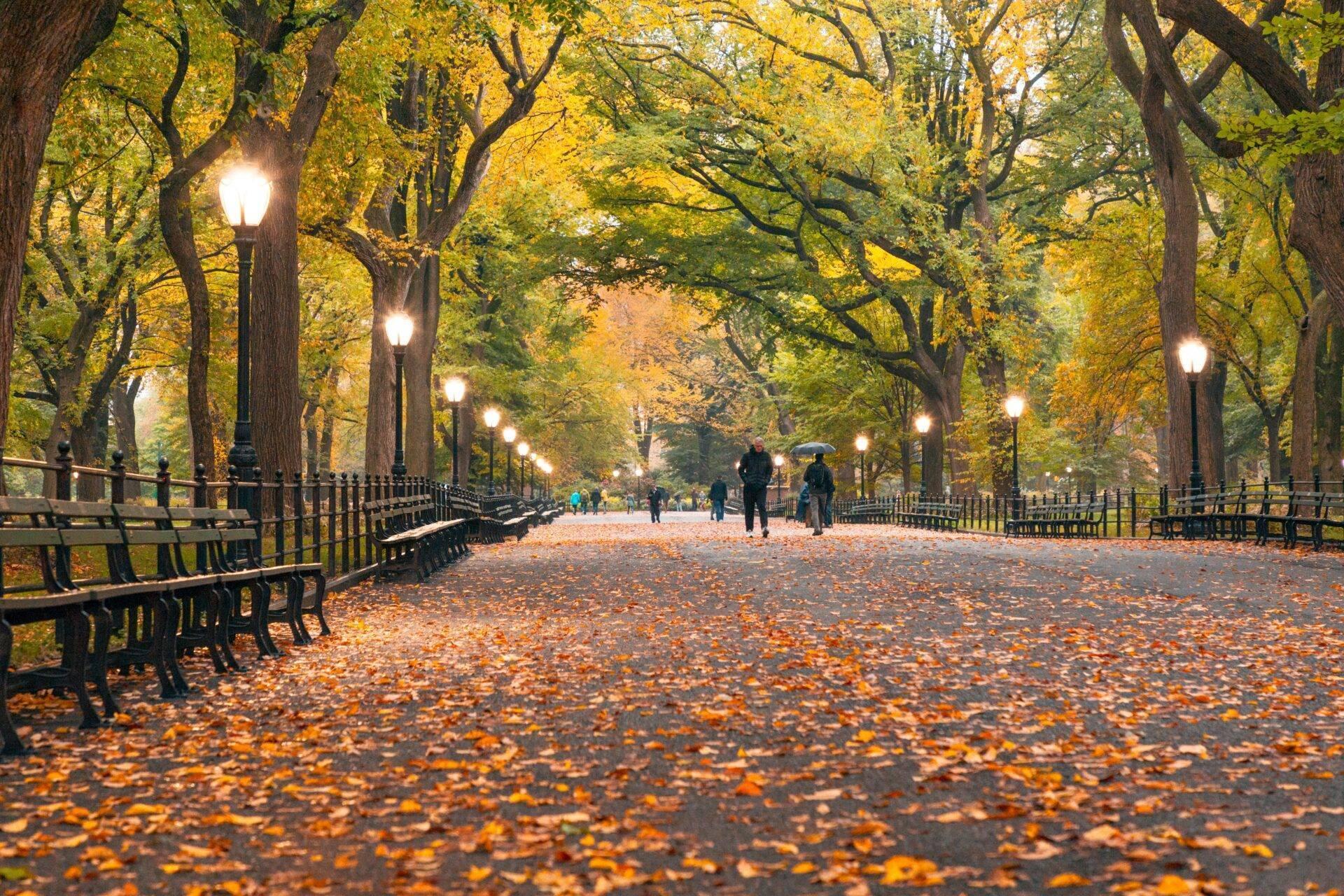
Central Park stretches across more than 340 hectares at the heart of Manhattan. In autumn, its tree-lined pathways dotted with benches and lamp posts, drenched in golden leaves, offer a respite that New Yorkers and visitors alike hold dear. Entry is free, with numerous access points around the entire perimeter.
11. The High Line
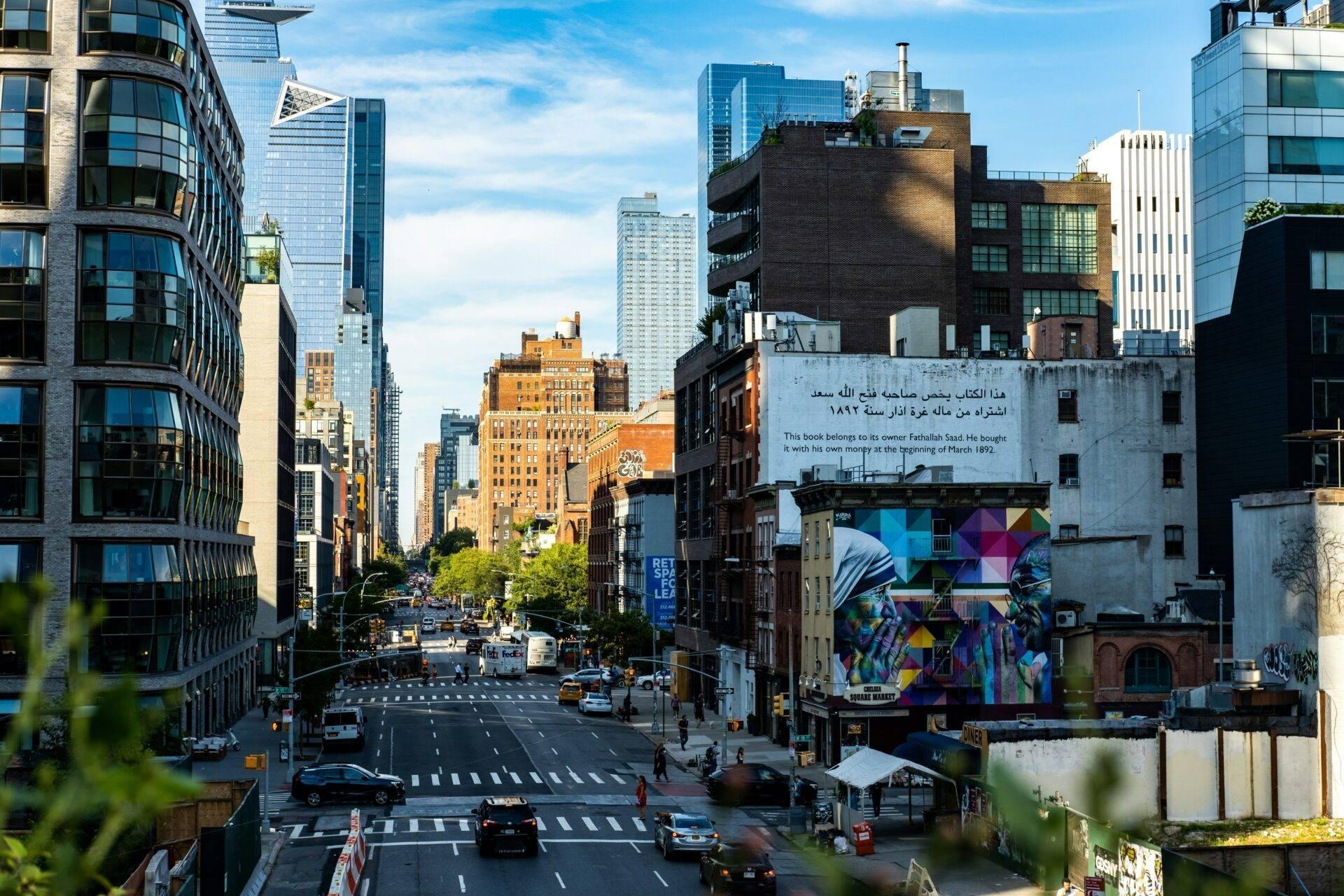
The High Line is a former elevated railway track converted into a linear park suspended 2.3 km above the Chelsea neighbourhood. Completely free to visit, it weaves together wild gardens, contemporary sculptures and views over the West Side’s buildings. The ideal time: late afternoon, when the low-angled light plays across the facades.
12. Brooklyn Bridge
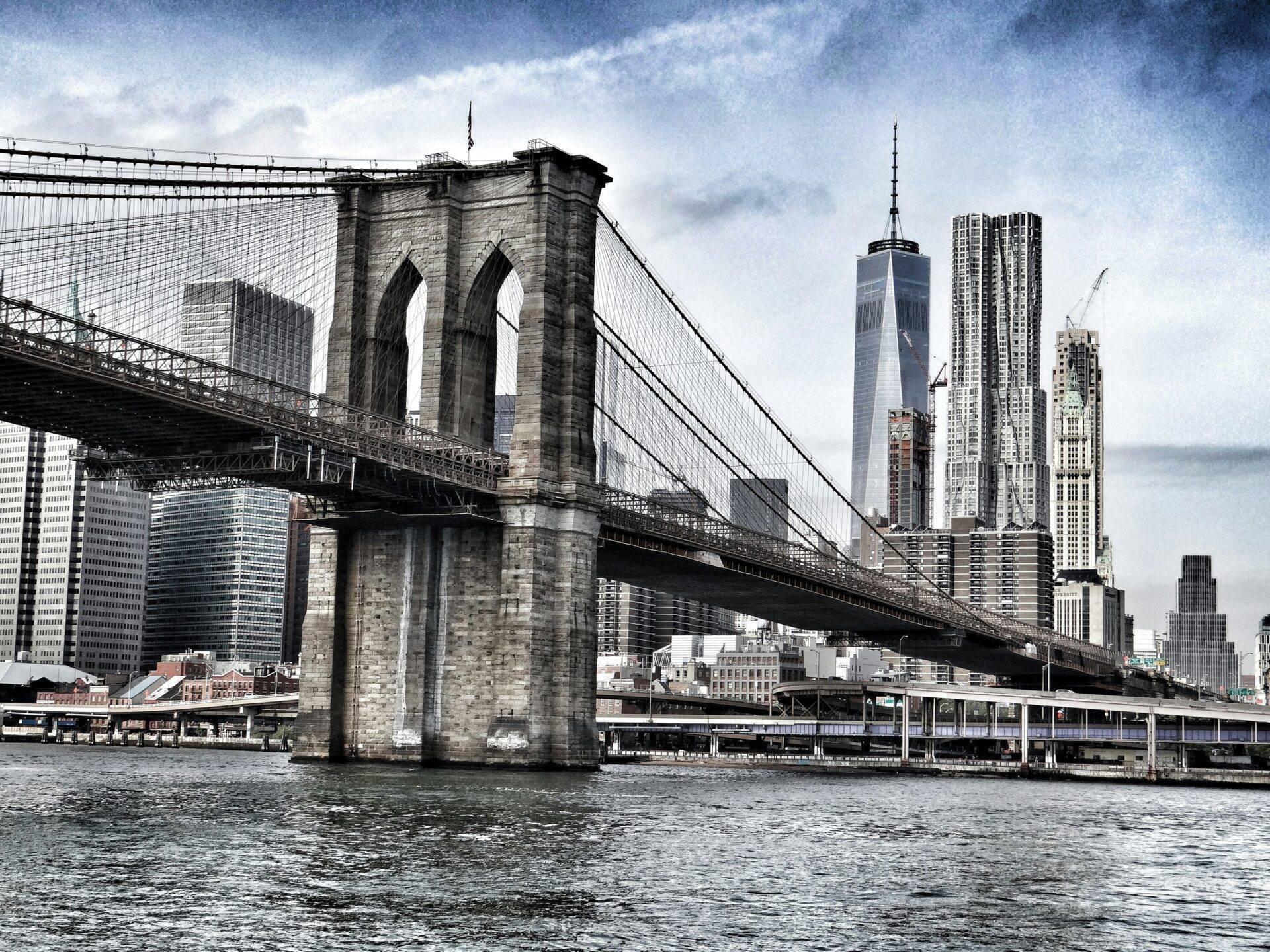
Built between 1869 and 1883, Brooklyn Bridge connects Manhattan to Brooklyn over the East River. Walking across its elevated pedestrian walkway, framed by granite towers and steel cables, remains one of the most iconic experiences of any New York visit. Allow 30 to 45 minutes for the crossing.
Brooklyn on Foot
13. DUMBO
At the far end of Brooklyn Bridge lies DUMBO (Down Under the Manhattan Bridge Overpass). At the corner of Washington Street and Water Street, the Manhattan Bridge frames red-brick buildings with the Empire State Building visible between its arches: one of the most widely reproduced photographic compositions in New York. The neighbourhood is also home to independent galleries and restaurants with views over Manhattan.
14. Prospect Park
Designed by the same landscape architects as Central Park, Prospect Park is Brooklyn’s great green space. Less visited by tourists, it offers an immersive glimpse into Brooklyn neighbourhood life, with meadows, a lake and cycling paths. A fine option for a quiet morning, well away from the Midtown crowds.
Neighbourhoods and Markets
15. Chelsea Market
Chelsea Market is a covered market set inside a former biscuit factory in the Chelsea neighbourhood. Dozens of food vendors and restaurants share a converted industrial space full of character. It makes an ideal starting point for the morning before heading to the High Line, just next door.
16. Chinatown and Little Italy
In Lower Manhattan, Chinatown is one of the largest and oldest Chinese enclaves in the Western world. Its street markets and restaurants are especially lively in the morning. Neighbouring Little Italy still has a handful of restaurants and pastry shops that reflect the neighbourhood’s historic Italian heritage.
17. SoHo
SoHo (South of Houston) is the neighbourhood of 19th-century cast-iron facades, now home to designer boutiques, galleries and showrooms. Best explored on foot with no fixed itinerary, paying as much attention to the architecture as to the shop windows.
18. Hudson Yards and The Edge
At the western tip of Midtown, Hudson Yards is Manhattan’s newest neighbourhood. The Edge offers an open-air observation deck with a glass floor suspended in mid-air, among the highest in the city. The Vessel, a spiral sculpture that has become the neighbourhood’s symbol, is its architectural centrepiece.
Experiences Not to Miss
19. A Broadway Show
An evening at a Broadway theatre remains, for many visitors, the highlight of the trip. Same-day TKTS tickets available at the Times Square booth often give access to top shows at reduced prices.
20. The Staten Island Ferry
The Staten Island Ferry is completely free and departs from the Whitehall Street terminal in Manhattan. The crossing takes around 25 minutes and passes the Statue of Liberty, offering a view from the water without the cost of a tourist ferry.
To go further, our New York culture picks and urban walks complement this overview with more addresses and atmospheres. If New York is part of a wider trip, explore things to do in the United States or the must-see highlights in North America to build your itinerary.
FAQ
How many days do you need to visit New York?
A week (5 to 7 days) allows you to see the majority of the highlights without rushing. With 3 to 4 days, focus on Manhattan’s landmarks and choose one or two museums.
What is the best time of year to visit New York?
Spring (April to May) and autumn (September to October) offer pleasant weather and shorter queues than in summer. Winter brings the atmosphere of Christmas lights and the Rockefeller Center ice rink.
Do you need to book in advance for the Empire State Building and the Statue of Liberty?
Yes, in both cases. Sunset slots at the Empire State Building often sell out several days in advance. The ferry to the Statue of Liberty and Ellis Island is also in high demand during peak season.
Is the High Line really free?
Yes, the High Line is completely free and open year-round. It stretches 2.3 km above the Chelsea neighbourhood, with access points at regular intervals.
Can you visit New York without a car?
Absolutely. The subway network covers all of Manhattan and large parts of Brooklyn and Queens. The vast majority of tourist sites listed here are accessible on foot or by public transport.