
Jordan packs some of the world’s most celebrated archaeological sites, a UNESCO-listed red desert and a salt lake where you float effortlessly 430 metres below sea level. Here are 20 things to see and do in Jordan, whether you have 7 days or 14.
For practical details on visas and travel insurance, see our dedicated Jordan guide.
Get my travel insurance quoteWhen to Visit Jordan?
Spring (March–May) and autumn (September–November) are the two best windows: temperatures are comfortable for exploring Petra on foot, hiking in the Dana Reserve or diving at Aqaba. In July and August, the heat in the desert and on archaeological sites can exceed 40°C. Winter brings rain and cold at altitude, while Aqaba and the Dead Sea remain accessible year-round.
The Three Pillars of Any Jordan Trip
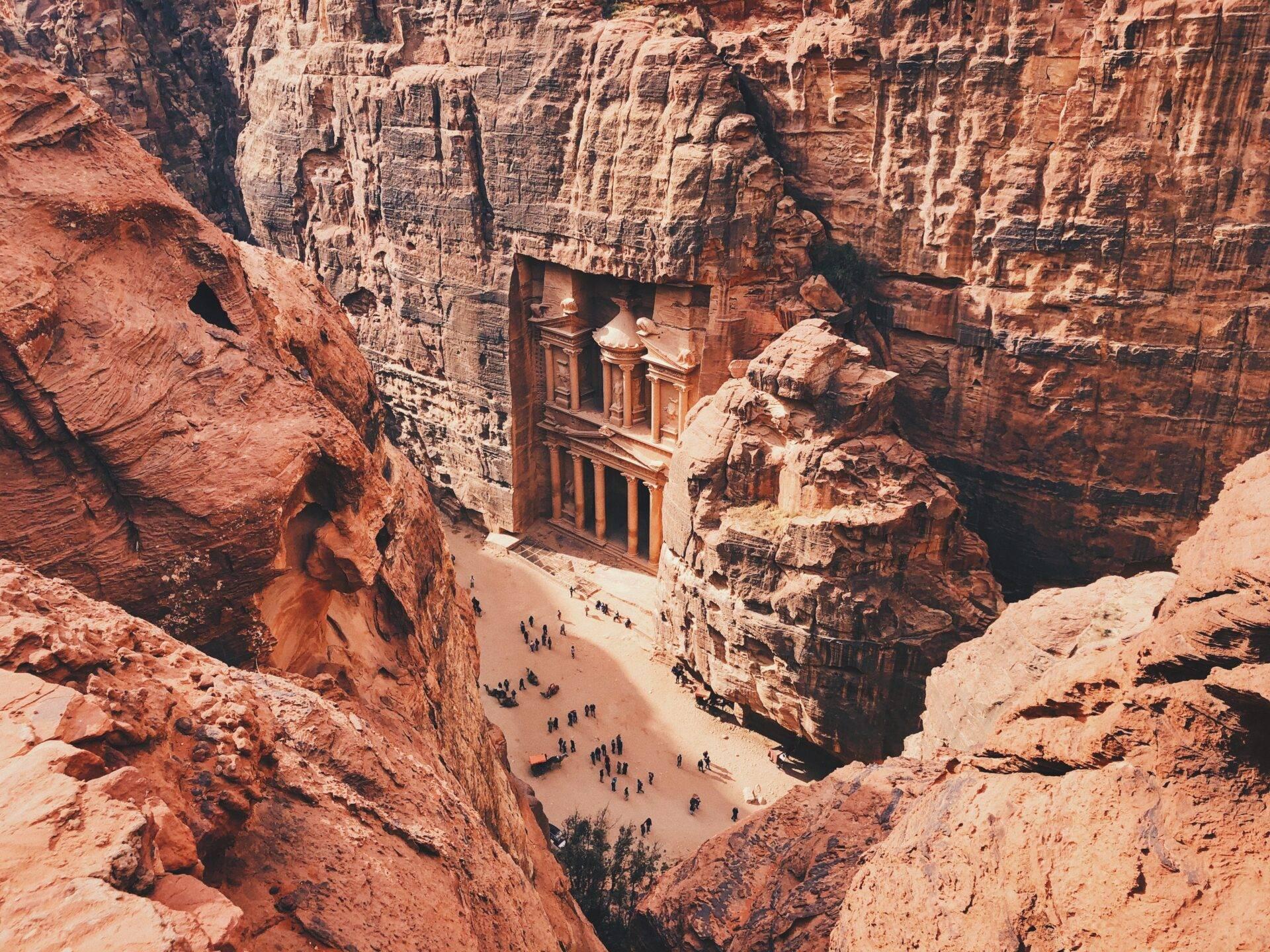
1. Petra: Walk the Siq to the Treasury
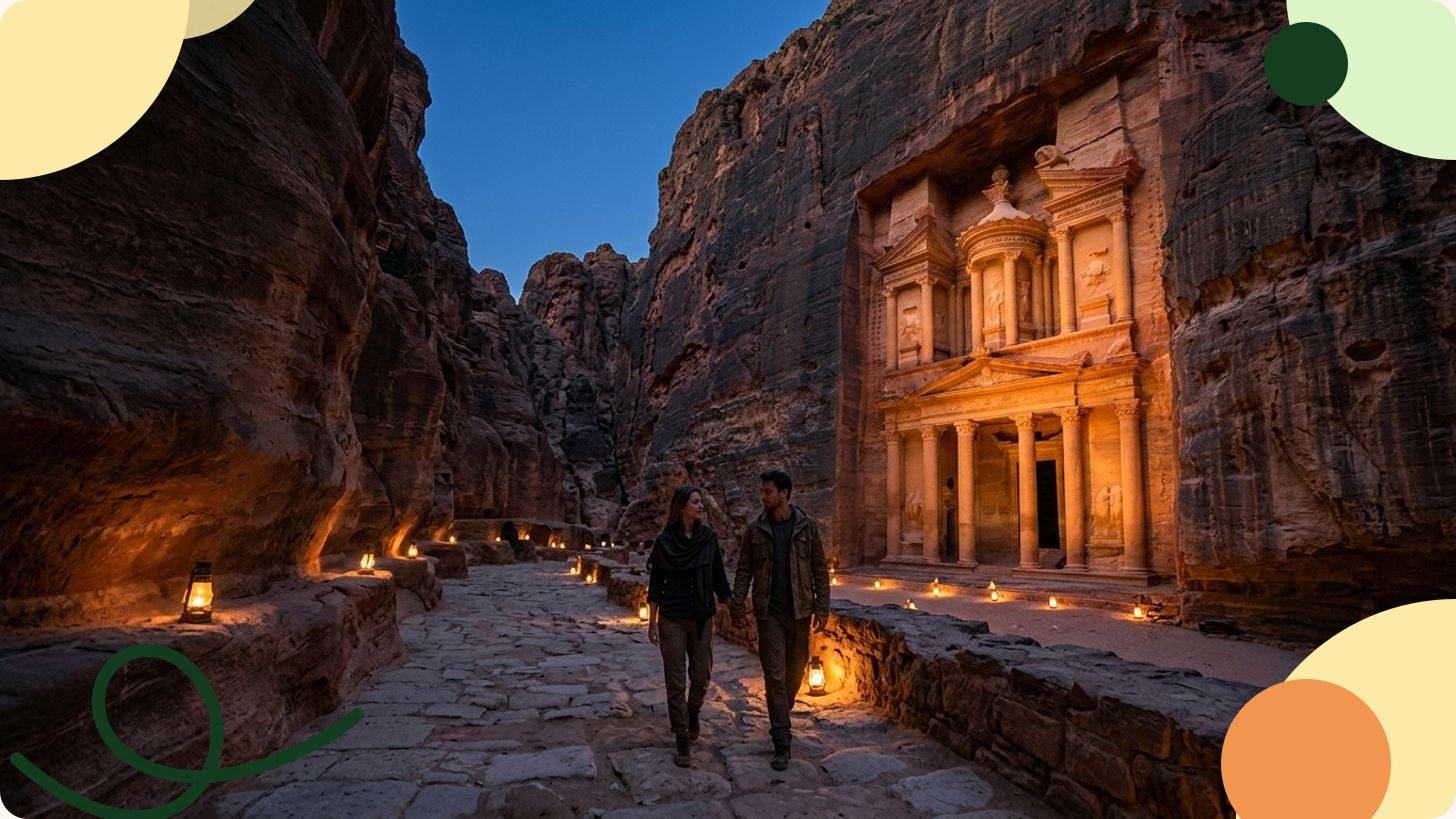
Carved into rose-red rock by the Nabataeans more than 2,000 years ago, Petra is one of the Seven New Wonders of the World and a UNESCO World Heritage Site. You enter through the Siq — a narrow gorge around 1.2 km long — at the end of which the Treasury (Al-Khazneh) suddenly appears: a 40-metre facade sculpted directly into the cliff face. The archaeological city stretches far beyond: royal tombs, a colonnaded street, an ancient theatre and, after a long climb up stone steps, the Monastery (Ad-Deir) with its sweeping views over the desert.
Set aside two days to do the site justice. On certain evenings, the “Petra by Night” experience takes you through the Siq by candlelight.
2. The Dead Sea: Floating at Minus 430 Metres
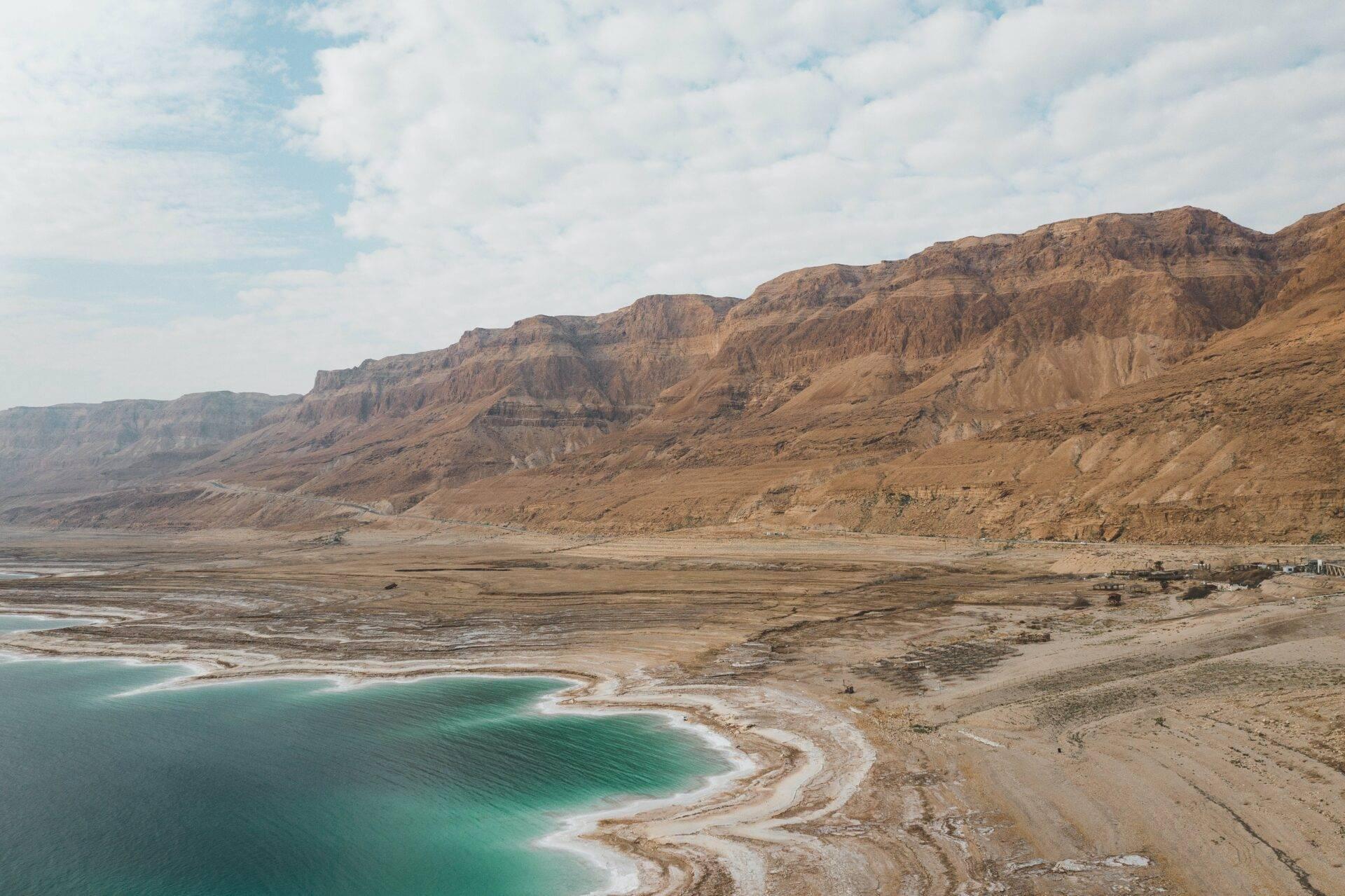
The lowest point on Earth, sitting 430 metres below sea level, the Dead Sea is a salt lake shared between Jordan and Israel. Its salt concentration is so high that your body floats effortlessly. The mineral-rich mud found on its shores has been prized since antiquity for its skin benefits.
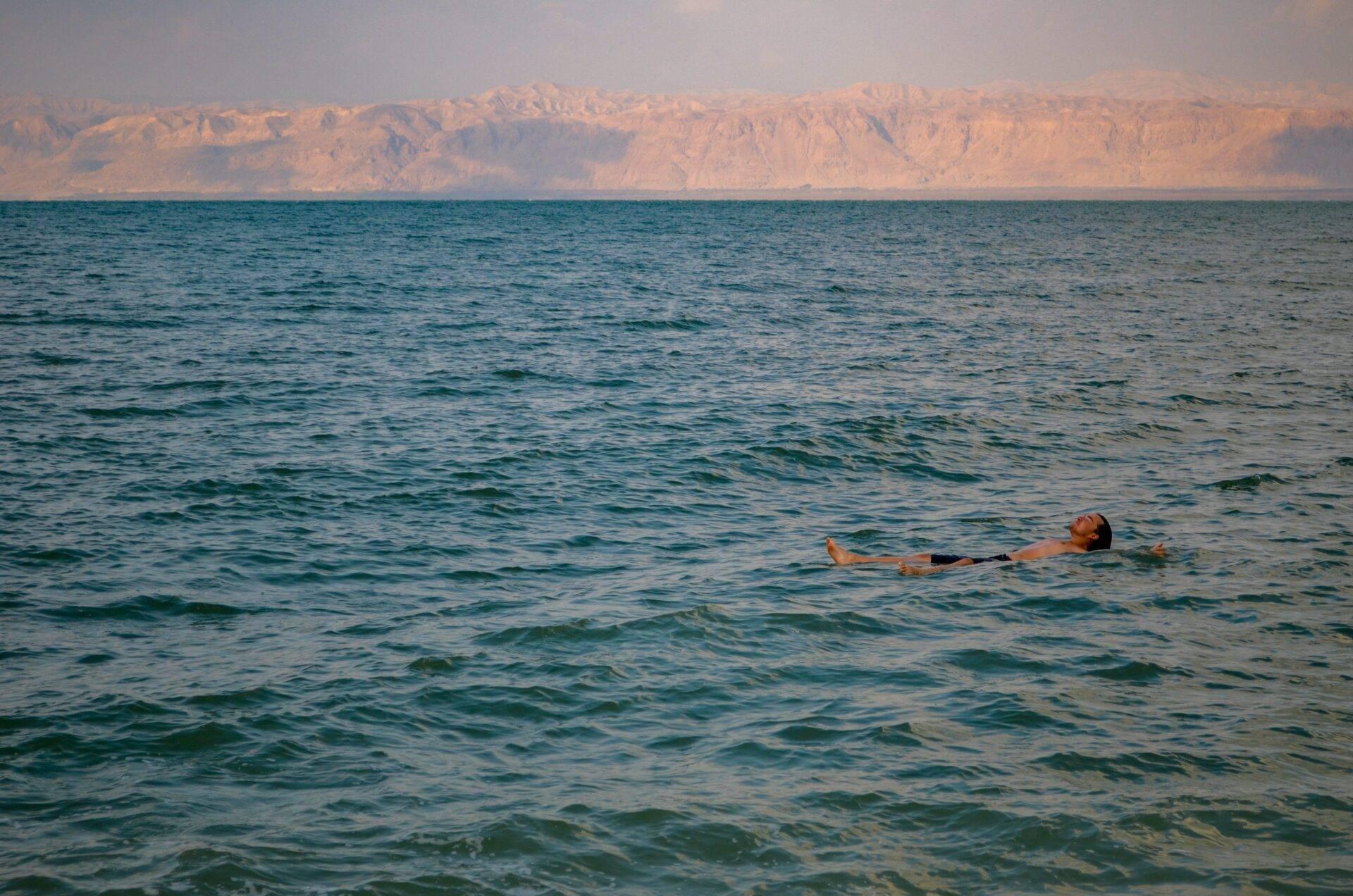
From Amman, the Jordanian shore is roughly an hour’s drive away. Several public beaches and hotel resorts line the waterfront.
3. Wadi Rum: Sleeping Under the Stars in the Red Desert
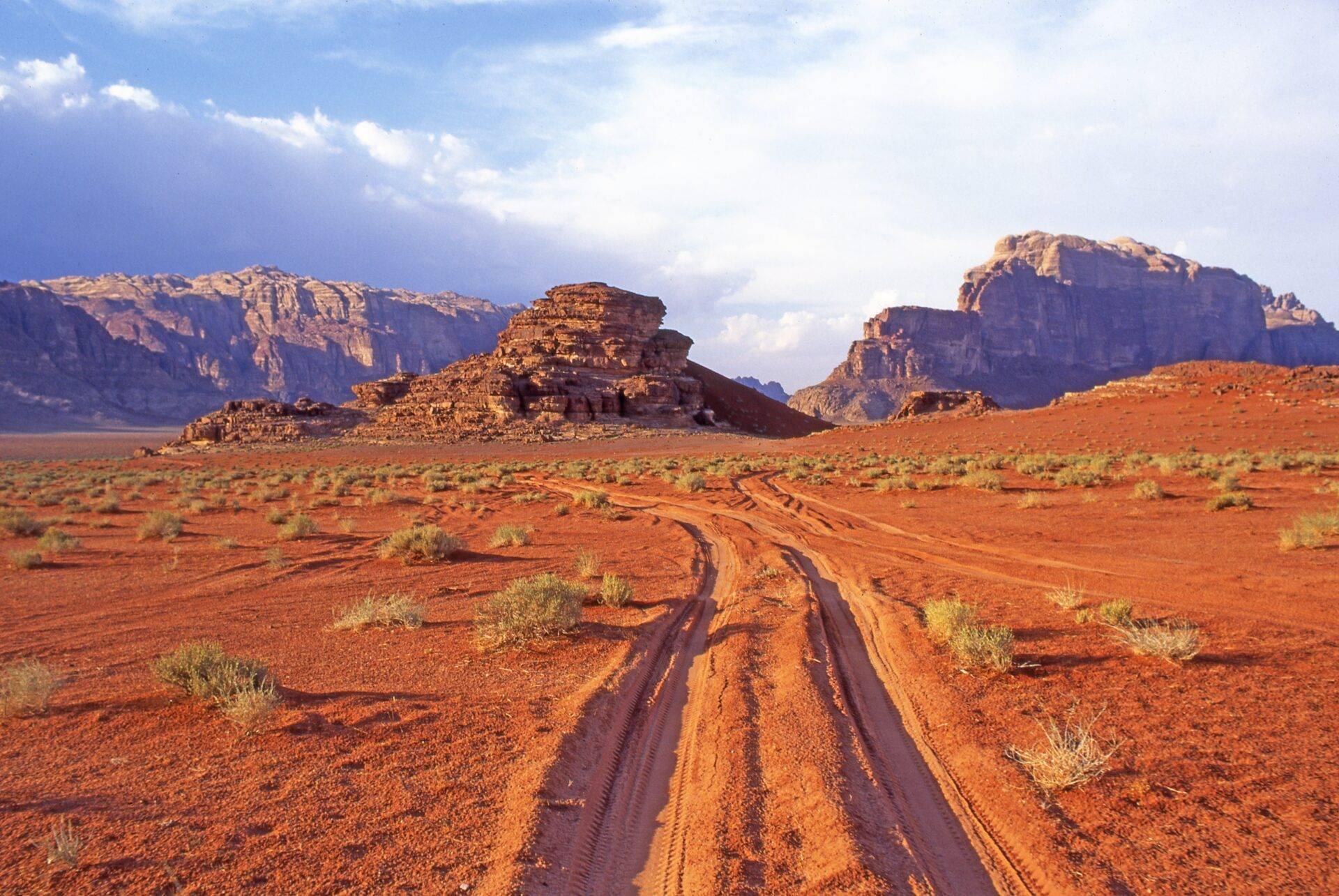
Wadi Rum — the Valley of the Moon — is a UNESCO World Heritage desert in southern Jordan. Its red sandstone formations, sand dunes and millennia-old rock carvings served as the backdrop for films such as The Martian and Lawrence of Arabia. The classic experience: a 4x4 excursion with a Bedouin guide during the day, followed by a night in a desert camp under a sky so free from light pollution that the Milky Way is visible to the naked eye.
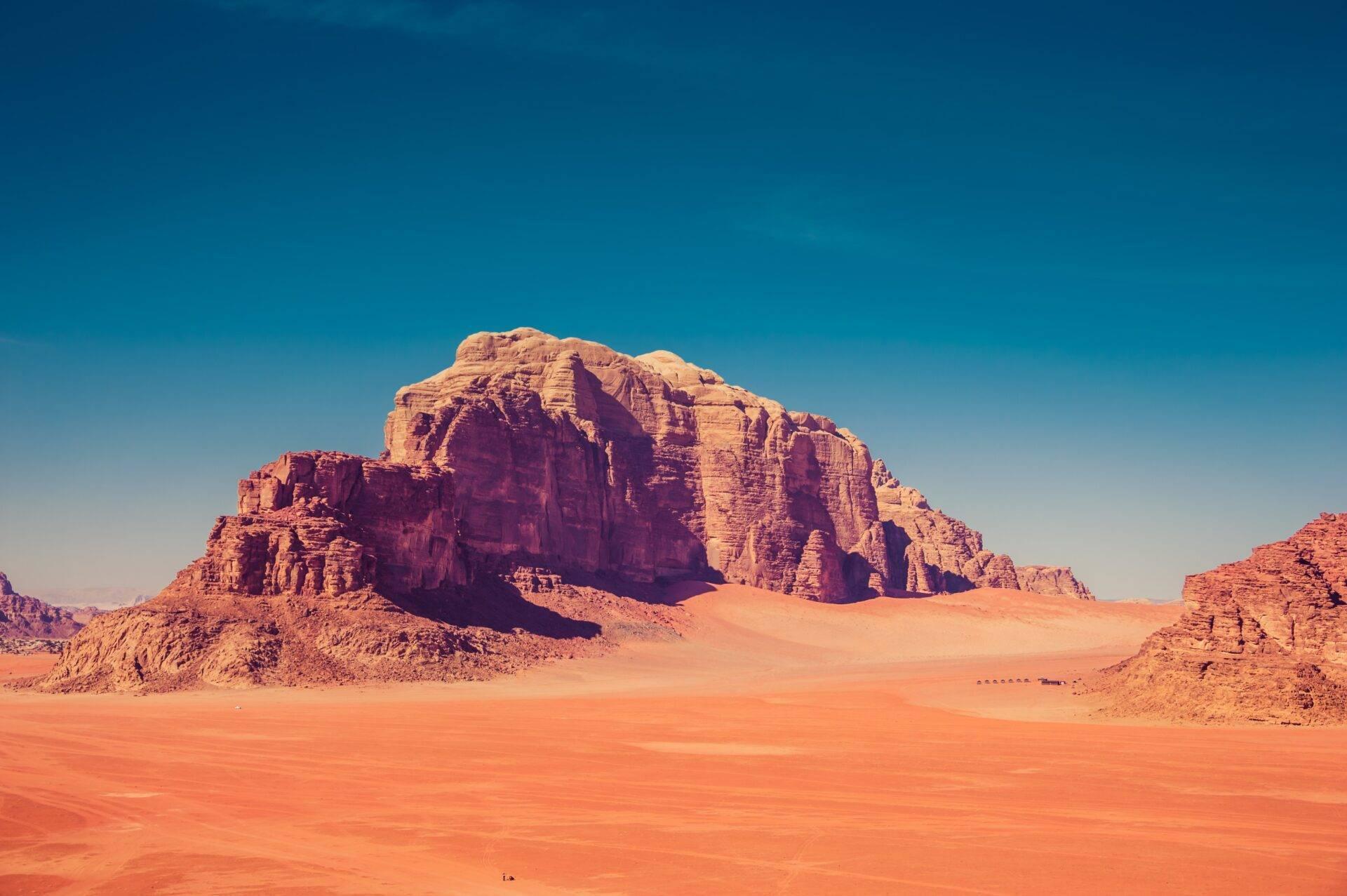
The dirt tracks cutting through Wadi Rum lead to rock carvings and hidden passages that only a local guide knows how to find.
Amman and Its Treasures
4. The Amman Citadel and Archaeological Museum
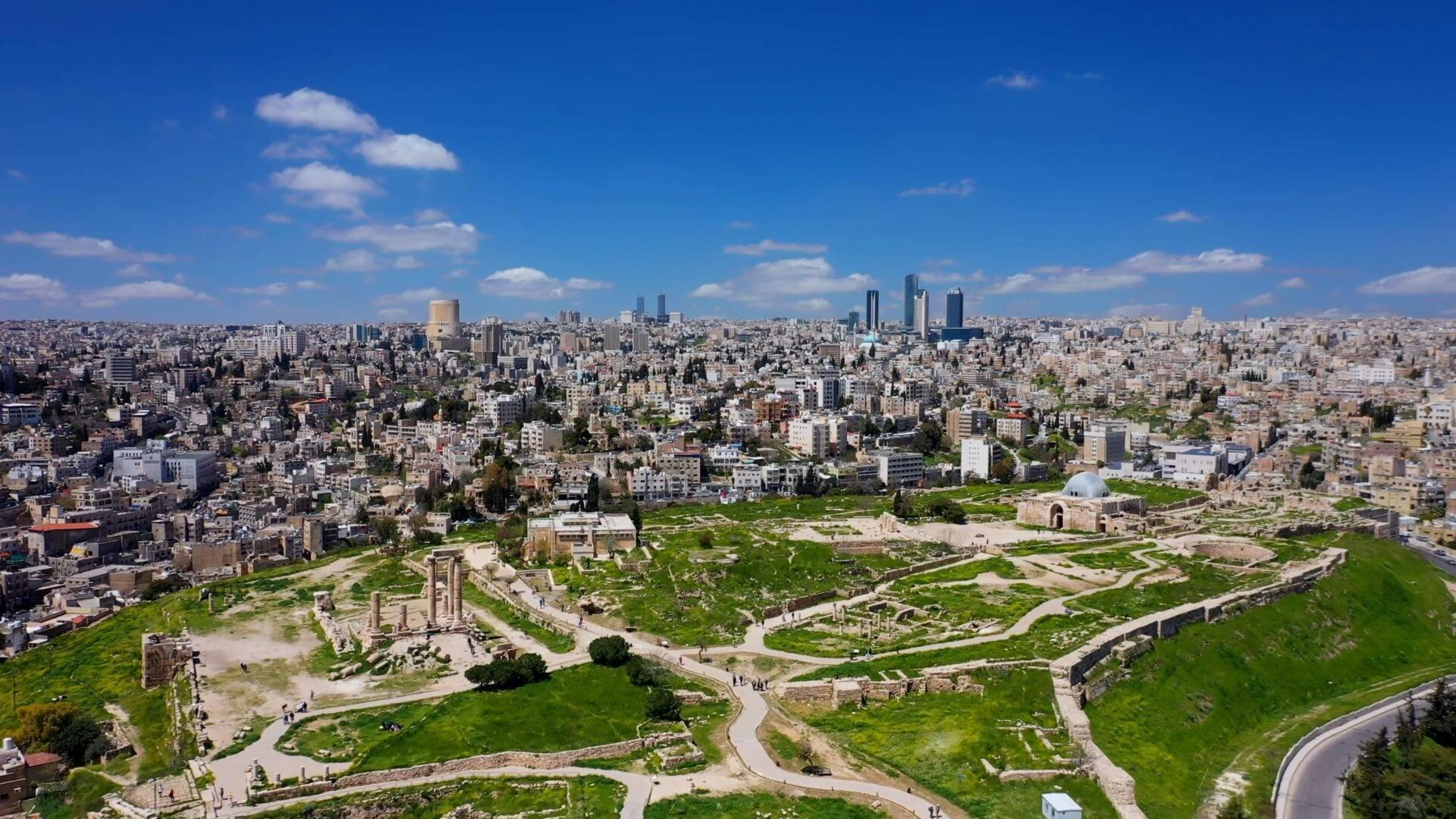
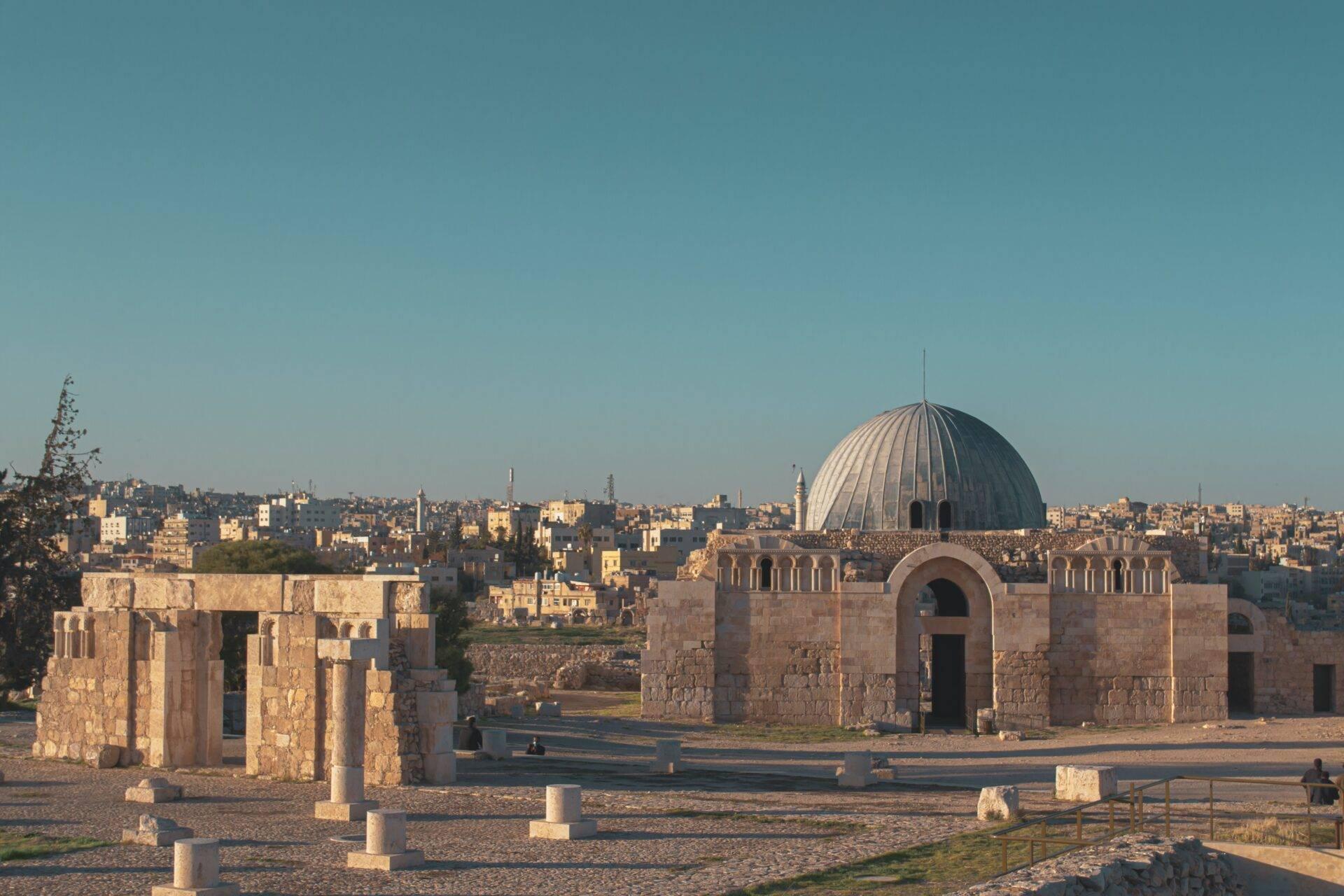
Perched on the hill of Jebel Qal’a at the heart of Amman, the Citadel is one of the world’s most continuously inhabited sites. It brings together Nabataean, Roman, Byzantine and Umayyad remains: the Temple of Hercules, the Umayyad Palace and the Jordan Archaeological Museum, which displays artefacts spanning several millennia, including exceptional sarcophagi and funerary objects. The panoramic view over Amman’s hills from this vantage point is one of the finest in the capital.
5. The Roman Theatre of Amman
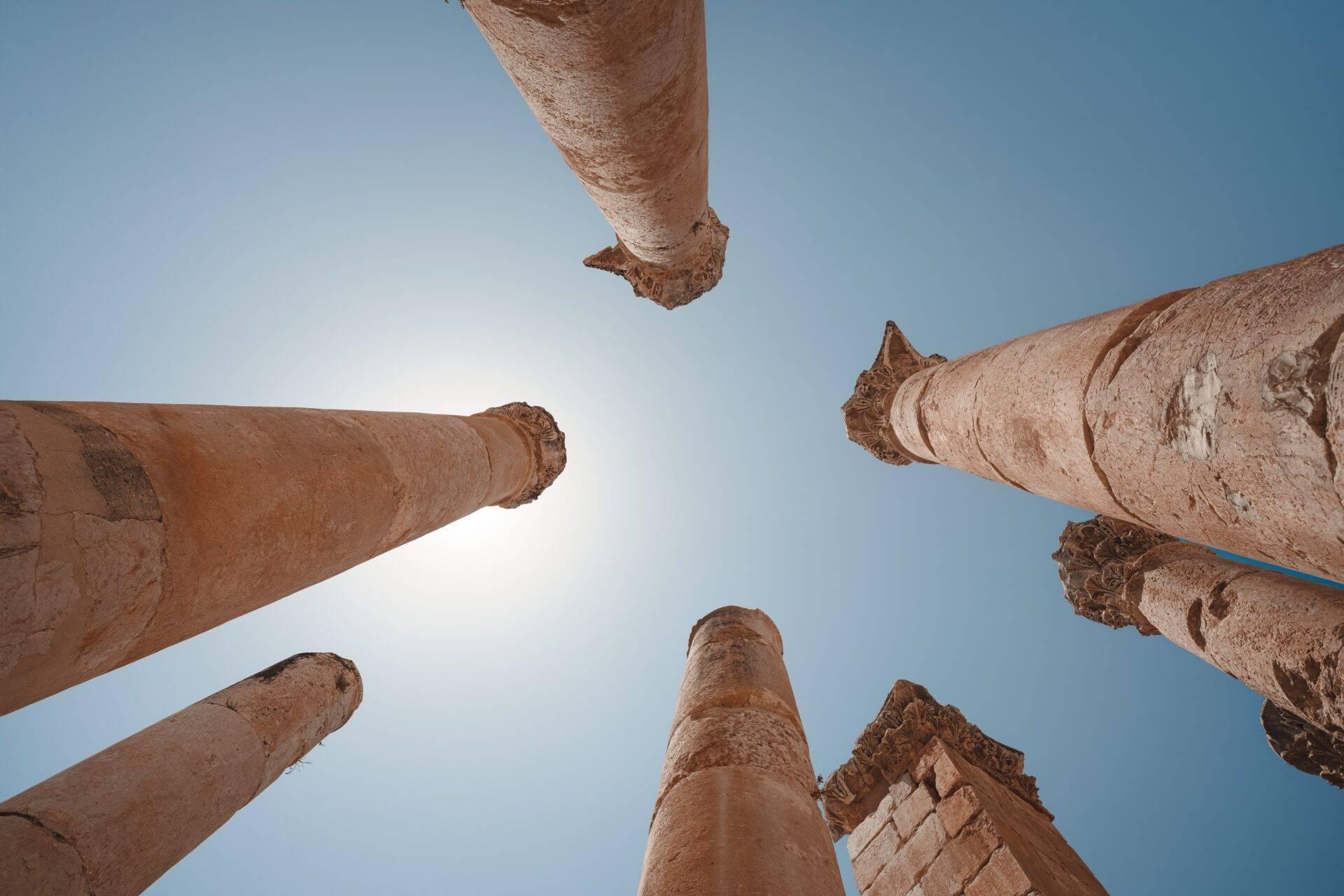
Below the Citadel, in the historic city centre, the Roman Theatre dates from the second century AD. It could hold up to 6,000 spectators and remains one of the best-preserved in the Middle East — a fine excuse to wander through the neighbouring souk and linger over a traditional coffee.
6. Living Amman: Rainbow Street and Its Hills
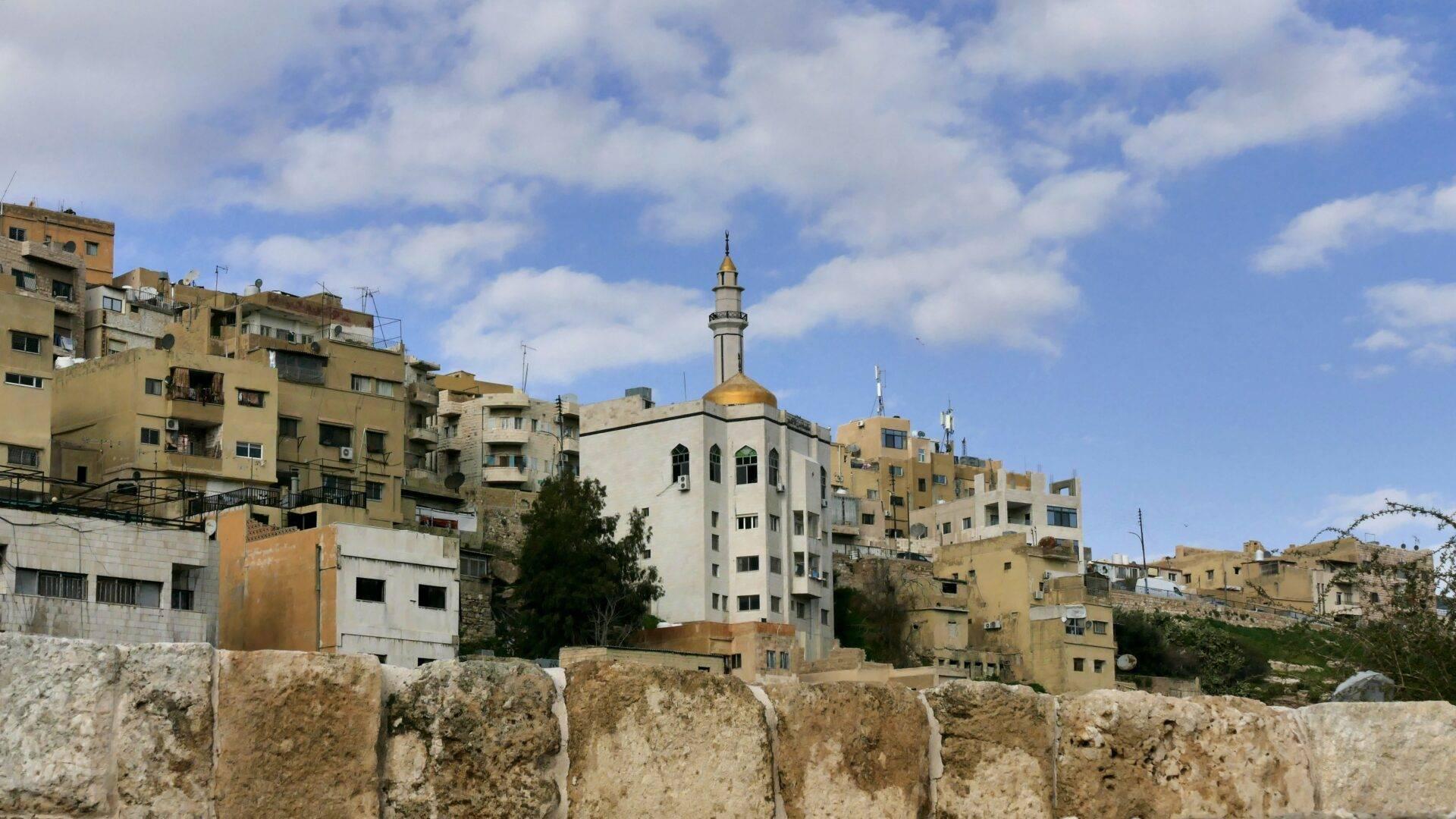
To feel the pulse of the capital, head up Rainbow Street — the lively thoroughfare in the Jebel Amman district, lined with cafés, restaurants and local boutiques. Built across its hills, Amman reveals minarets, mosques and honey-coloured limestone buildings at every turn.
Northern Jordan
7. Jerash, the Pompeii of the East
An hour north of Amman, Jerash is Jordan’s second most visited site after Petra and one of the best-preserved Roman cities outside Italy. Hadrian’s Arch, the Oval Forum, the Temple of Artemis and the South Theatre follow one after another in remarkable condition. Evidence of human presence dating back 7,500 years has been found in the surrounding area.
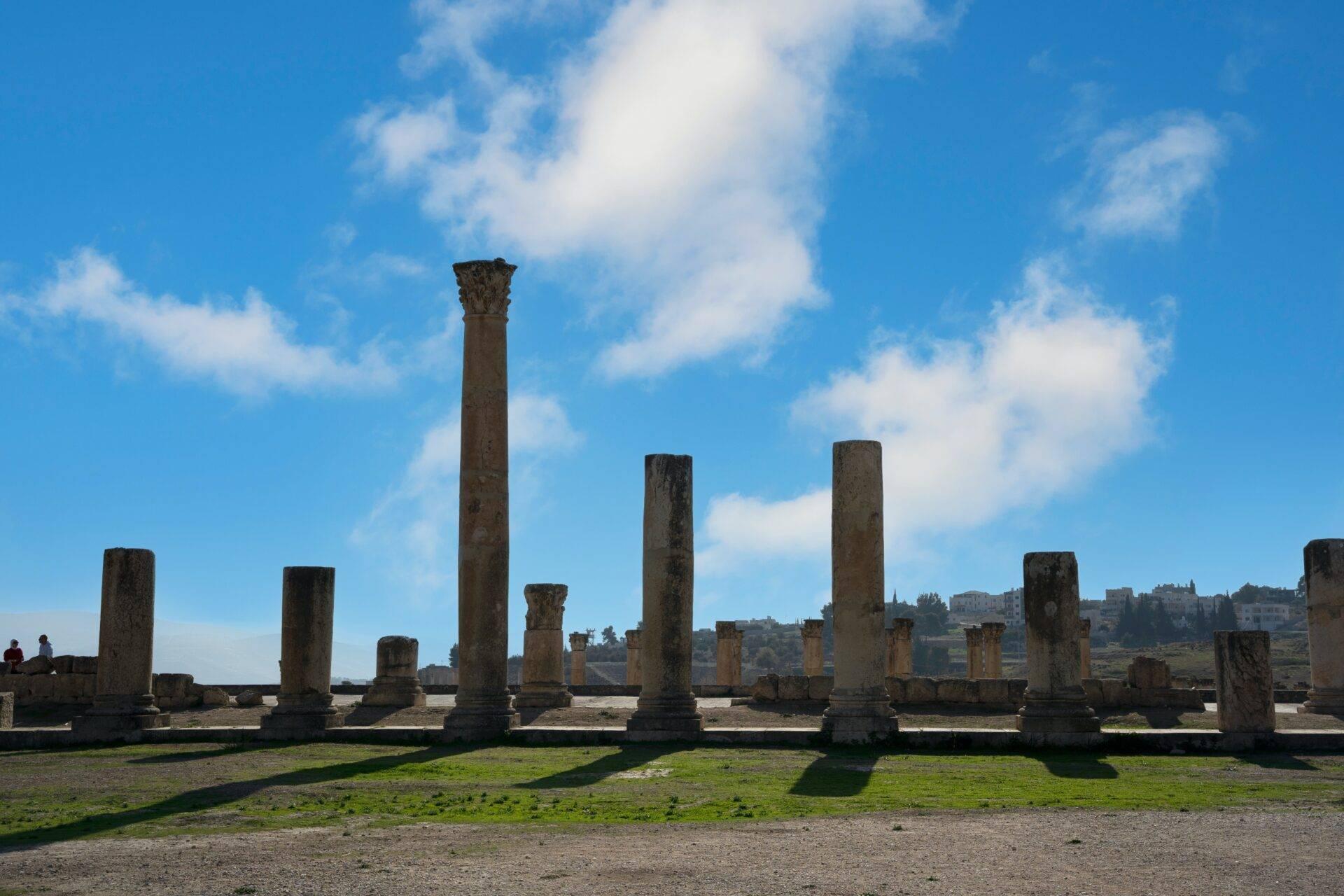
Every summer, Jerash hosts a cultural festival celebrating music, dance and the arts of the Arab world.
8. Ajloun Castle
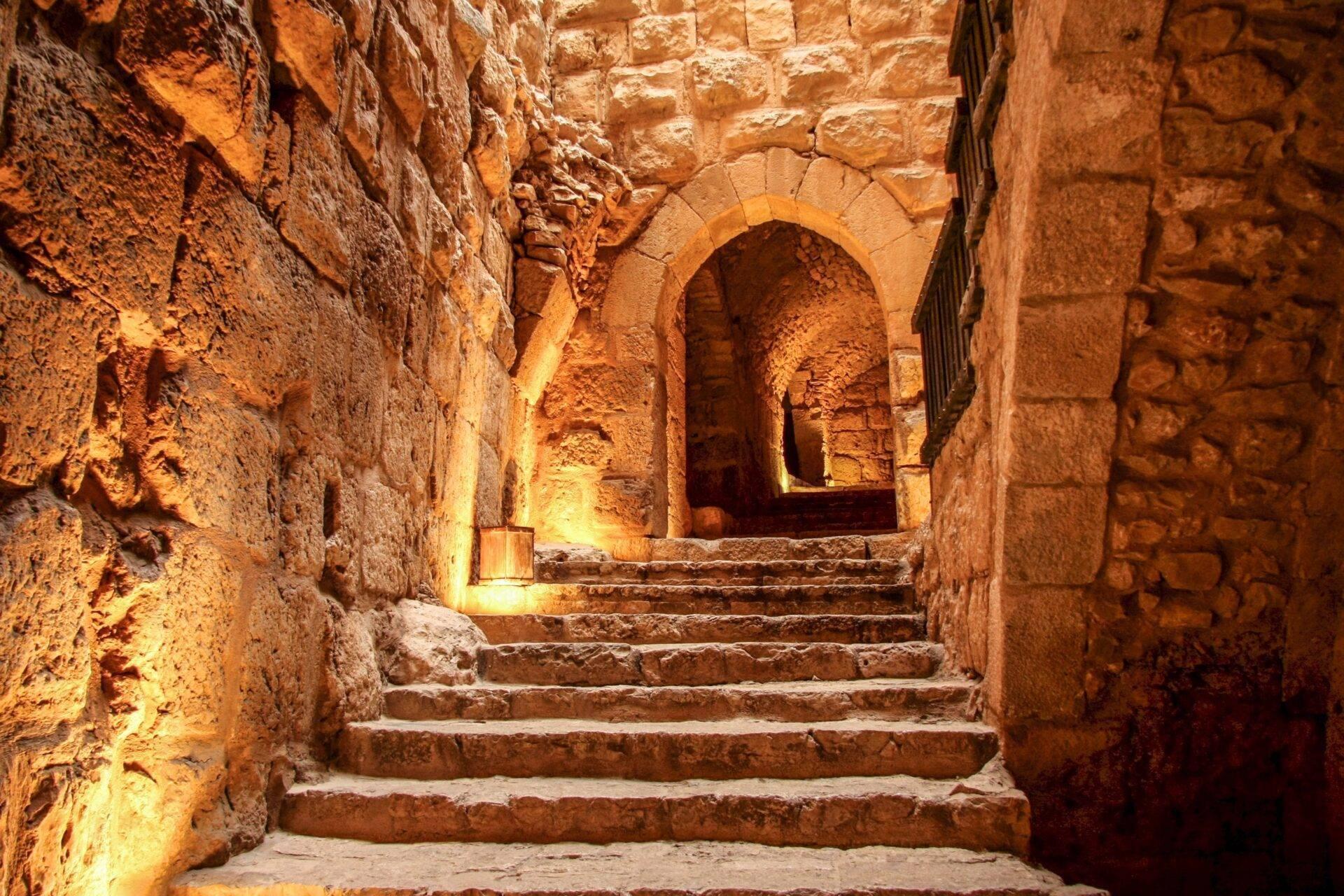
Built in the twelfth century by the Ayyubids to hold back the Crusaders, Ajloun Castle (Qala’at Ajloun) is a striking example of medieval Islamic military architecture. Perched on a hill overlooking the oak forests of northern Jordan, on a clear day it offers views across the Jordan Valley and the Palestinian plateau.
9. Umm Qais (Ancient Gadara)
Less visited than Jerash, Umm Qais reveals its black basalt columns in the north-west of the country. Ancient Gadara simultaneously overlooks the Sea of Galilee, the Golan Heights and the Syrian highlands — a panorama unlike anything else in the region.
Along the King’s Highway
10. Madaba and the Mosaic Map
Around 30 kilometres south of Amman, Madaba is renowned for its Byzantine and Umayyad mosaics. The Madaba Map, dating from the sixth century, depicts the Holy Land with Jerusalem at its centre. It is preserved inside the Church of St George, which is still in use today.
11. Mount Nebo
A few kilometres west of Madaba, Mount Nebo is the place from which, according to the Bible, Moses looked out over the Promised Land. On a clear day, the view takes in the Dead Sea, the Jordan Valley and as far as Jerusalem. The memorial church houses mosaics dating from the fourth to the sixth century.
12. Bethany Beyond the Jordan (Al-Maghtas), UNESCO Site
Listed as a UNESCO World Heritage Site in 2015, Al-Maghtas is recognised by archaeologists as the site of the baptism of Jesus by John the Baptist. Situated on the east bank of the River Jordan, it layers Roman and Byzantine remains and draws pilgrims from around the world.
13. Shobak Castle
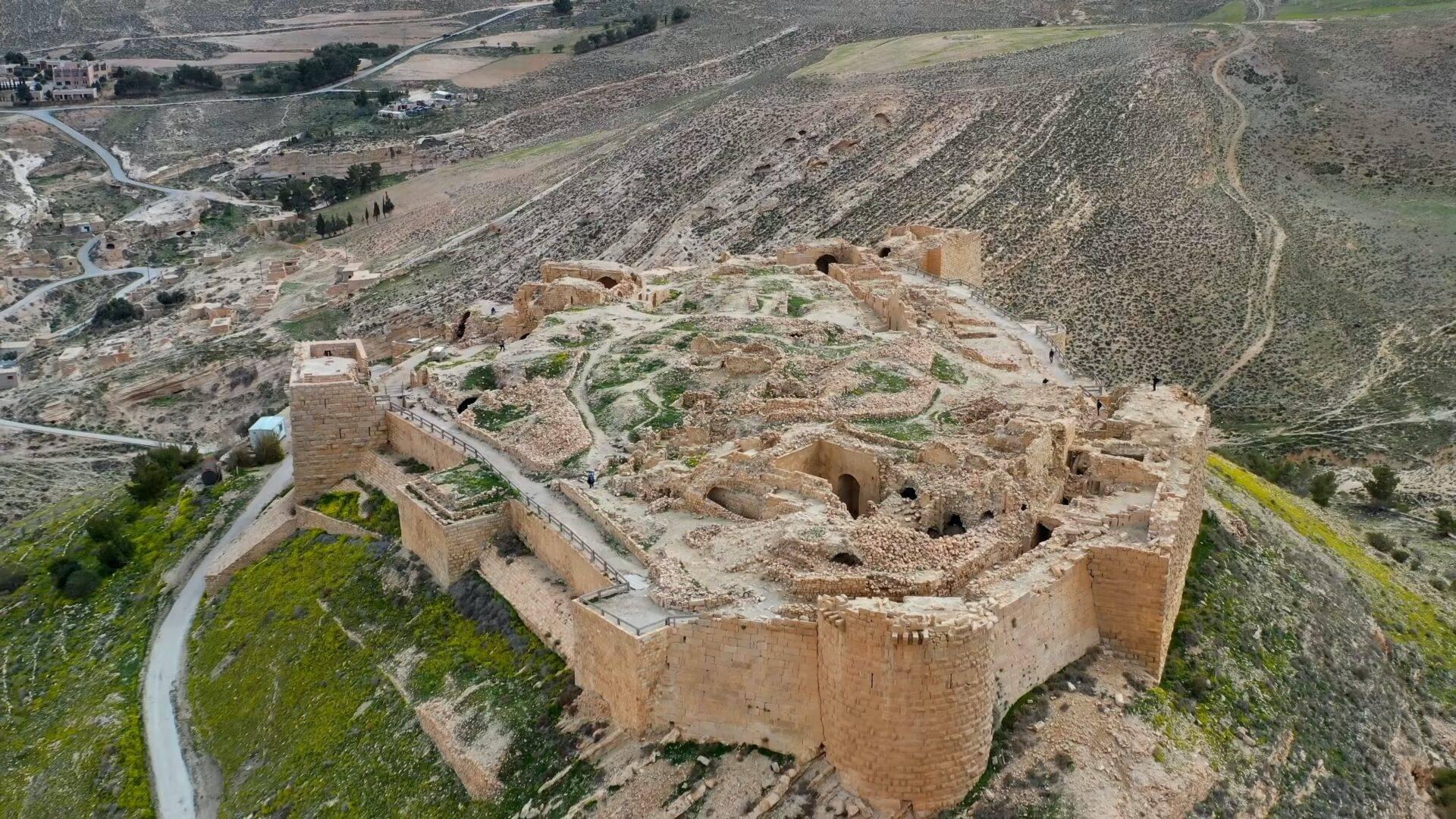
On the road to Petra, Shobak Castle (Montreal) was built by the Crusaders in the twelfth century to control the trade route between Egypt and Syria. Its ruins dominate an arid mountain landscape: the view from the ramparts is well worth the detour.
14. Little Petra (Siq al-Barid)
Around 12 minutes north of Petra, Siq al-Barid is a smaller Nabataean site, far less crowded and free to enter. The Biclinium preserves exceptionally rare Nabataean fresco fragments — an ideal complement to Petra itself for anyone with a keen interest in history.
Nature and the Great Outdoors
15. Aqaba: Diving in the Red Sea
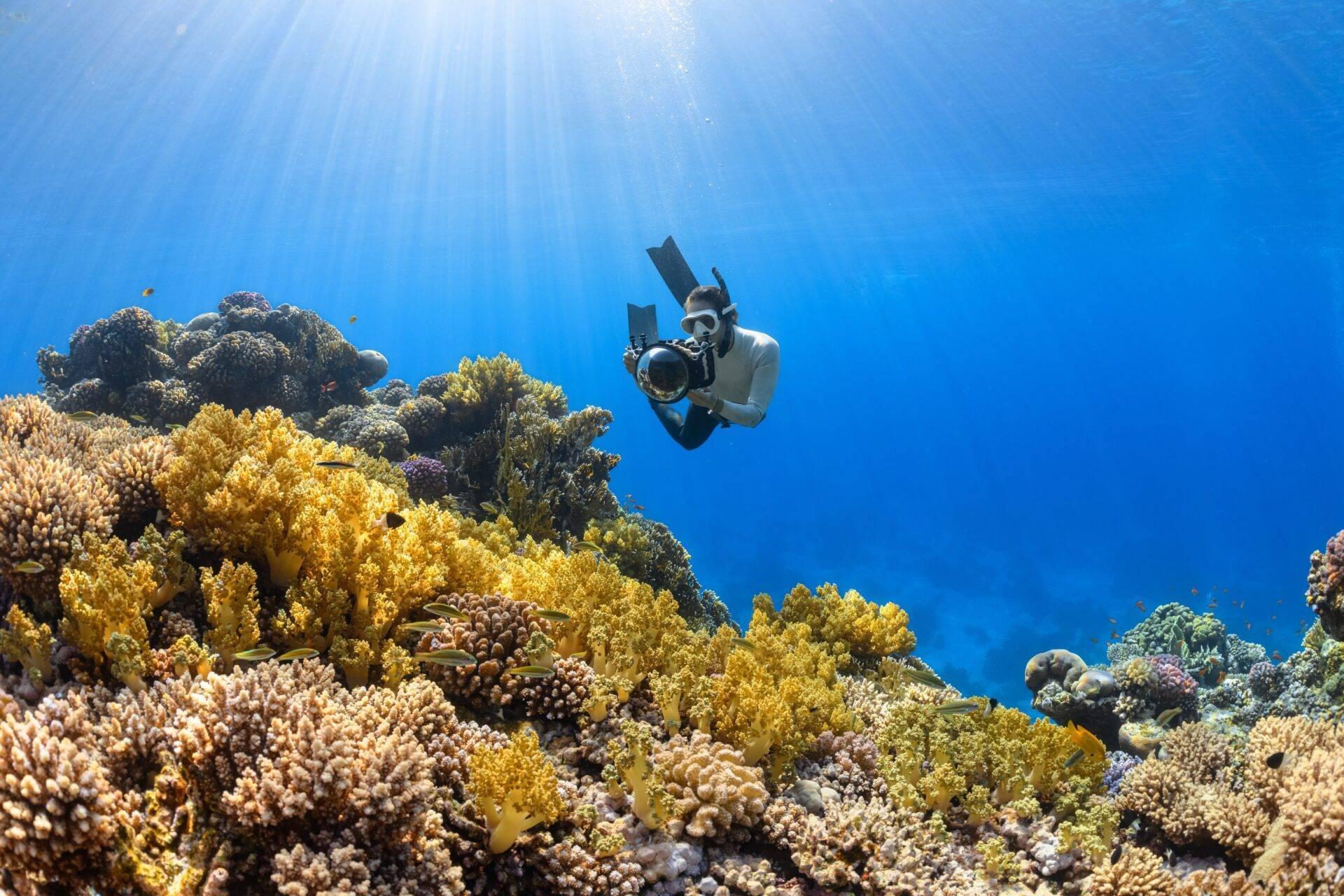
Jordan’s only coastal city opens onto the Red Sea and its thriving coral reefs. There are numerous diving and snorkelling sites accessible to beginners and experienced divers alike. Aqaba is also home to an Ottoman fort and has a laid-back seaside feel that sets it apart from the rest of the country.
16. Wadi Mujib: Canyoneering Through the Gorges
Sometimes called Jordan’s Grand Canyon, Wadi Mujib is a nature reserve managed by the Royal Society for the Conservation of Nature. Its headline activity is descending the partially flooded gorges past waterfalls and towering rock walls. The season generally opens from mid-April.
17. The Dana Biosphere Reserve
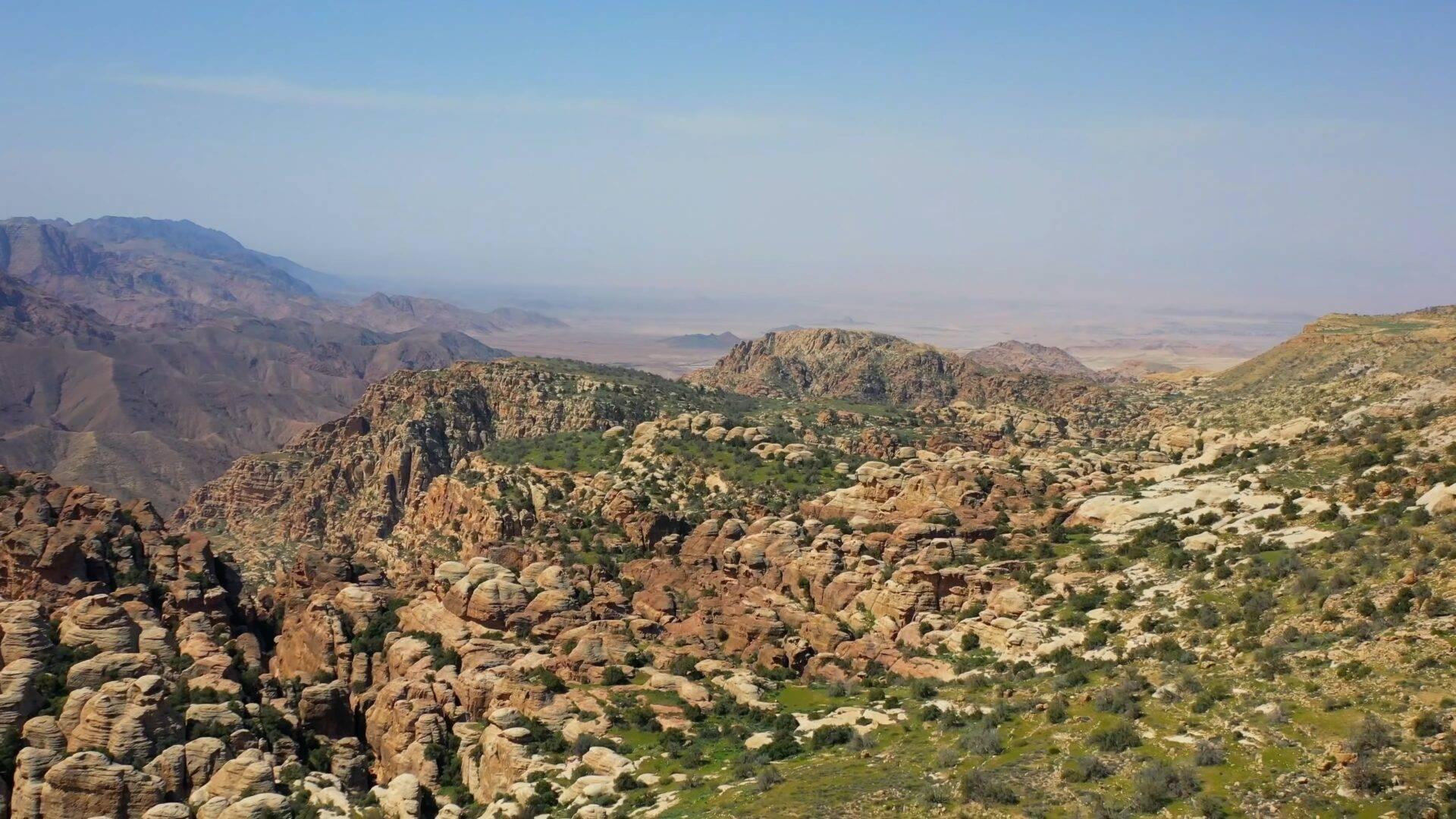
Covering 320 km², Dana is Jordan’s largest nature reserve. The landscape shifts from the rocky plateau of Dana village, at around 1,500 metres above sea level, down to the sandy stretches of the Wadi Araba desert. Wildlife here is diverse: eagles, ibex, wolves and sand foxes.
The Feynan Eco-Lodge — Jordan’s first eco-lodge, with 26 solar-powered rooms — offers guided hikes into the heart of the reserve and prioritises hiring people from the local community.
Experiences and Culture
18. The Ma’in Hot Springs
An hour from Amman, the Ma’in hot springs (Al-Hammamat Al-Meen) gush naturally from the rocks at high temperatures. Accommodation with access to the natural baths and spa facilities is available on site — a restorative stop after several days of intensive sightseeing.
19. Jordanian Cuisine: Start with Mansaf
Mansaf is the national dish: lamb slow-cooked in a dried yoghurt sauce (jameed) on a bed of rice, served in a large shared platter. It is a dish of celebration and hospitality. The souks of Amman and street restaurants also offer falafel, hummus, knafeh (a cheese and syrup pastry) and an array of mezze at every turn.
20. A Bedouin Night in the Desert
Beyond the standard tourist circuit, spending a night in a Bedouin camp in Wadi Rum reveals Jordan at its most elemental. Food cooked over embers, cardamom tea, a star-filled sky with no artificial light — it is often the memory that stays with you longest.
If the Middle East has caught your imagination, discover our guide to 20 unmissable things to do in Lebanon, a neighbouring destination with an equally rich history. For a complete change of scene, our pick of 20 things to do in Japan takes you to the other side of the world.
FAQ
How many days do you need to explore Jordan properly?
Seven days is enough to cover Amman, Jerash, Madaba, Mount Nebo, the Dead Sea, Petra and Wadi Rum at a brisk pace. To add Aqaba, the Dana Reserve and the desert castles, allow 10 to 14 days.
Can you visit Petra in a single day?
Yes — one day is enough for the Siq, the Treasury and the royal tombs. To climb up to the Monastery (Ad-Deir) and explore the full site at a leisurely pace, two days are preferable. Little Petra (Siq al-Barid), 12 minutes away and free to enter, makes an ideal addition to a second day.
What is the Jordan Pass and how does it work?
The Jordan Pass bundles entry to Petra and over 40 tourist sites across the country, and waives the entry visa fee under certain conditions. It can be purchased online before arrival. For up-to-date visa information and entry requirements, see our Jordan insurance and entry requirements guide.
Can you visit Wadi Rum without a guide?
The park is vast and the tracks are unmarked. Most visitors enter with a guide or through a local agency, particularly for 4x4 excursions and overnight stays. A Bedouin guide adds a cultural dimension that the trail alone simply cannot offer.
What is the best time to float in the Dead Sea?
The Dead Sea is accessible year-round from the Jordanian shore. Spring and autumn offer the most comfortable temperatures for a swim. In summer, the warm air and tepid water are still pleasant, though the sun is intense.