
Lebanon packs six UNESCO World Heritage Sites, some of the most imposing Roman temples in the world, a cave system of breathtaking underground formations, ancient cedar forests and a Mediterranean coastline dotted with Phoenician cities, all within fewer than 10,500 sq km. Here are the 20 places and experiences that deserve a spot on your itinerary.
Archaeological and Historical Sites
From the harbour at Byblos to the columns of Baalbek, via Crusader citadels and Umayyad cities, Lebanon packs a remarkable density of archaeology into just a few hundred kilometres, a concentration that is genuinely hard to match anywhere else in the world.
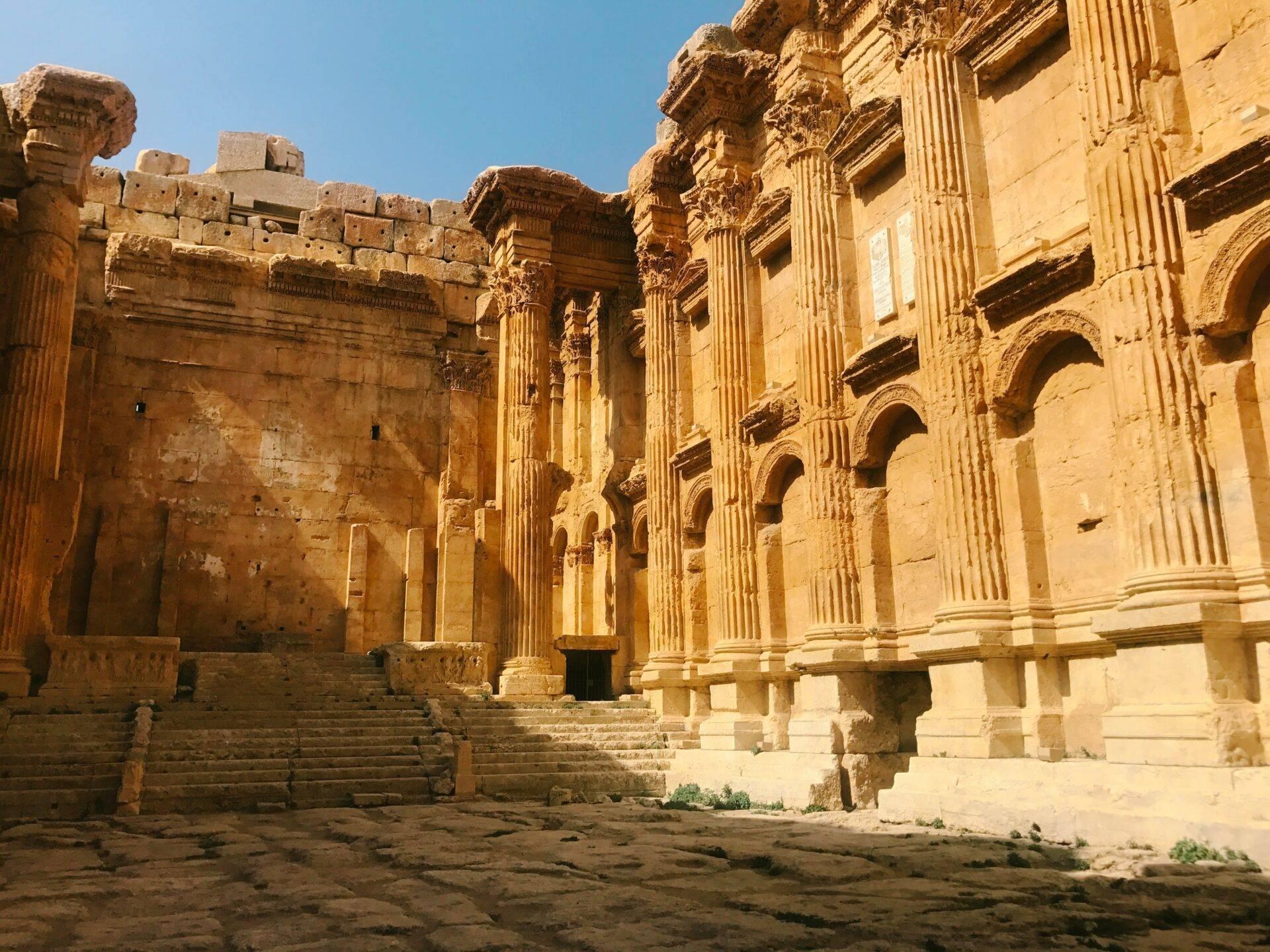
1. Baalbek: the Most Imposing Roman Temples in the Middle East
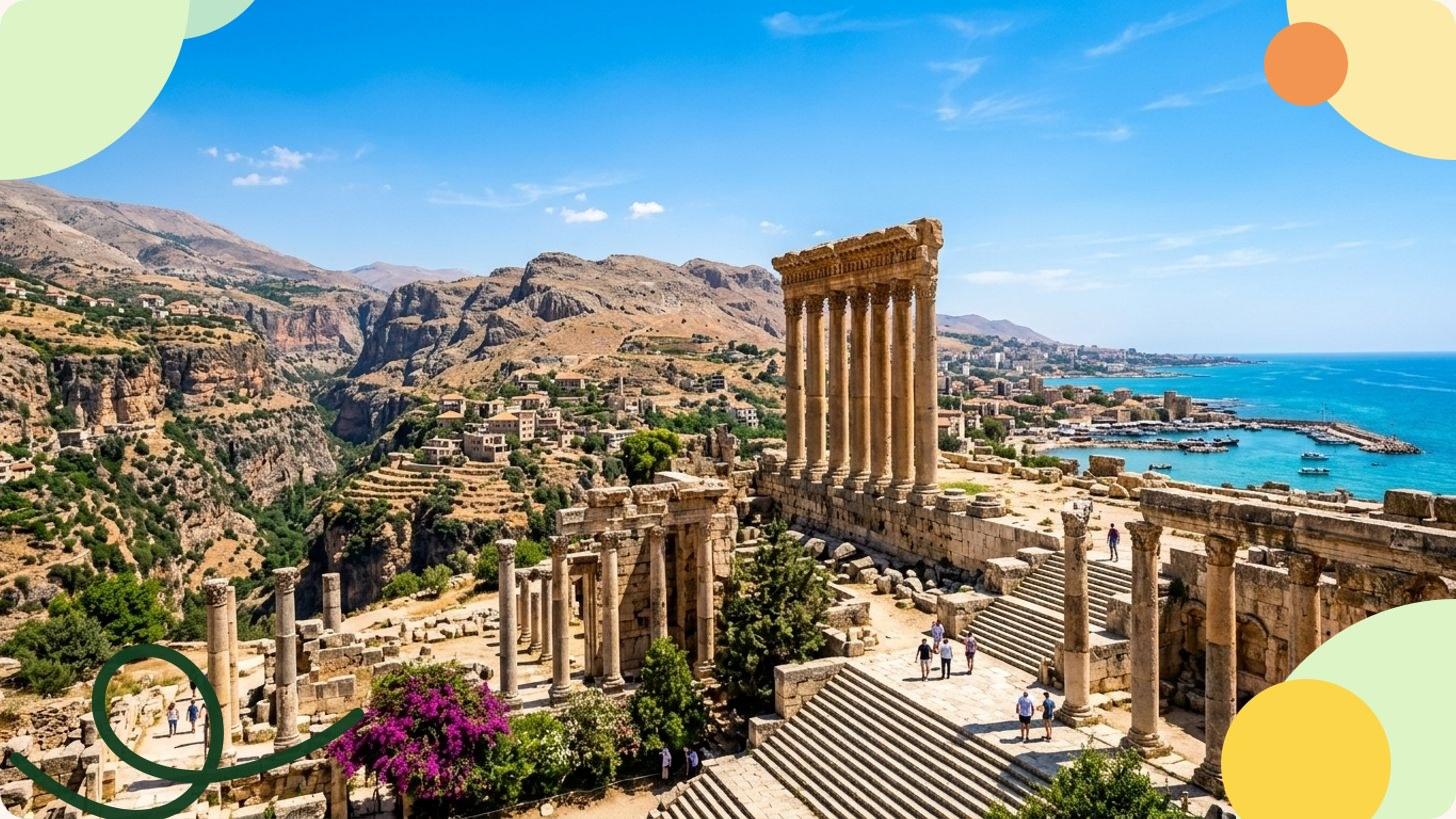
In the Bekaa Valley, the temples of Baalbek rank among the largest and best-preserved in the Roman world. The Temple of Jupiter and the Temple of Bacchus form a monumental complex that has been a UNESCO World Heritage Site since 1984. Allow two hours on site, ideally early in the morning to avoid the heat and catch the raking light on the columns.
2. Byblos: on the Mediterranean Shore for Over 10,000 Years
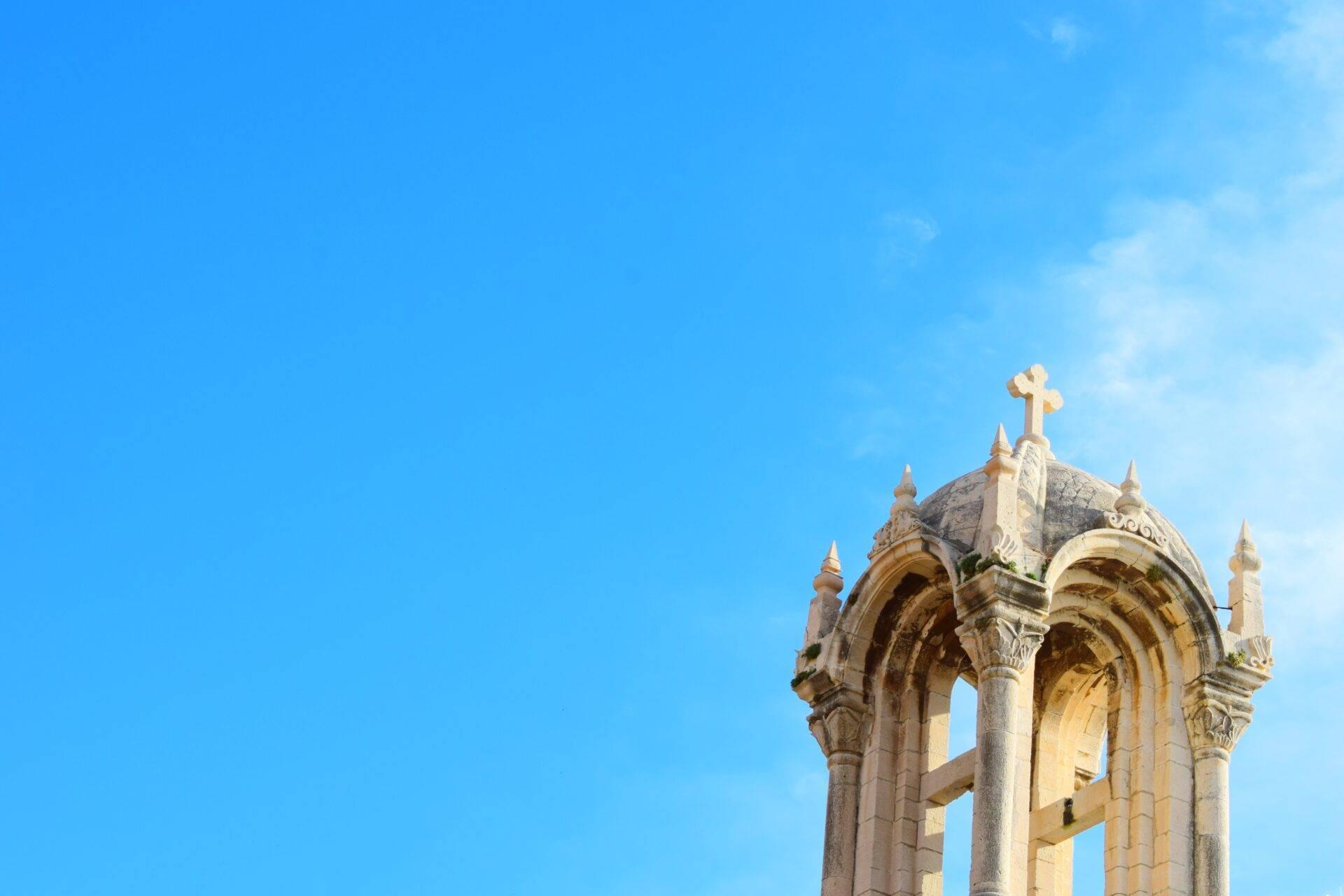
A UNESCO World Heritage Site, Byblos is one of the oldest continuously inhabited cities on earth, with archaeological evidence of settlement dating back 8,800 years. The Phoenician ruins, the Crusader castle and the charming old harbour are all within easy walking distance of each other, making it an ideal half-day trip from Beirut.
3. Tyre (Sour): the Ancient Phoenician City on the Shore
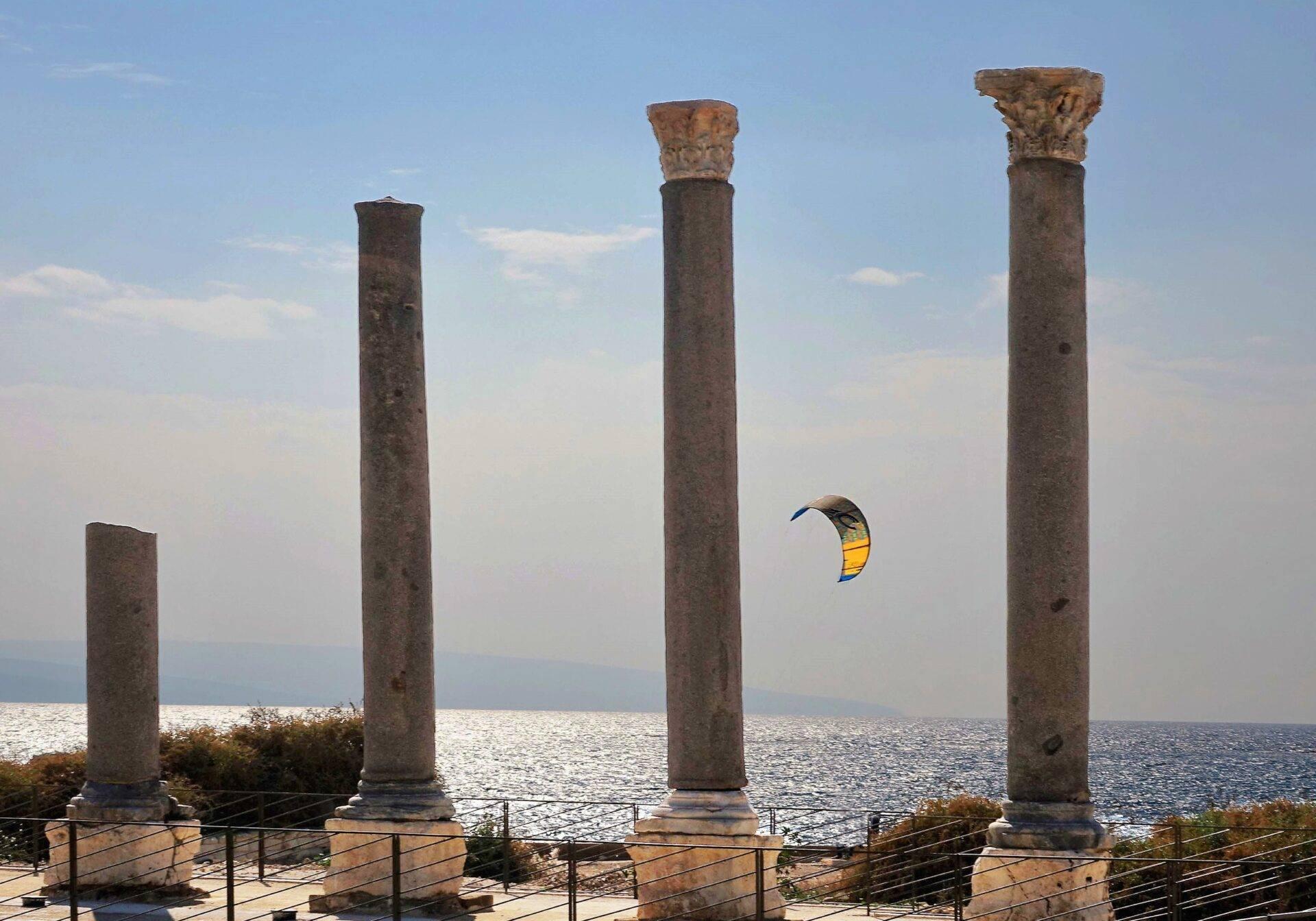
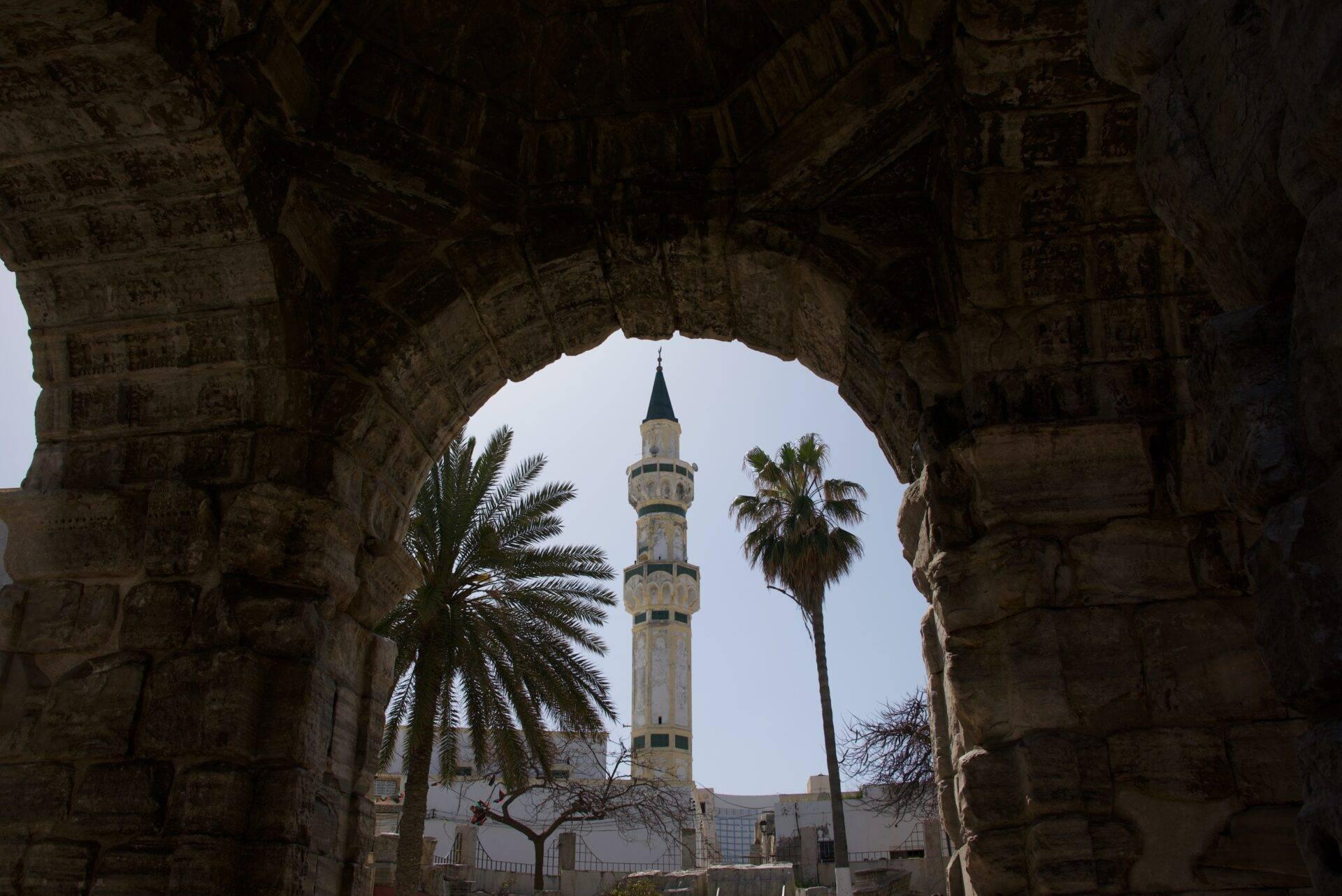
Also inscribed on the UNESCO World Heritage list, Tyre displays its Roman remains right on the seafront: a triumphal arch, a hippodrome and a necropolis can all be explored in around two hours. The fishing quarter that borders the site is a good reason to linger over a lunch of fresh fish.
4. Sidon (Saïda) and the Sea Castle
Halfway between Beirut and Tyre, Sidon combines a Crusader sea castle built on a small islet connected to the shore by a narrow causeway, a Mamluk old town and one of the liveliest spice souks in the country. A full day is enough to take it all in.
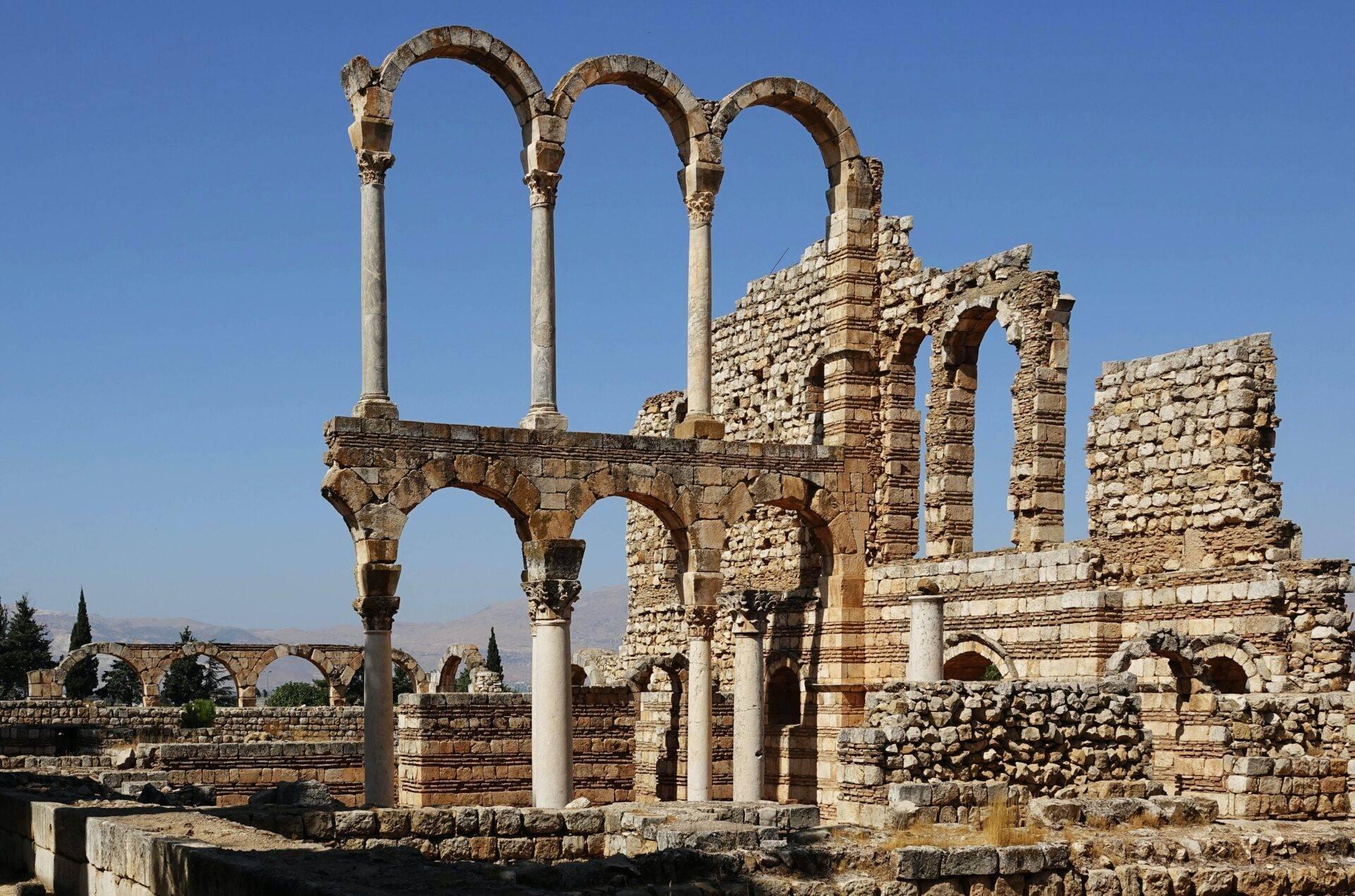
5. Anjar: Lebanon’s Only Umayyad City
Inscribed on the UNESCO World Heritage list since 1984, Anjar dates from the 8th century and stands as one of the rare surviving examples of Umayyad urban planning in the Levant. Its surprisingly regular grid layout, palaces and mosque form a quietly compelling complex that can be explored at a leisurely pace in half a day.
6. Beiteddine Palace: a Mountain Masterpiece
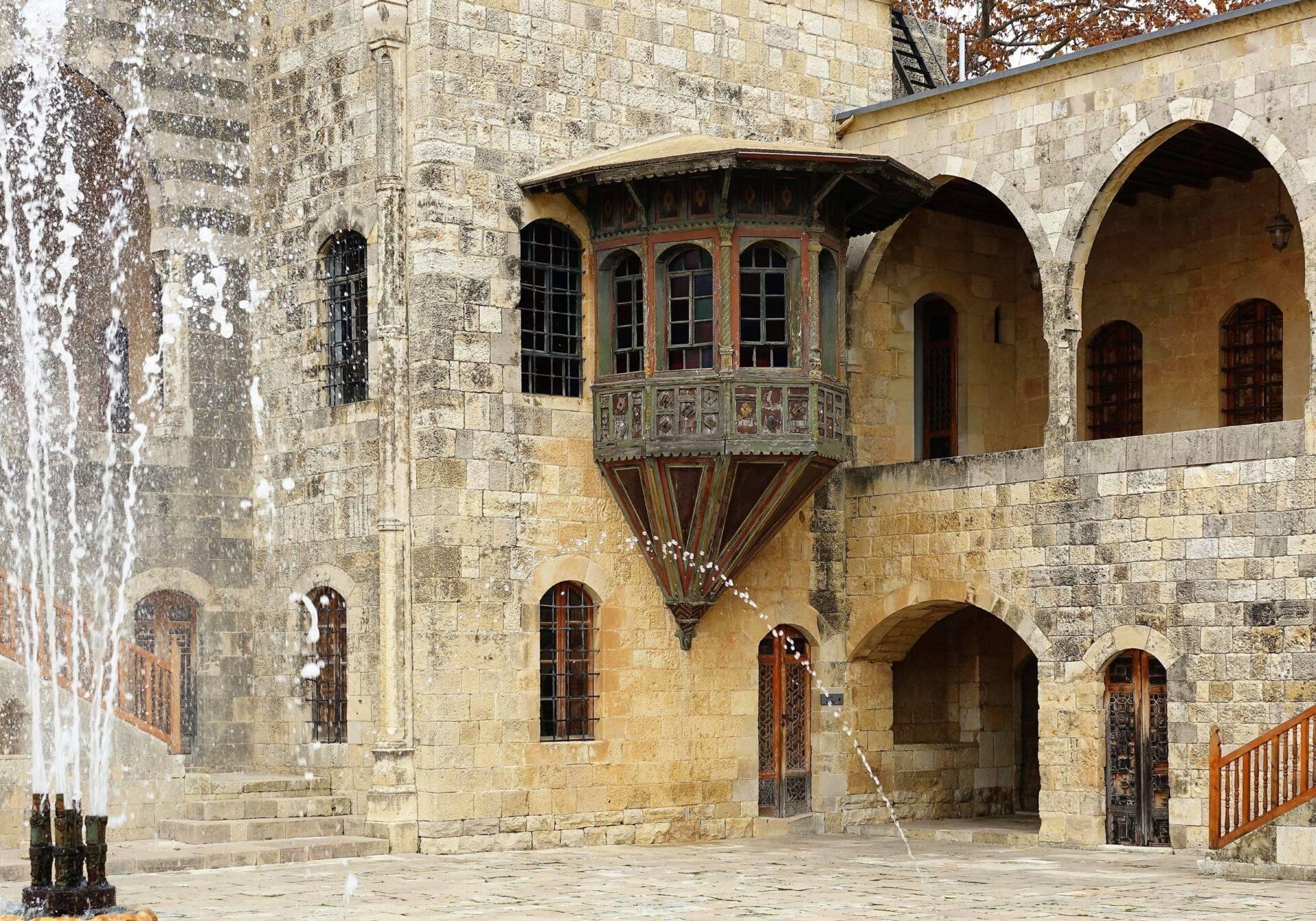
In the heart of the Chouf, about an hour from Beirut, Beiteddine Palace is one of the finest examples of Ottoman architecture in Lebanon. Its inner courtyards lined with stone arcades, its hammams and its collection of Byzantine mosaics housed in the vaulted cellars make it a destination in its own right.
Beirut: Between Memory and Contemporary Energy
7. The City Centre and its Neighbourhoods: a City of Many Faces
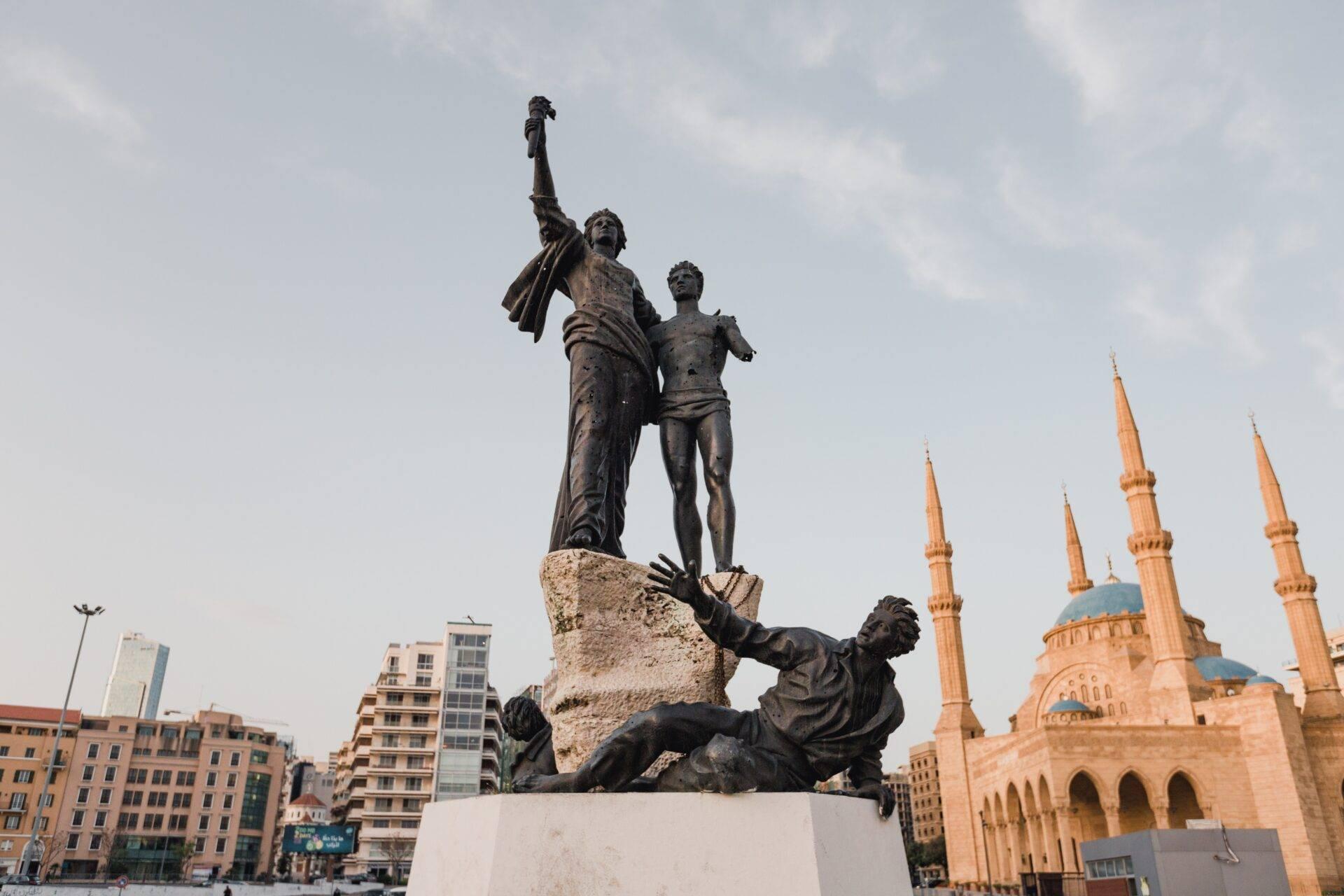
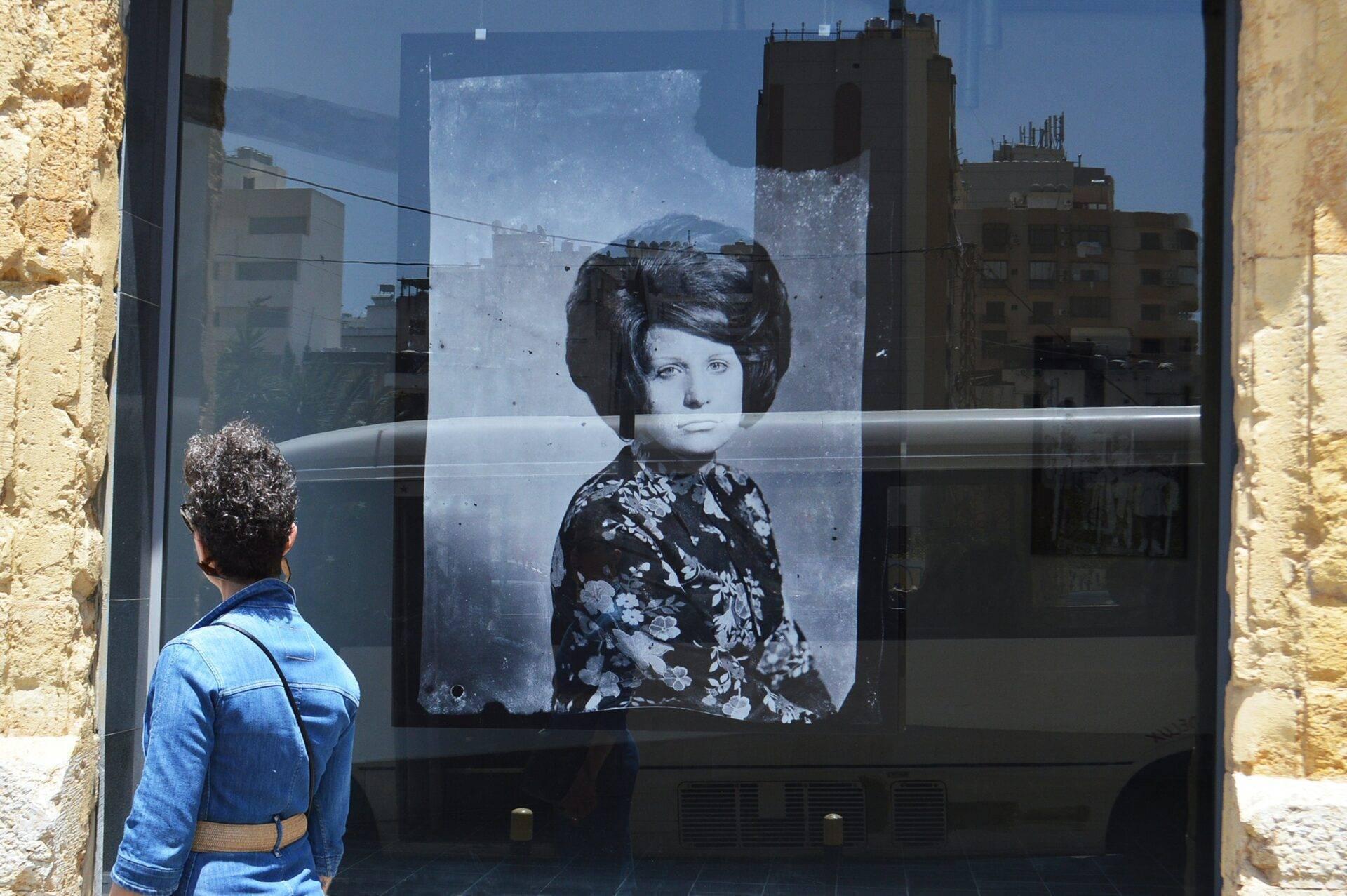
Beirut is a city of striking contrasts: Martyrs’ Square, the restored Ottoman facades of the city centre, the Mar Mikhael district with its galleries housed in 1930s townhouses, and the still-visible scars of the civil war together make up a capital whose energy remains unlike anything else in the Middle East. Allow at least two days to get a real feel for it.
8. The National Museum of Beirut
The country’s principal archaeological museum, the National Museum traces Lebanese history from prehistory through to the Ottoman era. Its collection of Phoenician anthropoid sarcophagi is particularly remarkable. The visit takes around two hours and pairs well with a walk along the Corniche or through the Hamra district.
Coastal Towns and Mediterranean Life
9. Harissa and the Bay of Jounieh from Above
Some 25 km north of Beirut, Harissa is home to the statue of Our Lady of Lebanon, set on a headland that looks out over the Bay of Jounieh. The cable car from Jounieh offers one of the most spectacular views on the Lebanese coast. A major pilgrimage site, Harissa draws thousands of visitors each year, both devout and curious.
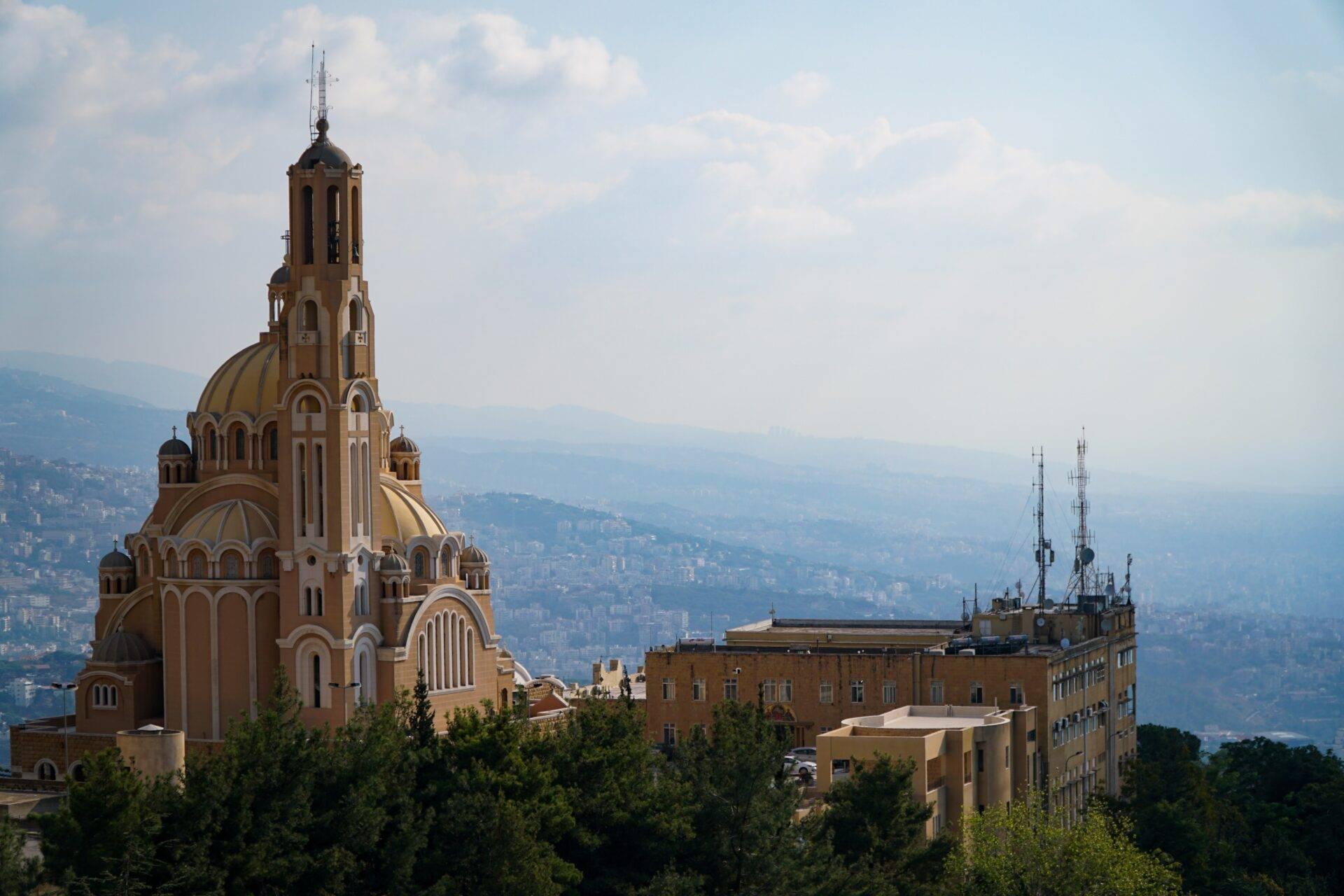
10. The Beaches and Bay of Jounieh
The Bay of Jounieh is one of the most picturesque stretches of the Lebanese coast. Its beach clubs and seafood restaurants come alive in the evening, and the view from the corniche over the illuminated bay makes for a memorable outdoor dinner.
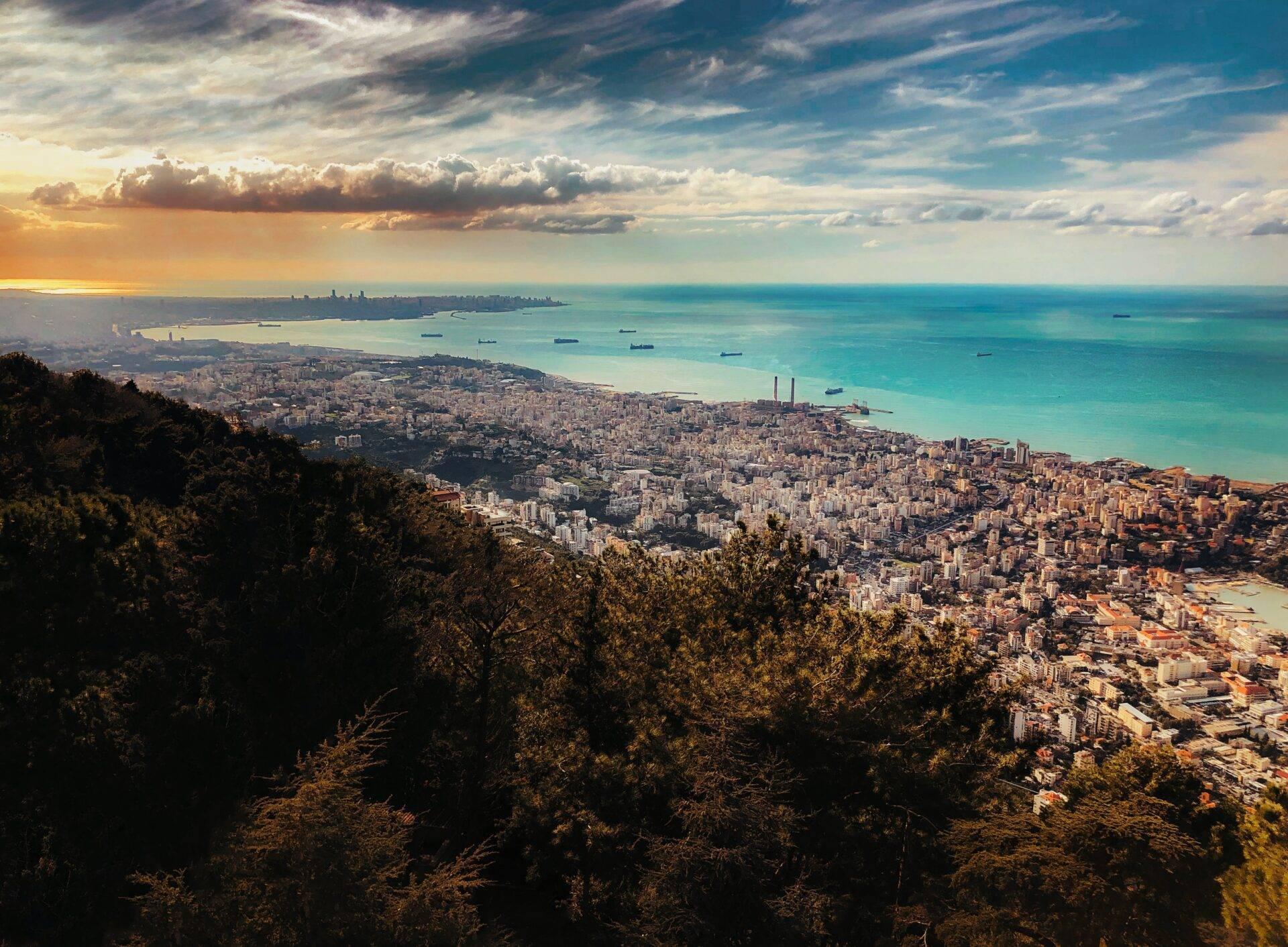
11. Batroun: the Authentic Phoenician Town of the North
On the northern coast, Batroun is one of Lebanon’s most endearing towns. A partially preserved Phoenician sea wall, cobblestone lanes lined with honey-coloured stone houses, a traditional fishing harbour and a handful of craft breweries make it an ideal base for a night or two.
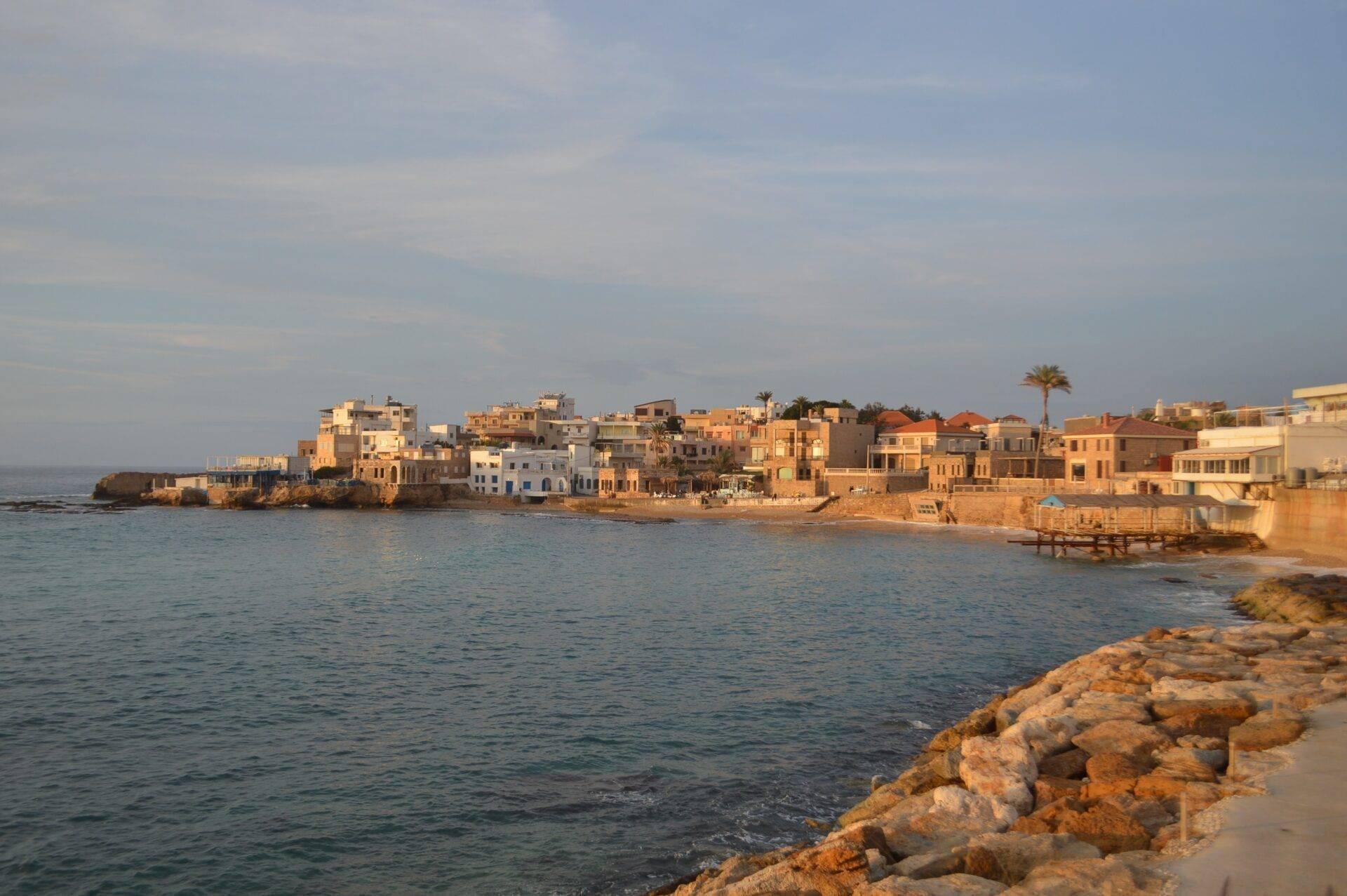
The café terraces fronting golden stone facades invite you to slow down and settle into the Lebanese pace of life.
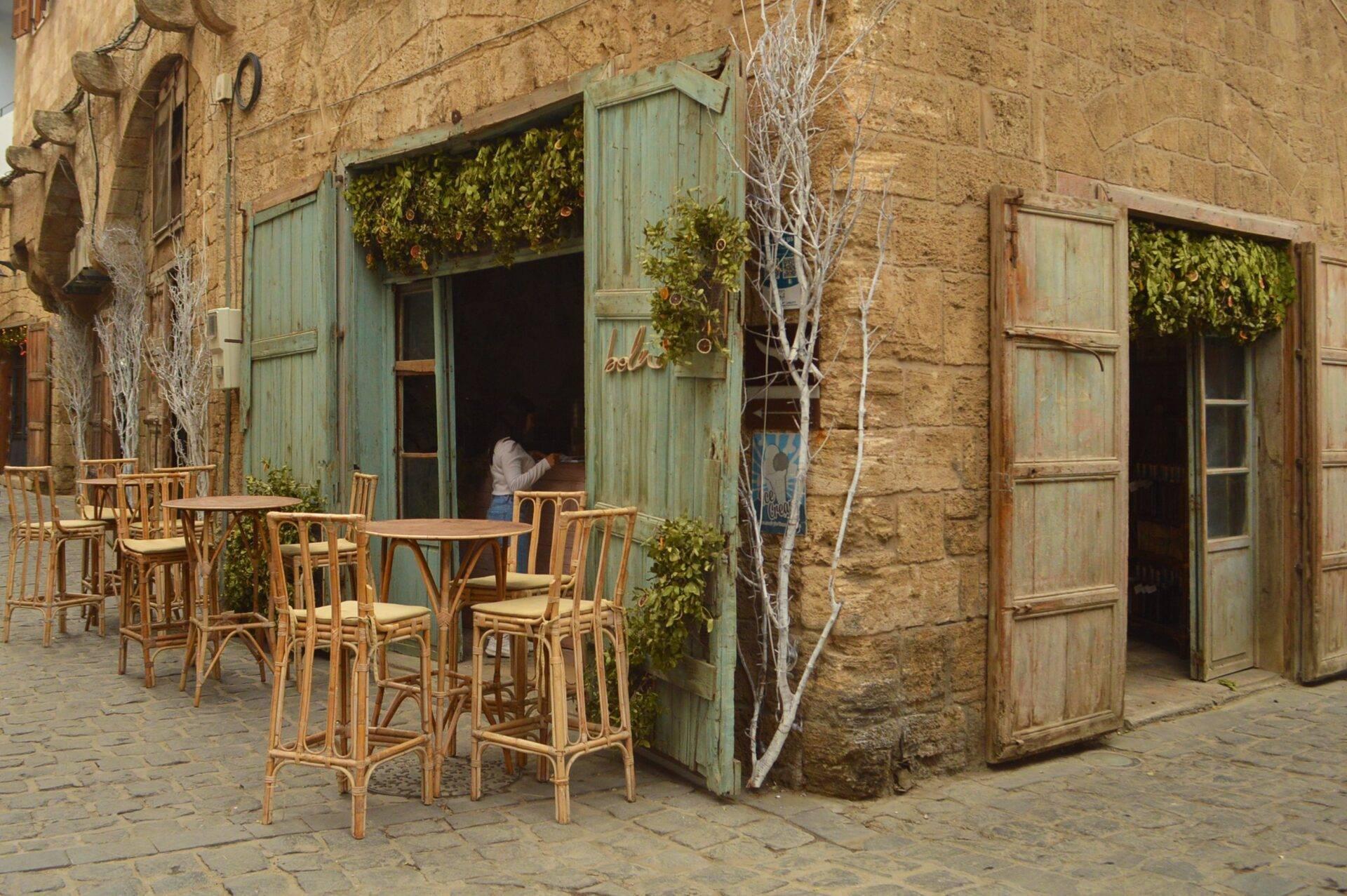
12. Tripoli: the North’s Medieval Treasure
Lebanon’s second city is home to one of the finest collections of Mamluk architecture in the Levant. The citadel of Raymond de Saint-Gilles, the medieval souks (the goldsmiths’ souk, the furriers’ souk), the khans and the hammams are worth a full day. The sweets of Tripoli, renowned across the country, justify several stops.
Nature and Hiking
13. Jeita Grotto: an Underground Wonder 20 km from Beirut
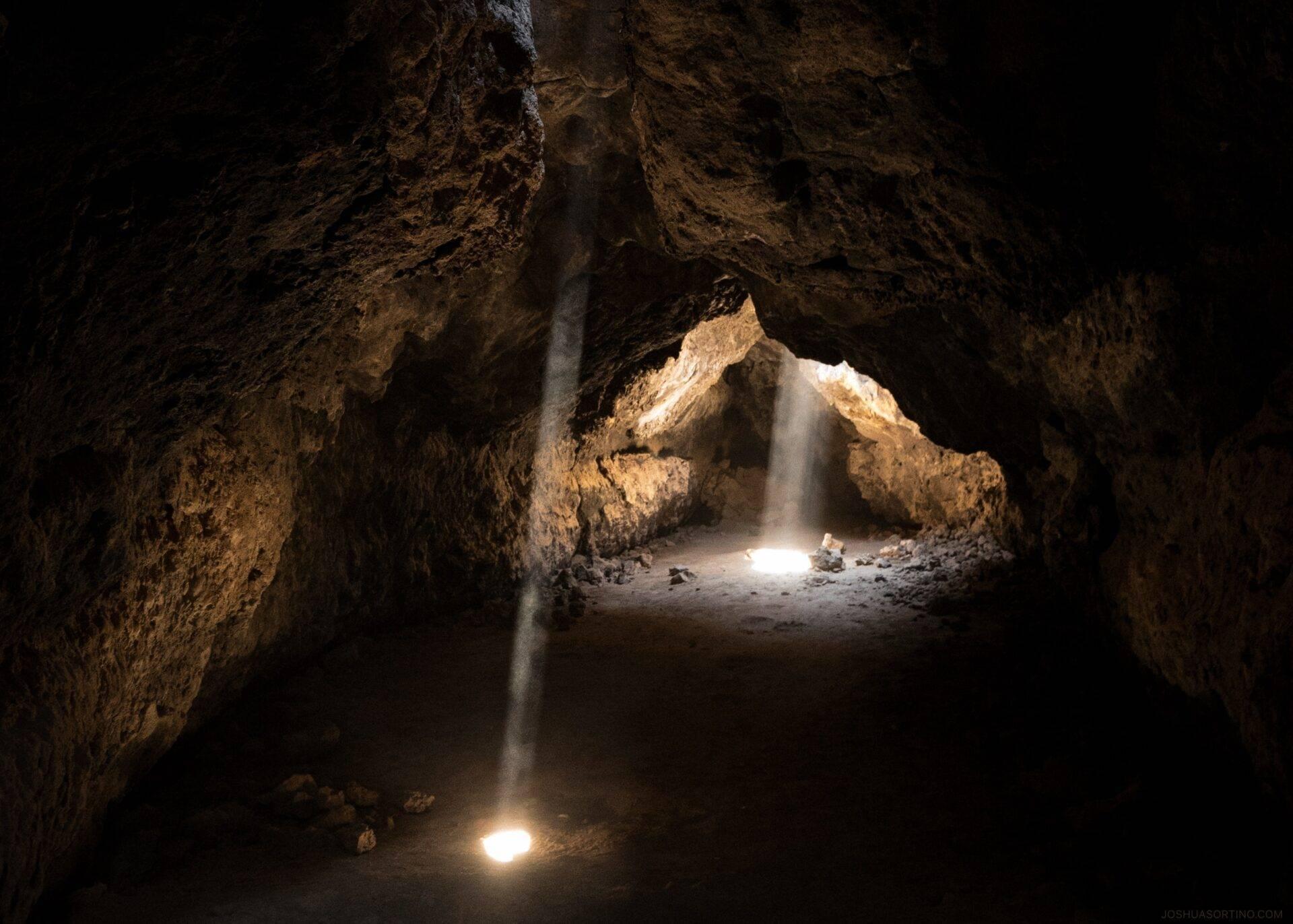
The Jeita Grotto is split into two sections: an upper gallery accessible on foot, filled with impressive stalactite and stalagmite formations, and a lower gallery explored by boat along an underground river. It is one of the most spectacular natural experiences Lebanon has to offer.
14. The Cedars of God at Bcharré: Lebanon’s Ancient Symbol
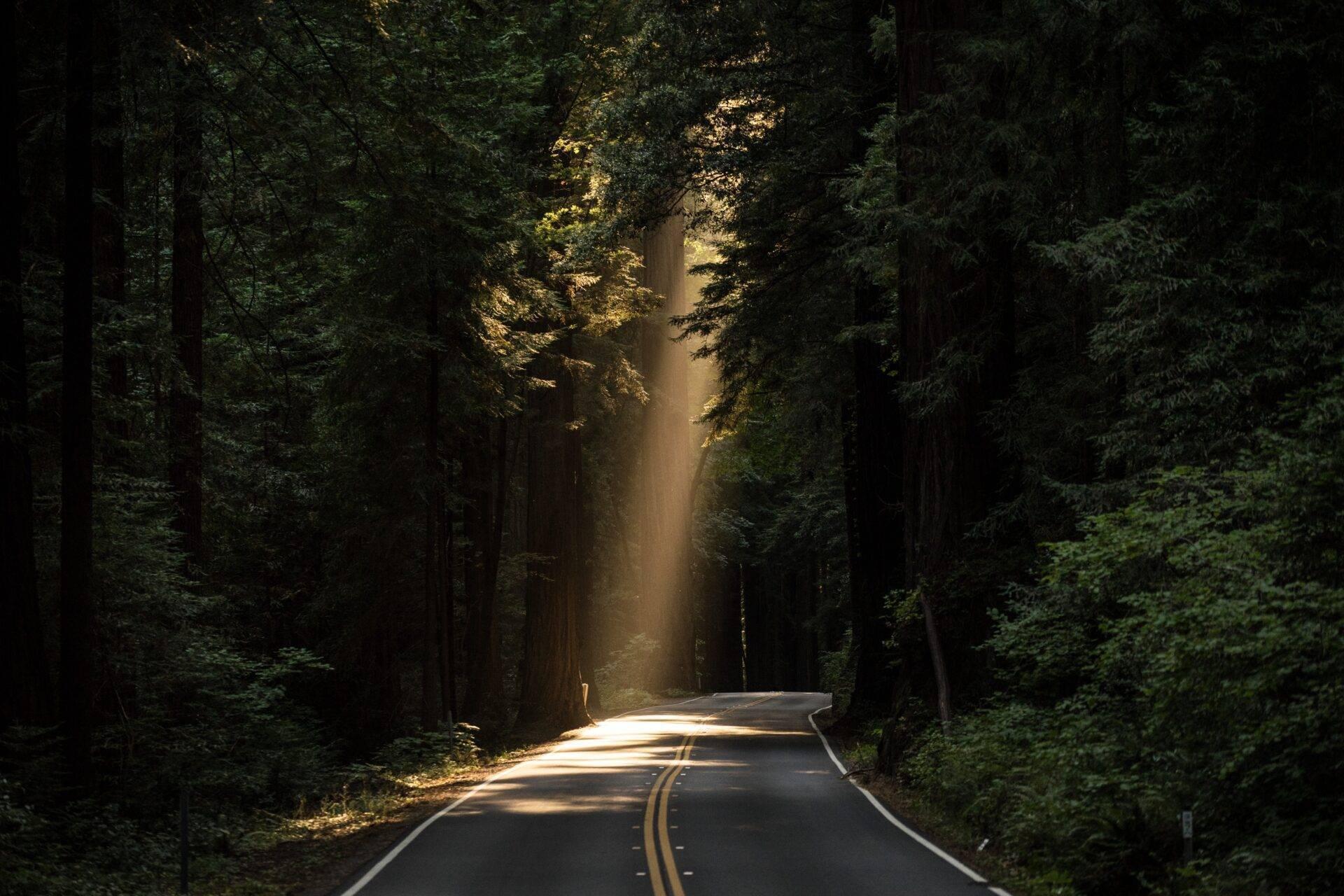
The Forest of the Cedars of God, in the northern part of Mount Lebanon, shelters the country’s last ancient cedar trees. Jointly inscribed with the Qadisha Valley on the UNESCO World Heritage list, the site is both an exceptional natural space and a powerful symbol of Lebanese identity. The visit combines naturally with a descent into the Qadisha Valley, which is accessible from Bcharré.
15. The Al-Shouf Cedar Reserve: Lebanon’s Largest Nature Reserve
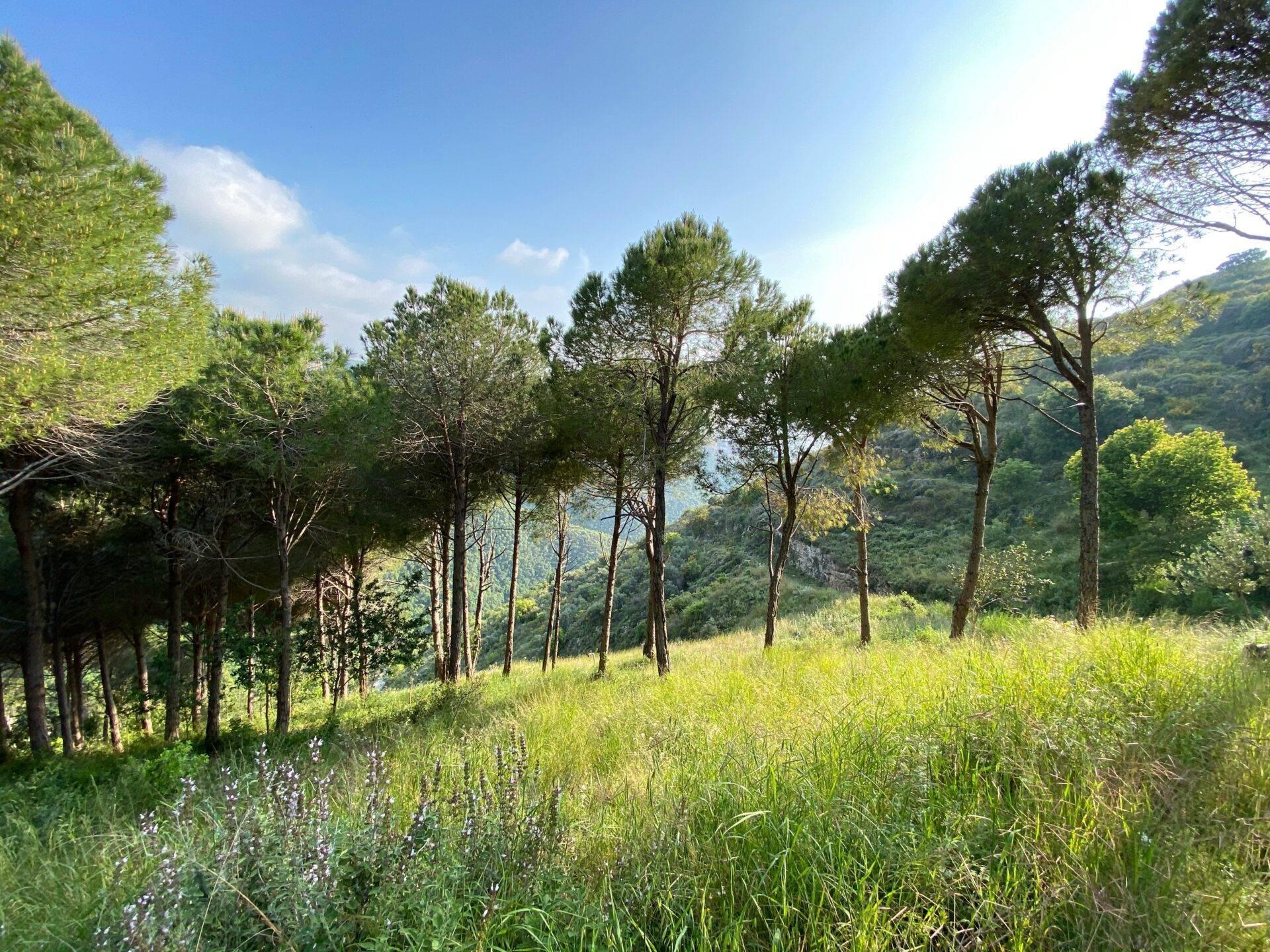
The Al-Shouf Reserve, designated a UNESCO biosphere reserve in 2005, protects more than a third of Lebanon’s remaining cedar trees. It is home to 27 species of wild mammals, including wolves, lynx and hyenas, as well as 104 bird species. Some of the reserve’s cedars are over 2,000 years old. The hiking trails, open from April to October, wind through wildflower meadows between century-old trees.
16. The Qadisha Valley: a UNESCO-Listed Natural and Spiritual Sanctuary
The Qadisha Valley is a spectacular canyon carved into the rock of Mount Lebanon, studded with monasteries hewn from the cliffsides over the centuries. Inscribed on the UNESCO World Heritage list, it offers one of the finest hikes in the country: allow a full day to descend from Bcharré to the valley floor and back up (intermediate level).
17. The Tannourine Reserves: a Route for the Off-the-Beaten-Track Hiker
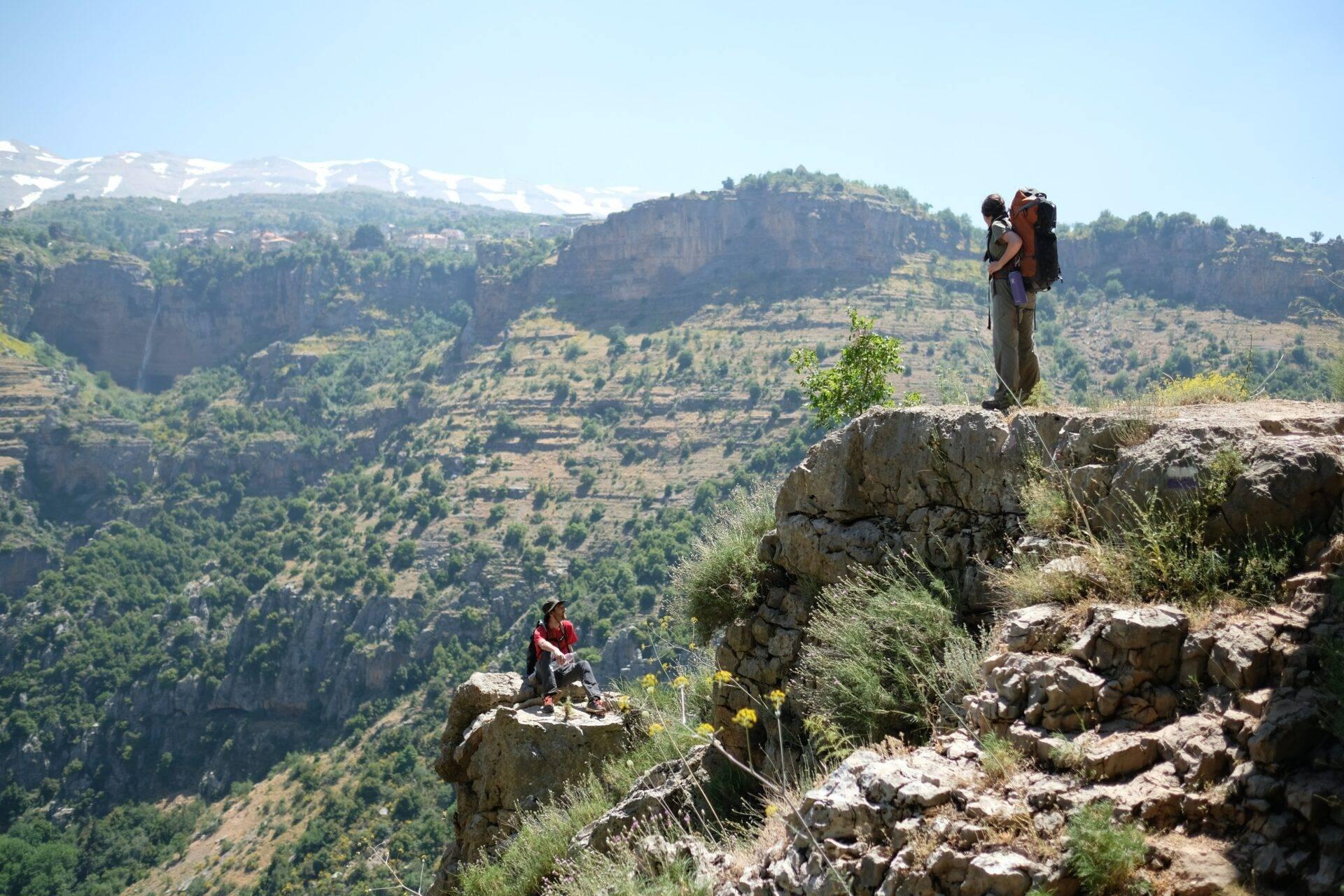
In the northern part of Mount Lebanon, the Tannourine reserves offer cedar forests and mountain scenery that see far fewer visitors than the Chouf or Bcharré. The road that winds between cliffsides and Mediterranean vegetation is a constant pleasure for travellers who prefer quieter trails.
Mountain and Hilltop Villages
18. Mount Lebanon: from Ski Slopes to Spring Hiking Trails
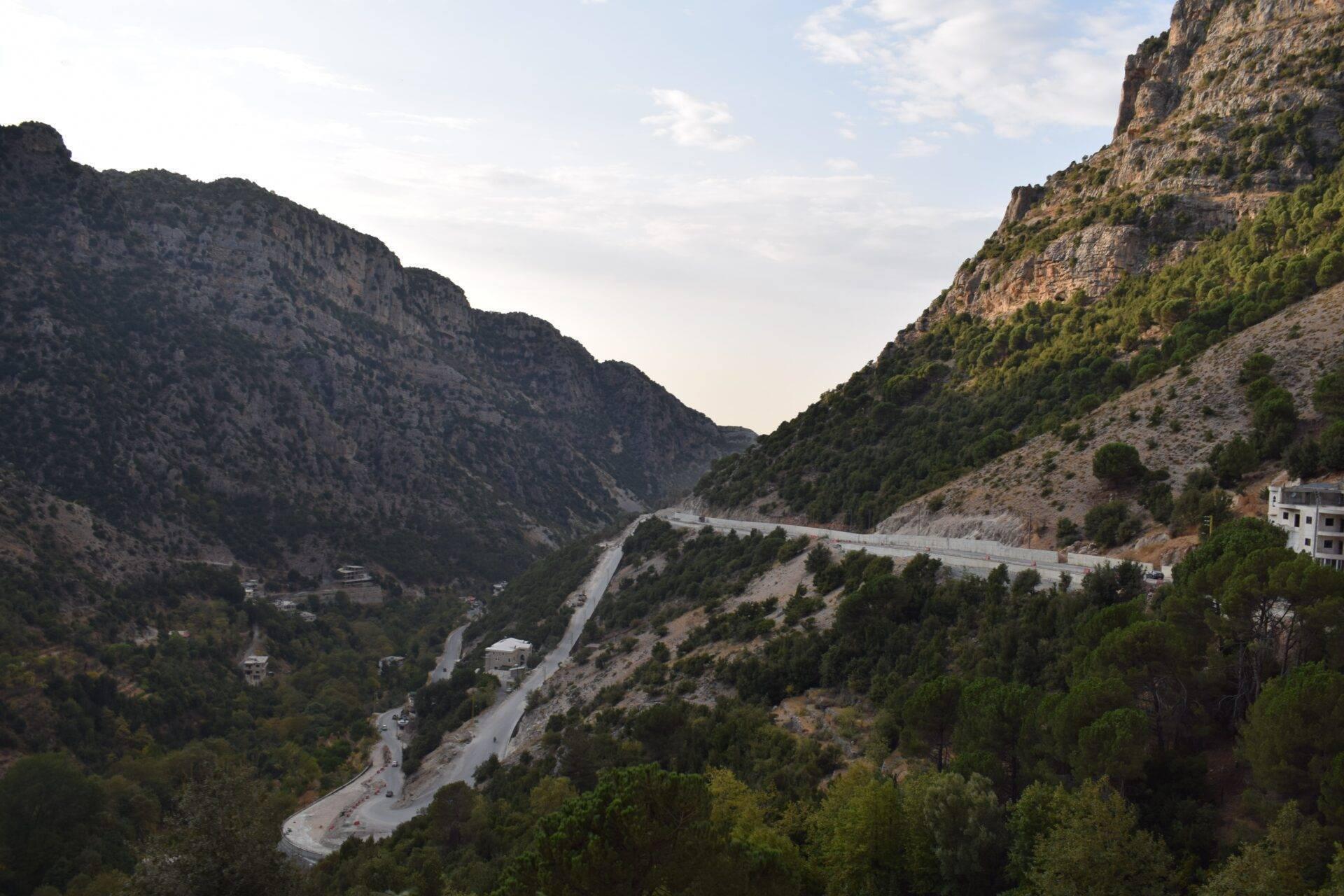
The Mount Lebanon range peaks at over 3,000 metres. It offers ski resorts in winter (Faraya, Mzaar), flowering trails and upland forests in spring, and in summer, sweeping views over the Mediterranean from its honey-coloured stone villages perched along the ridgelines.
19. Aley: the Balcony of Mount Lebanon
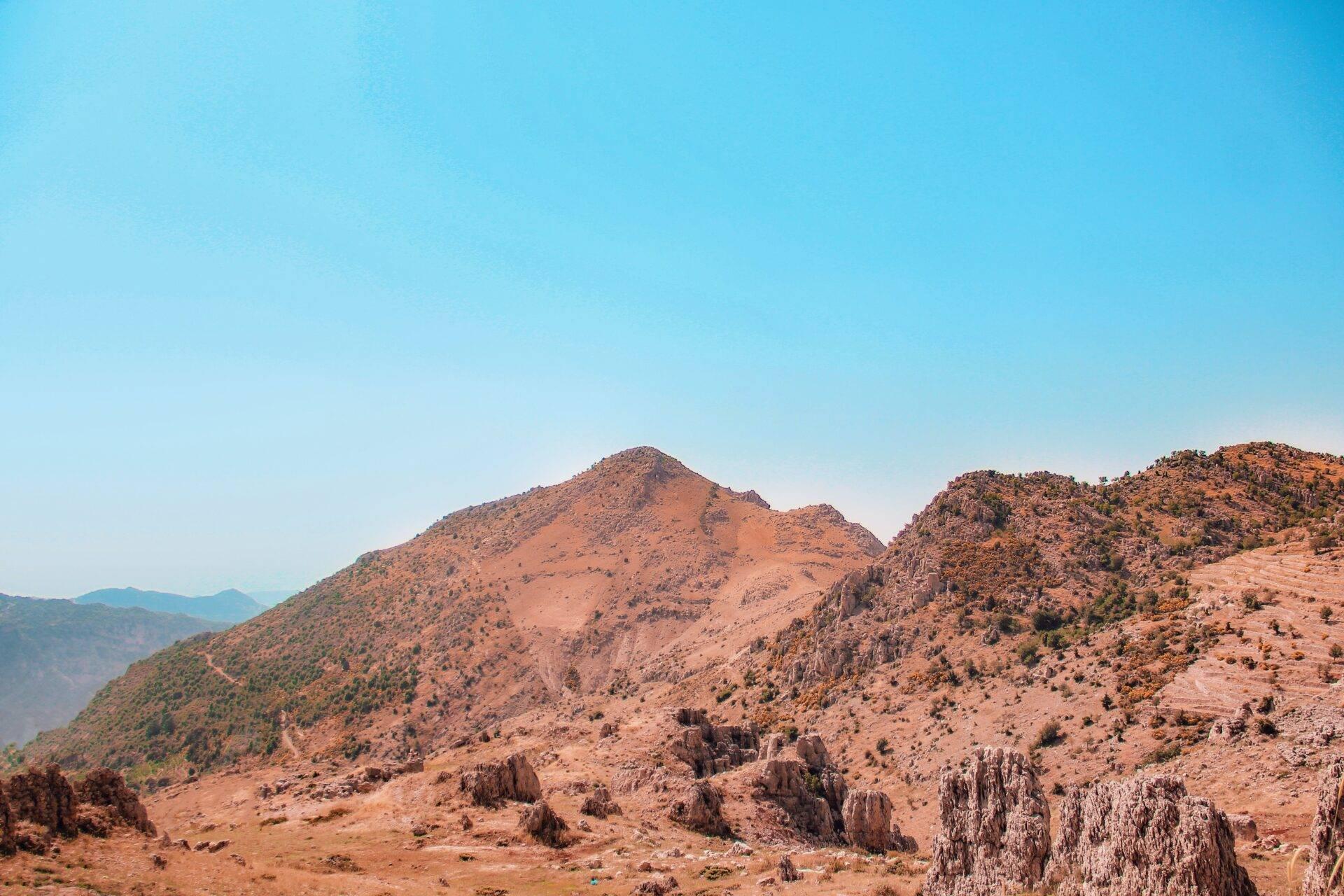
Nicknamed the ‘Bride of Mount Lebanon’, Aley offers panoramic views over the Mediterranean coast from its hilltop café terraces. A favourite summer escape for Beirut families seeking cooler air, the town also has good hiking trails and lively local markets.
The Bekaa Valley and Wine Tourism
20. Zahlé and the Bekaa Vineyards
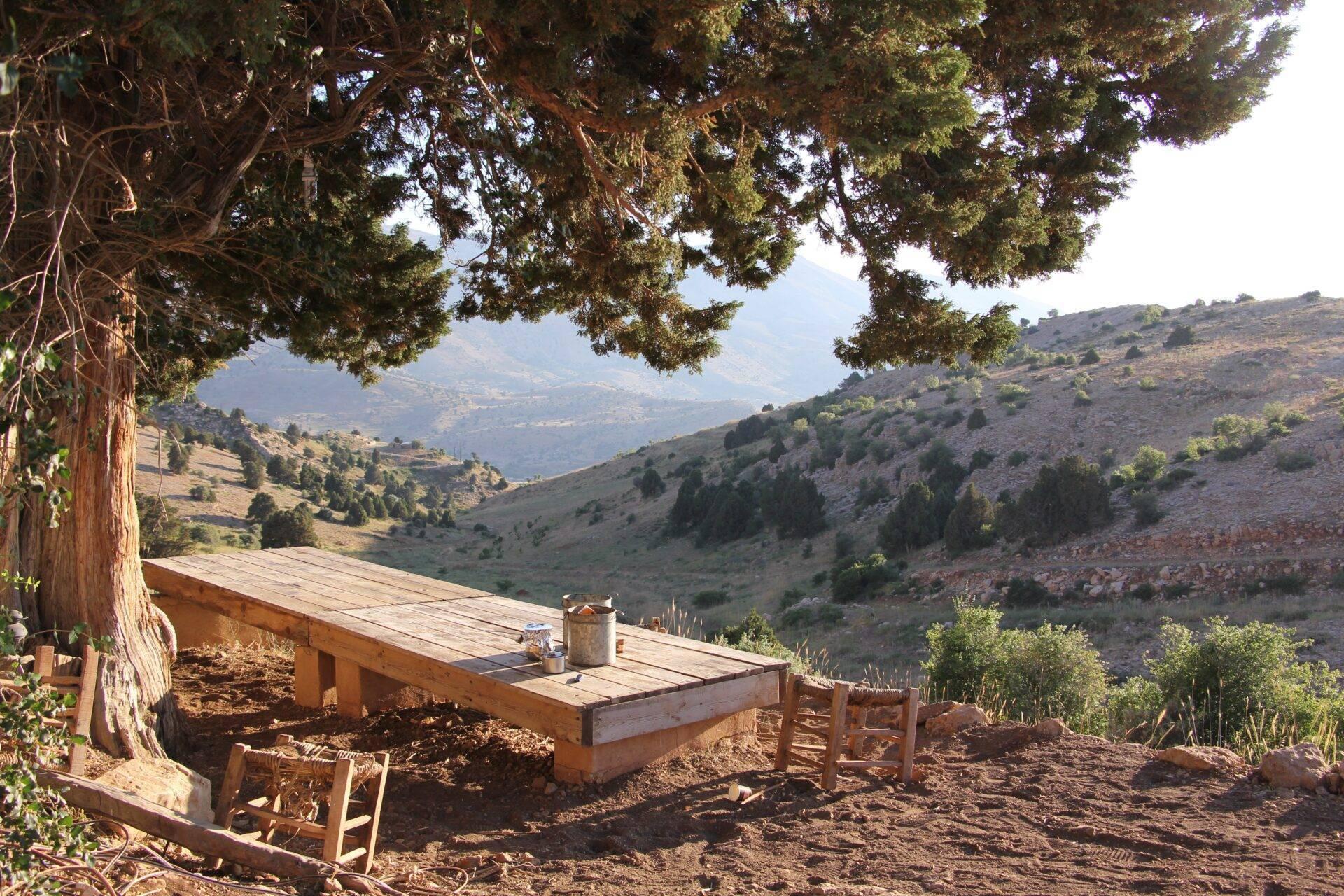
Zahlé is the gastronomic capital of the Bekaa. Its restaurants lining the banks of the Bardaouni river, its evening market and its local specialities all make it a worthwhile stop. The surrounding valley is home to Lebanon’s leading wine estates: Château Ksara, Château Musar and Château Kefraya are among the best-known names in Lebanese wine.
For everything relating to entry requirements, recommended vaccinations and medical insurance, see our Lebanon travel insurance guide, which brings together all the practical information you need before you go.
When to Visit Lebanon
Lebanon offers viable travel windows almost year-round, but two periods stand out clearly.
April to June: the best window for most travellers. Temperatures are mild (18 to 25°C on the coast), the vegetation is green, wildflowers bloom in the mountains and the sea is beginning to warm up. This is the ideal time to combine archaeological sites, hiking in the Qadisha or the Chouf and early beach days.
September and October: a second excellent period. The sea is still warm, tourist numbers are lower, and the Bekaa’s vineyards are in harvest, making winery visits particularly lively.
July and August: the animated high season. The Baalbek and Byblos festivals bring international artists to extraordinary settings. The heat (30 to 35°C on the plains) means visiting sites early in the morning and making the most of evenings on the terrace.
December to March: the coast remains mild, and the ski resorts at Faraya and Mzaar offer an unusual experience just a short drive from the Mediterranean.
If you are planning an ambitious trip to another destination rich in historical heritage, our guides on things to do in Japan and things to do in Serbia explore two equally rewarding countries.
FAQ
Is Lebanon Open to International Travellers?
Most nationalities can visit Lebanon, though entry requirements vary by passport. Before you travel, check the latest advice published by your government’s foreign affairs ministry, which details current safety levels by region. For entry formalities, health information and insurance, see our Lebanon travel insurance page.
How Many Days Do You Need to See All 20 Highlights?
A 10 to 14-day circuit covers the essentials: 2 days in Beirut, 1 day for the northern coast (Byblos, Batroun), 1 day for Baalbek and Anjar, 1 day for Sidon and Tyre, 1 day for Beiteddine and the Chouf, 2 days for the Qadisha and the Cedars. Tripoli deserves an overnight stay to experience it outside of standard visiting hours.
Which Lebanese Sites Are UNESCO World Heritage Sites?
Lebanon has six UNESCO World Heritage Sites: Anjar, Baalbek, Byblos and Tyre (all inscribed in 1984), the Qadisha Valley with the Forest of the Cedars of God (1998), and the Rachid Karami International Fair in Tripoli.
Can You Go Hiking in Lebanon?
Yes. The Qadisha Valley, the Al-Shouf Cedar Reserve and the Tannourine reserves all have waymarked trails at varying difficulty levels. The best season runs from April to June and from September to October.
What Is the Best Base for Exploring Lebanon?
Beirut is the logical base: the international airport is located there, and most major sites are within one to two hours by road. Hiring a car remains the most practical option for exploring the mountains and the Bekaa freely.