
Gran Canaria packs into a compact space landscapes that seem utterly incompatible: golden coastline and Saharan dunes in the south, volcanic ridges and laurel forests in the centre and north, whitewashed villages clinging above gorges. Whether you have three days or two weeks, here is how to make the most of every corner of the island.
The Beaches and Bays You Cannot Miss
From Golden Sand to Caribbean Waters
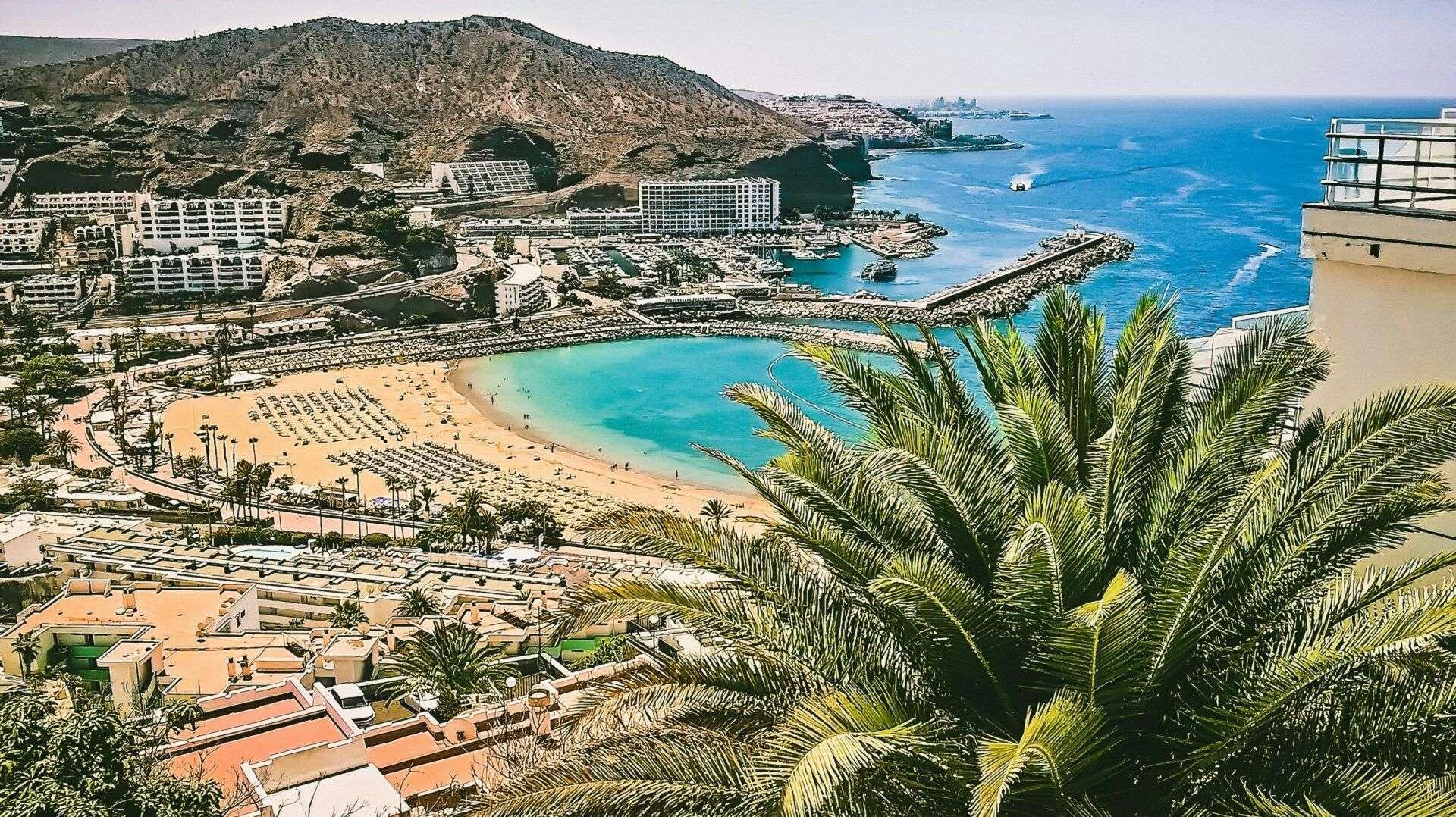
The south-facing beaches enjoy sunshine all year round. Playa del Inglés and San Agustín form a ribbon of light golden sand, easy to reach from most hotels in the area. Further west, Playa de Amadores curves into a cove of almost still water, popular for swimming with children.
Anfi del Mar surprises visitors with its white sand, imported from the Bahamas in the 1990s. The bay, sheltered by a breakwater, offers calm and crystal-clear waters ideal for snorkelling and paddleboarding in the early morning.
Diving and Water Sports
Gran Canaria can be explored all year round, above and below the water. Kitesurfing, windsurfing, jet-skiing, wakeboarding, scuba diving: every sport has its beach. If you are looking for the best diving conditions in Europe, our article on the best destinations for diving will help you see where Gran Canaria stands among other top spots.
The Maspalomas Dunes: A Desert on the Atlantic Shore
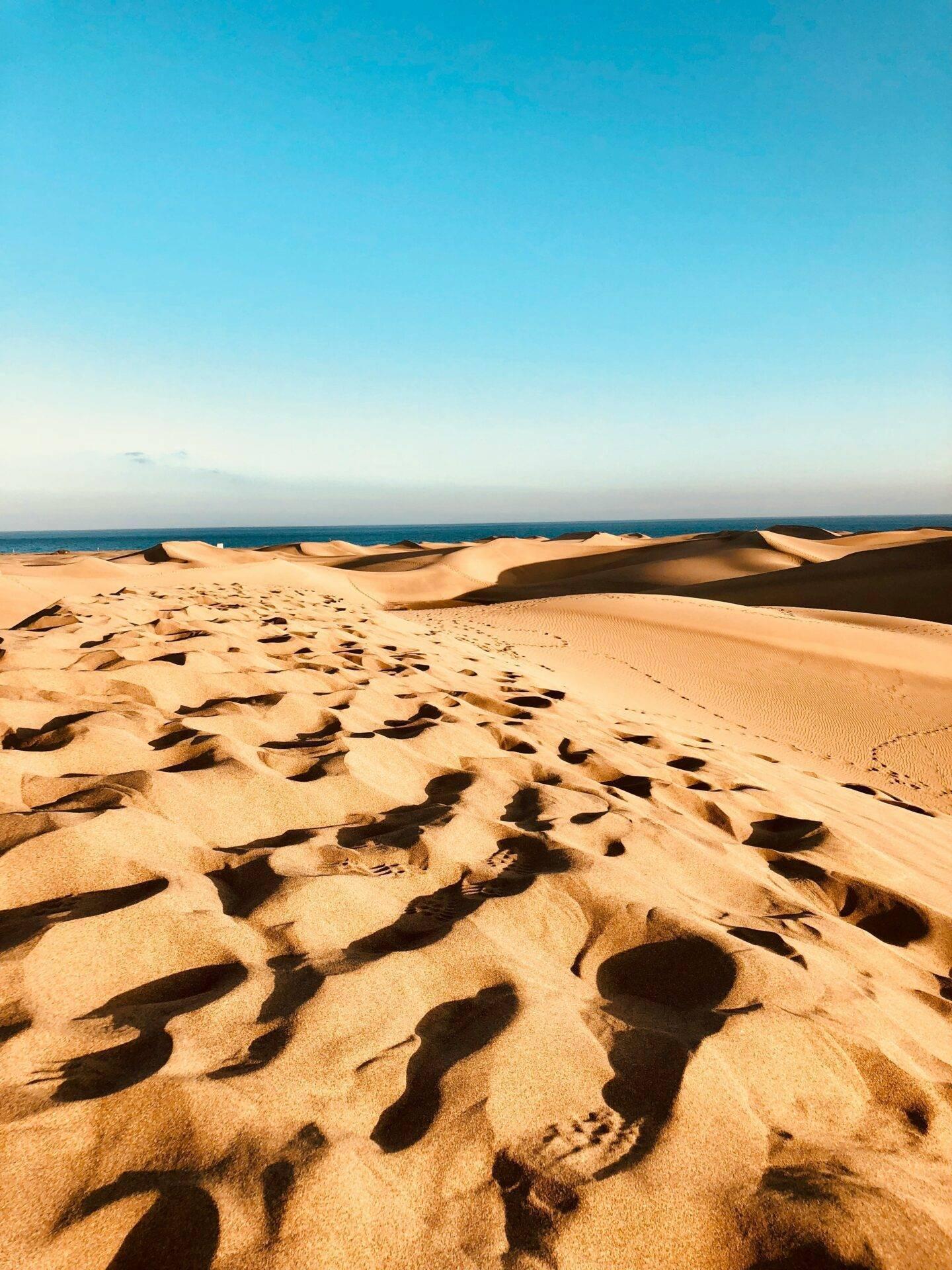
At the southern tip of the island, the Maspalomas dunes stretch across 400 hectares between the lighthouse and Playa del Inglés. Designated a Special Nature Reserve since 1994, this vast expanse of sand formed over millions of years from shells and coral ground down by erosion. At the heart of the reserve, the crescent-shaped dunes reach 8 to 10 metres in height.
The Maspalomas lagoon, in the north-western corner of the reserve, serves as a resting point for migratory birds travelling between Africa and Europe: flamingos, herons and snipe stop here every season. Entry is free, but leaving the marked paths is prohibited to protect the wildlife and vegetation. Arriving before 9am lets you enjoy the shadows cast across the sand before the crowds arrive.
Puerto de Mogán and the South-West Bays
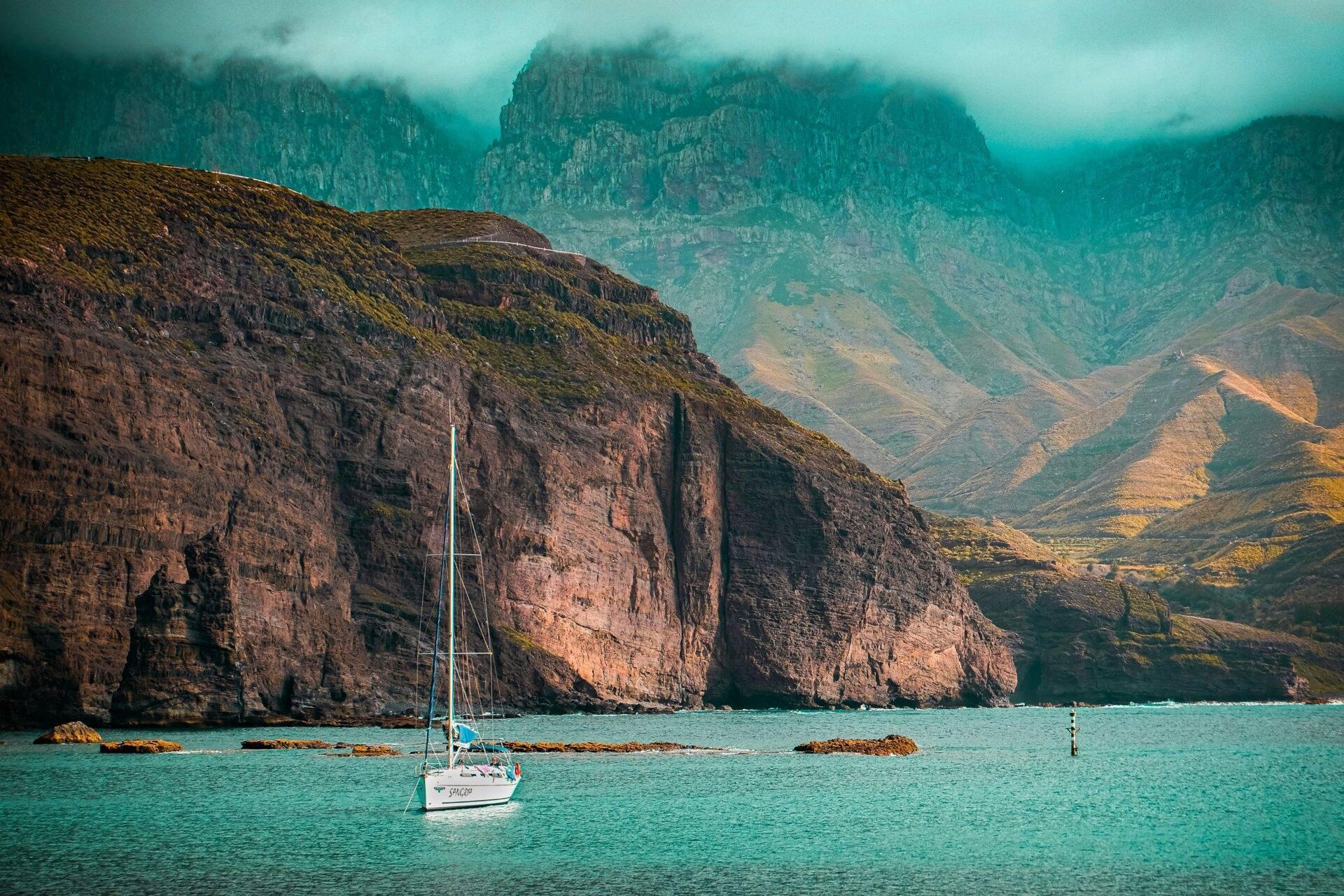
Puerto de Mogán deserves at least half a day to itself. This fishing village, nicknamed the “Little Venice of the Canaries”, owes its character to a canal crossed by small blue bridges. Fishing boats and yachts share the harbour, and the terraces serve simply prepared fresh fish.
On the east coast, Pozo Izquierdo regularly hosts international kitesurfing and windsurfing competitions. Several schools based there offer lessons, thanks to a reliable and consistent wind that blows throughout the year.
Insure my Gran Canaria tripThe Island Interior: Mountains, Gorges and Hilltop Villages
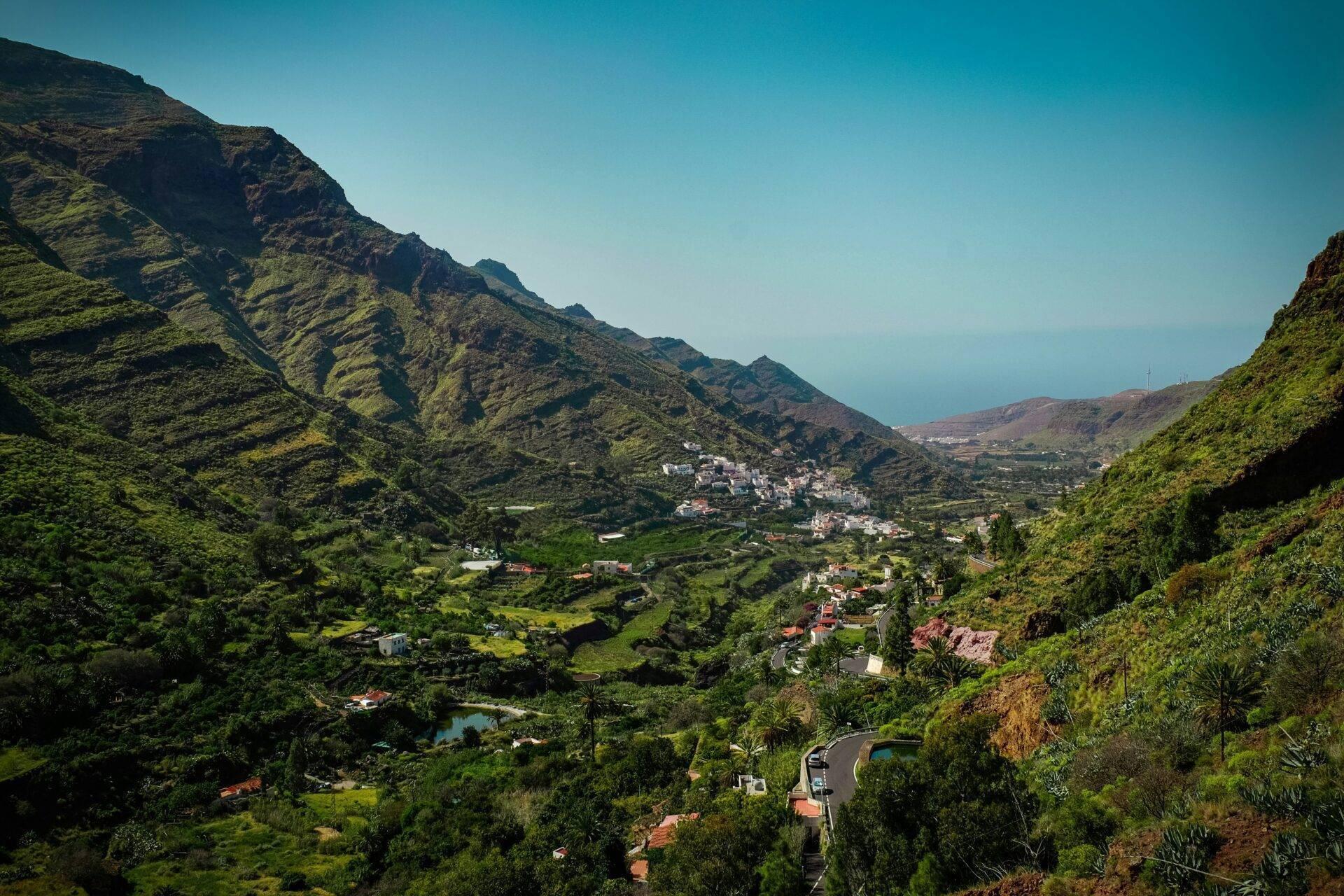
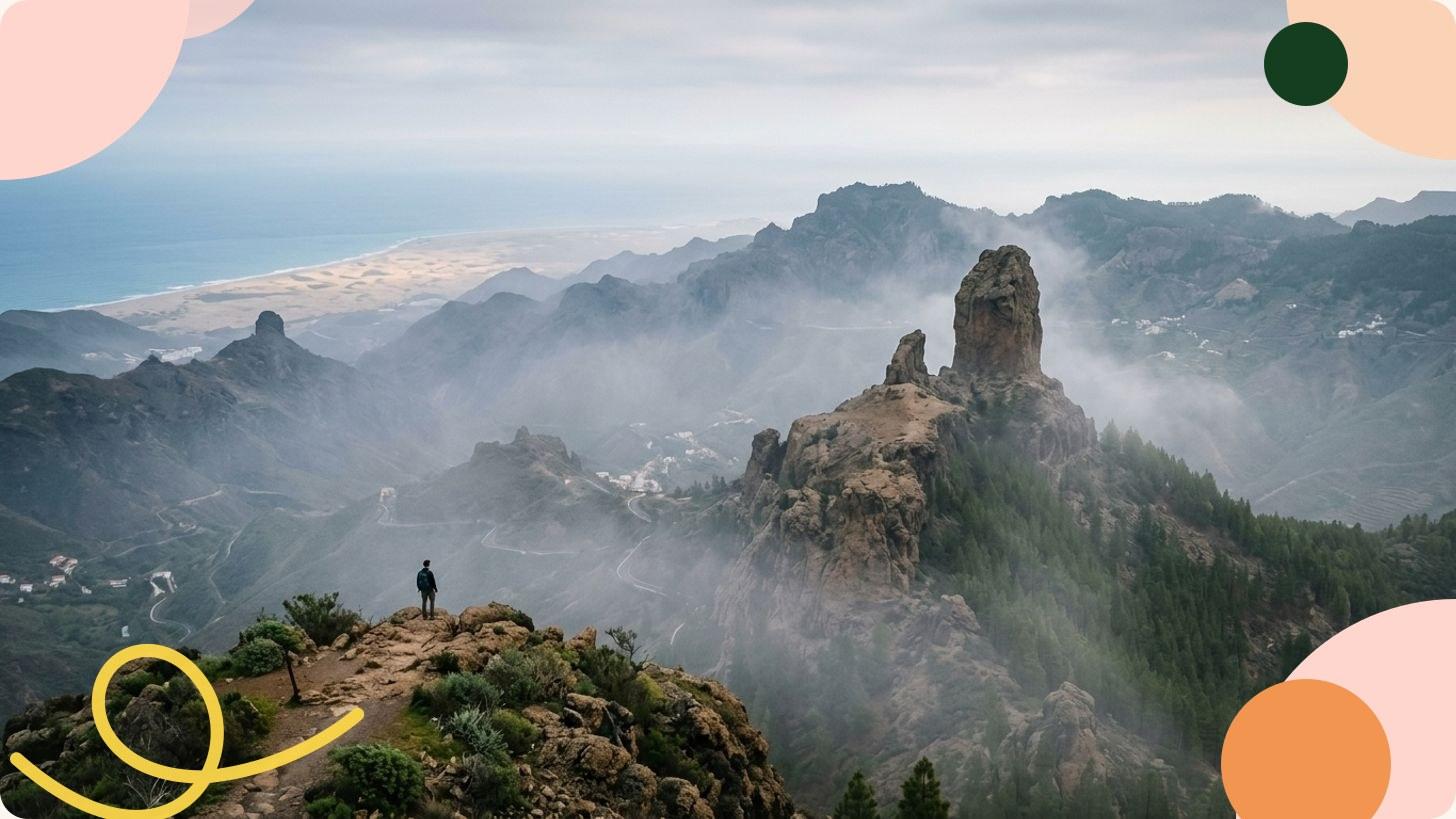
Despite its beach-resort reputation, Gran Canaria hides a spectacular mountainous interior. The road to Tejeda, listed among Spain’s most beautiful villages, winds through gorges and pine forests before opening onto a cluster of white houses set against the backdrop of Roque Nublo.
Pico de las Nieves (1,949 m), the island’s highest point, is accessible by car from Tejeda. Its viewpoint delivers sweeping views over the Tejeda valley, Roque Nublo and, on a clear day, the outline of Mount Teide on Tenerife.
For a broader overview of the archipelago, the article on what to do in the Canary Islands covers the highlights of each island.
Roque Nublo: The Island’s Iconic Hike
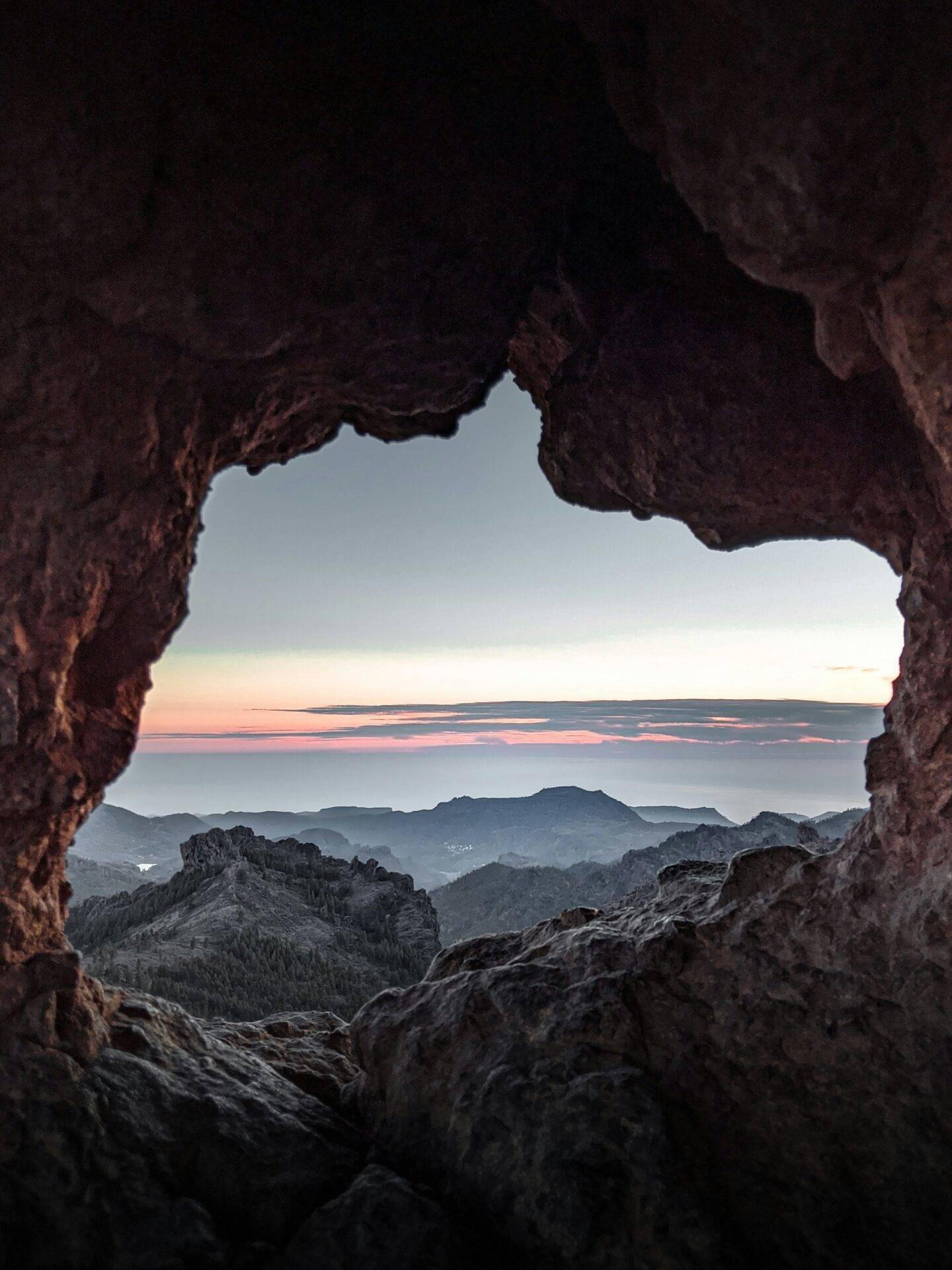
This 67-metre basalt monolith rises to 1,813 metres above sea level and can be spotted from almost anywhere on the island in clear weather. The climb from Cruz de los Llanos takes around 50 minutes at a steady pace: a moderately challenging hike that most walkers can manage.
What to know before you go: access is regulated. Online booking is mandatory at grancanariasenderos.com, with a quota of 60 people per hour (open Monday to Sunday, 10am to 5pm). Parking near the trailhead is not permitted. Shuttle car parks are available in the village of Tejeda and at Cruz de los Llanos, with buses running every 30 minutes between 9:30am and 6pm.
Las Palmas and the Historic Vegueta Quarter
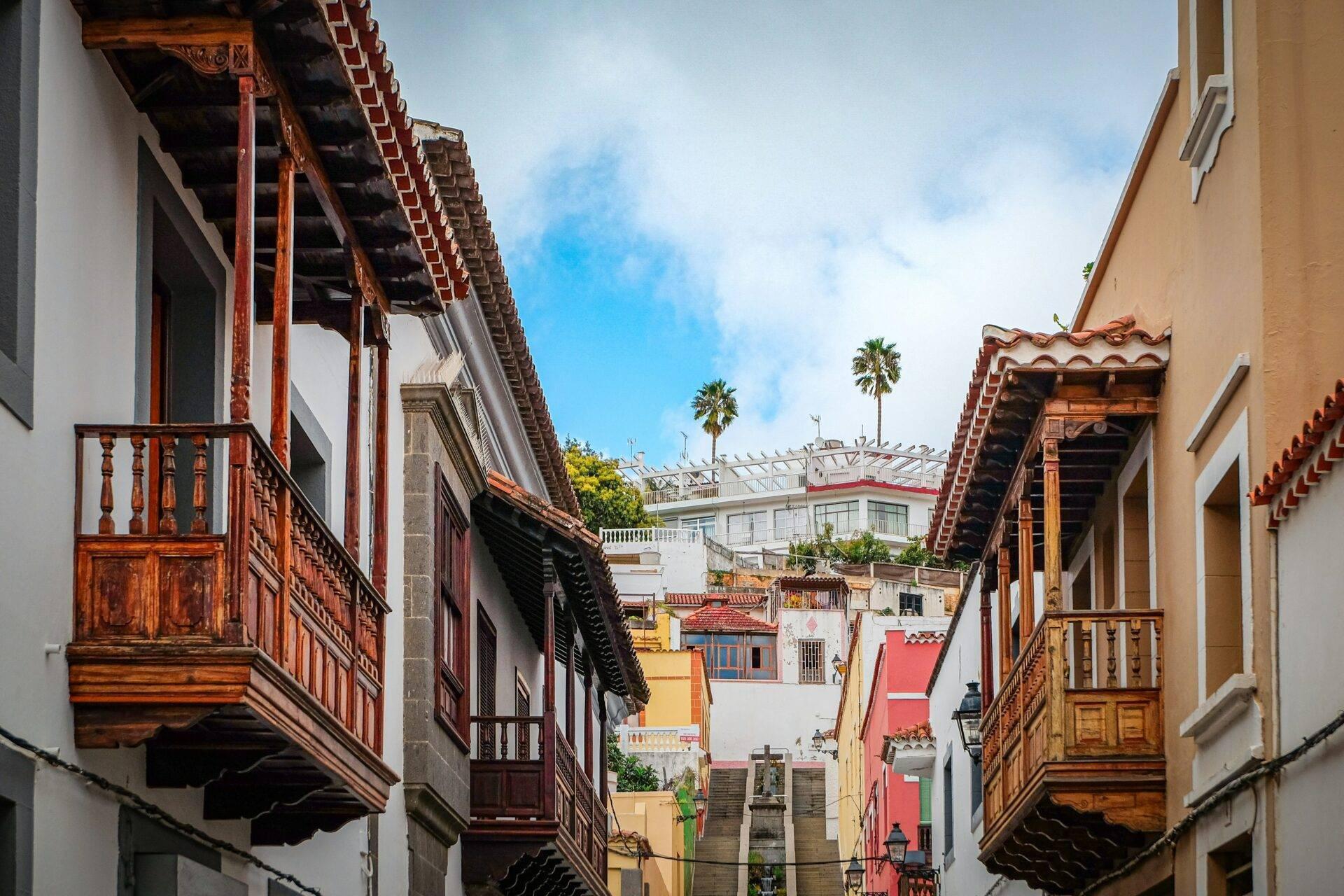
Las Palmas is both a major Spanish city and a beach destination. Playa de Las Canteras runs along the seafront to the north of the city centre and is swimmable all year round.
In the Vegueta quarter, cobbled alleyways lead to the Casa de Colón. Once the residence of the island’s governors, this is where Christopher Columbus stopped before setting sail for America in 1492. The museum holds thirteen exhibition rooms covering the history of the archipelago and Columbus’s great voyages. The Vegueta market, just a short walk away, is the ideal starting point for tasting local produce and picking up island crafts.
Canarian Food and Drink
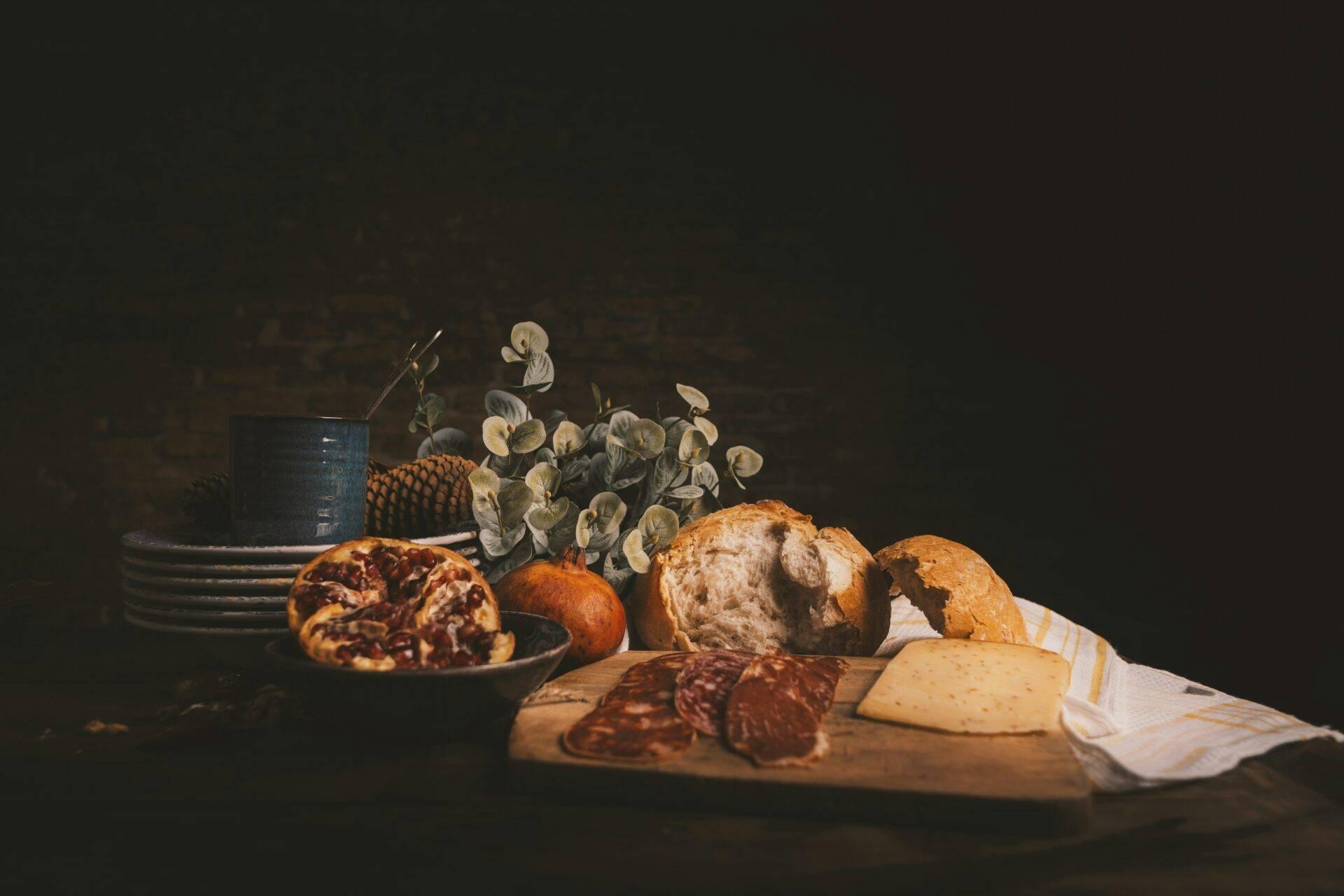
Gran Canarian cuisine is built around a handful of honest dishes that locals will recommend from your very first evening. Papas arrugadas are potatoes boiled in heavily salted water, served with two sauces: mojo rojo (chilli, cumin) or mojo verde (coriander, garlic). Gofio, a flour made from toasted grains, turns up in soups, desserts and even drinks.
Seafront restaurants serve the catch of the day. In Las Palmas, the Vegueta market and the bars of the Triana quarter are the best spots to eat like a local, well away from the tourist menus of the hotel zones.
FAQ
When is the best time to visit Gran Canaria?
Gran Canaria enjoys a mild climate all year round. The south stays sunny even in winter. July and August are the hottest and busiest months; spring (March to May) and autumn (September to November) offer the best balance of pleasant temperatures and smaller crowds.
Do you need to book in advance to hike to Roque Nublo?
Yes, booking is mandatory at grancanariasenderos.com. Access is limited to 60 people per hour, Monday to Sunday from 10am to 5pm. Parking directly at the site is not permitted; shuttle car parks are available at Tejeda and Cruz de los Llanos, with buses running every 30 minutes.
How do you get around Gran Canaria without a hire car?
Public buses cover the coast and Las Palmas well. To reach the island’s interior (Tejeda, Roque Nublo), a hire car remains the most flexible option for visiting mountain villages at your own pace.
What local dishes should you try in Gran Canaria?
The must-tries: papas arrugadas (potatoes boiled in salted water) with mojo rojo or verde, gofio in soups or as a dessert, fresh fish of the day at seafront restaurants, and cabrito (kid goat) in mountain restaurants.
Are the Maspalomas dunes open to visitors?
Yes, entry is free. The area has been designated a Special Nature Reserve since 1994: leaving the marked paths is prohibited to protect the wildlife and vegetation. Arrive early in the morning to enjoy the dunes before the crowds and in the best light.