
Argentina packs Patagonian glaciers, some of the world’s mightiest tropical waterfalls, mineral-hued deserts and cities where tango is still danced in the street into a single continent-sized country. Here are the 12 must-sees for building an itinerary worthy of it.
1. The Quebrada de Humahuaca Valley
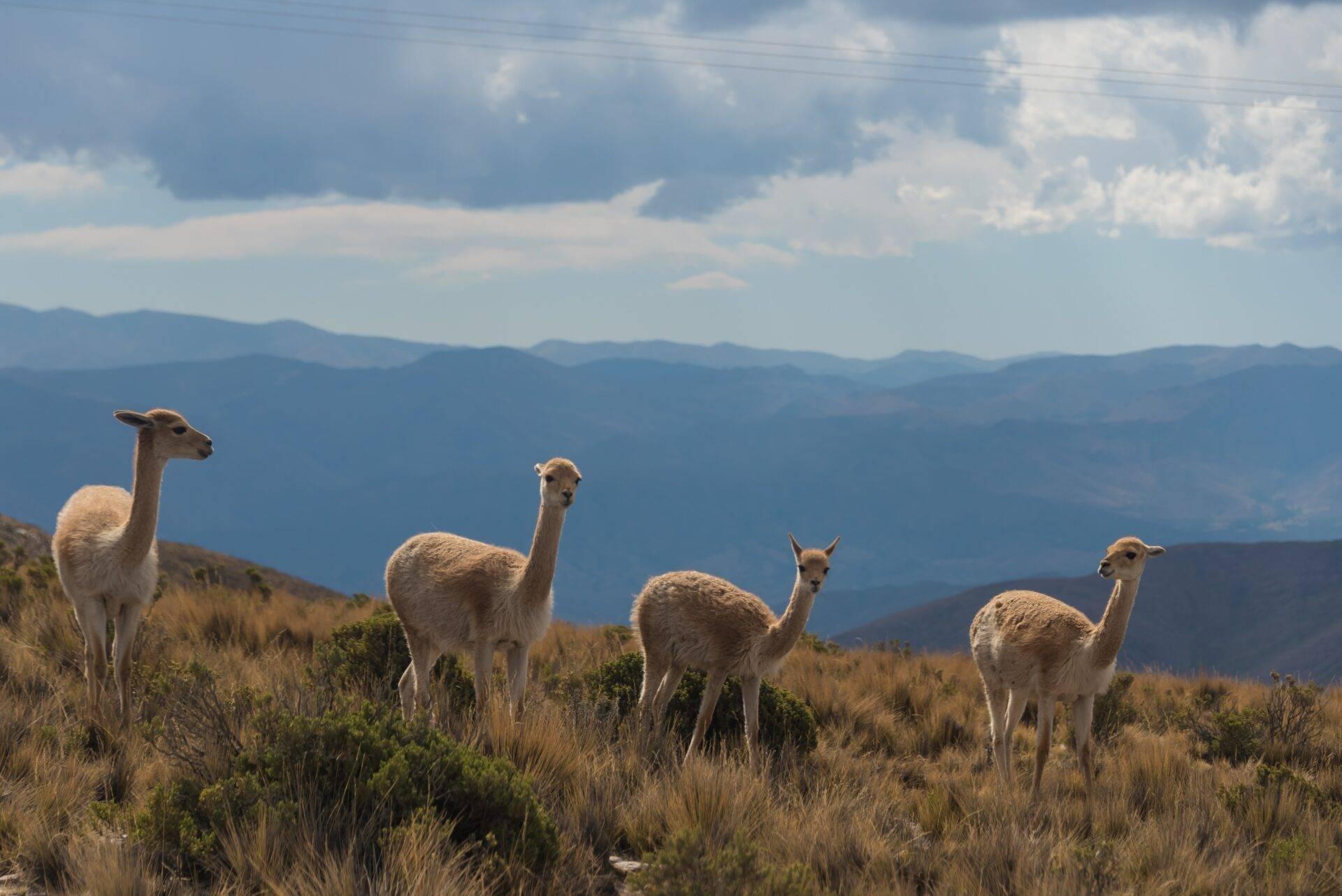
Listed as a UNESCO World Heritage Site in 2003 as an evolving cultural landscape, this 155-kilometre Andean valley in the province of Jujuy holds some of the most striking scenery in Argentina’s northwest.
At Purmamarca, the Cerro de los Siete Colores exposes mineral strata shifting from red to ochre, purple to green depending on the light. Further north, the Hornocal massif unfolds even more intense hues that change throughout the day. Llama herds, adobe villages and the craft market at Tilcara complete this journey back through time.
2. Iguazú Falls
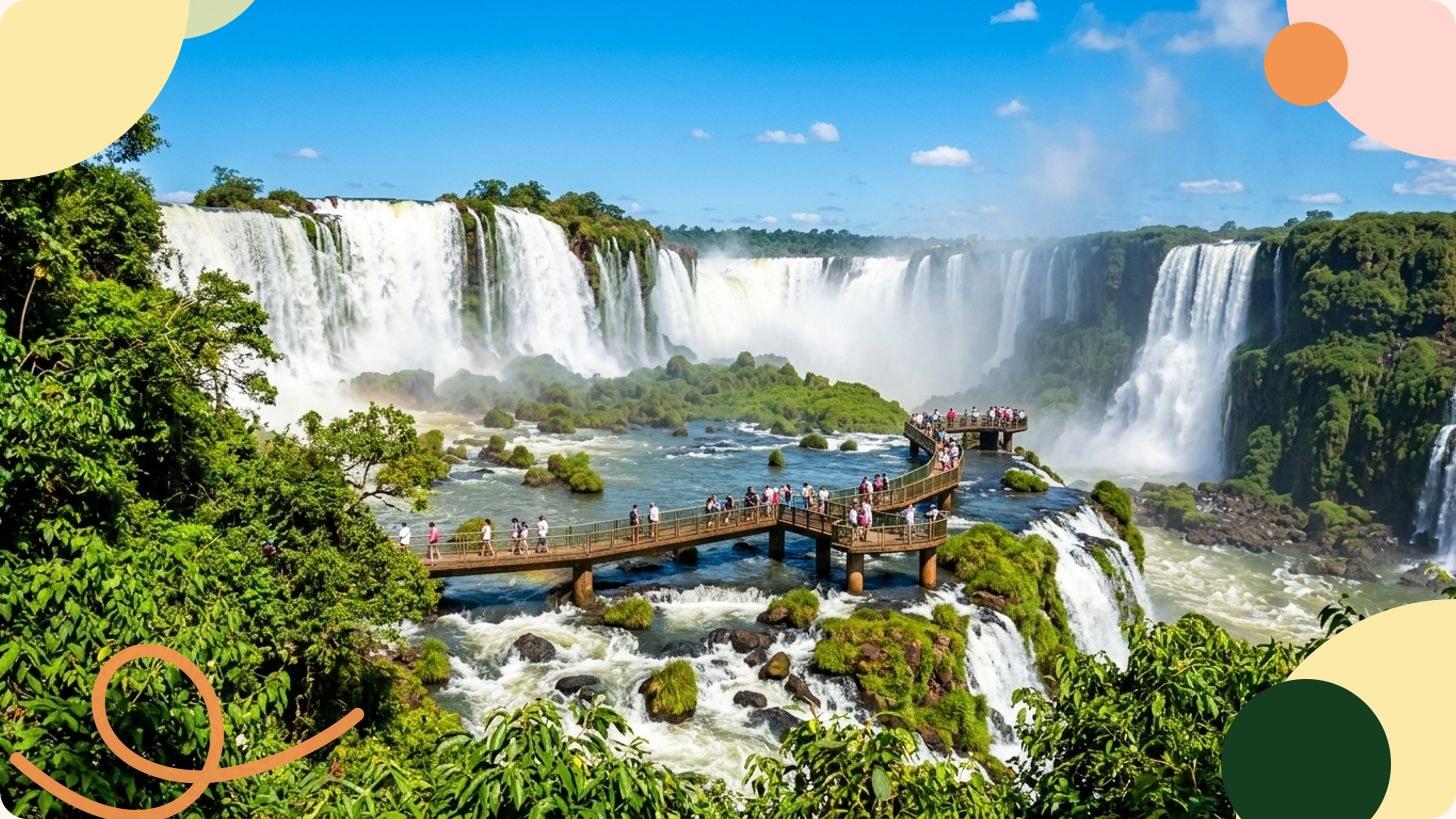
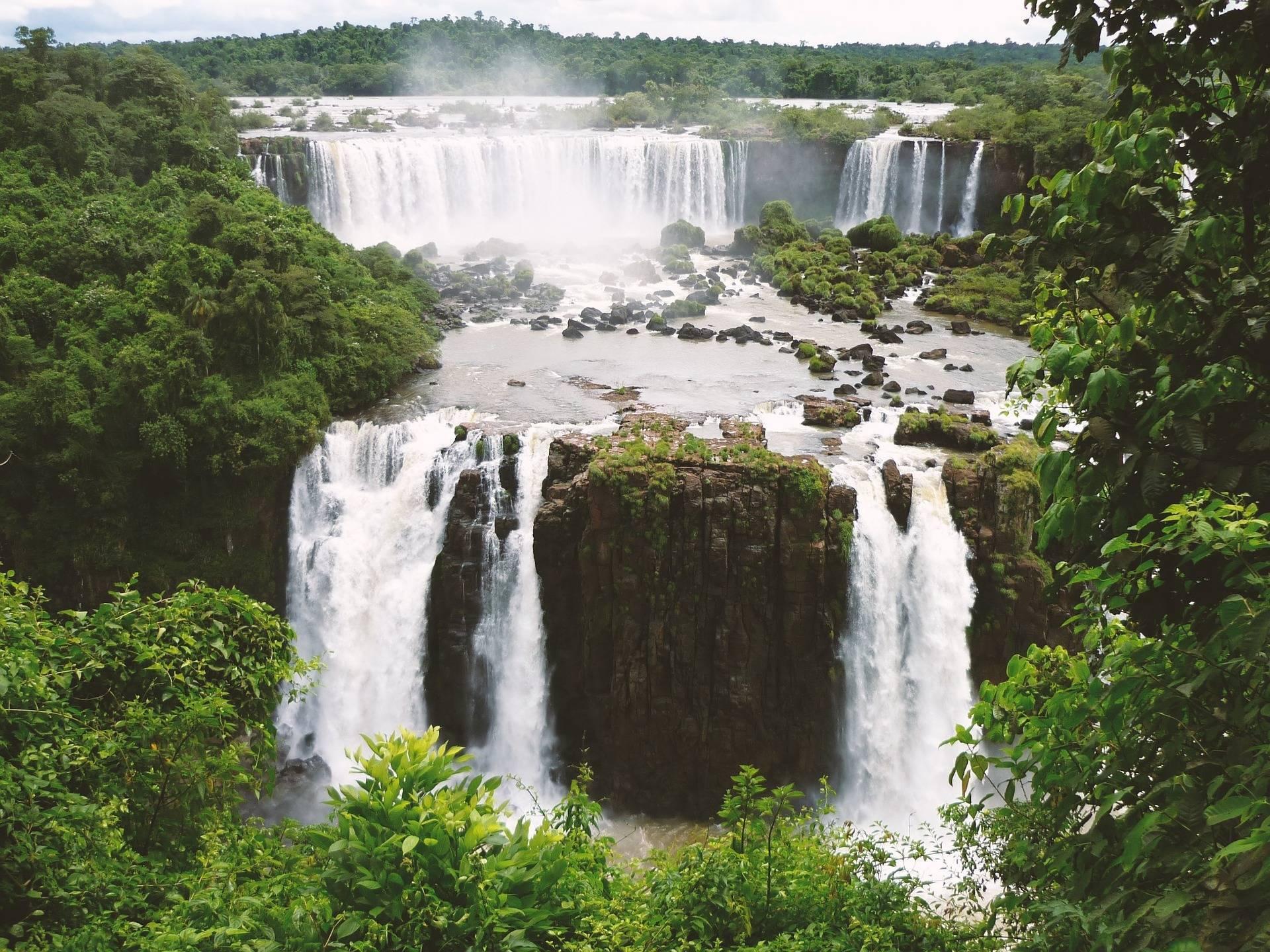
The 275 waterfalls of Iguazú National Park stretch across 2.7 kilometres along the Argentina-Brazil border, plunging between 60 and 82 metres. A UNESCO World Heritage Site since 1984, they also rank among the 7 New Wonders of Nature since 2011.
The Argentine side holds 80% of the falls and offers up-close immersion through three walkway circuits. The highlight is the Garganta del Diablo, a U-shaped cascade dropping 82 metres where mist and thunder swallow you whole. Rainforest trails weave between the waterfalls, with toucans and coatis for regular company. If you are extending your trip into Brazil, our guide on things to do in Brazil has plenty of ideas to keep the adventure going.
3. Ischigualasto and Talampaya Parks
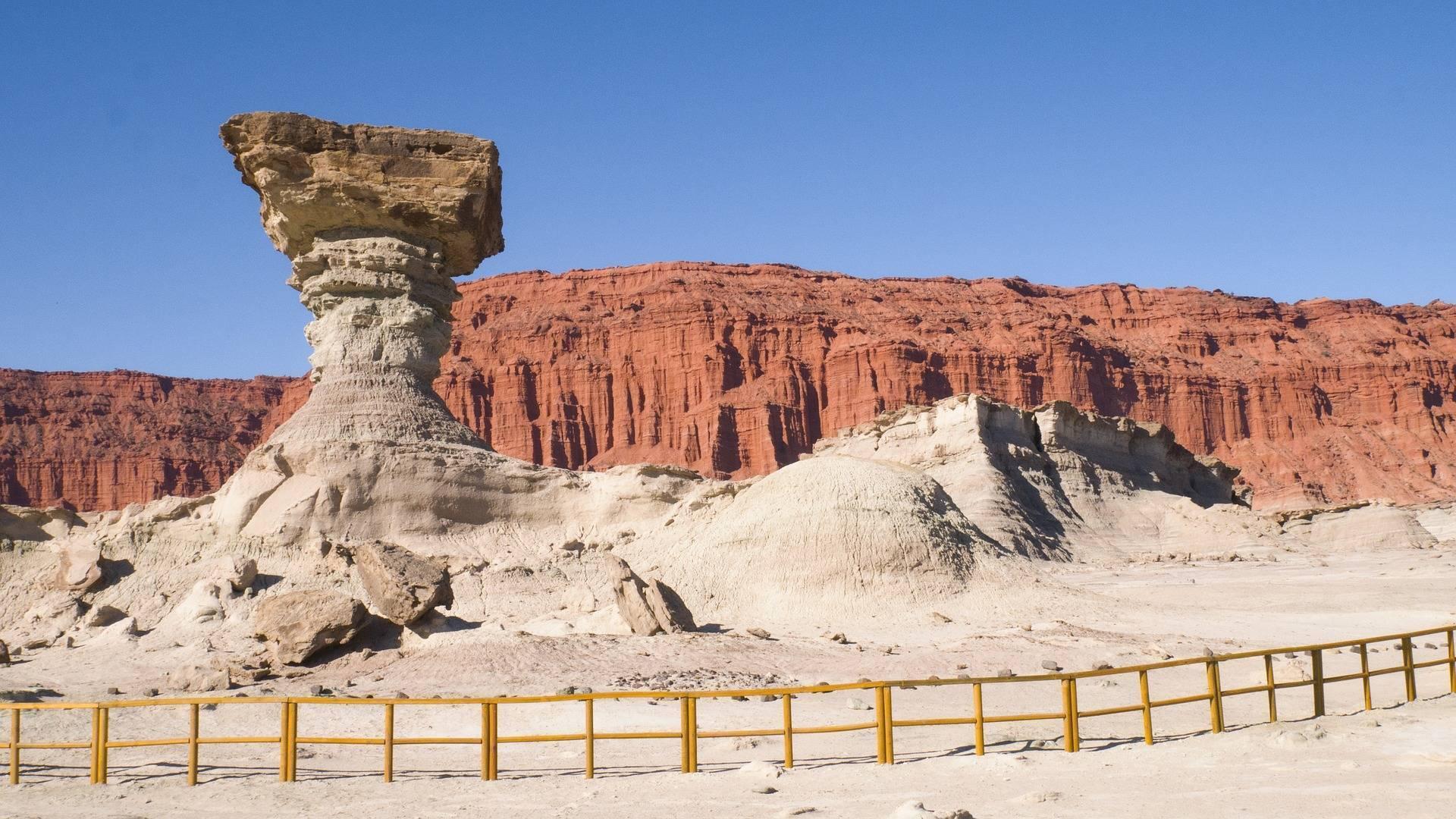
Side by side at the edge of San Juan and La Rioja provinces, these two UNESCO-listed parks together form one of the planet’s richest Triassic fossil sites. Dinosaur species unearthed here have filled major gaps in the palaeontology record.
Talampaya impresses with its brick-red cliffs and rock sculptures shaped by centuries of erosion. Ischigualasto, nicknamed the “Valley of the Moon”, unfolds an otherworldly landscape where smooth boulders roll freely across a clay plain.
4. Mount Aconcagua
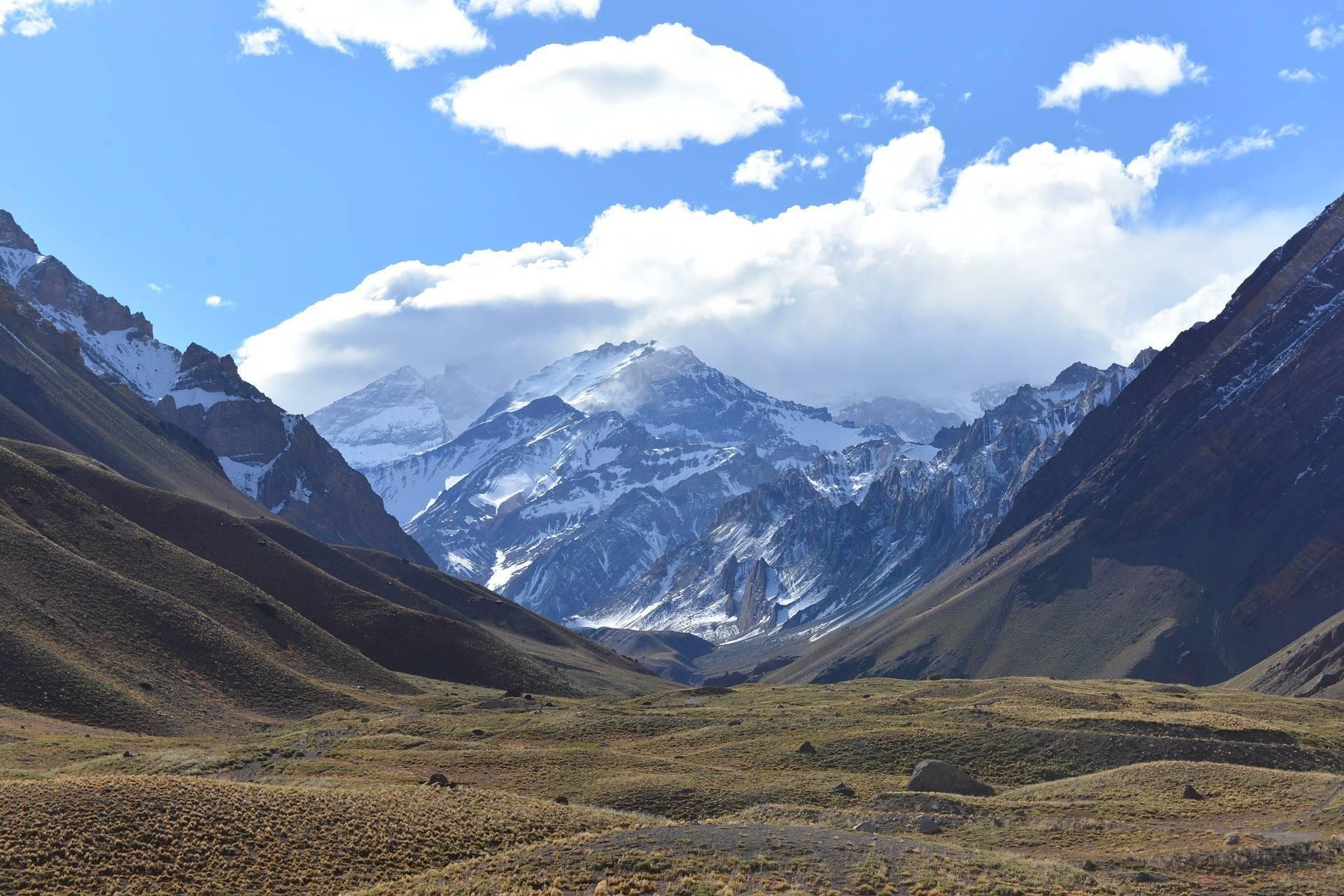
At 6,962 metres, Aconcagua is the highest peak in the Western Hemisphere. It rises within Aconcagua Provincial Park, deep in the Andes, a few hours’ drive from Mendoza.
For mountaineers, it is one of the Seven Summits, the highest peak on each of the world’s continents. For hikers, several approach treks allow you to admire its permanent snowfields without a mountaineer’s kit. The park itself covers 71,000 hectares of Andean landscape where high-altitude flora and fauna survive extreme conditions.
5. The Pampas, Gaucho Country
The Pampas are the vast grassy plains covering a large central swathe of Argentina. This is the homeland of the gaucho, Argentina’s legendary cowboy, whose way of life lives on at estancias (ranches) open to visitors.
These sprawling properties offer horse riding, cattle-work demonstrations and asado cooked over an open wood fire. Argentine cattle, raised free-range on these grasslands, produce beef with a worldwide reputation.
6. Bariloche and the Seven Lakes Route
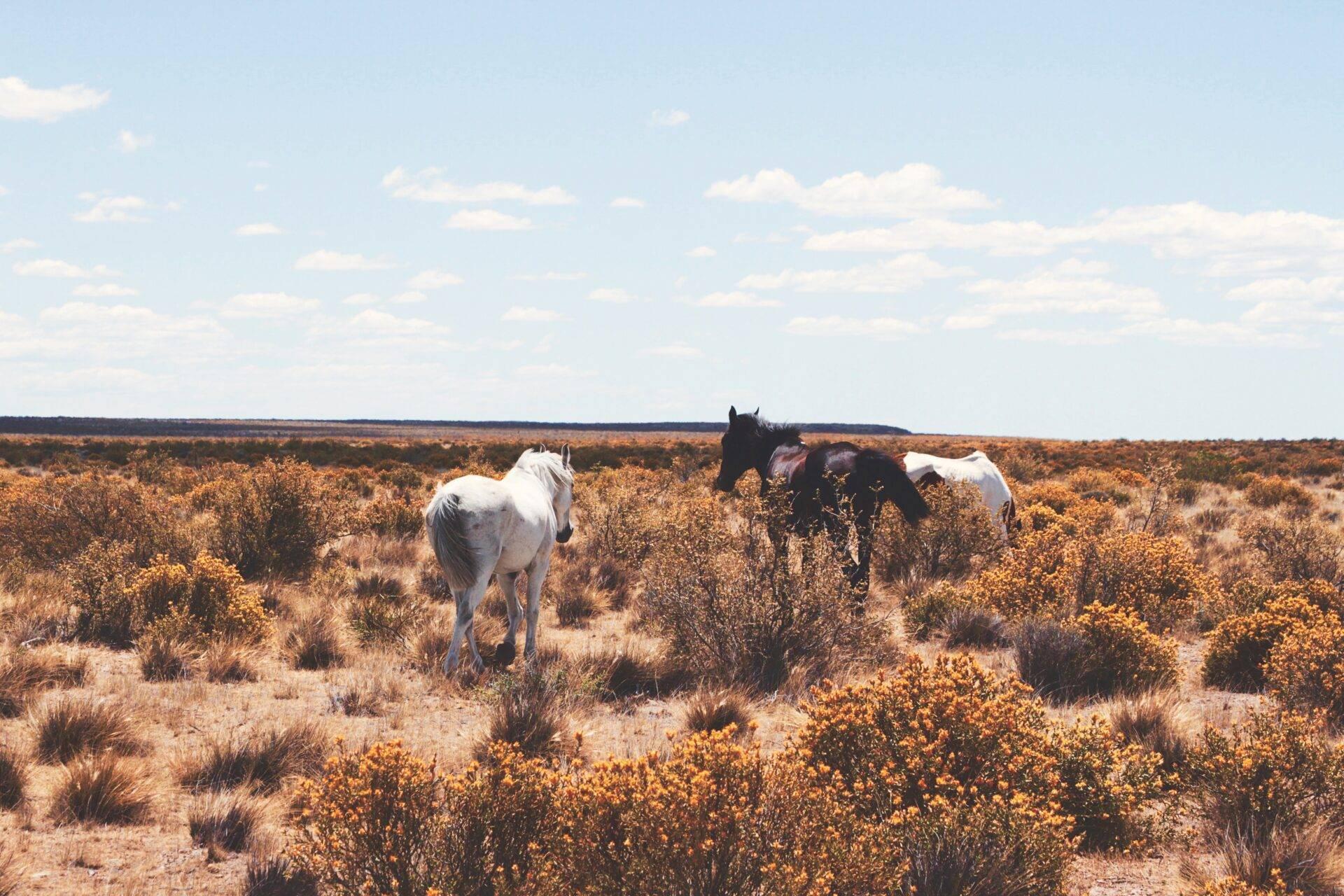
San Carlos de Bariloche surprises visitors with its Alpine-village character: stone buildings, timber-framed houses, chocolate shops and steep-pitched roofs, yet it sits firmly in Patagonia, on the shores of Lake Nahuel Huapi in the Andes.
The Seven Lakes Route connects Bariloche to San Martín de los Andes across 107 kilometres, threading through Nahuel Huapi and Lanín national parks. The seven glacial lakes along the way shift from turquoise to deep green depending on the season. Hiking, skiing in winter, kayaking and fly fishing: Bariloche works year-round.
7. The Valdés Peninsula
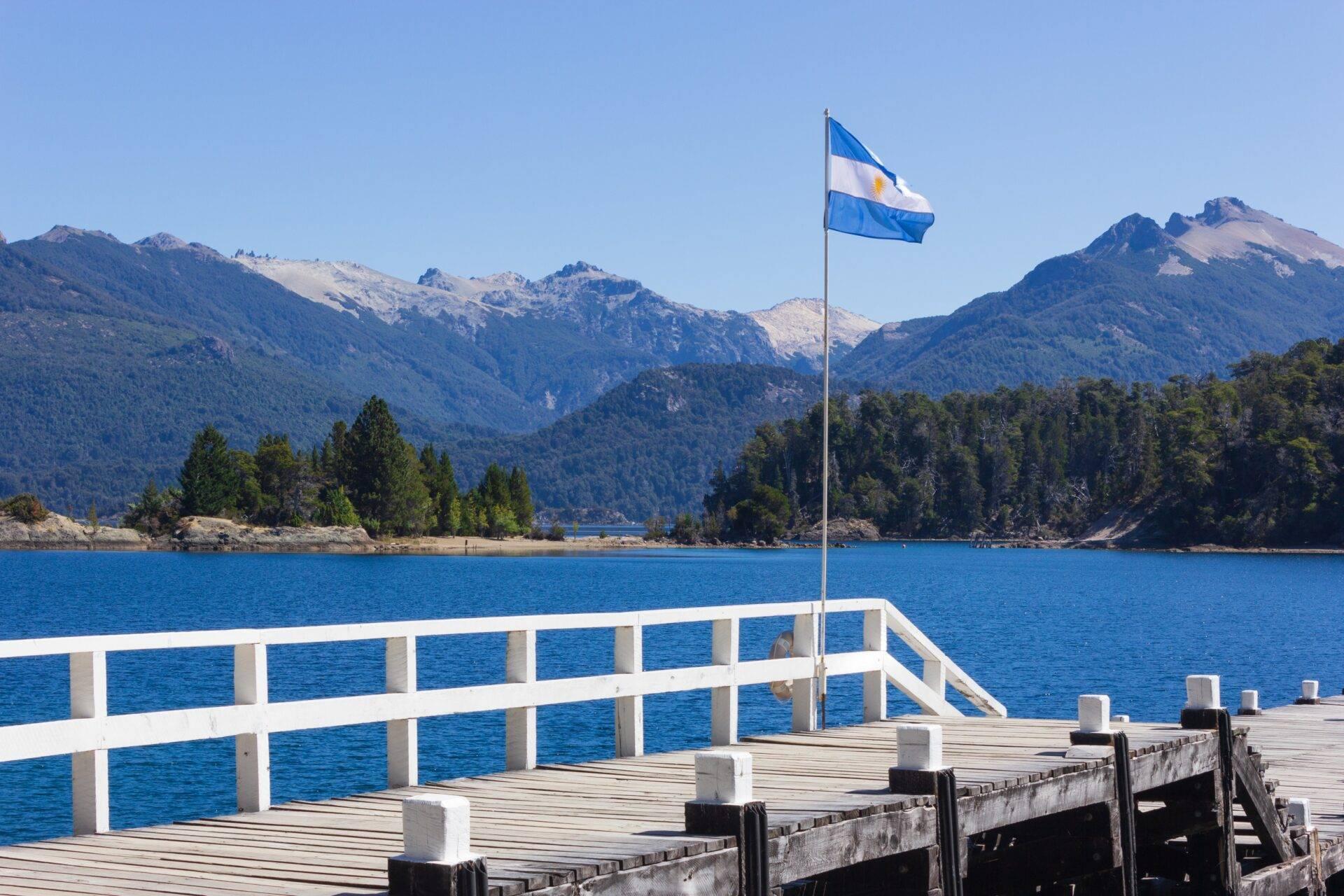
Connected to the mainland by a narrow isthmus, the Valdés Peninsula juts into the Atlantic near Puerto Madryn. UNESCO granted it World Heritage status for its exceptional role in marine mammal conservation.
The meeting of warm and cold currents creates ideal breeding conditions for several remarkable species. Between July and December, depending on the species, visitors can spot southern right whales, elephant seals, sea lions, Magellanic penguins and guanacos. Boat trips bring you within metres of the whales, sometimes close enough to hear them breathe.
8. Perito Moreno Glacier
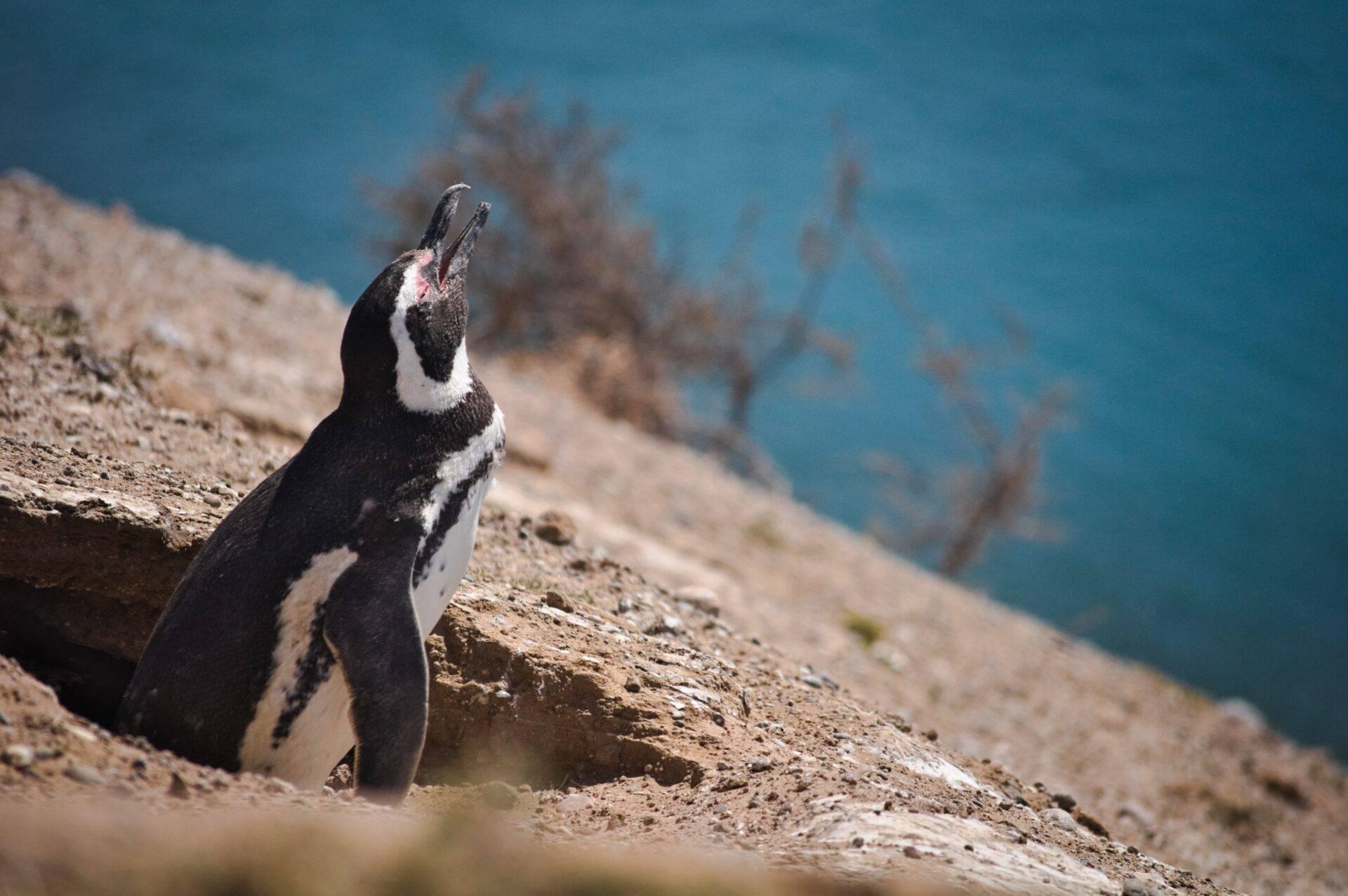
Within UNESCO-listed Los Glaciares National Park, Perito Moreno is one of the few glaciers on Earth whose mass remains broadly stable. It covers 250 km², stretches more than 30 kilometres in length and stands around 74 metres above Lago Argentino.
Walkways let you face it head-on from a few hundred metres, close enough to hear the ice crack and thunder. For the more adventurous, glacier trekking excursions run from inside the park. Los Glaciares is part of the Southern Patagonian Ice Field, the world’s third-largest freshwater reserve, shared between Argentina and Chile. If Chilean Patagonia appeals too, our guide on things to do in Chile has everything you need to round out the itinerary.
9. El Chaltén and the Fitz Roy Massif
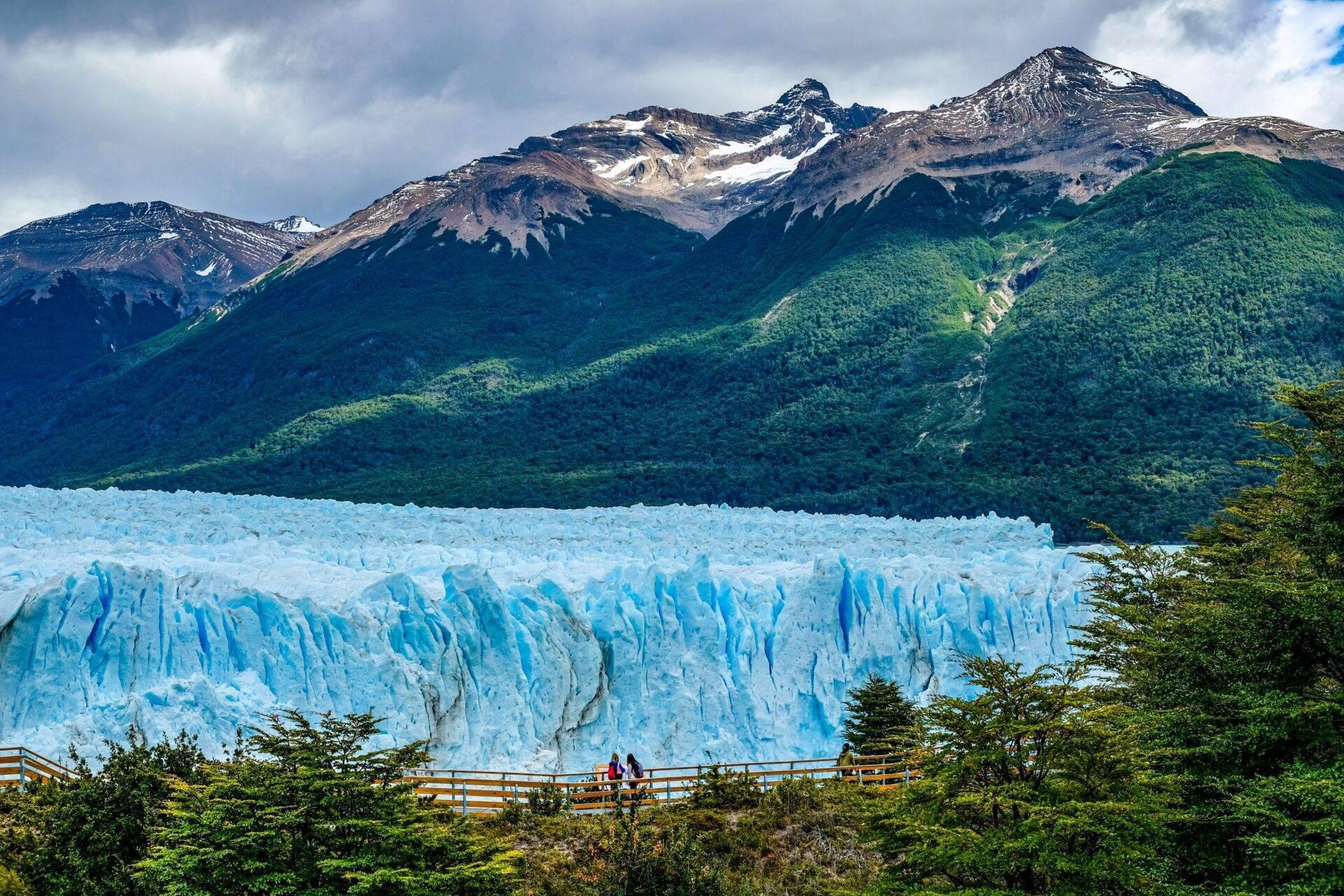
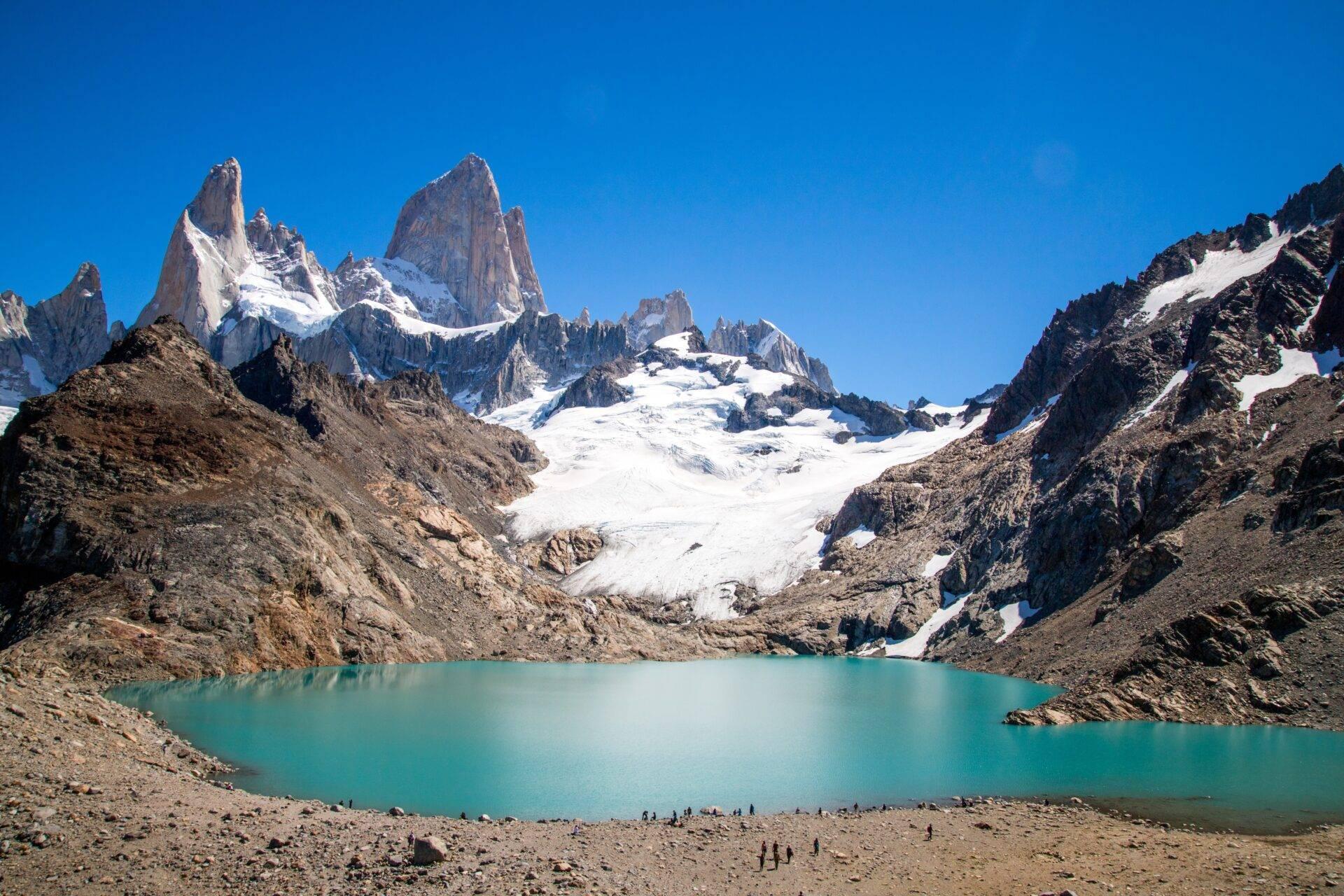
El Chaltén, a small mountain village in Patagonia, is the gateway to hikes around the Fitz Roy massif (3,405 m), a granite formation of jagged spires that ranks among the most photographed landscapes in South America.
The trek to Laguna de los Tres is the most iconic route, finishing before an intensely blue glacial lake dominated by Fitz Roy’s needles. Cerro Torre, also within Los Glaciares National Park, is visible from other waymarked trails that require no mountaineering gear.
10. Salta, “la Linda”
Nicknamed “la Linda” (the Beautiful), Salta is the Argentine city that has best preserved its colonial heritage. Its Plaza 9 de Julio, flanked by historic buildings and buzzing with pavement cafes, sets the tone from the moment you arrive.
The San Francisco Church, with its red-and-gold facade and a bell tower rising more than 50 metres, is among the finest in the country. The Museum of High Altitude Archaeology (MAAM) houses a rare collection on Inca civilisation. From Salta it is easy to head north to the Quebrada de Humahuaca in a day, or board the Train to the Clouds, which crosses the Andes at extreme altitude on a dizzying viaduct.
11. Buenos Aires: Tango and Grandeur
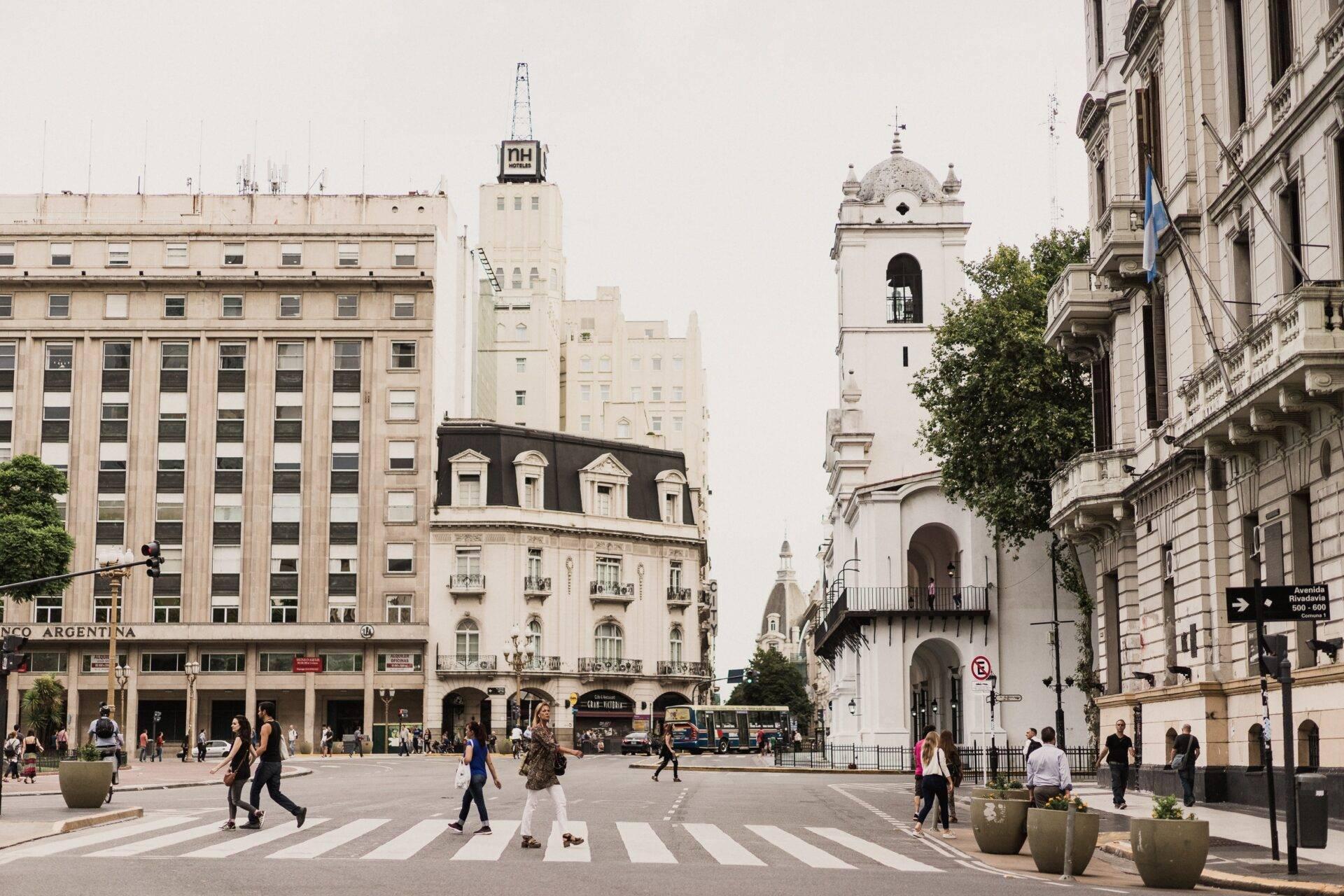
Buenos Aires reveals itself neighbourhood by neighbourhood. In La Boca, the Caminito is the city’s most photographed street: brightly painted facades, tango dancers performing in the street, artisan stalls and loud, colourful local restaurants. It is also home to La Bombonera, the legendary Boca Juniors stadium and a place of pilgrimage for any fan of Argentine football.
In San Telmo, the Sunday market on Calle Defensa draws antique dealers, craftspeople and street musicians. The Recoleta neighbourhood, with its Haussmann-inspired apartment buildings and its famous cemetery, reveals a completely different side of the capital. Parrilla restaurants, tango milongas and art galleries make Buenos Aires a city you will not exhaust in a few days.
To plan your stay in the capital, the guide on things to do in Buenos Aires covers neighbourhoods, museums and unmissable addresses in full.
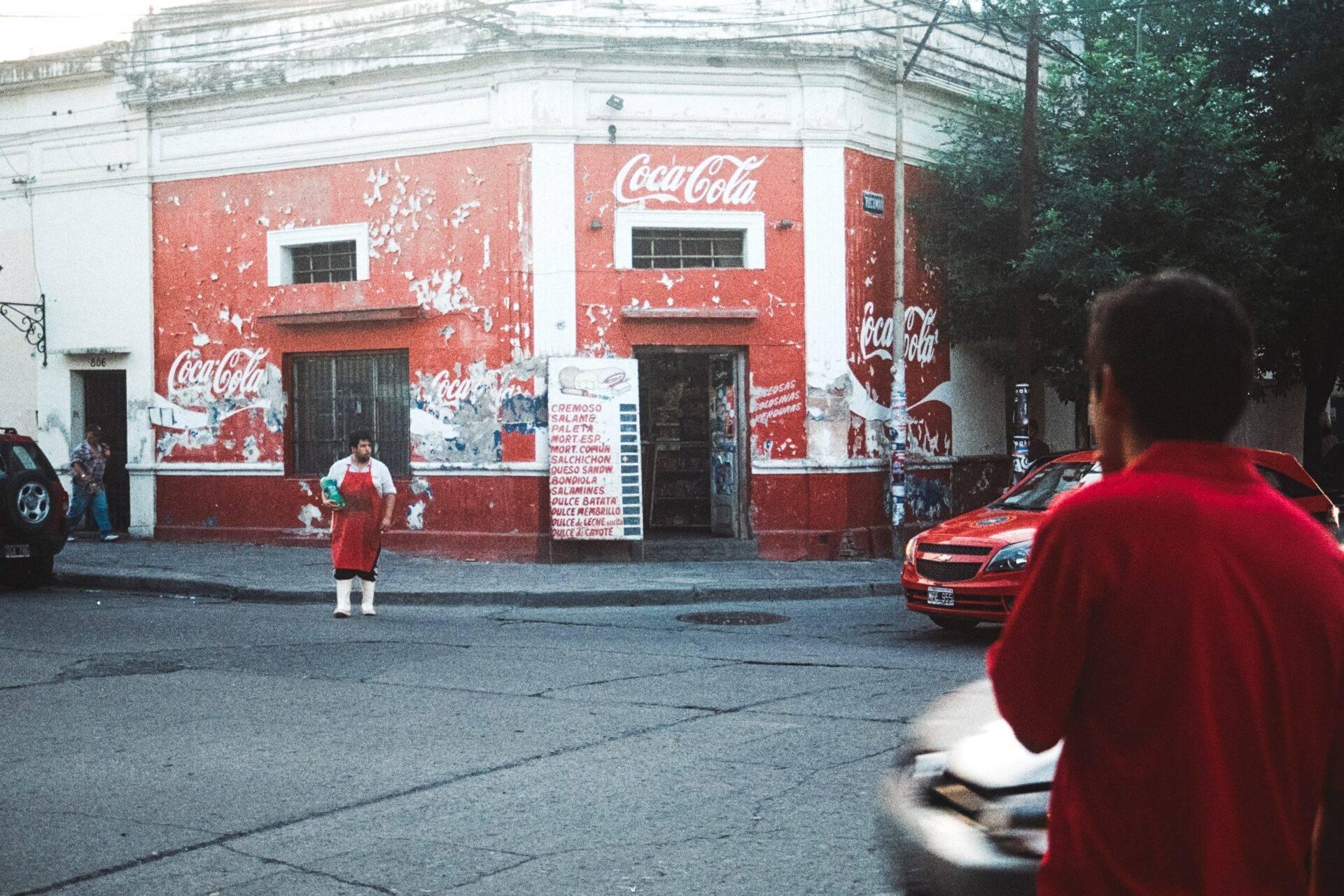
The capital’s architectural wealth extends to its religious buildings, where ornate interiors stand in striking contrast to the bustle of the shopping streets.
12. Mendoza, Capital of Malbec
In the shadow of the Andes, Mendoza produces the bulk of Argentina’s wine, with Malbec as its flagship grape, grown at high altitude for reds that are at once concentrated and fresh.
The vineyards spread across three main zones: Luján de Cuyo, considered the cradle of Argentine Malbec; Maipú, more artisanal in character; and the Uco Valley, whose high elevation gives the wines a distinctive freshness. Renting a bike to ride between bodegas remains the most enjoyable experience. Mendoza is also the jumping-off point for the drive up to Aconcagua and Puente del Inca, a natural bridge carved from Andean rock by the waters of the Río Mendoza.
FAQ
What is the best time to visit Argentina?
The answer depends on the region. For Patagonia (glaciers, Fitz Roy, El Chaltén), the austral summer from November to March offers the best hiking conditions. For Buenos Aires and the Northwest (Quebrada, Salta), austral spring (September to November) and autumn (March to May) are the most pleasant. For the Valdés Peninsula, southern right whales are present from July to December.
How long do you need to visit Argentina?
Two weeks is enough to cover two or three major regions. Three weeks gives you time to combine Buenos Aires, the Northwest (Salta, Quebrada de Humahuaca) and Patagonia (Perito Moreno, Fitz Roy). A full month leaves room to add Mendoza and the Valdés Peninsula without feeling rushed.
Are the Iguazú Falls better from the Argentine or Brazilian side?
Both sides complement each other. The Argentine bank, which holds 80% of the cascades, puts you right in the thick of the falls via walkways and access to the Garganta del Diablo. The Brazilian side offers a sweeping panoramic view of the whole site. If you only have one day, choose the Argentine side.
Do you need travel insurance for Argentina?
Yes, particularly for treks in Patagonia or stays at high altitude, where medical evacuation costs can be enormous. Travel insurance covering medical expenses, repatriation and cancellation means you will not have to foot those bills yourself.
Can you combine Argentina and Chile in one trip?
Yes, and it is often a natural fit in Patagonia, where the Argentine parks (Los Glaciares) and Chilean parks (Torres del Paine) complement each other perfectly. The border can be crossed by bus from Bariloche to Puerto Montt. Mendoza is also a gateway to Santiago, roughly seven hours by road.