
Brazil is so vast that you almost have to choose between several entirely different trips. This guide helps you decide by running through the country’s main cities and regions: what you actually do there, why they are worth the journey, and how to shape an itinerary around the time you have.

Rio de Janeiro, the Marvellous City
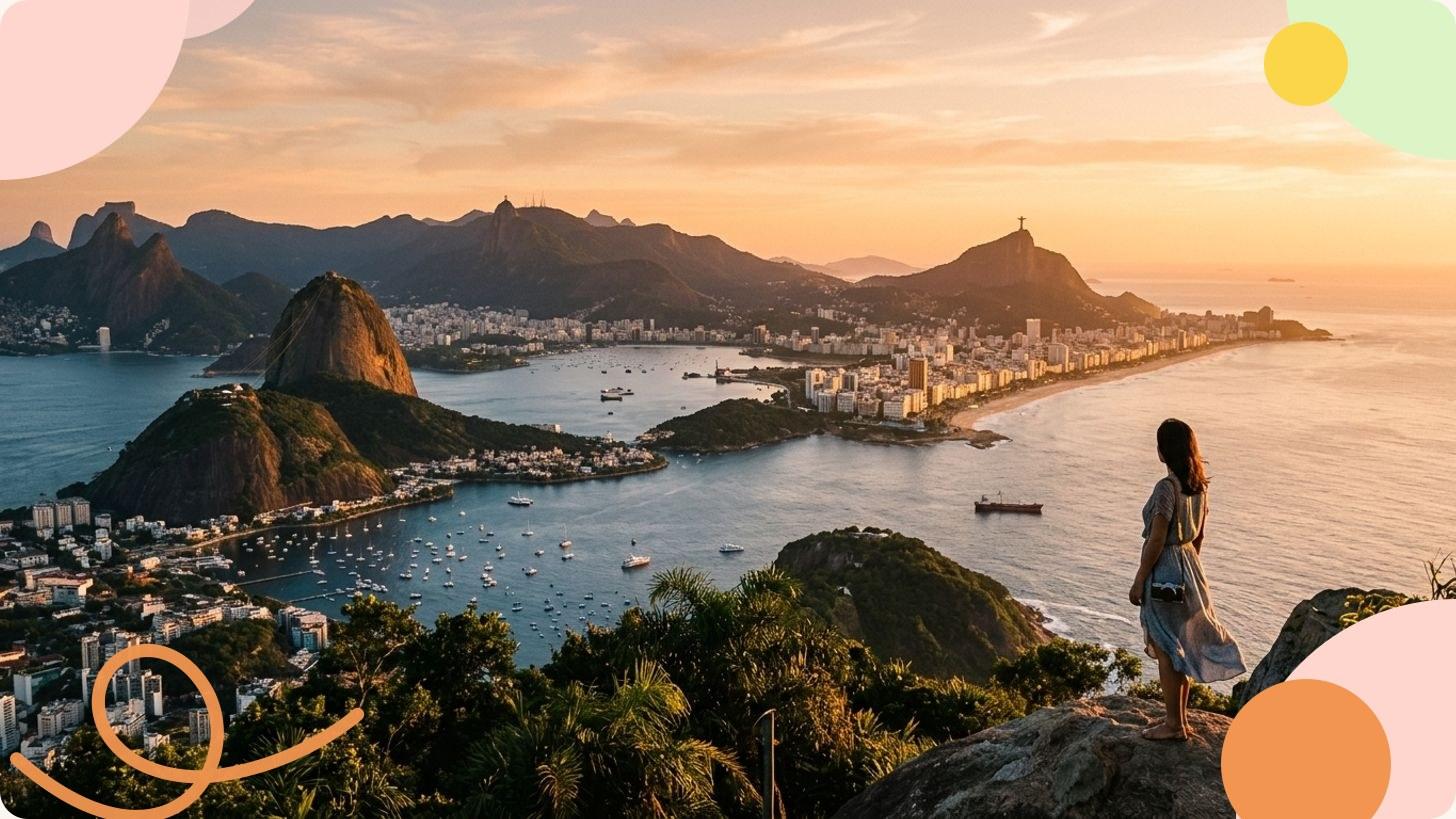
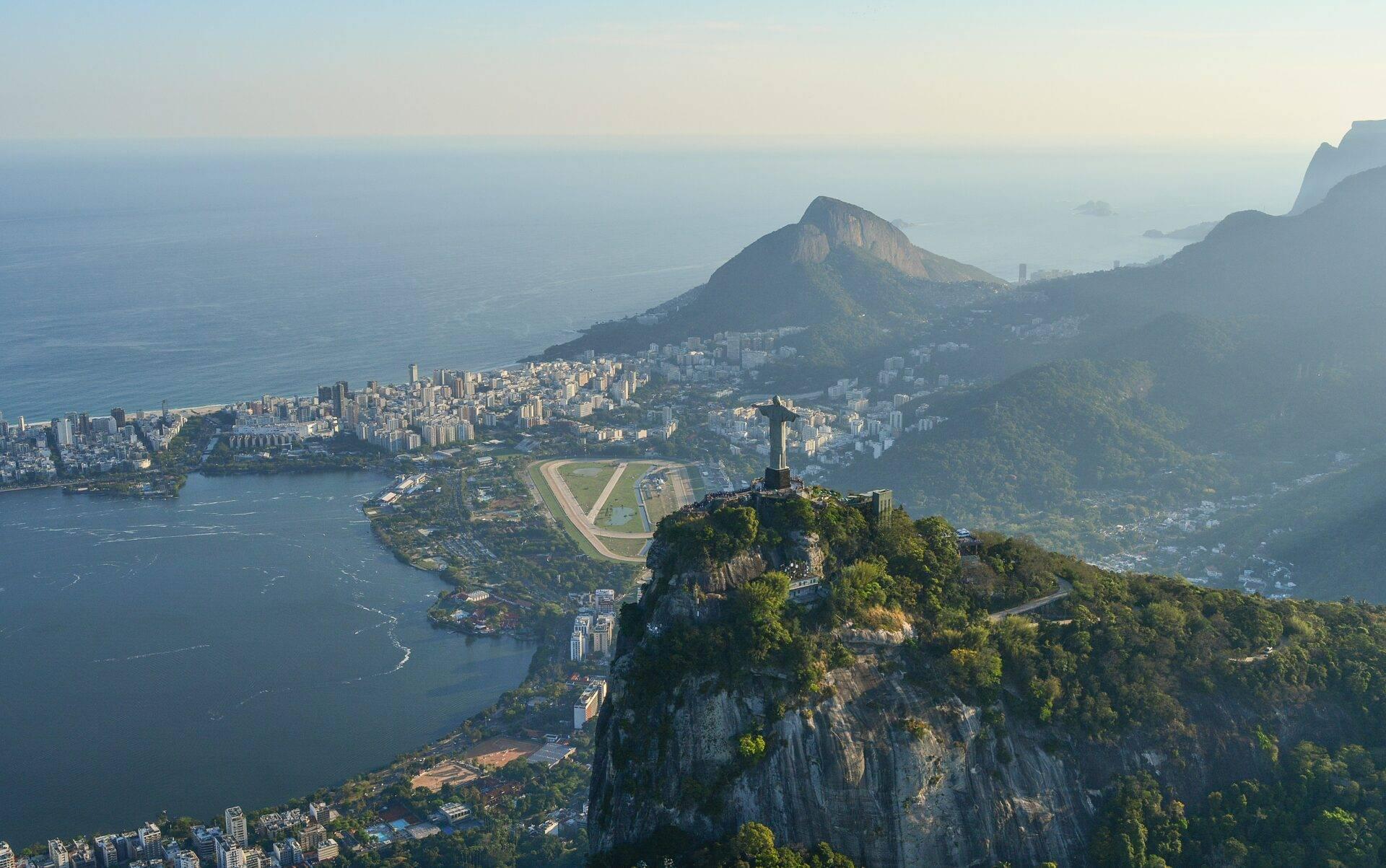
Wedged between mountains and ocean, Rio is the image that springs to mind the moment anyone mentions Brazil. Christ the Redeemer watches over the city from the summit of Corcovado, Sugarloaf Mountain offers a 360-degree view across Guanabara Bay, and the beaches of Copacabana and Ipanema set the tone for a city that lives largely outdoors. What surprises visitors most is the way nature forces its way into everything: forest above the tower blocks, a lagoon between two neighbourhoods, the sea a stone’s throw from anywhere.
What to do in Rio:
- Ride the cable car to the top of Sugarloaf Mountain for a panoramic view of the bay
- Take the cog railway up Corcovado to the foot of Christ the Redeemer
- Walk the Copacabana and Ipanema promenades early in the morning
- Wander the bohemian neighbourhood of Santa Teresa and its mosaic-covered stairways
Rio Carnival, one of the world’s greatest parties, usually takes place in February or March depending on the Catholic calendar. For everything you need to know about this extraordinary event, see our dedicated guide to Rio Carnival.
São Paulo, the Cultural Metropolis
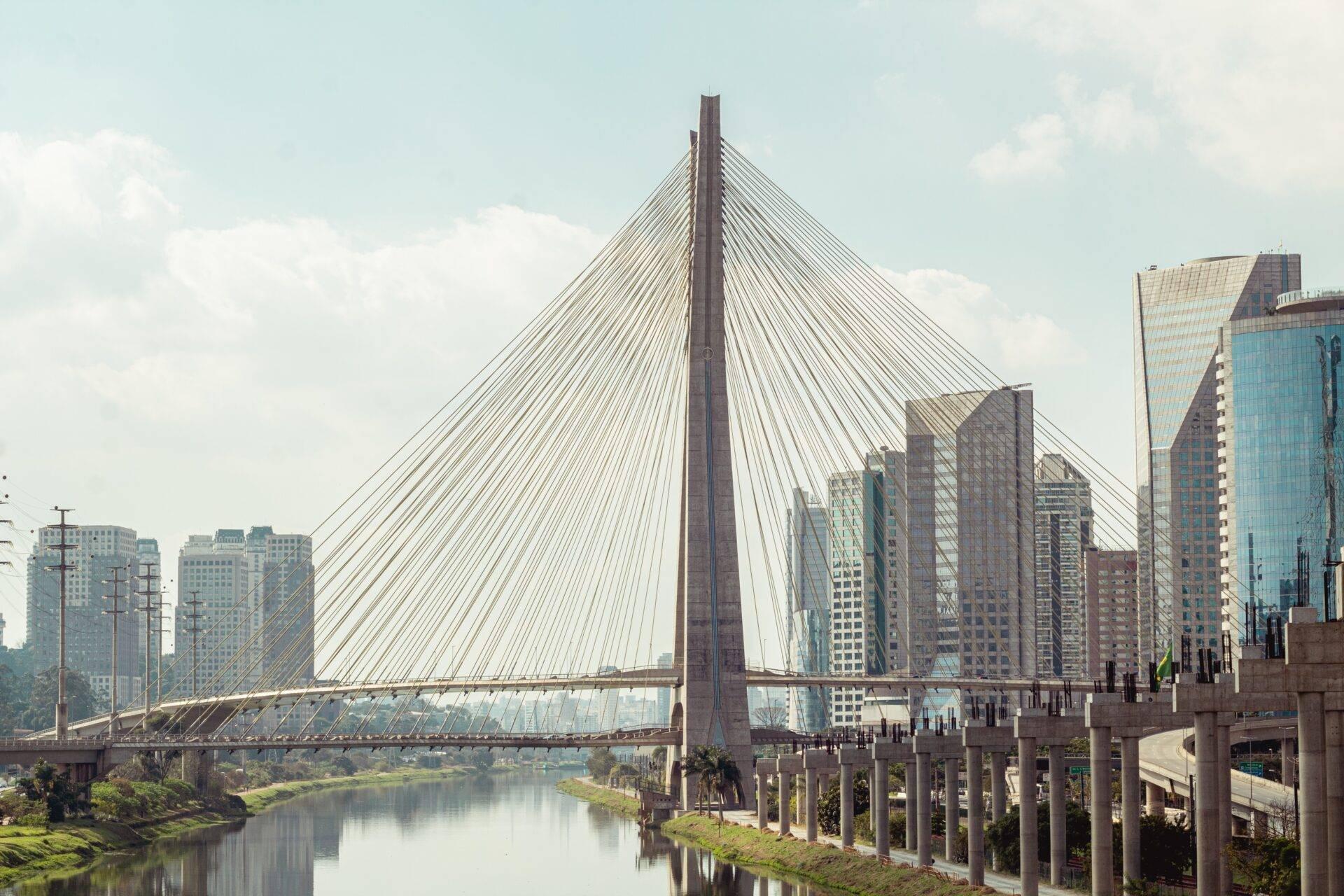
São Paulo has no beach. What it does have is Brazil’s highest concentration of museums, restaurants and art galleries. It is also one of Latin America’s most cosmopolitan cities: the Japanese quarter of Liberdade, the Italian community of Bixiga, and street art covering almost every wall in Vila Madalena.
What to do in São Paulo:
- Visit the Museu de Arte de São Paulo (MASP), one of Latin America’s great art museums
- Stroll through Ibirapuera Park and its surrounding museums
- Explore the Vila Madalena neighbourhood for murals and bars
- Dine in Pinheiros, the district that has quietly become one of South America’s most exciting food scenes
São Paulo deserves at least two days to get beyond the obvious highlights and discover the city neighbourhood by neighbourhood.
Salvador de Bahia, the Afro-Brazilian Soul
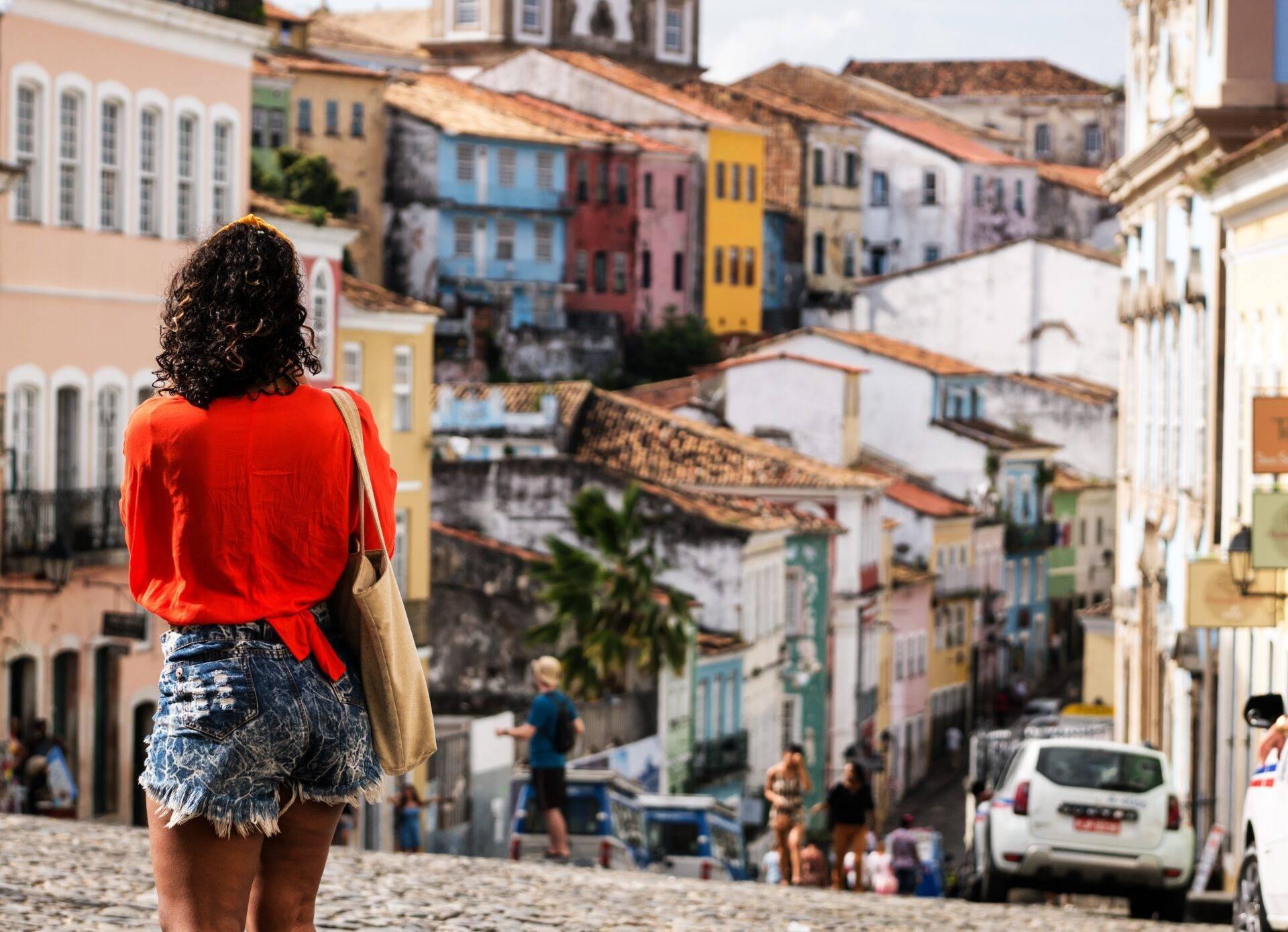
Salvador is the Brazilian city where African culture is most alive and most deeply felt. Its historic centre, the Pelourinho, is a UNESCO World Heritage Site: colonial palaces painted in blue and yellow, baroque churches and cobbled alleyways where axé and samba-reggae ring out at every hour of the day.
What to do in Salvador:
- Lose yourself in the Pelourinho, among colonial facades and lively squares
- Watch a capoeira demonstration in the main square
- Head to Porto da Barra beach at sunset
- Visit the Museu Afro-Brasileiro to understand Brazil’s African heritage
Salvador’s Carnival is, alongside Rio’s, one of the largest and most exuberant in the country, drawing several million revellers into the city’s streets each year.
Florianópolis, the Island of Santa Catarina
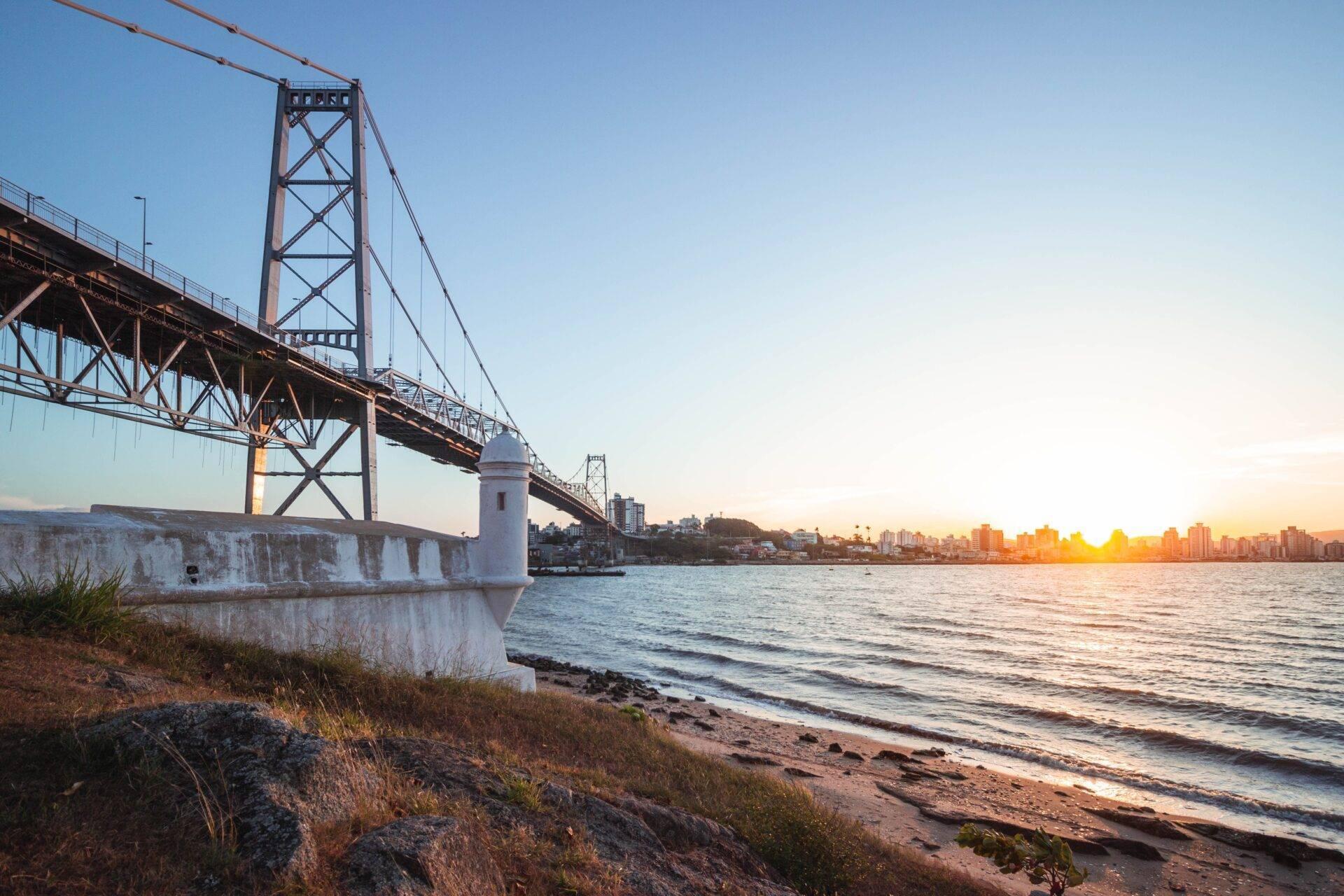
Florianópolis occupies nearly the whole of the island of Santa Catarina in the south of the country. It is known for its strikingly varied beaches: powerful surf at Joaquina, calm waters at Jurerê for families, an inland lagoon at Lagoa da Conceição for kayaking. The steel suspension bridge Hercílio Luz, arching over the bay, has become the city’s emblem.
What to do in Florianópolis:
- Surf at Praia Joaquina, one of Brazil’s most celebrated surf beaches
- Explore Lagoa da Conceição by kayak or stand-up paddleboard
- Hike across the Joaquina sand dunes
- Swim in the turquoise waters of Praia do Campeche
Natal and Its Fine Sand Dunes
Natal, in the state of Rio Grande do Norte, is the ideal base for exploring the dunes and lagoons of Brazil’s north-eastern coastline. Ponta Negra beach is the liveliest in the area. Genipabu beach, a few kilometres to the north, is famous for its spectacular dunes and buggy excursions.
What to do in and around Natal:
- Ride a dune buggy across the Genipabu dunes
- Swim in the clear waters of Ponta Negra
- Take a trip to the natural pools of Maracajaú
- Explore the dunes and inland lagoons by 4x4
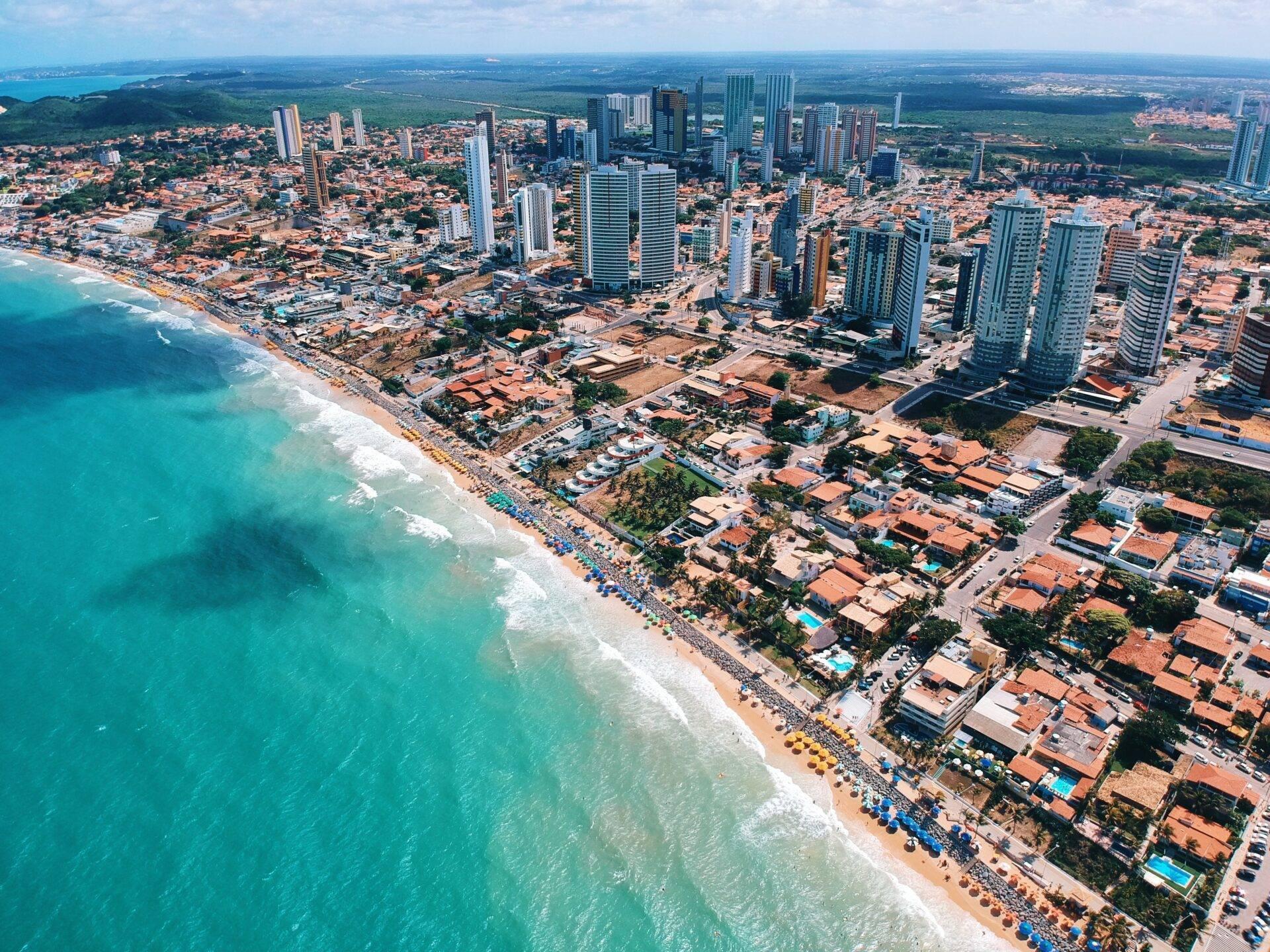
Iguazu Falls, a Natural Spectacle Shared by Two Countries
The Iguazu Falls form a system of 275 cascades stretching across a front of roughly 3 km, right on the border between Brazil and Argentina. The tallest reaches 80 metres. A UNESCO World Heritage Site since 1984, they rank among the most visited natural wonders in South America. Around 80 per cent of the cascades lie on the Argentine side, but the most breathtaking overall panorama is seen from the Brazilian side.
What to do at Iguazu Falls:
- Walk the Brazilian walkway for a sweeping panoramic view of the entire falls system
- Cross to the Argentine side to stand at the edge of the Garganta del Diablo, the most powerful of the falls
- Take a boat and let the spray of the cascades drench you
- Watch the great dusky swifts that nest within the curtain of water
Also see Brazil’s must-see natural sites and landmarks to round out your list of discoveries.
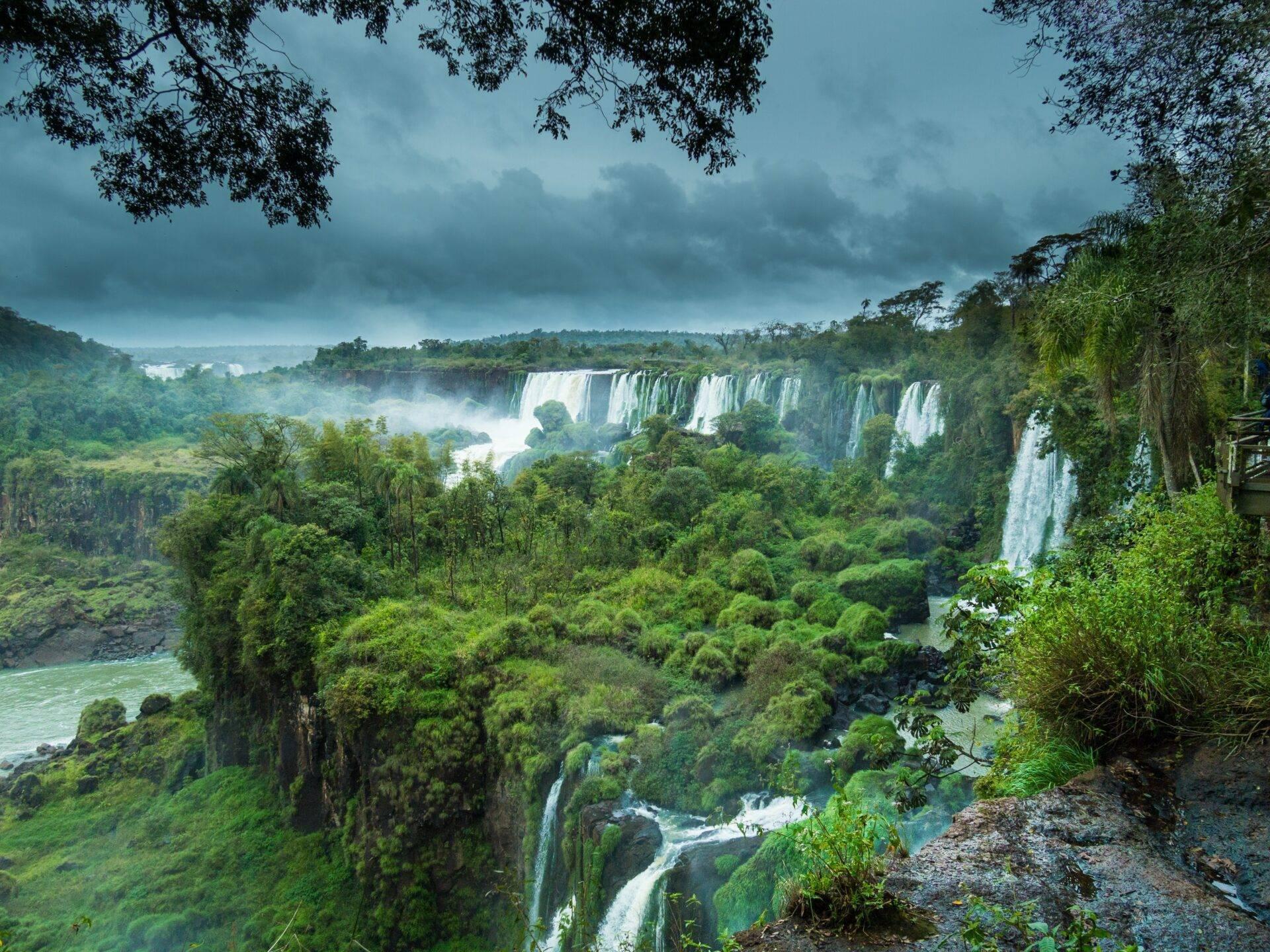
Rio Carnival, When the Whole City Dances
Rio Carnival draws millions of participants into the city’s streets for several days each year, usually in February or March. The blocos (street bands) parade through every neighbourhood, the Sambódromo hosts the grand processions of the samba schools, and costume balls animate the nights. Watching the parade from the stands of the Sambódromo is an experience in its own right.
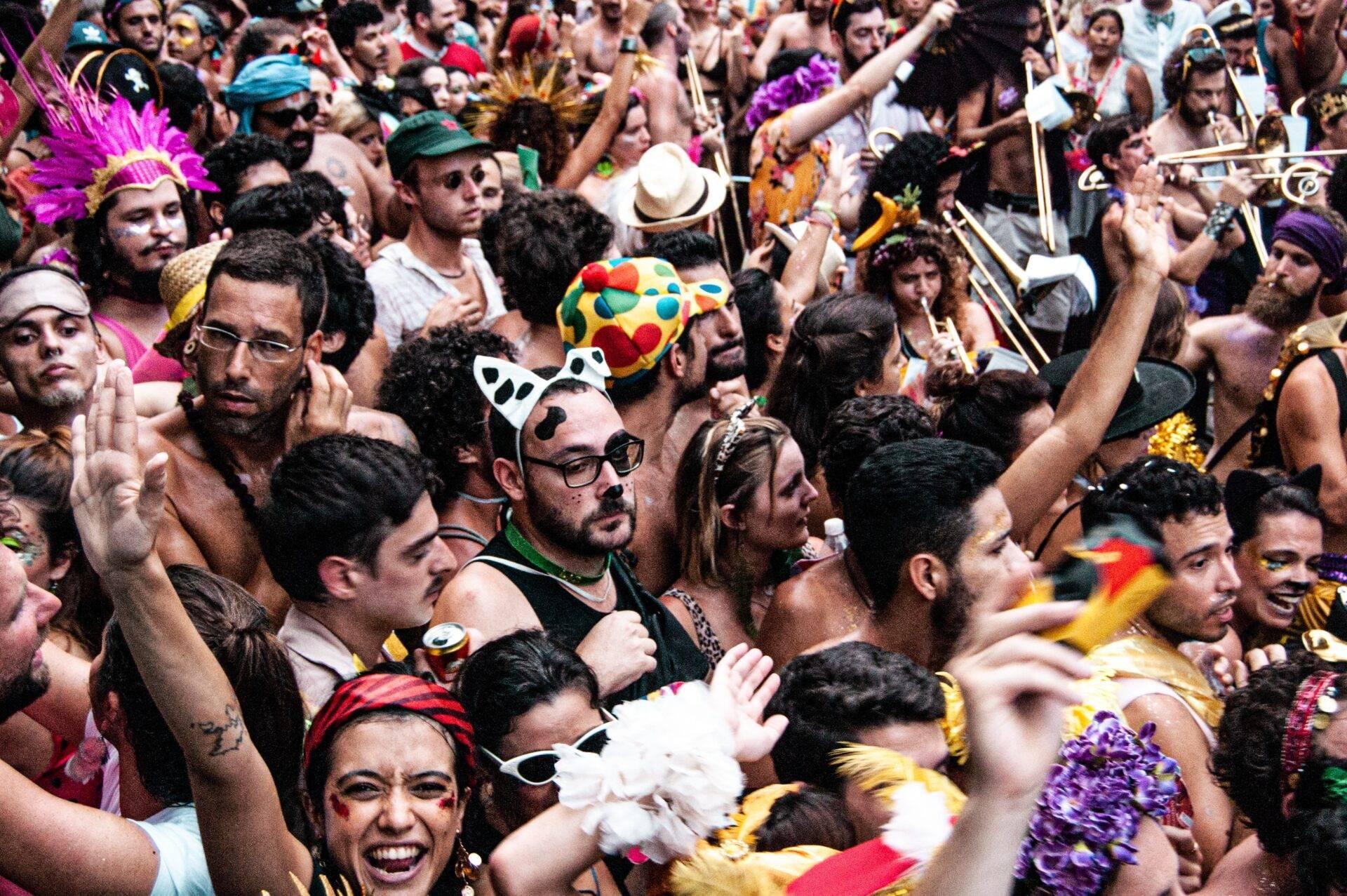
Ilha Grande, the Car-Free Island off Rio State
Ilha Grande lies about three hours from Rio de Janeiro by boat. Cars are entirely absent: you get around on foot or by sea. Its translucent waters, dense Atlantic rainforest and beaches reachable only by trail or boat make it an ideal destination for snorkelling, hiking and diving. A large part of the island is protected as a nature reserve.
What to do on Ilha Grande:
- Hike to Lopes Mendes beach, regularly ranked among the most beautiful in the country
- Snorkel in the transparent waters of Abraãozinho
- Hire a kayak to reach coves inaccessible any other way
- Walk the Atlantic rainforest trails at sunrise
For a deeper dive into Brazil’s beaches, see our selection of the most beautiful beaches in Brazil.
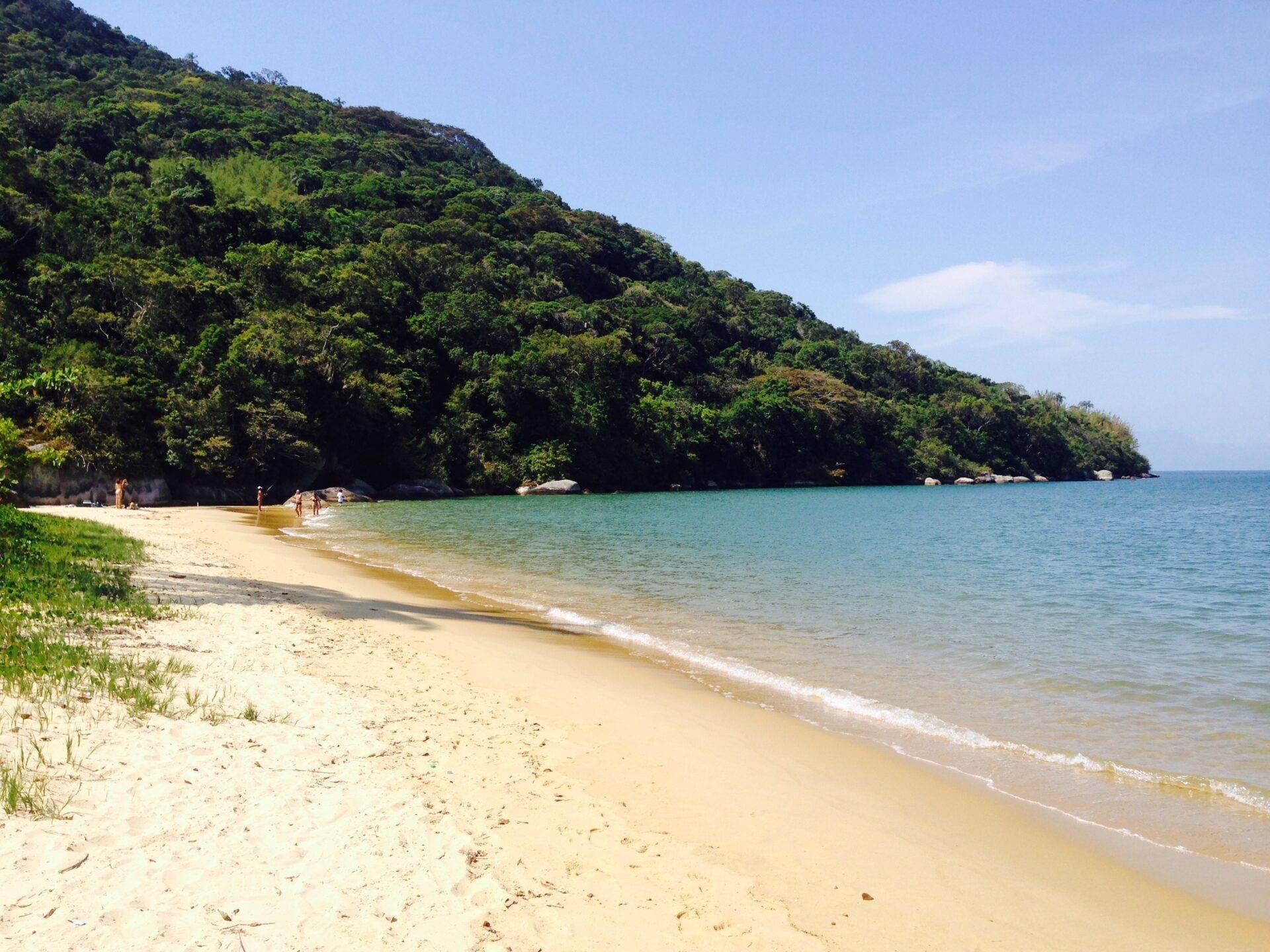
The Pantanal, Wildlife Within Arm’s Reach
The Pantanal is the world’s largest tropical wetland. It is considered the place in South America where large wild animals are most easily observed: jaguar sightings are regular, as are capybara, giant otter, tapir and hundreds of bird species. Unlike the Amazon, the Pantanal’s open vegetation makes wildlife spotting considerably easier.
The dry season, from May to September, is the ideal time to visit: water levels drop, animals gather around waterholes and temperatures stay manageable.
What to do in the Pantanal:
- Set out by boat at dawn along the channels to spot caiman and birds
- Track jaguar along the banks of the Cuiabá River during the dry season
- Explore the flooded grasslands on horseback or on foot with a guide
- Watch the tuiuiú, the emblematic bird of the Pantanal, alongside great egrets
Lençóis Maranhenses, a Desert of White Sand and Blue Lagoons
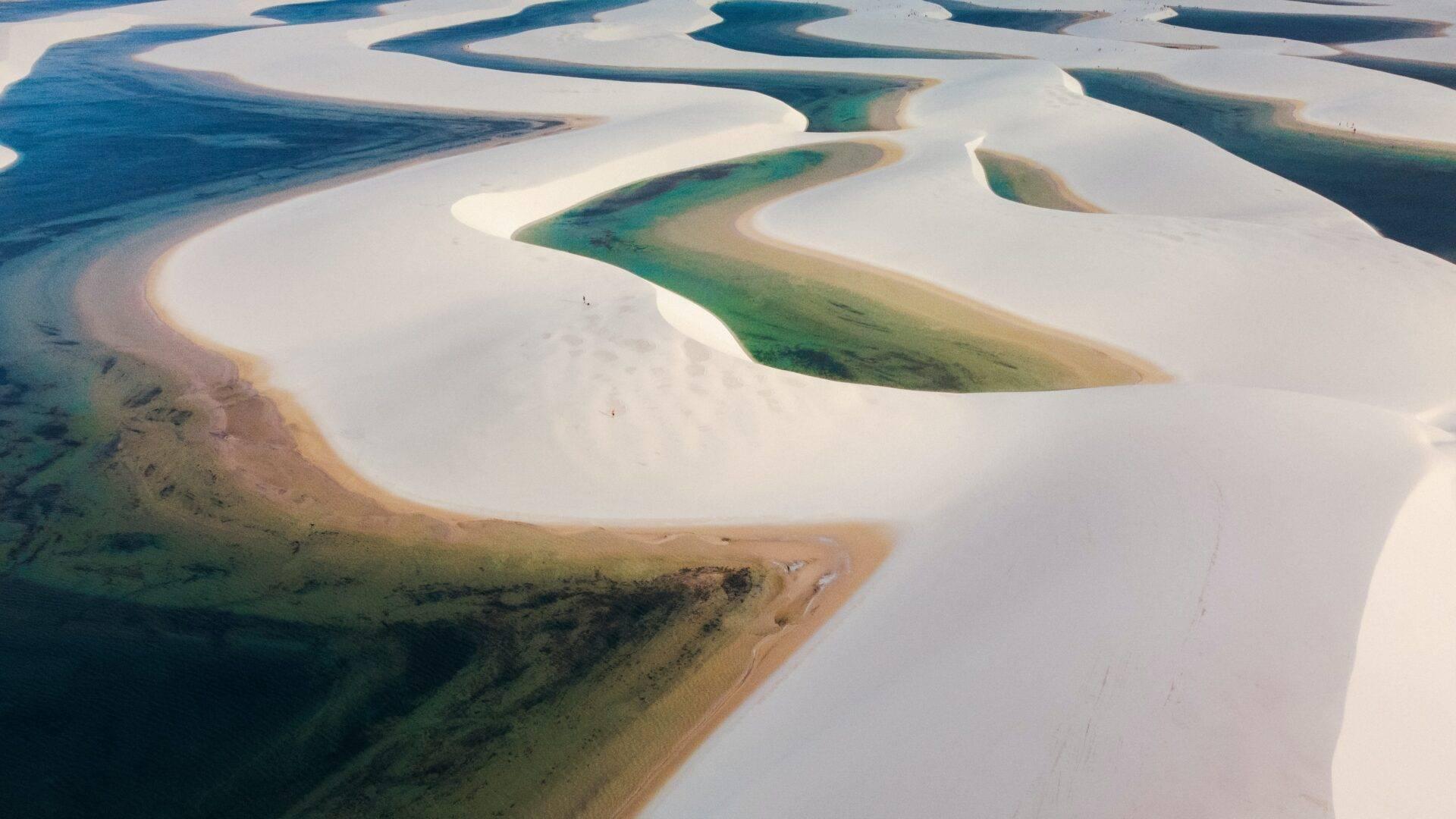
The Lençóis Maranhenses offer one of the most singular landscapes on Earth: vast dunes of immaculate white sand separated by hundreds of freshwater turquoise lagoons. The national park covers more than 156,000 hectares in the state of Maranhão, in north-eastern Brazil. The tallest dunes can reach 40 metres.
The best time to visit is from July to September: the lagoons are still full from the previous rainy season and the sky is clear. Access is from the town of Barreirinhas.
What to do at Lençóis Maranhenses:
- Swim in the freshwater lagoons between the dunes
- Cross the park by 4x4 with a local guide (compulsory in certain protected areas)
- Hike from dune to dune at sunrise
- Fly over the landscape in a light aircraft from Barreirinhas
Planning Your Itinerary by Trip Length
10 Days in Brazil
Ten days calls for focusing on a single region rather than spending more time in airports than on the ground. Two combinations work well: Rio de Janeiro with a side trip to Iguazu Falls (both the Brazilian and Argentine sides), or Salvador de Bahia with a foray into the north-east (Natal or the Lençóis Maranhenses depending on the season).
15 Days in Brazil
Two weeks allow you to link two regions. The south-east option (Rio, São Paulo, Florianópolis) can be done by land or by plane. The north-east option (Salvador, Natal, Lençóis Maranhenses) works well from Salvador with domestic flights. Brazil’s internal flight network is extensive and reasonably priced.
3 Weeks or More
The classic three-week itinerary starts in Rio, heads to Iguazu, swings back to São Paulo, detours to Salvador and finishes in the north-east (Natal or the Lençóis). A full month opens the door to the Pantanal or a proper immersion in the Amazon from Manaus.
When to Go to Brazil
Brazil can be visited year-round, but each region has its sweet spot.
- Rio, São Paulo, Florianópolis: April to October, when the dry season delivers the best conditions for beaches and city excursions.
- Salvador and the north-east: December to March is the most festive period (Carnival included); June to September is drier.
- Pantanal: May to September for the best wildlife watching.
- Lençóis Maranhenses: July to September, after the rains, when the lagoons are full and the sky is clear.
- Amazon: The high-water season (December to June) is ideal for navigating through flooded forest by canoe.
For travel formalities (visa, recommended vaccinations, health on the ground), all the practical information is gathered on the Brazil travel insurance page.
FAQ
What to do in Brazil in 10 days?
Ten days is enough to explore one region in depth. The classic option: Rio de Janeiro (3 nights) and Iguazu Falls (2 nights, both sides). The north-east option: Salvador de Bahia (3 nights) and either Natal or the Lençóis Maranhenses (3 nights). Brazil’s distances are enormous: it is far better to go deep than to rush between stopovers.
What is the best time of year to visit Brazil?
It depends on the region. The dry season (April to October) suits Rio, São Paulo and Florianópolis. Carnival falls in February or March. The Pantanal is best from May to September. The Lençóis Maranhenses are at their finest from July to September. There is no single bad season for Brazil as a whole: the key is to match your itinerary to the region.
What is the best itinerary for 3 weeks in Brazil?
The classic route runs: Rio de Janeiro (4 nights), Iguazu Falls (2 nights), São Paulo (2 nights by domestic flight), Salvador de Bahia (3 nights), then the north-east, either Natal or the Lençóis Maranhenses (4 nights). Domestic flights connect each leg without losing too much time in transit.
Is the Brazilian or Argentine side of Iguazu Falls better?
Both sides are complementary. The Brazilian side gives the most spectacular panoramic overview of the whole falls system. The Argentine side, where roughly 80 per cent of the cascades are located, lets you get right up close to the Garganta del Diablo. With two days, combine both. With a single day, the Brazilian side gives the clearest sense of the sheer scale of the site.
Can the Pantanal be visited year-round?
Technically yes, but the dry season (May to September) is far superior for wildlife observation. Water levels drop, animals concentrate around waterholes and the open vegetation makes spotting much easier. During the wet season (November to April), dirt tracks often become impassable and tall vegetation hides the animals.