
Chicago packs world-class museums, modernist architecture that has shaped cities across the globe, beaches on a lake the size of an inland sea, and neighbourhoods where street culture throws up something unexpected around every corner, all within just a few square kilometres. Set aside at least three days to get a proper feel for the place.
Chicago consistently ranks among the most rewarding American cities to visit, and what makes it stand apart is a rare balance: architecture, lakefront, blues and great food, all in a single city.
Millennium Park: Cloud Gate and life outdoors
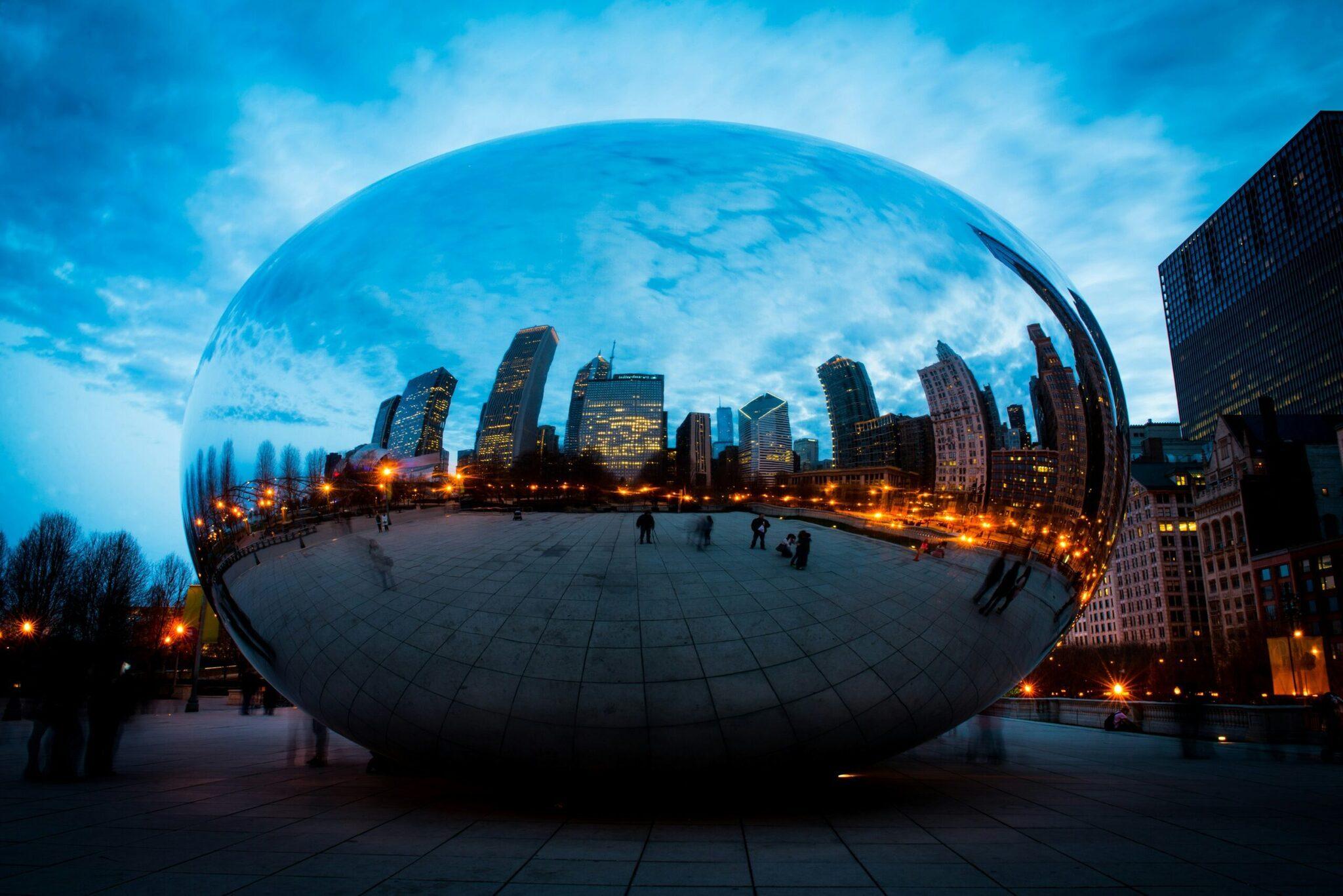
Millennium Park is the first stop for any visitor to Chicago, and not just because it’s free. Its centrepiece, Cloud Gate, nicknamed “The Bean”, is a sculpture made from 168 welded stainless-steel plates, unveiled in 2006. Designed by artist Anish Kapoor, it distorts the city skyline across its mirror-polished surface without a single visible weld.
Just a few steps away, the Jay Pritzker Pavilion, an open-air amphitheatre designed by Frank Gehry, hosts free concerts every summer. The Crown Fountain, two video towers projecting the faces of Chicagoans, creates a water ballet that delights children and adults in equal measure.
The Art Institute of Chicago: five millennia of art under one roof
The Art Institute of Chicago holds around 300,000 works spanning five millennia of art history, from ancient artefacts to contemporary creations. People come for Seurat’s “A Sunday on La Grande Jatte”, for Hopper’s “Nighthawks”, for the French Impressionists. The Impressionist and Post-Impressionist collection is one of the richest on the American continent.
Budget two to three hours at minimum. Admission is charged; buying tickets online avoids queues in peak season.
Architecture boat tour on the Chicago River
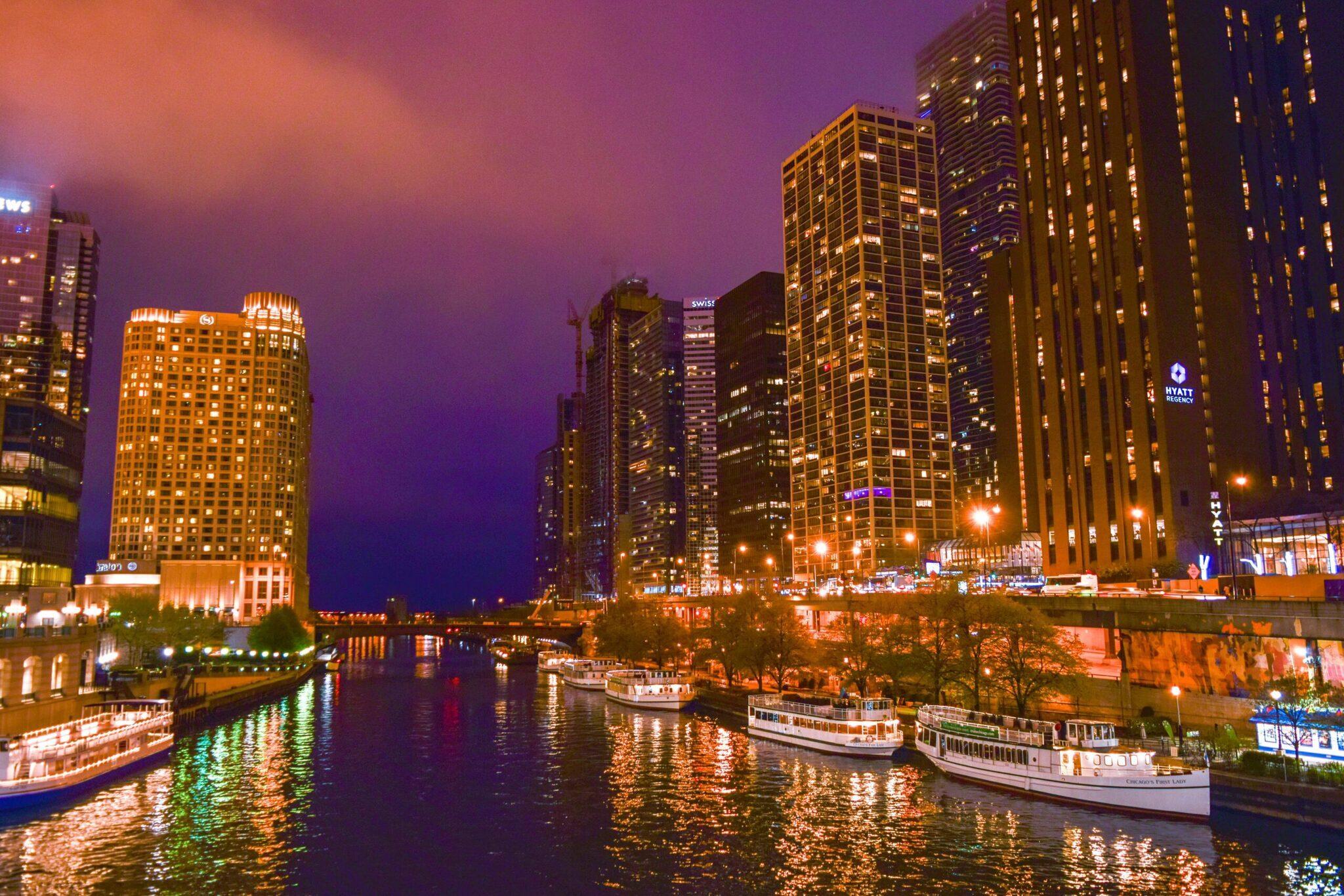
Chicago didn’t just invent the skyscraper, it perfected it. The best way to understand this is to step onto a boat and cruise along the Chicago River, between glass-and-steel facades that tell over a century of architectural history, from Louis Sullivan to Mies van der Rohe.
Guided architecture cruises depart from the Riverwalk and Navy Pier from late March through autumn. Allow around an hour and a half per outing.
Navy Pier: Ferris wheel, lake views and summer fireworks
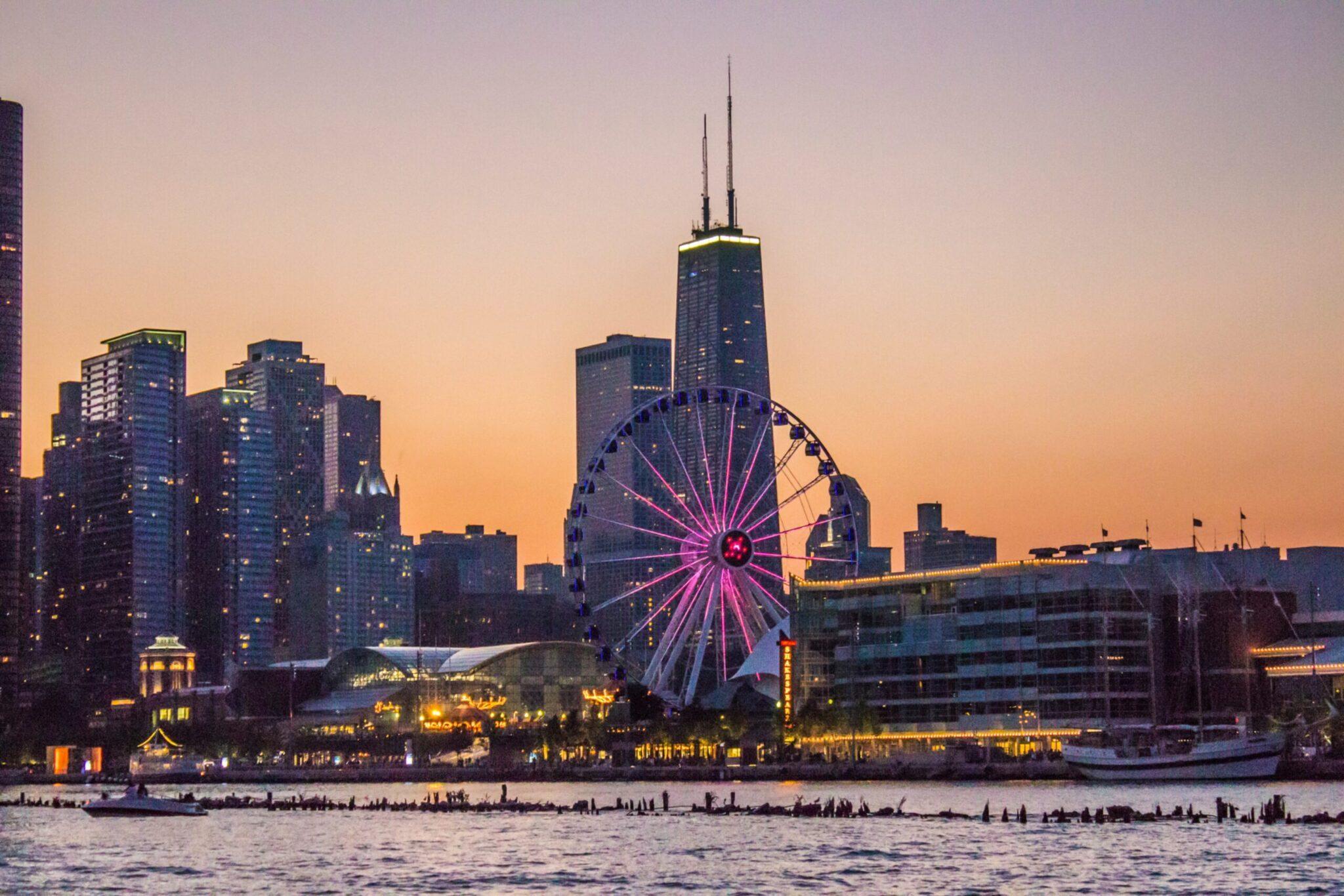
This long pier stretches out into the waters of Lake Michigan and offers a dozen attractions. The Centennial Wheel gives a 360-degree view of the city and the lake. In summer, firework displays light up the sky every Wednesday and Saturday evening. The Chicago Children’s Museum and a Shakespeare theatre round out the offer.
The Field Museum: Sue, the world’s most complete T. rex
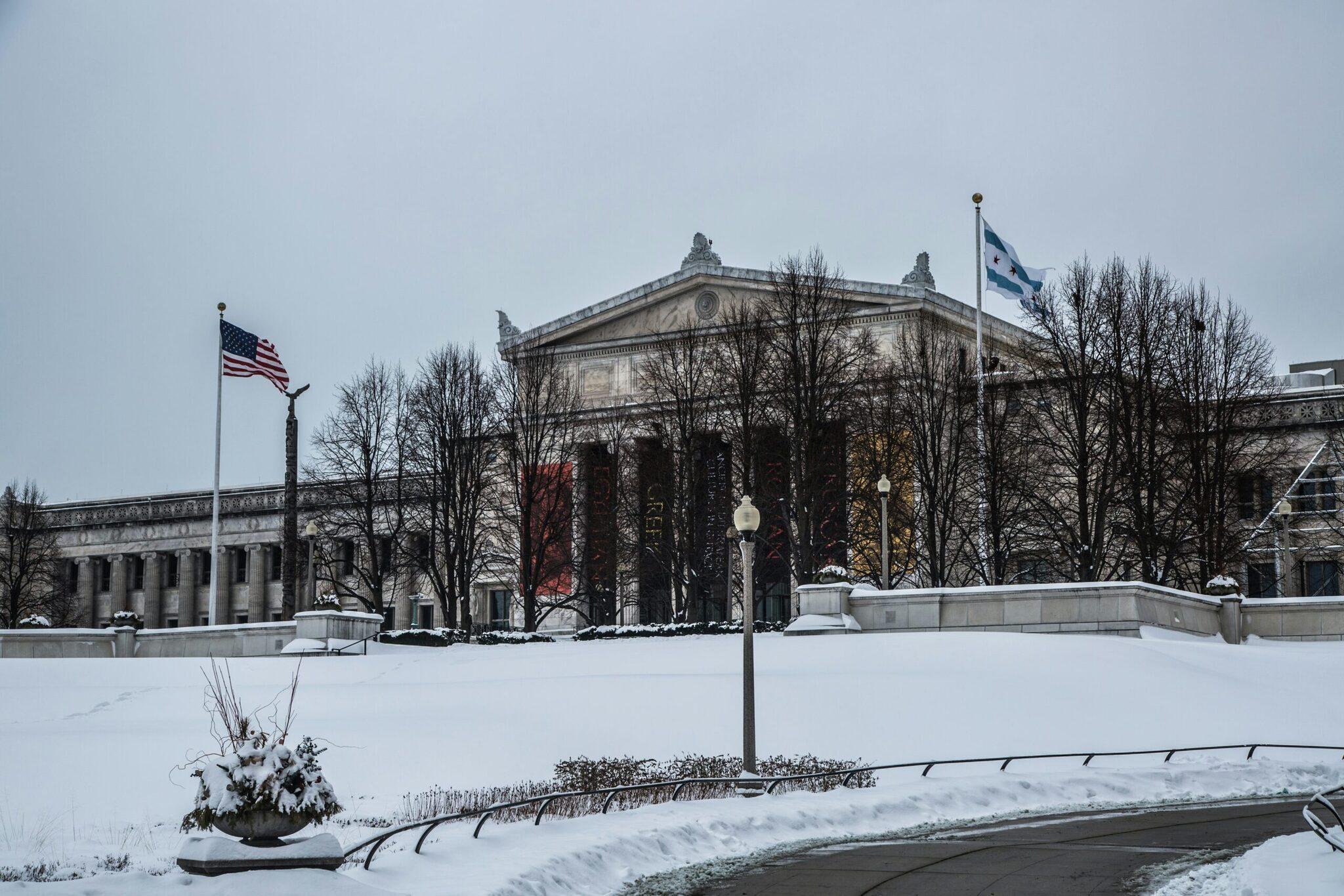
The Field Museum is a natural history museum housed in a neoclassical building on the lakefront. Its collection exceeds 24 million objects. The star attraction is Sue, the most complete tyrannosaur skeleton ever unearthed. Surrounding her are life-size animal dioramas, Egyptian mummies and galleries devoted to gems and minerals.
Temporary exhibitions and educational programmes round out the experience for all ages.
Beaches and the Lakefront Trail: 18 miles of free waterfront
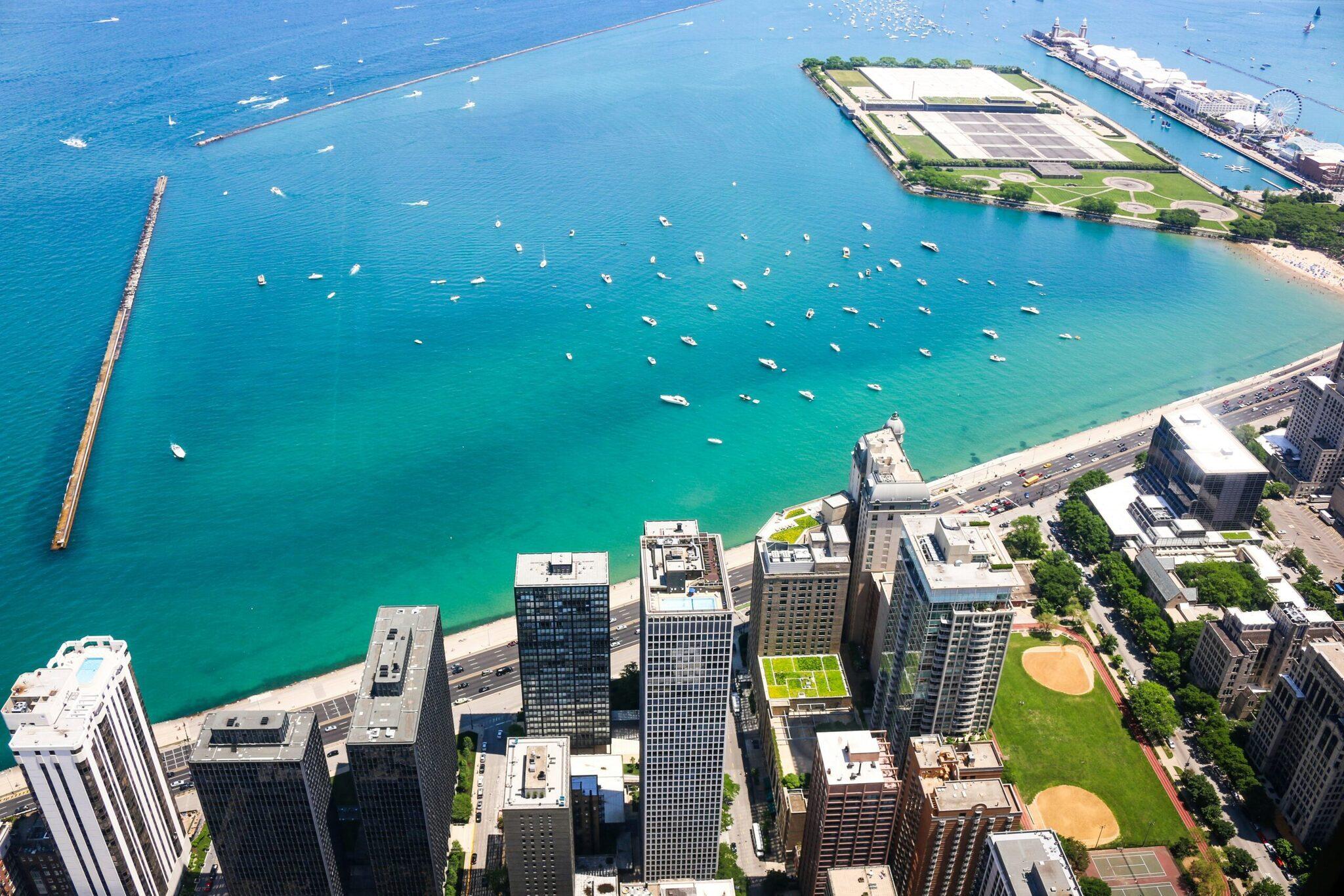
Chicago has 24 free public beaches along Lake Michigan. North Avenue Beach and Oak Street Beach are the busiest in summer: swimming, beach volleyball and kayaking. The Lakefront Trail connects them all along 18 miles of shared path, open to walkers and cyclists, running from the north to the south of the city.
For keen anglers, Lake Michigan is one of the rare inland bodies of water where salmon and rainbow trout fishing is practised.
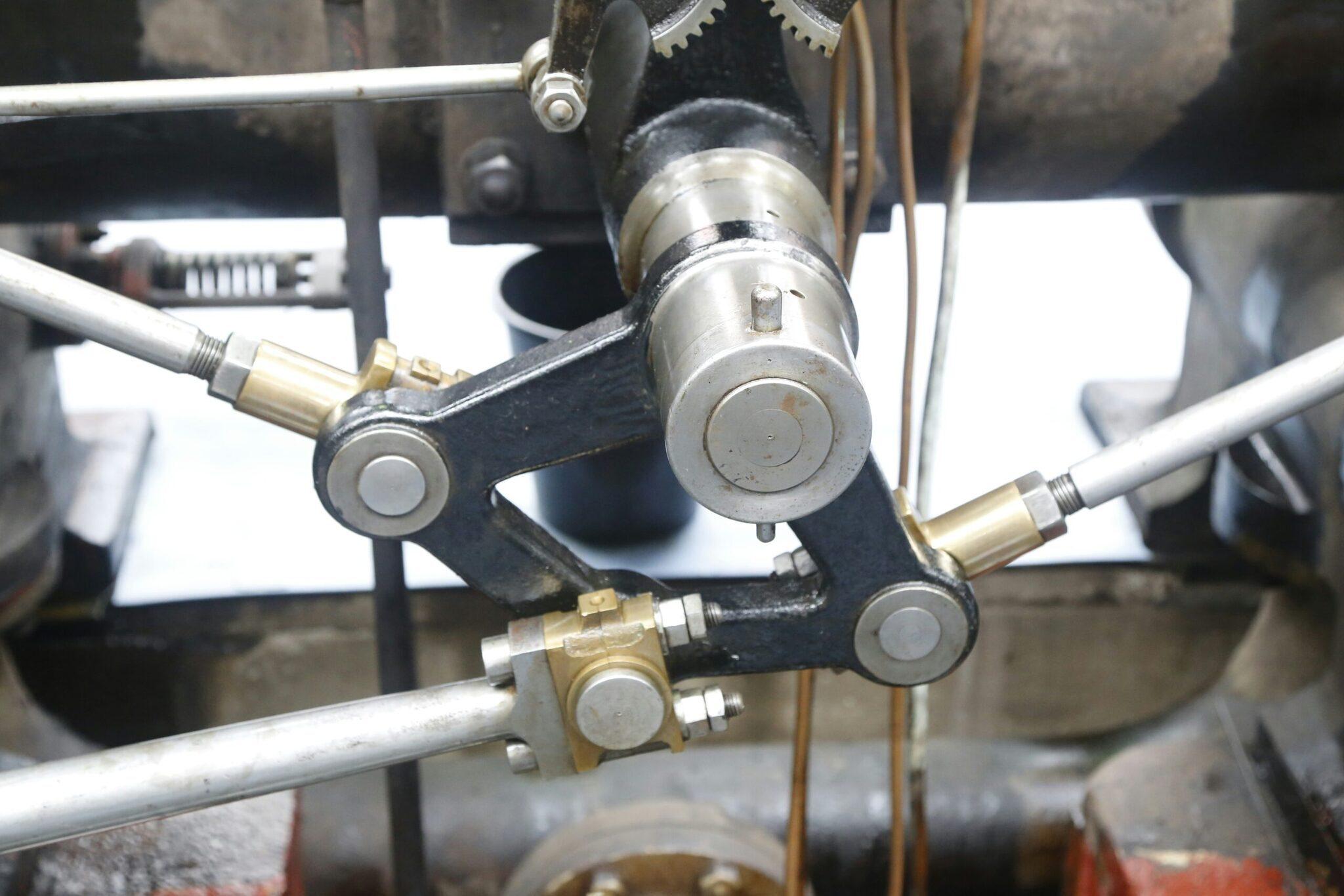
The Griffin Museum of Science and Industry
Housed in a building from the 1893 World’s Columbian Exposition, the Griffin Museum of Science and Industry is the largest science museum in the Western Hemisphere. Visitors can descend into a recreated coal mine, explore U-505, a German submarine captured at sea during the Second World War, and watch live science experiments. A must for families and curious minds alike.
Lincoln Park: free zoo, open 365 days a year
Lincoln Park is Chicago’s largest public park. Its zoo, Lincoln Park Zoo, charges no admission any day of the year and requires no booking. It is home to more than 170 animal species across 49 acres: gorillas, African lions, snow leopards and penguins in a leafy setting ten minutes from the city centre. Eighty-five per cent of operating costs are covered by members and donors, which is what keeps it free for everyone.
The neighbouring Lincoln Park Conservatory, a Victorian glasshouse, shelters tropical ferns and orchids beneath a frame of iron and glass that belongs to another age entirely.
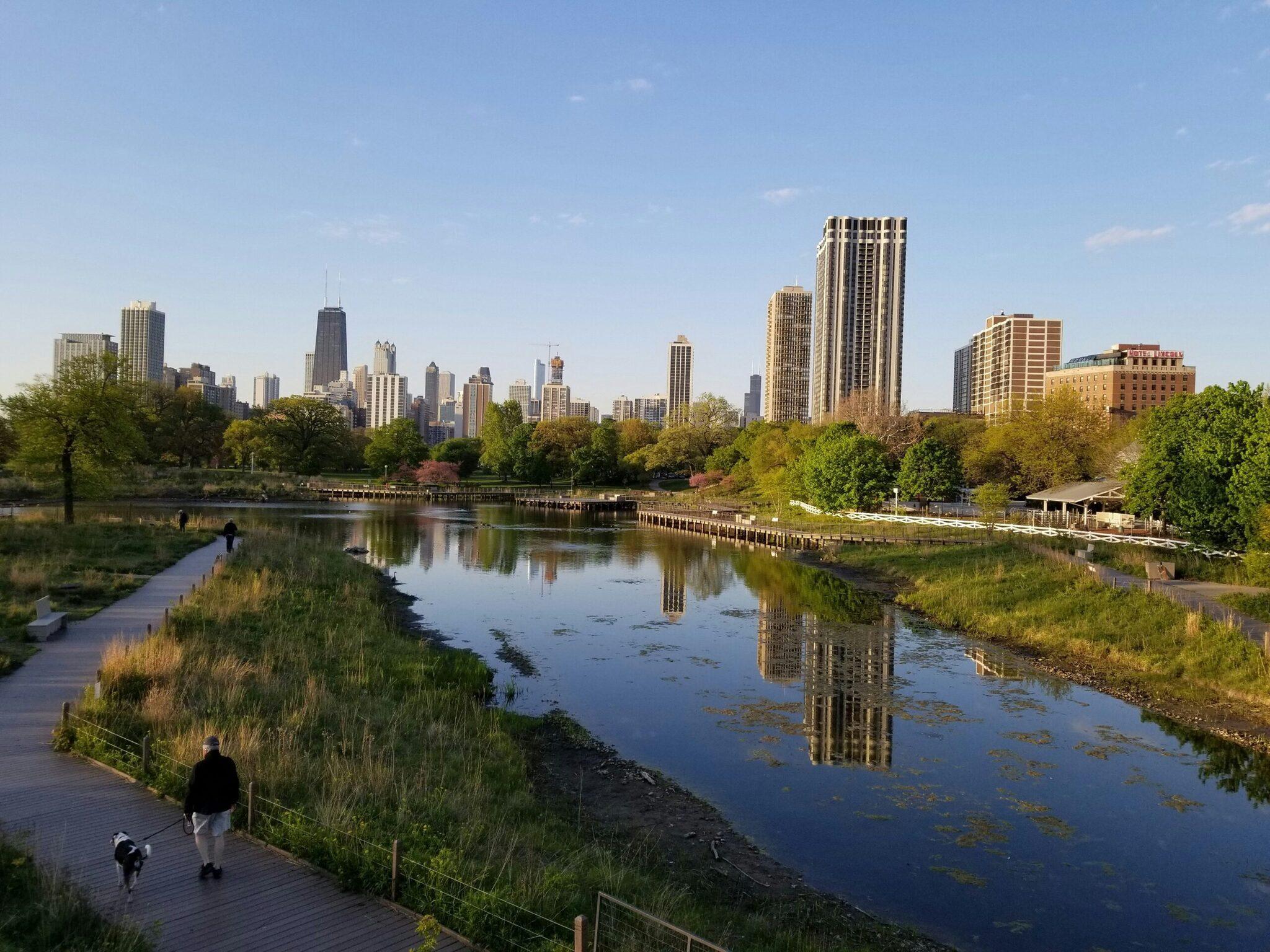
The Shedd Aquarium: from coral reefs to polar waters
The Shedd Aquarium is one of the most visited aquariums in the world. Visitors move through recreated marine habitats, from coral reefs to Arctic waters, inhabited by sharks, dolphins, penguins and jellyfish. Interactive shows and conservation programmes are part of the experience.
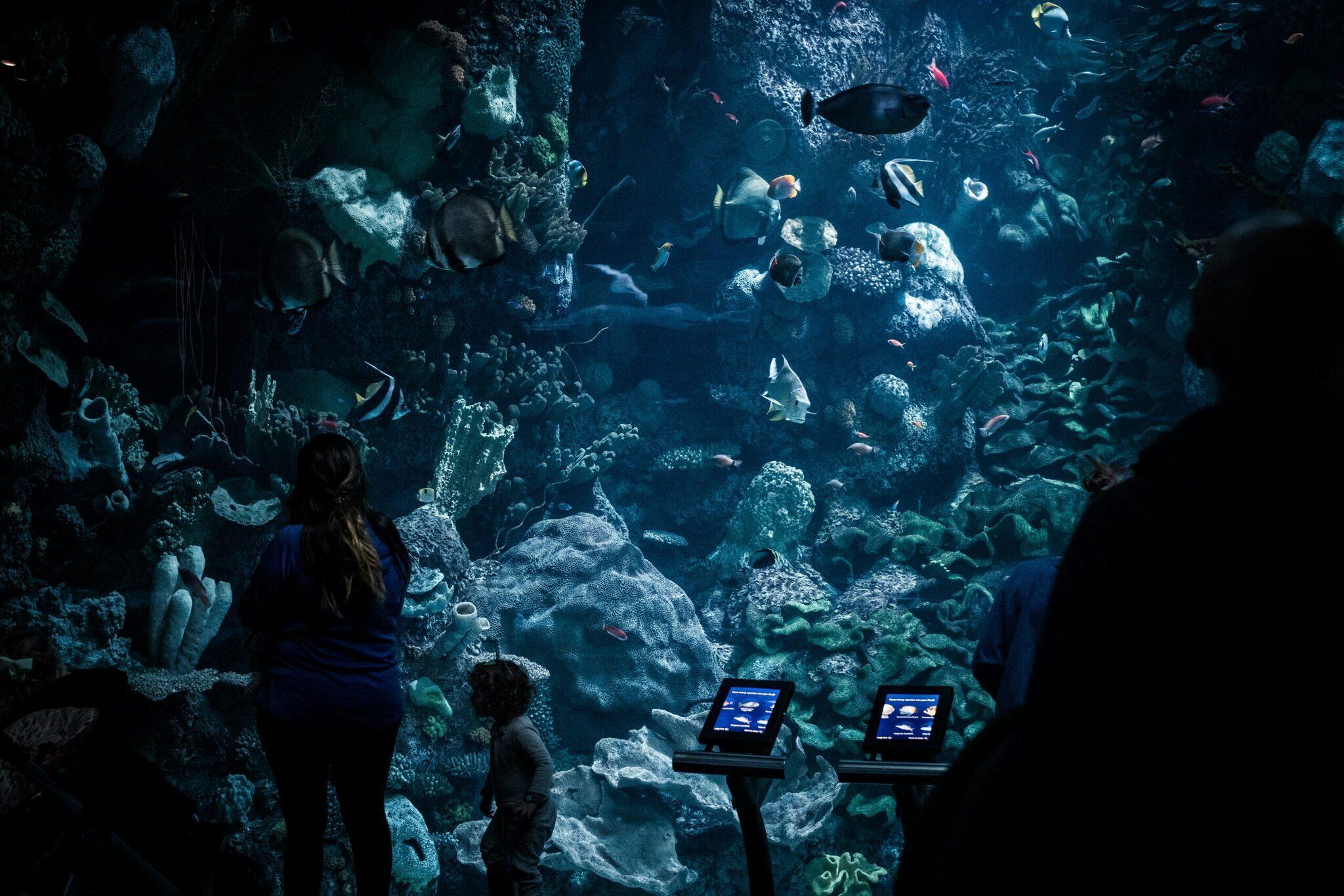
Wicker Park: street art, vinyl records and live neighbourhood music
A few metro stops from the Loop, Wicker Park is Chicago’s bohemian quarter. Once a working-class neighbourhood, it was colonised from the 1990s by artists and musicians who transformed its streets into a mix of vintage shops, independent record stores, speciality coffee shops and alternative galleries.
Every first Friday of the month, the “First Fridays Art Walk” opens the doors of the neighbourhood’s galleries free of charge. The 606 Trail, a former railway line converted into a 4 km green pathway, runs through Wicker Park and connects several north Chicago neighbourhoods.
If the creative energy of Wicker Park appeals to you, you’ll find the same vibe in the must-see neighbourhoods of New York, or in a different kind of sunshine over in Miami.
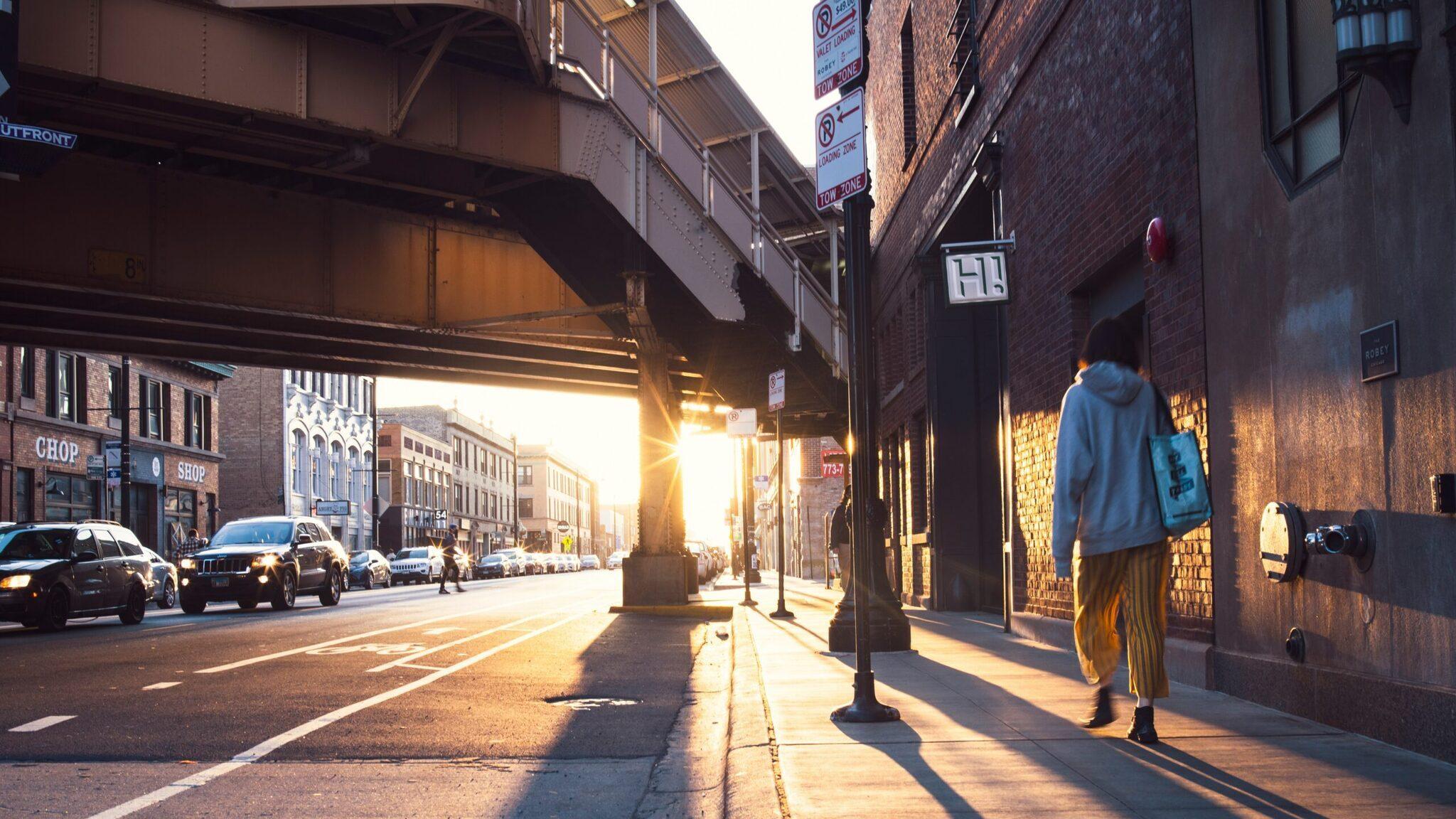
The Obama Presidential Center: a new icon in Hyde Park
Long awaited, the Obama Presidential Center opened its doors in spring 2026 in the historic Hyde Park neighbourhood, south of the Loop. The centre offers exhibitions, community workshops and public events within an architecturally ambitious setting, a welcome addition that enriches Chicago’s cultural scene still further.
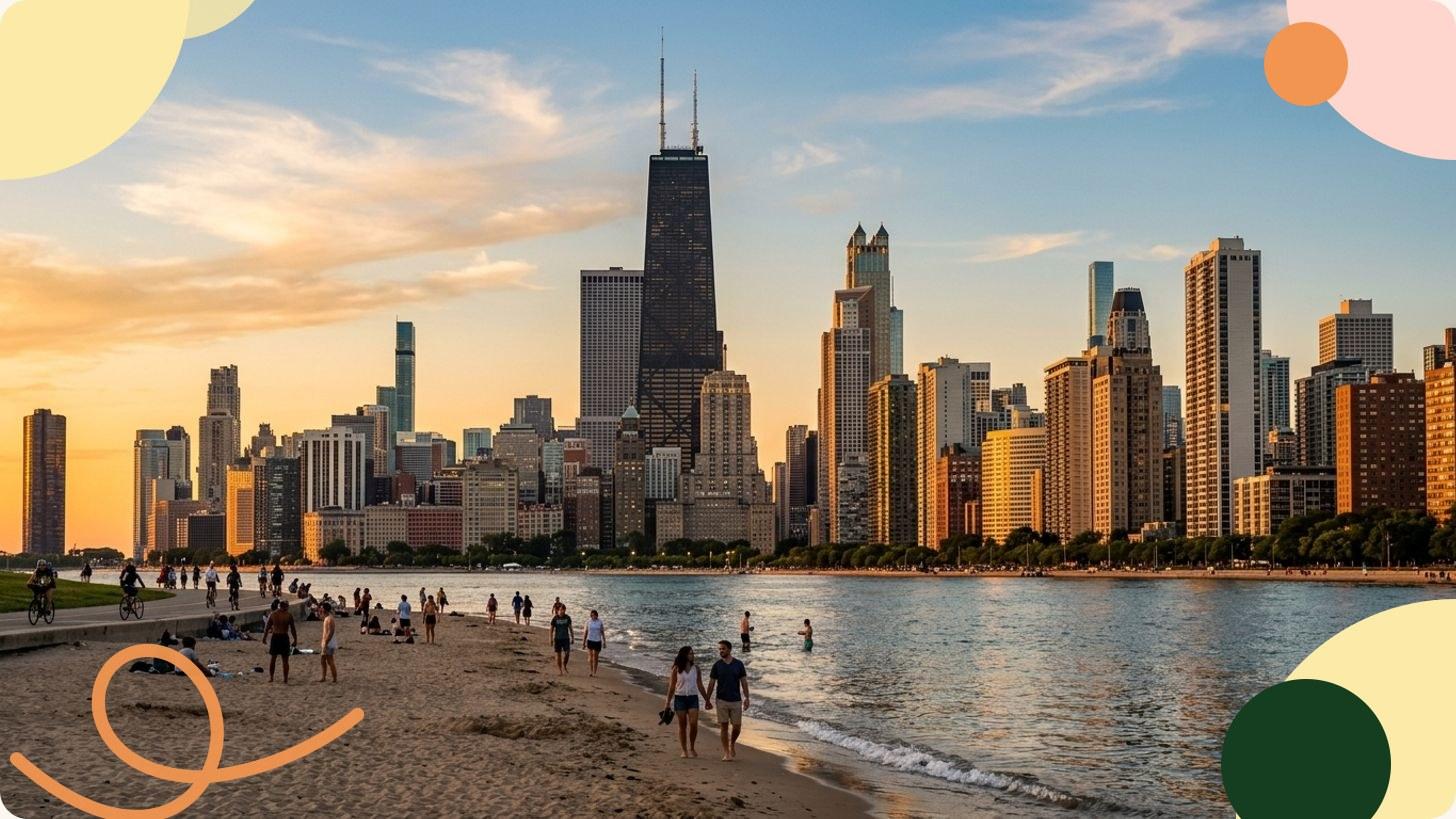
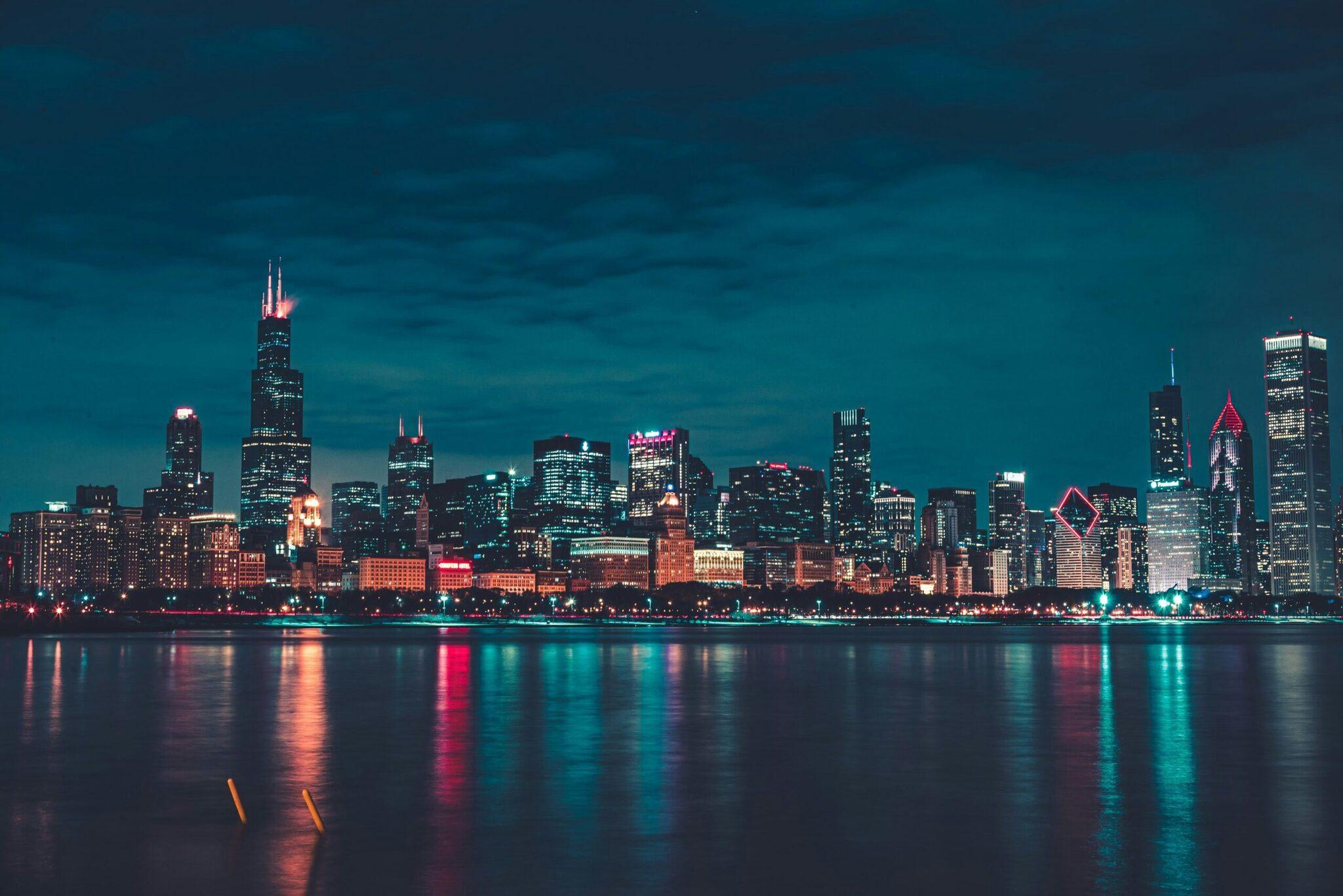
The nighttime skyline from the shores of Lake Michigan
At sunset, the shores of Lake Michigan offer the finest vantage point over Chicago: a dense row of skyscrapers that gradually lights up and reflects in the calm waters of the lake. Free, no ticket or booking needed.
FAQ
What is the best time of year to visit Chicago?
Summer (June to August) is the liveliest season: beaches open, blues and jazz festivals in full swing, and fireworks at Navy Pier every Wednesday and Saturday evening. Spring (April to May) and autumn (September to October) offer a good balance: fewer crowds, pleasant temperatures and often cheaper accommodation. Winter is harsh with temperatures regularly below freezing, but the museums remain fully open and queues all but disappear.
Is Lincoln Park Zoo really free?
Yes, Lincoln Park Zoo is free every day of the year, with no booking required. It is home to more than 170 animal species across 49 acres, funded 85% by members and donors. It is one of the few major American zoological institutions to maintain this open-access policy for all visitors.
How many days do you need to visit Chicago?
Three days cover the essentials: Millennium Park and the Art Institute, the Field Museum and the Shedd Aquarium, an architecture cruise and an evening in Wicker Park. Five days give you time to explore the neighbourhoods at a more relaxed pace and visit the specialist museums.
Should you book Chicago’s museums in advance?
In peak season (June to August), booking online for the Field Museum, the Shedd Aquarium and the Griffin Museum of Science and Industry can save you a long wait. The Art Institute also offers online ticketing. Millennium Park and Lincoln Park Zoo remain freely accessible with no booking required.
What should you eat in Chicago?
Deep-dish pizza is Chicago’s culinary signature: a thick crust, generous toppings and tomato sauce layered on top. Giordano’s and Lou Malnati’s are the benchmark names. The Chicago-style hot dog (yellow mustard, vegetables, no ketchup: it’s the local rule) and the Italian beef sandwich complete the city’s culinary picture.