
Cape Verde brings together ten volcanic islands in the Atlantic, within six hours’ flying time of Europe. Each island has its own personality: vast beaches on Sal and Boa Vista, an active volcano to climb on Fogo, dramatic valley hikes on Santo Antão, and a vibrant music scene on São Vicente. Here are 20 experiences to build your trip around, island by island.
Barlavento and Sotavento: Two Island Groups, Two Ways to Travel
The archipelago divides into two distinct clusters, each with a very different atmosphere.
The Barlavento islands (North) include Santo Antão, São Vicente, São Nicolau, Sal and Boa Vista. These are the islands of endless beaches, trade winds for water sports, and high-altitude hiking trails.
The Sotavento islands (South) take in Santiago, Fogo and Brava. Come here for historical heritage, the volcano, and a tranquillity far removed from resort complexes.
A trip of 8 to 10 days allows you to explore two islands in depth. For three complementary islands, allow at least 15 days to avoid spending more time in transit than in exploration.
Get my travel insurance quoteHikes That Stay with You
1. Climbing Pico do Fogo
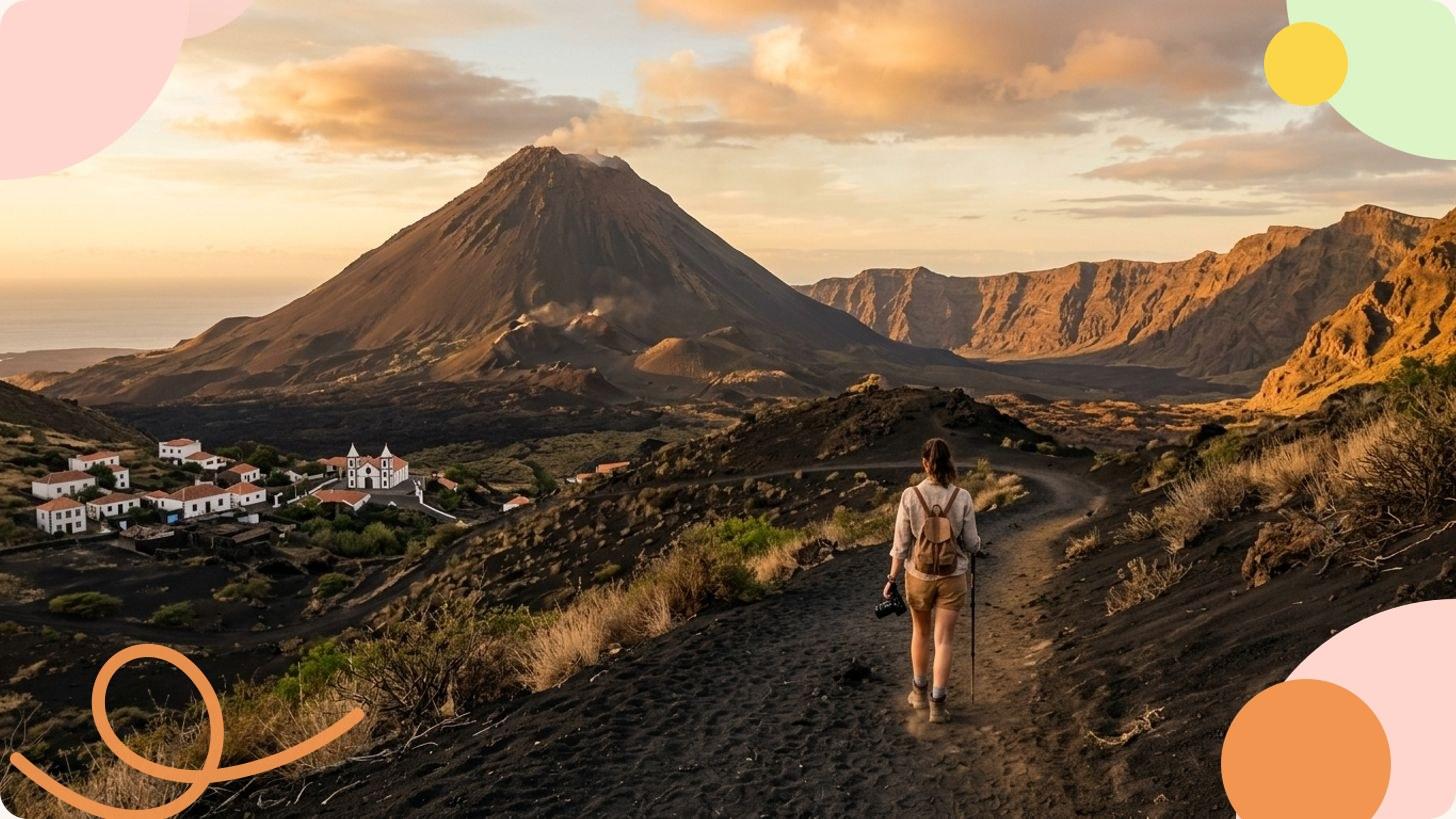
Pico do Fogo rises to 2,829 m on the island of Fogo. It is the only active volcano in the archipelago: its last major eruption ran from November 2014 to February 2015, destroying almost all the homes in Chã das Caldeiras. Since 2016, the ascent has been possible again, but only with a local guide. The trail climbs the north-western flank through fields of black lava and fumaroles, rewarding climbers with a breathtaking view over the caldera.
2. The Valleys of Santo Antão
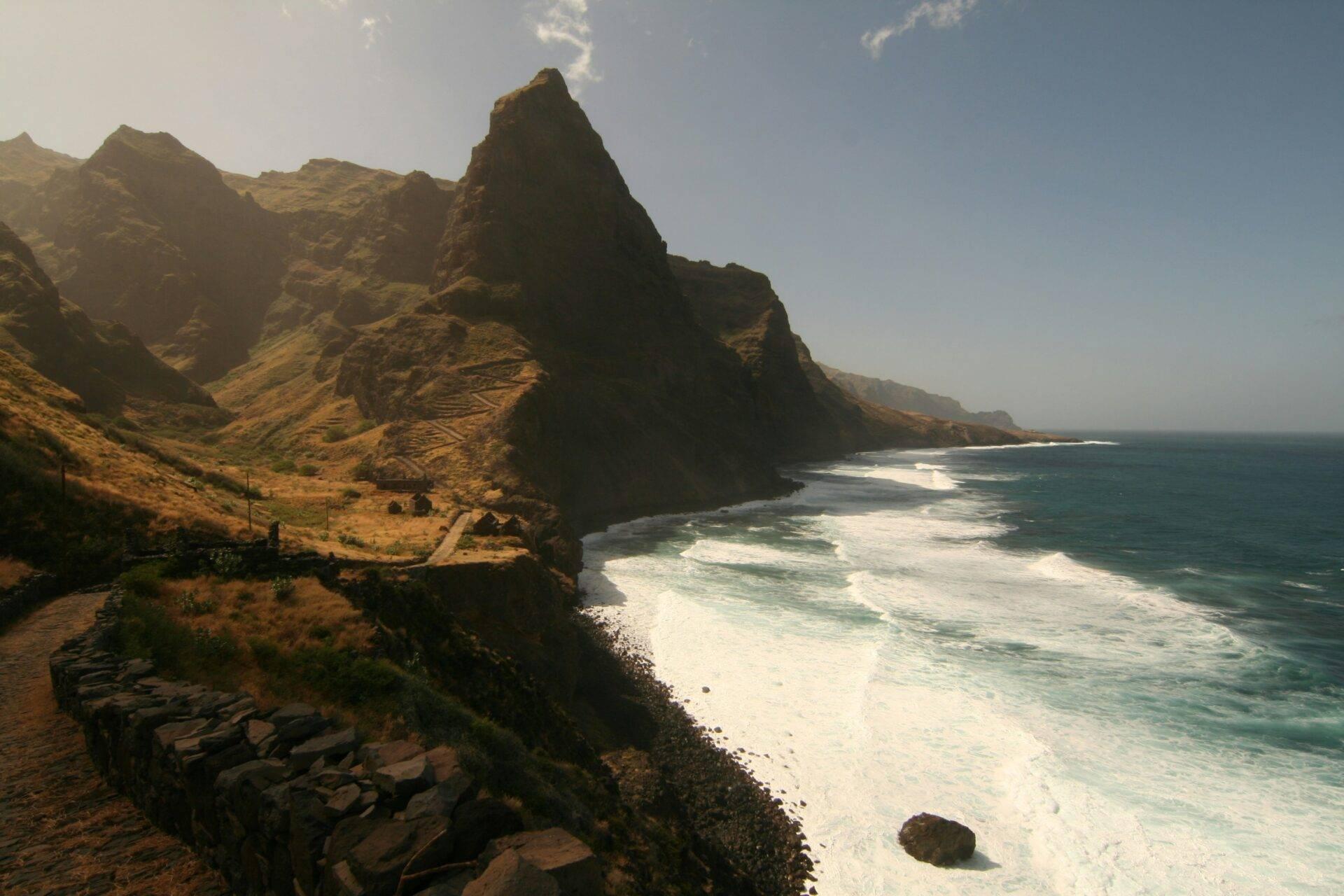
Santo Antão is the hiker’s island. Trails descend from ridges above 1,000 m into fertile valleys planted with banana trees and sugar cane. The Paul Valley trail, the most popular, runs downhill from the Cova crater (1,100 m) to the sea. For a more challenging ascent, Pico da Cruz rises to 1,585 m and offers a 360° view over the green valleys and, on a clear day, as far as São Vicente.
The Must-Visit Beaches
3. Santa Monica, Boa Vista
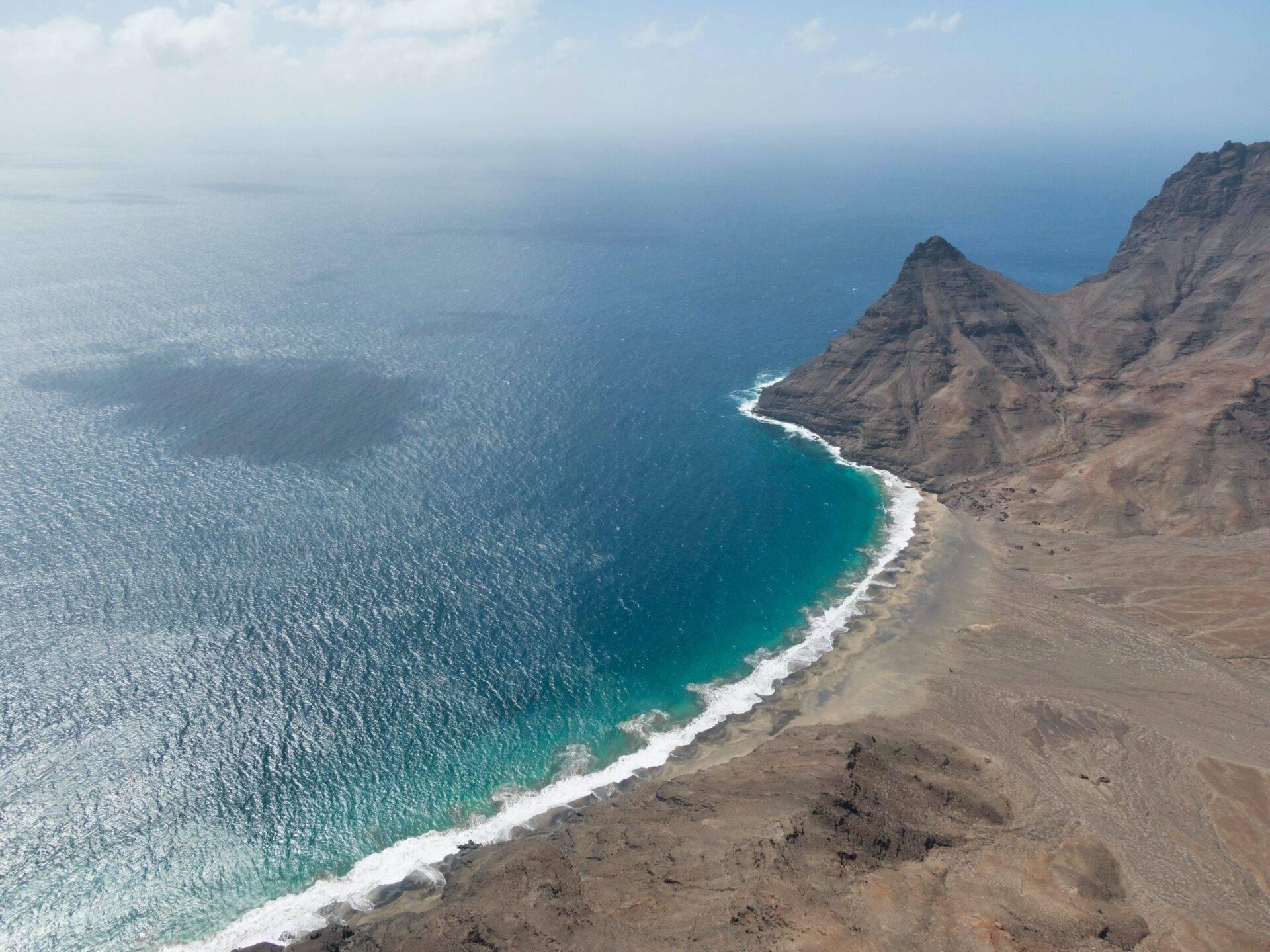
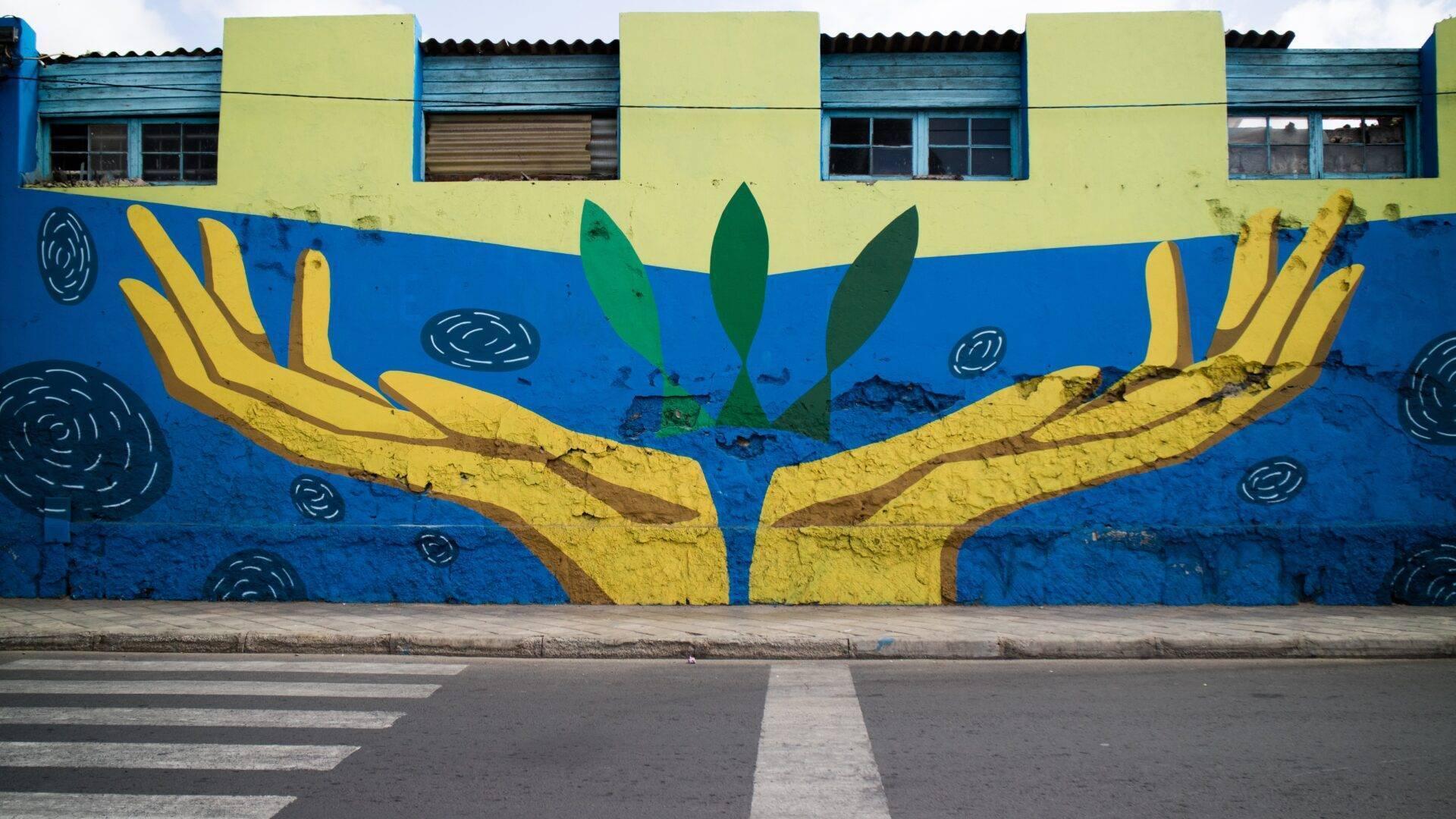
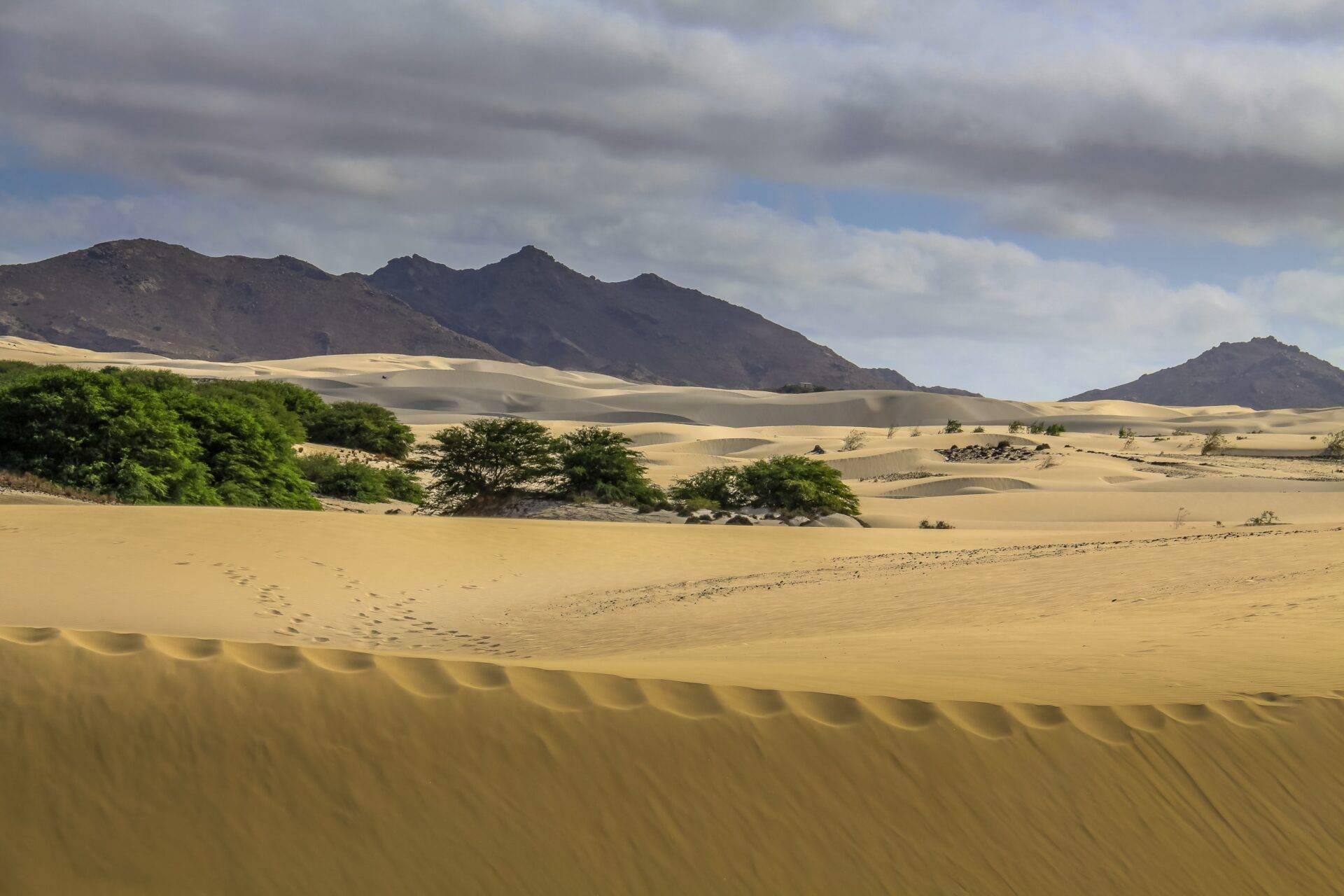
At 18 kilometres long, Santa Monica is one of the longest and most untouched beaches in the archipelago. It can be reached from Sal Rei by 4x4 or on foot. With virtually no infrastructure, it remains a prime spot for surfing when the swell is up, and for kitesurfing when the trade winds blow.
4. Santa Maria, Sal
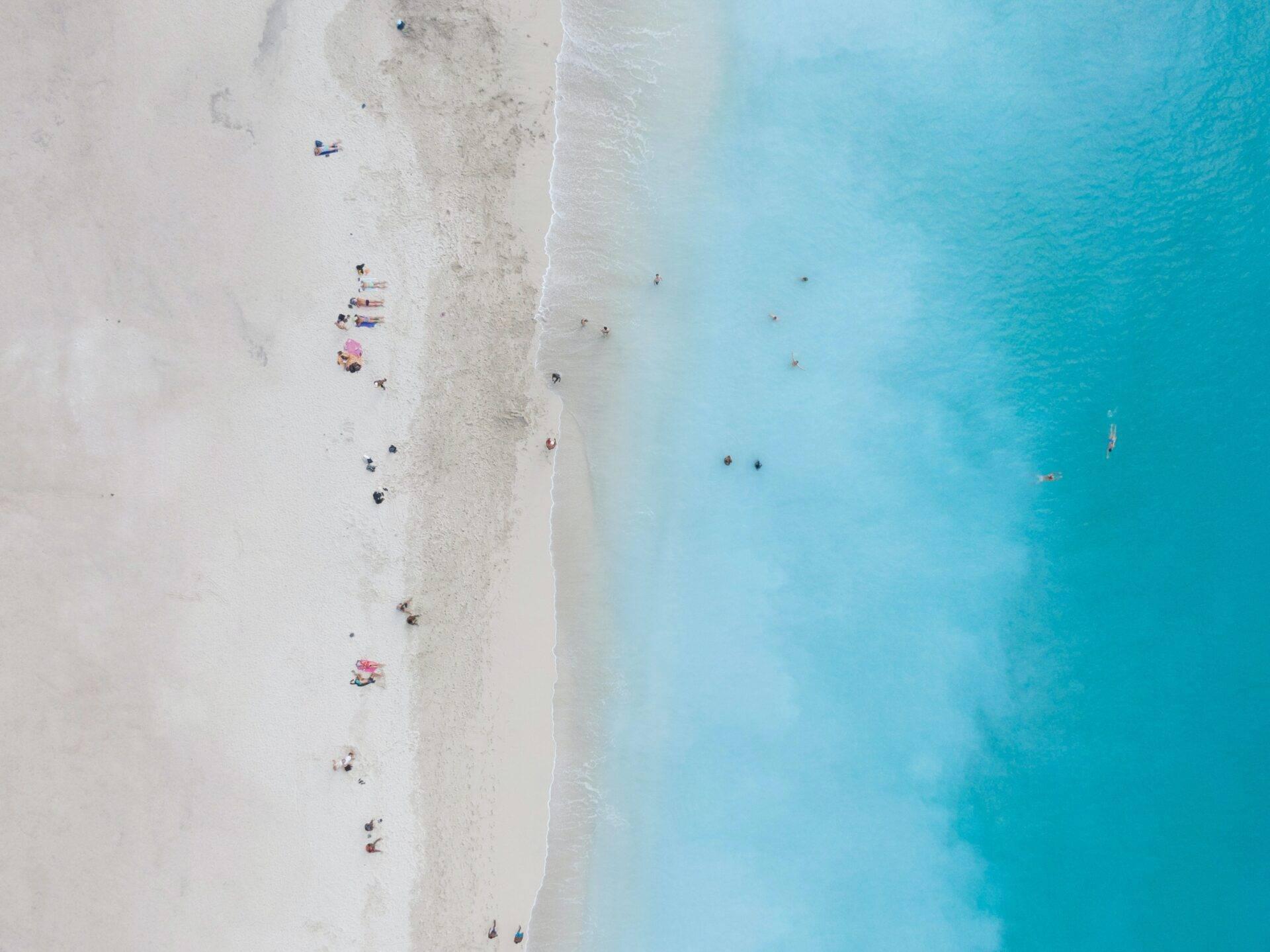
Santa Maria is Cape Verde’s busiest beach resort. Its main beach, lined with coconut palms, offers calm, shallow waters perfect for families. The seafront is packed with restaurants, bars and water sports schools.
5. Baía das Gatas, São Vicente
This sheltered bay, a few kilometres from Mindelo, offers safe swimming in calm, clear water. Its golden sandy beach plays host each summer to the music festival that bears its name (see the Festivals section). It also makes an ideal afternoon escape from Mindelo.
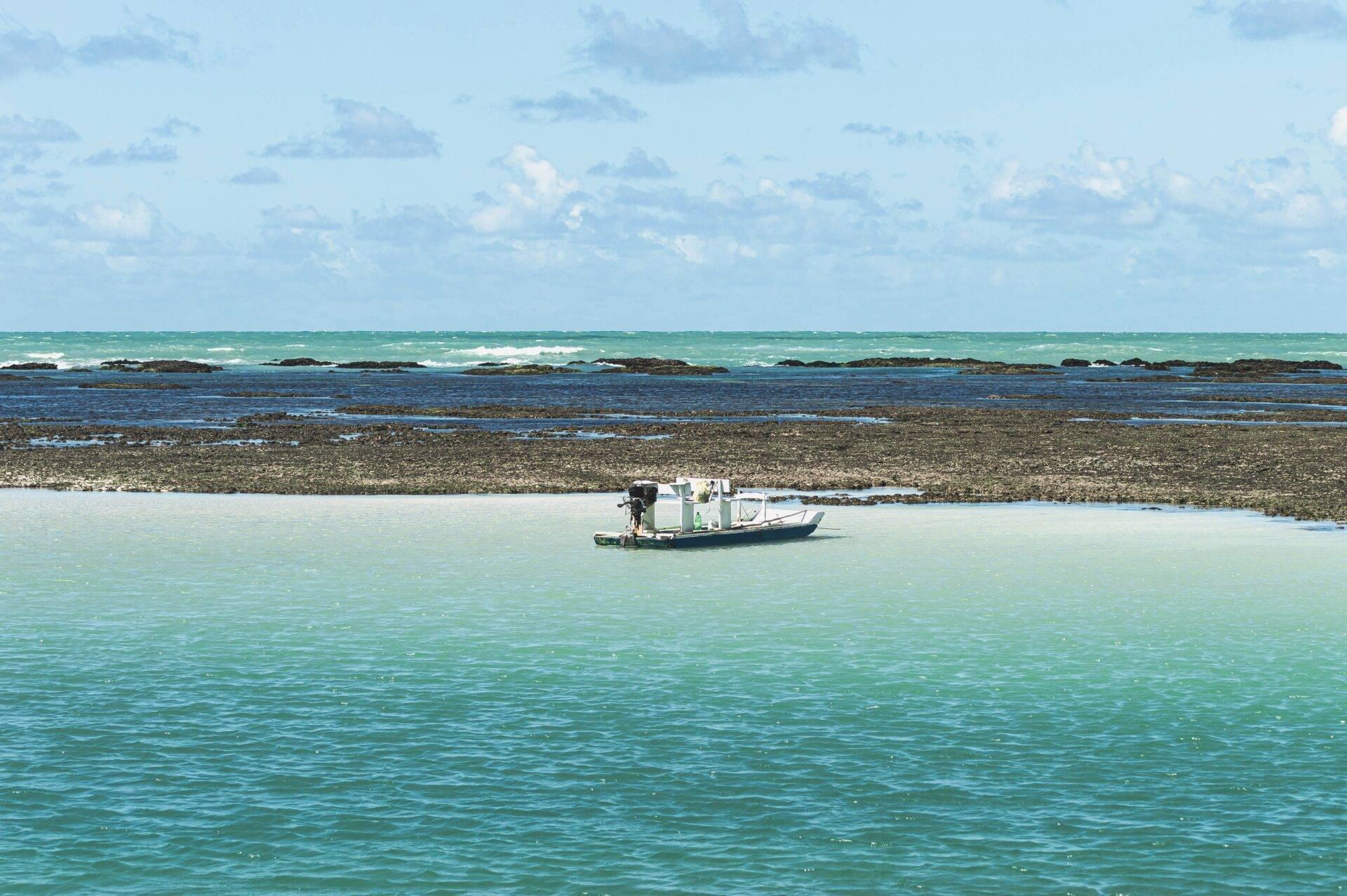
6. Tarrafal, Santiago
The beach at Tarrafal, on the island of Santiago, is one of the most beloved in the Sotavento: golden sand, a sheltered bay and a peaceful coastal village, far from the bustle of Praia. It makes a natural stop on any stay on the main island, paired with a visit to Cidade Velha.
Culture and Heritage
7. Cidade Velha, UNESCO World Heritage Site
Founded in the 15th century by the Portuguese, Cidade Velha is one of the first European settlements in sub-Saharan Africa. Its cobbled streets, the Church of Nossa Senhora do Rosário (built in 1495) and Fort Real de São Filipe bear witness to its central role in transatlantic trade. A UNESCO World Heritage Site, it lies a short distance from Praia and can be visited comfortably in half a day.
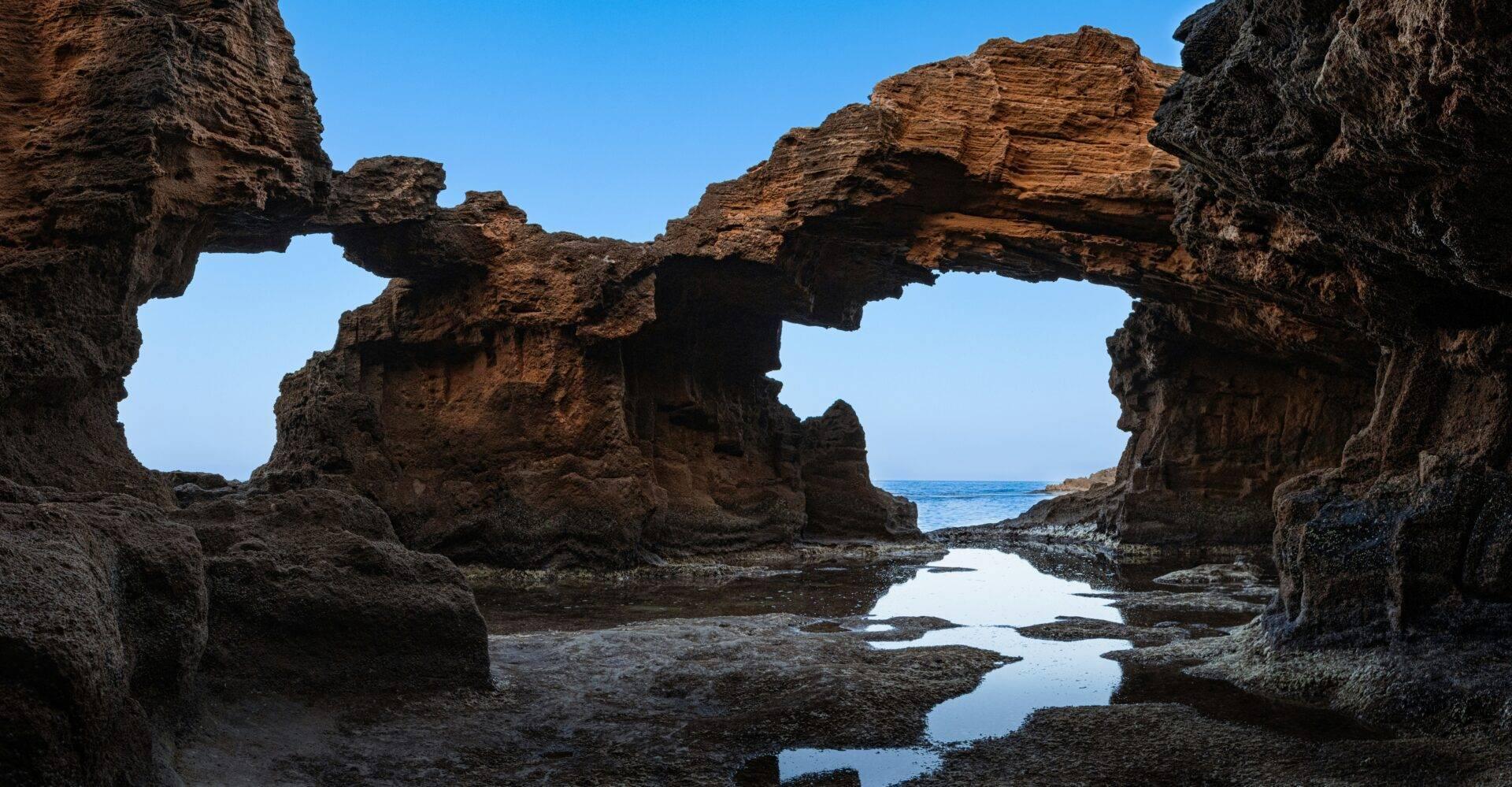
8. Mindelo, the Arts Capital
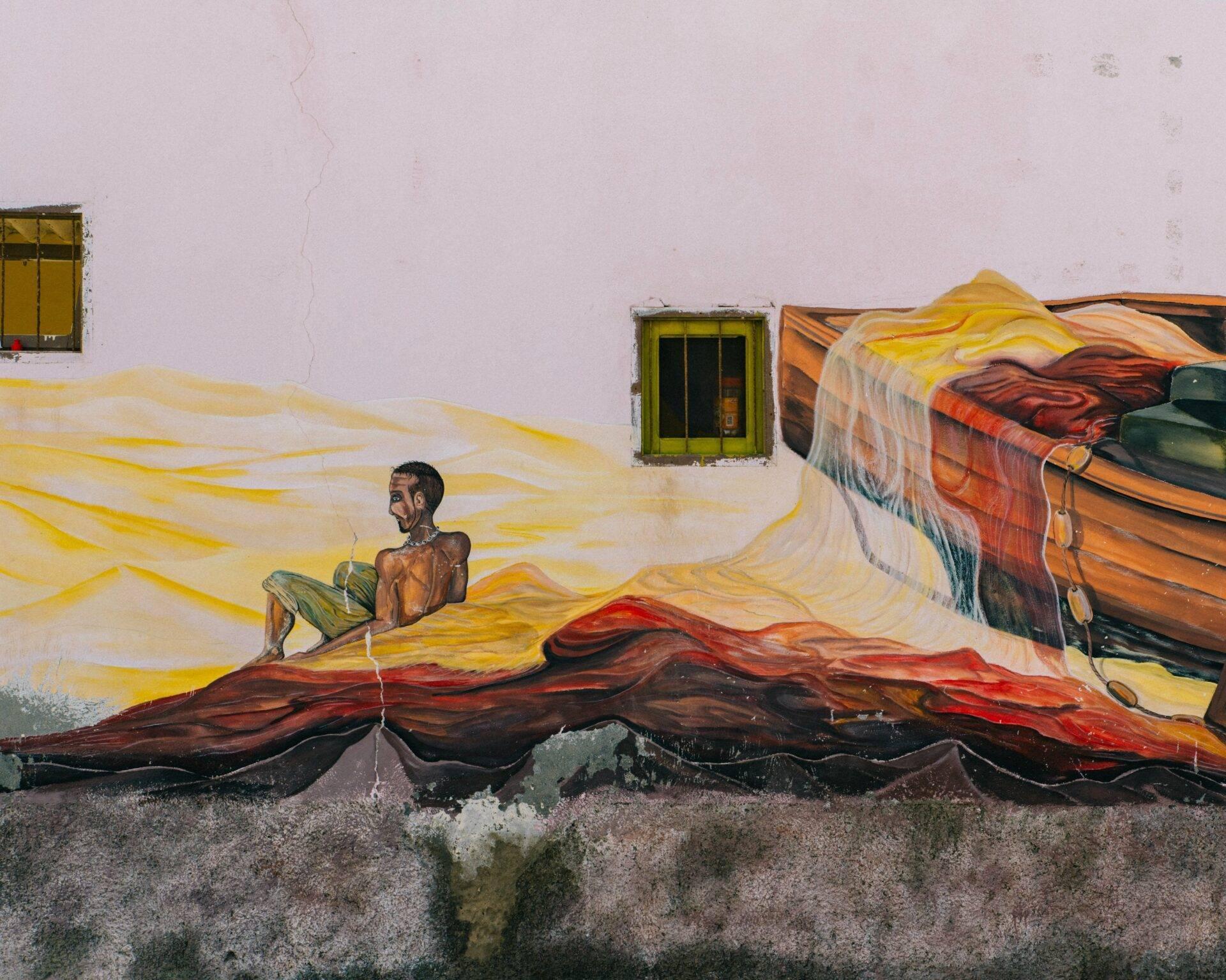
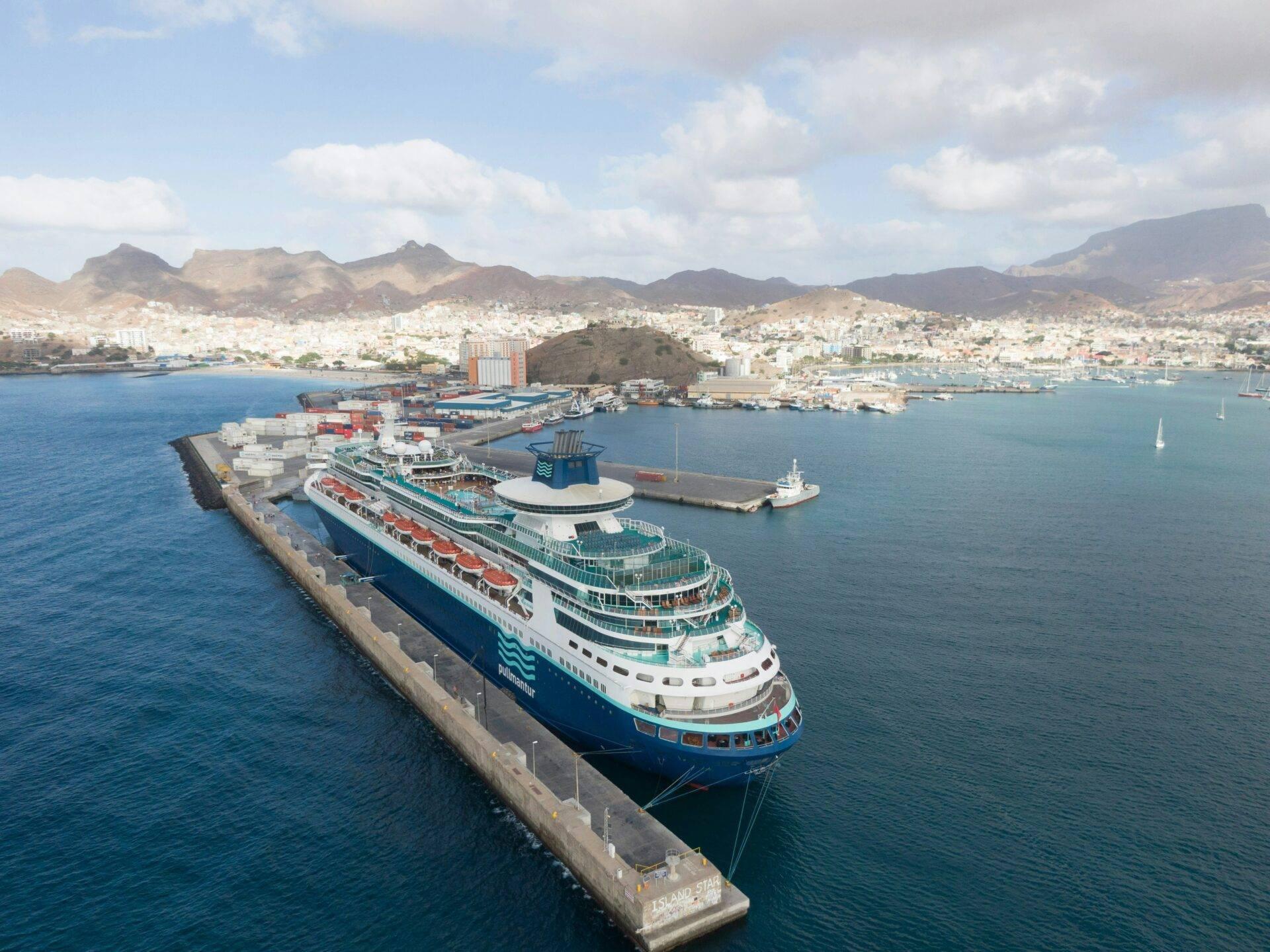
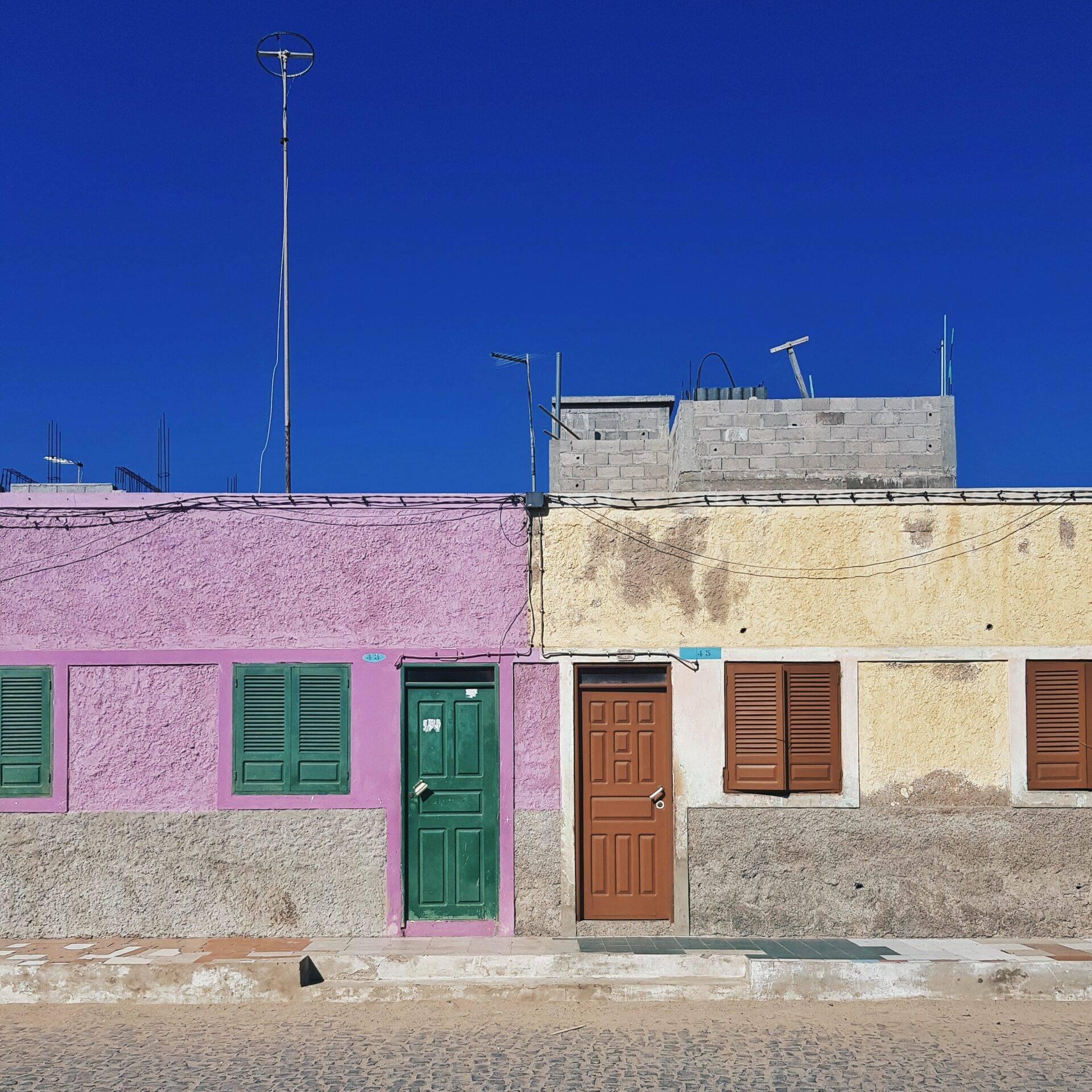
Mindelo, on the island of São Vicente, is the cultural heart of Cape Verde. Cobbled streets, impromptu morna concerts and murals winding through the alleyways make it a city where visitors always linger far longer than planned. The port drives the daytime buzz; the music bars take over after dark.
9. Praia, the Archipelago’s Capital
Praia, on the island of Santiago, is Cape Verde’s largest city. The historic Plateau district concentrates most of the colonial heritage: historic buildings, an artisan market and the cathedral. Local markets offer a genuine immersion in everyday Cape Verdean life, with stalls of tropical fruit and local crafts.
10. São Filipe and Its Colonial Architecture
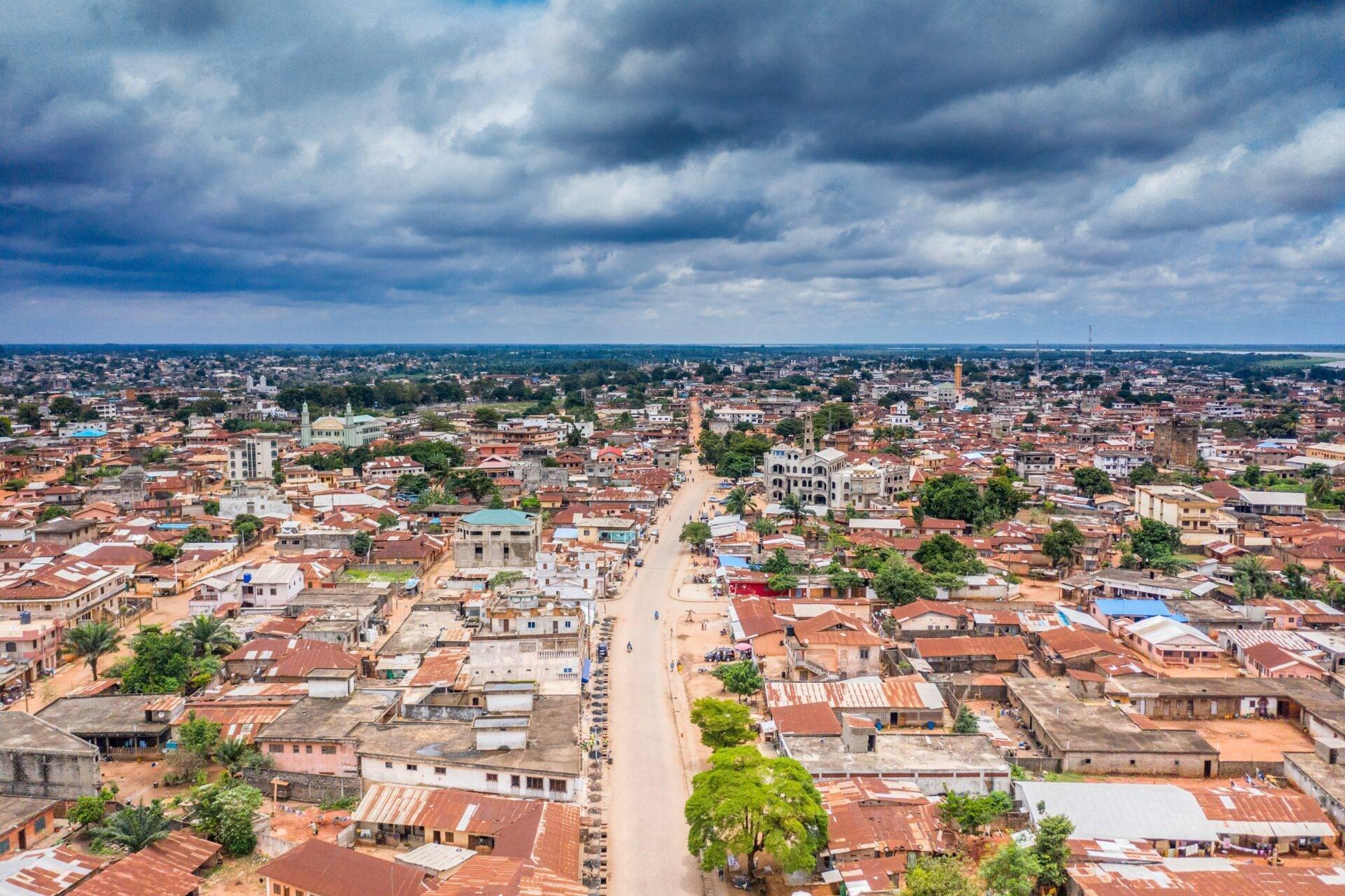
São Filipe, the largest town on Fogo, blends Portuguese colonial architecture with a lively local atmosphere. The cobbled streets are lined with sobrados: multi-storey houses with wooden shutters and wrought-iron balconies painted in vivid colours. It is also the natural starting point for the journey to the Pico do Fogo caldera, some thirty kilometres away.
Festivals and Music
11. The Mindelo Carnival
Every February, Mindelo is transformed by its carnival. The parades draw inspiration from the Rio carnival: rival groups, sambas composed especially for the occasion, and costumes and choreography rehearsed throughout the year. The festivities spread over several days around Shrove Tuesday. It is one of the most vibrant events in the Atlantic and a perfect window onto São Vicente.
12. The Baía das Gatas Festival
The Baía das Gatas festival gathers Cape Verdean and international artists every summer during the August full moon for several days of open-air concerts on São Vicente Bay. The 2026 edition runs from 6 to 9 August.
13. Morna: the Music of the Cape Verdean Soul
Morna is Cape Verde’s traditional music, brought to the world stage by Cesária Évora. Melancholic and intimate, it is accompanied by strings: violins, guitars and cavaquinho. It expresses saudade, the Portuguese feeling of sweet longing. The best morna evenings unfold in the bars of Mindelo, unannounced, in the early evening.
Sports and Thrills
14. Kitesurfing and Windsurfing at Boa Vista
Boa Vista is one of the Atlantic’s most celebrated kitesurfing destinations. The trade winds blow reliably, with the best conditions running from December to March. The windward beaches offer ideal conditions for experienced riders and beginners alike, with local centres on hand to teach newcomers.
15. Diving and Snorkelling
Cape Verde’s waters are home to rays, sea turtles, moray eels and schools of colourful fish. Several islands have dive centres, particularly at Santa Maria (Sal) and Sal Rei (Boa Vista). Snorkelling is accessible from most beaches without heavy gear, depending on visibility on the day.
16. Beach Sports at Santa Maria
Sailing, paddleboarding, surf school, sport fishing, beach volleyball: Santa Maria offers the widest range of beach activities in the archipelago. The constant sunshine and long stretch of shoreline make it an ideal playground for all levels, children included.
Unique Experiences
17. Floating in the Pedra de Lume Salt Lakes, Sal
The Pedra de Lume salt lakes sit at the bottom of an ancient volcanic crater on the island of Sal. The salt concentration is so high that you float effortlessly, much like the Dead Sea. This remarkable site, surrounded by mineral landscapes and volcanic ridges, is easily reached from Santa Maria.
18. Watching Loggerhead Turtles at Boa Vista
From June to October, Boa Vista’s beaches welcome nesting loggerhead turtles. The island’s eastern coast is one of the only stable nesting sites for the species in the eastern Atlantic. Guided night excursions allow you to watch the nesting in silence, and the egg-hatching later in the season.
19. Discovering Cape Verdean Cuisine
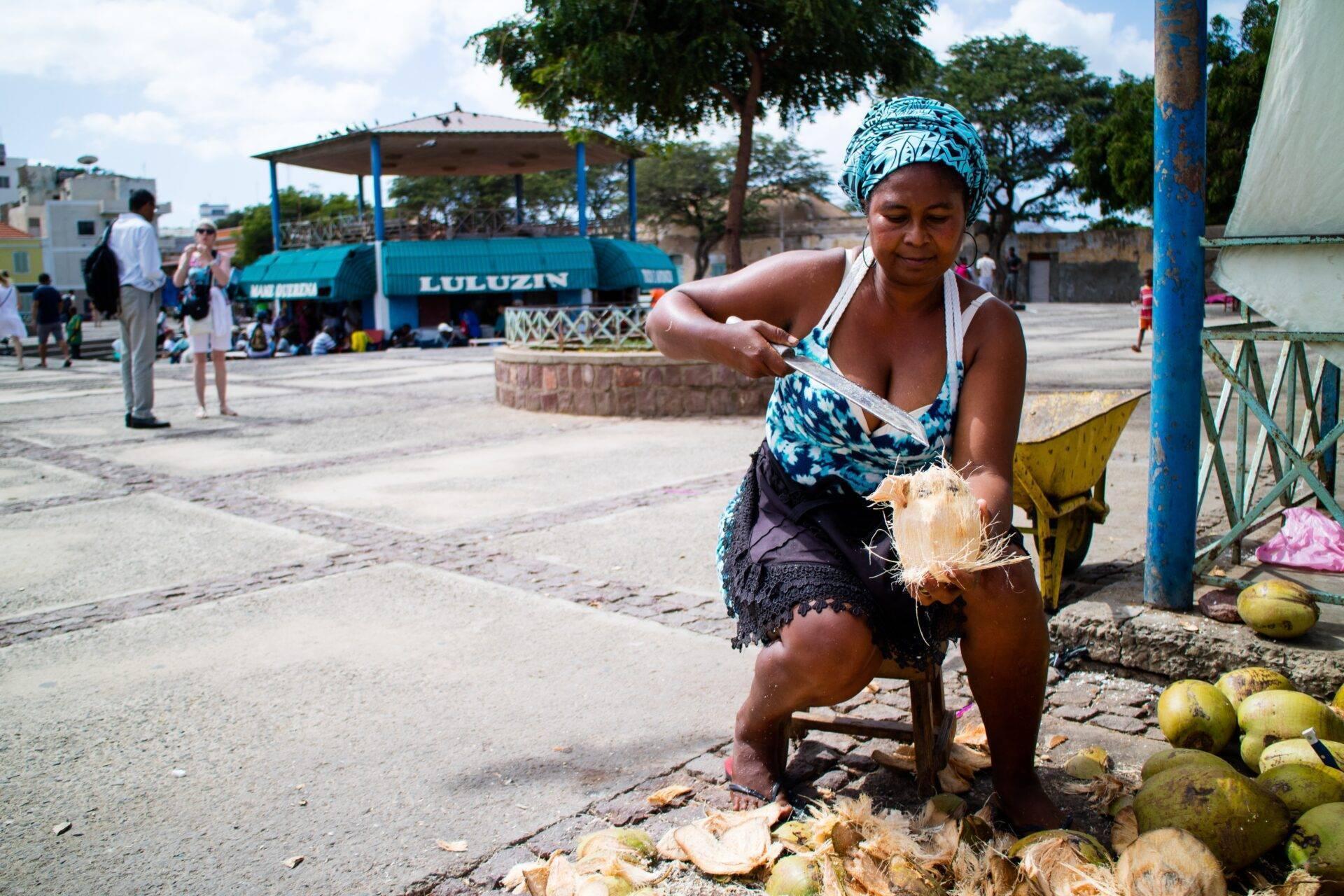
Cachupa is the national dish: a stew of maize and pulses to which each family adds fish, meat or sausages according to their own traditions. It is best eaten in small local restaurants, often without a sign and recommended by locals. The open-air markets in Praia and Mindelo are the place to sample tropical fruit and fresh coconuts.
20. Brava, the Island of Flowers
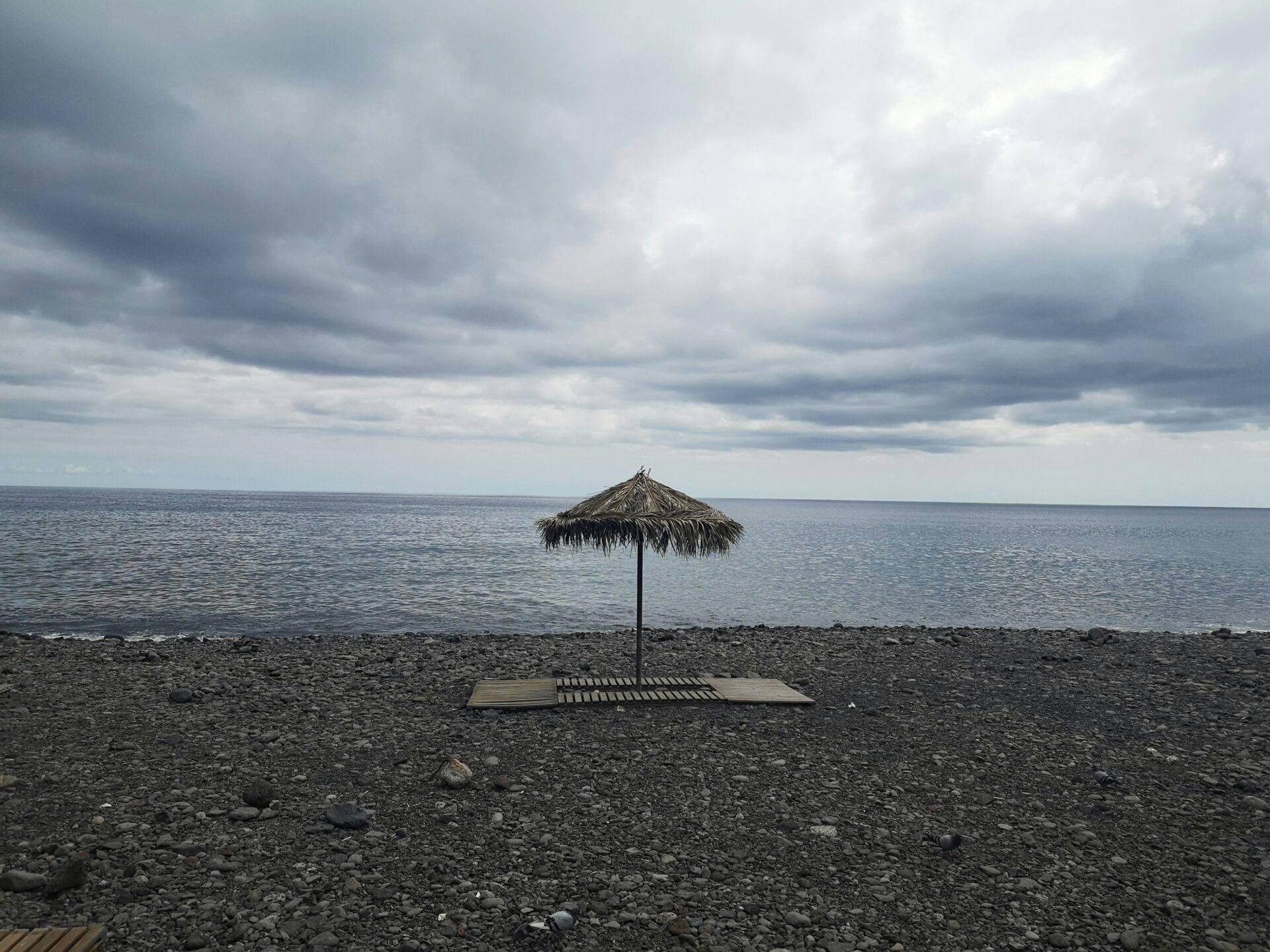
Brava is the smallest inhabited island in the archipelago and the least visited. Lush vegetation, peaceful trails, pebble beaches and a timeless atmosphere make it the radical alternative to beach resorts for travellers seeking solitude. It is reached by ferry from Fogo.
When to Visit Cape Verde
The best time to visit runs from November to June, during the dry season. Sunshine is reliable, and the trade winds create ideal conditions for water sports between December and March. In August, the Baía das Gatas festival brings São Vicente to life. In February, the Mindelo Carnival is worth the trip on its own.
For all the practical details on entry requirements, recommended vaccinations and medical cover, see our Cape Verde travel insurance guide: these are not things to leave to chance.
Suggested Itineraries for a First Trip
For 10 days, combine São Vicente (3 nights, culture and music), Santo Antão (3 nights, hiking) and Sal (3 to 4 nights, beaches and kitesurfing). This combination covers both island groups with a satisfying variety of experiences.
For 15 days, add Fogo (2 nights for the volcano) and Santiago (2 nights for Cidade Velha and Praia).
If tropical beaches are also calling you on other continents, the most beautiful beaches in Brazil share that same Atlantic and Lusophone spirit. For a European alternative on Portuguese soil, the most beautiful beaches in the Algarve are also well worth a detour.
FAQ
What are the must-do experiences in Cape Verde?
Five experiences not to be missed: climbing Pico do Fogo with a local guide, hiking in the valleys of Santo Antão, visiting Santa Monica beach on Boa Vista, exploring Cidade Velha (UNESCO heritage) and catching a morna concert in a Mindelo bar in the evening.
Which Cape Verde island is best for families?
Sal and Boa Vista are the most family-friendly, with calm shallow waters, good hotel infrastructure and a wide choice of supervised activities. Santa Maria on Sal in particular offers a comprehensive range of activities for children.
When does the Mindelo Carnival take place?
The Mindelo Carnival takes place every year in February, around Shrove Tuesday. The main parades are held on the Saturday and Tuesday of carnival week, with festivities throughout the preceding days.
Can you see sea turtles in Cape Verde?
Yes. Loggerhead turtles nest on Boa Vista’s beaches from June to October. Guided night excursions organised locally allow you to watch the nesting without disturbing the animals, and the egg-hatching later in the season.
Is Cape Verde a good destination for hikers?
Yes, particularly on Santo Antão, with the Paul Valley trail and Pico da Cruz (1,585 m), and on Fogo, with the ascent of Pico do Fogo (2,829 m). São Nicolau also offers quieter trails around Monte Gordo for those looking for solitude.