
Brazil is home to some of the most varied coastline on the planet: iconic city beaches in Rio de Janeiro, protected archipelagos in the North-East, surf villages in the Nordeste, and sea turtle nesting sites in Bahia. Here are six unmissable destinations, from Copacabana to the award-winning waters of Baía do Sancho, to help you choose your next Brazilian beach holiday.
Copacabana: the beating heart of Rio de Janeiro
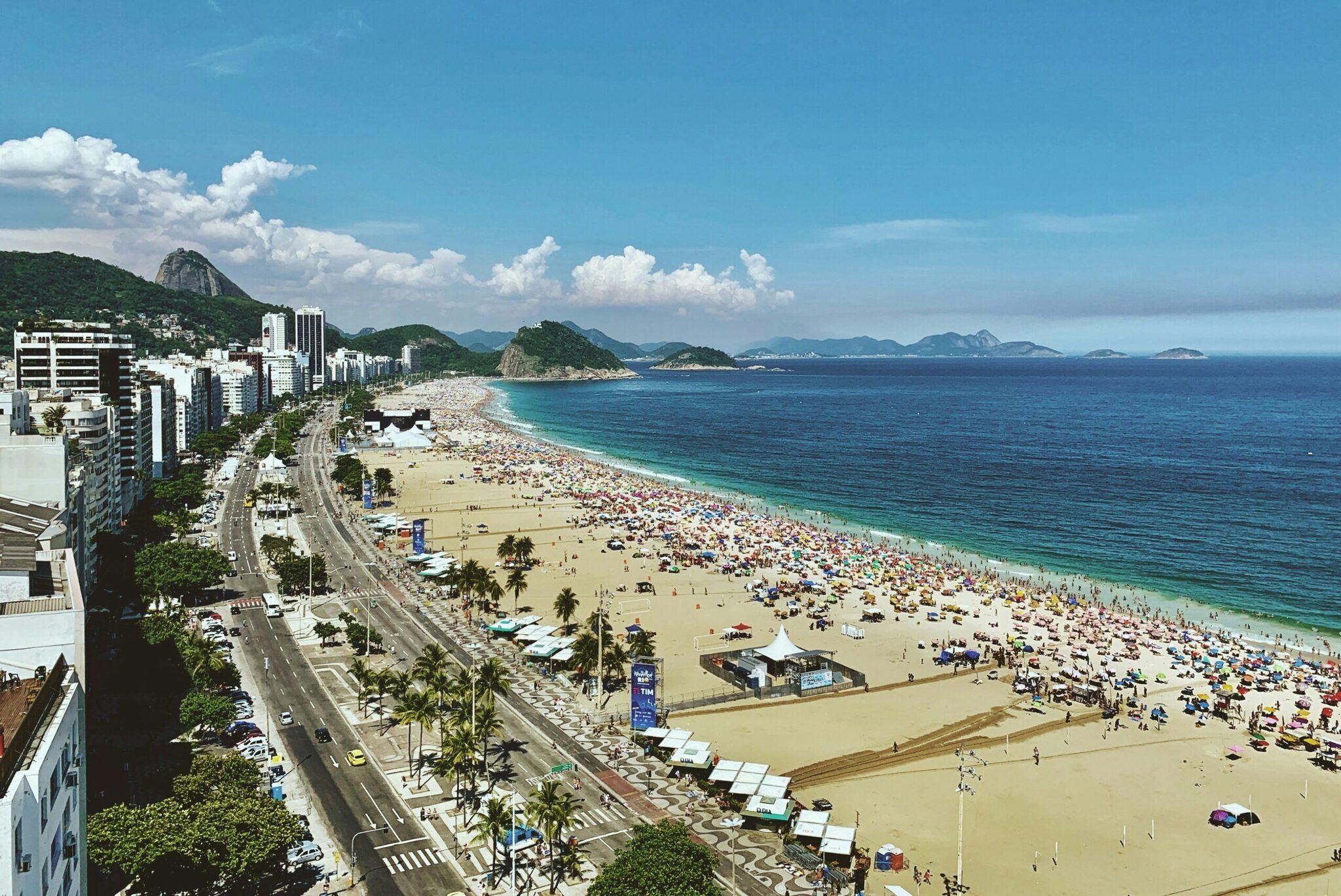
Nicknamed the “Princesinha do Mar” (Little Princess of the Sea), Copacabana stretches 4.5 km of fine sand along the Avenida Atlântica on the south side of Rio de Janeiro. Its black-and-white mosaic promenade, caipirinha kiosks and impromptu beach football matches make it as much a slice of local life as a landmark on every global traveller’s map.
The Forte de Copacabana at the southern tip offers sweeping views across the bay and houses a small military history museum. On New Year’s Eve, the beach hosts one of the world’s largest celebrations, with fireworks launched from the sea in front of a crowd numbering in the millions.
For things to do beyond the beaches, see our guide What to Do in Brazil: The Highlights.
Ipanema: Rio’s bohemian soul
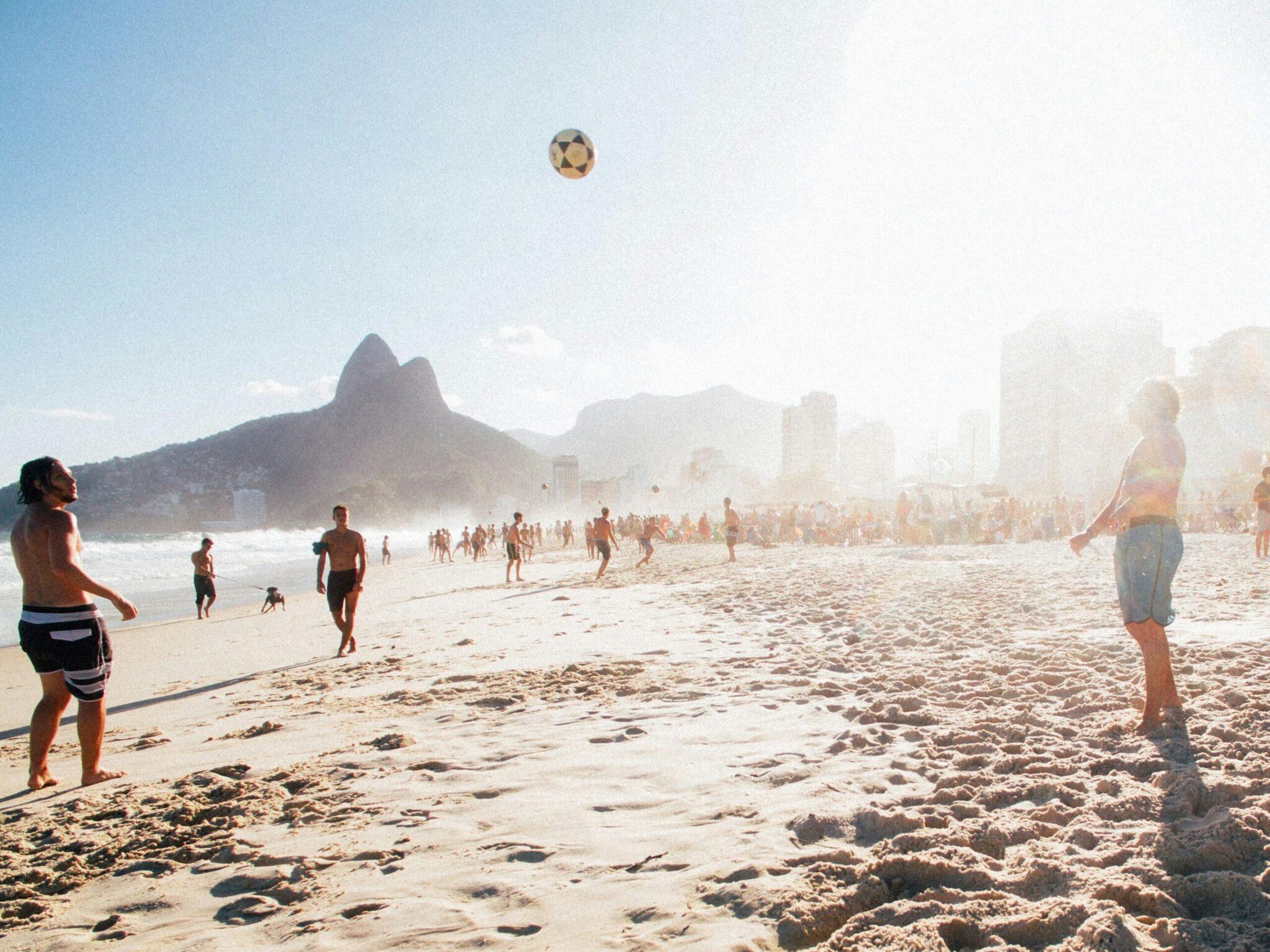
Copacabana’s neighbour, Ipanema offers slightly calmer waters and a more curated atmosphere. The beach is divided into informal zones based on the lifeguard stations (“postos”): families, surfers and the LGBTQ+ community each claim their own stretch, giving every section its own distinct social microclimate.
On Sundays, the Avenida Vieira Souto is closed to traffic and transforms into a shared promenade for cyclists, joggers and families. The Dois Irmãos, the two rocky peaks that tower over the western end of the beach, form one of the most photographed backdrops in all of Rio.
If you are visiting Rio during Carnival, the atmosphere around Ipanema and Copacabana reaches a whole new level: our article on Rio Carnival has everything you need to know.
Get my travel insurance quoteBaía do Sancho (Fernando de Noronha): the world’s best beach, seven times over
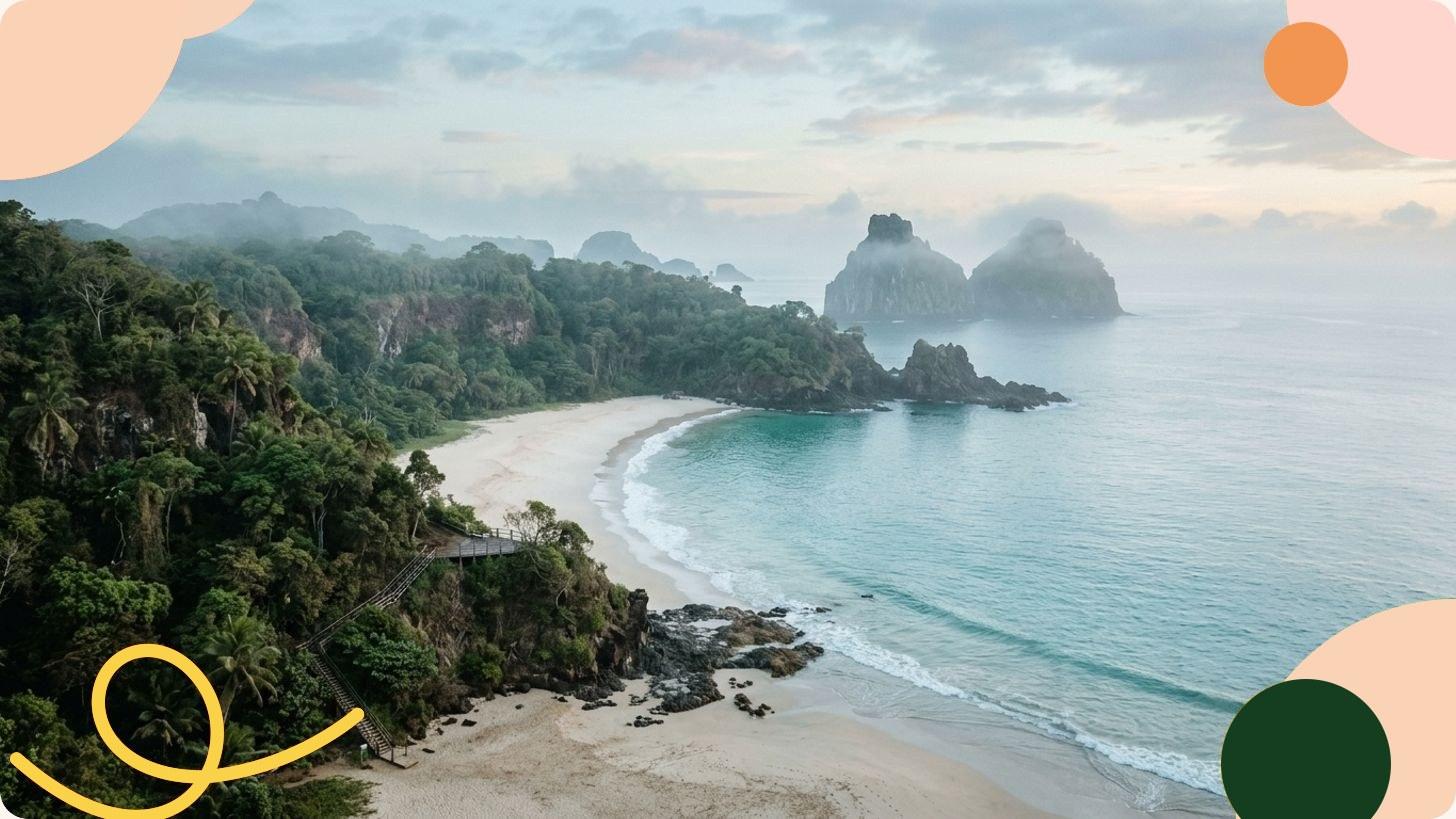
A UNESCO World Heritage Site, the Fernando de Noronha archipelago enforces strict visitor quotas to protect its fragile ecosystem. Baía do Sancho is its undisputed crown jewel, having been named the world’s best beach seven times by the TripAdvisor Travelers’ Choice Best of the Best ranking, including in 2024 and 2025.
You can reach it by boat, or by descending through two narrow clefts in the cliff face, an approach that makes your arrival on the beach all the more dramatic. Underwater, sea turtles, spinner dolphins and tropical fish are frequent companions. Access to the archipelago requires an environmental preservation fee (TEP), which is mandatory and calculated per day of stay.
Jericoacoara: Ceará’s dune oasis
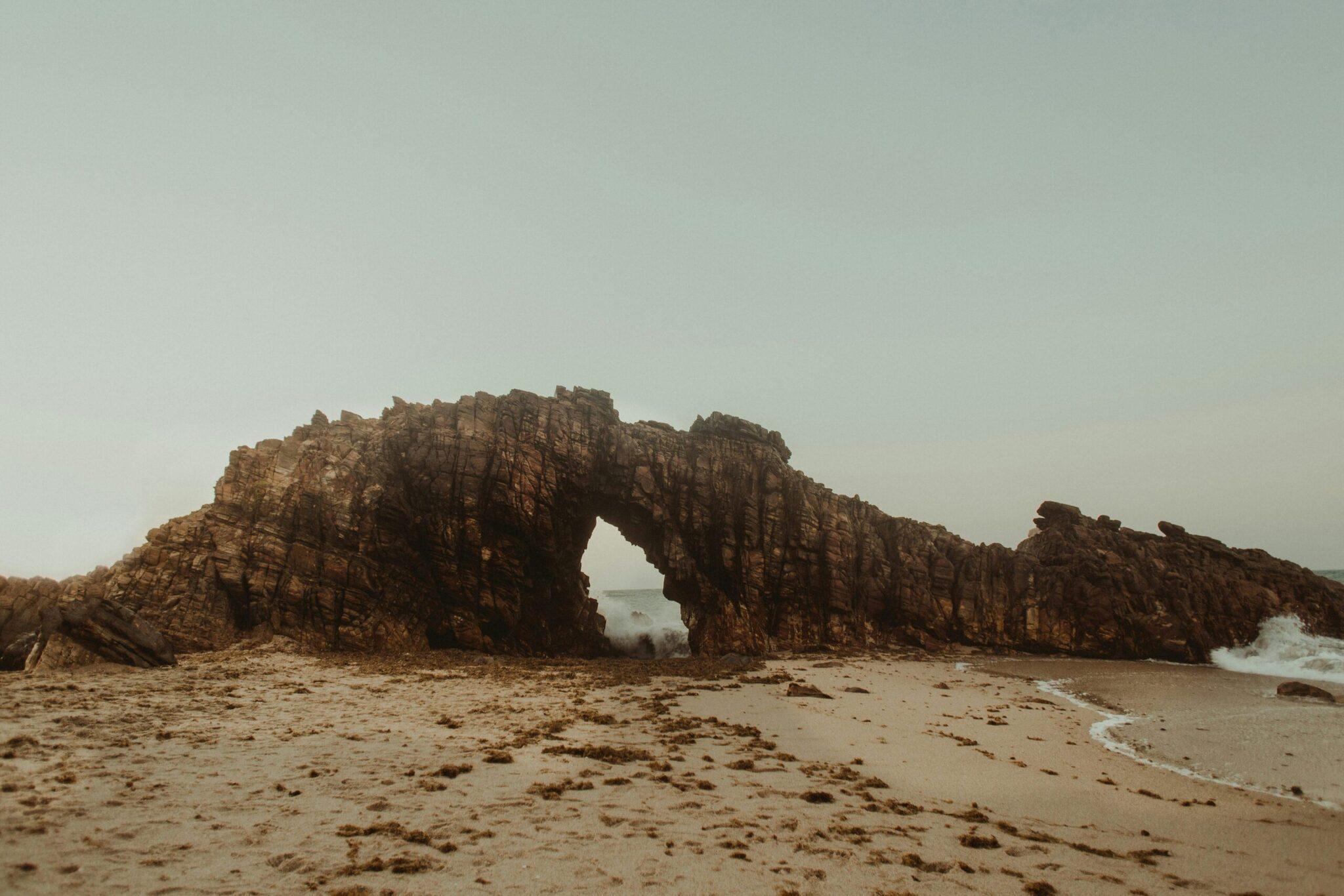
“Jeri”, as regulars call it, is a fishing village turned global destination, nestled within the Jericoacoara National Park. The consistent winds that sweep this coastline from July to January have made it one of the world’s leading spots for kitesurfing and windsurfing at every level.
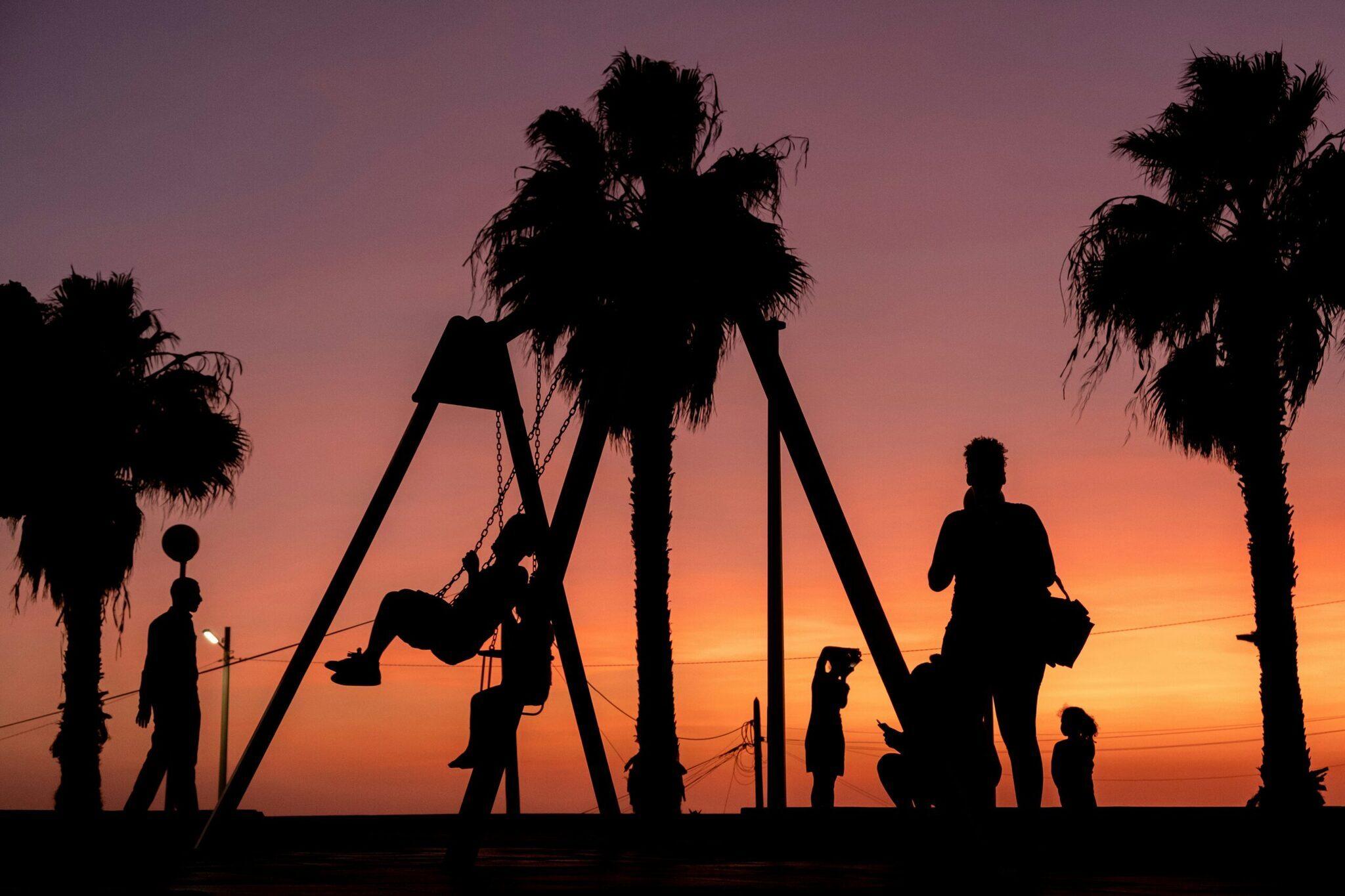
Every evening, locals and travellers gather at the top of the Duna do Pôr do Sol to watch the sun sink into the ocean, a communal ritual that gives Jericoacoara its unique character. Freshwater lagoons scattered among the dunes also offer swimming in a setting of white sand and brilliant blue sky.
Praia de Pipa: cliffs and dolphins in Rio Grande do Norte
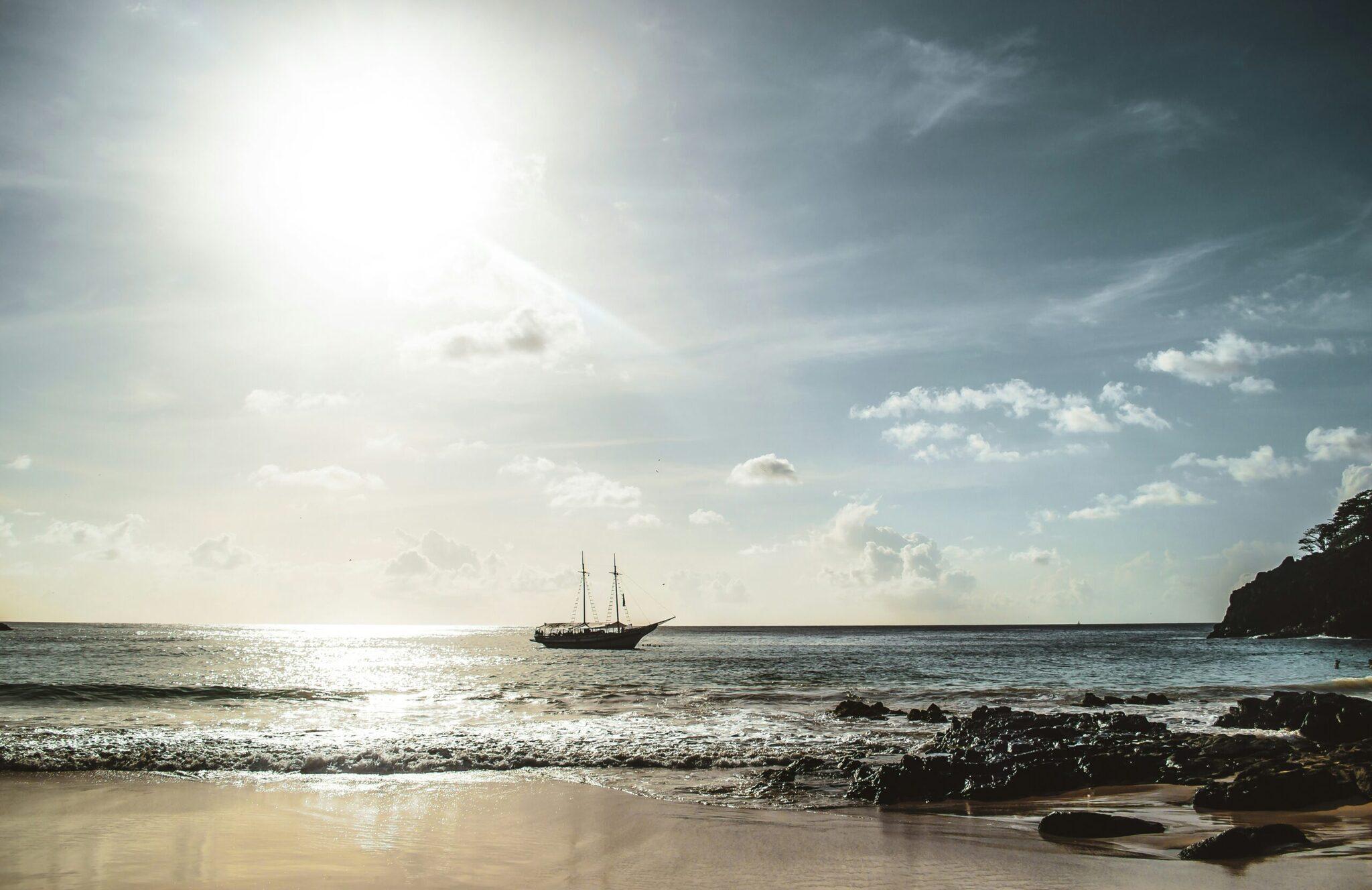
Located 85 km from Natal, Pipa is a former fishing village that has grown into one of the Nordeste’s most sought-after beach destinations. Its ochre cliffs plunging straight down to white sand create a spectacular setting above the Atlantic.
The Baía dos Golfinhos (Dolphin Bay), accessible only at low tide, regularly draws dolphins that frequent these waters. Surfers enjoy consistent waves, while the clifftop trails offer breathtaking views over the ocean.
Praia do Forte: sea turtles and whales in Bahia
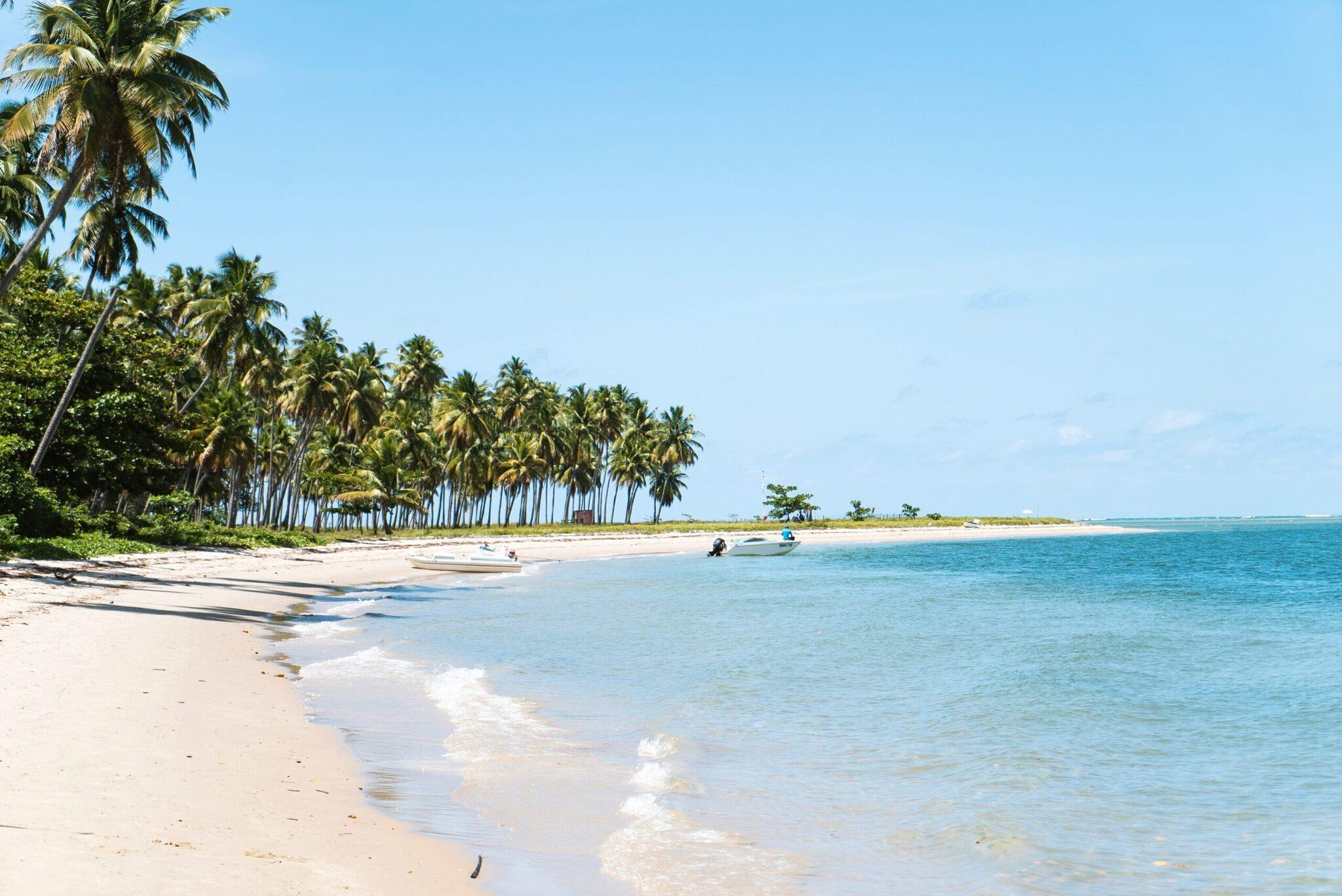
80 km north of Salvador, Praia do Forte offers 12 km of white-sand beaches protected by natural coral reefs, set within a village of pedestrianised streets and a pleasantly unhurried pace of life.
Two natural highlights set Praia do Forte apart. The Projeto Tamar, Brazil’s national sea turtle conservation programme, runs a visitor centre on site: between October and February, turtles come ashore to nest, and in the first weeks of the year the hatchlings make their way to the sea. From July to November, humpback whales return to these waters to breed and can be spotted from the shore or by boat.
The village takes its name from the Castelo Garcia d’Ávila, one of Brazil’s earliest colonial monuments, whose ruins lie a few kilometres away.
For practical details, recommended vaccinations and travel insurance for Brazil, visit our page Brazil Travel Insurance.
When to visit Brazil’s beaches
Brazil is vast, and each region has its own distinct seasons.
- Rio de Janeiro (Copacabana, Ipanema): the Southern Hemisphere summer (December to March) is peak beach season, though January and February bring heavy rainfall. April to June offers a good balance of pleasant weather and smaller crowds.
- Nordeste (Jericoacoara, Pipa, Fernando de Noronha): the dry season runs from July to December. Winds are at their best for kitesurfing in Jericoacoara from July to January.
- Bahia (Praia do Forte): the Bahian coast is pleasant almost year-round. July to November for whale watching, October to February for sea turtles.
FAQ
Is Baía do Sancho really the world’s best beach?
It has topped the TripAdvisor Travelers’ Choice Best of the Best global ranking seven times, in 2014, 2015, 2017, 2019, 2020, 2024 and 2025, a record unmatched by any other beach in the listing. Its crystal-clear waters, abundant marine life and the unspoilt setting of the archipelago explain this consistently exceptional recognition.
How do you get to Fernando de Noronha?
The archipelago is served by flights from Recife and Natal. An environmental preservation fee (TEP) is compulsory and calculated per day of stay. Visitor numbers are capped to protect the UNESCO World Heritage ecosystem.
Which beach is best for kitesurfing in Brazil?
Jericoacoara (Ceará) is the national benchmark, renowned for its consistent winds from July to January. Cumbuco, about an hour from Fortaleza, is also highly popular and more accessible for beginners as well as experienced riders.
When can you see sea turtles at Praia do Forte?
Sea turtles nest on the beach between October and February. In January and early February, you can watch the hatchlings make their way to the ocean. The Projeto Tamar team supervises visits on site and raises awareness among travellers about protecting these species.
Do you need travel insurance for Brazil’s beaches?
Medical costs can be very high for foreign nationals in Brazil, and a medical repatriation represents a considerable expense. Yupwego covers your healthcare costs and arranges your repatriation if needed, so you can enjoy your holiday with complete peace of mind.