
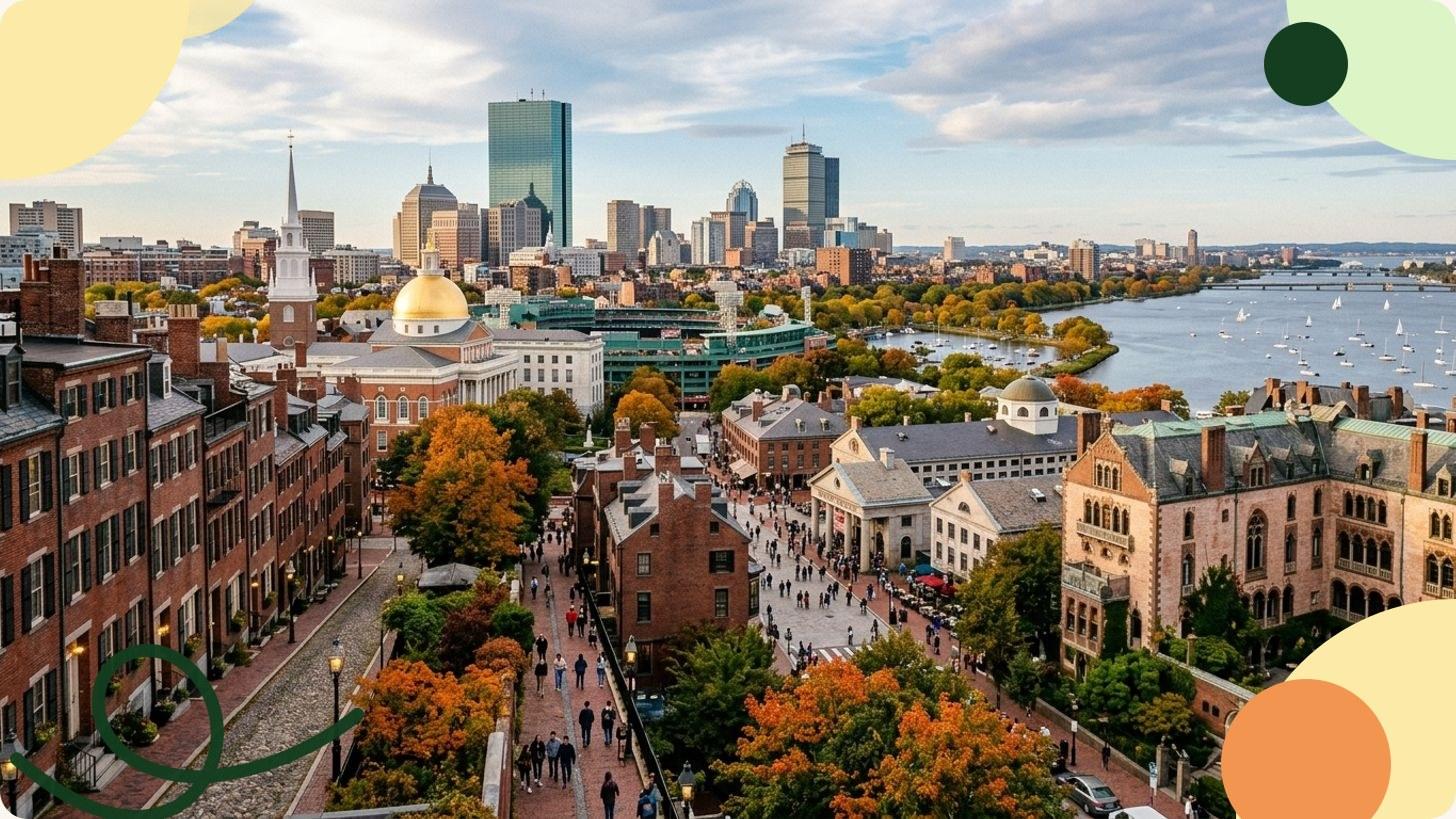

Boston packs more American history into a few square miles than almost anywhere else in the country. The American Revolution played out on these very streets, its world-famous universities have shaped generations of thinkers, and its red-brick neighbourhoods give the city a character unlike anywhere else on the East Coast. Here are the highlights to build your Boston itinerary around.

The Freedom Trail: 16 Historic Sites on a 4 km Walk
The Freedom Trail is a 4 km marked walking route connecting 16 sites tied to the American Revolution, from Boston Common to the Bunker Hill Monument in Charlestown. Follow the red line painted into the pavement: it leads you past the Paul Revere House, the Old North Church, Faneuil Hall, the Boston Massacre Site and a dozen other landmarks. Most are free or donation-based; the Paul Revere House, the Old State House and the Old South Meeting House charge admission.
Allow two hours for the walk itself, or half a day if you plan to step inside each site.
Boston Common and the Public Garden: Green Space at the Heart of the City
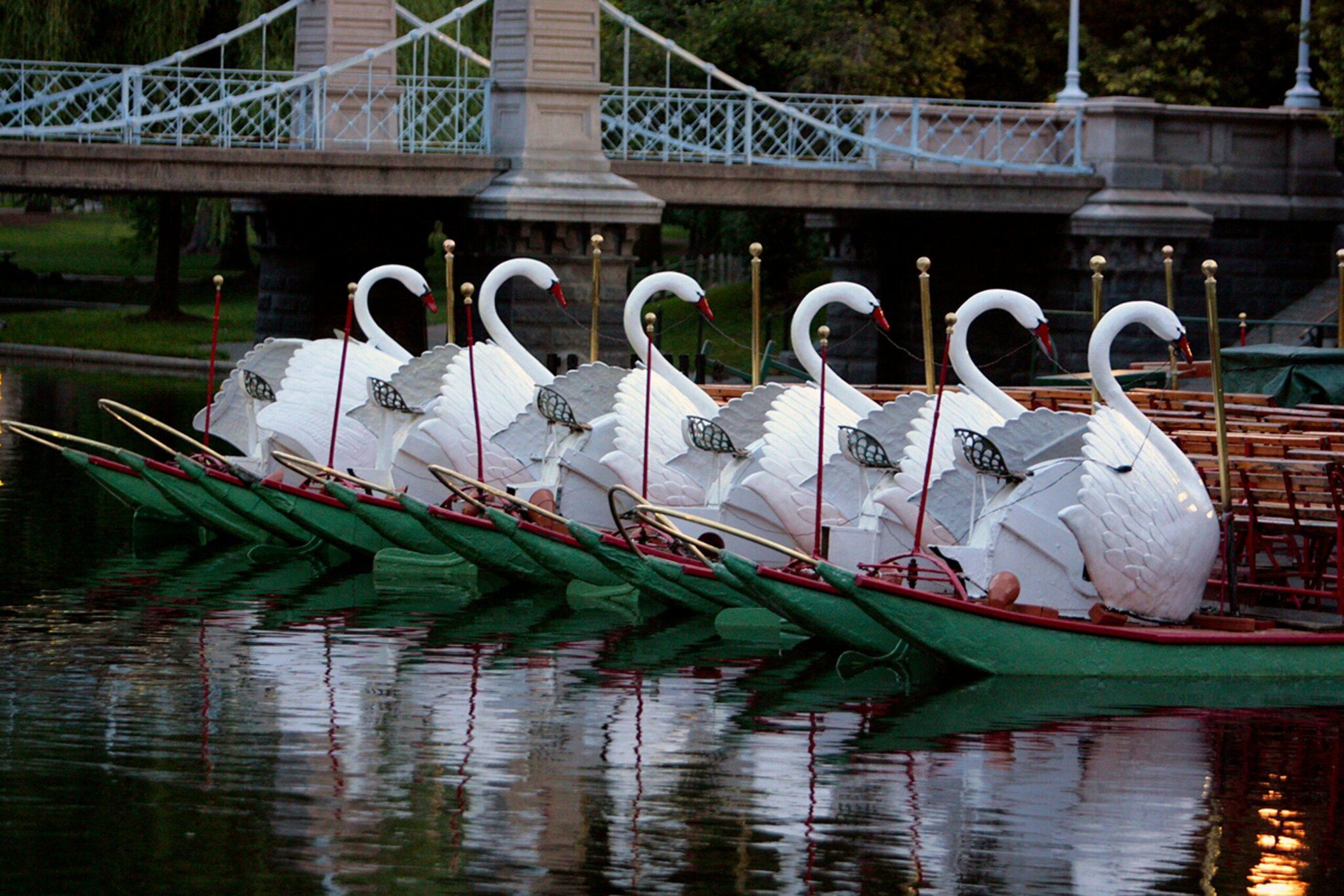
Acquired by the city of Boston in 1634, Boston Common is the oldest public park in the United States. It sits alongside the Public Garden, renowned for its manicured flower beds and Swan Boats, pedal-powered vessels that glide across the pond from late April to mid-October. Together, these two spaces offer a central green retreat, ideal for the start or end of a day’s sightseeing.
Beacon Hill: Cobblestone Lanes and 19th-Century Brick
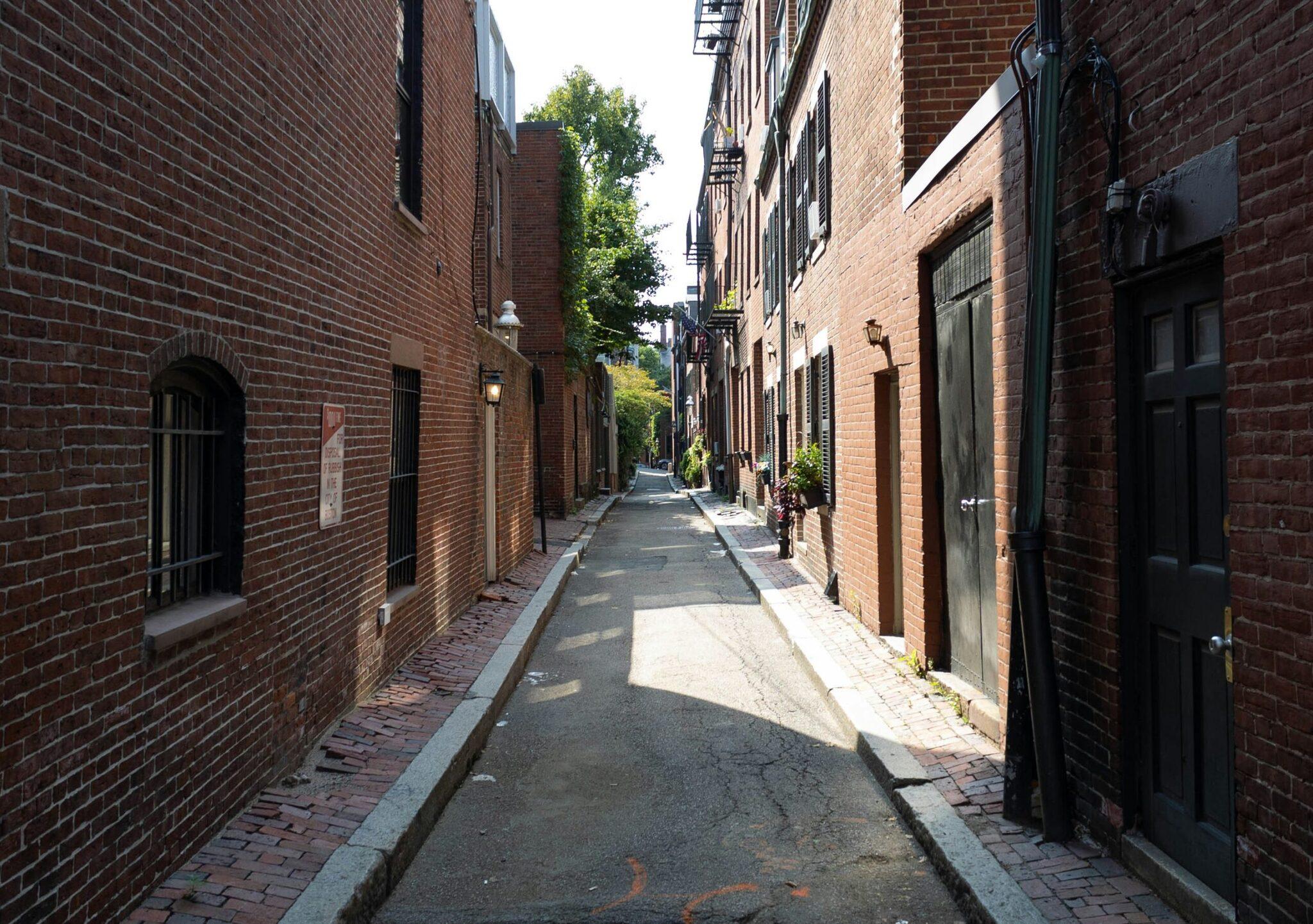
Beacon Hill is one of Boston’s best-preserved neighbourhoods. Its cobblestone lanes, gas-lit street lamps and 19th-century brick facades give it an atmosphere unlike anywhere else on the American East Coast. Acorn Street is frequently cited as one of the most photographed streets in the United States. Charles Street, the neighbourhood’s main artery, is lined with antique shops, independent cafes and local boutiques.
Set aside an hour to wander at your own pace, ideally in the morning to catch the light and beat the crowds.
The Isabella Stewart Gardner Museum: A Venetian Palace in the Fenway
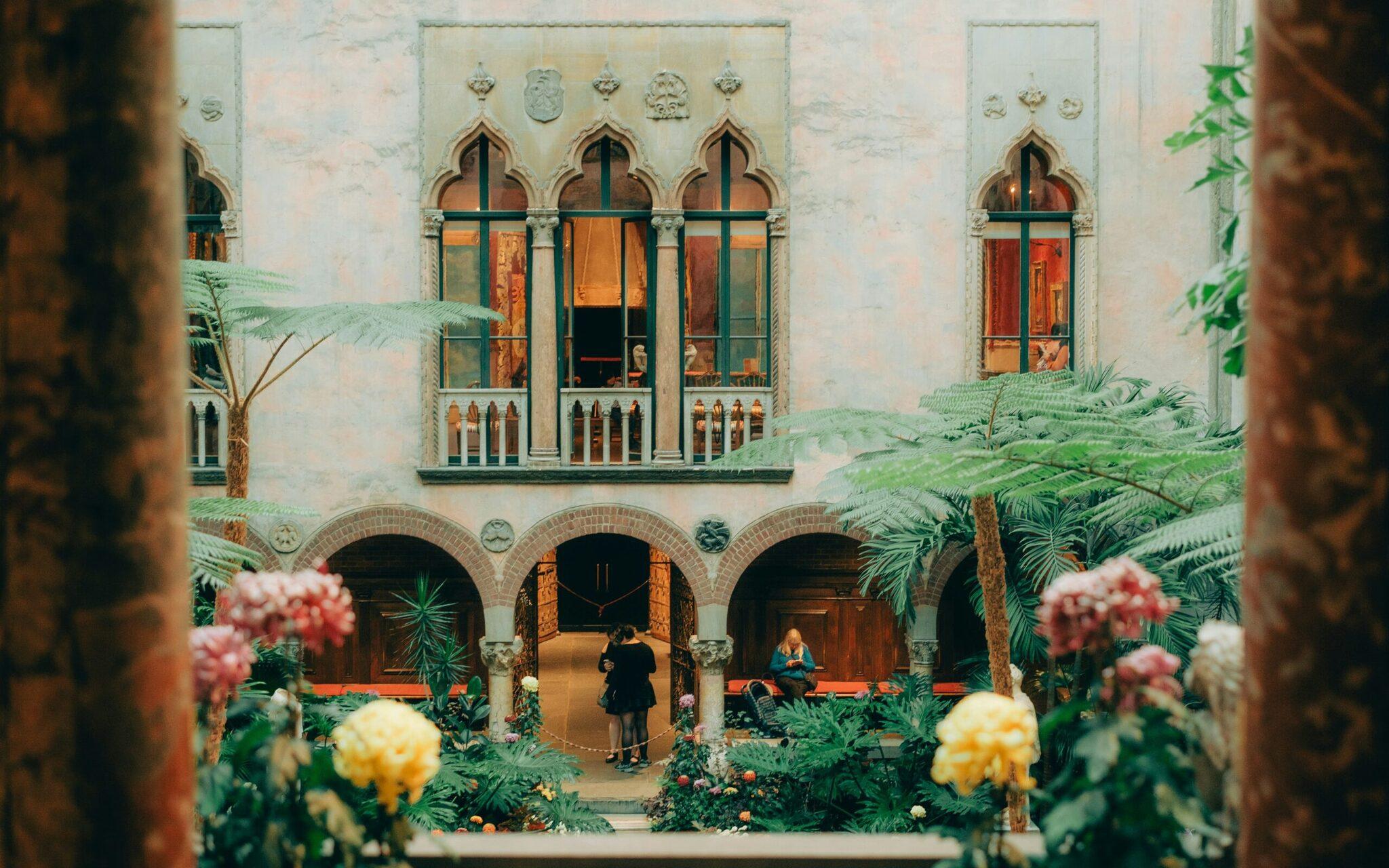
Opened on 1 January 1903, the Isabella Stewart Gardner Museum occupies a Venetian Renaissance-style palazzo that the philanthropist Isabella Stewart Gardner had built to her own vision. The collection blends European paintings, sculpture, furniture and decorative arts, arranged exactly as Gardner placed them during her lifetime, as her will required: nothing can be moved. The indoor courtyard, planted with flowers and palms and open to the sky above, is worth the visit on its own.
Harvard: America’s Oldest University, Just Across the River in Cambridge
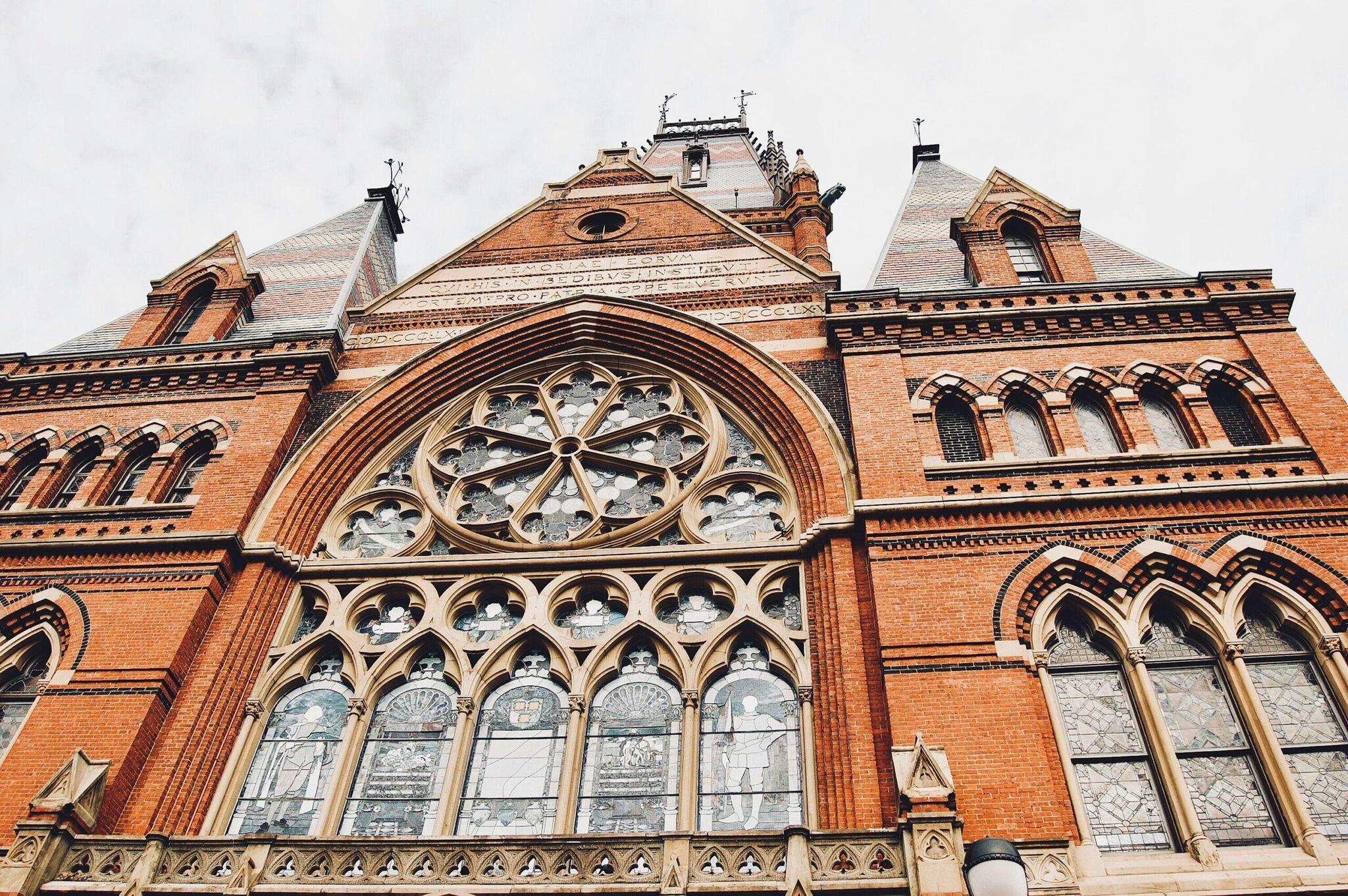
Cross the bridge over the Charles River to explore the campus of Harvard, founded in 1636. Harvard Yard, the historic heart of the campus ringed by red-brick buildings, is freely open to the public. Student-led guided tours depart from the information office and offer a genuine sense of the university’s history and traditions. The Harvard Coop bookshop, a short walk away, is also well worth a browse.
If you’re drawn to architecture and storied institutions, our guide to the must-see highlights of North America will give you more ideas of this calibre across the continent.
Quincy Market: Clam Chowder and Lobster Rolls at Faneuil Hall Marketplace
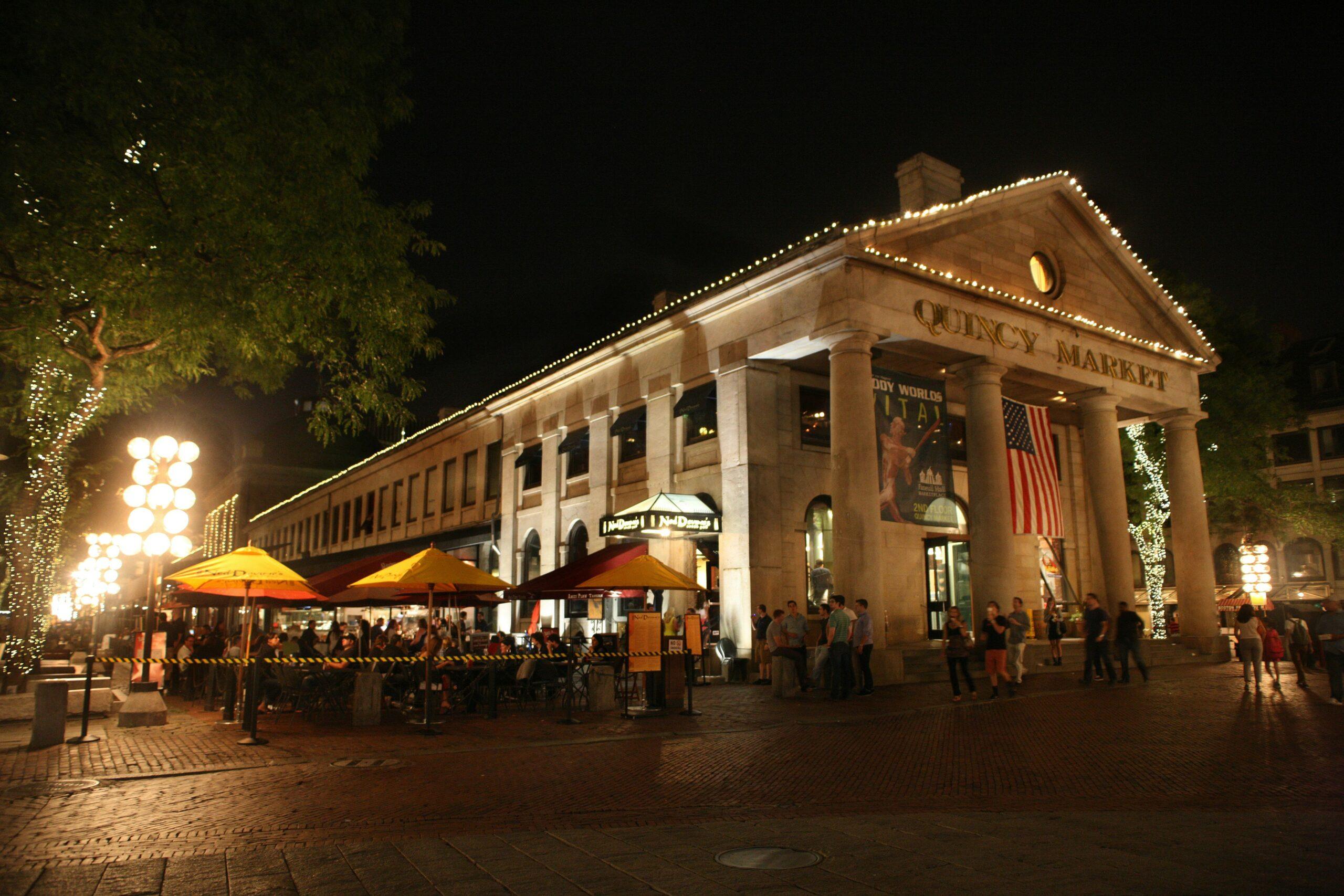
Faneuil Hall Marketplace, of which Quincy Market is the centrepiece, combines a historic covered market with a lively square full of street performers. The stalls serve the classic dishes of New England: creamy clam chowder and the lobster roll. The neoclassical architecture of the building, restored in the 1970s, is worth a look even if you’re only passing through.
Fenway Park: The Oldest Active Stadium in Major League Baseball
Opened on 20 April 1912, Fenway Park is the oldest active stadium in Major League Baseball. Even without a game on, guided tours run year-round and give access to the field, the historic stands and the top of the Green Monster, the iconic 37-foot left-field wall that has become one of the defining symbols of American baseball.
View Boston: A 360-Degree Panorama from the Prudential Tower
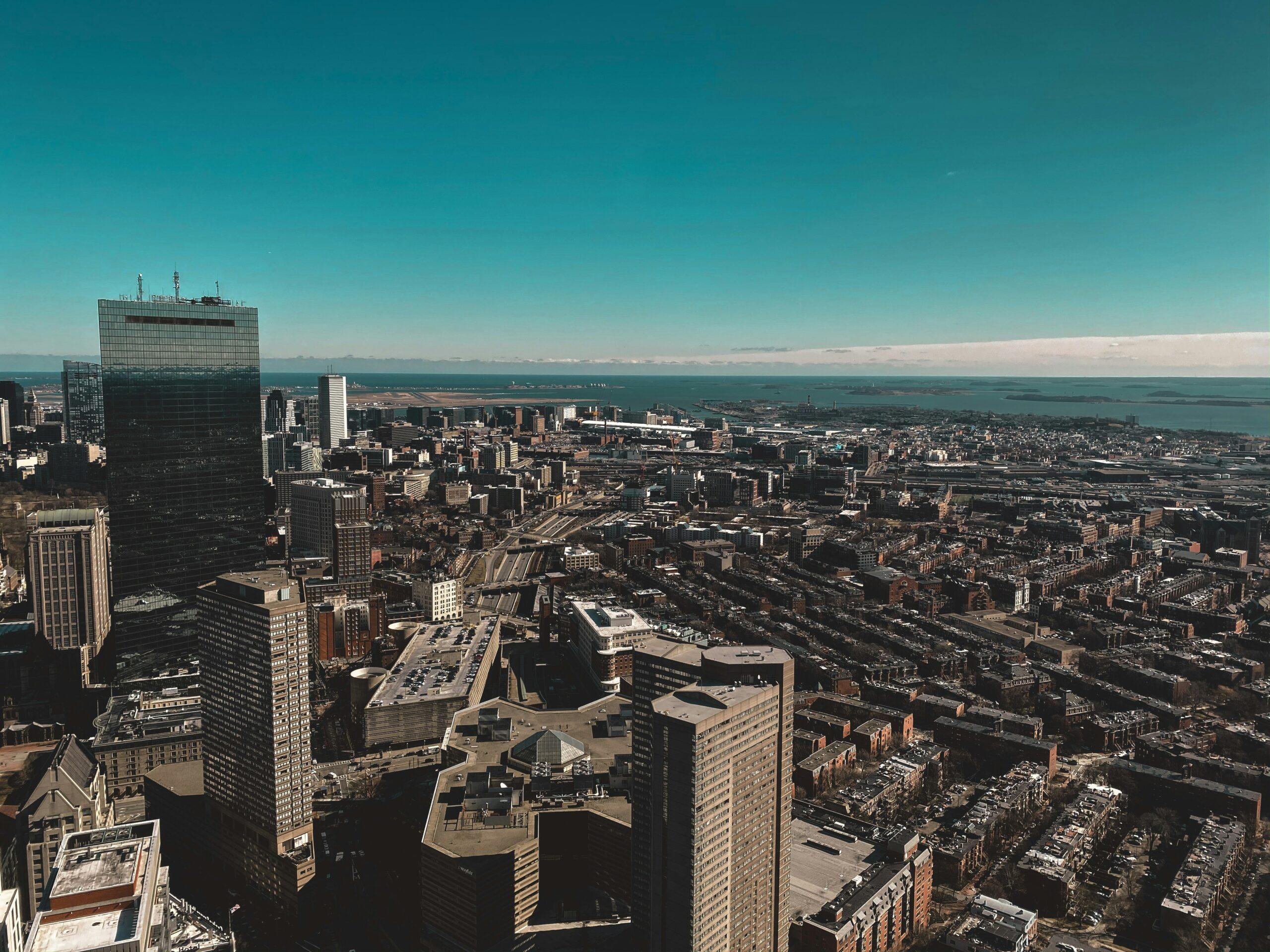
After the Skywalk Observatory closed in 2020, the Prudential Tower observation experience reopened as View Boston, spread across several floors with an outdoor terrace. On a clear day, the view stretches south to Cape Cod and north to the mountains of New Hampshire. It is the most effective vantage point for grasping Boston’s geography as a whole and understanding the relationship between the city, the Charles River and the harbour.
The Boston Harborwalk: 43 Miles of Free Coastal Walking
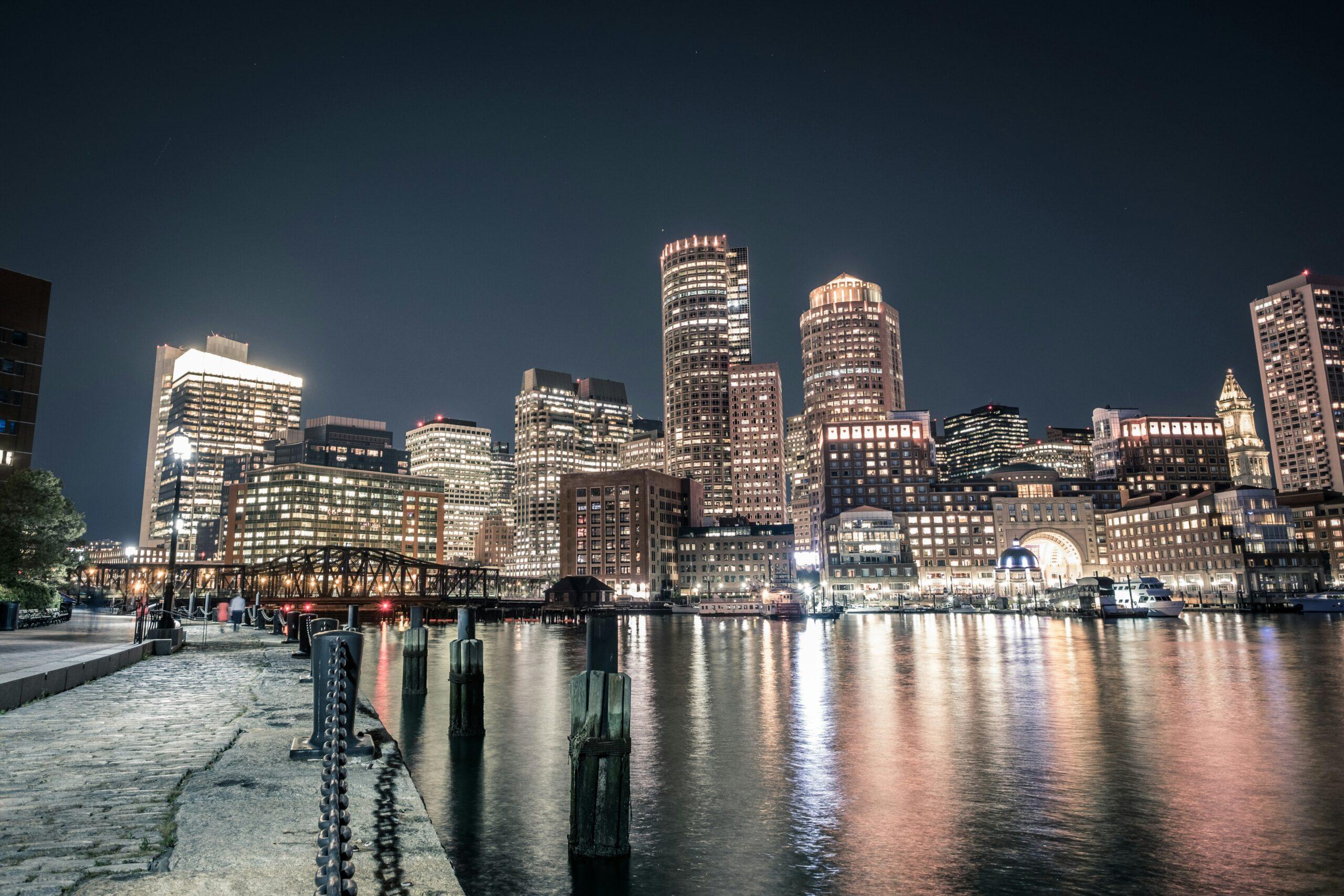
The Boston Harborwalk follows 43 miles (69 km) of shoreline between Chelsea Creek and the Neponset River, passing through eight neighbourhoods including the North End, Charlestown and South Boston. Access is entirely free. Along the way, the New England Aquarium makes an excellent stop for families. Harbour cruises depart from the same area for anyone who wants to explore the bay from the water.
Ready to explore beyond Boston, further along the East Coast or deeper into the continent? Our pick of the top 10 cities in the United States will help you shape your American itinerary. And if you’re heading west instead, our guide on things to do in Seattle is waiting with its own set of highlights.
FAQ
How many days do you need to visit Boston?
Three days is enough to cover the main highlights: the Freedom Trail, Beacon Hill, the Gardner Museum and a trip to Cambridge. Add an extra day for the Harborwalk, the South End and the science or fine arts museums.
Is the Freedom Trail free?
The trail itself is completely free to walk. A handful of individual sites charge admission: the Paul Revere House, the Old State House and the Old South Meeting House. All other sites operate on a voluntary donation basis.
What is the best time of year to visit Boston?
Spring (April to May) and autumn (September to October) offer the most pleasant temperatures and smaller crowds than the summer peak. Autumn is particularly spectacular, thanks to the famous New England foliage.
Do you need a car in Boston?
No. The public transport network (the “T”) serves all the main tourist sites well. The historic centre is easily walkable, and Cambridge is reachable on foot or by metro from Downtown.
Is Boston a good destination for families with children?
Yes. The Museum of Science, the New England Aquarium, the Swan Boats in the Public Garden and the Freedom Trail are all well suited to families. The city is compact, and exploring on foot remains the best option in the historic centre.