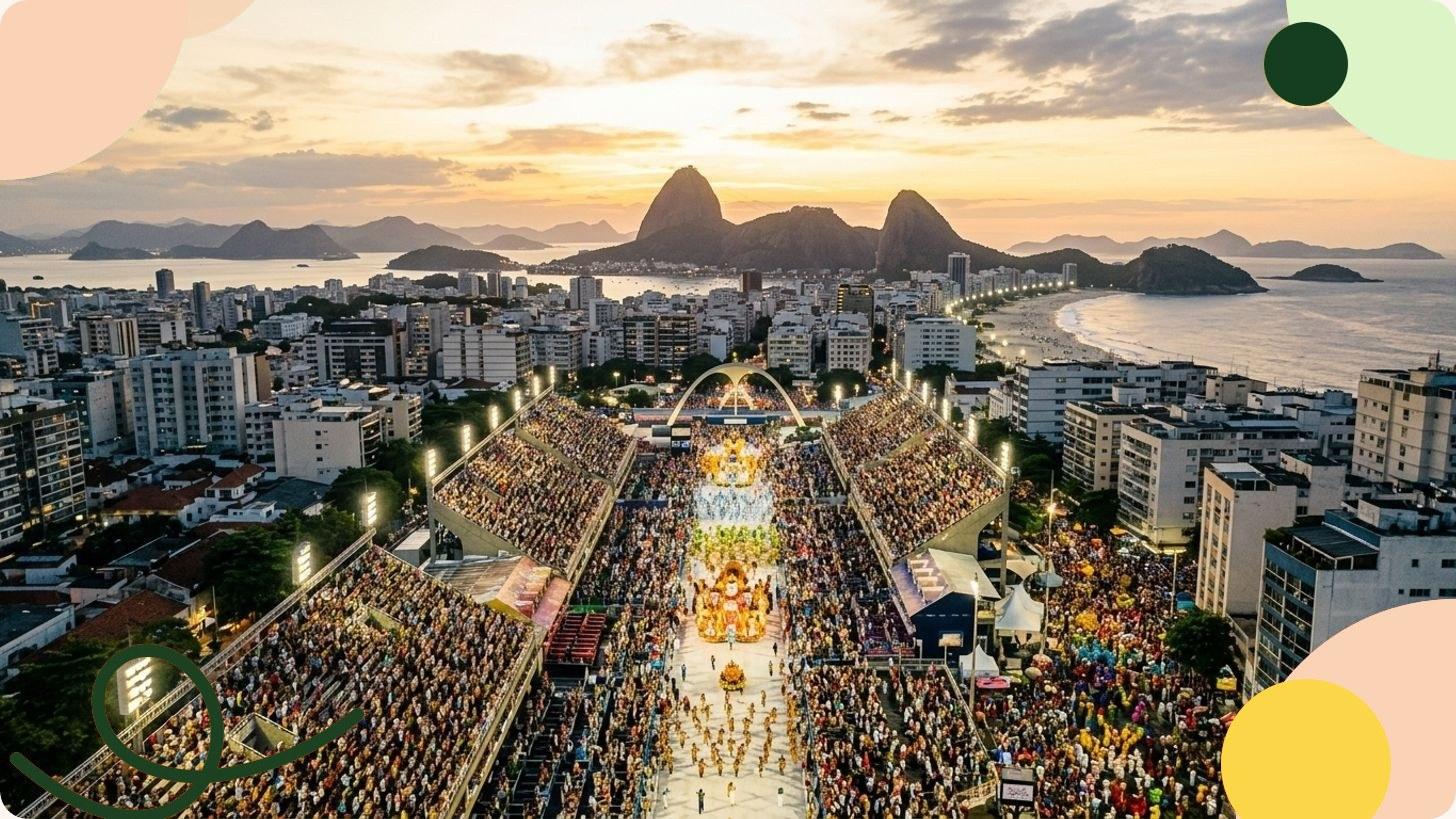

Rio de Janeiro’s Carnival takes place every year in the days leading up to Ash Wednesday. In 2026, the main parades at the Sambadrome run from Friday 13 to Tuesday 17 February. Two distinct experiences exist side by side: the dazzling competitive parades of the samba schools inside the arena designed by Oscar Niemeyer, and the hundreds of street blocos that spill through the city’s neighbourhoods. Understanding both faces of the festival is the key to grasping why Rio Carnival is so much more than a spectacle.
Cover my trip to BrazilFrom colonial Entrudo to samba: three centuries of history
Carnival’s earliest traces in Rio date to 1723, when immigrants from the Portuguese Atlantic islands – the Azores, Madeira and Cape Verde – brought over the Entrudo, a street festival where revellers doused one another with water and pelted each other with lemons. By 1840, the Brazilian elite had taken to masked balls modelled on Parisian fashion, reshaping the celebration along European lines.
The real turning point came from African communities who had endured centuries of enslavement yet kept their rhythms, dances and cultural practices alive. It was from that resilience that samba was born. In 1899, composer Chiquinha Gonzaga wrote Ô Abre Alas, the first song created specifically for Carnival. In 1928, the first formalised group, named “Deixa Falar”, laid the foundations for what would become the samba schools. The first official competition between schools followed in 1932.
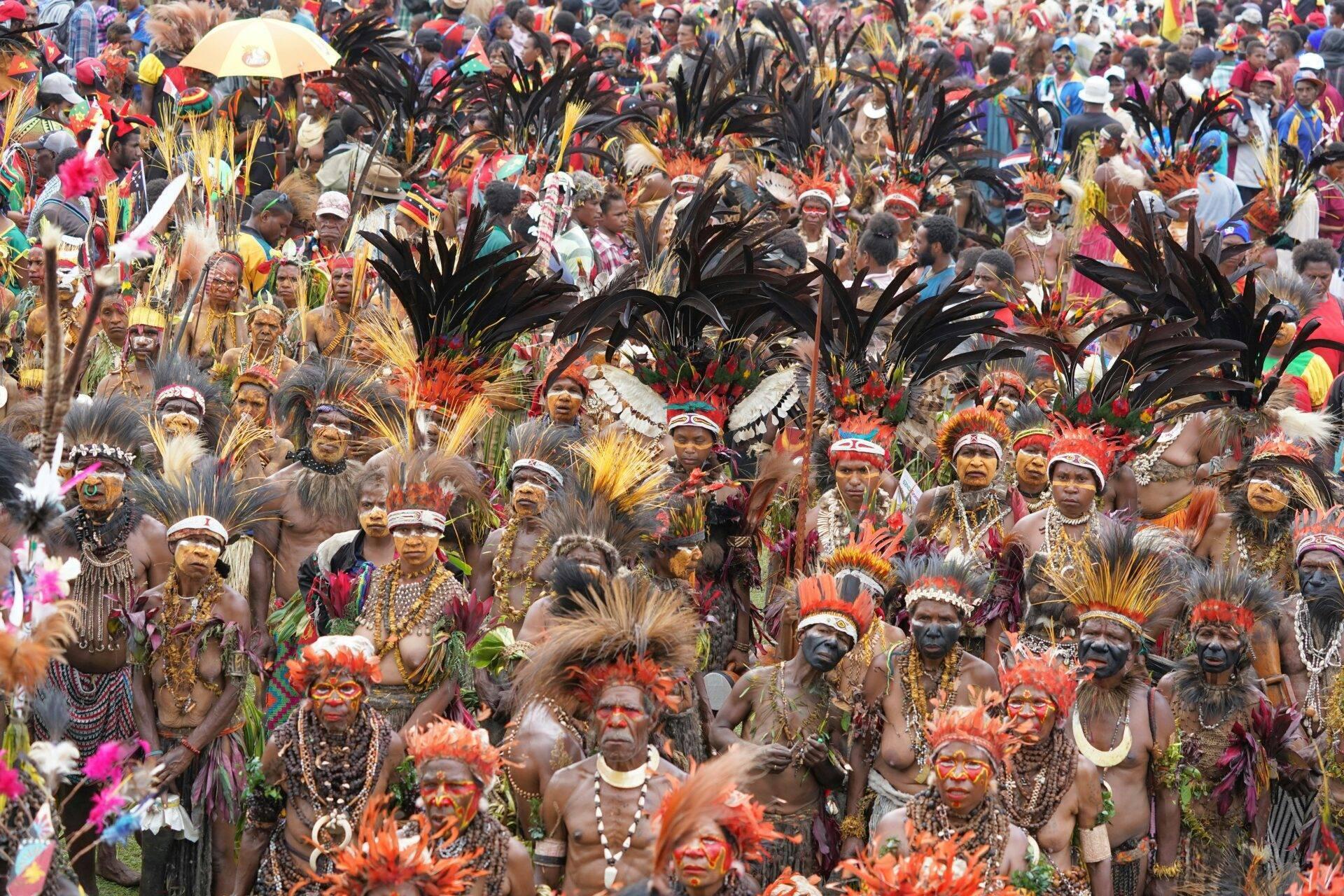
The Sambadrome: 80 minutes to impress a panel of judges
The beating heart of the official Carnival is the Avenida Marquês de Sapucaí. In 1984, Oscar Niemeyer designed the Sambadrome – a parade avenue stretching more than 700 metres, built in just 120 days and capable of holding up to 72,500 spectators. Since then, the top-division schools have competed there each year before a panel of specialist judges.
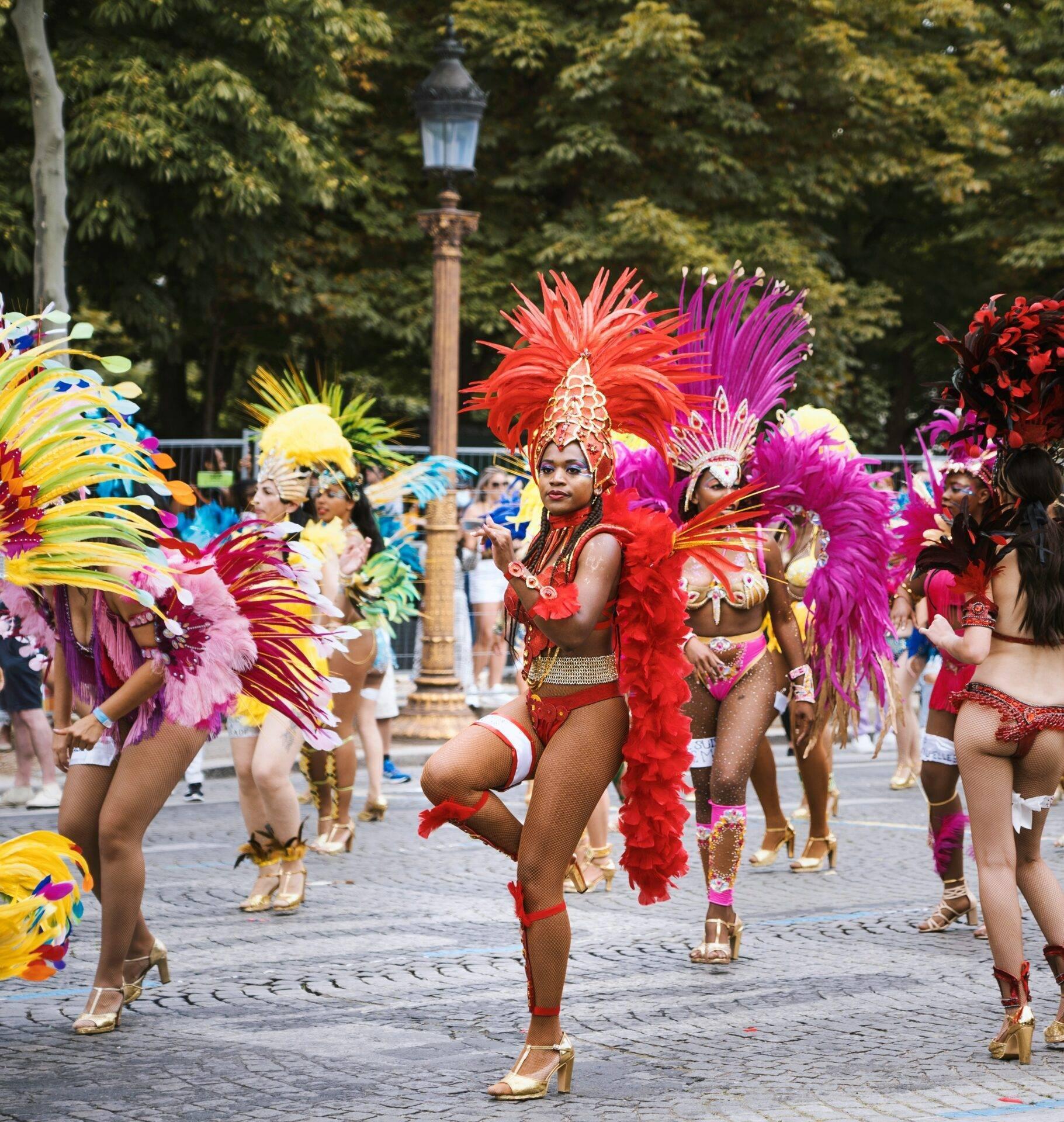
Each school has 80 minutes to deliver its performance with around 3,000 costumed participants: a percussion battery, themed wings, allegorical floats and a central figure, the queen of the drum section (a rainha de bateria). The year’s theme, the samba-enredo, is chosen months in advance; an original song is composed, rehearsed and sung by the entire school throughout the parade.
In 2026, the Special Group parades take place on 15, 16 and 17 February. Among the most eagerly awaited schools are Mangueira, Portela and Beija-Flor – three of the most decorated outfits in Carnival history.
Want to build your itinerary around Carnival? Take a look at the best things to do in Brazil so you don’t miss a thing.
The blocos: Carnival the way Rio lives it on the streets
If the Sambadrome is the stage for champions, the blocos are the popular soul of Carnival. These street Carnival groups bring together participants in costume – or simply a themed t-shirt – around their own musical repertoire, winding through the neighbourhoods of Santa Teresa, Lapa, Ipanema and Botafogo.
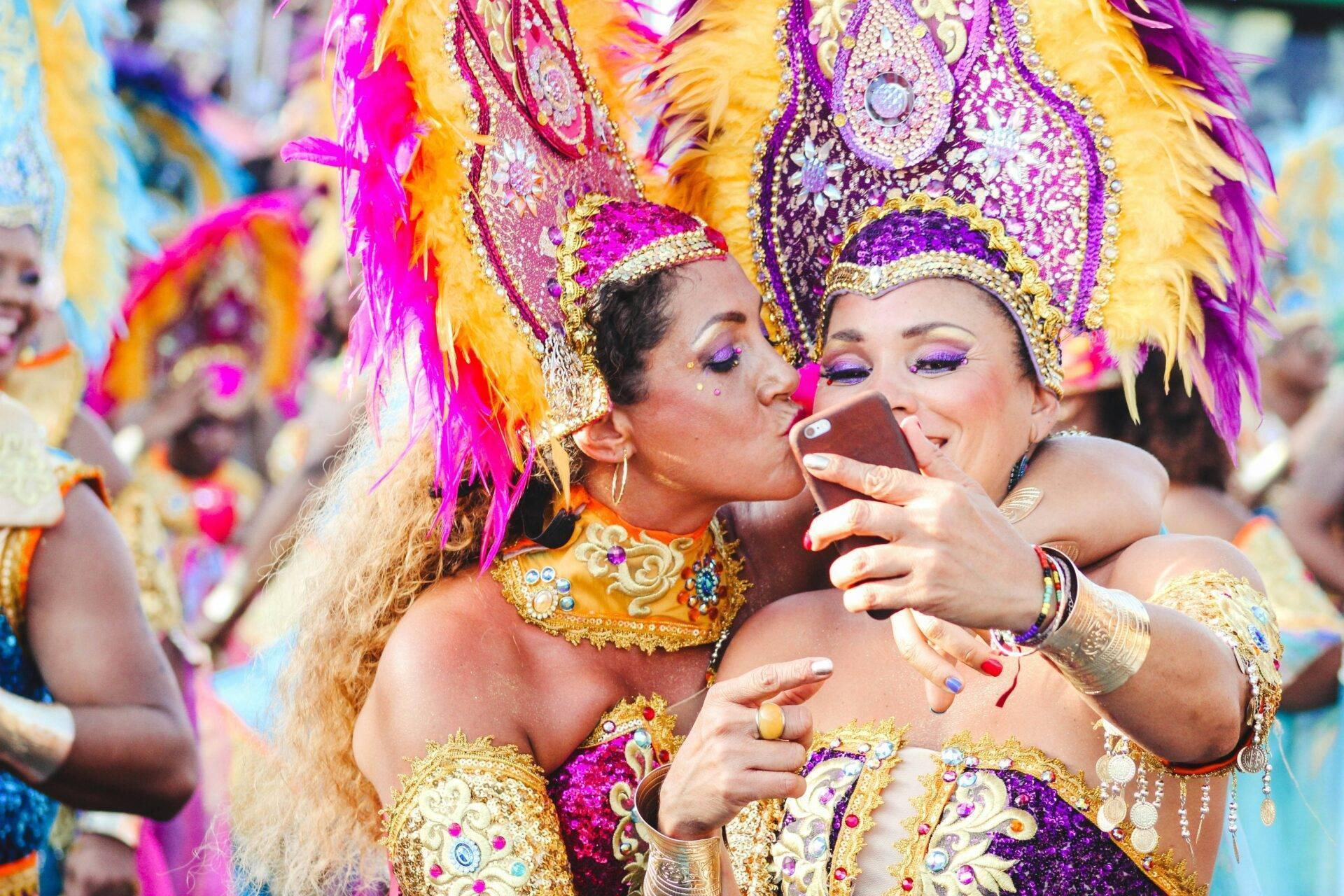
Every bloco has its own history, its loyal following and its distinctive atmosphere. Some have been going for decades and draw tens of thousands of people into a single street. Others stay smaller, rooted in a single neighbourhood. Most blocos are free and open to all, no invitation required.
The costumes: months of work for a few minutes on the road
Rio Carnival costumes are anything but last-minute outfits. Samba school workshops spend the entire year handcrafting each piece: feathers, sequins, embroidery, beads, and metal or resin structures. The queen of the drum section typically wears the most elaborate costume of all, designed to be carried with choreographic precision across 80 minutes of continuous parading.
In the blocos, the approach is entirely free: from a splash of face paint to a full ensemble, everyone joins in on their own terms.
Carnival as a mirror of Brazilian society
Samba schools do not choose their themes lightly. Each samba-enredo takes on an artistic, historical or social question: a tribute to a cultural figure, a critique of injustice, a celebration of an indigenous people, an environmental warning. The Sambadrome floor becomes a global platform, broadcast to dozens of countries.
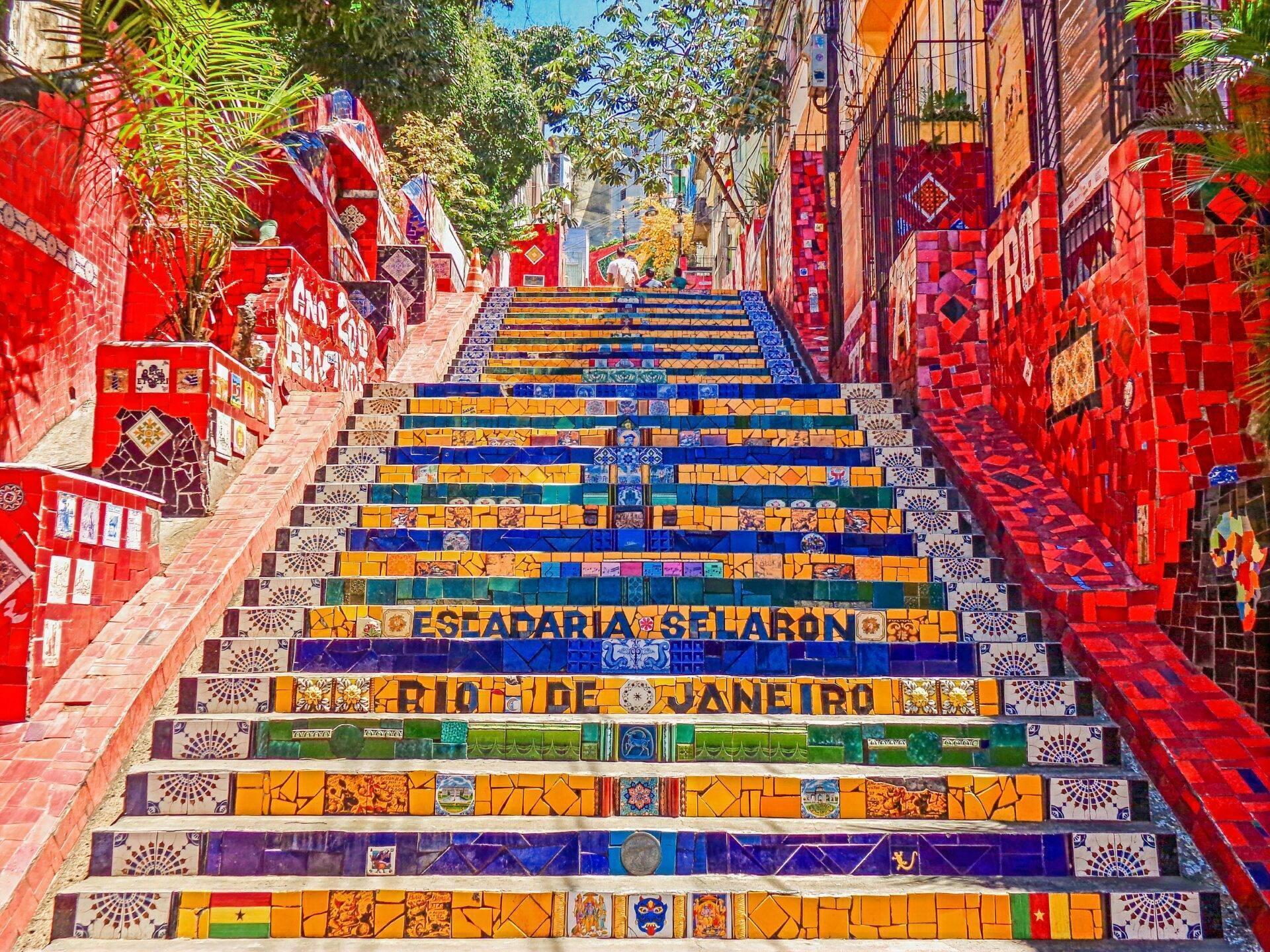
This political and artistic dimension is what sets Rio Carnival apart from a simple show: it is a collective cultural act, carried by entire communities who invest a full year’s worth of time, money and identity into those 80 minutes on the avenue.
Brazil has plenty to offer beyond Carnival. Once the festivities are over, Brazil’s most beautiful beaches make the perfect follow-up – a chance to unwind far from the crowds.
FAQ
When does Rio Carnival 2026 take place?
Rio Carnival 2026 runs from Friday 13 to Tuesday 17 February 2026. The Special Group parades at the Sambadrome take place on 15, 16 and 17 February.
What is the difference between the Sambadrome and the blocos?
The Sambadrome is an official arena where samba schools compete against one another in front of a panel of judges, with around 3,000 costumed participants per school. The blocos are street Carnival groups, open to everyone and generally free, that parade through Rio’s neighbourhoods with their own distinct musical flavour.
Do you need a ticket to attend Rio Carnival?
Parades at the Sambadrome are ticketed (grandstand or corporate box seats). Most street blocos are free and require no booking. Sambadrome tickets sell out fast – buying several months in advance is strongly recommended.
How did samba become part of Rio Carnival?
Samba has its roots in the musical traditions of African communities enslaved in Brazil. It established itself in Rio at the start of the 20th century. In 1928, the first formalised group, “Deixa Falar”, laid the groundwork for the samba schools. The first official competition between schools was held in 1932.
Is Rio Carnival suitable for tourists?
Yes, as long as you plan ahead. The street blocos are easy to join with very little preparation. For the Sambadrome, it is worth buying tickets in advance and choosing well-located accommodation. As with any large street celebration, it is sensible to avoid wearing visible jewellery, keep your documents secure and stick to busy areas. Travel insurance covering medical costs and repatriation is strongly recommended before you travel.