
South America packs glacial trails, active volcanoes, impenetrable jungle and vast desert plateaus onto a single continent. Here are the 10 finest treks on the continent, with practical information to help you prepare seriously.
1. The W Trek, Torres del Paine National Park (Chile)
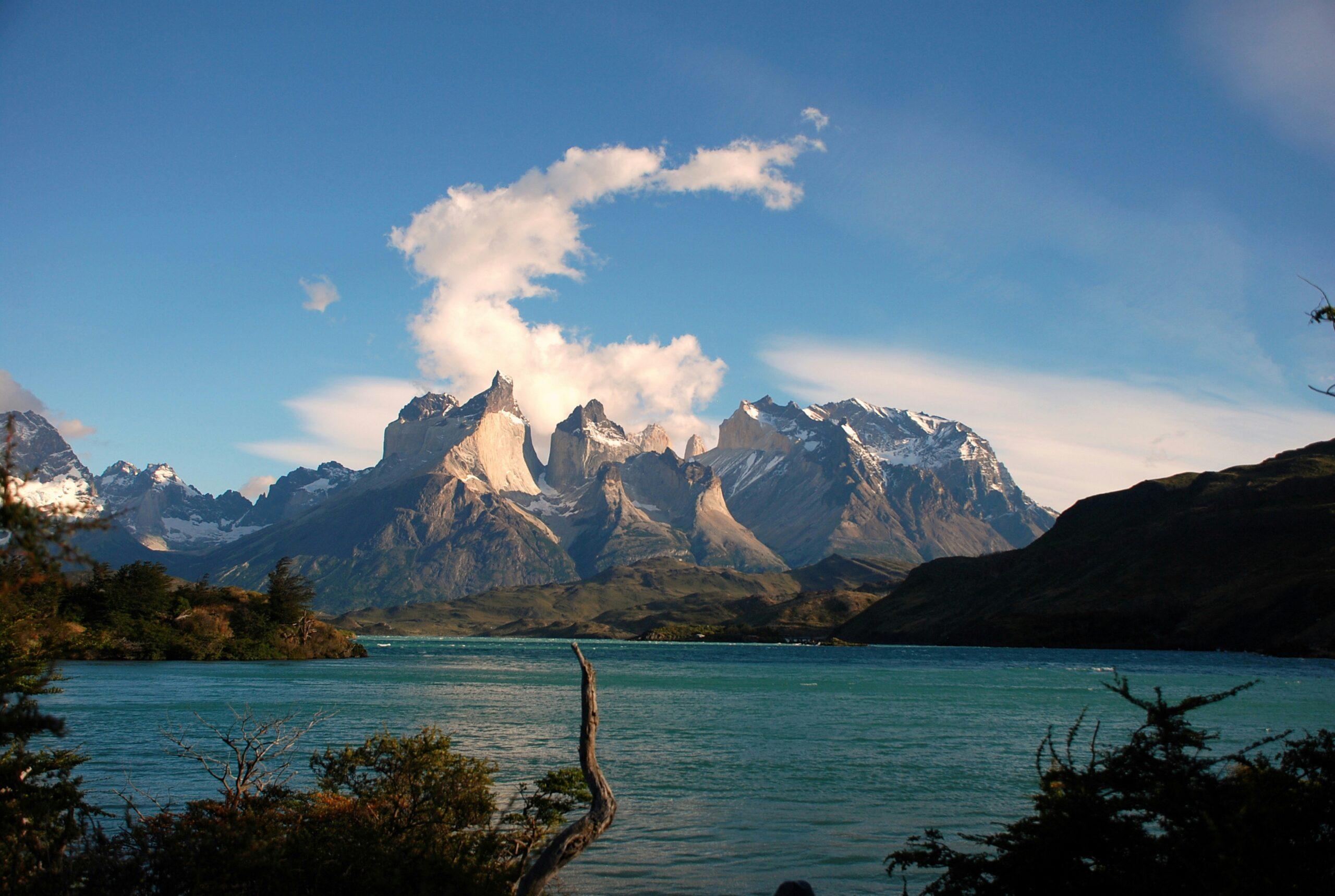
This 67 km trail, with 3,070 metres of elevation gain, is universally ranked among the finest treks on the continent. Over 4 to 5 days, it winds through turquoise lakes, glaciers and the iconic granite towers that give the park its name. The ideal window runs from October to April (spring and austral summer). Well-marked refuges and campsites along the route make the trek fully manageable without a guide.
If Patagonia is on your list, check out our pick of must-visit destinations including Patagonia in 2025.
2. The Inca Trail (Peru)
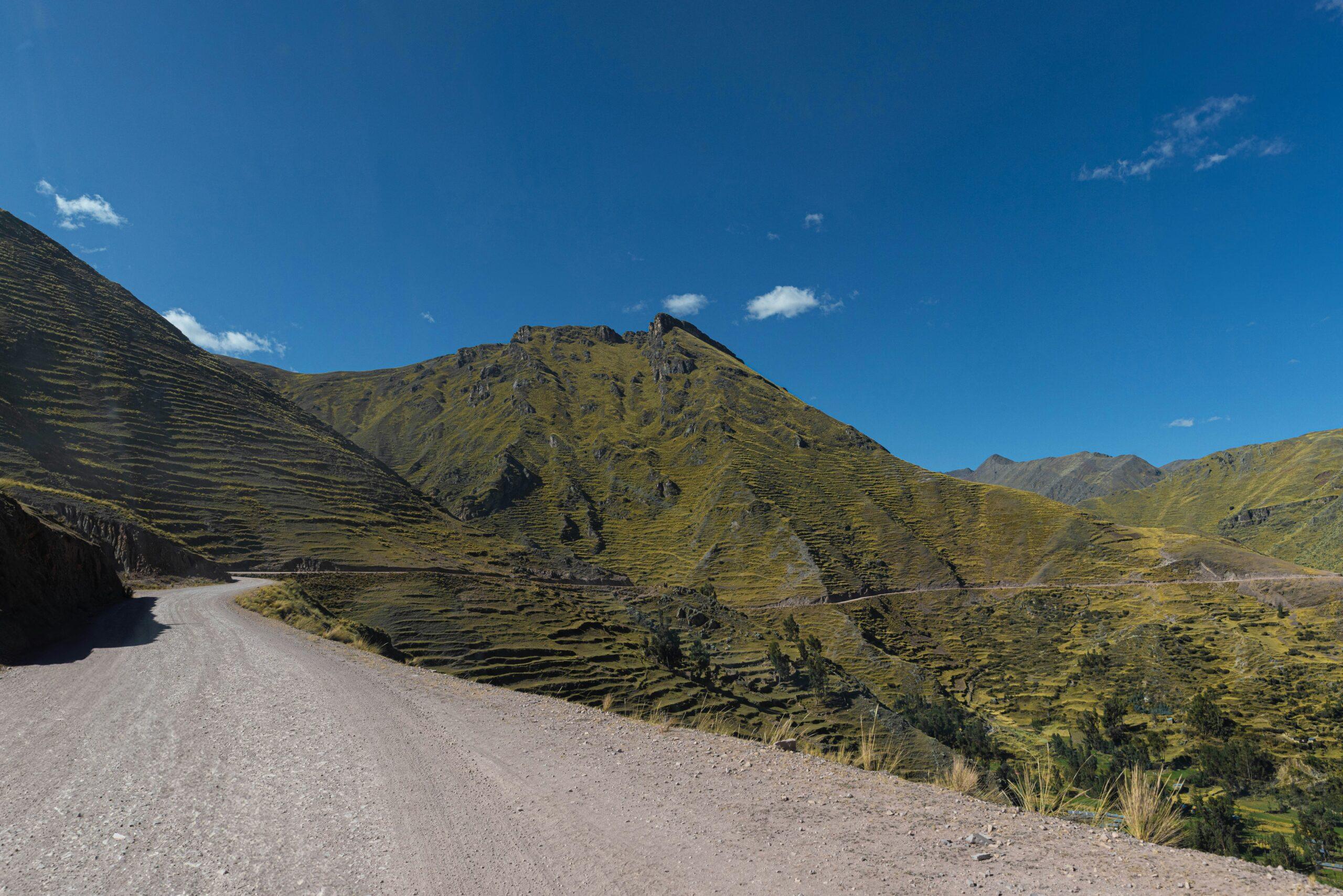
This legendary 40 km trek crosses the Andes over 4 days, between 2,800 and 4,200 metres altitude, before arriving at the Sun Gate above Machu Picchu. Access is strictly regulated: only 500 permits are issued per day, of which 200 go to hikers, with the remaining 300 reserved for guides and porters. Book 3 to 6 months ahead for the popular May to August window, which fills up fast. The trek must be completed through a licensed agency.
3. The Ciudad Perdida, the “Lost City” (Colombia)
This 4 to 6-day trek plunges into the jungle of the Sierra Nevada de Santa Marta to reach the terraces of Teyuna, a pre-Columbian city rediscovered in 1972. Tropical heat, river crossings and relentless ascents make this an intense experience. A guide licensed by the Colombian authorities is compulsory on this trail.
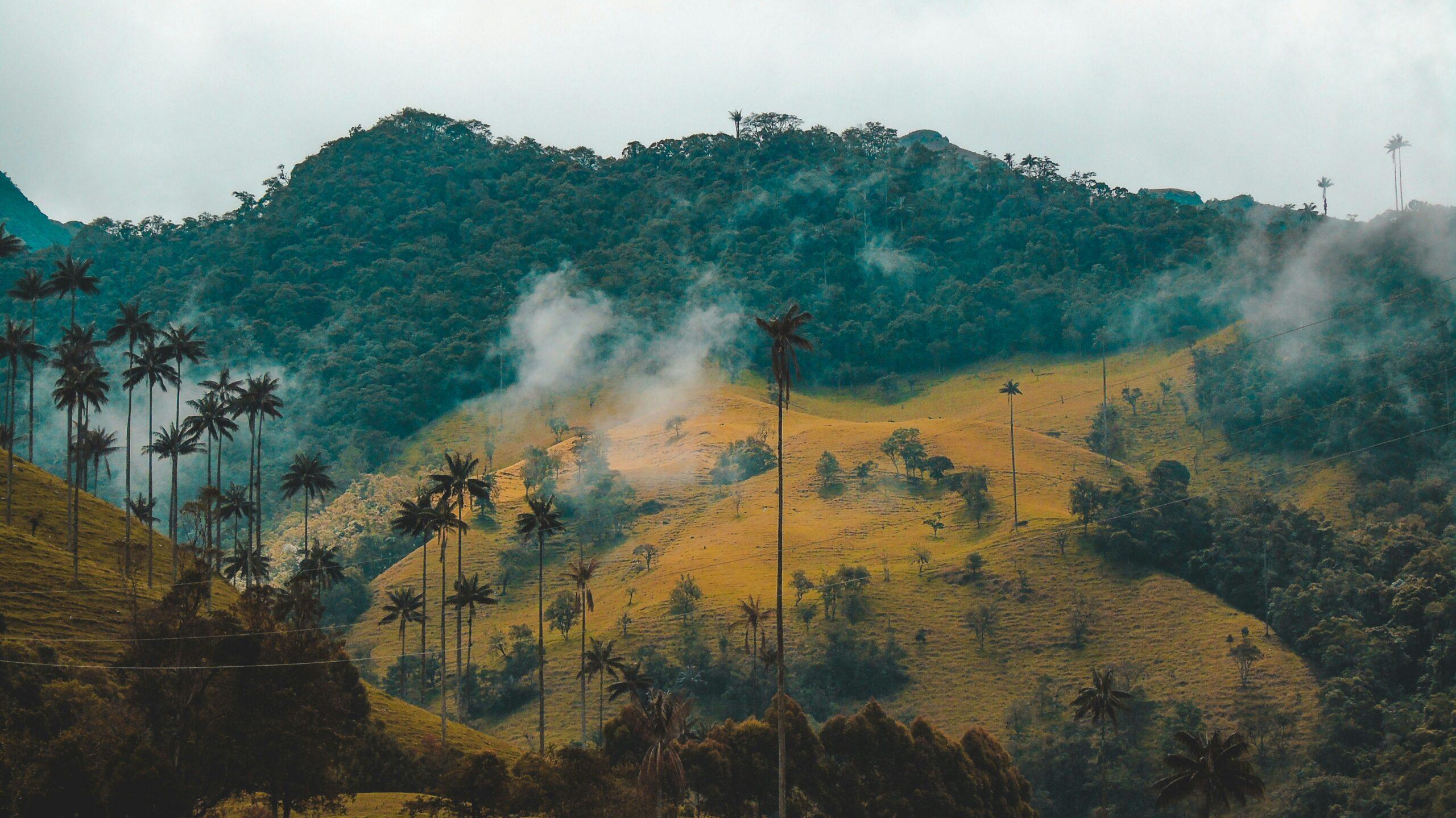
4. The Cotopaxi Volcano Ascent (Ecuador)
At 5,897 metres, Cotopaxi is one of the highest active volcanoes in the world. The ascent typically starts from the Whymper Refuge at around 4,800 m and requires several days of prior acclimatisation in high-altitude cities such as Quito (2,850 m). The reward: a 360-degree panorama across the Ecuadorian Andes and the sight of a steaming crater at sunrise.
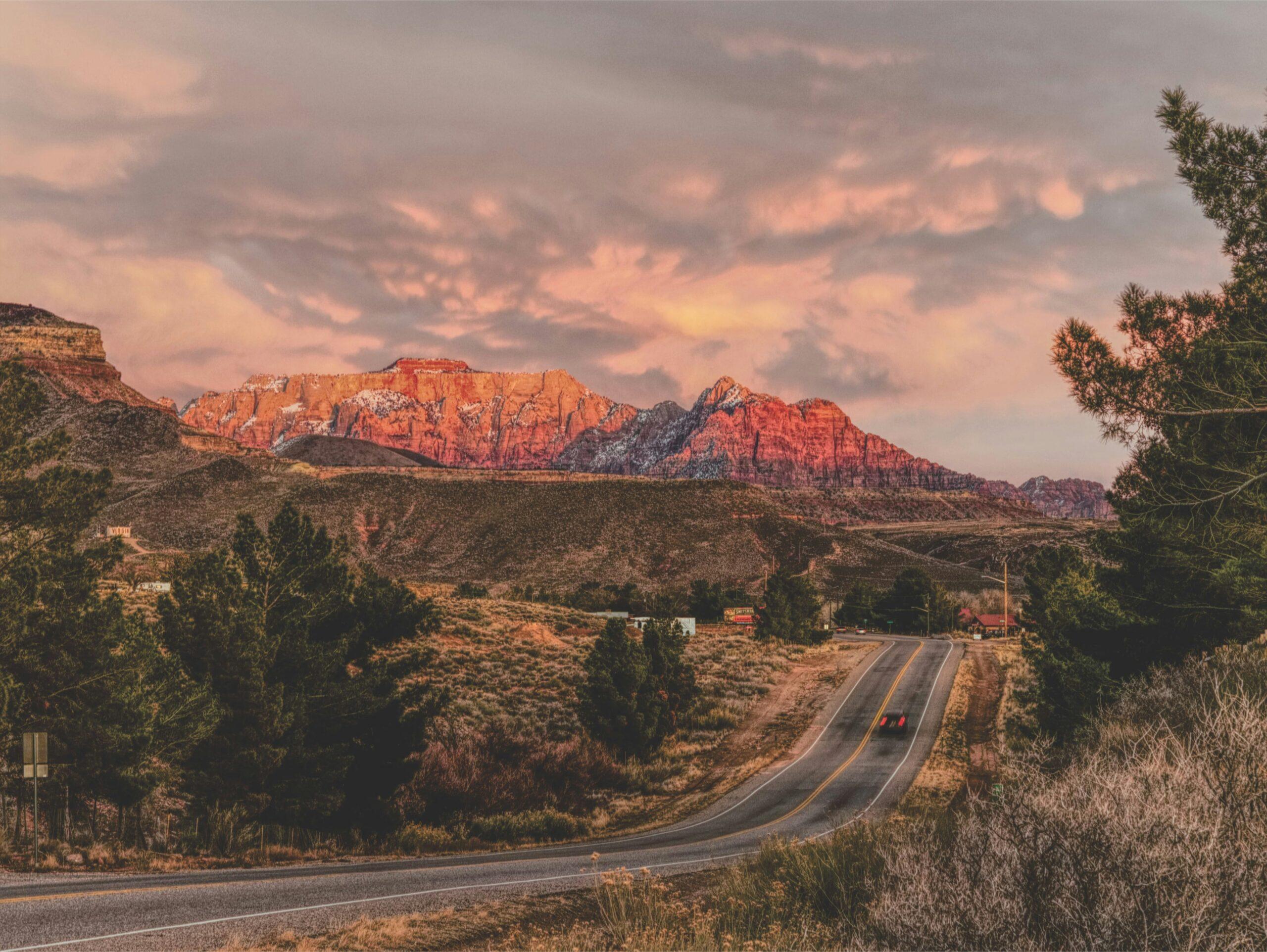
5. The Fitz Roy Trek (Argentina)
In Los Glaciares National Park, Fitz Roy thrusts its jagged peaks along the border between Argentina and Chile. The main trail leads to Laguna de los Tres, a glacial lake nestled at the foot of the rock faces, offering a breathtaking view of the surrounding glaciers. No technical climbing required; the best season runs from October to April, the same window as the W Trek in Patagonia.
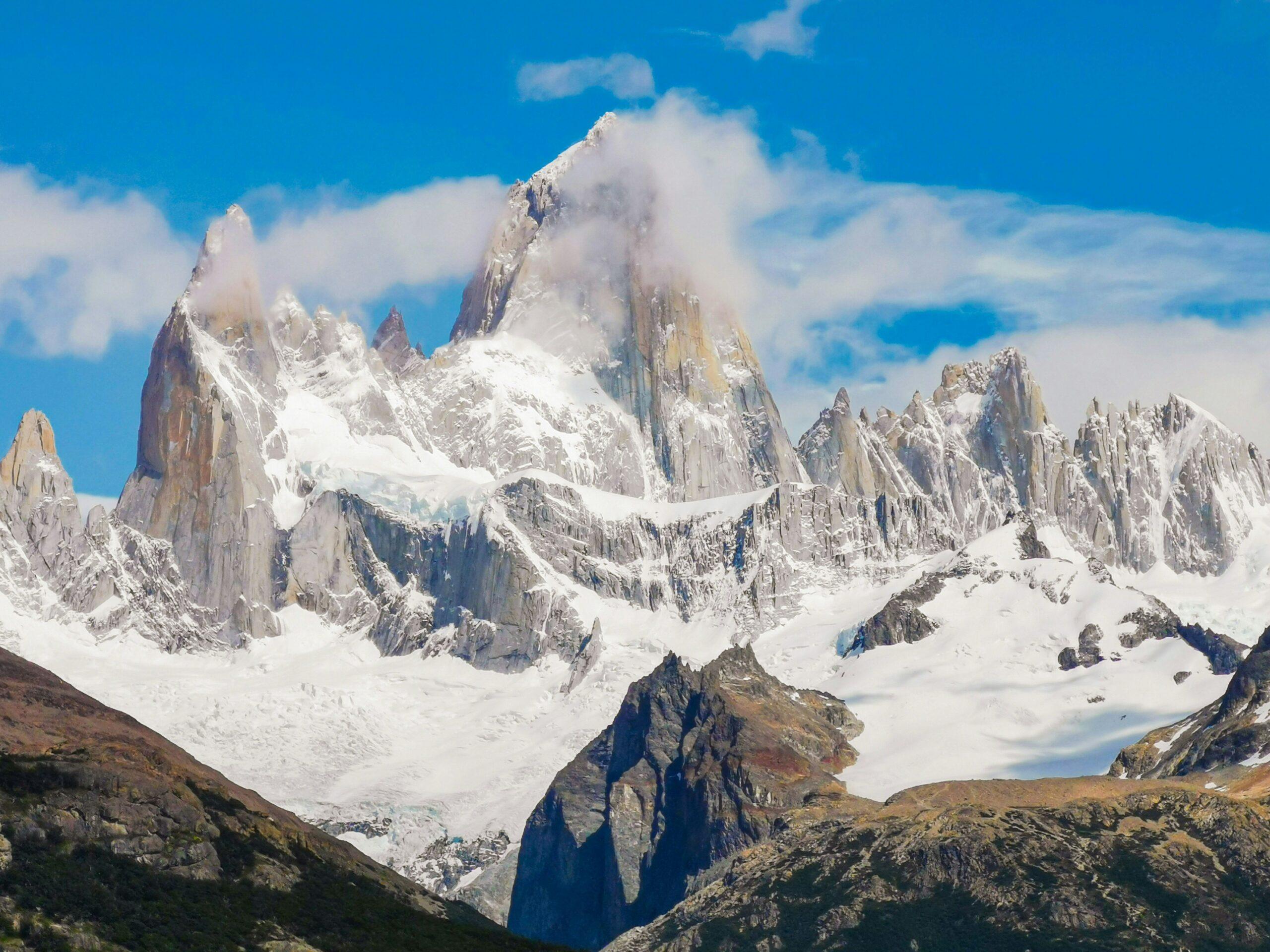
6. The Huayhuash Circuit (Peru)
Less busy than the Inca Trail, the Huayhuash Circuit is often described as one of the most spectacular high-mountain routes in the world. Over roughly ten days, it circles summits exceeding 6,000 metres in near-total isolation. Raw Andean scenery, abundant wildlife and an atmosphere very different from waymarked trails: a benchmark for experienced hikers.
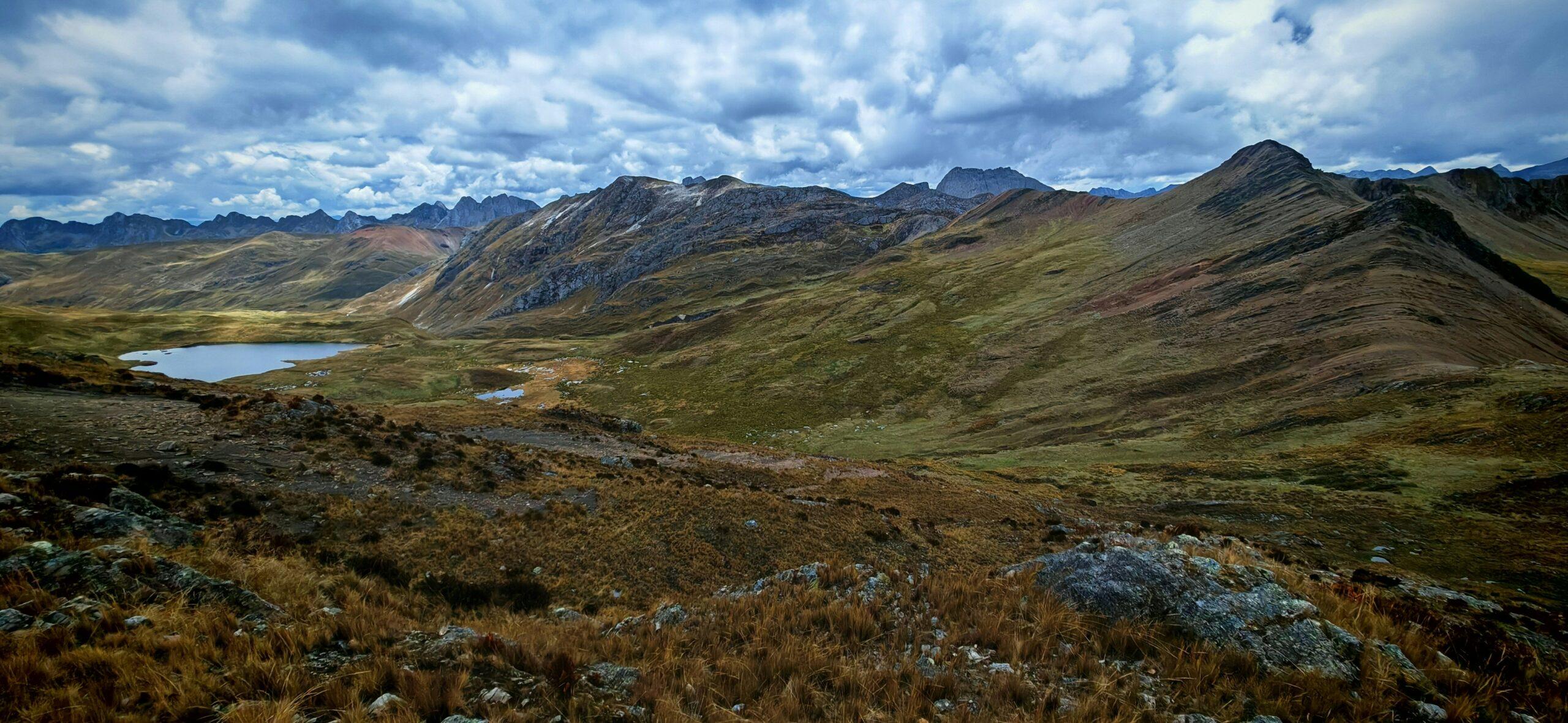
7. The Lagunas Altiplánicas Circuit (Bolivia)
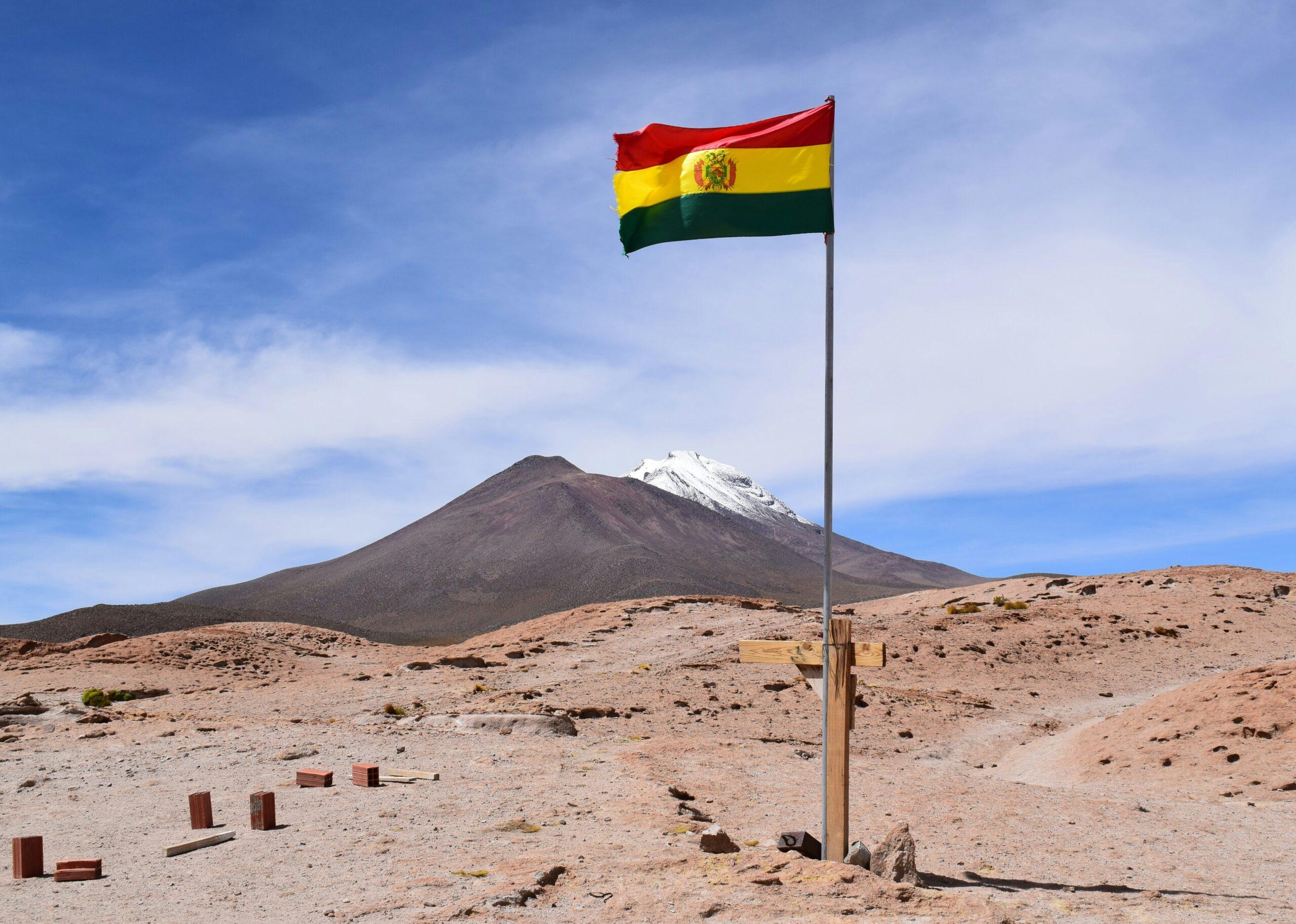
In Bolivia’s Sud Lípez desert, at over 4,000 metres altitude, this circuit, usually covered by 4x4, includes walking sections between lakes of surreal colour: blood red at Laguna Colorada (caused by algae and micro-organisms), emerald green at Laguna Verde. Colonies of flamingos live at altitude in these lunar landscapes, found nowhere else on earth.
8. The Mount Roraima Trek (Venezuela)
This rocky plateau rises to 2,810 metres at the junction of Venezuela, Guyana and Brazil. Its sheer vertical cliffs are said to have inspired Arthur Conan Doyle’s “The Lost World”. The 6 to 8-day trek covers around 30 km return from the village of Paraitepuy. At the summit: natural pools, an almost otherworldly landscape and endemic wildlife. The dry season, from December to April, offers the best visibility.
9. The Villarrica Volcano Ascent (Chile)
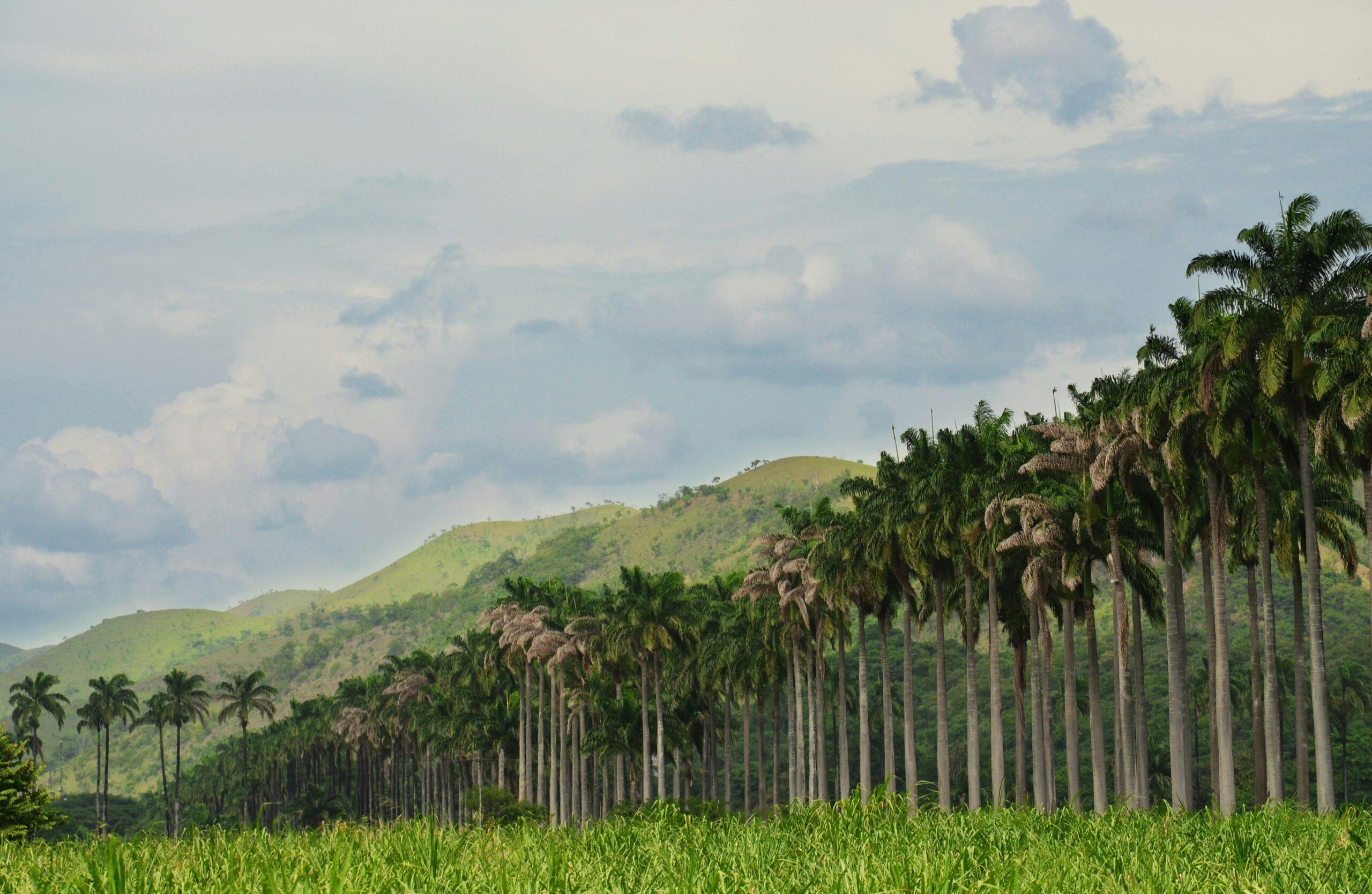
One of Chile’s most active volcanoes, Villarrica looms over the Araucanía region on the shores of the lake that shares its name. The one-day ascent requires crampons and an ice axe, usually provided by agencies in Pucón. The descent can be done by sledging down the volcanic snow. The view across Lago Villarrica from the heights is a spectacle in its own right.
10. Hiking in Chapada Diamantina (Brazil)
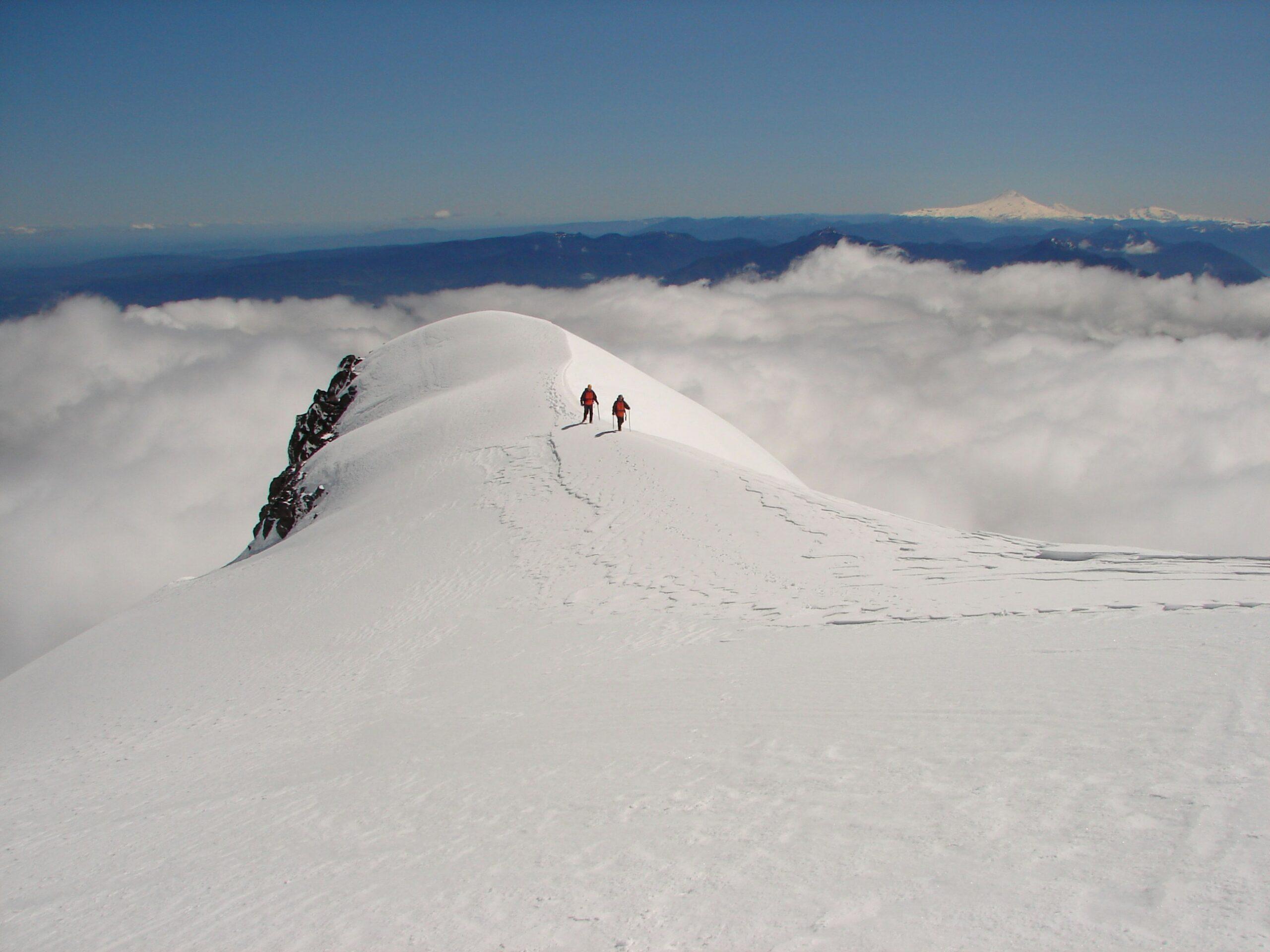
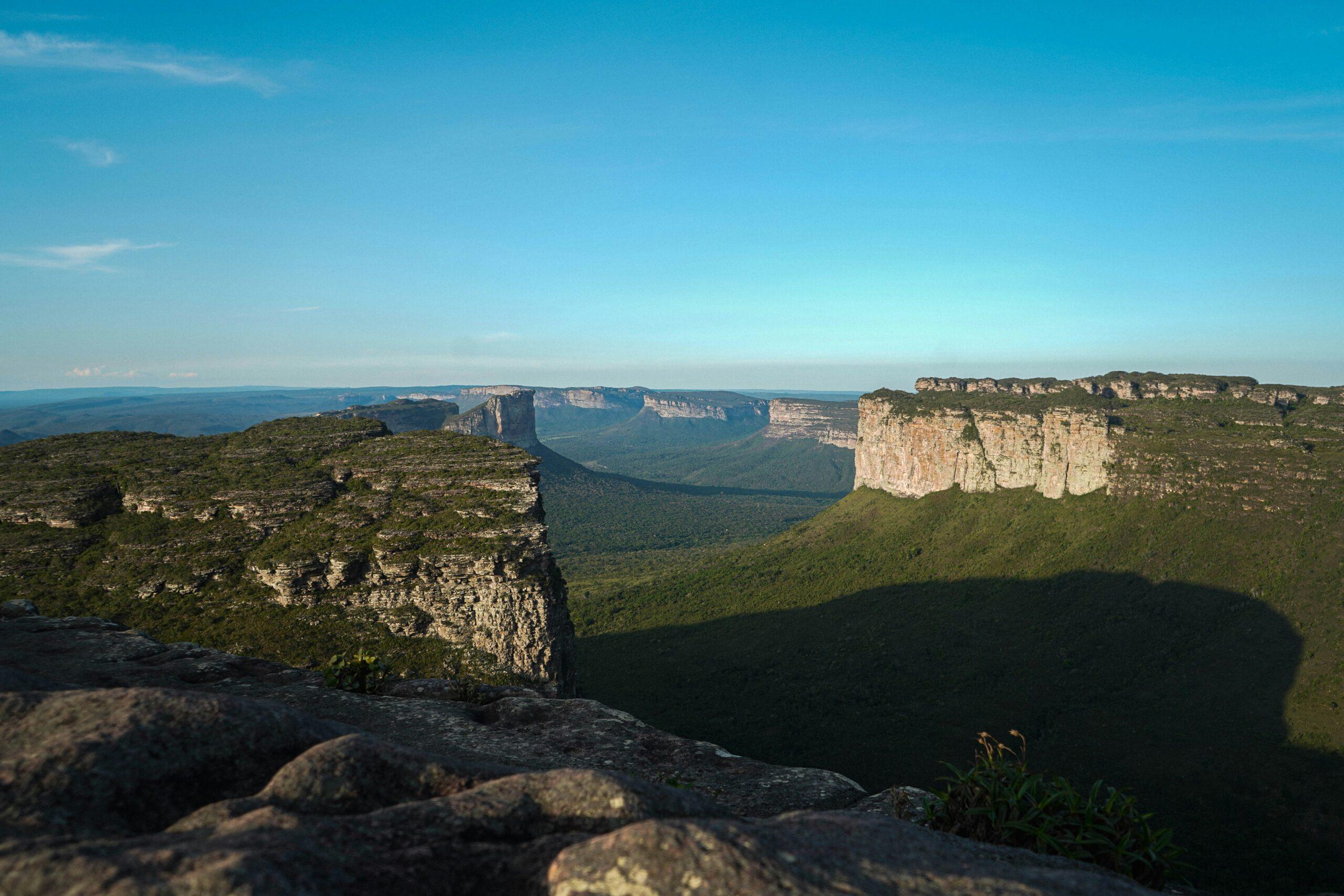
In the state of Bahia, Chapada Diamantina National Park offers a landscape of cerrado scrubland, caves and spectacular waterfalls. The Cachoeira da Fumaça, one of Brazil’s highest waterfalls at 380 metres, is reached after 4 to 6 hours of hiking return. The best period runs from May to October (dry season). The main gateway is Lençóis, reachable from Salvador by bus in around 6 hours.
Planning Your Trek: Practical Advice
Acclimatisation at Altitude
Several of these treks take place above 3,500 metres: Cotopaxi, Huayhuash, the Inca Trail and the Bolivian circuit. Allow 2 to 3 days in an intermediate high-altitude city (Cusco, Quito or La Paz) before any ascent to significantly reduce the risk of acute mountain sickness.
Essential Kit
Waterproof high-ankle boots, layered clothing (temperature swings of 20 to 30°C in a single day are common at altitude), trekking poles, a filter water bottle and high-factor sun protection. For the volcanoes (Cotopaxi, Villarrica), crampons and an ice axe are needed and are generally provided by local agencies.
Travel Insurance with Mountain Cover
These treks often take place far from any medical centre. Without adequate cover, the cost of an accident or helicopter evacuation can be extremely high. Travel insurance covering medical expenses, mountain rescue and medical repatriation is essential before departure, just as it is for any isolated wilderness area, such as national parks like Yosemite.
FAQ
What is the best time of year to hike in South America?
It depends on the region. In Patagonia (W Trek, Fitz Roy), the ideal window runs from October to April. For the Inca Trail, May to August is the most popular period but requires booking well in advance. The Chapada Diamantina and the Bolivian circuit are best visited between May and October, during the dry season.
Do you need a guide for the Inca Trail?
Yes, the trail is regulated and must be completed with a licensed agency and a certified guide. Ciudad Perdida (Colombia) also requires an official guide. The W Trek in Torres del Paine and the Fitz Roy trail, however, can both be done independently.
What is the most difficult trek in South America?
The Huayhuash Circuit (Peru) is often cited as one of the most demanding: roughly ten days, passes above 5,000 metres and very few resupply points. The Cotopaxi ascent (5,897 m) is also a significant physical challenge, mainly due to the altitude and the pre-dawn start.
Do you need specific travel insurance to hike in South America?
Yes. In remote areas or at high altitude, medical evacuation and repatriation costs can be very high without adequate cover. It is strongly recommended to take out travel insurance covering medical expenses, mountain rescue and medical repatriation before departure.
Is the Torres del Paine W Trek suitable for beginners?
At 67 km and 3,070 metres of elevation gain, the W Trek requires good physical fitness, but no technical alpine skills. Waymarked refuges and campsites are spaced throughout the route. Any regularly active hiker in good shape can complete it with a few weeks of serious physical preparation.