
Yosemite National Park, nestled in the heart of California’s Sierra Nevada, is one of the most iconic wilderness areas in the United States. Open year-round, it spans nearly 1,170 square miles of glacier-carved landscapes: vertiginous granite cliffs, waterfalls among the tallest in North America, ancient giant sequoia forests and remarkable wildlife. In 2026, no advance entry reservation is required, making it considerably easier to plan your visit.
Practical information for visiting Yosemite in 2026
Entry fees
Access to the park is paid, regardless of the time of year. Current fees are as follows:
- Private vehicle (US residents): $35 for 7 consecutive days, all passengers included
- Motorcycle: $30 for 7 days
- On foot or by bicycle: $20 per person for 7 days (free for under-16s)
- Non-US residents: $35 per vehicle + $100 per person aged 16 and over
- America the Beautiful Pass (residents): $80 for access to all US national parks for one year; $250 for non-residents (no per-person surcharge)
The park no longer accepts cash: only credit/debit cards and mobile payments are accepted. Tickets can be purchased in advance on Recreation.gov to skip the queues at the entrance.
Entry reservations
In 2026, the Timed Entry Ticket system introduced in previous years has not been renewed. No reservation is required to enter the park. That said, a specific permit is mandatory to climb Half Dome via the cables. This permit is obtained by lottery on Recreation.gov: the main lottery runs from 1 to 31 March (results announced in mid-April); a daily lottery also lets you try your luck two days before your desired date. The application fee is $10 per request, plus $10 per person if the permit is granted.
Access, roads and parking
The main routes reopen in spring: Glacier Point Road reopened on 9 May 2026 and Tioga Road (Highway 120 East) on 15 May 2026. During peak season (June-August), car parks in Yosemite Valley and at major trailheads fill up quickly, sometimes as early as 8am. Make good use of the free shuttle (YARTS) or hire bikes to get around the valley.
Insure my US tripEl Capitan and Half Dome: the valley’s twin sentinels
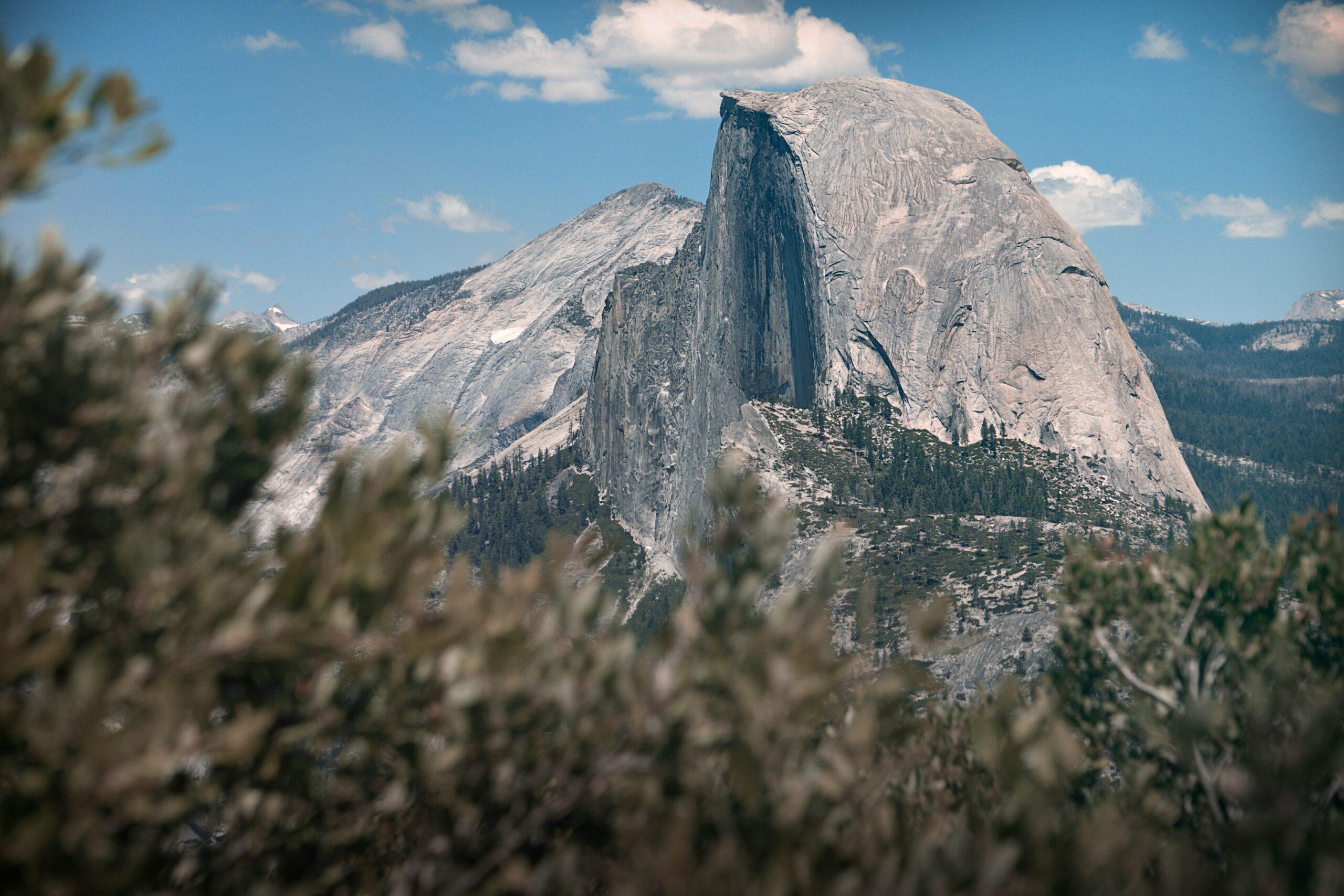
El Capitan and Half Dome are the two most celebrated rock formations in Yosemite. El Capitan rises to around 7,570 feet (2,308 m) and presents a vertical face of almost 3,000 feet (900 m): it is the tallest single-drop granite wall in the world, attracting climbers from every corner of the globe since the 1950s. Half Dome, instantly recognisable by its distinctive half-sphere profile, dominates the valley at 8,840 feet (2,695 m). Its north-west face forms a near-vertical cliff of over 2,000 feet (600 m), the result of glacial erosion that literally split the dome in two over millennia.
Both of these geological landmarks formed tens of millions of years ago and were shaped by successive glaciers. The morning light on the granite gives them golden and orange hues that delight photographers, particularly from Tunnel View or Valley View.
Yosemite’s waterfalls: cascades and natural spectacle
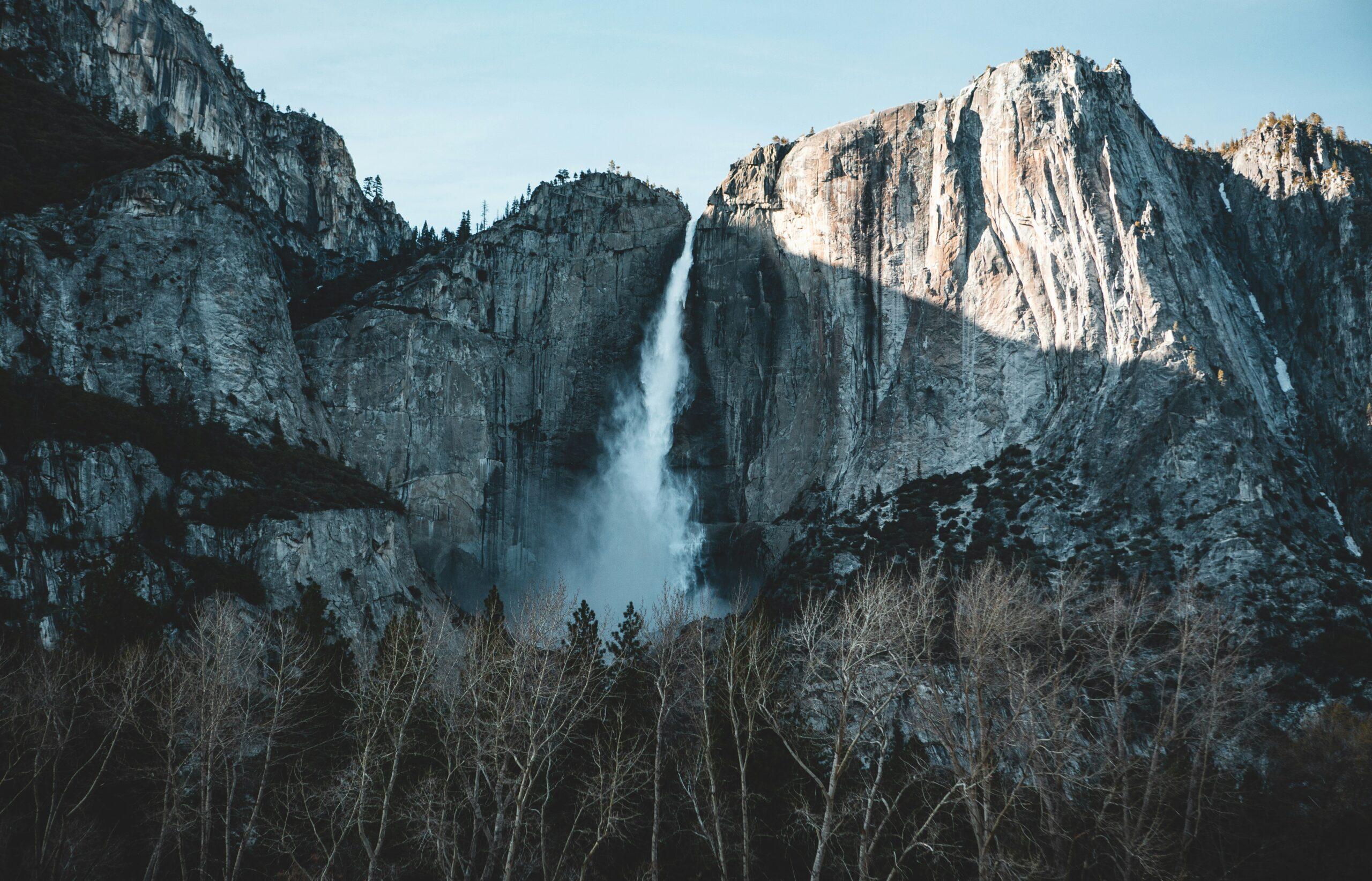
Yosemite’s waterfalls rank among the most spectacular on the continent. Yosemite Falls, made up of three tiers, drops a total of 2,425 feet (739 m), making it one of the tallest waterfalls in North America. It reaches peak flow in spring, fed by snowmelt from the Sierra Nevada, and can dry to barely a trickle by late summer in drought years.
Nearby, Vernal Fall (317 ft / 97 m) and Nevada Fall (594 ft / 181 m), both accessible via the Mist Trail, offer a more immersive experience: the spray coats the rocks in moss and cools hikers on the climb. Bridalveil Fall, visible right at the valley entrance, creates a diaphanous veil that the late-afternoon light occasionally transforms into a rainbow. The Merced River, winding along the valley floor, connects all these sites and invites quiet contemplation.
Wildlife, flora and giant sequoias
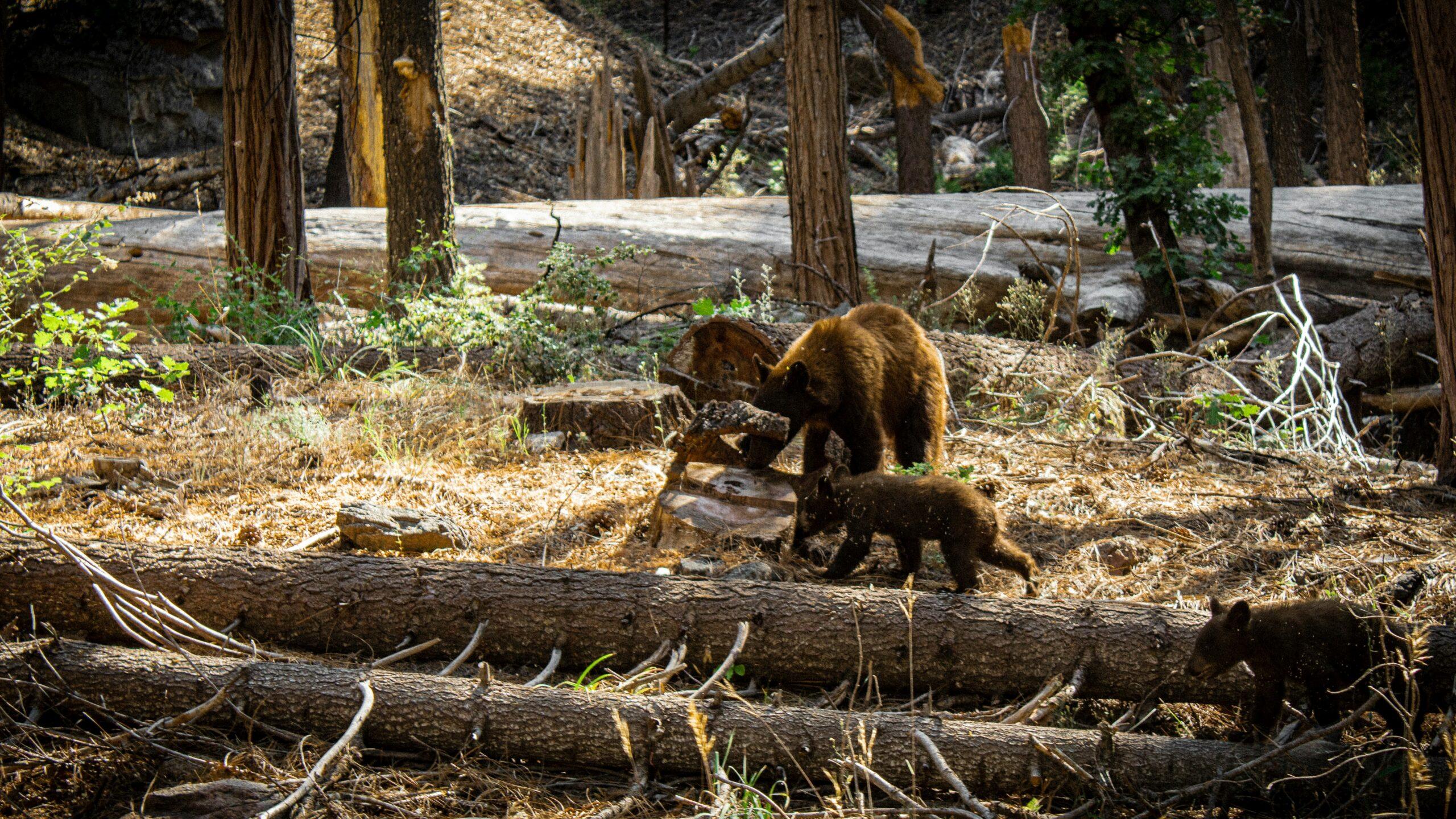
The park is home to exceptional biodiversity. Around 90 mammal species have been recorded, including the American black bear, mountain lion, mule deer and yellow-bellied marmot. Golden eagles and peregrine falcons soar above the treetops. Should you encounter a black bear, make noise, stay in a group and never leave food in your vehicle: the park enforces strict waste management rules to protect its wildlife.
For plant life, Mariposa Grove contains over 500 giant sequoias (Sequoiadendron giganteum), including the Grizzly Giant, estimated to be more than 2,700 years old. These trees are among the largest and most ancient living organisms on earth. Protecting this fragile ecosystem is central to the park’s mission: visitor flows are managed and guests are encouraged to follow strict waste disposal and soil protection guidelines.
Essential hikes and activities
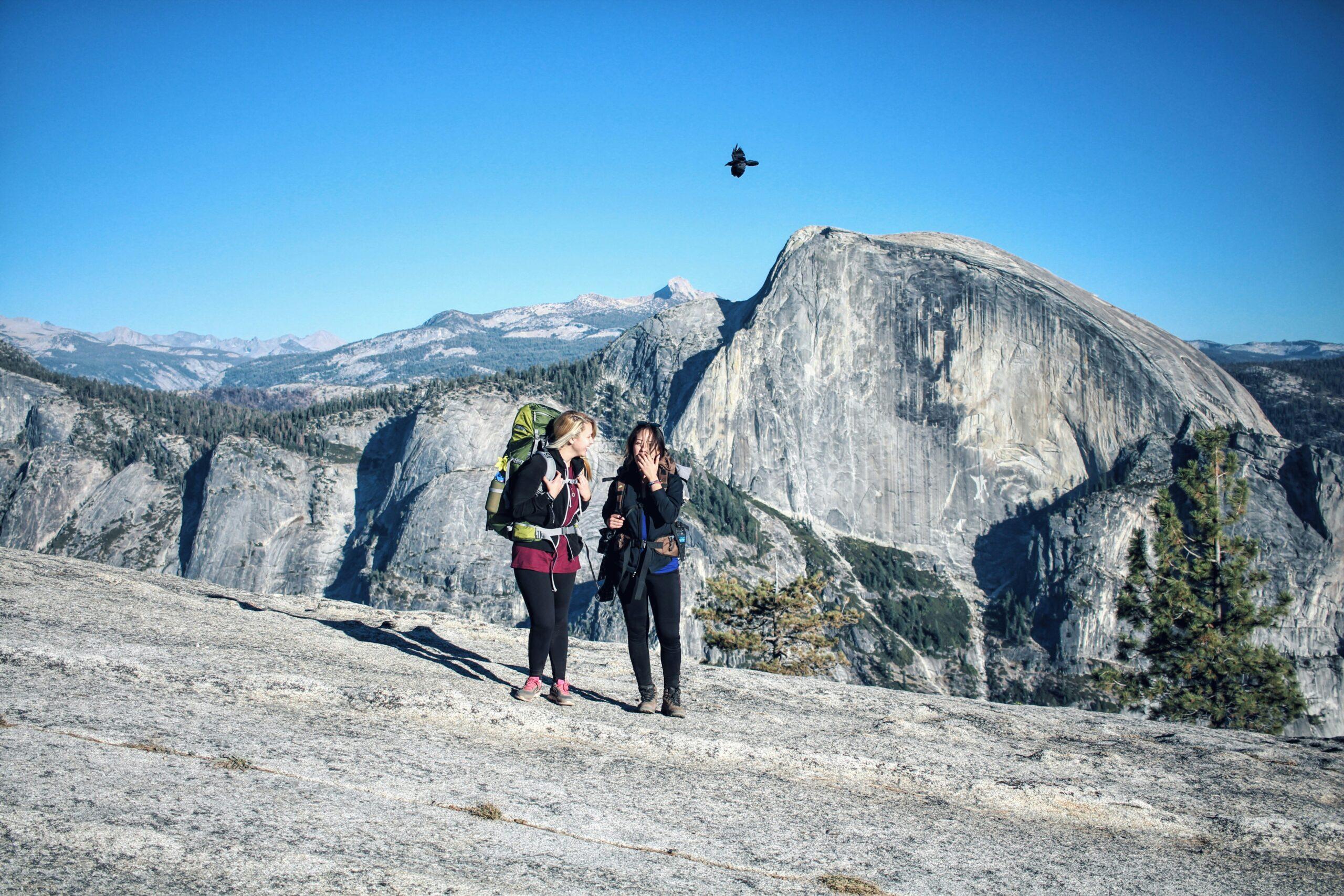
Yosemite offers a wide range of hikes, from flat valley-floor strolls to multi-day routes in the high mountains.
Hikes not to miss
- Valley Floor Loop (12 miles / 19 km, easy): a full circuit of Yosemite Valley, ideal for a first visit; walkable or cyclable.
- Mist Trail to Vernal Fall and Nevada Fall (7.5 miles / 12 km return, moderate): the park’s most popular trail, with direct views of the falls.
- Half Dome (around 15 miles / 24 km return, strenuous): the final ascent uses fixed cables installed in summer. A permit is required.
- John Muir Trail (over 210 miles / 340 km in total from Yosemite Valley to Mount Whitney): one of the most celebrated long-distance trails in the United States.
If Yosemite inspires you to explore more of America’s natural parks, take a look at our guide to Zion National Park, with its spectacular red sandstone canyons, or our guide to Yellowstone, the world’s first national park.
Rock climbing
El Capitan is the world’s most famous climbing destination. Legendary routes such as The Nose, first climbed in 1958 by Warren Harding, and Freerider, brought to global attention by Alex Honnold’s free solo ascent in 2017, draw climbers of all abilities. Local guides offer introductory climbing sessions for beginners.
Camping and accommodation
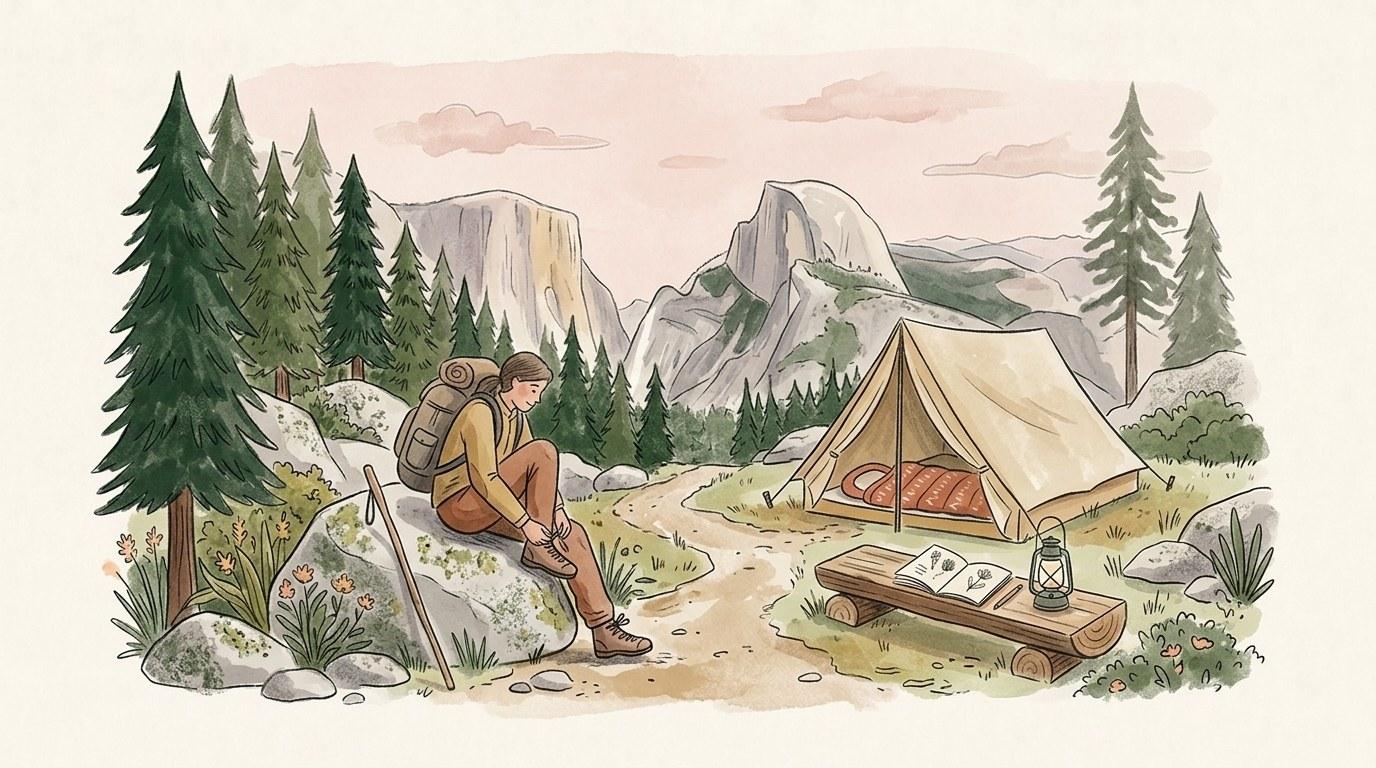
Four campgrounds are open year-round within the park. In peak season, campsites booked through Recreation.gov go within minutes of being released, often five months in advance. For those who prefer more comfort, the historic Ahwahnee Hotel, a listed landmark set directly in the valley, offers rooms at the very heart of the park.
When to visit Yosemite National Park
Each season has its own appeal depending on the kind of trip you have in mind:
- Spring (April-May): waterfalls at peak flow thanks to snowmelt; the valley is lush and visitor numbers are moderate before the US school holidays.
- Summer (June-August): all roads are open, including Tioga Road. This is peak season, with large crowds and car parks filling up by morning. Arriving before 8am or visiting on a weekday makes a significant difference.
- Autumn (September-October): stunning foliage, pleasant temperatures and noticeably lower visitor numbers. One of the best times for a relaxed visit.
- Winter (November-March): Yosemite Valley remains accessible year-round, in a peaceful alpine atmosphere. Some secondary roads are closed. Snow chains may be required. Snowshoeing and cross-country skiing are on offer.
If your travels take you beyond the United States, also see our round-up of the 10 most beautiful hikes in South America to complete your adventure itinerary.
FAQ
Do I need to book in advance to enter Yosemite National Park in 2026?
No. In 2026, Yosemite National Park does not require an entry reservation: the Timed Entry Ticket system has not been renewed. Simply pay the access fee at the entrance or online at Recreation.gov. Climbing the Half Dome cables does, however, require a specific permit obtained by lottery.
How much does it cost to enter Yosemite?
For a private vehicle in 2026, the entry fee is $35 for 7 consecutive days. Non-US residents pay an additional $100 per person aged 16 and over. Under-16s enter free of charge. The America the Beautiful Pass ($80 for residents, $250 for non-residents) gives access to all US national parks for one year with no per-person surcharge.
What is the best time to visit Yosemite?
Spring (April-May) is ideal for waterfalls at peak flow and offers moderate visitor numbers. Autumn (September-October) combines fine weather, autumn colours and lower footfall. In summer the scenery is magnificent, but crowds are at their heaviest: arriving before 8am and visiting on weekdays significantly reduces the hassle.
How do I get a permit to climb Half Dome?
The Half Dome cables permit is available exclusively by lottery on Recreation.gov. The main lottery runs from 1 to 31 March (results in mid-April); a daily lottery also lets you apply two days before your desired date. Fees are $10 per application, plus $10 per person if the permit is granted. Demand is high and places are limited.
Is Yosemite accessible in winter?
Yes. Yosemite Valley remains open year-round. Some secondary roads (Glacier Point Road, Tioga Road) are closed in winter. Snow chains may be required depending on conditions. The park offers winter activities including snowshoeing and cross-country skiing, in a far quieter atmosphere than summer.