
Norway packs UNESCO fjords, vast glaciers, northern lights and Arctic archipelagos into a single country unlike anywhere else in Europe. Whether you come to hike, sail, photograph or simply take it all in, here are 20 experiences that reveal the true scale of this Nordic nation.
1. Sailing the Geirangerfjord
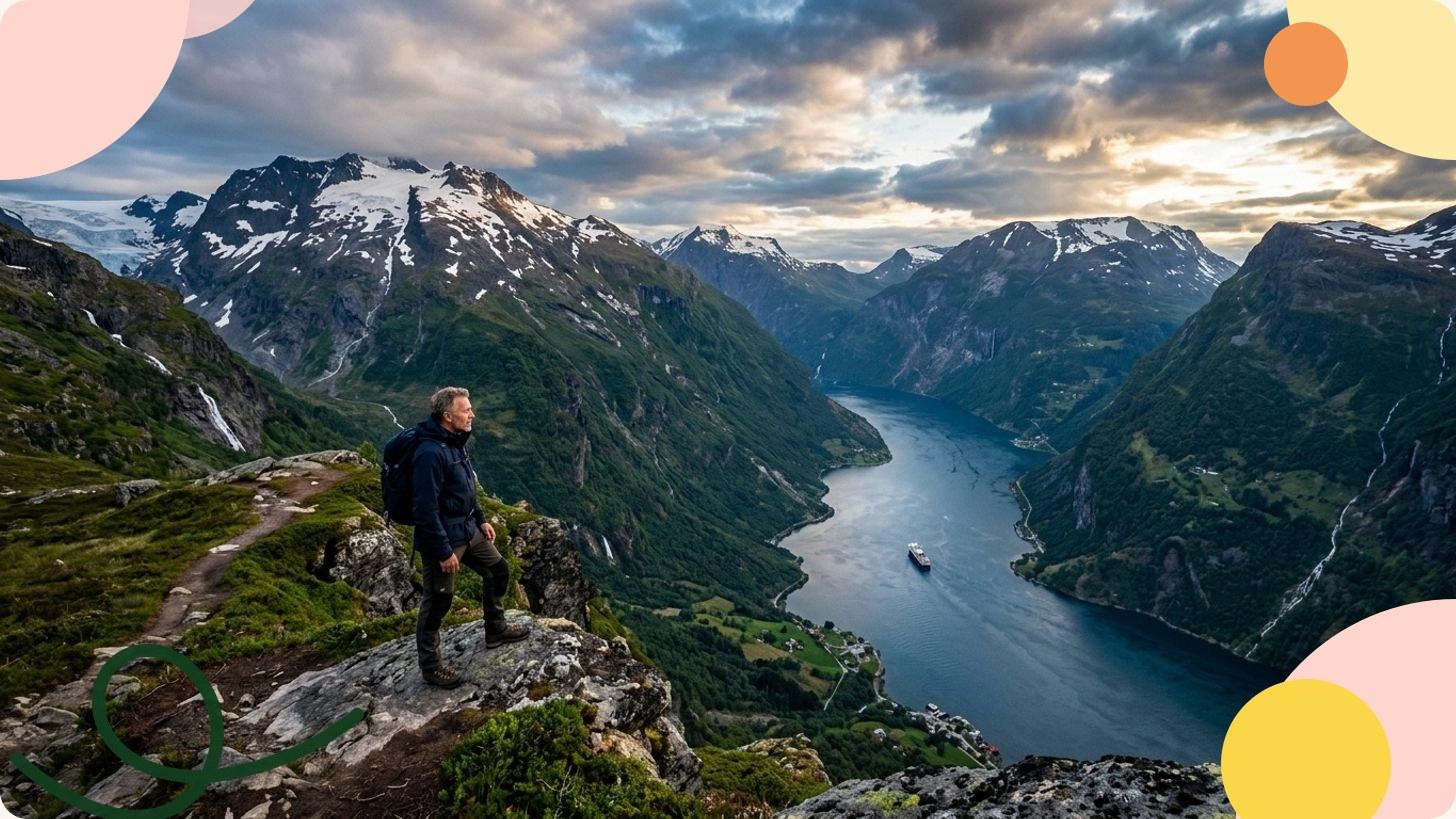
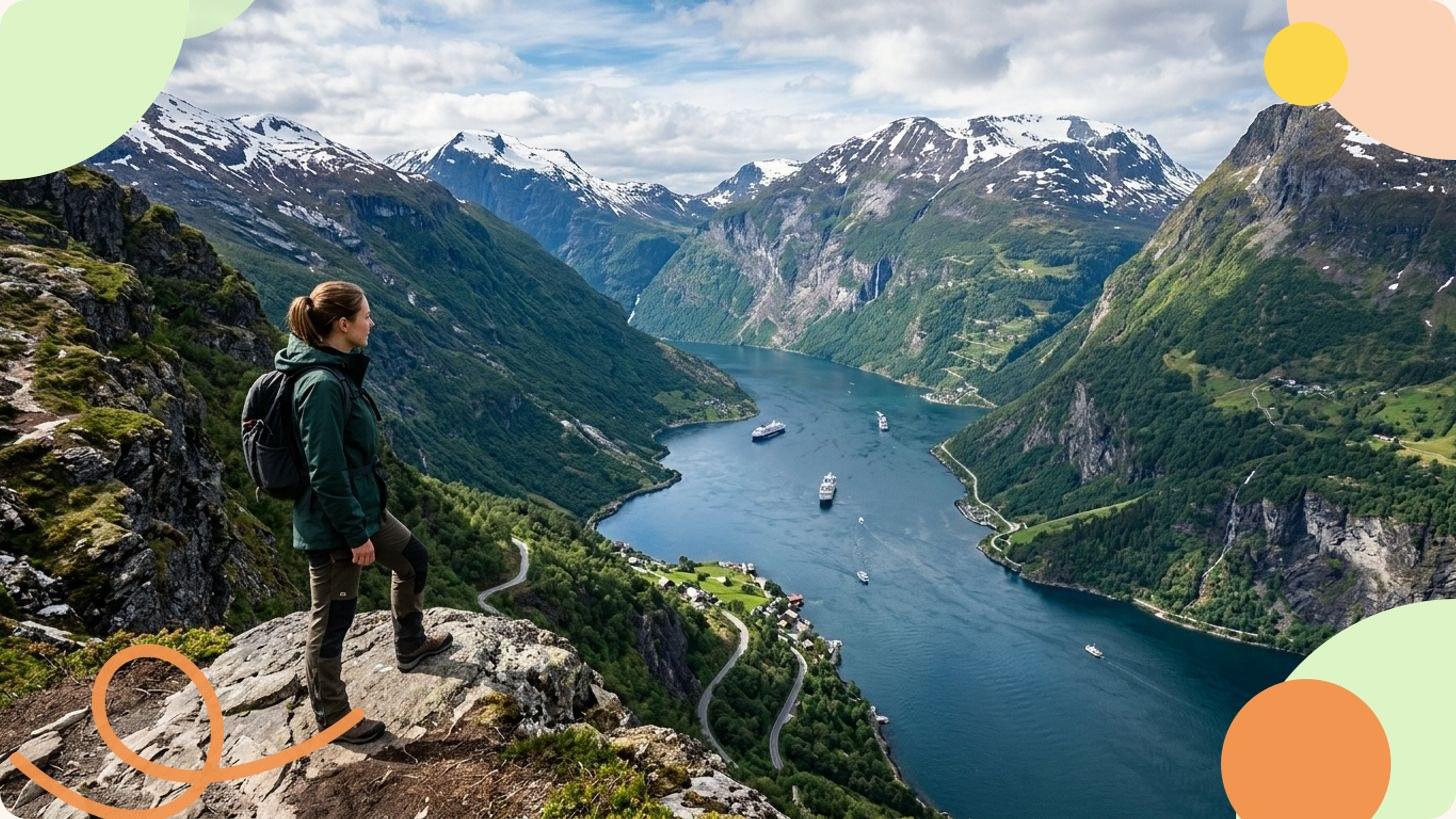
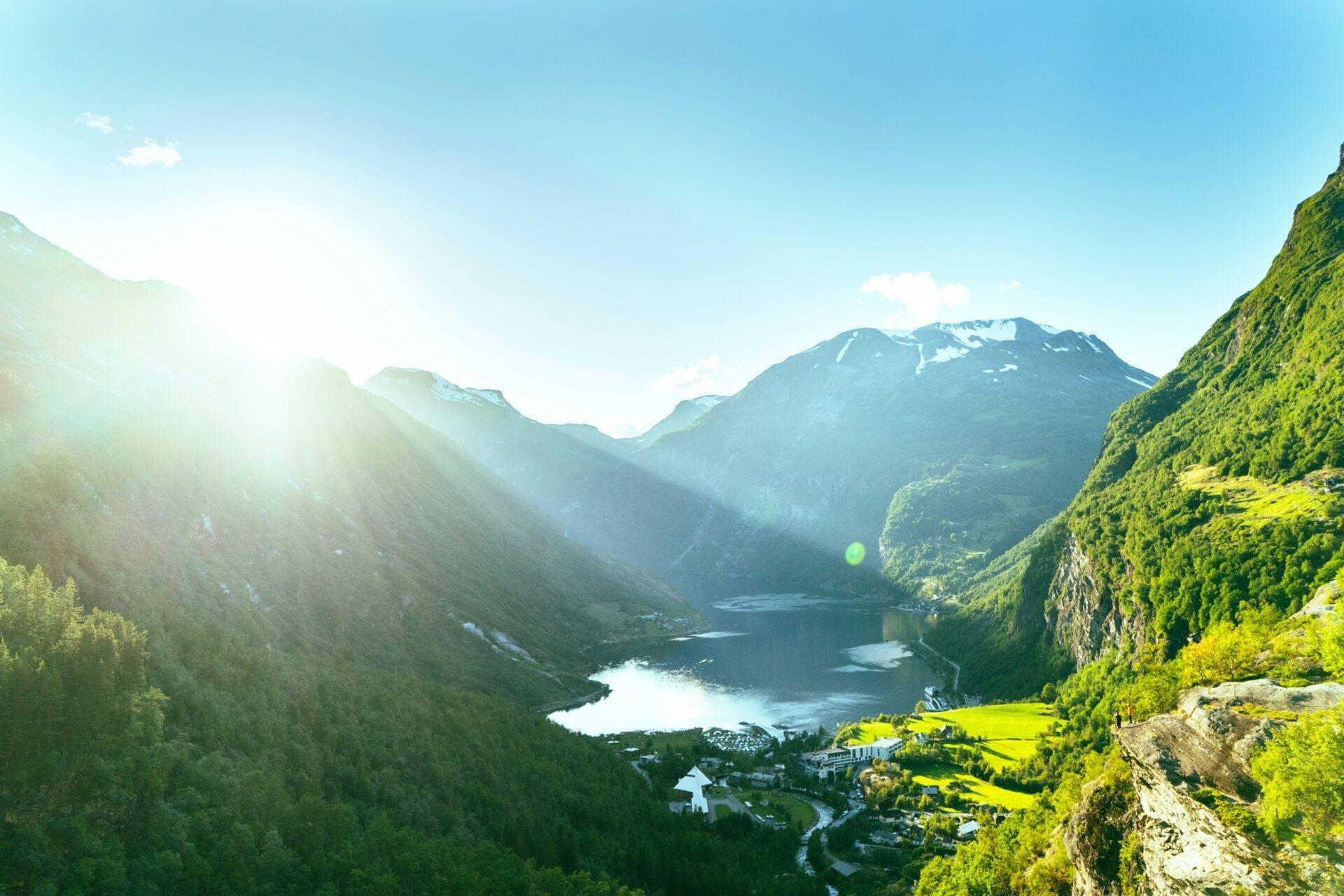
Geirangerfjord and Nærøyfjord are both UNESCO World Heritage Sites. Geirangerfjord cuts between sheer cliff faces that plunge straight into the water, draped with hanging waterfalls including the famous Seven Sisters. From the deck of a ferry or local cruise boat, the scale of those canyon walls hits you in a way no coastal road ever could.
2. Discovering Oslo: museums and fjord
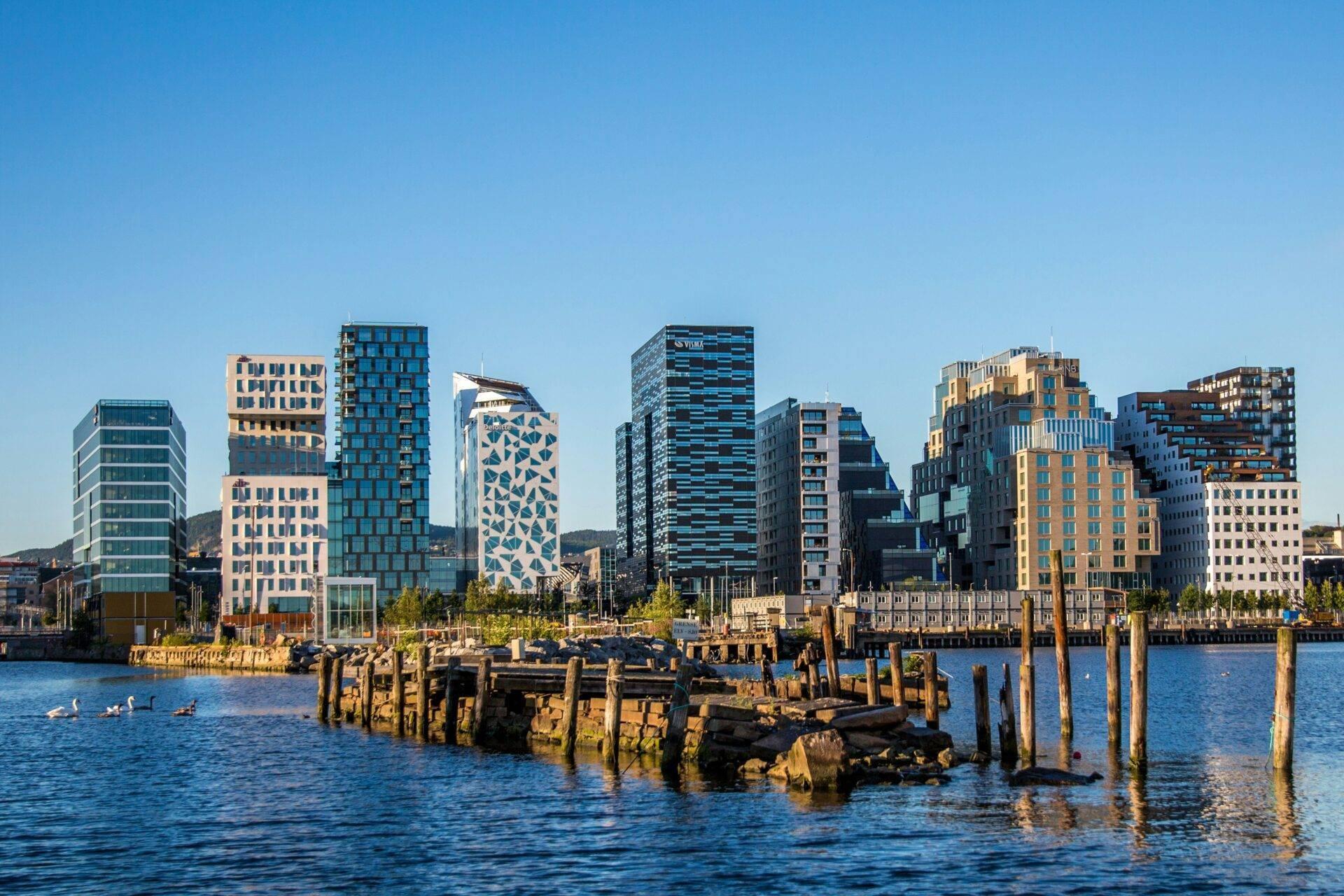
Oslo organises its life around the fjord, the wooded hills of the Nordmarka and a thriving cultural scene. Vigeland Park is home to 212 sculptures by Gustav Vigeland and is free to enter at any time. The Munch Museum, which opened in 2021 opposite the Opera House, presents the painter’s work in a striking waterfront building. On the Bygdøy peninsula, the Viking Ship Museum displays three ninth-century longships in their entirety.
3. Exploring Akershus Fortress
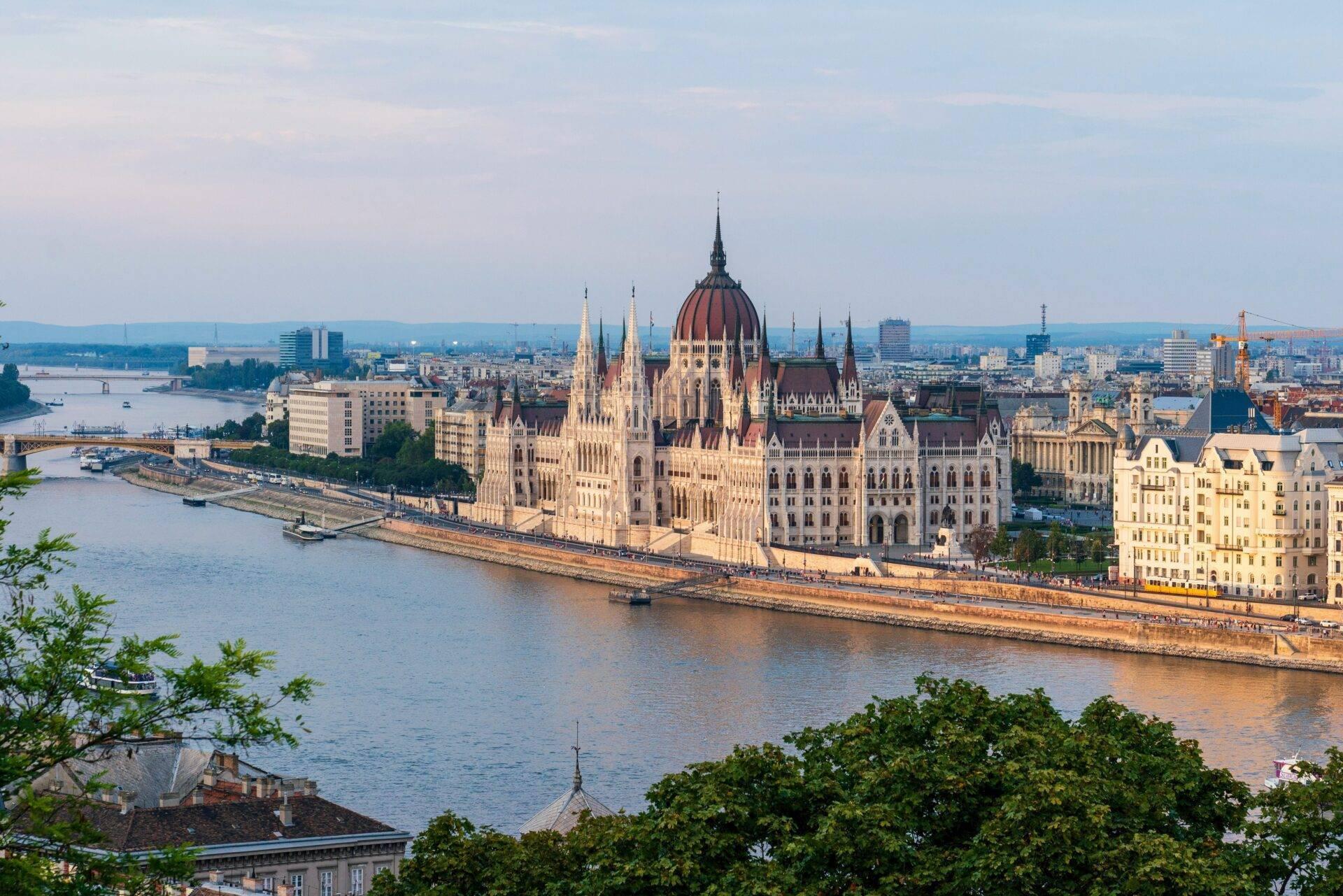
Built in the fourteenth century to guard the port of Oslo, Akershus is one of the few medieval fortresses in the country still standing. Its ramparts offer an unobstructed view over the Oslofjord. Inside, two museums document the Norwegian resistance during the Second World War.
4. Getting lost in Bryggen, old Bergen
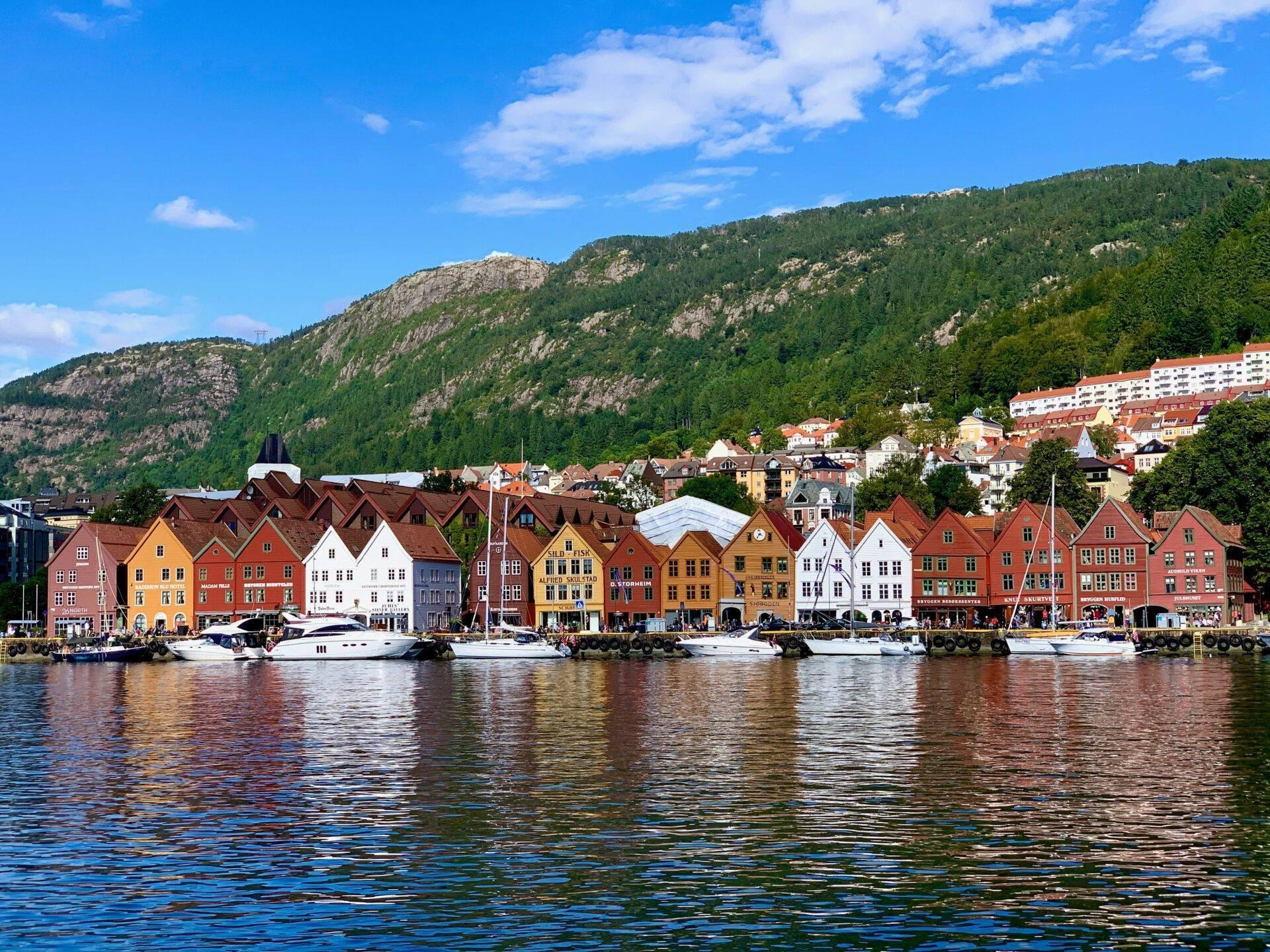
Bryggen is Bergen’s Hanseatic quarter and a UNESCO World Heritage Site. Its colourful timber-fronted buildings were rebuilt after the 1702 fire in a style faithful to the original medieval architecture. The narrow alleyways behind the facades house craftsmen’s workshops, galleries and cafes. Bergen is also the natural gateway to the Norwegian fjords.
5. Riding up to Mount Fløyen
The Fløibanen funicular connects Bergen city centre to the top of Mount Fløyen in just a few minutes. From the summit, the view sweeps across the city, its seven mountains and the surrounding fjords. Marked trails then wind through lakes and forests, or you can simply head straight back down into town on foot.
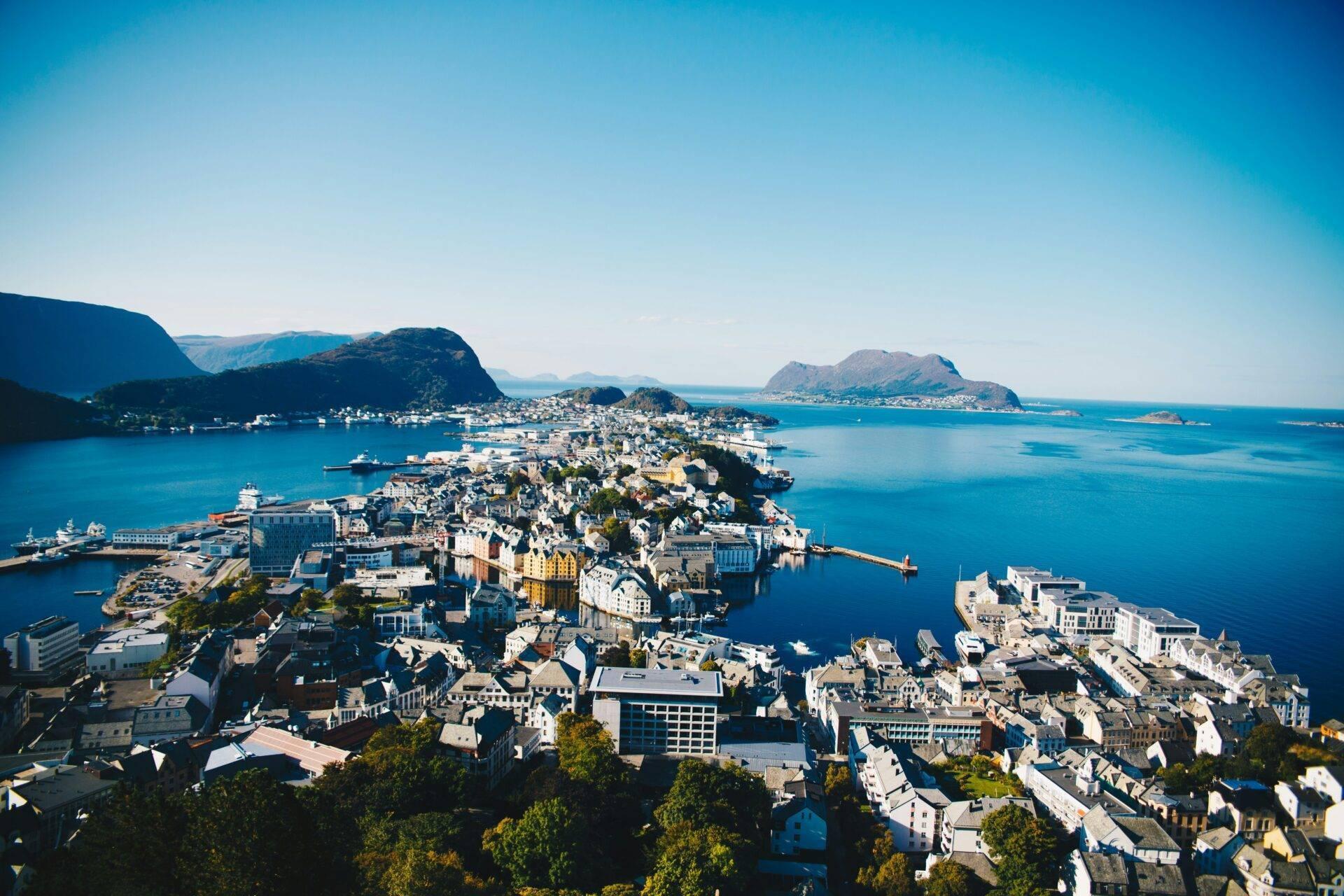
6. Driving a national scenic route
Norway has designated 18 national scenic routes for their outstanding landscapes. Aurlandsvegen (above Aurland) and Trollstigen are among the most celebrated, with their hairpin bends, waterfalls and viewpoints suspended above the valleys below. These roads are best driven between May and September, when the mountain passes are clear.
If you are weighing up several Nordic destinations for the summer, the article Travelling this summer: Portugal, Croatia or Norway offers a useful comparison.
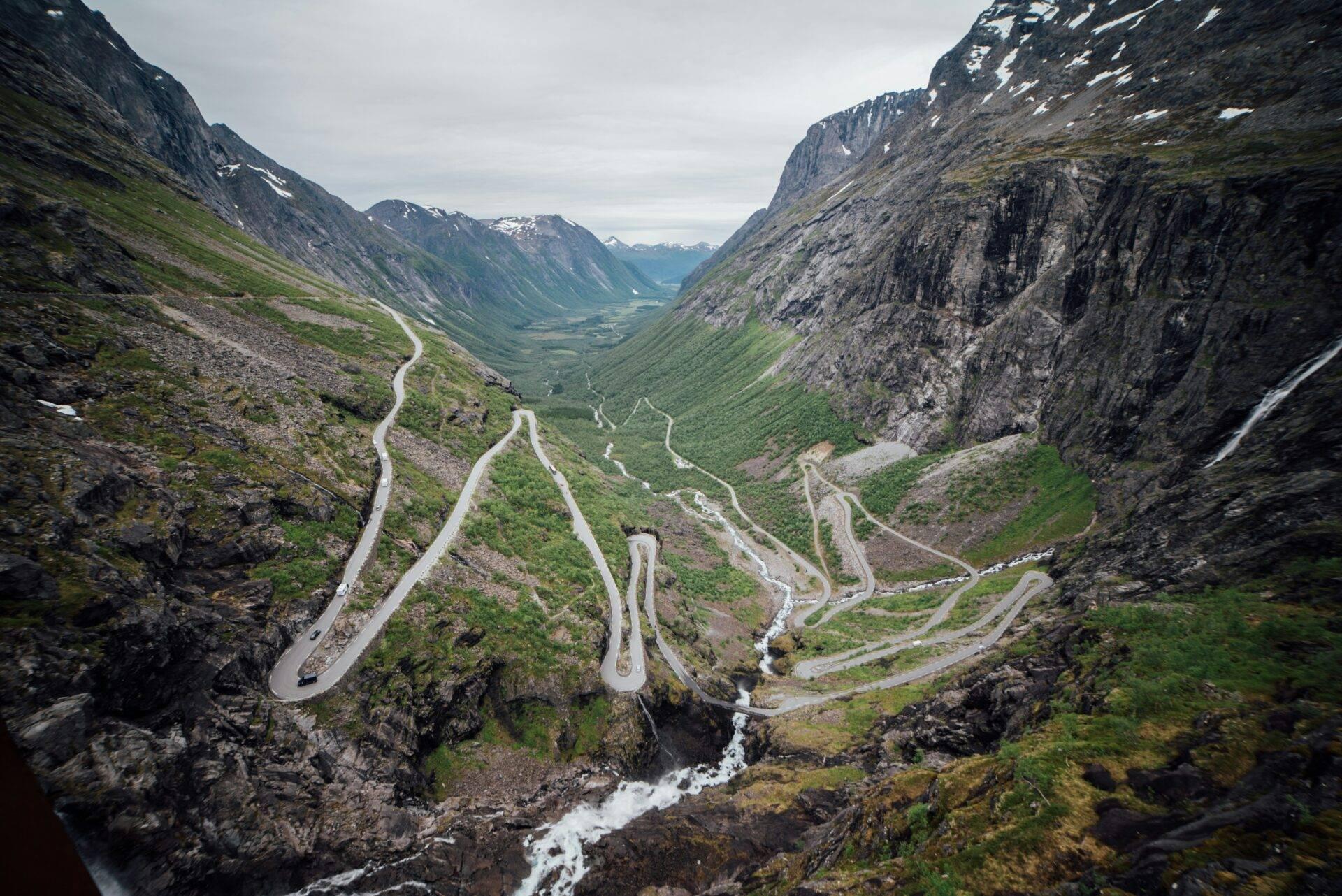
7. Exploring the fjords by kayak
The fjords take on a completely different dimension from the water’s surface, at the foot of sheer rock walls. In May and June, waterfalls are at their peak and the vegetation greens up fast, casting a rare quality of light across the water. Local operators run guided trips from Flåm, Aurland and Balestrand, suitable for first-timers and seasoned paddlers alike.
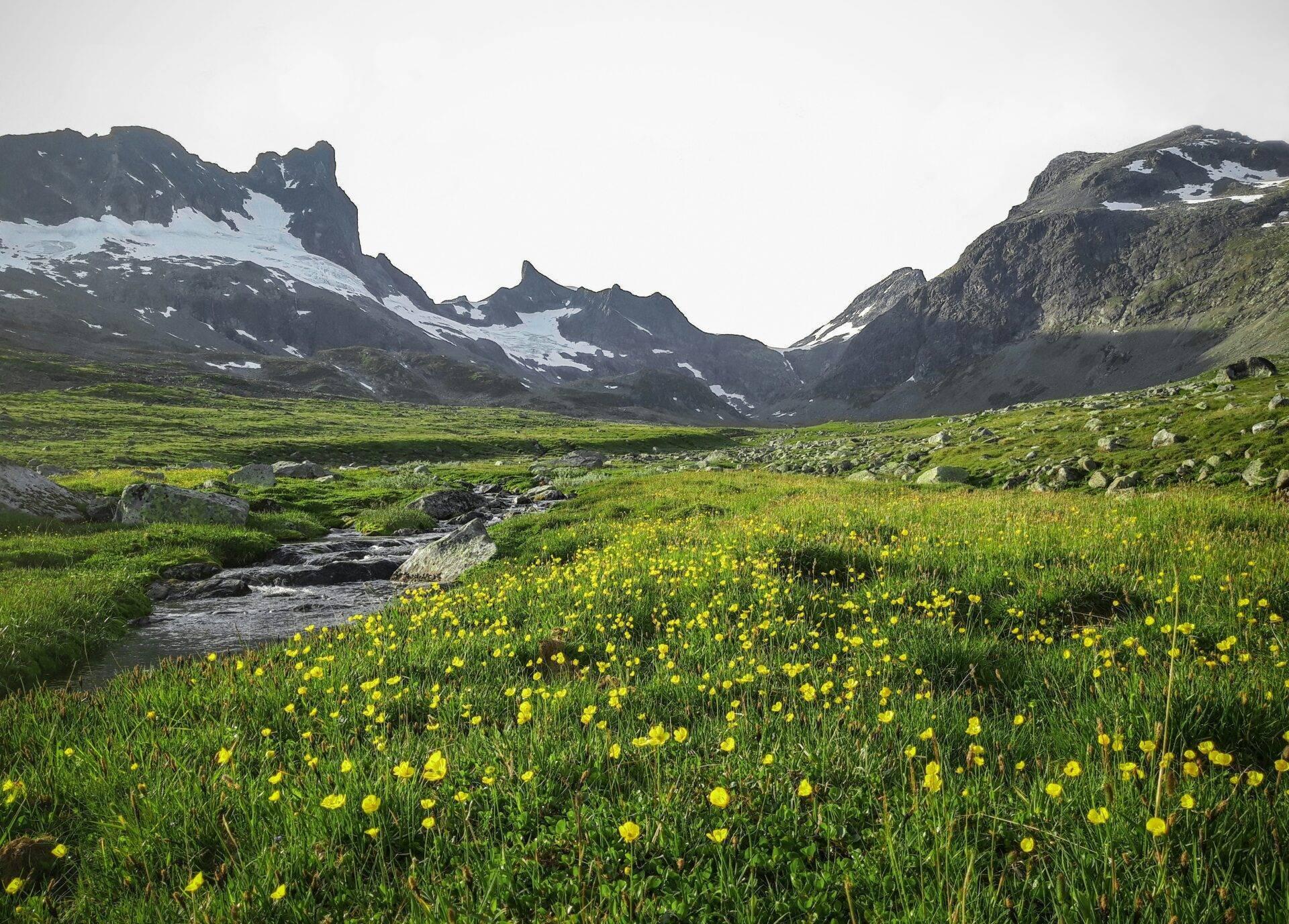
8. Taking the Flåm Railway
The Flåmsbana is a 20-kilometre railway line between Flåm and Myrdal, built between 1924 and 1940. It climbs a vertical rise of nearly 900 metres with a maximum gradient of 5.5%. The train pauses in front of Kjosfossen waterfall. For the best views, sit on the right-hand side travelling from Myrdal down to Flåm.
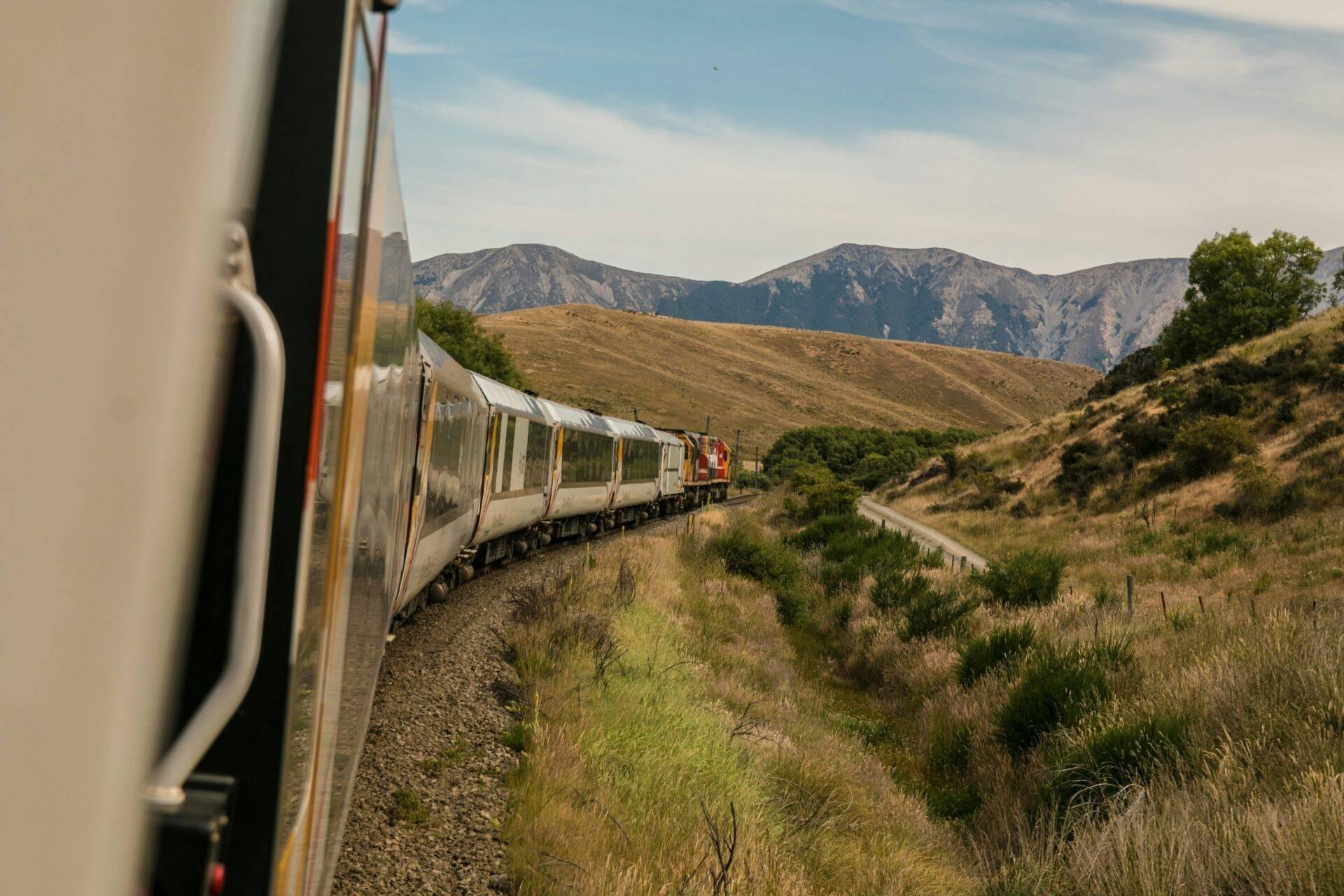
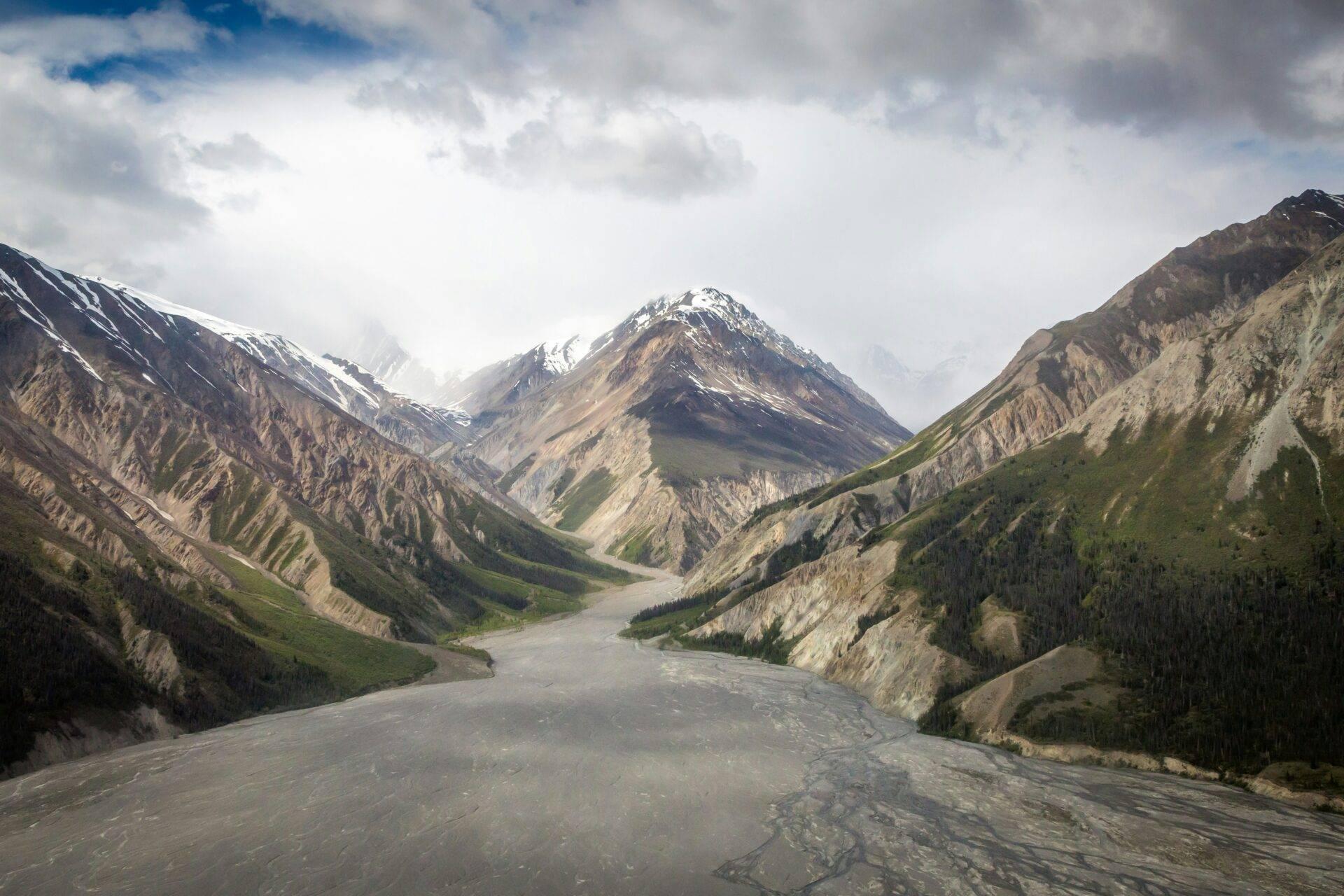
9. Getting close to Jostedalsbreen Glacier
Jostedalsbreen is the largest glacier on mainland Europe, covering 487 square kilometres within a national park created in 1991. It flows down in several glacial tongues from a high-altitude plateau. The Glacier Centres at Mundal and Jostedal run exhibitions on its evolution and offer guided excursions out onto the ice, depending on the season.
10. Hiking to Briksdal Glacier
Briksdal is one of the most accessible glacial tongues of Jostedalsbreen. From the Briksdalsbreen Mountain Lodge, a gravel path leads roughly 5.5 kilometres return to the glacier front and its turquoise meltwater lake. The hike is rated moderate. To beat the summer crowds in July and August, set off early in the morning.
11. Wandering around Stavanger and its old town
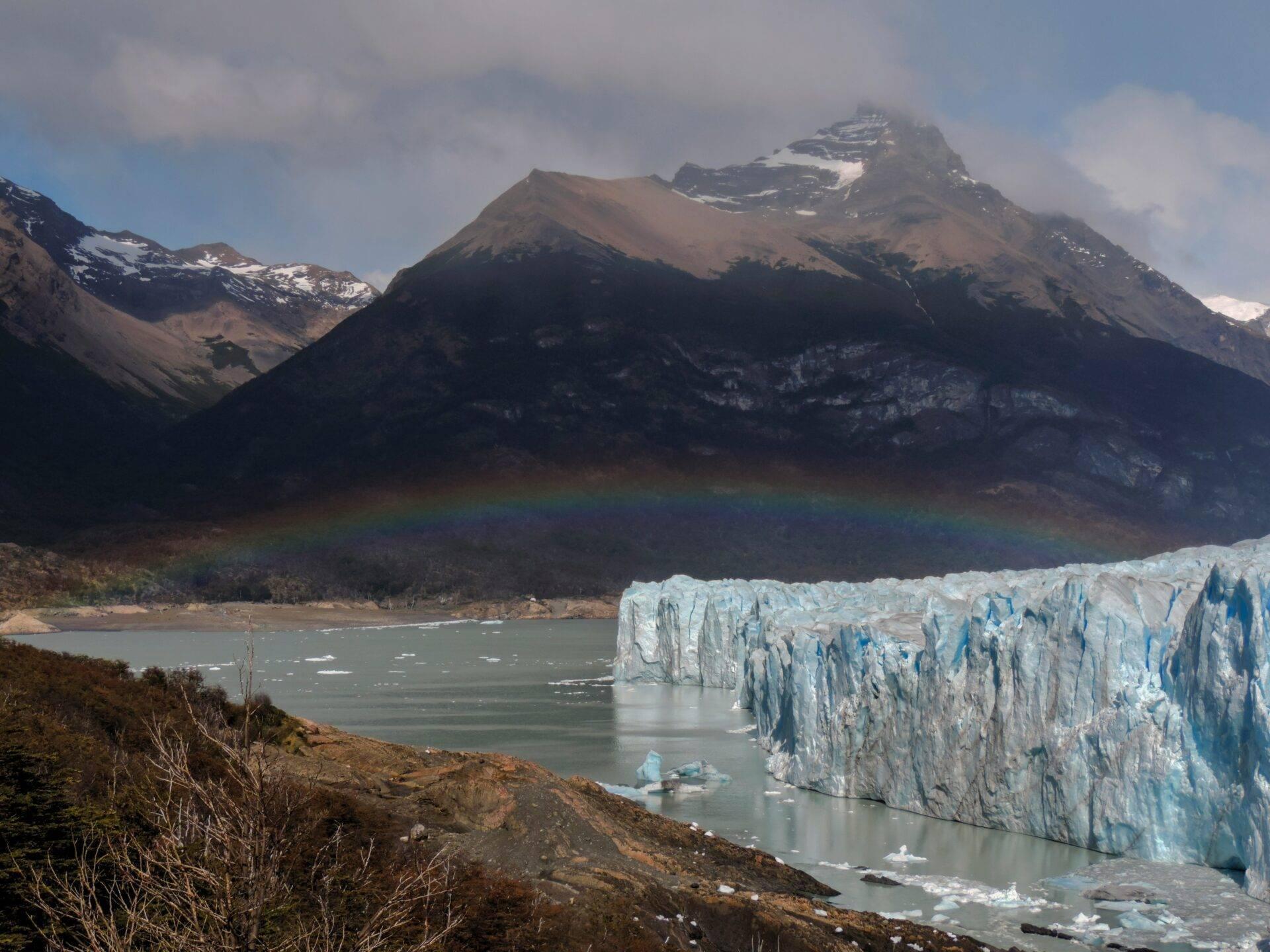
Stavanger is Norway’s fourth-largest city and the ideal base for reaching Preikestolen. The Gamle Stavanger quarter contains more than 170 white wooden houses from the eighteenth century, entirely traffic-free and beautifully preserved. The petroleum and canning museums trace two centuries of the region’s industrial heritage.
12. Climbing Preikestolen
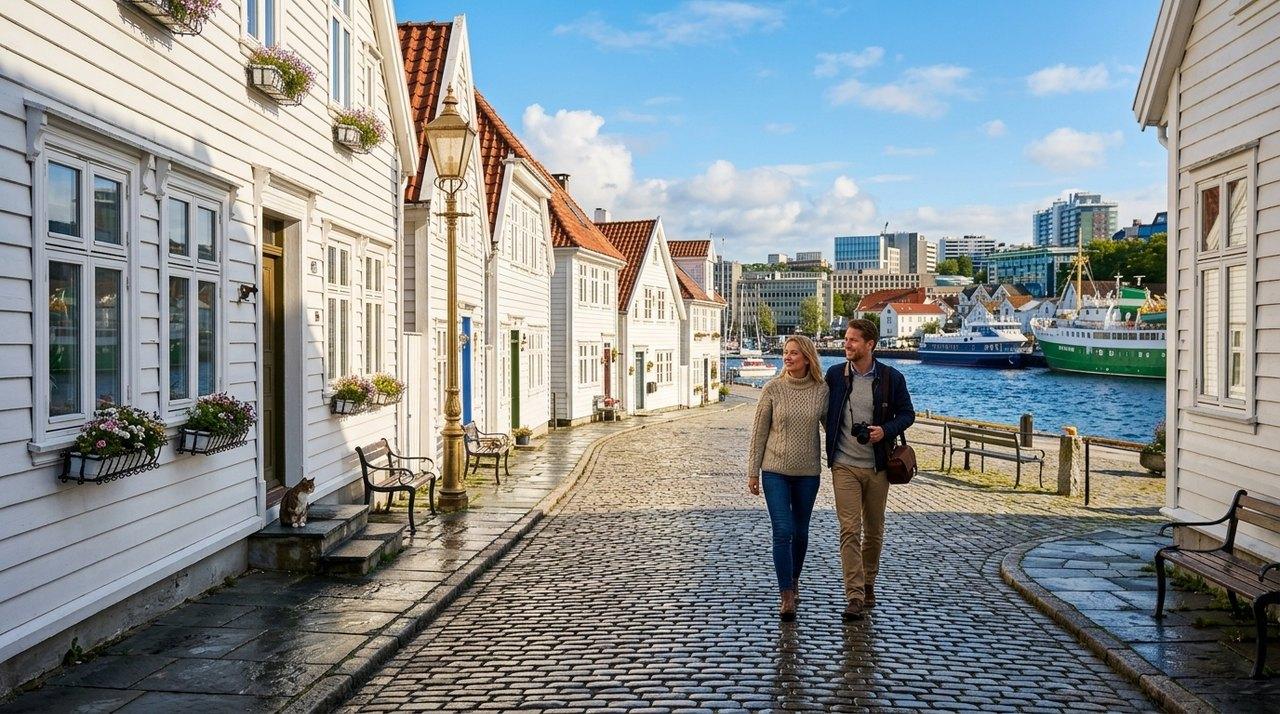
Preikestolen, known in English as Pulpit Rock, is a flat clifftop that towers 604 metres above the Lysefjord. The hike from Preikestolen Mountain Lodge takes around four hours return on a well-marked trail. The view from the sheer, unfenced ledge is one of the most photographed in Norway. May to September is the most reliable season to walk it.
13. Crossing Rondane National Park
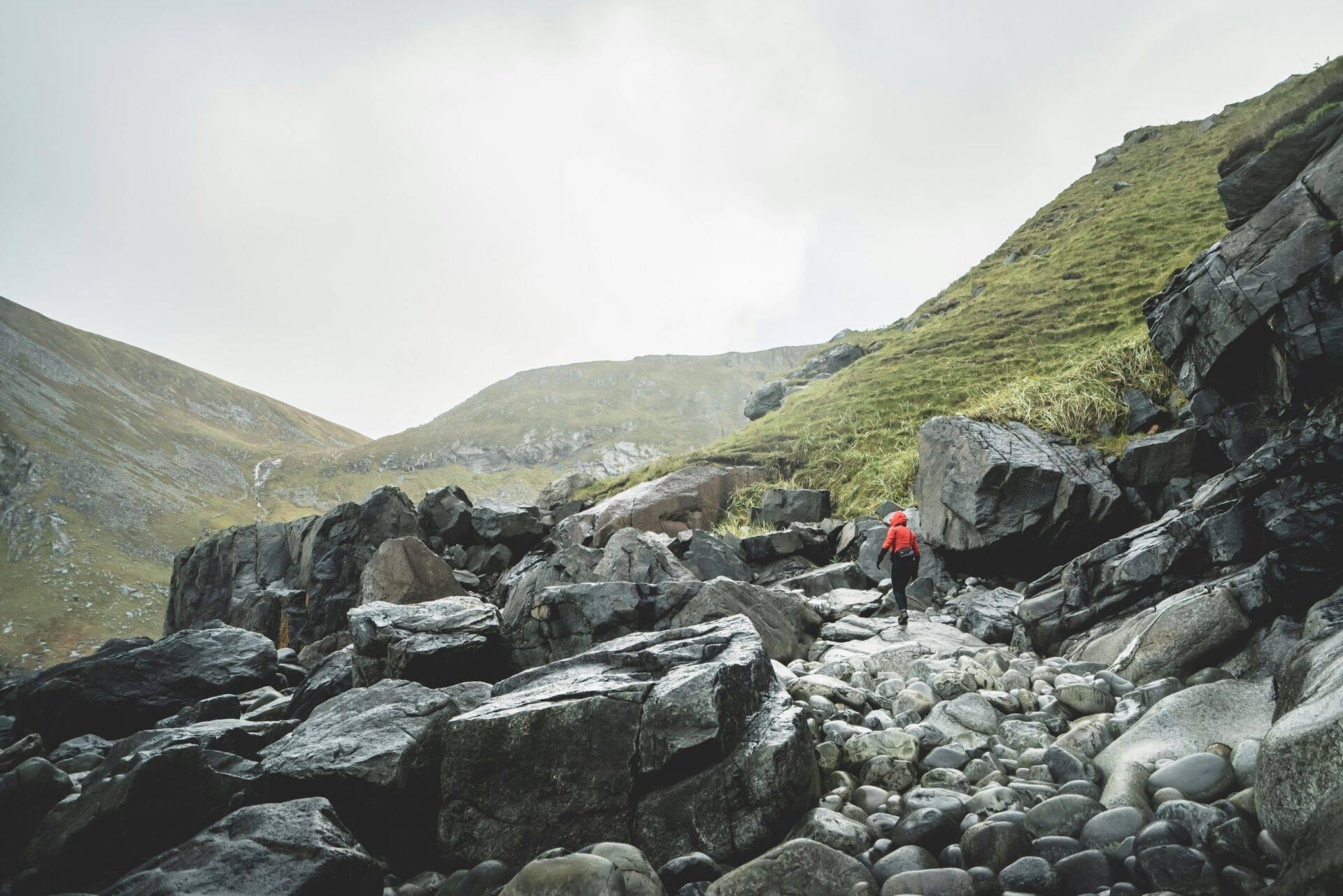
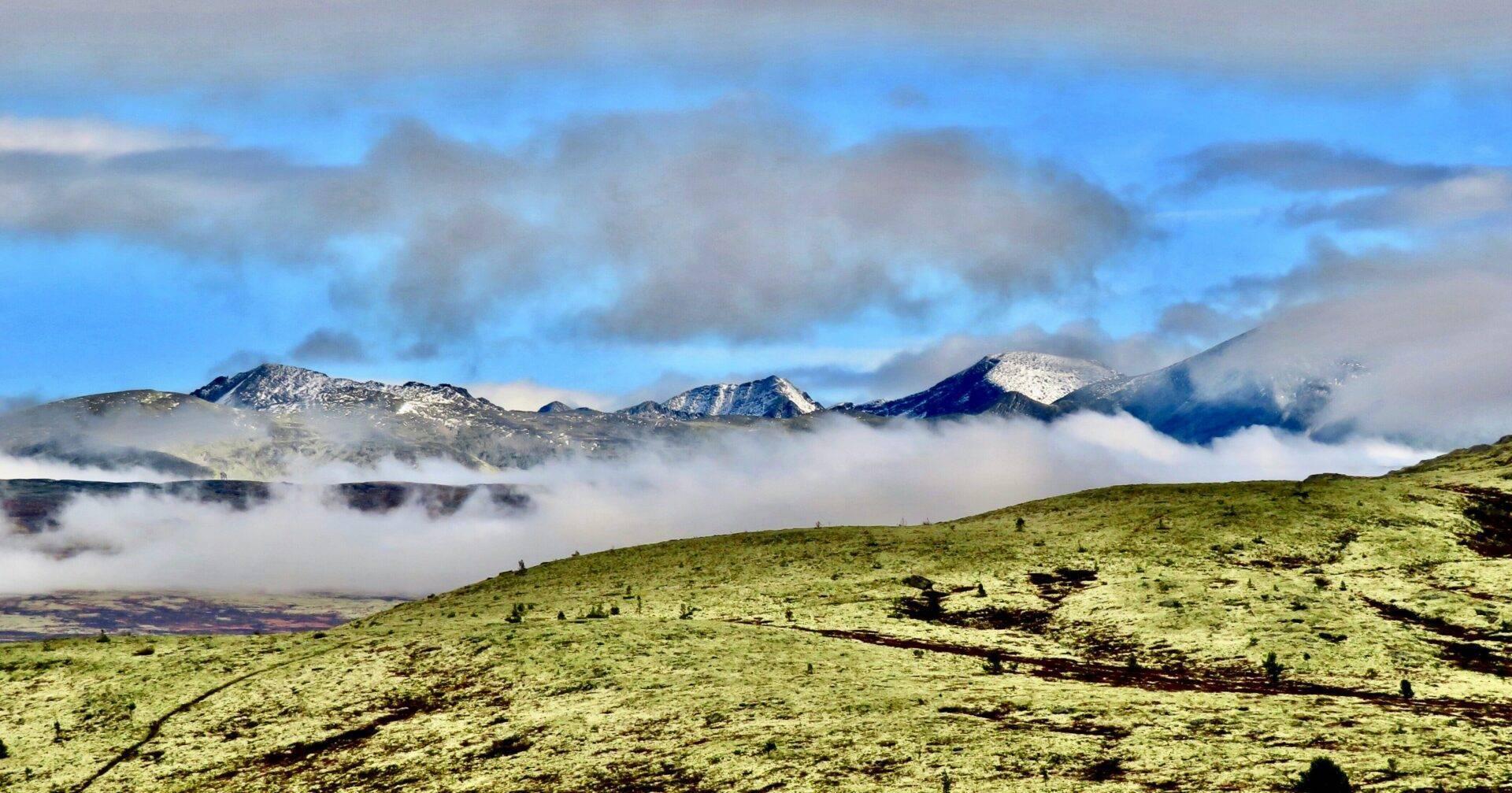
Rondane is Norway’s first national park, created in 1962 to protect its high-mountain landscapes and wildlife. It is home to one of Europe’s few remaining herds of wild reindeer. The DNT (Norwegian Trekking Association) network of mountain huts allows walkers to string together several days of hiking from cabin to cabin, in partial self-sufficiency.
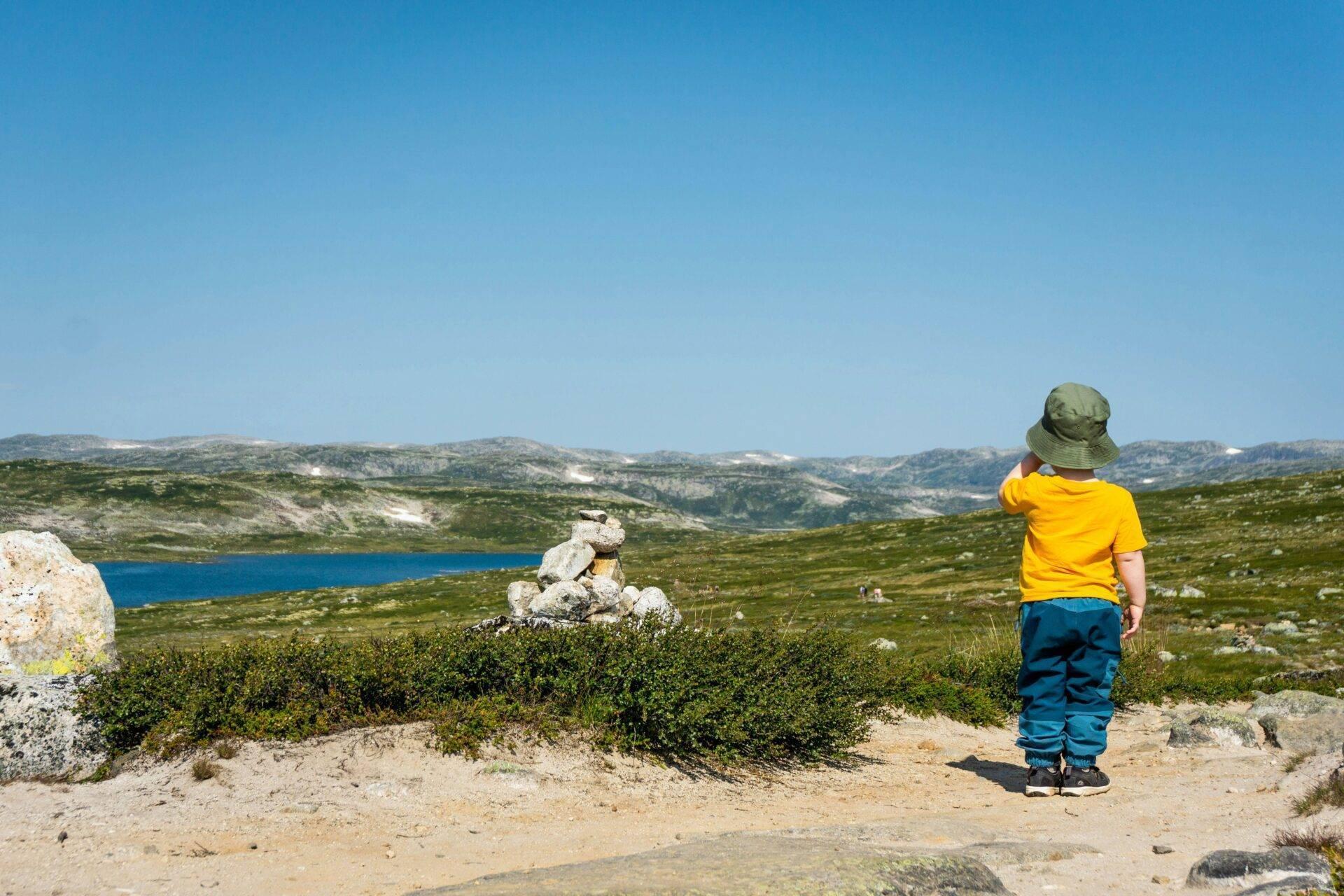
14. Being captivated by the Lofoten Islands
The Lofoten archipelago, above the Arctic Circle, is one of the most photographed destinations in Northern Europe. Jagged mountain peaks rise straight from the sea, white sandy beaches fringe sheltered bays, and fishing villages cling to the rocks. In summer, the midnight sun lights up the landscape around the clock. In winter, the northern lights and whale watching make it an extraordinary Arctic destination.
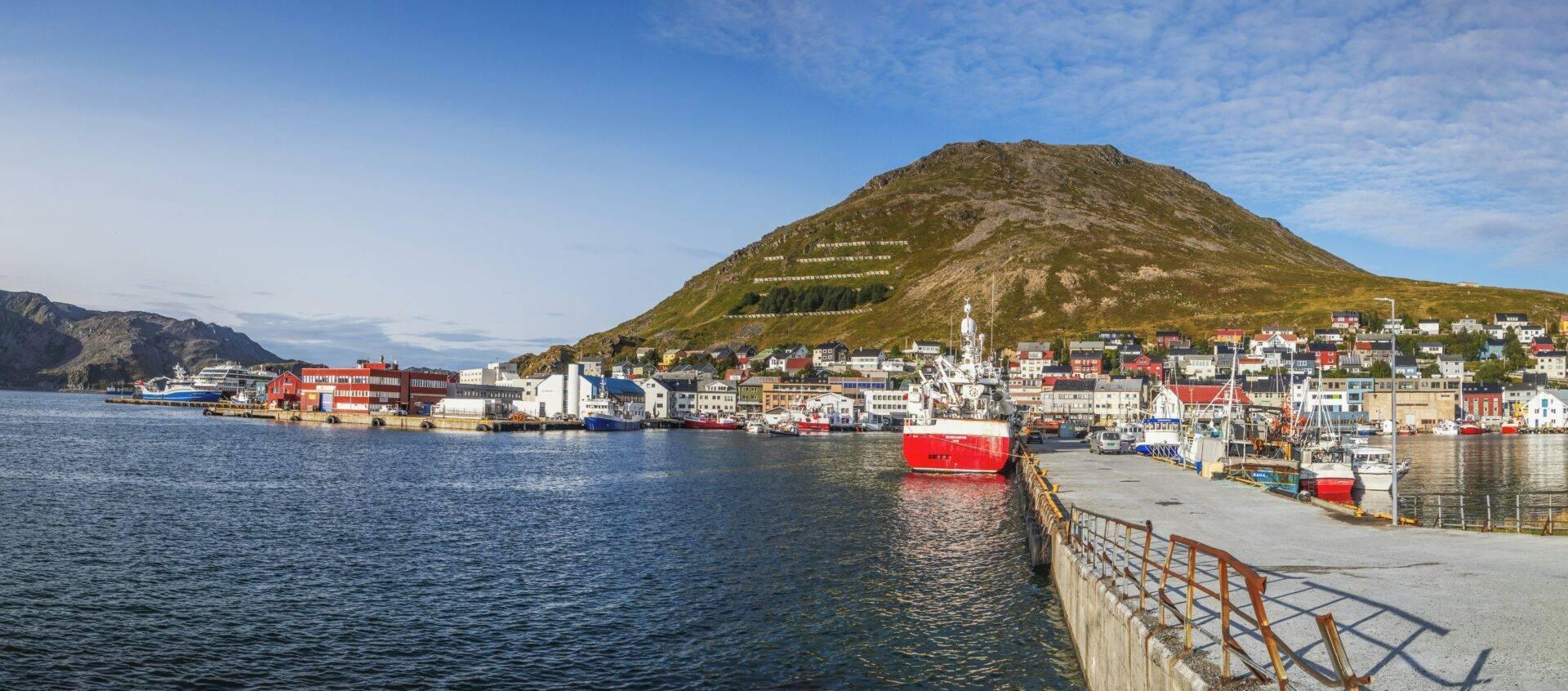
15. Stopping at Reine in the Reinefjord
Reine is one of the most beautiful villages in Norway: its rorbu (traditional fishermen’s cabins on stilts, painted a deep red) are tucked between the fjord waters and near-vertical cliff walls. The Reinebringen hike gives a bird’s-eye view over the village and surrounding islands. Boat trips run out to secluded beaches accessible only by sea.
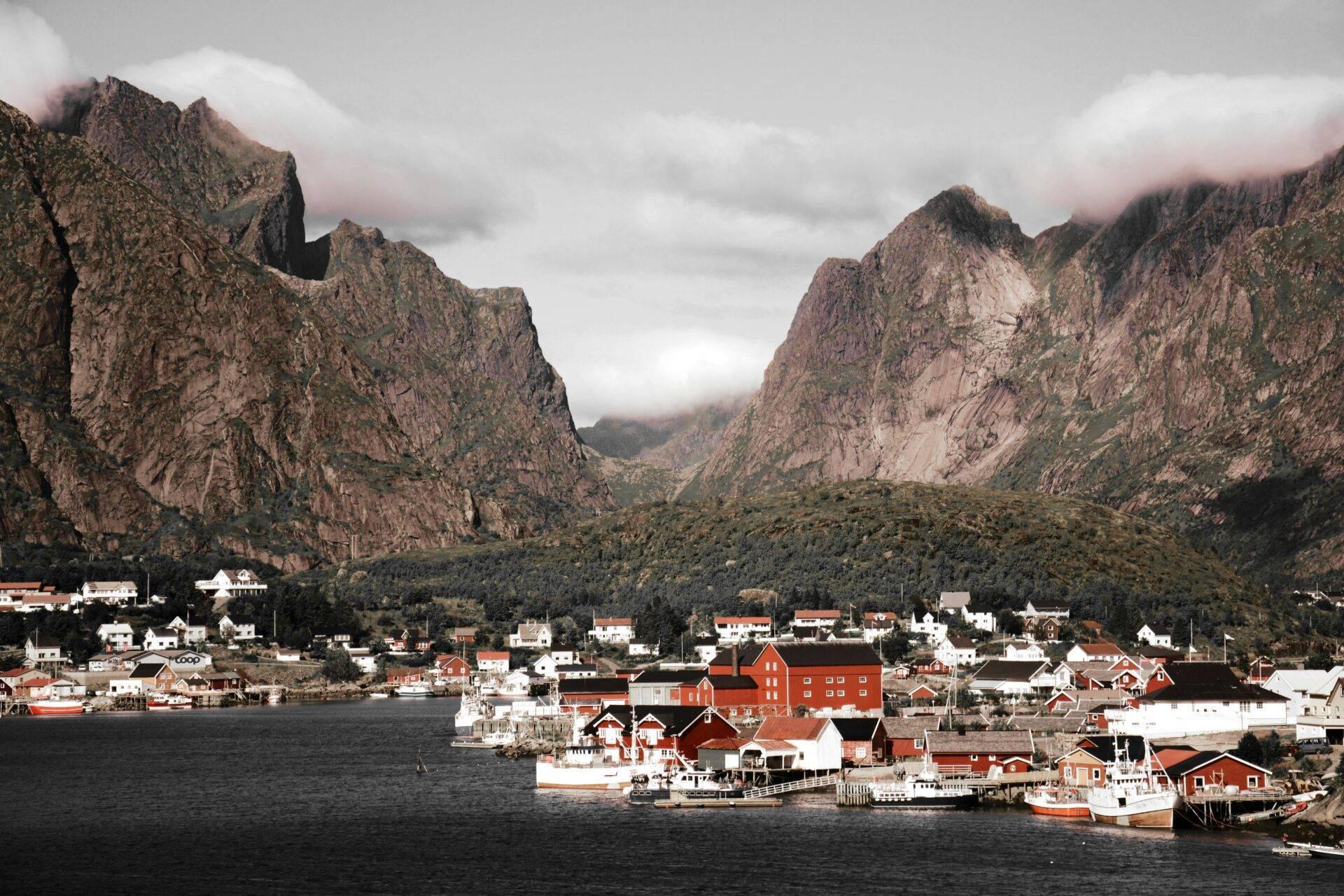
16. Exploring from a Tromsø base
Tromsø, in northern Norway, lies well above the Arctic Circle. It is the most convenient base for Arctic activities in winter (snowmobiling, dog sledding, whale watching, northern lights hunting) and for hiking under the midnight sun in summer. The Arctic Cathedral, with its dramatic triangles of glass and concrete, is the city’s defining landmark.
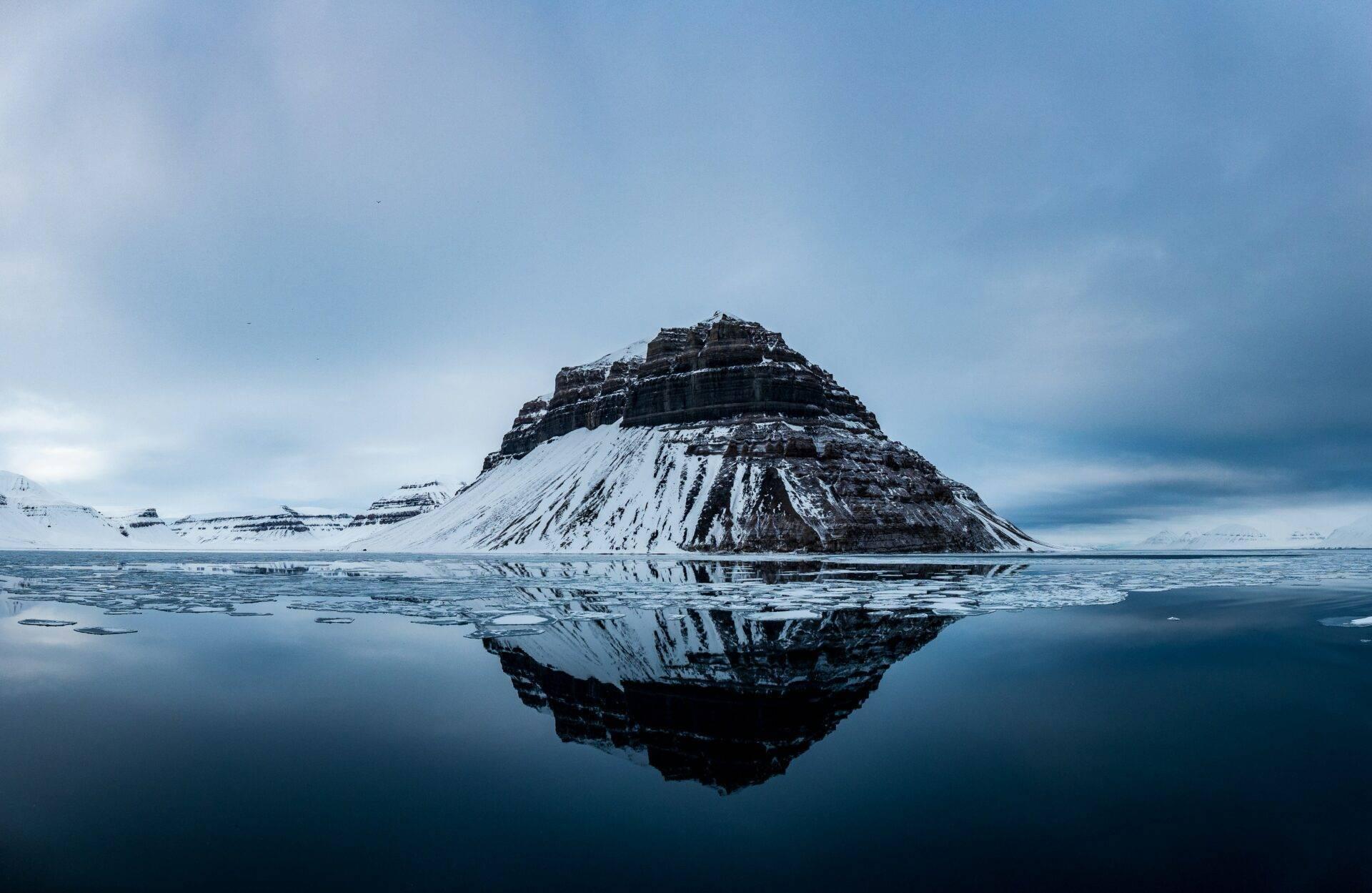
17. Watching the northern lights
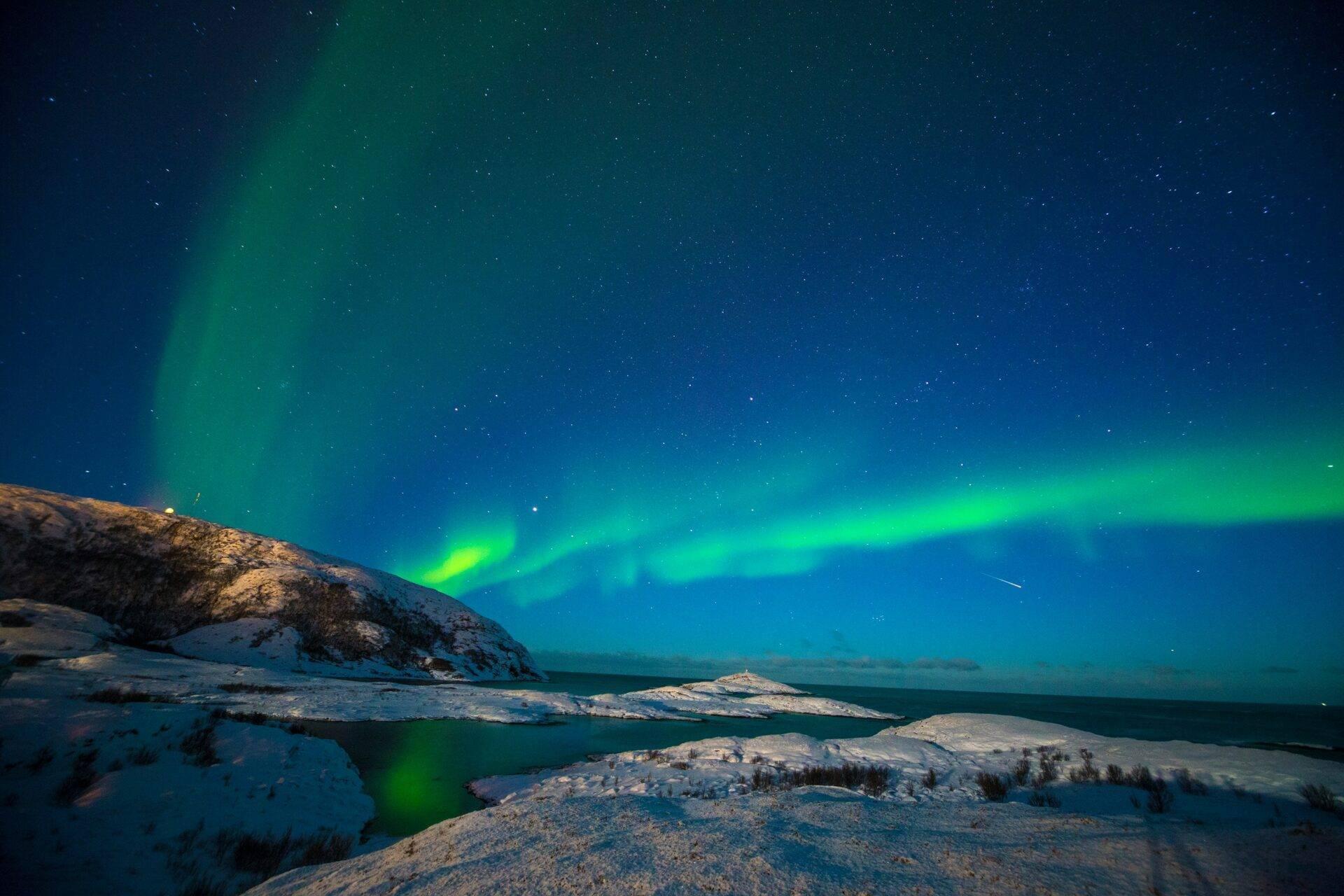
The northern lights appear during the polar night, between late September and late March. Tromsø, Alta and the Lofoten Islands offer the best viewing conditions in Norway thanks to their position beneath the auroral oval. To maximise your chances, move well away from town lights, pick a clear night and keep a close eye on geomagnetic activity forecasts (Kp index).
18. Reaching the North Cape
The North Cape (Nordkapp) is a cliff on the island of Magerøya in Finnmark, widely regarded as the northernmost point in Europe accessible by car. On the clifftop plateau, a metal globe has become the symbol of the site. The E69 road that leads there crosses stretches of Arctic tundra of stark, haunting beauty.
19. Sailing aboard the Hurtigruten
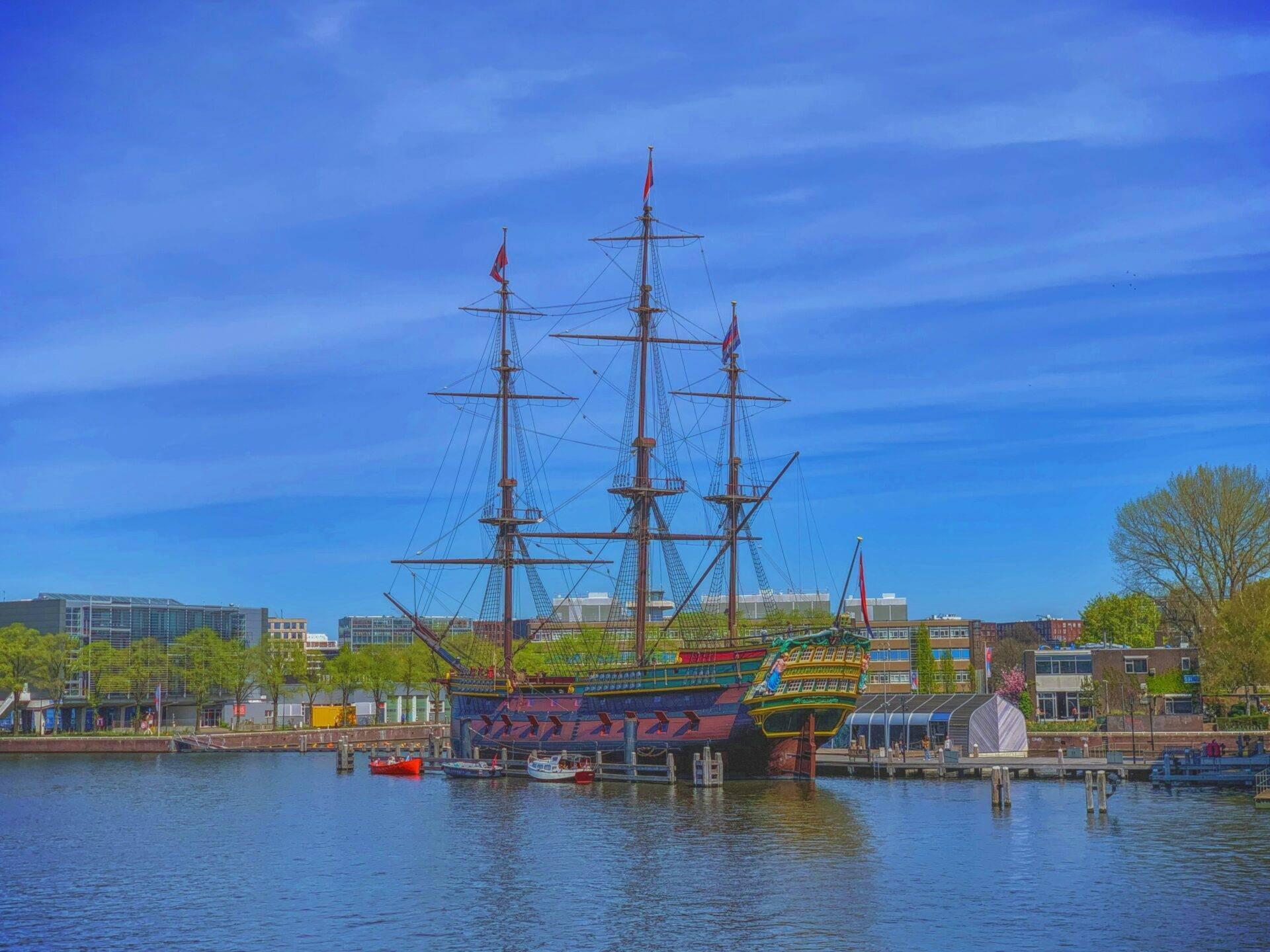
The Hurtigruten connects Bergen to Kirkenes along the Norwegian coastline, calling at dozens of ports over the course of several days. It serves simultaneously as a supply vessel for isolated coastal communities and as a cruise ship, which gives it an atmosphere unlike any other. In winter, the crew alerts passengers whenever the northern lights appear from the deck.
20. Spending a night in a hytte
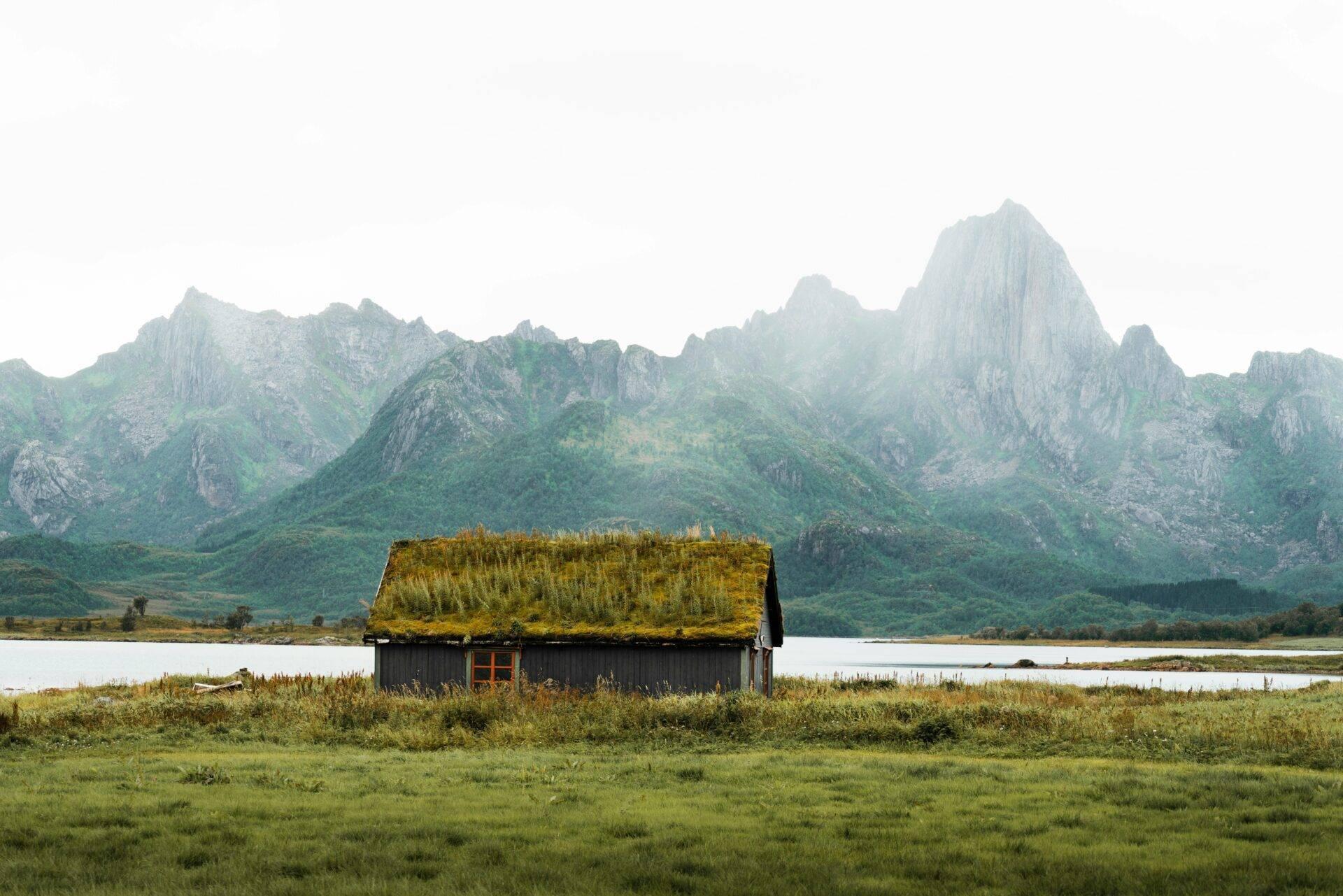
A hytte (pronounced “hutt-uh”) is the mountain cabin or chalet at the heart of Norwegian outdoor culture. Hundreds of DNT huts are scattered across the mountains, some staffed, others self-service. Spending a night at altitude beside a mountain lake opens up a side of Norway well away from the crowds: fly fishing, hiking through roadless valleys, sunrise over the summits.
For neighbouring countries, explore our guides on things to do in Sweden and things to do in Denmark, two destinations that pair naturally with a Scandinavian trip.
FAQ
What is the best time to visit Norway?
It depends on what you are looking for. Summer (June to August) is ideal for the fjords, mountain hiking and the midnight sun in the Lofoten Islands. Winter (late September to March) is the only window for seeing the northern lights and taking part in Arctic activities around Tromsø.
How do you get to the Lofoten Islands?
The Lofoten Islands are accessible by plane (flights from Oslo, Bergen or Tromsø to Svolvær or Leknes) or by car from northern Norway via the E10 and the bridges that connect the islands to the mainland. The Hurtigruten also calls at several ports in the archipelago.
Is Preikestolen accessible to everyone?
The hike is rated moderate. Between May and September it requires no specialist equipment, but you will need sturdy walking shoes and a reasonable level of fitness. The complete absence of barriers at the cliff edge makes it inadvisable for young children.
Can you see the northern lights from Bergen?
Bergen sits too far south and is too prone to cloud cover for reliable sightings. Tromsø, Alta and the Lofoten Islands, above the Arctic Circle, are the most favourable locations between late September and late March.
How long do you need to visit Norway?
Two weeks allow you to combine Oslo, Bergen, the fjords and a trip to the Lofoten Islands. To add Tromsø and the North Cape, allow three weeks, or plan several trips according to your priorities.