
Sweden has twenty sites and experiences that deserve a place on any itinerary: from Gamla Stan, Stockholm’s medieval old town founded in the 13th century, to the vast expanses of Lapland where the northern lights paint the sky from September to March. The capital is home to most of the world-class museums, but Gotland, Uppsala, Gothenburg and Kiruna are each well worth the journey.
Stockholm: ten essentials
With its 14 islands linked by 57 bridges and an exceptional concentration of museums, Stockholm alone justifies half of this guide. For a detailed itinerary of the capital, see our complete Stockholm guide.
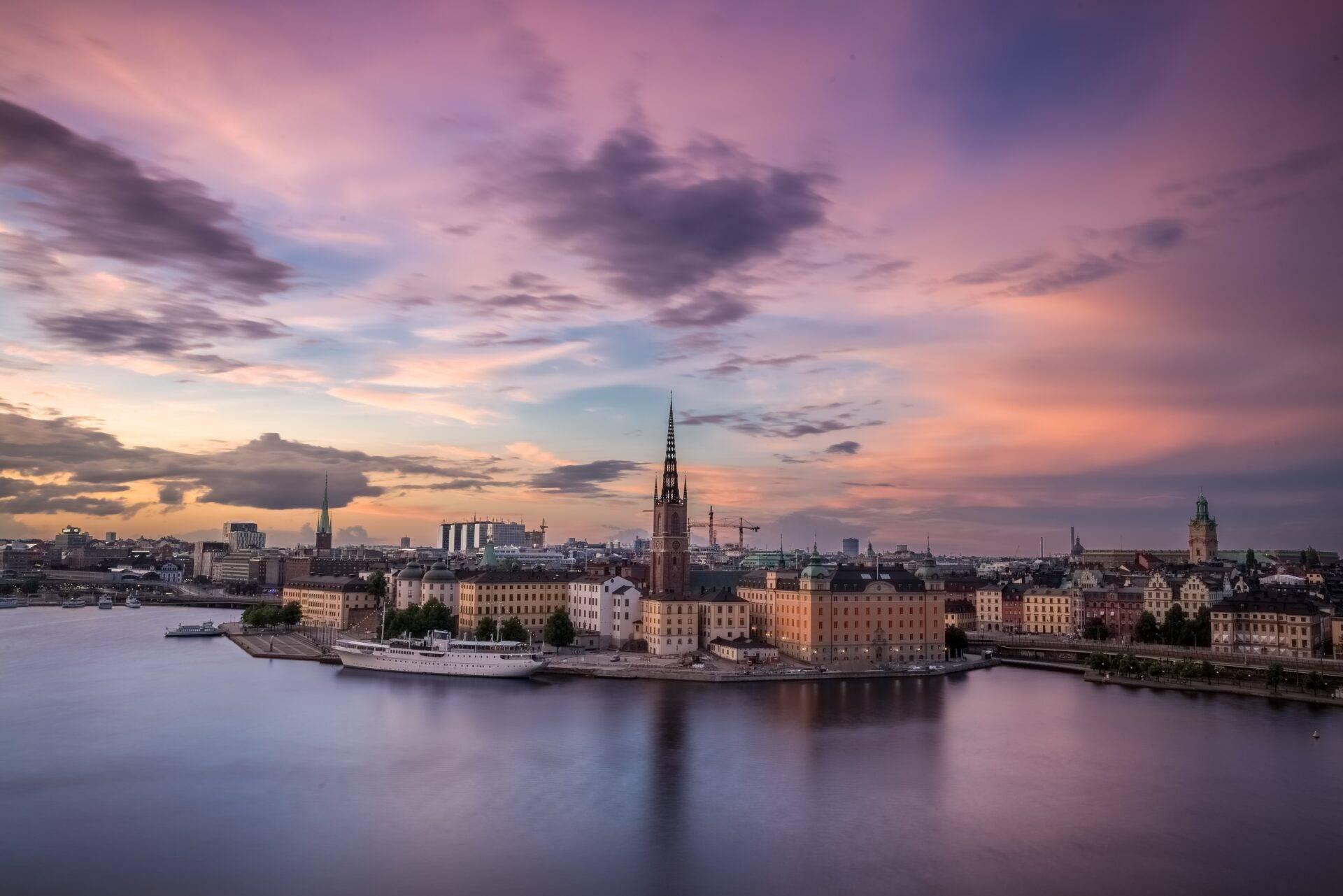
1. Gamla Stan, the medieval heart
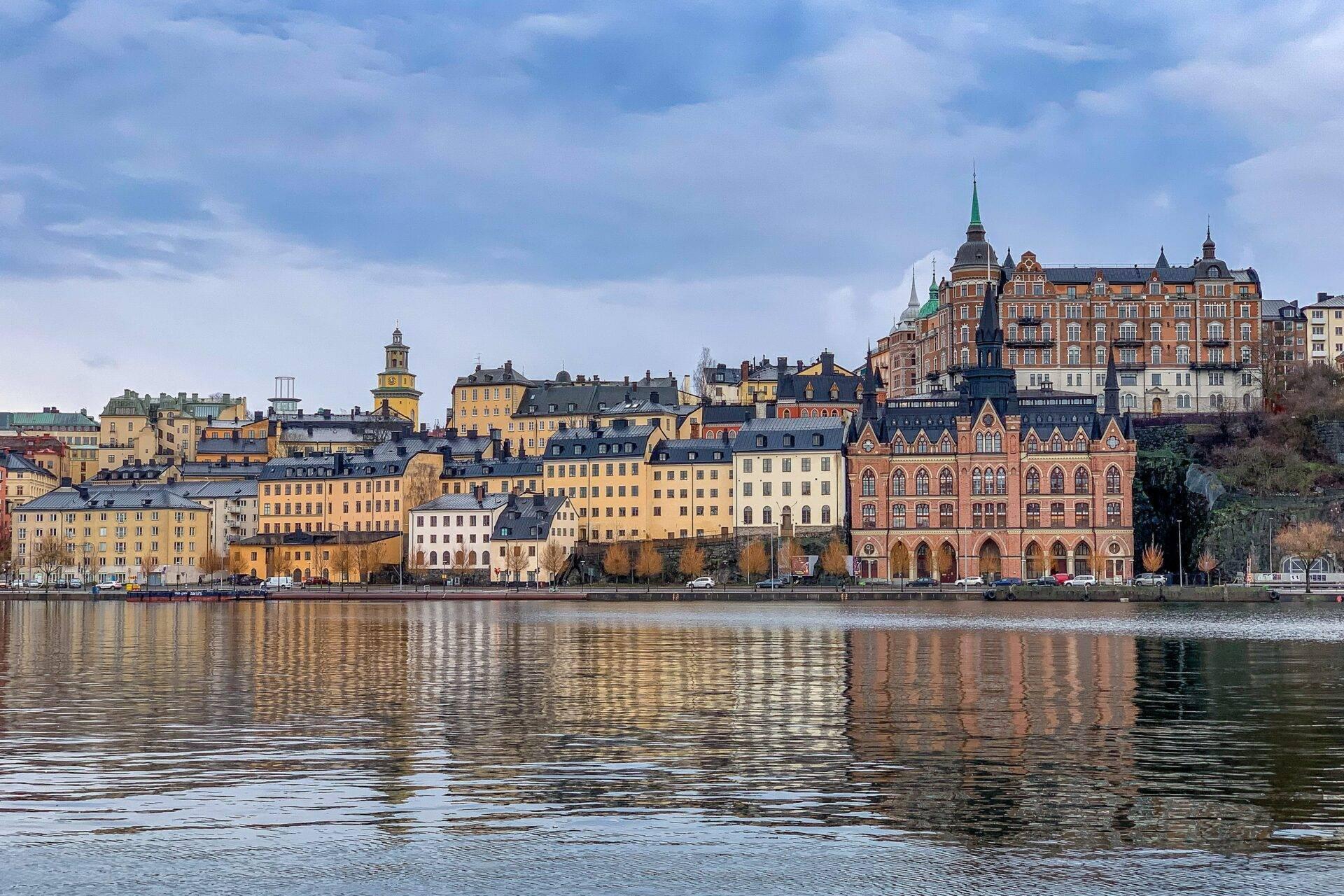
Founded in 1252, the old town is one of the best-preserved medieval quarters in Northern Europe. Its winding cobbled lanes, ochre and terracotta facades and gabled houses create an atmosphere unlike anywhere else in the region. Stortorget square, once the beating heart of Hanseatic trade, is the natural starting point for any visit.
2. The Royal Palace (Kungliga Slottet)
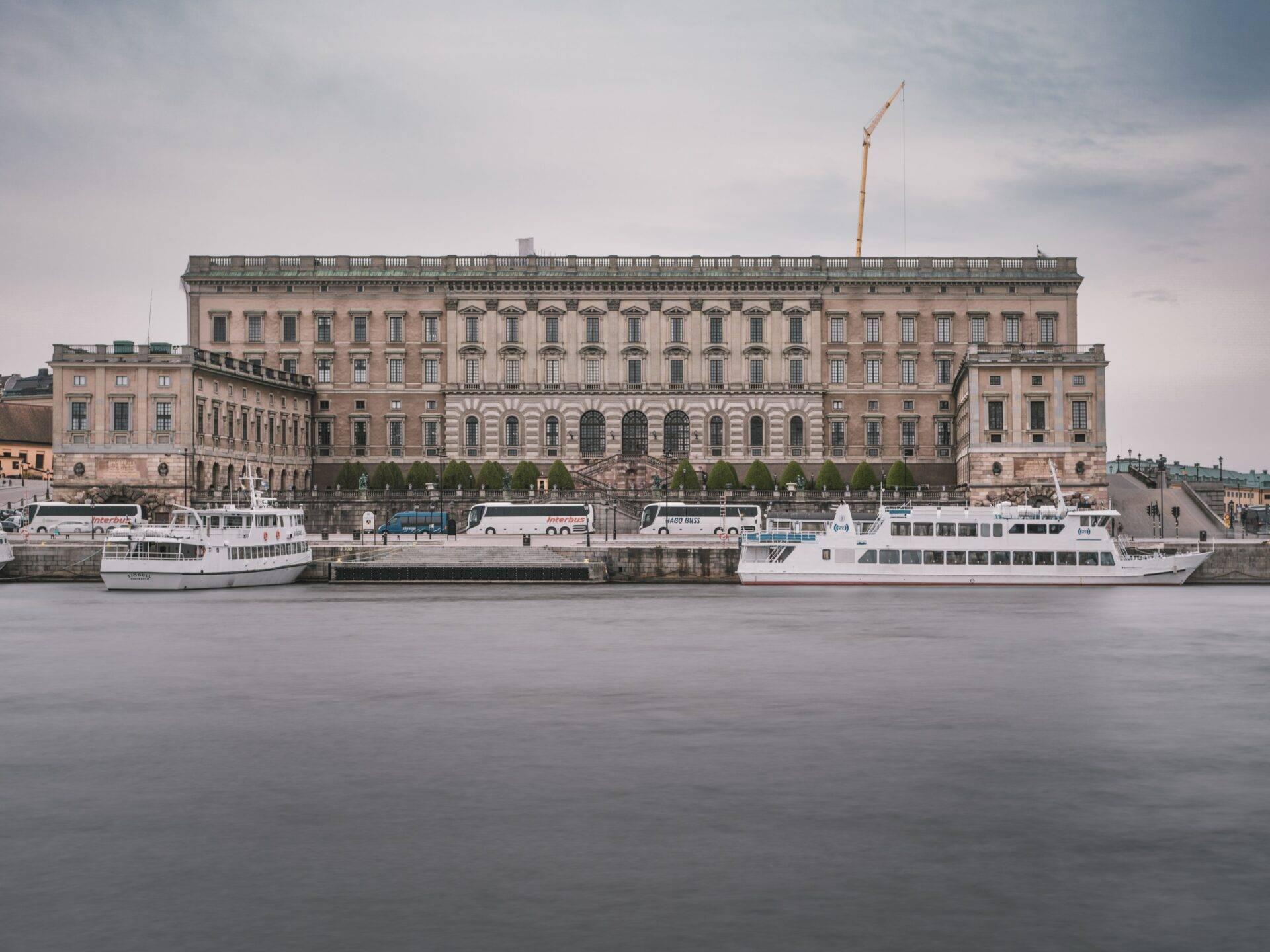
The official residence of the Swedish monarch, the Royal Palace opens several of its state apartments and museums to the public. The daily Changing of the Guard ceremony, held in the inner courtyard, is one of the most popular attractions in the city.
3. The Vasa Museum
The most visited museum in Scandinavia houses the Vasa, a 17th-century warship raised from the waters of Stockholm after more than three centuries on the seabed. Its roughly 700 original wooden sculptures, remarkably well preserved, stand as a testament to the might of the Swedish royal navy.

4. Skansen Open-Air Museum
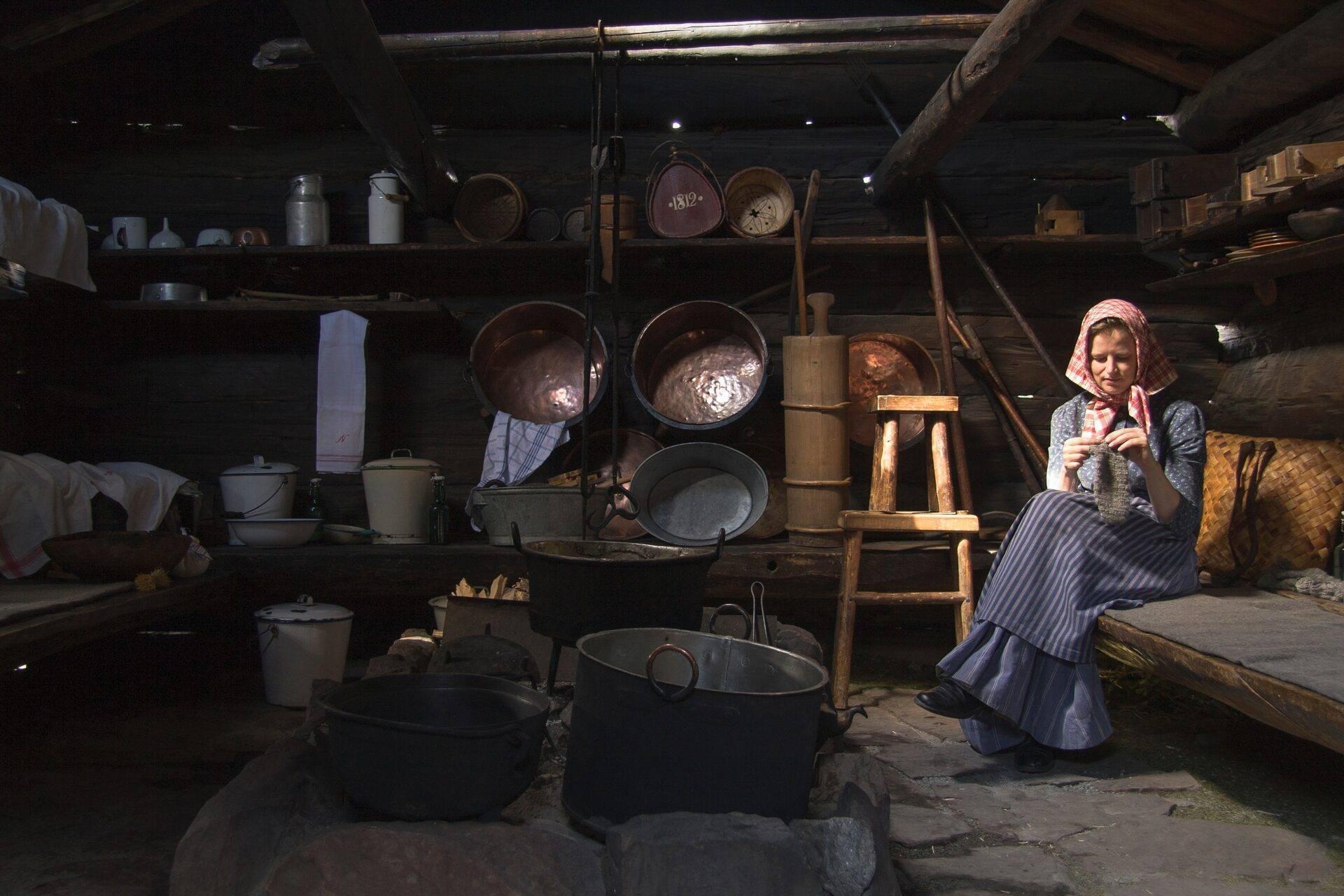
Founded in 1891, Skansen brings together more than 150 historic buildings from across Sweden to recreate rural and craft life of the past. Period farmhouses, costumed artisans and Scandinavian animals roaming in semi-freedom: allow at least half a day.
5. The ABBA Museum
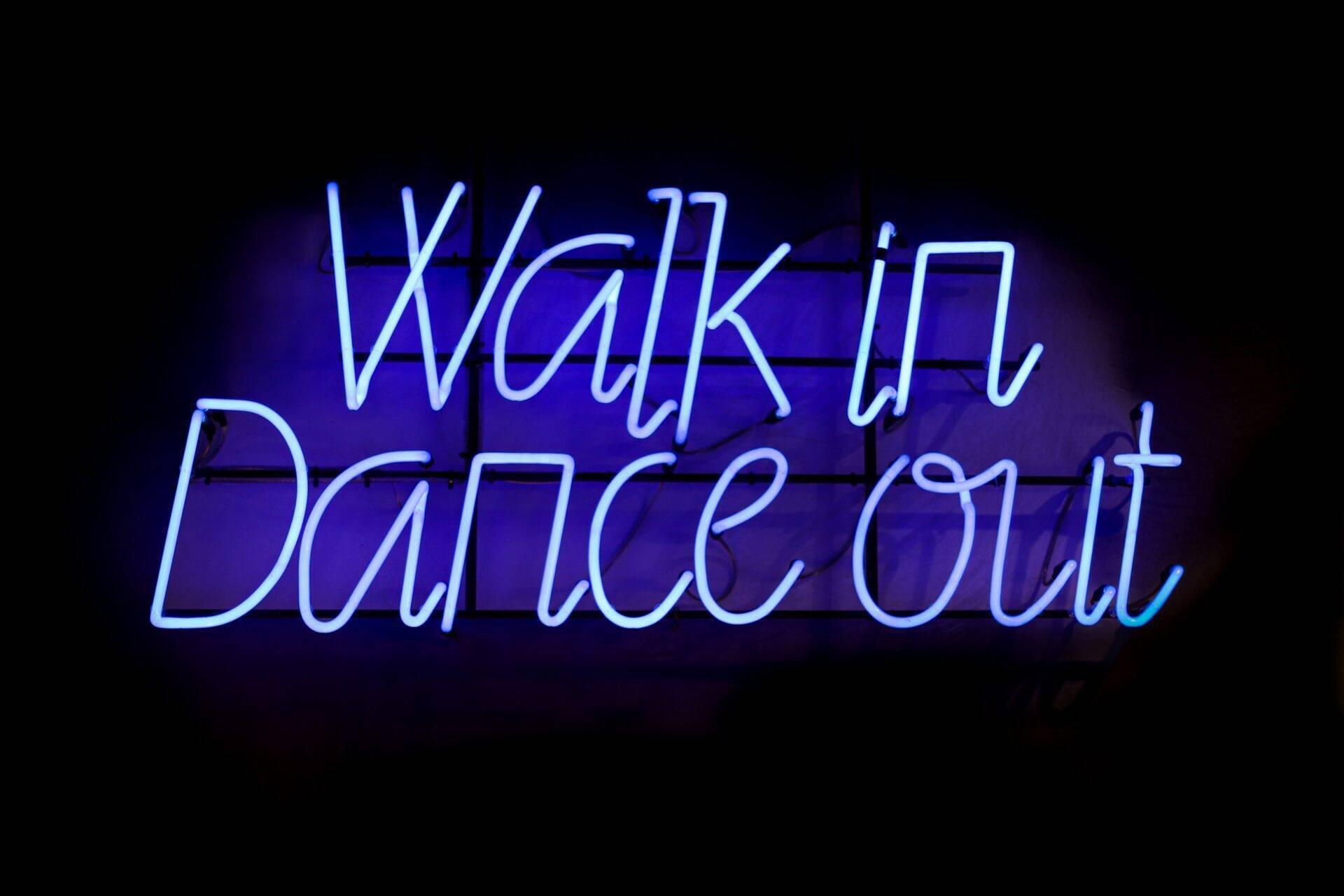
Located on the island of Djurgården, the ABBA Museum offers an immersive experience featuring original stage costumes, instruments and rare recordings from the iconic Swedish band. Advance online booking is required. The centrepiece is a virtual stage where visitors can dance alongside holographic avatars of all four members.
6. The Nationalmuseum
The Nationalmuseum is Sweden’s largest museum of art and design. Its collection spans several centuries of paintings, decorative arts and design, from Flemish masters to contemporary creators. The Neo-Renaissance building overlooking the water is a landmark in its own right.
7. Moderna Museet
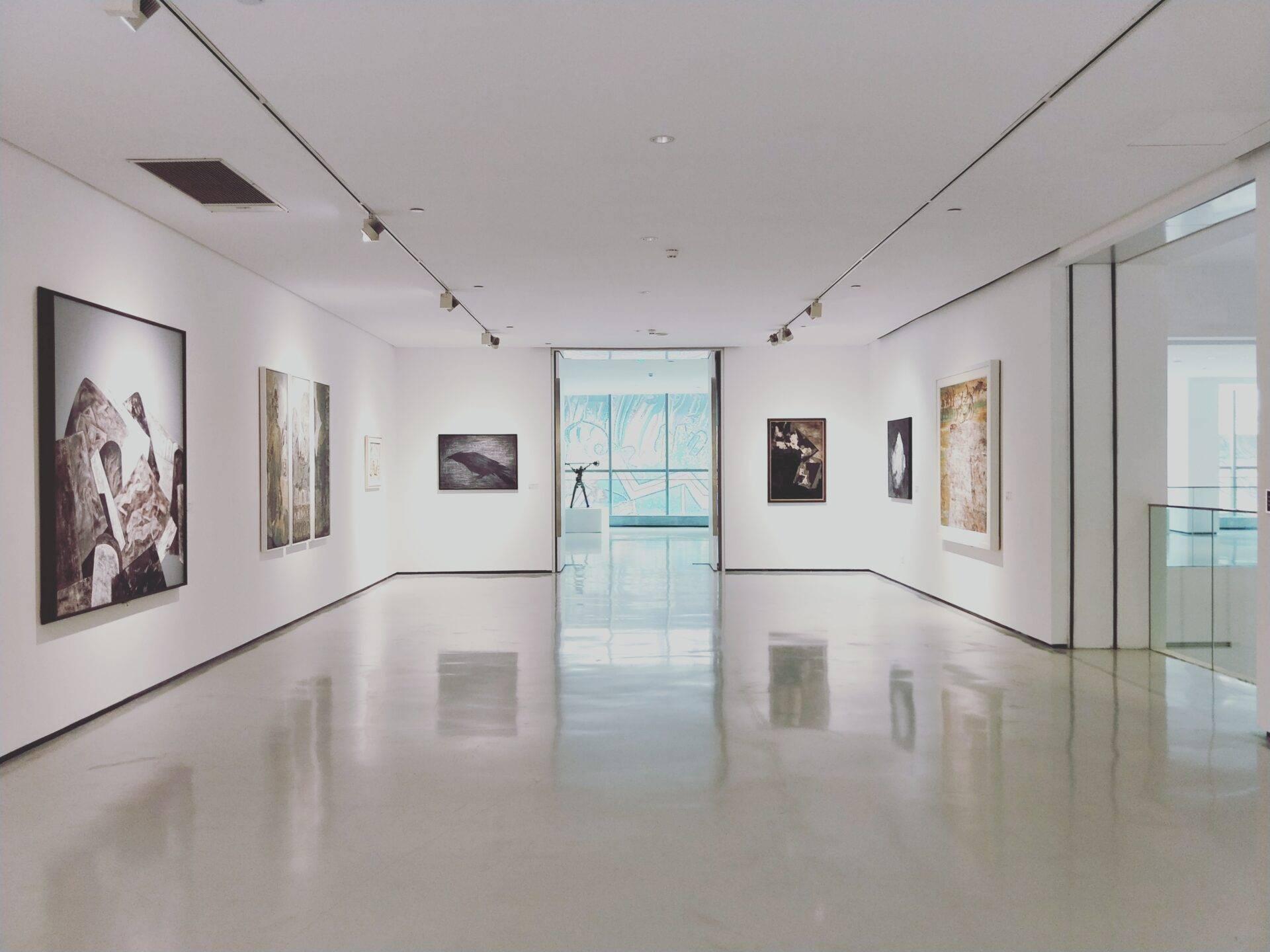
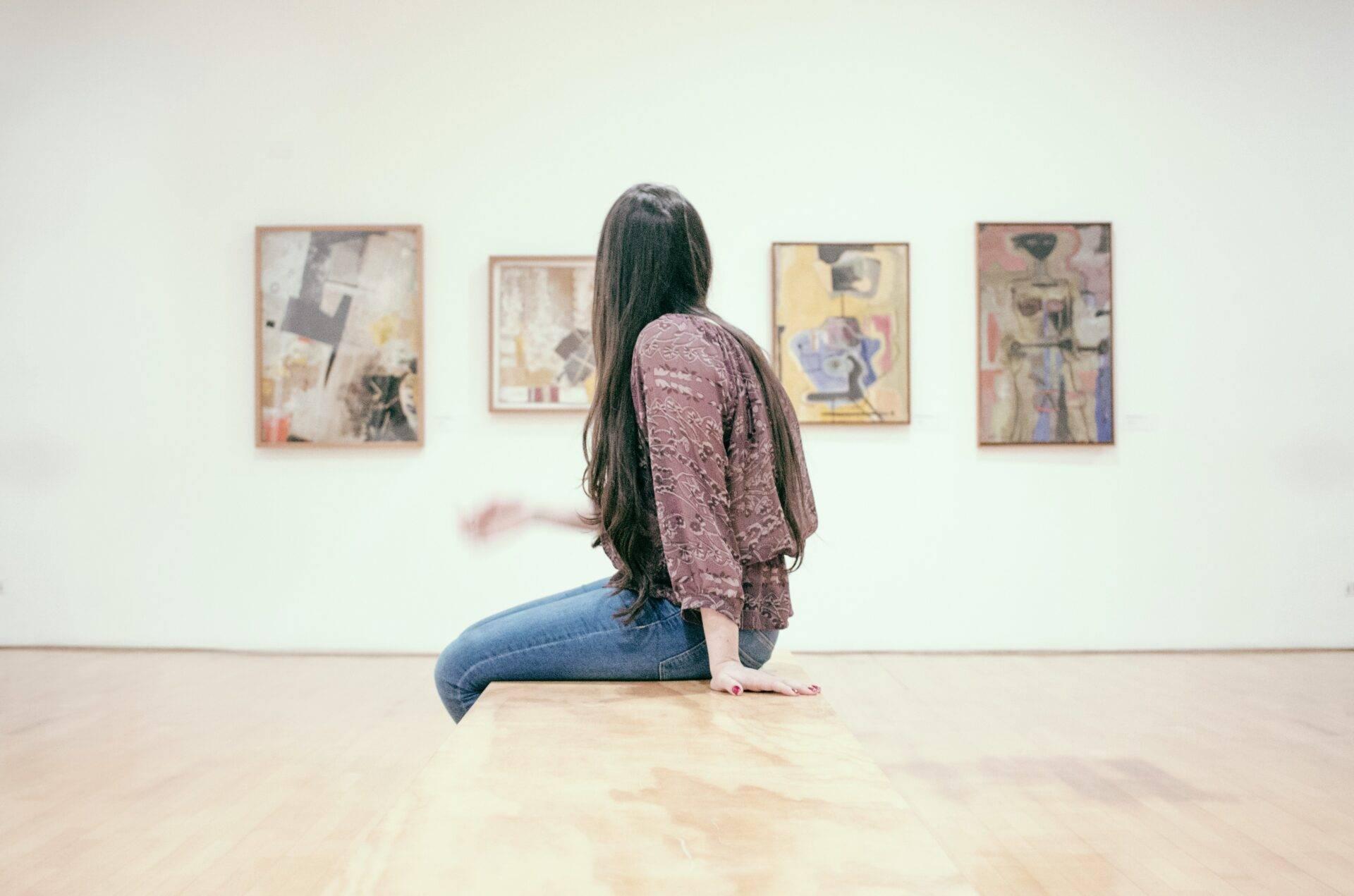
On the island of Skeppsholmen, Moderna Museet holds one of the most significant collections of modern and contemporary art in Northern Europe. Picasso, Duchamp and Dalí share light-filled waterside galleries with today’s leading Scandinavian artists.
8. Fotografiska
Housed in a 1906 building on Södermalm, Fotografiska is one of the world’s largest contemporary photography museums. It stays open until 11pm, making it one of the very few cultural venues in Stockholm that truly comes alive after dark.
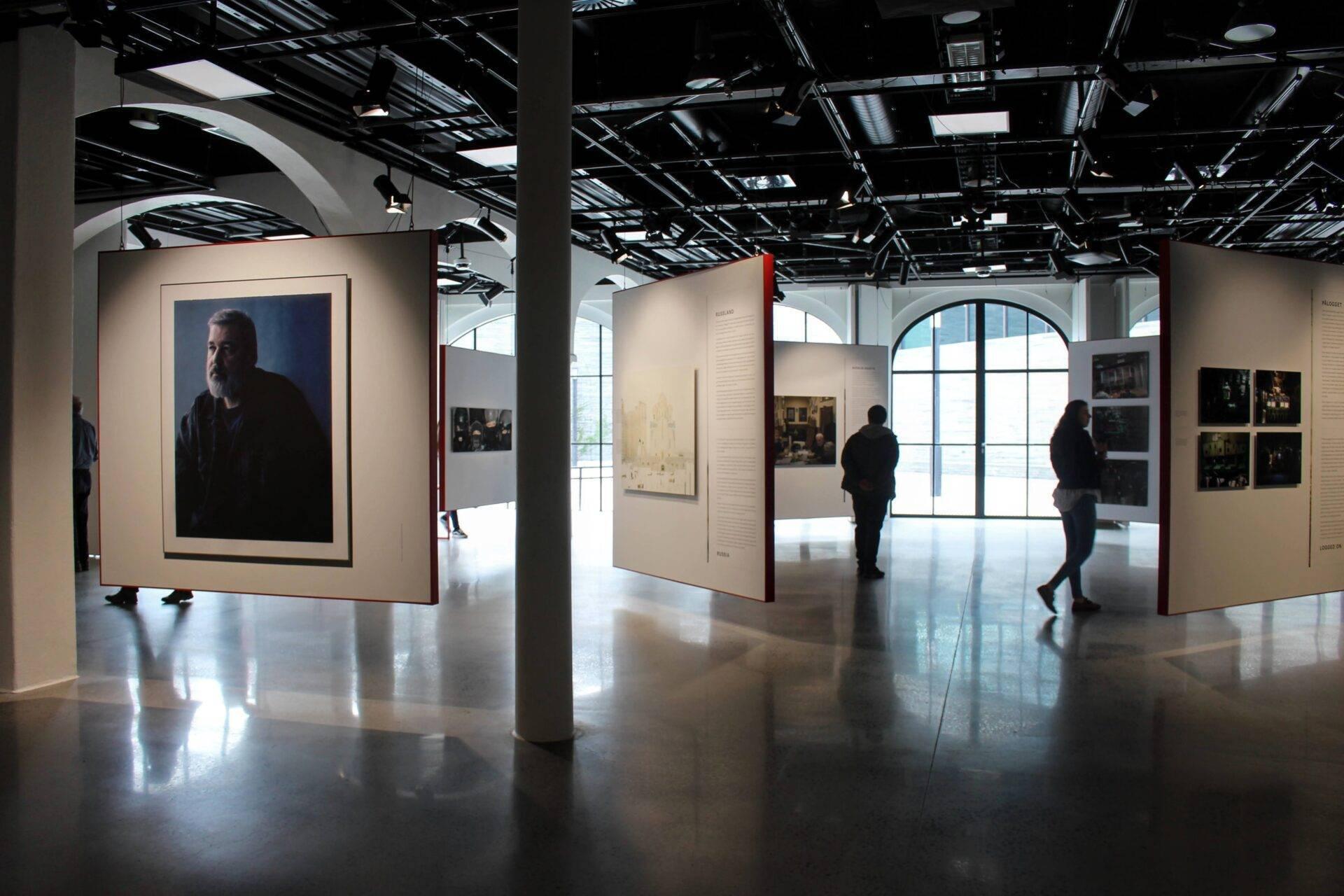
9. Designmuseet
Dedicated to Nordic design and craft, Designmuseet traces four centuries of Swedish creativity, from traditional ceramics to the industrial icons of the 20th century. An essential stop for anyone curious about why Swedish design has made its mark on the world.
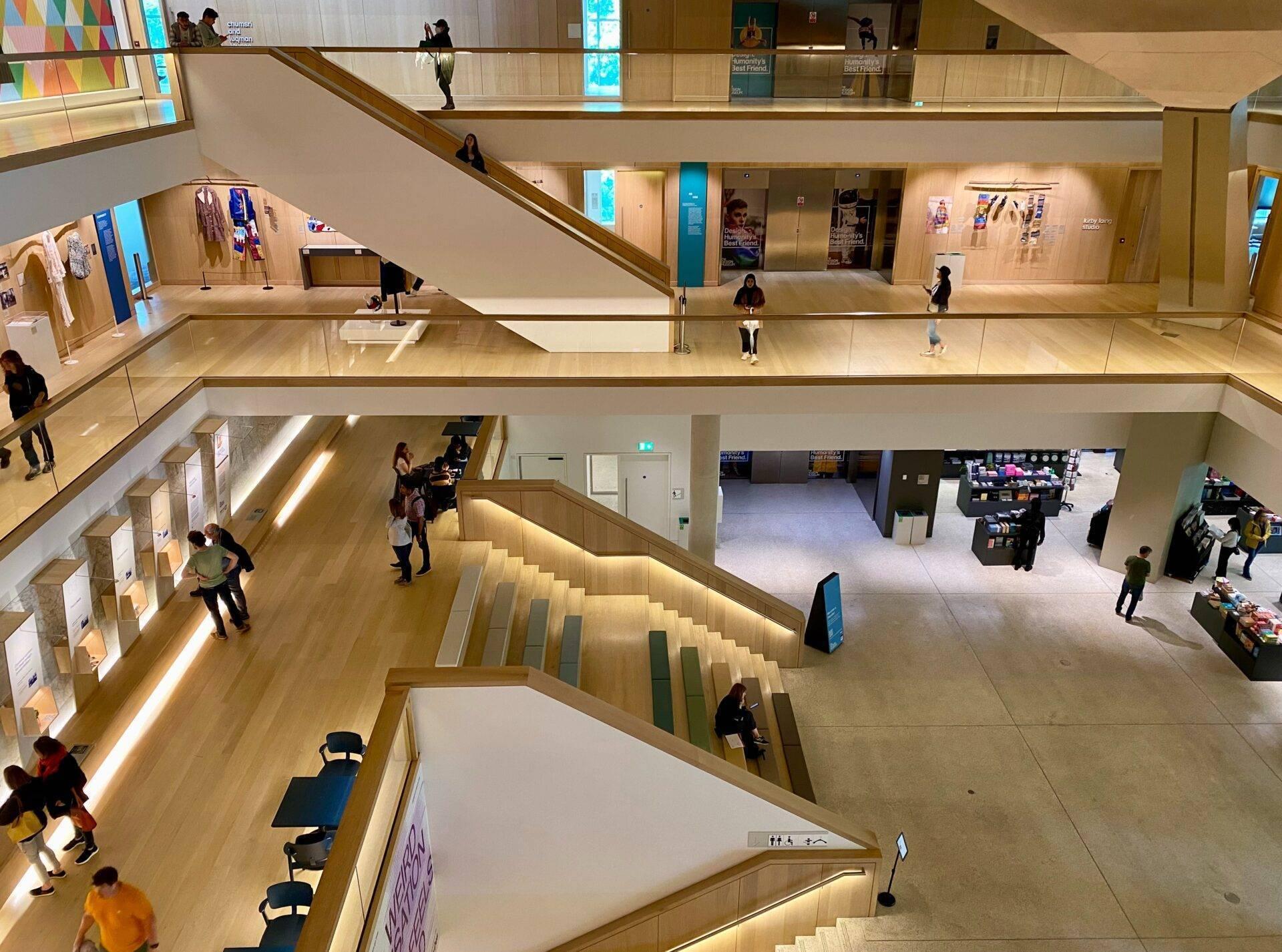
10. The Nordiska museet
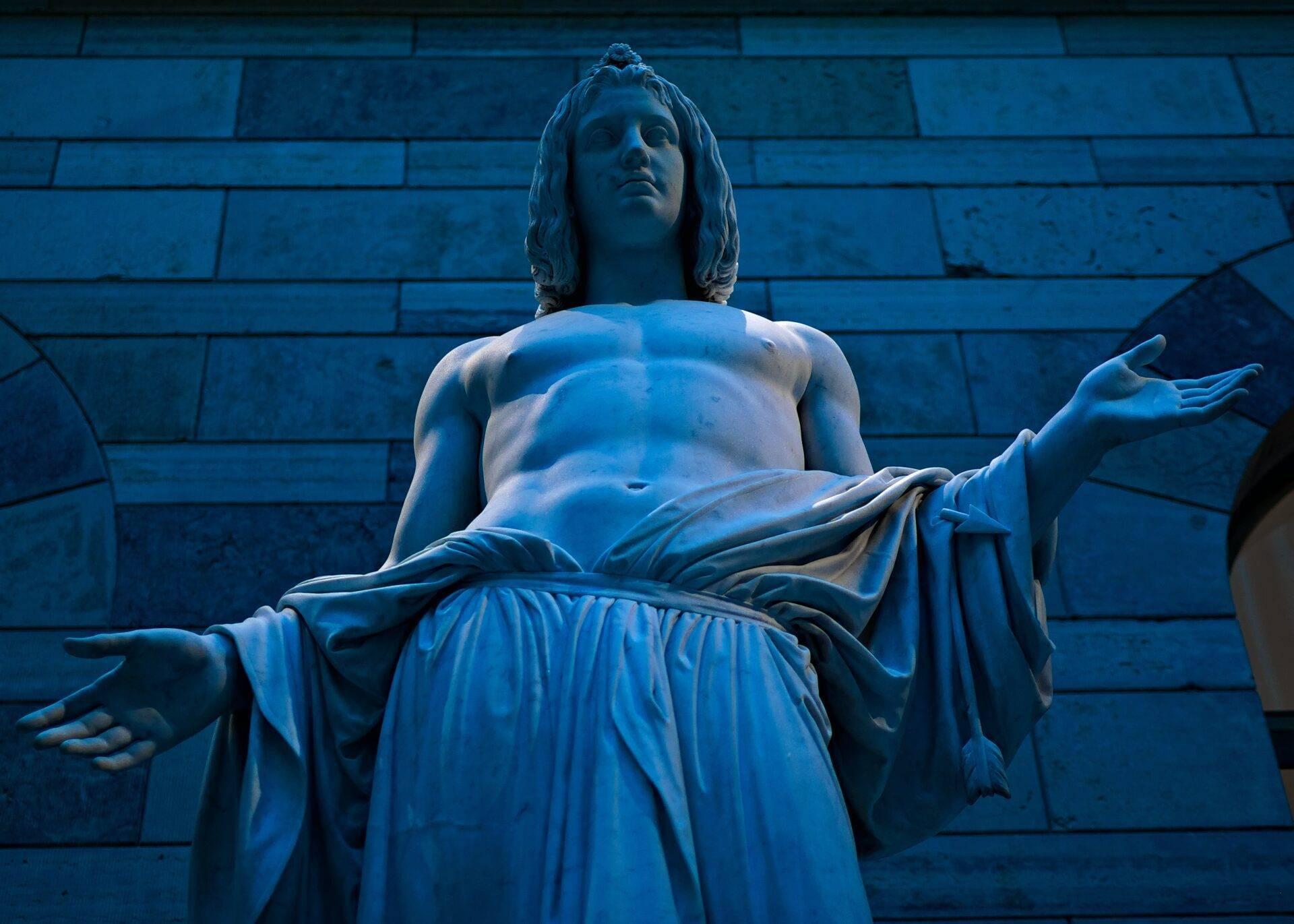
Still on Djurgården, the Nordiska museet covers 500 years of everyday life, fashion and popular Swedish culture. Its grand entrance hall, dominated by an imposing monumental statue of Gustav Vasa, sets the tone for a visit that moves between grandeur and domestic intimacy.
Around Stockholm
11. The Stockholm Archipelago
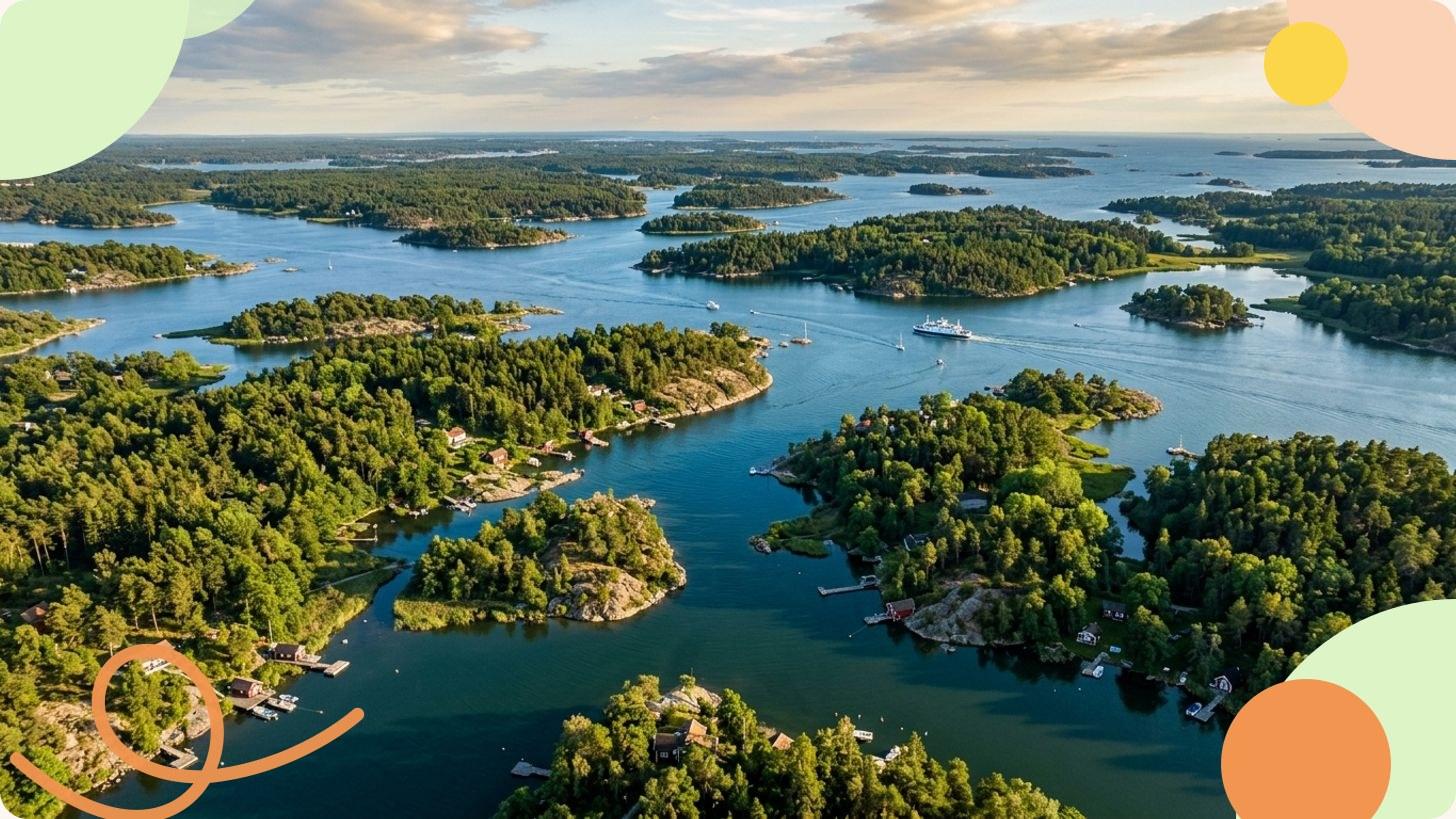
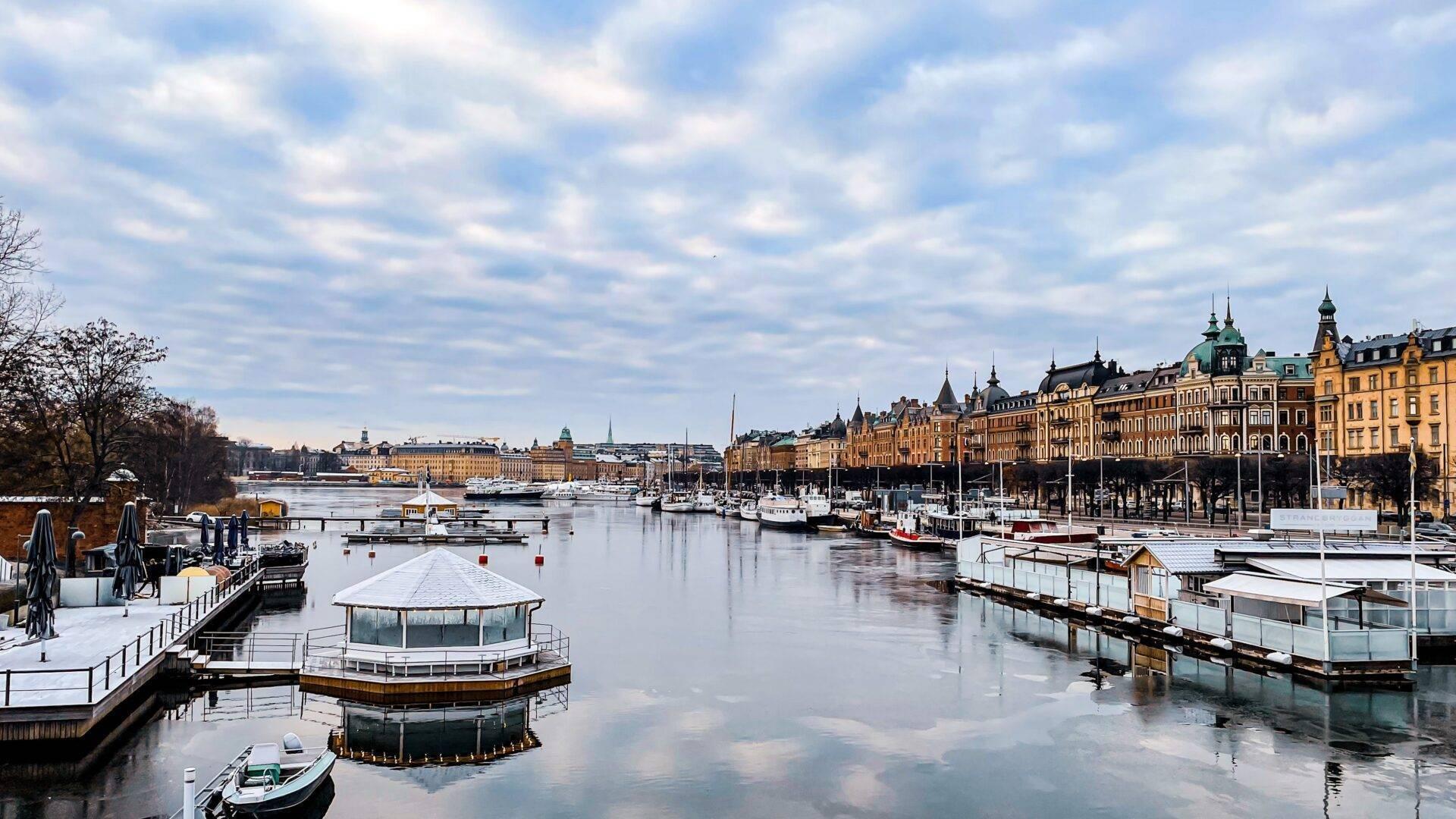
The roughly 30,000 islands and islets stretching east of Stockholm towards the Baltic Sea form one of Europe’s most beautiful archipelagos. In summer, regular ferries allow island-hopping between villages for hiking, swimming and fishing. In winter, the harbours ice over and the landscape takes on a breathtaking, frost-dusted quality.
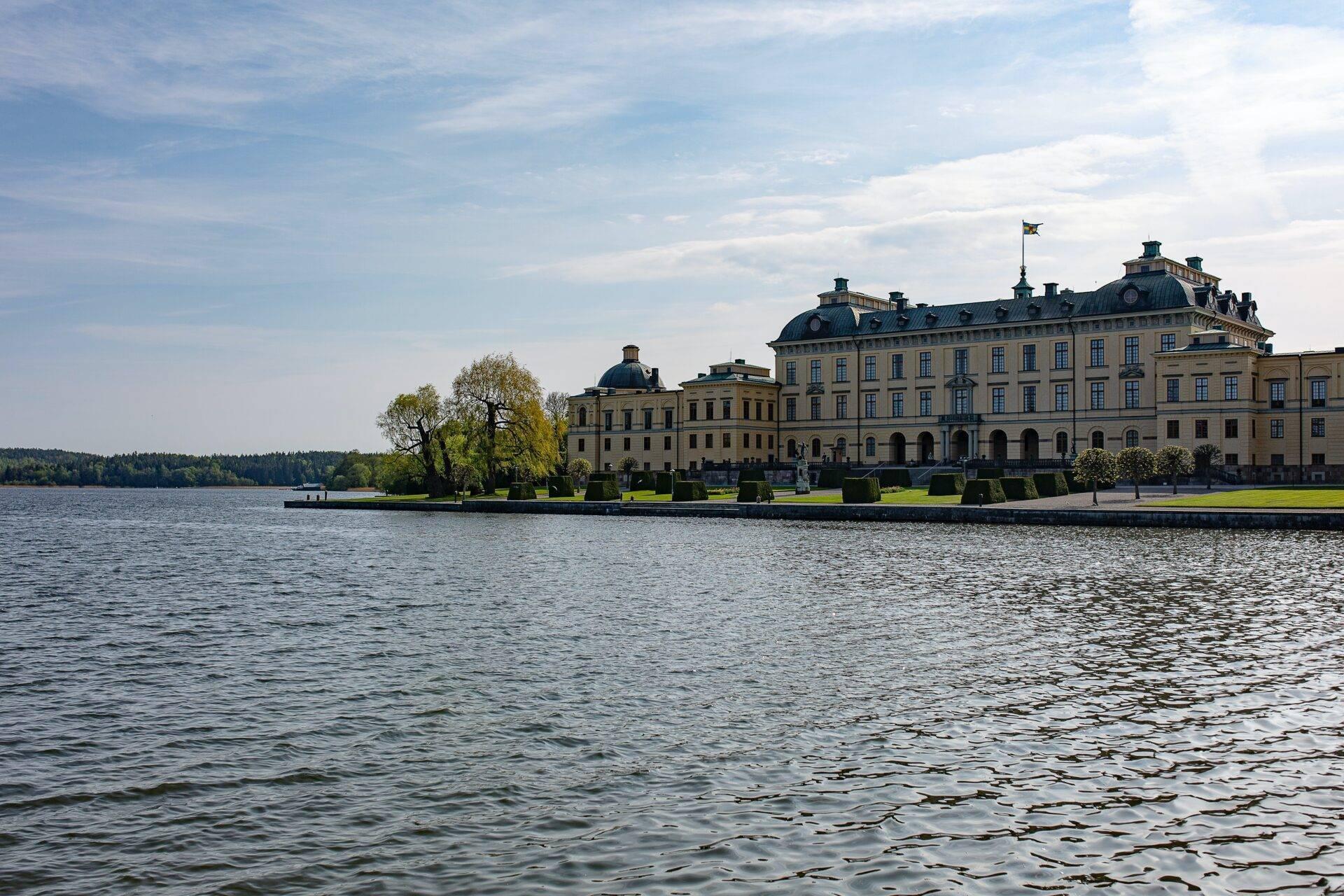
12. Drottningholm Palace (UNESCO)
The permanent home of the Swedish royal family, Drottningholm was the first Swedish site to be inscribed on the UNESCO World Heritage List, in 1991. Its French formal gardens, canals and 18th-century royal theatre, still in use today, make for a genuinely royal day out. It is accessible from Stockholm by boat in summer.
13. Gripsholm Castle
On the shores of Lake Mälaren at Mariefred, Gripsholm Castle dates from the 16th century and houses the Swedish National Portrait Collection, featuring thousands of portraits of notable Swedes. The small town of Mariefred, reachable by historic steamboat from Stockholm in summer, is well worth the detour.
Uppsala, Gotland and central Sweden
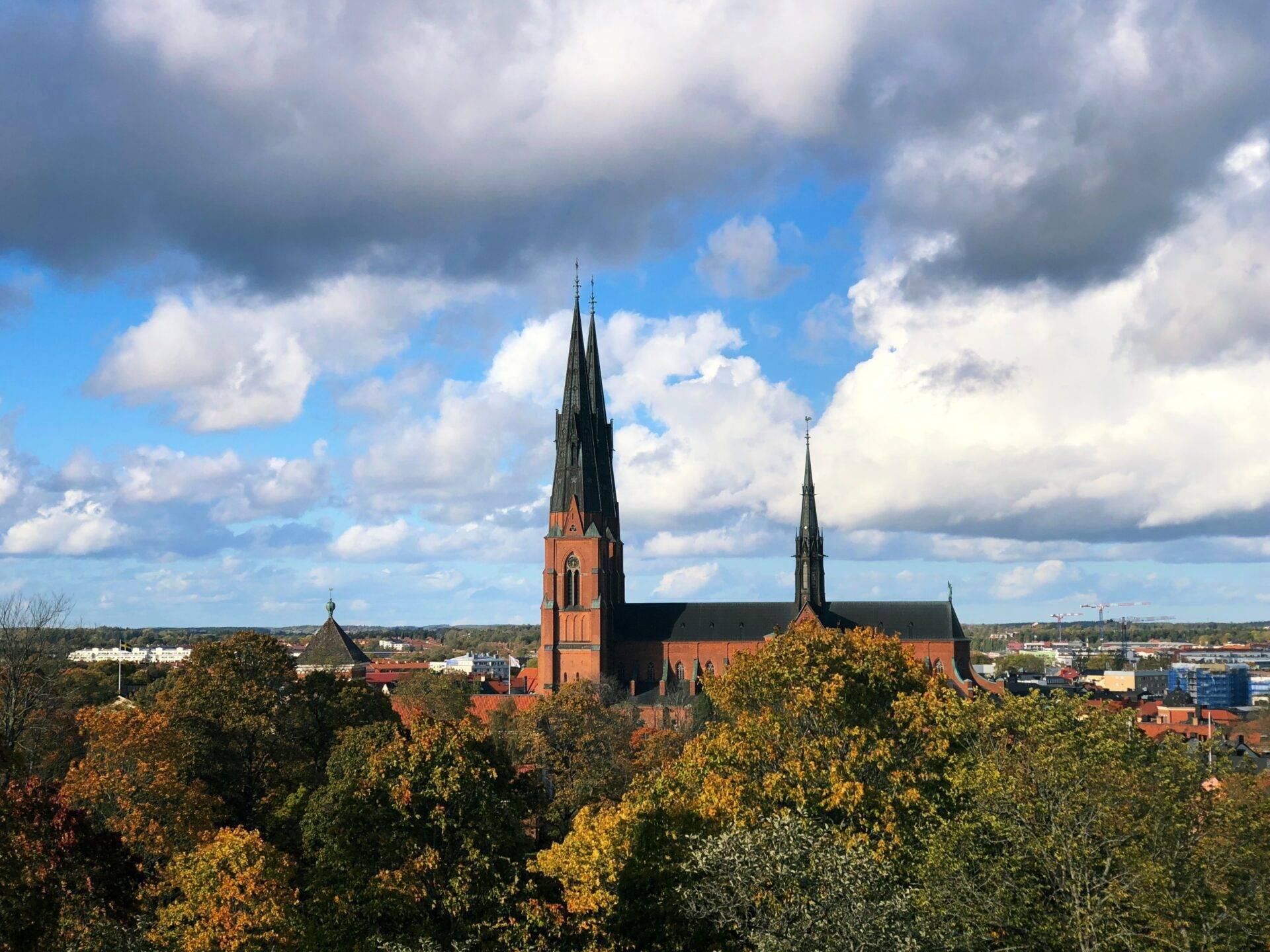
14. Uppsala and its Gothic cathedral
Just 70 km north of Stockholm, Uppsala is the country’s historic university city. Its red-brick cathedral, the tallest in Scandinavia, has dominated the skyline since the Middle Ages. The university campus, founded in 1477, and the Viking burial mounds at Gamla Uppsala round out the visit.
15. Gotland and Visby, the medieval island
Gotland, Sweden’s largest island, captivates with its coastal scenery and its main town Visby, a UNESCO World Heritage Site since 1995. The city retains 3.4 km of medieval ramparts punctuated by 44 watchtowers. Inside the walls, ruined stone churches and medieval townhouses create an atmosphere found nowhere else in Europe.
16. Naturhistoriska riksmuseet
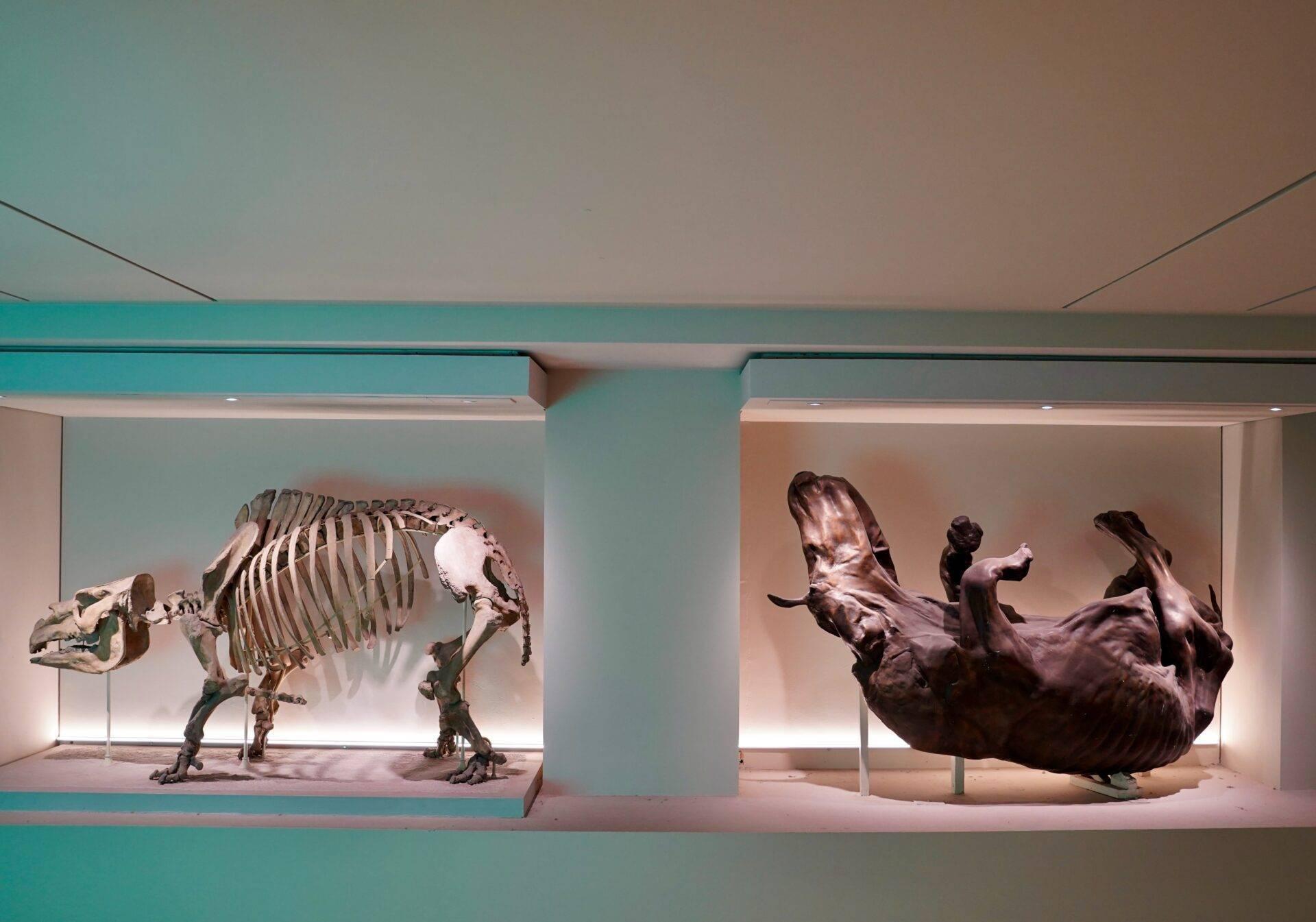
The Swedish Museum of Natural History in Stockholm houses one of the largest palaeontological collections in Scandinavia, with galleries dedicated to dinosaurs, marine biodiversity and evolution. Its Omnimax theatre is a firm favourite with families.
17. Tekniska museet
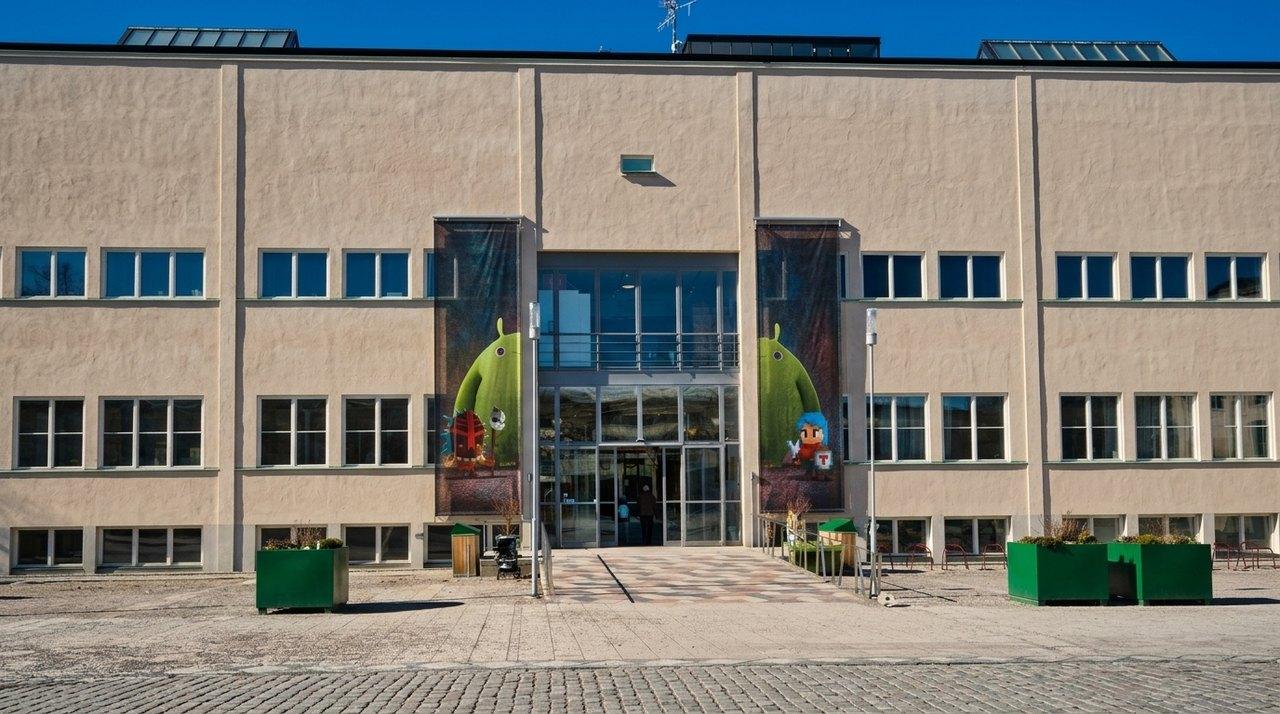
The National Museum of Science and Technology in Stockholm traces 500 years of Swedish invention and industry, from historic ironworks to space programmes. Its outdoor exhibitions and hands-on workshops make it an ideal stop for families travelling with children.
18. Gothenburg, the western port city
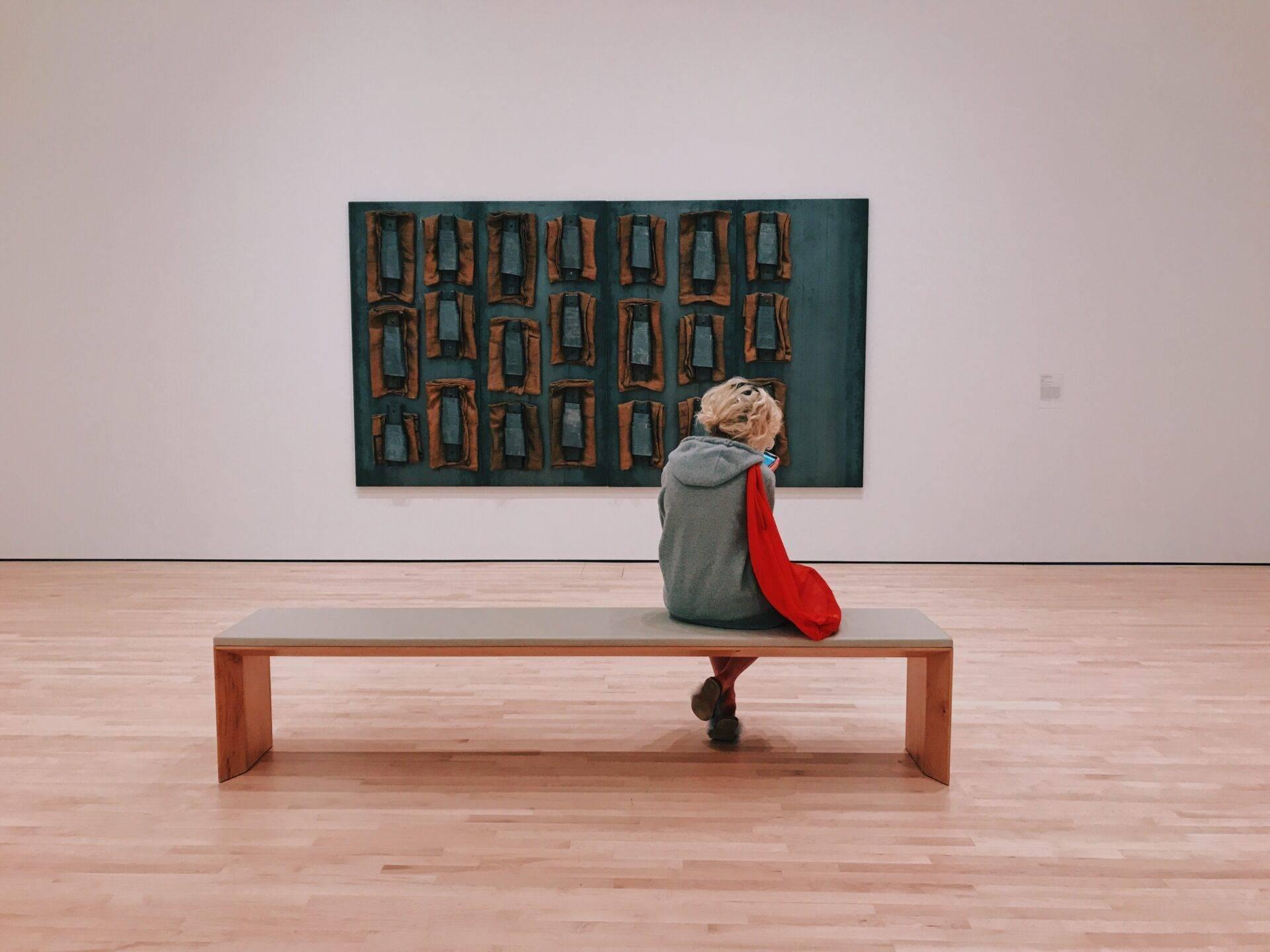
Sweden’s second city, Gothenburg combines 19th-century architecture, regenerated waterfront and a vibrant cultural scene. Its art museum (Göteborgs konstmuseum) houses one of the most significant collections of Nordic art in the country. The Haga district, with its painted wooden houses and cosy cafes, invites a leisurely wander. From Gothenburg, it is easy to extend the journey towards Denmark via the Öresund.
Swedish Lapland
19. Sami culture and Arctic nature
Swedish Lapland is the largest and least populated region in the country, shared for millennia with the Sami people whose reindeer-herding culture remains very much alive today. Jokkmokk, the cultural capital of the Sami, hosts one of the oldest Nordic winter fairs every February. The region is home to three of Sweden’s 15 UNESCO-listed sites: the Laponia landscape, the Church Town of Gammelstad in Luleå and the Struve Geodetic Arc.
20. Kiruna: northern lights, Icehotel and Kebnekaise
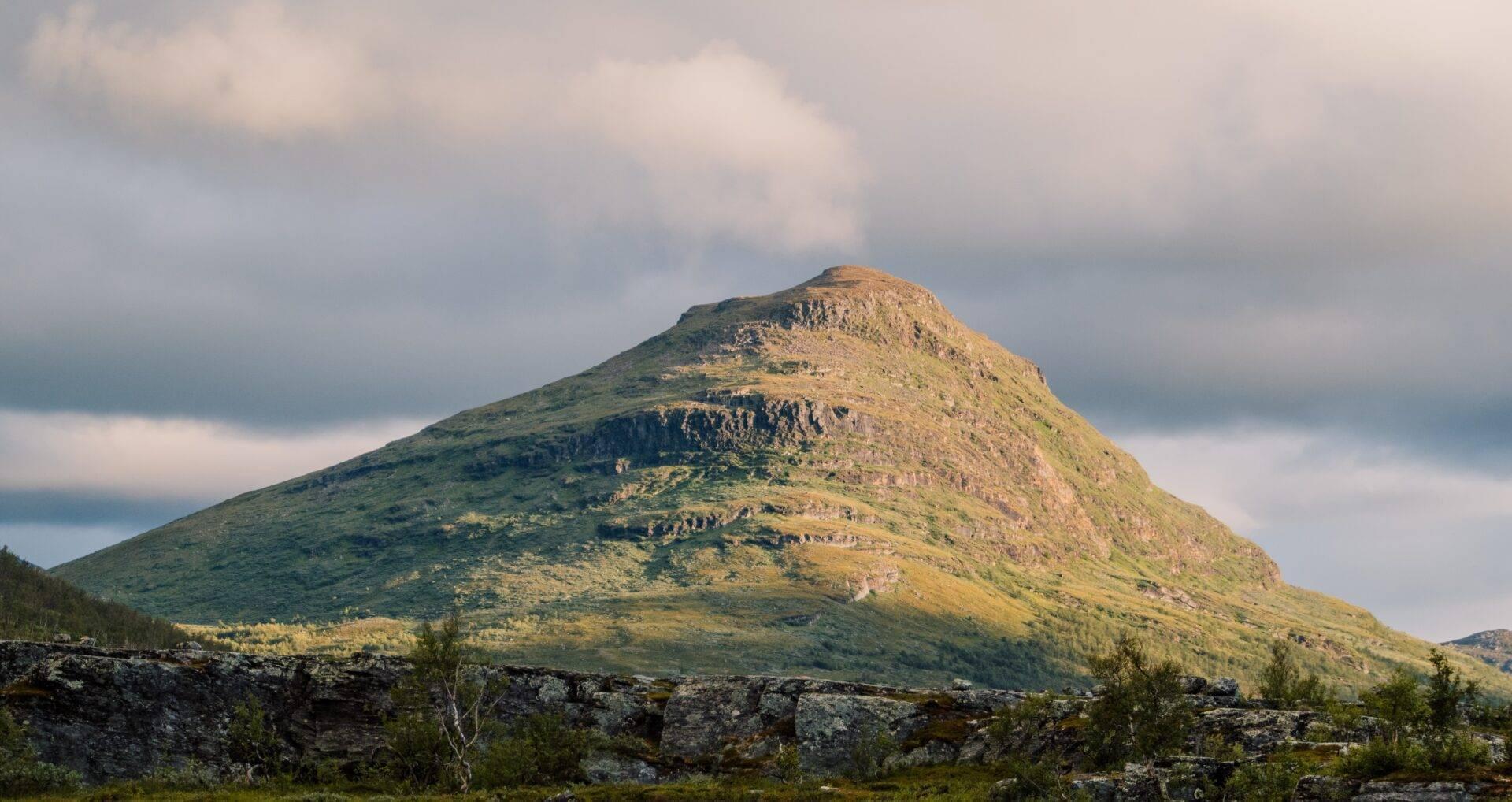
The gateway to three iconic experiences, Kiruna is the northernmost town in Sweden. The northern lights illuminate the sky from September to mid-March, with the best conditions from November to February on clear, dark nights. A few kilometres away, in Jukkasjärvi, the Icehotel has been entirely rebuilt each winter since 1990 using ice from the Torne River: dozens of rooms conceived as artistic installations by creators from around the world. On the horizon stands Kebnekaise, Sweden’s highest peak, reachable on foot via the trails of Abisko National Park in summer.
Before you travel, take a look at our practical guide to travel insurance for Sweden to sort your health cover and any destination-specific requirements.
FAQ
What is the best time to visit Sweden?
It depends on your priorities. For Stockholm and the southern regions, June to August brings long days and temperatures between 15 and 25°C. For the northern lights in Lapland, the window runs from September to mid-March, with peak conditions between November and February. Gotland and the archipelago are best explored from May to September.
How many days do you need to visit Sweden?
Stockholm deserves at least 3 days for the highlights. A week allows you to add Gotland or Uppsala. For a full circuit taking in Stockholm, Gothenburg and Kiruna, allow 10 to 12 days. Lapland alone warrants 3 to 4 days.
Can you see the northern lights in Sweden?
Yes. The area around Abisko and Kiruna in Swedish Lapland ranks among the world’s best places to witness the northern lights. The phenomenon is visible from September to mid-March; the optimum window is November to February on clear nights, well away from light pollution.
What is there to do in Sweden outside Stockholm?
Sweden has plenty to offer beyond its capital. Gotland boasts a UNESCO-listed medieval heritage. Uppsala draws visitors with its Gothic cathedral and Viking burial mounds. Gothenburg brings the west coast to life with its museums and lively cultural scene. Lapland beckons with Arctic adventure and the chance to discover Sami culture.
Do you need to speak Swedish to travel in Sweden?
No. The vast majority of the population speaks English fluently, including in smaller towns and rural areas. Menus, museums and public transport are generally available in English. A few words of Swedish are always appreciated, but never essential.