
Denmark packs a remarkable density of sites into just a few hundred kilometres: royal palaces on lakeside grounds, world-class art museums, wild coastlines and amusement parks that have shaped the history of leisure. Here are 20 concrete must-sees to help you plan your trip to this small Nordic kingdom, from Copenhagen to the cliffs above the Baltic Sea.
Copenhagen: six experiences in the capital
1. Nyhavn, the canal of colourful townhouses
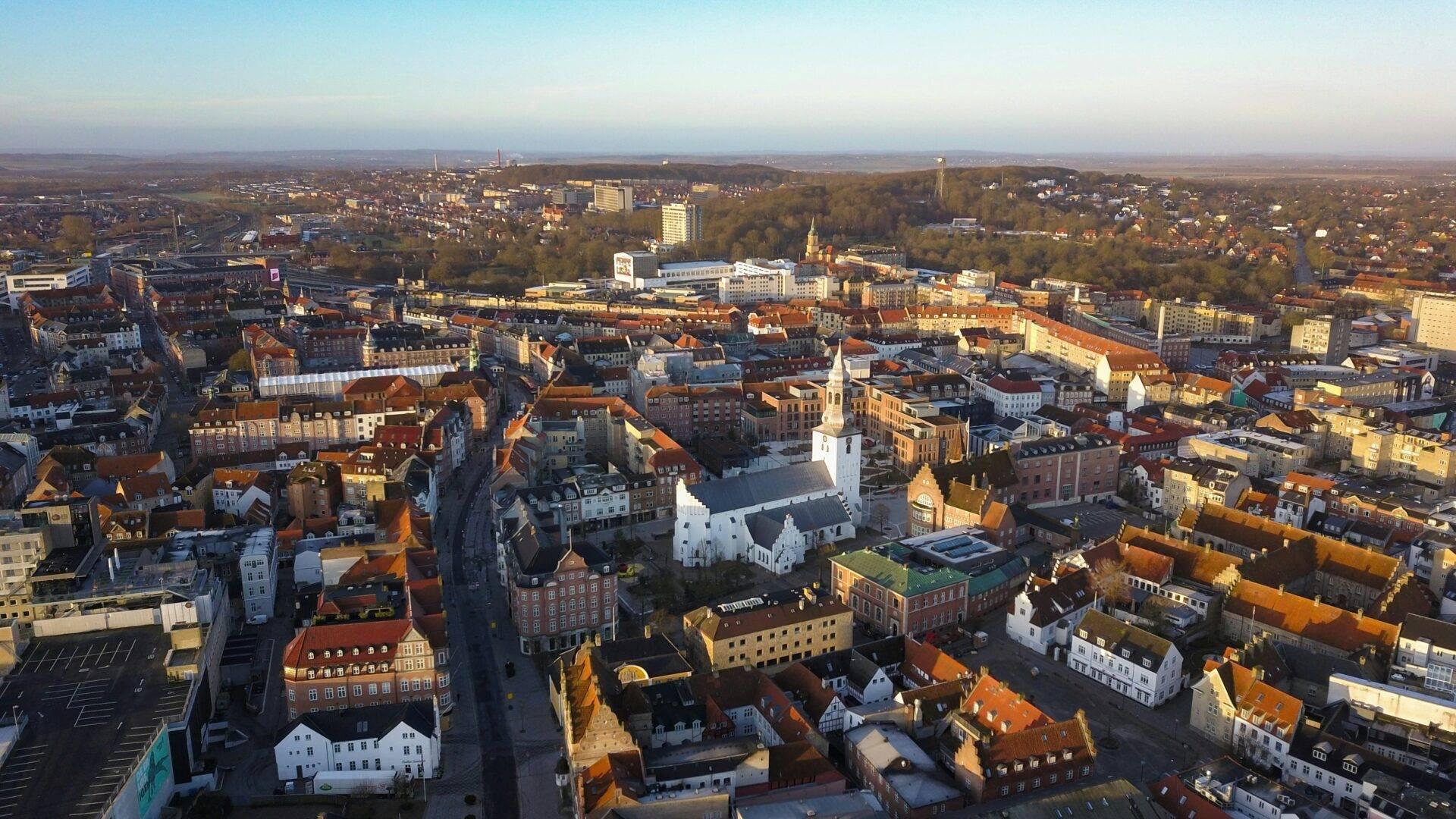
Nyhavn is Scandinavia’s most photographed street: a canal dug in the 17th century, townhouses lacquered in ochre, crimson and mustard, and wooden schooners moored along the northern quay. Hans Christian Andersen lived in three houses along the canal, at numbers 18, 20 and 67, and wrote several of his fairy tales there. In summer, café terraces spill out onto the cobblestones. In winter, the Christmas market fills the air with glögg (spiced mulled wine). A canal cruise from Nyhavn remains one of the best ways to take in the city in two hours.
For practical travel information (currency, entry requirements, health cover), visit our Denmark travel insurance page.
2. Tivoli Gardens, one of the world’s oldest amusement parks
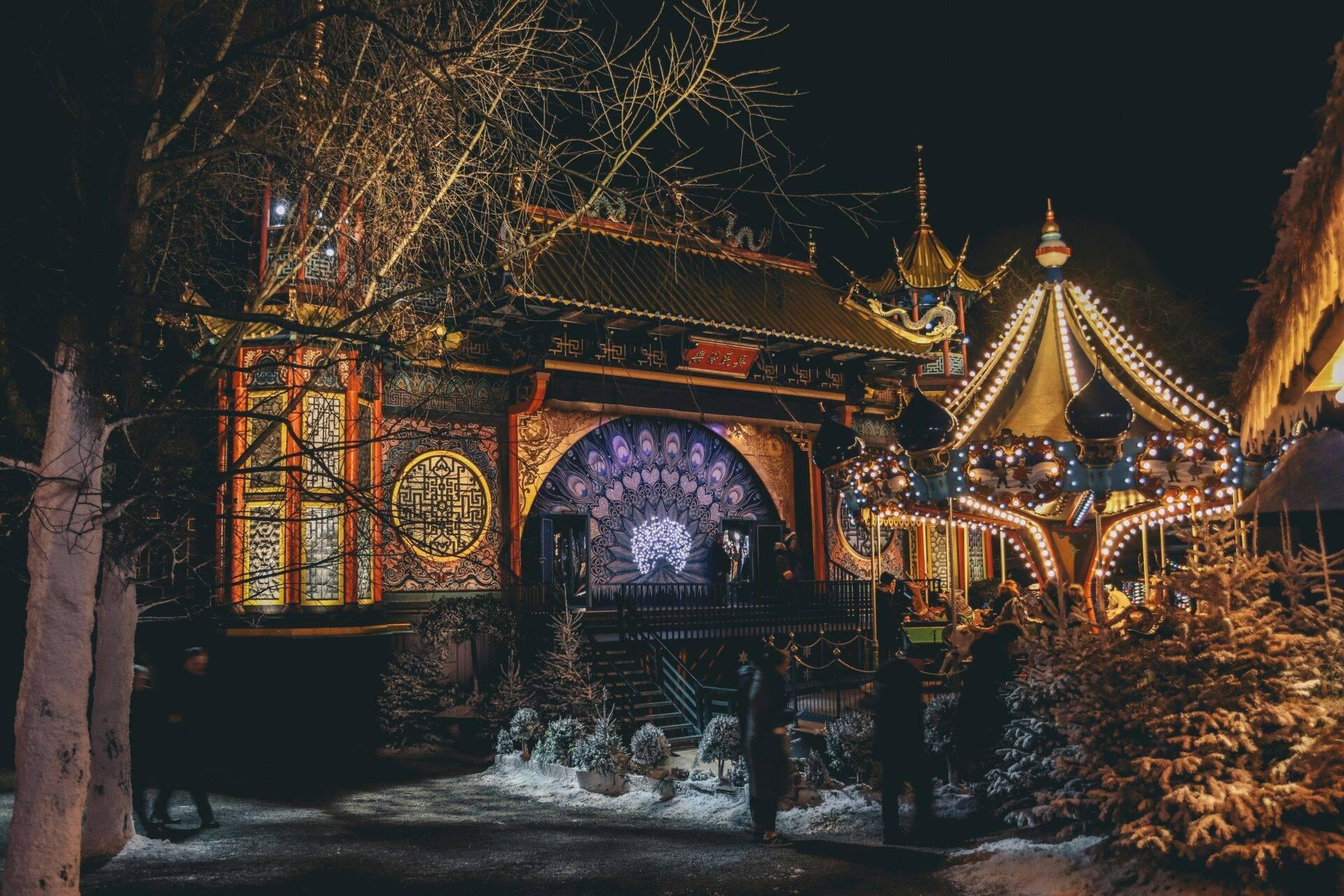
Founded in 1843, Tivoli is one of the oldest amusement parks still in operation anywhere in the world. What sets it apart is its manicured gardens, open-air concerts and restaurants, all right in the heart of Copenhagen. During the Christmas season, the illuminations transform it into a destination in its own right, covered in full in our guide to Christmas in Copenhagen.
3. The Little Mermaid, symbol of Copenhagen’s harbour
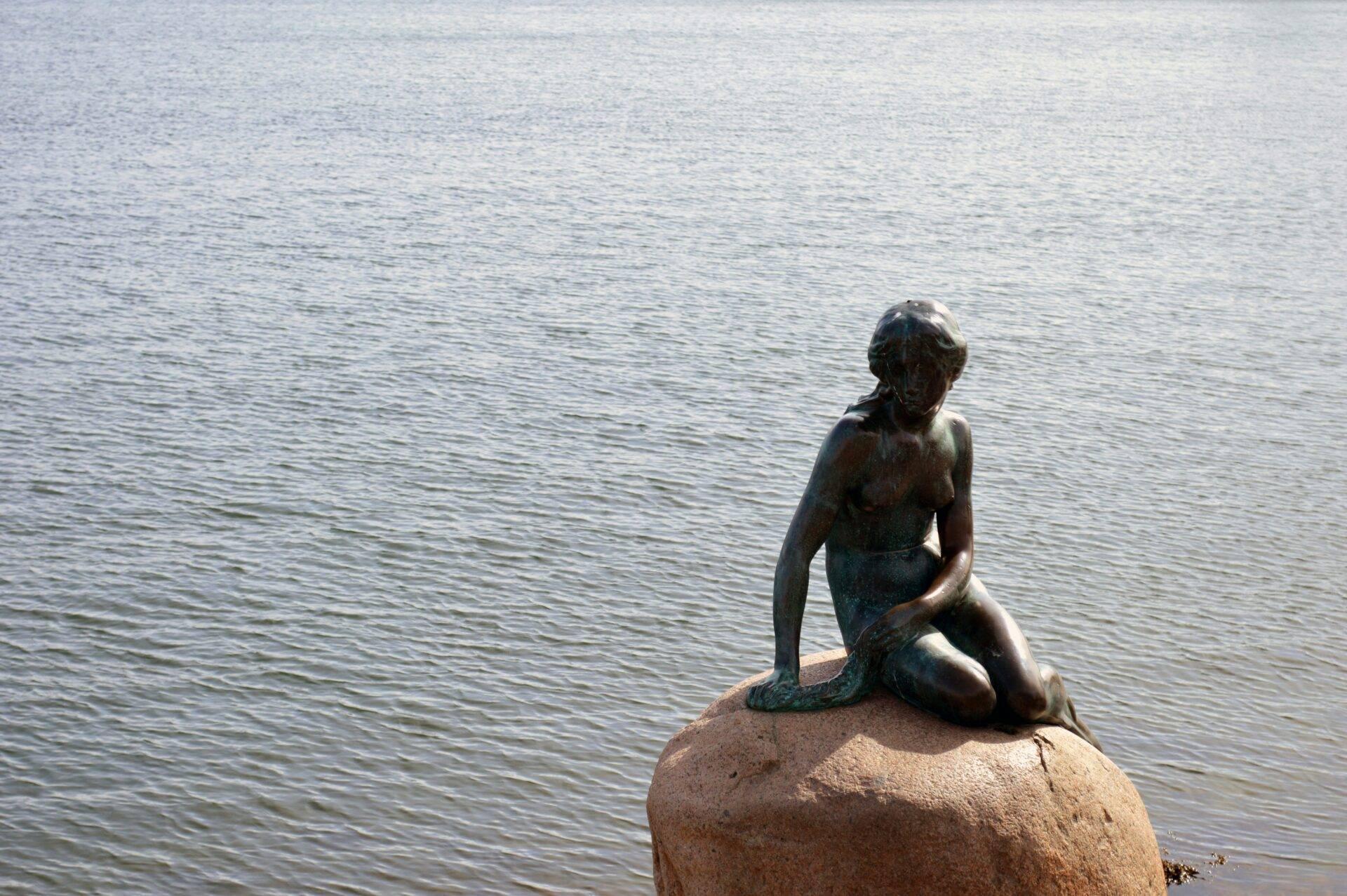
Smaller than most visitors expect, the Little Mermaid statue has sat on her rock at the harbour entrance since 1913. She pays tribute to Hans Christian Andersen’s beloved fairy tale. From Nyhavn, a twenty-minute walk along the waterfront is all it takes to reach her.
4. Amalienborg Palace, home of the Danish royal family
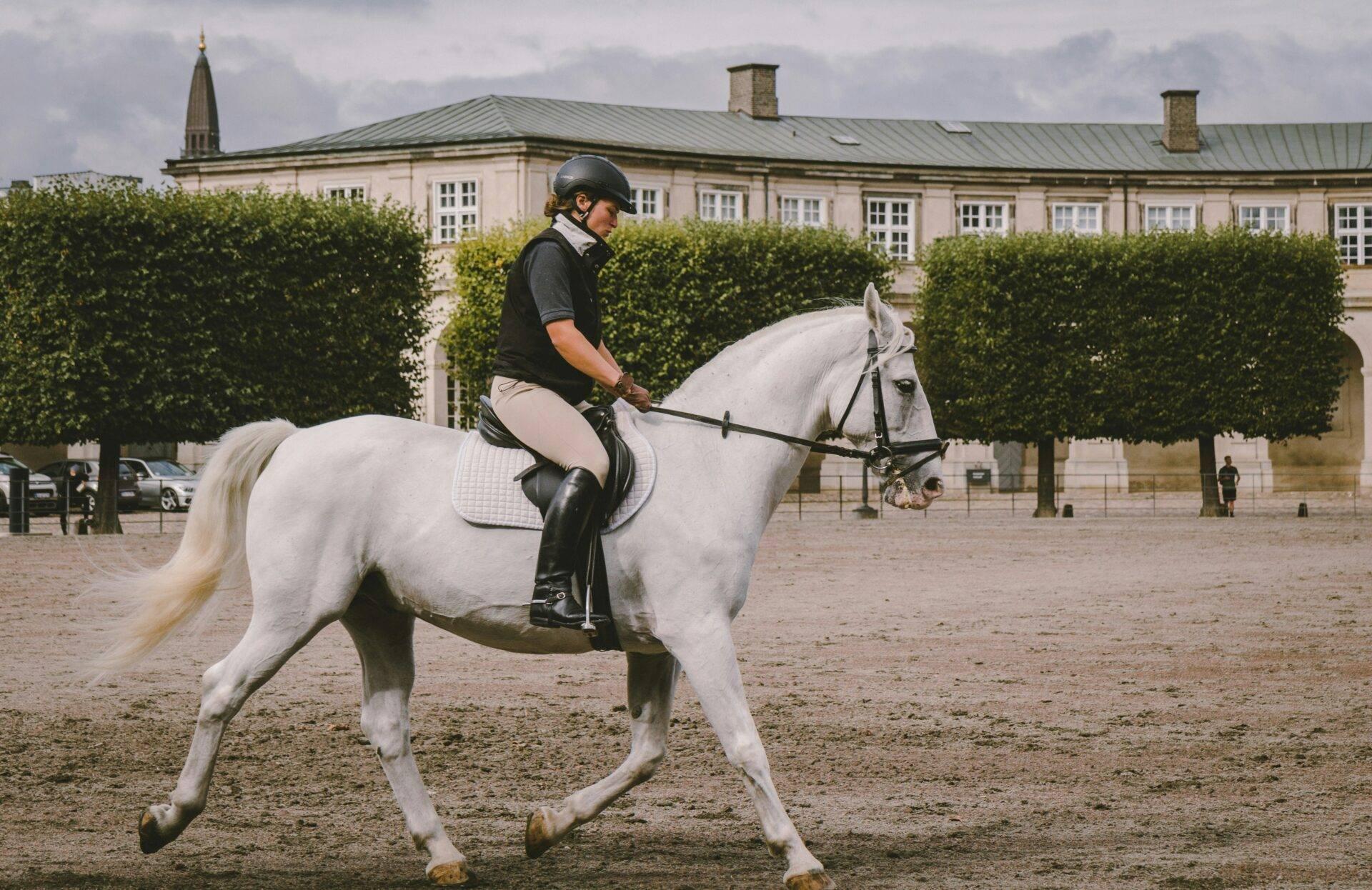
Amalienborg consists of four identical Rococo palaces arranged around a cobbled octagonal square. It is the official residence of the Danish royal family. The Changing of the Guard takes place on the square every day at noon. The Palace Museum opens select royal apartments to the public.
5. The National Museum of Denmark
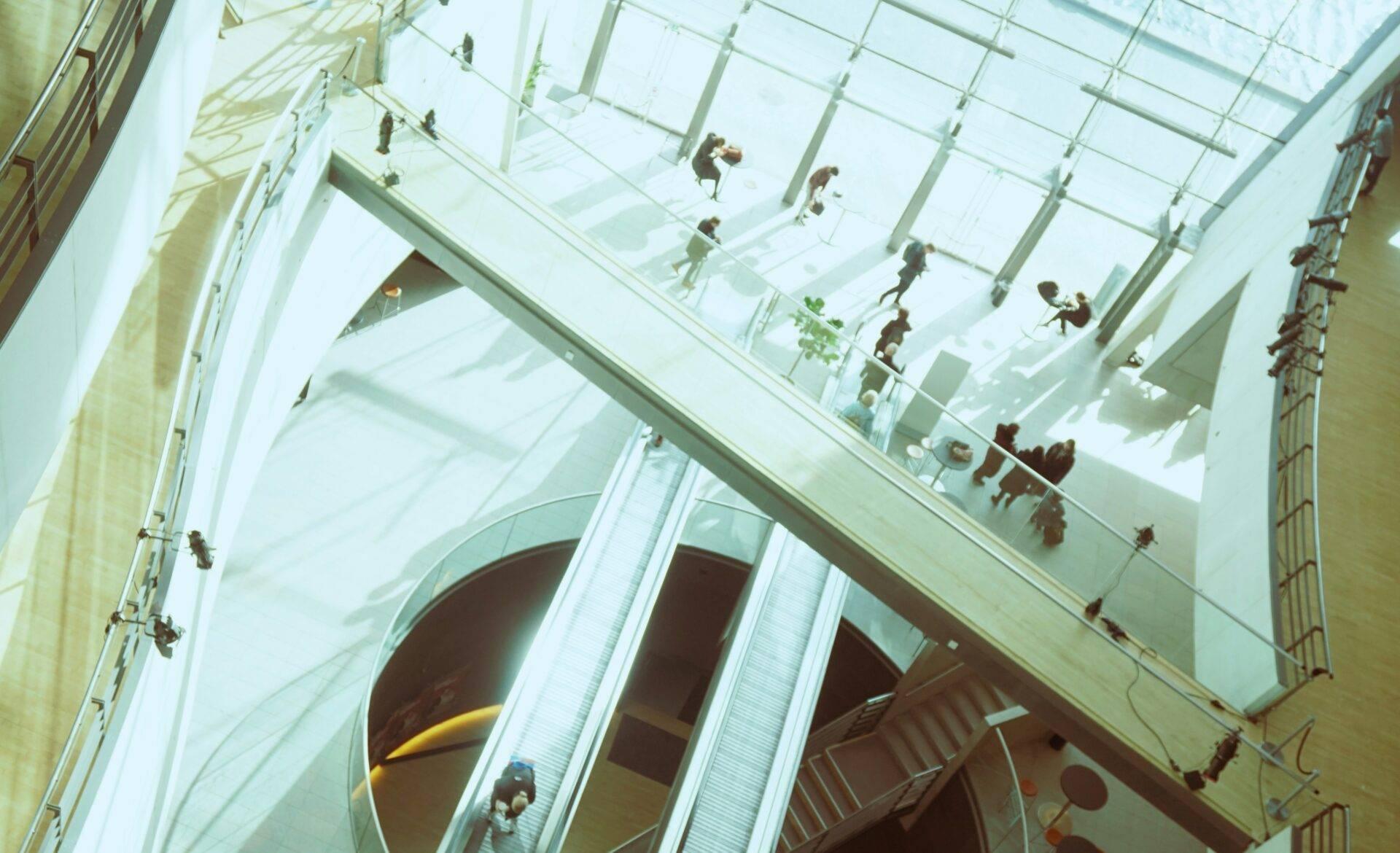
Founded in 1807, the National Museum of Copenhagen is the country’s largest museum institution. Its collections span prehistoric archaeology, Viking-age artefacts, Danish medieval history and world ethnography. A solid starting point for understanding the country’s past before venturing into its different regions.
6. Copenhagen Zoo
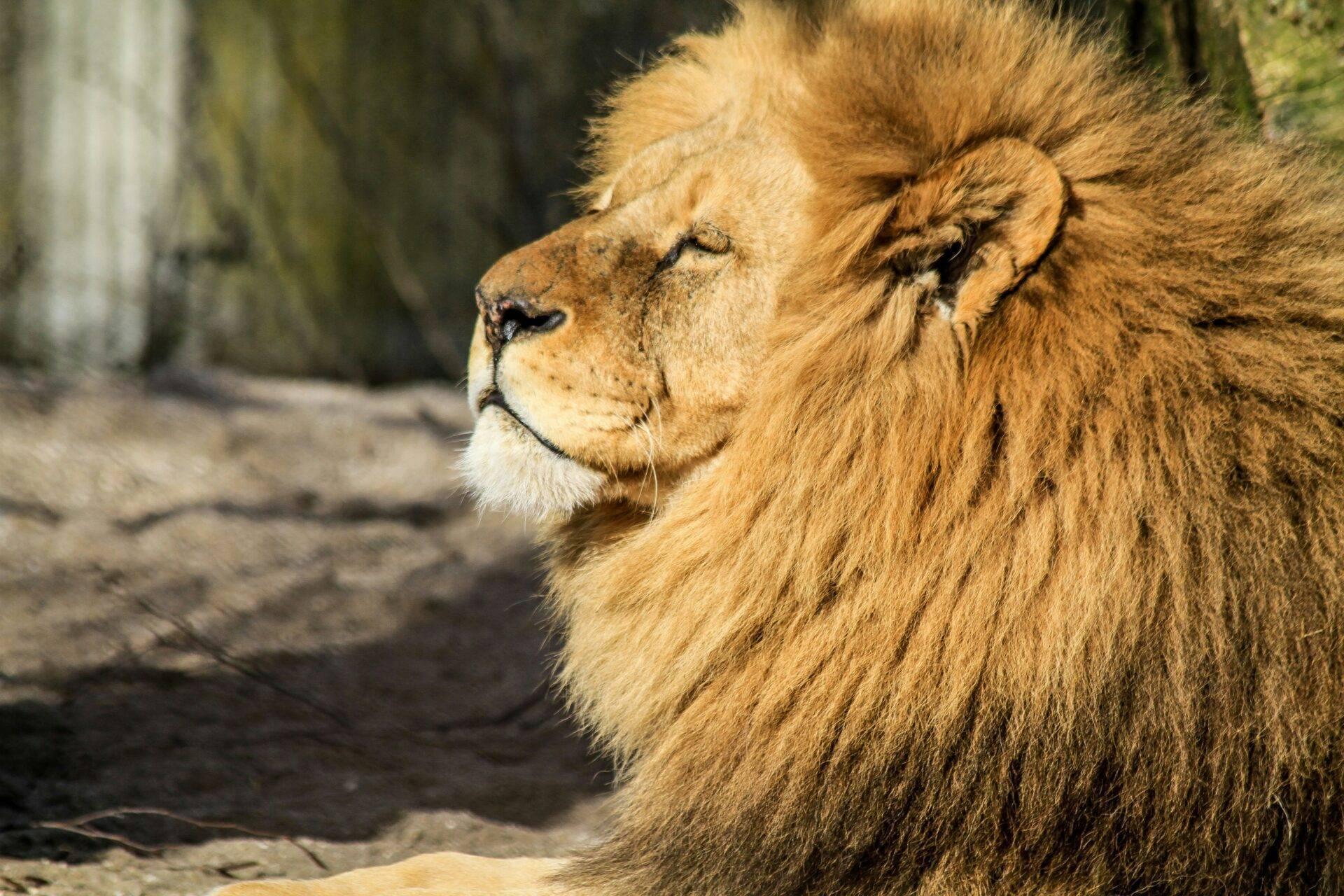
Copenhagen Zoo (Zoologisk Have) is one of Europe’s oldest zoological gardens. It stands out for its species conservation programmes and the quality of its enclosures. Easily reached by public transport from the city centre, it pairs well with a visit to the adjacent Frederiksberg district.
Get my travel insurance quoteRoyal castles and fortresses
7. Kronborg Castle in Helsingør
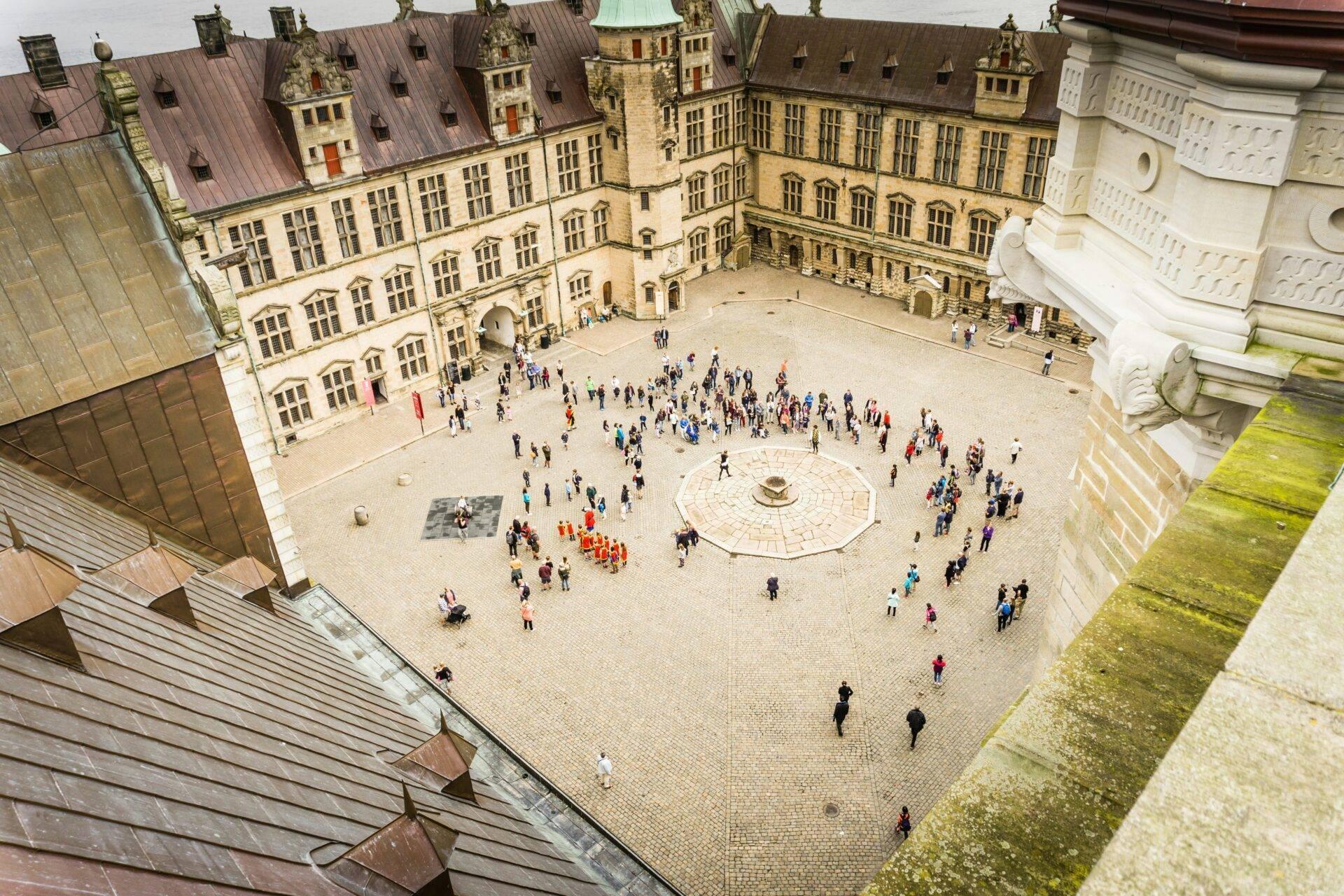
A UNESCO World Heritage Site, Kronborg castle commands the Øresund Strait at Helsingør. Shakespeare set the tragedy of Hamlet here, though he never actually visited. Beyond the literary legend, the fortress controlled the passage between the North Sea and the Baltic for centuries: every ship had to pay a toll to cross the strait. Its underground galleries and cannons trained on the Swedish coast remain truly striking.
8. Frederiksborg Castle in Hillerød
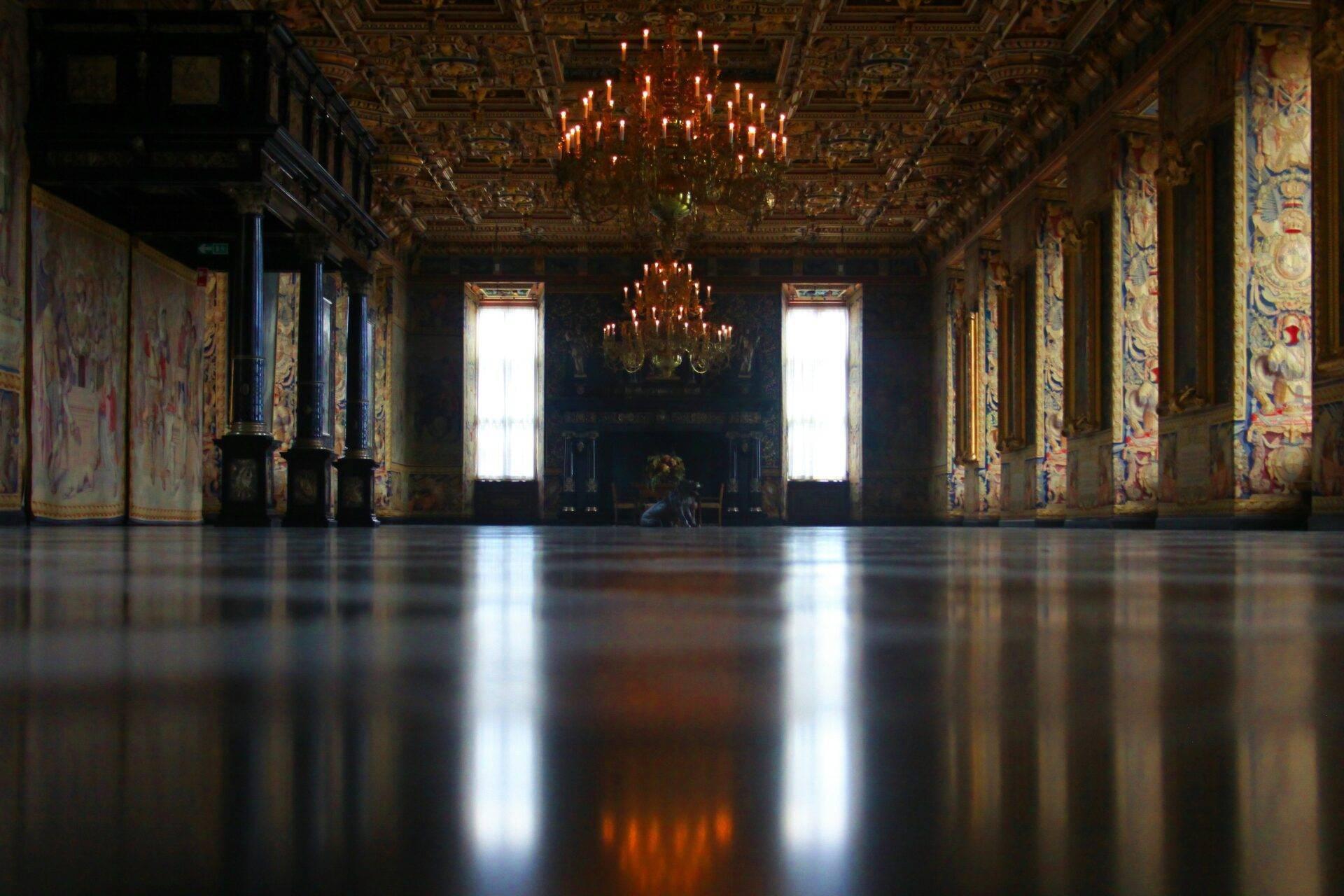
Built in the early 17th century by King Christian IV, Frederiksborg is often called the ‘Danish Versailles’. Its gilded rooms, tapestries and royal portraits trace four centuries of Danish history. It now houses the Museum of National History and is reachable from Copenhagen in under an hour by train.
9. Egeskov Castle on the island of Funen
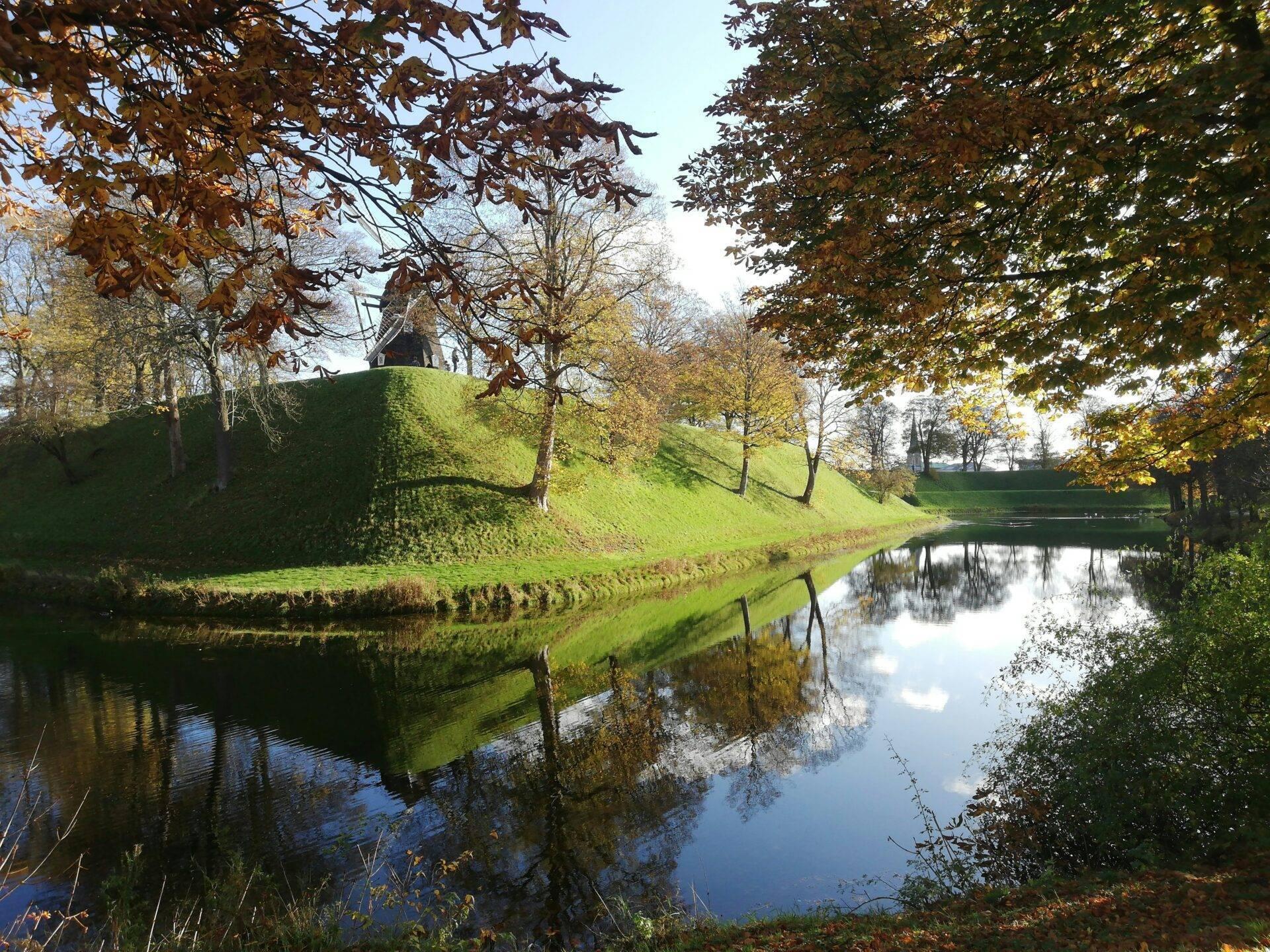
Built in 1554 on thousands of oak piles driven into a lake bed, Egeskov is one of the best-preserved Renaissance castles in northern Europe. Maze-like gardens, a moat and several small museums make it an ideal stop on the island of Funen, midway between Copenhagen and Jutland.
Art and culture museums
10. The Viking Ship Museum in Roskilde
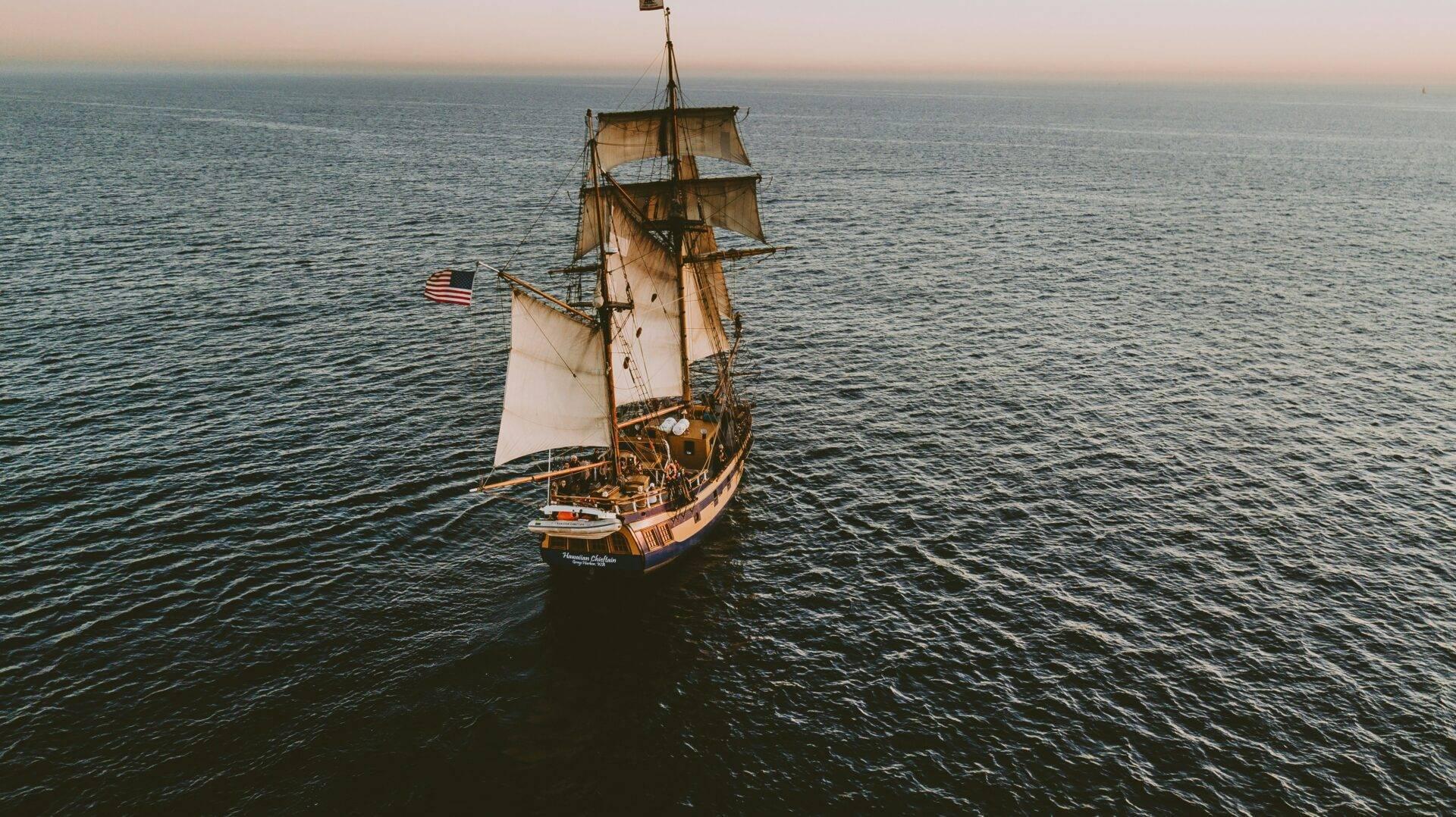
On the shores of Roskilde Fjord, this museum preserves five authentic 11th-century Viking ships, raised from the fjord floor in the 1960s. The restoration workshop is fully glazed: visitors can watch conservators at work. In summer, replica vessels put out to sea and visitors can sail aboard them. It is one of Denmark’s most immersive experiences.
11. Louisiana Museum of Modern Art in Humlebæk
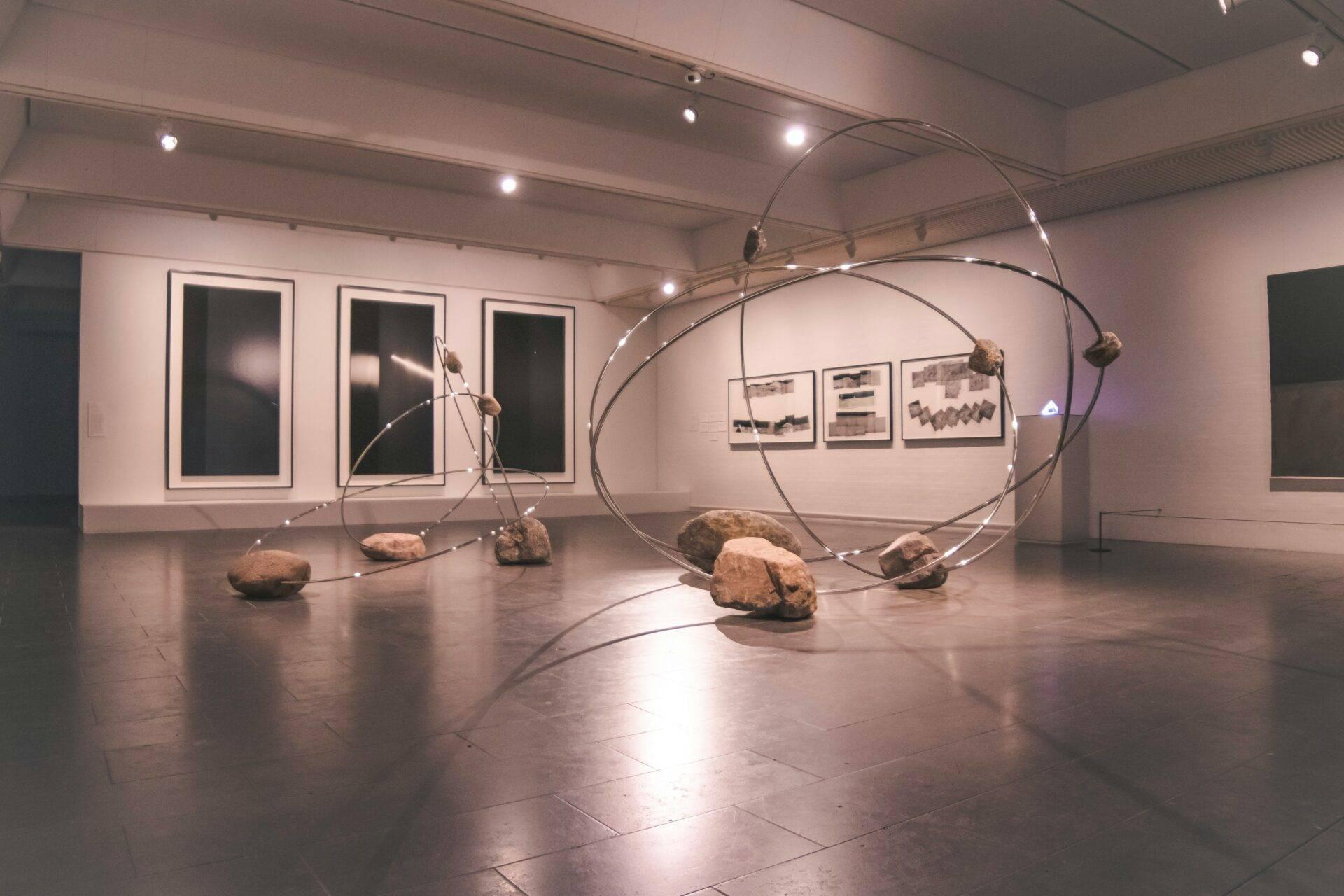
Louisiana is more than just a museum: it is a series of white pavilions winding through gardens with views over the Øresund Strait, an hour north of Copenhagen. Since opening in 1958, it has presented the leading figures of modern and contemporary art, with temporary exhibitions of international standing. The terrace overlooking the water is an experience in itself.
12. ARoS Aarhus Art Museum
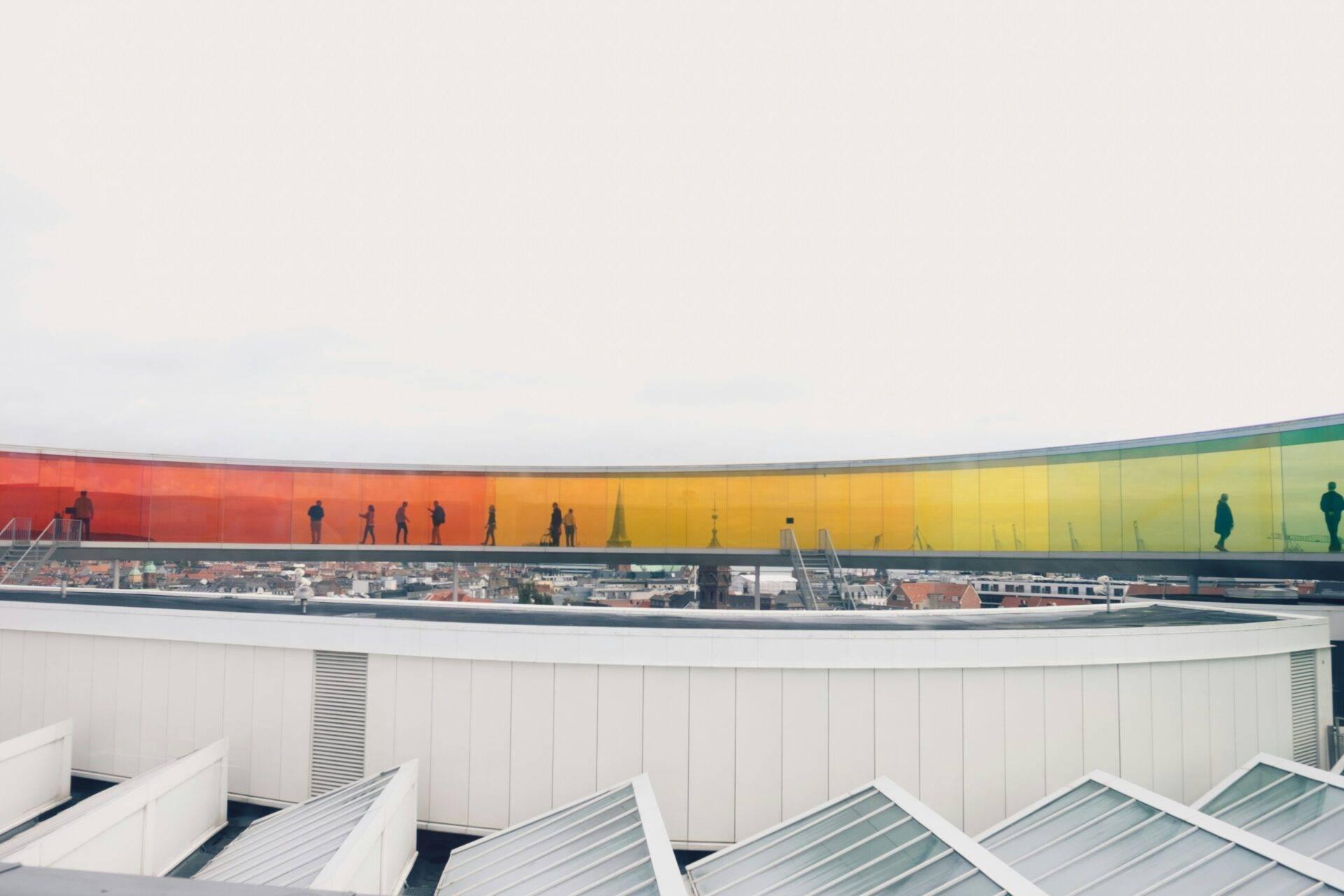
ARoS is the most visited art museum in Denmark outside Copenhagen. Its signature attraction, ‘Your Rainbow Panorama’, is a circular walkway at the top of the building with glass panels spanning every shade of the colour spectrum. The 360-degree view over Aarhus from this glass corridor alone is worth the trip. Inside, the galleries host permanent collections and photography exhibitions of international calibre.
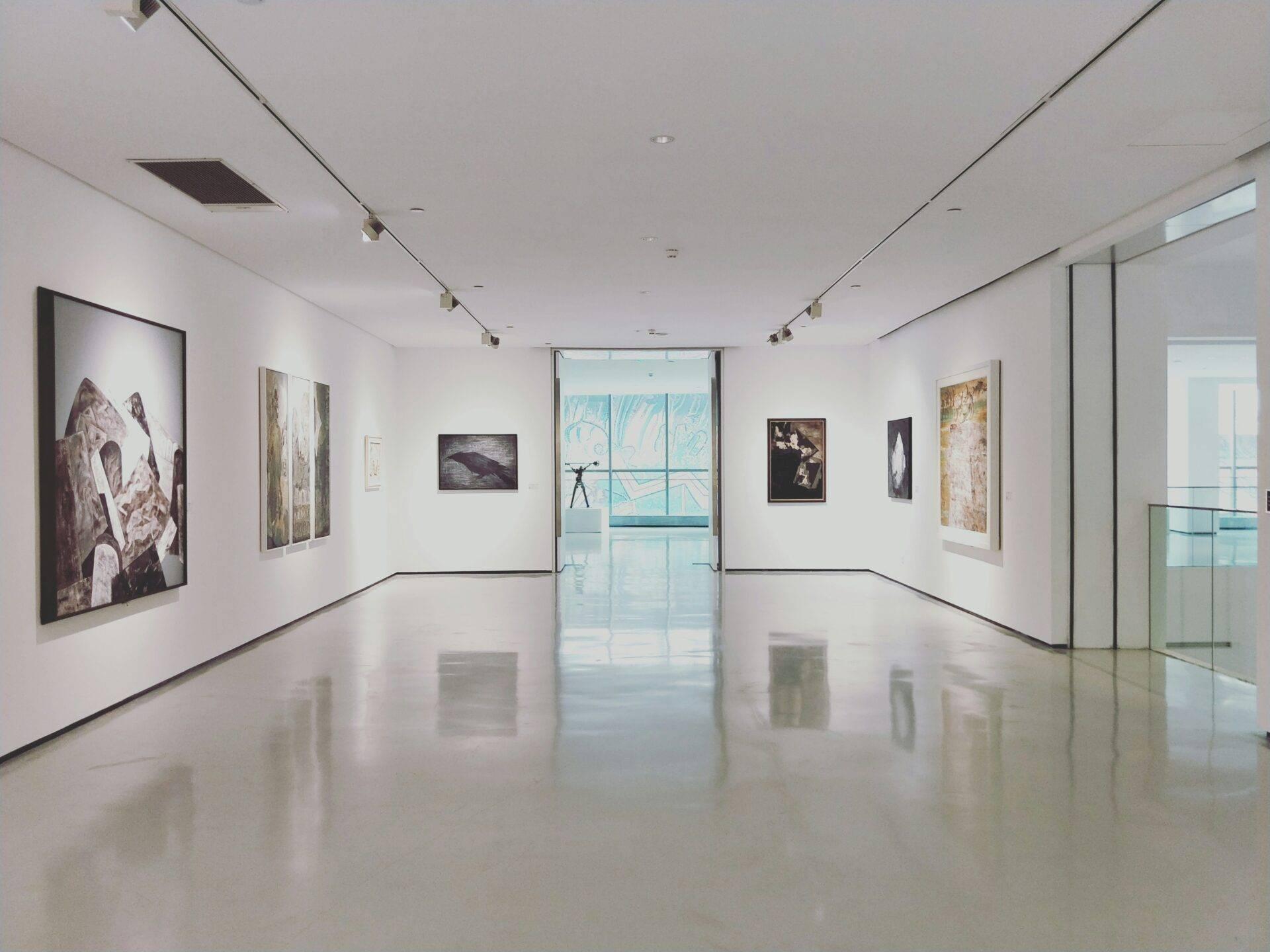
Aarhus, Denmark’s second city
13. Den Gamle By, the living open-air town
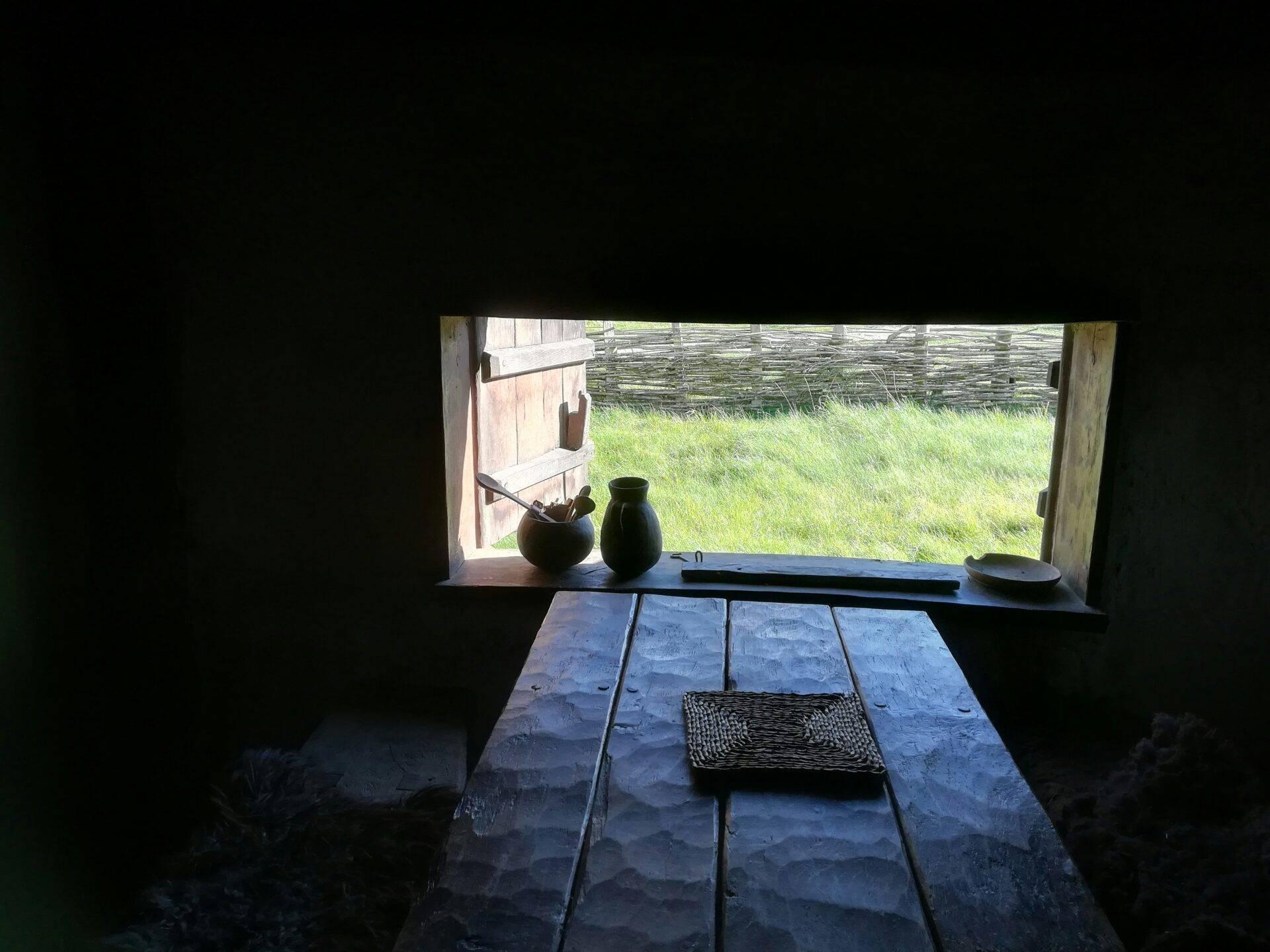
Den Gamle By (‘the Old Town’) is a remarkable open-air museum: more than 75 period buildings, relocated from across the region, recreate a 1920s town brought to life by costumed actors playing bakers, pharmacists and market traders. One of the most original experiences in Scandinavia.
14. Aarhus Cathedral
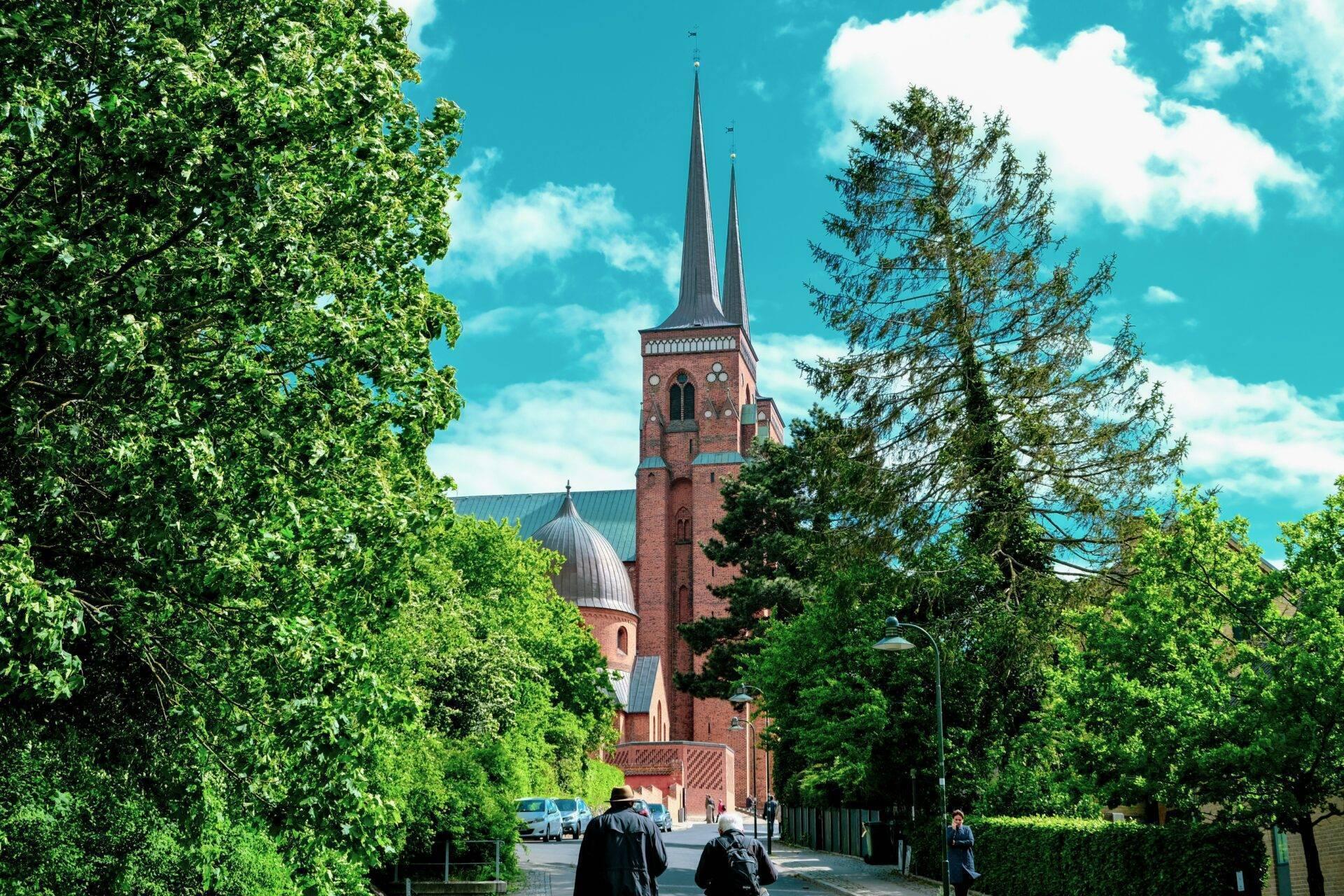
Aarhus Cathedral (Aarhus Domkirke) is the longest church in Denmark. Built in red brick, it blends Romanesque and Gothic styles, reflecting several centuries of construction and successive extensions. Its crypt preserves well-maintained medieval frescoes. It serves as a central landmark for exploring the old town centre on foot.
For families: Legoland Billund
15. Legoland Billund
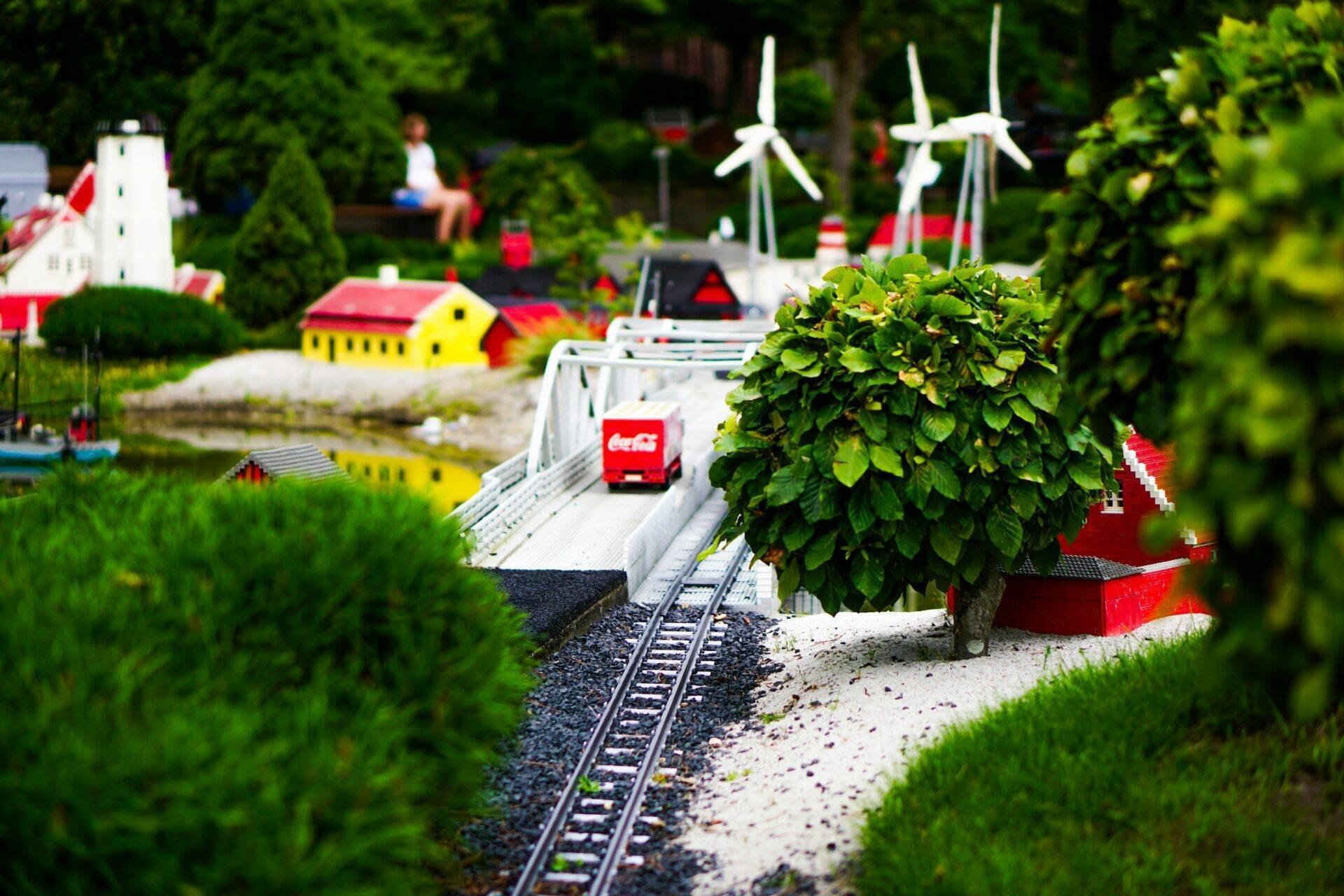
Billund is the birthplace of the Lego brick. The park opened there in 1968, right next to the original factory. With more than 50 attractions spread across 8 themed zones, its Miniland is the crowning attraction: entire cities recreated in bricks with a remarkable level of detail. From Copenhagen, allow around two hours (train to Vejle, then a bus).
Nature and wide-open spaces
16. Bakken and Dyrehaven forest at Klampenborg
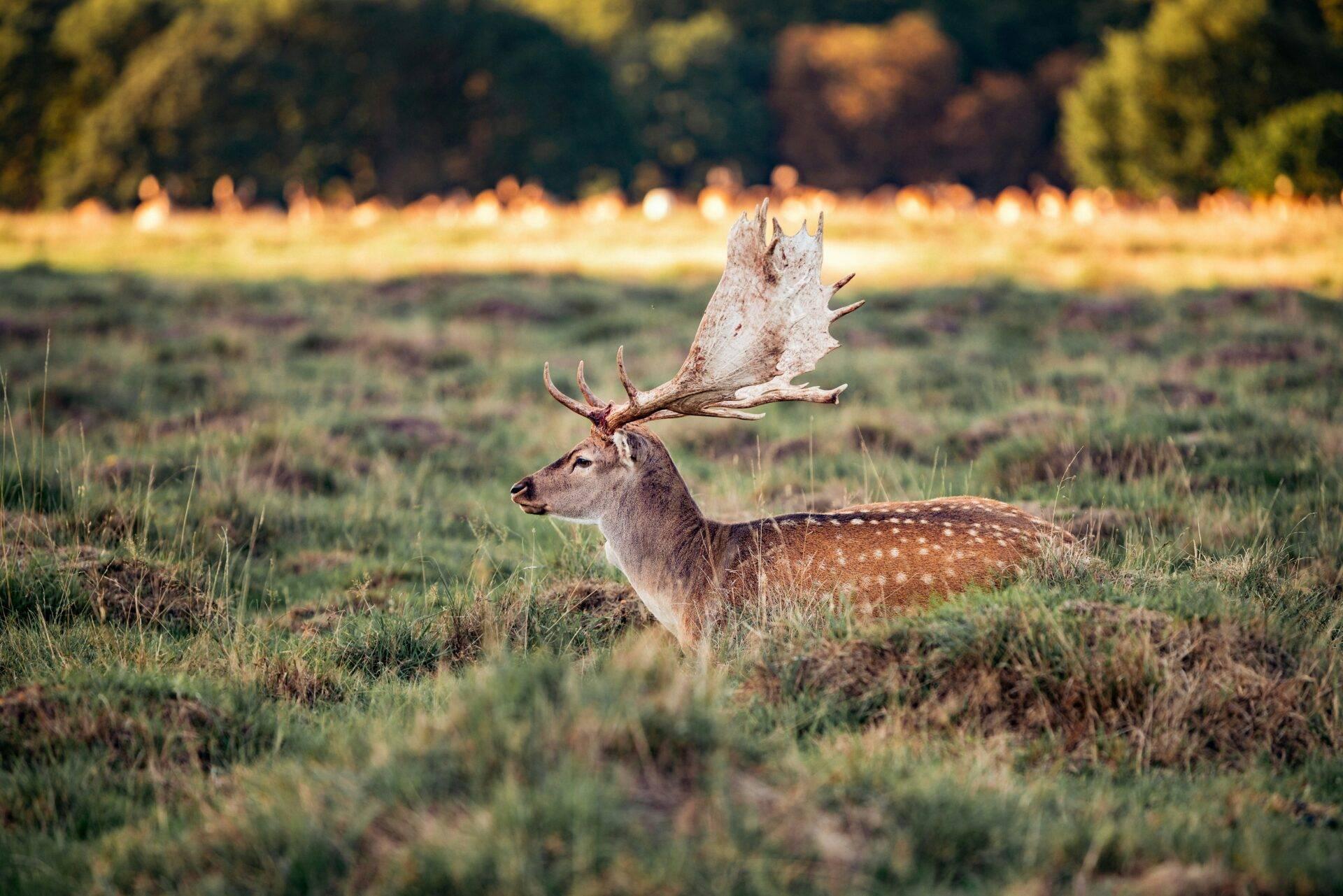
Founded in 1583, Bakken at Klampenborg is the world’s oldest operating amusement park. Its relaxed, unpretentious atmosphere contrasts with the elegance of Tivoli. It sits at the heart of Dyrehaven, a royal forest where deer roam semi-freely. Reachable by train from Copenhagen in around twenty minutes.
17. The island of Bornholm
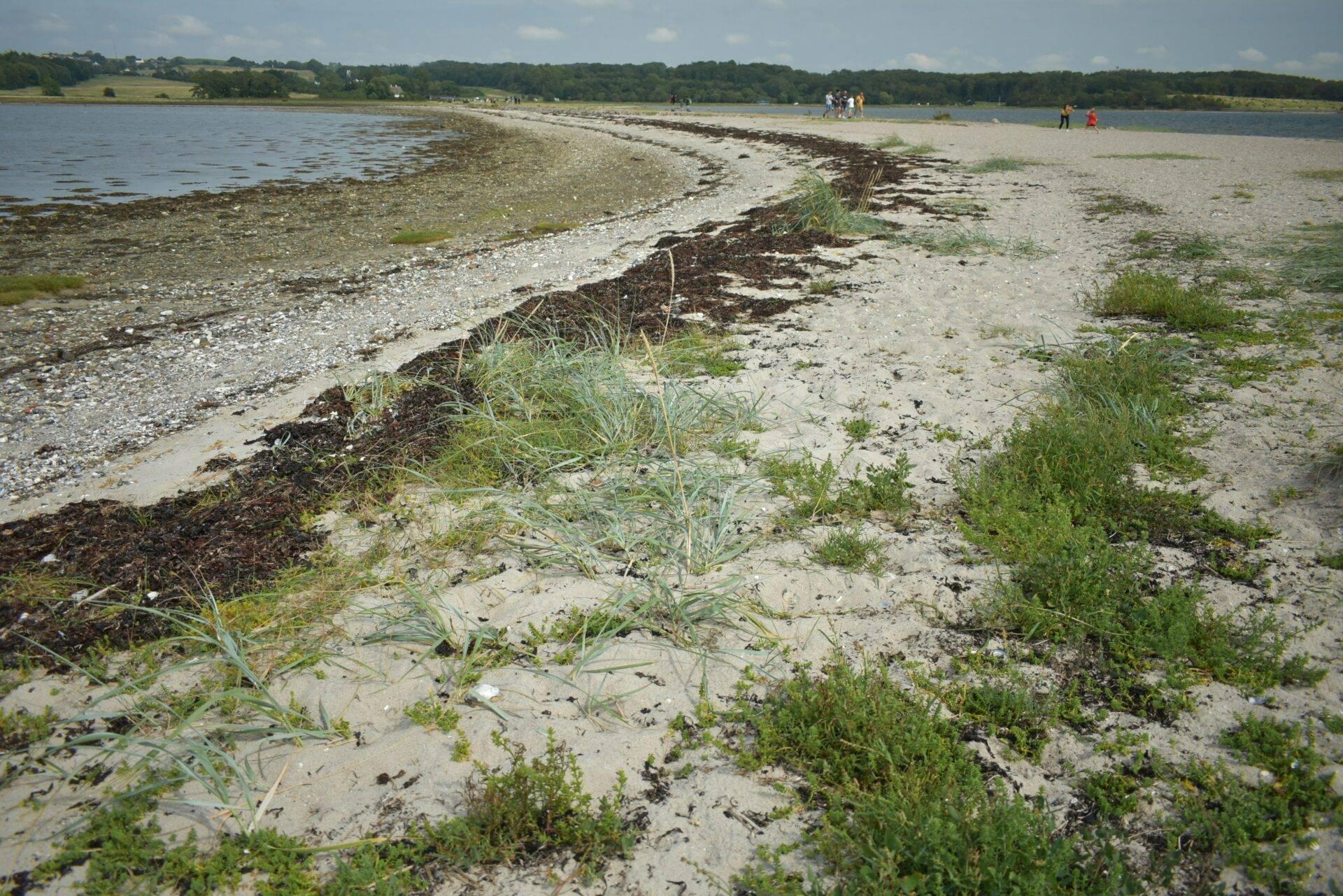
Nicknamed ‘the Sunshine Island’, Bornholm enjoys more sun than almost anywhere else in Denmark. Granite cliffs, fishing villages, pottery workshops and round medieval churches make it a destination apart. In the north of the island, the fortress of Hammershus is the largest medieval ruin in Scandinavia. It can be reached by ferry from Copenhagen or by air.
18. The cliffs of Møns Klint
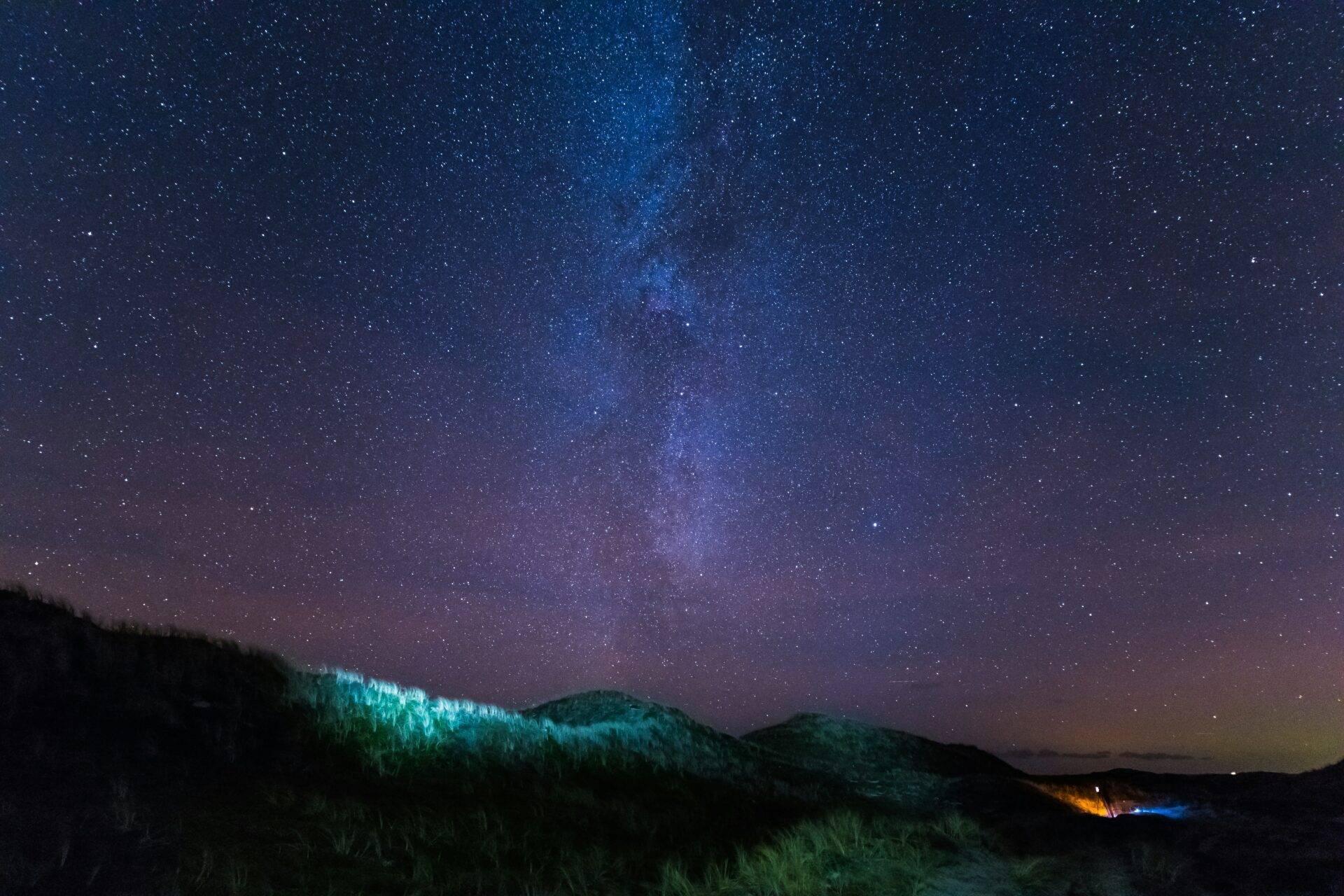
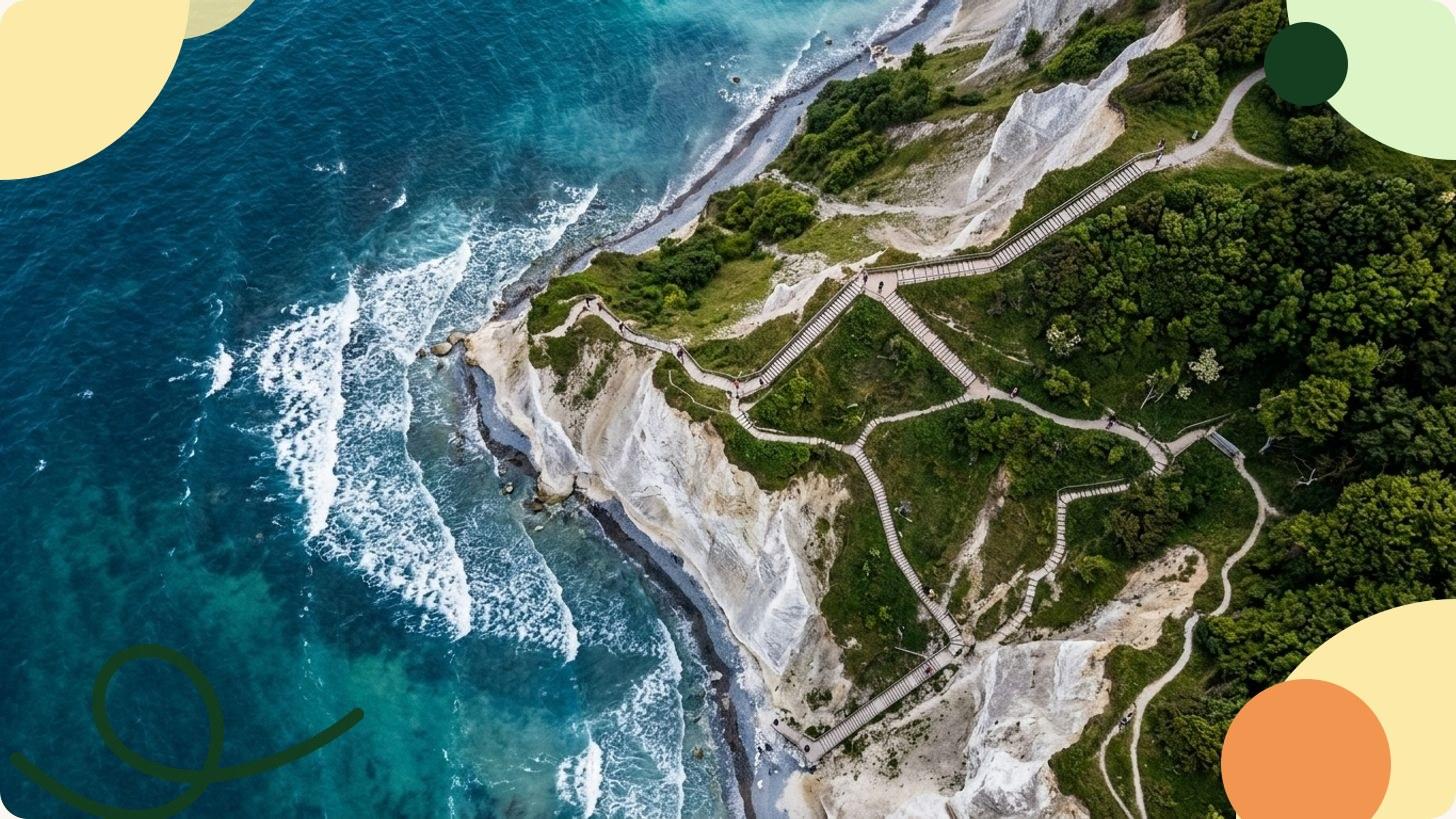
The Møns Klint cliffs stretch for seven kilometres and rise 128 metres above the Baltic Sea. Their white chalk, formed from the accumulation of fossilised shells around 70 million years ago, contrasts with the beech trees clinging to the clifftops. Møns Klint is also one of the few certified dark sky parks in Denmark: on clear nights, the Milky Way is visible to the naked eye. From Copenhagen, allow around two hours to get there.
Odense and beyond
19. The Hans Christian Andersen Museum in Odense
Odense, Andersen’s birthplace on the island of Funen, is home to the museum dedicated to the fairy-tale author. Thoroughly renovated, it immerses visitors in the writer’s imaginary world through immersive installations, original manuscripts and illustrated editions from around the globe. A natural stop on any itinerary between Copenhagen and Jutland.
20. The Danish Museum of Science and Technology in Helsingør
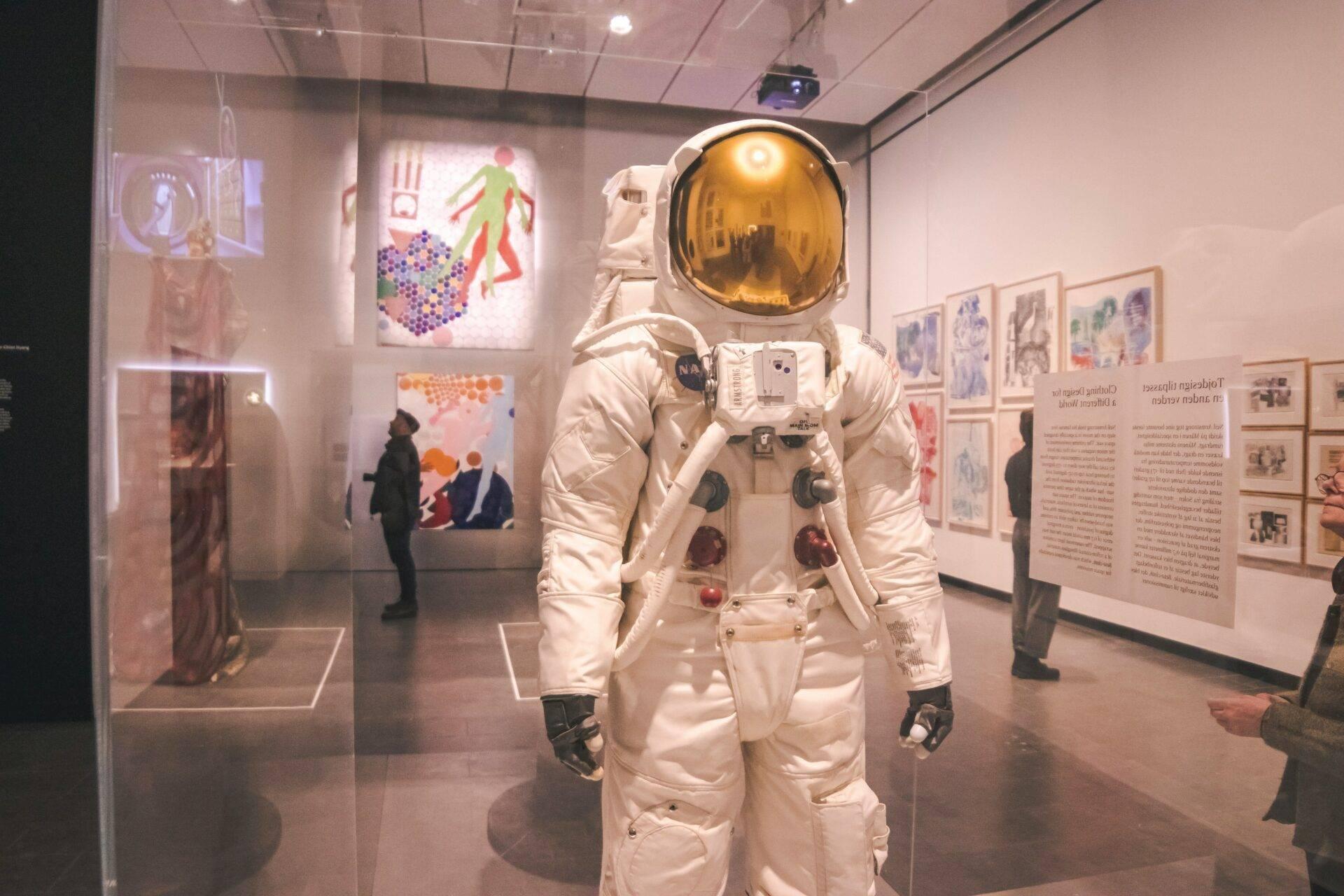
Located in Helsingør, the same city as Kronborg, the Danmarks Tekniske Museum traces the history of science, technology and transport in Denmark. Locomotives, vintage cars, navigation instruments and aviation displays make up its collections. A logical stop if you are already visiting Kronborg the same day.
Continuing into Scandinavia
Denmark fits naturally into a broader Nordic itinerary. If you plan to extend your trip, things to do in Sweden and things to do in Norway complete this tour of the Scandinavian countries perfectly.
FAQ
When is the best time to visit Denmark?
From May to September for long daylight hours, mild temperatures and café terraces in full swing. From November to January, Denmark offers a different kind of charm: Christmas markets, a glittering Tivoli and the warm, cosy spirit of hygge at its peak.
How long do you need to see Denmark properly?
A week is enough to cover Copenhagen and its immediate surroundings (Kronborg, Frederiksborg, Roskilde). Ten to fourteen days allow time to add Aarhus, Legoland Billund, the island of Funen and Bornholm. The country is compact: distances between the main cities are very manageable.
Is Denmark an expensive destination?
Yes, Denmark is one of Europe’s most expensive destinations, particularly for accommodation and dining. Some museums, including the National Museum of Copenhagen, offer reduced rates or free entry days. Public transport is reliable and considerably cheaper than hiring a car for short distances.
How do you get around Denmark without a car?
Denmark’s train and bus network efficiently connects Copenhagen, Odense, Aarhus and Billund. Islands like Bornholm are served by ferry or by air from the capital. Only certain rural areas of Jutland remain difficult to reach without a vehicle.
Is Denmark a good destination for families?
Yes. Legoland Billund, Bakken (the world’s oldest amusement park, founded in 1583), the Viking Ship Museum in Roskilde and the long beaches of Jutland appeal to all ages. Danish cities are very cycle-friendly and the nature parks are accessible to children.