Perched at the westernmost tip of Africa, Senegal is a country where ancient cultures, infectious rhythms, golden beaches and breathtaking national parks all converge. With the vibrant capital Dakar at its heart, the country is defined by its legendary hospitality, captured in the Wolof word “teranga,” which speaks to the warmth and generosity that Senegalese people extend to every visitor.
From the Bandia Reserve to the Saloum Islands, and from the haunting island of Gorée, a powerful testament to the slave trade, Senegal offers a journey through history, nature and culture unlike any other.
Whether you are drawn to art, local traditions, cuisine or sweeping landscapes, Senegal will captivate you at every turn and leave you wanting to come back for more.
Your Travel Health Insurance, Online
Get your quote now and receive your medical insurance certificate, covering healthcare costs tailored to the requirements of your destination.
Get covered
Useful links
Before heading to the destinations featured in this guide, the resources below will help you plan your travels within Senegal:
- Official Senegal tourism website: Visit Senegal
- Senegal’s national airline: Air Senegal
- Senegal’s national rail service: Regional Express Train (TER)
Make sure to check these resources for all the practical information you need for a successful trip.
Dakar
Dakar, Senegal’s exhilarating capital, sits on the Cap-Vert Peninsula, the westernmost point on the African continent.
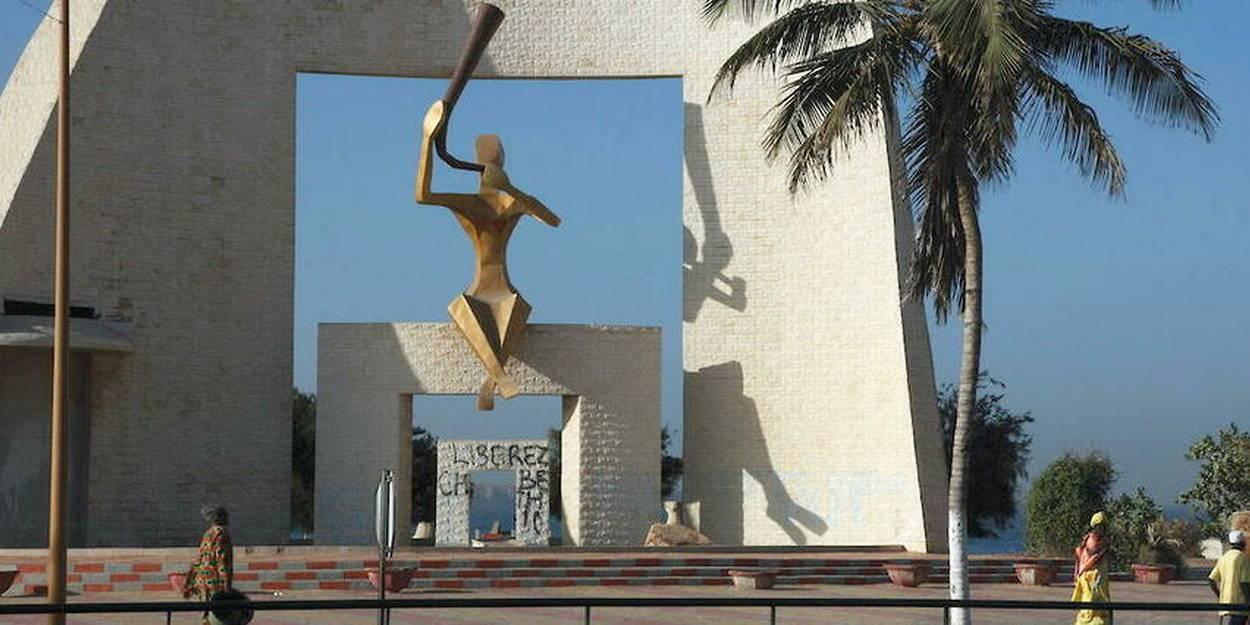
Dominating the city’s skyline, the African Renaissance Monument rises proudly as a symbol of freedom and a new era for the continent.
The bustling markets of Sandaga and Kermel are unmissable spots for diving headfirst into local culture. Meanwhile, surfers flock to the beaches of N’gor to catch the Atlantic waves.
Did you know that Dakar was the capital of French West Africa until independence in 1960?
Gorée Island
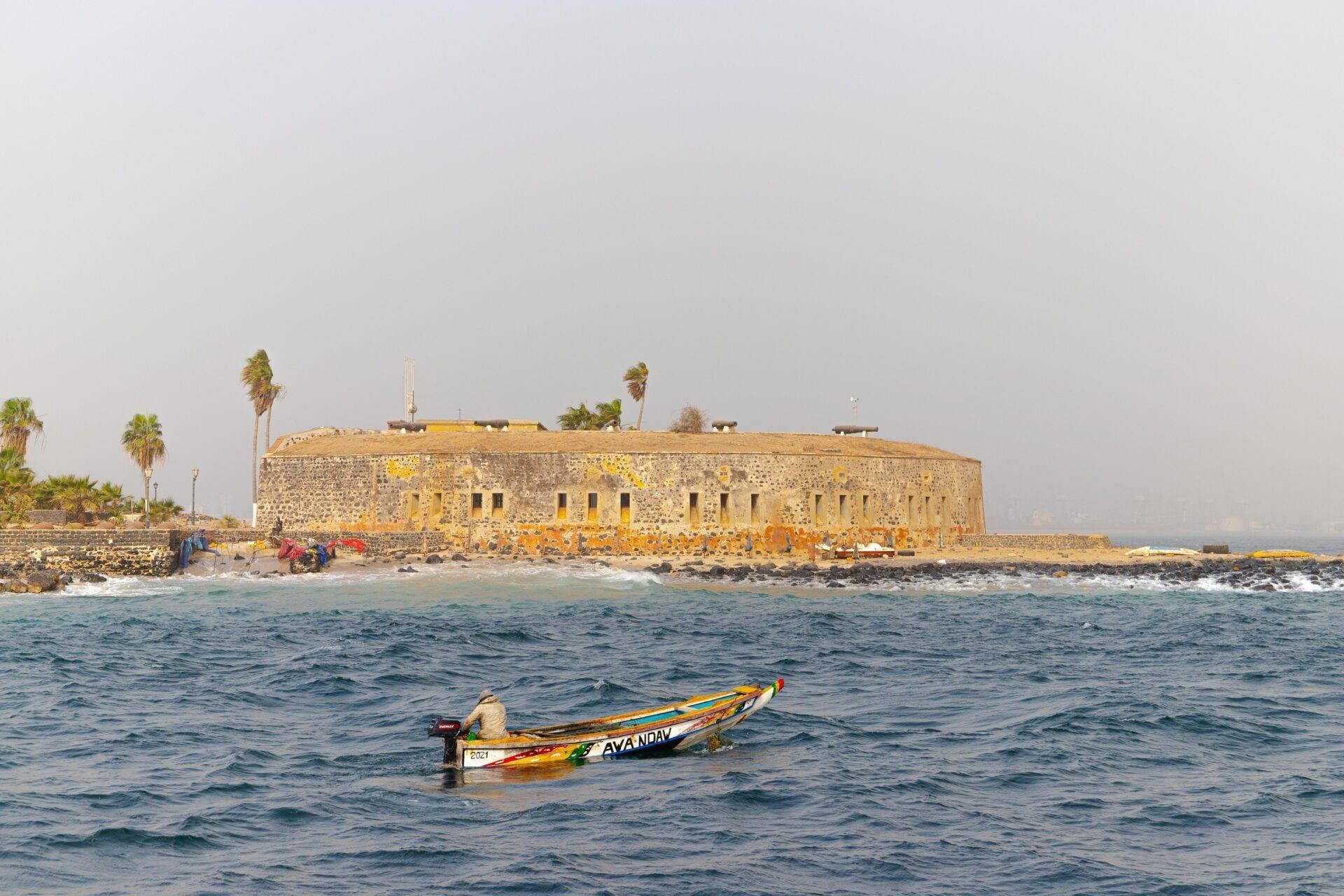
Gorée Island, lying just a few kilometres off the coast of Dakar, stands as a sobering reminder of Senegal’s role in the transatlantic slave trade.
A UNESCO World Heritage Site, it is home to the House of Slaves, where thousands of people were held captive before being shipped to the New World.
Beyond its dark history, the island charms visitors with its cobbled alleyways, colourful houses and a gentle, almost Mediterranean atmosphere.
Niokolo-Koba National Park
Niokolo-Koba National Park, tucked away in south-eastern Senegal, is a mosaic of precious ecosystems.
Vast savannahs, dense gallery forests and impressive waterways define the landscape here.
Lions, leopards, elephants and even chimpanzees can all be spotted roaming freely in their natural habitat.
Lake Retba (Lac Rose)
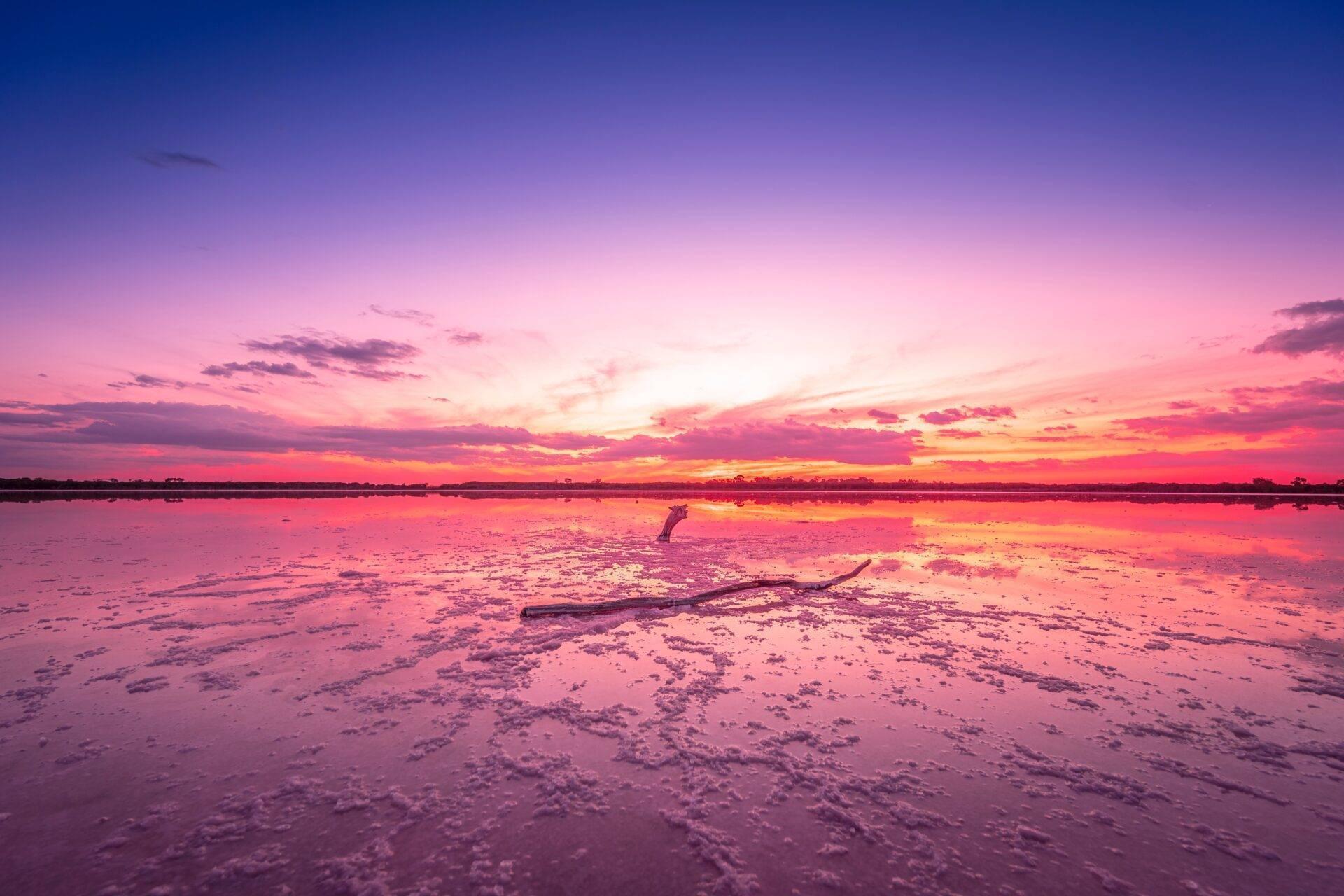
Lake Retba, also known as Lac Rose, lies just a few kilometres north-east of Dakar. The first thing that strikes visitors is the water’s vivid pink hue, a natural phenomenon caused by a micro-algae living in the lake.
This salt lake is also the setting for active salt harvesting, with workers going about their tasks in what feels like an almost surreal landscape. White sand dunes and casuarina trees lining the shores complete a truly stunning panorama. For a memorable experience, numerous 4x4 and horse-riding excursions are on offer in the surrounding area.
The House of Slaves
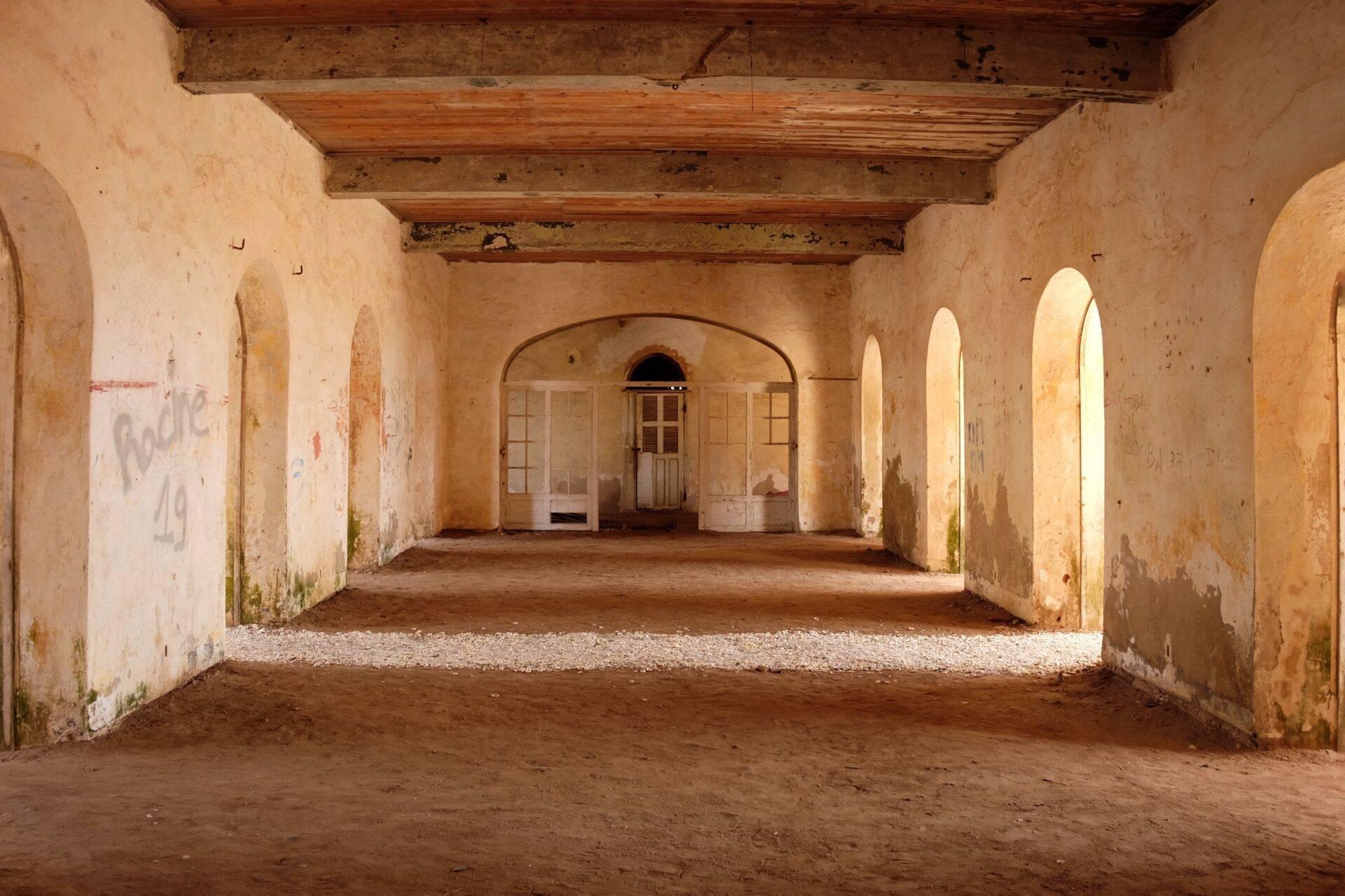
The House of Slaves stands on Gorée Island, a short distance from the Dakar coastline. As you wander through this otherwise tranquil island, the weight of its turbulent past becomes impossible to ignore. The House of Slaves is a silent witness to the dark chapter of the transatlantic slave trade.
It holds the cramped cells where enslaved people were kept while awaiting deportation to the New World. The Door of No Return, an opening facing out to the open ocean, represents the last sight of Africa for thousands of souls.
Bandia Reserve
The Bandia Reserve, less than an hour’s drive from Dakar, is a lush pocket of wilderness set within the Senegalese hinterland. Majestic baobab trees stand tall, offering welcome shade to the antelopes, giraffes and other residents of the reserve. These animals, along with the crocodiles that inhabit the watering holes, are a constant delight for visitors.
Exploring the reserve, you may also spot ostriches, monkeys and a host of other species, all roaming freely in their natural environment. A safari through Bandia is an open invitation to discover African wildlife up close.
Djoudj National Bird Sanctuary
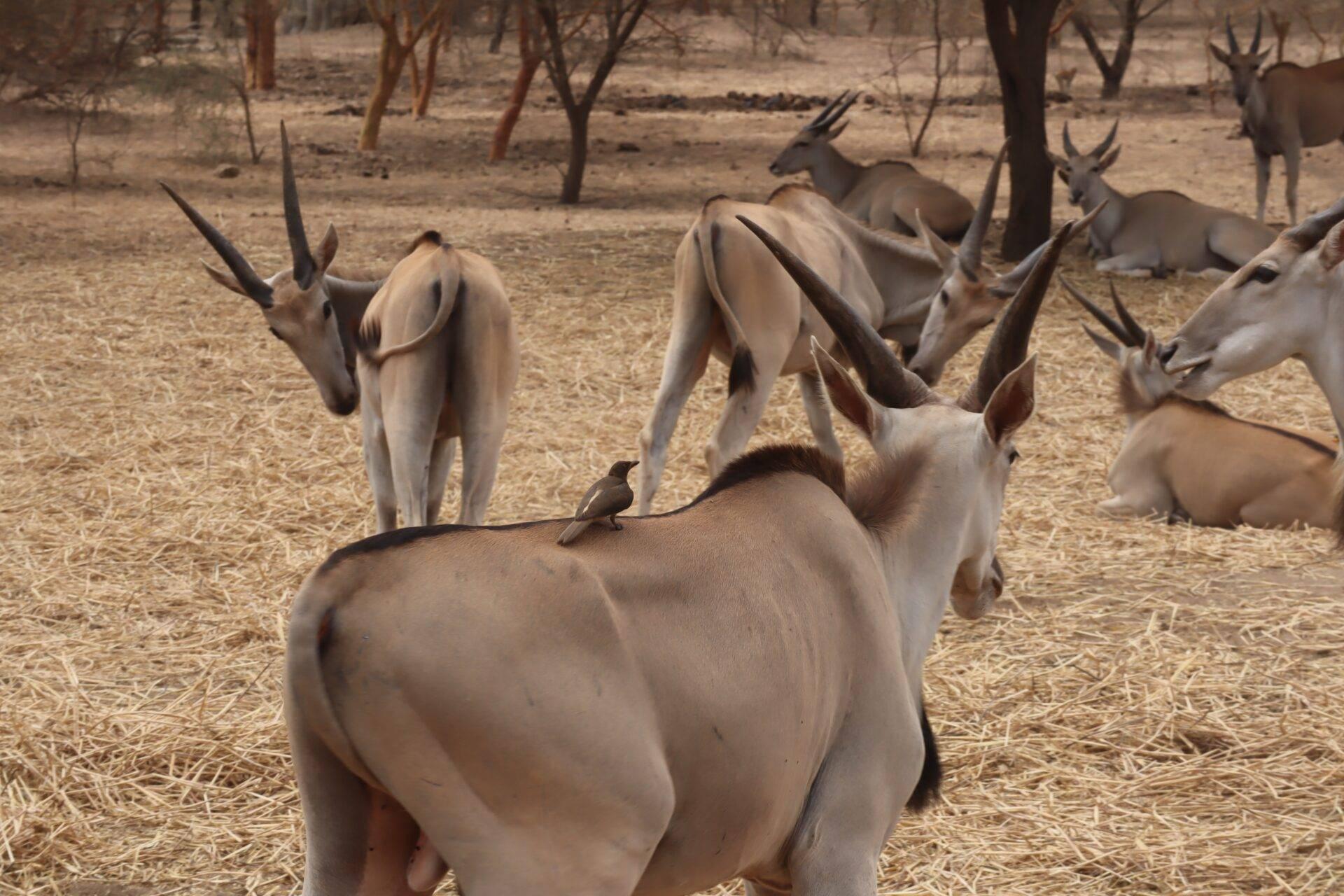
The Djoudj National Bird Sanctuary, in northern Senegal near the border with Mauritania, is a true haven for migratory birds arriving from Europe. It ranks among the largest ornithological sites in the world. Travelling through its expanses of water and marshland, you witness the extraordinary spectacle of millions of birds, including pelicans, flamingos and cormorants.
Boat trips are organised to bring you closer to these birds, whose aerial displays are nothing short of breathtaking. Beyond the birdlife, the sanctuary is also home to crocodiles, monitor lizards and other wildlife.
The Madeleine Islands
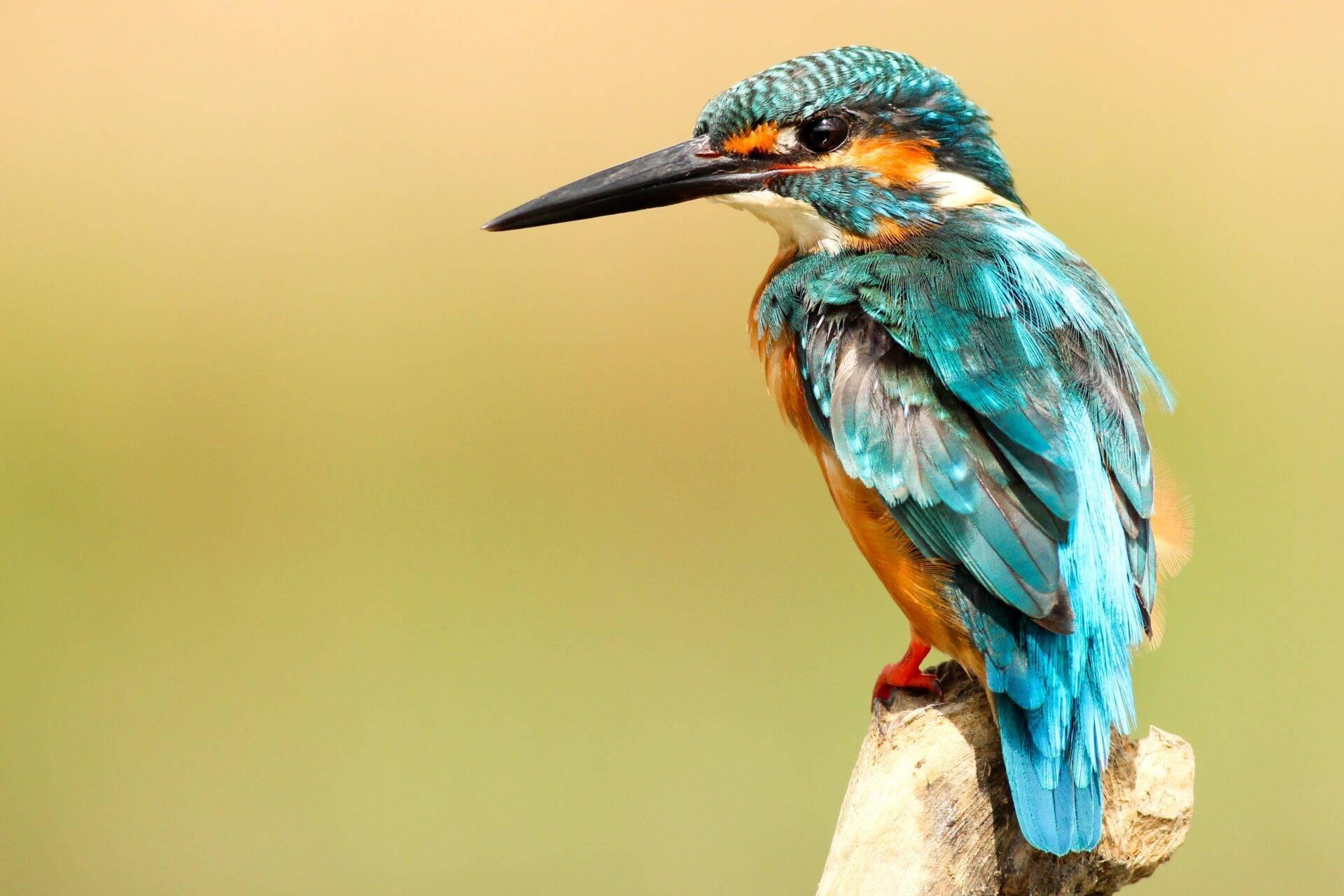
The Madeleine Islands, a jewel floating off the coast of Dakar, are one of Senegal’s great natural wonders. This small archipelago, shaped by rocky formations and tiny sandy beaches, is a protected site renowned for its unique biodiversity.
Exploring the islands reveals lush vegetation, dramatic cliffs and hidden coves, perfect for snorkelling and watching a dazzling array of colourful fish.
As serene and beautiful as the setting is, the Madeleine Islands also hold a significant place in Senegalese spirituality.
Saint-Louis
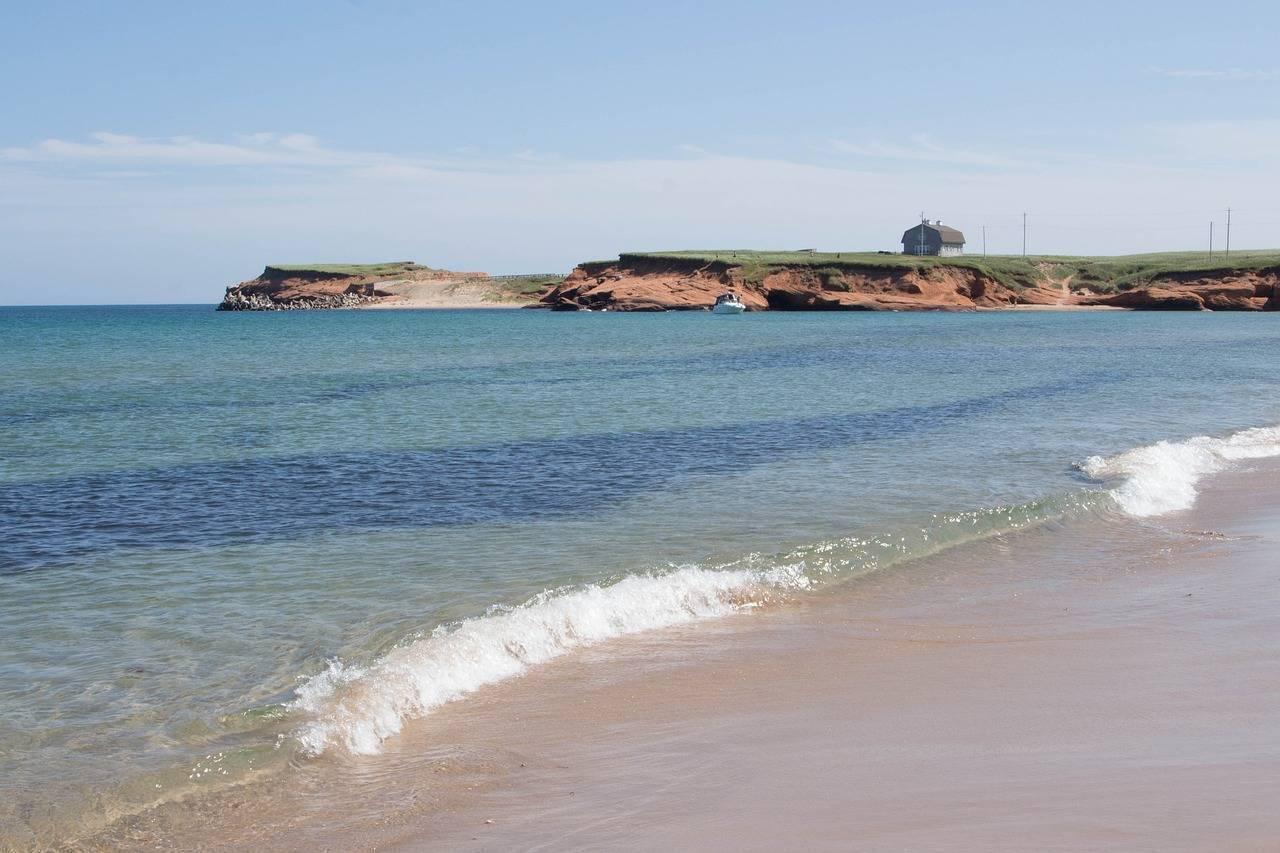
Saint-Louis, in the north-west of the country, is a historic city of remarkable colonial architecture. Often nicknamed the “Venice of Africa” for its many canals and bridges crossing the Senegal River, it has a charm all of its own. In the heart of the city, cobbled streets and houses adorned with wrought-iron balconies evoke the elegance of old European towns.
Wandering through Saint-Louis, you can admire the imposing cathedral, the fort and a lively market brimming with local produce. Fishing is one of the city’s main activities, and the rows of colourful pirogues lined up along the river make for a captivating daily spectacle.
Hann Forest Park
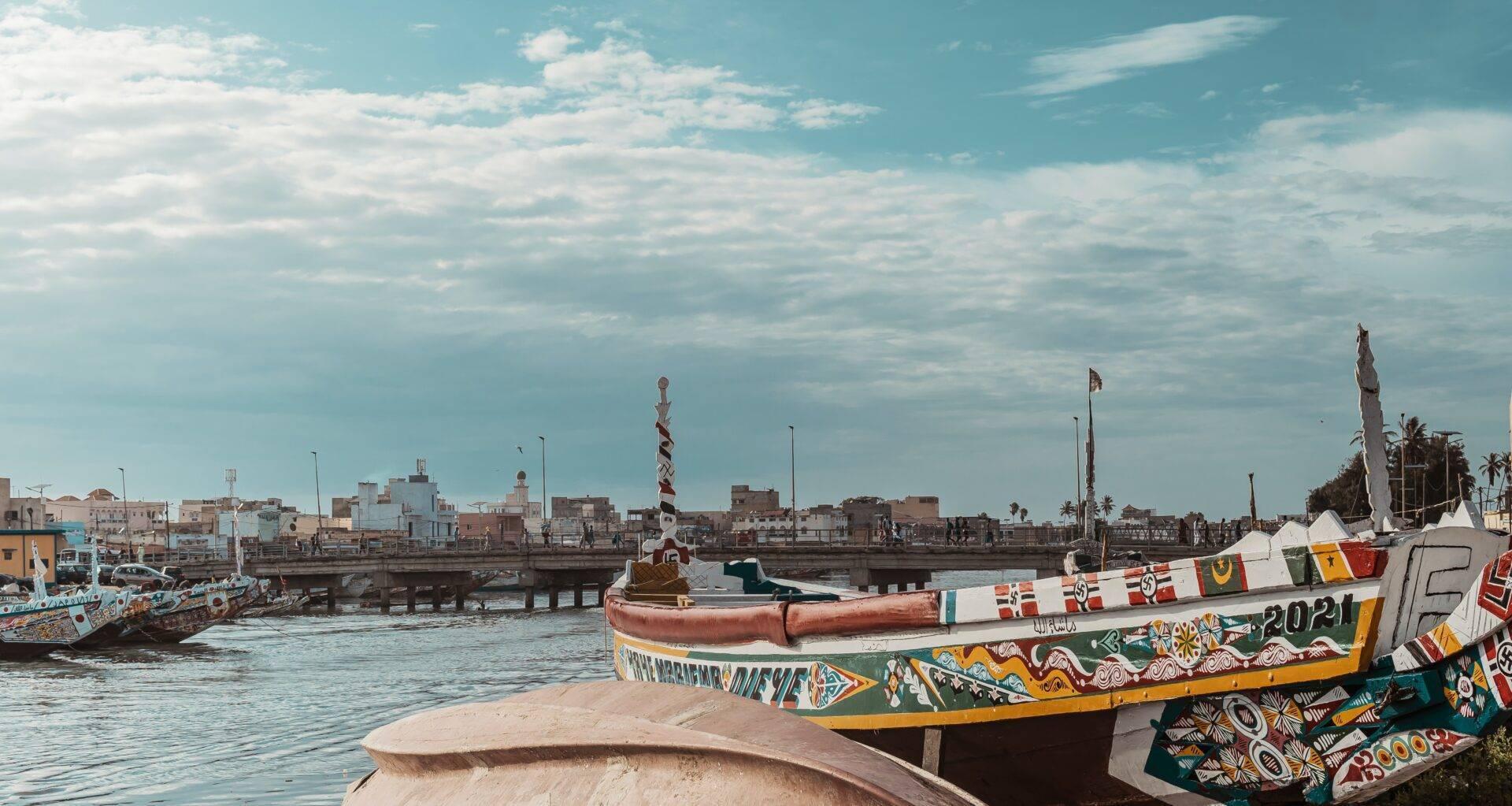
Hann Forest Park, nestled within the bustling city of Dakar, is a green retreat at the heart of the urban energy. Here, the noise of the city seems to fade away, giving way to the calm of nature.
Within the park, a zoo is home to a variety of animal species, both local and exotic, offering a wonderful opportunity for discovery and learning for visitors of all ages.
Well-maintained paths wind through the park, inviting leisurely strolls or, for the more active, morning runs.
Somone Lagoon Reserve
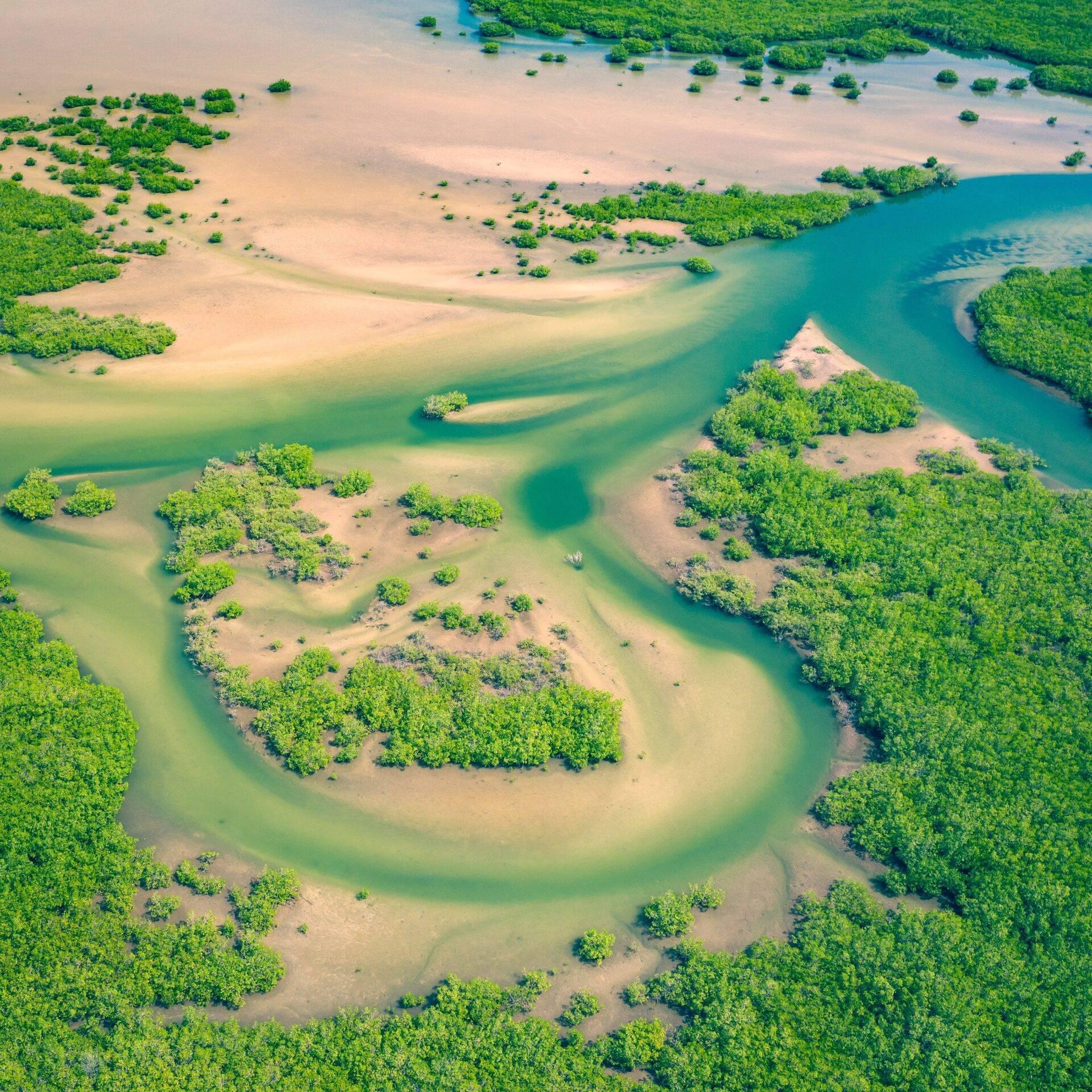
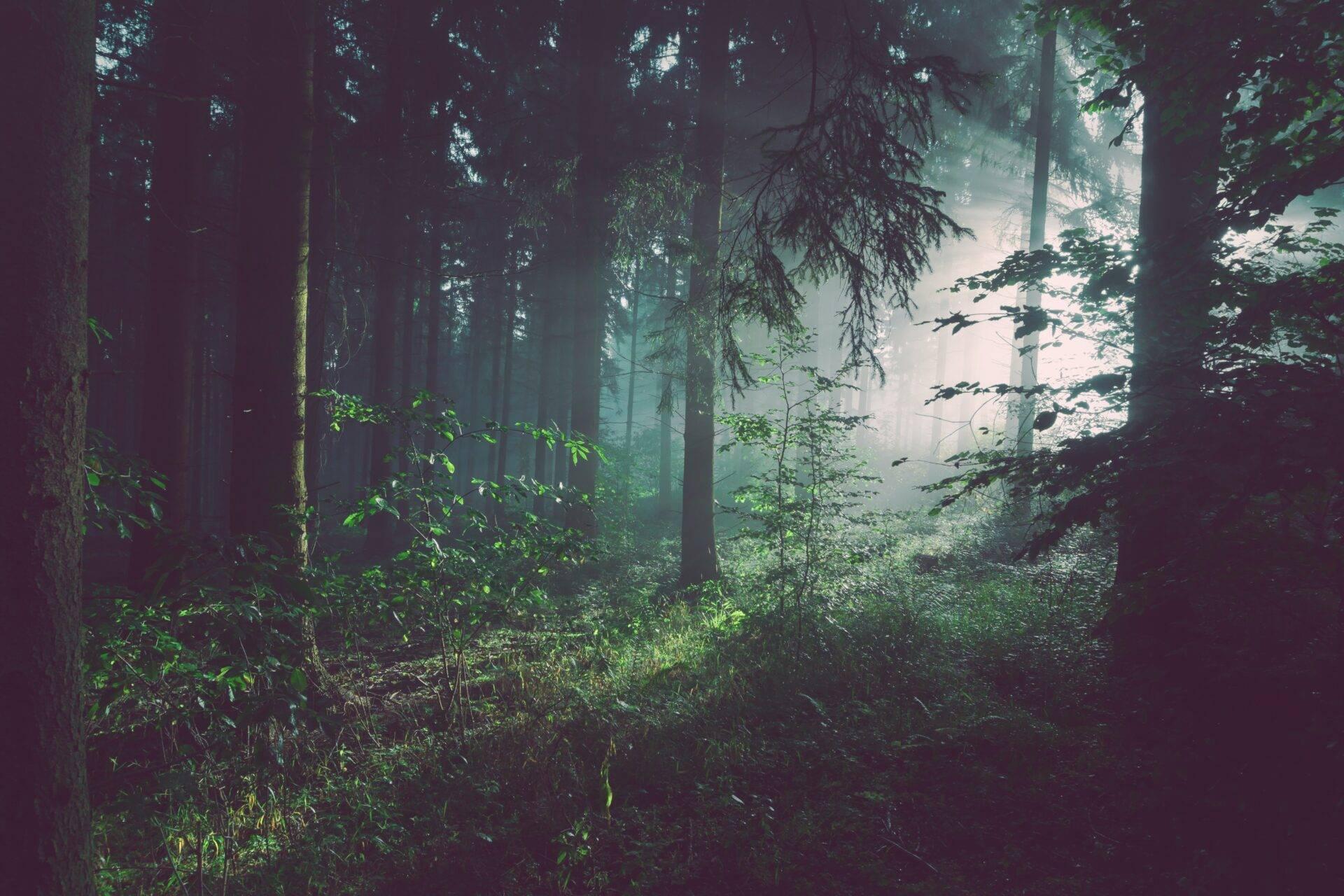
The Somone Lagoon Reserve, near the small town of Somone, is a sanctuary of tranquillity along the Senegalese coast. It stretches like a still mirror of water, fringed by verdant mangroves and sandy islets.
This natural haven is celebrated for its biodiversity, particularly the wide variety of bird species that gather here in great numbers, offering a fascinating spectacle for ornithologists and birdwatching enthusiasts alike.
Pirogue rides allow you to glide across the lagoon, get close to the local wildlife and flora, and soak in the serene beauty of the surroundings.
The Sine-Saloum Delta
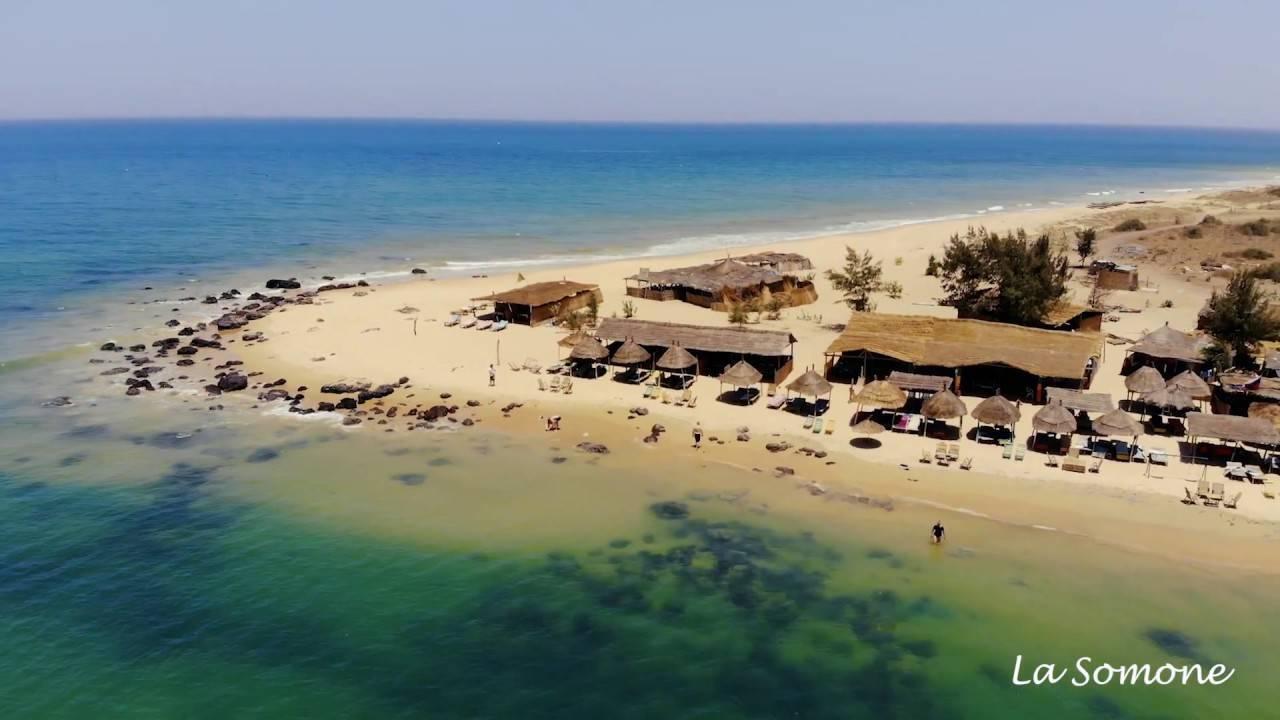
The Sine-Saloum Delta, in the heart of Senegal, is a labyrinth of bolongs (winding channels) and islands spreading majestically along the Atlantic coast.
Framed by imposing mangroves, this unique ecosystem is a patchwork of land and saltwater, a true sanctuary for both wildlife and plant life.
It is particularly renowned for its rich biodiversity, including ornithological parks that welcome thousands of migratory birds every season.
Travellers can immerse themselves in pristine nature, explore the islands by pirogue or simply enjoy a quiet afternoon’s fishing. The Sine-Saloum Delta encompasses more than 200 islands and islets, some of which conceal ancient and mysterious burial mounds.
Fathala Reserve
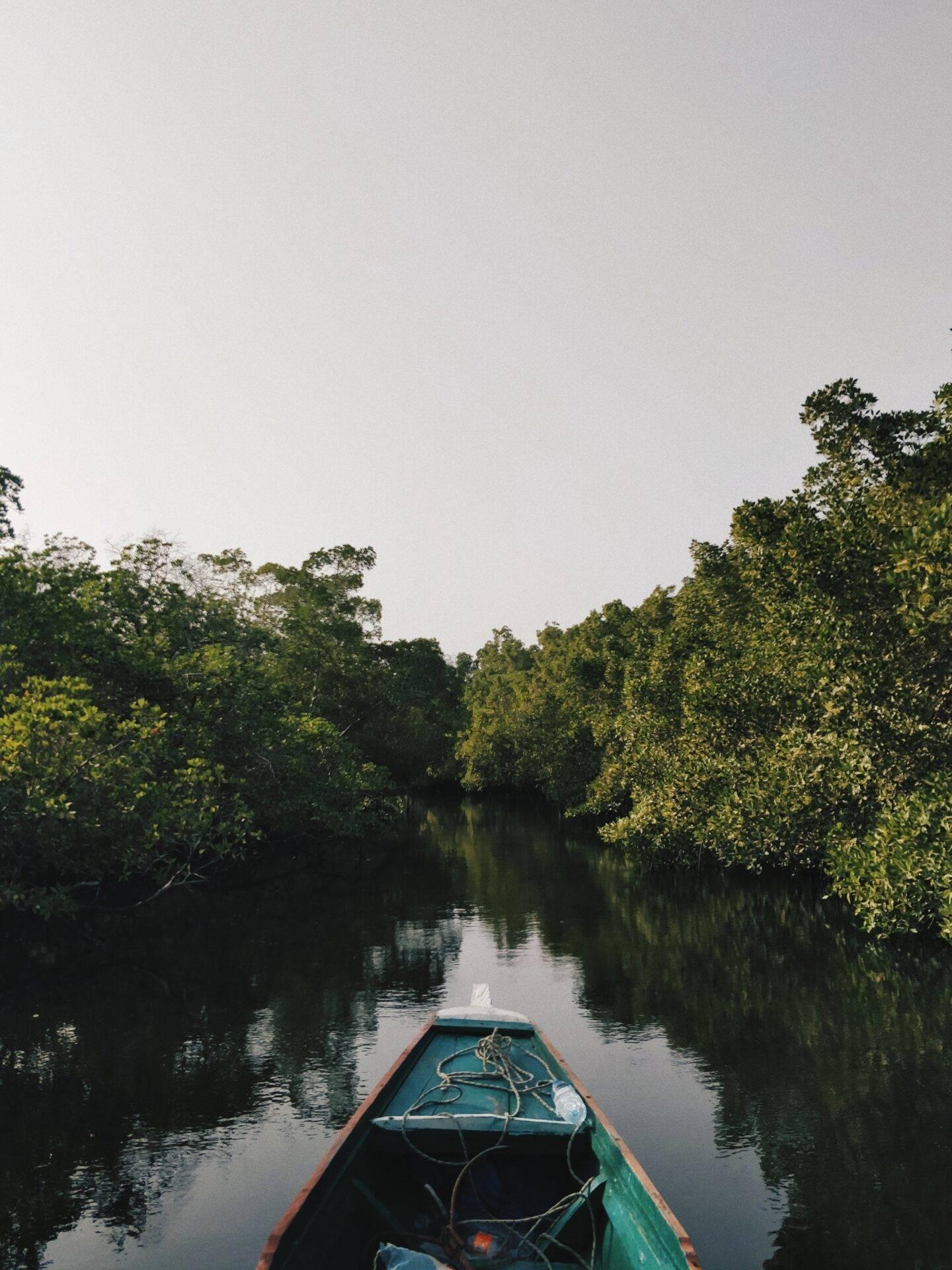
The Fathala Reserve, in southern Senegal close to the Gambian border, is an oasis of biodiversity spanning 6,000 hectares of savannah.
This protected land is home to magnificent baobab forests and a number of endangered wild animal species.
Lions, giraffes, rhinos and antelopes live here in a natural and unspoilt environment.
Visitors to Fathala can venture out on walking or vehicle safaris to observe these remarkable creatures at close range.
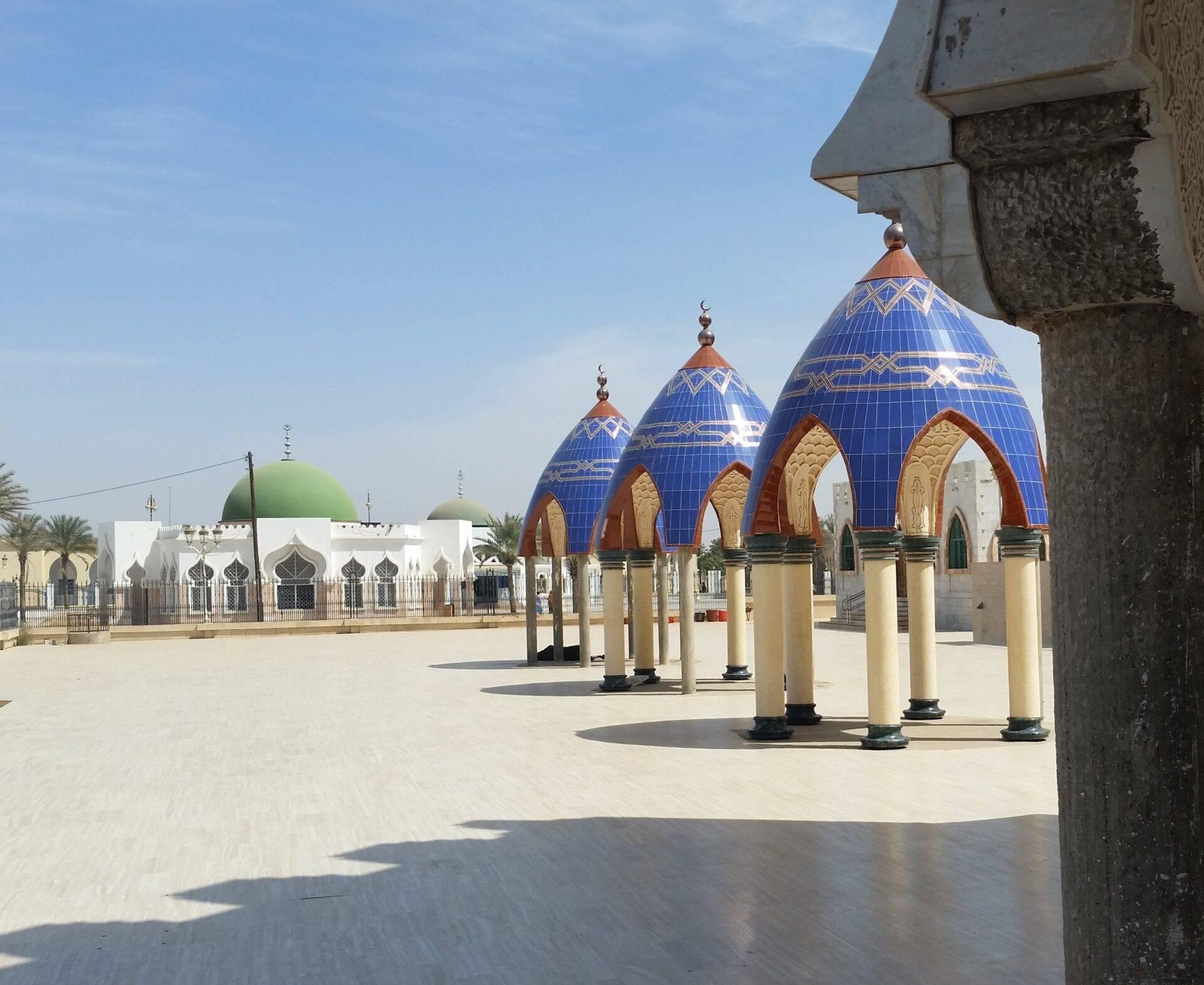
The Grand Mosque of Touba
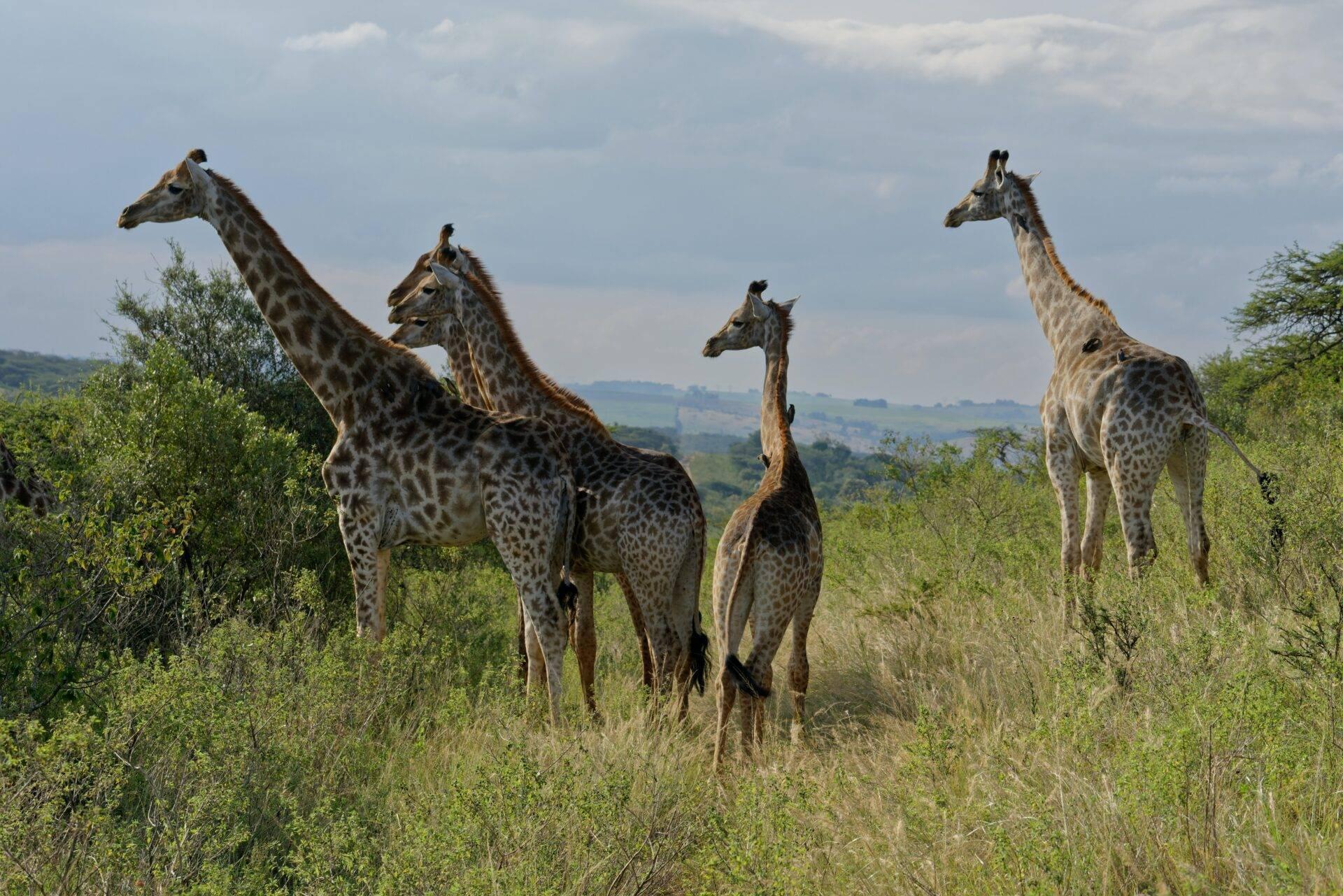
Touba, in the heart of Senegal, is the spiritual sanctuary of the Mouride Brotherhood. Rising above the city, the Grand Mosque of Touba is a majestic and awe-inspiring structure, a symbol of deep devotion.
Its soaring minarets, gilded domes and magnificent architecture attract pilgrims from around the world.
Inside, the faithful gather to pay their respects and honour Cheikh Ahmadou Bamba, the founder of Mouridism.
Did you know that every year, millions of followers travel to Touba for the Grand Magal, a pilgrimage commemorating Bamba’s exile to Gambia?
The Casamance Region
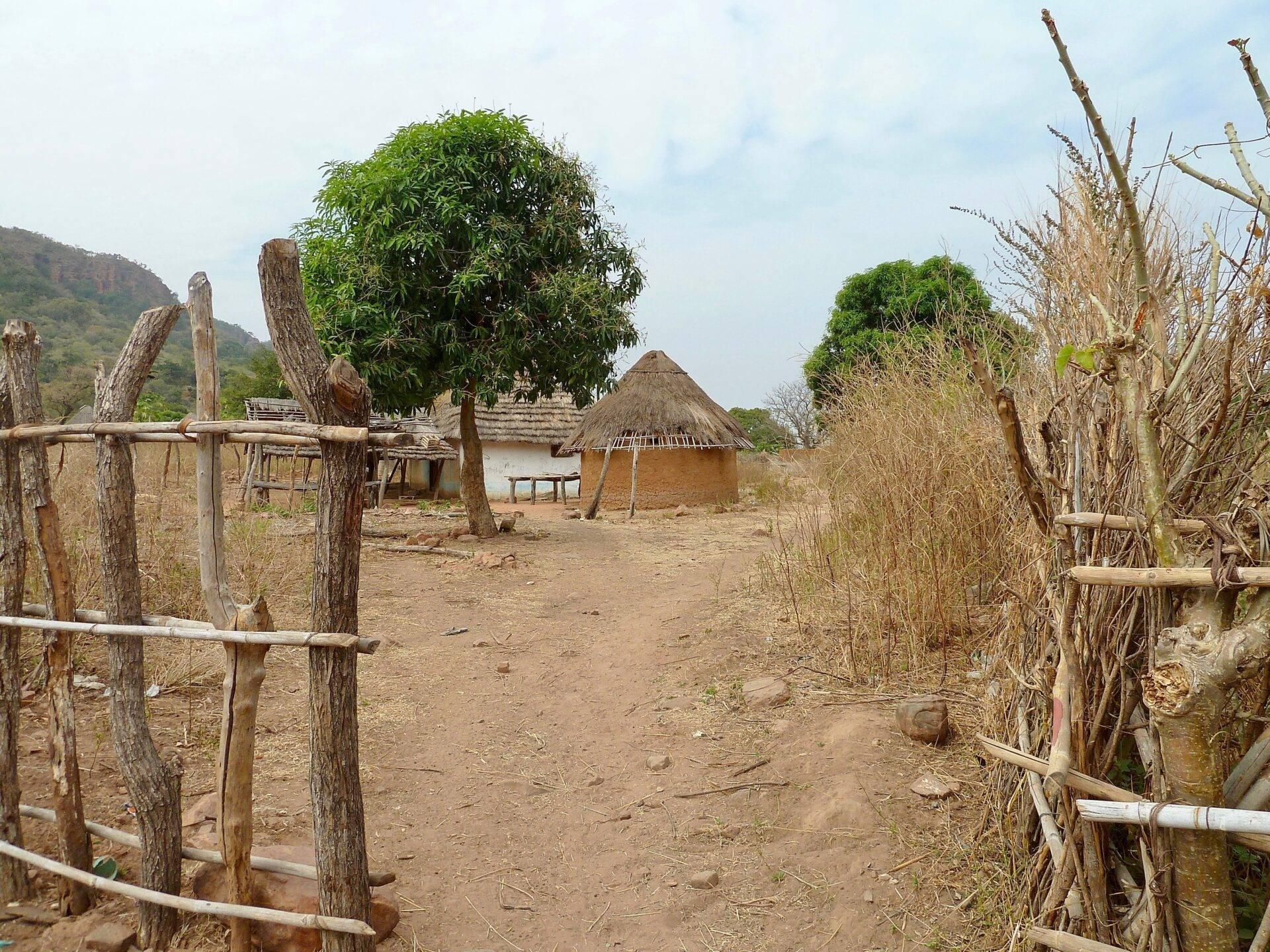
Casamance, in south-western Senegal, is bordered by the Atlantic Ocean and the Casamance River.
The region is celebrated for its lush mangroves, rice paddies and forests.
In Ziguinchor, the main city, and on the island of Carabane, remnants of the colonial era can still be admired. Visitors can navigate the river by boat, discover Diola culture and take in traditional dance performances.
Casamance has a history of unrest, but today it is a region at peace, treasured for its outstanding natural beauty.
The Petite Côte
The Petite Côte, a stretch of coastline extending south of Dakar, is one of Senegal’s hidden gems.
Lined with golden beaches, seaside resorts and picturesque fishing villages such as Mbour and Joal-Fadiouth, it offers something for every type of traveller.
Nearby, the Bandia Reserve provides the chance to spot African wildlife in their natural surroundings.
Visitors can soak up the sun, savour freshly caught fish or head off on safari.
Sandaga Market
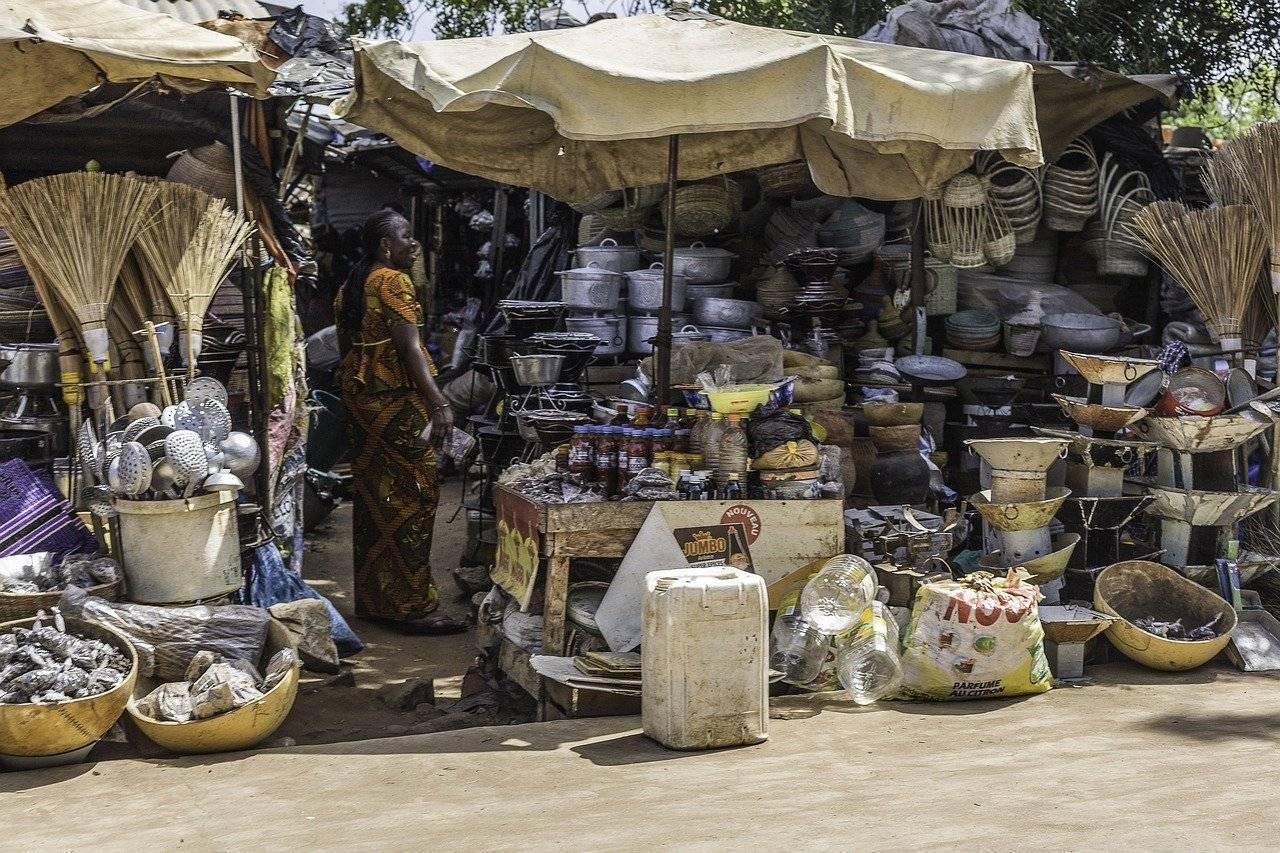
Sandaga Market, in the heart of Dakar, is one of the largest and most vibrant markets in Senegal.
Surrounded by the city’s historic buildings, it offers a full immersion into Senegalese culture.
You will find an enormous variety of goods: clothing, jewellery, local food produce and much more besides.
Tourists and locals alike can haggle, uncover hidden treasures and sample the street food on offer.
N’gor Beach
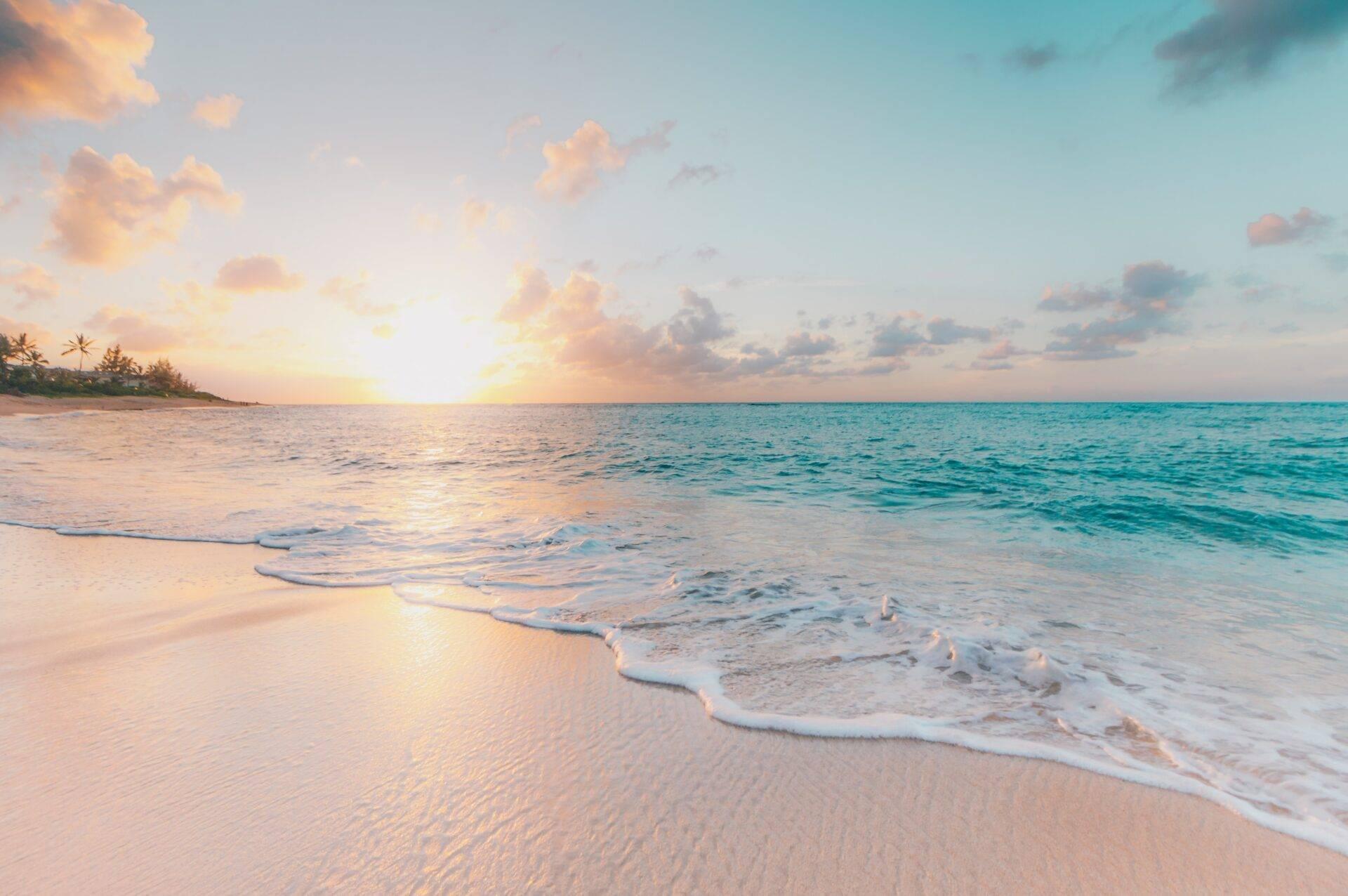
N’gor Beach, just a short distance from Dakar, is a true pearl of the Petite Côte.
Backed by the small village of N’gor, it is separated from the famous N’gor Island by a narrow channel.
There is no shortage of things to do: surfing, swimming or simply lazing in the sun. The turquoise water and golden sands make for a picture-perfect setting for beach lovers.
Yoff Beach
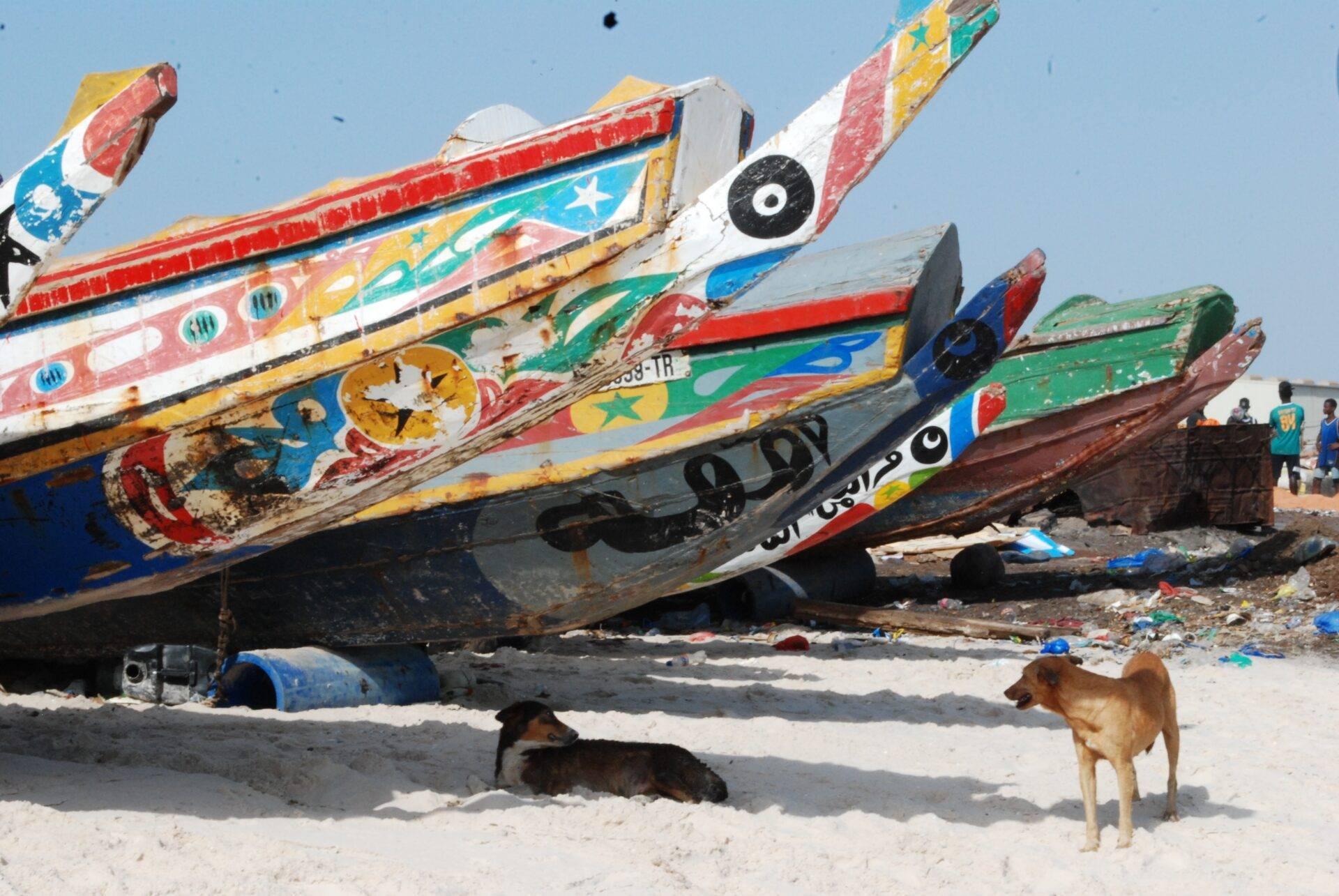
Yoff Beach, to the north of Dakar, stretches along the lively Yoff neighbourhood.
It is flanked by the Layène Mosque, a place of deep spiritual significance for the local community.
Traditional fishermen animate the scene, lending the beach a vivid and colourful character.
Between the charming fishing boats and impromptu football matches on the sand, there is always a pleasantly lively atmosphere.
Fadiouth Island
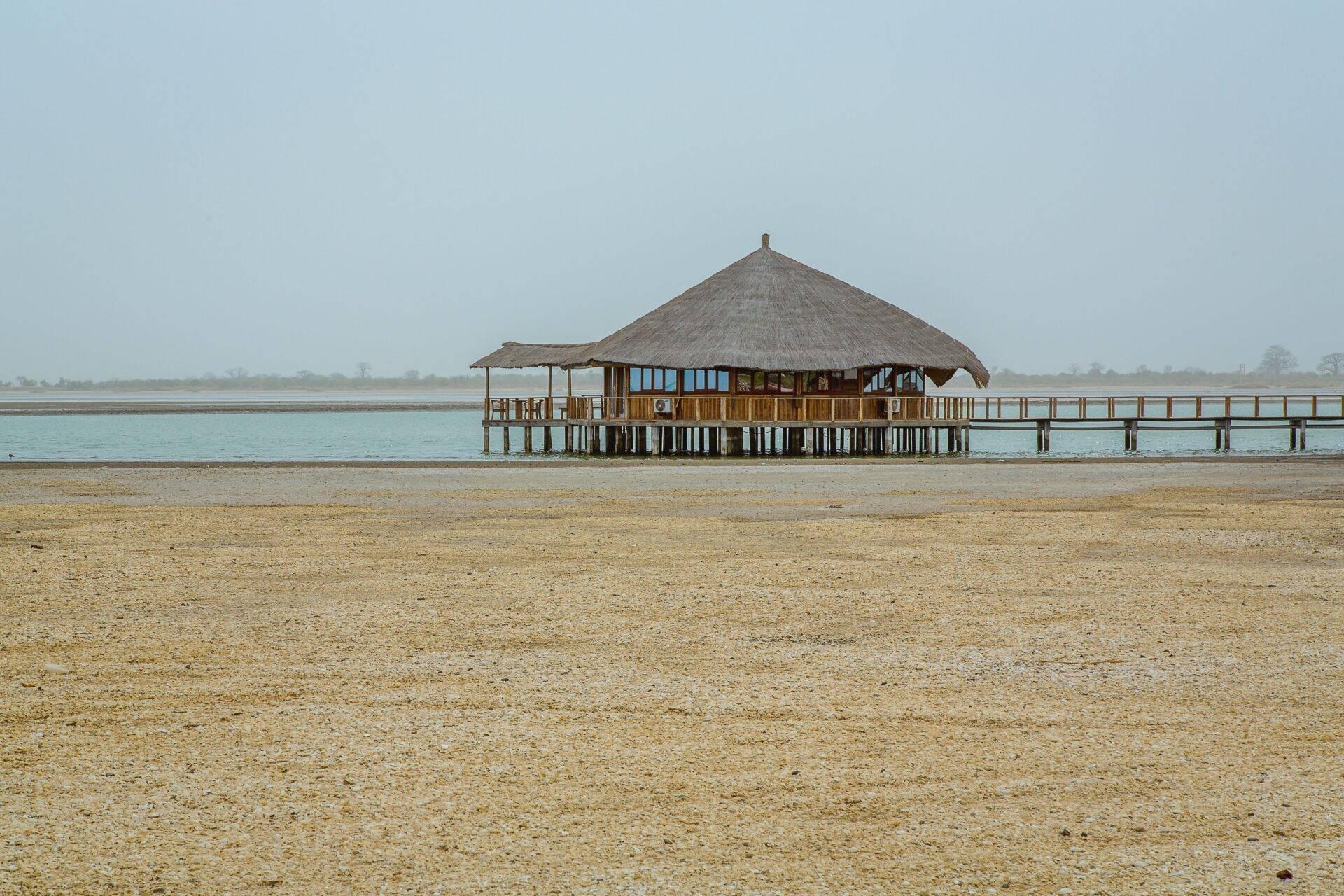
Fadiouth Island, also known as Shell Island, lies in south-western Senegal, connected to the town of Joal by a wooden bridge.
Its ground is composed entirely of shells, giving the island a character unlike anywhere else on earth.
Among its highlights is a shared Christian and Muslim cemetery, a moving symbol of peaceful coexistence between communities.
Visitors can explore the stilted granaries and attend traditional ceremonies.
Have a question?
Our team is here to help!