
Cameroon packs the elephant plains and giraffe-dotted savannas of the Sahelian far north, UNESCO-listed equatorial rainforests, Atlantic coast volcanoes and centuries-old western kingdoms into a single country. Here are 20 experiences not to miss, from safari to chiefly ceremony, including the only waterfall in the world that tumbles directly into the ocean.
Plan my trip with peace of mindSafari in the Northern Parks
1. Waza National Park
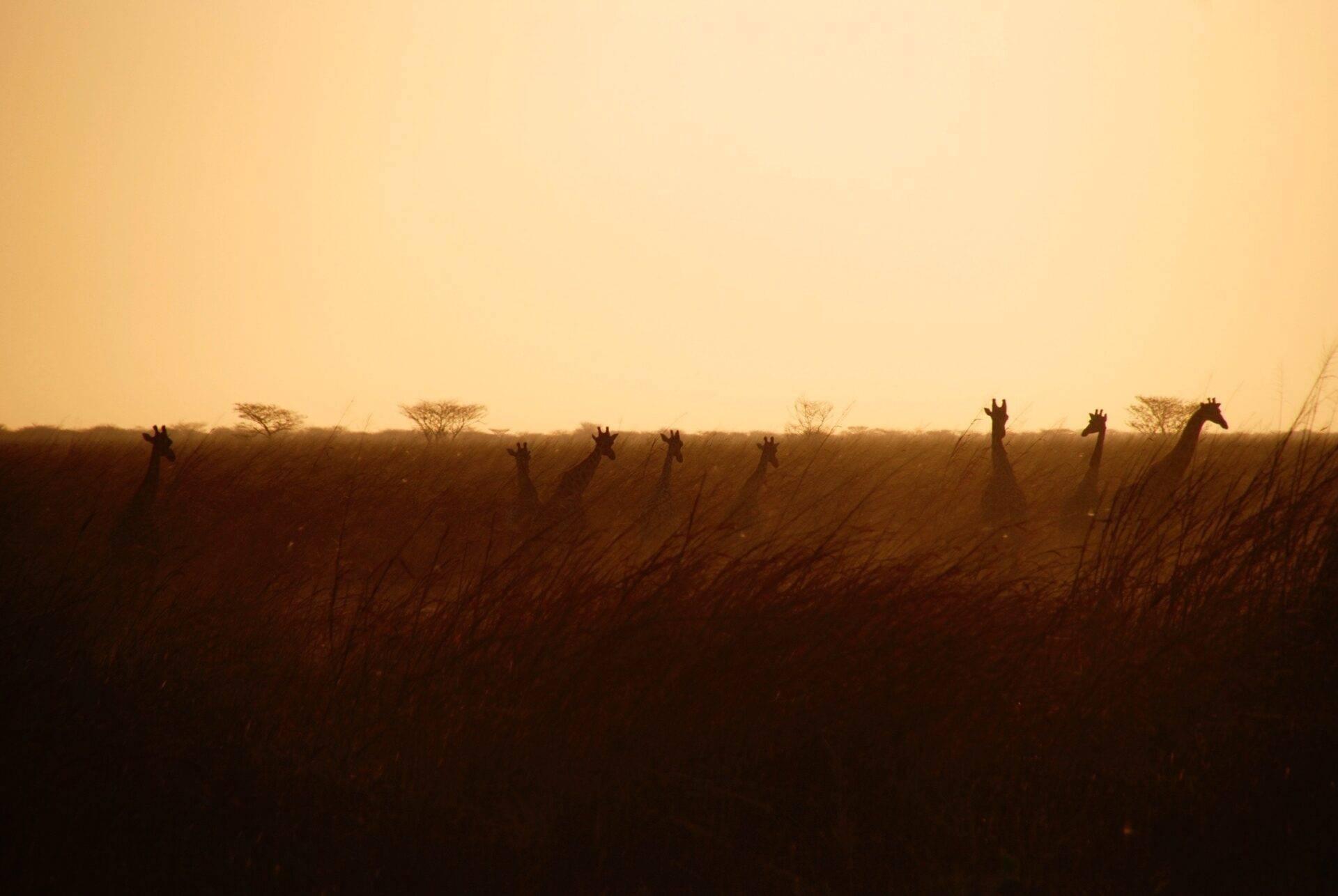
In the Far North, Waza National Park is the benchmark for Cameroon safari. Its 170,000-hectare floodplains concentrate lions, elephants, giraffes and dozens of bird species. The best viewing window is March to May, when the vegetation thins out and waterholes draw in entire herds.
2. Bénoué National Park
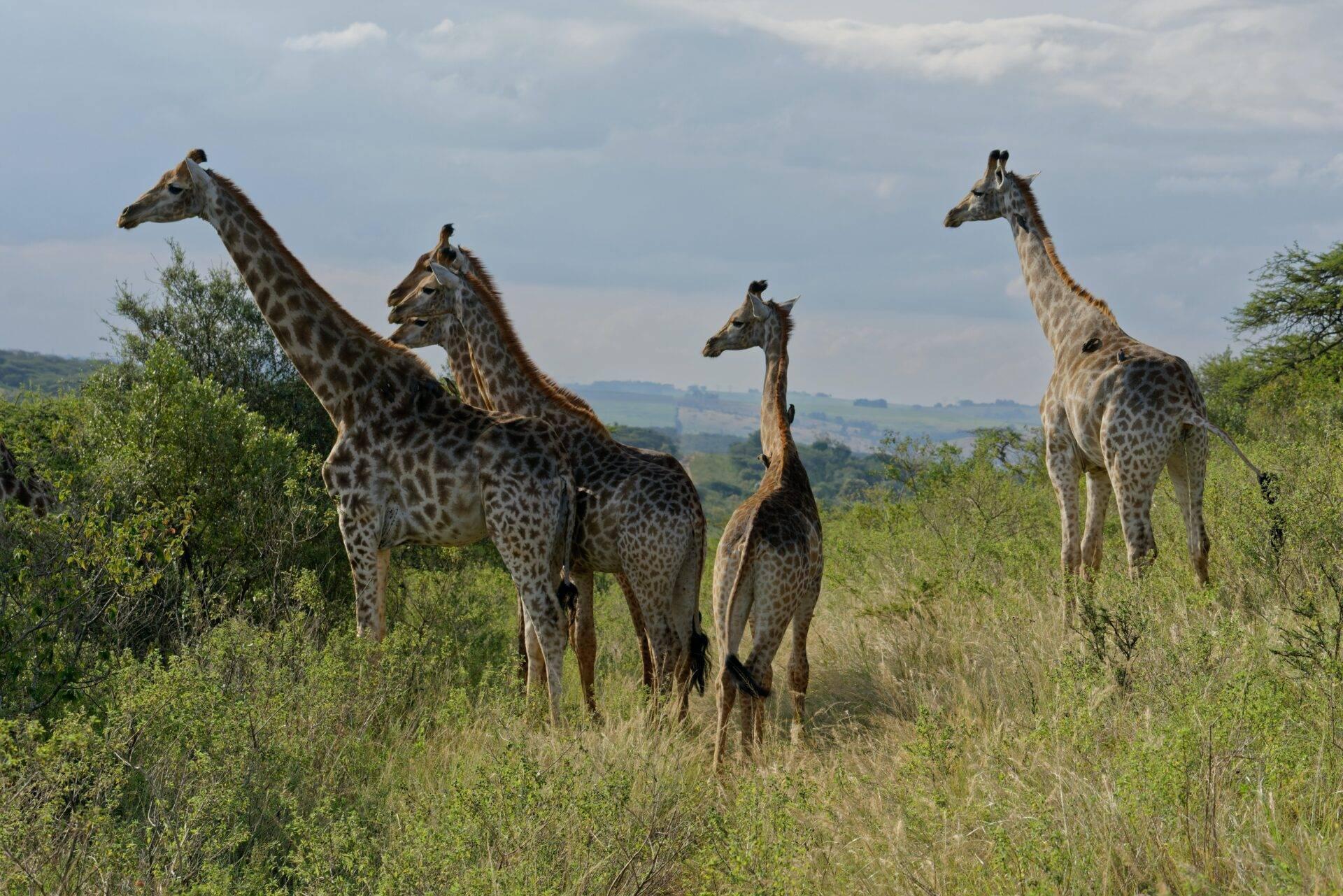
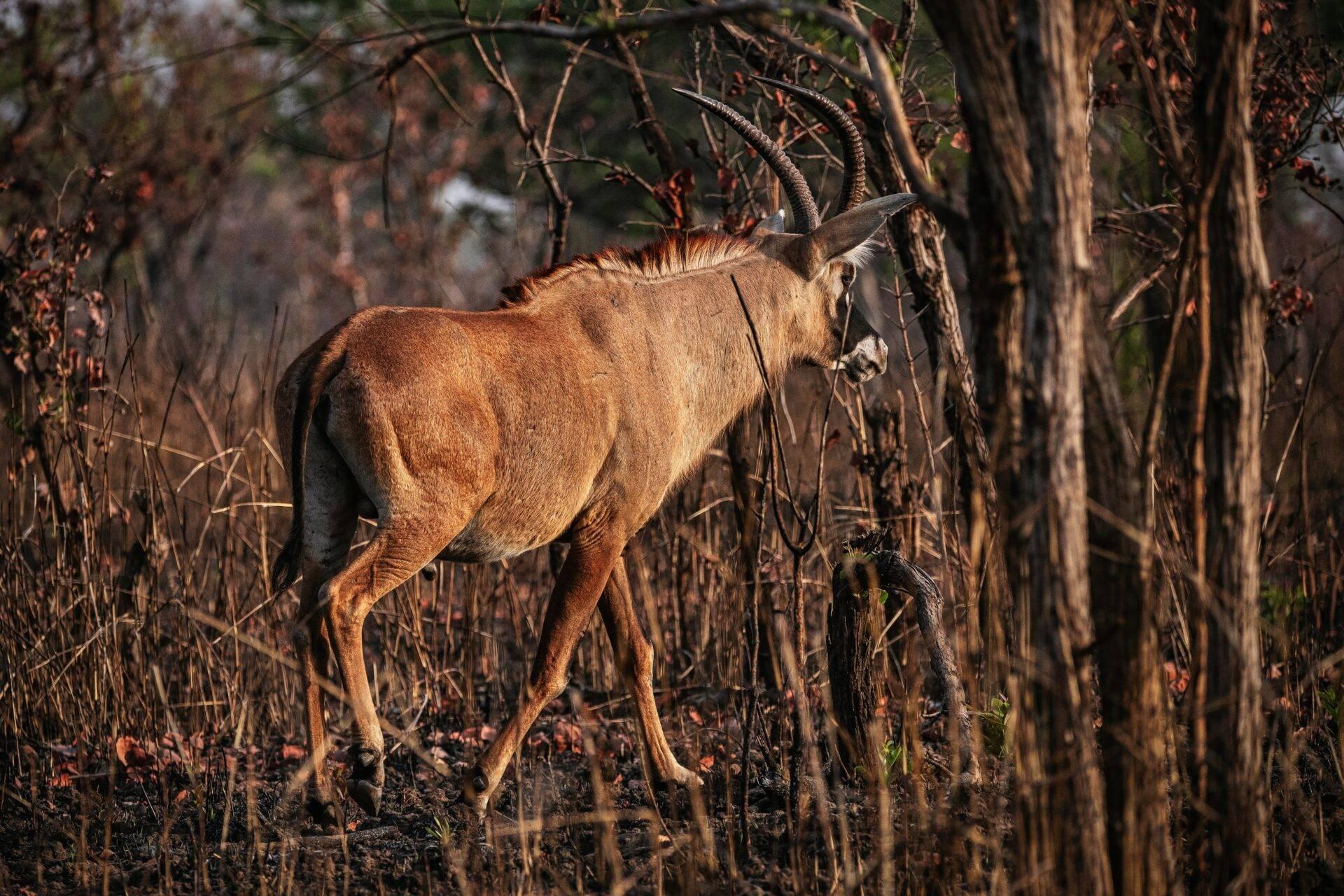
Set in the basin of the same name, Bénoué offers a different flavour: wooded savanna, hippos wallowing in the river, antelopes, buffalo and tropical birds. The traditional villages lining the park add a human dimension to any visit.
For a comparison with East African safaris, our guide to safari in Tanzania provides a useful point of reference.
3. The Kapsiki Peaks
In the Mandara Mountains, the Kapsiki Country lines up isolated volcanic pinnacles, clifftop villages and lively markets. The weekly market at Rhumsiki, with its craftsmen and spider-diviners, is one of the most singular experiences Cameroon has to offer.
Equatorial Forests and Biodiversity
4. Dja Wildlife Reserve (UNESCO)
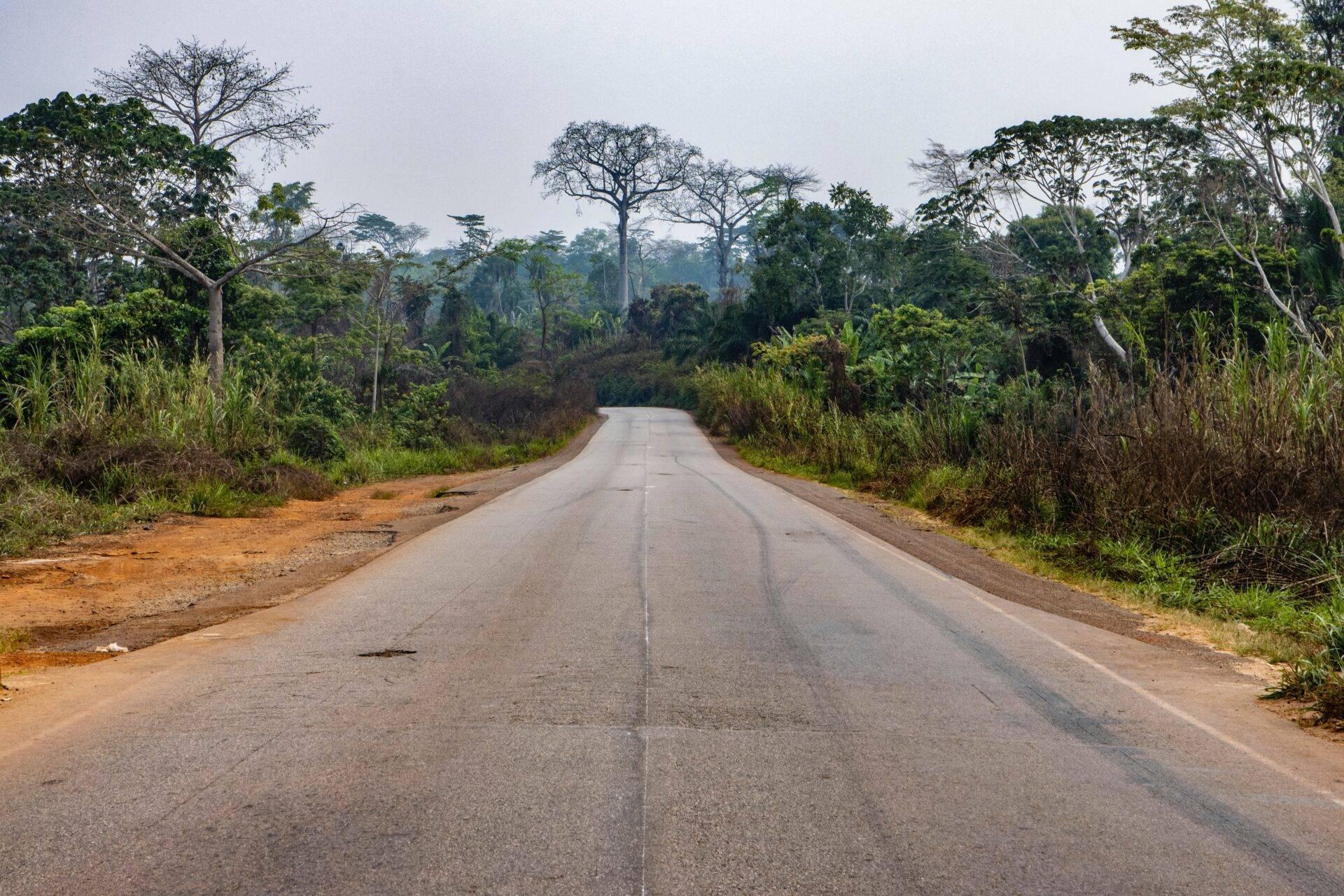
The Dja Reserve protects 526,004 hectares of humid tropical rainforest in south-eastern Cameroon, inscribed on the UNESCO World Heritage List since 1987. It is home to western lowland gorillas, chimpanzees, forest elephants and pangolins, with 90% of its territory left in its natural state. Baka communities have lived here for generations in close relationship with the forest: an immersive experience led by a guide who respects those traditions is something altogether special.
5. Korup National Park
Korup, in the south-west, is one of Africa’s oldest tropical forests. Marked trails make for accessible hiking. A local guide can pick out endemic birds and primates that the untrained eye simply cannot spot in the canopy.
6. Campo Ma’an National Park
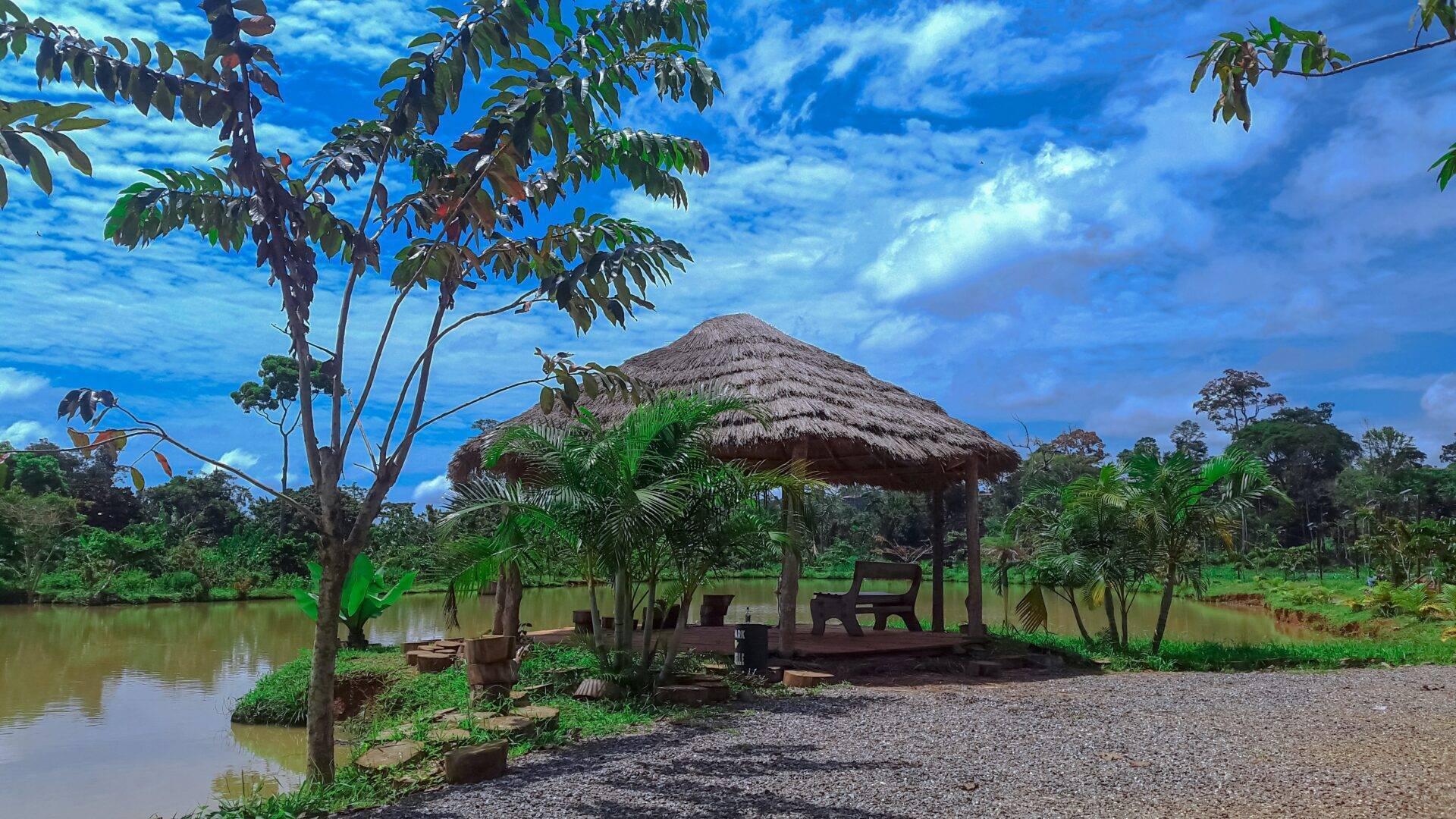
Campo Ma’an, in the south, sits at the junction of coastal and interior forest. It is one of the few Cameroonian parks where marine wildlife (sea turtles, coastal dolphins) complements the terrestrial biodiversity. Rarely crowded, it suits travellers looking for tranquillity well off the beaten track.
The Most Spectacular Waterfalls
7. Lobé Falls, Kribi
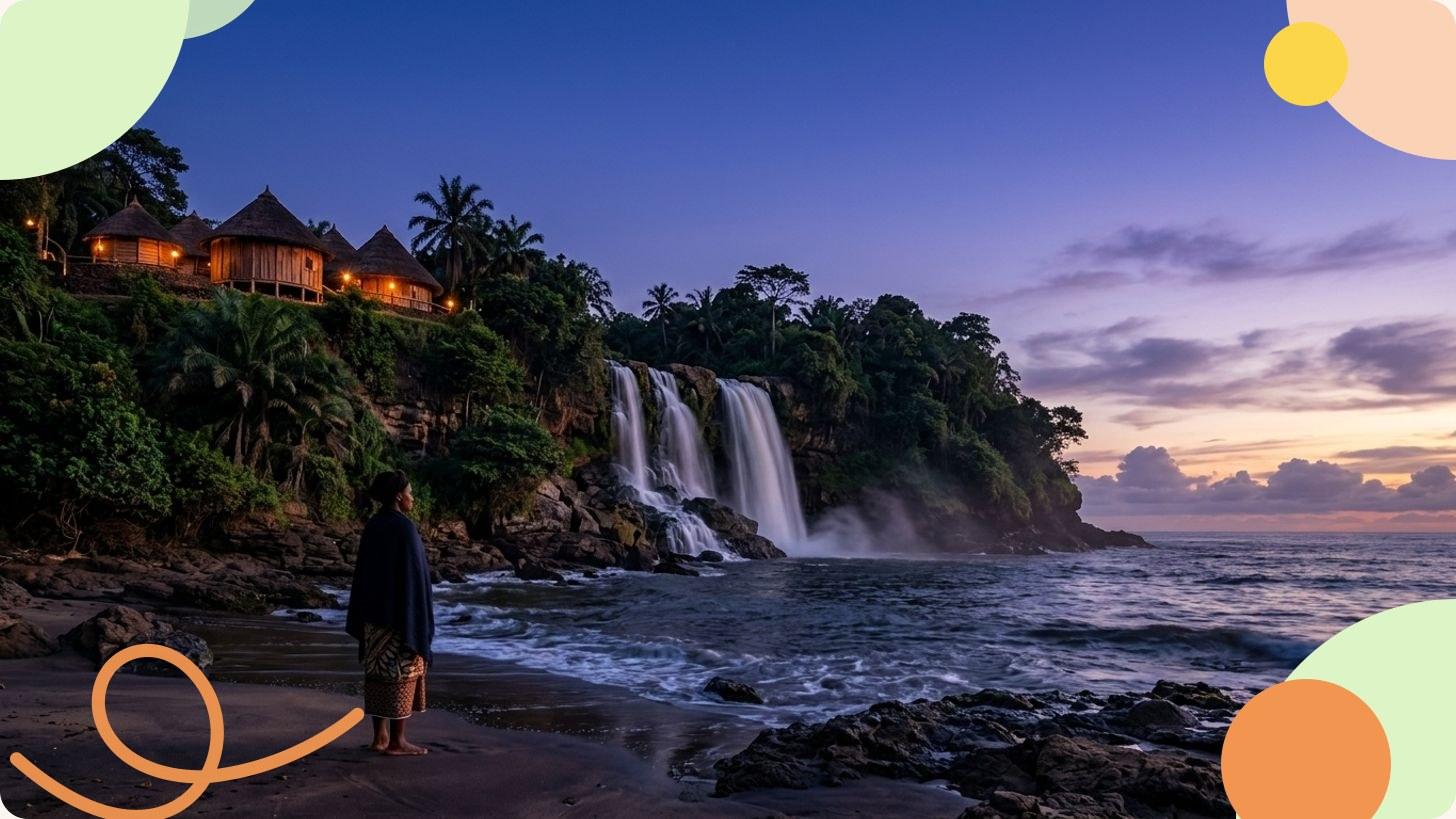
The Lobé is the only river in the world that flows directly into the sea over a waterfall visible from the beach. You can reach it by dugout canoe from Kribi or on foot along a coastal forest path. At low tide, a strip of sand forms at the base of the falls in a moment of striking calm.
8. Ekom-Nkam Falls
Two hours from Douala, the Ekom-Nkam Falls plunge more than 80 metres into a bowl of tropical vegetation. Less well known on the standard circuit, they require good planning for the access tracks.
The Atlantic Shore
9. Kribi and Its Beaches
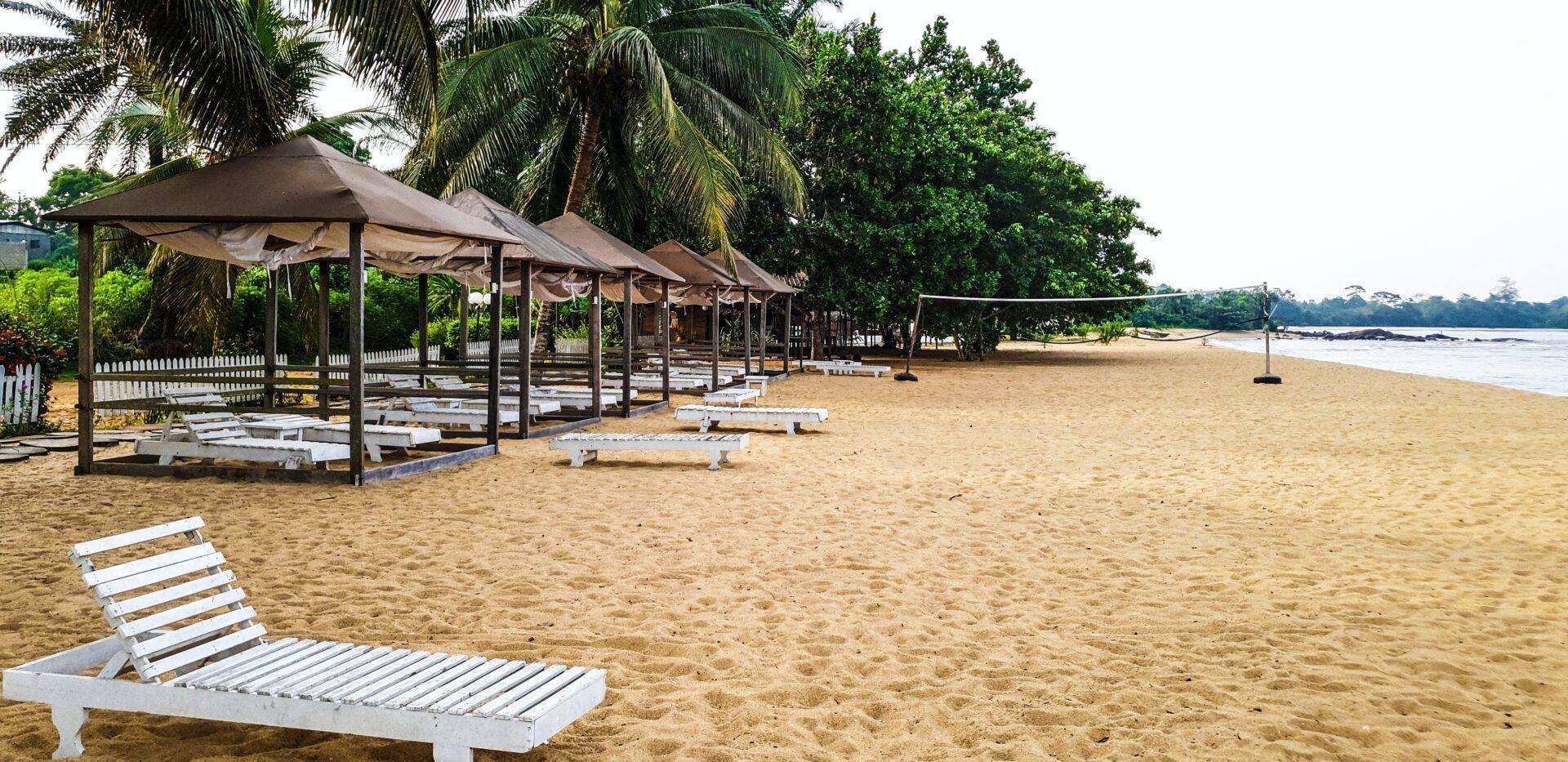
Kribi is the country’s go-to beach destination: long stretches of pale sand, warm water, coconut palms and fresh-fish restaurants. It is the natural starting point for excursions to the Lobé Falls and pirogue trips into the delta.
10. Limbe, Black Sand and a Botanic Garden
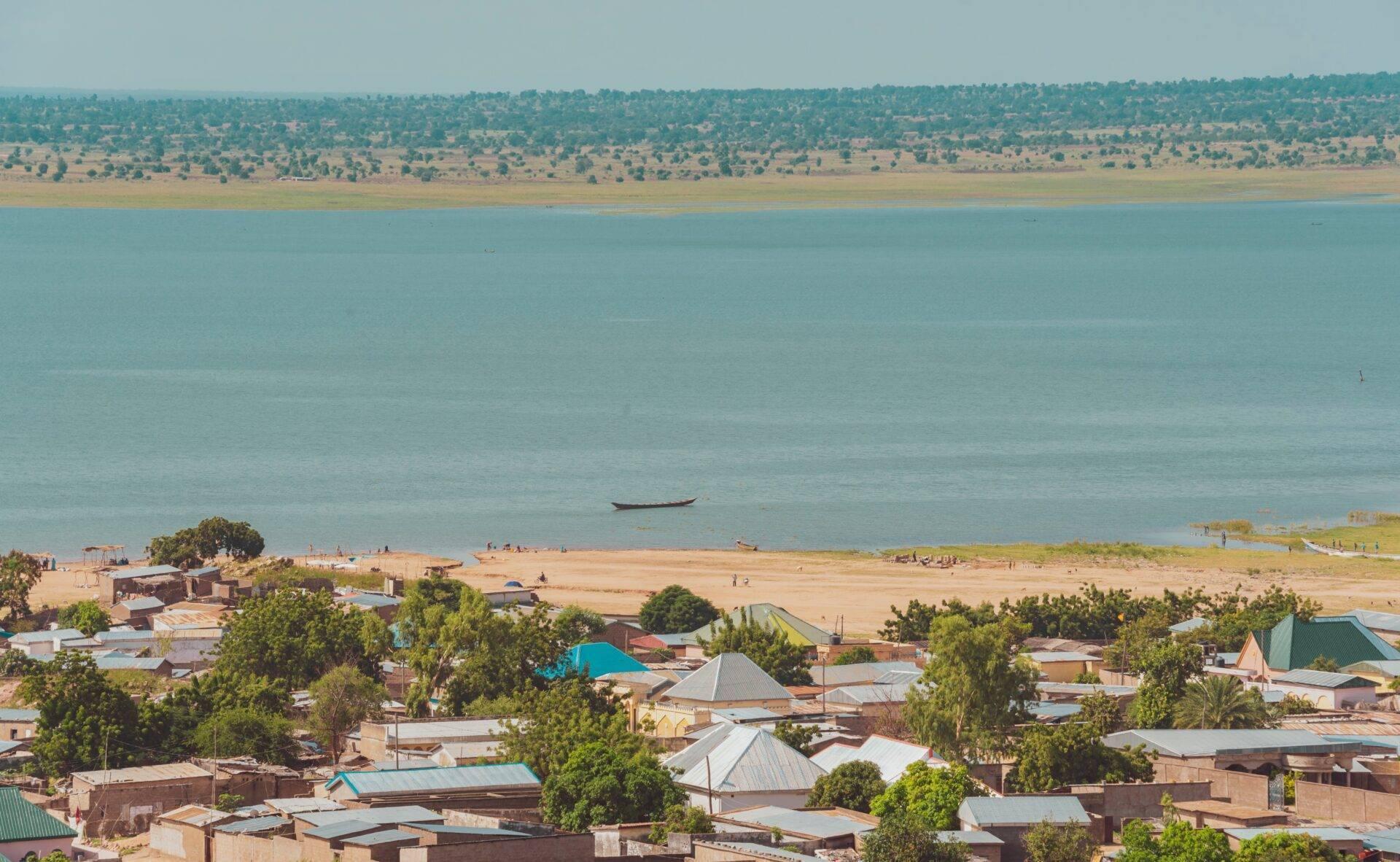
At the foot of Mount Cameroon, Limbe stands out for its black volcanic sand beaches. The town is home to a botanic garden inherited from the British colonial period and a primate rehabilitation centre. Its laid-back, English-speaking atmosphere is a sharp contrast to the bustle of nearby Douala.
Mount Cameroon: Climbing an Active Volcano
11. The Ascent from Buea
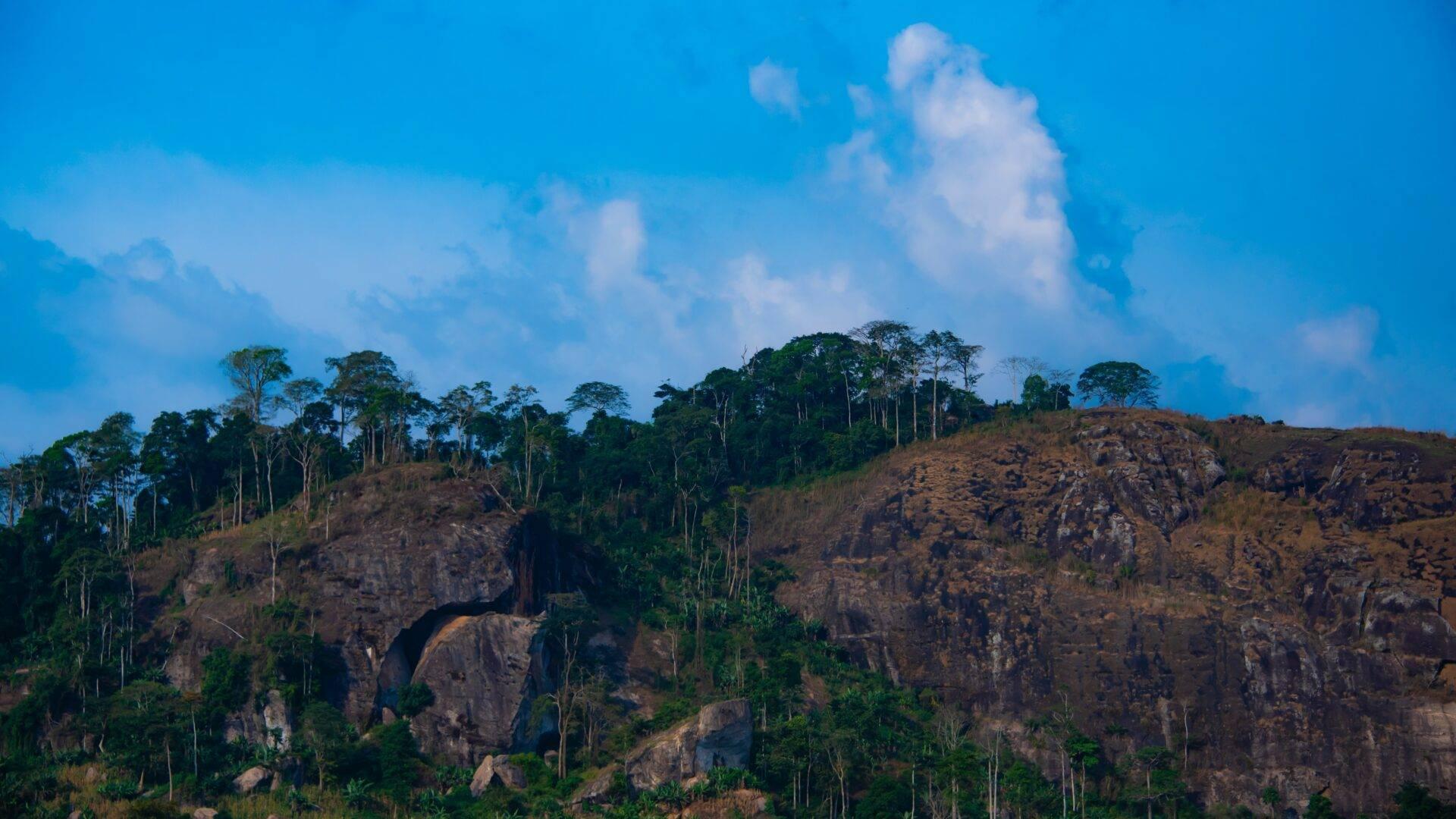
Mount Cameroon is the country’s highest peak. The ascent begins in Buea, the former German colonial capital nestled on its slopes, and takes three to four days depending on the route chosen. The landscapes change dramatically with altitude: dense tropical forest at the start, mountain moorland midway, fields of black lava near the crater. At the summit, the panorama sweeps across the Atlantic Ocean on one side and the canopy of the interior basin on the other. A licensed guide is compulsory for the climb.
The West and Its Kingdoms: Chieftaincies and Living Art
12. Foumban: the Royal Palace and the Bamoun Museum
Foumban is the historic capital of the Bamoun kingdom, one of the oldest in sub-Saharan Africa. The Royal Palace is still the residence of Sultan Ibrahim Mbombo Njoya. Right next door, the Museum of Bamoun Kings, opened in April 2024, spreads a collection of 12,500 pieces across 5,000 m²: royal masks, weapons, musical instruments and the manuscripts of the Bamoun script, invented by King Ibrahim Njoya. The Artisans’ Street linking the two buildings brings together sculptors, weavers, embroiderers and bronze-casters.
13. The Chieftaincy Trail
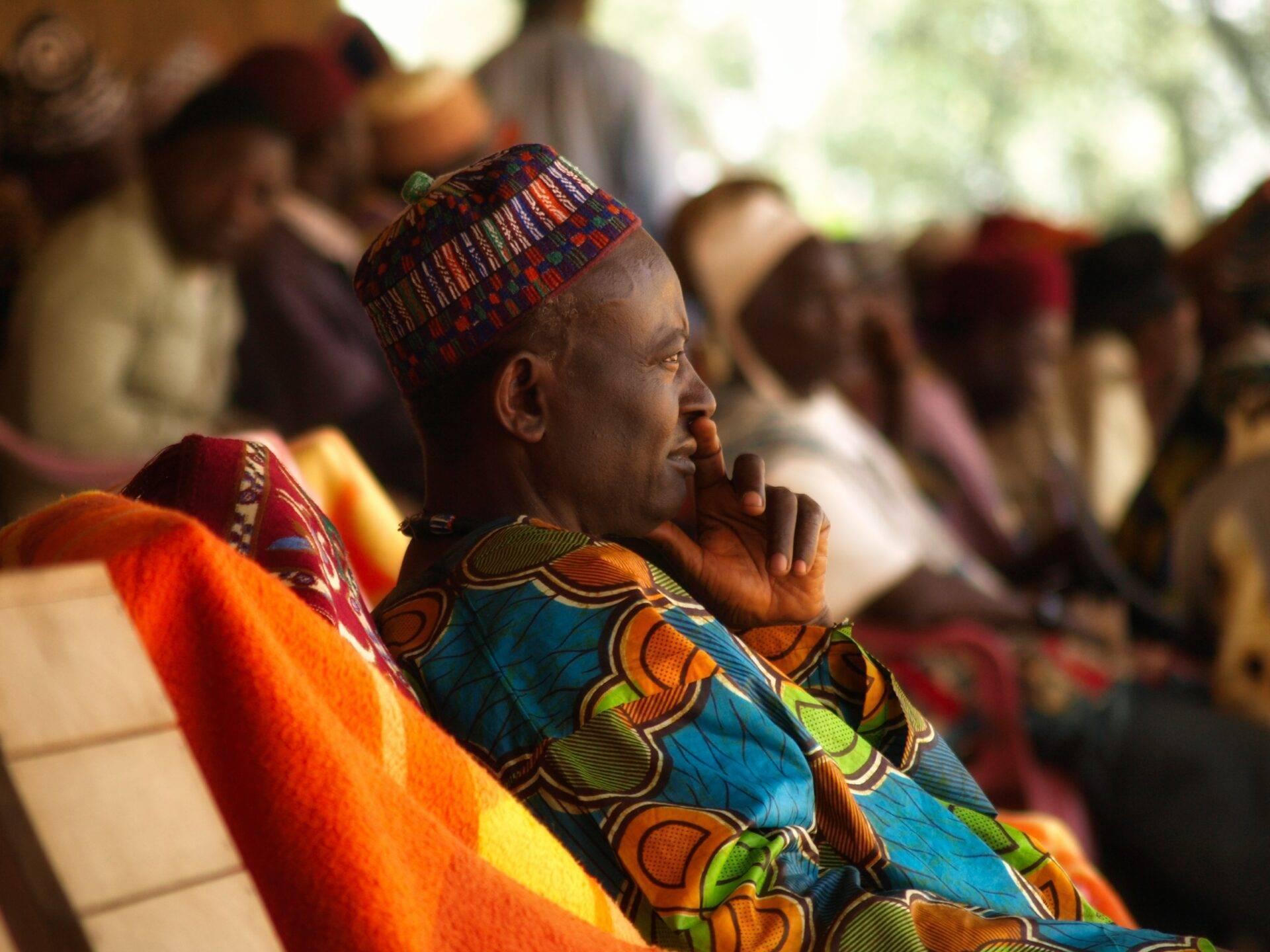
Western Cameroon is home to more than 80 first-degree chieftaincies, some dating back several centuries, which still maintain political structures, dress codes and living rituals. The Chieftaincy Trail links Bafoussam to several kingdoms (Baham, Bandjoun, Bafang, Bangangté): carved royal compounds, court drums and ceremonial squares tell a political and artistic story few visitors expect to find here.
14. Bafoussam and the Grassfields
The Grassfields, the high plateaux of the West, form the geographical backdrop of the Chieftaincy Trail. Bafoussam is the regional capital and the logical logistics hub. In the surrounding villages, Saturday markets are community events where social exchange takes priority over commerce.
The Two Capitals: Douala and Yaoundé
15. Douala, Economic and Cultural Capital
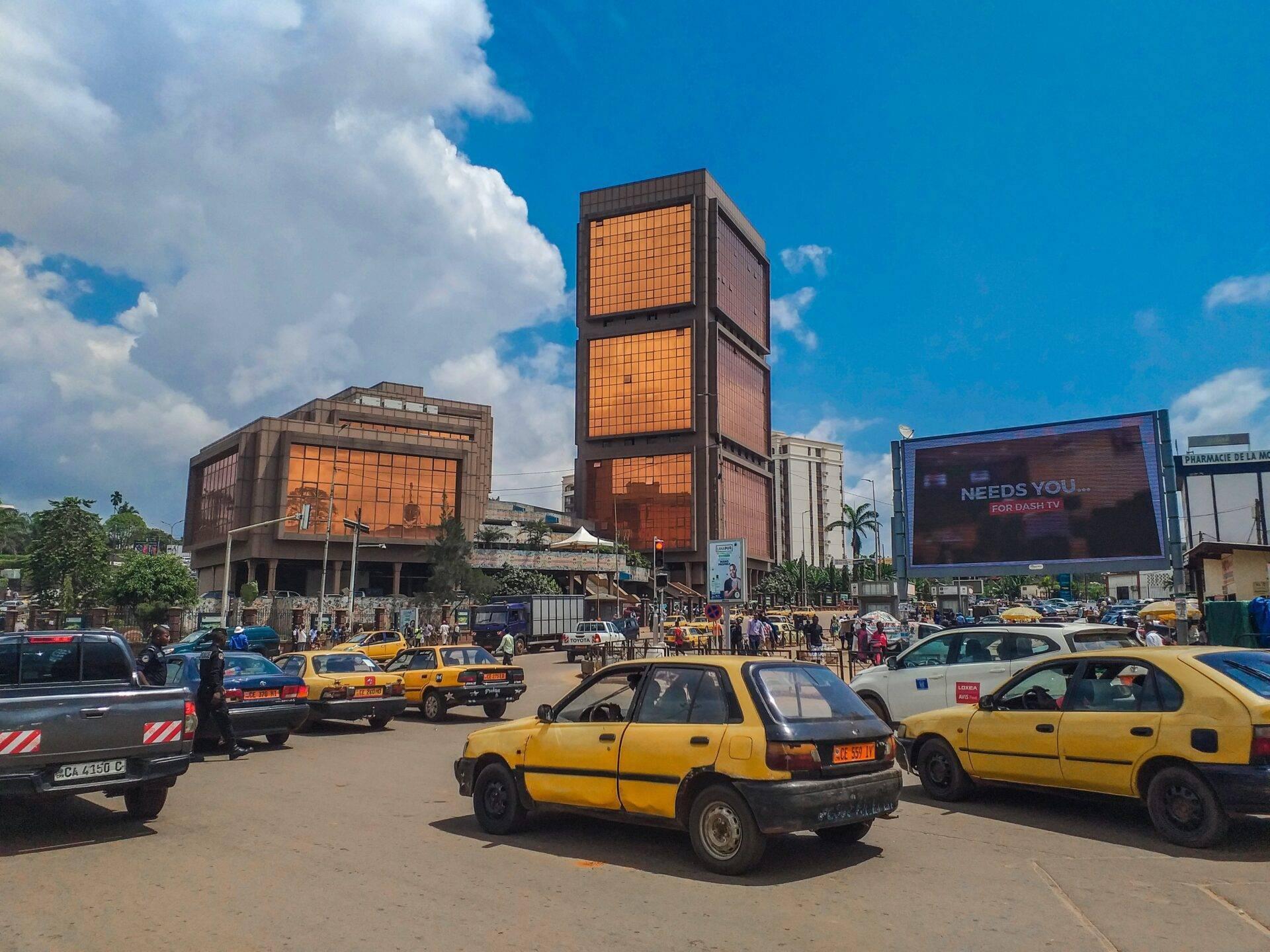
Douala is the country’s main gateway and its economic engine. Its markets (Marché des Feux de Brousse, the central market), restaurants and nightlife make it a city worth exploring for at least a full day. Makossa music was born here; clubs keep that legacy alive every evening.
16. Yaoundé, the Capital on its Hills
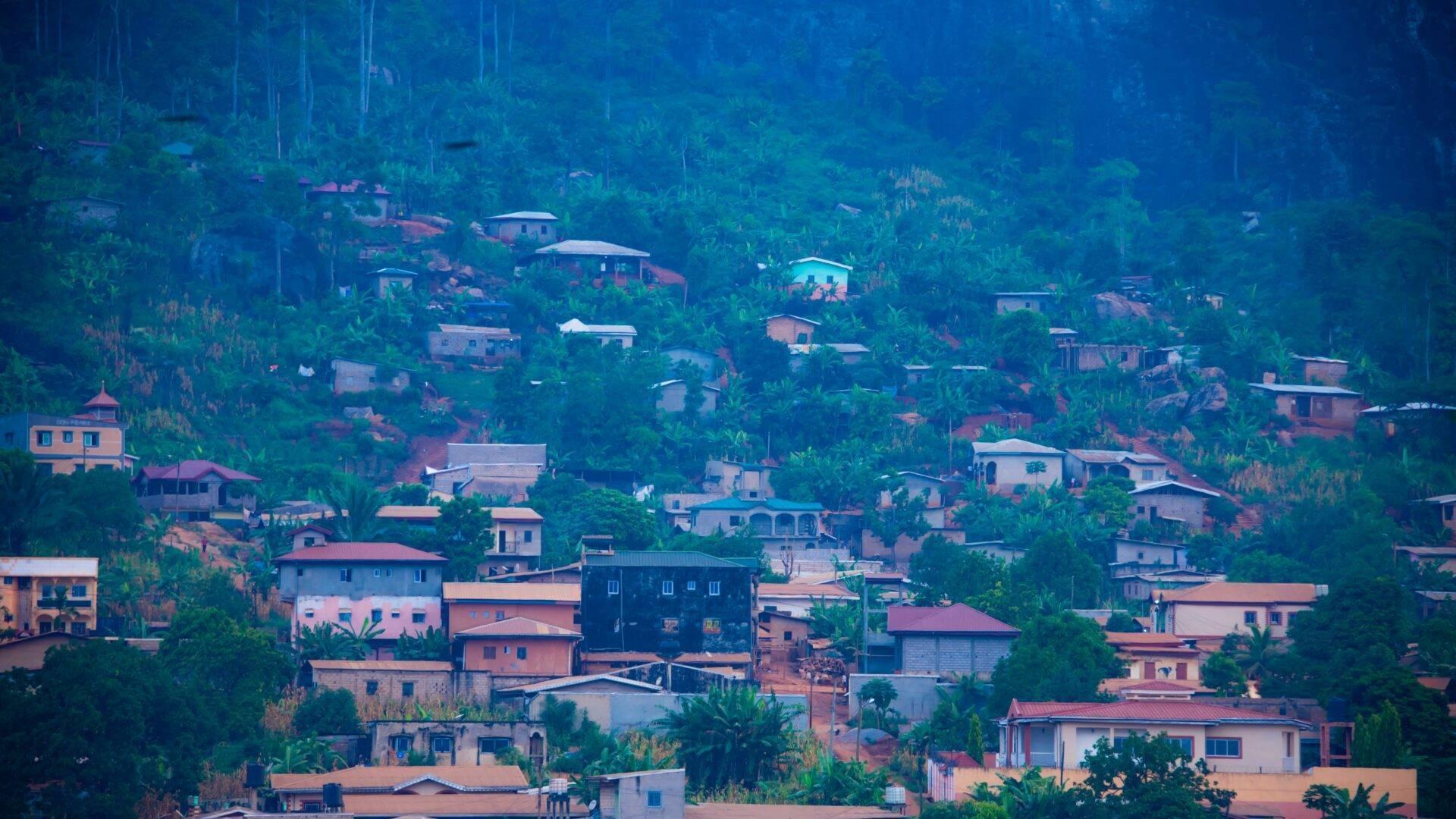
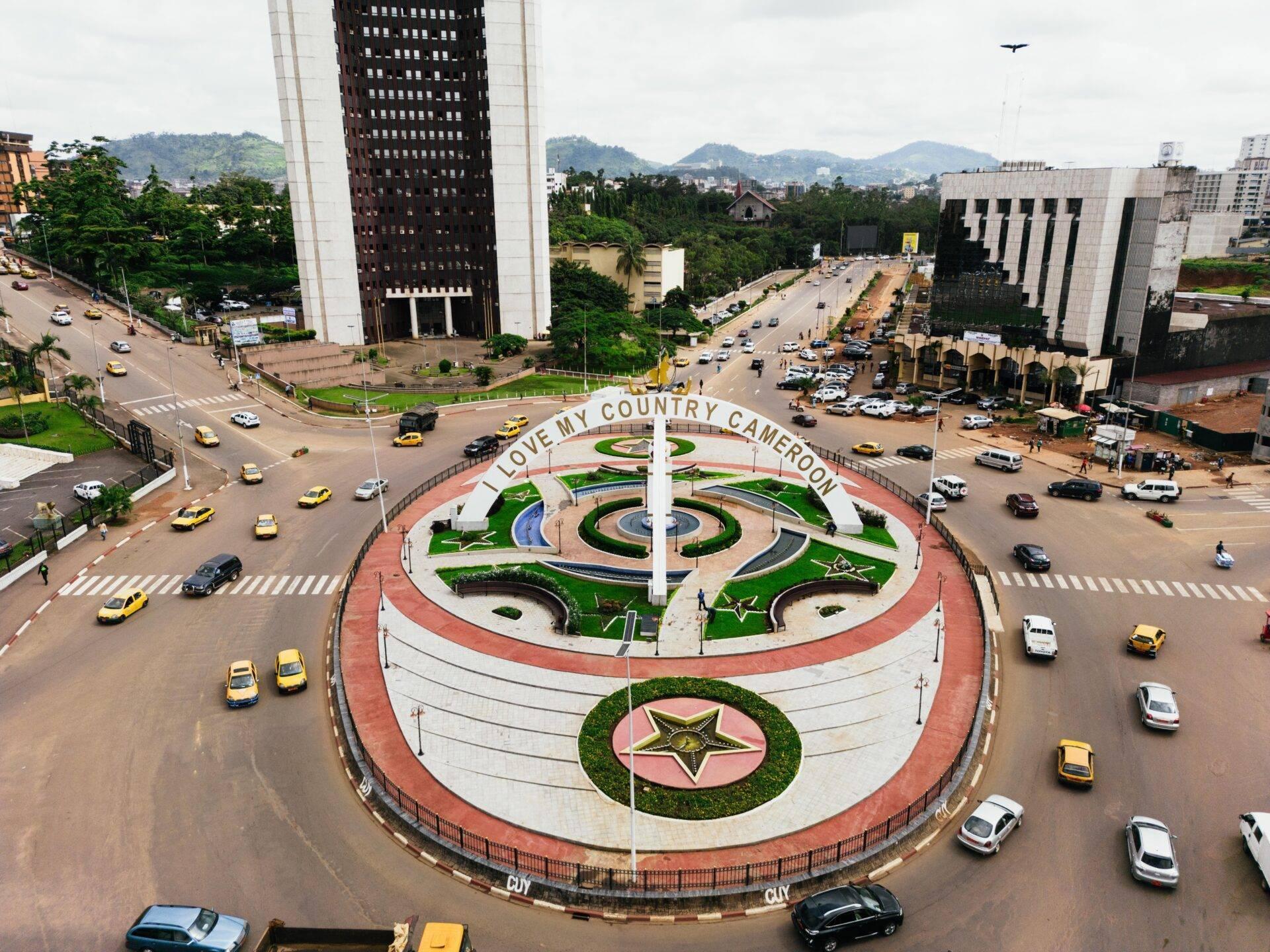
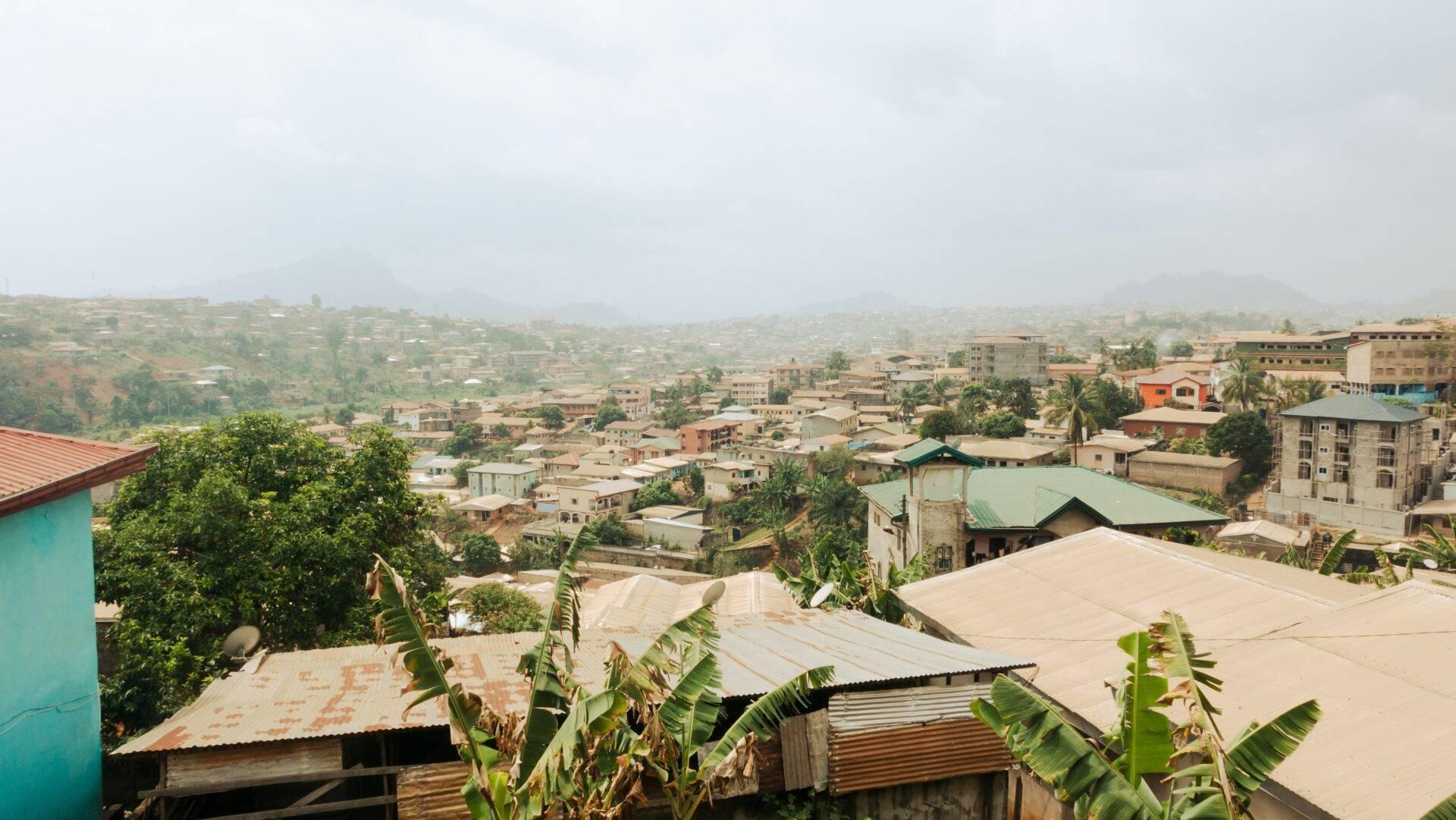
Yaoundé spreads across its green hills, which gives it a cooler feel than Douala. The National Museum (housed in the former presidential palace), the central market and the Mvog-Mbi neighbourhood are all worth exploring. The city’s museums offer a broad overview of the country’s pre-colonial and colonial history.
Cultural Experiences, Food and Everyday Life
17. Festivals and Chieftaincy Ceremonies
Cameroon’s cultural calendar holds moments of rare richness: Bamoun royal celebrations (the Nguon festival in Foumban), chieftaincy enthronements and community festivities in the Grassfields. Check with local tourism offices before you travel: timing your stay around a chieftaincy celebration completely transforms the nature of the trip.
18. Markets and Local Crafts
Every Cameroonian city has a market that reflects its human geography. In Douala, the central market blends spices, wax-print fabrics, carvings and fresh produce. In Foumban, the Artisans’ Street is an open-air workshop. In the Grassfields villages, weekly markets are moments of collective life before they are commercial spaces.
19. Cameroonian Cuisine
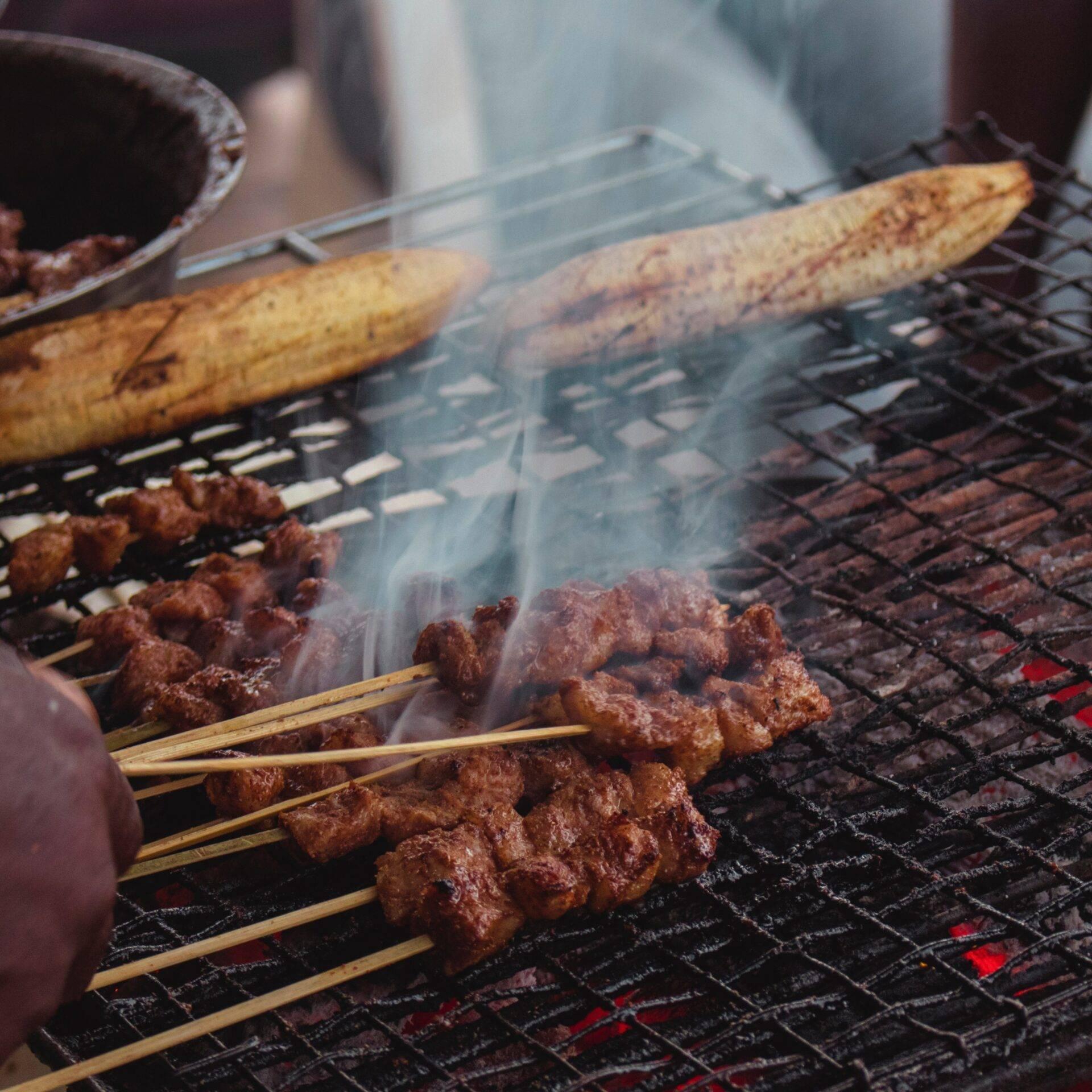
Cameroon’s food changes profoundly from region to region. In the North: millet porridge and peanut-based sauces. On the coast: ndolé, bitter leaves with prawns and groundnuts, the country’s signature dish. On the charcoal grills of evening markets: meat skewers (soya) served with roasted plantains remain one of the most accessible and representative meals in Cameroon.
20. Exploring the Countryside: Roads, Plantations and Interior Villages
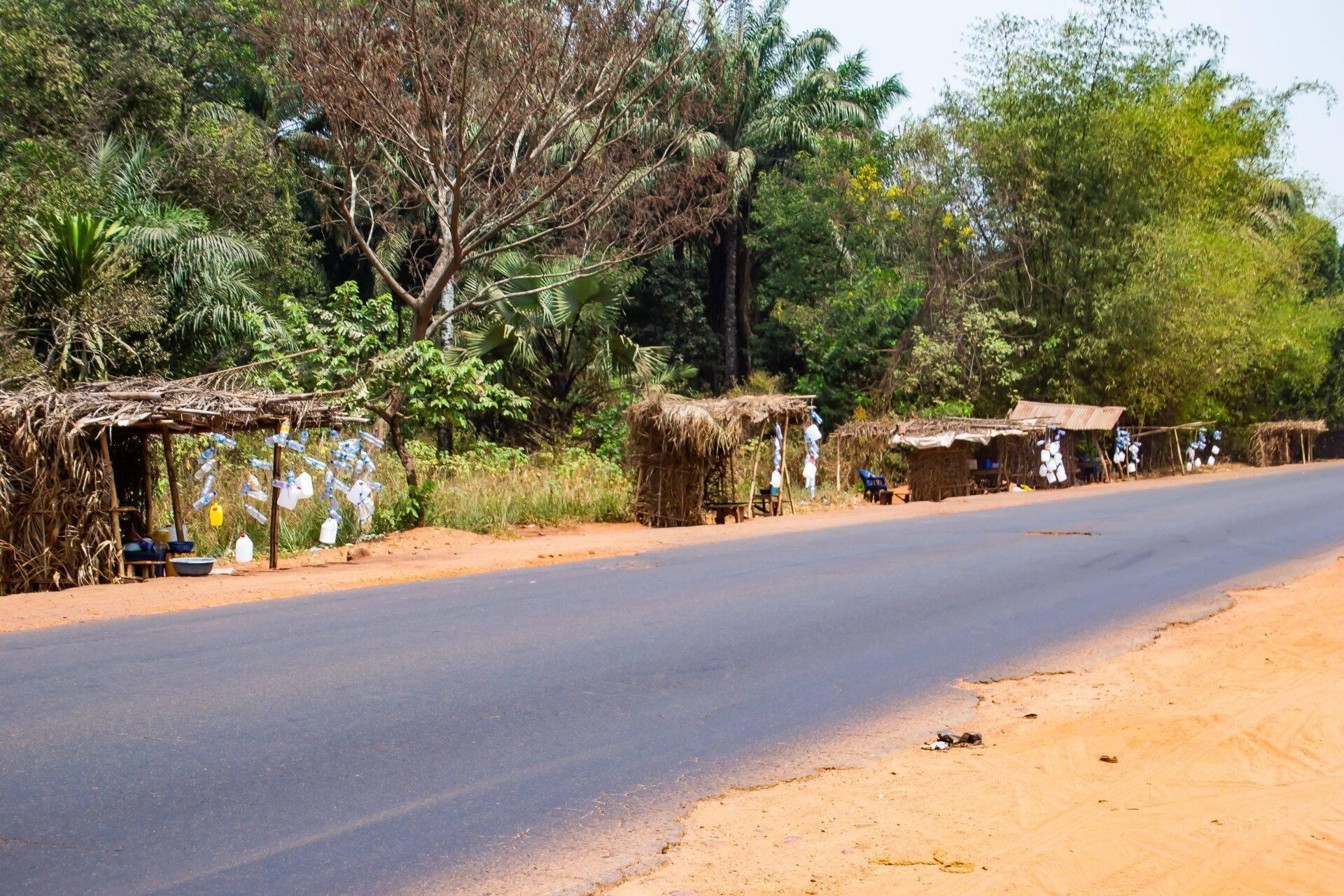
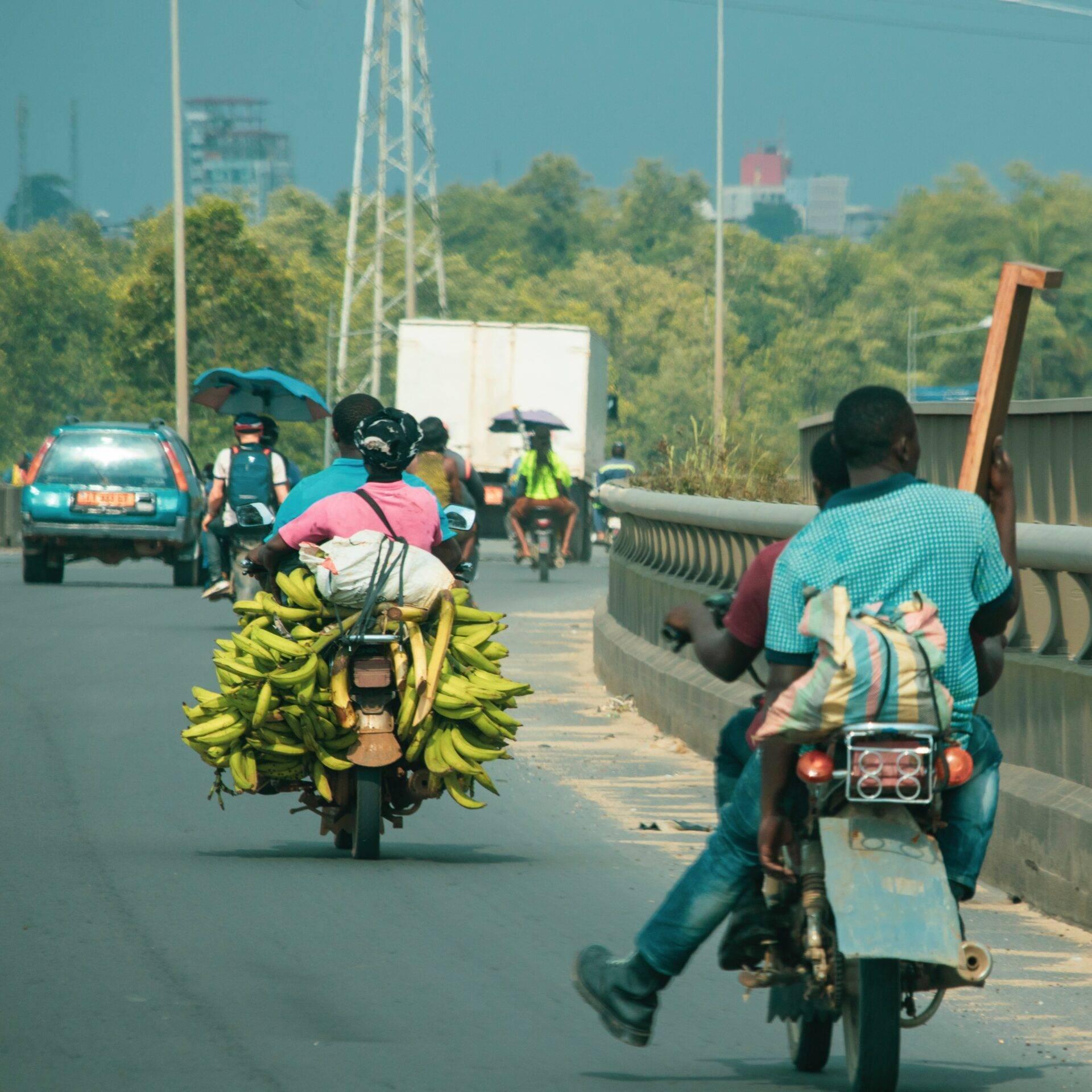
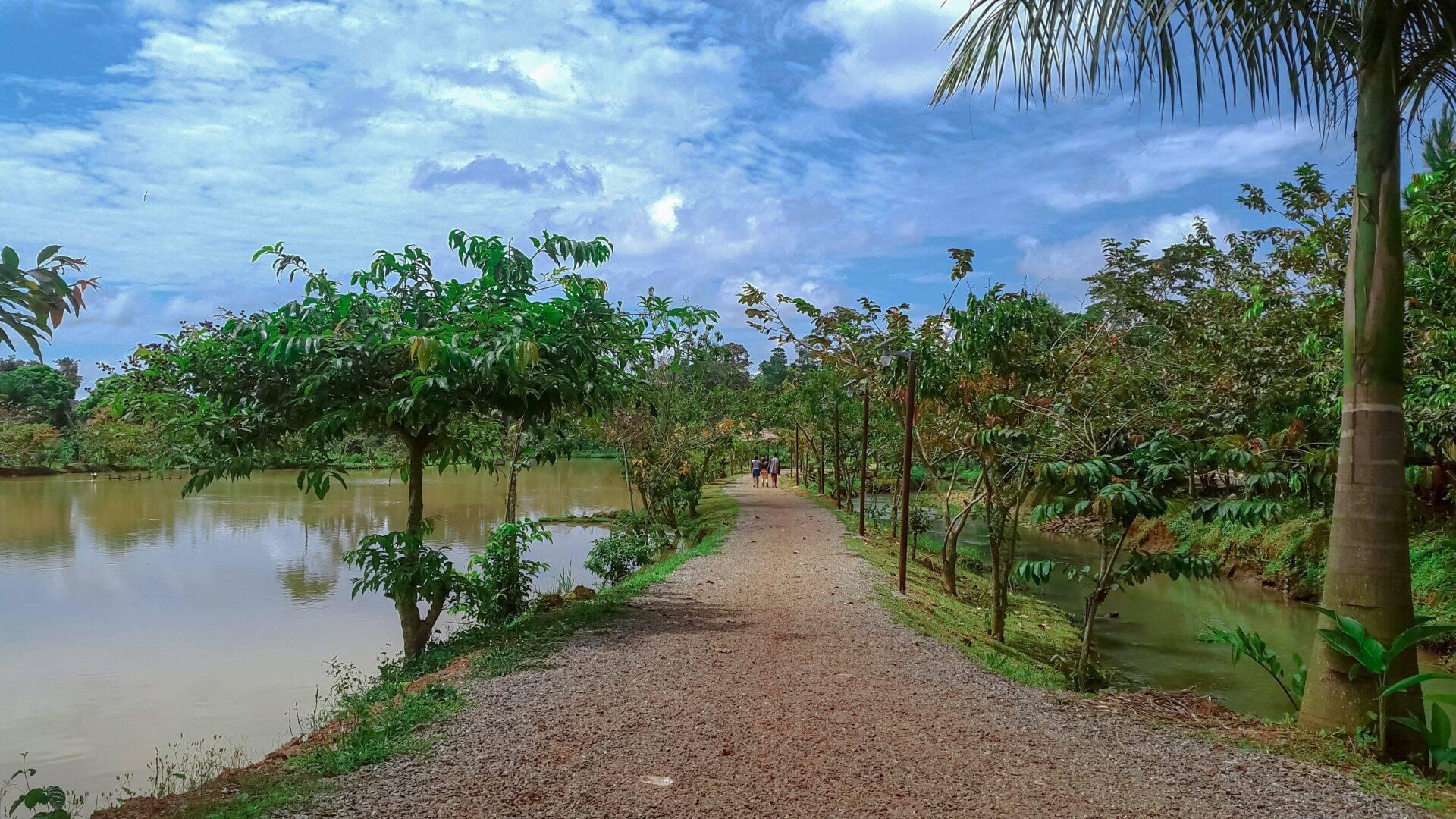
The real Cameroon is also discovered away from listed sites. Roads through the interior cross plantation landscapes (cocoa, coffee, oil palm) and villages where life revolves around the market and the chieftaincy. A day’s drive between Douala and Bafoussam, or between Yaoundé and Ebolowa, reveals as much about the country as any national park.
When to Go to Cameroon
The country spans several climate zones. The right time to visit depends on your itinerary:
- Far North (Waza, Bénoué, Kapsiki): dry season from November to May, ideal for safaris and getting around.
- South and Centre (Dja, Yaoundé, Korup): December to February is the main dry season, good for forest hiking.
- Atlantic coast (Kribi, Limbe): accessible year-round, with less rainfall from November to March.
- Mount Cameroon: November to February offers the best climbing conditions.
Before You Go: Essential Practicalities
For entry requirements, health advice and everything related to travel insurance, visit our dedicated Cameroon travel insurance page: it brings together all the practical information you need to travel without unpleasant surprises.
Travelling to Cameroon with adequate medical cover deserves careful thought: malaria is present across most of the country, hospital infrastructure varies greatly by region, and an evacuation from a remote area carries a significant cost. Yupwego covers your medical expenses and medical repatriation under the terms of your policy, with no need to pay out of pocket in the event of hospitalisation.
Exploring other African destinations? Our guide on things to do in Madagascar and our selection on safari in Tanzania round out this tour of sub-Saharan Africa.
FAQ
What is the best time to visit Cameroon?
It depends on your itinerary. For the northern parks and safaris, aim for the dry season from November to May. For the beaches at Kribi or Limbe, any time of year works well, with an optimum from November to March. For Mount Cameroon, November to February offers the best climbing conditions.
How long do you need to visit Cameroon?
Two weeks are enough to explore one major region (the Far North or the West-coast circuit, for example). Three weeks open up the possibility of combining the Far North, the West and the Atlantic coast in a single trip.
Do you need a guide to climb Mount Cameroon?
Yes, a licensed guide is compulsory for the ascent. This rule exists to keep you safe on an active volcano where weather conditions can change rapidly.
Is Cameroon a safe destination for tourists?
The security situation varies by area. The North-West and South-West regions are experiencing tensions and are not recommended for travellers. The usual tourist areas (Kribi, Limbe, Yaoundé, Douala, Foumban, the northern parks accessible from Maroua) regularly welcome visitors. Always check the latest travel advice from your government’s foreign ministry before you travel.
What language is spoken in Cameroon?
Cameroon is officially bilingual: French is dominant across most of the country, while English is widely used in the North-West and South-West. More than 270 local languages complete this rich linguistic landscape.
Do you need vaccinations to visit Cameroon?
The yellow fever vaccine is compulsory for entry. Antimalarial prophylaxis is strongly recommended. For health details and entry requirements, visit our Cameroon travel insurance page.